• Skip to primary navigation
  • Skip to main content
  • Skip to primary sidebar

Earth Wise

A look at our changing environment.

  • Home
  • About Earth Wise
  • Where to Listen
  • All Articles
  • Show Search
Hide Search
You are here: Home / Archives for farming

farming

The Price of Chocolate

April 18, 2019 By EarthWise Leave a Comment

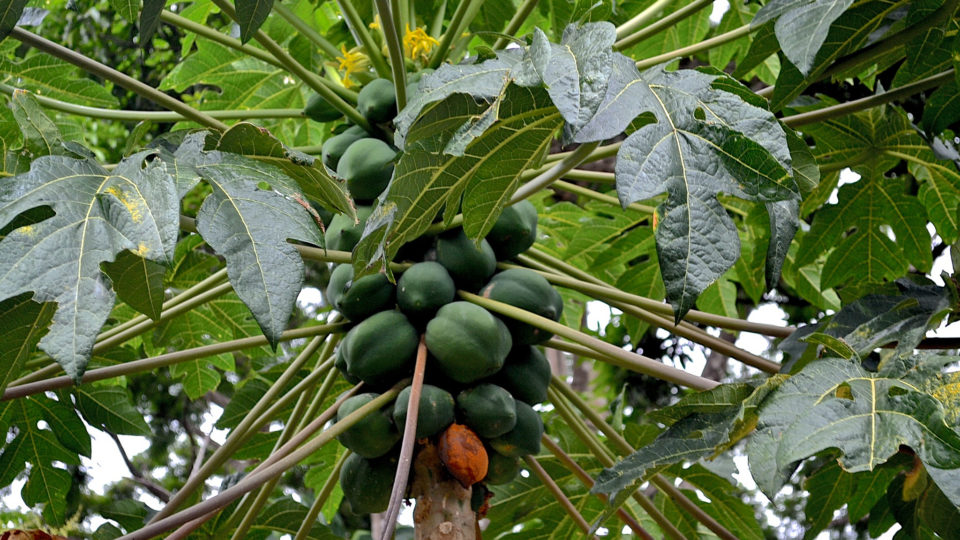
The Ivory Coast has lost more than 80% of its forests in the last 50 years, mainly as a result of cocoa production.

The Ivory Coast is a West African country the size of New Mexico and it produces more than a third of the world’s cocoa.  But around 40% of the country’s cocoa crop – supplying more than a tenth of the world’s chocolate bars – is grown illegally in the country’s national parks and 230 supposedly protected government-owned forests. 

Over the decades, as many as one million landless people from drought-stricken places like Mali and Burkina Faso moved into national parks and protected forests and started farming cocoa.  The Marahoue National Park alone has 30,000 illegal inhabitants.

Most cocoa is grown in monocultures of what is known as the full-sun system, which requires the removal of all surrounding trees.  As a result, many allegedly protected areas have been completely converted into farms.  Most of the cocoa in the Ivory Coast is grown on small farms, typically plots of 7 to 10 acres.  The farmers are caught in an exploitative and corrupt system of cocoa trading and land appropriation, and most earn less than a dollar a day.  Meanwhile, government agencies charged with protecting the forests are more interested in collecting bribes than safeguarding woodlands.

The Ivory Coast government is unveiling a plan to actually remove protection from most of its remaining forests and hand them over to the world’s chocolate traders.    The claim is that this will protect other forests by improving cocoa productivity in already deforested areas.  Needless to say, conservation groups are dubious that the new plan will positively impact an already terrible situation.

**********

Web Links

The Real Price of a Chocolate Bar: West Africa’s Rainforests

Photo, posted April 17, 2015, courtesy of Tom Coady via Flickr.

Earth Wise is a production of WAMC Northeast Public Radio.
California Fires And Precipitation

April 11, 2019 By EarthWise Leave a Comment

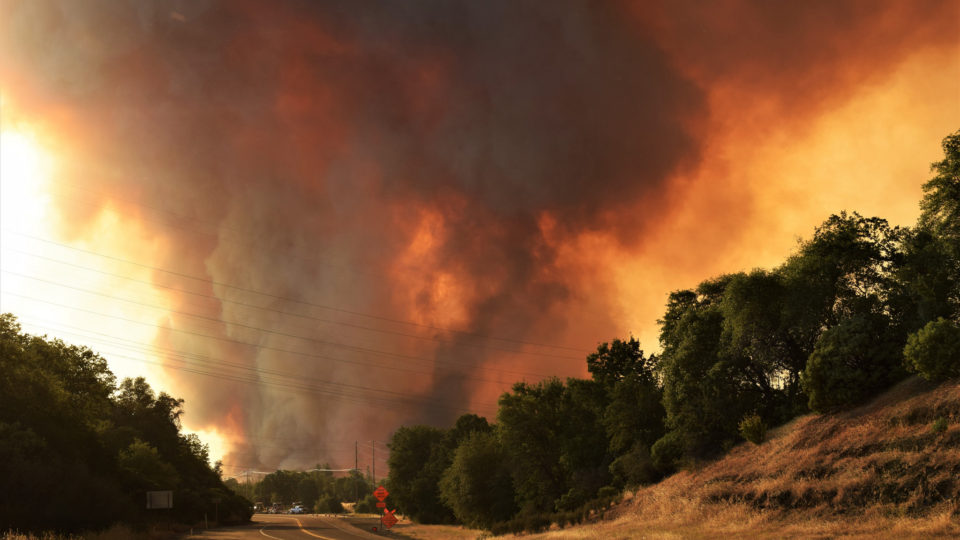
Two things we have heard a lot about in recent years have been the persistent drought in California and the terrible wildfires the state has experienced.  Along the way, the state has had some pretty wet and snowy winters.  This past winter, the California snow pack has seen incredible levels building up, which is great news for the state’s farmers.  But does that also mean that the next year should see some relief from severe wildfires?

The answer appears to be no.  A new study from an international team that includes the University of Arizona has comprehensively looked at the amount of winter precipitation in California and the severity of the subsequent wildfire season. 

The position of the North Pacific jetstream over California is strongly linked to the amount of winter precipitation.  This has been true for hundreds of years and continues to be the case.

From 1600 to 1903, the linkage between winter precipitation and wildfire severity was also very strong.  But after 1904, that connection weakened.  As a result, fire suppression policies were instituted.  When fires arose, they were put out as quickly as possible.  The result over time is fuel buildup, making larger fires far more likely.

According to the new study, after 1977, the connection between winter precipitation and wildfire severity disappeared entirely.  There no longer appears to be any relationship between jet stream dynamics and fire.  The warming climate and the results of fire suppression dominate the potential for wildfire.  California’s wet winter of 2016-2017 provides a good example.  That winter was followed by many large fires in 2017.

So, this very wet winter in California does not imply that this should be a year without severe wildfires.

**********

Web Links

Wildfire Risk in California No Longer Coupled to Winter Precipitation

Photo, posted July 26, 2018, courtesy of Bureau of Land Management California via Flickr.

Earth Wise is a production of WAMC Northeast Public Radio.
Indonesian Deforestation

February 28, 2019 By EarthWise Leave a Comment

Deforestation is defined as the intentional destruction of trees and other vegetation without reforesting or allowing the forest to regenerate itself. 

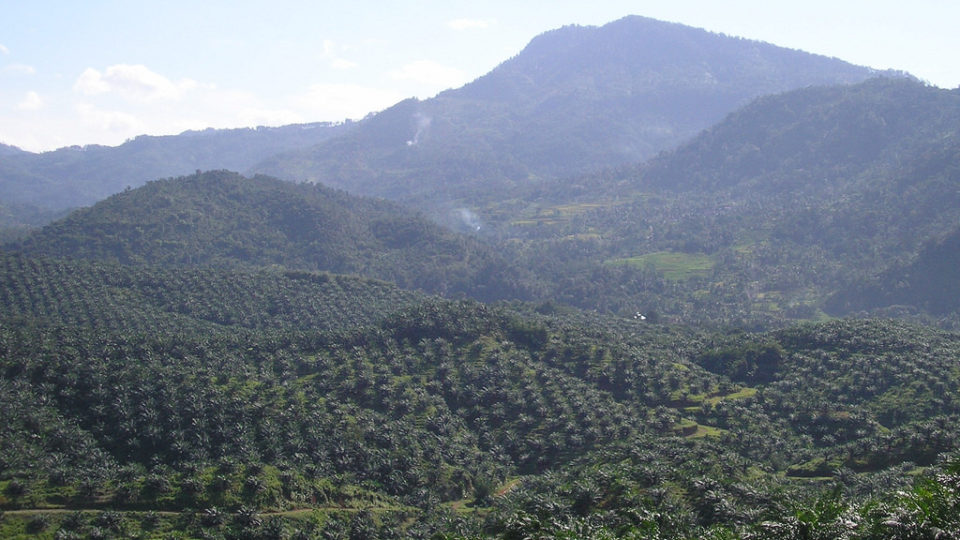
In Indonesia, industrial agriculture, primarily for the production of palm oil, is a major driver of deforestation.  But, according to researchers at Duke University, its impact has diminished  proportionately in recent years as other natural and human causes have emerged. Their peer-reviewed findings were recently published in the journal Environmental Research Letters.

According to the study’s lead author, large-scale plantations were responsible for more than half of Indonesia’s deforestation in the late 2000s, peaking between 2008-2010 when an average of 1.5 million acres of forest was lost annually.  The expansion of the massive plantations was responsible for 57% of the forest loss. Between 2014-2016, an average of more than 2 million acres of forest was lost annually, but plantation expansion only accounted for 25% of this figure.  While the overall rate of deforestation continued to grow, other factors were responsible for most of it.

Conversions of forests to grasslands rose sharply in 2015 and 2016 when El Nino caused severe droughts and forest fires. Small-scale farming, often overshadowed by industrial agriculture, was also found to play a bigger role, accounting for 25% of all forest loss. 

Indonesia has experienced some of the highest rates of deforestation.  Its forests absorb and store vast amounts of climate-warming carbon dioxide, help prevent erosion and flooding, and provide habitat to thousands of species.  Understanding the varied causes of Indonesian deforestation should help conservationists and policymakers better address the problem.

************

Web Links

Palm oil not the only driver of forest loss in Indonesia

Photo, posted March 26, 2018, courtesy of Achmad Rabin Taim via Flickr.

Earth Wise is a production of WAMC Northeast Public Radio.
Bring The Wild Back Into Farmlands

December 4, 2018 By EarthWise Leave a Comment

https://earthwiseradio.org/wp-content/uploads/2018/11/EW-12-04-18-Bring-the-Wild-Back.mp3

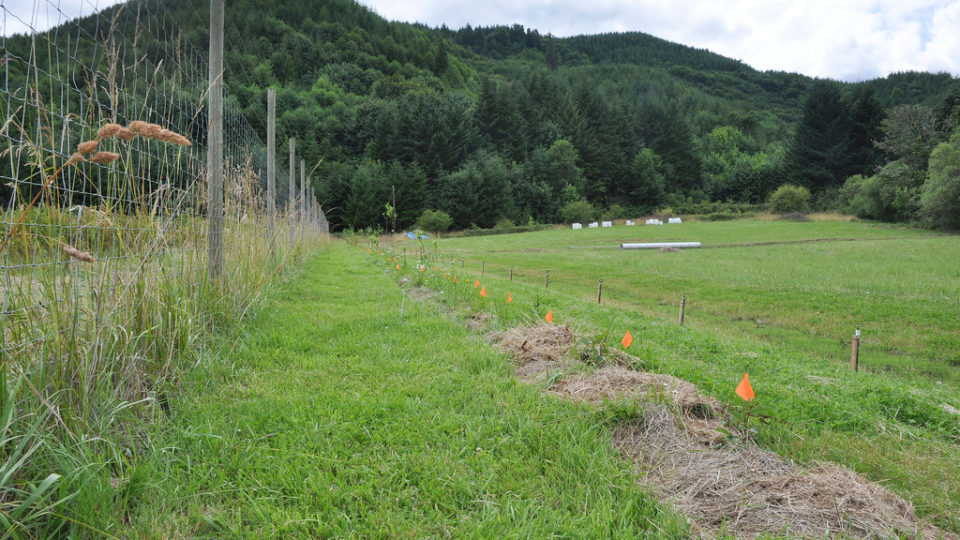
A recent study published in Science looks at the effects of maintaining at least a little bit of the wild on working lands including farmland, rangeland and forests.  The study concludes that doing so may be a key to preserving biodiversity in the face of climate change.

[Read more…] about Bring The Wild Back Into Farmlands

Land And Diets

September 13, 2018 By EarthWise Leave a Comment

https://earthwiseradio.org/wp-content/uploads/2018/09/EW-09-13-18-Land-and-Diets.mp3

Most of us are likely familiar with the saying ‘you are what you eat.’ But what we eat – those food choices – can have a profound impact on the planet. 

[Read more…] about Land And Diets

Greenhouses Adapt To Climate Change

August 2, 2018 By EarthWise Leave a Comment

https://earthwiseradio.org/wp-content/uploads/2018/06/EW-08-02-18-Greenhouses-Adapt-to-Climate-Change.mp3

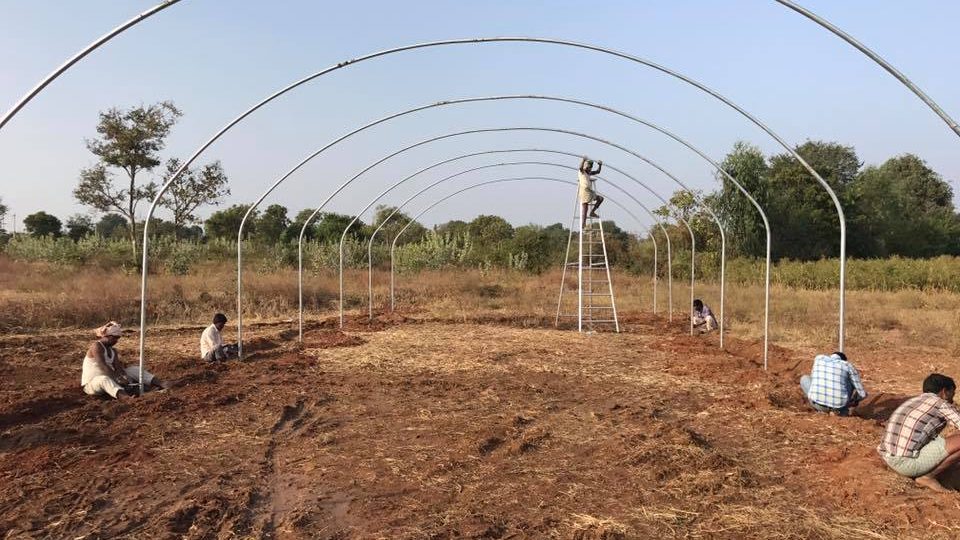
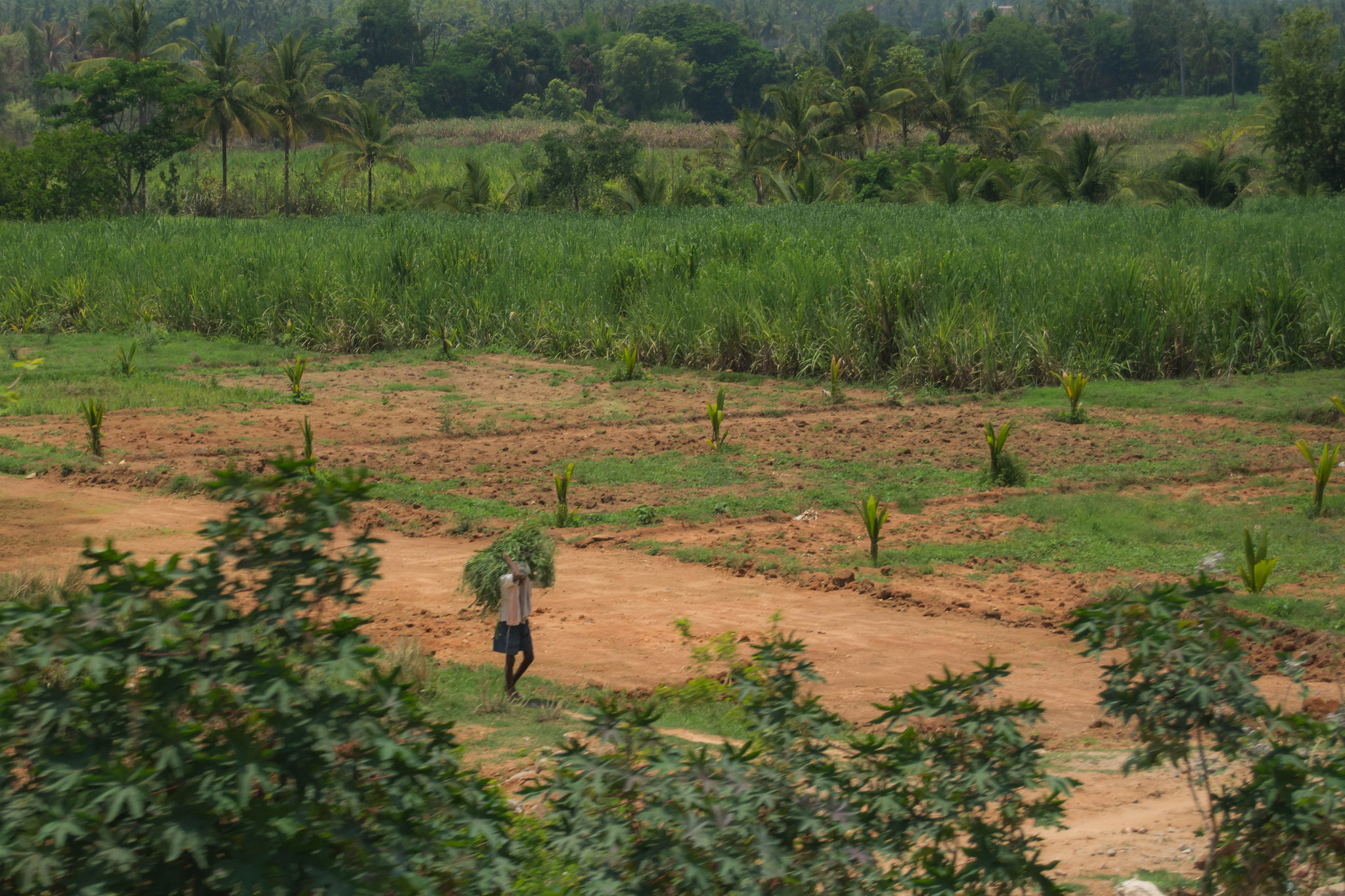
The Telangana region of India has struggled with extreme weather patterns attributed to climate change.  Extended periods of drought, heatwaves, and unpredictable heavy rainfalls have led to crop failures, mounting debt, and a heavy human toll.  More than 3,000 farmers committed suicide in Telangana during a three-year drought.

[Read more…] about Greenhouses Adapt To Climate Change

Coral Nurseries

July 9, 2018 By EarthWise Leave a Comment

https://earthwiseradio.org/wp-content/uploads/2018/06/EW-07-09-18-Coral-Nurseries.mp3

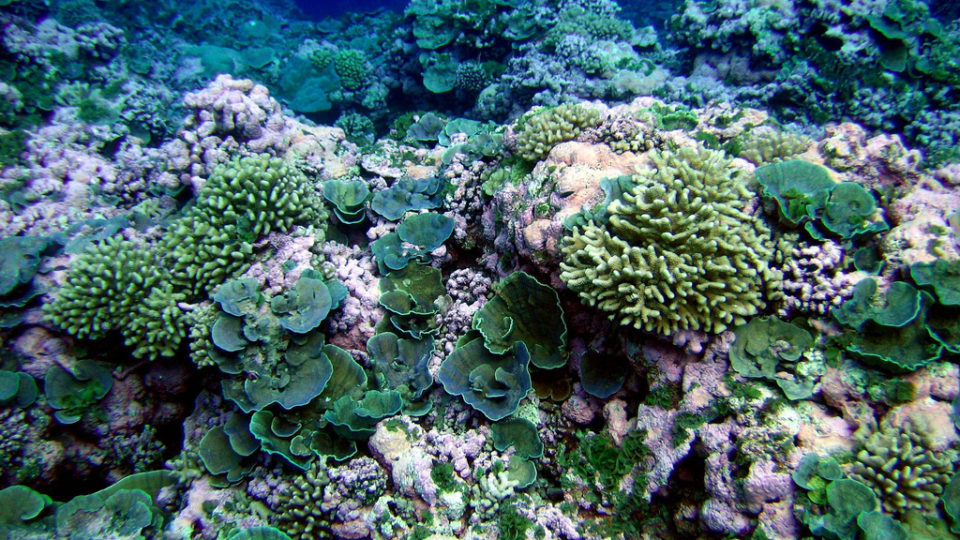
In the past, coral conservationists focused their efforts on protecting reefs from direct environmental threats such as land-based pollution and damaging fishing practices.   These efforts continue, but as coral reefs face increasingly dire threats, conservationists are turning toward more proactive approaches.

[Read more…] about Coral Nurseries

Saving Wheat

July 3, 2018 By EarthWise Leave a Comment

https://earthwiseradio.org/wp-content/uploads/2018/07/EW-07-03-18-Saving-Wheat.mp3

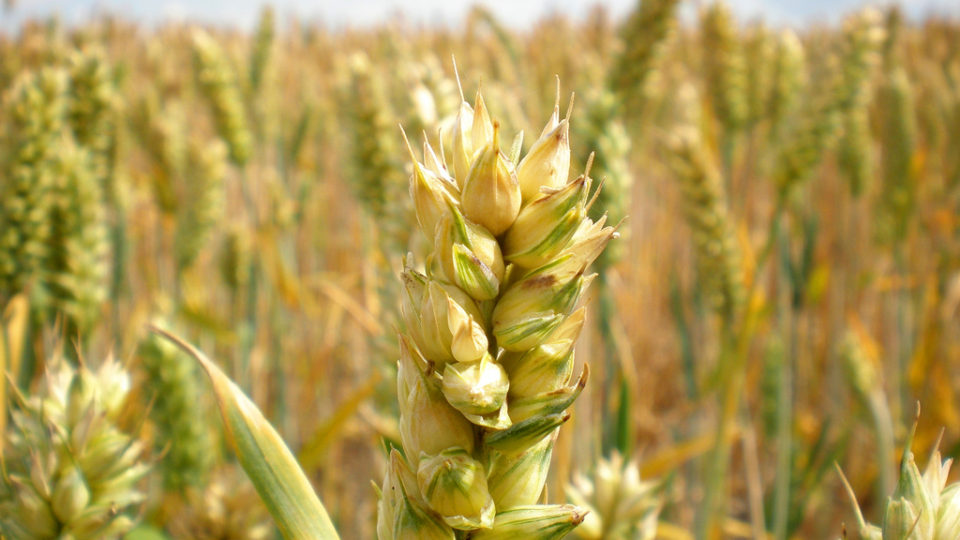
Rising temperatures, drought, pests and diseases are moving north into the U.S. heartland and are increasingly posing a threat to the wheat crop.  An insect called the Hessian fly is reducing crop yields by 10% a year in the Midwest.  Average temperatures in the Midwest have risen by 2 degrees since 2000, and periods of time between rainfalls is lengthening.  Conditions in some areas of the Midwest are getting to be more like those in the Middle East.

[Read more…] about Saving Wheat

Farming In Solar Farms

March 19, 2018 By EarthWise Leave a Comment

https://earthwiseradio.org/wp-content/uploads/2018/03/EW-03-19-18-Farming-in-Solar-Farms.mp3

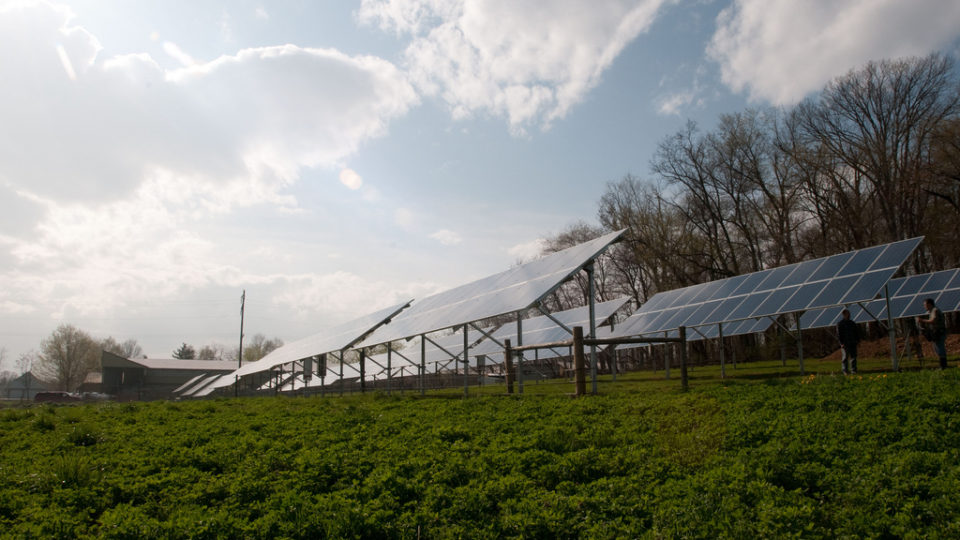
Utility-scale solar installations have been expanding rapidly.  The amount of land used for solar projects is becoming quite substantial.  The National Renewable Energy Laboratory (NREL) predicts that 3 million acres will be devoted to solar farms by 2030, and 6 million by 2050.  These numbers pale in comparison with the land used for corn, soybeans, and wheat, but are more than used for such familiar crops as oats, barley and rice.

[Read more…] about Farming In Solar Farms

Myths About Organic Food

January 22, 2018 By EarthWise Leave a Comment

https://earthwiseradio.org/wp-content/uploads/2018/01/EW-01-22-18-Myths-About-Organic-Food.mp3

There is much to be said in favor of organic food.  The organic produce industry took in $65 billion in 2016 and that farming method is clearly increasingly popular and is here to stay.   Nevertheless, there are various misconceptions and inaccuracies related to organic food.

[Read more…] about Myths About Organic Food

Hopeful Climate Trends

December 27, 2017 By EarthWise Leave a Comment

https://earthwiseradio.org/wp-content/uploads/2017/12/EW-12-27-17-Hopeful-Climate-Trends.mp3

In November, Syria joined the Paris Climate Accord.  As a result, the United States is now the only country in the world that has rejected the global pact.  Despite this embarrassing news, there is reason for optimism in the effort to stave off the worst impacts of climate change.  In particular, 7 major trends provide hope that things could move in the right direction.

[Read more…] about Hopeful Climate Trends

A Solar-Powered Vertical Farm

November 21, 2017 By EarthWise 1 Comment

https://earthwiseradio.org/wp-content/uploads/2017/11/EW-11-21-17-A-Solar-Powered-Vertical-Farm.mp3

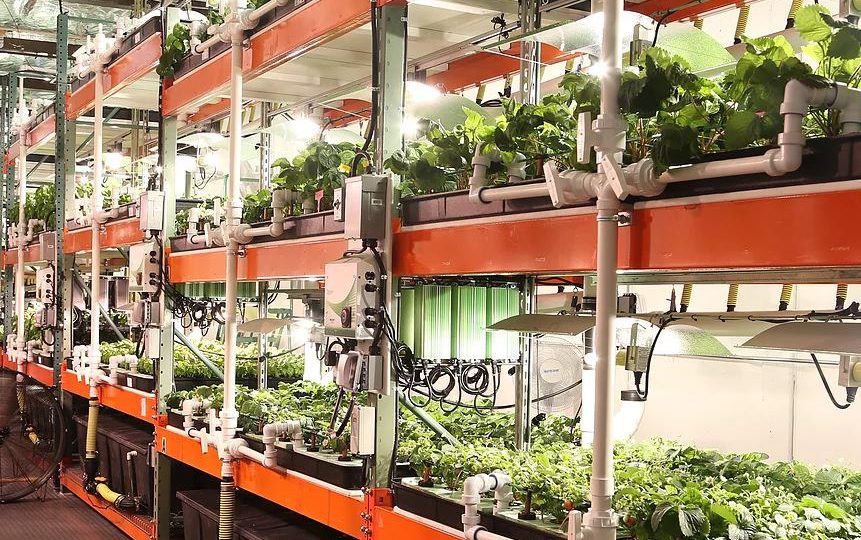
Vertical farming is a method for producing crops in vertically stacked layers or surfaces typically in a skyscraper, used warehouse, or shipping container.  Modern vertical farming uses indoor farming techniques and controlled-environment agriculture technology.

[Read more…] about A Solar-Powered Vertical Farm

New Rules For Ocean Conservation

September 21, 2017 By EarthWise Leave a Comment

https://earthwiseradio.org/wp-content/uploads/2017/08/EW-09-21-17-New-Rules-for-Ocean-Conservation.mp3

In a recent report to a United Nations ocean conference, scientists are warning that new rules are desperately needed to protect marine life in the open seas.  That’s because more than 60% of the ocean has no conservation rules since it’s located outside national jurisdictions.  The open ocean is at risk from climate change, over-fishing, deep sea mining, farm pollution, and plastics pollution. 

[Read more…] about New Rules For Ocean Conservation

Raw Wastewater On Farms

August 21, 2017 By EarthWise

https://earthwiseradio.org/wp-content/uploads/2017/08/EW-08-21-17-Raw-Wastewater-on-Farms.mp3

Clean water supplies are dwindling around the world.  As a result, the use of untreated wastewater on farms for crop irrigation is on the rise. 

[Read more…] about Raw Wastewater On Farms

Deforestation in the Amazon Rainforest

May 30, 2017 By EarthWise

https://earthwiseradio.org/wp-content/uploads/2017/05/EW-05-30-17-Deforestation-in-the-Amazon.mp3

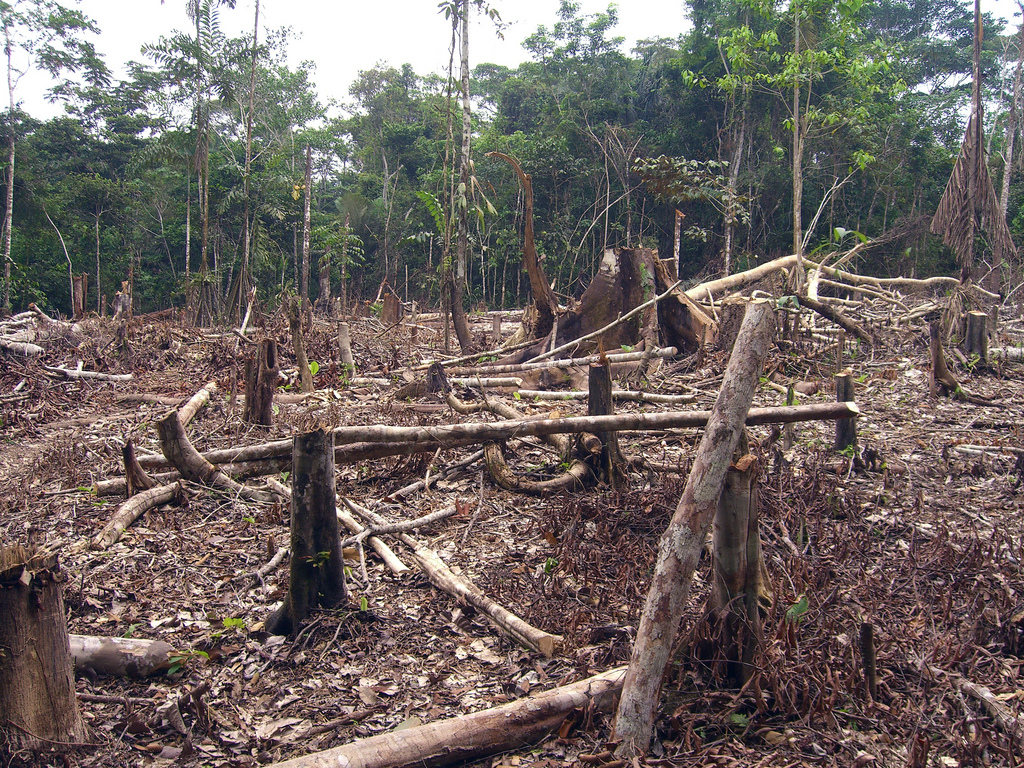
The Amazon rainforest is the biggest in the world, larger than the next two biggest combined.  It covers over 3 million square miles, roughly the size of the lower 48 states.  For this reason, it functions as a critical sink for carbon in the atmosphere.

[Read more…] about Deforestation in the Amazon Rainforest

Wiping Out Wildlife

December 1, 2016 By WAMC WEB

https://earthwiseradio.org/wp-content/uploads/2016/12/EW-12-01-16-Wiping-Out-Wildlife.mp3

According to a new report from the World Wildlife Fund, the world’s animal populations have suffered widespread population declines in the last half century.  And thousands of species are now scrambling to survive. 

[Read more…] about Wiping Out Wildlife

Restorative Ocean Farming

November 16, 2016 By WAMC WEB

https://earthwiseradio.org/wp-content/uploads/2016/11/EW-11-16-16-Restorative-Ocean-Farming.mp3

The conventional aquaculture industry has often been associated with many of the same problems that beset land-based agriculture:   creating sterile monocultures, fouling the environment with pesticides, antibiotics and organic pollutants, and spreading diseases.

[Read more…] about Restorative Ocean Farming

Catching Kelp In Maine

September 6, 2016 By WAMC WEB

https://earthwiseradio.org/wp-content/uploads/2016/08/EW-09-06-16-Catching-Kelp-in-Maine.mp3

Farming, forestry, mining and recreation are the primary vocations in rural America.  In coastal areas like Maine, fishing joins the list.  And for Maine, commercial fishing has long been a major engine for the economy.

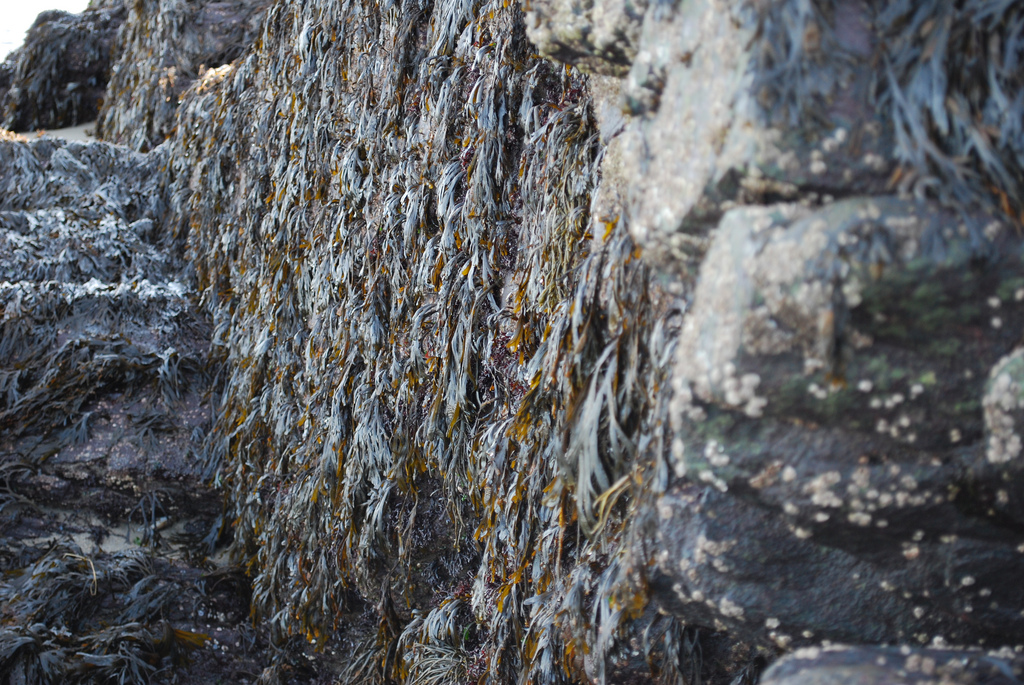
[Read more…] about Catching Kelp In Maine

Cradle-to-Cradle

August 15, 2016 By WAMC WEB

https://earthwiseradio.org/wp-content/uploads/2016/07/EW-08-15-16-Thinking-Cradle-to-Cradle.mp3

The circular economy refers to the concept of an economic system in which there is no waste.  Materials are recycled, repurposed and reinvented to create new raw materials thereby reducing the need to extract new resources and thus saving money, energy and water resources.

[Read more…] about Cradle-to-Cradle

Big Changes To Big Poultry

July 19, 2016 By WAMC WEB

https://earthwiseradio.org/wp-content/uploads/2016/07/EW-07-19-16-Big-Changes-to-Big-Poultry.mp3

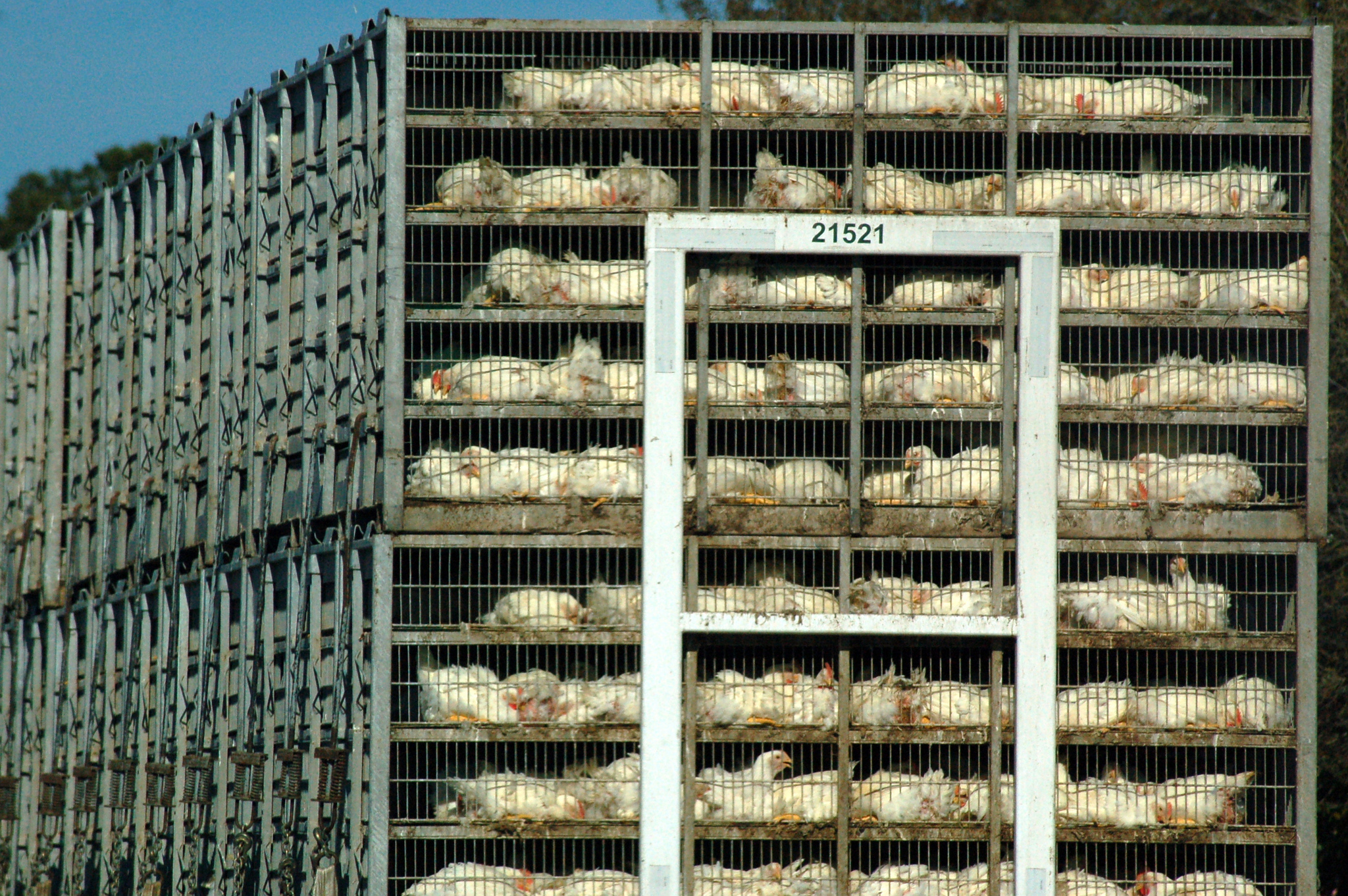
Perdue Farms, the fourth-largest poultry producer in the United States, produces over 60 million pounds of chicken a week.  They are arguably the most progressive of the giant poultry companies.  Two years ago, they were the first to renounce routine antibiotic use.   In late June, they announced a comprehensive animal-welfare plan – the first among large producers – that will change how its chickens are bred, raised and killed.

[Read more…] about Big Changes To Big Poultry

  • « Go to Previous Page
  • Page 1
  • Page 2
  • Page 3
  • Page 4
  • Page 5
  • Go to Next Page »

Primary Sidebar

Recent Episodes

  • An uninsurable future
  • Clean energy and jobs
  • Insect declines in remote regions
  • Fossil fuel producing nations ignoring climate goals
  • Trouble for clownfishes

WAMC Northeast Public Radio

WAMC/Northeast Public Radio is a regional public radio network serving parts of seven northeastern states (more...)

Copyright © 2026 ·