• Skip to primary navigation
  • Skip to main content
  • Skip to primary sidebar

Earth Wise

A look at our changing environment.

  • Home
  • About Earth Wise
  • Where to Listen
  • All Articles
  • Show Search
Hide Search
You are here: Home / Archives for farming

farming

The Benefits Of No-Till Farming | Earth Wise

October 5, 2021 By EarthWise Leave a Comment

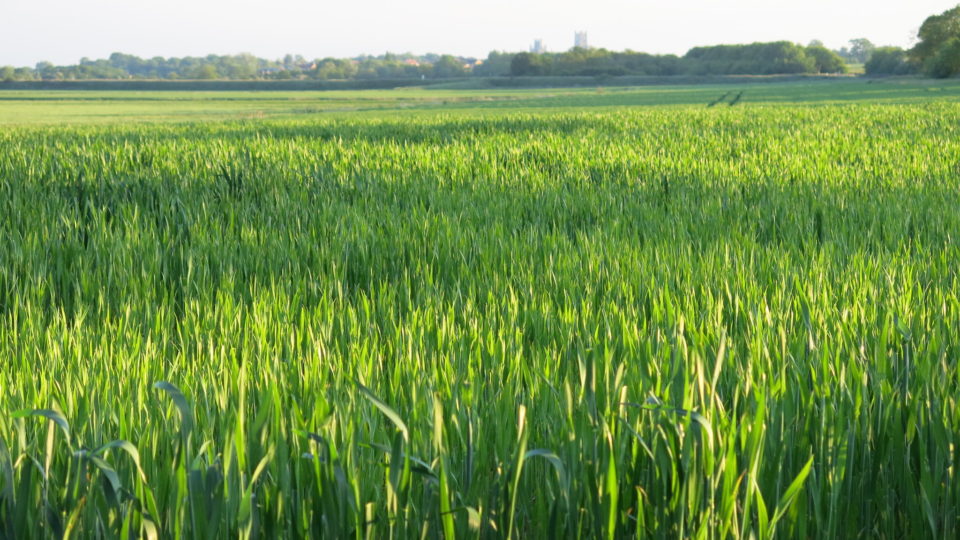
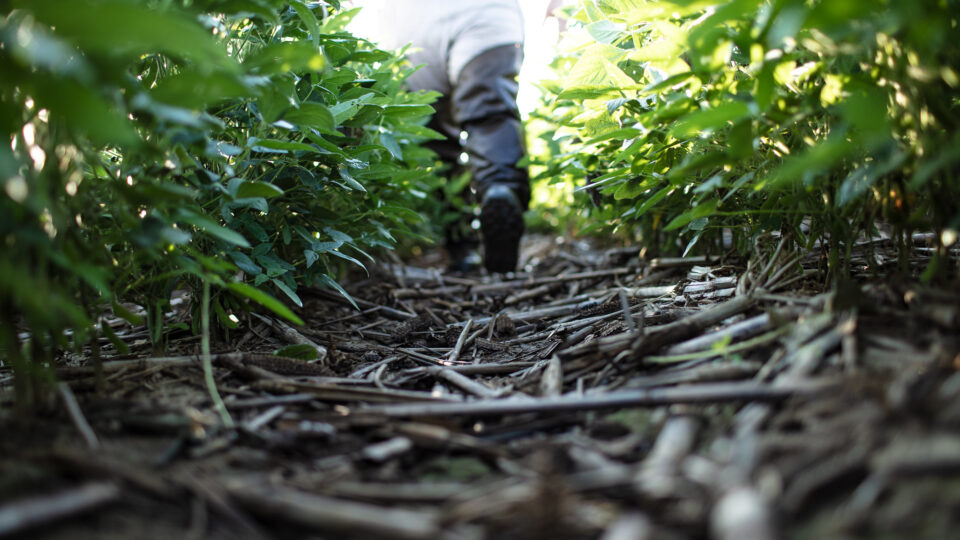
No-till farming is not new.  In fact, it was used as far back as 10,000 years ago.  But during the 18th and 19th centuries, tilling became popular because it allowed farmers to plant seeds more efficiently.

Tilling (or ploughing) is the process of preparing the soil for the cultivation of seeds by overturning the soil.  The practice works animal manure, weeds, and other surface residues deep into the soil.  While this all sounds like a good thing, it’s not. 

Tilling removes plant matter and loosens the soil, leaving the soil bare and vulnerable to erosion.  Tilling also displaces the millions of microbes and insects that form healthy soil biology.  The long-term use of tilling can turn healthy soils into lifeless growing mediums dependent on chemical inputs.  

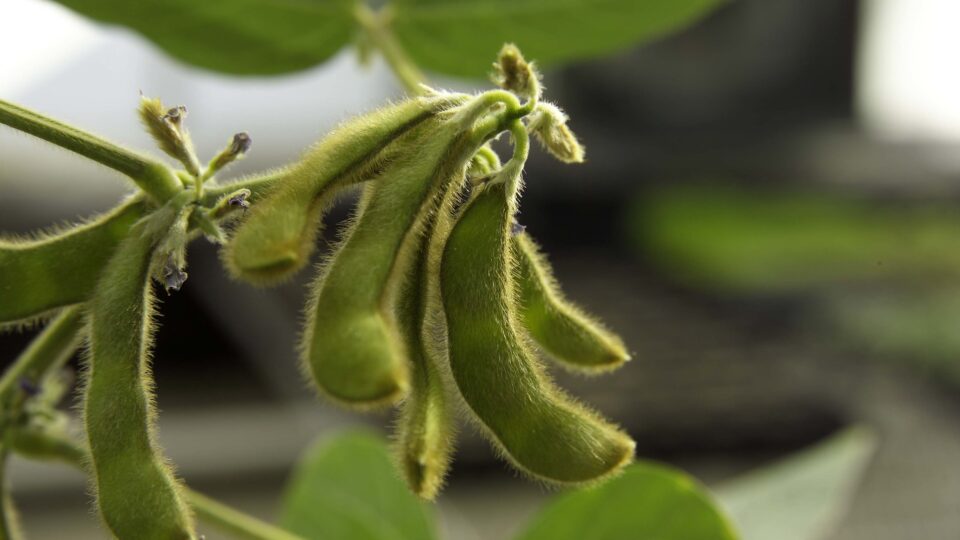
But no-till farming also tends to rely on chemical inputs like glyphosate for weed control.  According to a new study recently published in Agronomy Journal, researchers at Penn State have found that farmers using no-till farming can reduce herbicide use and still maintain crop yields by implementing integrated weed-management methods.   

The research team conducted a nine-year experiment using herbicide-reduction practices in a crop rotation, which included soybean, corn, alfalfa, and canola.  Some of the practices used to reduce herbicide inputs included seeding small-grain companion crops with perennials, and plowing once in six years to terminate the perennial forage rather than killing it with an herbicide. 

While there was more weed biomass in the reduced herbicide treatment, the researchers found that the added weed pressure did not substantially affect crop yields. 

It is possible to make agriculture more environmentally-friendly and sustainable without sacrificing productivity.

**********

Web Links

No-till production farmers can cut herbicide use, control weeds, protect profits

Photo, posted February 11, 2019, courtesy of the United Soybean Board via Flickr.

Earth Wise is a production of WAMC Northeast Public Radio.
Promoting Biodiversity In Agriculture | Earth Wise

September 13, 2021 By EarthWise Leave a Comment

The best methods to promote biodiversity in agriculture

The organic foods industry is one of the fastest growing agricultural segments in the United States.  According to the Organic Trade Association, U.S. organic sales reached $61.9 billion in 2020, a jump of more than 12% over the previous year. 

Organic food has many benefits.  Organic food is free of antibiotics, growth hormones, and GMOs, and is grown using fewer pesticides.  Organic farming tends to be better for the environment by reducing pollution, conserving water, reducing soil erosion, increasing soil fertility, and using less energy.   And it’s also better for the health of nearby wildlife as well as the people who live close to farms. 

But when it comes to promoting biodiversity in agriculture, is organic farming the only alternative to conventional agriculture? It turns out it’s not – at least according to a new study recently published in the journal Trends in Ecology and Evolution. 

According to an international research team led by the University of Göttingen in Germany, a landscape mosaic of natural habitats and small-scale and diverse cultivated areas is the key to promoting biodiversity on a large scale in both conventional and organic agriculture.

According to the research team, areas cultivated to organic standards have one third more species, but don’t reach the yield level of conventional farming.  This means that more land would need to be cultivated organically in order to produce the same amount of food.  But as larger areas are cultivated, the advantages for biodiversity would disappear.    

Landscapes with small fields, long edges, high crop diversity, and at least 20% near-natural habitats can promote biodiversity significantly more than just organic certification.   

**********

Web Links

U.S. Organic Industry Survey 2021

Promoting biodiversity-friendly landscapes – beyond organic farming

Photo, posted August 29, 2019, courtesy of Lance Cheung/USDA via Flickr.

Earth Wise is a production of WAMC Northeast Public Radio.

Understanding Geoengineering | Earth Wise

September 7, 2021 By EarthWise Leave a Comment

Climate mitigation measures increasingly discussing geoengineering

The most recent report from the UN Intergovernmental Panel on Climate change includes discussion of a number of extreme and untested solutions to the climate crisis.  Among these are solar geoengineering – modifying clouds or spraying tiny reflective particles into the upper atmosphere in order to block some of the sun’s light and thereby cool the planet.  The underlying principles are relatively straightforward.

There have been various models that predict the extent to which solar geoengineering would lower the earth’s average temperature.  What hasn’t been modeled to any real extent is what other effects it would have.

The new report discusses the results of models that predict how temperatures would vary at different latitudes and how geoengineering would affect rainfall and snowfall.  According to the models, releasing sulfate aerosols into the upper atmosphere to block sunlight would lower average precipitation.  But every region would be affected differently.  Some regions would gain in an artificially cooler world, but others might, for example, suffer by no longer having suitable conditions to grow crops.

The drop in temperature would allow the planet’s carbon sinks (plants, soils, and oceans) to take up more carbon dioxide from the atmosphere.  However, as long as people continue to pollute, carbon dioxide would continue to make the oceans more acidic, causing significant harm to marine ecosystems.  Furthermore, solar geoengineering would have to be an ongoing process that would go on indefinitely and if it were to suddenly stop, it would lead to rapid warming.

The more we learn about geoengineering, the more it becomes clear that there would be many side effects as well as serious moral, political, and practical issues.  Society has to consider if all these things represent too much danger to allow us to seriously consider such a strategy.

**********

Web Links

In the New UN Climate Report, a Better Understanding of Solar Geoengineering

Photo, posted September 9, 2012, courtesy of Kelly Nighan via Flickr.

Earth Wise is a production of WAMC Northeast Public Radio.

Seeds And Climate Change | Earth Wise

August 19, 2021 By EarthWise Leave a Comment

Engineering seeds to succeed as the climate changes

Farmers and agricultural communities around the world are on the frontlines of climate change.  They are among the first to feel the impacts of hotter temperatures as well as more frequent and intense droughts and precipitation. These challenges pose a massive threat to both farmer livelihoods and global food security.

As the planet continues to heat up, many arid regions that already have marginal conditions for agriculture will be increasingly under stress. As a result, researchers from the Massachusetts Institute of Technology and the King Mohammed VI Polytechnic University in Morocco are working on a promising new way to protect seeds from this stress during their crucial germination phase. Their simple and inexpensive process, which was recently described in a paper published in the journal Nature Food, also provides plants with extra nutrition at the same.

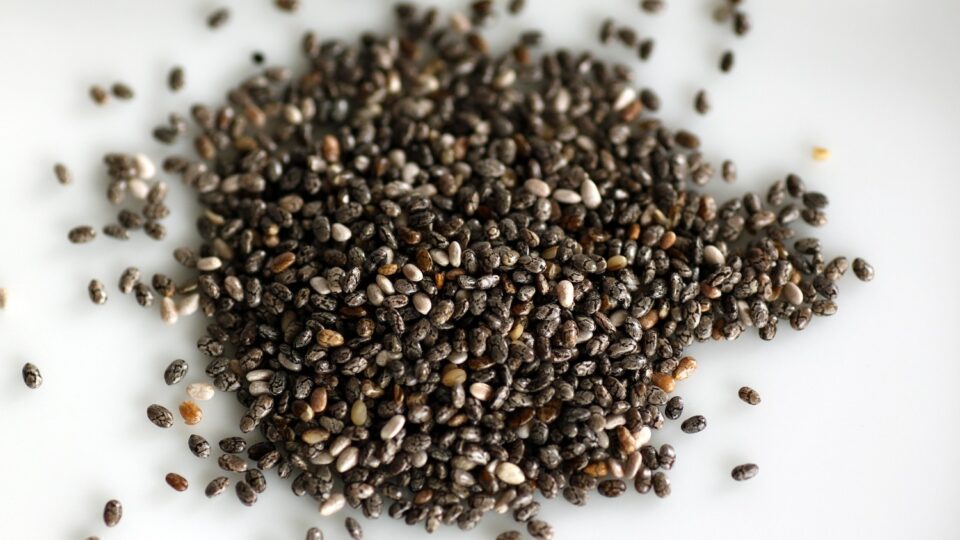
The research team has developed a two layer coating for seeds designed for tackling issues related to drought. Drawing inspiration from natural coatings that occur on some seeds like chia seeds, the first layer is designed to protect the seeds from drying out. It provides a gel-like coating that grips any moisture that comes along and surrounds the seed with it.  The second (inner) layer of the coating contains preserved microorganisms called rhizobacteria, as well as some nutrients to help the seeds grow. 

The materials for the coatings are biodegradable, readily-available, and often used in the food industry already.  According to researchers, early tests using common beans have demonstrated encouraging results in Morocco, and more field tests of the seeds are currently underway.

As the climate continues to change, more innovations like this will be necessary for global food security.

**********

Web Links

Engineering seeds to resist drought

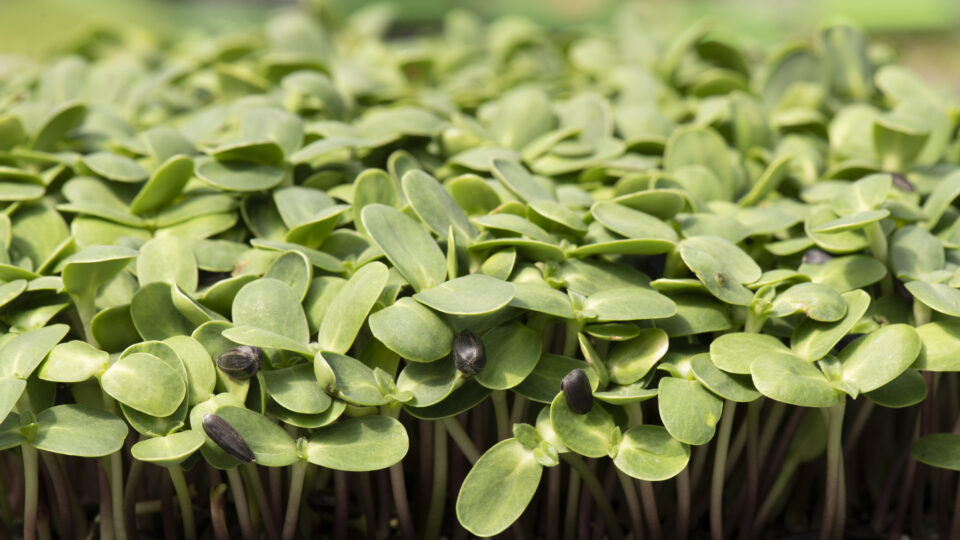
Photo, posted September 17, 2010, courtesy of Stacy via Flickr.

Earth Wise is a production of WAMC Northeast Public Radio.

Saving Coffee From Global Warming | Earth Wise

June 16, 2021 By EarthWise Leave a Comment

How to save coffee from climate change

The global coffee market is valued at over $450 billion a year and supports the economies of several tropical countries.  About 100 million farmers depend upon coffee for their livelihoods. 

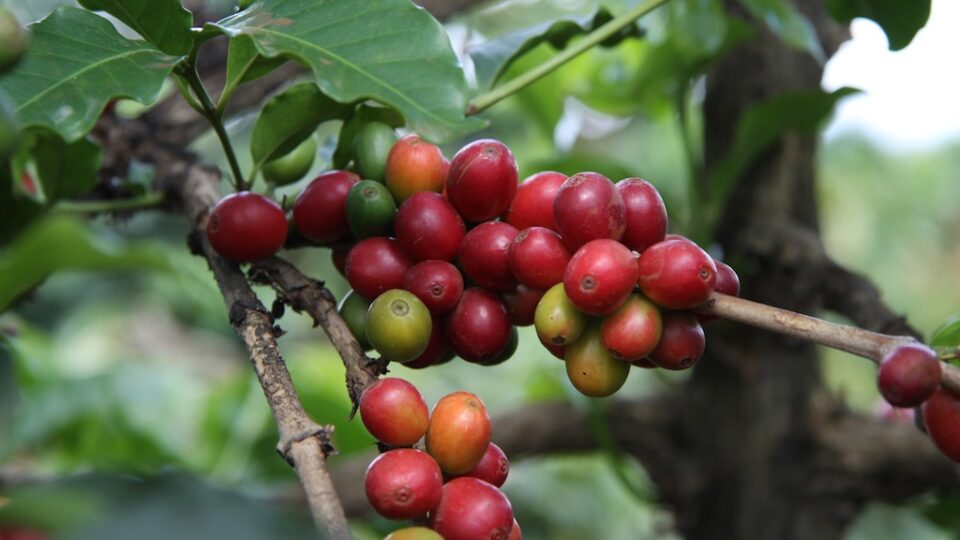
Coffee bushes grow best in a narrow range of temperatures.  The existing coffee market is dominated by two species Coffea arabica and Coffea canephora, the latter commonly called robusta.  Arabica, the most preferred coffee, thrives in average temperatures between 64 and 72 degrees Fahrenheit.  Robusta does not flourish above 75 degrees.  Therefore, the warming climate is making growing coffee increasingly difficult.

There are actually well over 100 species of coffee.  Many of them grow in warmer places than those preferred by robusta and arabica, but are considered to have poorer flavors, smaller beans, and lower yields.

Researchers at the Royal Botanic Gardens in Britain came across a paper written in 1834 about a species of coffee from the lowland hills of Sierra Leone called Coffea stenophylla.  According to the paper, stenophylla supposedly has a flavor superior to arabica’s. 

It turns out that stenophylla still grows in parts of Africa with temperature ranges between 75 and 80 degrees.  It was actually farmed until the 1920s but was abandoned because robusta was found to have higher yields.

Extensive taste testing verified the positive attributes of stenophylla.  Whether it should be cultivated directly tolerating potential yield issues or crossbred with existing commercial coffees remains to be determined.  But the prospects for finding more heat tolerant coffees should be encouraging news for coffee addicts.

**********

Web Links

How to save coffee from global warming

Photo, posted October 30, 2012, courtesy of Coffee Management Service via Flickr.

Earth Wise is a production of WAMC Northeast Public Radio.

Climate Change And Farming Productivity | Earth Wise

May 3, 2021 By EarthWise Leave a Comment

Climate change is already hindering farm productivity

The future potential impacts of anthropogenic climate change on global agricultural systems has been well studied, but how human-caused climate change has already affected the agricultural sector is not as well understood.  But a new study led by researchers at Cornell University and supported by the USDA National Institute of Food and Agriculture and the National Science Foundation examined this issue. 

Despite important agricultural breakthroughs in technology, fertilizer use and global trade during the past 60 years, it turns out that the climate crisis is already eroding farm productivity.  According to the study, which was recently published in the journal Nature Climate Change, global farming productivity is 21% lower than it could have been without climate change.  This is the equivalent of losing approximately seven years of farm productivity increases since the 1960s. 

The researchers developed a model linking annual changes in weather and productivity with output from the latest climate models over six decades to quantify the effect of anthropogenic climate change on what economists call “total factor productivity.” This measure captures the overall productivity of the agricultural sector. 

The research team reviewed 200 variations of the model, but the results remained largely consistent:  anthropogenic climate change is already slowing down global food production.  The researchers say the historical impacts of climate change have been larger in naturally warmer climates, like in parts of Africa, Asia, and Latin America.   

Climate change is not some distant problem to solve in the future.  It is already having an impact on the planet and it needs to be addressed now.

**********

Web Links

Climate change cut global farming productivity 21% since 1960s

Photo, posted October 2, 2013, courtesy of the United Soybean Board via Flickr.

Earth Wise is a production of WAMC Northeast Public Radio.

Protecting Nature Is Valuable | Earth Wise

April 15, 2021 By EarthWise Leave a Comment

Preserving nature is the best economic decision

A study by the University of Vermont, the University of Cambridge, and several other institutions compared the value of protecting nature at particular locations with that of exploiting it.   The study concluded that the economic benefits of conserving or restoring natural sites outweigh the profit potential of converting them for intensive human use.

The study analyzed dozens of sites across the globe – from Kenya to Fiji and China to the UK across six continents.  It was published in the journal Nature Sustainability.

The analysis utilized a methodology devised ten years ago called TESSA (the Toolkit for Ecosystem Service Site-based Assessment) which enables users to measure, and in many cases, assign monetary values to services provided by sites – clean water, nature-based recreation, crop pollination, and so on.  This is then compared with the economic benefits that can be derived by converting the site for farming, logging, or other human uses.

A major economic benefit of natural sites comes from their ability to sequester carbon and thereby help regulate the quantity of greenhouse gases in the atmosphere.  If one assigns a value to global society of $31 a ton of carbon removed, over 70% of the sites surveyed had a greater value to society when kept natural rather than being converted.  Many scientists actually consider this carbon price to be conservative.  Nevertheless, if carbon is assigned the paltry cost of $5 a ton, 60% of the sites are still more valuable in their natural state.

Beyond these economic calculations, there is the pressing issue that current rates of habitat conversion are driving a species extinction crisis unprecedented in human history.  But even if one is only interested in dollars and cents, conserving and restoring nature is now very often the best bet for human prosperity.

**********

Web Links

Economic Benefits of Protecting Nature Exceed Value of Exploiting it, Global Study Finds

Photo, posted June 7, 2017, courtesy of Mouli Choudari via Flickr.

Earth Wise is a production of WAMC Northeast Public Radio.

Turning Food Waste Back Into Food | Earth Wise

March 3, 2021 By EarthWise Leave a Comment

Reincorporating food waste into agriculture

Scientists at the University of California Riverside have discovered that fermented food waste can boost bacteria that increase crop growth, make plants more resistant to pathogens, and reduce the carbon emissions resulting from farming.

Food waste is a serious problem from multiple perspectives.  As much as 50% of food is thrown away in the United States and most of that simply ends up in landfills, taking up more than 20% of America’s landfill volume.  Food waste is a huge economic loss as well as a significant waste of freshwater resources used to produce food.

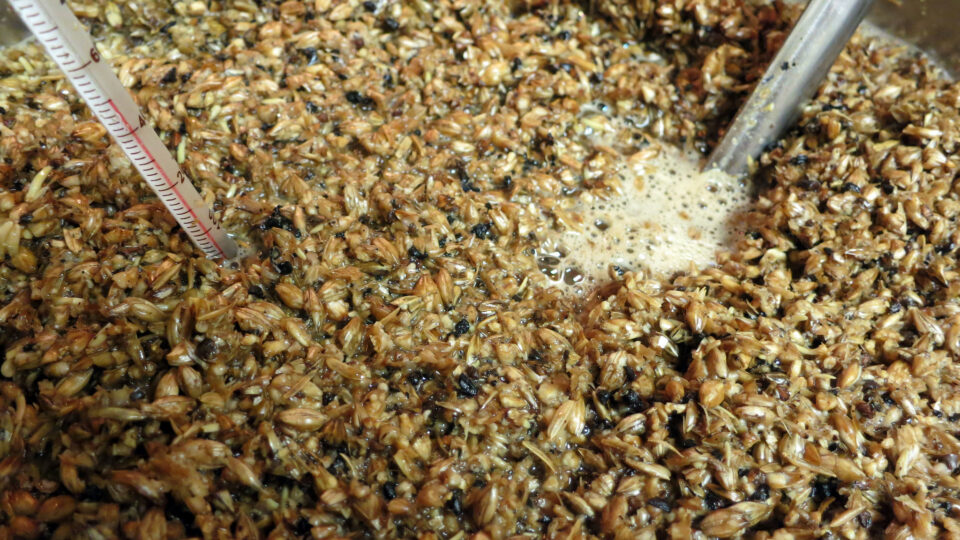
The researchers studied byproducts from two kinds of food waste readily available in Southern California:  beer mash – a byproduct of beer production – and mixed food waste discarded by grocery stores.

Both types of waste were fermented and then added to the irrigation system watering citrus plants in a greenhouse.  Within 24 hours, the average population of beneficial bacteria was two to three orders of magnitude greater than in plants that did not receive the treatments. This led to improvements in the carbon to nitrogen ratio in crops.  When there are enough so-called good bacteria in plants, they produce antimicrobial compounds and metabolites that help plants grow better and faster.

The results of the study suggest that the use of food waste products in agriculture is beneficial and could complement the use of synthetic chemical additives by farmers, perhaps eliminating it entirely.  Crops would in turn become less expensive.

Making use of food waste in agriculture is a step towards a more circular economy in which we use something and then find a new purpose for it.

**********

Web Links

Turning food waste back into food

Photo, posted October 28, 2012, courtesy of Daniel Lobo via Flickr.

Earth Wise is a production of WAMC Northeast Public Radio.

Self-Watering Soil | Earth Wise

December 9, 2020 By EarthWise Leave a Comment

Self-watering soil could help conserve water

Researchers at the University of Texas at Austin have created a new type of soil that can pull water from the air and distribute it to plants.  Such soil has the potential to expand the map of farmable land to previously inhospitable places as well as to reduce water use in agriculture in an era of growing droughts.

The team’s atmospheric water irrigation system makes use of super-moisture-absorbent gels to capture water from the air.  When they are heated to a high enough temperature, the gels release the water, making it available to plants.

The gels in the soil pull water out of the air during cooler, more humid periods at night and when the sun heats the soil during the day, the water-containing gels release their contents into the soil.

Each gram of soil can extract about 3-4 grams of water.  Depending on the specific crop, somewhere between a couple of ounces and 2 pounds of the soil can provide enough water to irrigate a square yard of farmland.

Experiments on the soil found that it retains water better than the sandy soils found in dry areas and needs much less water to grow plants.

In one experiment, radish plants germinated in the soil all survived a 14-day period without any irrigation beyond the initial watering when they were planted.  Radish plants in ordinary sandy soil irrigated for the first four days of the experiments lasted no more than two days further without watering.

The Austin group has been developing gel-polymer materials that work like super-sponges for two years.  These materials extract large amounts of water from the ambient air, clean it, and release it when heated with solar energy.

**********

Web Links

Self-Watering Soil Could Transform Farming

Photo, posted October 21, 2020, courtesy of the U.S. Department of Agriculture via Flickr. USDA Media by Lance Cheung.

Earth Wise is a production of WAMC Northeast Public Radio.

A New Problem For New York Apples | Earth Wise

August 6, 2020 By EarthWise Leave a Comment

new york apples in trouble

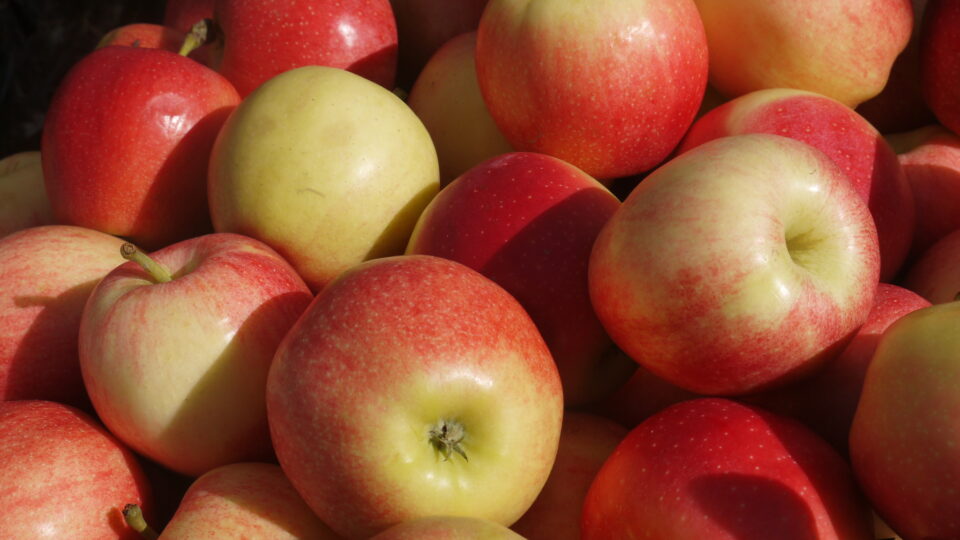
New York is the second largest apple-producing state in the country, trailing only Washington state.  New York averages nearly 30 million bushels of apples annually from approximately 600 commercial growers.  The apple industry supports 10,000 direct agricultural jobs as well as 7,500 indirect jobs involved with fruit handling, distribution, marketing and exporting.

Thus, there is considerable concern about the recent discovery by Cornell plant pathologists of a new fungal pathogen that causes bitter rot disease in apples.  They also found a second related fungus that is known to cause rot disease in other fruits but has now been found for the first time in apples.  The study was published in early July in the journal Scientific Reports.

Both of these pathogens belong to the genus Colletotichrum, which contains 189 species of fungi that cause devastating rot diseases in multiple fruit crops, including bananas, strawberries, citrus, avocados, papayas, mangoes and apples.

Unless protective measures are taken in a timely manner, apple losses from bitter rot in New York state can average up to 25% per year.  Some organic farms have lost essentially all of their crop at times.  Bitter rot also can destroy up to 5% of marketable fruit in post-harvest storage.

The Cornell study of samples from eight New York counties found both the Colletotrichum chrysophilum fungus, that had not been found in apples before, and a newly-discovered fungus that they named Colletotrichum noveboracense, after the Latin name for New York State.

The researchers plan to work with other plant pathologists and apple breeders to identify possible genes that confer natural resistance to Colletotrichum fungi that can be bred into apple cultivars.

**********

Web Links

Scientists identify new pathogen in NY apples

Photo, posted October 12, 2018, courtesy of Flickr.

Earth Wise is a production of WAMC Northeast Public Radio.

Birdseed And Weeds | Earth Wise

April 16, 2020 By EarthWise Leave a Comment

birdseed contains weeds

More than 55 million adult Americans feed wild birds and along the way spend more than three billion dollars a year on bird food as well as nearly a billion on bird feeders, bird baths, bird houses and other bird feeding accessories.  Feeding birds is a very popular hobby in both the United States and the United Kingdom.

Researchers at the University of Missouri in Columbia Missouri investigated the content of 98 commercially available bird feed mixes.  They uncovered several significant things.

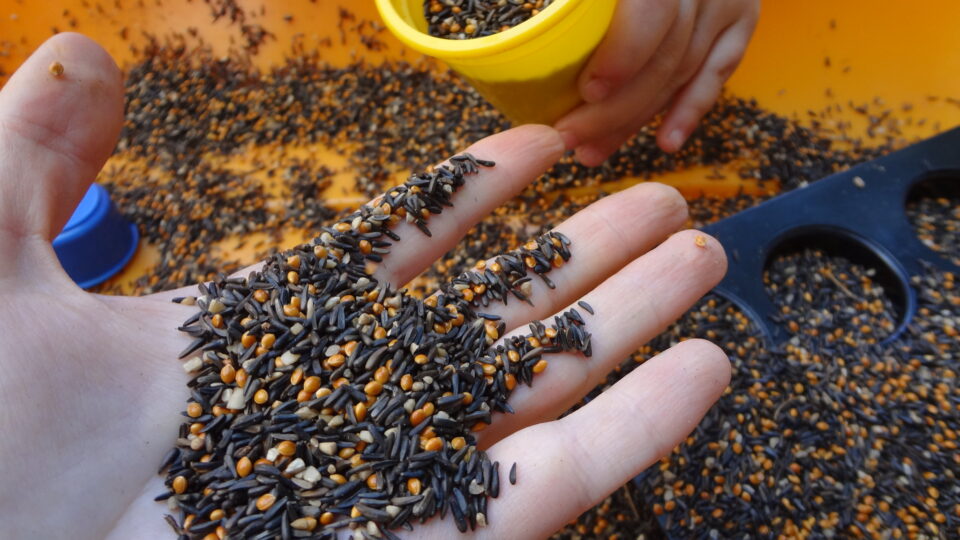
The various mixes contained seeds from 29 weed species and almost all of the mixes contained seeds for pigweed, which can be a significant threat to agriculture.  One in ten of the mixes contained Palmer amaranth or waterhemp seeds that demonstrated a resistance to glyphosphate.   Other common weed species found in many of the mixes were kochia, common ragweed, foxtail species, and wild buckweed.

The overall collection of seed mixes contained an average of 363 amaranthus seeds in each kilogram of bird feed.  Based on this, it is possible that 105 million amaranthus seeds are transported in bird feed mixes each year.

According to the researchers, it is difficult to estimate the exact role that commercial bird seed plays in spreading troublesome weed species into new regions, but it is clear that the widespread use of these seed mixes is a contributing factor to the spread of weeds.

The researchers recommend careful weed management in crop fields designated for bird feed, as well as sieving during packaging to reduce weed seed contamination.  They also noted that regulatory measures adopted in Europe to limit weed seed content in bird seed have proven to be effective.

**********

Web Links

Examination of commercially available bird feed for weed seed contaminants

Photo, posted August 18, 2013, courtesy of Emma Craig via Flickr.

Earth Wise is a production of WAMC Northeast Public Radio.

Working Forest Buffers | Earth Wise

April 15, 2020 By EarthWise Leave a Comment

Forest Buffer Zones on Farms

More than 100,000 miles of U.S. rivers and streams are polluted by nitrogen and phosphorus, mostly from agricultural runoff.  In the past, forests grew naturally alongside these waterways and helped stabilize stream banks and decrease flooding while trapping and filtering pollutants.  But most of these forests have been cut down to make way for towns, cities, livestock, and crops.

Farmers are reluctant to retire valuable farmland with non-productive buffer planting.  But in Pennsylvania, there is an innovative program that encourages farmers to plant cash crops in waterway buffer zones that can help stabilize stream banks and clean up the waterways.  These plantings are called working buffers.

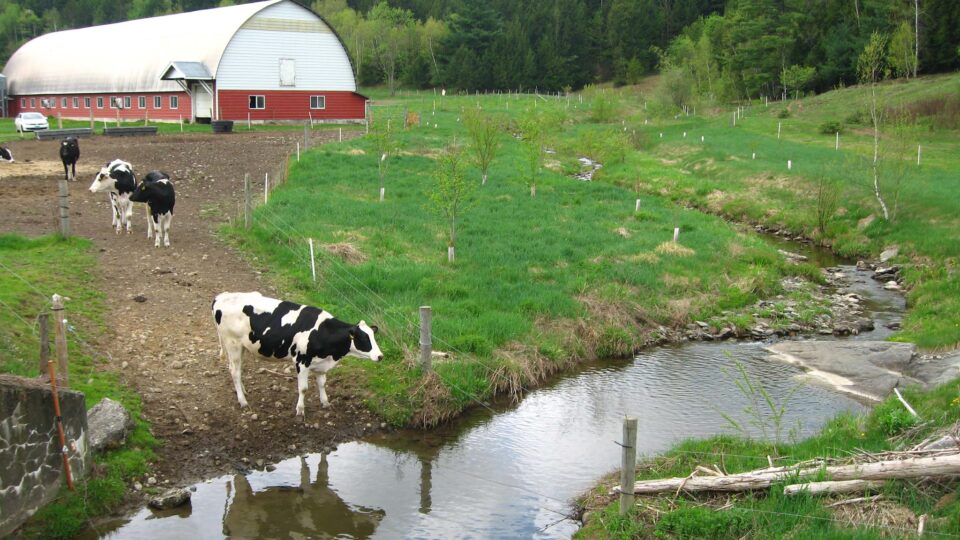
Strips of streamside land are replanted with native floodplain trees and shrubs.  These are known as riparian forest buffers.  Pennsylvania has instituted a grant program under which farmers and landowners plant these buffers and turn a profit.

Many of these buffers have three zones.  A conventional forest buffer that can be just 15 feet wide is composed of native woodland and stabilizes the bank with tree roots and enhances wildlife habitat.  A second zone, some 20 feet wide, is planted with trees and shrubs that can tolerate periodic flooding.  Apart from slowing floodwater and taking up nutrients, this zone can provide profits by planting trees like black walnut, hazelnut, persimmon, and elderberry.  Only hand harvesting is allowed.  A third zone, adjacent to conventional crop, can contain blueberries, raspberries, and decorative woody florals.

How many farmers can be enticed to create these riparian buffers remains to be seen, but they do represent a way to help farmers to reduce pollution and turn a profit along the way.

**********

Web Links

A Movement Grows to Help Farmers Reduce Pollution and Turn a Profit

Photo, posted March 19, 2010, courtesy of the USDA via Flickr.

Earth Wise is a production of WAMC Northeast Public Radio.

The Value Of Abandoned Agricultural Lands | Earth Wise

February 18, 2020 By EarthWise Leave a Comment

Abandoned Agricultural Lands Could Help Save the Planet

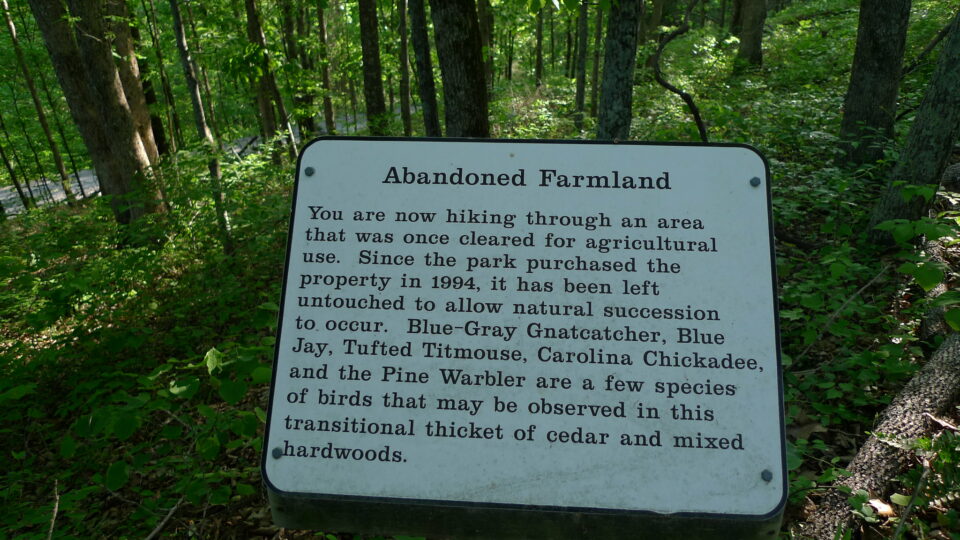
It is perhaps surprising to learn that more land is now being abandoned by farming than converted to it. In fact, abandonment of rural lands has become one of the most dramatic planet-wide changes of the modern era, affecting millions of square miles of land.

In part, it is due to rural flight driven by the economic, social, and educational appeal of cities.  It is also a result of climate change and the globalization of the food supply chain.  The global footprint of agriculture has been decreasing over the past twenty years but the global food supply isn’t shrinking.  The lost land has generally been marginal and farming elsewhere has become more productive.

Many researchers see abandoned agricultural lands as a huge opportunity for ecological restoration and strengthening of biodiversity.   Others see these lands as an opportunity for a massive program to plant trees to reduce carbon dioxide in the atmosphere.  A recent study published in Science estimated that planting trees on abandoned agricultural lands could remove 25% of the carbon dioxide humans have added to the atmosphere.

There are strong criticisms to all of these ideas.  In most cases, the studies don’t incorporate the social context of why these lands are in transition, the potential effects on local populations, whether the lands are publicly or privately owned, and whether lands now suitable for regeneration will remain so as climate change advances.

Current government initiatives on degraded lands typically lack even rudimentary planning.  There are real opportunities presented by the vast amounts of abandoned agricultural lands, but there are many caveats and many issues to confront.  As a society, we have barely begun to even think about what to do.

**********

Web Links

Could Abandoned Agricultural Lands Help Save the Planet?

Photo, posted May 9, 2010. courtesy of Flickr.

Earth Wise is a production of WAMC Northeast Public Radio.

Livestock And Sustainable Food Systems | Earth Wise

February 10, 2020 By EarthWise Leave a Comment

Regenerative food systems

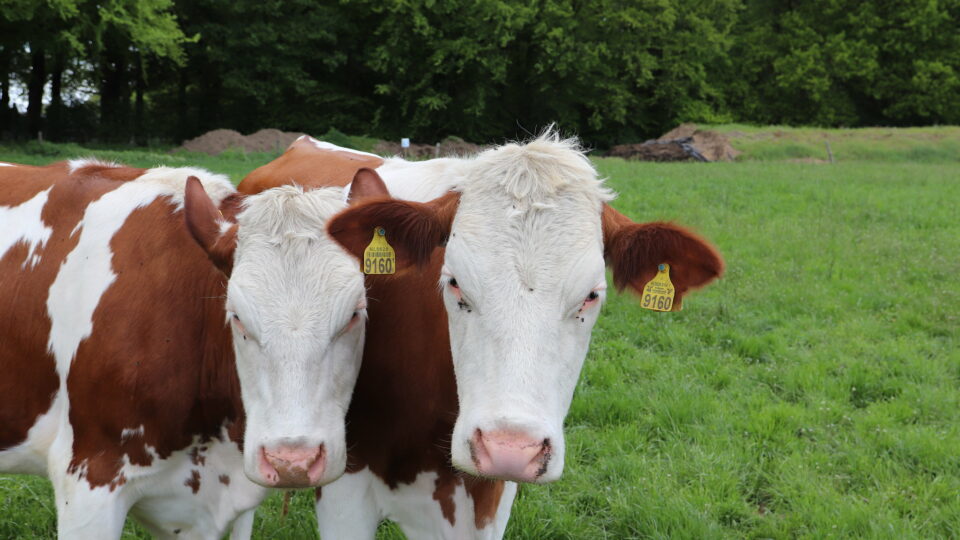
Animal-based agriculture has endured a great deal of criticism with regard to its contributions to climate change and its other environmental impacts.  But its contributions to a sustainable food system are by no means all bad.  In fact, livestock play important roles in sustainable, regenerative agro-food systems.

Animals’ natural biological processes enable them to consume plant and food residues that are either indigestible by humans, unpalatable to people, or are no longer sellable for various reasons, all referred to as IUUB biomass.  There are many examples.

One dairy farm receives daily deliveries of apple waste from a processing facility that supplies apple slices for school lunches.  Another local dairy gets three truckloads of vegetable and fruit discards, along with expired bread products, each week.  No longer useful for consumers, these foodstuffs become feed for cattle rather than going to a landfill.  Even the booming market for plant-based foods like artificial meat for consumers has generated a surge of processing byproducts that can be consumed by livestock.

On a national scale, livestock are consuming millions of pounds of otherwise unusable IUUB created in the production of products like soybean and canola oils, orange juice, ethanol, and more.

While the livestock industry needs to keep working to minimize its environmental impact and there are many reasons to eat less meat, livestock farming is an integral part of our agro-food systems.  Farmers are embracing techniques to produce meat, milk and eggs as efficiently and sustainably as possible, minimizing agriculture’s climate-contributing footprint in the process.

**********

Web Links

Amazing Cows Hold Promise in Pioneering Sustainable Food Systems

Photo, posted May 11, 2019, courtesy of Theo Stikkelman via Flickr.

Earth Wise is a production of WAMC Northeast Public Radio.

Keeping Plants Plump

December 3, 2019 By EarthWise Leave a Comment

The leading cause of crop failures worldwide is drought.  Ironically, the very close runner-up is flooding.  Facing a changing and increasingly erratic climate, farmers need all the help they can get in protecting their crops.

Researchers at the University of California, Riverside, have created a chemical to help plants hold onto water, which could stem the tide of massive annual crop losses from drought.  Details of the team’s work is described in a paper published in Science.

The chemical is called Opabactin, but is also known as “OP.” OP is gamer slang for overpowered, referring to the best character or weapon in a game.

OP mimics abscisic acid, or ABA, which is the natural hormone produced by plants in response to drought stress.  ABA slows a plant’s growth, so it doesn’t consume more water than is available and doesn’t wilt.  OP is 10-times stronger than ABA, which makes it a super hormone.  It works fast.  Within hours, there is a measurable improvement in the amount of water plants release.  Because it works so quickly, OP could give farmers more flexibility in how they deal with drought.   Plants can’t predict the future, but if, for example, farmers think there is a reasonable chance of drought, they could make decisions such as to apply OP to improve crop yields.

The research team is now trying to find a second chemical tool.  Whereas OP slows down plant growth, the team wants to find a molecule that will accelerate it.  Such a molecule could be useful in controlled environments such as indoor greenhouses.  There are times when you want to speed up growth and times when you want to slow it down.

**********

Web Links

Game changer: New chemical keeps plants plump

Photo, posted June 7, 2013, courtesy of Bayer CropScience UK via Flickr.

Earth Wise is a production of WAMC Northeast Public Radio.

Agrivoltaics

September 24, 2019 By EarthWise Leave a Comment

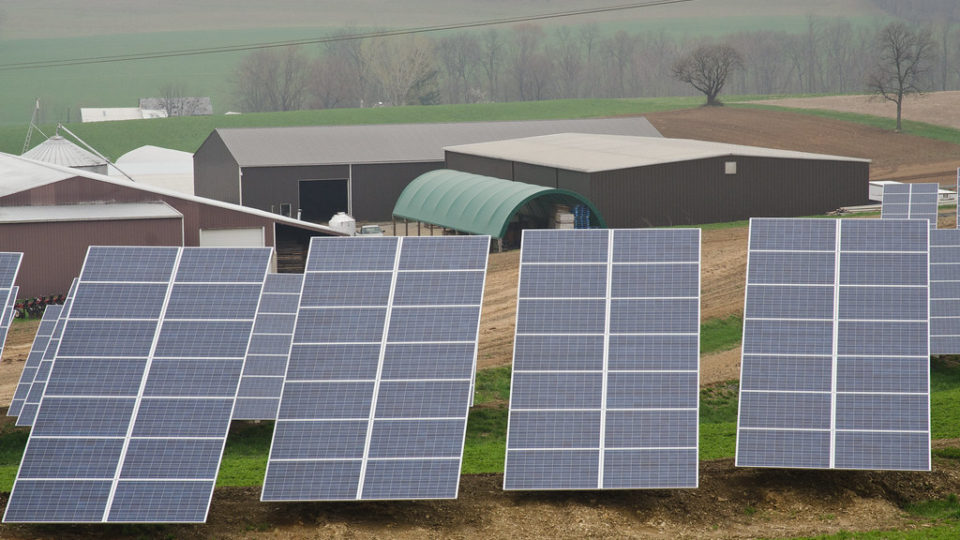
A new study by Oregon State University has found that the most productive places on Earth for solar power are farmlands.   In fact, if less than 1% of agricultural land was converted to solar panels, it would be sufficient to fulfill global electricity demand.

The concept of co-developing the same area of land for both solar photovoltaic power and conventional agriculture is known as agrivoltaics.

The synergy between agriculture and solar power is not surprising.   People have been growing crops around the planet for at least 8,000 years and, long ago, farmers found the best places to grow them which turn out to also the best places to harvest solar energy.  The needs for solar panels are pretty similar to those of food crops.  The efficiency of the panels decreases if they get too hot.  Barren land is hotter than cropland, so the productivity of solar panels is less in such places.

The Oregon State Study analyzed power production data collected by Tesla, which had installed five large grid-tied, ground-mounted solar electric arrays owned by Oregon State.  The researchers monitored air temperature, relative humidity, wind speed, wind direction, soil moisture, and incoming solar energy.  With the data, they developed a model for the best conditions for solar panel productivity and they coincide with excellent conditions for agriculture.  Solar panels are kind of like people with regard to the weather:  they are happier when it is cool and breezy and dry.

Previously-published research shows that solar panels actually increase crop yields on pasture or agricultural fields.

These new results have implications for the current practice of constructing large solar arrays in deserts.  Agricultural lands may be a much better option for both solar production and crop production.

**********

Web Links

Installing solar panels on agricultural lands maximizes their efficiency, new study shows

Photo, posted April 20, 2011, courtesy of U.S. Department of Agriculture via Flickr.

Earth Wise is a production of WAMC Northeast Public Radio.

Mexico’s Wonder Plant

September 13, 2019 By EarthWise Leave a Comment

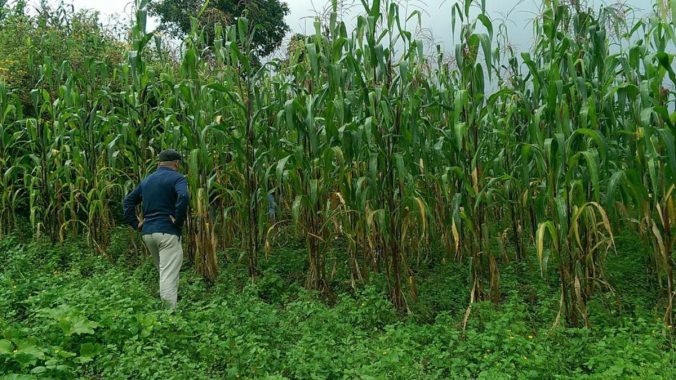
In 1979, an American naturalist named Thomas Hallberg visiting a small town in Oaxaca, Mexico was amazed to find a type of local maize – or corn – that grew nearly 20 feet high in poor-quality soil even though the local farmers did not use any fertilizer.

The unique corn plant had aerial roots that grew a mucous-like gel just before harvest season.  It seemed totally implausible, but the plant seemed to be fixing its own nitrogen:  extracting it from the air and somehow making it useful to the plant.

In 1992, Hallberg returned with a group of Mexican scientists and collected samples to study in his lab.  His research showed that the maize indeed received nitrogen from the air through its aerial roots.  It took over 20 years to figure out what was going on in the plants.  It turns out that bacteria that thrive in the low-oxygen environment of the maize’s mucus pulls nitrogen from the air and feeds it to the plant.

Scientists will probably spend years figuring out if a commercial application of this indigenous maize is viable.  It isn’t guaranteed that the self-fertilizing trait of the plant can be bred into a commercial crop.  But if it can, the payoff would be huge.  Farmers spend more than $3 billion a year on corn fertilizer in the US alone.

A vexing problem is who should reap the financial benefits of the maize.  The isolated village where the plant is grown has already signed an agreement to share in any such benefits.   But there are other Oaxacan villages that also grow the plant. 

Mexico’s wonder plant is likely to be caught up in the growing issue of biopiracy, which is the exploitation of indigenous knowledge and biological resources without permission.

**********

Web Links

Indigenous Maize: Who Owns the Rights to Mexico’s ‘Wonder’ Plant?

Photo credit: ALLEN VAN DEYNZE/UC DAVIS

Earth Wise is a production of WAMC Northeast Public Radio.

Climate Change And Nutrients

August 15, 2019 By EarthWise Leave a Comment

Ending hunger isn’t a question of producing enough food.  Globally, enough food is produced to feed all 7.7 billion people on the planet.  But despite this, approximately 1 in 9 people go hungry.  Conflict, natural disasters, and extreme poverty are some of the main drivers of global hunger. 

Climate change is another.  The more frequent and intense extreme weather events increase food insecurity and malnutrition by destroying land, livestock, crops, and food supplies.  Climate change makes growing crops harder every year, especially for those who lack the tools and technology to adapt. 

But the challenge of reducing hunger and malnutrition is to not only produce foods that provide enough calories, but to also produce foods that make enough necessary nutrients widely available.  According to new research, climate change is projected to significantly reduce the availability of critical nutrients such as protein, iron, and zinc over the next 30 years.  The total impact of climate change could reduce global per capita nutrient availability of protein, iron, and zinc by 19.5%, 14.4%, and 14.6%, respectively.

While higher levels of carbon dioxide can boost growth in plants, wheat, rice, corn, barley, potatoes, soybeans, and vegetables are all projected to suffer nutrient losses of about 3% on average by 2050 due to the elevated CO2 levels.

The study, which was co-authored by an international group of researchers and published in the peer-reviewed journal, Lancet Planetary Health, represents the most comprehensive synthesis of the impacts of climate change on the availability of nutrients in the global food supply to date. 

Climate change is complicating the quest to end global hunger and malnutrition. 

**********

Web Links

Rising CO2, climate change projected to reduce availability of nutrients worldwide

Photo, posted April 30, 2015, courtesy of Flickr.

Earth Wise is a production of WAMC Northeast Public Radio.

Sunlight As A Cash Crop

July 10, 2019 By EarthWise Leave a Comment

It isn’t so easy to be a farmer these days.  Farming has always involved long hours, hard work and the uncertainties of weather and yield.  The 21st Century has added new and unique challenges such as increasingly unpredictable weather, insect infestation and disease, and low commodity prices.  Add in sudden tariffs and farmers struggle even more to make ends meet.  The default rate for farmers’ loans is the the highest in at least nine years.

One thing that remains reliable for farmers is the sun.  It rises in the morning and goes down at night.  The sun can be trusted, unlike politicians, rain, or commodity prices.  These days, many farmers are taking advantage of the dependability of the sun to make money from a new cash crop: solar energy.

The trend is spreading.  North Carolina has been a leading solar energy state for several years and a 2017 report found that solar energy generates 30% of the income of many farms.  Typical annual rent payments for farmland by solar companies range from $500 to $1,400 per acre in North Carolina.

A growing list of states have clean energy mandates targeting 100% use of renewable energy.   These mandates provide incentives for farmers that make installing solar a financially smart decision and falling prices for solar installations make it an even better deal.

Solar works well when co-located on a farm and can be built in ways that minimizes impact.  It is quiet, uses almost no water, doesn’t pollute, and if it is decommissioned, the land can go back to its previous use.  If the solar facilities are raised up, the same land can be used to graze livestock or grow shade-tolerant crops.

**********

Web Links

Harvesting the sun is the new cash crop

Photo, posted December 25, 2017, courtesy of Flickr.

Earth Wise is a production of WAMC Northeast Public Radio.

Intense Rainfall And Crops

July 2, 2019 By EarthWise Leave a Comment

The warming of the planet does not necessarily imply local weather will be warmer or drier than average.  While heatwaves and droughts are increasingly common events in many places, so are intense rain events.

A new study led by scientists at the University of Illinois has found that intense rainfall is as damaging to the U.S. agricultural sector as heatwaves and excessive droughts.

The study examined more than three decades of crop insurance, climate, soil, and corn yield data.  Researchers found that since 1981, corn yields in the U.S. Midwest were reduced by as much as 34% during years with excessive rainfall.  Years with drought and heatwaves experienced yield losses of up to 37%.

Intense rain events can physically damage crops, delay planting and harvesting, restrict root growth, and cause oxygen deficiency and nutrient loss.  The study estimated that between 1989 and 2016, excessive rainfall caused $10 billion in agricultural losses. However, excessive rainfall can have either negative or positive impact on crop yield and the effects can vary regionally.

Parts of the Midwest have already experienced a 42% increase in the heaviest precipitation events since 1958.  Climate change models predict that much of this region will experience even more frequent and intense precipitation events in the coming decade.

According to the study, excessive rainfall is the major cause of crop damage currently in the U.S. for corn, and also has broad impacts for other staple crops such as soybeans and wheat. The authors suggest that as rainfall becomes more extreme, reforms will be needed in the U.S. crop insurance industry in order to better meet planting challenges faced by farmers. 

**********

Web Links

Intense Rainfall Is As Damaging to Crops As Heatwaves and Drought, and Climate Change Is Making It Worse

Photo, posted October 2, 2013, courtesy of the United Soybean Board via Flickr.

Earth Wise is a production of WAMC Northeast Public Radio.
  • « Go to Previous Page
  • Page 1
  • Page 2
  • Page 3
  • Page 4
  • Page 5
  • Go to Next Page »

Primary Sidebar

Recent Episodes

  • An uninsurable future
  • Clean energy and jobs
  • Insect declines in remote regions
  • Fossil fuel producing nations ignoring climate goals
  • Trouble for clownfishes

WAMC Northeast Public Radio

WAMC/Northeast Public Radio is a regional public radio network serving parts of seven northeastern states (more...)

Copyright © 2026 ·