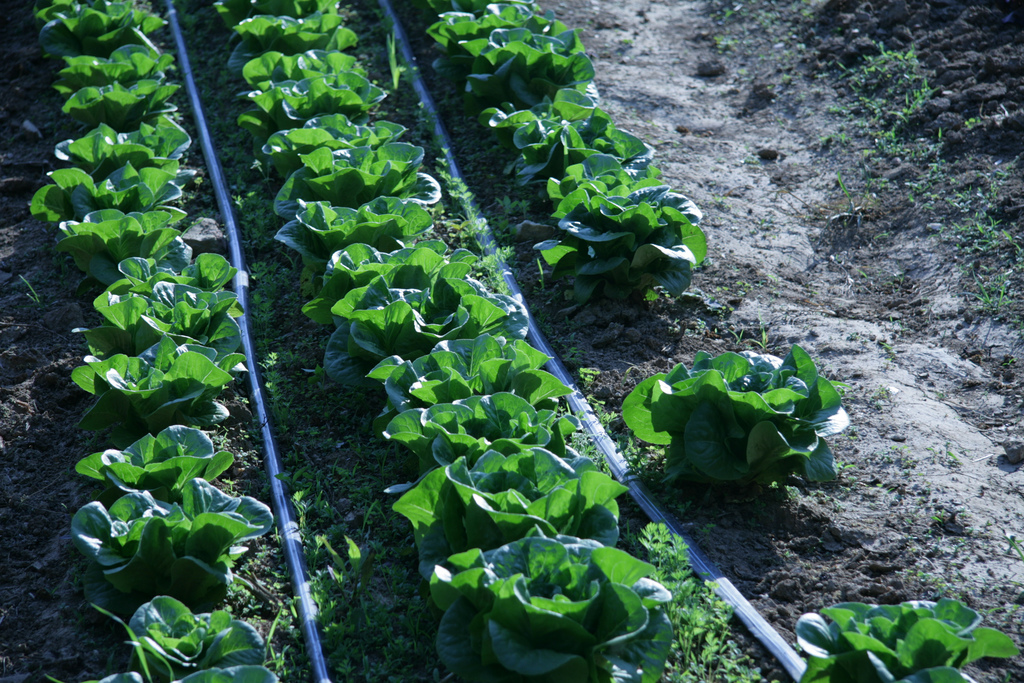
farmers

Raw Wastewater On Farms
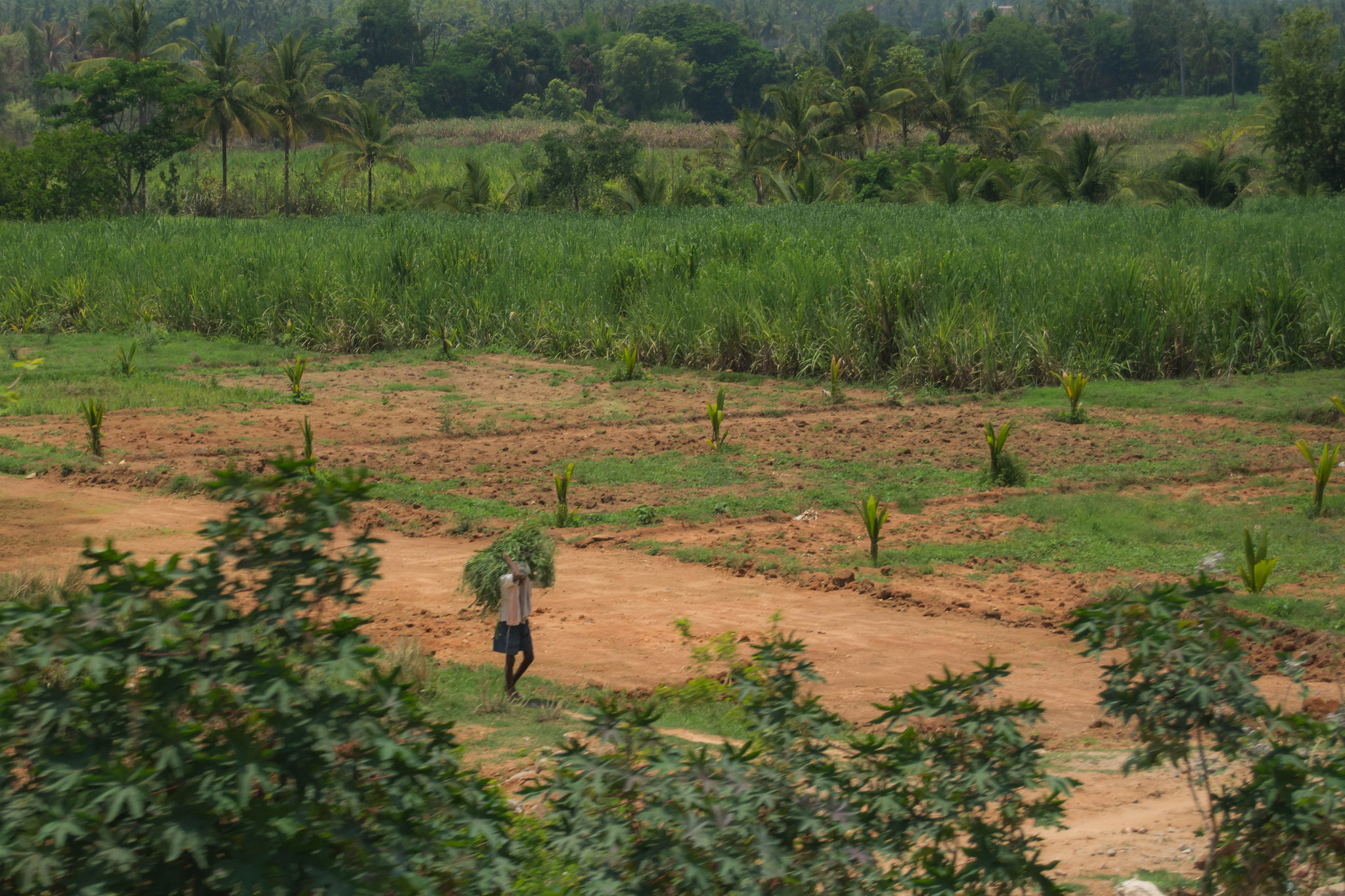
Clean water supplies are dwindling around the world. As a result, the use of untreated wastewater on farms for crop irrigation is on the rise.
Saving Bees With Software
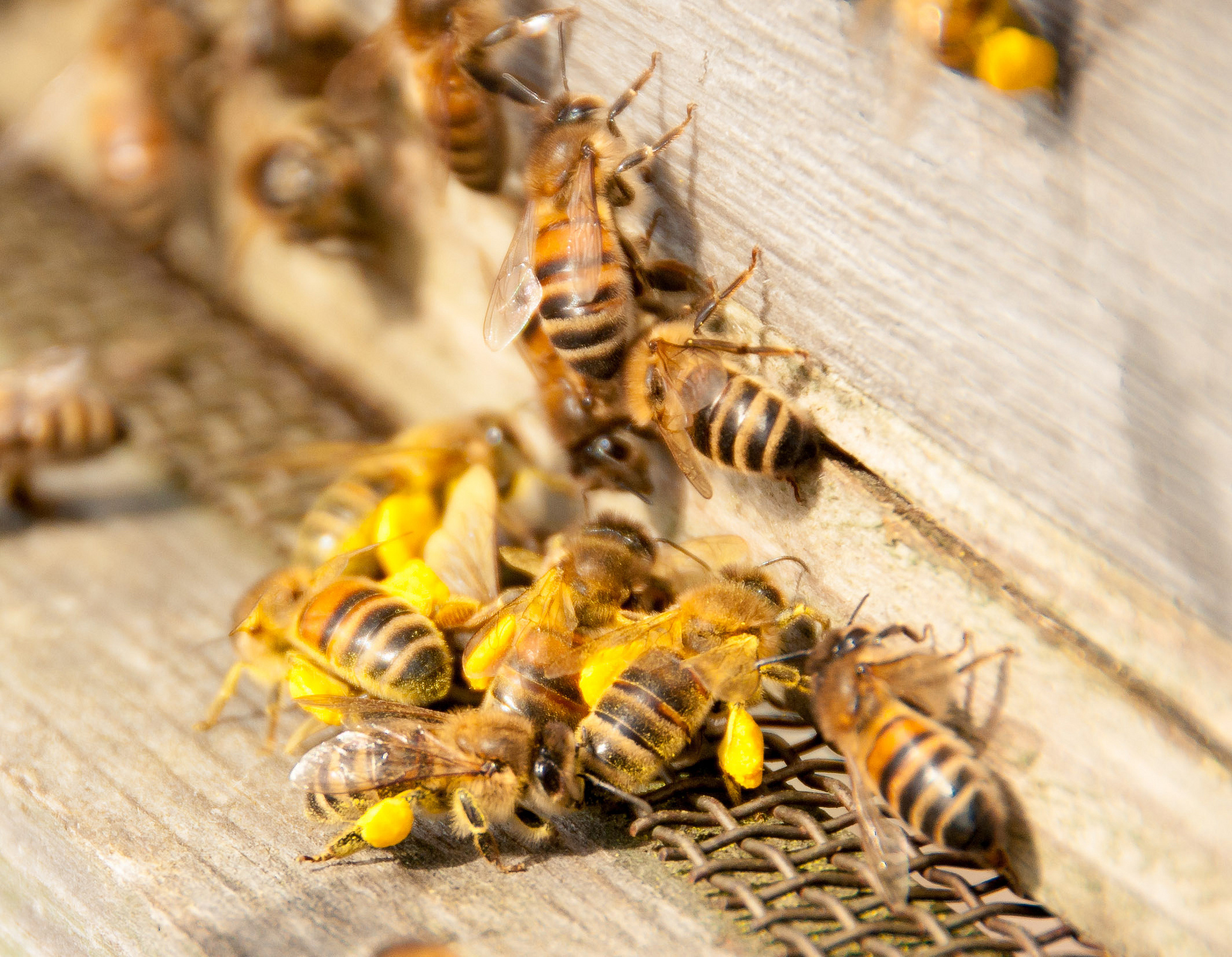
The worldwide decline in the population of bees and other pollinators has impelled farmers to do what they can to encourage and nurture bees on their land. Protecting bees is important because pollinators are essential for growing many foods including coffee, cacao, almonds and many other fruits and vegetables.
Livestock And Antibiotics
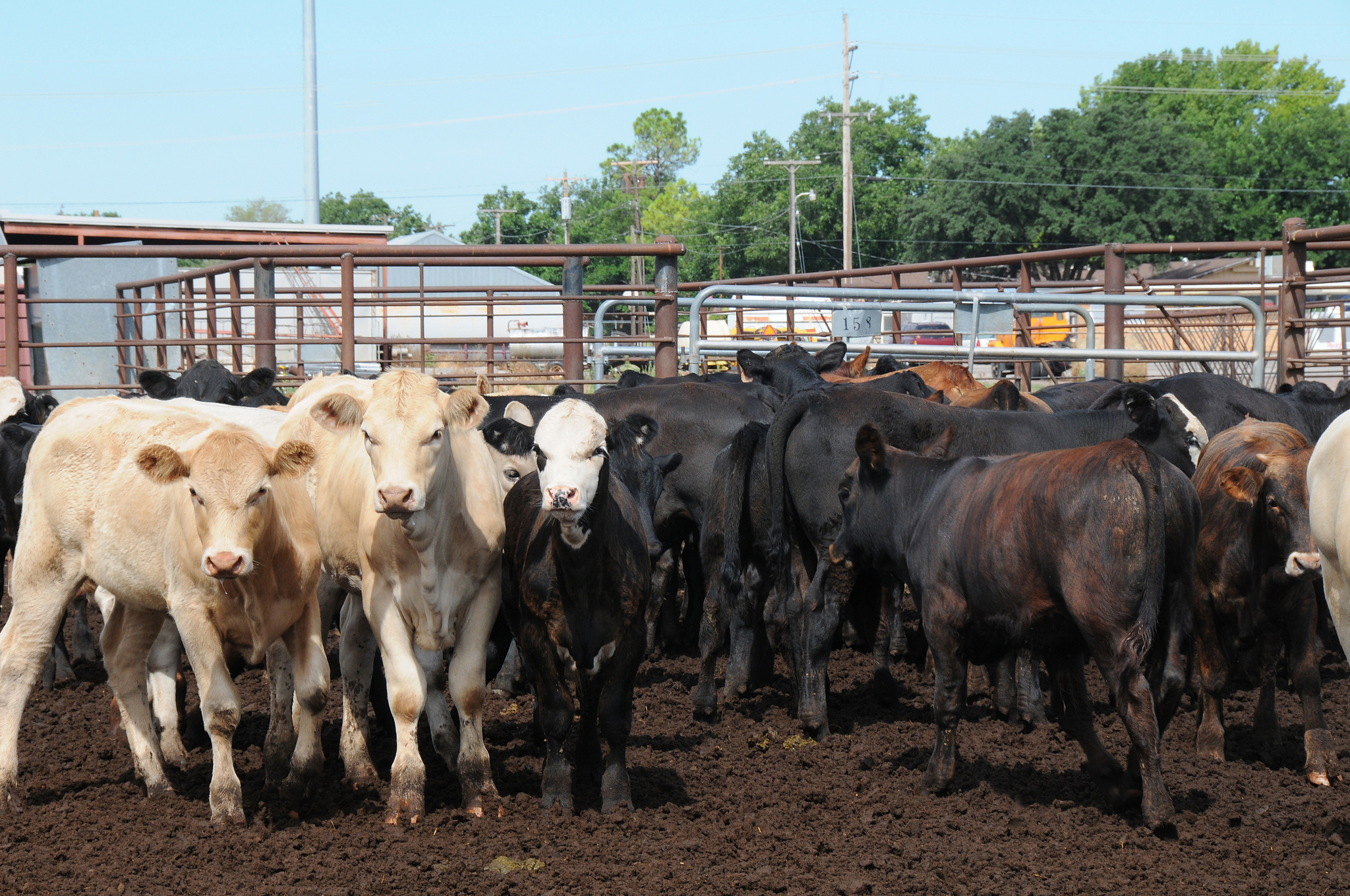
According to the FDA, approximately three-quarters of all antibiotics used in the U.S. are fed to livestock for non-therapeutic purposes. This routine administration of antibiotics promotes the development of antibiotic-resistant bacteria, which can spread to animals and humans. And as antibiotic-resistant bacteria spreads, medicines used to treat human diseases can become less effective. Antibiotic resistant infections kill 90,000 Americans each year.
Wind Farms And Ordinary Farms
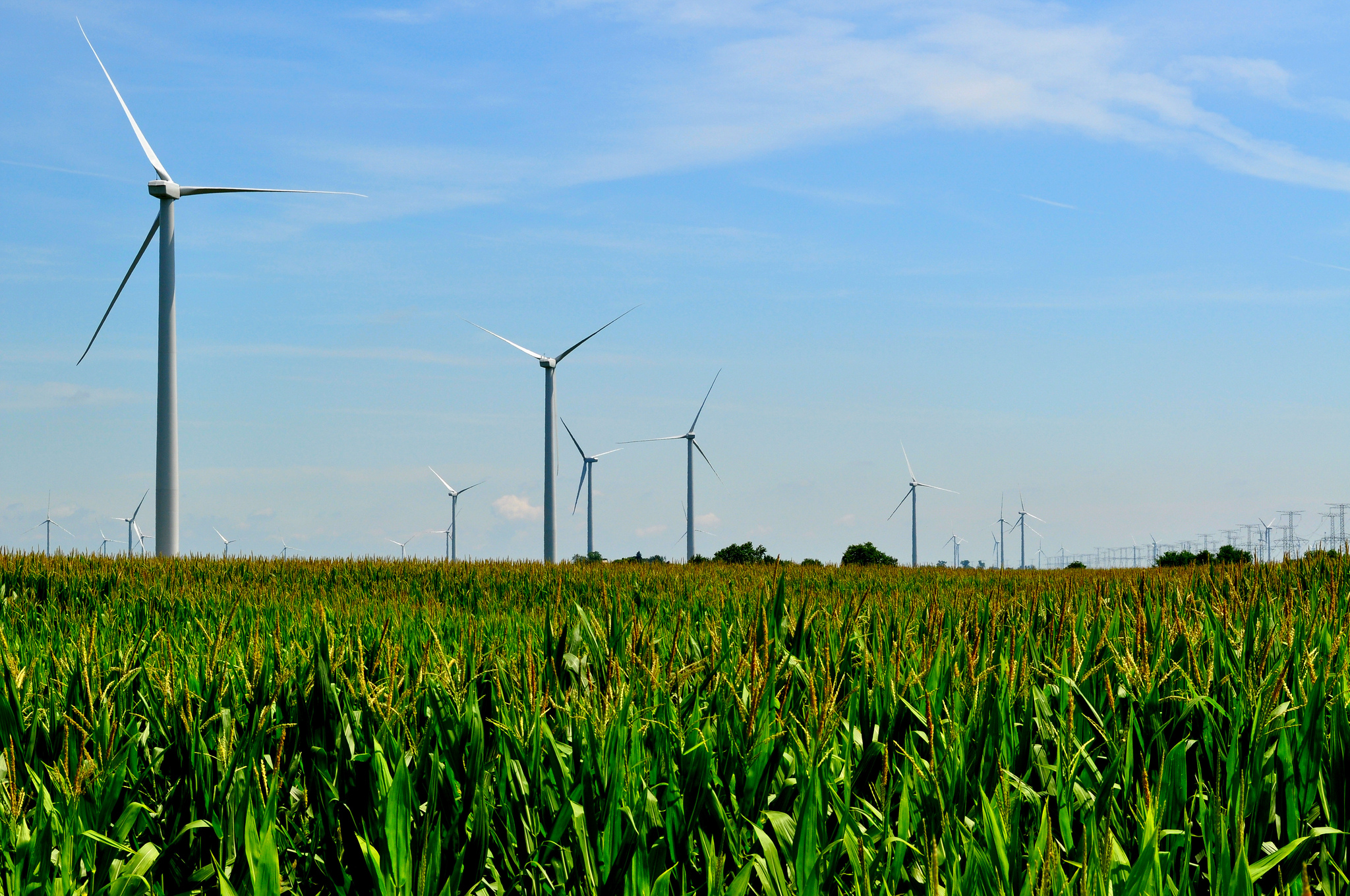
Farmers in many places have found additional sources of income by allowing wind turbines to be built on their land. One example is the Amazon Wind Farm, which is a massive project of over 100 turbines near Elizabeth City, North Carolina. The 494-foot tall turbine towers scattered over 34 square miles are rising up above farms that grow corn, wheat and soybeans. It is the first utility-scale wind farm in the Southeast.
A Water Superpower
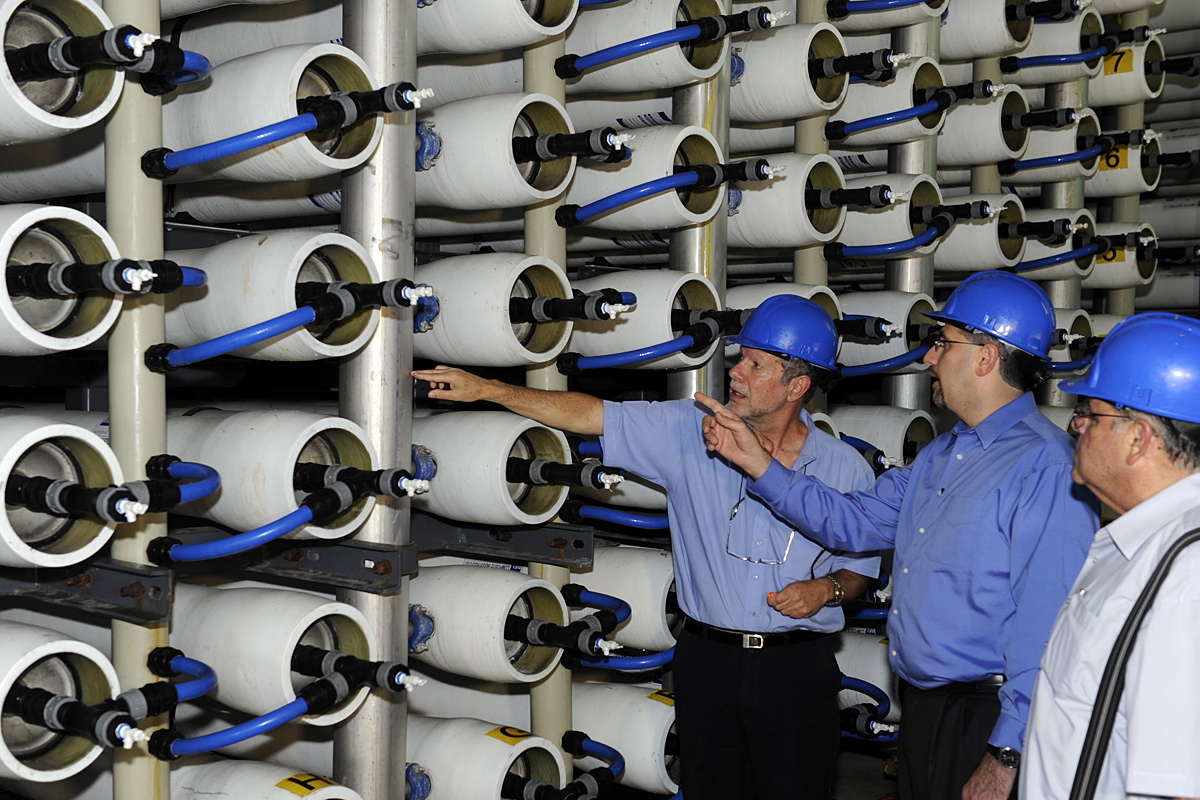
In 2008, Israel was on the verge of catastrophe. A decade-long drought in the Fertile Crescent of the Middle East was scorching the area. Israel’s largest source of fresh water, the Sea of Galilee, had dropped to within inches of the so-called black line at which point irreversible salt infiltration would flood the lake and ruin it forever.
Cradle-to-Cradle

The circular economy refers to the concept of an economic system in which there is no waste. Materials are recycled, repurposed and reinvented to create new raw materials thereby reducing the need to extract new resources and thus saving money, energy and water resources.
Organic Food Is Increasingly Affordable
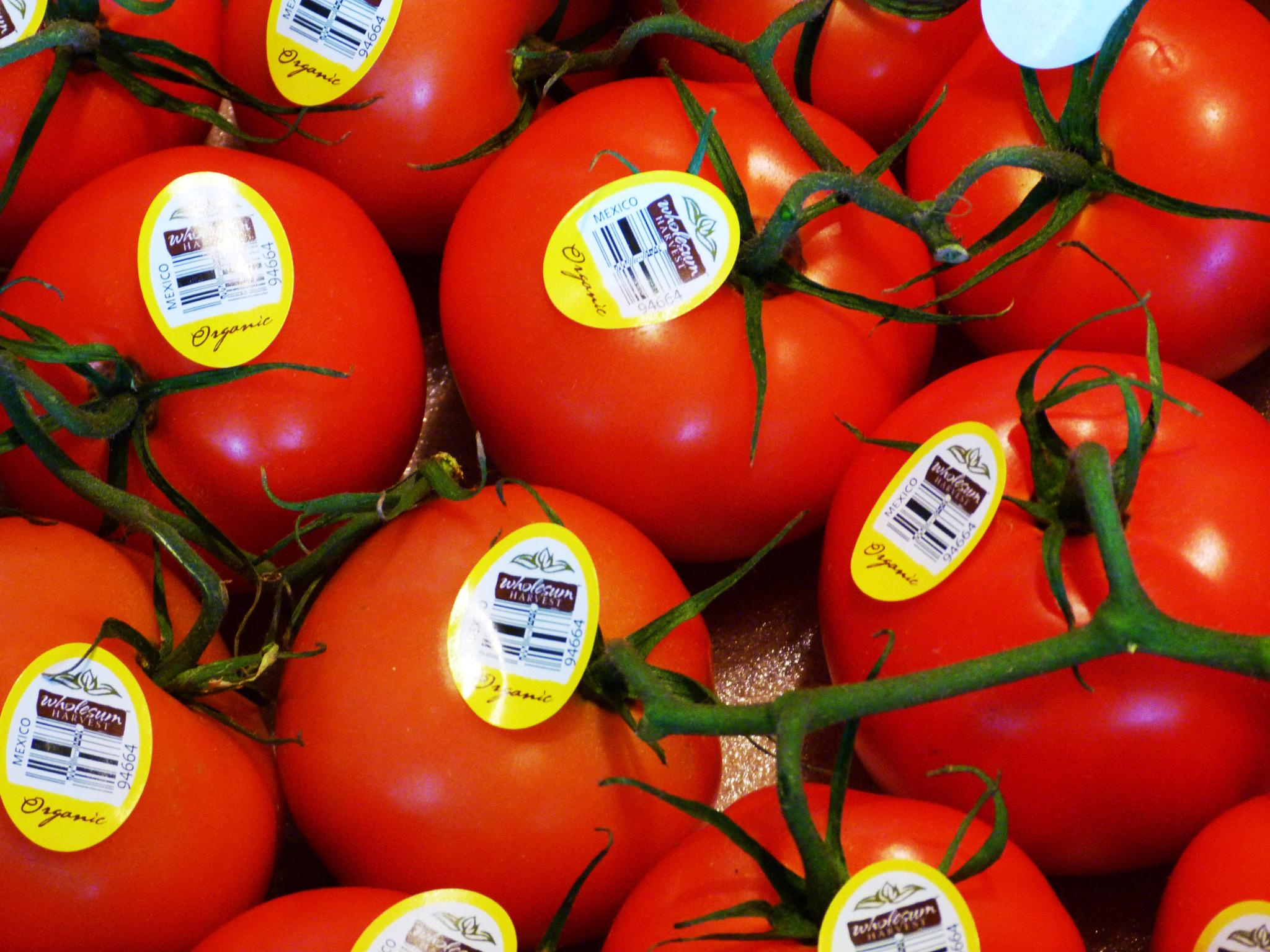
Organic food is increasingly popular. Food chains like Sprouts and Whole Foods as well as local food coops and health food stores have led the charge. More recently, major supermarket chains have growing organic departments in their stores. In fact, in 2015, sales of organic foods in the U.S. reached $43 billion, an increase of 11% over just the the previous year.
Less Sulfur In The Soil
Acid rain is rain containing high levels of nitric and sulfuric acids. The main culprit for it is the burning of fossil fuels, particularly coal-burning power plants. The most serious effect of acid rain is the creation of toxicity in lakes, wetlands and other aquatic environments, doing great harm to a wide range of aquatic animals.
A Giant Dam Removal Project
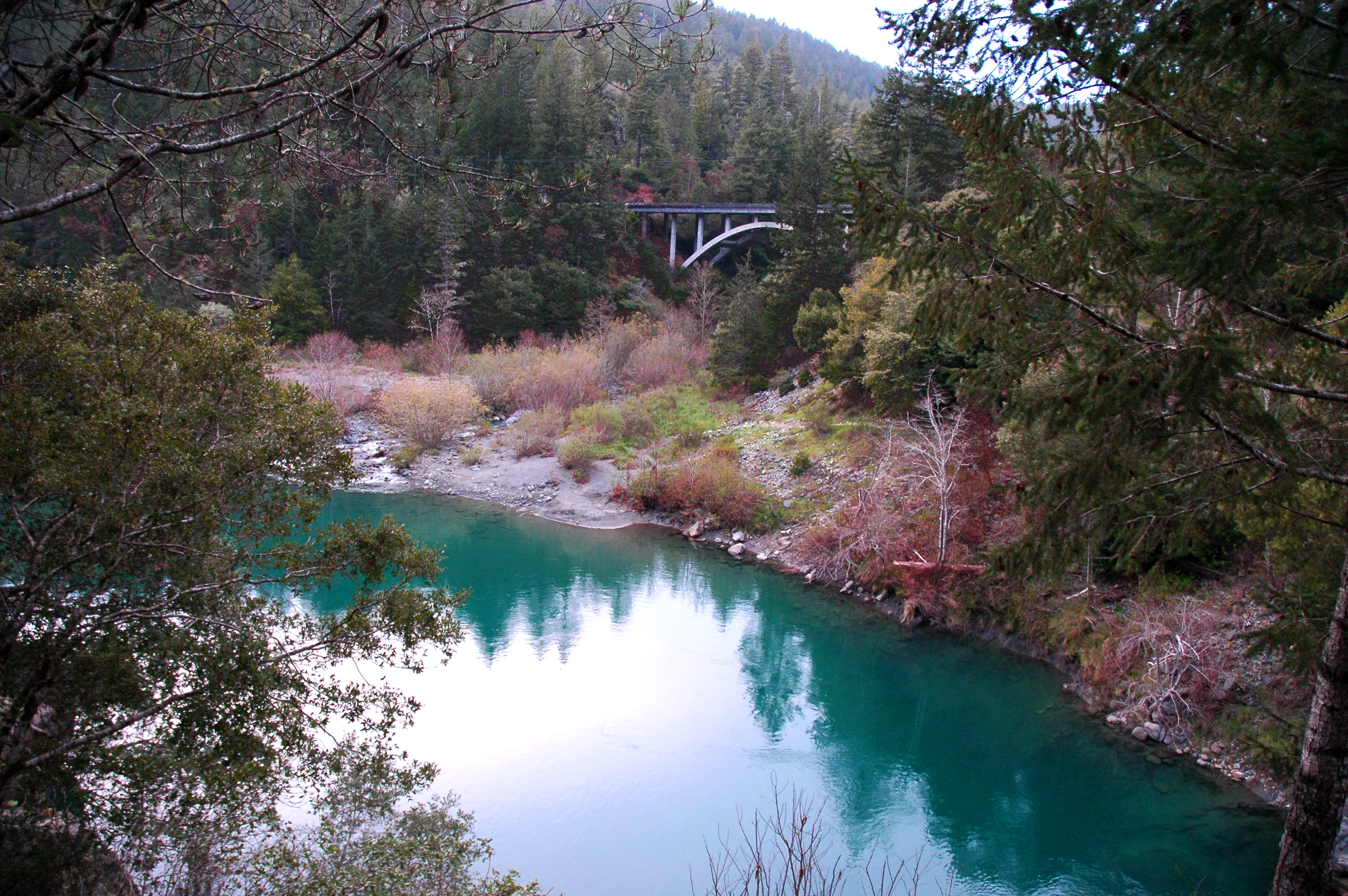
In early April, the U.S. Government, the states of Oregon and California, and the utility Pacificorp signed an agreement that will lead to the removal of four dams on the Klamath River by 2020, amounting to one of the largest river restoration efforts ever undertaken in the United States.
Toward Safer Produce
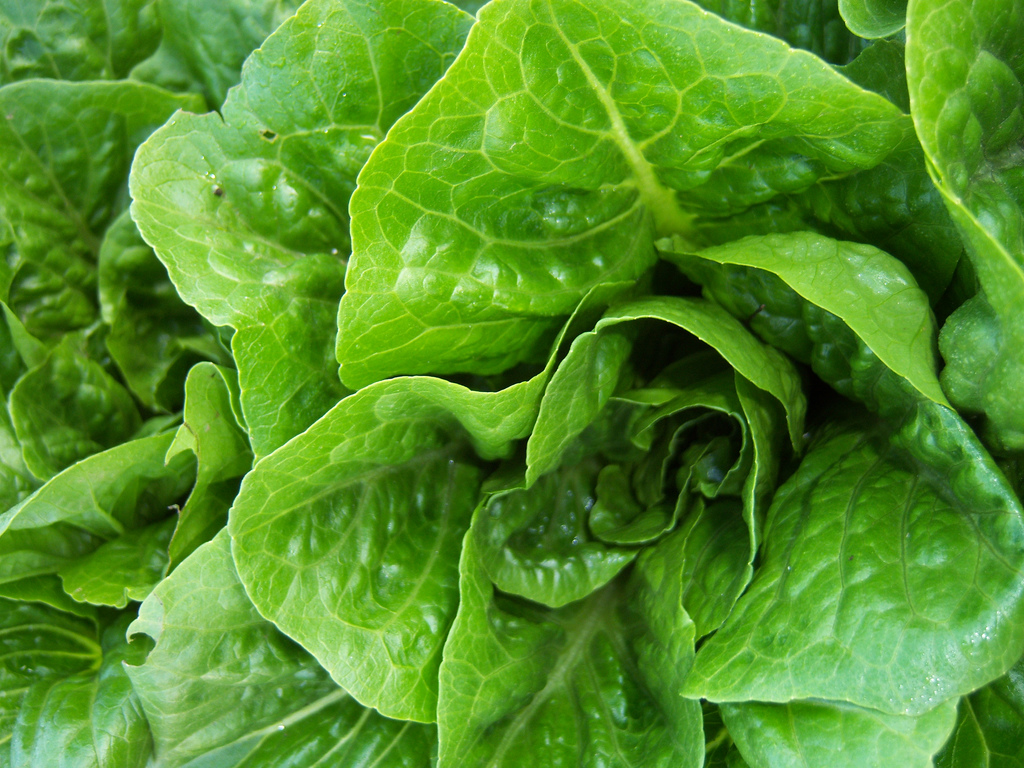
Government and private organizations have long been encouraging us to eat healthier diets. We have seen food pyramid charts for decades and the “5 a day” campaign has boosted our consumption of fresh fruits and vegetables.
Solar Power As A Crop
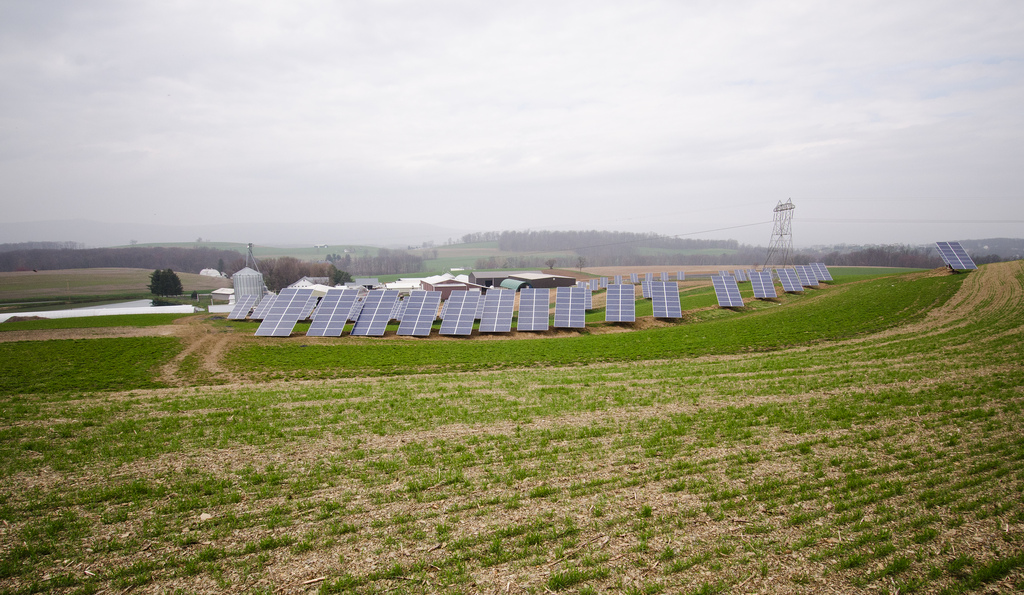
The historic, relentless drought in California has caused a number of the state’s farmers to start planting photovoltaic panels instead of crops. Because of the drought, Federal water deliveries to farmers in the Central Valley and elsewhere have been dwindling. As a result of the water shortage, more than 500,000 acres will lie fallow this year.
Thanksgiving Turkeys

Mashed potatoes, gravy, cranberry sauce, and pumpkin pie. Thanksgiving is just one week away. Many of us will spend the next several days shopping around for ingredients, including one of this country’s oldest traditions: the turkey.
A New Labeling Initiative