expensive

Solar-Powered Desalination
Turning seawater into drinking water is an energy-intensive process and is therefore pretty expensive. Worldwide, one third of people don’t have reliable access to safe drinking water and they are the least able to afford expensive ways to get it. By 2025, half of the world’s population is expected to live in water-stressed areas.
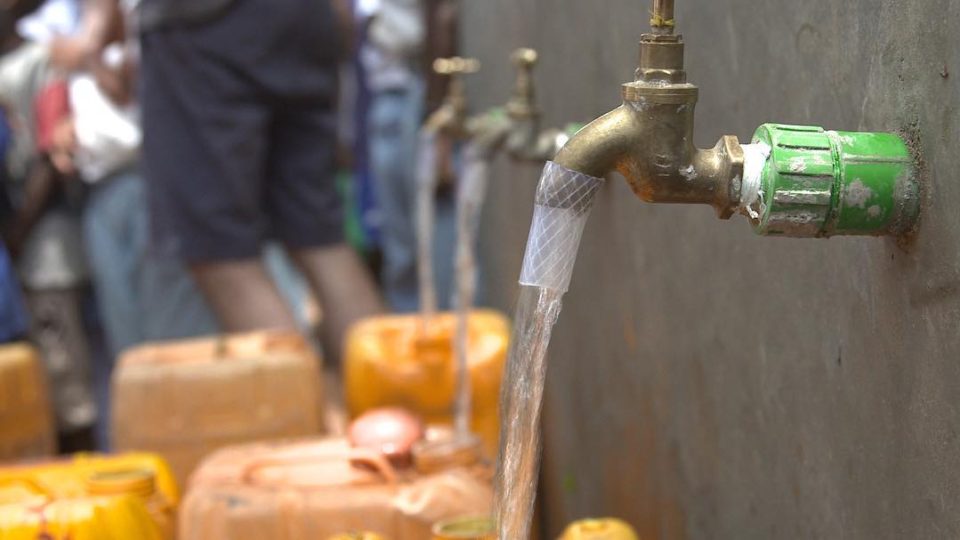
At a newly-constructed facility in Kenya, a nonprofit company called GivePower has built a desalination system that runs on solar power. The system started operating in the coastal area of Kiunga in July 2018 and can create nearly 20,000 gallons of fresh drinking water each day – enough for 25,000 people.
GivePower started in 2013 as a nonprofit branch of SolarCity, the solar-panel company that ultimately merged with Tesla in 2016. However, GivePower spun off as a separate enterprise shortly before that.
GivePower mostly focuses on building solar-energy systems to provide electricity across the developing world.
Desalination technology is not new, but it is notoriously energy-intensive because it requires high-power pumps. The GivePower system is integrated with a solar microgrid that makes use of Tesla batteries to store energy for when the sun is not shining.
Local residents pay about a quarter of one cent for every quart of water from the system. The Kiunga community has faced ongoing drought and before the GivePower system was installed, was forced to drink from salt water wells, which present serious health risks.
The GivePower system cost $500,000 to build and is expected to generate $100,000 a year, to be eventually used to fund similar facilities in other places.
**********
Web Links
Photo courtesy of GivePower.
Earth Wise is a production of WAMC Northeast Public Radio.
Desalination On The Rise
Desalination has been regarded for decades as a solution for providing fresh water to places where it is scarce. With drought becoming more common around the world – sometimes even in places where water supplies were thought to be ample – there is increasing pressure to bring new desalination plants online.
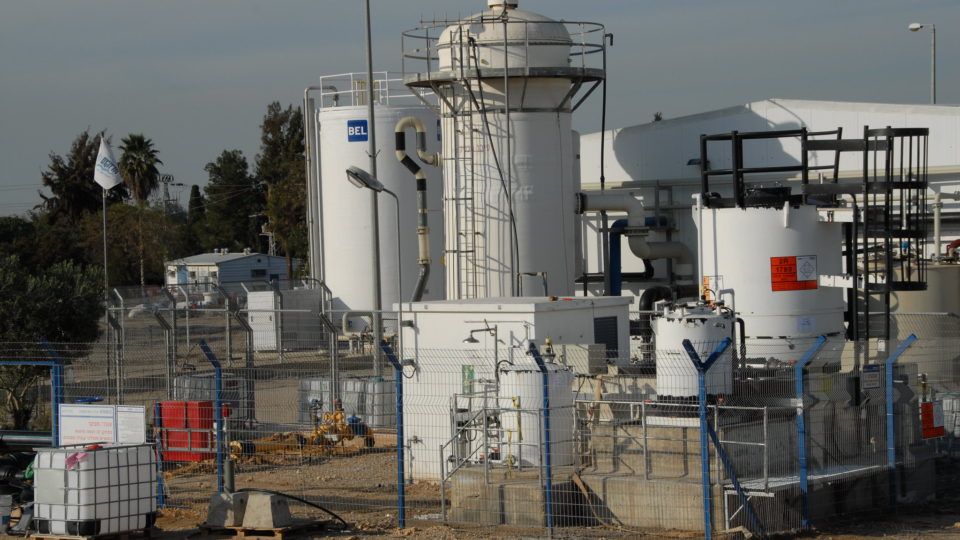
San Diego gets only 12 inches of rain a year and has no groundwater. It gets half its water from the distant Colorado River, and that source is becoming increasingly unreliable. Thus, it is no surprise that America’s largest desalination plant is in Carlsbad, about 30 miles north of San Diego. That plant provides about 10% of the fresh water needs of the region’s 3.1 million people.
There are 11 desalination plants in California, and 10 more are proposed. Desalination is huge in Saudi Arabia, Australia and Israel. Globally, more than 300 million people get their water from desalination.
But there are problems. Desalination is expensive and energy-intensive. If the process is powered by fossil fuels, it contributes to global warming. There are ecological impacts as well since it takes two gallons of sea water to make a gallon of fresh water, and the gallon left behind is extremely briny and potentially harmful to dump back into the sea. The intake systems of desalination plants are also harmful to fish and other aquatic creatures.
The cost of desalination has dropped by more than half over the last 30 years but water from it still costs about twice as much as that from other main sources. The technology is getting better and cheaper, but the industry must confront and solve serious environmental and economic problems in order for desalination to be able to meet the needs of an increasingly thirsty world.
**********
Web Links
As Water Scarcity Increases, Desalination Plants Are on the Rise
Photo, posted January 12, 2011, courtesy of Flickr.
Earth Wise is a production of WAMC Northeast Public Radio.
Climate Change And Insurance

While there are still some people who remain dubious about the reality of climate change, insurance companies are not among them. And, in fact, insurers are warning that climate change could make coverage for ordinary people unaffordable.
Munich Reinsurance, the world’s largest reinsurance firm, blamed global warming for $24 billion in losses from California’s recent wildfires. Such costs could soon be widely felt as premium rises are already under discussion with insurance companies having clients in vulnerable parts of the state.
With the risk from wildfires, flooding, storms and hail increasing, the only sustainable option for the insurance industry is to adjust risk prices accordingly. Ultimately, this may become a social issue. Affordability of insurance is critical because if rates go up too much, many people on low and average incomes in some regions may no longer be able to buy insurance.
The great majority of California’s 20 worst forest fires since the 1930’s has occurred since the year 2000 driven by abnormally high summer temperatures and persistent drought. The reinsurance giant analyzed decades of data with climate models and concluded that the fires are likely driven by climate change.
It isn’t just wildfires. Insurance premiums are also being adjusted in regions facing an increased threat from severe convective storms whose energy and severity are driven by global warming. These include parts of Germany, Austria, France, southwest Italy, and the U.S. Midwest.
Linking extreme weather events to climate change is a bit like attributing the performance of a steroid-using athlete to drug use. The connections are clearer in patterns than in individual disasters. But the pattern these days is pretty clear.
**********
Web Links
Climate Change Could Make Insurance Unaffordable for Most People
Photo, posted June 12, 2013, courtesy of Jeff Head via Flickr.
Earth Wise is a production of WAMC Northeast Public Radio.
Coal Isn’t Even Cheap Anymore
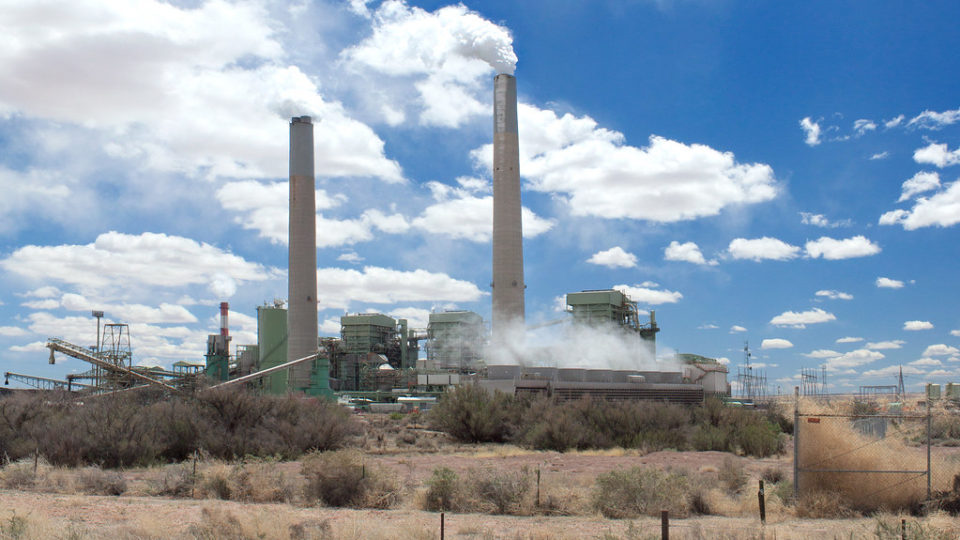
Coal has historically been very cheap compared with many other energy sources and the reason is that it is so plentiful. The United States has especially abundant quantities of the stuff – perhaps a quarter of the world’s estimated recoverable reserves. Estimates are that at the rate at which we are currently using coal here, the remaining reserves would last about 325 years.
That would be great, of course, if the use of coal was not relentlessly destructive to the environment, hazardous to human health, and a major driver for global warming. Despite all of that, the Trump administration is a big booster of coal.
But coal has little chance of holding on to its current status, much less having some kind of renaissance. According to a new report from renewables analysis firm Energy Innovation, nearly 75% of coal-fired power plants in the United States generate electricity that is more expensive than local wind and solar resources. Wind power, in particular, can at times provide electricity at half the cost of coal.
Wind and solar power are growing by leaps and bounds. The Guardian reported that by 2025, enough wind and solar power will be generated at low enough prices in the U.S. that it could replace 86% of the entire U.S. coal fleet with lower-cost electricity.
It has been known for some time that there are places where the so-called coal crossover has already taken place. But this is actually far more widespread than previously thought. Substantial coal capacity is currently at risk in North Carolina, Florida, Georgia and Texas. By 2025, Indiana, Michigan, Ohio, and Wisconsin will join their ranks.
The biggest threat to coal is not regulators or environmentalists; it is economics.
**********
Web Links
Renewables Cheaper Than 75 Percent of U.S. Coal Fleet, Report Finds
Photo, posted May 1, 2011, courtesy of Alan Stark via Flickr.
Earth Wise is a production of WAMC Northeast Public Radio.
Another Way To Make Solar Cells
Millions of rooftops now contain solar panels and the majority of the solar cells that make up those panels today are made from silicon. Silicon solar cells require expensive, multi-step processing conducted at very high temperatures in special clean room facilities. Despite these complications, the price of solar panels has continued to drop dramatically over the years.
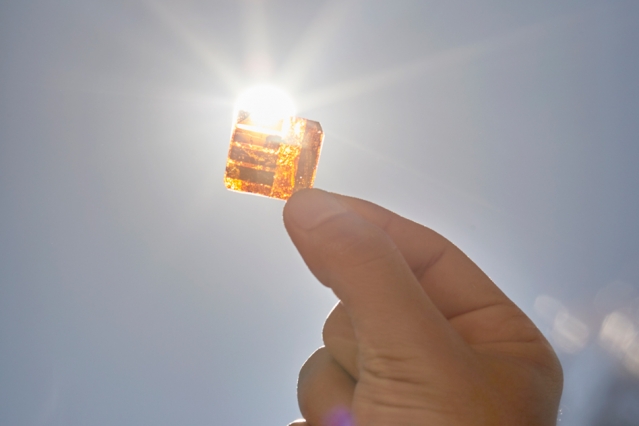
But even as the price of solar cells gets lower and lower, there are still widespread efforts to find even better ways to make them. One of those ways is with perovskite solar cells. Perovskites are materials with a characteristic crystal structure and are quite common in nature. Perovskites can be formed with a wide range of elements and can exhibit a variety of properties.
They were first used to make solar cells about 10 years ago and those first cells were unimpressive in most respects. However, there has been steady progress since that time. The potential advantages of perovskite solar cells are that they can be made from low-cost materials and can be manufactured using liquid chemistry, a far cheaper process than what is used to make silicon cells.
Researchers at MIT and several other institutions have recently published the results of research on how to tailor the composition of perovskite solar cells to optimize their properties. What used to be a trial-and-error process can now become much more engineered and should lead to perovskite solar cells with performance that could exceed that of silicon cells.
Silicon solar panels are a huge, worldwide industry and displacing them in favor of an alternative technology is a tall order. But if perovskite cells can be optimized for large-scale manufacturability, efficiency and durability, they could definitely give silicon a run for its money.
**********
Web Links
Unleashing perovskites’ potential for solar cells
Photo courtesy of Ken Richardson/MIT.
Earth Wise is a production of WAMC Northeast Public Radio.
Cleaning And Splitting Water

Researchers at EPFL in Lausanne, Switzerland, have developed a photocatalytic system that can be used to degrade pollutants present in water while simultaneously producing hydrogen that can be captured and put to use.
Capturing CO2 From The Air
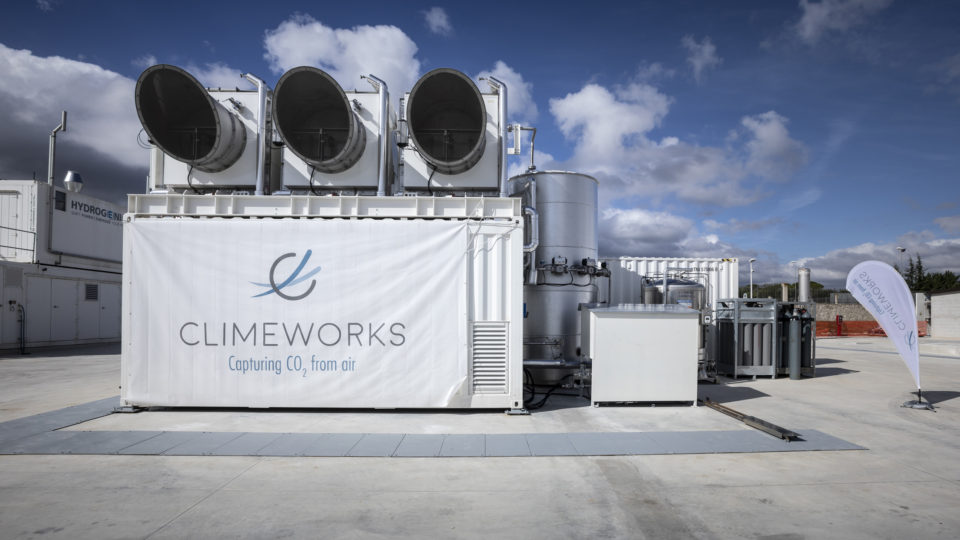
It is increasingly clear that the rate at which carbon dioxide emissions are being reduced is not sufficient to prevent dire consequences of climate change. It appears that it will be necessary to try to actually remove carbon dioxide from the air. Such actions are termed “negative emissions.”
A New Catalyst For Splitting Water

Hydrogen is widely considered to be a desirable source of clean energy. It can be used in fuel cells to power electric motors in cars or can be burned directly in internal combustion engines. If it is compressed or converted to liquid, it can be efficiently stored and transported. Most of all, when it is used as an energy source, the only emission it produces is water.
Removing CO2 From The Air
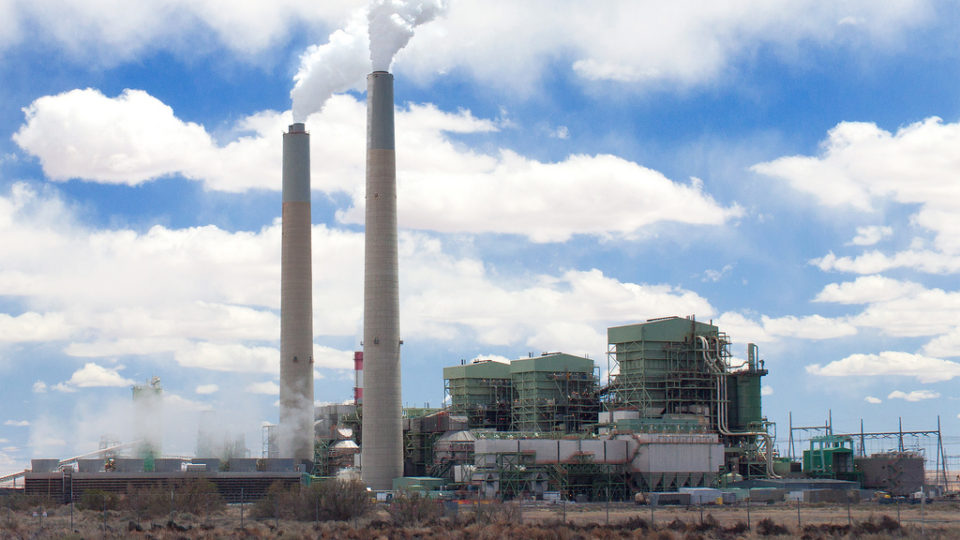
A growing body of work is leading to the conclusion that it may be nearly impossible to prevent global temperatures from rising more than 1.5 degrees Celsius (or 2.7 degrees Fahrenheit) because we are simply not reducing emissions quickly enough. By some estimates, the current level of emissions will lock in that large a gain within the next few years. At that point, the only way to reverse the effects is to remove carbon dioxide from the atmosphere, where it otherwise will stay for hundreds to thousands of years.
Better Ways To Fish

A recent study published in Fisheries Research looked at the effectiveness and level of waste for various categories of fishing gear used in the global fishing industry.
Wastewater Instead Of Dams
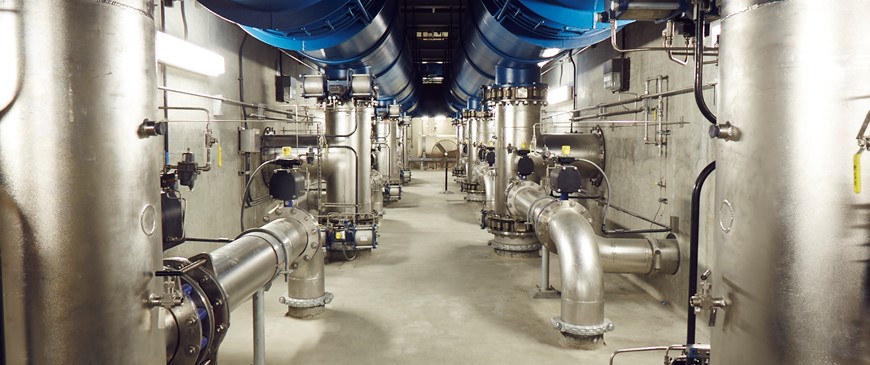
The era of dam building is coming to an end in much of the developed world. Dams are very expensive, environmentally harmful, and as the climate warms and droughts become more common, are not that reliable.
European Diesel Under Siege

Diesel cars have never been very popular in the US and in the aftermath of the so-called Dieselgate scandal at Volkswagen, they are even less so. Less than a dozen diesel car models are available for purchase in the US and only one of those is from a German automaker: BMW.
Fewer Snowbird Sharks

Blacktip sharks are snowbirds, to use a cross-species metaphor. At least, they usually are. The males of the species swim south to southern Florida during the coldest months of the year and head back north to North Carolina in the spring to mate with females.
Renewable Energy From Wood
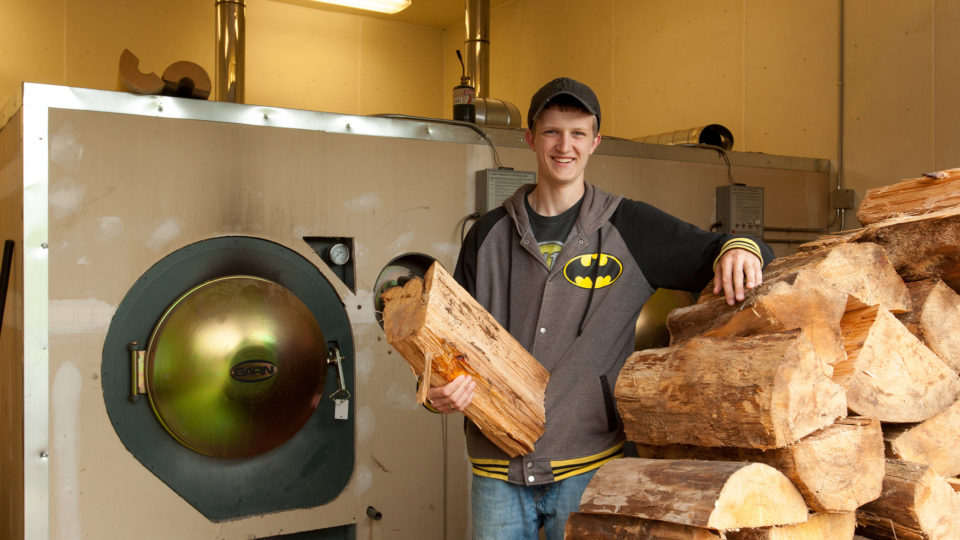
Biofuels are fuels produced through contemporary biological processes rather than geological processes such as those involved in the formation of fossil fuels.
Tree-Planting Drones
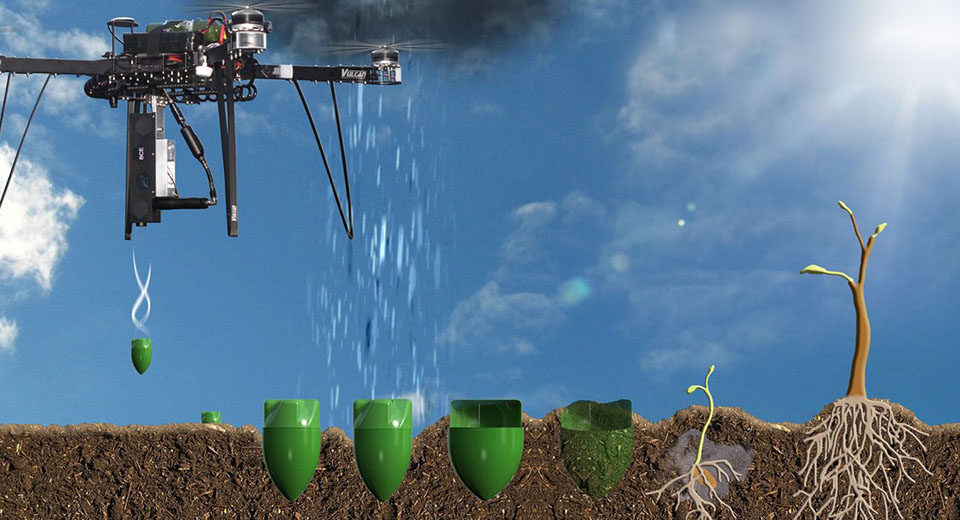
One of the major causes of the increasing carbon dioxide levels in the atmosphere is deforestation. We chop down about 15 billion trees each year. Over time, our activities have reduced the number of trees on earth by about 50%. We do plant trees – these days, about 9 billion a year. It is a substantial number, but still leaves a net loss of 6 billion trees annually.
Is Sustainable Seafood Really Sustainable?

Tuna is perhaps the most popular seafood. We eat it out of a can, we splurge on high-end sushi, and we prepare it in many other ways. Some species of tuna are over-fished and some fishing methods are unsustainable. As concerned consumers, we would like to know what sort of tuna we are eating.
[Read more…] about Is Sustainable Seafood Really Sustainable?
A Solar-Powered Vertical Farm
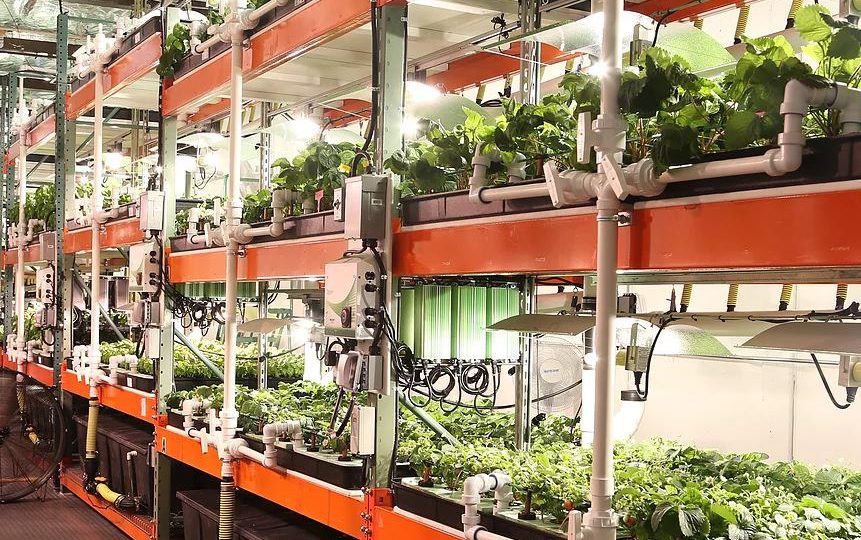
Vertical farming is a method for producing crops in vertically stacked layers or surfaces typically in a skyscraper, used warehouse, or shipping container. Modern vertical farming uses indoor farming techniques and controlled-environment agriculture technology.
Another Unconventional Fossil Fuel Source

It has only been about 10 years that fracking has been a big deal in the energy world. With it, a largely inaccessible source of fossil fuel became relatively easy pickings. And both the economic benefits and the attendant environmental problems have been grabbing headlines ever since.
[Read more…] about Another Unconventional Fossil Fuel Source