• Skip to primary navigation
  • Skip to main content
  • Skip to primary sidebar

Earth Wise

A look at our changing environment.

  • Home
  • About Earth Wise
  • Where to Listen
  • All Articles
  • Show Search
Hide Search
You are here: Home / Archives for expensive

expensive

Sodium-ion batteries

January 31, 2024 By EarthWise Leave a Comment

The transition away from fossil fuels is driving a rapidly increasing need for batteries.  Both electric vehicles and energy storage for the electric grid are enormous consumers of batteries.  At present, lithium-ion batteries are almost universally used for these purposes.  They have been getting better all the time and cheaper all the time and are likely to be the answer for the foreseeable future.  But they are not perfect.

Lithium is only found in a relatively small number of places and mining and extracting it is fairly expensive and environmentally unfriendly.  Lithium-ion batteries also frequently contain cobalt, which has its own set of problems.  There are also safety issues related to the flammability of lithium-ion batteries. 

As a result, there continue to be numerous efforts to identify and develop alternative battery technologies.  One of these is sodium-ion batteries, which are similar in many ways to lithium-ion batteries but in which sodium replaces lithium as the cathode material.

Sodium is extremely common – it’s found in ordinary salt – and sodium-ion batteries have a high energy density and are easy to produce.  They should have a long lifetime and have a more benign environmental impact than lithium-ion.  Many companies and researchers are working on sodium-ion batteries and are making good progress.

A study by Chalmers University in Sweden looked at the potential for sodium-ion batteries and found that the batteries are particularly promising for use in energy storage even in their current state of development and could eventually be used in cars.  Whether sodium-ion batteries can be good enough and cheap enough quickly enough to give lithium-ion a run for its money remains to be seen.

**********

Web Links

Resource-efficient and climate-friendly with sodium-ion batteries

Photo, posted March 12, 2013, courtesy of Chris Hunkeler via Flickr.

Earth Wise is a production of WAMC Northeast Public Radio

EV battery costs continue to drop

January 10, 2024 By EarthWise Leave a Comment

EV battery costs keep falling

Electric vehicles have historically been more expensive than their gas-powered counterparts primarily because of the cost of the batteries that power them.  Today’s EV battery packs range in size from about 40 kWh to as much as 200 kWh, where kWh measure the amount of energy stored in pack.

The batteries in EVs are lithium-ion batteries, the same technology used to power cell phones, tablets, and computers.  A decade ago, the batteries averaged $668 per kilowatt-hour and packs as large as those in some of today’s vehicles were simply unthinkable from a price standpoint. 

Over the years, government subsidies, increased competition, higher volume, improvements in battery technology, and reductions in the cost of raw materials such as lithium have combined to drive continuous and dramatic reductions in battery costs.  By March 2022, the average price for lithium-ion batteries was $146 per kWh.  This past August, battery costs broke the $100 per kilowatt-hour barrier.

Industry analysts have long maintained that once the $100 barrier has been reached, EVs could achieve price parity with their fossil-fuel counterparts.  Electric cars would no longer be more expensive to buy than equivalent gas cars.

Projections are that battery prices will continue to fall by something like 10% a year for the rest of this decade.  All else being equal, EVs should be cheaper to buy than gas cars.  Of course, they have already been cheaper to operate for a long time. 

None of this means that car prices will go down in general.  That will depend on trends in inflation and those are pretty hard to predict.

**********

Web Links

EVs Set to Match Gas Guzzlers in Price as Battery Costs Plummet

Photo, posted May 9, 2018, courtesy of Flickr.

Earth Wise is a production of WAMC Northeast Public Radio
Ending plastic separation anxiety

December 27, 2023 By EarthWise Leave a Comment

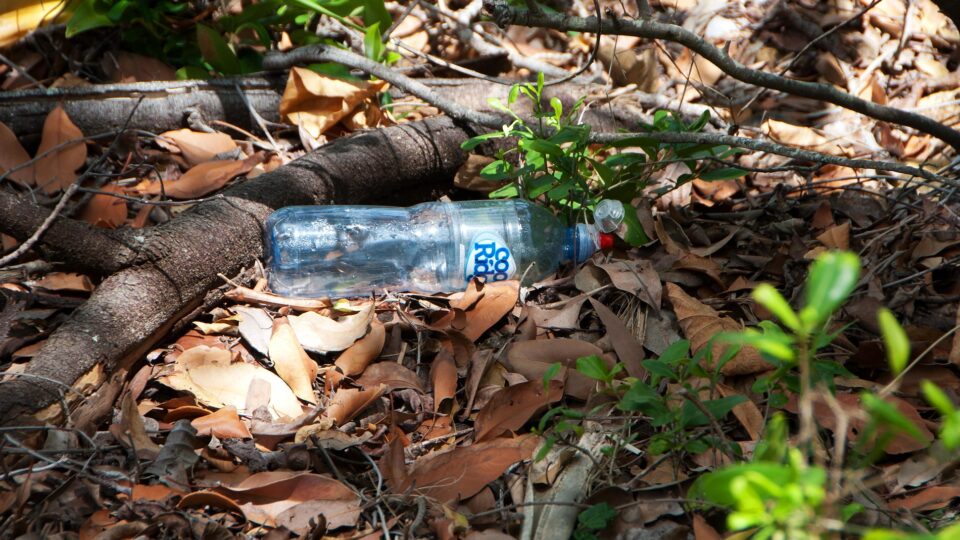
Petroleum-based plastics are one of the biggest environmental problems we face.  They mostly end up in landfills – or worse, in the oceans and elsewhere in the environment – and they basically don’t decompose over time.  Bio-based plastics were invented to help solve the plastic waste crisis.  These materials do break down in the environment providing a potential solution to the problem.  But it turns out that they can actually make plastic waste management even more challenging.

The problem is that bioplastics look and feel so similar to conventional plastics that they get mixed in with the petroleum-based plastics rather than ending up in composters, where they can break down as designed.

Mixtures of conventional and bioplastics end up in recycling streams where they get shredded and melted down, resulting in materials that are of very poor quality for making functional products.  The only solution is to try to separate the different plastics at recycling facilities, which is difficult and expensive to do.

Scientists at Lawrence Berkeley National Laboratory, the Joint BioEnergy Institute, and the incubator company X have invented a simple “one pot” process to break down mixtures of different types of plastic using naturally derived salt solutions and specialized microbes and then produce a new type of biodegradable polymer that can be made into fresh commodity products.

The team is experimenting with various catalysts to find the optimum way to break down polymers at the lowest cost and are modeling how their processes can work at the large scales of real-world recycling facilities. Chemical recycling of plastics is a hot topic but has been difficult to make happen economically at the commercial scale.

**********

Web Links

Putting an End to Plastic Separation Anxiety

Photo, posted November 28, 2016, courtesy of Leonard J Matthews via Flickr.

Earth Wise is a production of WAMC Northeast Public Radio

Актуальная ссылка на Мега сайт обеспечивает удобный и быстрый доступ к площадке.

Tracking down PFAS toxins

December 5, 2023 By EarthWise Leave a Comment

PFAS – per- and polyfluoralkyl substances – are a group of organic compounds that have been extensively used to provide water-, oil-, and dirt-resistance to a wide range of products ranging from non-stick pans, clothing, and packaging to paint, car polish, and fire-suppressant foam.  Exposure to specific PFAS compounds is associated with multiple adverse health effects, including altered immune and thyroid function, liver disease, kidney disease, poor reproductive and developmental outcomes, and cancer.  PFAS compounds do not break down in the environment and therefore, over time, become concentrated in plants, animals, and people.

Government agencies such as the EPA in this country and the EU have set strict limits for allowable levels of PFAS in drinking water.  Testing water for the trace amounts of PFAS that constitute the limits is time-consuming and expensive and requires complex equipment and experienced personnel.

Researchers at MIT have now introduced a technique for making a portable, inexpensive test that can easily and selectively detect PFAS in water samples.  The test makes use of a special polymer containing fluorinated dye molecules that cause the polymer to fluoresce red.  If PFAS are present in the sample, they enter the polymer and displace the dye molecules and switches off the red fluorescence. 

The new technique is suitable for on-site detection in highly contaminated regions.  Detecting smaller concentrations can be achieved with sufficient precision after pre-concentrating the samples using the process of solid-phase extraction.

**********

Web Links

Tracking down Environmental Toxins

Photo, posted October 16, 2021, courtesy of Nenad Stojkovic via Flickr.

Earth Wise is a production of WAMC Northeast Public Radio

Protecting berries with sunflower extract

November 30, 2023 By EarthWise Leave a Comment

Using sunflower extract to protect berries from molding

Many of us buy blueberries, raspberries, blackberries, and more in those little clear plastic clamshell boxes.  We try to check them out at the store to make sure they are ok and even if are, many soon end up coated with gray mold and other fungi.  It is a problem that is both disappointing and expensive.

Researchers from several Chinese Universities recently reported that compounds extracted from sunflower crop waste are quite effective at preventing rotting in blueberries.  They suggest that the food industry could use these natural compounds to protect berries from postharvest diseases.

Sunflowers are grown globally for their seeds and oil.  The flower stems themselves are generally considered to be a waste product.  Sunflowers are known to be particularly resistant to many plant diseases so the researchers decided to investigate whether there might be chemical constituents within the plants that are responsible for the protective property.

Their research led to the isolation of 17 different compounds known as diterpenoids, including four that have never been identified before.  They found that 4 of the compounds, including 2 of the newly discovered ones, were effective at preventing the growth of fungus on the blueberries. 

Berries were wetted with the compounds and then dried off and injected with mold spores.  Half of the treated berries were protected from the mold.

There is no reason that the method couldn’t be applied to a variety of crops.  There is great appeal in the concept of using a harmless extract from a plant to render a food crop safe from fungal infestation.  The technique holds great promise in preventing postharvest disease in fruit.

**********

Web Links

Sunflower extract fights fungi to keep blueberries fresh

Photo, posted August 26, 2006, courtesy of Liz West via Flickr.

Earth Wise is a production of WAMC Northeast Public Radio

Finding Homes For Rhinos | Earth Wise

October 6, 2023 By EarthWise Leave a Comment

White rhino conservation

Northern White Rhinos are virtually extinct; only two female individuals survive in Kenya.  Southern White Rhinos also nearly vanished early in the 20th century, mostly because of excessive hunting.   A surviving group of fewer than 100 animals was identified in South Africa, and ongoing conservation efforts led to the existing population of southern white rhinos, which now numbers more than 16,000.

Among the most successful conservation efforts took place at a 30-square-mile farm, Platinum Rhino, that was set up in 2009 about 100 miles southwest of Johannesburg.  The owner of the farm did a great job of maintaining genetic diversity of the herd and protecting it from poachers.  Eventually, it was costing $175,000 a month just for security against illegal hunters seeking rhino horns.

Faced with unsustainable expenses, the farm put the herd of 2,000 rhinos up for auction in April with a starting price of $10 million.  No bidders came forward. 

Fortunately, in September, the conservation group African Parks announced that it had reached a deal to take over the herd.  African Parks partners with 12 countries in Africa to manage 77,000 square miles of protected areas.

The plan is to start moving the rhinos into a series of new sites in the wild starting next year.  Moving the 5,000-pound animals to new locations will be complicated and expensive, costing anywhere from $1,500 to move a single rhino by land within South Africa to $50,000 for far afield air transport.  African Parks is now raising funds to relocate the animals.

**********

Web Links

Now Available: 2,000 Rhinos, Free to Good Homes With Plenty of Space

Photo, posted September 4, 2023, courtesy of Eric Huybrechts via Flickr.

Earth Wise is a production of WAMC Northeast Public Radio

Billion-Dollar Disasters | Earth Wise

October 5, 2023 By EarthWise Leave a Comment

As the climate changes, billion-dollar disasters are increasing

By the end of August, the United States had already broken the one-year record for the number of weather and climate disasters that caused more than $1 billion in damage.

According to the National Oceanic and Atmospheric Administration, through August there had already been 23 billion-dollar disasters.  The previous record of 22 had been set in 2020.  The 23 this year racked up $58 billion in damages.

The unfortunate litany of events included two in August:  Hurricane Idalia, which struck Florida’s Big Bend region and the Lahaina fire storm on Maui.  Earlier in the year, winter storms in the Northeast, floods in California and Vermont, and 18 other severe storm events contributed to the record.

With a very active Atlantic hurricane season underway and the prospects for more wildfires in the west, it is likely that the record for billion-dollar disasters will climb even higher before the year ends.

The massive financial losses incurred this year highlight the need for more funding and attention to be directed toward climate resistance and adaptation.  The NOAA report urges policymakers to invest much more in getting out ahead of disasters before they strike rather than only looking for ways to help communities to pick up the pieces after disaster has struck.

Congress is currently considering $16 billion in additional funding for FEMA to keep the agency functioning in this very trying year.

As climate change continues to contribute to more intense storms and larger and more frequent wildfires, the price of adaptation and recovery efforts is likely to continue to grow.

**********

Web Links

2023 has already broken the US record for billion-dollar climate disasters

Photo, posted August 31, 2023, courtesy of Spc. Christian Wilson / The National Guard via Flickr.

Earth Wise is a production of WAMC Northeast Public Radio
Recycling Solar Panels | Earth Wise

September 29, 2023 By EarthWise Leave a Comment

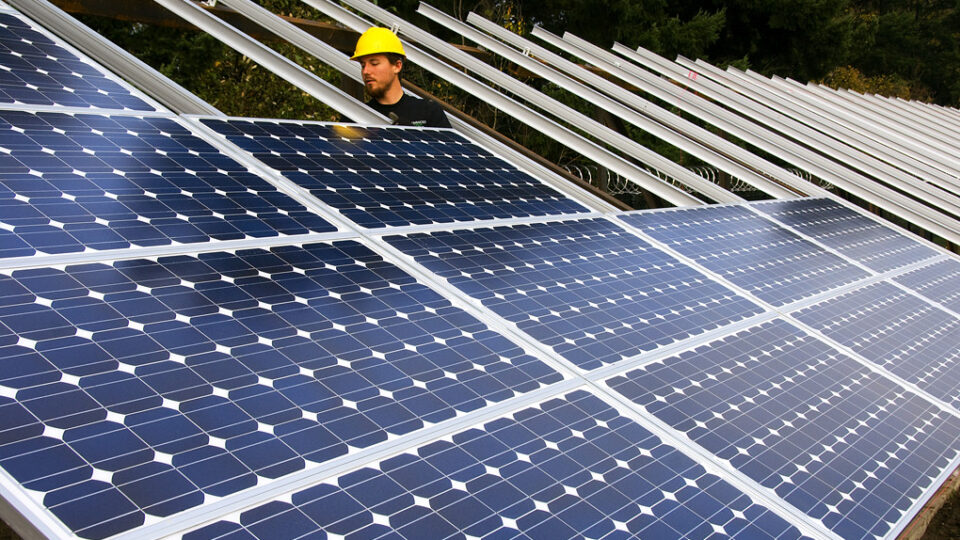
Solar panels generally have a useful life of around 20 to 25 years.  The great majority of deployed panels have been installed fairly recently, so they have a long way to go.  But the growth in solar technology dates back to the 1990s, so there are growing number of panels that have already or are shortly coming to their end-of-life.

Today, roughly 90% of solar panels that have lost their efficiency due to age, or that are defective, end up in landfills because recycling them is too expensive.  Nevertheless, solar panels contain valuable materials, including silver, copper, and crystalline silicon, as well as lower-value aluminum and glass. 

The rapid growth of solar technology means that in the coming years, large numbers of retired solar panels will enter the waste stream.  The area covered by solar panels that are due to be retired by 2030 in the U.S. alone would cover about 3,000 football fields.  Clearly, more cost-effective recycling methods are sorely needed.

Engineers at the University of New South Wales in Sydney Australia have developed a new, more effective way of recycling solar panels that can recover silver at high efficiency.  The panel frames and glass are removed leaving just the solar cells themselves.  The cells are then crushed and sieved in a vibration container that effectively separates 99% of the materials contained in them.

Silver is the most valuable material contained in solar cells.  The Australian researchers estimate that between 5 and 10 thousand tons of silver could potentially be recycled from retired solar panels by the year 2050.  But even the other materials contained in solar panels are well worth recovering if it can be done cost-effectively.

**********

Web Links

New environmentally friendly solar panel recycling process helps recover valuable silver

Photo, posted November 22, 2008, courtesy of Oregon Department of Transportation via Flickr.

Earth Wise is a production of WAMC Northeast Public Radio

Pulling Carbon Dioxide Out Of Seawater | Earth Wise

April 17, 2023 By EarthWise Leave a Comment

Researchers are developing method to pull CO2 out of seawater

The world’s largest sink for carbon dioxide from the atmosphere is the ocean.  The world’s oceans soak up 30-40% of all the gas produced by human activities.  Dissolving carbon dioxide in water produces carbonic acid.   This is the reason that oceans are becoming increasingly acidic, which is causing serious damage to ocean ecosystems.

There are many efforts underway aimed at directly removing carbon dioxide from the air as a way to mitigate the effects of ongoing emissions.  But another possibility is to remove CO2 directly from ocean water.  Existing methods for doing it involve the use of expensive membranes and complex chemicals. The economics of such methods are quite unfavorable.

Recently, a team of researchers at MIT has identified what they claim is a truly efficient and inexpensive removal mechanism. It involves a reversible process based on membrane-free electrochemical cells.  Electrodes in the cells release protons that are introduced to seawater which drive the release of carbon dioxide dissolved in the water. The carbon dioxide can be collected and the processed water ends up being alkaline.

Running this process at a site that is already collecting seawater – such as at a desalination plant – would be an effective way to collect carbon dioxide as well as help mitigate ocean acidification.

Once the carbon dioxide is removed from the water, it still needs to be disposed of, just as is the case for other carbon removal processes.  It could be turned into useful chemicals or it could be stored in underground caverns.  But this approach is fairly unique in that the carbon dioxide has already been captured by the ocean.  The issue remains what to do with it.

**********

Web Links

How to pull carbon dioxide out of seawater

Photo, posted January 19, 2016, courtesy of Judy Dean via Flickr.

Earth Wise is a production of WAMC Northeast Public Radio

Sustainable Jet Fuel | Earth Wise

March 29, 2023 By EarthWise Leave a Comment

Experimenting with sustainable jet fuel

For several years, a few airlines, notably United here in the US, have been experimenting with the use of sustainable jet fuel.  Sustainable aviation fuel is made from such things as used cooking oil and agricultural waste.  It produces up to 80% fewer greenhouse gas emissions than conventional jet fuel. 

To date, when used it has been blended with fossil fuel jet fuel at a fairly low level.  United is the largest consumer of sustainable jet fuel in the US, but it accounts for less than one percent of the airline’s total fuel consumption.  Unfortunately, sustainable fuel can be as much as three times more expensive than conventional jet fuel.

Because of increasing governmental policy changes, technological breakthroughs, and climate commitments by airlines, efforts to increase the viability of sustainable jet fuel are ramping up.

Recently, United Airlines, Air Canada, Boeing, Honeywell, and JP Morgan Chase made initial contributions of $100 million to a new venture capital fund that will invest in sustainable fuel technology.  United expects the fund to grow to $500 million and make about two dozen investments over the next three years. 

Emissions from aviation contribute more than two percent of global greenhouse gas emissions each year.  Like many big companies, United Airlines has pledged to stop adding carbon emissions to the environment by 2050.  Unlike many, United has also pledged to eliminate emissions without using carbon offsets, which is effectively paying others to do their dirty work without cleaning up their own operations.

Multiple sustainable fuel companies in the US and abroad are working on a variety of ways to make aviation fuel from sustainable sources.

**********

Web Links

A Sudden Rush to Make Sustainable Aviation Fuel Mainstream

Photo, posted August 18, 2021, courtesy of Ronen Fefer via Flickr.

Earth Wise is a production of WAMC Northeast Public Radio
Peak Fossil Fuels | Earth Wise

March 3, 2023 By EarthWise Leave a Comment

According to a new report from the Rocky Mountain Institute, a nonprofit that studies the energy transition, we have reached a pivot point in which fossil fuels have peaked in their use for producing electricity and are about to enter a period of decline.

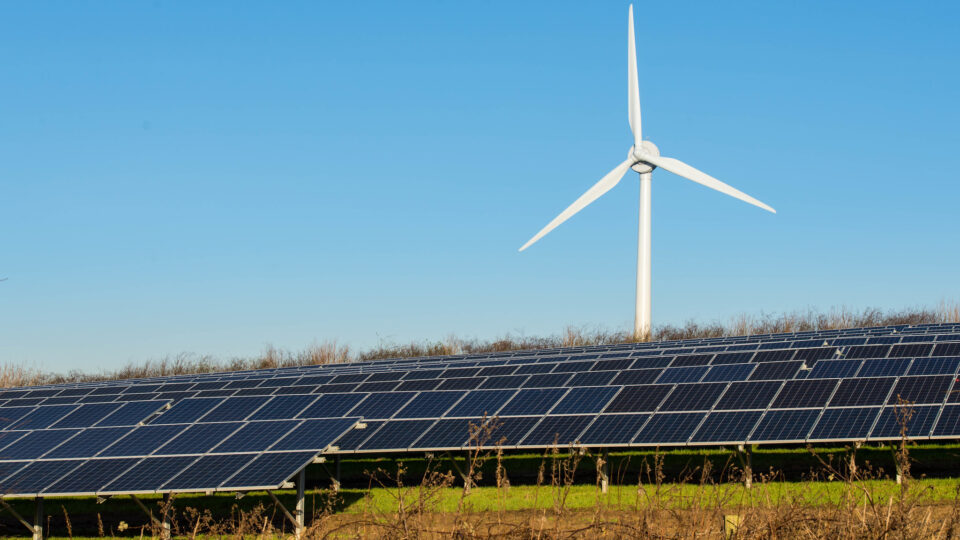
The report makes the case that wind and solar power are going through a growth process that looks very much like the trend lines for the early stages of other transformative products and industries – things like automobiles and smartphones.  Such growth begins slowly for technology and products that are very expensive, but then shifts into high gear as costs shrink and efficiency rises.

The argument is that fossil fuel demand has peaked in the electricity market because the annual growth in global electricity demand is now less that the amount of electricity being generated by newly-built renewable energy plants (mostly solar and wind.)  This dynamic will squeeze out the most expensive and dirtiest energy sources over time.

Overall use of fossil fuels for electricity shifted in 2018 from a long-standing period of growth to a holding pattern in which the total amount of electricity produced has no clear trend.  According to the RMI report, this plateau in fossil fuel use is likely to continue until about 2025, and then will be followed by a long-term decline.

While the trends in fossil fuel use are quite evident, the end results are not inevitable.  There continues to be a battle between the forces trying to protect the fossil fuel status quo and those trying to change it. But strong economic forces are difficult to overcome.  Renewable energy is the lowest cost source of electricity in a growing number of locations and situations.

**********

Web Links

When Will We Hit Peak Fossil Fuels? Maybe We Already Have

Photo, posted December 27, 2015, courtesy of Gerry Machen via Flickr.

Earth Wise is a production of WAMC Northeast Public Radio

Fuel From Wind And Water | Earth Wise

February 21, 2023 By EarthWise 1 Comment

Hydrogen is the most common element in the universe and it can be used as a fuel to run cars, trains, and even airplanes.  Using it produces no harmful emissions.  However, to date, the way it is economically produced is not clean and green.  It is made from natural gas and leaves behind lots of carbon dioxide.

Around the world there are many projects working on so-called green hydrogen.  Producing hydrogen by splitting water into its component elements is called electrolysis and produces only oxygen as a waste product.  The problem with electrolysis is that it takes prodigious amounts of energy and therefore is very expensive.

A new project taking place in north Texas hopes to create the country’s first large-scale producer of green hydrogen.  The project is building a 900-megawatt wind farm along with a 500-megawatt solar farm.  The 1.4 gigawatts of total production capacity is more energy than the city of Austin consumes.  That energy will be used to produce 200,000 kilograms of hydrogen a day.

This project is among the largest proposed green hydrogen projects in the U.S.   There are green hydrogen proposals in Europe, Australia, Africa, and the Middle East that range from 10 GW to 67 GW. 

The Texas project, being developed in partnership by Air Products and AES, has been enabled by government support from the Inflation Reduction Act.    

There are a few thousand hydrogen-powered cars, boats, and trains but without substantial, cost-effective hydrogen infrastructure, the market is very limited.   Subsidizing the development of the necessary infrastructure is essential if there is any real chance to create the long-imagined hydrogen economy.

**********

Web Links

Texas Project Will Use Wind to Make Fuel Out of Water

Photo, posted June 5, 2005, courtesy of City Transport Info via Flickr.

Earth Wise is a production of WAMC Northeast Public Radio

Reef Insurance | Earth Wise

January 4, 2023 By EarthWise Leave a Comment

Insuring coral reefs

Coral reefs around the world face multiple dangers from warming waters, acidification, human activity, and more.  Powerful storms often cause tremendous damage to reefs.  When possible, snorkelers and divers are deployed to try to repair damage to reefs.  But philanthropy and government grants are basically the only resources available to fund such actions.

Three years ago, tourist businesses and the government in the Mexican state of Quintana Roo purchased an insurance policy to offset costs of protecting the local parts of the Mesoamerican Reef.  The environmental group the MAR Fund later took out an insurance policy on the rest of the reef in Mexico, Belize, Guatemala, and Honduras. 

With this precedent, the Nature Conservancy recently purchased an insurance policy on behalf of the state of Hawaii to help offset repair work on its coral reefs.  It is the first U.S. coral insurance contract.

Coral reefs are more than just hosts for marine life.  They provide barriers against ocean storm surges, which is a major financial incentive for protecting them and hence an incentive to invest in insurance.

The new Hawaiian insurance policy has a premium of $110,000 a year and will provide $2 million in protection.  Payouts occur when wind speeds go above 50 knots.  No further proof of damage is required.

The Nature Conservancy has created teams called ‘Reef Brigades’ composed of snorkelers and divers who recover reef fragments, store them in ocean or shore-based nurseries, and then re-attach them when conditions are safe.  It can be very expensive to do this sort of work, particularly when new corals grown in a nursery are required.

**********

Web Links

Analysis: First U.S. coral insurance marks the rise of the reef brigades

Photo, posted September 14, 2011, courtesy of Greg McFall/NOAA Office of National Marine Sanctuaries via Flickr.

Earth Wise is a production of WAMC Northeast Public Radio
Prospects For Floating Solar | Earth Wise

October 10, 2022 By EarthWise Leave a Comment

Floating solar may power the future

Countries are trying to figure out how to get enough energy from solar and wind generation to completely decarbonize their economies.  According to some estimates, nations might have to devote between half a percent and five percent of their land area to solar panels to get the job done.  Half a percent is about the amount of the U.S. that is covered by paved roads.  While there is lots of open land in many parts of the country, covering it with solar panels might not be acceptable to farmers, conservationists, or other interested parties.

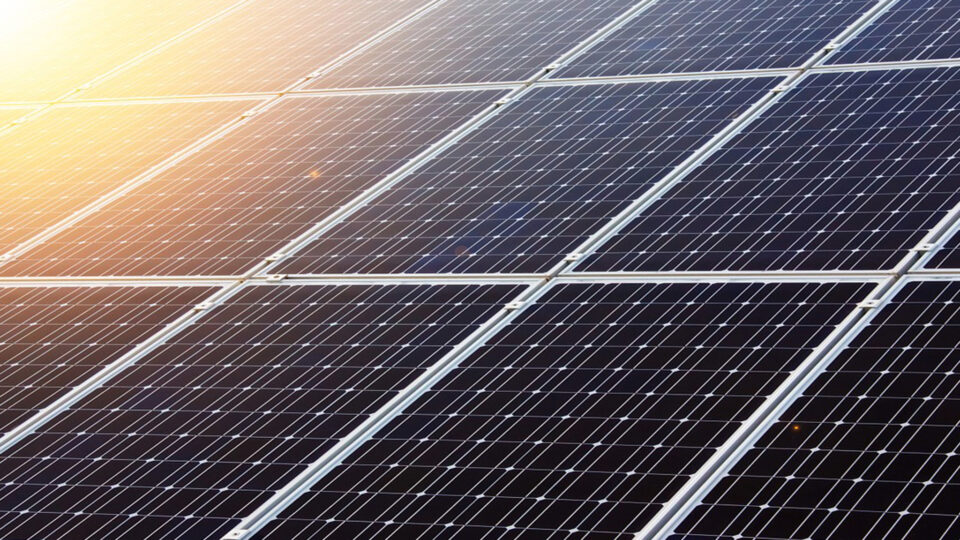
One way to deploy more solar panels without using up land is the use of floating solar panels.  Floating photovoltaic systems – also known as floatovoltaics – are becoming increasingly common, especially in Asia.  This year, China installed one of the largest floatovoltaic systems in the world on a reservoir near the city of Dezhou.

Floating solar panels stay cooler and run more efficiently than those on land.  The panels also help prevent evaporation from their watery homes and the shading they provide also help to minimize algal blooms.  Solar installations on reservoirs generally puts them near cities, making it easier to feed power into urban grids.

On the other hand, floating solar systems need to be able to withstand water and waves and are generally more expensive to build than land-based systems.

At present, the installed global capacity of floating solar is only about 3 gigawatts, compared with more than 700 gigawatts of land-based systems. However, reservoirs around the world collectively cover an area about the size of France.  Covering just 10 percent of them with floating solar could produce as much power as all the fossil-fuel plants in operation worldwide.

**********

Web Links

Solar Takes a Swim

Photo, posted March 7, 2019, courtesy of Hedgerow INC via Flickr.

Earth Wise is a production of WAMC Northeast Public Radio

The Importance Of Wildlife Crossings | Earth Wise

September 23, 2022 By EarthWise Leave a Comment

Wildlife crossings reduce collisions and save lives and money

Highway accidents involving animals are a big problem for both people and animals.  According to the National Highway Traffic Safety Administration, motorists in the United States kill one to two million large animals every year.  About 200 people are killed annually in the U.S. as a result of those collisions with animals.   

These crashes are expensive, too.  Deer-vehicle collisions cost an average of more than $8,000 each; elk-vehicle collisions cost about $25,000; and moose-vehicle collisions cost more than $44,000.

One solution that has been quite effective around the world in reducing car-animal collisions is wildlife overpasses and underpasses.  They are designed to help animals move in search of food and to escape predators and wildfires.  These traffic-spanning bridges and tunnels have been popular in Europe since the 1950s.  They look much like regular overpasses for cars but are decked out with native flora.  The underpasses, which assist shyer and smaller animals, are typically invisible to drivers.

According to a new economic analysis by researchers at Washington State University, wildlife crossings in Washington State save roughly $235,000 to $443,000 every year per structure. 

Wildlife crossing structures range in cost from $500,000 for a tunnel-like underpass to more than $6 million for a broad bridge.  There may soon be many more wildlife crossing structures across the country since $350 million was allotted in the federal Infrastructure Investment and Jobs Act signed into law in 2021.

**********

Web Links

Wildlife crossings potentially save millions annually in Washington state

How wildlife bridges over highways make animals—and people—safer

Photo, posted March 24, 2017, courtesy of Jeffrey Beall via Flickr.

Earth Wise is a production of WAMC Northeast Public Radio
Colorful Solar Panels | Earth Wise

September 22, 2022 By EarthWise Leave a Comment

Creating color solar panels

More and more buildings and public spaces are incorporating solar panels and not only just on rooftops.  Some buildings are incorporating power-generating structures all over their facades.

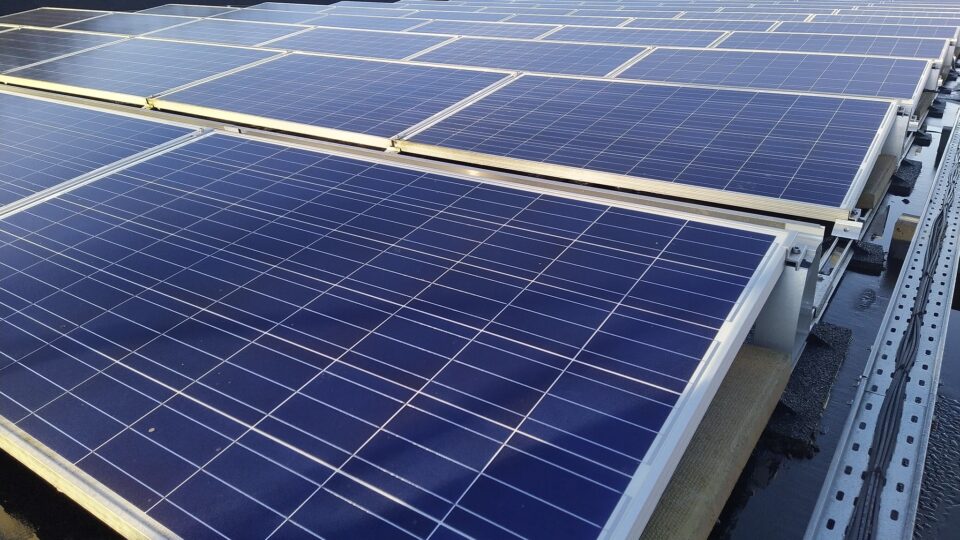
Using solar panels in this way puts some design constraints on buildings because solar panels are typically a deep black color.  This is because solar panels need to absorb light and making them any other color decreases their ability to do so and generate power.  But the problem is that people don’t necessarily want a black building.

One alternative to traditional solar panel design is to use structural sources of color that include microscopic shapes that only reflect specific light frequencies, like the scales on butterfly wings.  But this approach generally leads to iridescence – which might not be what is wanted – and is often quite expensive to implement.

A team of researchers at a university in Shanghai has now demonstrated a way to give solar panels color that is easy and inexpensive to apply and that does not reduce their ability to produce energy efficiently.

The technique involves spraying a thin layer of a material called a photonic glass onto the surface of solar cells.  The photonic glass is made of a thin, disorderly layer of dielectric microscopic zinc sulfide spheres.  Even though most light can pass through the photonic glass, certain colors are reflected back, depending on the sizes of the spheres.  By varying that size, the researchers created solar panels that were blue, green, or purple with only a very small drop in solar panel efficiency.

The solar panels made this way maintained their color and performance under durability testing.  With this new technology, there may soon be colorful solar panels on our buildings.

***********

Web Links

Colorful solar panels could make the technology more attractive

Photo, posted December 15, 2021, courtesy of Pete via Flickr.

Earth Wise is a production of WAMC Northeast Public Radio

A Cheap Material For Carbon Capture | Earth Wise

September 12, 2022 By EarthWise Leave a Comment

The recently passed Inflation Reduction Act includes significant support for carbon capture technologies. Eliminating fossil fuel burning is essential for halting climate change, but in the interim, methods for capturing emissions of carbon dioxide and either storing it or turning it into usable products are increasingly necessary.

There are a variety of techniques being developed for carbon capture but at this point, none of them are commercially viable.  The best technique in use today involves piping flue gases through chemicals called liquid amines, which bind CO2.  The process requires large amounts of energy to release the bound carbon dioxide so it can be concentrated and stored.  As a result, it is complicated and expensive.

Researchers at UC Berkeley, Stanford, and Texas A&M University have developed a carbon capture method using melamine, which is an inexpensive polymer used to make Formica, as well as low-cost dinnerware, industrial coatings, and other plastics.  Porous melamine itself adsorbs CO2 to a limited extent.  But the researchers discovered that adsorption could be much improved by adding the chemical DETA (diethylenetriamine) to bind the CO2.  In addition, adding cyanuric acid increased the melamine pore size and radically improved CO2 capture efficiency even more.

The result is a material that is more efficient even than exotic carbon capture materials like metalorganic frameworks and is much cheaper and easier to make. The researchers aim to design equipment that can used in industrial facilities, attached to buildings and other structures, or even to the tailpipes of gas-powered vehicles.

**********

Web Links

A simple, cheap material for carbon capture, perhaps from tailpipes

Photo, posted June 10, 2006, courtesy of Flickr.

Earth Wise is a production of WAMC Northeast Public Radio.

Solar-Powered Desalination | Earth Wise

September 6, 2022 By EarthWise Leave a Comment

Desalinating water using solar power

About two-thirds of humanity is affected by water shortages.  In the developing world, many areas with water shortages also lack dependable sources of electricity.  Given this situation, there is widespread research on using solar heat to desalinate seawater.  To date, many approaches to this face problems with fouling of equipment with salt buildup.  Tackling this issue has proven to add complexity and expense to solar desalination techniques.

A team of researchers from MIT and China has recently developed a solution to the problem of salt accumulation that is more efficient than previous methods and is less expensive as well.

Previous attempts at solar desalination have relied on some sort of wick to draw saline water through the device.  These wicks are vulnerable to salt accumulation and are difficult to clean.  The MIT-Chinese team has developed a wick-free system instead.  It is a layered system with dark material at the top to absorb the sun’s heat, and then a thin layer of water that sits above a perforated layer of plastic material.  That layer sits atop a deep reservoir of salty water such as a tank or pond.  The researchers determined the optimal size for the holes in the perforated plastic.

The 2.5 millimeter holes are large enough to allow for convective circulation between the warmer upper layer of water above the perforated layer and the colder reservoir below.  That circulation naturally draws the salt from the thin layer above down into the much larger body of water below.

The system utilizes low-cost, easy to use materials.  The next step is to scale up the devices into a size that has practical applications.  According to the team, just a one-square-meter system could provide a family’s daily needs for drinking water.

**********

Web Links

Solar-powered system offers a route to inexpensive desalination

Photo, posted February 13, 2017, courtesy of Jacob Vanderheyden via Flickr.

Earth Wise is a production of WAMC Northeast Public Radio.

Cleaning Up Forever Chemicals | Earth Wise

August 29, 2022 By EarthWise Leave a Comment

New technology to help clean up forever chemicals

PFAS, per- and polyfluoroalkyl substances, are chemical pollutants that threaten human health and ecosystem sustainability.  They are used in a wide range of applications including food wrappers and packaging, dental floss, firefighting foam, nonstick cookware, textiles, and electronics.  Over decades, these manufactured chemicals have leached into our soil, air, and water.  Chemical bonds in PFAS molecules are some of the strongest known, so the substances do not degrade easily in the environment.

Studies have shown that at certain levels, PFAS chemicals can be harmful to humans and wildlife and have been associated with a wide variety of health problems.

Currently, the primary way to dispose of PFAS chemicals is to burn them, which is an expensive multistep process.  Even trace levels are toxic, so when they occur in water in low amounts, they need to be concentrated in order to be destroyed.

Researchers at Texas A&M University have developed a novel bioremediation technology for cleaning up PFAS.  It uses a plant-derived material to absorb the PFAS which is then eliminated by microbial fungi that literally eat the forever chemicals.

The sustainable plant material serves as a framework to adsorb the PFAS.  That material containing the adsorbed PFAS serves as food for the fungus.  Once the fungus has eaten it, the PFAS is gone. 

The EPA has established a nationwide program to monitor the occurrence and levels of PFAS in public water systems and is considering adding PFAS threshold levels to drinking water standards.  If this happens, the technology developed at Texas A&M may become an essential part of municipal water systems.

**********

Web Links

Texas A&M AgriLife develops new bioremediation material to clean up ‘forever chemicals’

Photo, posted August 10, 2013, courtesy of Mike Mozart via Flickr.

Earth Wise is a production of WAMC Northeast Public Radio.

A Better Way To Capture Carbon | Earth Wise

April 29, 2022 By EarthWise Leave a Comment

Developing a better way to capture carbon

The goal of carbon capture and storage technology is to remove carbon dioxide from the atmosphere and safely store it for the indefinite future.  There are existing industrial facilities that capture carbon dioxide from concentrated sources – like the emissions from power plants.  The technology currently captures and stores only about a tenth of a percent of global carbon emissions.

Most existing CCS technologies use chemical binders to trap carbon dioxide quickly and efficiently, but they are extraordinarily energy intensive as well as expensive.

Researchers at the University of Colorado Boulder have developed a new tool that could lead to more efficient and cheaper ways to capture carbon dioxide directly out of the air.  The tool predicts how strong the bond will be between carbon dioxide and a candidate molecule for trapping it – that is, a binder.  This new electrochemical diagnostic tool can be used to identify suitable molecular candidates for capturing carbon dioxide from everyday air.

Current carbon capture technologies are very expensive at the scale required to be able to turn the captured CO2 into useful substances, such as carbonates – which are an ingredient in cement – or formaldehyde or methanol, which can be used as fuels.  Making useful materials out of the captured CO2 is an important way to offset the cost of capturing it that merely storing it away does not permit.

The new electrochemical analytical tool developed by the Colorado researchers offers the potential for identifying binders that will be more efficient and less expensive, thereby making direct air carbon capture a realistic part of the efforts to address climate change.

**********

Web Links

New method could lead to cheaper, more efficient ways to capture carbon

Photo, posted October 25, 2015, courtesy of Frans Berkelaar via Flickr.

Earth Wise is a production of WAMC Northeast Public Radio.

  • « Go to Previous Page
  • Page 1
  • Page 2
  • Page 3
  • Page 4
  • Page 5
  • Go to Next Page »

Primary Sidebar

Recent Episodes

  • An uninsurable future
  • Clean energy and jobs
  • Insect declines in remote regions
  • Fossil fuel producing nations ignoring climate goals
  • Trouble for clownfishes

WAMC Northeast Public Radio
WAMC/Northeast Public Radio is a regional public radio network serving parts of seven northeastern states (more...)

Copyright © 2026 ·