• Skip to primary navigation
  • Skip to main content
  • Skip to primary sidebar

Earth Wise

A look at our changing environment.

  • Home
  • About Earth Wise
  • Where to Listen
  • All Articles
  • Show Search
Hide Search
You are here: Home / Archives for economy

economy

Restoring Environmental Rules Will Take Time | Earth Wise

February 17, 2021 By EarthWise Leave a Comment

Restoring Obama-era environmental rules will take time

Over the previous four years, the Trump administration weakened or rolled back more than 100 rules and regulations on air, water, public lands, endangered species, and climate change.  The Biden administration has vowed to review these changes and restore the environmental protections that were removed or weakened.

The process of restoring environmental protections generally fall into a few broad categories.  Some changes can happen by executive order.  The President can cancel individual fossil fuel infrastructure projects or reinstate federal protection of specific places.  On his first day in office, President Biden rescinded the construction permit for the Keystone XL pipeline.

The President is also expected to restore federal protection to the Bears Ears and Grand Staircase-Escalante national monuments in Utah, which the Trump administration opened up to mining, logging, and drilling.

However, it could take two years or more to restore Obama-era climate change regulations including limits on emissions, rules on industrial emissions of toxic pollutants such as mercury, and protections on wetlands and waterways.

Reinstating comprehensive regulations on air, water, and climate pollution will take years because the Trump administration, rather than eliminating rules entirely, often replaced them with weaker regulations.  Replacing the weak regulations cannot just happen by executive order.  The process involves scientific and economic analysis, and that takes time.

After four years of shrinking budget and shrinking staff, the Environmental Protection Agency has a lot of catching up to do and will need to prioritize its actions in order to deal with the most damaging consequences of the previous administration.

**********

Web Links

Restoring Environmental Rules Rolled Back by Trump Could Take Years

Photo, posted September 25, 2012, courtesy of Tar Sands Blockade via Flickr.

Earth Wise is a production of WAMC Northeast Public Radio.
A Large Drop In U.S. Greenhouse Gas Emissions | Earth Wise

December 29, 2020 By EarthWise Leave a Comment

Greenhouse gas emissions in the United States has dropped

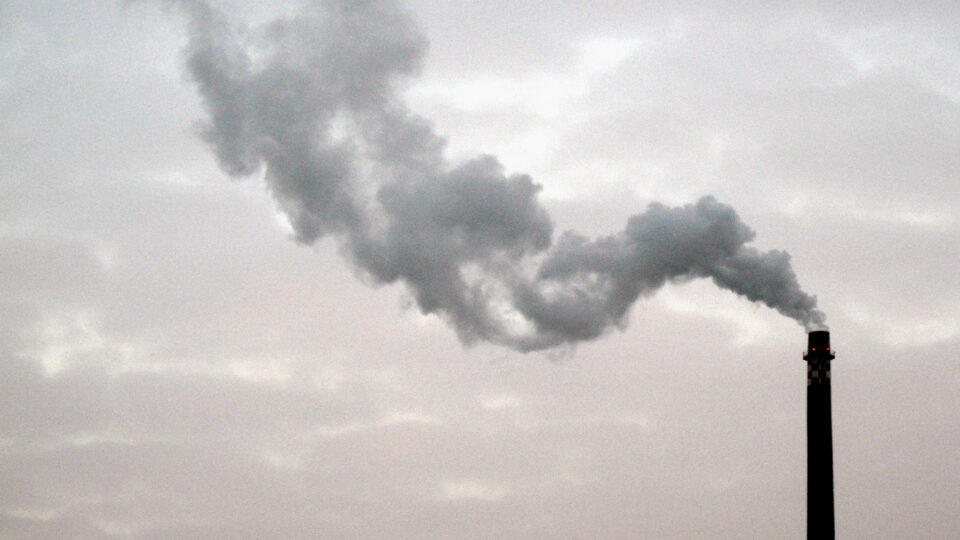
Greenhouse gas emissions in the U.S. in 2020 are on track to be at their lowest level in nearly 30 years as a result of the COVID-19 pandemic.  U.S. emissions haven’t been this low since 1983, when the economy was not even 40% of its current size.

According to a new study by the research group BloombergNEF, U.S. emissions for the year will be 9% lower than they were in 2019, which will be the largest yearly drop on record.  The report also anticipates that whatever happens in the pandemic, 2021 emissions will be well below pre-COVID levels as well.

The pandemic has inadvertently put the U.S. back on track to meet its original commitments to the Paris Climate Agreement, despite the fact that we have pulled out the agreement.  The incoming administration plans to return the U.S. to the pact.

Overall, U.S. emissions have been trending downward since 2008, primarily as a result of the lower dependence of the power sector on coal.  The report estimates that in the absence of the pandemic, 2020 emissions would have been 1% lower than last year’s.

The dramatic drop in emissions is not really a great cause for celebration.  Achieving significant emission reductions through massive economic hardship and societal disruption does not point the way towards making progress on climate change.  The economic upturn that will undoubtedly occur when the pandemic loses its grip on the world will lead to rebounding levels of greenhouse gas emissions.  But as is the case with all major crises, the current situation does present a chance to turn this temporary downturn in emissions into a more permanent one by making appropriate investments and policy changes.

*********

Web Links

Due to COVID-19, 2020 greenhouse gas emissions in the U.S. are predicted to drop to lowest level in three decades

Photo, posted January 13, 2013, courtesy of Onnola via Flickr.

Earth Wise is a production of WAMC Northeast Public Radio.
Crops May Need To Move | Earth Wise

October 5, 2020 By EarthWise Leave a Comment

Climate change might force crops to move

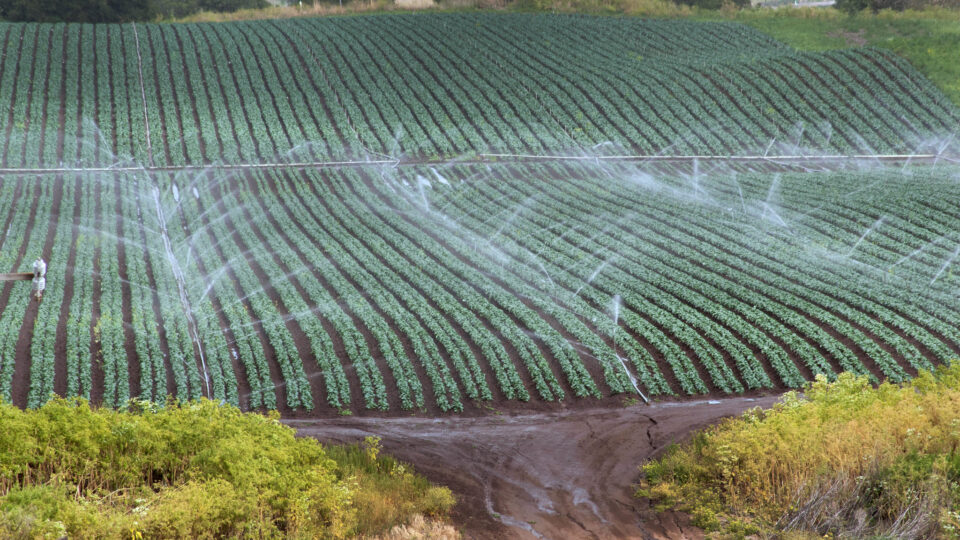
California has unique micro-climate diversity that creates ideal growing conditions for a wide range of crops.  One third of the vegetables and two-thirds of the fruits and nuts we eat in this country are grown on the more than 76,000 farms in California.  But as the climate continues to change, many farmers have started to worry about where and when crops can be grown in the future.   Within the next 20 years or so, some parts of California may become too hot and dry to sustain agricultural production.

According to new research from the Lawrence Berkeley National Laboratory, by the years 2045-2049, warmer temperatures will have a significant effect on cool-season crops such as broccoli and lettuce such that their growing season will need to shift.  On the other hand, warm-season crops like cantaloupe, tomatoes, and carrots will need to move to entirely new growing locations.

The study looked at five key crops that are produced more in California than elsewhere and studied the climate conditions under which they prosper and those under which they fail.  They established the range of conditions for which the crops can remain successful.  Finally they looked at climate projections for various parts of the state.

California’s agriculture is an essential part of our food security, so it is important to predict how future warming will affect when and where crops can be grown.  Changing these things presents challenges.  For example, when considering relocating crops, growers have specialized knowledge of their land and their crops.  If crops need to move to a new area, either the farmers have to move to that area, or they have to grow a different crop.  Either way, it presents a practical and economic burden on the farmer.

**********

Web Links

Some of America’s Favorite Produce Crops May Need to Get a Move On by 2045

Photo, posted June 16, 2011, courtesy of the U.S. Department of Agriculture via Flickr.

Earth Wise is a production of WAMC Northeast Public Radio.
New Jersey And Offshore Wind | Earth Wise

July 28, 2020 By EarthWise Leave a Comment

New Jersey commits to offshore wind

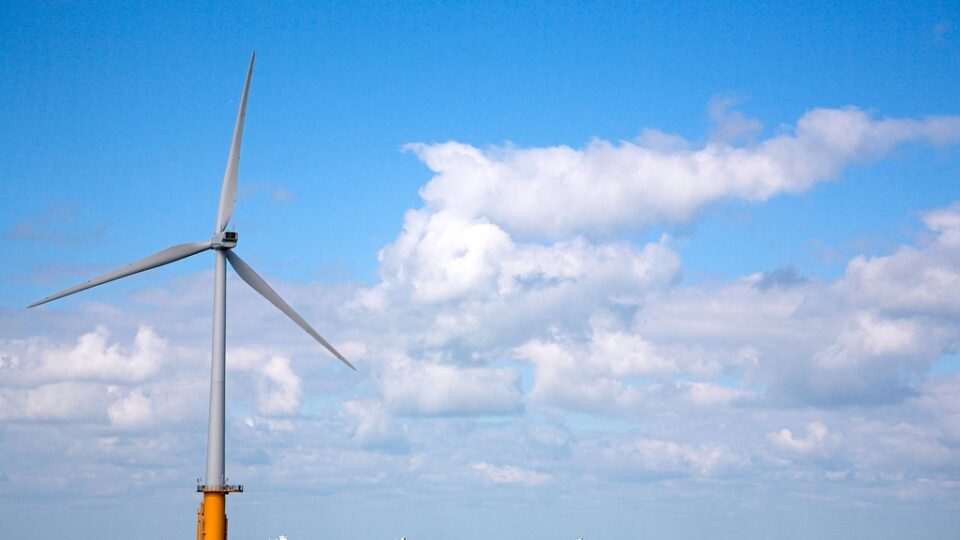
New Jersey intends to become a major hub for offshore wind in the United States.  The state recently announced a plan to build a 30-acre port along the Delaware River for assembling and deploying wind turbines, as well as an additional 25 acres for manufacturing facilities.   The new port is expected to cost as much as $400 million and create 1,500 jobs in southern New Jersey.

The port will be located on an artificial island that was built by the U.S. Army Corps of Engineers early in the 20th century.  The island is already home to three nuclear reactors.  No bridges exist between the island and the Atlantic Ocean, so turbines that are built at the staging facility could be hoisted upright and towed out to sea without obstruction.  Some components are as tall as 500 feet and when fully constructed on the ocean, the turbines selected for New Jersey’s first offshore wind project will be more than 850 feet tall.

A second phase of the program would add over 150 acres to accommodate extensive manufacturing facilities for turbine components like blades and nacelles.

Construction on the port is expected to start next year.  New Jersey has pledged to produce 7,500 megawatts of offshore wind energy by 2035 and to generate 100% of its electricity from renewables by 2050.  Apart from deploying offshore wind, New Jersey wants to have a significant piece of the supply chain for what is likely to be a growing industry along the northeast coast.  The state views offshore wind as a once-in-a-generation opportunity to not only protect the environment but also greatly expand its economy in a way that has immediate impacts and long-term growth.

**********

Web Links

New Jersey Announces $400 Million Offshore Wind Port

Photo, posted September 18, 2010, courtesy of Vattenfall Nederland via Flickr.

Earth Wise is a production of WAMC Northeast Public Radio.
Oil Platforms And Fish | Earth Wise

July 16, 2020 By EarthWise Leave a Comment

oil platforms are major habitats for fish

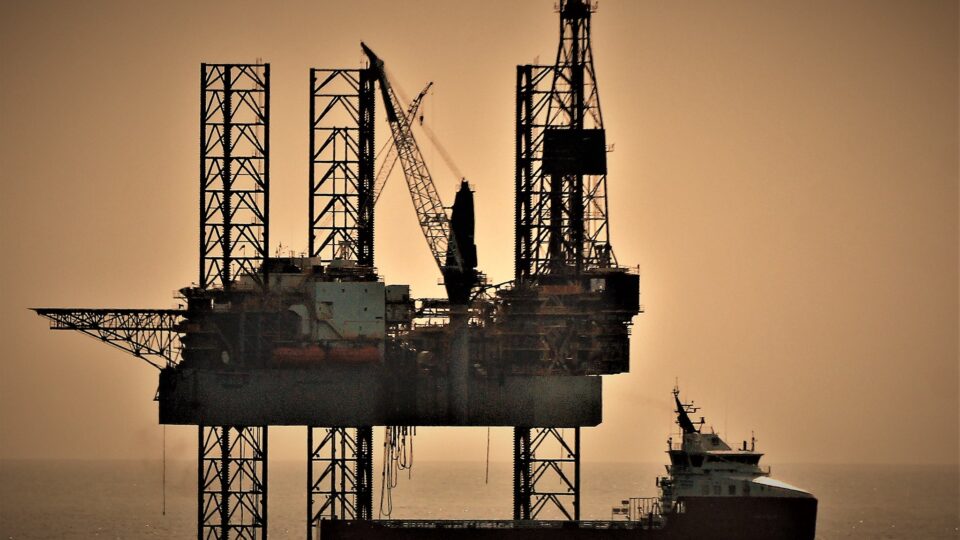
It is well-known that offshore oil platforms become major habitats for fish.  Their support structures rise hundreds of feet through the water column and basically create a prefabricated reef for marine life.   Many of these platforms will soon be decommissioned and government agencies are considering the consequences to undersea life when this happens.

Researchers at the University of California Santa Barbara have looked at how various decommissioning scenarios would affect undersea ecosystems. They found that completely removing a platform could reduce fish biomass by an average of 95%.  In contrast, removing just the top part of the rig could keep losses to around 10%.

California is looking at several possibilities for decommissioning 27 oil platforms off of its coast.  The three options are:  leave the platform in place, remove all of it, or remove just the top part of it.  Each option entails its own economic and ecological consequences.

The research team studied the size and composition of fish communities at 24 platforms and created models for each of the decommissioning scenarios.  The partial removal approach involved stripping away all structures within 26 meters of the surface.  This number would eliminate the need for a lighted buoy where the support structure remained according to U.S. Coast Guard guidelines.

For the 24 structures studied, leaving them entirely in place would support over 29,000 kilograms of fish biomass.  Removing just the top 26 meters would support nearly 28,000 kilograms.  Removing the platforms entirely would support only 500 kilograms of fish biomass.

As California weighs how to decommission its oil platforms, studies like this will be critical to making informed decisions.

**********

Web Links

Oil Platforms’ Fishy Future

Photo, posted June 4, 2019, courtesy of Flickr.

Earth Wise is a production of WAMC Northeast Public Radio.

Global Emissions And The Coronavirus Shutdown | Earth Wise

June 10, 2020 By EarthWise Leave a Comment

With so much of industry and personal activity curtailed by coronavirus shutdowns across the globe, it is no surprise that greenhouse gas emissions have declined.  According to new research published in the journal Nature Climate Change, average daily global greenhouse gas emissions declined 17% by early April compared to 2019 levels.

If the reopenings around the world continue and the world actually reaches pre-crisis levels by the middle of June, total CO2 emissions for the year would likely end up lower by about 4%.   If various restrictions continue until the end of the year, total global emissions could decline by 7%.

The study analyzed emissions estimates for three levels of coronavirus shutdowns and across six sectors of the economy.  It looked at trends in 69 countries, all 50 U.S. states, and 30 Chinese provinces, representing in total 86% of the world’s population and 97% of global CO2 emissions.

For the first 4 months of the year, emissions from industry declined 19%, the power sector 7%, and public buildings and commerce 21%, compared to last year.  Unsurprisingly, home energy use actually went up by about 3%.

The findings of this study only represent the effects of a short-lived decline in emissions.  As economies open back up, there is no doubt that greenhouse gas emissions will rise back to pre-Covid-19 levels.

The study also reveals that making real changes in emissions will require more than just behavior changes.  Despite billions of people staying home, companies shut down, planes grounded, and cars off the road, we still managed to pump more than 80% of the usual amount of greenhouse gases into the air for the first quarter of the year.

**********

Web Links

Global Emissions Fell 17 Percent Due to Coronavirus Shutdowns

Photo, posted May 7, 2020, courtesy of the MTA via Flickr.

Earth Wise is a production of WAMC Northeast Public Radio.
Renewable Energy And The Post-COVID World | Earth Wise

June 2, 2020 By EarthWise Leave a Comment

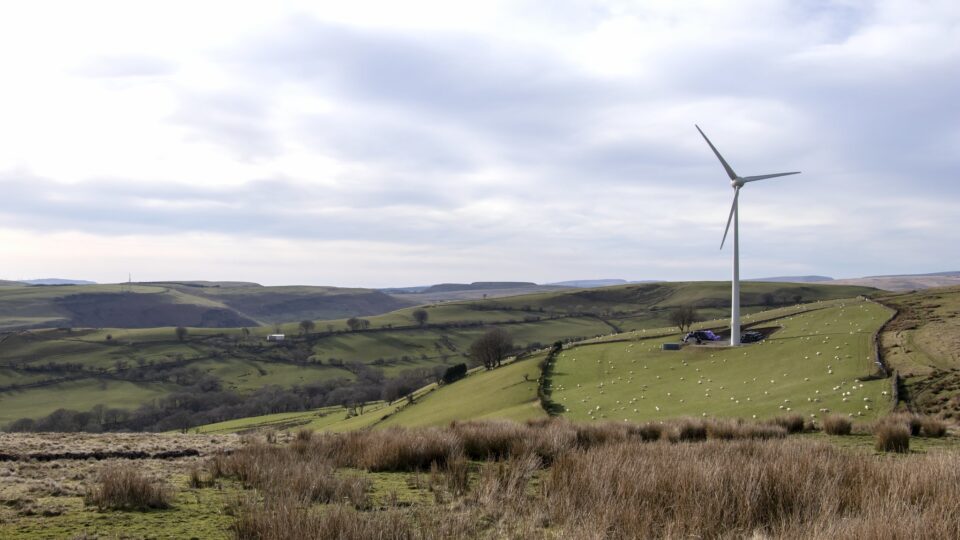
As is the case for virtually all sectors of the global economy, the short-term prospects for wind and solar power look pretty grim.  Lockdowns, social distancing requirements, and financial upheavals have put many new projects on ice and have halted production at factories making solar panels and wind turbines.  Sales of home solar have struggled as people have put off spending during the economic slowdown.

Ironically, the shutdowns aimed at reducing the spread of the Coronavirus have led to renewable sources accounting for an increased share of power generation.  Global energy demand has plummeted and, because of the low cost of solar and wind power, sources like coal and nuclear power have been curtailed in favor of the renewables.  The dramatically reduced demand has pushed oil and gas prices to historic lows and has left fossil fuel companies struggling to find storage space for the glut of product.

When the world emerges from the pandemic, the question is whether renewable energy will end up on a faster track than before or will end up in a long-term slowdown.  The answer will depend to large extent on the choices political leaders make.

Leaders will unquestionably be designing economic recovery packages.  Such packages could accelerate the shift towards wind and solar power, or they could prop up the fossil fuel economy.  Unfortunately, leaders are prone to be motivated by lobbyists more than by the greater needs of society.  The global economic upheaval represents a real opportunity to change the pace of efforts to address climate change.  Whether that change is a positive one or a negative one is just another looming question facing society when we emerge from the pandemic.

**********

Web Links

How Renewable Energy Could Emerge on Top After the Pandemic

Photo, posted April 12, 2020, courtesy of Jeremy Segrott via Flickr.

Earth Wise is a production of WAMC Northeast Public Radio.
The Blue Acceleration | Earth Wise

February 24, 2020 By EarthWise Leave a Comment

Human pressures on world's oceans show no sign of slowing

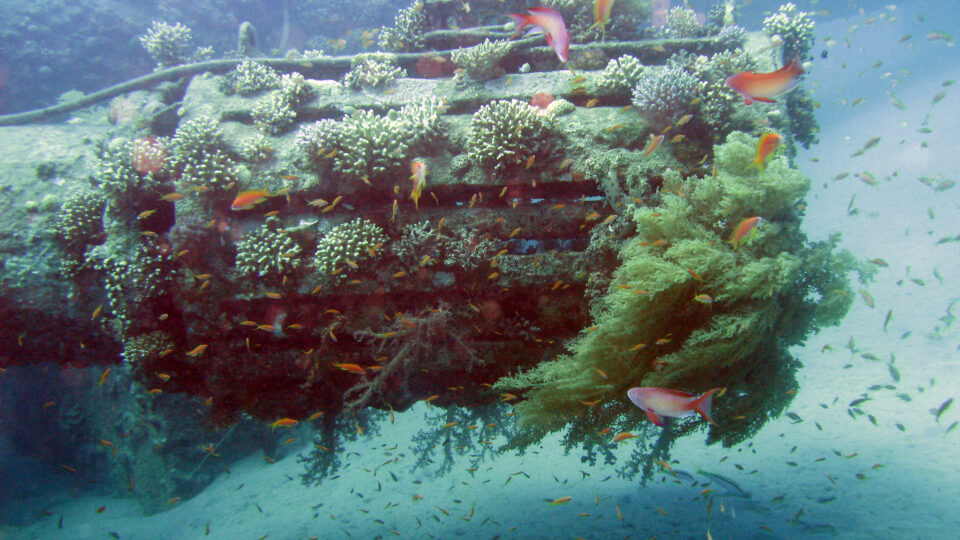
The oil and gas sector is the largest ocean industry.  It’s responsible for about one third of the value of the ocean economy.  Sand and gravel, destined for the construction industry, are the most mined minerals in the ocean.  And during the past 50 years, approximately 16,000 desalination plants have popped up around the world to help supply people with an increasingly scarce commodity: freshwater. 

As a result of these and other human pressures, the world’s oceans have suffered a lot over time.  But according to a comprehensive new analysis on the state of the ocean, human pressure on the world’s oceans, driven by a combination of technological progress and declining land-based resources, sharply accelerated at the start of the 21st century.  Scientists have dubbed this dramatic increase, which shows no signs of slowing down, the “Blue Acceleration.”

A  research team from Stockholm University analyzed 50 years of data from aquaculture, bioprospecting, shipping, drilling, deep-sea mining, and more.  Their findings were recently published in the journal One Earth.

While claiming ocean resources and space is not new, lead author Jean-Baptiste Jouffray from the Stockholm Resilience Centre says “the extent, intensity, and diversity of today’s aspirations are unprecedented.”

The researchers also highlight how not all human impacts on the ocean are negative.  For example, offshore wind farm technology has reached commercial viability allowing the world to reduce reliance on fossil fuels.

But how can the Blue Acceleration be slowed?  Since only a handful of multinational companies dominate sectors like the seafood industry, oil and gas exploitation, and bioprospecting, one idea is to have banks and other investors adopt more stringent sustainability criteria for making ocean investments. 

**********

Web Links

Human pressure on world’s ocean shows no sign of slowing

Photo, posted October 29, 2008, courtesy of Silke Baron via Flickr.

Earth Wise is a production of WAMC Northeast Public Radio.

Volunteer Tourism | Earth Wise

February 13, 2020 By EarthWise 1 Comment

volunteer tourism aids disaster recovery

Spending vacation time in a disaster zone seems like a crazy idea, but so-called volunteer tourism can actually be a big help to communities trying to recover from natural disasters.  It can also be a unique and rewarding experience for the volunteers.

Such volunteer tourism should not be confused with “disaster tourism”, the unfortunate practice of rushing to the scene of a calamity to gawk.  That is certainly no help to anyone.

When disaster strikes a destination usually frequented by tourists, people naturally tend to stay away, leaving communities to deal with the loss of tourism income on top of the costs of repair and recovery.

A study by UTS, a technology university in Sydney, Australia, looked at the effects of volunteer tourism in the wake of the April 2015 earthquake in Nepal.  They found that when it is done in an ethical matter than takes into account local conditions and the affected community, volunteer tourism can aid recovery and resilience.

In the months following the earthquake, most relief organizations asked international volunteers not to come unless they had specific expertise, such as medical skills, building skills, or emergency response experience.  Eventually, Nepal relaxed conditions to include volunteers to help rebuild homes and schools, to intern in hospitals, and to support NGOs and to re-establish sustainable agriculture.

According to the Nepal Association of Tour and Travel Agents, almost one third of the tours booked to Nepal in the two years after the earthquake comprised groups who combined tourism with volunteering or philanthropy.

Volunteer tourism isn’t for everyone and for every situation, but for places that rely on tourism for their economy, building volunteer tourism into the recovery process can be a good strategy.

**********

Web Links

Volunteer tourism can aid disaster recovery

Photo, posted July 2, 2015, courtesy of the World Humanitarian Summit via Flickr.

Earth Wise is a production of WAMC Northeast Public Radio.
The Problem Of Gas Flaring | Earth Wise

January 9, 2020 By EarthWise Leave a Comment

Gas flaring

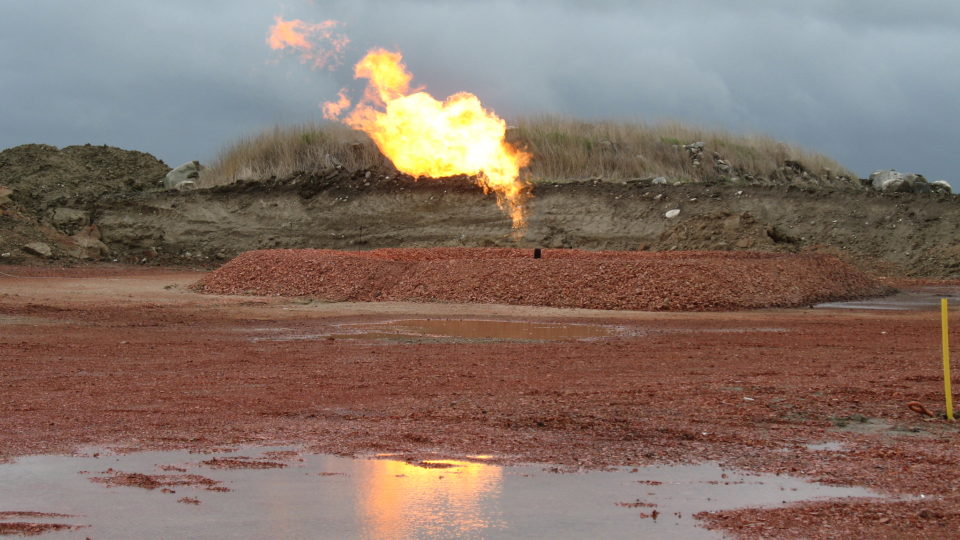
Gas flaring is the burning off of flammable gas released by pressure relief values during over-pressuring of plant equipment at petroleum refineries, chemical plants, natural gas processing plants, and a variety of oil and gas production plants.  Flaring is also used during plant startups and shutdowns.

A new study by Rice University concludes that reducing gas flaring would benefit both the environment and the economy. Flaring and venting of gas in West Texas’s Permian Basin and certain other parts of the U.S. have reached levels that the intended result of burning gas to allow oil extraction now looks more like wasting one resource to produce another.

At current rates, enough gas is flared in the Permian Basin to yield nearly 5 million metric tons of exportable liquid natural gas if it was captured and liquified.  At these rates, the wasted gas could fill the largest sized LNG carrier every ten days.  If that liquified natural gas was exported to China and used in a power plant, it would displace 440,000 metric tons of coal burned to generate electricity.

Burning natural gas to heat homes, power industrial processes, or generate electricity all emit carbon dioxide, but at least these things also perform valuable functions. Flaring gas produces CO2 as well as other combustion products but doesn’t even do anything useful.  The venting of unburned gas, which also takes place with some frequency, is even worse since it is dumping methane directly into the atmosphere.

Across the U.S., some 14.1 billion cubic meters of natural gas was flared in 2018, equivalent to nearly 9 million metric tons per year of LNG.  In energy terms, that is equivalent to more than one-third of the total LNG volume U.S. firms actually exported that year.

**********

Web Links

Reducing gas flaring will benefit economy and environment, says Baker Institute expert

Photo courtesy of Flickr.

Earth Wise is a production of WAMC Northeast Public Radio.
Detecting Methane

December 23, 2019 By EarthWise Leave a Comment

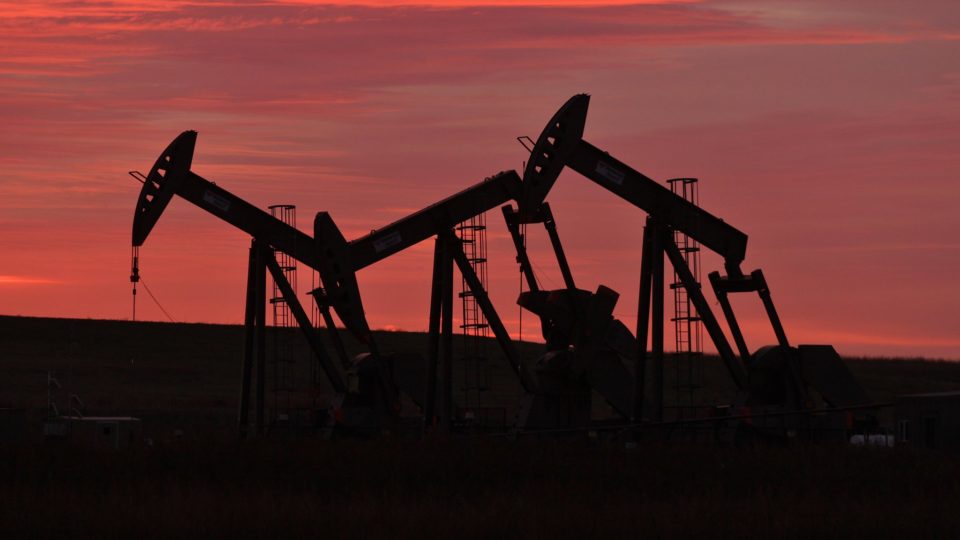
Natural gas has become a huge industry in the United States, increasingly replacing coal in power plants, and otherwise contributing to energy independence.  Unfortunately, it also contributes to climate change.  Methane – the primary component of natural gas – is a powerful greenhouse gas that is estimated to be responsible for as much as a quarter of atmospheric warming.

Not all of the emissions from natural gas come from its use.  In the United States, so-called fugitive emissions from the oil and gas industry total an estimated 13 million metric tons per year.  These emissions basically consist of leakage of various types from the extraction, transportation, and processing of natural gas and cost the industry $2 billion in lost revenue each year.  Globally, that figure is estimated to be $30 billion.

Research labs and startup companies are working on developing and deploying novel technologies to address the growing issue of methane leaks across the fossil fuel supply chain.

One company called LongPath Technologies – a spinout from the University of Colorado – uses frequency comb laser technology that can pinpoint a leak to about a 50 square-foot area from half a mile away.  Other companies use different variations on laser absorption technology to be able to measure methane concentrations from a distance. 

Methane is a much more powerful greenhouse gas than carbon dioxide, but it stays in the atmosphere for much less time.  As a result, reducing methane emissions can pay off much more quickly than reducing carbon dioxide emissions.

The current EPA is trying to eliminate emissions regulations on the natural gas industry, but it is in the industry’s economic interest to curb those emissions even if they were unconcerned about the environment.

**********

Web Links

Methane Detectives: Can a Wave of New Technology Slash Natural Gas Leaks?

Photo, posted October 22, 2016, courtesy of Flickr.

Earth Wise is a production of WAMC Northeast Public Radio.

Reducing Emissions From Natural Gas Processing

December 4, 2019 By EarthWise Leave a Comment

Qatar, a small country in the Middle East with a population of about 2.5 million has the highest per capita income of any country in the world.  This is largely a result of being one of the world’s top producers of natural gas.  The upshot of that is that the tiny country has the dubious honor of being the world’s leading emitter of CO2 per capita.

Texas A&M University has a campus in Qatar and researchers there in collaboration with colleagues at the main campus in College Station, Texas have developed a new reactor technology that can help Qatar process its wealth of natural gas while reducing the country’s carbon footprint.

The technology processes natural gas and captured CO2 to produce both syngas – which is a valuable precursor for many products – and high-quality carbon nanotubes, all without releasing CO2 into the atmosphere.

Natural gas reforming is a process by which syngas – a feedstock for liquid hydrocarbons and ultraclean fuels- is produced.  The process requires lots of heat and emits CO2.  The new technology adds a novel CARGEN (or CARbon GENerator) reactor that advances the natural gas reforming process and includes a catalyst that captures the CO2 emissions and produces nanotubes.  The reactor can be driven by either electric or solar power, eliminating the need to burn fuel that ordinarily results in more carbon emissions.

The result is that Qatar’s CO2 emissions would be converted into two products that are important to its economy.  In particular, carbon nanotubes are very expensive and extremely versatile, and can be used to manufacture products such as computers and other high-quality materials.

The next step for the researchers is to partner with industry collaborators to further scale up the technology.

**********

Web Links

Qatar Researchers Develop Natural Gas Processing Technology That Could Reduce Qatar’s Carbon Footprint

Photo, posted September 30, 2012, courtesy of Jimmy Baikovicius via Flickr.

Earth Wise is a production of WAMC Northeast Public Radio.

Climate Change And Energy Demand

August 7, 2019 By EarthWise Leave a Comment

Human beings are utterly dependent upon energy both for our well-being and for societal development.  Our energy use is highly dependent upon climate since so much energy is expended either keeping us warm in winter or cool in summer.  As the climate changes, it is important to understand how energy demand is likely to be affected.

A new study published in Nature Communications by researchers in Austria, Italy and the United States explored this topic.  The study is a global analysis using temperature projections from 21 climate models, and population and economy projections for five socioeconomic scenarios.  The purpose was to determine how energy demand would shift relative to today’s climate under modest and high-warming scenarios by the year 2050.

The findings indicate that, compared to scenarios in which energy demand is driven only by population and income growth, climate change will increase the global demand for energy by 11-27% by the year 2050 under a modest warming scenario.  With vigorous climate warming, energy demand would increase by 25-58%.  (Large areas of the tropics, as well as southern Europe, China, and the US are likely to experience the highest increases).

These findings are important because if energy use rises and leads to additional emissions of heat-trapping greenhouse gases, it will be increasingly difficult to mitigate future climate warming.  Quantifying this risk provides even more incentive for reducing greenhouse gas emissions before these effects upon demand are realized and it becomes even more difficult to prevent further impacts.

Policymakers need to be aware that even moderate levels of climate change will lead to increases in energy demand that will make it increasingly difficult to minimize the harmful effects on their societies.

**********

Web Links

More energy needed to cope with climate change

Photo, posted December 15, 2008, courtesy of Matt Hintsa via Flickr.

Earth Wise is a production of WAMC Northeast Public Radio.
A Giant Solar Farm In Dubai

June 26, 2019 By EarthWise Leave a Comment

Like many places in the Middle East, Dubai made its fortune from oil.  But the Emirate’s oil resources are limited, and its economy has evolved in other directions.  Today, oil provides less than 5% of Dubai’s revenues; its economy relies on revenues from trade, tourism, aviation, real estate, and financial services.

Dubai is also away from fossil fuels to meet its energy needs. A monumental construction project is underway deep within Dubai’s desert interior which will be the largest solar energy facility in the world.

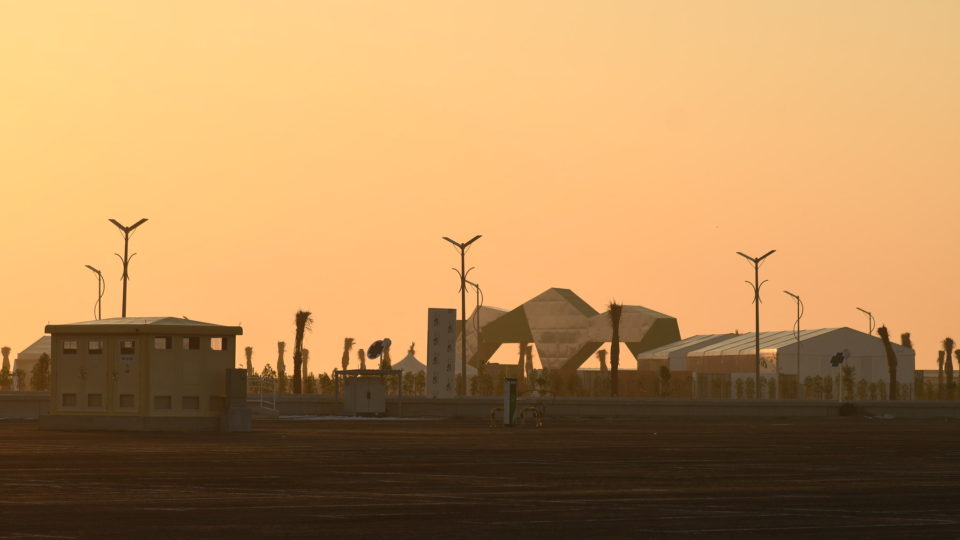
The Mohammed Bin Rashid Al Maktoum Solar Park – named after Dubai’s ruler – has been under development for 7 years.  Total investment in the project will be nearly $14 billion when it is completed in 2030.  It will have a total capacity of 5,000 megawatts, enough to power 1.3 million homes.  Only some large hydroelectric power plants, the largest nuclear power plants, and a couple of Asian coal plants have more generating capacity.

Phases one and two of the project are already complete and feature more than 2 million solar panels.  Phase three – well along the way in construction – will add another 3 million solar panels and should be completed next year.

Phase four will not involve solar panels but instead will make use of the world’s tallest concentrated solar power tower.  It will use mirrors to focus sunlight at the top of the tower to heat up molten salt that will power steam turbines to generate electricity and will be able to operate long after the sun goes down.

Currently, the Tengger Desert Solar Park in China is the largest photovoltaic park in the world, but a colossal farm in India will take its place in a few years.  Big solar is getting bigger all the time.

**********

Web Links

$13.6B record-breaking solar park rises from Dubai desert

Photo, posted December 15, 2018, courtesy of Anoop S. via Flickr.

Earth Wise is a production of WAMC Northeast Public Radio.
Can Germany Meet Its Energy Goals?

February 4, 2019 By EarthWise Leave a Comment

Germany has been a global leader in efforts to decarbonize its massive economy.  A national initiative known as Energiewende – or clean energy transition – has been in place since 2010 and relies heavily on renewable energy sources, energy efficiency, and energy demand management.

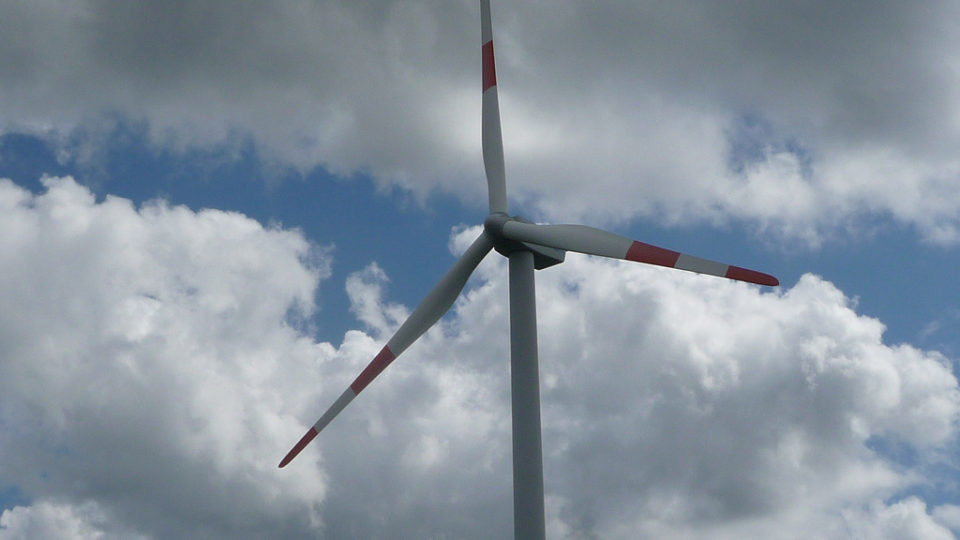
The program has involved some of the most aggressive deployment of renewable energy sources in the world.  Germany was the first country to install 1 GW of solar energy and still has the 5th largest amount of solar power in the world despite actually being a country with fairly limited sunshine.  Germany has nearly 30,000 wind turbines, most of which are onshore, unlike many other countries in northern Europe.  Over the past five years, government support and cost to consumers for the shift to clean energy have totaled over $180 billion.

However, despite these efforts, Germany’s greenhouse gas emissions have not declined as rapidly as expected, even though nearly 40% of the country’s electricity now comes from renewable sources.

This lack of expected success comes as a shock to the environmentally conscious German population, nearly 90% of which supports the program.

There are two major problems Germany faces.  One is that Germany is Europe’s largest producer of coal, which still generates more than a third of the country’s power.  The other is that Germany’s large auto industry is still married to gas- and diesel-fueled cars and emissions from the country’s cars are a big problem.

The Energiewende program was driven by political will and investment certainty.  It is unclear whether Germany can muster these forces again.  The Merkel government has dragged its feet on environmental issues in recent years.  It remains to be seen what effect shifting political power in Germany will have.

**********

Web Links

Carbon Crossroads: Can Germany Revive Its Stalled Energy Transition?

Photo, posted August 15, 2011, courtesy of Flickr.

Earth Wise is a production of WAMC Northeast Public Radio.
Support For A Green New Deal

January 23, 2019 By EarthWise Leave a Comment

Shortly after the November election, activists held a sit-in at Nancy Pelosi’s office calling for a Green New Deal – a plan to transform the U.S. energy economy in order to mitigate the effects of climate change as well as address various issues of economic justice.   While a number of Congress people have pledged to back the creation of a select committee to develop such a plan, it remains a political football and it remains to be seen whether anything will come of the idea.

There appears to be much less reticence on the part of voters, at least according to a survey conducted by the Yale Program on Climate Change Communication at the end of November.  The survey gave a brief explanation of the Green New Deal and asked respondents “How much do you support or oppose this idea?”

The result was that 81% of registered voters either “strongly” or “somewhat” supported it.  Support was stronger among Democrats at 92%, but a majority of Republicans were also in favor.  Some 57% of self-identified conservative Republicans even thought it was a good idea.

The Green New Deal would accelerate the transition from fossil fuels to clean, renewable energy.  The goal would be to generate 100% of the nation’s electricity from renewable sources within the next 10 years; upgrade the nation’s energy grid, buildings, and transportation infrastructure; increase energy efficiency; invest in green technology research and development; and provide training for jobs in the new green economy.

Even though most Americans have strong support for the ideas of the Green New Deal, it is quite uncertain whether such an initiative could become a reality, given that very influential special interest groups – notably the fossil fuel industry – will be fighting it tooth and nail.

**********

Web Links

81% of Voters Support a Green New Deal, Survey Finds

Photo, posted March 19, 2012, courtesy of Kate Ausburn via Flickr.

Earth Wise is a production of WAMC Northeast Public Radio.

Tourism And Greenhouse Gas Emissions

June 29, 2018 By EarthWise Leave a Comment

https://earthwiseradio.org/wp-content/uploads/2018/05/EW-06-29-18-Tourism-and-Greenhouse-Gas-Emissions.mp3

Tourism is a significant contributor to global gross domestic product.  Furthermore, it is growing at an annual rate of 4%, more than many other economic sectors.  There are many places around the world where it is the largest industry.  But until recently, there really wasn’t very good information about its carbon footprint.

[Read more…] about Tourism And Greenhouse Gas Emissions

Renewable Energy Jobs

June 26, 2018 By EarthWise Leave a Comment

https://earthwiseradio.org/wp-content/uploads/2018/05/EW-06-26-18-Renewable-Energy-Jobs.mp3

According to a new report by the International Renewable Energy Agency, more than half a million new jobs were generated by the renewable energy industry last year, an increase of 5.3% when compared with 2016.  The total number of people working in the renewables sector – which includes large hydropower facilities – has now exceeded 10 million people worldwide.

[Read more…] about Renewable Energy Jobs

Hydrogen Progress

April 18, 2018 By EarthWise Leave a Comment

https://earthwiseradio.org/wp-content/uploads/2018/04/EW-04-18-18-Hydrogen-Progress.mp3

As low-cost solar and wind energy become increasingly pervasive, the prospects for hydrogen-based transportation systems are improving.  The reason is that cheap electricity makes it practical to produce hydrogen by breaking down water rather than getting it from reforming natural gas, which results in carbon dioxide emissions.  The real goal is for hydrogen to be a renewable and carbon-free fuel.

[Read more…] about Hydrogen Progress

Renewable Powered Cities

March 29, 2018 By EarthWise Leave a Comment

https://earthwiseradio.org/wp-content/uploads/2018/03/EW-03-29-18-Renewable-Powered-Cities.mp3

Cities are responsible for 70% of the world’s energy-related CO2 emissions and it appears that they are taking responsibility for reducing them.  Over 7,000 mayors around the world have signed up to the Global Covenant of Mayors for Climate and Energy, thereby pledging to act on climate change.

[Read more…] about Renewable Powered Cities

  • « Go to Previous Page
  • Page 1
  • Page 2
  • Page 3
  • Page 4
  • Go to Next Page »

Primary Sidebar

Recent Episodes

  • An uninsurable future
  • Clean energy and jobs
  • Insect declines in remote regions
  • Fossil fuel producing nations ignoring climate goals
  • Trouble for clownfishes

WAMC Northeast Public Radio

WAMC/Northeast Public Radio is a regional public radio network serving parts of seven northeastern states (more...)

Copyright © 2026 ·