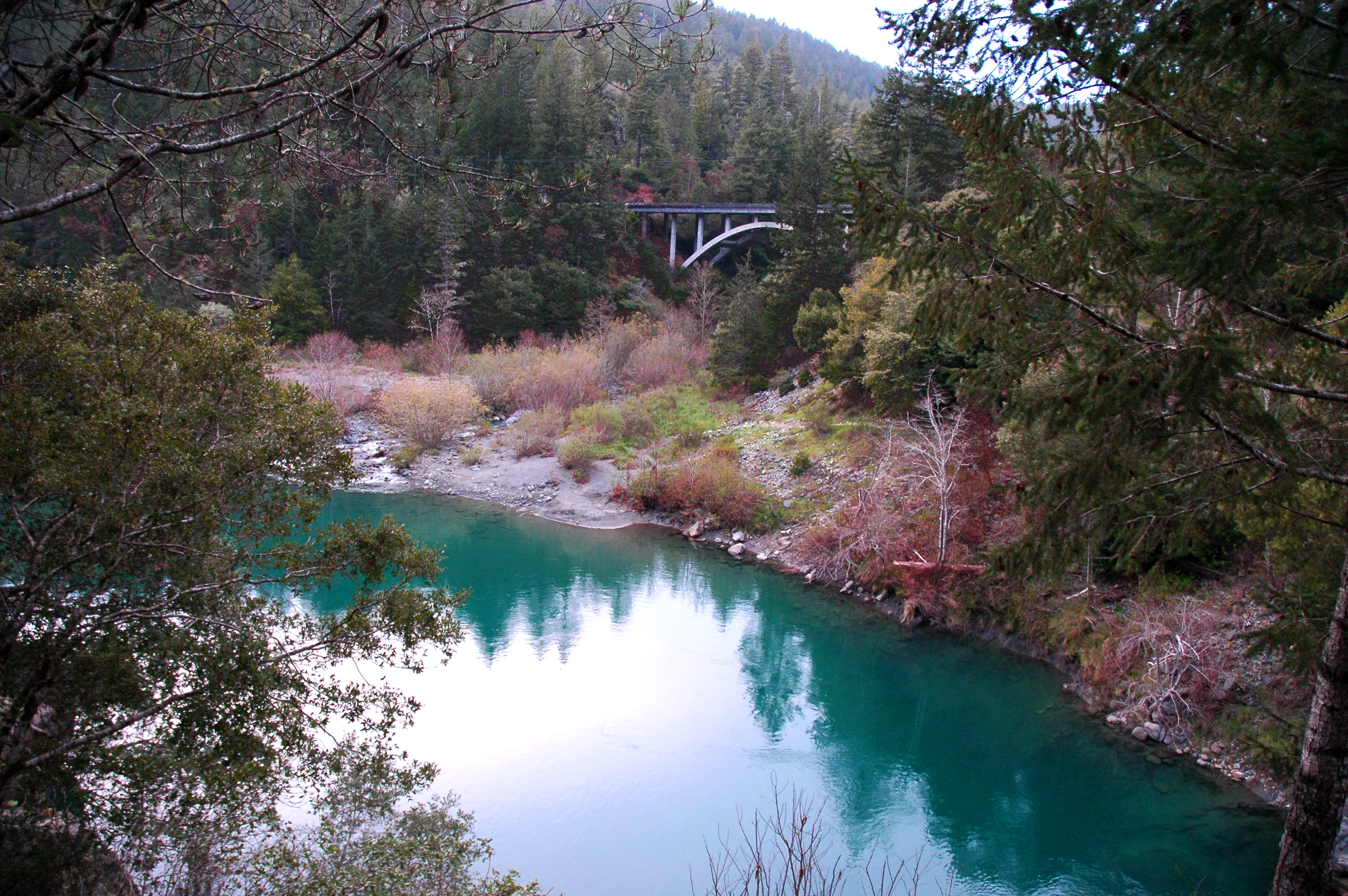
In early April, the U.S. Government, the states of Oregon and California, and the utility Pacificorp signed an agreement that will lead to the removal of four dams on the Klamath River by 2020, amounting to one of the largest river restoration efforts ever undertaken in the United States.
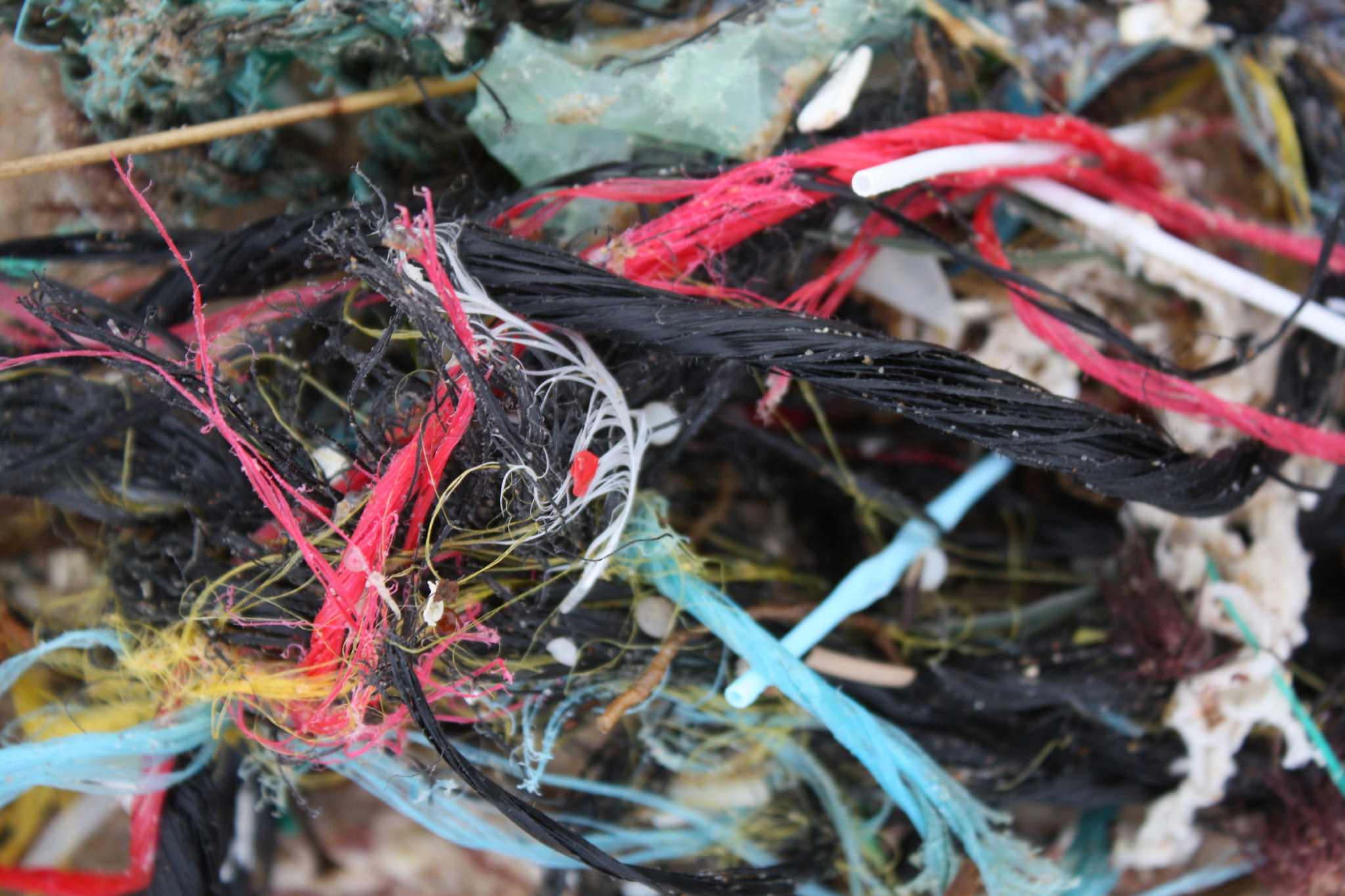
Almost everyone everywhere comes into contact with plastics everyday. Their use has increased 20-fold in the past half-century, and production of the “ubiquitous workhorse material of the modern economy” is expected to double again in the next 20 years. Nearly one-third of all plastics are not properly disposed of or recycled.
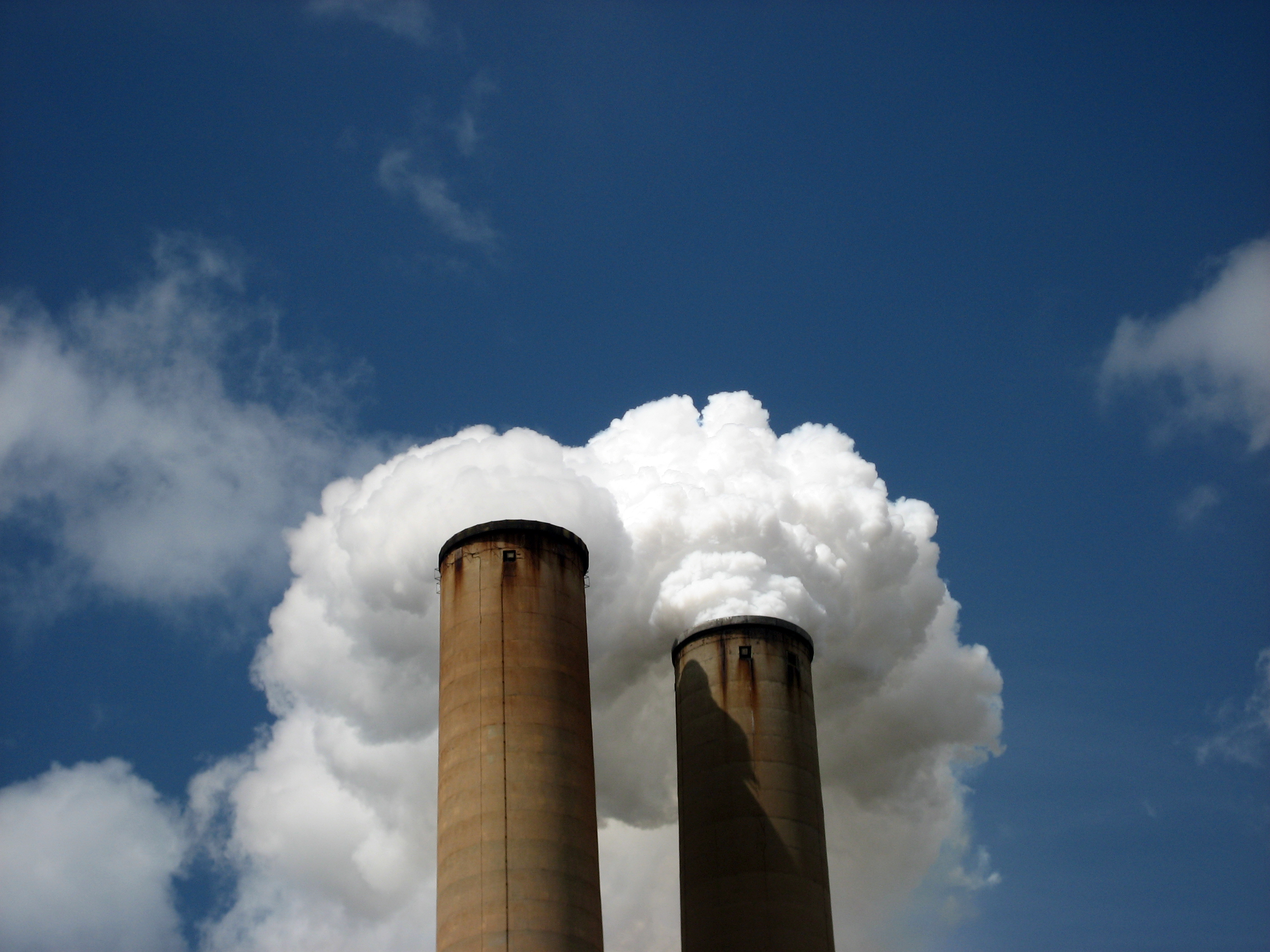
The recent Paris summit on climate change produced a global treaty to reduce greenhouse gas emissions. There are multiple strategies to reduce emissions including both technological and economic ones.
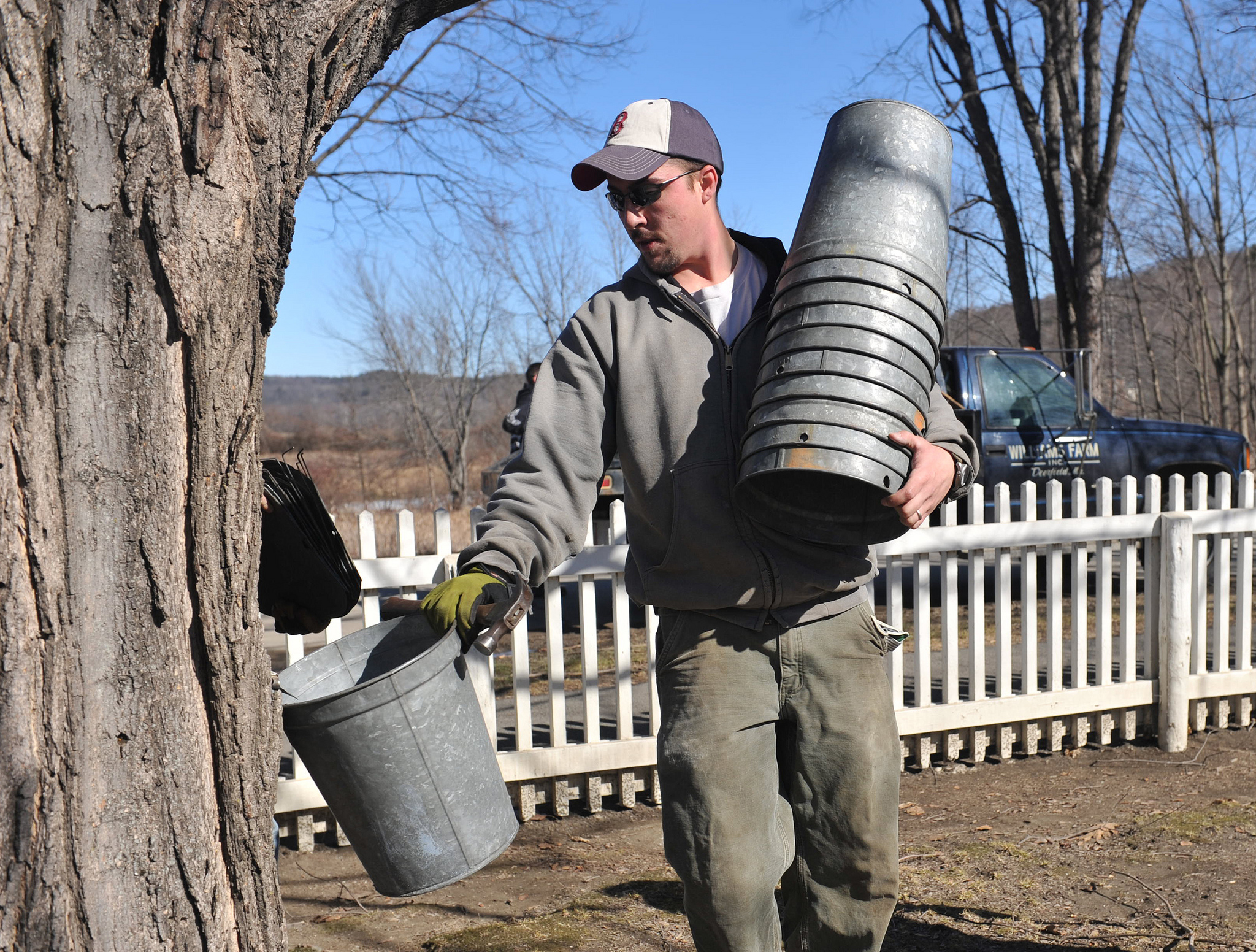
The sugar maple, one of the most economically and ecologically important trees in the eastern United States and Canada, is showing signs of being in decline, according to scientists at SUNY’s College of Environmental Science and Forestry and Harvard Forest.
A while back we talked about the carbon tax in British Columbia and how it resulted in a dramatic reduction in carbon fuel use without any harm to the local economy. Many economists believe that carbon taxes are one of the best ways to promote lower greenhouse gas emissions.