
• Skip to primary navigation
  • Skip to main content
  • Skip to primary sidebar

Earth Wise

A look at our changing environment.

  • Home
  • About Earth Wise
  • Where to Listen
  • All Articles
  • Show Search
Hide Search
You are here: Home / Archives for drought

drought

Koalas Are Endangered | Earth Wise             

March 22, 2022 By EarthWise Leave a Comment

Koalas are endangered

The koala is one of the world’s most iconic animal species and is widely considered to be the symbol of Australia.   Koalas are not bears; they are marsupials. 

Being iconic symbols is not sufficient to prevent koalas from going extinct.  In the 1920s, hundreds of thousands of koalas were shot for the fur trade, greatly reducing their population.

More recently, drought, bush fires, disease, and habitat loss have drastically reduced the numbers of koalas.  Since 2018, there has been a 30% decline in koala populations across Australia.  It is difficult to get an accurate count of the animals because they don’t move around much, and they live high up in tree canopies where they are hard to spot.

 Estimates are that the koala population has dropped from between 45,000-82,000 in 2018 to between 32,000-58,000 in 2021.  The koala is now extinct in 47 Australian electorates and in many others, there are only handfuls of animals remaining.   The population decline was accelerated by devastating wildfires in late 2019 into early 2020.  Some estimates are that koalas could be extinct by 2050.  Conservation organizations around the world have been demanding greater protection for koalas for years.

Given this dire situation, the Australian government recently declared the koala an endangered species, reclassifying it from being a vulnerable species.  The government plans to adopt a recovery plan that will include new laws protecting koalas and their natural woodland environments.  The details of the plan remain to revealed.

According to the Australian Koala Foundation, however, the new status of the koala means very little in and of itself.  If the clearing of the koala habitat continues, the species has little chance of surviving in the wild.

**********

Web Links

‘In rapid decline’: Australia has lost 30% of its koalas in just 3 years, foundation says

Australia Declares Koalas an Endangered Species

Photo, posted September 18, 2019, courtesy of Guido Konrad via Flickr.

Earth Wise is a production of WAMC Northeast Public Radio.
Lake Tuz Is Disappearing | Earth Wise

January 10, 2022 By EarthWise Leave a Comment

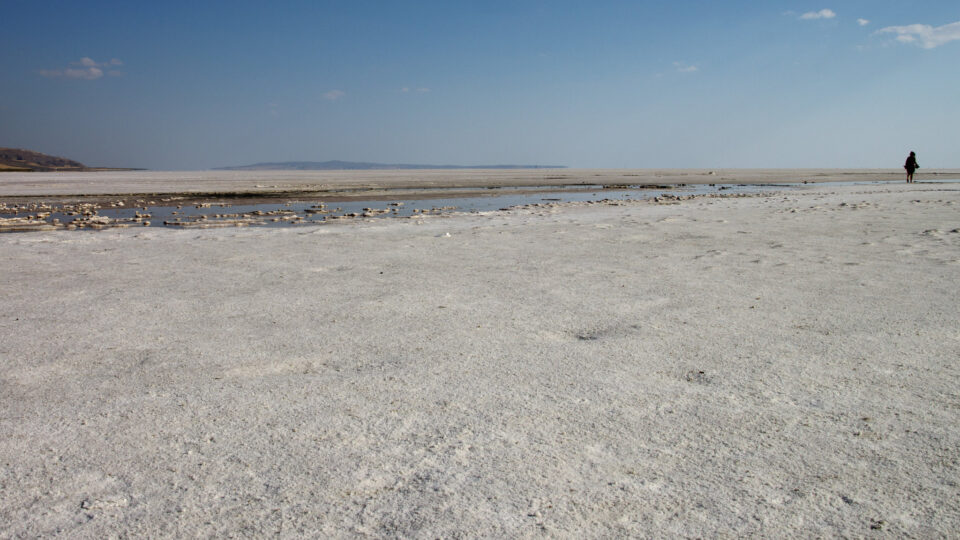
Lake Tuz is Turkey’s second-largest lake and one of the world’s largest hypersaline lakes.  Its high salt content makes it an ideal breeding ground for some migratory bird species, including flamingos, which are often present there in huge numbers in the spring and summer.

Now, Lake Tuz rarely spans an area much larger than a puddle. In some summers, it completely dries up.  It did so this past summer, which resulted in the deaths of thousands of flamingos.

According to experts, Lake Tuz is a victim of climate change-induced drought, which has hit the region hard, and decades of harmful agricultural policies that exhausted the underground water supply.

Water in this region has become increasingly scarce.  The Mediterranean Basin has already seen more frequent and intense droughts, and is considered a climate change hotspot. 

According to new research, which was recently published in the journal Regional Environmental Change, Lake Tuz generally contained enough water in August for the lake to be considered permanent up until 2000.  But between 2001 and 2016, something shifted.  Water spanned less than 20% of the lake in every August except for one, and droughts became more frequent and intense. And in some years, the lake completely dried up.   

What caused this change?  According to the research team, Lake Tuz’s decline coincided with the excessive use of groundwater and surface water resources responsible for feeding the lake.  Some streams were rerouted for agricultural purposes, while others were dammed.  And when surface water sources dwindled, people turned to groundwater that historically fed the springs in Lake Tuz. 

Lake Tuz may be on the brink of extinction. 

**********

Web Links

Impact of climate variability on the surface of Lake Tuz (Turkey), 1985–2016

Disappearing Lake Tuz

Photo, posted August 16, 2021, courtesy of Godot via Flickr.

Earth Wise is a production of WAMC Northeast Public Radio.
Bomb Cyclones | Earth Wise

December 2, 2021 By EarthWise Leave a Comment

Extreme weather phenomena becoming increasingly common

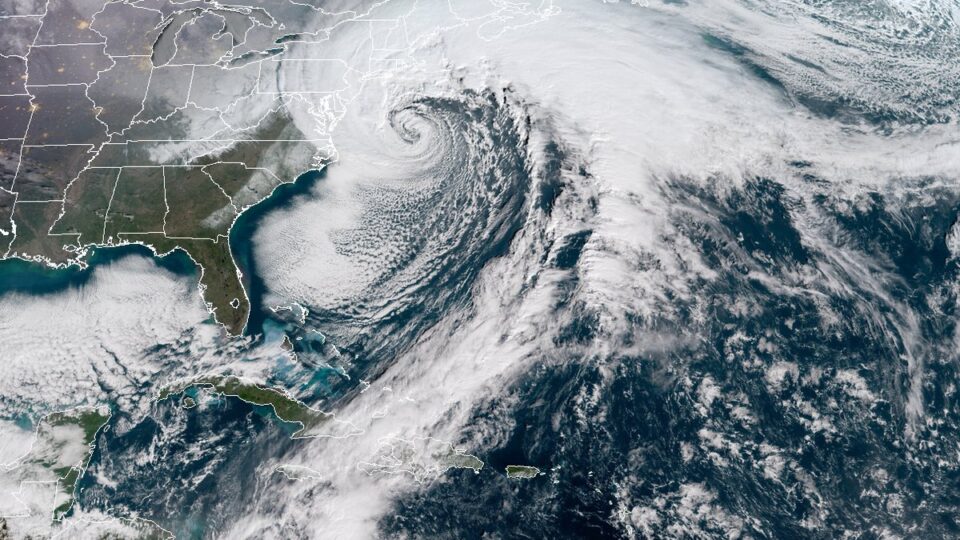
It seems like we are hearing about new weather phenomena pretty frequently these days.  One name that has popped up lately is “bomb cyclones.”  Bomb cyclones, it turns out, are storms that undergo “bombogenesis.”  What that means is a low-pressure area (in other words, a storm) that undergoes rapid strengthening and can be described as a weather bomb, or popularly, a bomb cyclone.

These things usually take place over remote tropical ocean areas but a really intense one struck the Pacific Northwest on October 24th.  The storm off the coast of Washington, with a barometric pressure reading equivalent to a category 4 hurricane, was the second extreme low-pressure storm in the North Pacific in a single week.  Both storms involved pressure drops of more than 24 millibars in 24 hours, making them bomb cyclones.

These storms brought high winds and extreme precipitation that doused wildfires and provided some relief to the extreme drought in Central and Northern California.  Along with these positive effects, however, the storms also caused power outages, flooding, landslides, and mud and debris that washed out roads.

The October 24-25 event brought 16.55 inches of rain to Mount Tamalpais in Marin County, California in a 48-hour period.  Sacramento got 5.44 inches of rain, breaking a 140-year-old record.  And the city had just broken another extreme weather record for the longest dry spell in history.

The storms directed streams of moisture from north of Hawaii toward the West Coast in long, narrow bands of moisture known as atmospheric rivers.  We are learning about all sorts of unfamiliar weather phenomena as extreme weather events become increasingly common.

**********

Web Links

Extratropical Cyclones Drench West Coast

Photo, posted January 4, 2018, courtesy of NOAA/CIRA via Flickr.

Earth Wise is a production of WAMC Northeast Public Radio.
Drought And U.S. Hydropower | Earth Wise

November 29, 2021 By EarthWise Leave a Comment

Ongoing drought in the western U.S. is affecting hydropower

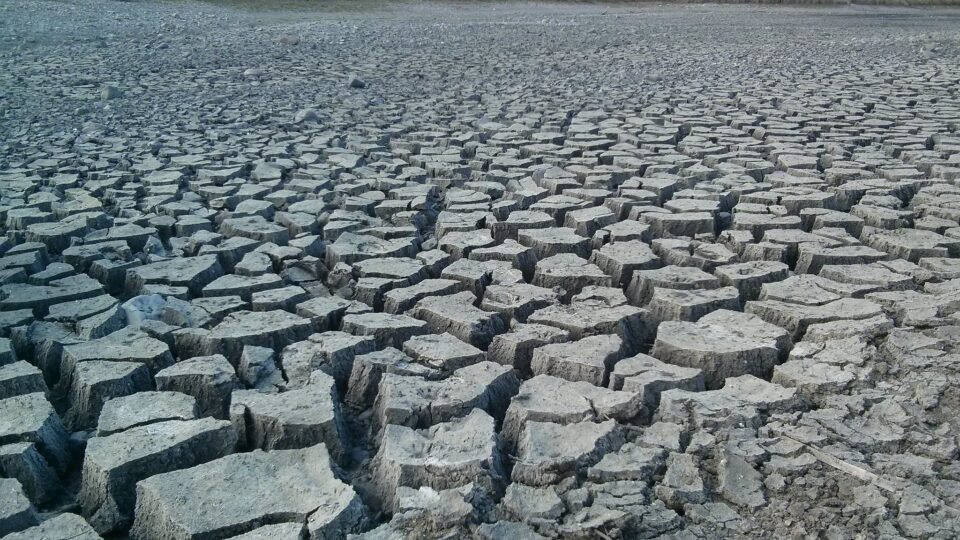
The ongoing severe drought in the western U.S. has led to low water levels in the rivers and reservoirs that feed hydroelectric power systems.  The Energy Information Administration is projecting a 13.9% decrease in hydroelectric generation this year compared to 2020.

Water levels in Lake Powell have fallen so low that it may not be possible to operate the power plant at Glen Canyon Dam starting as soon as 2022.  California officials took the Edward Hyatt hydroelectric plant offline in August because of low water levels on Lake Oroville.   Washington, the state with the most hydroelectric power generation, has seen an 11% drop in electricity generated to date this year as compared to last year.  That state is actually doing better than others in the West, such as California, where hydro generation is down 38%.

Hydropower accounts for over 7% of the electricity generated in the United States.  Five states – Washington, Idaho, Vermont, Oregon, and South Dakota – generate at least half of their electricity from hydroelectric dams.

The current decrease in hydropower is alarming, but it is not unprecedented.  The more significant question is whether the drop in generation this year is a sign that this power source is declining and becoming less reliable.   According to some scientists, the West is in a “megadrought” that could last for decades.

The greater concern is whether the bad years are likely to become more common because of climate change.  Climate projections agree that temperatures will continue to rise, but what will happen to precipitation levels in specific places is much less certain.  That is what will determine what the future holds for hydroelectric power.

**********

Web Links

Inside Clean Energy: Drought is Causing U.S. Hydropower to Have a Rough Year. Is This a Sign of a Long-Term Shift?

Photo, posted May 7, 2014, courtesy of Tyler Bell via Flickr.

Earth Wise is a production of WAMC Northeast Public Radio.
A New Low For Lake Powell | Earth Wise

November 2, 2021 By EarthWise Leave a Comment

Water levels in Lake Powell have reached new lows

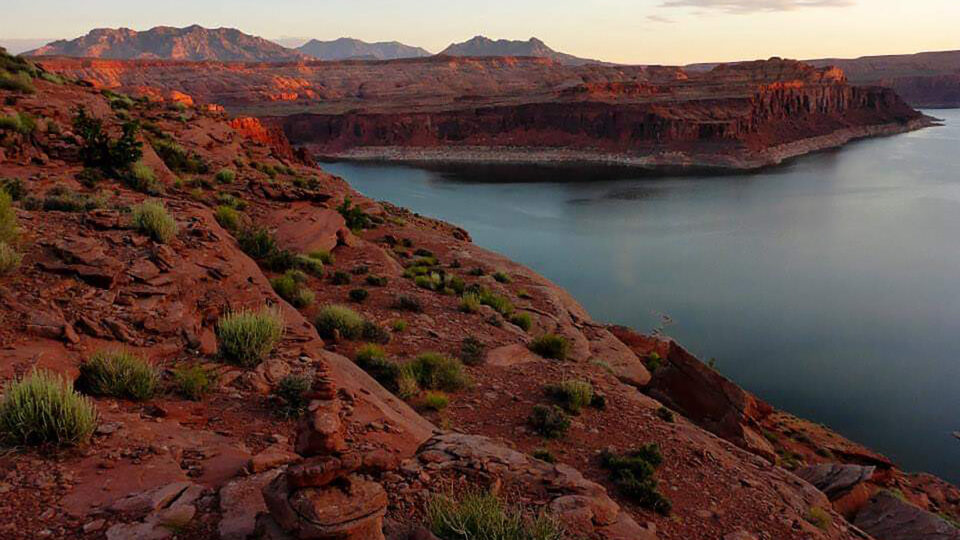
Lake Powell is the second largest reservoir by capacity in the United States.  It straddles the border of southeastern Utah and northeastern Arizona and was created by the Glen Canyon Dam, completed in 1963.  The reservoir serves as a bank account of water that is drawn upon in times of drought and has made it possible to weather extended droughts by sustaining the needs of cities, industries, and agriculture in western states.  Hydroelectric power by the dam’s eight generators provides electricity to seven states.

As a result of the protracted drought in the west, the water levels in Lake Powell have reached the lowest point since 1969.  As of September 20, the lake held only 30% of its capacity and federal managers started releasing water from upstream reservoirs to help keep Lake Powell from dropping below the so-called minimum power threshold which is the water elevation that must be maintained to keep the dam’s hydropower turbines working properly.

With the entire Lower Colorado River water system below 40% of capacity, Bureau of Reclamation recently announced that water allocations in the U.S. Southwest would be cut over the next year.  The Colorado River basin is managed to provide water to millions of people including those in San Diego, Las Vegas, Phoenix, and Los Angeles. 

Successive dry winter seasons over the past two years along with a failed 2020 summer southwestern monsoon, have led to the lowest precipitation levels on record in the Southwest going at least as far back as 1895.  With warm temperatures, reduced snowpack, and increased evaporation of soil moisture, most of the American West suffers from persistent and widespread drought.

**********

Web Links

Lake Powell Reaches New Low

Photo, posted June 28, 2021, courtesy of the USFWS – Mountain Prairie via Flickr.

Earth Wise is a production of WAMC Northeast Public Radio.
Drought And Desalination | Earth Wise

October 11, 2021 By EarthWise Leave a Comment

Improving water desalination to combat droughts

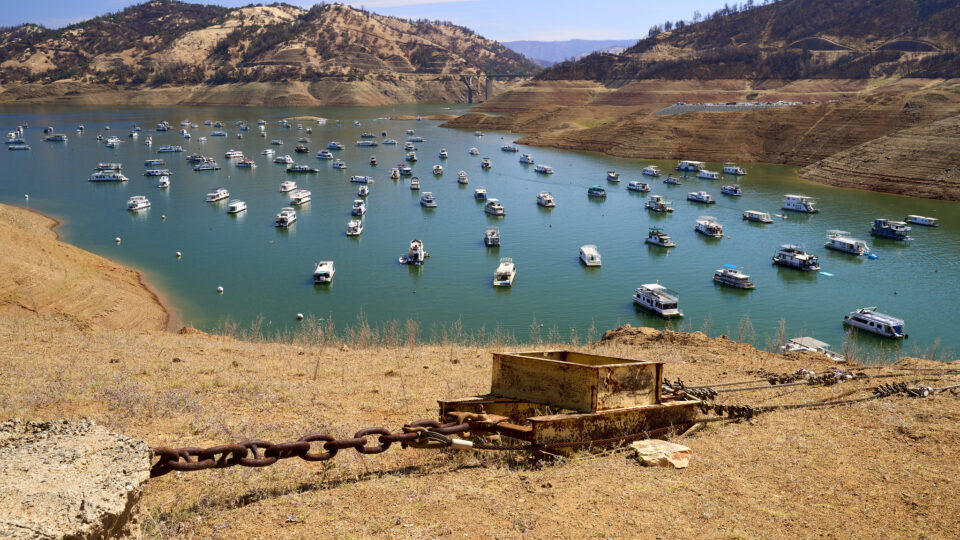
The Western US is currently experiencing what might be the worst drought in over 1,000 years.   The region has seen many droughts in the past, but the changing climate is making dry years drier and wet years wetter.   Diminishing snow-packs mean that rivers, streams, reservoirs, and soil are not replenished enough in the spring and summer.

Meanwhile, the Southwest has seen a growth rate over the past 60 years that is twice that of the rest of the country.  More and more people are moving to areas expected to get even drier in the years to come.  There have been unprecedented water allocation cuts from the Colorado River – which provides water to seven states – and there have been shutdowns of hydroelectric power plants.

Only three percent of the planet’s water is fresh water and much of that is not available for our use.  Over 120 countries have turned to desalination for at least some of their drinking water.  In the US, the largest plant is in Carlsbad, California and a huge new plant is likely to be built in Huntington Beach, California.

Desalination has its drawbacks.  It is expensive, consumes large amounts of energy, and has detrimental environmental impacts.  Most of the world’s desal plants now use membrane filtration technology but there are still many that use the thermal distillation method.

There are efforts around the world aimed at improving desalination.  A giant project in Saudi Arabia is based on solar heating of sea water.  The U.S. Army and the University of Rochester are working on a different solar-based system.  European companies are developing a floating seawater desalination plant powered by wind energy. 

Droughts seem to be here to stay.  Finding better ways to get fresh water is essential.

**********

Web Links

A 1,000 Year Drought is Hitting the West. Could Desalination Be a Solution?

Photo, posted May 31, 2021, courtesy of Frank Schulenburg via Flickr.

Earth Wise is a production of WAMC Northeast Public Radio.
A Record Low For Lake Mead | Earth Wise

October 4, 2021 By EarthWise Leave a Comment

The low water level of Lake Mead is causing regional water shortages

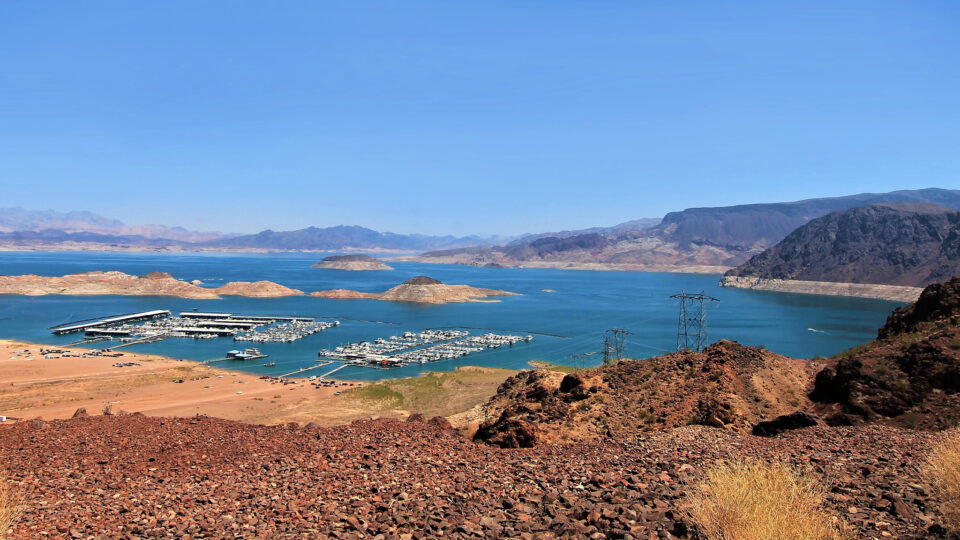
Lake Mead is the reservoir that was formed by the Hoover Dam on the Colorado River.  The lake spans the Arizona-Nevada border.  It is the largest reservoir in the United States in terms of water capacity.  The lake is part of a system that supplies water to at least 40 million people in seven states and in Northern Mexico.

As of August 22, this year, Lake Mead was filled to just 35% of its capacity.  This low water level is happening while 95% of the land in nine Western states is under some level of drought conditions and 64% of the land is under extreme drought conditions.  A so-called megadrought has been going on for 22 years and may be the worst dry spell in the region in twelve centuries.

As of the end of July, the water elevation at the Hoover Dam was 1,067 feet above sea level, the lowest it has been since April 1937 when the lake was still being filled after dam construction.  The level has dropped by 132 feet since July 2000.  At maximum capacity, Lake Mead reaches an elevation of 1,220 feet and holds 9.3 trillion gallons of water.

With Lake Mead at 35% of capacity, Lake Powell on the Colorado at 31%, and the entire Lower Colorado system at 40%, water allocations for the coming water year are being cut back. Mexico will see a 5% reduction, Nevada will be cut 7%, and Arizona will lose 18% of its apportionment.   This unprecedented official declaration of a water shortage demonstrates the severity of the drought and low reservoir conditions.

**********

Web Links

Lake Mead Drops to a Record Low

Photo, posted August 7, 2018, courtesy of Renee Grayson via Flickr.

Earth Wise is a production of WAMC Northeast Public Radio.
Wine And Wildfire Smoke | Earth Wise

September 22, 2021 By EarthWise Leave a Comment

Wildfire smoke devastating some vineyards

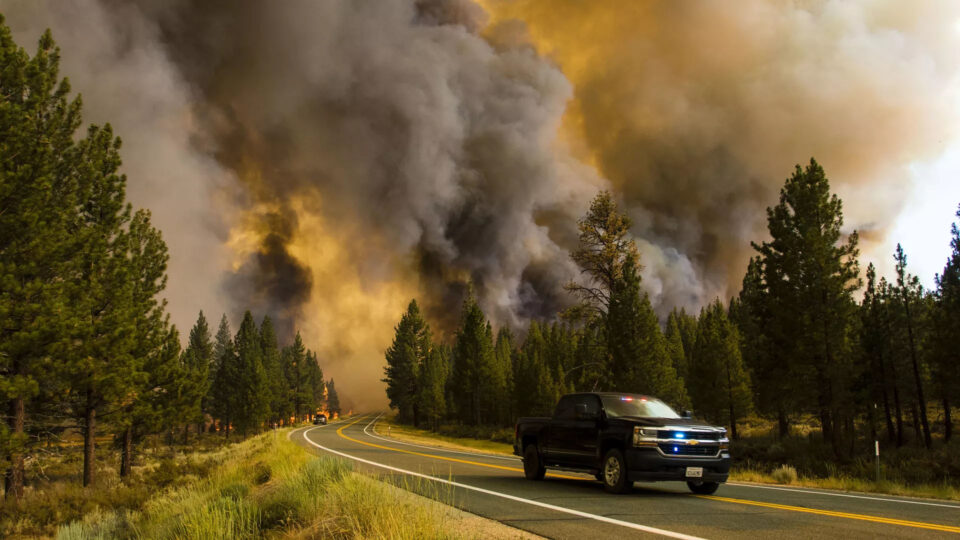
Rising global temperatures have made droughts and heatwaves more common and intense, leading to larger and more destructive wildfires.   In 2020, wildfires in California blackened more than 4 million acres, the largest wildfire season on record.   With its continuing drought, California has already had 1.5 million acres burned by wildfires this year, and the fires continue.

Wildfires can cause extensive damage throughout the agricultural industry by destroying crops and killing livestock.  But the fires can have a unique effect on the wine industry:  wine grapes can be affected by smoke taint.

Vineyards have demonstrated themselves to be good fire breaks.  They definitely help prevent the movement of wildfires.  But there is no way to stop smoke from the fires from drifting into vineyards.  By far, the damage caused by smoke far outweighs direct losses from fires in vineyards.

Winemakers sometimes add subtle smoky notes to their vintages by aging them in toasted oak barrels.   But wildfire smoke permeating vineyards – even from distant blazes – can end up making wines undrinkable.  Smoke-tainted wines end up having unpleasant aromas that people describe as being like disinfectants or burnt rubber. 

With wildfires an increasingly persistent presence in California, the state’s $43 billion wine industry is facing a major challenge.  An estimated 165,000 to 325,000 tons of California wine grapes went unharvested last year, adding up to more than $600 million in losses from fire and smoke.  The industry will need to figure out ways to detect and manage smoke taint as the problem isn’t going to go away.

**********

Web Links

Wildfire Smoke: An Emerging Threat to West Coast Wines

Photo, posted July 25, 2021, courtesy of Felton Davis via Flickr.

Earth Wise is a production of WAMC Northeast Public Radio.
RNA Modification For Plants | Earth Wise

September 8, 2021 By EarthWise Leave a Comment

Manipulating RNA can lead to huge increases in crop yields

We have heard a lot about RNA this past year as messenger RNA vaccine technology has been used for the first time to combat the Covid-19 pandemic.  Now RNA-based technology has shown promise to make major contributions to agriculture.

A group of researchers at the University of Chicago and two Chinese universities have announced that manipulating RNA can allow plants to yield dramatically more crops as well as have better drought resistance.

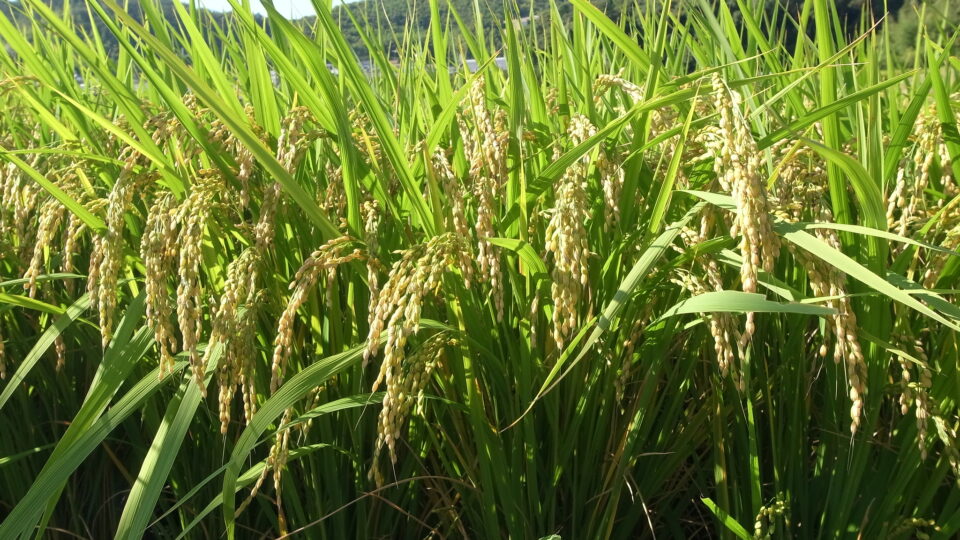
Adding  gene encoding for a protein called FTO to both rice and potato plants increased their yield by 50% in initial field tests.  The plants were larger, produced longer root systems, and could better tolerate drought conditions.  Further analysis showed that the plants had increased their rate of photosynthesis.

FTO protein erases chemical marks on RNA.  Specifically, it controls a process known as m6A, which is a key modification of RNA.  The FTO erases m6A to reduce some of the signals that tell plants to slow down and reduce growth.  Plants modified with the addition of FTO produced significantly more RNA than control plants.

Experiments with both rice plants and potato plants – which are completely unrelated – demonstrated the same results, indicating that the technique could be broadly applicable.  (The genetic modification is rather simple to make and has worked with every type of plant the researchers have tried it with so far).

These results are just the beginning but demonstrate the potential of a technology that could help address problems of poverty and food insecurity at a global scale as well as responding to climate change.  The world depends on plants for everything from wood, food, and medicine, to flowers and oils. This technique has the potential to dramatically increase the stock material we can get from most plants.

**********

Web Links

RNA breakthrough creates crops that can grow 50% more potatoes, rice

Photo, posted September 22, 2014, courtesy of Toshiyuki Imai via Flickr.

Earth Wise is a production of WAMC Northeast Public Radio.
A Dangerous Fire Season | Earth Wise

June 9, 2021 By EarthWise Leave a Comment

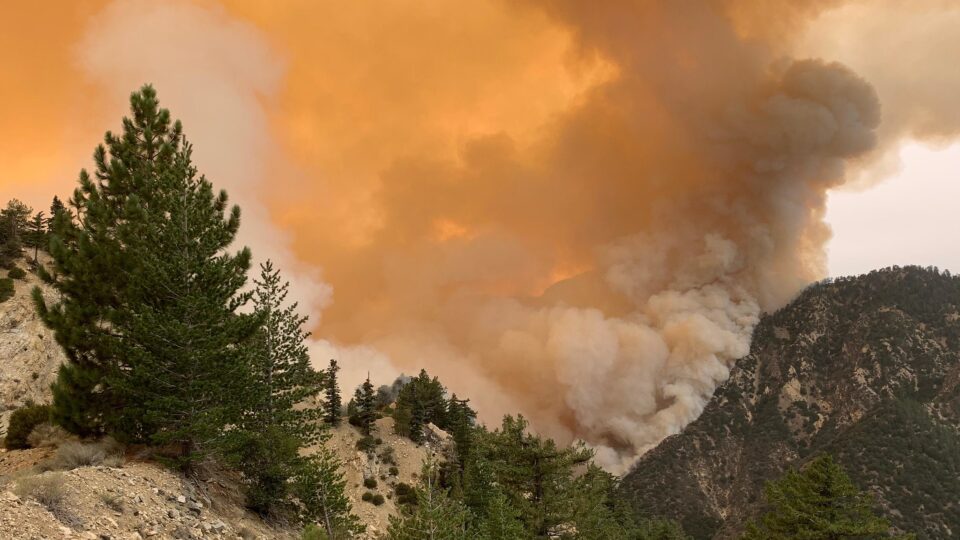
Drought conditions expected to cause worse fire season

The western United States is entering the fire season under much worse drought conditions than last year.  Last year, 15,800 square miles burned in the U.S., mostly in the West.

The western U.S. is in the midst of a 20-year mega-drought.  Rainfall in the Rocky Mountains and farther west was the second lowest on record this April.  The soil in the western half of the country is the driest it has been since 1895.

The situation is particularly bad in California and the Southwest.  In March, less than a third of California was experiencing extreme or exceptional drought.  Now, 73% of the state is.  A year ago, a record-breaking fire season burned 4% of the state and, at that time, only 3% of California was in a state of extreme drought.

A year ago, no parts of Arizona, Nevada, or Utah were in extreme or exceptional drought.  Now, more than 90% of Utah, 86% of Arizona, and 75% of Nevada face severe drought conditions.  At this time last year, only 4% of New Mexico faced extreme drought but 77% does now.

These extreme drought conditions, which are believed to be linked to climate change, are causing increased tree mortality among many species, ranging from junipers in the Southwest even to drought-tolerant blue oaks in the San Francisco Bay Area.

Conditions are extremely ripe for a lot of forest fire this year.  Last year was a terrible year for wildfires in the West and we are heading into a fire season with much drier fuels than there were last year.  The risks of great damage from wildfires are higher than ever.

**********

Web Links

US West Enters Fire Season Facing Extremely Dry Conditions

Photo, posted September 18, 2020, courtesy of USFS/National Interagency Fire Center via Flickr.

Earth Wise is a production of WAMC Northeast Public Radio.

Prickly Pear As A Sustainable Crop | Earth Wise

April 6, 2021 By EarthWise Leave a Comment

Searching for more sustainable food and fuel crops

The fruits and pads of opuntia, better known as prickly pear cactus, find their way into people’s diets in many arid and semi-arid places around the world.  In Mexico, the pads are known as nopales and are used in a variety of dishes.  The pears themselves are used in jams, salads, and juices.

A five-year study by the University of Nevada Reno College of Agriculture, Biotechnology & Natural Resources investigated the prospects for cactus pear to become a major crop like soybeans and corn and to help provide a biofuel source.

As the climate changes, dry areas are going to get dryer and drought issues will increasingly affect traditional crops.

The study looked at the particular opuntia species called the spineless cactus pear and found that it had the highest fruit production while using up to 80% less water than some traditional crops.  Cactus pear can be used for both human consumption and livestock feed.  As a perennial crop, once the fruit and pads are harvested for food, the remaining biomass can be used for biofuel production.

Corn and sugar cane are the most utilized bioenergy crops right now, but these use three to six times more water than cactus pear.  The cactus pear productivity is on par with corn and sugar cane, but not only do they use a fraction of the water, they also have higher heat tolerance.

Over 40% of land area around the world is classified as semi-arid or arid.  There is enormous potential for planting cactus for carbon sequestration.  If nothing else, it makes great sense to grow cactus pear crops in abandoned areas that are marginal and may not be suitable for other crops.

**********

Web Links

Study shows cactus pear as drought-tolerant crop for sustainable fuel and food

Photo, posted April 16, 2020, courtesy of Kevin Dooley via Flickr.

Earth Wise is a production of WAMC Northeast Public Radio.
Widespread Drought | Earth Wise

September 7, 2020 By EarthWise Leave a Comment

united states drought

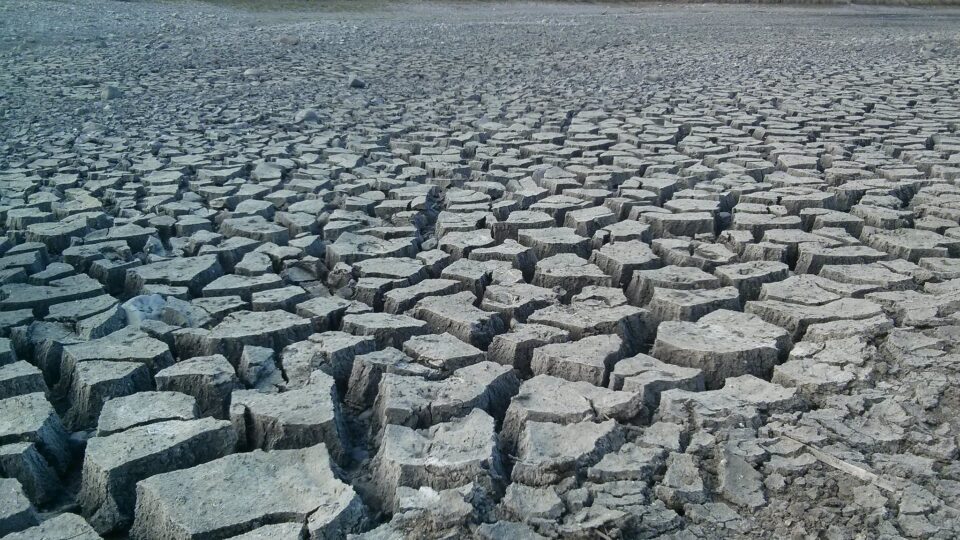
As the U.S. enters the last part of the summer, fully one-third of the country is experiencing at least a moderate level of drought.   Much of the West is reaching severe drought conditions and New England has been unusually dry and hot.  In total, over 50 million Americans are living in drought-affected areas.

According to the U.S. Drought Monitor program, more than 93% of Utah, Colorado, Nevada, and New Mexico are experiencing drought to some degree.  More than 60% of both Utah and Colorado are in severe drought.   More than three-quarters of Oregon, Arizona, and Wyoming are also in drought.  And most of these areas had no sign of drought this time last year.

Severe drought conditions result in stunted and browning crops, limited pasture yields, dust storms, reduced well water levels, and an increase in the number and severity of wildfires.

Warm air temperatures and minimal snowfall in spring set the stage for this summer’s drought conditions.  A ridge of high pressure over the northeastern Pacific Ocean pushed the jet stream farther north than usual.  And, once again, there has been a failure of the southwestern monsoon in Arizona and New Mexico and the Four Corners region.  Monsoon rains provide half of the year’s precipitation in many of those areas. 

Instead, there has been extreme heat in the region.  Phoenix has already smashed the record for the most days over 110oF in a calendar year (42 as of August 18), with five months to go.  Las Vegas hasn’t seen measurable rainfall since April, and Cedar City, Utah has recorded a record low of 0.05 inches of rain this summer.

Conditions are not expected to get better for a couple of months.

**********

Web Links

A Third of the U.S. Faces Drought

Photo, posted May 7, 2014, courtesy of Tyler Bell via Flickr.

Earth Wise is a production of WAMC Northeast Public Radio.
Conserving The Colorado River | Earth Wise

August 13, 2020 By EarthWise Leave a Comment

Colorado River Water and Climate Adaptation

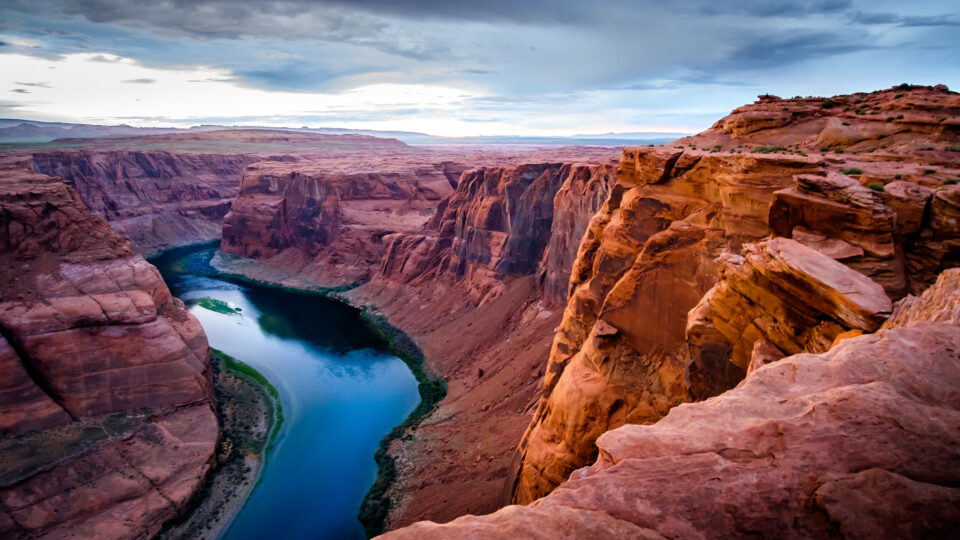
Last year, we talked about the troubles facing the Colorado River.  Nearly two decades of drought conditions have reduced the water levels of the two largest reservoirs of Colorado River water and have threatened the water supply of millions of people in the region.  Clear scientific evidence shows that climate change is constricting the iconic river and will do further damage as temperatures rise.

Faced with these facts, water resource managers have been implementing conservation policies in the region and the results so far are very encouraging.

The use of Colorado River water in the three states of the river’s lower basin – Arizona, California, and Nevada – fell to a 33-year low in 2019.  The three states consumed just over 6.5 million acre-feet for the year, which is about 1 million acre-feet less than the three states are entitled to use under the legal agreement that allocates Colorado River water.

The last time water consumption from the river was that low was in 1986, which is the year that Arizona opened a large canal that extracts river water for its entitlement. 

A key indicator of river health is the depth of Lake Mead, the largest reservoir of Colorado River water.  It has been steadily dropping in recent years, but last year, with the reduced consumption, the water level actually increased by 12 feet.

According to water managers, the steady drop in water consumption in recent years is a sign that conservation efforts are working and that there are strategies that can deal with chronic shortages on the river in the future.  It represents an important demonstration that it is possible to use less water in a region that irrigates 5 million acres of farmland and has 40 million people in 2 countries and 29 tribal nations.

**********

Web Links

Remarkable Drop in Colorado River Water Use a Sign of Climate Adaptation

Photo, posted July 7, 2015, courtesy of Flickr.

Earth Wise is a production of WAMC Northeast Public Radio.
Expensive And Dangerous Storms | Earth Wise

August 7, 2020 By EarthWise Leave a Comment

billion-dollar united states weather disasters becoming common

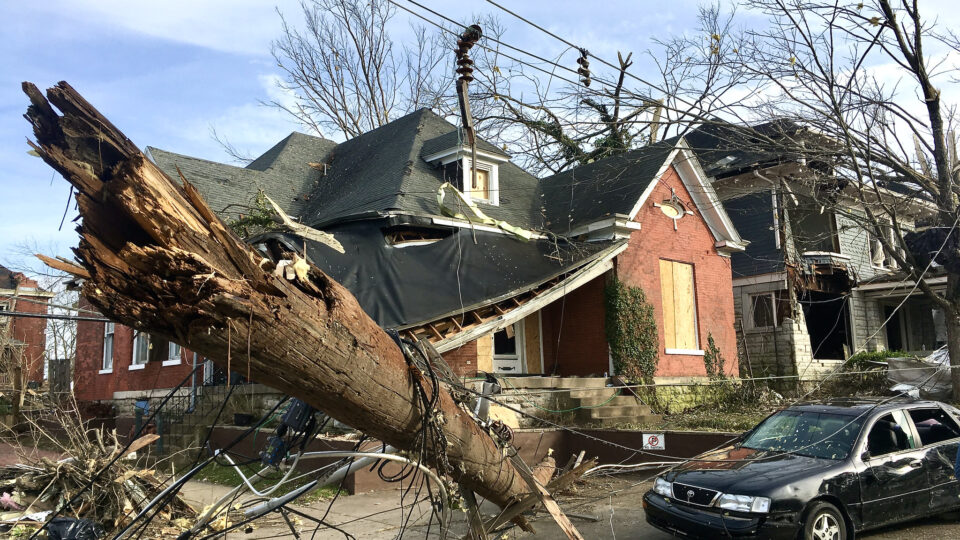
Severe storms are getting more and more common.  Early in July, the United States experienced its 10th billion-dollar weather disaster of the year – the earliest this has happened.  It also marks 2020 as the sixth consecutive year with at least 10 such extreme weather events, which is also a record.  With the country struggling with the effects of a global pandemic, extreme weather is pretty much the last thing we need.

This year’s 10 storms have primarily consisted of tornadoes, damaging winds, and hail.  Seven out of the 10 storms were in the South or Southeast.  An Easter Sunday outbreak in that region saw 190 tornadoes and 36 people were killed that day.

Since 1980, the US has averaged nearly 7 billion-dollar weather disasters per year.  But the last five years have seen nearly 14 severe storms on average.  The way things are going this year, there will probably be more than that number.

This year’s growing total does not include the looming hurricane season, which is widely predicted to be more active than usual.  Because so many places in the South are still recovering from earlier disasters, they are particularly vulnerable to the effects of an active hurricane season.

Meanwhile, much of the country is suffering from drought conditions, making wildfires a major concern.  Recent years have seen deadly and destructive wildfires in many places, notably in California two years ago.  Between hurricanes and wildfires, the prospects are alarming for what could turn out to be a disastrous year for expensive and dangerous severe weather.

**********

Web Links

US hits 10th billion-dollar weather disaster of the year — at a record pace

Photo, posted March 3, 2020, courtesy of Flickr.

Earth Wise is a production of WAMC Northeast Public Radio.
Turning Dead Trees Into Biomass Energy | Earth Wise

July 1, 2020 By EarthWise Leave a Comment

Biomass energy from dead trees

California has suffered from numerous large wildfires in recent years.  The two largest in the past century took place in 2017 and 2018, and just these two alone burned nearly 750,000 acres, destroyed over 1,200 structures, and killed 24 people.

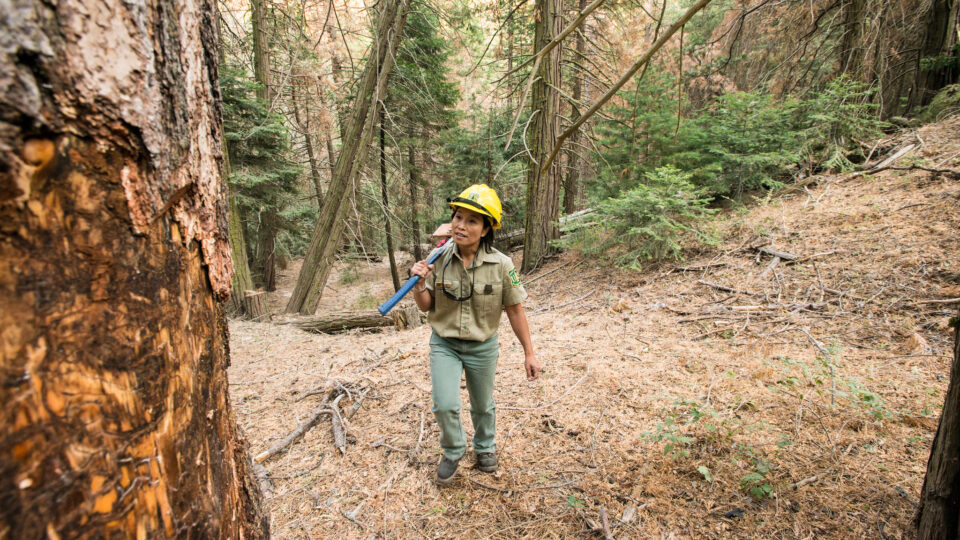
Apart from the fires, drought, the warming climate, and bark-beetle infestations have killed 147 million California trees since 2013, most of them along the spine of the Sierra mountains.  These dead trees represent a significant danger in forthcoming fire seasons as they threaten to burn with enormous intensity.

There are now biomass projects in California that thin trees in overcrowded forests and remove dead and diseased trees and turn them into wood chips to supply community biomass facilities that burn them to produce heat and electricity.

Proponents say these projects help rebuild rural communities by creating jobs, while at the same time reducing fire risk. 

There are critics of these programs who claim that they are damaging and destroying ecosystems.    They also point out that burning forest fuels emits 50% more carbon than burning coal and three times as much as burning natural gas.  This is true of biomass in general but is mitigated by the fact that it in principle the carbon can be recaptured by new forest growth.

However, the dominant argument about emissions is that wildfires emit far more carbon dioxide than biomass plants, or much of anything else, for that matter.  In 2018 alone, California wildfires released 50% more carbon dioxide than California’s entire industrial sector.  So, reducing the extent of wildfires is a big deal for many reasons.

**********

Web Links

In California, A Push Grows to Turn Dead Trees into Biomass Energy

Photo, posted August 24, 2016, courtesy of the USDA via Flickr.

Earth Wise is a production of WAMC Northeast Public Radio.

Antarctica’s Hot Summer | Earth Wise

May 1, 2020 By EarthWise Leave a Comment

Extreme heat in Antarctica

The Southern Hemisphere’s recent summer brought drought, heatwaves and bush-fires that ravaged Australia.  At the same time, Antarctica experienced a summer of extreme weather.

In East Antarctica, the Casey research station in the Australian Antarctic Territory had its first heatwave event, recording extreme maximum and minimum temperatures over three consecutive days in January.  Record high temperatures were also reported at bases on the Antarctic Peninsula.

The Casey station recorded a record high maximum temperature of 49 degrees Fahrenheit and a record overnight low of 36 degrees.  In February, Brazilian scientists reported a high temperature of 69 degrees at Marambio, an all-time record for Antarctica.

Ecologists say that the hot summer would most likely lead to long-term disruption of local populations, communities, and the broader ecosystem.  That disruption could be both positive and negative.

Most life in Antarctica exists in small ice-free oases and depends on melting snow and ice for a water supply.  Melt water from the warming temperatures will lead to increased growth and reproduction of mosses, lichens, microbes and invertebrates.

However, excessive flooding can dislodge plants and alter the composition of communities of invertebrates and microbial mats. If the ice completely melts early in the season, then ecosystems will suffer drought for the rest of the season.

Extreme events often have impacts for years after the event.  There will be long-term studies of the areas affected by the recent Antarctic heat wave. Such extreme events associated with global climate change are predicted to increase in frequency and impact, and even the most remote areas of the planet are not immune to them.

**********

Web Links

Antarctica’s summer of extreme heat

Photo, posted January 30, 2014, courtesy of Andreas Kambanis via Flickr

Earth Wise is a production of WAMC Northeast Public Radio.
Forest Regrowth In The Amazon | Earth Wise

January 20, 2020 By EarthWise Leave a Comment

Forest Regrowth Amazon deforestation rainforest

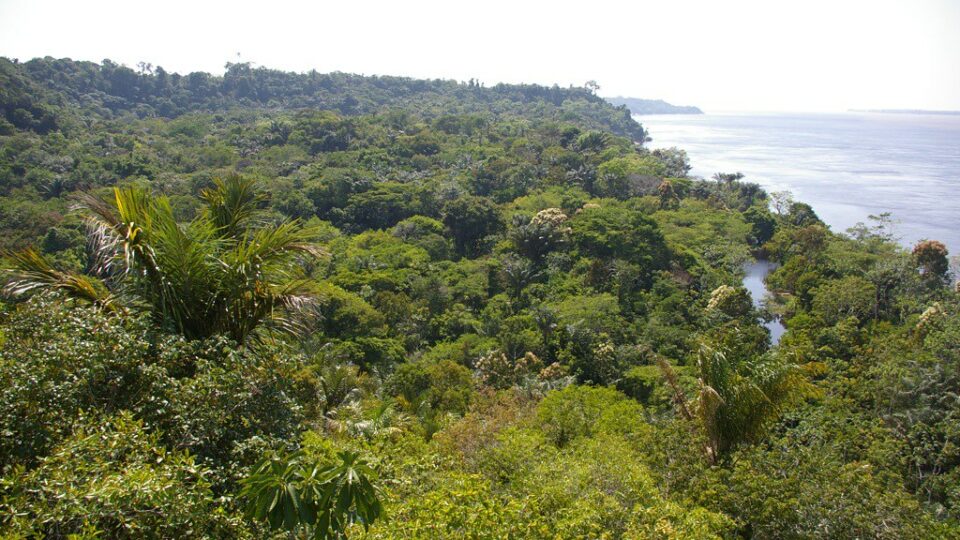
The Amazon is the largest tropical rainforest in the world.  It covers an area approximately equal in size to the lower 48 states, and is home to an estimated 10% of the world’s biodiversity and 15% of its freshwater.  These so-called “lungs of the planet” provide many important global ecological services, including carbon storage, and regulating air quality and climate.

Deforestation in the Amazon exploded in the 1970s and remains one of its biggest threats today.  Since the 1970s, more than 20% of the Amazon rainforest has been cleared.  Cattle ranching, soy and palm plantations, logging, and climate change are some of the biggest drivers of deforestation.  

Now, according to a new study recently published in the journal Ecology, the regrowth of Amazonian forests following deforestation may happen more slowly than previously thought.  These findings could have significant impacts on climate change predictions as the ability of forest regrowth in the Amazon – so-called secondary forests – may have been overestimated.  The research, which was conducted in Bragança, Brazil and includes two decades of forest monitoring, reveals that climate change and the wider loss of forests could be hampering regrowth.    

After 60 years of regrowth, the research team found that secondary forests only held 40% of the carbon when compared with forests undisturbed by humans.  Secondary forests also take less carbon from the atmosphere during periods of drought, and climate change is increasing the number of drought-years in the Amazon.  (During their 20 years of monitoring, the researchers also found biodiversity levels in secondary forests were only 56% of those seen in undisturbed forests). 

More long-term studies are needed to better understand the impacts of reforestation efforts.  

**********

Web Links

Amazon forest regrowth much slower than previously thought

Photo, posted September 6, 2009, courtesy of Nao Lizuka via Flickr.

Earth Wise is a production of WAMC Northeast Public Radio.
Solar And Wind Energy And Groundwater

December 30, 2019 By EarthWise Leave a Comment

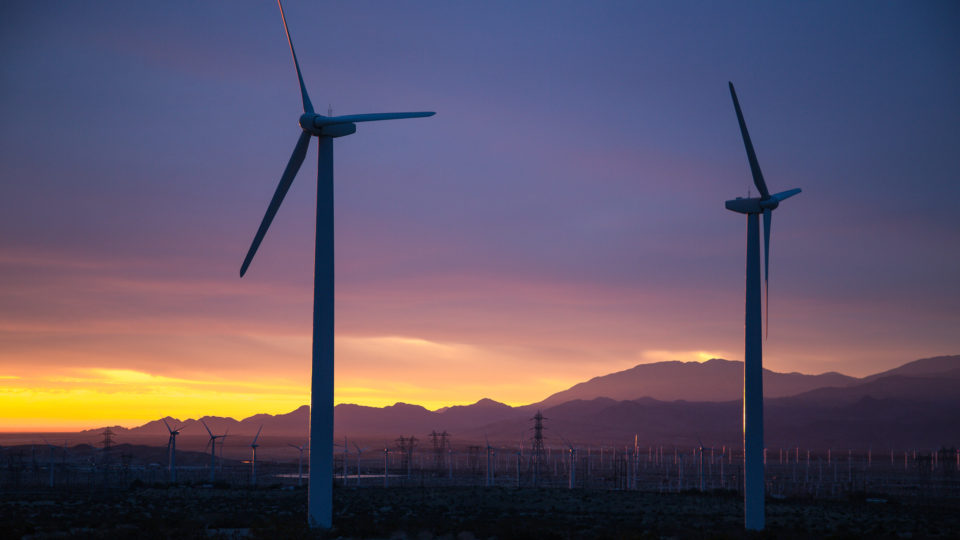
The use of both solar and wind farms has been expanding all over the country as a way of lowering carbon emissions from the electric power sector.   According to a new study led by Princeton University, these renewable energy sources have another important benefit:  they keep more water in the ground.

The study focused on drought-prone California where both solar and wind power have been expanding dramatically.  California is the largest agricultural producer in the United States and has also experienced one of the most severe droughts on record between 2012 and 2017.

The study determined that increased solar and wind energy can reduce the reliance on hydropower, especially during times of drought. 

The study looked at multiple scenarios in order to determine how much solar and wind energy should be used to maximize economic revenue and to see how solar and wind power could ensure groundwater recovery.  They created a framework to quantify the optimal pathways for maximizing hydroelectricity and agricultural income while avoiding groundwater depletion.

During the long drought, California’s agriculture industry relied heavily on tapping into groundwater stores, which is an unsustainable practice.  With more droughts likely to occur in California as well as increasing water demand from the growing California population, the burden on the state’s groundwater supply will only grow.

According to the researchers, it is far more practical to impose further regulations on groundwater use if sufficient solar and wind power is deployed.   They caution that these resources need to be deployed long before groundwater aquifers are depleted, or it will be too late for them to do any good.

**********

Web Links

Solar and Wind Energy Preserve Groundwater for Drought, Agriculture

Photo, posted December 11, 2014, courtesy of Tony Webster via Flickr.

Earth Wise is a production of WAMC Northeast Public Radio.
Keeping Plants Plump

December 3, 2019 By EarthWise Leave a Comment

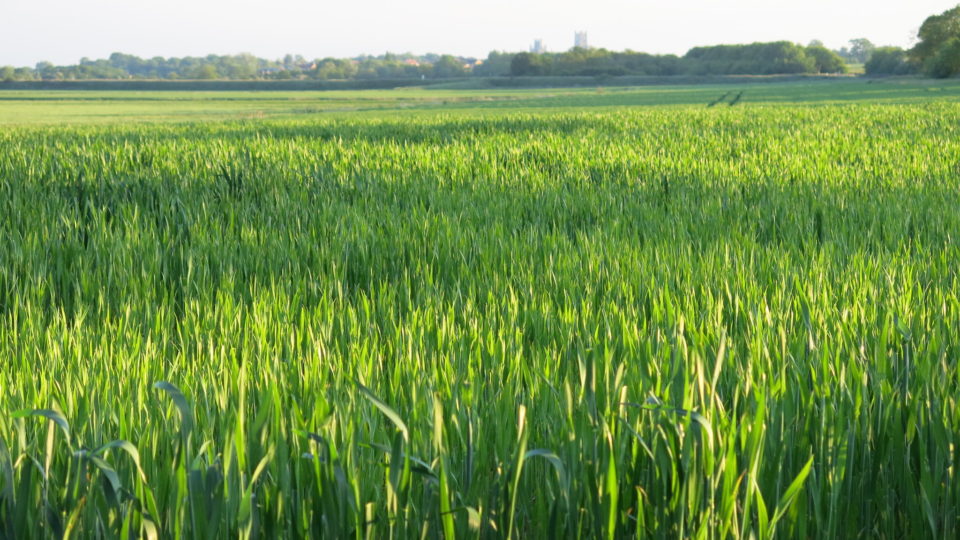
The leading cause of crop failures worldwide is drought.  Ironically, the very close runner-up is flooding.  Facing a changing and increasingly erratic climate, farmers need all the help they can get in protecting their crops.

Researchers at the University of California, Riverside, have created a chemical to help plants hold onto water, which could stem the tide of massive annual crop losses from drought.  Details of the team’s work is described in a paper published in Science.

The chemical is called Opabactin, but is also known as “OP.” OP is gamer slang for overpowered, referring to the best character or weapon in a game.

OP mimics abscisic acid, or ABA, which is the natural hormone produced by plants in response to drought stress.  ABA slows a plant’s growth, so it doesn’t consume more water than is available and doesn’t wilt.  OP is 10-times stronger than ABA, which makes it a super hormone.  It works fast.  Within hours, there is a measurable improvement in the amount of water plants release.  Because it works so quickly, OP could give farmers more flexibility in how they deal with drought.   Plants can’t predict the future, but if, for example, farmers think there is a reasonable chance of drought, they could make decisions such as to apply OP to improve crop yields.

The research team is now trying to find a second chemical tool.  Whereas OP slows down plant growth, the team wants to find a molecule that will accelerate it.  Such a molecule could be useful in controlled environments such as indoor greenhouses.  There are times when you want to speed up growth and times when you want to slow it down.

**********

Web Links

Game changer: New chemical keeps plants plump

Photo, posted June 7, 2013, courtesy of Bayer CropScience UK via Flickr.

Earth Wise is a production of WAMC Northeast Public Radio.
Solar-Powered Desalination

October 4, 2019 By EarthWise Leave a Comment

Turning seawater into drinking water is an energy-intensive process and is therefore pretty expensive.  Worldwide, one third of people don’t have reliable access to safe drinking water and they are the least able to afford expensive ways to get it.   By 2025, half of the world’s population is expected to live in water-stressed areas.

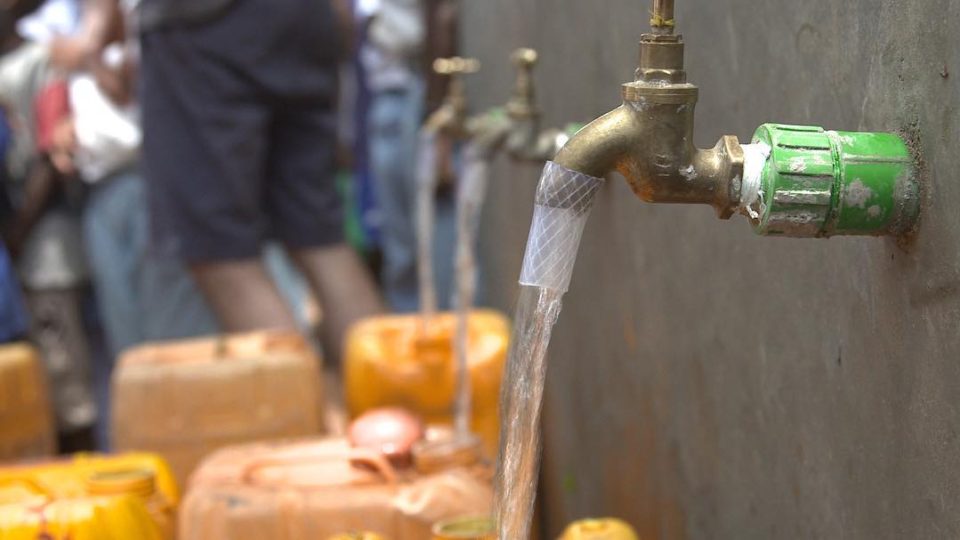
At a newly-constructed facility in Kenya, a nonprofit company called GivePower has built a desalination system that runs on solar power.  The system started operating in the coastal area of Kiunga in July 2018 and can create nearly 20,000 gallons of fresh drinking water each day – enough for 25,000 people.

GivePower started in 2013 as a nonprofit branch of SolarCity, the solar-panel company that ultimately merged with Tesla in 2016.  However, GivePower spun off as a separate enterprise shortly before that.

GivePower mostly focuses on building solar-energy systems to provide electricity across the developing world. 

Desalination technology is not new, but it is notoriously energy-intensive because it requires high-power pumps.  The GivePower system is integrated with a solar microgrid that makes use of Tesla batteries to store energy for when the sun is not shining. 

Local residents pay about a quarter of one cent for every quart of water from the system.  The Kiunga community has faced ongoing drought and before the GivePower system was installed, was forced to drink from salt water wells, which present serious health risks.

The GivePower system cost $500,000 to build and is expected to generate $100,000 a year, to be eventually used to fund similar facilities in other places.

**********

Web Links

A solar-powered system can turn salt water into fresh drinking water for 25,000 people per day. It could help address the world’s looming water crisis.

Photo courtesy of GivePower.

Earth Wise is a production of WAMC Northeast Public Radio.

  • « Go to Previous Page
  • Page 1
  • Page 2
  • Page 3
  • Page 4
  • Page 5
  • Page 6
  • Page 7
  • Go to Next Page »

Primary Sidebar

Recent Episodes

  • An uninsurable future
  • Clean energy and jobs
  • Insect declines in remote regions
  • Fossil fuel producing nations ignoring climate goals
  • Trouble for clownfishes

WAMC Northeast Public Radio

WAMC/Northeast Public Radio is a regional public radio network serving parts of seven northeastern states (more...)

Copyright © 2026 ·