• Skip to primary navigation
  • Skip to main content
  • Skip to primary sidebar

Earth Wise

A look at our changing environment.

  • Home
  • About Earth Wise
  • Where to Listen
  • All Articles
  • Show Search
Hide Search
You are here: Home / Archives for drought

drought

Trees Are Growing Bigger | Earth Wise

November 3, 2022 By EarthWise Leave a Comment

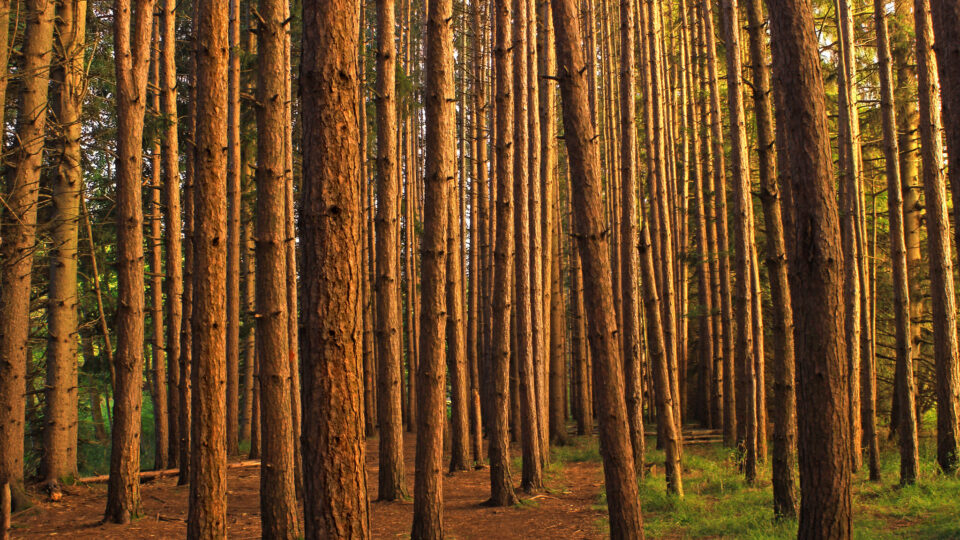
The alarming rate of carbon dioxide flowing into the atmosphere is having a real and actually positive effect on plant life. Higher concentrations of carbon dioxide make plants more productive because photosynthesis makes use of the sun’s energy to synthesize sugar out of carbon dioxide and water.  Plants make use of the sugar both as a source of energy and as the basic building block for growth.  When carbon dioxide levels go up, plants can take it up faster, supercharging the rate of photosynthesis.

In a new study published in the journal Nature Communications, scientists at Ohio State University found that trees are feasting on decades of carbon dioxide emissions and are growing bigger as a result. 

The researchers tracked wood volume in 10 different tree groups from 1997 to 2017 and found that all of them except aspens and birches grew larger.  Over that time period, carbon dioxide levels climbed from 363 parts per million to 405 parts per million.  According to the study, each 1% increase in lifetime CO2 exposure for trees has led to more than a 1% increase in wood volume.

In the big picture, the news isn’t so positive.  The global warming caused by increasing carbon dioxide levels increasingly threatens the forests of the world.  It has led to worsening droughts, insect infestations, and wildfires.  So overall, increasing levels of carbon dioxide are by no means a good thing for the world’s trees.  However, since trees are growing bigger more quickly, it means that planting them is an increasingly cost-effective method for fighting climate change because the same number of trees can sequester more carbon.

**********

Web Links

As Carbon Dioxide Grows More Abundant, Trees Are Growing Bigger, Study Finds

Photo, posted September 12, 2015, courtesy of Nicholas A. Tonelli via Flickr.

Earth Wise is a production of WAMC Northeast Public Radio
A Bad Year For California Rice | Earth Wise

November 2, 2022 By EarthWise Leave a Comment

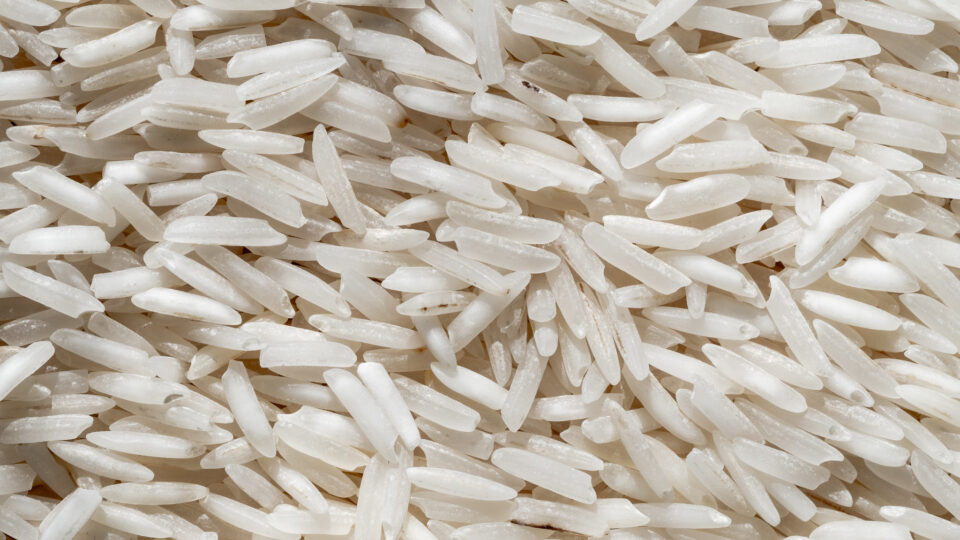
Rice production is the third largest cereal crop in the United States after corn and wheat.  Four regions in the country produce almost the entire U.S. rice crop:  the Arkansas Grand Prairie, the Mississippi Delta, the Gulf Coast, and the Sacramento Valley in California.  Arkansas is the largest producer of rice in the country by far, but California ranks second.

A combination of drought and water shortages in the Sacramento Valley has taken a major toll on the California rice crop.  This year, rice growers have only planted half as much grain as usual.  The changes in rice plantings in California are so substantial that they are easily visible from space.

In Colusa and Glenn counties, rice acreage this year dropped by 84 and 75 percent respectively, compared to 2021.  Farther to the east, in Butte Country, rice acreage was down by 17%.  The change was smaller there because farmers in that county had more groundwater to tap into.

According to the USDA, the California rice crop will be reduced by 38% this year, making it the smallest rice crop in the state since 1977.  California mostly grows short- and medium-grained rice, which is used in dishes like sushi, paella, and risotto.  Arkansas and other states produce most of the long-grain rice such as basmati and jasmine rice.

In late September, there was a burst of rain, which offered some short-term relief for farmers.  However, it will take much more wet weather to ease the ongoing drought conditions.  As of the end of September, over 40% of California remained in extreme drought and 17% was in exceptional drought.

**********

Web Links

A Rough Year for Rice in California

Photo, posted March 21, 2020, courtesy of Ajay Suresh via Flickr.

Earth Wise is a production of WAMC Northeast Public Radio

Insects In A Changing Climate | Earth Wise

October 27, 2022 By EarthWise Leave a Comment

Insects can be found in every environment on Earth and are critical components of many ecosystems.  They perform countless important functions, including aerating and fertilizing soil as well as pollinating flowers.  In fact, according to the USDA, 75% of the world’s flowering plants and about 35% of the world’s food crops depend on animal pollinators, the majority of which are insects, to reproduce.

According to a study published in the journal Nature earlier this year, the combination of climate change and intensive agriculture is having a profound impact on both the abundance and diversity of insects.  In regions where substantial warming had occurred and where land had been converted for intensive farming, insects were nearly 50% less abundant and more than 25% fewer species were observed.  Tropical regions were among those most at risk for heavy losses.

According to a new study recently published in the journal Global Change Biology, tropical insects will be even more susceptible to climate change than previously thought.  In a five-year study conducted in Peru, researchers from the Florida Museum of Natural History found that insect populations declined 50% following short periods of drought and following short periods of heavy rainfall.  Insect populations decreased after three months of dry weather, but also decreased after three months of exceptionally wet weather.   

Researchers have known that tropical insects don’t tend to do well when their habitats dry out.  But the researchers were surprised to discover that these insects were equally averse to increased precipitation.  Alarmingly, precipitation is expected to become more frequent and more intense as a consequence of the changing climate. 

***********

Web Links

Tropical insects are extremely sensitive to changing climates

Photo, posted June 11, 2016, courtesy of Z. Leng via Flickr.

Earth Wise is a production of WAMC Northeast Public Radio
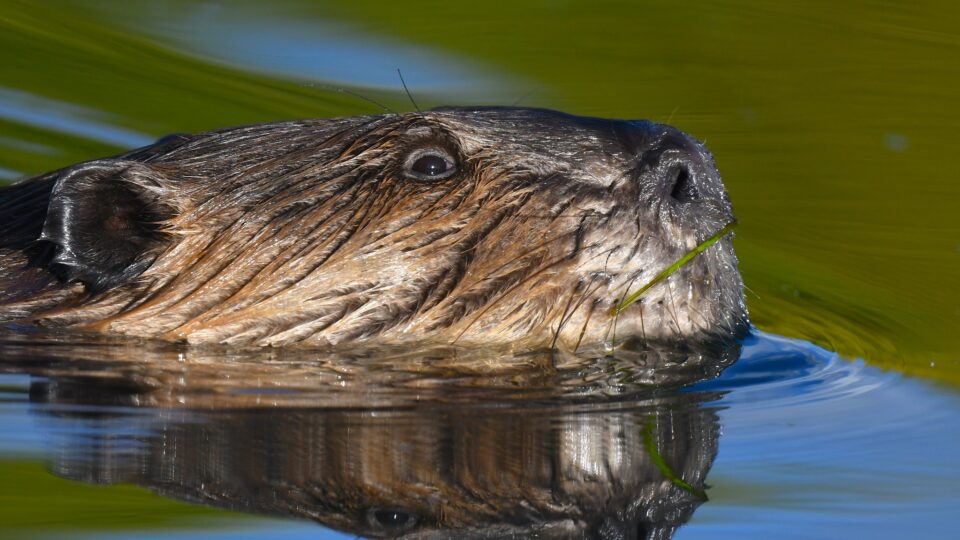
Beavers As Climate Change Fighters | Earth Wise

October 25, 2022 By EarthWise Leave a Comment

California is fighting the effects of climate change on multiple fronts.  The state has been grappling with relentless drought, record heat waves, and persistent wildfires.  The California Department of Fish and Wildlife is enlisting the help of beavers in its battle against climate change.

The state has created a beaver restoration unit charged with developing methods for nature-based restoration solutions involving beavers as well as artificial beaver dams. The agency plans to spend at least $3 million over the next two years to oversee a restoration program for the North American beaver.

A 2020 study showed that beaver-dammed corridors were relatively unharmed by wildfires compared with other areas that lacked beaver damming.  The study highlighted the differences between two adjacent corridors – one without a beaver population with a landscape scarred by a recent wildfire and another with beavers that remained a lush wetland after a fire.   The differences in burn severity, air temperature, humidity, and soil moisture between the beaver complex and the adjacent landscape were huge. 

From the 1920s through the 1950s, California actively exported beavers to other parts of the state and country so they could build dams in eroded areas where beaver dams could help evenly distribute water.  Now, the state wants to reintroduce beavers into watersheds where they once flourished.

The Department of Fish and Wildlife’s proposal to the California Legislature called beavers an important keystone species that can be used to combat climate change.   The state has spent enormous amounts of money on wildfire measures with minimal results.  Now they are going to see if beavers can make a difference.

**********

Web Links

California says the beaver can be superhero in fighting climate change

Photo, posted September 19, 2021, courtesy of Larry Lamsa via Flickr.

Earth Wise is a production of WAMC Northeast Public Radio
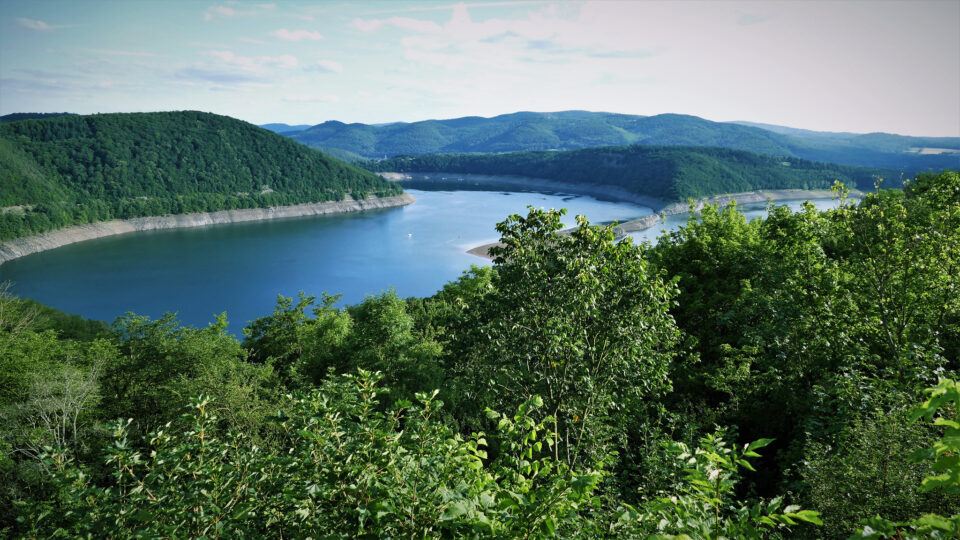
History Emerges In European Drought | Earth Wise

October 17, 2022 By EarthWise Leave a Comment

European drought is revealing historical structures and relics previously covered by water

During the summer, much of Europe faced a string of extreme heat waves and a devastating drought.  As a result, many reservoirs and rivers have shrunk back to reveal historical structures and relics that, in some cases, date back thousands of years.  Once-submerged villages, ships, and bridges have re-emerged this year.

In northwest Spain, a former village called Aceredo has reappeared after having been submerged 30 years ago when a hydropower dam flooded the valley where it was located.  Elsewhere in Spain, the Dolmen of Guadalperal, a 4000-5000-year-old stone monument often called the Spanish Stonehedge, has risen from a drought-stricken dam west of Madrid

In Italy, which is suffering from its worst drought in 70 years, the ruins of a bridge from the time of Nero are now visible in the Tiber River.   One of Germany’s largest reservoirs, the Edersee, has shrunk back so much that parts of Berich, a village that was flooded in 1914, can be seen.  In Serbia, water levels in the Danube River are so low that more than a dozen sunken Nazi boats from World War II have been exposed in the town of Prahovo.   In Northern England, the lower water levels of the Batings Reservoir have uncovered an ancient packhorse bridge.

The shrinking of riverbeds and reservoirs across Europe has attracted a great deal of attention, probably more than many other effects of the increasing number of extreme weather events because it is so visual.  But the frequency of extreme heat and drought is only likely to increase over time.

**********

Web Links

Europe’s Shrinking Waterways Reveal Treasures, and Experts Are Worried

Photo, posted July 13, 2017, courtesy of Marco Brandstetter via Flickr.

Earth Wise is a production of WAMC Northeast Public Radio
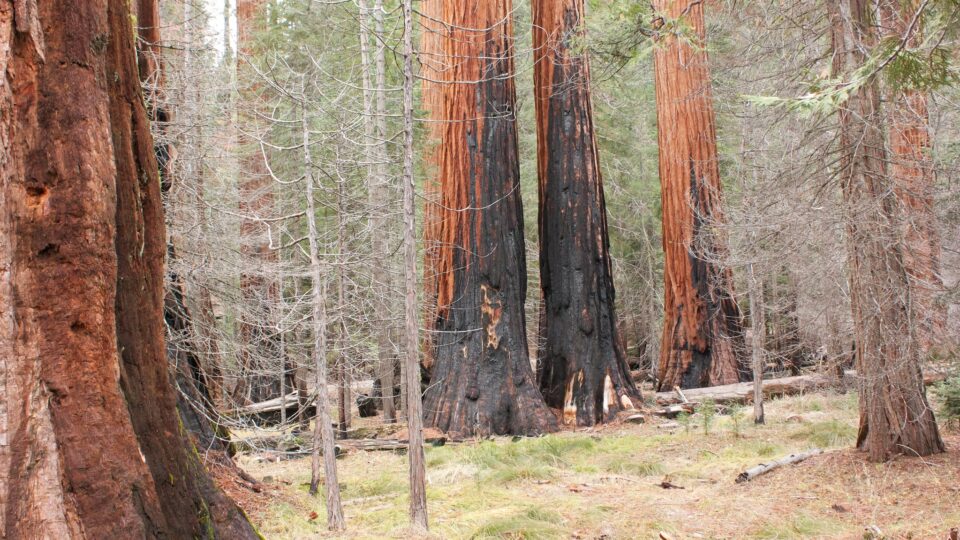
Saving Giant Sequoias | Earth Wise

October 13, 2022 By EarthWise Leave a Comment

Last year, the KNP Complex Fire burning in Sequoia National Park drew global attention as the General Sherman, the world’s largest tree, was wrapped in tinfoil-like material in order to repel the flames from the fire.  Hundreds of firefighters labored for weeks trying to save giant redwood trees.  Despite these efforts, the U.S. Forest Service estimates that wildfires killed 13% to 19% of the world’s giant sequoias in 2020 and 2021.

This past July, the Washburn Fire burned through part of Yosemite’s Mariposa Grove and the giant sequoias there were surrounded by automated sprinklers trying to shelter them from the flames.

For a century, government agencies have worked to extinguish all natural wildfires and prohibited Native people in the region from lighting the fires they traditionally used to manage their lands.  As a result, forests have grown far thicker with trees that can fuel fires.  The Sierras are now home to more than three times as many trees as when they were managed by indigenous communities.  But more than 100 million of those trees had died by 2016 because of drought.

Add to this massive amount of kindling the effects of climate change – a hotter and drier environment – and there is the perfect storm for megafires among the giant sequoias.

There is federal legislation pending that would provide resources for prescribed burning and other forms of active forest management.  It is controversial.  It has attracted support from the Nature Conservancy, the Save The Redwoods League, and others, but also opposition from more than 80 environmental groups.

What is not controversial is that the Giant Sequoias are in the midst of a crisis and urgent action is needed.

**********

Web Links

In California, a Race to Save the World’s Largest Trees From Megafires

Photo, posted December 10, 2014, courtesy of Laura Camp via Flickr.

Earth Wise is a production of WAMC Northeast Public Radio
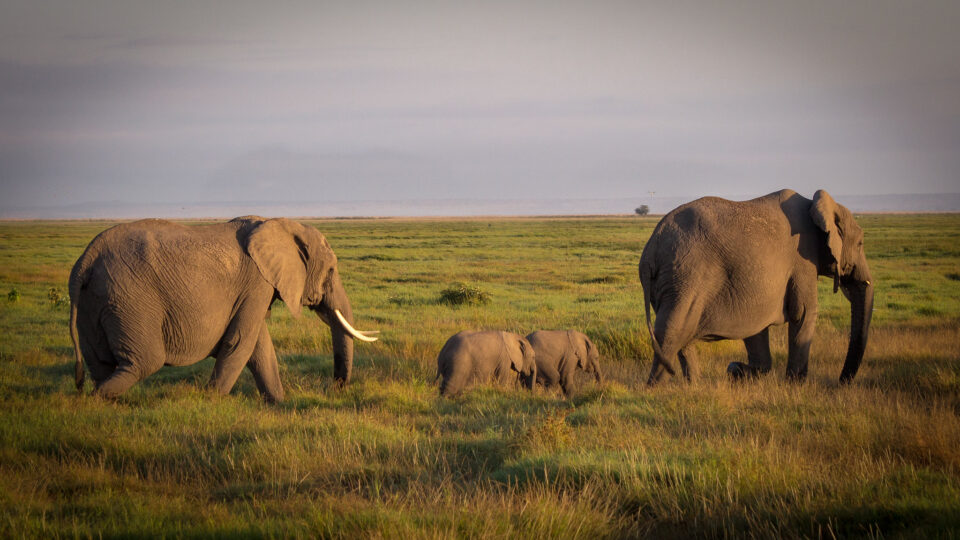
Coping With Climate Change | Earth Wise

October 11, 2022 By EarthWise Leave a Comment

Animals will cope with climate change differently

Extreme weather events including prolonged drought and heavy rainfall are becoming more common and more severe as global temperatures rise.  As the climate continues to change in the coming decades, how will animals respond? 

Researchers from the University of Southern Denmark have examined how different mammals react to climate change. They analyzed data on population fluctuations from 157 mammal species around the world.  They compared these fluctuations with weather and climate data from the same time period.  The research team had 10 or more years of data for each species studied. 

The researchers found that mammals that live for a long time and/or produce less offspring –  like llamas, elephants, bears, and bison – are more climate resilient than small mammals with short lives — like mice, possums, lemmings, and rare marsupials. 

For example, large, long-lived mammals can invest their energy into one offspring, or simply wait for better times if conditions become challenging.  On the other hand, small, short-lived mammals like rodents have more extreme population changes in the short term. In the event of a prolonged drought, large portions of their food base may rapidly disappear, and they are left to starve because they have limited fat reserves.

However, the research team notes that the ability of a species to withstand climate change must not be the only factor when assessing a species’ vulnerability.  In fact, in many cases, habitat destruction, poaching, pollution, and invasive species pose a larger threat to animal species than climate change. 

While the study only examined 157 species, the findings enable researchers to also predict how animals they know less about will react to climate change.

********** 

Web Links

Which animals can best withstand climate change?

Photo, posted July 8, 2018, courtesy of Ray via Flickr.

Earth Wise is a production of WAMC Northeast Public Radio
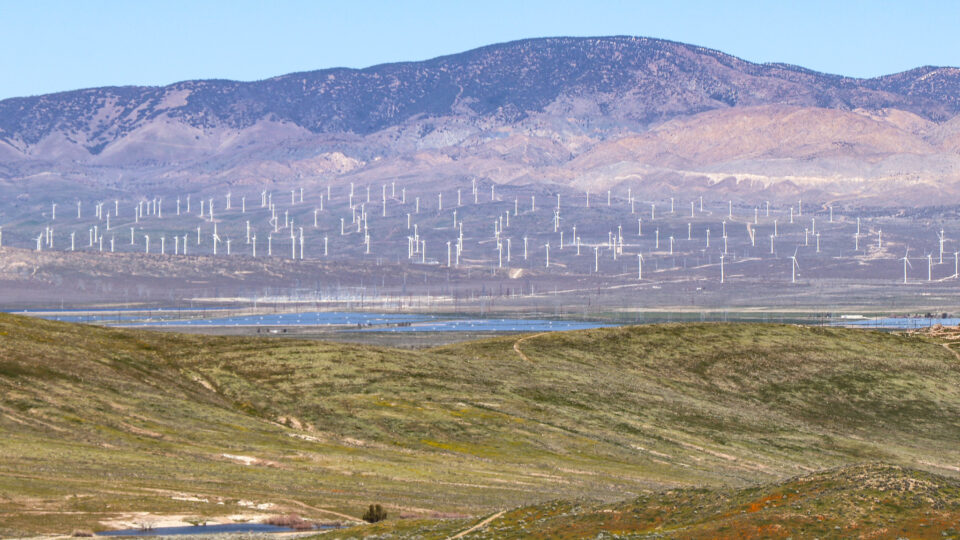
California Climate Legislation | Earth Wise

October 6, 2022 By EarthWise Leave a Comment

California passes massive climate change legislation

At the end of its summer session, California’s state legislature passed five climate-related bills including ones that it had been unable to pass in previous sessions.  Taking all of these actions puts California in the position of blazing a trail for the country and the rest of world in taking aggressive action on climate issues.

One bill confirmed California’s goal of reaching net-zero emissions by 2045.  Another bill added interim-term targets to go along with the state’s goal of 100% renewable electricity by 2045.  It sets a target of 90% by 2030 and 95% by 2040.  That bill mandates that California state agencies use 100% clean energy by 2035, which is a decade earlier than the previous requirement.

A third bill requires the California Air Resources Board to determine steps and regulations for carbon-capture and storage projects at pollution hotspots like oil refineries.

A fourth bill requires the state to set goals for removing carbon dioxide from the atmosphere through natural means such as tree planting.

The California state budget includes a record-breaking $54 billion to be spent on climate programs over the next five years, including $6.1 billion toward electric vehicles, $14.8 billion towards public transit projects, more than $8 billion for electric grid stabilization, $2.7 billion towards preventing wildfires, and $2.8 billion towards managing drought.

California has been dealing with ongoing drought and numerous wildfires and is highly motivated to take decisive action in dealing with the climate crisis.  California’s environmental initiatives often result in comparable actions taken by other states.

**********

Web Links

California Passes Massive Climate Legislation Package

Photo, posted March 16, 2019, courtesy of Raymond Shobe via Flickr.

Earth Wise is a production of WAMC Northeast Public Radio
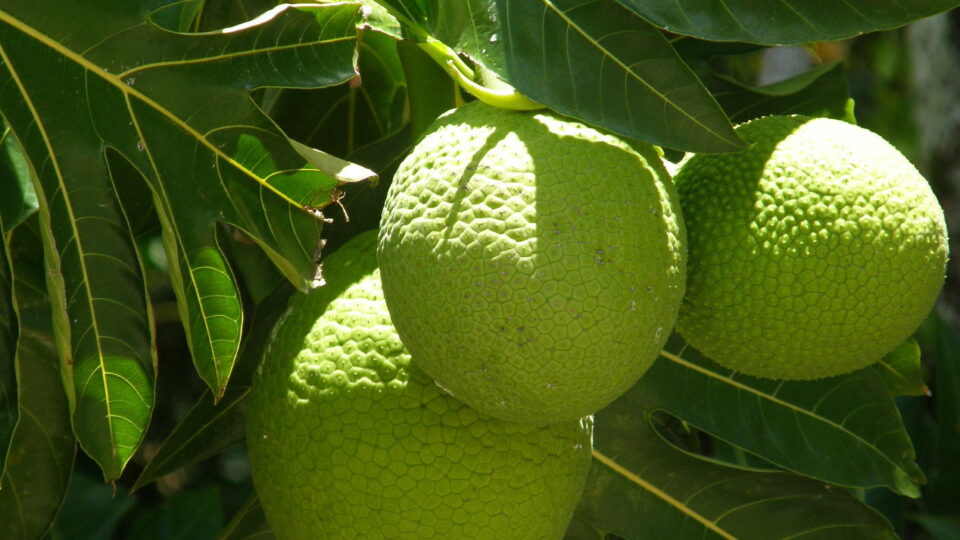
A Food For The Future | Earth Wise

September 19, 2022 By EarthWise Leave a Comment

Breadfruit is a climate resilient food for the future

Researchers predict that climate change will negatively impact most staple food crops, including rice, corn, and soybeans.  Therefore, climate resilient food crops – those that are salt, drought, and heat resilient – will have an important role to play in global food security.  Examples of climate resilient crops include quinoa, kernza, amaranth, millet, and tepary beans.    

According to a new study by researchers from Northwestern University, breadfruit – a starchy tree fruit native to the Pacific Islands – will be relatively unaffected by climate change.  Because breadfruit is climate resilient and well-suited to grow in regions with high levels of food insecurity, the research team suggests breadfruit could be a part of the solution to global hunger.

While it has ”fruit” in its name, breadfruit is more like a potato.  It’s starchy and seedless, and is closely related to jackfruit.  Breadfruit is nutrient-rich, and high in fiber, vitamins, and minerals.  It can be steamed, roasted, fried, fermented, and even turned into flour.  People in tropical regions around the world have been eating breadfruit for thousands of years. 

In the study, which was recently published in the journal PLOS Climate, researchers determined the climate conditions necessary to cultivate breadfruit and then looked at how these conditions are predicted to change in the future.  They examined two future climate scenarios: one that reflects high greenhouse-gas emissions and another in which emissions stabilize.

In both scenarios, the regions suitable for breadfruit cultivation were mostly unaffected.  Additionally, the researchers identified new suitable land where breadfruit cultivation could expand.   

As the climate continues to change, breadfruit might soon be on a table near you.

**********

Web Links

Climate-resilient breadfruit might be the food of the future

Photo, posted August 11, 2007, courtesy of Malcolm Manners via Flickr.

Earth Wise is a production of WAMC Northeast Public Radio
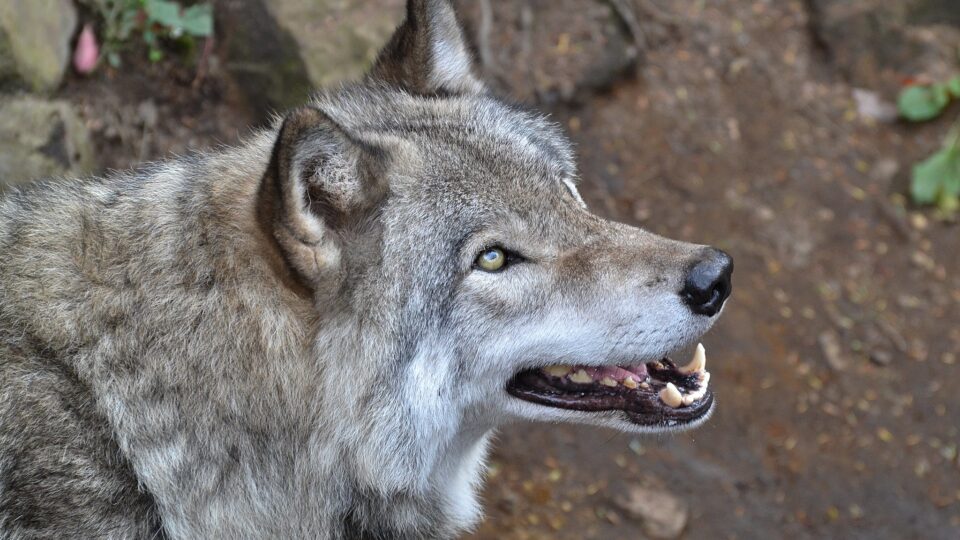
Rewilding The American West | Earth Wise

September 14, 2022 By EarthWise Leave a Comment

Re-establishing ecosystems in the American West

Oregon State University scientists have proposed a series of management changes for western federal lands aimed at re-establishing ecosystems there.  Their proposal would result in more gray wolves and beavers in nearly 200,000 square miles of federal lands in 11 states.

In each of those states, the researchers identified areas containing prime wolf habitat.  Gray wolves were hunted to near extinction in the West but have been gradually reintroduced in some areas starting in the 1990s.  Wolf restoration offers significant ecological benefits by helping to naturally control the population of grazing animals such as elk.  This in turn facilitates the regrowth of vegetation species such as aspen, which ultimately supports diverse plant and animal communities.

Beaver populations, which used to be robust across the West, declined roughly 90% after settler colonialism and are now nonexistent in many areas.  By felling trees and shrubs and constructing dams, beavers enrich fish habitat, increase water and settlement retention, maintain water flows during droughts, and increase carbon sequestration.

According to the researchers, the biggest threat to these western lands is livestock grazing, which has degraded ecosystems to a great extent.  They recommend the removal of grazing on about 30% of the federal lands being used for that purpose and instead would have rewilding efforts go on. 

The American West is going through a period of converging crises including extended drought and water scarcity, extreme heat waves, massive fires, and loss of biodiversity.  Rewilding is a way to reestablish long-standing ecosystems.

**********

Web Links

More wolves, beavers needed as part of improving western United States habitats, scientists say

Photo, posted October 1, 2020, courtesy of Tina DaPuglet via Flickr.

Earth Wise is a production of WAMC Northeast Public Radio.

Tepary Beans | Earth Wise

September 2, 2022 By EarthWise Leave a Comment

Tepary beans could prove to be a food of the future

Tepary beans are an ancient crop native to the northern part of Mexico and the southwestern part of the U.S..  They have been grown in those places by native peoples since pre-Columbian times.  They are still grown in Native American reservations in Arizona’s Sonoran Desert.  One can purchase them from some small farms in that region. 

What sets tepary beans apart from other beans is that they are among the most drought- and heat-tolerant legume crops in the world.  They can be grown without irrigation under conditions that are not viable for other crops.  They can be consumed by people like many other kinds of beans, and they can also provide forage for livestock with better nutrition content than many other plants.  They seem to be a very attractive option for a crop in the changing climate.  What is lacking, at present, is large supplies of tepary seeds to be planted.

Researchers at Texas A&M have been funded to bring tepary beans into modern cropping systems and diets.  The goal is to develop tepary bean cultivars with high biomass and yield that are still well-suited to drought and heat conditions.  Getting the beans to the point of widespread commercialization will take several years.  The end result should be of interest to pulse growers, seed industries, and food companies across the U.S.

Tepary beans are higher in fiber and protein than most other beans.  They come in several different colors, each of which has unique flavor and texture characteristics.  The white ones have a naturally sweet flavor.   The brown beans are slightly nutty in flavor and are similar to pinto beans.  If the Texas program is successful, we may all be eating tepary beans some day.

**********

Web Links

Tepary Beans Offer Producers A Low-Input, Climate-Resilient Legume Alternative

Photo, posted August 25, 2017, courtesy of Katja Schulz via Flickr.

Earth Wise is a production of WAMC Northeast Public Radio.

The Great Salt Lake Is Disappearing | Earth Wise

August 31, 2022 By EarthWise Leave a Comment

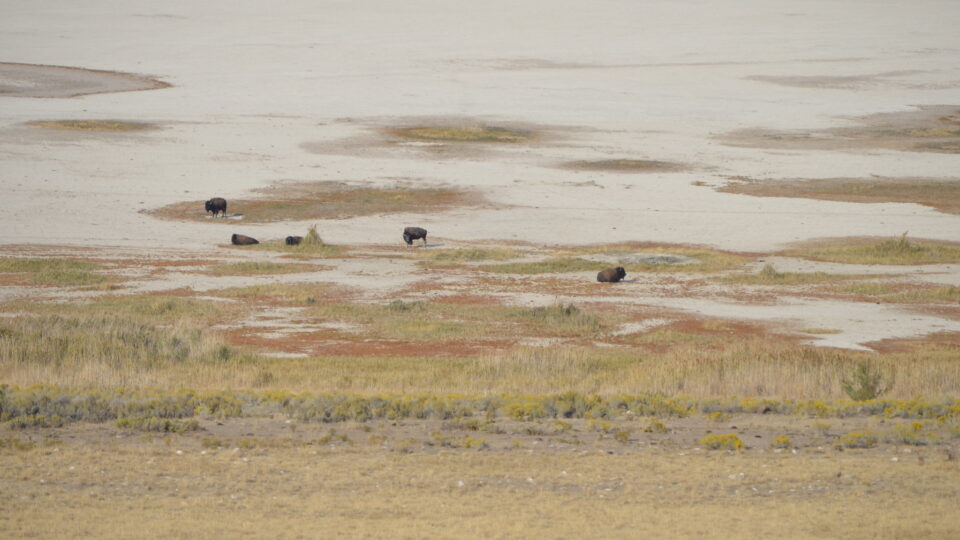
Utah’s Great Salt Lake is the largest saltwater lake in the western hemisphere.  According to data from the US Geological Survey, the surface water elevation of the Great Salt Lake has fallen to the lowest level since records began in the mid-1800s.  The average elevation is now 4,190 feet above sea level.   With this drop in water level, the surface area of the lake is little more than half of its historical size.  The lower water level has exposed about 700 square miles of previously submerged lakebed.

The lake now contains about a quarter of the volume of water that it did at its high point in 1987.  The precipitous drop in water is a result of water usage from the lake coupled with climate change-fueled drought.   Increased water demand is due to the rapidly growing population of metropolitan Salt Lake City.  Utah’s population is projected to increase by almost 50% by 2060.

The Great Salt Lake goes though seasonal cycles of water loss and replenishment.  Rain and snow generally refill its level.  However, because of the ongoing megadrought in the West, water evaporation and depletion continue to exceed the amount of water entering the lake.  The water levels are expected to further decrease until fall or early winter, when incoming water is expected to equal or exceed evaporation.

The decline of the Great Salt Lake is a serious threat to the economy, ecology, and people of northern Utah.  The lake generates snowpack, is a refuge for hundreds of migratory birds and other wildlife and generates millions of dollars in the economy through mineral extraction and tourism.

**********

Web Links

Utah’s Great Salt Lake is disappearing

Photo, posted October 6, 2020, courtesy of Julie Girard via Flickr.

Earth Wise is a production of WAMC Northeast Public Radio.

California Trees Are Dying | Earth Wise

August 19, 2022 By EarthWise Leave a Comment

Climate change is killing California trees

California relies on extensive forests to help reduce the amount of carbon dioxide entering the atmosphere.  But extensive drought and increasingly frequent wildfires have been reducing the state’s tree population for the past three decades.

A comprehensive study by a team of scientists from the University of California Irvine used satellite data to study vegetation changes between 1985 and 2021.  Across the entire state, tree cover area has declined 6.7% over that time period.  The results varied from region to region across the state.

Southern California exhibited the sharpest decline, where 14% of the tree population in local mountain ranges vanished, potentially permanently.  In the Sierra Nevada mountains, tree populations were relatively stable until about 2010.  After that, a severe drought followed by historically large wildfires resulted in a 8.8% die-off of trees.  The northern parts of the state, with higher rainfall and cooler temperatures, fared better, being able to more easily recover from wildfires.

The study goes beyond measuring the tree population of the state and its effects on carbon storage.  The data is also important for understanding how changes in forest cover affects water resources and fire behavior in the state.

The decline of trees in California is affecting the carbon storage abilities of the state.  The satellite survey showed that as the tree populations have dropped, the state’s coverage of shrubs and grasses has risen, possibly indicating that permanent ecosystem shifts are occurring.  The forces contributing to the decline of trees in California are not going away any time soon.  As a result, the threat to California’s ability to mitigate the effects of climate change continues to grow.

**********

Web Links

UCI study: California’s trees are dying, and might not be coming back

Photo, posted March 24, 2016, courtesy of David Fulmer via Flickr.

Earth Wise is a production of WAMC Northeast Public Radio.

Making Cotton More Sustainable | Earth Wise

August 16, 2022 By EarthWise Leave a Comment

Producing cotton more sustainably

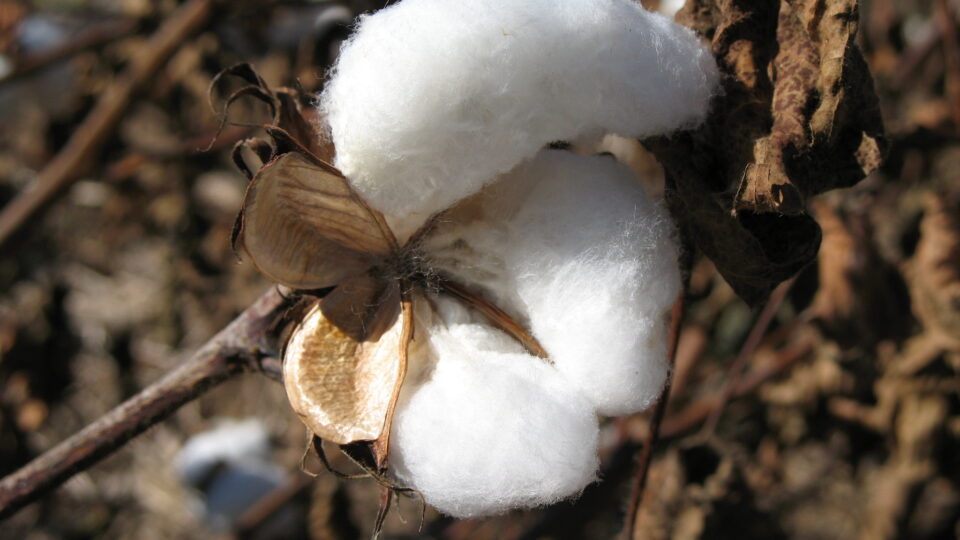
In the United States, cotton is a $7 billion annual crop grown in 17 states.  Cotton plants in the largest producing countries in the world – India, China, and the U.S. – are genetically very similar and, like other crops that lack diversity, can be at risk.

Cultivated cotton around the world has been bred to look and act very similar.  It is high yielding and easy to harvest using machines.  But it is also wildly unprepared to fight disease, drought, or insect-borne pathogens.

Researchers are looking beyond breeding for ways to combat the low genetic diversity of cultivated cotton.  There are new approaches that combine breeding with elements of genetic modification.  Most cotton in the U.S. has already been genetically modified to resist caterpillar pests.  But as new problems emerge, new solutions will be needed that may require complicated changes to the cotton genome.  Getting regulatory approval for a genetically modified crop is a long and expensive process.

However, ordinary genetic modification is not the only possibility.  Modern genetic sequencing technology can allow researchers to examine various wild cotton varieties and identify the genetic markers for desirable traits.  Once valuable genes in wild species have been identified, traditional plant breeding techniques could be used to produce cultivated cotton varieties that are more resistant to disease and drought.

Climate change is raising average global temperatures and some important cotton-producing regions such as the U.S. Southwest are becoming drier.  Researchers are hoping to produce cultivated cotton that can tolerate drought at the seedling stage.  The ultimate goal is to create more sustainable and genetically diverse cotton that can thrive in a changing world.

**********

Web Links

Cotton Breeders Are Using Genetic Insights To Make This Global Crop More Sustainable

Photo, posted November 9, 2008, courtesy of BP Takoma via Flickr.

Earth Wise is a production of WAMC Northeast Public Radio.

Forests And Water | Earth Wise

June 15, 2022 By EarthWise Leave a Comment

We hear a great deal about the environmental services provided by forests.  Deforestation is one of the major factors contributing to increasing levels of carbon dioxide in the atmosphere.  And, of course, forests – most notably rainforests – are major contributors to biodiversity.  A new study by the U.S. Forest Service looked at the role forests play in providing water for Americans.

According to the study, published in the journal Water Resources Research, forested lands across the U.S. provide 83 million Americans with at least half of their water.  125 million people – well over a third of the country – receive at least 10% of their water from forests.  Notably, in the drought-stricken western U.S., nearly 40 million people get more than half of their drinking water from forests that are increasingly threatened by wildfires.

The study looked at surface water sources for more than 5,000 public water systems.  It provides a critical update to the map of where our water comes from.  The study focused on surface waters such as lakes, rivers, and streams because it is too difficult to trace sources of groundwater on a national scale.  Included is a new database of inter-basin water transfers, which are how surface water moves from places where it is plentiful to where it is not.  Examples are the California Aqueduct and the Central Arizona Project which respectively supply Los Angeles and Phoenix with drinking water.  

In Los Angeles, 69% of the water coming in through inter-basin transfers originated in forested lands.  In Phoenix, the figure is 82%.  There are many urban communities that obtain more than half of their drinking water from inter-basin transfers.  Even far from forests, water from forests is essential for millions of Americans.

**********

Web Links

U.S. Forests Provide 83 Million People with Half Their Water

Photo, posted September 26, 2016, courtesy of Don Graham via Flickr.

Earth Wise is a production of WAMC Northeast Public Radio.

Floating Solar | Earth Wise

June 7, 2022 By EarthWise 1 Comment

Floating solar coming to New York

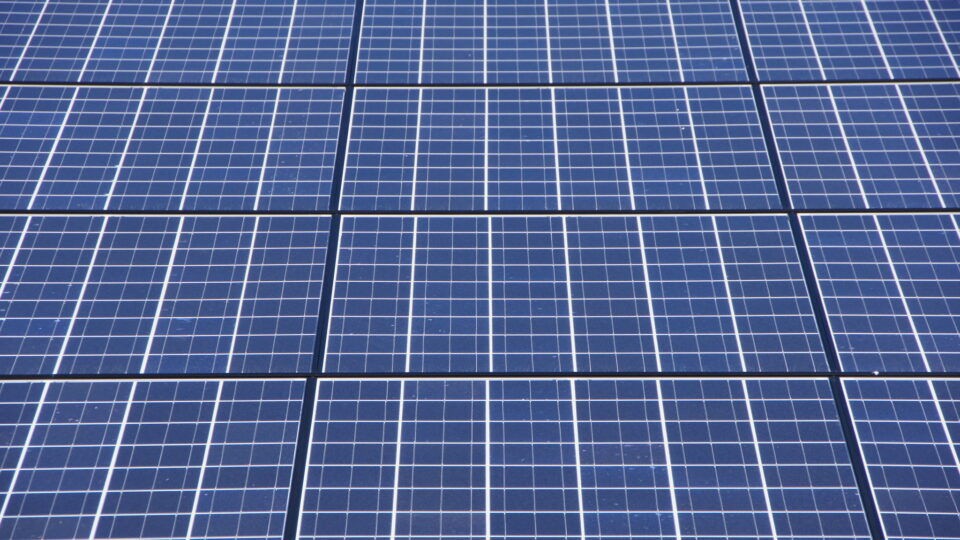
The largest floating solar array in Europe, 12,000 panels sitting on top of the Alqueva Reservoir in Portugal – will come online in July.  Installing floating solar arrays, which are sometimes called “floatovoltaics”, produce renewable energy while shielding significant expanses of water from the sun’s heat.  These dual benefits have led to floatovoltaic projects in multiple countries around the world.

The city of Cohoes, in New York’s Albany County, has proposed an 8,000-panel floating solar array on the city reservoir.  Federal funding of $3 million for the project was obtained by local Congressman Paul Tonko and, in May, utility National Grid donated $750,000 towards the project.  Engineering work will shortly be underway on the 3.2 megawatt grid of solar panels.

The city of Cohoes pumps its drinking water supplies from the Mohawk River into the 10-acre, manmade reservoir.  The surface of the water is the largest undeveloped open space in the city.  Such reservoirs constitute prime sites for solar arrays since the space cannot be used for other purposes.  In addition, covering the water’s surface with the solar panels greatly reduces evaporation and helps to inhibit the growth of algae.

There are currently only 14 floating solar arrays in the U.S. and all of those are privately owned.  The Cohoes municipal array will be the first of its kind.  There are nearly 500 reservoirs in New York State and 24,000 nationwide that could be sites for floating arrays.   Drought-stricken Western reservoirs like Lake Mead and Lake Powell could be ideal locations of solar arrays.  Those reservoirs lose huge amounts of water to evaporation.  There are estimates that floating arrays could provide as much as 10% of the nation’s electrical needs.

**********

Web Links

National Grid gives Cohoes $750,000 for floating solar array project

Photo, posted August 25, 2010, courtesy of Martin Abegglen via Flickr.

Earth Wise is a production of WAMC Northeast Public Radio.

Record Renewable Use In California | Earth Wise

May 19, 2022 By EarthWise Leave a Comment

California, the most populous state, is the second largest electricity user.  Only Texas, the second most populous state, uses more energy, in part because it consumes large amounts in refining fossil fuels. Overall, California uses about 8% of the electricity generated in the U.S.

Thus, it was a significant milestone when briefly, on April 3, a record 97.6% of the energy on California’s statewide grid came from renewable energy resources.  (The previous record of 96.4% was set just a few days earlier).

Renewable energy’s share of the power typically peaks in the spring when mild temperatures keep demand relatively low and higher sun angles drive greater solar energy production.

On April 8, a record peak solar power production was set at 13,628 megawatts just after noon.  On March 4, the state set an all-time wind generation record of 6,265 megawatts. 

California now has over 15,000 MW of grid-connected solar power and 8,000 MW of wind.  Another 600 MW of solar and 200 MW of wind are coming online by June.  The state also has about 2,700 MW of energy storage online and that will climb to 4,000 MW by June.

In 2020, 34.5% of the state’s retail electricity sales came from wind and solar sources.  Adding in hydropower and nuclear power, nearly 60% of the state’s electricity came from non-fossil fuel.  Despite the effects of drought on hydropower generation and the impact of the pandemic on the pace of renewable energy projects, California continues its dramatic transition to sustainable energy.

**********

Web Links

Solar and wind notched records as renewables met California’s energy demand

Photo, posted September 20, 2016, courtesy of Tom Brewster Photography / BLM via Flickr.

Earth Wise is a production of WAMC Northeast Public Radio.

The Atmosphere Is Thirstier | Earth Wise      

May 9, 2022 By EarthWise Leave a Comment

The American West is in the throes of a two-decade-long drought.  The climate there is getting warmer and drier, which has led to increasing demand for water resources from both humans and ecosystems.  According to a new study by the Desert Research Institute and collaborators, the atmosphere across much of the U.S. is also demanding a greater share of water than it used to.

Evaporative demand, which is also called atmospheric thirst, is a measure of the potential loss of water from the earth’s surface up to the atmosphere.  It is a function of temperature, humidity, wind speed, and solar radiation.  The study, published in the Journal of Hydrometeorology, assessed trends in evaporative demand during a 40-year period from 1980-2020.

The study’s findings showed substantial increases in atmospheric thirst across much of the Western U.S. over that period, with the largest increases centered around the Rio Grande and Lower Colorado rivers.  This is important because atmospheric thirst is a persistent force in pushing Western landscapes and water supplies toward drought.

The study found that, on average, increases in temperature were responsible for 57% of the changes observed in atmospheric thirst, humidity 26%, and the other factors playing lesser roles.

For farmers and other water users, increases in atmospheric thirst mean that, in the future, more water will be required to meet existing water needs.  Crops already require more water than they did in the past and can be expected to require more water in the future.  Over time, for every drop of precipitation that falls, less and less water is likely to drain into streams, wetlands, aquifers, or other water bodies.

**********

Web Links

New study shows robust increases in atmospheric thirst across much of U.S. during past 40 years

Photo, posted August 9, 2007, courtesy of William Clifford via Flickr.

Earth Wise is a production of WAMC Northeast Public Radio.

Cloud Seeding And The Western Drought | Earth Wise

April 6, 2022 By EarthWise Leave a Comment

The massive megadrought affecting the American West is now considered to be the driest two-decade period in the past 1,200 years.  The lengthy drought has led to increased wildfires, reduced agricultural productivity, and reduced electricity generation by hydropower plants.  The historically low water levels in the largest two reservoirs in the U.S. – Lake Mead and Lake Powell – has triggered reductions in water allocations to Arizona, Nevada, and Mexico.

Several western states have expanded cloud seeding programs in an attempt to increase precipitation.  During the past two years, Idaho, Utah, Colorado, Wyoming, and California have all stepped up their cloud seeding efforts.  Outside of the US, the United Arab Emirates and China both have implemented massive cloud seeding programs.

A study by researchers at the University of Colorado and the National Center for Atmospheric Research looked at the ability of cloud seeding to increase snowfall.  The study unambiguously demonstrated that cloud seeding can increase snowfall.  Just how effective it is in terms of how much additional snow seeding produces is less clear.

Given the dire need for water and the fact that cloud seeding is not especially expensive, governments and other users are not hesitating to make use of it.

Unfortunately, the study shed no light on the efficacy of warm weather seeding to produce rain.  There is in fact little evidence that seeding clouds to produce rain accomplishes very much.  Once again, the prevailing view is that it is worth trying.  There do not appear to be environmental downsides to seeding.

The hope is that cloud seeding may at least restore clouds to the state they had been in before industrial pollution and other human activities affected them.

**********

Web Links

Can Cloud Seeding Help Quench the Thirst of the U.S. West?

Photo, posted November 21, 2013, courtesy of Sharon Tate Soberon via Flickr.

Earth Wise is a production of WAMC Northeast Public Radio.

A Historic Western Drought | Earth Wise

April 1, 2022 By EarthWise Leave a Comment

A historic drought in the American west

The American Southwest has suffered from drought conditions since the year 2000.  The drought has reduced water supplies, devastated farmers and ranchers, and it has helped to fuel numerous wildfires across the region.  It has generally been considered to be worst in 500 years.

According to a recent analysis, the drought has become so severe that it has actually led to the driest two decades in at least 1,200 years and the changing climate is largely responsible.  The summer of 2021 was especially dry; about 2/3 of the West was in severe drought conditions.

Scientists at UCLA used tree ring data to gauge drought.  Based on that analysis, 2000-2021 is the driest 22-year period since 800 A.D. which is as far back as the data goes.

The study confirmed the role of temperature, more than precipitation, in driving exceptional droughts.  Precipitation levels can go up and down over time and can vary in different regions.  But the ongoing emissions of greenhouse gases into the atmosphere are causing temperatures to generally rise over time.  Warmer temperatures make the air more capable of pulling water out of the soil, out of vegetation, out of crops, and out of forests.  All of that makes drought conditions more severe.

A megadrought is generally considered to be one that is both severe and long.  But even during one, there can be wet years.  2005 was a notable one.  But there must be enough consecutive wet years to actually end a drought.

Several previous megadroughts over the past 1,200 years lasted as long as 30 years.  So, the current drought is in full swing and may go on for a long time to come.

**********

Web Links

How Bad Is the Western Drought? Worst in 12 Centuries, Study Finds.

Photo, posted September 25, 2021, courtesy of David Sierralupe via Flickr.

Earth Wise is a production of WAMC Northeast Public Radio.

  • « Go to Previous Page
  • Page 1
  • Page 2
  • Page 3
  • Page 4
  • Page 5
  • Interim pages omitted …
  • Page 7
  • Go to Next Page »

Primary Sidebar

Recent Episodes

  • An uninsurable future
  • Clean energy and jobs
  • Insect declines in remote regions
  • Fossil fuel producing nations ignoring climate goals
  • Trouble for clownfishes

WAMC Northeast Public Radio
WAMC/Northeast Public Radio is a regional public radio network serving parts of seven northeastern states (more...)
Copyright © 2026 ·