deforestation
The Restoration Economy
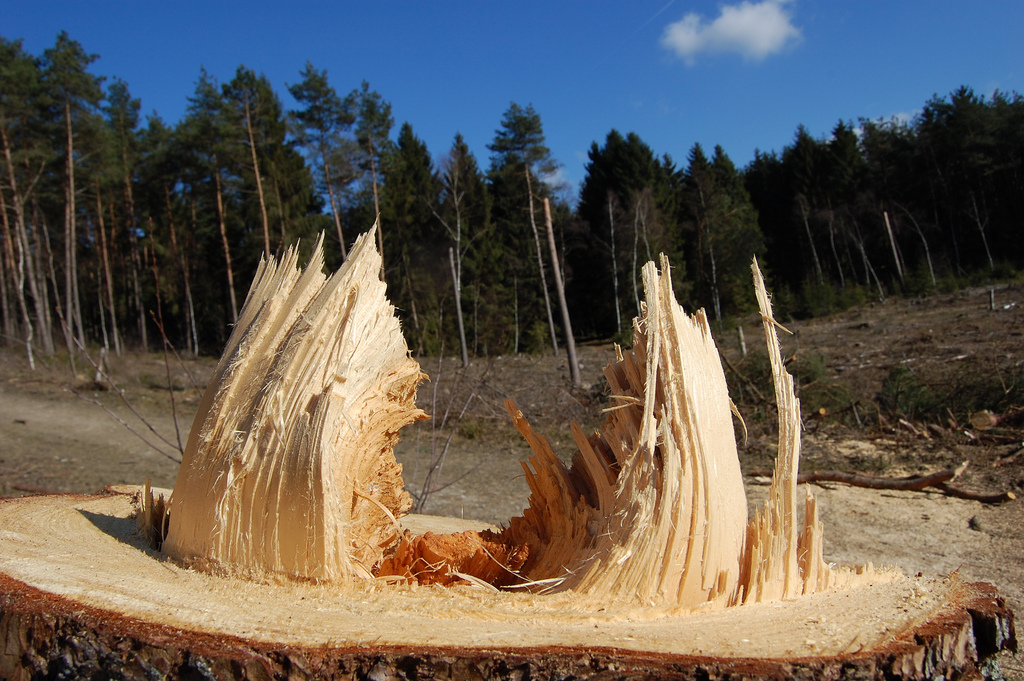
Deforestation is one of the largest contributors to climate change. Forests cover about 30% of the world’s land area and are a crucial sink for carbon dioxide. Over time, we have been steadily reducing the amount of forest in the world to obtain wood and timber, open up farmland, build towns and cities, produce paper, make palm oil, and mine for minerals.
2017 Was Hot

There’s no argument to be made about whether 2017 was hot or not. The only uncertainty is whether it was the second or third warmest year ever recorded.
Removing CO2 With Plants
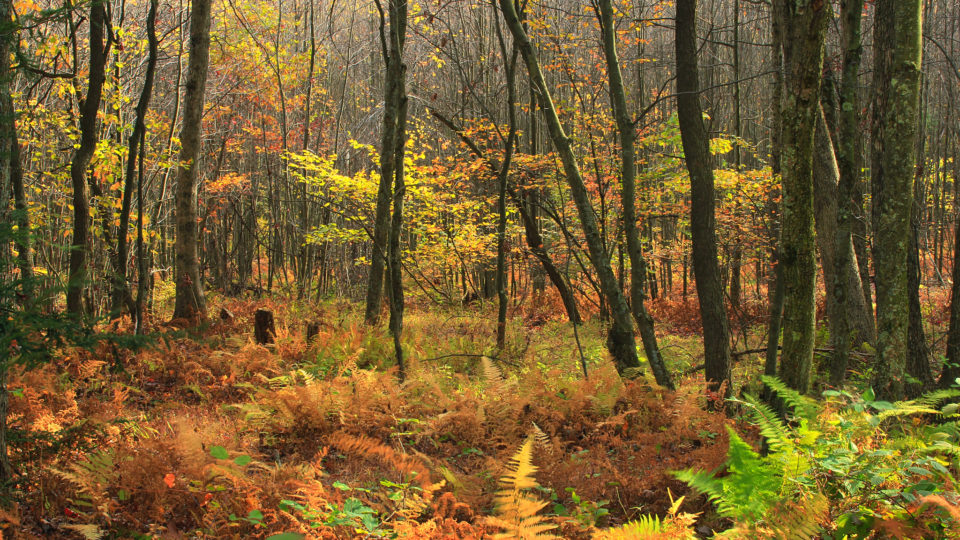
Plants are the world’s great storehouse of carbon dioxide. That is why deforestation is a major contributor to climate change. If only there were more trees and plants, more of the CO2 in the atmosphere would be absorbed and could no longer trap heat in the atmosphere.
Hopeful Climate Trends

In November, Syria joined the Paris Climate Accord. As a result, the United States is now the only country in the world that has rejected the global pact. Despite this embarrassing news, there is reason for optimism in the effort to stave off the worst impacts of climate change. In particular, 7 major trends provide hope that things could move in the right direction.
Greening Halloween

According to the National Retail Federation, 179 million Americans are expected to spend $9.1 billion – or nearly $84 per person – on Halloween festivities this year, reaching a new record high. But it’s not just our wallets that take a beating. The planet also pays quite a price.
Satellites And Conservation Science

Satellites orbiting the earth are becoming an increasingly powerful tool for counting and monitoring wildlife populations and to answer a host of other questions about the natural world.
Palm Oil Progress
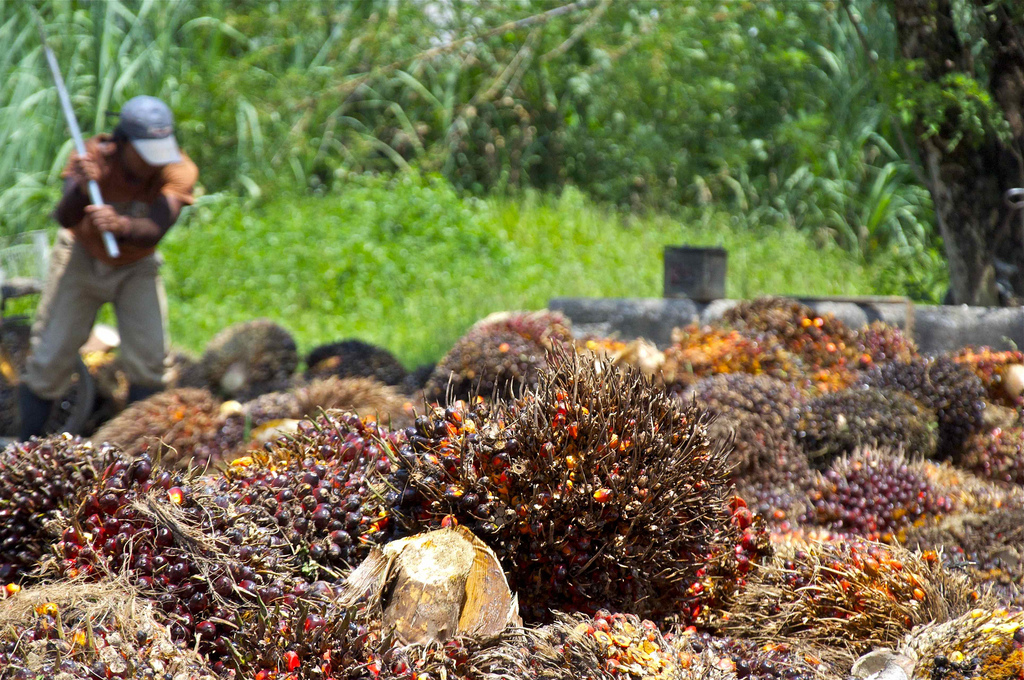
According to the Roundtable on Sustainable Palm Oil or RSPO, almost 12 million tons, or 21% of the global supply of palm oil, is now certified as responsible and sustainable. The massive expansion of palm oil plantations has been one of the primary causes of global deforestation. This has been especially the case in Borneo, where 85% of global palm oil production takes place.
Trees Are Not Enough
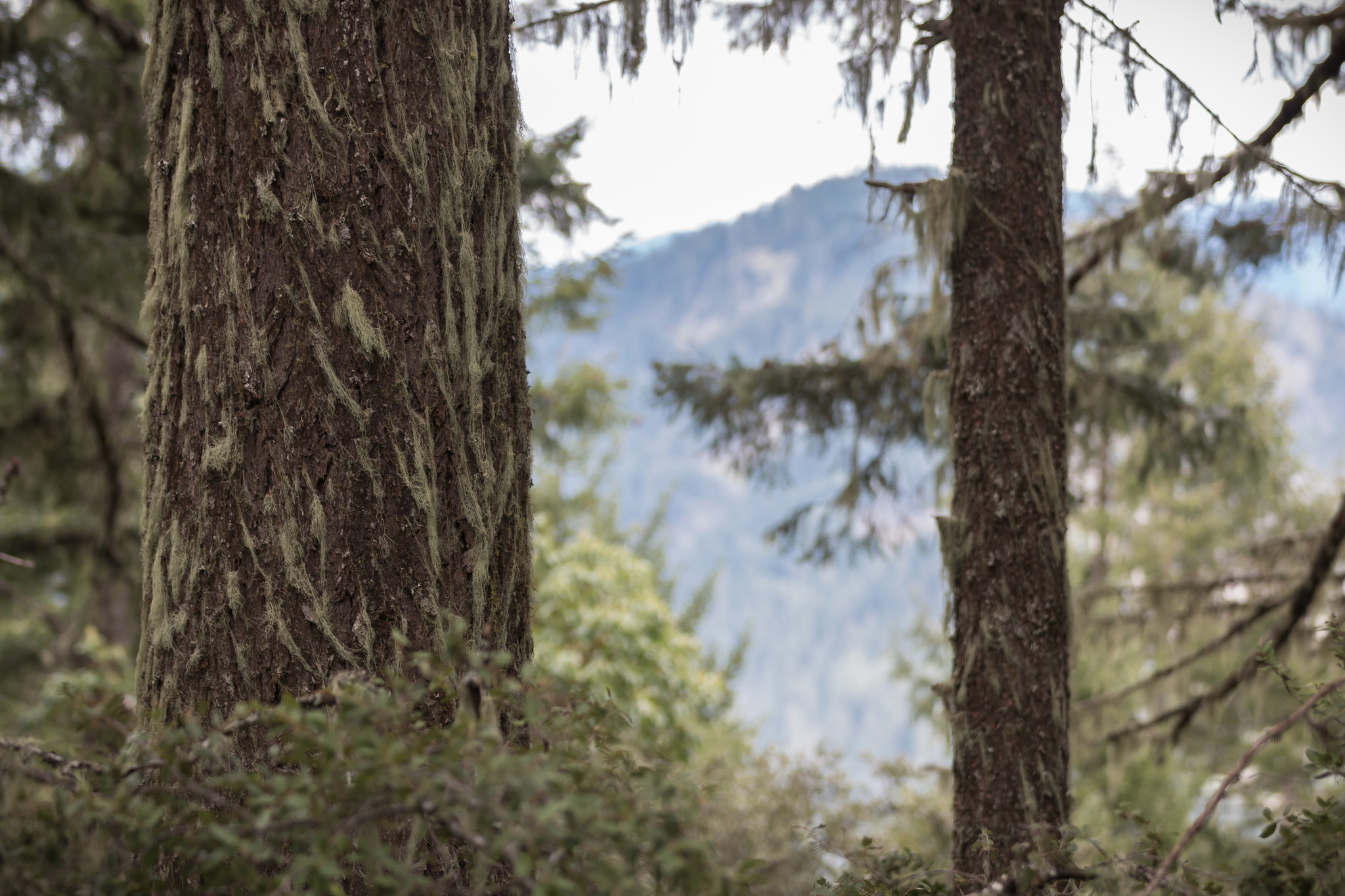
Trees are nature’s way of removing carbon dioxide from the atmosphere. Growing plants take up CO2 and store it in the form of their roots, stems and leaves. And in fact, a significant factor in the growing levels of carbon dioxide in the atmosphere has been the extensive deforestation that has gone on over the past couple of centuries.
Saving Borneo’s Forest
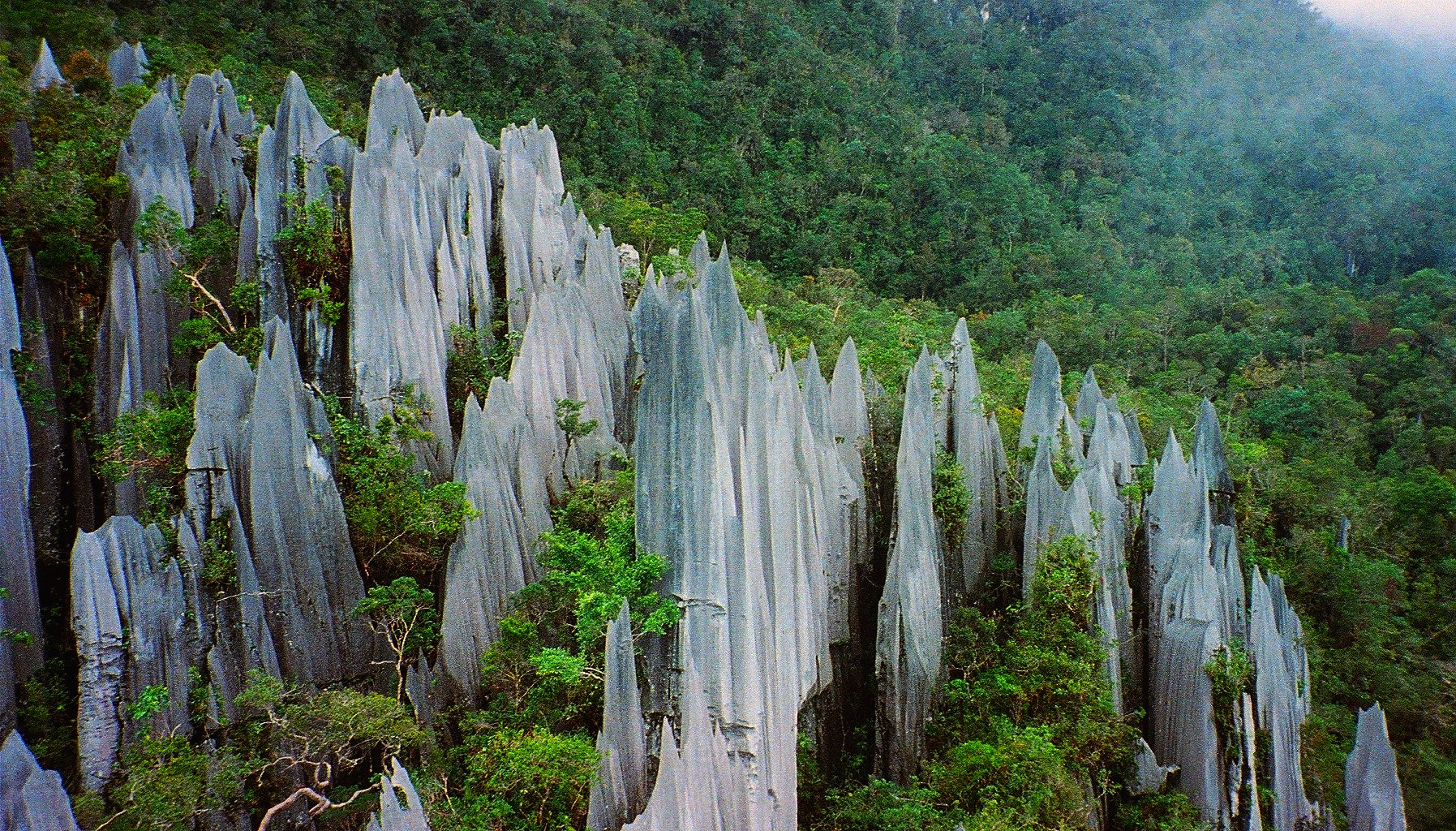
Borneo is the third-largest island in the world, home to part of Indonesia, part of Malaysia, and the small sultanate of Brunei. It is also home to the oldest forest on earth – 130 million years old – which is more than twice as old as the Amazon rain forest.
Carbon Dioxide Marches On

The end of 2013 marked the first occasional observations of carbon dioxide levels in the atmosphere of 400 parts per million. There is nothing magical about that value, but we do tend to focus on round numbers.
Deforestation in the Amazon Rainforest
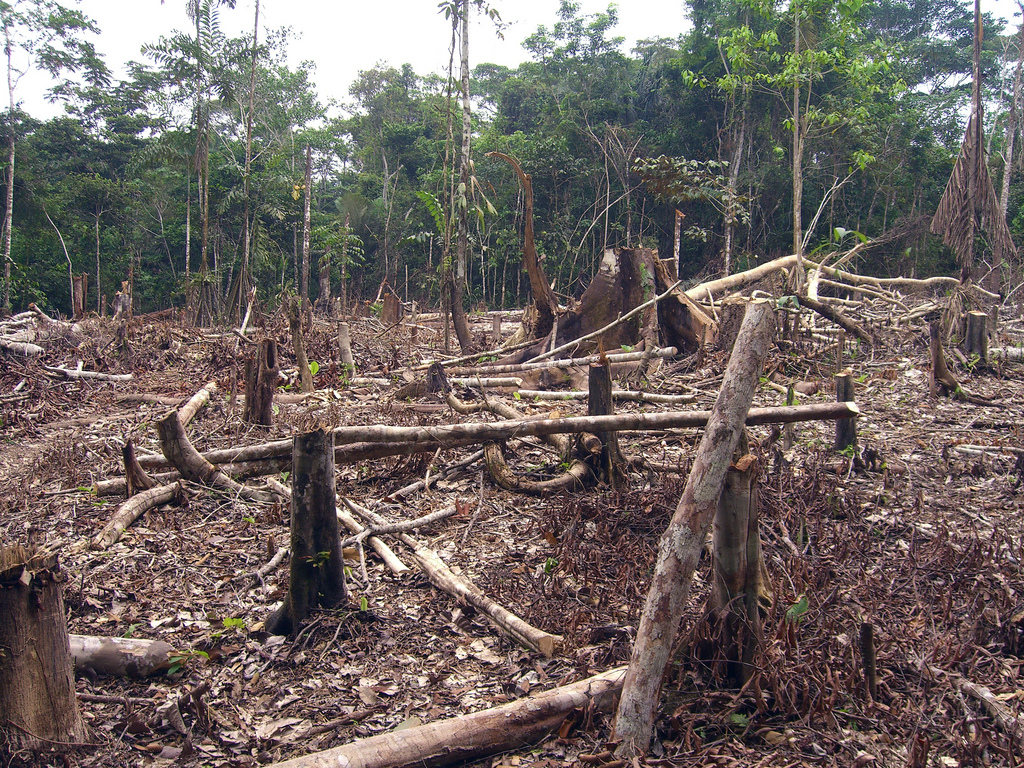
The Amazon rainforest is the biggest in the world, larger than the next two biggest combined. It covers over 3 million square miles, roughly the size of the lower 48 states. For this reason, it functions as a critical sink for carbon in the atmosphere.
Terrestrial Plants and Lake Ecosystems
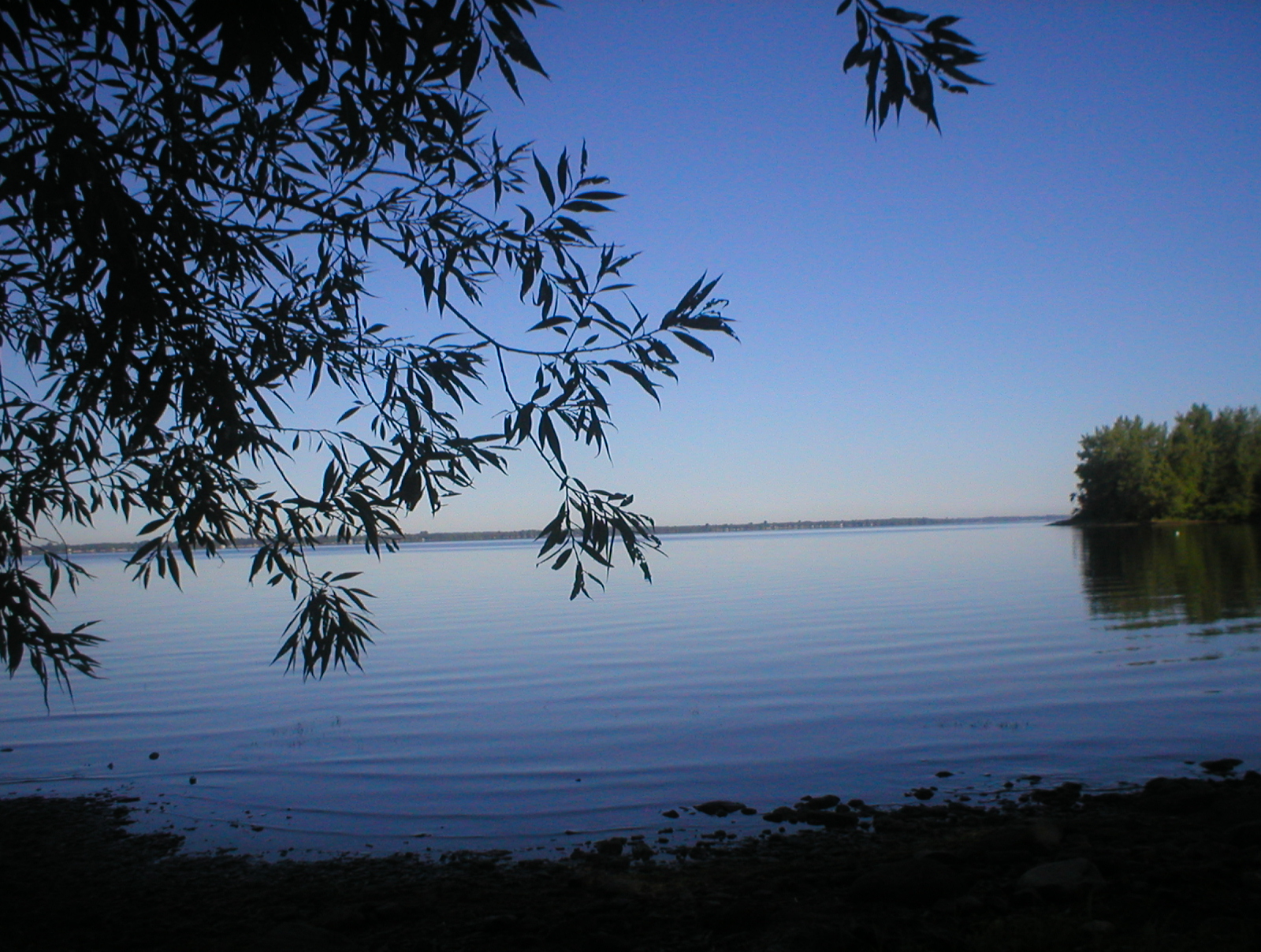
Most of the planet’s freshwater stores are found in the northern hemisphere, a region that is changing rapidly in response to human activity and shifting climate trends. A recent study analyzed 147 northern lakes and found that many rely on nutrients from tree leaves, pine needles, and other land-grown plants to feed aquatic life.
NASA And Chimpanzees
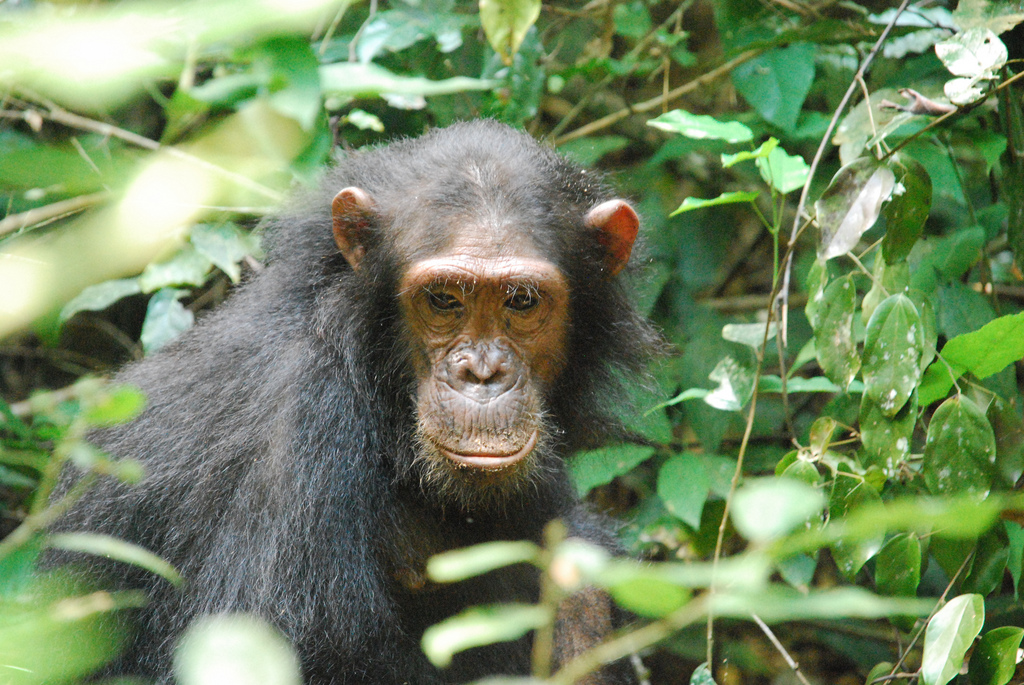
Increasingly, conservation organizations are increasingly relying on satellite imagery to help save wildlife. The Jane Goodall Institute, a nonprofit focused on chimpanzee conservation, uses NASA’s and the U.S. Geological Survey’s Landsat satellite images to guide their chimpanzee conservation strategies.
Carbon Dioxide Continues To Rise
Back in December of 2013, a little less than three years ago, Earth Wise reported that the observatory on Mauna Loa in Hawaii had briefly measured carbon dioxide levels greater than 400 parts per million for the first time ever. During the following year, readings above the 400 level started to pop up occasionally elsewhere as well.
Tricks In Our Treats

Halloween is traditionally a day when we choose to ignore the inconvenient truths about candy. Many of us overindulge on sweet treats and give little thought to what’s inside… particularly with respect to nutrition.
Small Forests And Climate
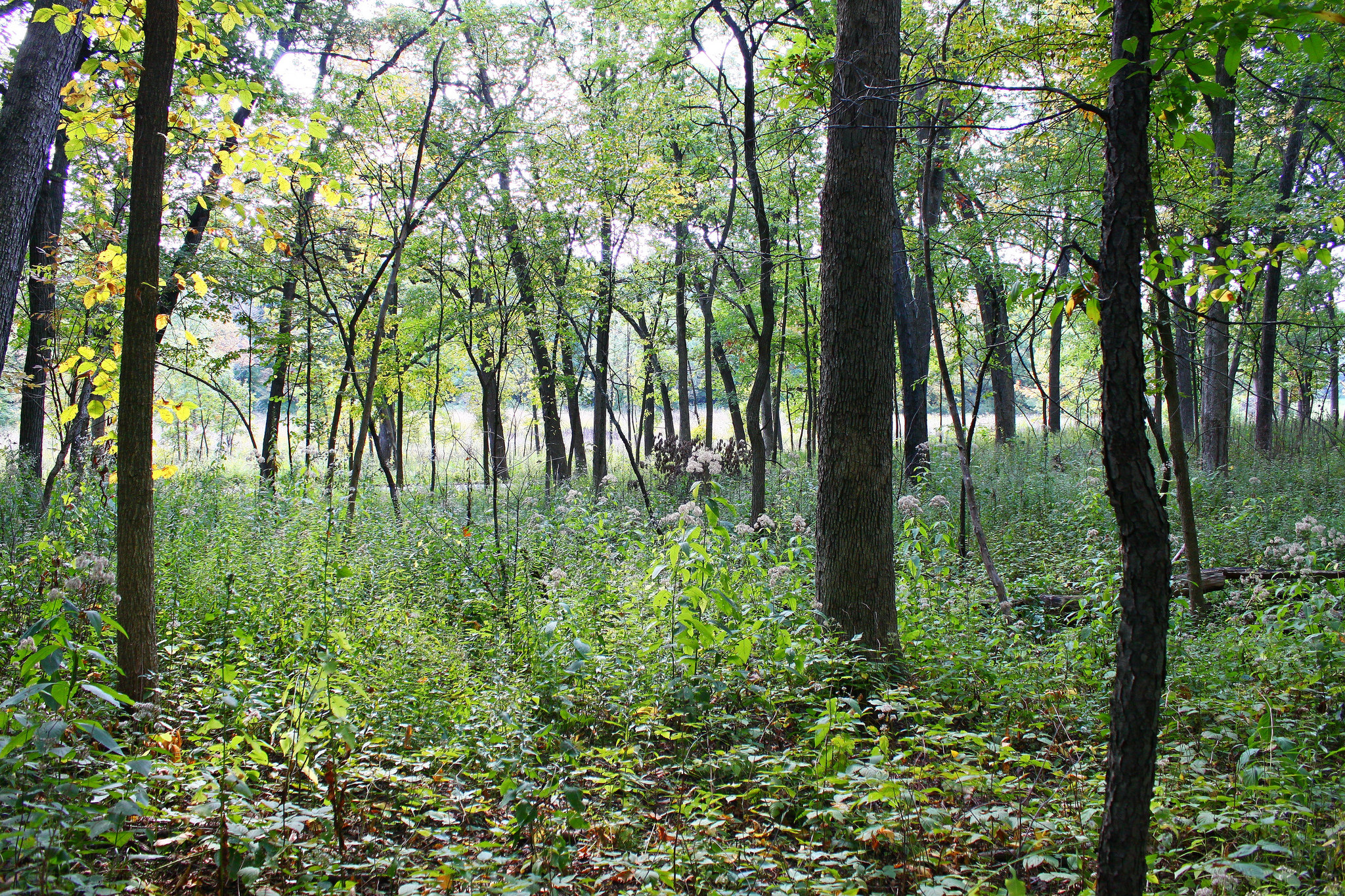
Trees are the number one way in which carbon can be removed from the atmosphere and stored in vegetation over the long term. A single tree can absorb CO2 at a rate of 48 pounds per year. Because of this, the carbon footprints of 18 average Americans can be neutralized by one acre of hardwood trees. And it has been found that managed forests accumulate more carbon per acre than unmanaged forests.