The northeastern part of China, wedged between North Korea to the south and Russia to the northeast, is home to two highly endangered big cats: the Siberian tiger and the Amur leopard. Siberian tigers, which can weigh over 600 pounds and grow to more than 10 feet in length, now number only about 500 in the wild, mostly in Russia. Amur leopards, weighing more than 100 pounds and growing to more than four feet in length, number only about 80 in the wild. While both species are right on the edge of extinction, both are slowly rebounding.
There is big money going into renewable energy and energy-smart technologies and half of that is going into solar power. In 2017, global investments in green energy reached $334 billion and $161 billion of that was in solar.
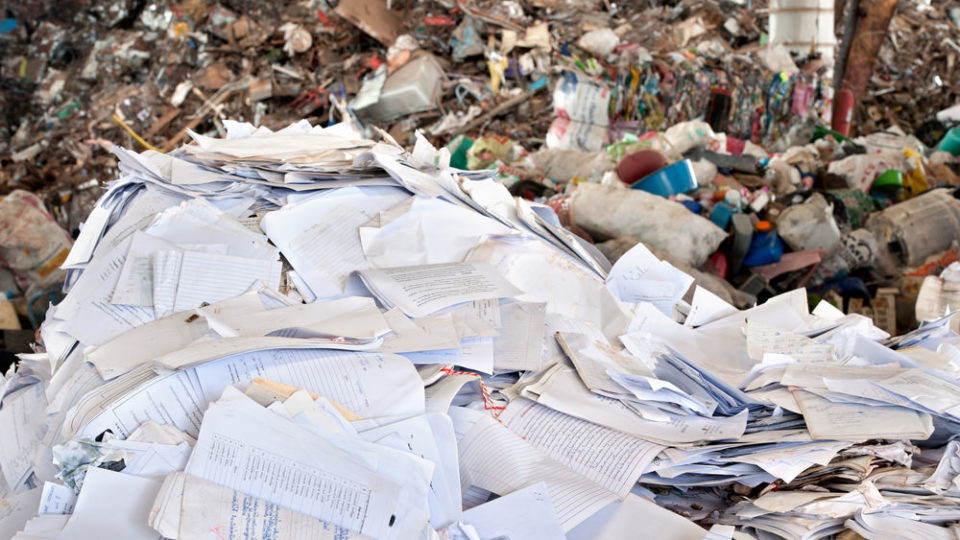
Since the 1980s, China has been the largest importer of foreign trash. In 2012, up to 56% of global exported plastic waste wound up in China. The trash has been both a valuable resource for the country’s booming manufacturing sector as well as an enormous source of environmental and health problems.
Clean power gathered unprecedented momentum in 2017. With climate problems on the rise, national and local governments are pushing for more renewable energy and the end of fossil-fueled cars. Corporations around the globe are making major commitments to green technology. Despite the Trump Administration’s open hostility toward clean power and its rejection of climate science, American states, municipalities and private companies are all getting with the program.
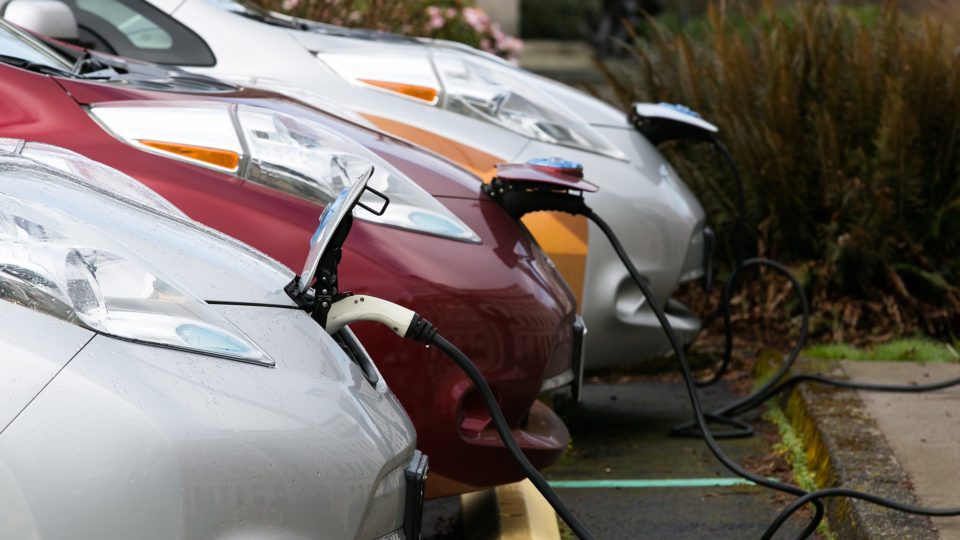
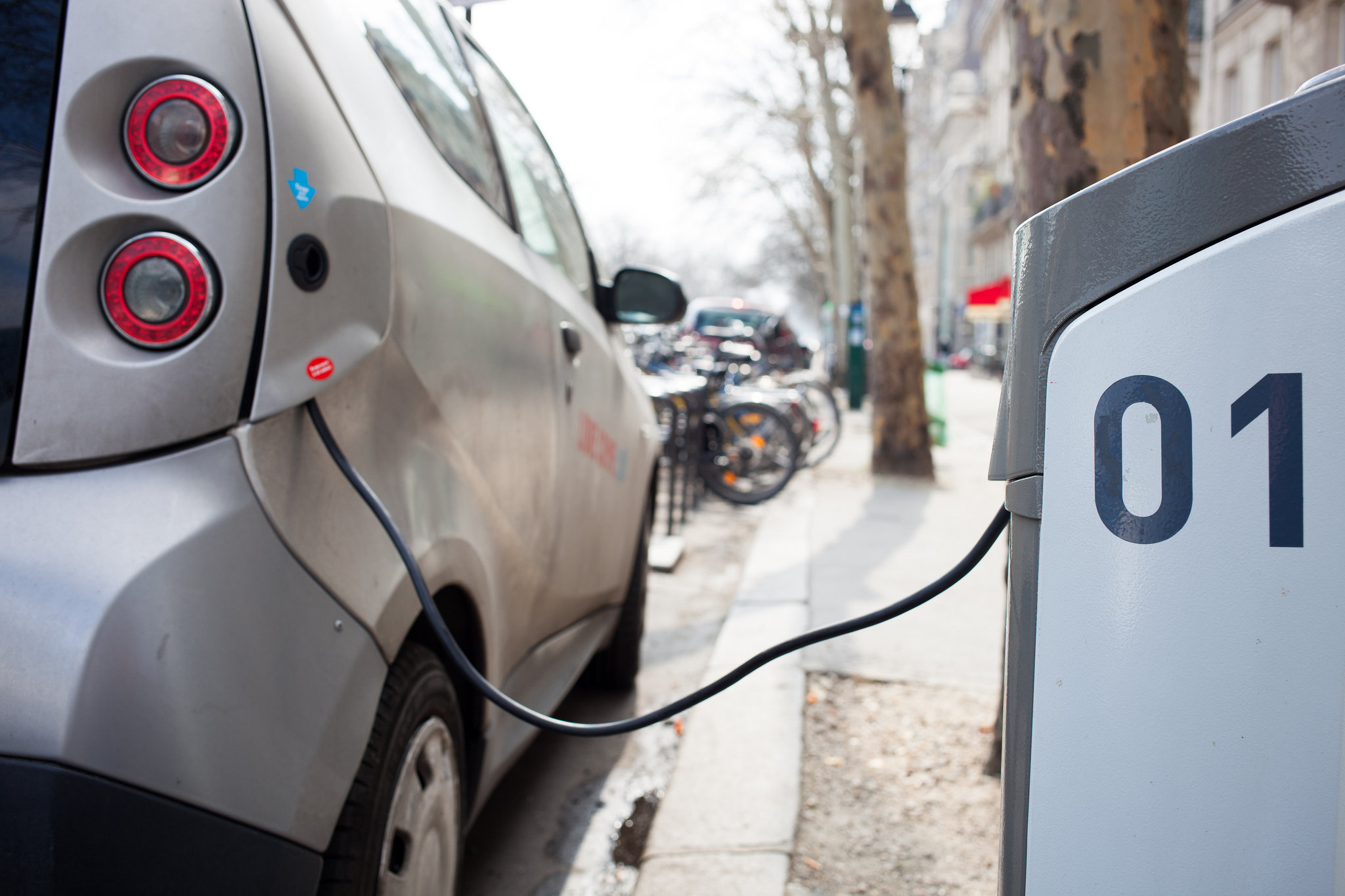
While American politicians were voting on eliminating tax credits for buyers of electric vehicles, auto executives from around the world were gathering to make ambitious plans to sell more electric cars in China.
For the third year in a row, global emissions of carbon dioxide have remained unchanged. This indicates that efforts to reduce emissions have had an effect, but that there is much more to be done. It is essential to reduce emissions, not just cap them.
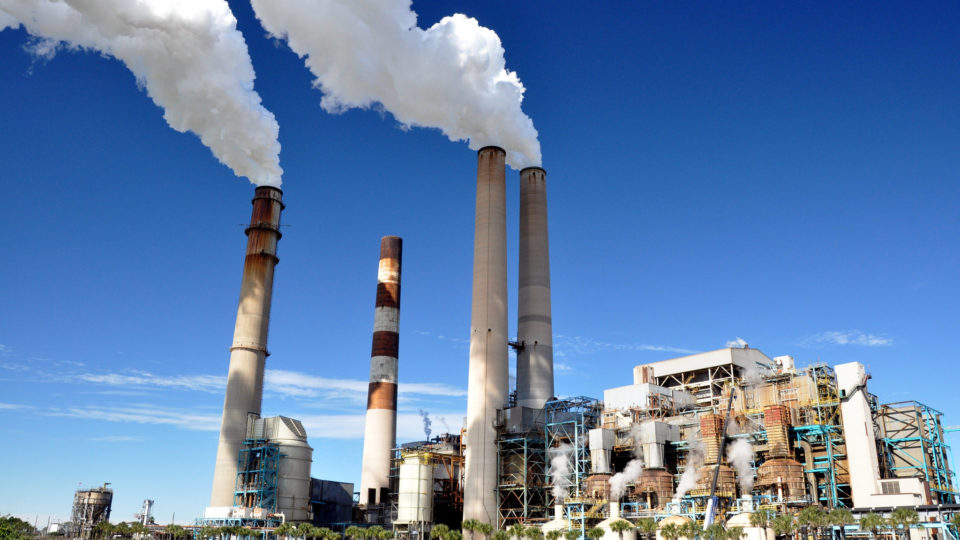
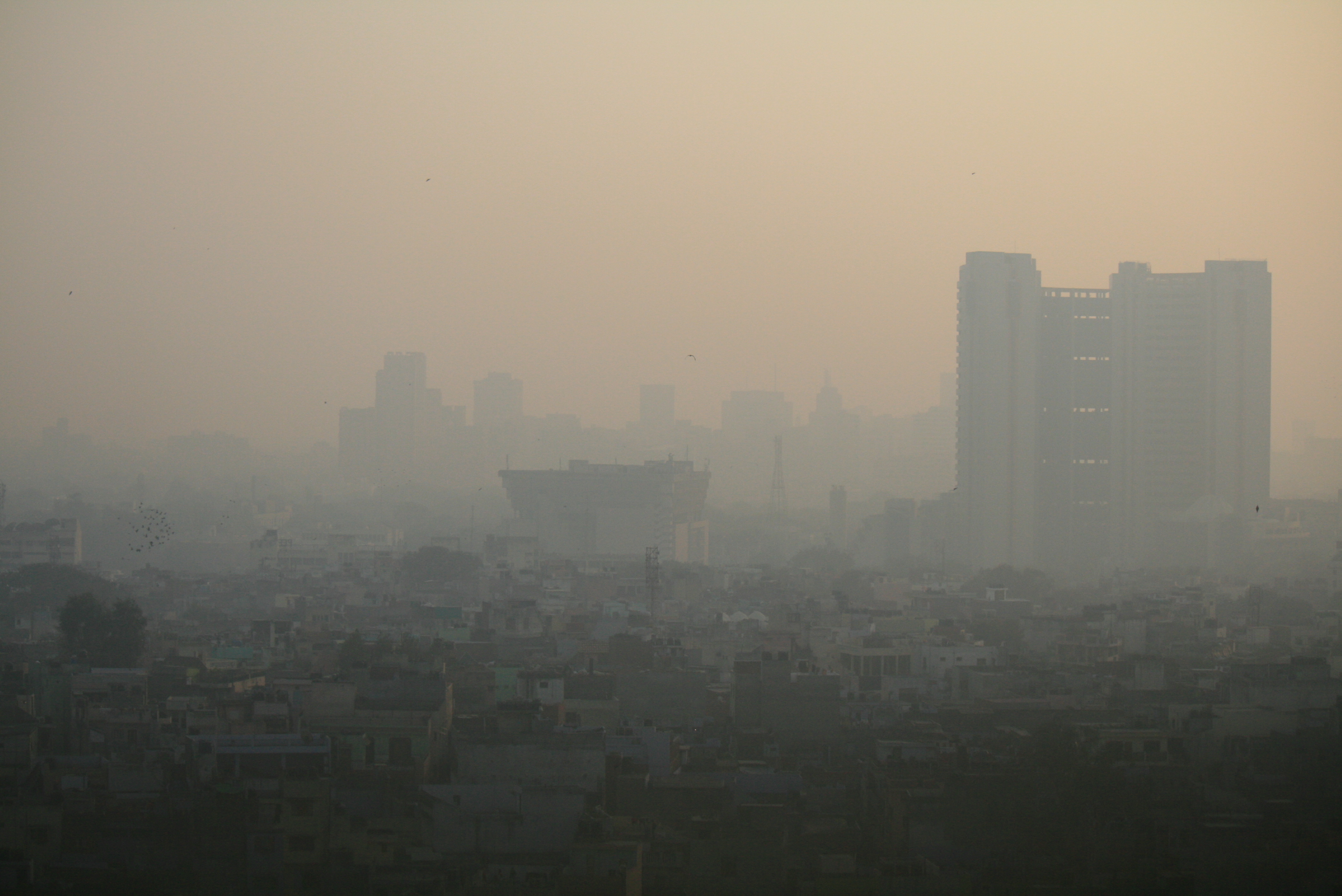
There is deservedly a great deal of focus on the effects that carbon pollution is having upon the climate and most countries around the world are working to reduce their emissions. However, even if climate effects were not a serious threat to humanity, pollution is a deadly menace to human health.
The giant panda, a national icon of China, has been the focus of an intensive, high-profile conservation campaign since the 1970s. In an update to the IUCN’s Red List of Threatened Species last year, the giant panda had its designation changed from “endangered” to “vulnerable” following a nationwide census that revealed its population was improving. But it appears as though this conservation success may be short-lived.
Globally, an estimated 4.5 billion people are exposed to particulate air pollution levels that are at least twice that of what the World Health Organization considers safe. But the impact that sustained exposure to air pollution has on a person’s life expectancy has remained a frustratingly unanswered question. That is until now.
In a study published in the journal Science, researchers from institutions in the United States, South Korea, and China described the development of “twistron” yarns, which are essentially pieces of yarn that produce electricity when they are twisted or stretched.
The world’s rivers carry billions of cubic yards of sediment – sand, silt and other material – and transport it to wetlands and coastal areas. Until fairly recently, this was viewed as a negative thing. But that has changed.
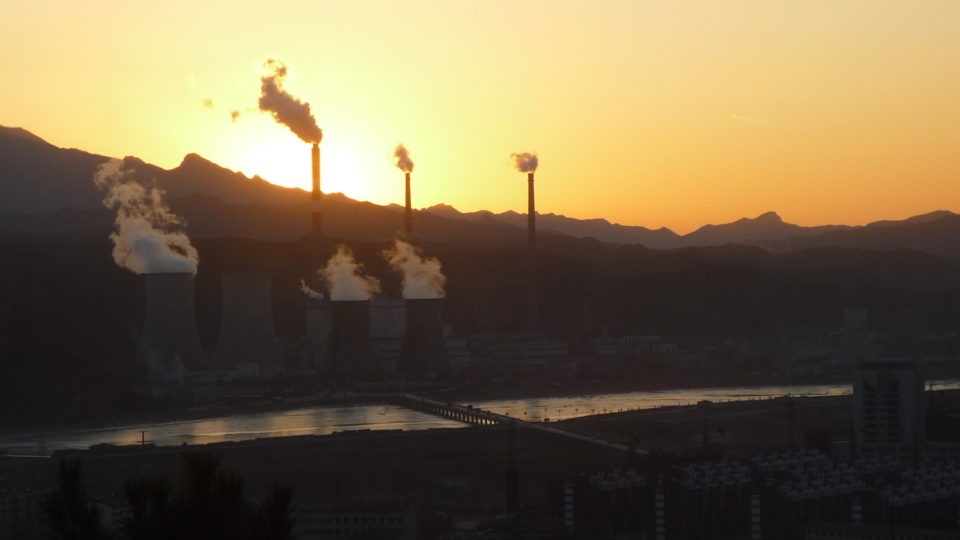
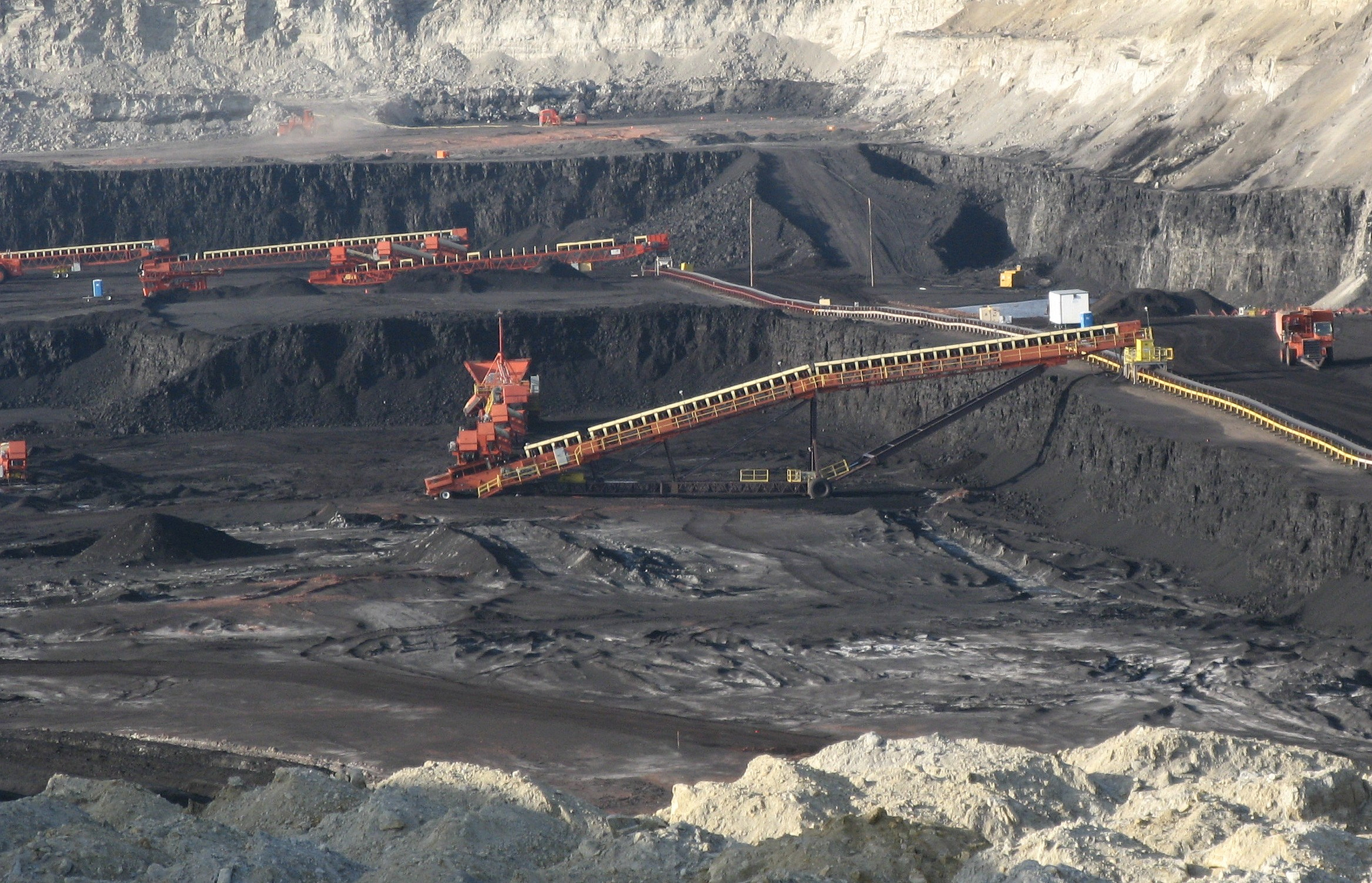
Global consumption of coal dropped by 1.7% last year. This is a major change considering that it had increased by an average of 1.9% per year from 2005 to 2015. China, which accounts for about half of the coal burned in the world, used 1.6% less in 2016, as compared to an increase of 3.7% per year over the previous 11 years.
We are well-aware of the negative effects of air pollution on human health and on the environment, but a recent study at Duke University has revealed that global solar energy production is taking a major hit due to air pollution and dust.
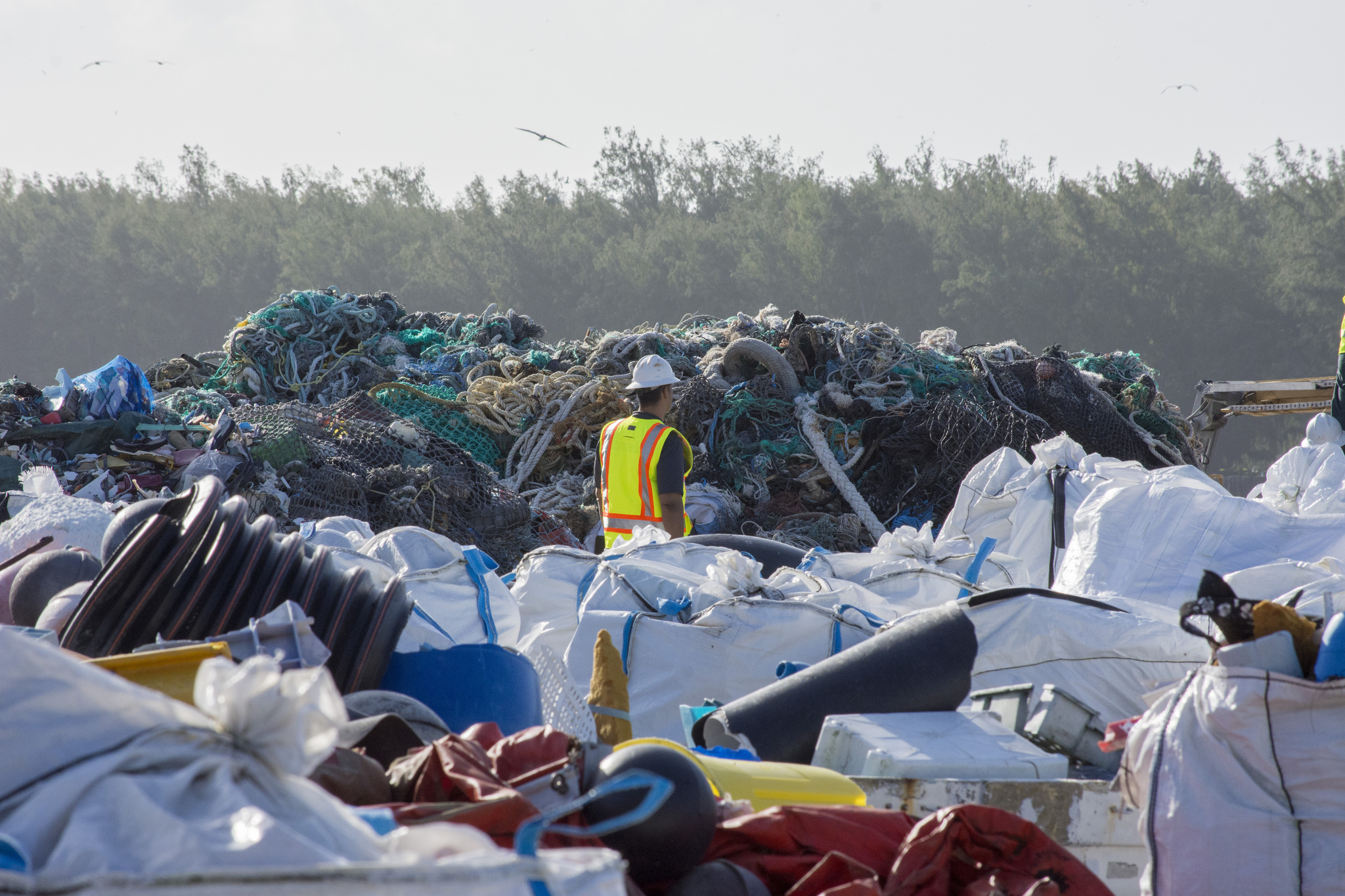
It’s estimated that five to thirteen million tons of plastic enters our oceans annually, where much of it can linger for hundreds of years. According to a report by the World Economic Forum and the Ellen MacArthur Foundation, scientists estimate that there is 165 million tons of plastic swirling about in the oceans right now. And we are on pace to have more plastic than fish (by weight) in the world’s oceans by 2050. That’s some scary stuff.
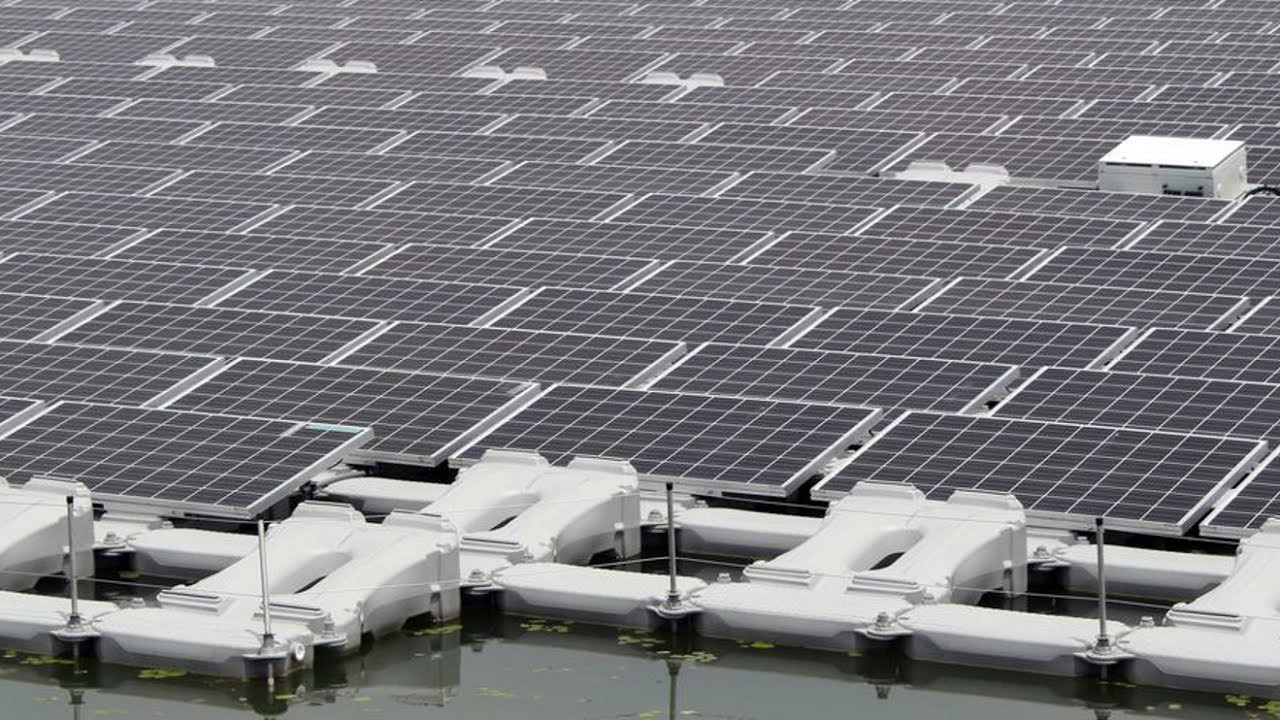
The world’s largest floating solar power plant is now operational and connected to the electric grid in China. It is a 40-megawatt facility and floats in water 13 to 30 feet deep in a lake that was created by a former mining operation.
China and India have 36% of the world’s population and produce about 35% of global CO2 emissions, ranking first and third respectively in that category. The United States, with a little over 4% of the world’s population, produces about 16% of global CO2 emissions, good for second place.
Poor air quality is a major problem worldwide. Exposure to air pollution is linked to the premature deaths of an estimated 6.5 million people every year. This makes air pollution the fourth largest threat to human health, trailing only high blood pressure, dietary risks, and smoking.
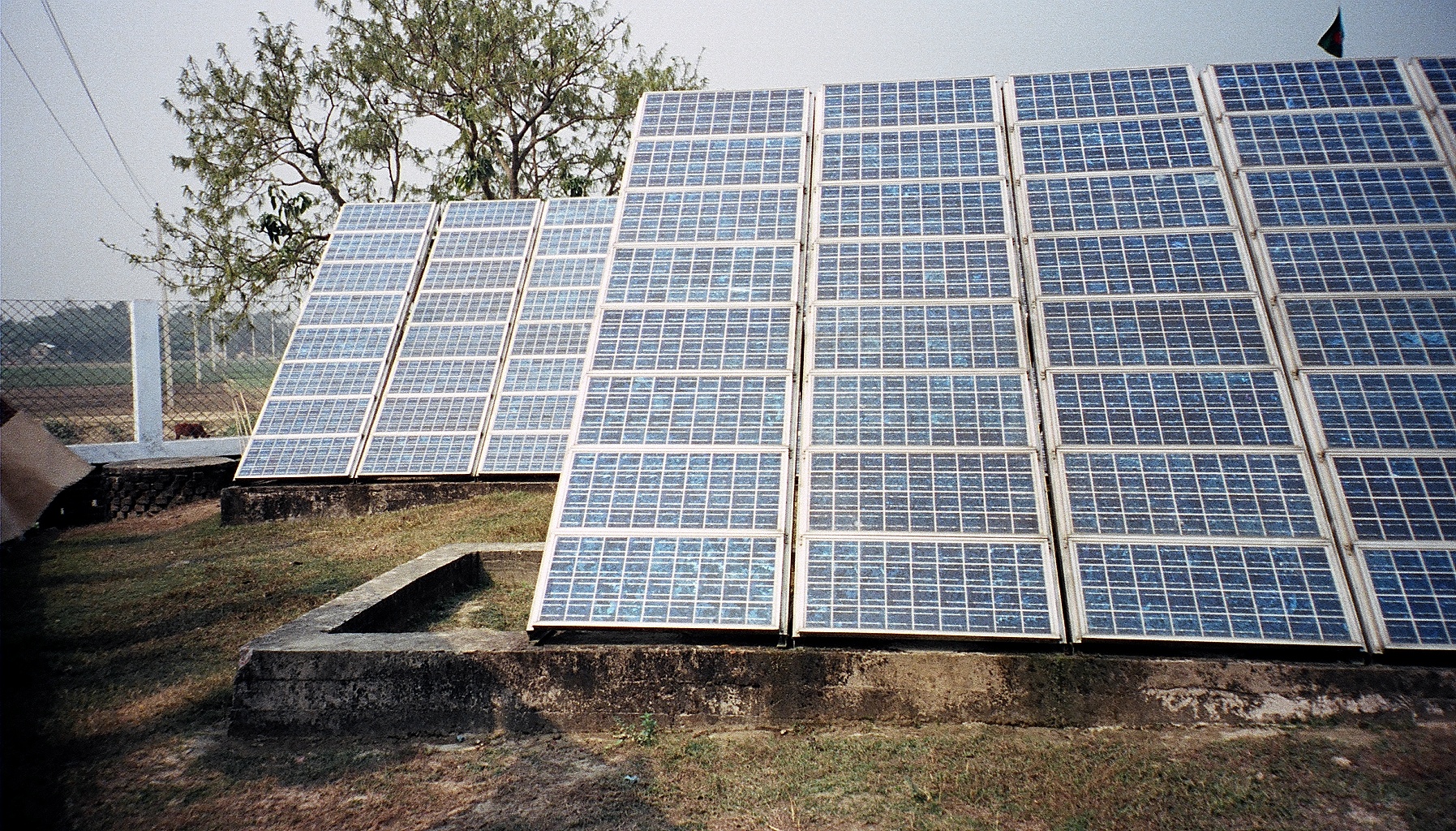
Installations of solar power continue to increase rapidly around the world and in no place more than China. By the end of 2016, total solar generating capacity in China reached 77.4 gigawatts, making it the largest producer of solar energy in the world. Globally, there is a total of 228 gigawatts of solar power installed, although that number keeps changing rapidly.
With the arrival of the Chevy Bolt and the long waiting list for the forthcoming Tesla 3, there is starting to be some momentum for electric cars in the United States. But we are still well behind Europe in terms of the significant growth of so-called e-mobility.