birds
California Sea Lions
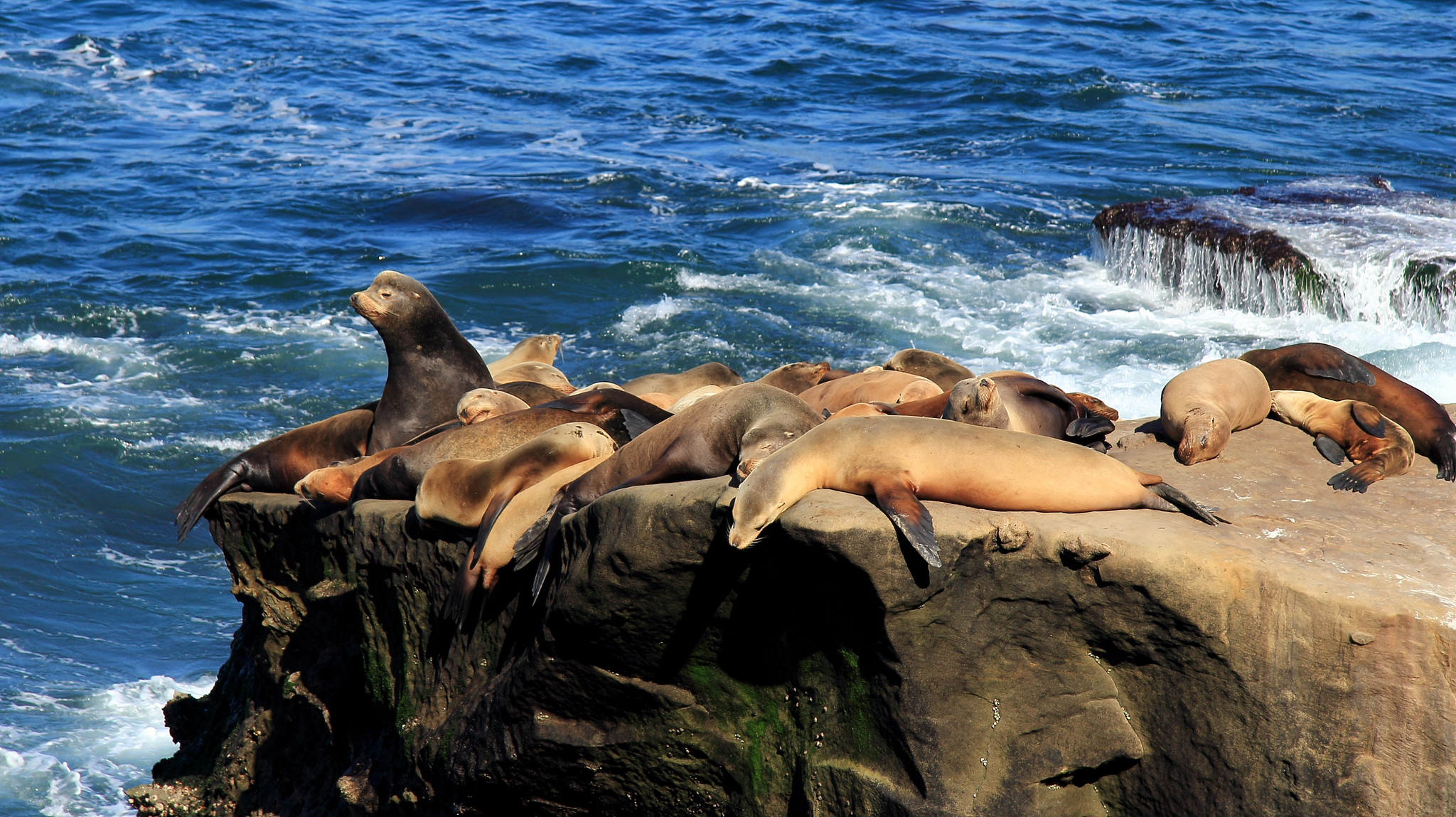
Sea lions in California are under duress from a rather unassuming source: algae. Driven by higher water temperatures and pollution, toxic algae is leading to fatal brain damage in many California sea lions.
A Helpful Invader
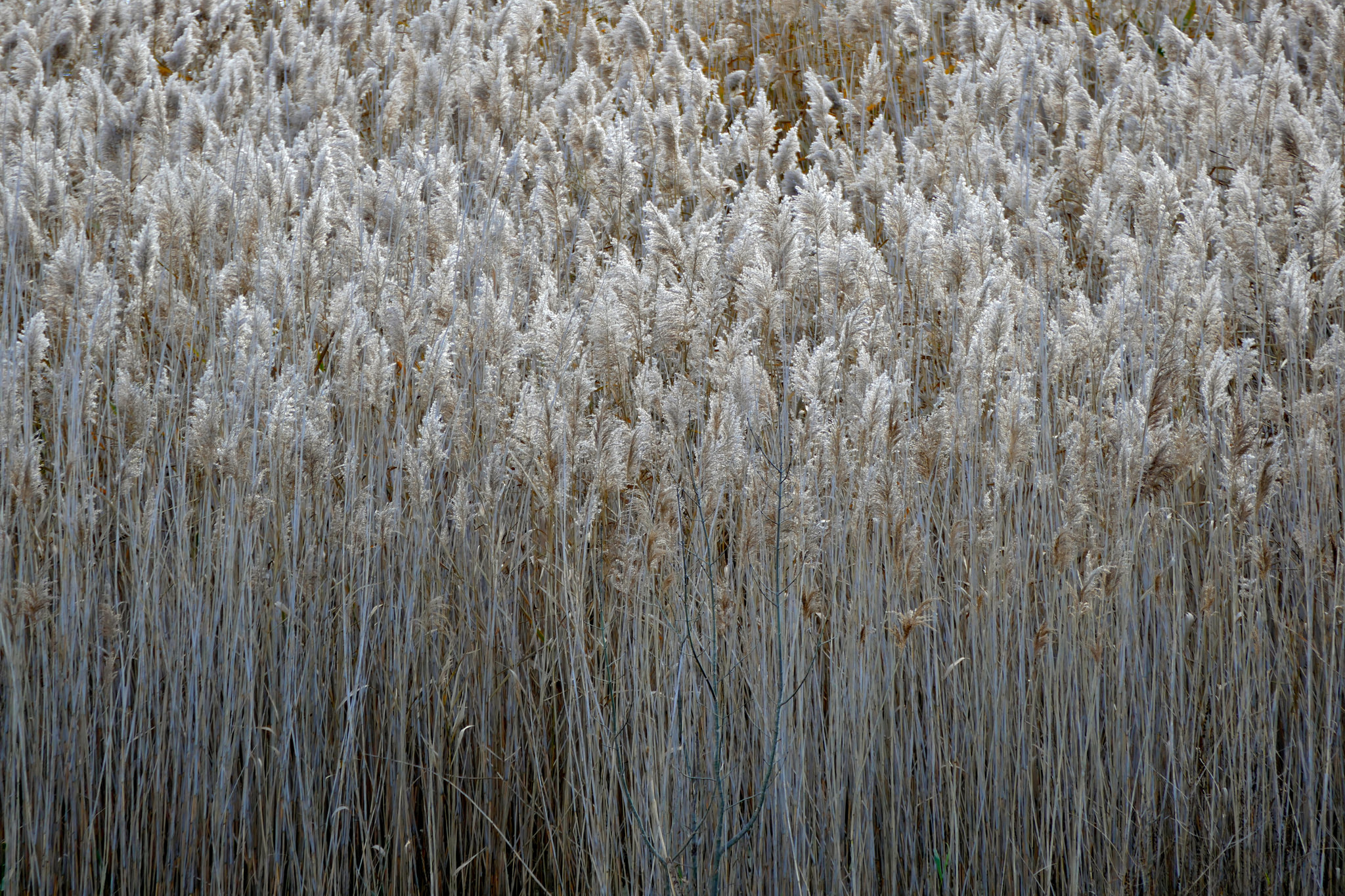
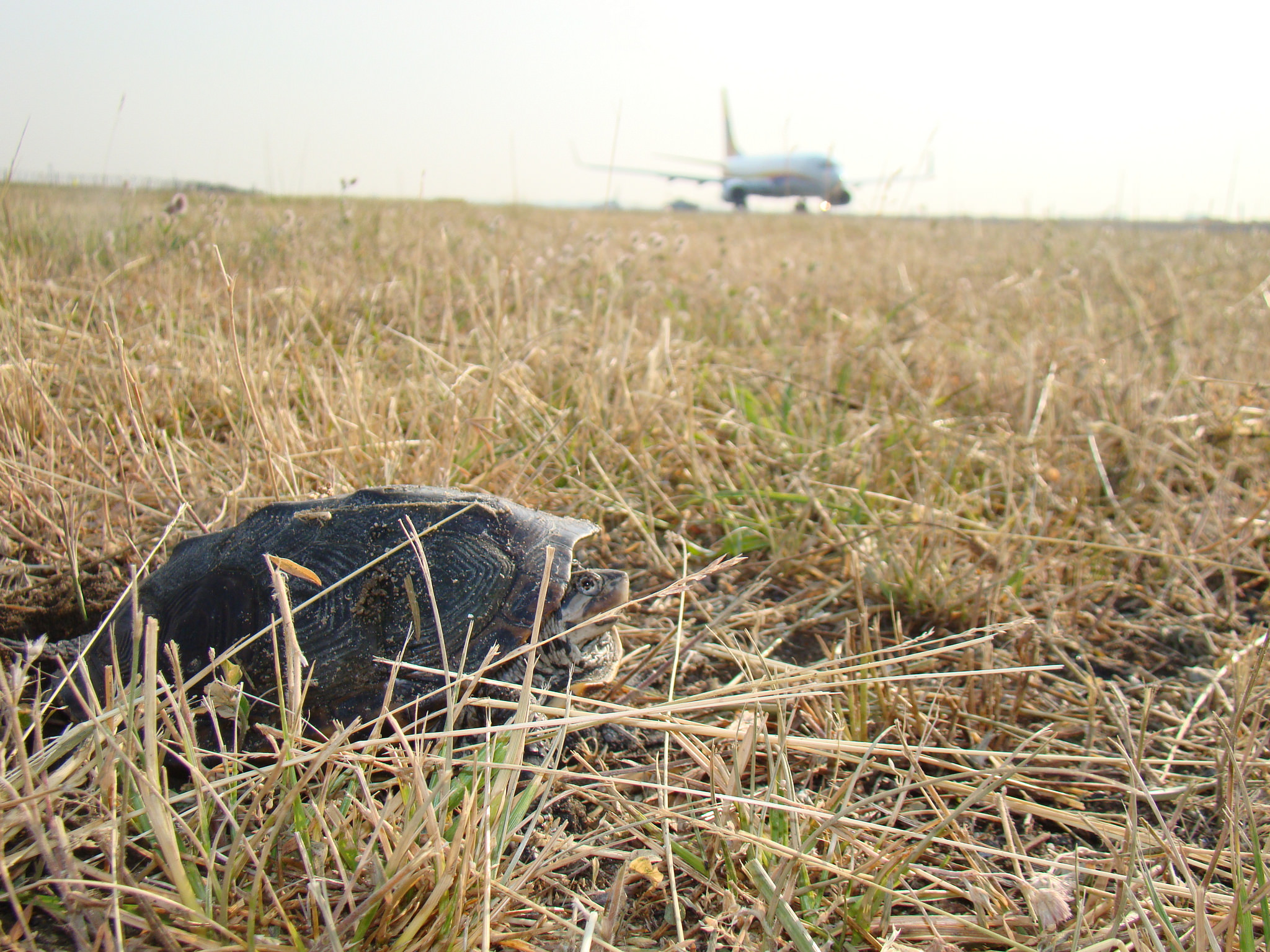
Invasive species are a great concern for the health and stability of ecosystems. They are defined as plants, animals or pathogens that are non-native to the ecosystem under consideration and whose introduction causes or is likely to cause harm. It is that latter consideration that isn’t always obvious.
Coal Plants And Fish
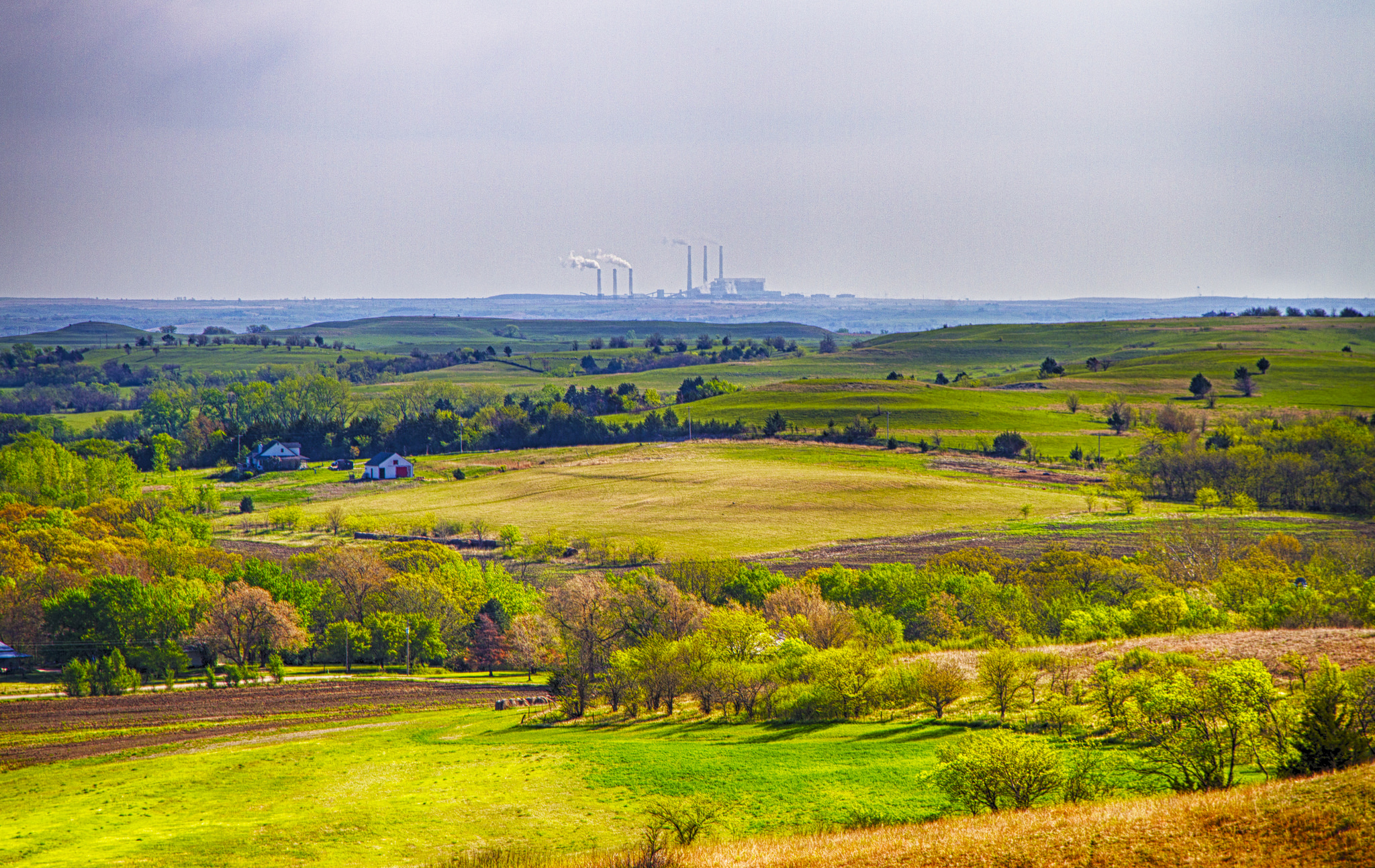
High levels of an element found in coal ash have been detected in fish in two lakes where Duke Energy coal-fired power plants are located, according to a peer-reviewed study at Duke University. The element, selenium, occurs naturally but is concentrated in coal ash.
The Great Salt Lake Is Shrinking
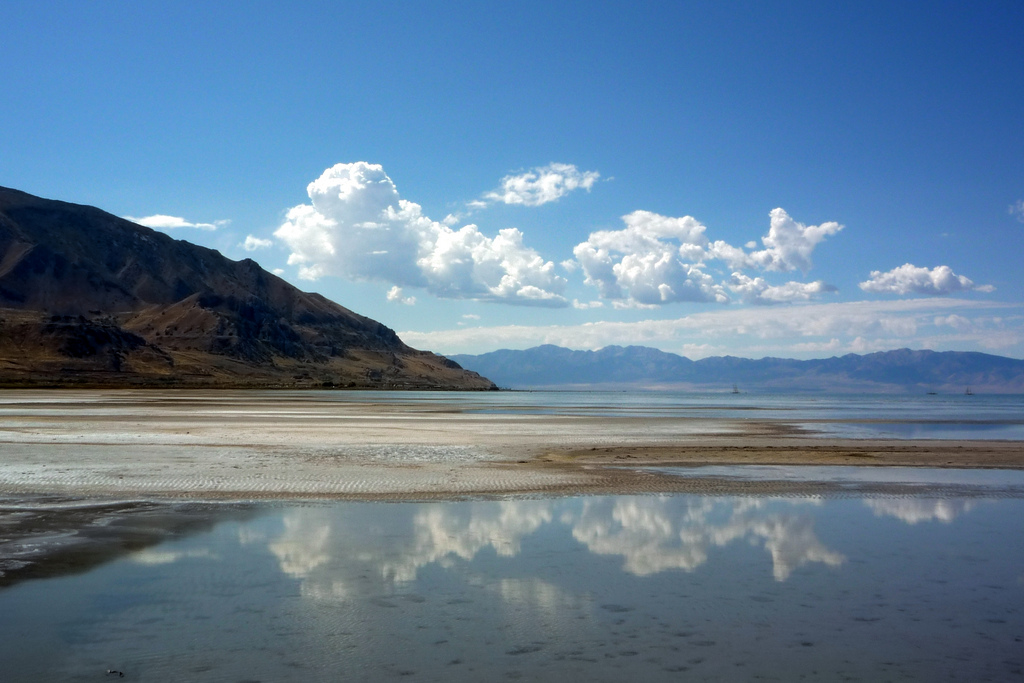
Utah’s Great Salt Lake is the largest salt water lake in the Western Hemisphere and is the largest body of water in the United States after the five Great Lakes. When the pioneers first arrived in the area back in the middle of the 19th century, the lake spread across about 1,600 square miles. Now, the lake covers an area of only about 1,050 square miles, a reduction of about 35%.
Ghost Forests
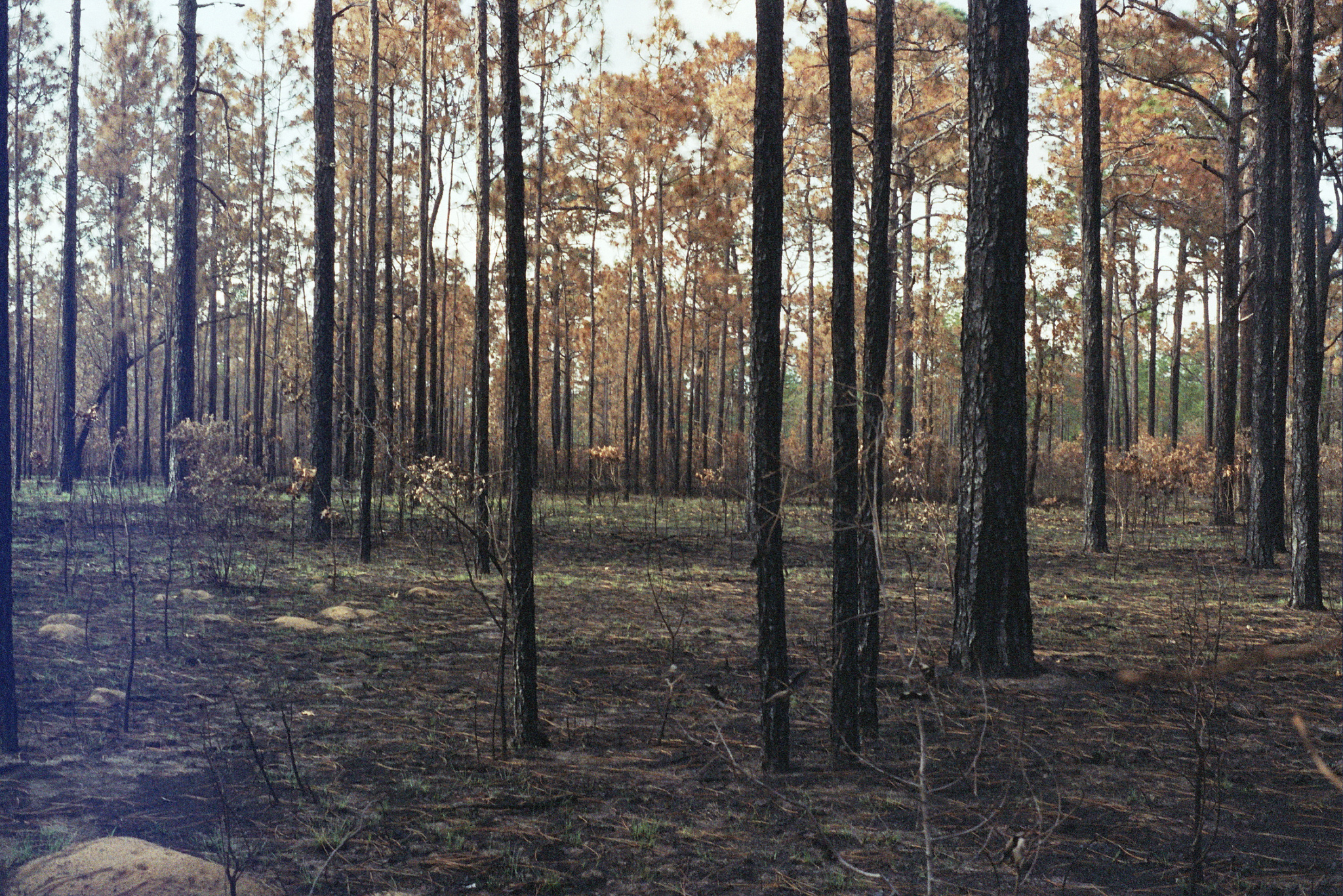
Coastal floodplains across the southeastern and mid-Atlantic regions of the United States are at the leading edge of climate change’s effect on what were largely freshwater ecosystems. Because of the low elevation and flat or gently sloping characteristics of coastal forests in these areas, they are among the most vulnerable globally to saltwater intrusion.
Why Do Animals Eat Ocean Plastic?
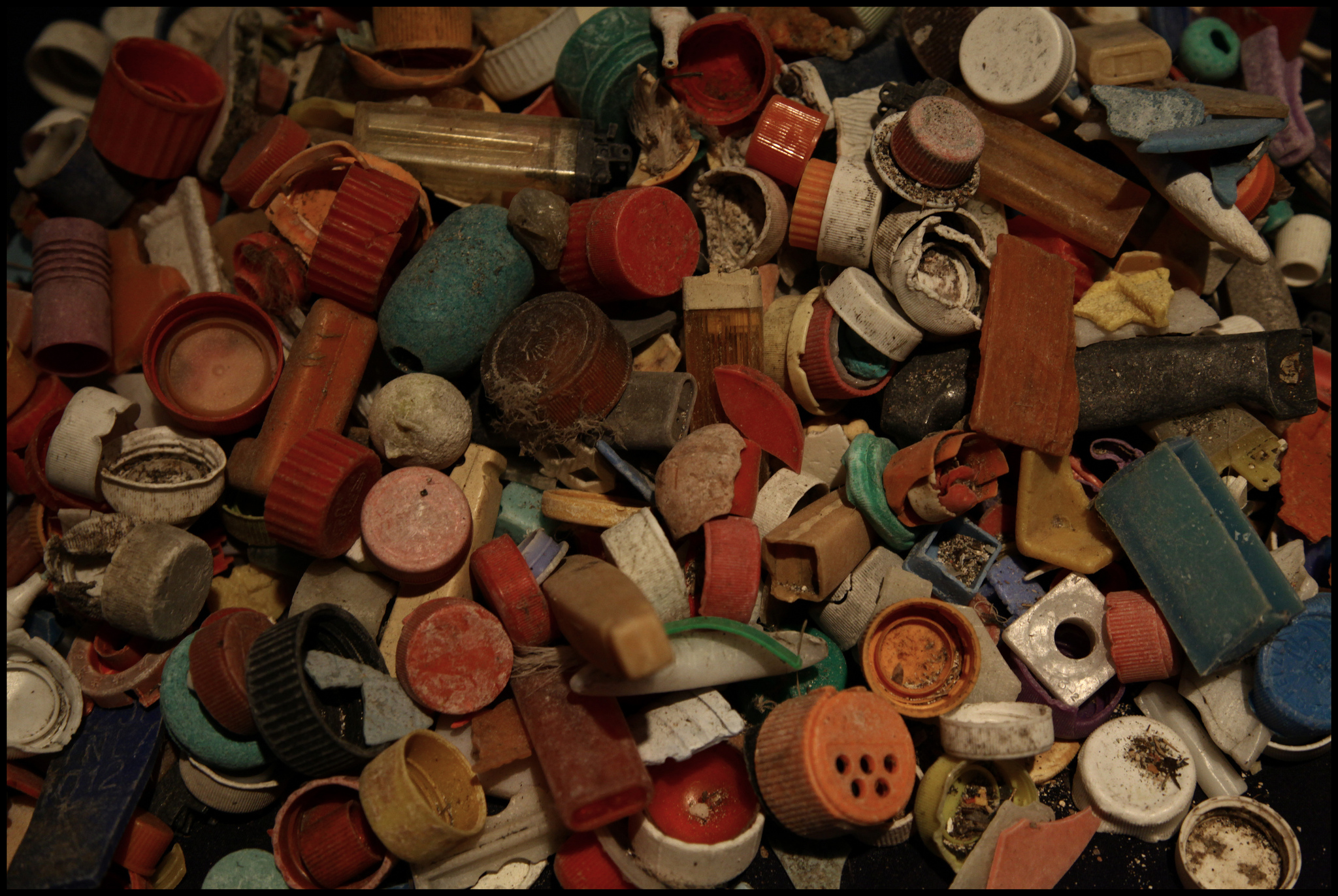
It’s no secret that there is a lot of plastic debris in our oceans. In fact, scientists estimate that there is more than 165 million tons of plastic trash swirling about in our oceans today, with an additional 8.8 million tons flowing in every year. And as the oceans swell with plastic litter, hundreds of marine species are ingesting the stuff – often with dire consequences.
Size Matters
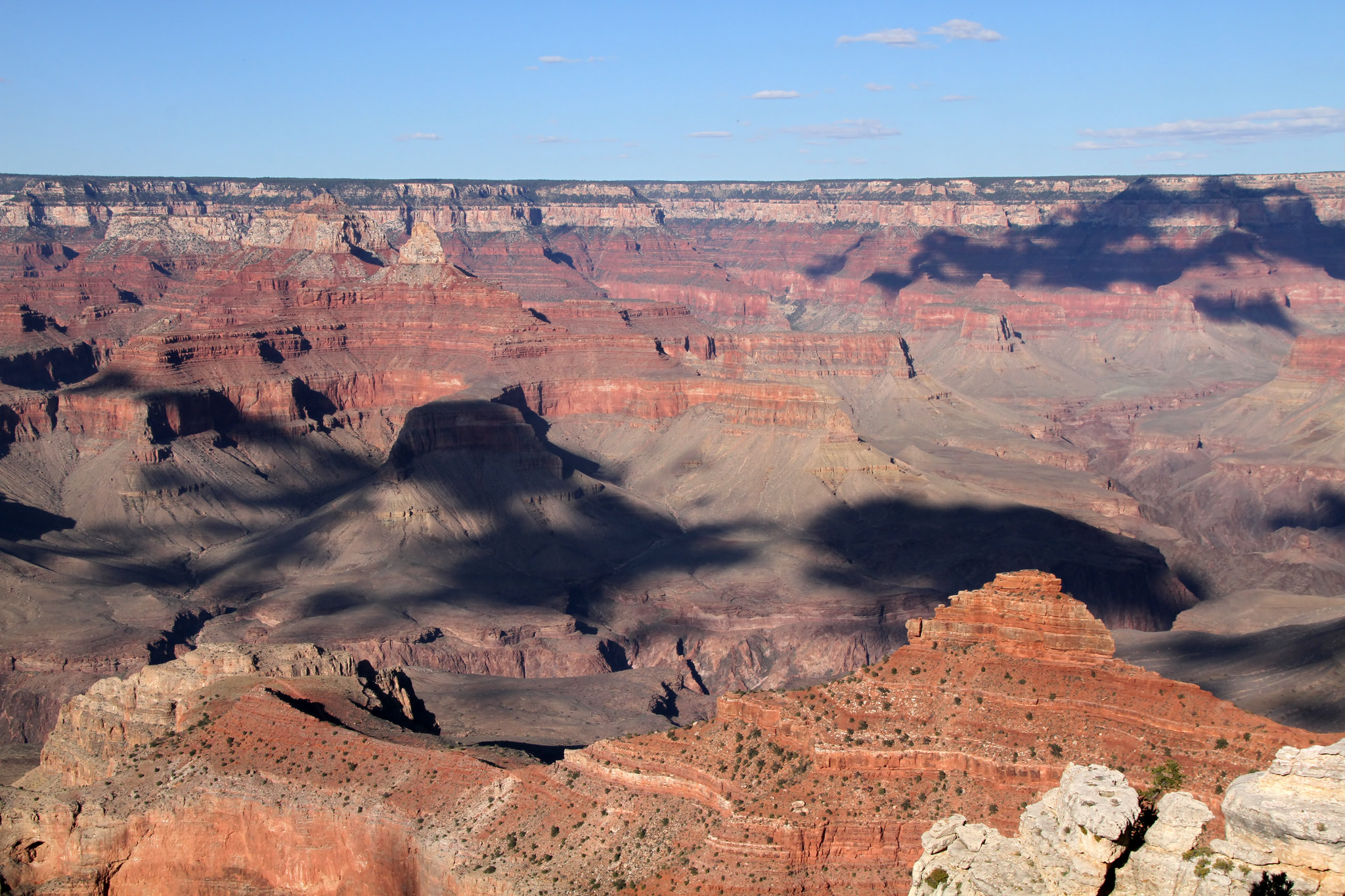
One of the crowning achievements for wildlife protection in the US was the establishment of the National Wildlife Refuge system in the 1930s, when the populations of waterfowl were perilously low. Refuges provided breeding and migratory habitat that has allowed a remarkable recovery of many species of ducks and geese.
Outdoor Lights Dim Nature
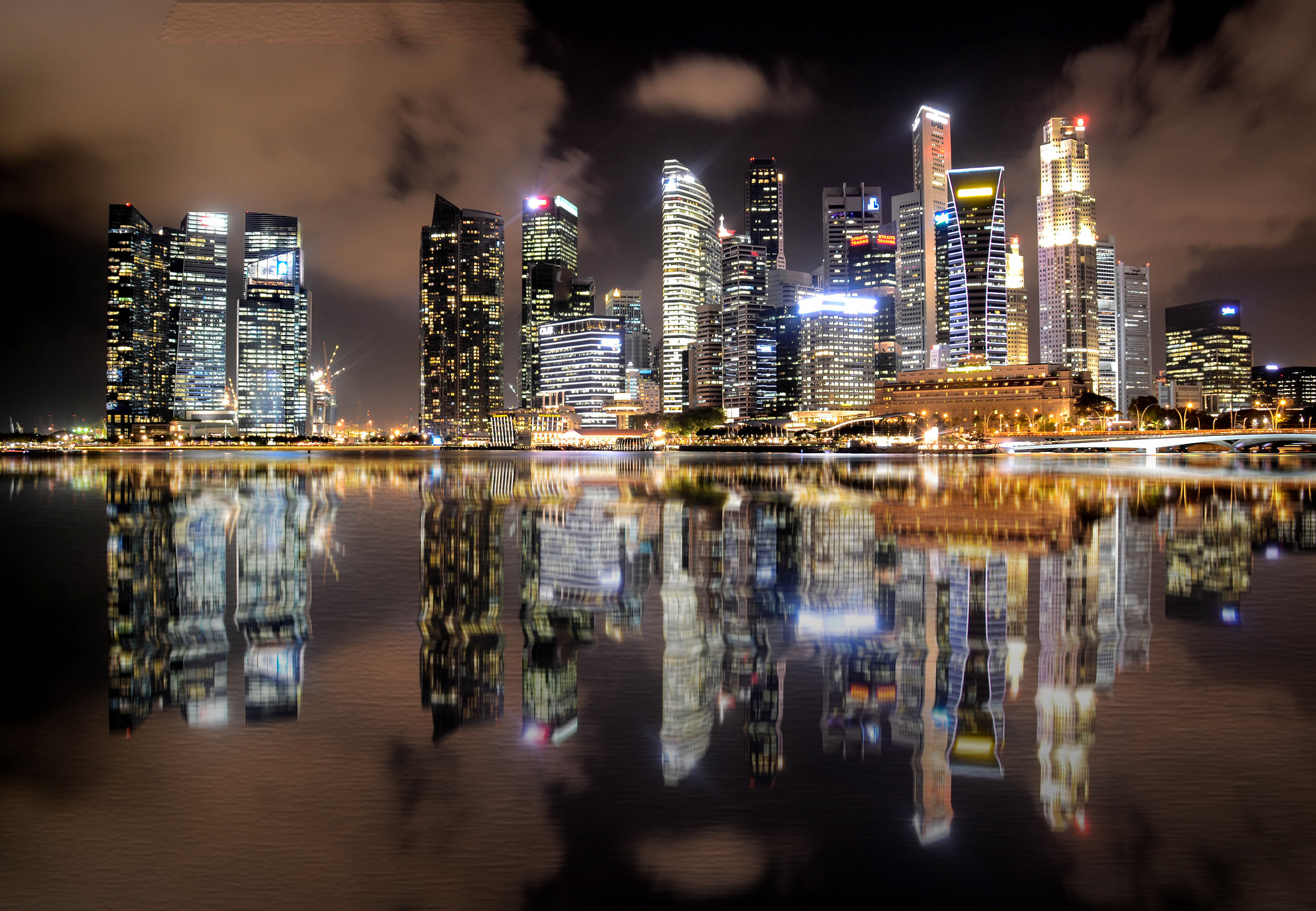
At night our planet is now bathed in artificial light, ranging from streetlights and floodlights to burning gas flares in oil fields. There are few places that are truly dark at night.
Lessons From The Forest
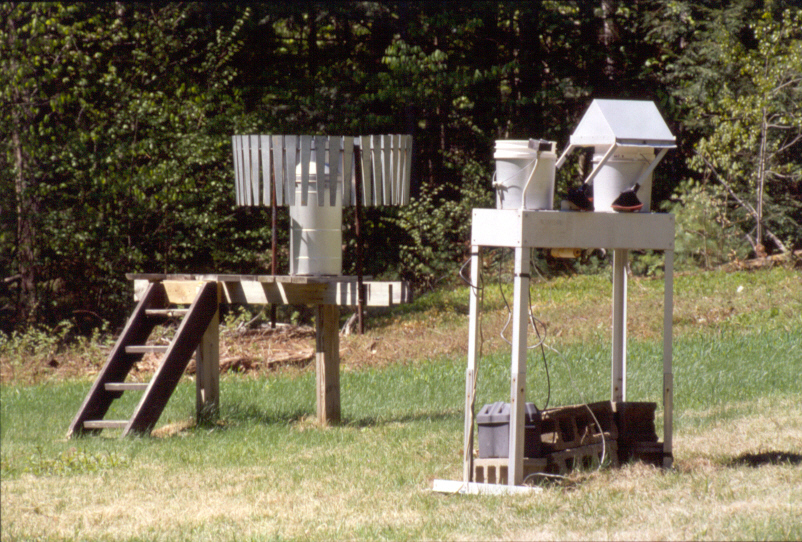
For more than half a century, scientists have converged on Hubbard Brook Experimental Forest in New Hampshire’s White Mountains to explore how forest ecosystems work. The site was established by the U.S. Forest Service to study the relationship between forests and New England’s water supply. In the 1960s, inquiry was expanded to include ecology, biogeochemistry, and studies of birds and other animals.
Young Fish Eat Microplastics
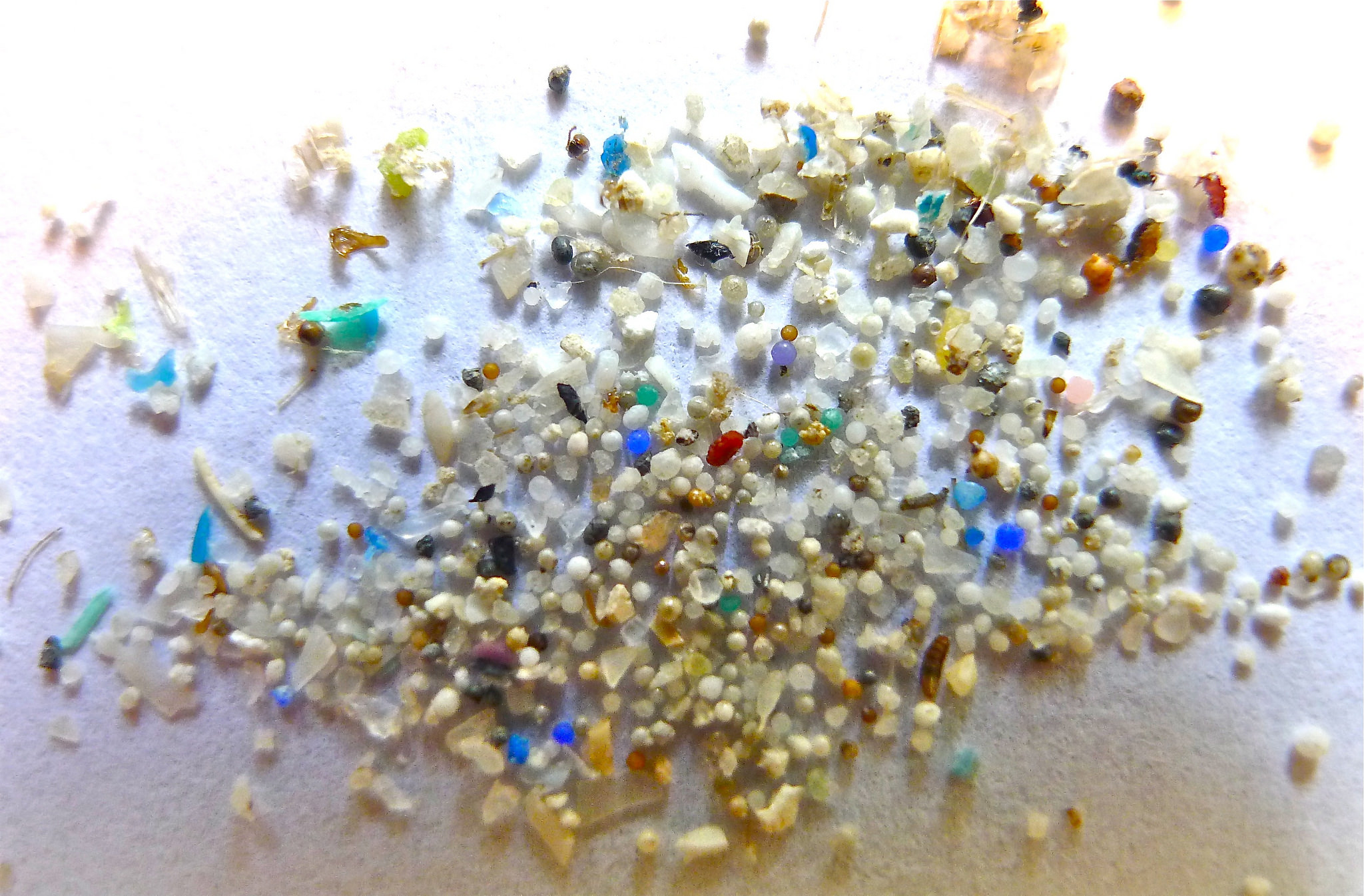
We have talked before about the increasing problem of microplastics polluting the oceans. Much of the small plastic particles result from the breakdown of plastic litter such as plastic bags, packaging and other materials. Another source is microbeads, which are often found in health products such as face scrubs and even some toothpastes.
Light Pollution
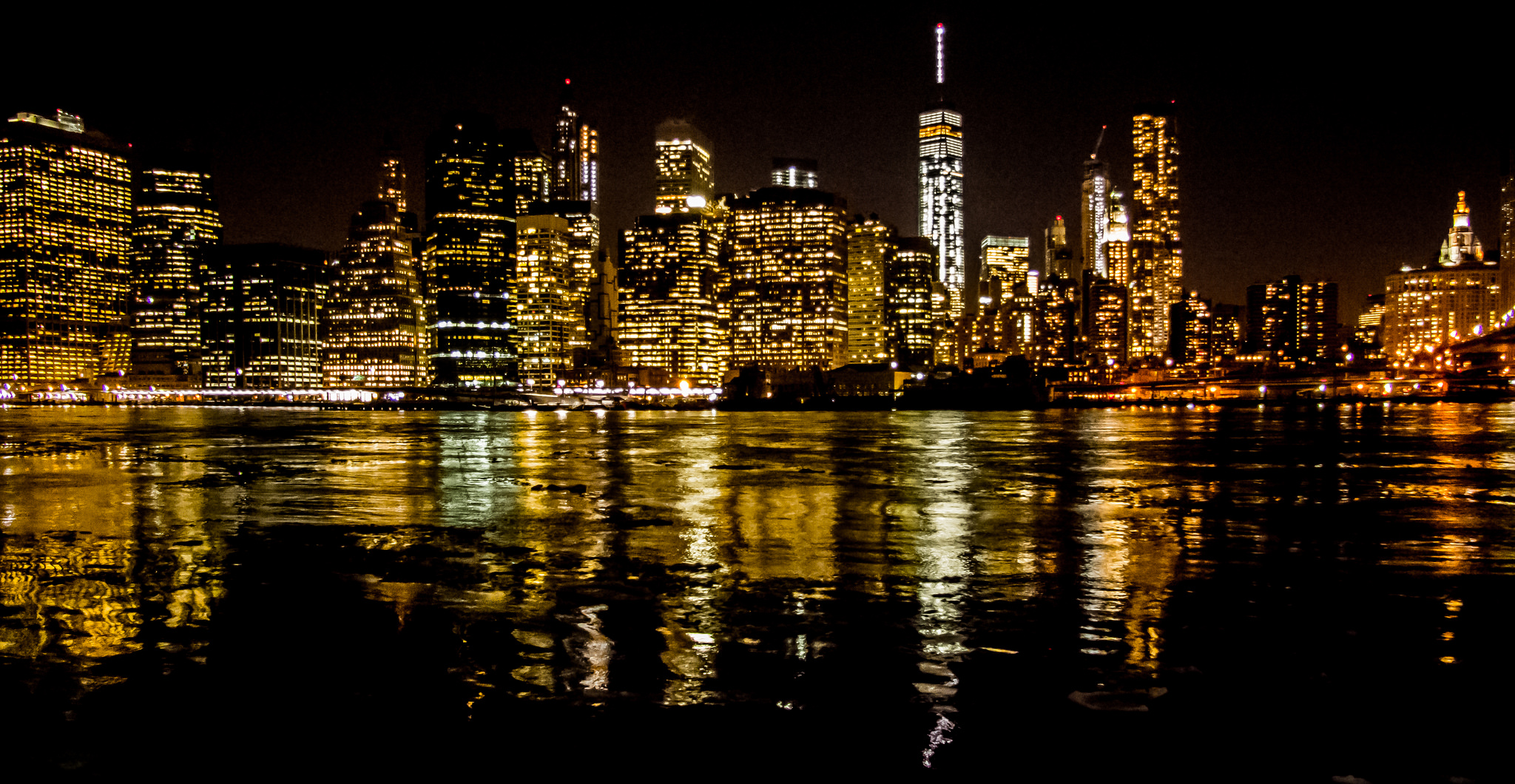
The luminous glow of the Milky Way, the galaxy that contains our Solar System, has inspired everything from stories and songs to paintings and poems for centuries. But now one third of the people on the planet – including 80% of Americans and 60% of Europeans – cannot see the Milky Way at night because of light pollution. Nighttime light pollution now covers nearly 80% of the globe.
The State Of The Birds
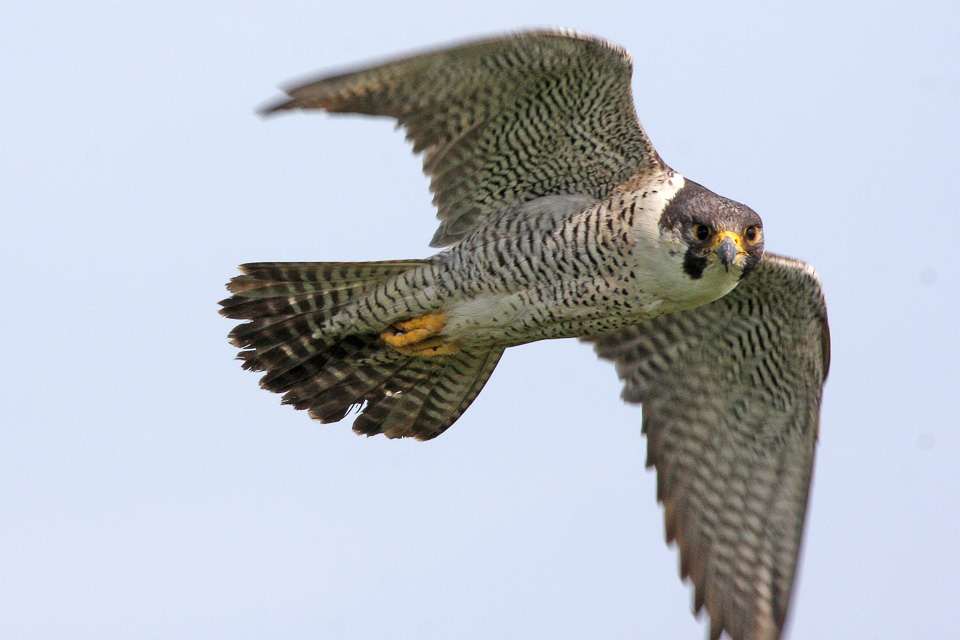
The North American Bird Conservation Initiative recently released its annual “State of the Birds’ report, which is a comprehensive analysis of North American birds. And as with many other things these days, we’re not doing well.
The BP Oil Spill
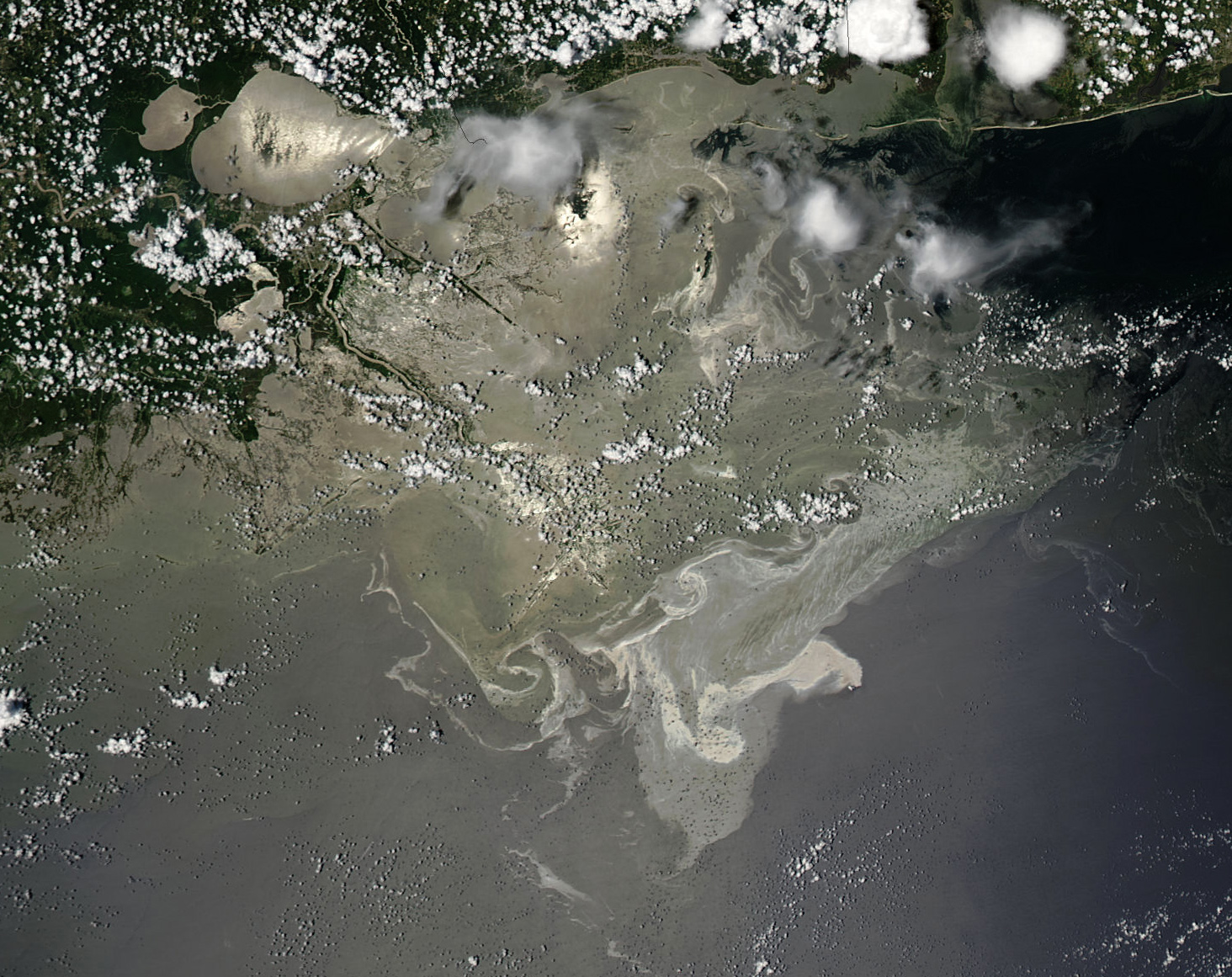
In 2010, an explosion on the BP-owned Deepwater Horizon drilling rig released more than 200 million gallons of oil into the Gulf of Mexico. Some of the oil was recovered, burned, or dispersed at sea, while some washed up onto the shorelines of Texas, Louisiana, Mississippi, Alabama, and Florida.
Alligator Security Guards
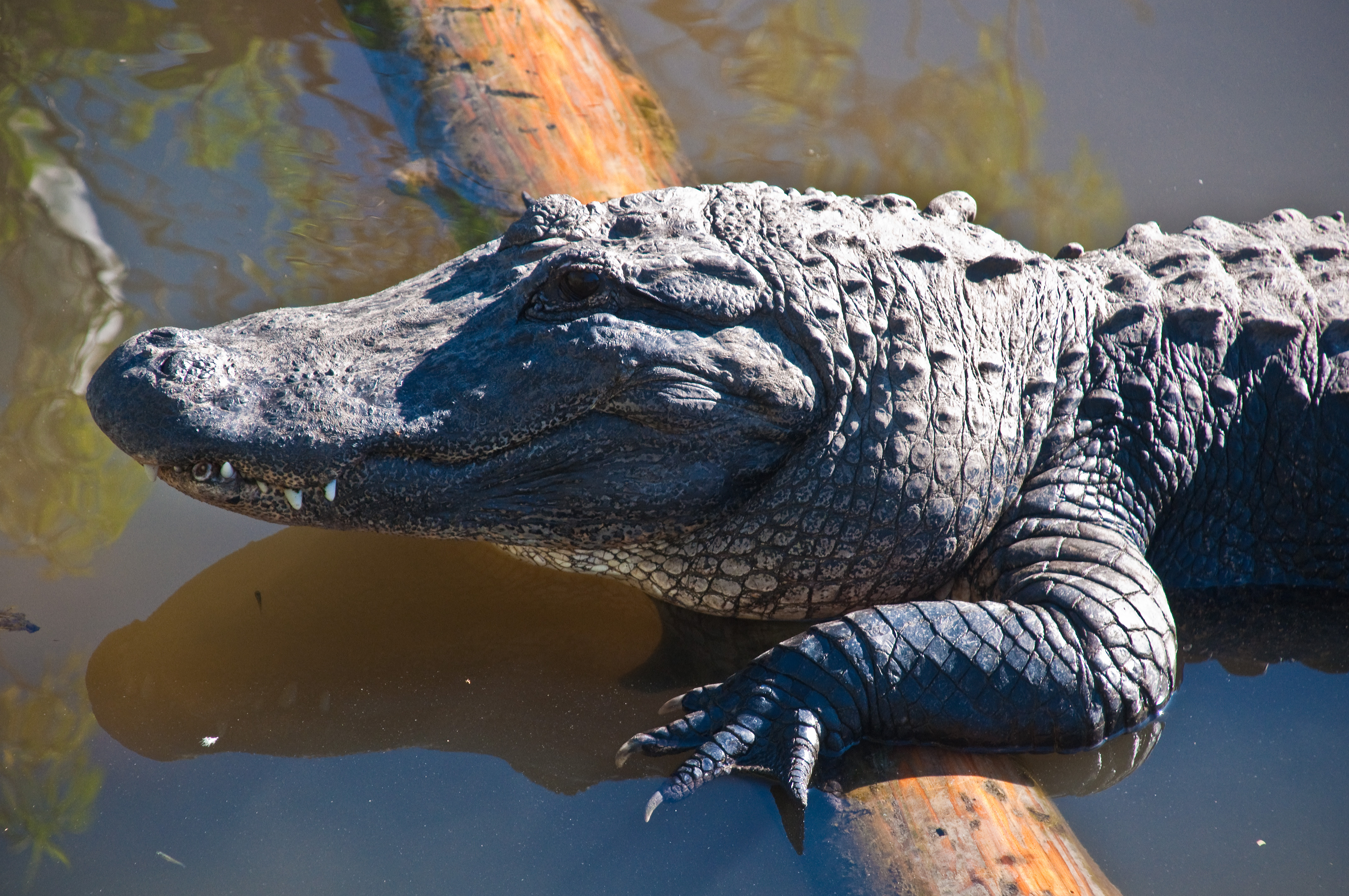
Complex ecosystems often create complex interrelationships between animals. One of the more surprising ones is that between waterbirds and alligators in the Florida Everglades.
Feast Before The Famine
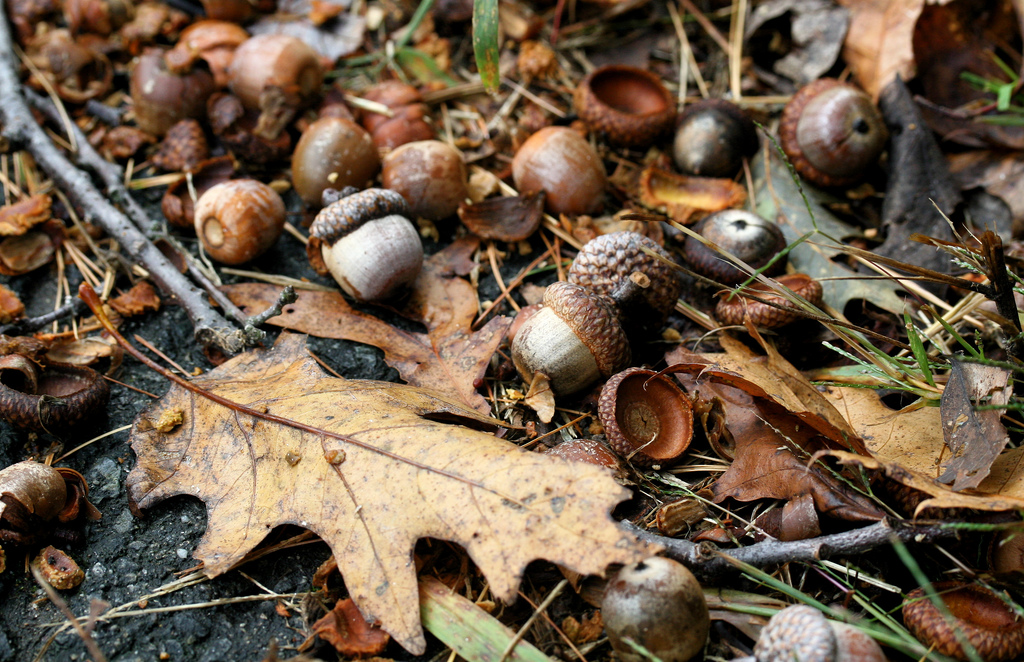
New York’s Hudson Valley is experiencing a “mast year.” Mast refers to the seeds of woody plants that are eaten by wildlife. “Soft mast” has seeds surrounded by fleshy pulp, and includes berries and fruits. “Hard mast” has seeds protected by an outer coat, such as acorns and hickory nuts.
Noise Pollution And Wildlife
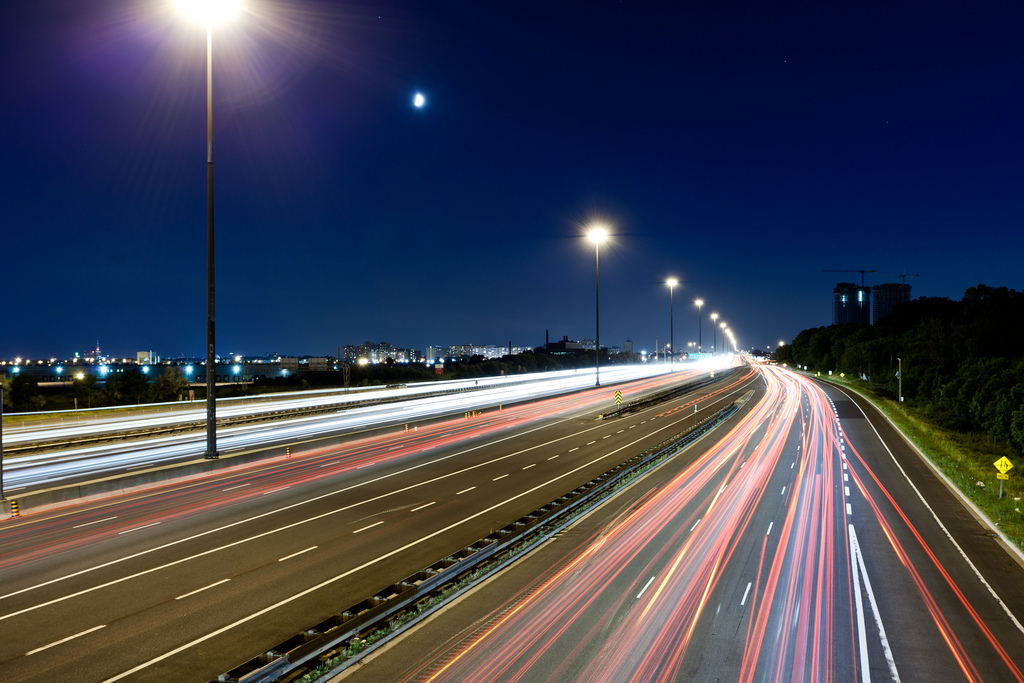
Traffic noise is something nobody likes. We shy away from homes too close to highways and major roads. We soundproof our houses. We build noise abatement walls.
Ocean Plastic And Birds
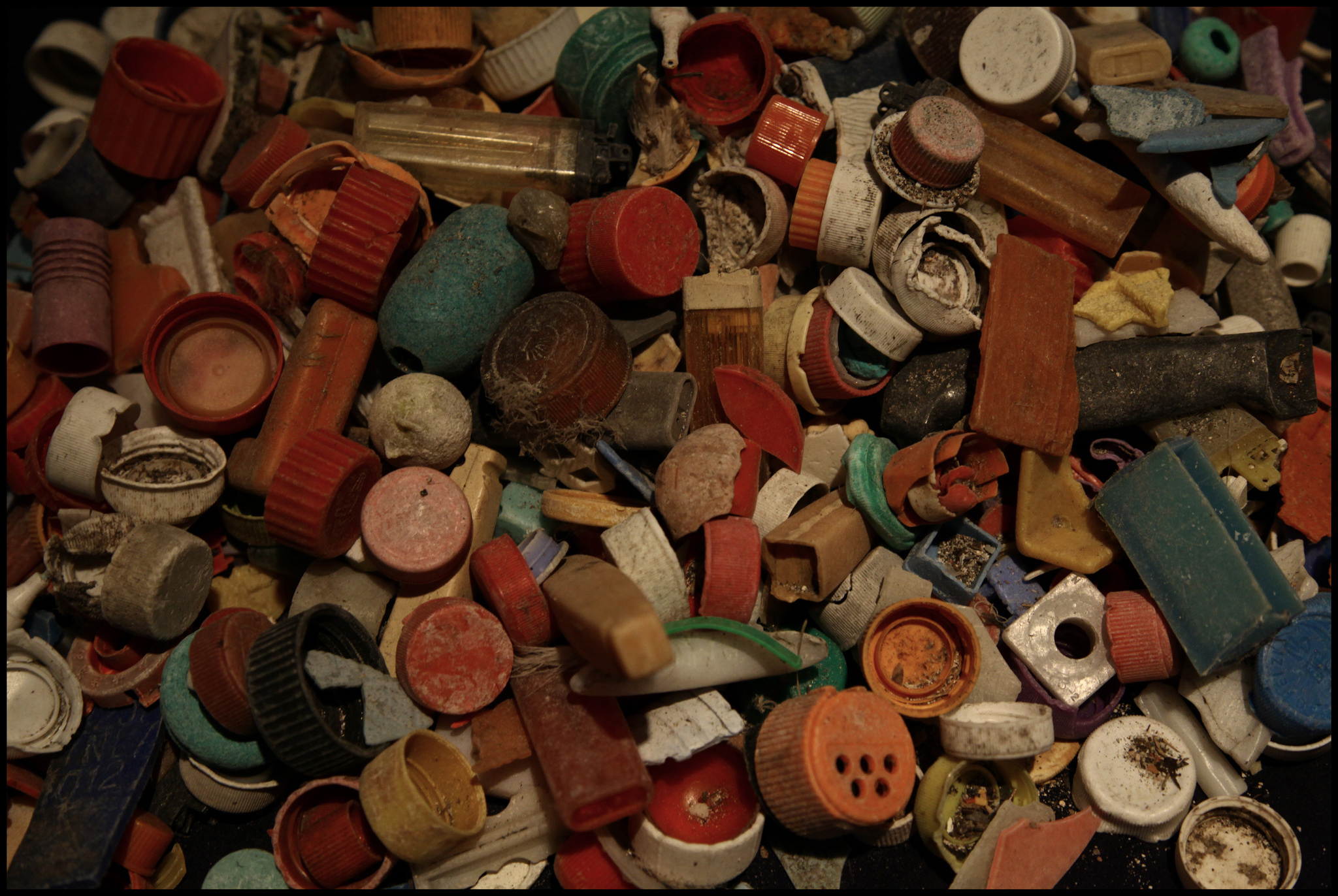
We have talked about the plastic blight – the growing presence of discarded plastic polluting our streets and our waterways. We have discussed the so-called garbage patches in the ocean, composed primarily of plastic. A new study discusses the effects of ocean plastic pollution on seabirds and the results are horrifying.
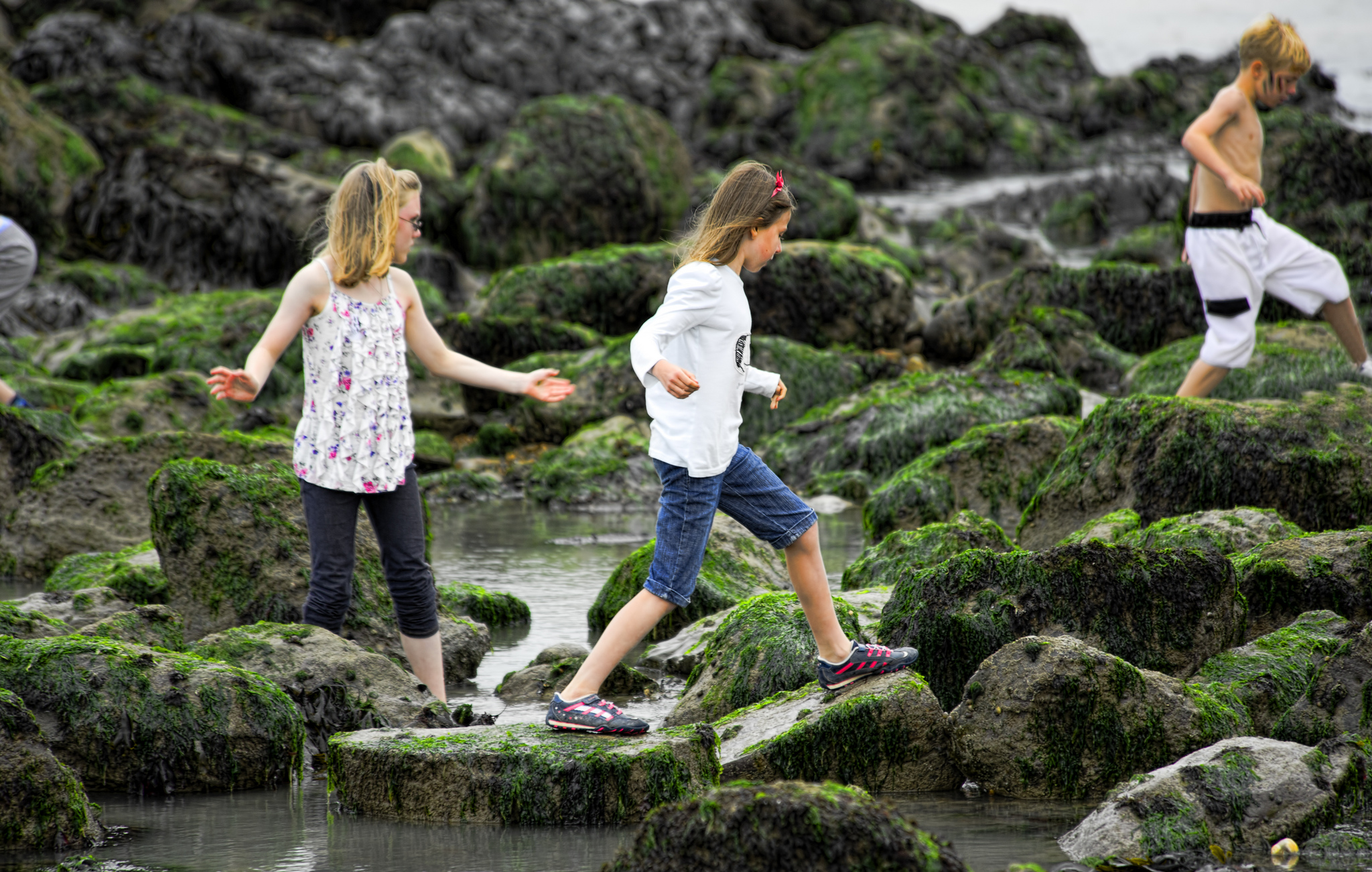
We Need More Free-Range Kids