• Skip to primary navigation
  • Skip to main content
  • Skip to primary sidebar

Earth Wise

A look at our changing environment.

  • Home
  • About Earth Wise
  • Where to Listen
  • All Articles
  • Show Search
Hide Search
You are here: Home / Archives for birds

birds

The Cost Of Invasive Species | Earth Wise

May 7, 2021 By EarthWise Leave a Comment

Invasive species cost the global economy trillions of dollars

A new study published in Nature has tried for the first time to put a price tag on the impact of invasive species.  Researchers have been studying the effects of invasive species for decades, but it is a problem that has not really captured the attention of the public and policy makers.

According to the research by scientists at the French National Museum of Natural History, from 1970 to 2017, invasive species have cost the global economy at least $1.28 trillion dollars in damages and efforts to control them.

The team screened over 19,000 published papers, ultimately analyzing nearly 2,000 that detailed costs of various invasions at particular times.   Annual costs roughly doubled every six years, reaching a yearly bill of $162 billion in 2017.

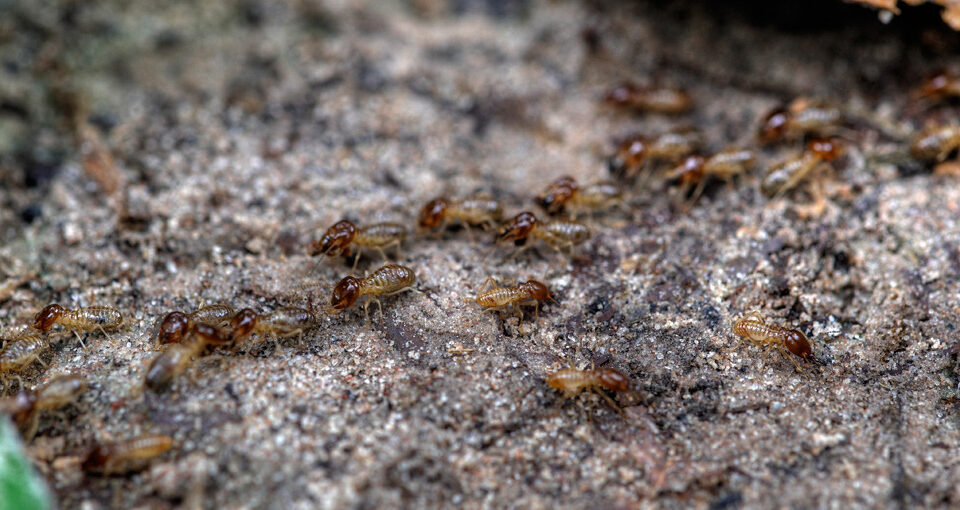
The five costliest invasive species are Aedes mosquitos, rats, cats, termites, and fire ants, collectively accounting for a quarter of the global damage.

Asian tiger mosquitos and yellow fever mosquitos alone accounted for $149 billion in damage to public health as they spread from country to country.  Rats hitchhike on human boats and drive native species to extinction on islands around the world.  Cats inflict damage primarily by their impact on native biodiversity.  By some estimates, they kill a billion birds each year in the US alone.   Termites, as they spread across the globe, wreak havoc on all sorts of infrastructure.  Fire ants can feed on a variety of seedlings, from citrus to soybeans, reduce the size of grazing lands for livestock and bite and sting farm animals and humans.

The study shows invasive species are a massive problem that is getting worse.

**********

Web Links

Invasive Species Cost Billions of Dollars in Damages Annually, Researchers Find

Photo, posted March 29, 2012, courtesy of Aleksey Gnilenkov via Flickr.

Earth Wise is a production of WAMC Northeast Public Radio.
Even The Common House Sparrow Is Declining | Earth Wise

March 17, 2021 By EarthWise Leave a Comment

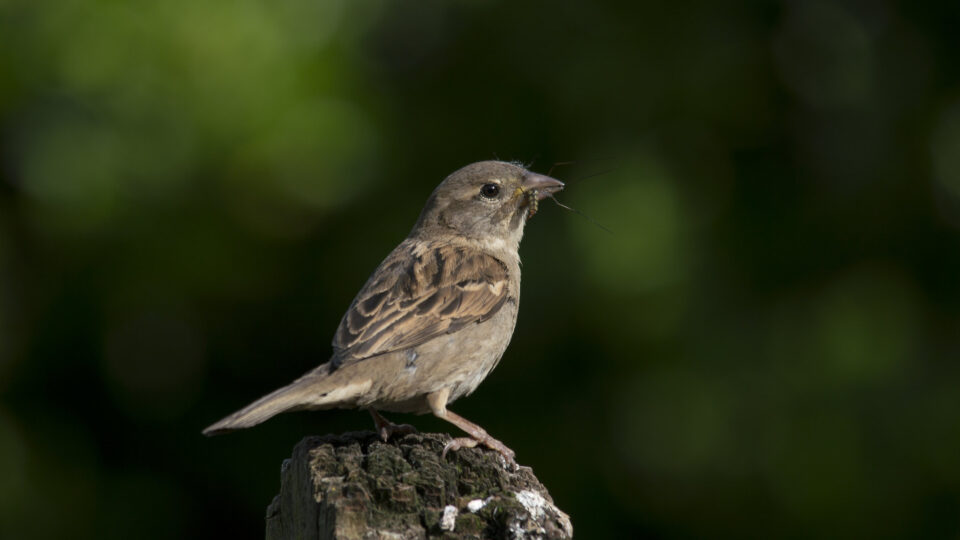
Even the common house sparrow is declining as the climate changes

According to the first-ever comprehensive assessment of net bird populations published in 2019, nearly three billion birds have disappeared in the United States and Canada since 1970.  The study, by researchers from the Cornell University Lab of Ornithology, found that North American bird populations have lost 2.9 billion breeding adults during that timespan.  Forests lost one billion birds, and grassland birds declined 53%. 

According to a newer study from Cornell University, it appears that even the common house sparrow is declining.  In parts of its native range in Europe, house sparrow numbers are down nearly 60%.  Researchers from the Cornell Lab of Ornithology sought to clarify the status of the species in the U.S. and Canada by using 21 years of citizen science data collected through its Project Feederwatch program. 

Project FeederWatch is a winter-long survey of birds that visit feeders at backyards, nature centers, community areas, and other locales. For the study, which was recently published in the Wilson Journal of Ornithology, the research team reviewed recorded observations of house sparrows during their non-breeding season.  These sightings from nearly 12,500 sites were used and cross-referenced with the National Land Cover database to determine whether the U.S. sightings came from rural or urban locations.  

From 1995 to 2016, researchers found that Feederwatch sites reporting house sparrows declined 7.5%, and the mean flock sizes declined 22%.  House sparrow populations declined in urban areas, but actually remained stable in rural areas. 

The researchers say a lack of green space and nesting sites in urban areas are likely factors in the population declines. 

**********

Web Links

Study finds even the common house sparrow is declining

Nearly 3 Billion Birds Gone

Photo, posted May 14, 2014, courtesy of Jacob Spinks via Flickr.

Earth Wise is a production of WAMC Northeast Public Radio.
Not All Eggs In One Basket | Earth Wise

March 2, 2021 By EarthWise Leave a Comment

Loggerhead turtles don't put all their eggs in one basket

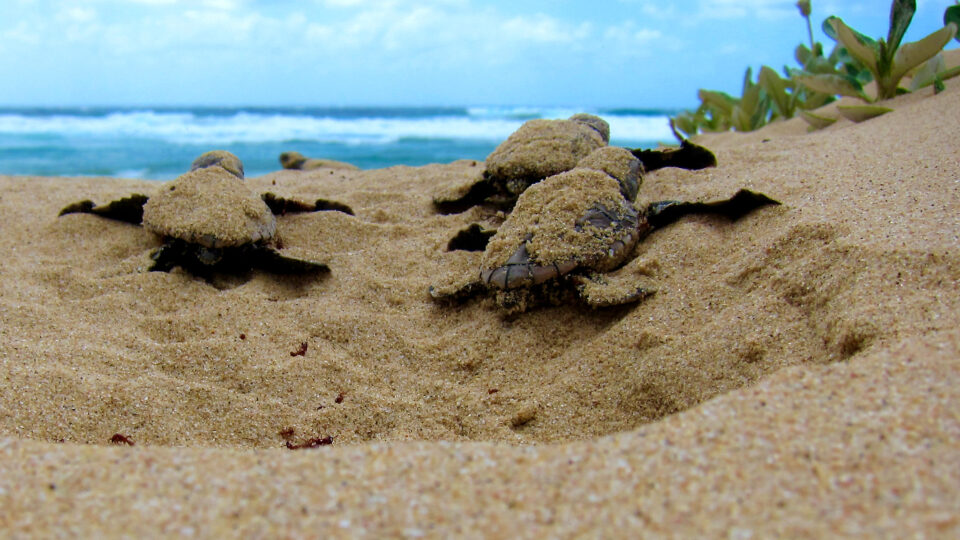
Sea turtles lay their eggs in burrows on sandy beaches.  Many species lay their eggs on the exact same beach year after year.  On average, sea turtles lay over 100 eggs in a nest and produce between 2 and 8 nests per season.

Animals that produce such large numbers of eggs have this reproductive strategy because so few survive to adulthood.   Sea turtle eggs and hatchlings face numerous threats including powerful storms, poachers, marauding birds, and more.  Estimates are that only one in thousand sea turtle eggs leads to an adult turtle.

A recent study by the University of South Florida looked at the reproductive strategy of loggerhead sea turtles nesting on Keewaydin Island off the southwestern Gulf coast of Florida.  The researchers found that individual females lay numerous clutches of eggs in locations as much as six miles apart from each other to increase the chance that some of their offspring will survive.

As the saying goes, nesting loggerhead turtles don’t lay all their eggs in one basket.  The researchers compare the turtles’ strategy to investing in a mutual fund.  The female turtles divide their resources among many stocks rather than investing everything in a single stock.

During their 50-year lifetime, a single female loggerhead will produce over 4,000 eggs and scatter them at 40 different sites.  This strategy helps reduce the risk of complete reproductive failure caused by hurricanes and thunderstorms that could wash out or flood all their clutches.  The combination of unpredictable patterns of nests over time and space results in nearly two-thirds of loggerhead sea turtle hatchlings making it into the Gulf of Mexico.  The species still faces significant challenges but it is doing its part to try to survive.

**********

Web Links

Not all in one basket: Loggerhead sea turtles lay eggs in multiple locations to improve reproductive success

Photo, posted January 27, 2012, courtesy of Jeroen Looye via Flickr.

Earth Wise is a production of WAMC Northeast Public Radio.
Restoring Seagrass In Virginia | Earth Wise

December 10, 2020 By EarthWise Leave a Comment

Restoring seagrass in Virginia

Seagrass is found in shallow waters in many parts of the world.  They are plants with roots, stems, and leaves, and produce flowers and seeds.  They can form dense underwater meadows that constitute some of the most productive ecosystems in the world.  Seagrasses provide shelter and food to a diverse community of animals including tiny invertebrates, fish, crabs, turtles, marine mammals and birds.

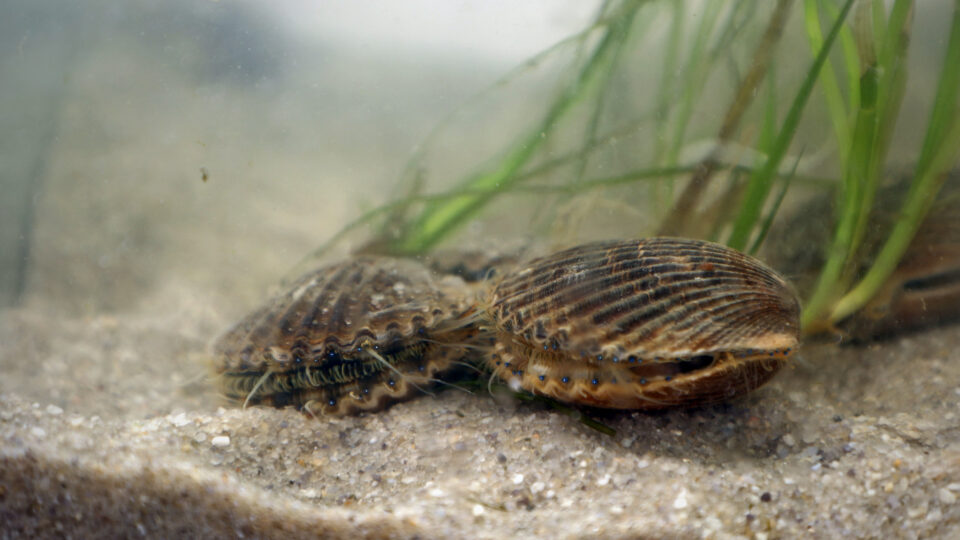
In the late 1920s, a pathogen began killing seagrasses off the coast of Virginia.  In 1933, a hurricane finished them off completely.  For nearly 70 years thereafter, the bay bottoms of the Virginia coast were muddy and barren, essentially devoid of fish, shellfish, mollusks and other creatures that inhabit seagrass meadows.  The local scallop industry was no more.

The largest seagrass restoration project ever attempted has changed all that.  During the past 21 years, scientists and volunteers have spread more than 70 million eelgrass seeds within four previously barren seaside lagoons.  This has spurred a natural propagation of meadows that have so for grown to almost 9,000 acres, the largest eelgrass habitat between North Carolina and Long Island Sound.

The long-term research conducted by the team from the University of Virginia shows that the success of the seagrass restoration project is improving water quality, substantially increasing the abundance of fish and shellfish in the bays, and capturing carbon from the water and atmosphere and storing it in the extensive root systems of the grasses and in the sediment below. 

The study shows that marine restorations are possible on scales that contribute directly to human well-being.

**********

Web Links

Some Good News: Seagrass Restored to Eastern Shore Bays is Flourishing

Photo, posted May 17, 2019, courtesy of Virginia Sea Grant via Flickr. Photo credit: Aileen Devlin | Virginia Sea Grant.

Earth Wise is a production of WAMC Northeast Public Radio.

Artificial Light And Nature | Earth Wise

December 4, 2020 By EarthWise Leave a Comment

Light pollution has far reaching consequences

Most of us are familiar with air pollution, water pollution, soil pollution, and noise pollution.  But it turns out that light can also be a pollutant as well. 

Light pollution is a consequence of industrial civilization.  Sources of light pollution include building interior and exterior lighting, advertising billboards, factories, commercial properties, streetlights, and sporting venues.      

According to findings in a new report from the University of Exeter, artificial nighttime lighting has a wide range of effects across the natural world and should be limited wherever possible.  The research team analyzed more than 100 studies and found that artificial lighting has widespread impacts on both animals and plants. 

In the study, which was funded by the Natural Environment Research Council in the U.K., researchers consistently found changes to animals’ bodies and behavior as a result of artificial lighting.  In particular, levels of the sleep cycle-regulating hormone melatonin were reduced by exposure to artificial lighting at night in all animal species studied. 

Exposure to artificial nighttime lighting also affected the timing of animals’ activities.  For rodents, which are largely nocturnal, the duration of activity was often reduced by exposure to nighttime lighting.  On the other hand, for diurnal birds, exposure to nighttime lighting led to an extension of the duration of their activities.  

Previous studies have found other wide-ranging impacts of nighttime lighting, from reducing pollination by insects to trees budding earlier in spring.  

Artificial nighttime lighting is human driven and very disruptive to the natural world.  While there’s no off switch for the planet, we could reduce the amount of light pollution drastically with no impact on our lives. 

**********

Web Links

Artificial night lighting has widespread impacts on nature

Photo, posted July 29, 2017, courtesy of spacedust2019 via Flickr.

Earth Wise is a production of WAMC Northeast Public Radio.
Alien Species On The Rise | Earth Wise

November 3, 2020 By EarthWise Leave a Comment

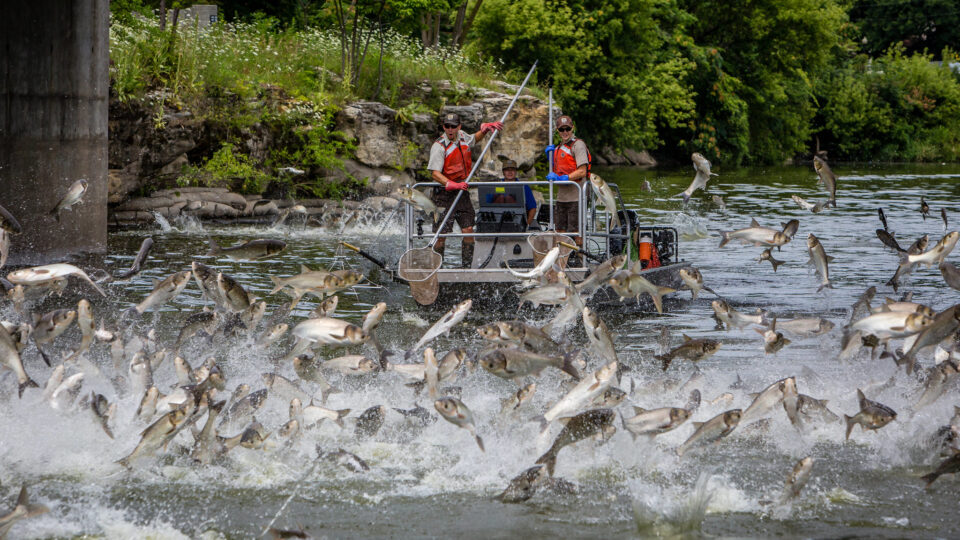
the number of alien species is rising

Alien species are species that are introduced, accidentally or intentionally, outside of their natural geographic range as a result of human activities.  More than 35,000 alien species have been recorded through 2005, which is the most recent year for which researchers have comprehensive global data. 

Some of the alien species go on to become invasive alien species, which can have damaging impacts on both ecosystems and economies.  In fact, alien species are one of the main drivers of plant and animal extinctions around the globe.  

According to a new study by an international research team involving University College London, the number of alien species, particularly insects, arthropods and birds, is expected to increase globally by 36% by 2050 when compared to 2005 levels.  The research was recently published in the journal Global Change Biology.

Using a mathematical model developed for the study, the researchers identified high levels of variations between regions.  For example, the largest increase in alien species by the middle of the century is expected in Europe, where numbers are predicted to jump by 64%.  The temperate regions of Asia, North America, and South America are also predicted to be hotspots of alien species.  The lowest relative increase in alien species is expected in Australia.

The researchers do not expect a reversal or slowdown in the spread of alien species.  In fact, with global transportation and trade forecasted to increase in the coming decades, they anticipate many new species will infiltrate non-native habitats by hitching rides as stowaways.   

According to the research team, it would take a concerted global effort with stricter regulations and more rigorous enforcement to slow the flow of new species. 

**********

Web Links

Alien species to increase by 36% worldwide by 2050

Photo, posted October 3, 2016, courtesy of the Asian Carp Regional Coordinating Committee via Flickr. Photo credit: Ryan Hagerty/USFWS.

Earth Wise is a production of WAMC Northeast Public Radio.
Global Decline In Wildlife | Earth Wise

October 14, 2020 By EarthWise Leave a Comment

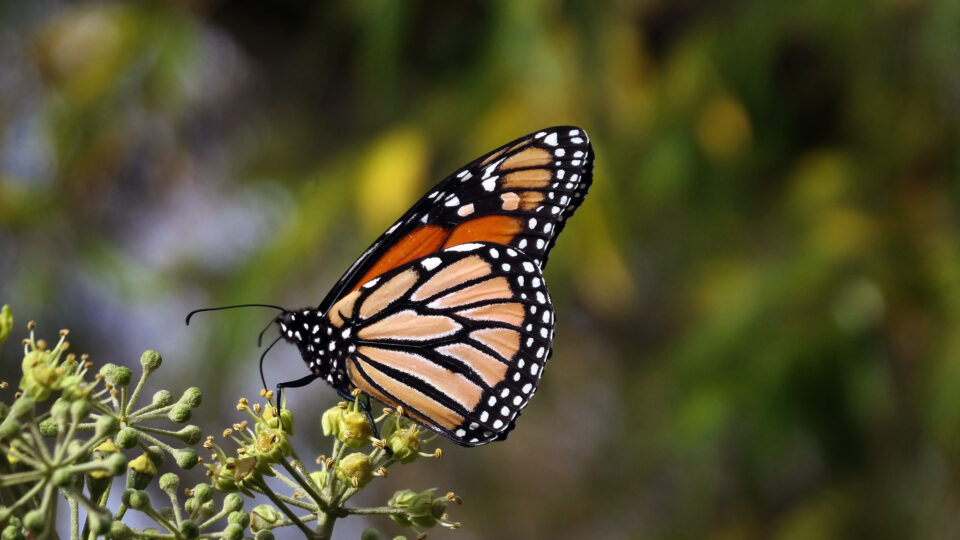
global wildlife declining rapidly

According to a new report released by the World Wildlife Fund, global populations of mammals, birds, amphibians, reptiles, and fish have declined by 68% in less than half a century. 

The report presents a comprehensive overview of the state of the natural world based on the tracking of almost 21,000 populations of more than 4,000 vertebrate species between 1970 and 2016. 

The report shows that the main cause of the dramatic decline in species populations on land is habitat loss and degradation, which includes deforestation driven by food production.  Additional factors include land-use change and the use and trade of wildlife.

Wildlife populations found in freshwater habitats have suffered a decline of 84%, which is the steepest decline in any biome.

Insect populations have declined rapidly in many places, but most of the information about insects comes from a small number of countries in the northern hemisphere.  There is very little information from large parts of the world, such as Africa, South America, and Asia, where land-use change and agricultural expansion are happening fast.  What happens to insects matters a lot to humanity.  Insects play central roles in the world’s ecosystems as waste processors, pollinators, predators, and prey. 

The report is clear evidence of the damage human activity is doing to the natural world.  Threats to the integrity of ecosystems endanger humans and all of nature.  This is especially apparent in the midst of a global pandemic.  It is now more important than ever to take coordinated global action to halt and reverse the loss of biodiversity and wildlife populations across the globe.

**********

Web Links

Living Planet Report reveals 68% decline in global wildlife populations since 1970

Photo, posted May 7, 2020, courtesy of Bernard Spragg via Flickr.

Earth Wise is a production of WAMC Northeast Public Radio.
The United States And Ticks | Earth Wise

July 21, 2020 By EarthWise Leave a Comment

United States tick data is lagging

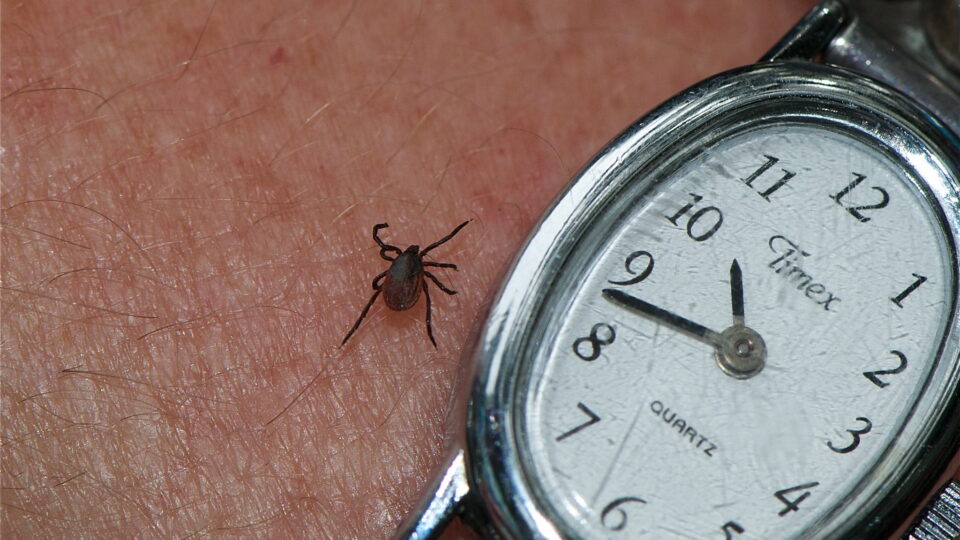
Tiny ticks are a big problem.  Measuring only three to five millimeters in size, ticks are widely distributed around the world.  They are external parasites, feasting on the blood of birds, reptiles, amphibians, and mammals – including humans.

According to estimates from the Centers for Disease Control and Prevention, ticks infect more than 300,000 people with Lyme disease in the United States every year, and the numbers continue to rise.  Other common tick-borne diseases include anaplasmosis, babesiosis, Rocky Mountain Spotted Fever, and powassan encephalitis.

But while the prevalence of tick-borne illnesses has steadily increased in the United States over the past two decades, a new study on tick surveillance and control “has revealed an inconsistent and often under-supported patchwork of programs across the country.”

The study, by university researchers at the CDC’s five Vector-Borne Disease Regional Centers of Excellence, is the first-ever examination of tick management programs in the United States.  The researchers found clear gaps in our public health infrastructure. 

According to the study, which was recently published in the Journal of Medical Entomology, less than 50% of public health and vector-control agencies conduct tick surveillance.  Only 25% test ticks for disease-causing germs.  And only 12% conduct or support tick-control efforts.  Researchers also discovered that the capacity for public tick-control efforts is low, as is the capacity for information and data sharing between agencies on ticks.    

The findings highlight the degree to which tick surveillance and control is lagging in the United States.  According to the research team, greater support for tick-management programs is critical, and they hope their findings will serve as a baseline from which to measure future improvements.  

**********

Web Links

Tick surveillance and control lagging in US

Photo, posted May 4, 2009, courtesy of Jerry Kirkhart via Flickr.

Earth Wise is a production of WAMC Northeast Public Radio.
Moving Up And Away | Earth Wise

May 21, 2020 By EarthWise Leave a Comment

Climate change and habitat

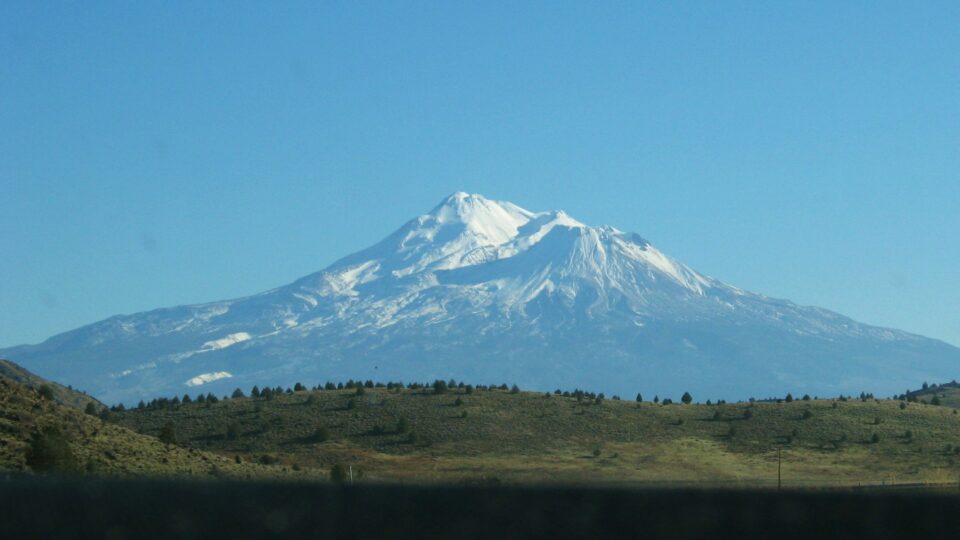
A new study by the Wildlife Conservation Society, the US Forest Service, and UC Berkeley has shown that mountain-dwelling species trying to escape warming temperatures may also be finding refuge from human pressure.

The study shows that nearly 60% of the world’s mountainous areas are under intense human pressure.  Most of that pressure occurs at lower elevations and mountain bases, where more people live, grow food, and build roads.  The researchers used climate models to predict how various species would move as the climate changes.   Based upon these predictions, they found that species tend to move to higher elevations, where temperatures are lower.  But those elevations also have more intact land for species because there is less human activity.

Mountains are home to over 85% of the world’s amphibians, birds, and mammals and these species are at risk from human activities such as agriculture, livestock grazing, and development.  These things reduce their habitats, but meanwhile the warming climate pushes them upslope as they struggle to find tolerable temperatures.

The researchers point to their study as new guidance for conservation efforts.  They warn that many conservation efforts don’t take into account the effects of human pressure.   Factoring in human pressure reveals the true extent of mountainous areas for species that are restricted to intact landscapes.  These are often the species that are of greatest concern to conservationists.  This true shape refers to how much land area is potentially available as habitat for a species as it moves up in elevation.  

The results offer a glimmer of hope for mountain-based species under climate change as they move away from the most intense human activity.

**********

Web Links

Climate change may push some species to higher elevations — and out of harm’s way

Photo, posted November 22, 2007, courtesy of Flickr.

Earth Wise is a production of WAMC Northeast Public Radio.
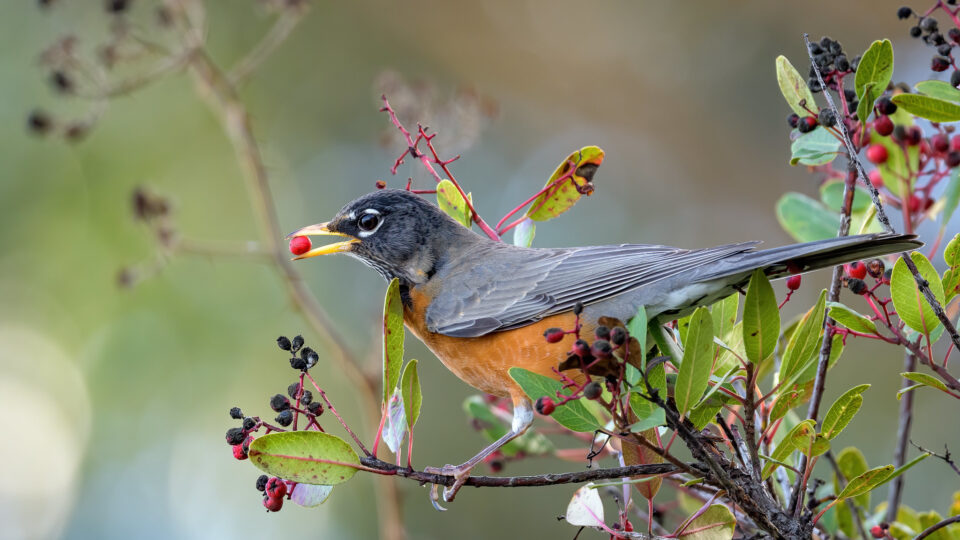
American Robins And Climate Change | Earth Wise

April 30, 2020 By EarthWise Leave a Comment

changing climate is making birds migrate earlier

American robins are migratory songbirds that can be found throughout much of North America.  Named after European robins because of their reddish-orange breast, American robins are often found hopping across lawns and nesting on porches.  Their rich caroling is among the first pre-dawn bird songs heard in spring and summer.  

While some overwinter in northern parts of the United States and southern Canada, most American robins migrate south to overwinter in places like Florida and the Gulf Coast, as well as central Mexico and the Pacific Coast.  They typically head south by the end of August and return north sometime between February and March to their breeding grounds in Canada and Alaska.  They spend their short time there trying to find a mate, build a nest, raise a family, and consume enough food to sustain themselves on their long return journey south.

But climate change is making these seasonal rhythms less predictable.  According to a new study recently published in the journal Environmental Research Letters, American robin migration is kicking off earlier by about five days each decade.  The birds now migrate 12 days earlier than they did in 1994.  

For 25 years, researchers at Canada’s Slave Lake have been recording the timing of American robin spring migration.  They attached GPS devices to 55 robins, tracking their movements from April through June. The researchers linked the birds’ movement with weather data, including air temperature, snow depth, wind speed, and precipitation.  The results showed that robins start migrating north earlier when winters are warm and dry. 

Understanding the influence over the timing of migratory events is important because the timing of migration can influence reproductive success.

**********

Web Links

A Migration Mystery

American robins now migrate 12 days earlier than in 1994

Photo, posted January 1, 2020, courtesy of Becky Matsubara via Flickr.

Earth Wise is a production of WAMC Northeast Public Radio.
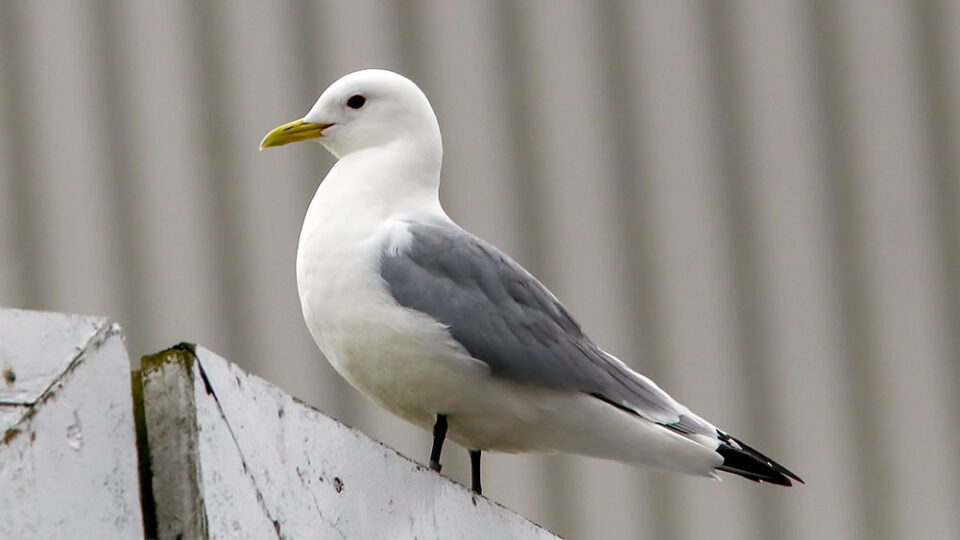
Boutique Hotels For Birds | Earth Wise

April 28, 2020 By EarthWise Leave a Comment

building boutique hotels for threatened birds

The changing Arctic climate has had a drastic effect on its seabirds.  In fact, seabirds worldwide are in crisis, with global populations plummeting nearly 70% over the past 70 years as a result of climate change, over-fishing, habitat loss, and other human impacts on their environment.

Above the Arctic circle in Norway, seabird behavior has changed dramatically.  Black-legged kittiwakes – which are the most seafaring member of the gull family – used to nest in cliffs over the ocean and seldom ventured inland.  But in recent years, that has changed.  Because of a warming ocean, increased storminess and other changes that are decimating chick populations in their normal habitat, the birds have been setting up housekeeping in places like shopping centers and office buildings in Tromsø and other towns along Norway’s north coast.

Tromsø, Hammerfest and other towns at the very north end of Norway have become very popular with tourists seeking the Northern Lights and wanting to see glaciers before they disappear.  The booming tourism has been put on hold for the moment as it has elsewhere, but when it returns, the regions growing hotels and shopping areas are facing a problem.

The birds taking up residence on these buildings are unpleasant neighbors.  They are especially noisy during the breeding season and people are having to put up nets or spikes on buildings to discourage the kittiwakes from settling there.

Local ecologists are now building boutique hotels just for kittiwakes. Using abandoned buildings on piers, they are adding ledges for nesting, materials for nest-building, and electronic speakers that croon kittiwake songs.  The hope is that the birds will stay in their own hotels and leave the other ones for the human tourists.

**********

Web Links

Norwegians are building boutique hotels for threatened Arctic birds

Photo, posted April 14, 2018, courtesy of Charlie Jackson via Flickr.

Earth Wise is a production of WAMC Northeast Public Radio.
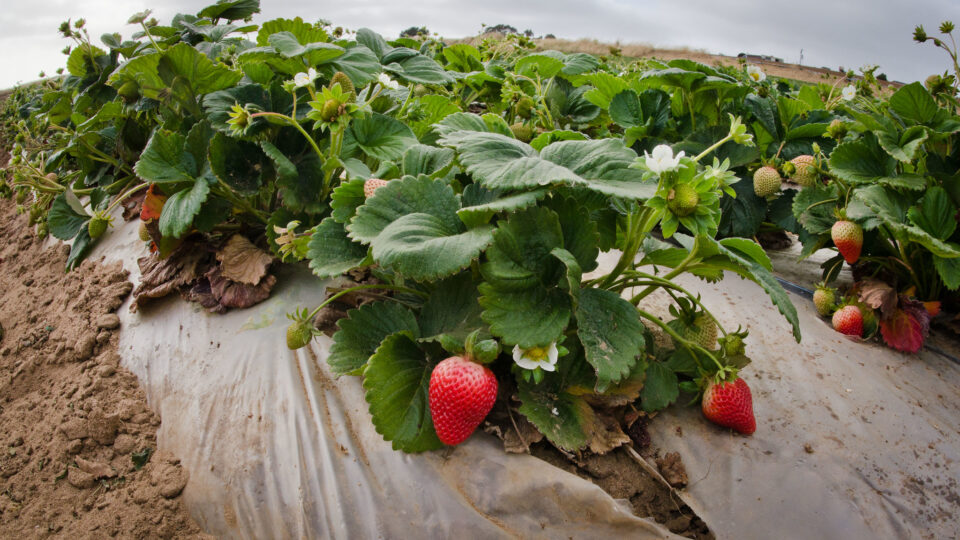
Natural Habitats And Strawberry Farms | Earth Wise

April 22, 2020 By EarthWise Leave a Comment

natural habitat benefits farms

According to a new study led by researchers from the University of California – Davis, conserving natural habitat around strawberry fields can protect farmers’ yields, their bottom line, and the environment.  The study also suggests that conserving natural habitat in this way has no detectable threat to food safety. 

In this study, which was recently published in the journal Ecological Applications, the research team conducted surveys and experiments at 20 strawberry farms along California’s Central Coast.  This region is responsible for 43% of the nation’s strawberry production. 

The researchers found that strawberry farmers were better off with natural habitat, like forests, grasslands, wetlands, and shrubs, around their farms than without it.  According to the study’s models, adding natural habitat can reduce crop damage costs by 23%.  Removing natural habitat can increase costs by as much as 76%. 

Importantly, the strawberry farms with natural habitat surrounding them showed no signs of increased fecal contamination.  While bird feces were regularly encountered on the ground, only 2 of 10,000 strawberries examined show signs of direct fecal contamination.  Those contaminated berries would be discarded during the hand-harvesting process.   

These findings run contradictory to current best practice recommendations that support natural habitat removal around strawberry farms in order to decrease bird fecal contamination and crop damage.  These food safety requirements were a consequence of the deadly outbreak of E. coli in 2006, which was traced back to spinach grown in this region.   

It seems like our agricultural landscapes can both support and benefit from biodiversity. 

**********

Web Links

Natural habitat around farms a win for strawberry growers, birds and consumers

Photo, posted June 16, 2011, courtesy of the USDA via Flickr.

Earth Wise is a production of WAMC Northeast Public Radio.
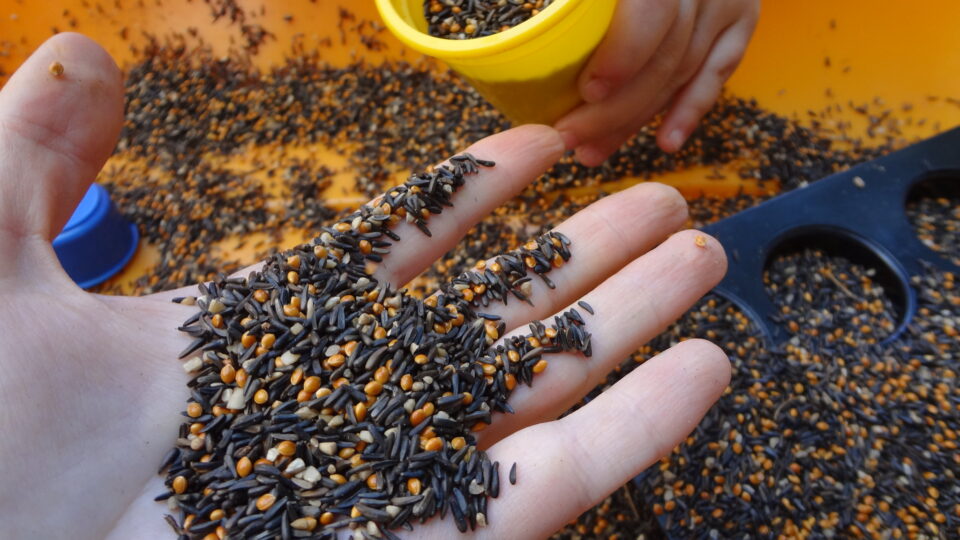
Birdseed And Weeds | Earth Wise

April 16, 2020 By EarthWise Leave a Comment

birdseed contains weeds

More than 55 million adult Americans feed wild birds and along the way spend more than three billion dollars a year on bird food as well as nearly a billion on bird feeders, bird baths, bird houses and other bird feeding accessories.  Feeding birds is a very popular hobby in both the United States and the United Kingdom.

Researchers at the University of Missouri in Columbia Missouri investigated the content of 98 commercially available bird feed mixes.  They uncovered several significant things.

The various mixes contained seeds from 29 weed species and almost all of the mixes contained seeds for pigweed, which can be a significant threat to agriculture.  One in ten of the mixes contained Palmer amaranth or waterhemp seeds that demonstrated a resistance to glyphosphate.   Other common weed species found in many of the mixes were kochia, common ragweed, foxtail species, and wild buckweed.

The overall collection of seed mixes contained an average of 363 amaranthus seeds in each kilogram of bird feed.  Based on this, it is possible that 105 million amaranthus seeds are transported in bird feed mixes each year.

According to the researchers, it is difficult to estimate the exact role that commercial bird seed plays in spreading troublesome weed species into new regions, but it is clear that the widespread use of these seed mixes is a contributing factor to the spread of weeds.

The researchers recommend careful weed management in crop fields designated for bird feed, as well as sieving during packaging to reduce weed seed contamination.  They also noted that regulatory measures adopted in Europe to limit weed seed content in bird seed have proven to be effective.

**********

Web Links

Examination of commercially available bird feed for weed seed contaminants

Photo, posted August 18, 2013, courtesy of Emma Craig via Flickr.

Earth Wise is a production of WAMC Northeast Public Radio.

More Plastic Pollution On The Way | Earth Wise

January 31, 2020 By EarthWise Leave a Comment

Public concern about plastic pollution has been rising.  More and more of us are choosing reusable grocery bags, metal straws, and reusable water bottles.  We shake our heads at images of immense plastic garbage patches in the ocean. We see reports of birds with 15% of their body weight in plastic.

While all of this is going on, companies like ExxonMobil, Shell, and Saudi Aramco are ramping up production of plastic – which is mostly made from oil, gas, and their byproducts.  They are doing this as a hedge against the growing possibility that the global response to climate change will reduce demand for their fuels.  Plastics are part of the category called petrochemicals, which currently account for 14% of oil use.  Petrochemicals are expected to drive half of oil demand growth over the next 30 years.

The World Economic Forum predicts plastic production will double in the next 20 years.  The fracking boom in the United States has turned this country into a big growth area for plastic production.  Natural gas prices are low which is hurting profits at fracking operations.  But fracking also unearths ethane, which is a feedstock for plastic production.  So plastic is becoming a kind of subsidy for fracking.

The American petroleum industry’s hub has historically been the Gulf Coast of Texas and Louisiana as well as a stretch along the lower Mississippi River.  There is a slew of new projects there.  The industry is also seeking to create a new plastics corridor in Ohio, Pennsylvania, and West Virginia, where fracking wells are rich in ethane.

Society in general may be increasingly concerned about the impact of things like carbon emissions and plastic pollution, but the fossil fuel industry continues to focus entirely on growth and profits.

**********

Web Links

The Plastics Pipeline: A Surge of New Production Is on the Way

Photo, posted January 10, 2015 , courtesy of Daniel Orth via Flickr.

Earth Wise is a production of WAMC Northeast Public Radio.
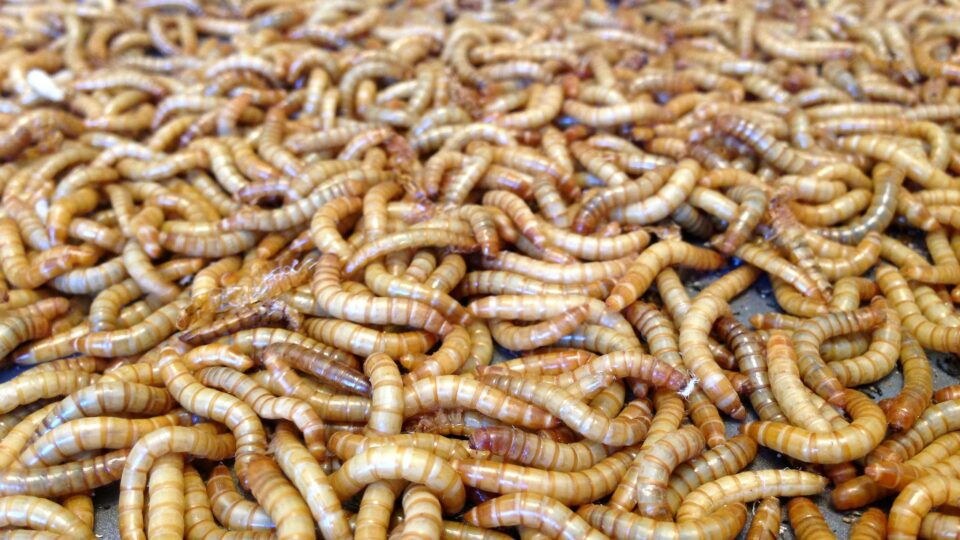
Mealworms And Plastic | Earth Wise

January 21, 2020 By EarthWise Leave a Comment

Mealworms and Plastic

Mealworms are widely cultivated beetle larvae that people feed to pets and to wild birds.  But it turns out, they may have an even more valuable purpose:  they can eat plastic and even plastic containing dangerous chemical additives.

Four years ago, researchers at Stanford discovered that mealworms can actually subsist on a diet of various types of plastic.  They found that microorganisms in the worms’ guts actually biodegrade the plastic.  It might be possible to cultivate the worms using unrecyclable plastic, rather than feeding them grains and fruits.   However, there is the issue of whether it would be safe to feed the plastic-eating worms to other animals, given the possibility that harmful chemicals in plastic additives might accumulate in the worms over time.

Recently, the Stanford researchers studied what happens when the worms ingested Styrofoam or polystyrene.  The plastic commonly used for packaging and insulation typically contains a flame retardant called hexabromocyclododecane, or HBCD.  Studies have shown that HBCD can have significant health and environmental impacts, ranging from endocrine disruption to neurotoxicity.

According to the study, mealworms in the experiment excreted about half of the polystyrene they consumed as tiny, partially degraded fragments and the other half as carbon dioxide.  With it, they excreted the HBCD.  Mealworms fed a steady diet of HBCD-laden polystyrene were as healthy as those eating a normal diet.  And shrimp fed a steady diet of the HBCD-ingesting mealworms also had no ill effects.

It is true that the HBCD excreted by the worms still poses a hazard and must be dealt with in some manner, but mealworms may have a role to play in dealing with unrecyclable plastics like Styrofoam.

**********

Web Links

Stanford researchers show that mealworms can safely consume toxic additive-containing plastic

Photo, posted May 11, 2015, courtesy of Flickr.

Earth Wise is a production of WAMC Northeast Public Radio.
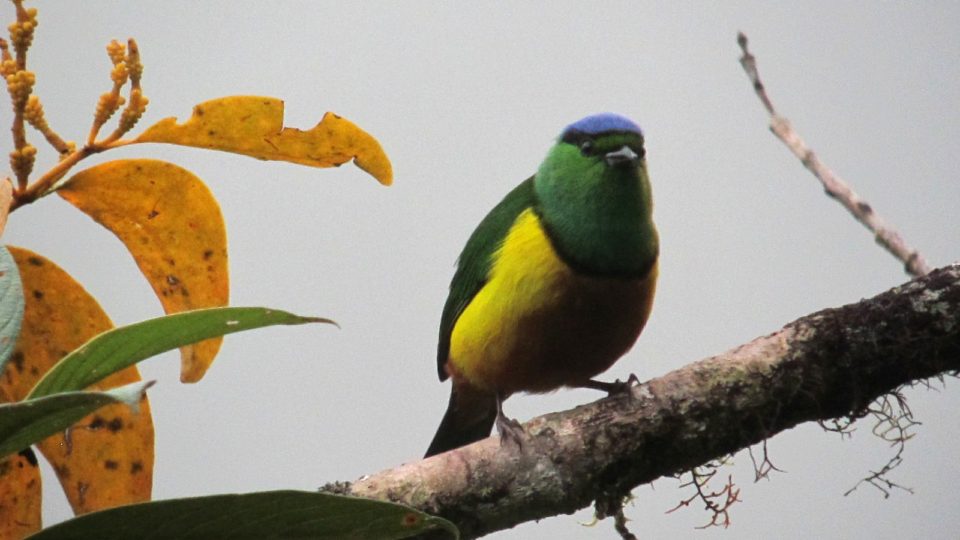
Bioacoustics

December 5, 2019 By EarthWise Leave a Comment

Researchers are increasingly placing microphones in forests and other ecosystems to monitor birds, insects, frogs, and other animals.  Advances in technology are enabling the wide-spread use of bioacoustics as an important research tool.

Studying animals in their natural habitat Is often a difficult task.  For one thing, many animals are difficult to find, and the presence of humans disrupts their behavior or even drives them off.  Remote cameras are useful, but cameras can only see what is in front of them and aren’t much use for detecting small animals, hidden animals, or ones high up in trees.

Biologists have long recognized the value of recording sound to identify animals and learn about their havior.  Animal sounds can be as definitive a means of identification as visual images and microphones can pick up the sounds from animals located anywhere within their detection range.

The two advances in technology that are turning bioacoustics into a widely used tool are a steep drop in the price of recording equipment and the rapidly expanding capabilities of user-friendly artificial intelligence algorithms.

Autonomous environmental audio recorders tended to cost between $500 and $1000 until quite recently.  Now, such equipment can be had for as little as $70.

The other big challenge is analyzing audio data.  Finding specific animal sounds among hundreds of hours of recordings is an untenably tedious task.  Identifying the characteristic sounds of specific species in crowded environments is a tricky business.  But neural network-based artificial intelligence technology is making such big data analysis quite practical and, remarkably, it is becoming quite user-friendly.

**********

Web Links

Listening to Nature: The Emerging Field of Bioacoustics

Photo, posted January 28, 2013, courtesy of Felix Uribe via Flickr.

Earth Wise is a production of WAMC Northeast Public Radio.
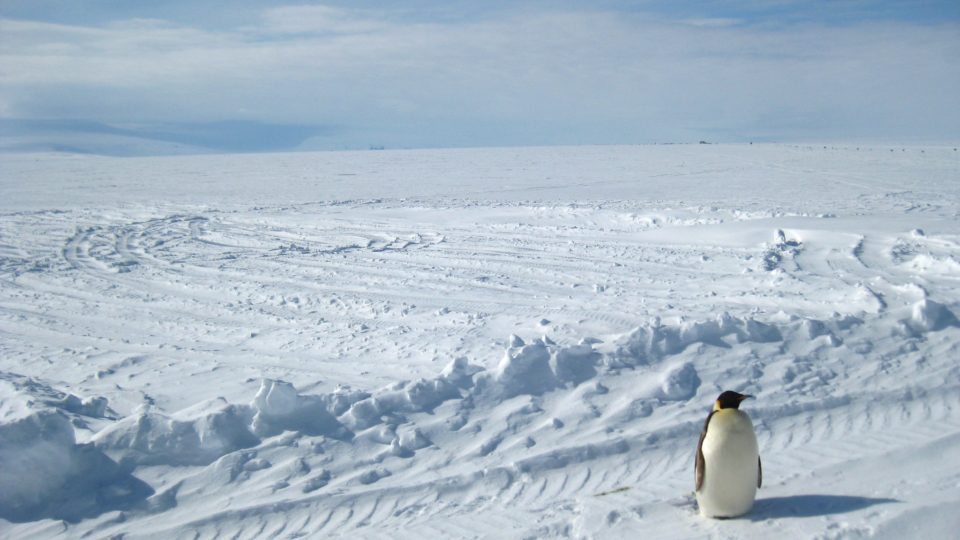
The March Of The Penguins Toward Extinction

November 28, 2019 By EarthWise Leave a Comment

According to a new study from the Woods Hole Oceanographic Institution, the warming climate may render emperor penguins extinct by the end of this century.  The study, which was part of an international collaboration between scientists, finds that emperor penguins will likely experience an 86% decline by 2100 if the global climate continues to warm at the current rate.  At that point, it would be very unlikely for them to recover, according to the study’s lead author.       

The research was funded by the National Science Foundation and recently published in the journal Global Change Biology.

The fate of emperor penguins is largely tied to the fate of sea ice.  The penguins use sea ice as a place for breeding, feeding, and molting.  They look for very specific conditions of sea ice – it must be locked in to the Antarctic shoreline but also close enough to open seawater to give them access to food. The study predicts that this sea ice will gradually disappear, depriving the birds of their habitat, food sources, and ability to raise their young.     

The researchers combined two existing computer models to study three different climate change scenarios.  If the average global temperature increases by only 1.5 degrees Celsius, the study found that only 5% of sea ice would be lost by 2100, resulting in a 19% drop in penguin colonies.  If the planet warms by 2 degrees Celsius, the sea ice loss nearly triples and more than a third of penguin colonies disappear.  The ‘business as usual’ scenario where the planet continues to warm at the current rate will ensure a near complete loss of emperor penguin colonies by 2100. 

**********

Web Links

Unless warming is slowed, emperor penguins will be marching towards extinction

Photo, posted January 15, 2011, courtesy of Eli Duke via Flickr.

Earth Wise is a production of WAMC Northeast Public Radio.
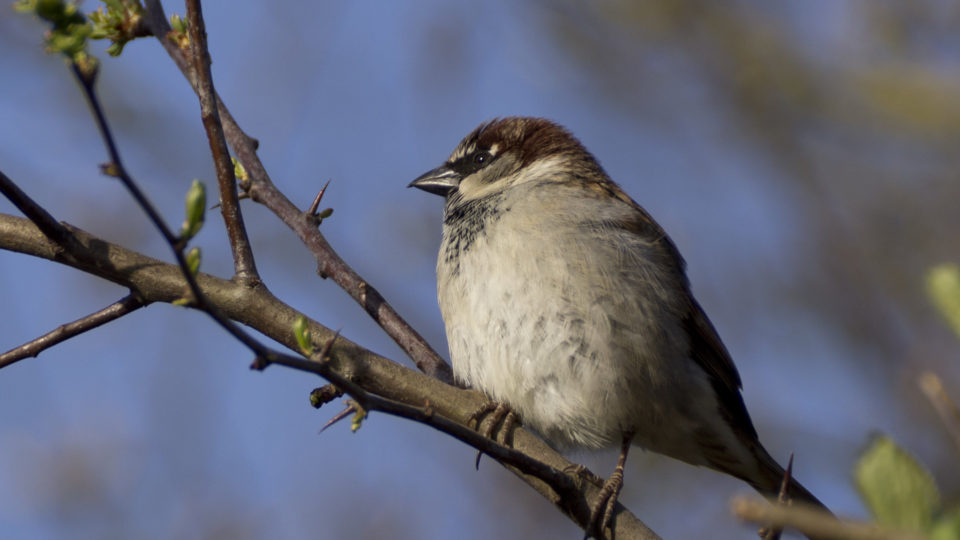
Birds Are Disappearing

October 16, 2019 By EarthWise 1 Comment

A new analysis, published in the journal Science, reports that the number of birds in the United States and Canada has fallen by 29% since 1970.  There are 2.9 billion fewer birds in the two countries now than there were 50 years ago.

The analysis is the most comprehensive attempt to date to look at the status of avian populations.  The results were a shock to researchers and conservation organizations.

It is well-known that some bird species have become vulnerable to extinction, but the new study, which surveyed more than 500 species, uncovered steep losses even among such traditionally abundant birds as robins and sparrows.

There appear to be multiple causes for the steep declines.  The largest ones are likely habitat loss and the wider use of pesticides.  Rachel Carson’s 1962 book Silent Spring warned of the dangers of pesticides and took its title from a world that has lost its birds.

The survey includes 76% of all bird species in the US and Canada, but actually represents almost the entire population of birds.  Grassland species have suffered the biggest declines by far, as a result of modern agriculture and development.  Pesticides, such as neonicotinoids, make it harder for birds to put on weight needed for migration, delaying their travel.

There are a few bright spots:  bald eagles are thriving, and falcon and waterfowl populations are on the upswing.  These are species that have been the subject of conservation measures in recent decades.

Stopping the bird decline will require a great deal of effort to defend habitats, restrict chemicals, and redesign buildings.  Without that effort, birds will continue to disappear.

**********

Web Links

Birds Are Vanishing From North America

Photo, posted April 1, 2012, courtesy of Barry Skeates via Flickr.

Earth Wise is a production of WAMC Northeast Public Radio.
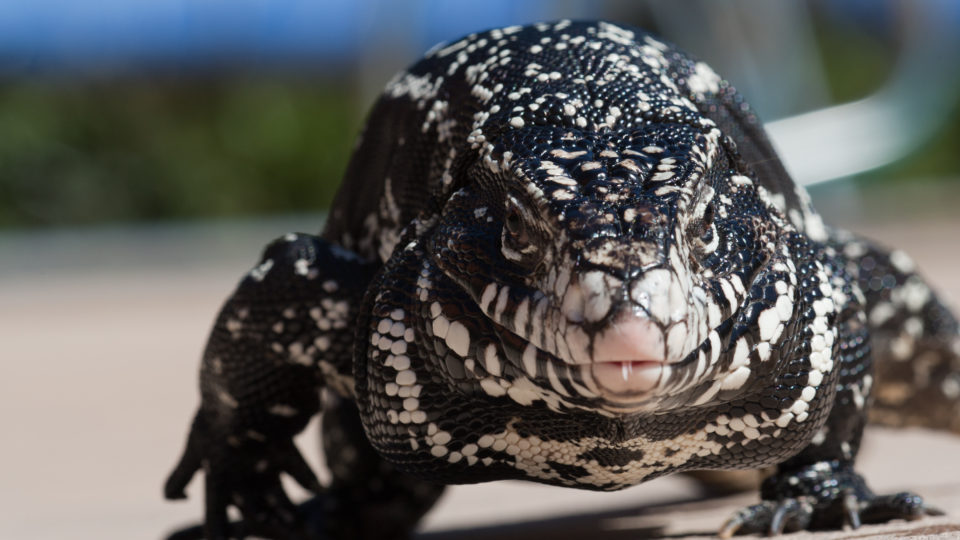
Exotic Pets Can Become Problems

August 26, 2019 By EarthWise Leave a Comment

Each year, millions of exotic animals are sold as pets around the world.  The term “exotic” lacks a set definition but is generally used to refer to an animal that’s wild or more unusual than standard pets, like cats and dogs. 

The exotic pet trade is a multi-billion dollar industry,  involving tens of millions of individual animals from thousands of species, including reptiles, amphibians, fish, birds, and mammals.

Some of the exotic pet trade is legal, but a lot of it isn’t.  Many animals are illegally captured from the wild to meet the global demand for exotic pets. 

People often purchase exotic animals without completely understanding the consequences.  Some exotic pets, for example, can live nearly twice as long as the average dog.  Caring for exotic pets can be both expensive and risky, since they are largely undomesticated (and therefore can have unpredictable behavior).

As a result, it’s not uncommon for owners to release exotic pets intentionally.  When this happens, the consequences can be catastrophic.  Sometimes the animal dies from starvation or predation, but in other instances, the animal proliferates and becomes an invasive species.

Invasive species are the second largest driver of biodiversity loss worldwide, and they cost the U.S. $120 billion a year. 

According to an academic review recently published in the journal Frontiers in Ecology and the Environment, the exotic pet trade is one of the primary causes of the spread of invasive species and has fueled the establishment of hundreds of them.  Tegus, Burmese pythons, and red lionfish are examples of pets-turned-pests. 

The best way to combat this trend is through education, detection, and rapid response. 

**********

Web Links

Why you should never release exotic pets into the wild

Photo, posted September 19, 2010, courtesy of Mike Baird via Flickr.

Earth Wise is a production of WAMC Northeast Public Radio.
A Giant Seaweed Bloom

August 19, 2019 By EarthWise Leave a Comment

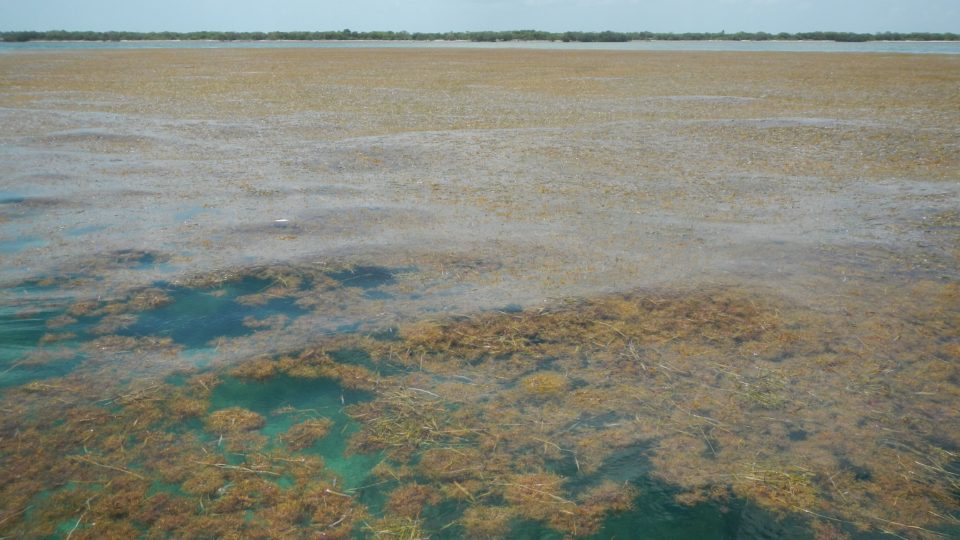
Scientists using data from NASA satellites have discovered and documented the largest bloom of seaweed in the world, stretching all the way from West Africa to the Gulf of Mexico.  The gigantic macroalgae bloom has been dubbed the Great Atlantic Sargassum Belt. 

The brown seaweed floats in surface water and in recent years has become a problem to shorelines lining the tropical Atlantic, Caribbean Sea, Gulf of Mexico, and east coast of Florida.  The stuff carpets popular beach destinations and crowded coastal waters. In 2018, more than 20 million tons of it floated on the ocean surface.

Scientists have been studying the Sargassum algae using satellites since 2006, but the major blooms have only started appearing since 2011.  They have occurred every year between 2011 and 2018 except for 2013.  Before 2011, most of the free-floating Sargassum in the ocean was primarily found in patches around the Gulf of Mexico and the Sargasso Sea located on the western edge of the central Atlantic Ocean.

Sargassum provides habitat for turtles, crabs, fish and birds, and produces oxygen via photosynthesis.  However, too much of it can crowd out many marine species.

According to researchers, the ocean’s chemistry must have changed in order for the bloom to get so out of hand.  The factors involved include a large seed population left over from a previous bloom, nutrient input from West Africa, and nutrient input from the Amazon River.  The increase in nutrients may be a result of deforestation and fertilizer use.

Climate-change effects on precipitation and ocean currents ultimately do play a role in this, but increased ocean temperatures do not.  Unfortunately, these giant seaweed blooms are probably here to stay.

**********

Web Links

NASA Satellites Find Biggest Seaweed Bloom in the World

Photo courtesy of NASA.

Earth Wise is a production of WAMC Northeast Public Radio.

  • « Go to Previous Page
  • Page 1
  • Page 2
  • Page 3
  • Page 4
  • Page 5
  • Go to Next Page »

Primary Sidebar

Recent Episodes

  • An uninsurable future
  • Clean energy and jobs
  • Insect declines in remote regions
  • Fossil fuel producing nations ignoring climate goals
  • Trouble for clownfishes

WAMC Northeast Public Radio

WAMC/Northeast Public Radio is a regional public radio network serving parts of seven northeastern states (more...)

Copyright © 2026 ·