• Skip to primary navigation
  • Skip to main content
  • Skip to primary sidebar

Earth Wise

A look at our changing environment.

  • Home
  • About Earth Wise
  • Where to Listen
  • All Articles
  • Show Search
Hide Search
You are here: Home / Archives for birds

birds

The Future Of Animals

June 12, 2019 By EarthWise Leave a Comment

Researchers at the University of Southampton have forecast a global shift towards smaller birds and mammals over the next century.   

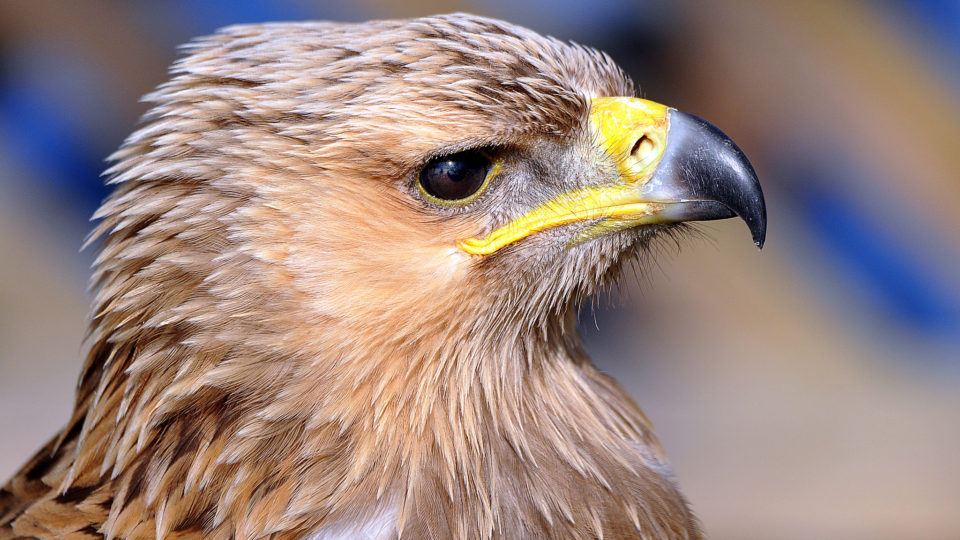
According to the research team, small, fast-lived, highly fertile, and insect-eating animals, which can thrive in all sorts of habitats, will predominate in the future.  Rodents and songbirds are examples of the so-called ‘winners.’  Less adaptable, slow-lived species, requiring specialist habitats, will be more likely to face extinction.  Among the so-called ‘losers’ are the black rhino and the tawny eagle. 

The researchers focused on more than 15,000 living mammals and birds and considered the following five characteristics: body mass, breadth of habitat, diet, litter or clutch size, and length of time between generations.  Using this data and data from the IUCN’s Red List of Threatened Species, the researchers used modern statistical tools to project and evaluate the loss of biodiversity.  

The study, which was recently published in the journal Nature Communications, predicts that the average body mass of mammals will collectively decline by 25% over just the next 100 years.  Over the past 130,000 years, the average body size of mammals only declined 14%.

This substantial downsizing of animals is forecasted to occur due to the effects of ecological change. But, according to the study’s lead author, the loss of these species, which perform unique functions within the global ecosystem, may ironically wind up being a driver of change as well.       

The researchers hope future studies will further explore the long-term effects of species extinction on habitats and ecosystems. 

**********

Web Links

Study predicts shift to smaller animals over next century

Photo, posted April 6, 2013, courtesy of Nic Trott via Flickr.

Earth Wise is a production of WAMC Northeast Public Radio.
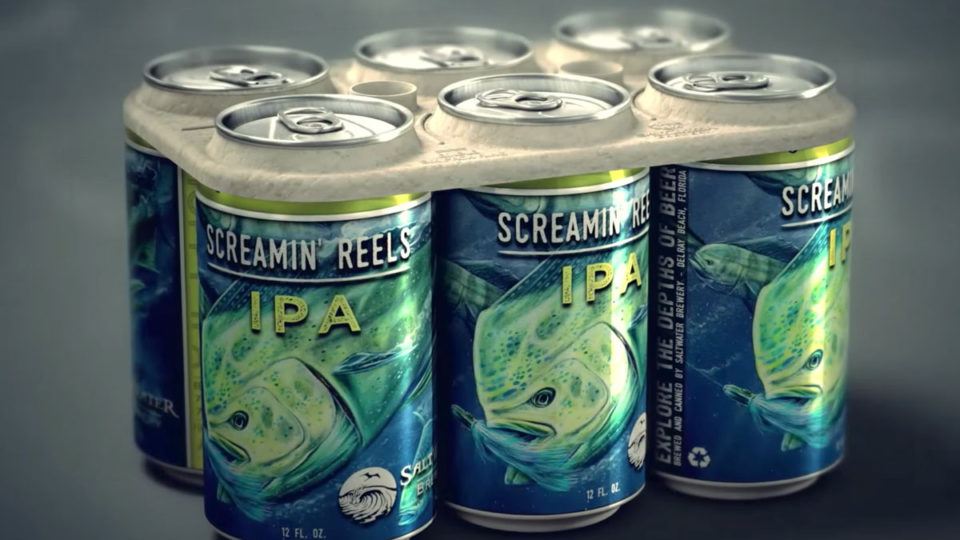
Edible Six-Pack Rings

June 4, 2019 By EarthWise Leave a Comment

There has much talk about plastic straws and their harmful effects on the environment.  But much like the straws, plastic six-pack rings are also enemies of the ocean.  While straws and six-pack rings account for only a tiny fraction of all the plastic trash in the ocean, images of marine animals tangled up in the rings have sparked public backlash against these common items.  The soft but tough plastic rings are transparent which means that in the water animals don’t even see them.  They end up tangled in the loops, which can cut into their skin and constrict parts of their bodies, leading to serious injury or death.  Birds, turtles, and otters are among the frequent victims of six-pack rings.

Plastic straws have readily available alternatives such as paper straws and reusable straws.  But the plastic rings that have been available for more than 40 years are not as easy to replace.  By law, six-pack rings are photo-degradable, so they do gradually disintegrate when exposed to direct sunlight.  But even then, they remain quite dangerous at least for a while.

The Saltwater Brewery in Delray Beach, Florida, recently has released edible six-pack rings, representing a brand-new approach to sustainable beer packaging.  The rings are 100% biodegradable and edible.  They are actually made from barley and wheat ribbons from the brewing process.  This packaging can be safely eaten by animals that may come into contact with them in the wild.

Producing the edible rings represents a big investment for a small brewery but the company hopes to influence larger brewers and inspire them to get on board with the safer packaging.

**********

Web Links

Saltwater Brewery Creates Edible Six-Pack Rings

Photo courtesy of Saltwater Brewery.

Earth Wise is a production of WAMC Northeast Public Radio.

Dangerous Cities For Migrating Birds

May 14, 2019 By EarthWise Leave a Comment

Billions of birds migrate north in the spring and south in the fall.  The majority of them fly at night. But as they pass over large cities, the birds can become disoriented by bright artificial light – so-called light pollution, causing them to crash into buildings or windows.

Researchers estimate that 600 million birds die from building collisions in the United States every year.  Now, a new paper from researchers at Cornell University reveals which metropolitan areas are most dangerous for birds and why.

The researchers ranked cities where, as a result of geography and exposure to light pollution, birds are at the greatest risk of becoming attracted to and disoriented by lights and crashing into buildings. They combined light pollution levels with bird density data in order to make their calculations.  Their paper was recently published in the journal Frontiers in Ecology and the Environment.    

Chicago, Houston, and Dallas finished as the three most dangerous cities for migrating birds.  While migration routes vary depending on the season, these three cities still topped all others during both the spring and fall migrations due to their size and geographic positioning in the heart of North America’s most trafficked aerial corridors.  

Audubon’s Lights Out program is one of several national efforts encouraging cities to reduce light pollution, particularly on heavy migration nights, in order to reduce bird mortality. 

But homeowners need to do their part as well since an estimated quarter-million birds die from collisions with residential houses every year.  The suggestion to cities and homeowners alike is the same:  If you don’t need the lights, turn them off. 

**********

Web Links

Chicago tops list of most dangerous cities for migrating birds

Photo, posted May 18, 2017, courtesy of Pedro Szekely via Flickr.

Earth Wise is a production of WAMC Northeast Public Radio.
Humans And Vertebrate Mortality

April 9, 2019 By EarthWise Leave a Comment

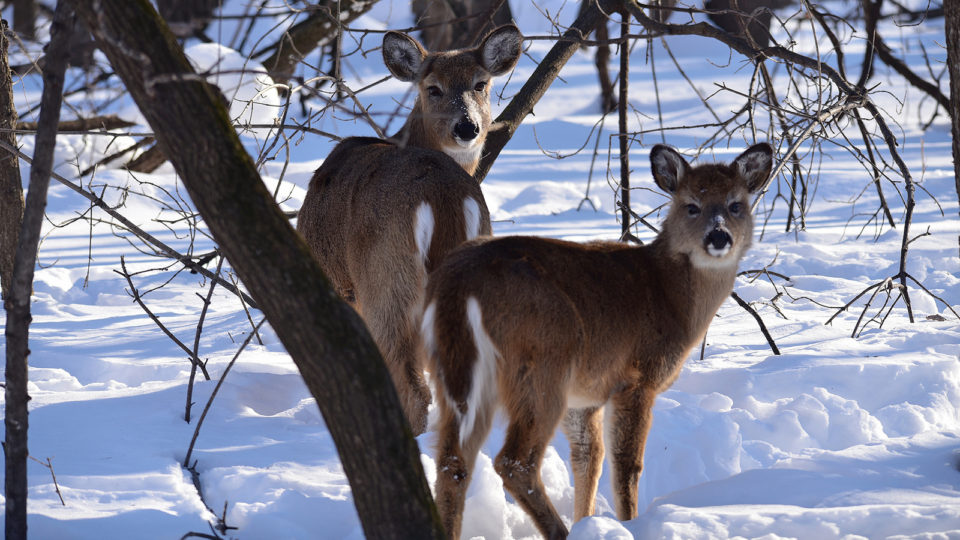
According to a new study, more than one-quarter of the planet’s land vertebrates die because of humans.  This is a “disproportionately huge effect” on the other land vertebrates that share planet’s surface with us. 

Researchers from the SUNY College of Environmental Science and Forestry and the U.S. Department of Agriculture reviewed 1,114 published studies in which nearly 43,000 animals had perished.  Their study, which was recently published in the journal Global Ecology and Biogeography, found that 28% of the animals’ deaths were directly attributable to humans.  The other 72% died from natural sources.  

Mammals, birds, reptiles, and amphibians that died between 1970 and 2018 in the Americas, Asia, Africa, Europe, and Oceania were the foundation of the study.  All of these vertebrates had been either collared or tagged as part of other research projects. 

The researchers point out that humans are only one among more than 35,000 species of terrestrial vertebrates globally.  The fact that humans are responsible for more than one-quarter of their deaths illustrates the profound magnitude of the problem.  And that statistic is just the direct causes.  According to the researchers, when urban growth and other land use changes that erode habitat are considered, the human impact is likely even greater. 

The study found that the impact of humans across all the different species was not equal. In fact, larger animals were more likely to be killed by humans than smaller animals. Adult animals were more likely to be killed by humans than juveniles. 

The researchers conclude that humans are such a major contributor to terrestrial vertebrate mortality that they could potentially impact both evolutionary processes and ecosystem functioning. 

**********

Web Links

On the land, one-quarter of vertebrates die because of humans

Photo, posted March 6, 2019, courtesy of USFWS Midwest Region via Flickr.

Earth Wise is a production of WAMC Northeast Public Radio.
Saving Beaches With Seagrass

February 22, 2019 By EarthWise Leave a Comment

Almost a quarter of the Gross Domestic Product of places around the Caribbean Sea is earned from tourism.  Preserving the beaches in the region is an economic imperative.  With increasing coastal development, the natural flow of water and sand is disrupted, natural ecosystems are damaged, and many tropical beaches simply disappear into the sea.

With such high stakes, expensive coastal engineering efforts such as repeated replenishing of sand and the construction of concrete protective walls are common strategies.  Rising sea levels and increasingly powerful storms only increase the threat to tropical beaches.

Researchers from The Netherlands and Mexico recently published a study in the journal BioScience on the effectiveness of seagrass in holding onto sand and sediment along shorelines.

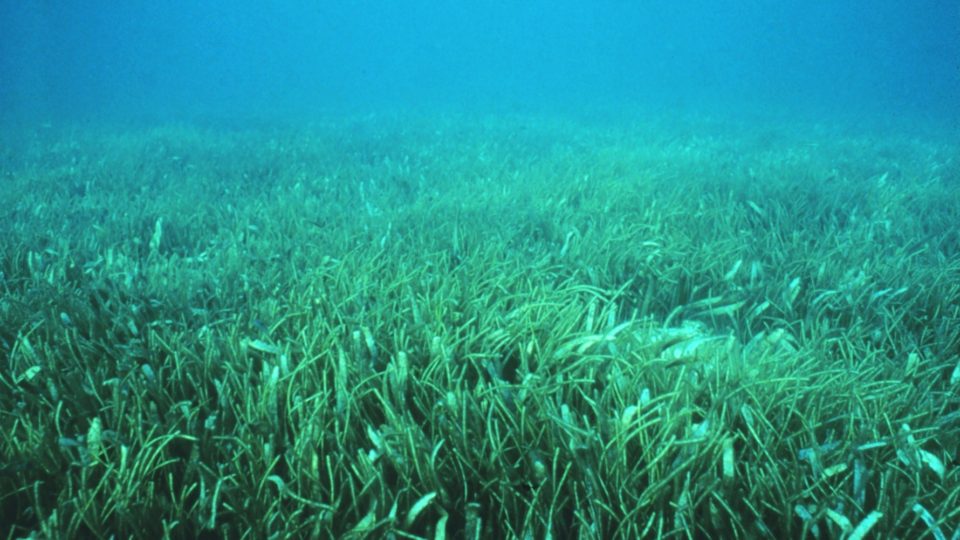
Seagrasses are so-named because most species have long green, grass-like leaves. They are often confused with seaweeds but are actually more closely related to flowering plants seen on land. Seagrasses have roots, stems and leaves, and produce flowers and seeds. Seagrasses can form dense underwater meadows and are one of the most productive ecosystems in the world. Seagrasses provide shelter and food to an incredibly diverse community of animals, from tiny invertebrates to large fish, crabs, turtles, marine mammals and birds.

The researchers performed measurements of the ability of seagrass along Mexico’s Yucatan Peninsula coastline to keep sand in place and prevent erosion.  They found that the amount of erosion was strongly linked to the amount of vegetation.  Quite often, seagrass beds have been regarded as a nuisance, rather than a valuable asset for preserving valuable coastlines.  The study opens opportunities for developing new tropical beach protection schemes in which ecology is integrated into engineering solutions.

**********

Web Links

Seagrass Saves Beaches and Money

Photo, posted October 13, 2010, courtesy of NOAA via Flickr.

Earth Wise is a production of WAMC Northeast Public Radio.
The Problem Of Microplastics

February 15, 2019 By EarthWise Leave a Comment

In recent years, there have been multiple reports of microplastic contamination seemingly everywhere:  in the ocean, in lakes and rivers, in beverages and foods, and in the bodies of birds, fish, and even people.  As the world tries to come to grips with this growing problem, there are many things that we simply don’t know.

Microplastics are usually formed by the breakdown of larger pieces of plastic.  Shopping bags and cups degrade into microplastics.  Microfiber clothing generates microplastics in washing machines.  And some manufacturers still intentionally add microplastics to personal care products like toothpaste and facial scrubs.

Technically, a microplastic is any piece of plastic measuring five millimeters in size down to one micron – which is one thousandth of a millimeter.  But there can be even smaller plastic particles classified as sub-microplastics and even nanoplastics.

A real concern is that it is not actually clear how dangerous microplastics are for living organisms.  We know that aquatic and terrestrial species – including humans – can and do absorb microplastic particles, but whether there is actual toxicity and the nature of any detrimental effects is not yet well understood.

Another real problem is that it is actually not easy to distinguish microplastics from other particles in a given sample.   When you are looking at a particle that is smaller than a millimeter in size, it is not easy to tell whether it is a grain of sand, a bit of cellulose from a plant, or a microplastic.  There are reliable and definitive ways to analyze samples for microplastics, but they are not as simple and commonplace as just looking through a microscope.

Microplastics are a rapidly growing problem and we don’t even really know how big and how bad the problem is.

**********

Web Links

How dangerous is microplastic?

Photo, posted January 10, 2015, courtesy of Daria Nepriakhina via Flickr.

Earth Wise is a production of WAMC Northeast Public Radio.
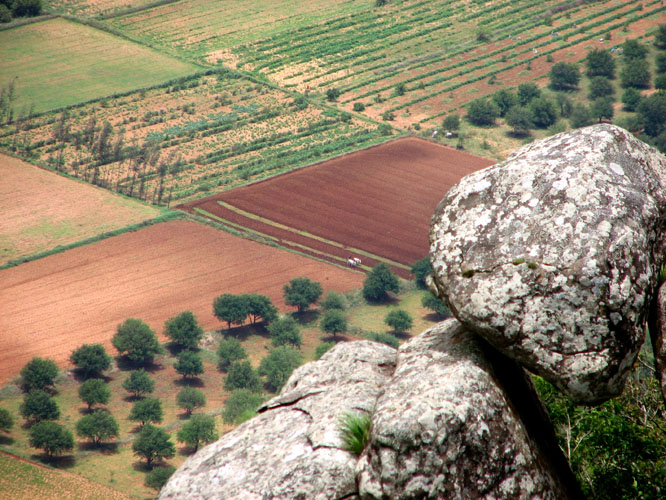
Agroforestry

December 27, 2018 By EarthWise 2 Comments

https://earthwiseradio.org/wp-content/uploads/2018/12/EW-12-27-18-Agroforestry.mp3

It has become increasingly evident that reducing carbon dioxide emissions is not happening quickly enough to prevent runaway climate change and that negative emission techniques will need to be utilized as well.  Negative emissions means removing carbon dioxide that is already in the atmosphere.

[Read more…] about Agroforestry

The Global Vertebrate Population Is Struggling

December 6, 2018 By EarthWise Leave a Comment

https://earthwiseradio.org/wp-content/uploads/2018/12/EW-12-06-18-The-Global-Vertebrate-Population.mp3

According to a new report by the World Wildlife Fund, the planet’s populations of vertebrates have dropped an average of 60% since 1970.

[Read more…] about The Global Vertebrate Population Is Struggling

Bring The Wild Back Into Farmlands

December 4, 2018 By EarthWise Leave a Comment

https://earthwiseradio.org/wp-content/uploads/2018/11/EW-12-04-18-Bring-the-Wild-Back.mp3

A recent study published in Science looks at the effects of maintaining at least a little bit of the wild on working lands including farmland, rangeland and forests.  The study concludes that doing so may be a key to preserving biodiversity in the face of climate change.

[Read more…] about Bring The Wild Back Into Farmlands

Microplastics And Humans

November 27, 2018 By EarthWise Leave a Comment

https://earthwiseradio.org/wp-content/uploads/2018/10/EW-11-27-18-Microplastics-and-Humans.mp3

Microplastics are everywhere.  The tiny plastic particles pose a massive environmental challenge.  Microplastics are polluting oceans at an alarming rate.  Much of the oceanic microplastics result from the breakdown of plastic litter.  Another source of microplastics pollution is microbeads.  Microbeads, which are commonly added to cleansing and exfoliating personal care products, pollute the environment when they get flushed down the drain.   

[Read more…] about Microplastics And Humans

Throwing Off Nature’s Seasonal Clock

October 29, 2018 By EarthWise Leave a Comment

https://earthwiseradio.org/wp-content/uploads/2018/10/EW-10-29-18-Throwing-Off-Natures-Clock.mp3

Ecosystems throughout the Arctic are regulated by seasonal changes leading to a finely tuned balance between the greening of vegetation and the reproduction of animals.  The rapidly warming climate and the disappearing sea ice are upending that balance.

[Read more…] about Throwing Off Nature’s Seasonal Clock

Insects In A Warming World

July 19, 2018 By EarthWise Leave a Comment

https://earthwiseradio.org/wp-content/uploads/2018/07/EW-07-19-18-Insects-in-a-Warming-World.mp3

The revered biologist E. O. Wilson once said that “if all mankind were to disappear, the world would regenerate back to the rich state of equilibrium that existed ten thousand years ago.  If insects were to vanish, the environment would collapse into chaos.”

[Read more…] about Insects In A Warming World

Urban Darwinism

May 31, 2018 By EarthWise Leave a Comment

https://earthwiseradio.org/wp-content/uploads/2018/05/EW-05-31-18-Urban-Darwinism.mp3

Scientists refer to the time in which we now live as the Anthropocene epoch – one in which humans are exerting a tremendous influence upon the natural world.  One of the ways in which we are doing that is in our cities and suburbs where creatures are evolving through fast-paced natural selection to deal with our presence.

[Read more…] about Urban Darwinism

Pollinators With Backbones

May 25, 2018 By EarthWise Leave a Comment

https://earthwiseradio.org/wp-content/uploads/2018/05/EW-05-25-18-Pollinators-with-Backbones.mp3

There is a great deal of concern about the status of pollinators like bees and butterflies.  They play a crucial role for many important food crops.  But it turns out that lizards, mice, bats and other vertebrates are important pollinators too.

[Read more…] about Pollinators With Backbones

Is It Time to Ban Neonics?

May 10, 2018 By EarthWise Leave a Comment

https://earthwiseradio.org/wp-content/uploads/2018/05/EW-05-10-18-Time-to-Ban-Neonics.mp3

Neonicotinoids (or ‘neonics’ for short) are a class of insecticides chemically related to nicotine.  In fact, the name ‘neonicotinoid’ literally means “new nicotine-like insecticide.”  And like nicotine, neonics act on certain kinds of receptors in the nerve synapse.  Most corn, soy, and wheat seeds planted today are coated with neonics, which is reportedly 5,000 to 10,000 times more toxic than DDT. 

[Read more…] about Is It Time to Ban Neonics?

Spring Is Springing Earlier

April 9, 2018 By EarthWise Leave a Comment

https://earthwiseradio.org/wp-content/uploads/2018/04/EW-04-09-18-Spring-is-Springing-Earlier.mp3

A comprehensive study has confirmed what has been widely believed in the scientific community and in popular reports for years:  spring is arriving earlier and the further north you go, the more pronounced is the effect.

[Read more…] about Spring Is Springing Earlier

Making Room For Wildlife

February 28, 2018 By EarthWise Leave a Comment

https://earthwiseradio.org/wp-content/uploads/2018/01/EW-02-28-18-Making-Room-for-Wildlife.mp3

Protecting biodiversity is a critical challenge facing humanity.  Global vertebrate populations – from elephants to amphibians – declined by 58% from 1970 to 2012 and losses are expected to reach 67% in the next two years.  Think about it:  at least two-thirds of all vertebrate animals on earth have vanished over the lifetime of anyone fifty years old or over.

[Read more…] about Making Room For Wildlife

A Decline In Flying Insects

November 23, 2017 By EarthWise Leave a Comment

https://earthwiseradio.org/wp-content/uploads/2017/10/EW-11-23-17-A-Decline-in-Flying-Insects.mp3

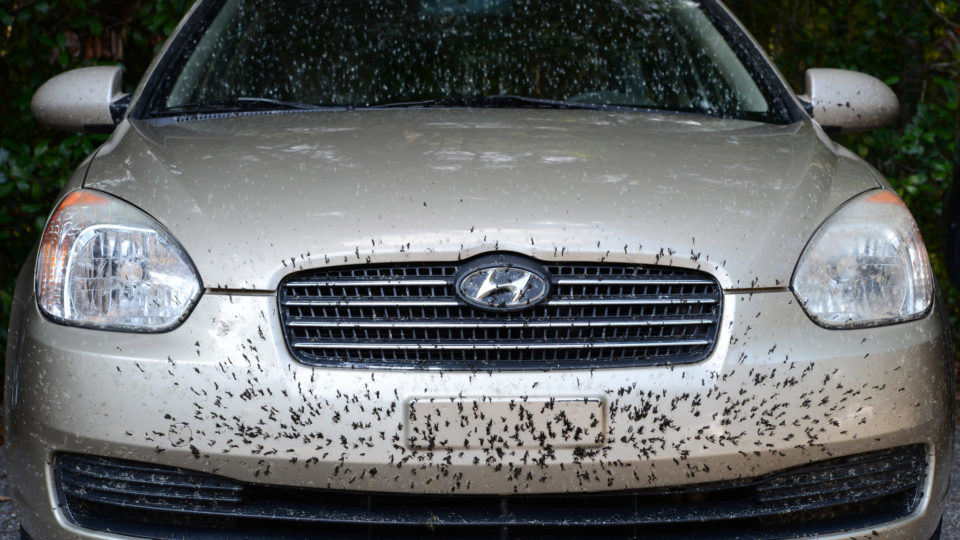
When was the last time you used a squeegee to remove squashed insects from your windshield?  It’s been a while, right?  It’s not just you.  This is known as the windscreen phenomenon.  Scientists and some motorists have long suspected that flying insects are in dramatic decline.  New research has confirmed these suspicions.

[Read more…] about A Decline In Flying Insects

Corals Like Plastic

November 15, 2017 By EarthWise Leave a Comment

https://earthwiseradio.org/wp-content/uploads/2017/10/EW-11-15-17-Corals-Like-Plastic.mp3

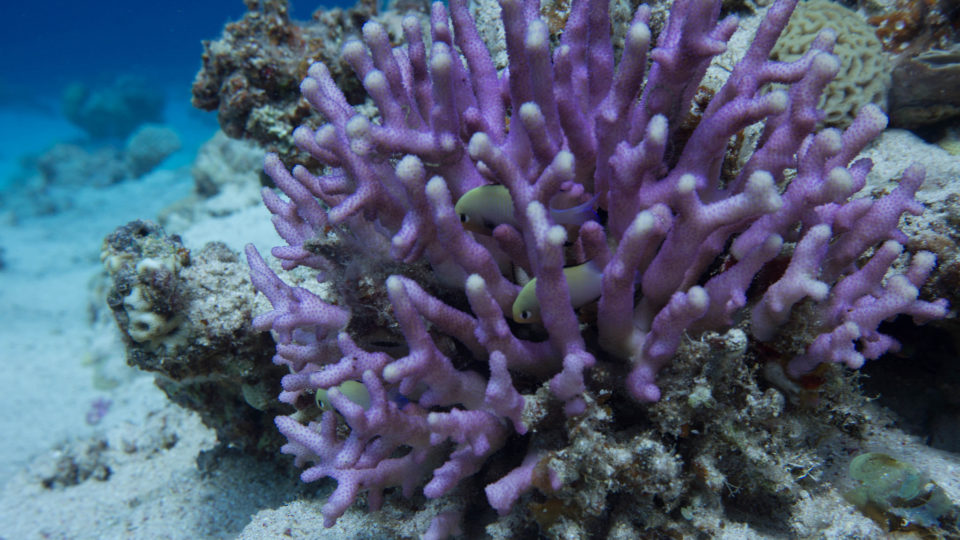
Microplastics, which are tiny pieces of weathered plastic less than 5 millimeters in diameter, have been accumulating in the oceans for the past 40 years and are now ubiquitous in the marine environment.  They are a major threat to many kinds of marine life, including numerous species of birds, turtles, fish, marine mammals and invertebrates who ingest the stuff causing a variety of problems.

[Read more…] about Corals Like Plastic

The Dirty Laundry On Dirty Laundry

September 1, 2017 By EarthWise

https://earthwiseradio.org/wp-content/uploads/2017/09/EW-09-01-17-Dirty-Laundry.mp3

We’ve discussed the problem of microplastics polluting our oceans at great lengths on this program before.  Much of the small plastic particles result from the breakdown of plastic litter, such as plastic bags, packaging, and other materials.  Another source is microbeads, which are often found in health products such as face scrubs and even some toothpastes.  But there is a another source of microplastic pollution that is quite troubling: dirty laundry.

[Read more…] about The Dirty Laundry On Dirty Laundry

  • « Go to Previous Page
  • Page 1
  • Page 2
  • Page 3
  • Page 4
  • Page 5
  • Go to Next Page »

Primary Sidebar

Recent Episodes

  • An uninsurable future
  • Clean energy and jobs
  • Insect declines in remote regions
  • Fossil fuel producing nations ignoring climate goals
  • Trouble for clownfishes

WAMC Northeast Public Radio

WAMC/Northeast Public Radio is a regional public radio network serving parts of seven northeastern states (more...)

Copyright © 2026 ·