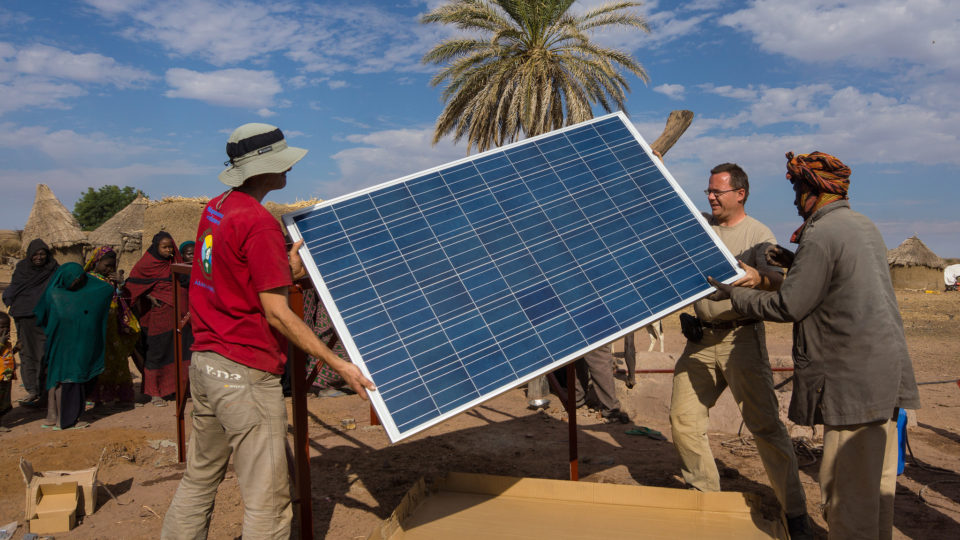
There are roughly 600 million people in sub-Saharan Africa who currently live without electric power. Putting in the infrastructure to supply power to these people in their various countries has been a major economic and logistical challenge.
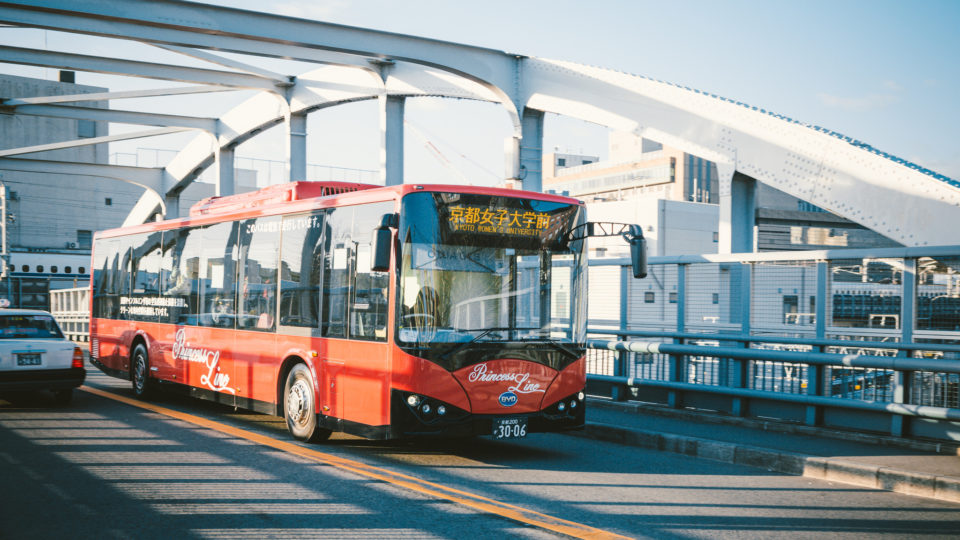
Electric buses are replacing conventional diesel-fueled buses at an accelerating rate that is outpacing the adoption of battery-powered cars. According to forecasts by Bloomberg New Energy Finance, by 2030 some 28% of car sales will be electric vehicles while 84% of new buses will be electric buses. So far, some 12 years away, the actual adoption of electric buses is outpacing this optimistic projection.
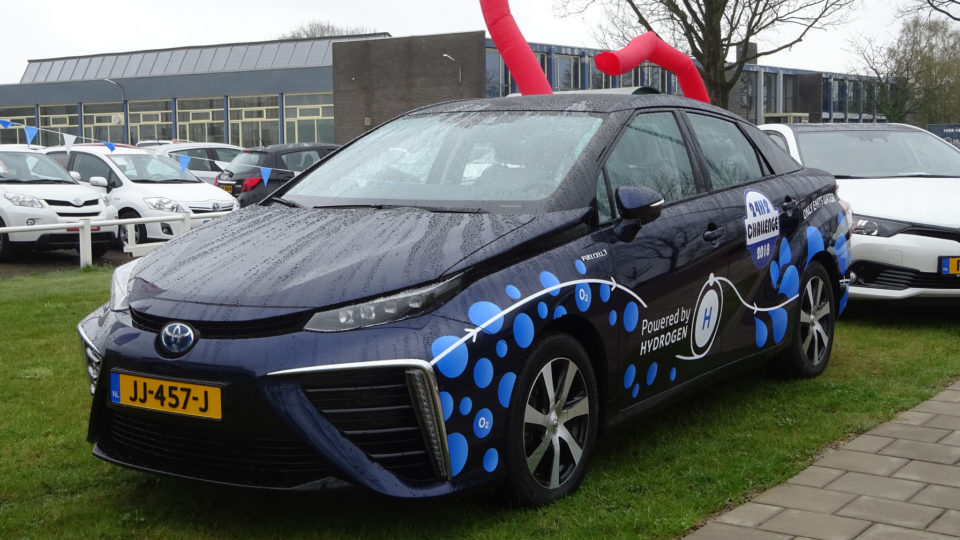
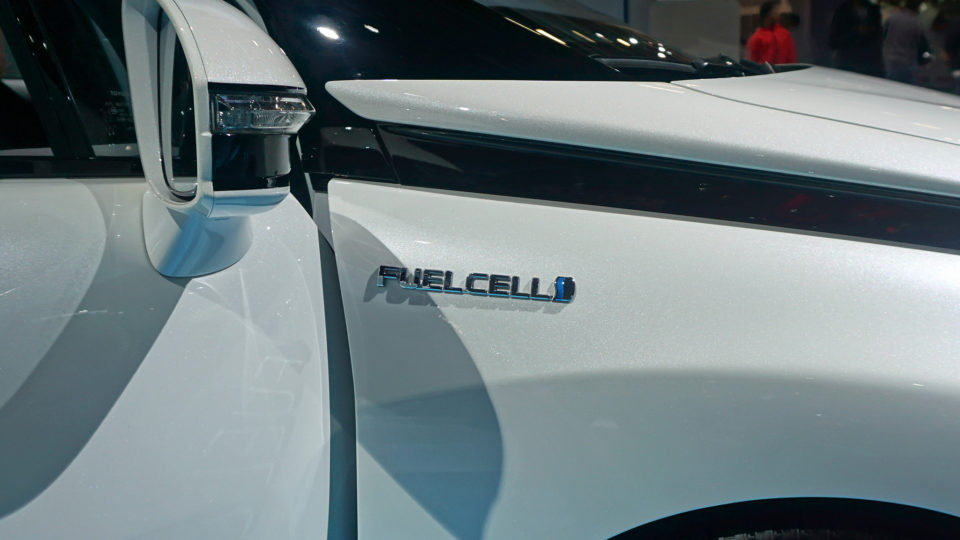
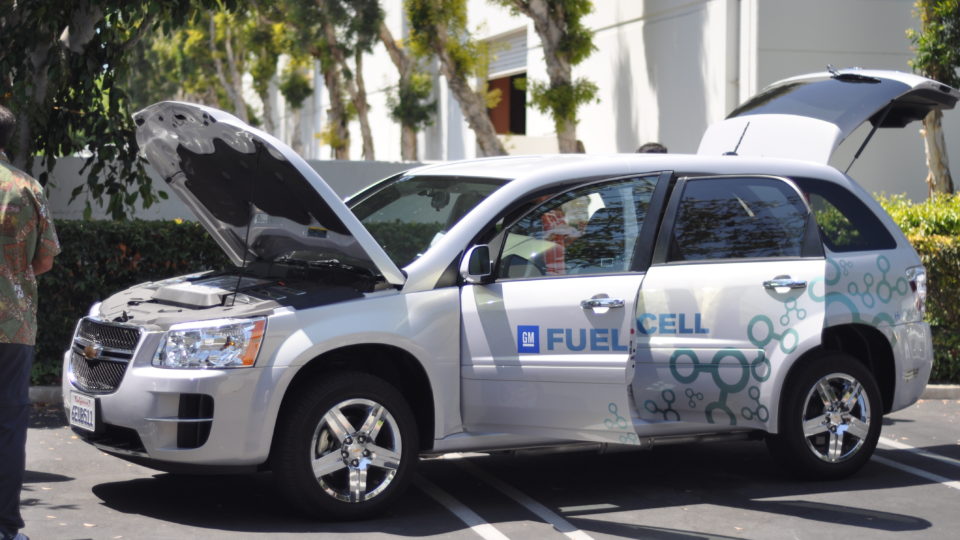
Hydrogen-powered cars are trying to make inroads in the rapidly-evolving automobile market. Several major automakers – including Hyundai, Toyota and Honda continue to invest heavily in the technology while selling a limited number of cars around the world.
Fossil fuel-based power plants are increasingly considering the use of carbon capture technologies as a way to reduce emissions. The biggest challenge to the wide-spread adoption of such technology is its energy cost, which of course equates to economic cost. Present-day power plants equipped with carbon capture systems can use up to 30% of the electricity they generate just to power the capture, release, and storage of carbon dioxide.
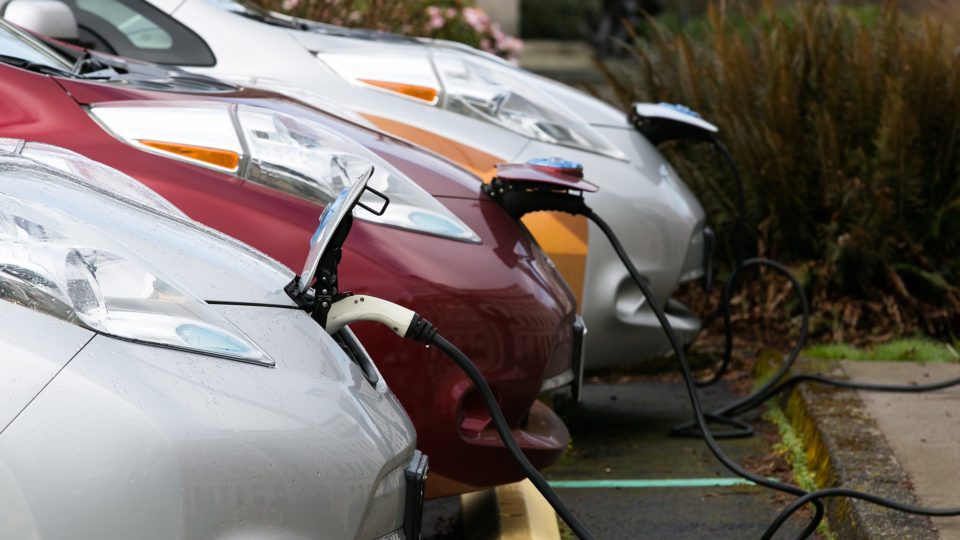
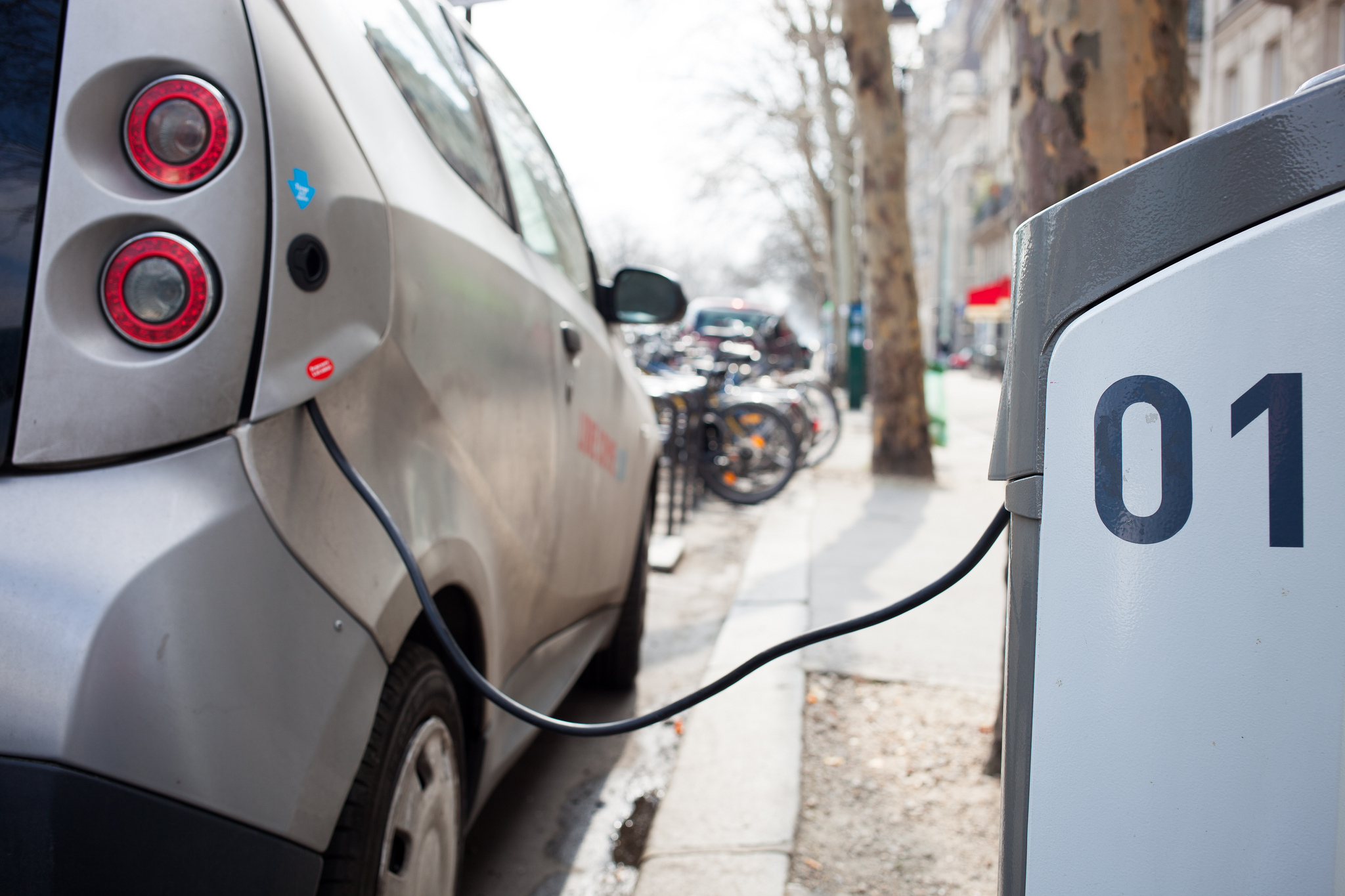
Last year, China was the first country to reach the milestone of having one million electric cars. This year, China will add another million plug-in vehicles. Of course, with its huge population, China sells four times as many cars in total per year as any other country.
Back in the 1930s, building Hoover Dam was a public works project likened to the pyramids. Hoover Dam helped transform the American West, harnessing the force of the Colorado River to power millions of homes and businesses.
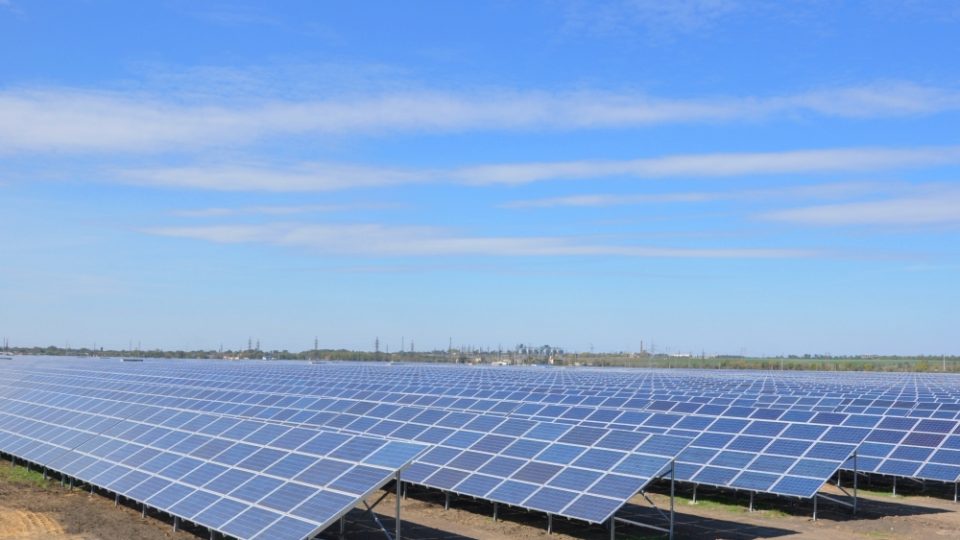
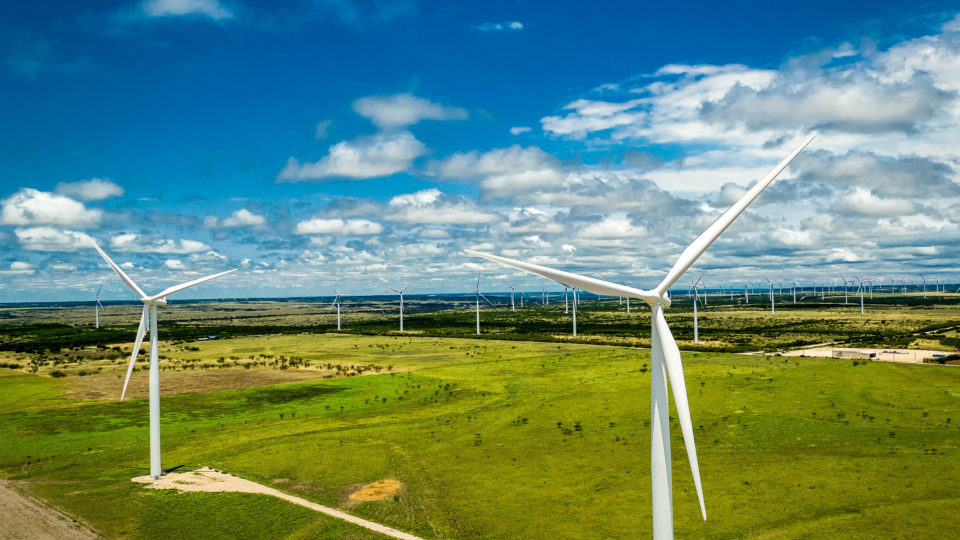
A new report by Bloomberg New Energy Finance takes a long-term look at the world’s energy production. According to the report, renewable energy, mostly in the form of solar and wind power, is set to provide close to 50% of the world’s energy by the year 2050.
As low-cost solar and wind energy become increasingly pervasive, the prospects for hydrogen-based transportation systems are improving. The reason is that cheap electricity makes it practical to produce hydrogen by breaking down water rather than getting it from reforming natural gas, which results in carbon dioxide emissions. The real goal is for hydrogen to be a renewable and carbon-free fuel.
Container ships, tankers, freighters, and cruise ships are a significant source of carbon dioxide emissions and other pollutants. They currently account for 3% of global emissions – which doesn’t sound like much – but most other sectors such as power plants and automobiles are gradually decarbonizing. As a result, experts believe that shipping could account for as much as 17% of global emissions by the year 2050.
When we think about Texas, we think of oil and conservative politics. But Texas is also earning a reputation as a leading state for integrating renewable energy into its electric grid.
Clean power gathered unprecedented momentum in 2017. With climate problems on the rise, national and local governments are pushing for more renewable energy and the end of fossil-fueled cars. Corporations around the globe are making major commitments to green technology. Despite the Trump Administration’s open hostility toward clean power and its rejection of climate science, American states, municipalities and private companies are all getting with the program.
The Australian state of South Australia suffered crippling electricity outages in September 2016, which coincided with gale-force winds and flooding rains. The outages were triggered by storm damage to major transmission lines followed by wind farms disconnecting from the power grid.
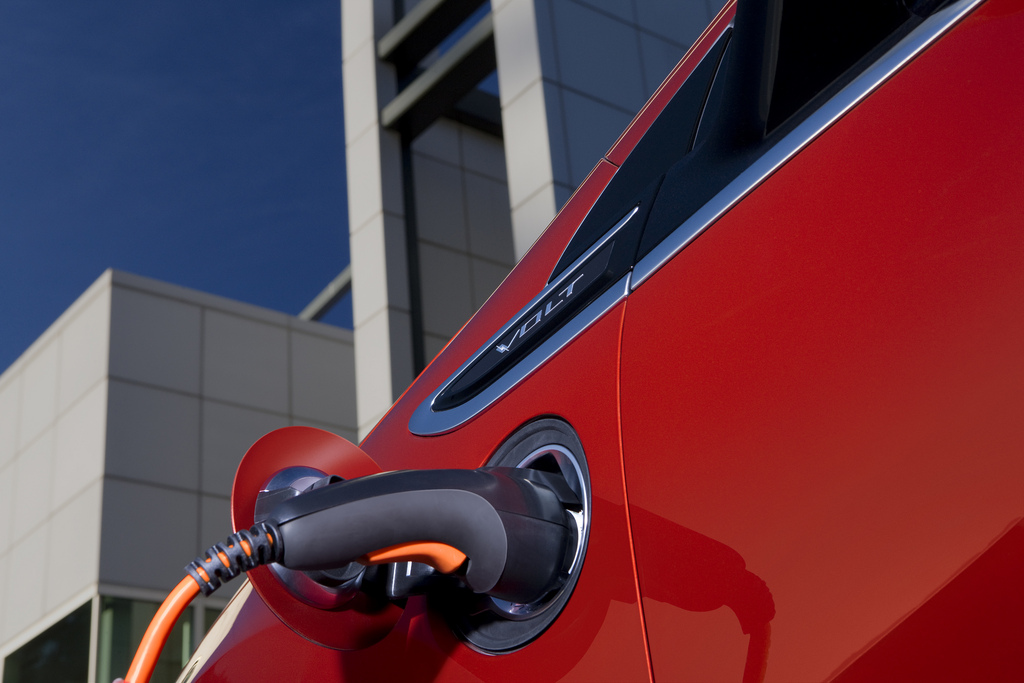
There has been a spate of announcements from major car manufacturers in recent times detailing their plans to electrify their future vehicles. General Motors recently announced its “path to zero emissions” plan which includes the introduction of at least 20 electric vehicles by 2023. They are joining Volvo, Volkswagen, Toyota and others in making such an announcement.
In a trial taking place in Denmark, some electric car owners are earning more than $1,500 a year just by parking their cars and feeding excess power back into the grid.
Electric cars are big news these days and so are self-driving cars. But now there is about to be an electric, self-navigating cargo ship. The soon-to-be-finished ship is called the Yara Birkeland, and is being built under a partnership between two Norwegian companies.
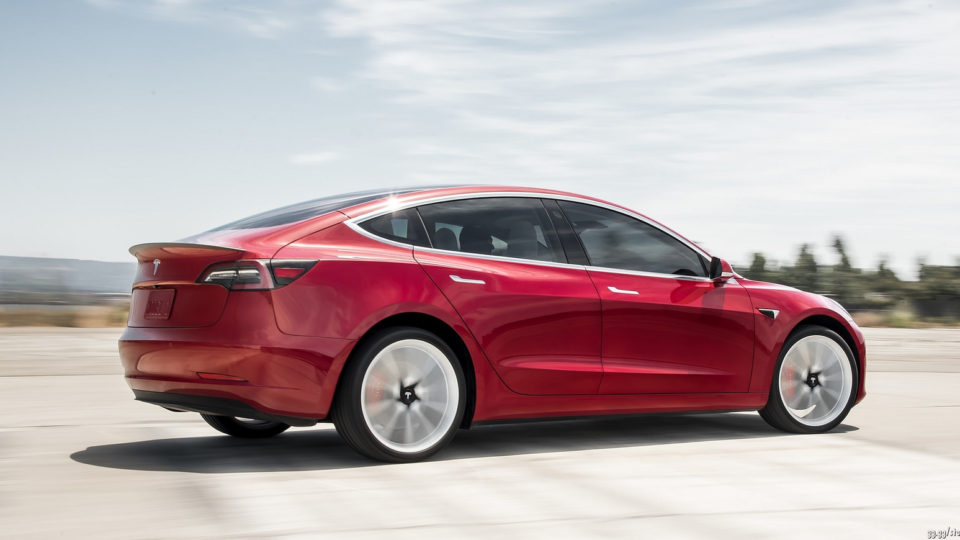
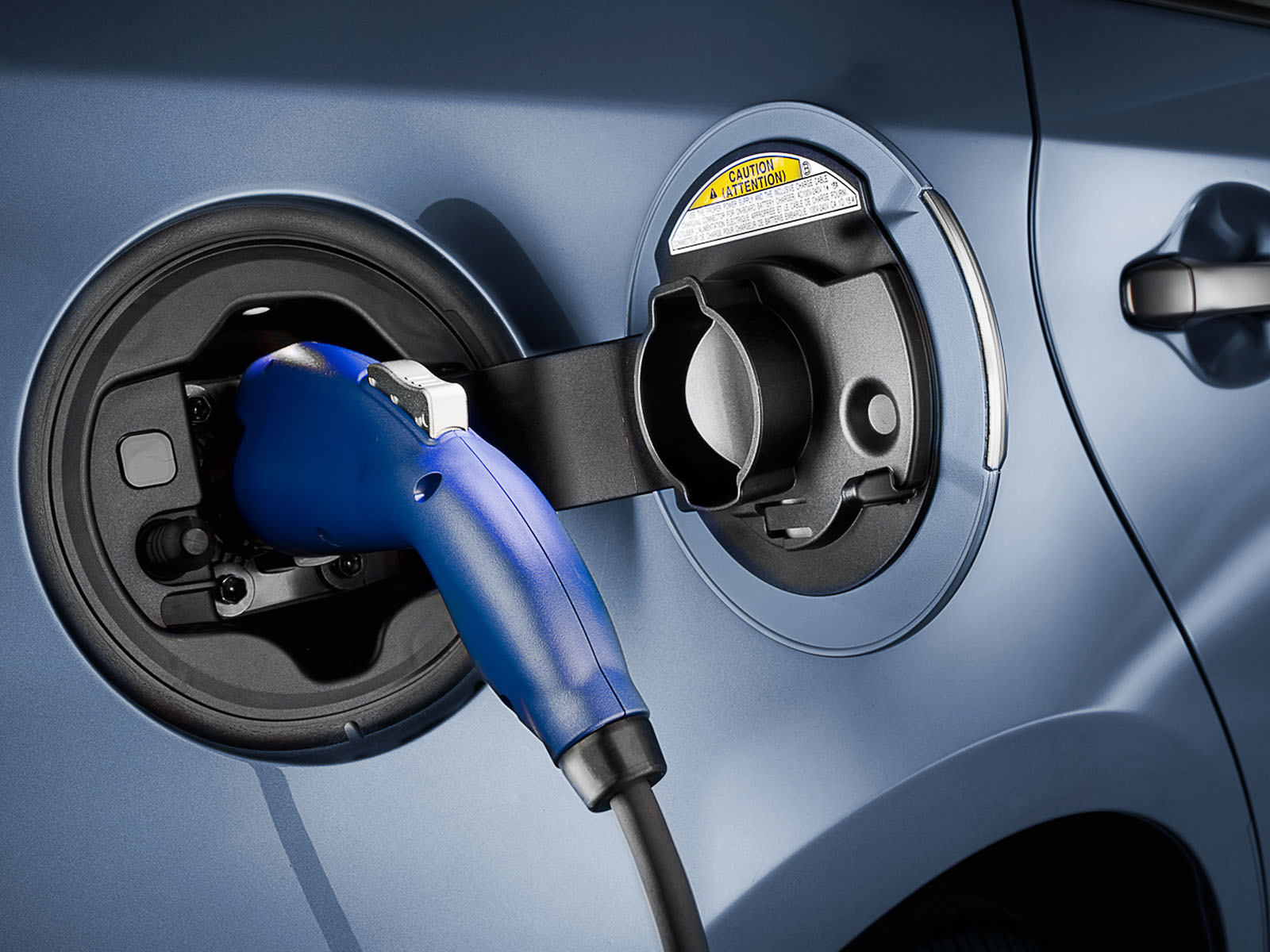
There is more and more interest in electric cars and, based on the half million advance orders for the Tesla Model 3, more and more of us plan to be driving them. For many of us, the technology is already good enough to meet most if not all of our motoring needs.
The amount of solar energy striking the surface of the earth in two hours is enough to supply all of humankind’s needs for an entire year. For this reason, it is widely thought that solar energy should be our primary source of electricity. If this is to happen, however, there must be cost-effective ways to obtain solar electricity regardless of the time of day, weather, or seasonal changes. Essentially, there must be ways to store the energy from the sun to use it when we need it.
The battery industry is currently dominated by lithium-ion batteries. We have them in our phones and computers. They power electric cars. And they are increasingly being used to store energy generated by solar panels and other renewable energy sources.
The transition to sustainable energy sources faces many challenges. One important one is to make those sources as reliable as conventional energy systems. For technologies like solar and wind power, which can’t operate around the clock, an enabling element is effective energy storage. Energy storage is critical for both the electricity grid and for transportation.
UPS recently announced a demonstration project that will put a prototype electric truck powered by a hydrogen fuel cell through the delivery company’s challenging paces. Fuel cells have been used in some commercial vehicles to power auxiliary systems, but this is the first time that they will be used to propel a vehicle.