agriculture
New Year’s Resolutions

2018 is just around the corner. Popular resolutions for the New Year always seem to include things like improving health, traveling more, spending less money, and so on. But one resolution that isn’t as popular but could collectively have a major impact is committing to living a cleaner and greener life.
Hopeful Climate Trends

In November, Syria joined the Paris Climate Accord. As a result, the United States is now the only country in the world that has rejected the global pact. Despite this embarrassing news, there is reason for optimism in the effort to stave off the worst impacts of climate change. In particular, 7 major trends provide hope that things could move in the right direction.
CO2 Emissions Stalled
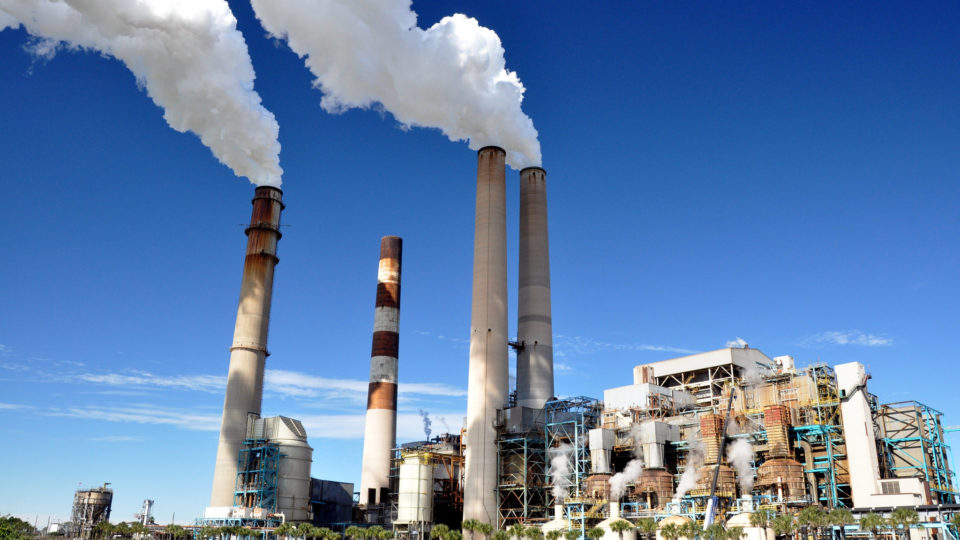
For the third year in a row, global emissions of carbon dioxide have remained unchanged. This indicates that efforts to reduce emissions have had an effect, but that there is much more to be done. It is essential to reduce emissions, not just cap them.
The Delhi Air Pollution Crisis
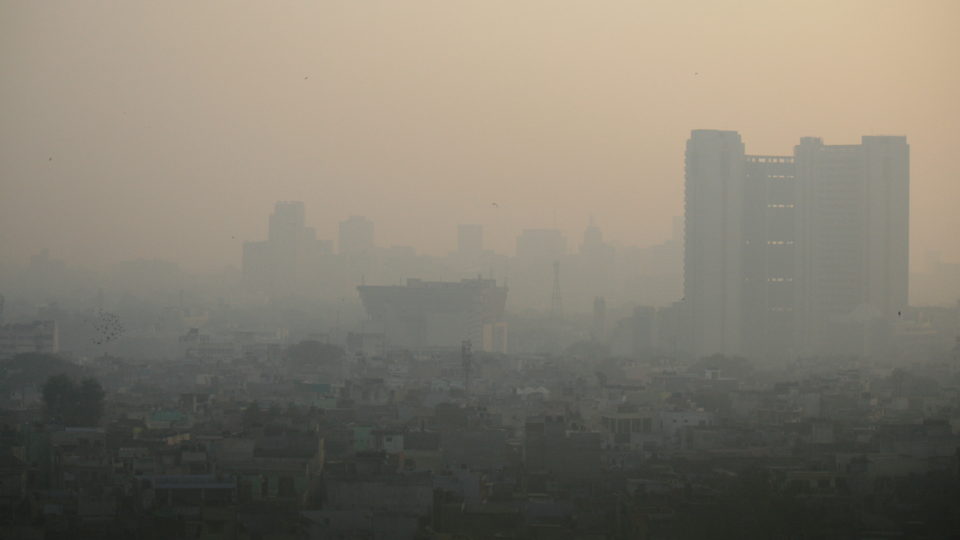
Delhi, the capital city of India, has always been a city bursting at the seams. With over 19 million people, heavy industry, growing numbers of vehicles, and choking amounts of road dust, Delhi suffers from some of the worst air pollution in the world. It is a situation the country has been struggling with for years.
Is Sustainable Seafood Really Sustainable?
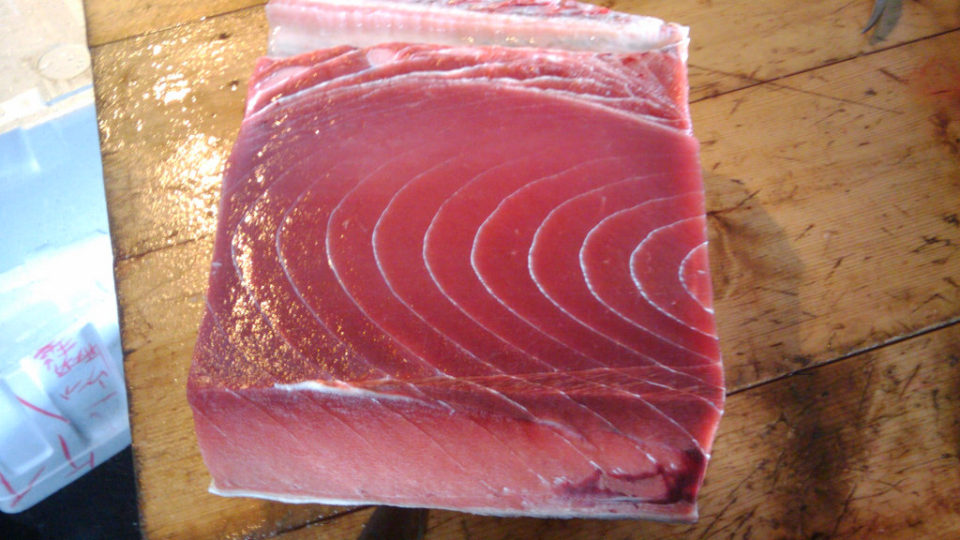
Tuna is perhaps the most popular seafood. We eat it out of a can, we splurge on high-end sushi, and we prepare it in many other ways. Some species of tuna are over-fished and some fishing methods are unsustainable. As concerned consumers, we would like to know what sort of tuna we are eating.
[Read more…] about Is Sustainable Seafood Really Sustainable?
A Decline In Flying Insects
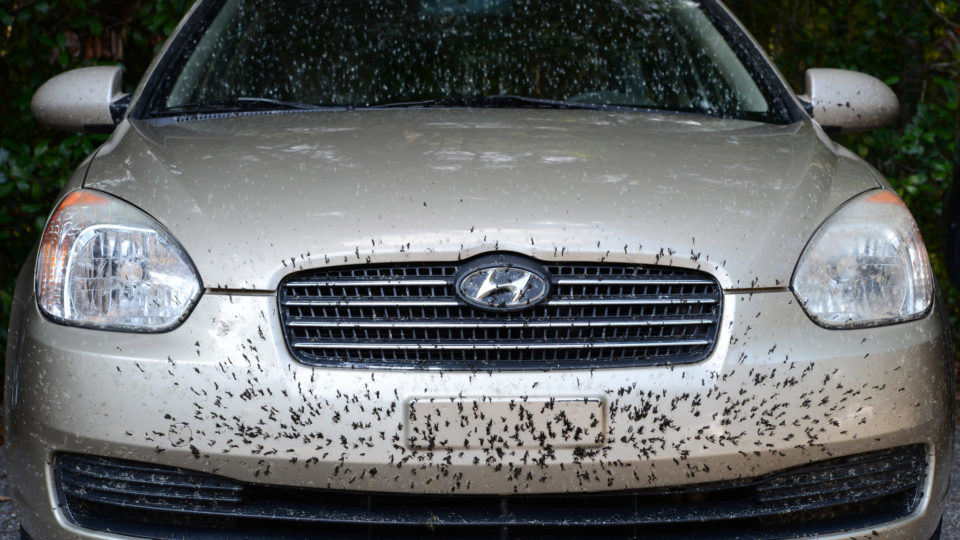
When was the last time you used a squeegee to remove squashed insects from your windshield? It’s been a while, right? It’s not just you. This is known as the windscreen phenomenon. Scientists and some motorists have long suspected that flying insects are in dramatic decline. New research has confirmed these suspicions.
A Solar-Powered Vertical Farm
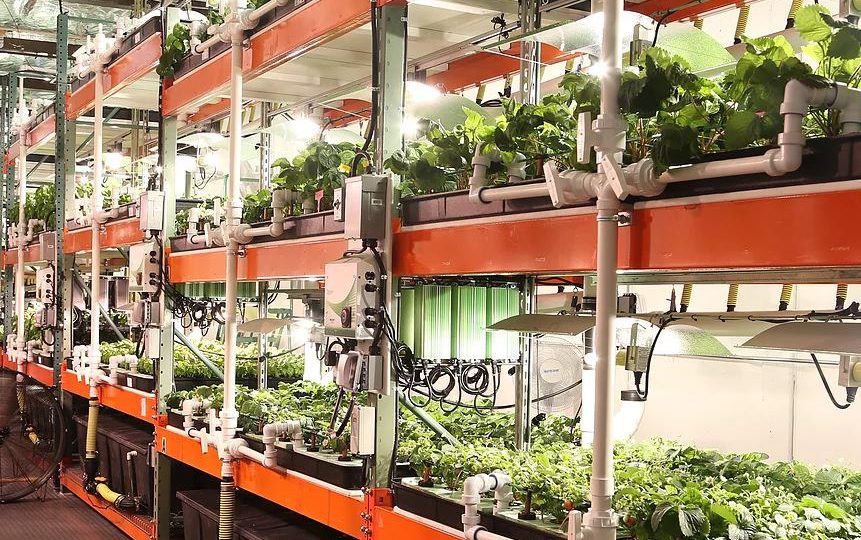
Vertical farming is a method for producing crops in vertically stacked layers or surfaces typically in a skyscraper, used warehouse, or shipping container. Modern vertical farming uses indoor farming techniques and controlled-environment agriculture technology.
A Big Problem For The Giant Panda

The giant panda, a national icon of China, has been the focus of an intensive, high-profile conservation campaign since the 1970s. In an update to the IUCN’s Red List of Threatened Species last year, the giant panda had its designation changed from “endangered” to “vulnerable” following a nationwide census that revealed its population was improving. But it appears as though this conservation success may be short-lived.
Saving Chocolate

On previous occasions, we have talked about the problems faced by the global banana industry, which is based almost entirely on a single cultivar, the Cavendish banana, which makes the industry extremely vulnerable to a single disease or blight that may arise.
The Tiny Country That Feeds The World
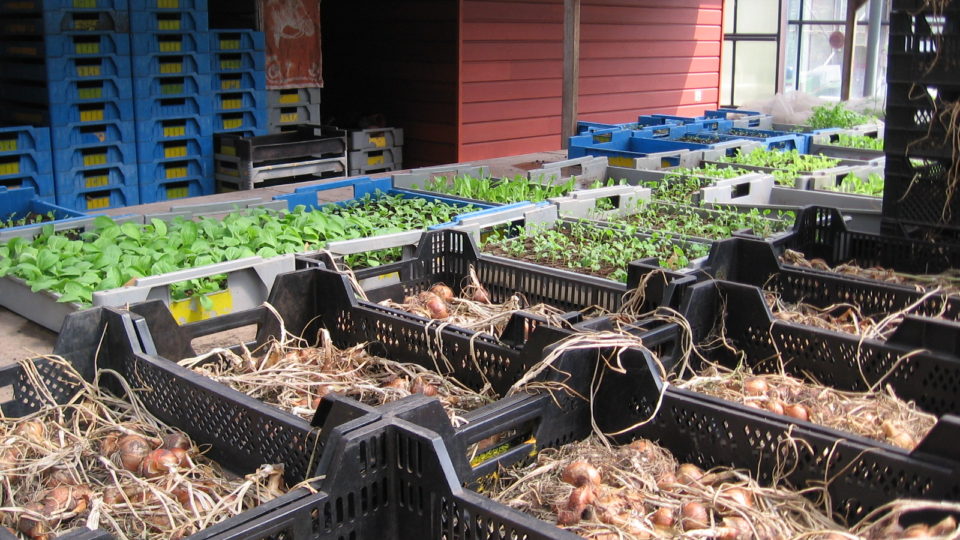
The Netherlands is a small, densely populated country with more than 1,300 inhabitants per square mile. It lacks almost every resource one associates with large-scale agriculture. Nevertheless, it is the number two exporter of food in the world, second only to the United States, which is almost 300 times bigger. The Dutch lead the world in exporting tomatoes, potatoes and onions and produce many other crops as well.
Pine Barrens Threatened
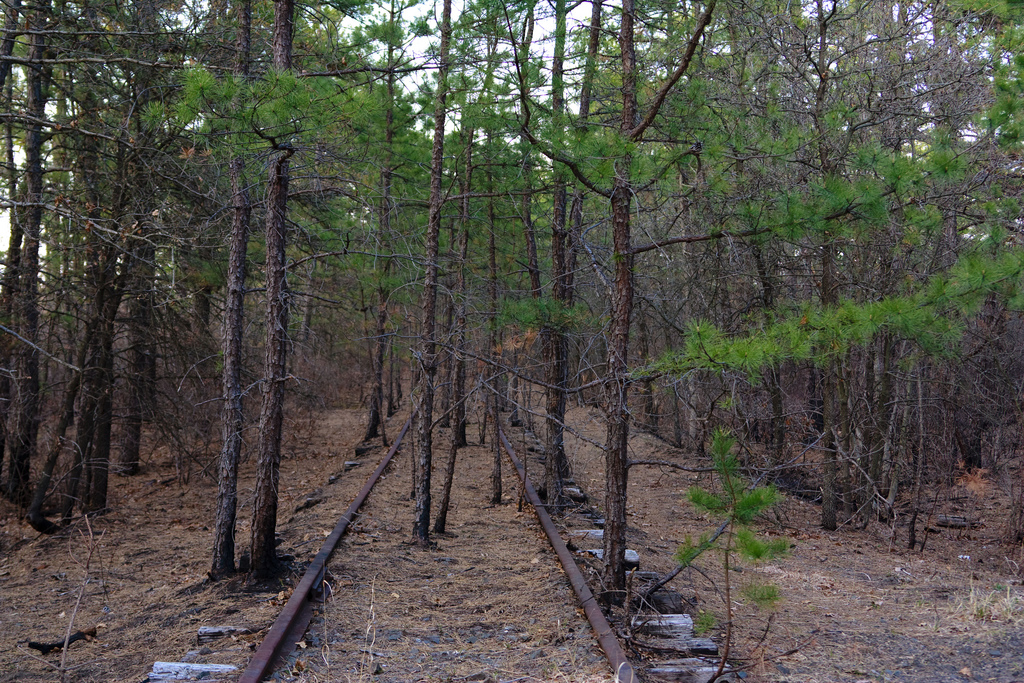
Pine barrens occur throughout the northeastern U.S. from New Jersey to Maine. They are plant communities that occur on dry, acidic, infertile soils dominated by grasses, forbs, low shrubs, and small to medium-sized pines. The Pine Bush Preserve in Albany, New York is one of the larger inland pine barrens in the country.
New Rules For Ocean Conservation

In a recent report to a United Nations ocean conference, scientists are warning that new rules are desperately needed to protect marine life in the open seas. That’s because more than 60% of the ocean has no conservation rules since it’s located outside national jurisdictions. The open ocean is at risk from climate change, over-fishing, deep sea mining, farm pollution, and plastics pollution.
Global Warming And The Nitrogen Problem
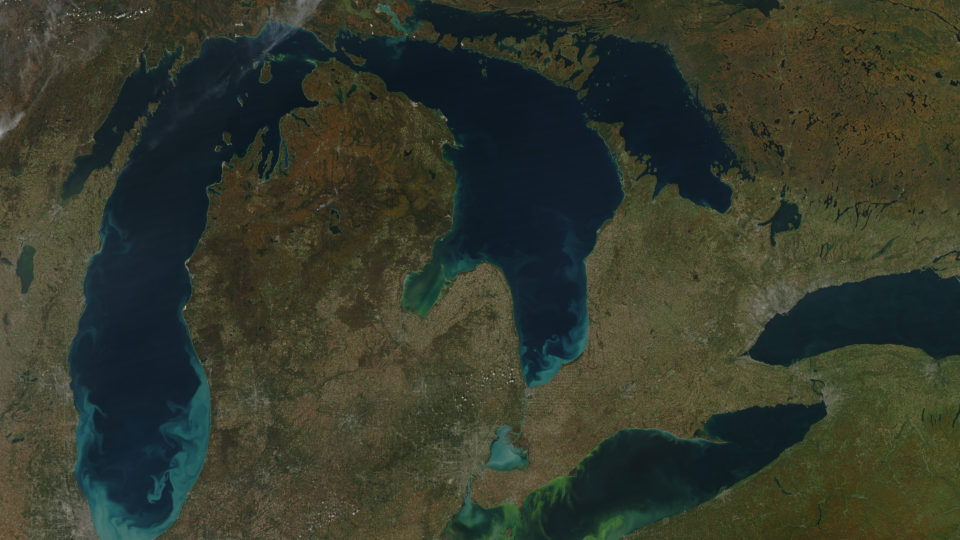
Excess nitrogen in the environment is a big problem. The most visible aspect of the problem is the spread of toxic algae blooms in oceans, lakes and other bodies of water. But there are other effects as well such as unwanted alterations to ecosystems.
Can The Great Barrier Reef Be Saved?

There have been many stories in the media about the ongoing environmental crisis at Australia’s Great Barrier Reef. Over the past two years, the reef has lost almost half of its coral because of bleaching events. Faced with this situation, the Australian government created the Reef 2050 Plan, a strategy to protect and maintain the reef through the year 2050.
Trees Are Not Enough

Trees are nature’s way of removing carbon dioxide from the atmosphere. Growing plants take up CO2 and store it in the form of their roots, stems and leaves. And in fact, a significant factor in the growing levels of carbon dioxide in the atmosphere has been the extensive deforestation that has gone on over the past couple of centuries.
More Bears In New York
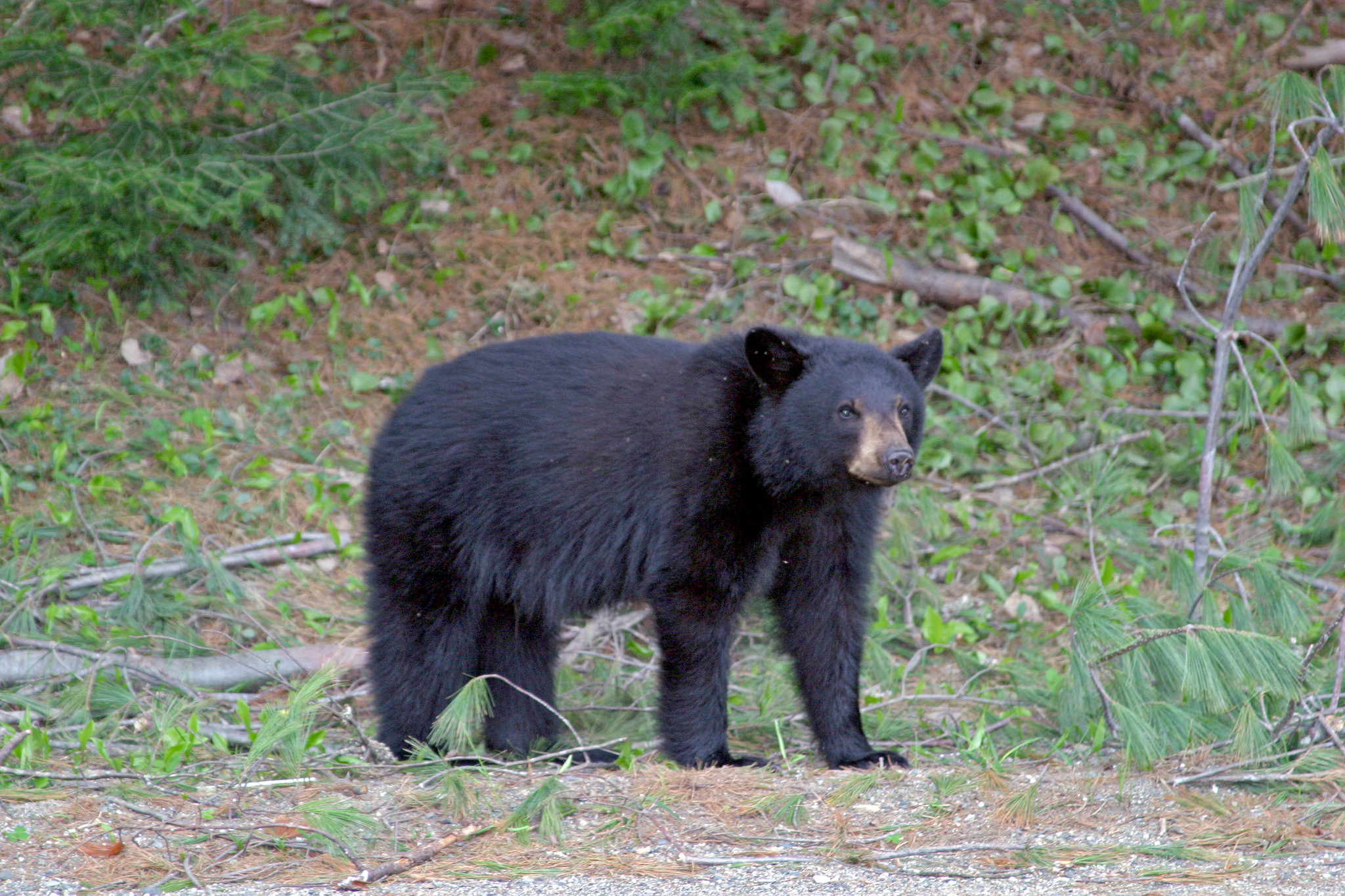
The population of black bears in southern New York has grown and expanded its range over the past 20 years, which has led to increased encounters with people. Until recently, a detailed knowledge of bear populations in the state has been lacking.
Increasing Biological Invasions
Invasive species have been a problem for quite some time. Over the years, we have grappled with – among other things – invasive plants from Japan, zebra mussels from eastern Europe, and Asian fungus that kills off ash trees in our forests.