• Skip to primary navigation
  • Skip to main content
  • Skip to primary sidebar

Earth Wise

A look at our changing environment.

  • Home
  • About Earth Wise
  • Where to Listen
  • All Articles
  • Show Search
Hide Search
You are here: Home / Archives for Earth Wise

Earth Wise

Saving The Queen Conch | Earth Wise

February 3, 2021 By EarthWise Leave a Comment

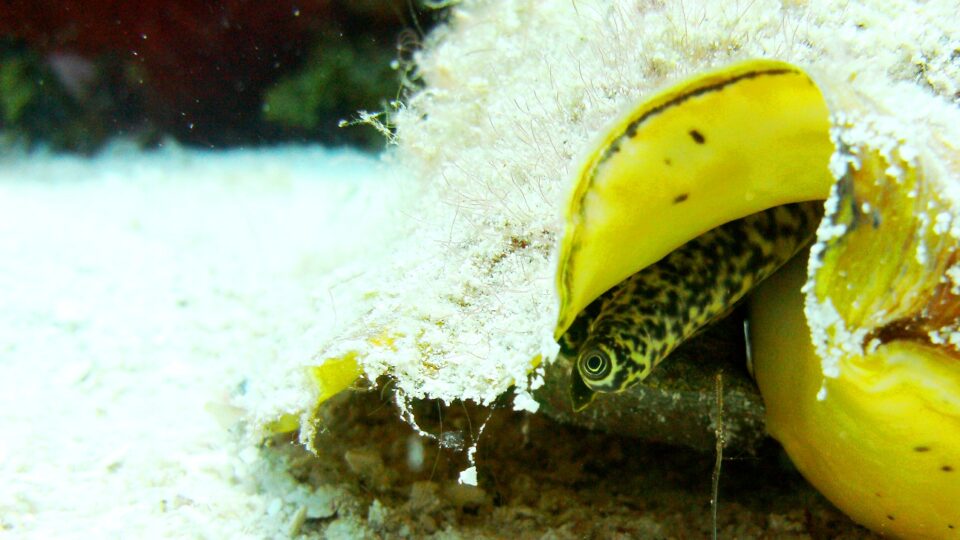
A new manual to help save Queen Conch

Queen conchs are large sea snails belonging to the same taxonomic group as clams, oysters, and squid.  They live on coral reefs or seagrass meadows in warm, shallow waters.  Queen conchs are found throughout the Caribbean Sea and Gulf of Mexico, ranging as far north as Bermuda and as far south as Brazil.

Reaching up to 12” long and living up to 40 years, the queen conch is prized as a delicacy and revered for its shell.  It’s the second most important sea-bottom fishery in the Caribbean region, trailing only the spiny lobster. 

But queen conchs face a challenge.  Their populations are in a steady rate of decline as a result of overfishing, habitat degradation, and hurricane damage.  In some places, the numbers are so low that remaining conchs cannot find breeding partners.  The situation is urgent from both an ecological and economical perspective. 

As a result, Megan Davis, a scientist from Florida Atlantic University who spent more than four decades researching queen conch, has released an 80-page, step-by-step user manual about how to care for the species. Her work was recently published in the National Shellfisheries Association’s Journal of Shellfish Research.

According to Davis, aquaculture, along with conservation of breeding populations and fishery management, are ways to help ensure longevity of the queen conch.  With requests for mariculture guidance pouring in from communities throughout the Caribbean, Davis and her collaborators are expanding their queen conch conservation, education, and restorative mariculture program.

Their desired outcomes include creating protected breeding areas, establishing sustainable hatcheries, and repopulating protected habitats.

**********

Web Links

‘Hail to the queen’: Saving the Caribbean queen conch

Photo, posted June 3, 2012, courtesy of Christopher Gonzalez via Flickr.

Earth Wise is a production of WAMC Northeast Public Radio.
Drilling Rights In The Arctic National Wildlife Refuge | Earth Wise

February 2, 2021 By EarthWise Leave a Comment

Arctic drilling plans fall through

The battle to prevent oil and gas drilling rights from being sold in the Arctic National Wildlife Refuge in Alaska has been going on for 40 years.  The Trump administration spent nearly four years pushing to auction off those drilling rights and finally accomplished it in early January.

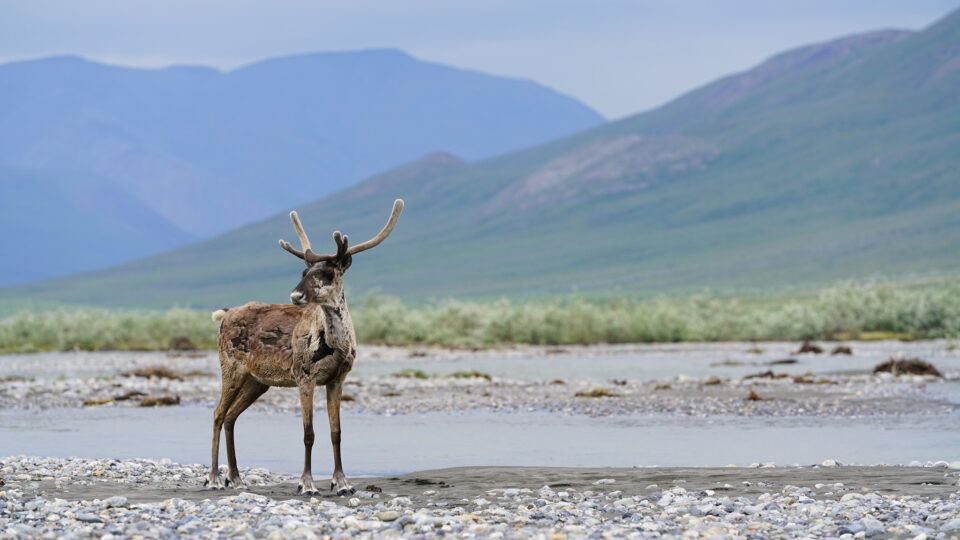
The ANWR was created in 1960 and is the largest intact wilderness in the U.S., covering nearly 30,000 square miles in Alaska.  It is an important breeding habitat for polar bears as well as the home of more than 200 other species including caribou, arctic foxes, golden eagles, and snowy owls.  Parts of it are also sacred ground for the indigenous Gwich’in people.

The auction carved out a 5% slice of the refuge for leases and proponents anticipated it would generate billions of dollars in revenues that would offset tax cuts in Alaska.

Of the 22 parcels of land offered, totaling 1.1 million acres, only 12 were bid on at all and the state of Alaska was the sole bidder on 9 of those.  In total, the auction raised a paltry $14 million. 

Whether the remarkable absence of interest was due to a lack of infrastructure or roads around the region, the decline of fossil fuel investments and use during the pandemic, or the anticipation that any leases would be the subject of endless legal battles by indigenous tribes and environmental activists, the net result was that the auction was basically a flop.

President Biden has stated that he is entirely against Arctic drilling, so the new administration is likely to try to repeal or interfere with any drilling leases or other industrial activity in the ANWR. 

**********

Web Links

Arctic Oil Drilling Plans Suffer ‘Stunning Setback’ as Almost ‘No One Shows Up’ For the Sale

Photo, posted July 3, 2019, courtesy of Alaska Region U.S. Fish and Wildlife Service via Flickr. Photo Credit: Danielle Brigida/ USFWS

Earth Wise is a production of WAMC Northeast Public Radio.
Restoring Coastal Ecosystems | Earth Wise

February 1, 2021 By EarthWise Leave a Comment

Developing hardier corals for endangered reefs that resist the effects of climate change

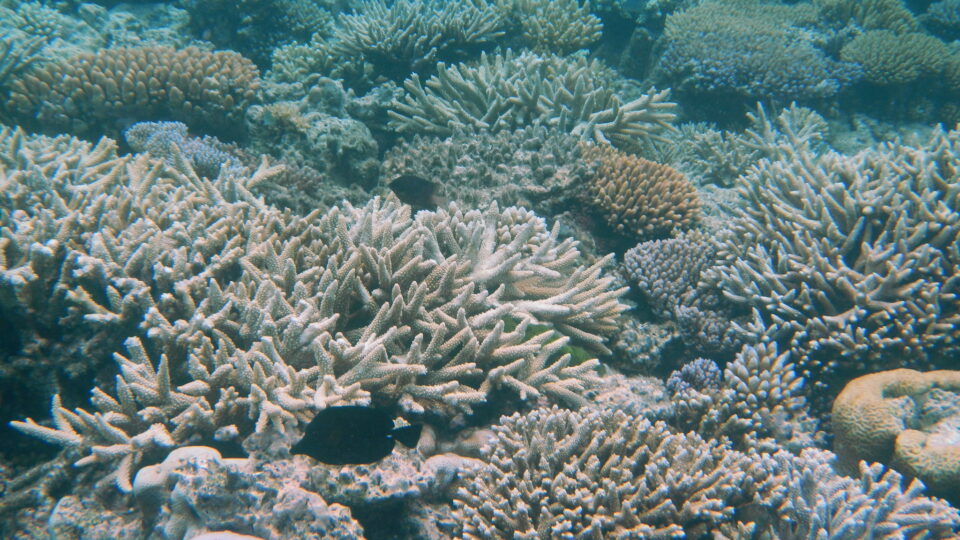
Research published by CSIRO, Australia’s national science agency, examined the positive effects of restoration efforts for coastal ecosystems in terms of biodiversity, local economies, and human wellbeing.

Coastal ecosystems include saltmarshes, mangroves, seagrasses, oyster reefs, kelp beds, and coral reefs.  All of these have suffered declines of up to 85% over recent decades.  The research identified a number of successful coastal and marine restoration projects in recent years that indicate the likelihood that such efforts could be expanded by as much as a factor of ten to support human health and wellbeing, boost the adaptation response to climate change, and generate jobs. 

Some of the successful efforts identified included projects in the Great Barrier Reef to harvest coral larvae to boost large-scale coral restoration efforts.   Simple changes to how saltmarshes are planted have resulted in doubled survivorship and biomass.  In the U.S., the propagation of seagrass seeds has resulted in seagrass meadows recovering in areas where they had been lost decades ago.  In Indonesia, recovery of reefs impacted by blast fishing has been achieved by placing rocks or other hard structures underwater to help with coral colonization.

Investing in coral restoration creates jobs and can be used as a strategy to boost economic recovery and coastal marine health.  Restoration of marine habitats like kelp forests and oyster reefs has improved commercial and recreational fishing.

The United Nations has recognized the importance of coastal restoration and has declared the Decade on Ecosystem Restoration to start from 2021.

**********

Web Links

Scientists shine light on ‘bright spots’ to restore coastal ecosystems

Photo, posted November 29, 2012, courtesy of Robert Linsdell via Flickr.

Earth Wise is a production of WAMC Northeast Public Radio.
Hudson River Tidal Marshes And Sea Level Rise | Earth Wise

January 29, 2021 By EarthWise Leave a Comment

Hudson River estuary marshes resilient to accelerated sea level rise

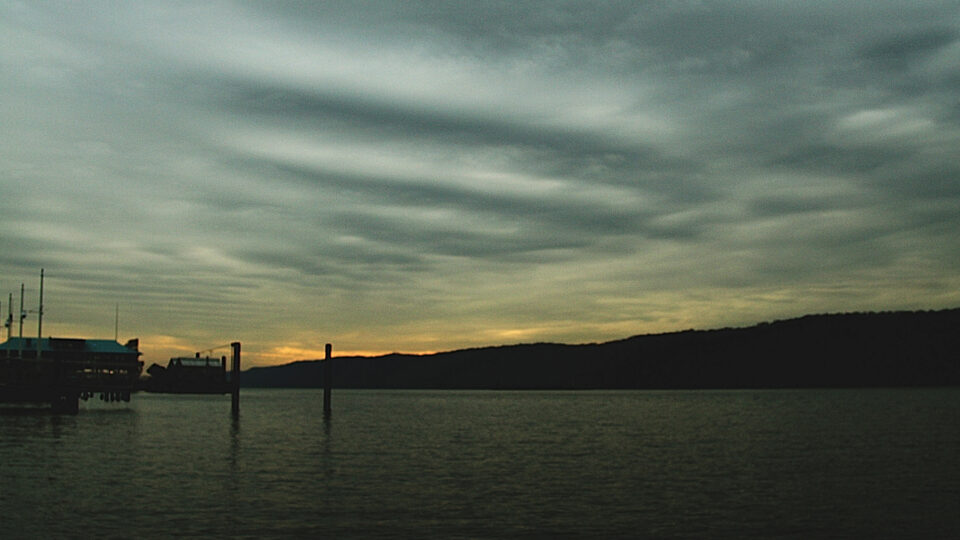
A new study at the University of Massachusetts Amherst looked at the resilience of Hudson River Estuary marshes to rising sea levels.  They observed that these marshes are growing upward at a rate two or three times faster than sea level rise, suggesting that they should be resilient to accelerated sea level rise in the future.

The study documented the fact that more than half of Hudson River tidal marshes actually formed since 1850.  In that year, the river channel was straightened, and a riverside railroad, berms, jetties and human-made islands of dredged soil were built.  All of these human-made features trapped sediment and created backwaters that often turned into marshes.

The research centered on seven sites spanning more than 100 miles of the Hudson Estuary from Wall Street up to Albany.  Although these marshes were an unintended result of early industrial development, they serve to protect the shoreline and provide rich ecosystems in terms of direct ecological and human benefits.  Marshes are a first line of defense against coastal flooding, provide an essential habitat for juvenile commercial fish species, store huge amounts of carbon that mitigates climate change, provide habitat for migratory birds, and filter nutrients coming off the land.

The study determined that such marches form relatively quickly.  When sediment is readily available, freshwater tidal wetlands can develop rapidly in sheltered settings.   There is concern that marshes globally will be drowned by rising sea levels, but this Hudson River case study shows how marshes may be able to resist the rising seas.  The research will help guide future land acquisition and land conservation strategies for areas adjacent to the river.

**********

Web Links

New Study Finds More than Half of Hudson River Tidal Marshes were Created Accidentally by Humans; Resilient Against Sea Level Rise

Photo, posted December 4, 2008, courtesy of Daina Dajevskis via Flickr.

Earth Wise is a production of WAMC Northeast Public Radio.
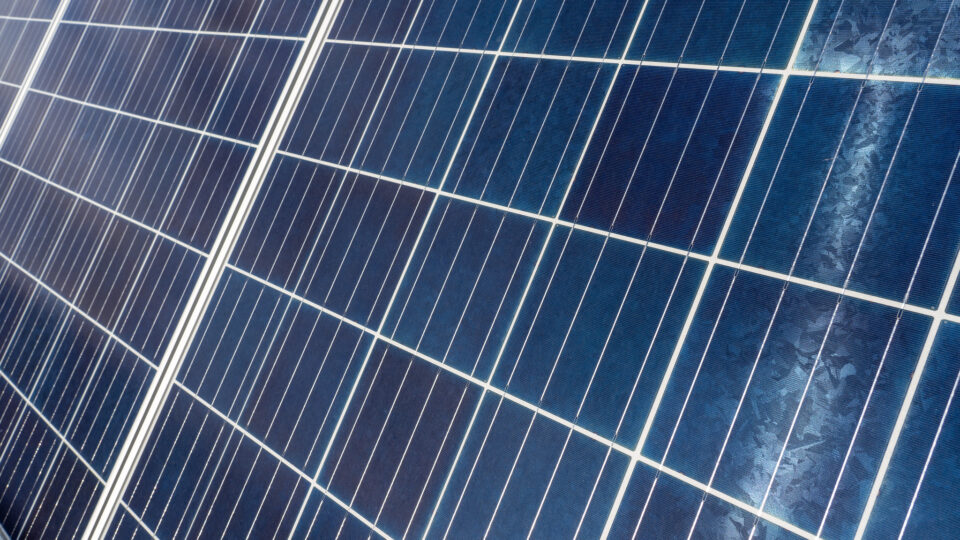
The Largest Renewable Energy Project In The World | Earth Wise

January 28, 2021 By EarthWise Leave a Comment

India is building the largest renewable energy project in the world

India has broken ground on what is planned to be the largest renewable energy project in the world:  a 30-gigawatt wind and solar power project in the state of Gujarat.

The renewable energy park will have two zones:  a 122,000-acre hybrid park zone that will accommodate 25 gigawatts of wind and solar power plants and a 57,000-acre zone entirely dedicated to wind power.  Multiple developers will be building the power plants in the hybrid zone.  A single company has been allotted the wind power zone.  The selected developers have to develop 50% of the total generation capacity in the next 3 years and finish the project in five years. The project is expected to create jobs for 100,000 people. Total investment in the project will be about $20 billion.

This is not technically a single standalone project but is rather an aggregation of multiple projects in a single general area.  Nonetheless, it represents the largest renewable energy development ever.  By comparison, the entire United States has a total of 50 gigawatts of installed solar power in large plants – which does not include any rooftop solar.  Total wind power capacity in the U.S. is a little over 100 gigawatts.  So, the 30-gigawatt Indian project is huge by any measure.

India already gets over 30% of its electricity from renewable sources, making it one of the largest renewable energy markets in the world.  The country has a goal of 60% renewable energy by 2030, amounting to 450 gigawatts of capacity.  This will require the country to double its already substantial renewable capacity in less than 10 years.  The Gujarat energy park will represent substantial progress towards that goal.

**********

Web Links

Largest Renewable Energy Project In World Will Be 30 Gigawatt Solar–Wind Project In India

Photo, posted October 16, 2019, courtesy of Jonathan Cutrer via Flickr.

Earth Wise is a production of WAMC Northeast Public Radio.

The Costs Of Mislabeled Seafood | Earth Wise

January 27, 2021 By EarthWise Leave a Comment

Mislabeled seafood has huge hidden costs

Seafood is the world’s most highly traded food commodity and reports of seafood mislabeling have become increasingly common over time.  A new study by Arizona State University looked at the environmental effects of mislabeled seafood.

What is mislabeled seafood?  Sometimes the snapper you were served was really Pacific Ocean Perch.  Maybe grouper was really whitefin weakfish.  Many times white leg shrimp are actually giant tiger prawns.

Approximately 190,000 to 250,000 tons of mislabeled seafood are sold in the U.S. each year, or 3.4 to 4.3% of consumed seafood.  Previous studies focused on the economic aspects of getting cheaper fish when paying for more expensive fish.  The new research looks at the environmental costs associated with mislabeled seafood.

Substituted seafood is 28% more likely to be imported from other countries, which may have weaker environmental laws than the U.S.  In the United States, fishery management is pretty good.  There is strong monitoring and enforcement to support limits on fishing.  Metrics like fish abundance, fishing mortality, bycatch, and discards are all monitored.  In many other places, this is not the case.

To really evaluate the overall effects of seafood mislabeling, one has to take into account both the rates of substitution and the levels of consumption. 

Consuming fish from a well-managed fishery should not have a negative impact in terms of the population now or in the future.  But even inadvertently consuming fish from poorly managed fisheries in not sustainable.  It is good to get your seafood from a trusted source.

**********

Web Links

ASU Study Looks At The Environmental Effects Of Purchasing, Consuming Mislabeled Fish

Photo, posted August 1, 2014, courtesy of Ralph Daily via Flickr.

Earth Wise is a production of WAMC Northeast Public Radio.
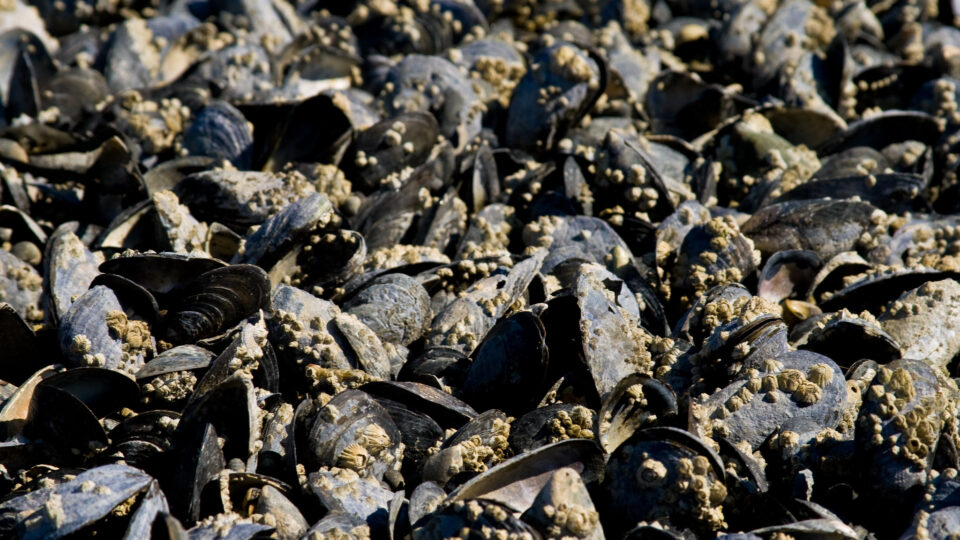
Mollusks And Microplastics | Earth Wise

January 26, 2021 By EarthWise Leave a Comment

Microplastics are contaminating marine creatures

Plastic debris comes in all different shapes and sizes, but pieces that are less than five millimeters in length are called microplastics.  Microplastics are everywhere, including in the food we eat, the water we drink, and the air we breathe.

Much of the oceanic microplastic pollution comes from the breakdown of plastic litter.  Another source of microplastic pollution is microbeads.  Microbeads, which are sometimes added to cleansing and exfoliating personal care products, pollute the environment when they get flushed down the drain.  

According to a new study by researchers at Hull York Medical School and the University of Hull in the U.K., mussels, oysters and scallops have the highest levels of microplastic contamination among seafood.  The research team examined 50 studies between 2014 and 2020 to determine the levels of microplastic contamination globally in fish and shellfish.  The team found that microplastic content was 0-10.5 microplastics per gram in mollusks, 0.1-8.6 microplastics per gram in crustaceans, and 0-2.9 microplastics per gram in fish.  

The researchers found that mollusks collected off the coasts of Asia were the most heavily contaminated with microplastics.  China, Australia, Canada, Japan and the United States are among the largest consumers of mollusks, followed by Europe and the U.K.

While the human health implications of consuming microplastics are not well understood, early evidence from other studies suggest they do cause harm. 

According to the research team, more data is needed from different parts of the world in order to better understand how microplastics vary between different oceans, seas, and waterways.

**********

Web Links

Highest levels of microplastics found in molluscs, new study says

Photo, posted September 3, 2007, courtesy of Andrew Malone via Flickr.

Earth Wise is a production of WAMC Northeast Public Radio.
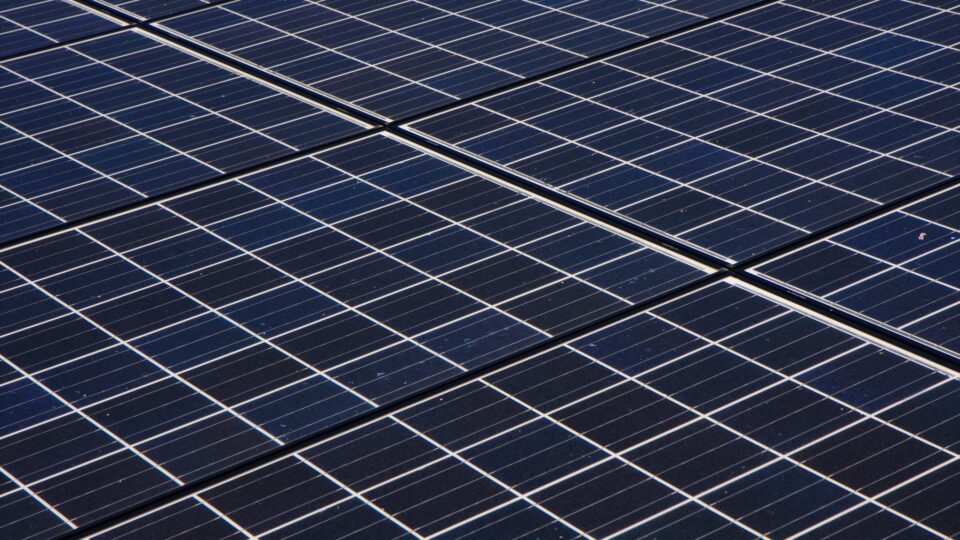
Shifting Climate Attitudes – Even In Texas | Earth Wise

January 25, 2021 By EarthWise Leave a Comment

Attitudes on climate change continue to evolve

Any conversation about climate policy and energy in the United States has to take Texas into consideration.  Texas leads the nation in energy production, providing more than one-fifth of U.S. domestically produced energy.  Texas also uses more energy than any other state and accounts for almost one-seventh of total U.S. energy consumption.  The state’s industrial sector, which includes petroleum refining and chemical manufacturing, accounts for almost half of Texas energy consumption.

As a result, longstanding skepticism among Texans toward the climate movement has represented a real impediment in developing and implementing effective climate policy in this country.  But according to new research at the University of Houston, attitudes in Texas have changed and now mirror those in the rest of the United States.

About 80% of Americans believe that climate change is happening, and now about 81% of Texans hold the same view.  Two out of three Americans are worried about climate change; more than 60% of Texans agree.

Nationwide, 55% agree that the oil and gas industries have deliberately misled people on climate change; 49% of Texans agree. 64% of Americans say hydraulic fracking has a negative effect on the environment and 61% of Texans agree.  People everywhere are willing to pay more for carbon-neutral energy, and a higher premium for gasoline as well.

Mitigation strategies for climate change are not well understood.  While 61% nationwide have heard of carbon taxes, less than half are familiar with carbon management, and only a third have heard of carbon pricing.

As the U.S. heads toward reengaging in efforts to address climate change, Texans appear to have caught up with the rest of the nation.

**********

Web Links

Attitudes About Climate Change Are Shifting, Even in Texas

Photo, posted October 1, 2011, courtesy of Steve Rainwater via Flickr.

Earth Wise is a production of WAMC Northeast Public Radio.
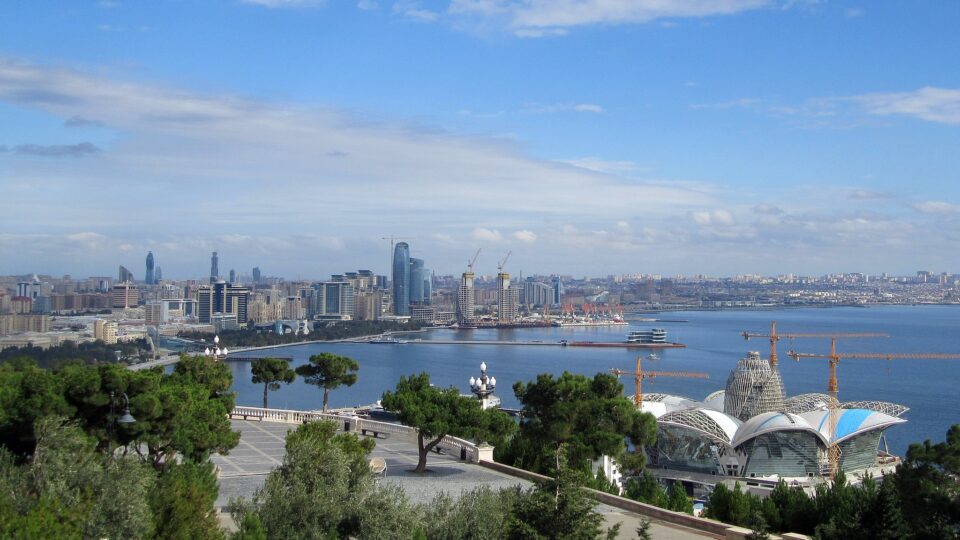
The Caspian Sea And Climate Change | Earth Wise

January 22, 2021 By EarthWise Leave a Comment

Climate change will lower water levels in the Caspian Sea

According to the National Oceanic and Atmospheric Administration, global sea levels have been rising over the past century, and the rate has increased in recent decades.  Sea levels are currently rising about one-eighth of an inch every year.

Sea level rise is caused primarily by two factors related to climate change:  the added water from melting glaciers and ice sheets, and the expansion of seawater as it warms.  While climate change is causing global sea levels to rise, higher temperatures in other regions are having exactly the opposite effect.  The water levels are falling.

According to researchers from the University of Bremen in Germany, the Caspian Sea is a perfect example of how a body of water will change.  While it is named a sea due to its size and high salinity, the Caspian Sea is actually a lake.  In fact, it’s the largest lake in the world.  Its largest inflow is the Volga River and it has no natural connection to the ocean.  Its water level is determined by the proportional influences of inflow, precipitation, and evaporation.  Climate change is causing increased evaporation, which leads to a declining water level. 

According to the research team, the water level of the Caspian Sea could fall by 29 to 59 feet during this century.

The Caspian Sea is surrounded by Kazakhstan, Turkmenistan, Iran, Azerbaijan and Russia.  It’s an important regional water reservoir, and a biological and commercial center. 

The researchers hope the Caspian Sea will be used as an example in scientific research to assess the vulnerability of other regions to falling water levels.

********** 

Web Links

Climate crisis is causing lakes to shrink

Photo, posted October 31, 2016, courtesy of Amanderson2 via Flickr.

Earth Wise is a production of WAMC Northeast Public Radio.
Genetic Variation And Survivability | Earth Wise

January 21, 2021 By EarthWise Leave a Comment

Genetic variation leads to greater chance of survival

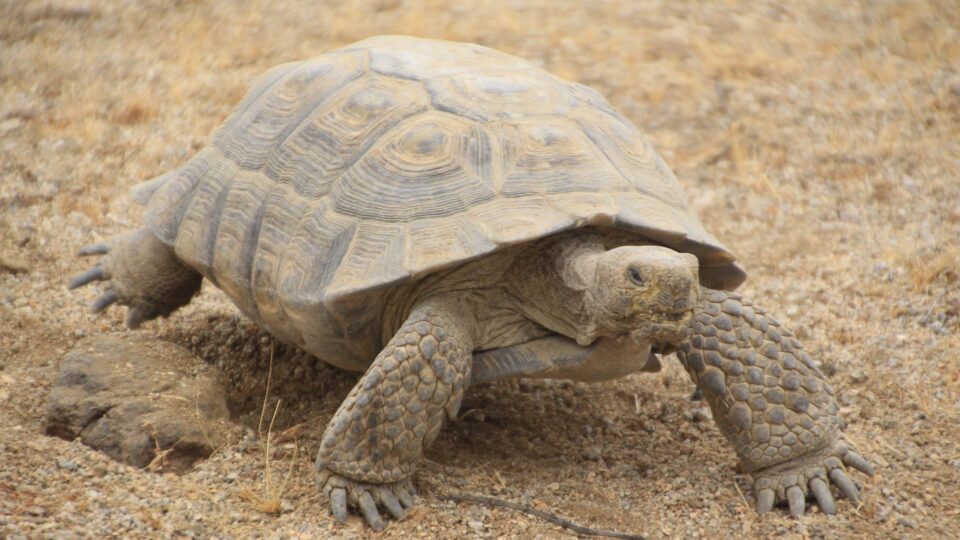
A massive but unintended experiment in animal conservation has revealed an unexpected result.  Thousands of desert tortoises moved to a translocation site in Nevada had a greater chance of surviving if they had lots of genetic variation.

From 1997 to 2014, over 9,000 Mojave desert tortoises were moved to a 39-square-mile translocation site in the Ivanpah Valley.  The tortoises were either abandoned pets or were displaced by developments in suburban Las Vegas and by solar farms in the desert.

The U.S. Fish and Wildlife service took blood samples to screen for diseases and marked each animal before releasing them into the site, enabling them to be tracked in later surveys.

When the researchers compared tortoises that lived or died over the same time period after being relocated to the site, they found that survivors averaged 23% greater heterozygosity than those that perished.  Heterozygosity is a measure of genetic variation.  Like most organisms, tortoises have two copies of their entire genome, with one from each parent.  The more those copies differ from each other, the higher the organism’s heterozygosity.

Researchers are not really sure why greater genetic variation is linked to survival rates.  Potentially, individuals with higher heterozygosity have more genomic flexibility.  It is the case that tortoises with more genetic variation have a better chance of having at least one copy of a gene that works really well in stressful or new environments.

Human activity and the changing climate are increasing the need to relocate plants and animals.  Often the chances for success in doing this are not good, so anything we can learn about things that increase the chances for survival can be very important.

**********

Web Links

UCLA study of threatened desert tortoises offers new conservation strategy

Photo, posted August 23, 2016, courtesy of the Bureau of Land Management California via Flickr. Photo by Dana Wilson, BLM.

Earth Wise is a production of WAMC Northeast Public Radio.
Renewable Energy And Green Ammonia | Earth Wise

January 20, 2021 By EarthWise Leave a Comment

A breakthrough in greening ammonia

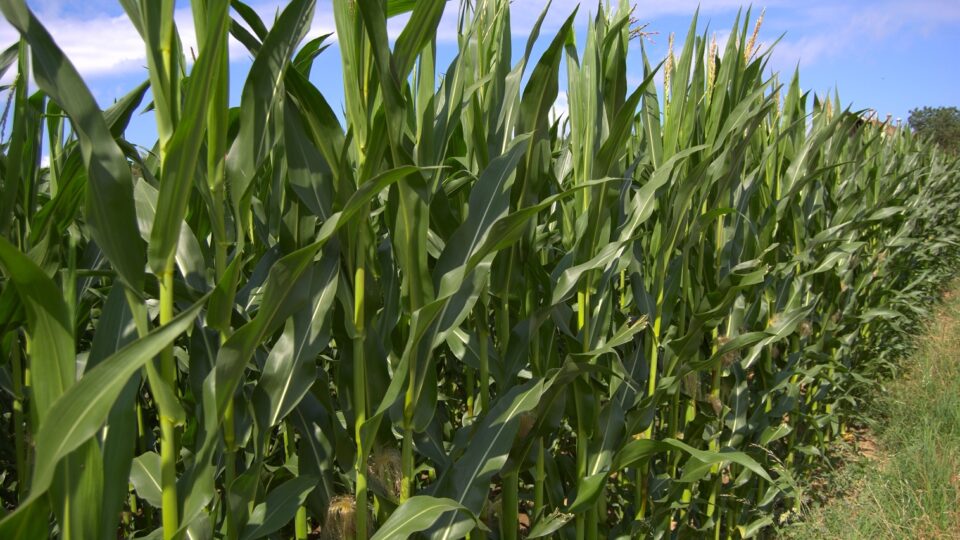
Several different clean technology trends may come together on farms across the country where wind turbines could power devices that produce green ammonia for fertilizer and zero emission fuel.

Distributed wind is a kind of renewable energy that doesn’t get much attention.  It refers to turbines that are used to generate electricity for on-site use, as for a factory or a farm.  It typically involves smaller turbines than the behemoths that are used in giant wind farms.

Installing a wind turbine or two on a farm could be quite valuable if the electricity generated could be used to make green ammonia.  Such an application would eliminate the problem of “stranded wind”, which is when a location has lots of wind but lacks access to the electricity transmission infrastructure.

If farmers could utilize wind energy to produce ammonia, they could make their own fertilizer as well as fuel and get relief from price spikes and uncertainties in the commodities market.  Of course, they would also make use of the electricity they generate on site.

Most ammonia is produced using a proven technology called the Haber-Bosch process.   Ammonia contains only nitrogen and hydrogen, both of which can be extracted from the air.  The trick is how to do it efficiently using renewable electricity.   The Department of Energy has a program called the REFUEL Initiative, which aims at deploying renewable energy to produce ammonia.  The University of Minnesota, among other places, has multiple programs dedicated to green ammonia technology. 

There is encouraging progress being made that may ultimately result in a common sight of wind turbines on farms producing fertilizer, fuel, and electricity.

**********

Web Links

The Renewable Energy Cows Come Home, Now With Green Ammonia

Photo, posted July 15, 2009, courtesy of Daniel_Bauer via Flickr.

Earth Wise is a production of WAMC Northeast Public Radio.

Compost And Landfills | Earth Wise

January 19, 2021 By EarthWise Leave a Comment

the importance of landscaping

Composting is popular as a way to keep solid waste out of landfills and many people turn much of their kitchen waste into rich soil amendments.   Cities and towns across the country have composting programs that collect waste from residents to produce large quantities of compost rather than adding the waste to landfills.  A new study from North Carolina State University looked into the environmental benefits of actually using compost at landfills.

Most municipal composting programs require that the compost they produce gets used “beneficially”.  The new research shows that using compost as an alternative daily cover at landfills is competitive and often superior to the use of compost as a soil amendment in terms of its environmental benefits.

Landfills apply a layer of daily cover to reduce odors, reduce windblown debris, and keep vermin out of landfill waste.  Federal regulations require six inches of soil as a daily cover.

Compost from food waste in particular is not always suitable for soil amendment in gardens and agricultural fields because it often contains broken glass and other contaminants.

The North Carolina State study looked at the environmental impact of using compost as daily cover in landfills compared with its use as a soil amendment.  They looked at global warming potential, acidification potential, eutrophication (which is the amount of nutrients released to ground and surface water), cumulative energy demand, and the depletion of resources.

The study concluded that using compost as landfill daily cover is environmentally superior with regard to eutrophication, acidification, and global warming potential.  On the other hand, soil amendment was better in terms of resource depletion and cumulative energy demand.

**********

Web Links

Applying Compost to Landfills Could Have Environmental Benefits

Photo, posted April 22, 2008, courtesy of Alachua County via Flickr.

Earth Wise is a production of WAMC Northeast Public Radio.
What’s Killing Orcas? | Earth Wise

January 18, 2021 By EarthWise Leave a Comment

Humans are killing orcas

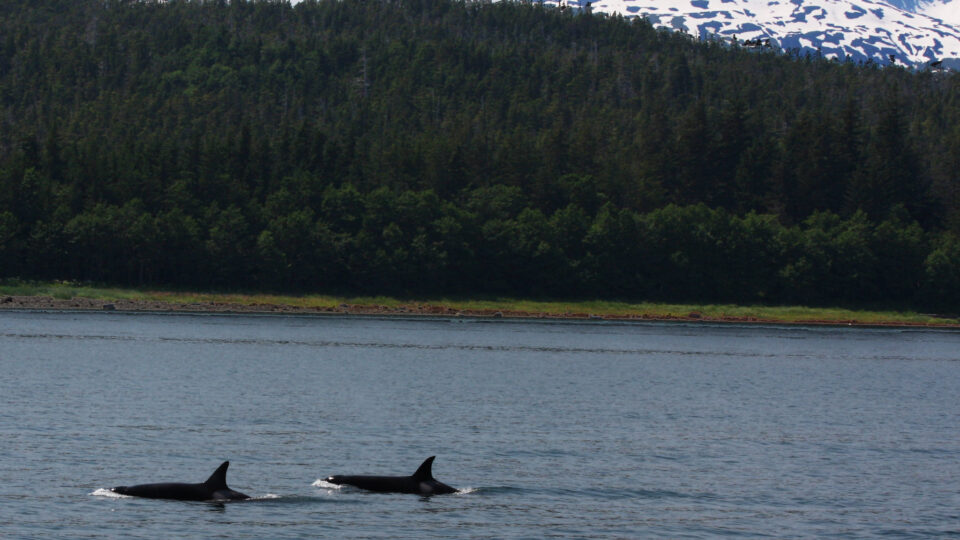
With their characteristic tall dorsal fins and black and white color patterns, orcas are one of the ocean’s most iconic species.  Measuring up to 32 feet long and weighing as much as 6 tons, orcas have one of the largest geographic distributions of any species.  They live in all latitudes, in all oceans, from the Arctic to Antarctica.    

While they are often referred to as killer whales, orcas are actually not whales at all.  Orcas are the largest dolphin species and one of the most powerful predators on the planet. 

But human interference has made life significantly more difficult for orcas in recent years.  According to pathology reports on more than 50 orcas stranded over nearly a decade in the northeast Pacific and around Hawaii, the predators face a myriad of mortal threats.  Many of those threats stem from human interactions. 

Researchers from the British Columbia Ministry of Agriculture analyzed these orca pathology reports in a new study, which was recently published in the journal PLOS ONE,.  Of 52 orcas stranded between 2004 and 2013, causes of death were determined for 42%. For example, one orca died after receiving a halibut hook injury. Two orcas died from the blunt force trauma of vessel strikes. While there was no singular common cause of death, the study found a common theme:  human-caused deaths occurred in every age class – from juveniles to adults.

The researchers also note that humans aren’t just indirectly hurting orcas with things like lack of salmon or legacy toxins.  Humans are also directly killing killer whales with boat strikes and fishing gear.   

These findings will help establish a baseline of information to assess future orca conservation efforts. 

**********

Web Links

What’s killing killer whales?

Photo, posted July 5, 2009, courtesy of Rennett Stowe via Flickr.

Earth Wise is a production of WAMC Northeast Public Radio.
Non-Native Plants And Insect Decline | Earth Wise

January 15, 2021 By EarthWise Leave a Comment

The impact of non-native plants on insect decline

Global insect populations have been in decline since the beginning of the 20th century.  The decline accelerated during the 1950s and 1960s, and it has reached alarming levels during the past 20 years.

The causes of plummeting insect populations include habitat destruction, deforestation, climate change, light pollution, and the rise of industrial agriculture.  This so-called insect apocalypse is being mirrored by a bird Armageddon because so many bird species depend on insects for their diets.

A still controversial, but increasingly likely factor in the decline of insect populations is the spread of non-native plants in agriculture, agroforestry, and horticulture.  A recent study published in the journal Ecological Entomology presents recent data supporting the proposition that the widespread displacement of native plants is a key cause of insect declines. 

Many insects depend on a limited number of plants for survival.  In many cases, insects’ diets are restricted to a single plant family.  When native host plants dwindle or disappear from an area, the population of insects that depend on those plants shrinks.

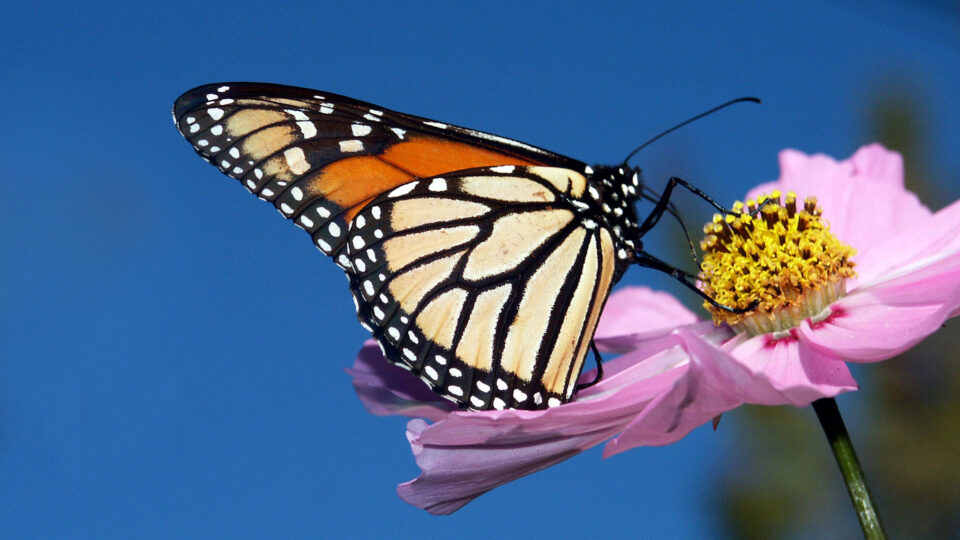
There are examples of insects that adopt introduced plants as food sources, such as silver-spotted skipper butterfly larvae feeding on invasive kudzu in the eastern U.S.  But generally, the widespread incursion of non-native plants is harmful to native insect populations.

Non-native plants are especially popular for horticulture.  Millions of acres of potential insect habitat have been transformed into food deserts for native insects.  The authors of the recent study recommend that Americans should extensively include native plants in their yards to help preserve insect diversity.

**********

Web Links

How Non-Native Plants Are Contributing to a Global Insect Decline

Photo, posted May 2, 2004, courtesy of Bernard Spragg via Flickr.

Earth Wise is a production of WAMC Northeast Public Radio.
Record Heat In The Arctic | Earth Wise

January 13, 2021 By EarthWise Leave a Comment

Heat in the Arctic is breaking records

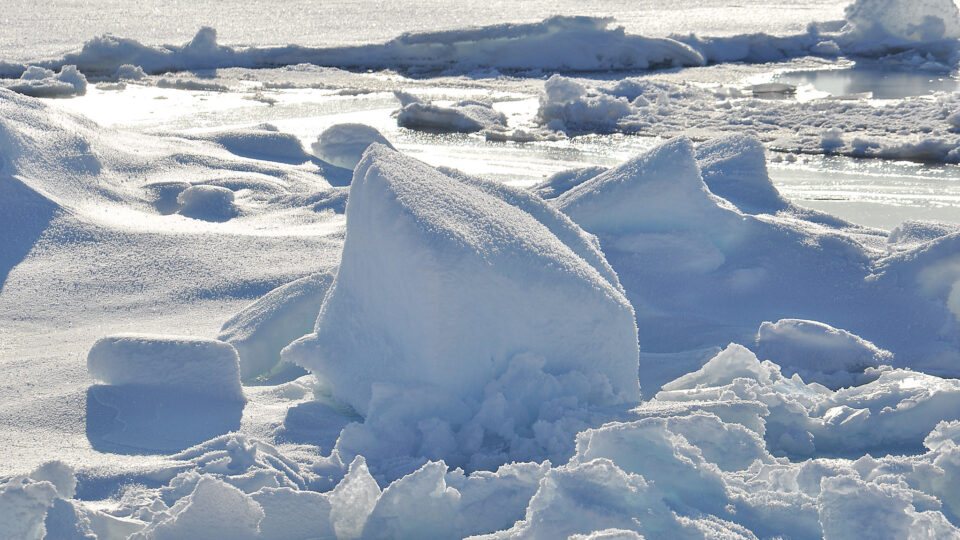
By mid-November, the Arctic stays dark around the clock and twilight does not return until the end of January.  But even as winter darkness descended upon the Arctic this year, record-breaking high temperatures in the region continued.  In late November, temperatures across the entire Arctic basin were 12 degrees Fahrenheit above normal and some locations saw temperatures as high as 30 degrees above normal.

The entire summer and fall in the Arctic were characterized by exceptionally warm temperatures.  In June, the Siberian town of Verkhoyansk – located north of the Arctic Circle – registered a high temperature of 100.4 degrees.  The refreezing of the Arctic Ocean was greatly delayed this year.  The Northeast Passage along the Siberian Coast remained navigable for a record 112 days before freezing in November, breaking the previous record by more than a month.  The extent of sea ice covering the Arctic Ocean in October was the lowest ever recorded for that month.

The strongest warming occurring in the Arctic is during the fall.  That is because rapidly disappearing sea ice is enabling the dark waters of the Arctic Ocean to absorb heat in the summer and then radiate it back into the atmosphere until late in the fall.  The Arctic region is heating up three times faster than the rest of the planet, which has led to the volume of sea ice decreasing by 2/3 in the past 40 years.

According to researchers, the extreme heat in Siberia this year would have been virtually impossible without human-caused climate change and became 600 times more likely because of human emissions of greenhouse gases.

**********

Web Links

Record-shattering Warmth Pushes Arctic Temperatures to 12 Degrees F Above Normal

Photo, posted September 1, 2009, courtesy of the U.S. Geological Survey via Flickr. Photo Credit: Patrick Kelley, U.S. Coast Guard.

Earth Wise is a production of WAMC Northeast Public Radio.
The Search For Lingering Ash | Earth Wise

January 12, 2021 By EarthWise Leave a Comment

Ash trees are critically endangered

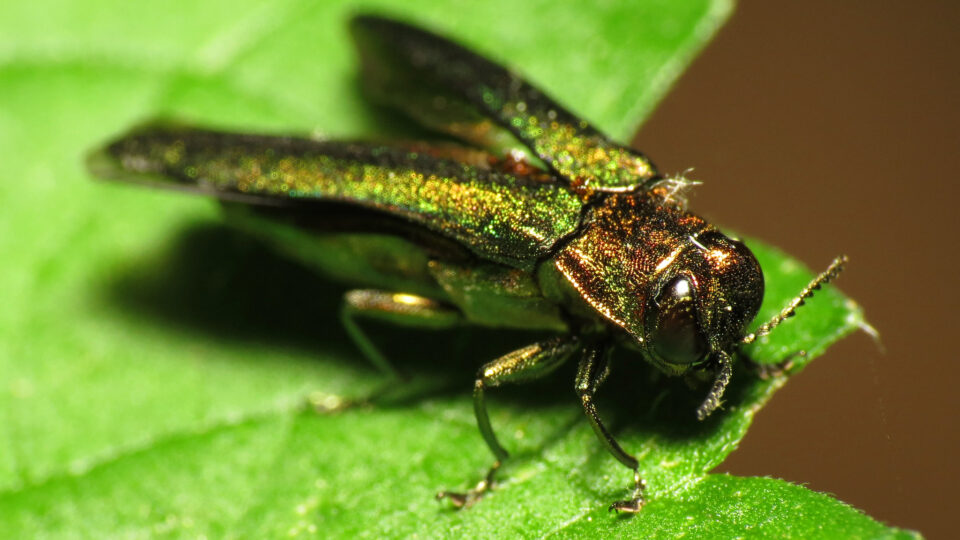
Ash trees are some of the most important plants along riverbanks and in wetlands.  There are three ash species in North America:  the white, green, and black ash.  Unfortunately, all three species are critically endangered because of the emerald ash borer.

The emerald ash borer is an exotic beetle from Asia that first showed up in the U.S. in southeastern Michigan in the summer of 2002.  The adult beetles do little damage but the larvae feed on the inner bark of ash trees and disrupt the tree’s ability to transport water and nutrients.  The beetles are now found in 35 states and 5 Canadian provinces and have killed hundreds of millions of ash trees.

The greatest hope for preserving ash tree species relates to lingering ash, which are those rare trees that have managed to survive the onslaught of the emerald ash borer. The idea is that those trees have some natural genetic resistance to the borer.  Getting seeds and cuttings from lingering ash and propagating them at nurseries may be the only way to get ash trees back into the natural landscape.

Lingering ash are extremely rare and therefore very hard to find.  As a result, researchers are reaching out to the public to help with the search and report the presence of these surviving trees in woodlands.

Researchers want to find large, mature trees left among those that were killed by the invasive insect and therefore display great resilience.  In Kentucky, university and Division of Forestry researchers are making use of software tools to engage the assistance of the public. An app called TreeSnap allows people to provide data on trees that they find in their community, on their property, or out in the wild.

**********

Web Links

Researchers Ask Public for Help Finding Lingering Ash Trees

Help Our Nation’s Trees!

Photo, posted May 31, 2014, courtesy of Katja Schulz via Flickr.

Earth Wise is a production of WAMC Northeast Public Radio.
Global Warming And Sea Turtle Births | Earth Wise

January 11, 2021 By EarthWise Leave a Comment

Climate change poses a serious threat to sea turtles

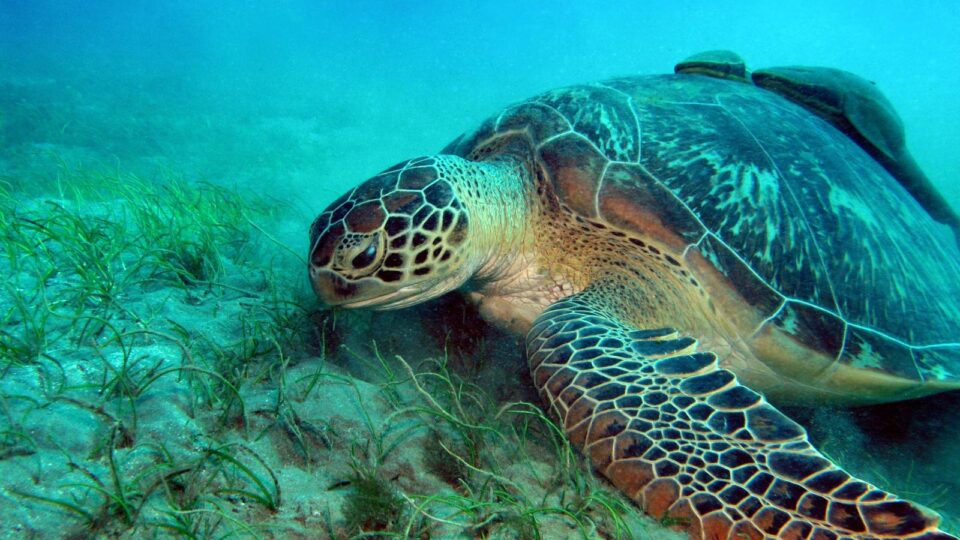
Climate change is a serious threat to species whose sex is determined by temperature.  Among these are sea turtles.  Whether marine turtles are born male or female turns out to depend on the temperature of their nest during incubation.

Sea turtle nests need to be around 84.6 degrees Fahrenheit on average to produce a 50:50 sex ratio for embryos developing in eggs.  If temperatures are higher, embryos predominantly become female.  There is a transitional range of temperatures over which both males and females are produced.  Below that range, only males are produced; above that range, only females are produced.

According to recent research published in the journal Conservation Science and Practice, sand temperatures along the Red Sea exceeded the 84.6-degree threshold in all but one of the sites studied.  Some sites measured nearly 96 degrees.  The Red Sea region is home to five of the world’s seven species of sea turtles, including endangered green turtles and critically endangered hawksbill turtles.

Skewing the sex distribution of a species is a serious threat to the future survival of the population.

The Red Sea findings are similar to observations around the world.  In Florida, sea turtle hatchlings were born 100% female in seven out the past 10 years, and in the other three years, males only made up 10-20% of the brood.  In Australia’s Raine Island, the largest green turtle nesting ground in the Pacific Ocean, the ratio of female to male turtle hatchlings in 2018 was 116:1.

Marine turtles have been around since the late Triassic period and have adapted to previous climate shifts.  But the rapid pace of human-driven climate change is threatening the future survival of these creatures.

**********

Web Links

Rising Temperatures Driving a Shift to All-Female Sea Turtle Populations

Photo, posted in October, 2005, courtesy of Frank_am_Main via Flickr.

Earth Wise is a production of WAMC Northeast Public Radio.
Once In A Lifetime Floods And Climate Change | Earth Wise

January 8, 2021 By EarthWise Leave a Comment

Climate change is worsening flooding

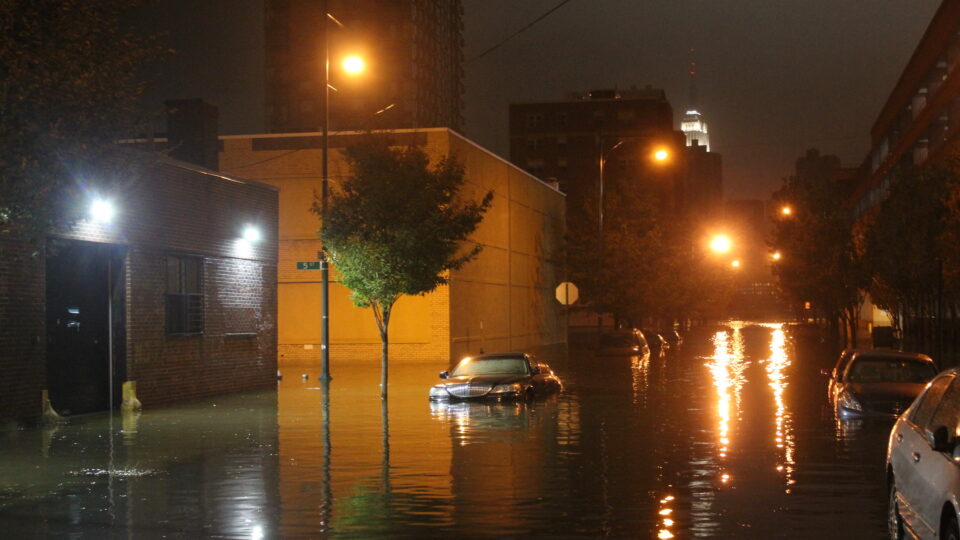
Superstorm Sandy was the deadliest hurricane of 2012 and one of the most destructive hurricanes ever to hit the United States.  According to the National Oceanic and Atmospheric Administration, Superstorm Sandy caused an estimated $74.1 billion dollars in damages.  That figure made it the fourth-costliest storm in U.S. history, trailing only Hurricane Katrina in 2005 and hurricanes Harvey and Maria in 2017.  Superstorm Sandy affected 24 states and all of the eastern seaboard.  

New York was one of the states pummeled by Superstorm Sandy.  The storm brought flood-levels to the region that had not been seen in generations.  But according to a new study published in the journal Climatic Change, those flood levels could become much more common. 

Researchers at Stevens Institute of Technology have found that 100-year and 500-year flood levels could become regular occurrences by the end of the century for the thousands of homes surrounding Jamaica Bay, NY.  The researchers say climate change is the culprit.  

Using anticipated greenhouse gas concentration levels, the research team created simulations to find the probability of different flood levels being reached by the end of the century.  The researchers found that the historical 100-year flood level would become a one-year flood level by the year 2100.  500-year floods, like Superstorm Sandy, would become a four-year flood level by the end of the century. 

While this particular study is specific to Jamaica Bay, it does serve as an example of just how severe and costly the consequences of climate change will be.   

*********

Web Links

Once in a lifetime floods to become regular occurrences by end of century

Photo, posted October 29, 2012, courtesy of Rachel via Flickr.

Earth Wise is a production of WAMC Northeast Public Radio.
 

New York And Renewables | Earth Wise

January 7, 2021 By EarthWise Leave a Comment

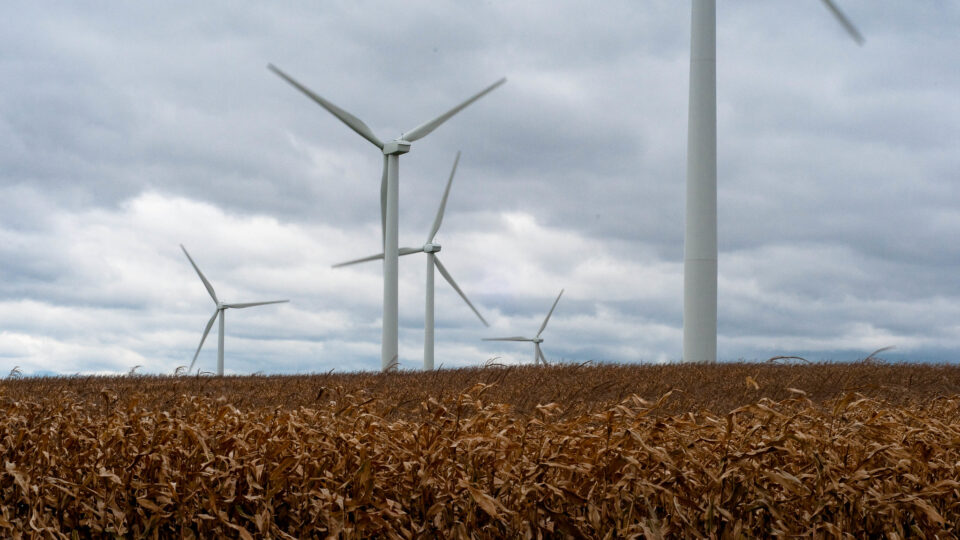
Renewables growing in New York

In 2019, New York generated more electricity from renewable sources than all but three other states.  The 39.4 million MWh of renewable electricity generated in New York was the largest of any state east of the Mississippi. 

New York has been a leader in renewable power long before it became a topic of great interest because of its hydroelectric power.  In 2019, 78% of the state’s renewable electricity came from hydropower.  The Robert Moses Niagara hydroelectric plant is the second-largest capacity conventional hydroelectric power plant in the country. 

The three states that generated more renewable electricity than New York are California, Texas, and Washington.  Washington gets 69% of all its electricity generation from its multiple hydroelectric plants which together produce a quarter of all hydroelectric power in the nation.  Texas leads the nation in wind-powered generation and gets over 17% of its in-state generation from wind.  California gets 14% of its power from solar generation, 7% from wind, and over 16% from its own hydroelectric resources.

Wind is the second-largest source of renewable power in New York, accounting for 11% of renewable generation in the state and 3% of total electricity generation.  Solar power is expanding in New York, but the great majority of it is still in the form of small-scale installations on residential and commercial rooftops.

New York’s renewable generation grew from 19% in 2005 to 30% at present.  New York’s Clean Energy Standard adopted in 2015 requires the state to generate 100% carbon-free electricity by 2040.

**********

Web Links

New York generated fourth most electricity from renewables of any state in 2019

Photo, posted October 15, 2010, courtesy of michael-swan via Flickr.

Earth Wise is a production of WAMC Northeast Public Radio.

Electronic Waste On The Decline | Earth Wise

January 6, 2021 By EarthWise Leave a Comment

Electronic waste is declining

A new study published in the Journal of Industrial Ecology has found that the total mass of electronic waste generated by Americans has been declining since 2015.  Given that electronic devices are playing an ever-growing role in our lives, this finding seems rather surprising.  It also seems like pretty good news, but the underlying facts should dampen our level of enthusiasm.

The main reason for the decline is the disappearance of large, bulky cathode-ray tube televisions and computer monitors.  Since about 10 years ago, CRT displays have been on the decline in the waste stream, thereby leading to an overall decline in total e-waste mass.

Many state regulations with respect to e-waste recycling have targets based on product mass.  The regulations were typically designed to keep electronics with high levels of lead and mercury out of landfills.

At present, the more pertinent concern is how to recover valuable elements like cobalt (from lithium-ion batteries) and indium (from flat-panel displays).  These elements are not so environmentally toxic, but rather are relatively scarce in the earth’s crust. 

The main conclusion to be drawn from the declining mass of electronic waste is not that we are necessarily winning the battle against generating it but rather that e-waste is changing and regulations concerning it need to be rethought.  Focusing regulations on capturing critical elements not only would have significant economic benefits but also would be important in addressing geopolitical uncertainties that potentially could threaten what could be termed the mineral security of the U.S.

E-waste recycling is regulated at the state level and only half the states have e-waste recycling laws.  It may be time for more uniform policies across the country.

*********

Web Links

Electronic Waste on the Decline, New Study Finds

Photo, posted January 22, 2013, courtesy of Thorsten Hartmann via Flickr.

Earth Wise is a production of WAMC Northeast Public Radio.

  • « Go to Previous Page
  • Page 1
  • Interim pages omitted …
  • Page 55
  • Page 56
  • Page 57
  • Page 58
  • Page 59
  • Interim pages omitted …
  • Page 99
  • Go to Next Page »

Primary Sidebar

Recent Episodes

  • An uninsurable future
  • Clean energy and jobs
  • Insect declines in remote regions
  • Fossil fuel producing nations ignoring climate goals
  • Trouble for clownfishes

WAMC Northeast Public Radio

WAMC/Northeast Public Radio is a regional public radio network serving parts of seven northeastern states (more...)

Copyright © 2026 ·