trump
France And Climate Change

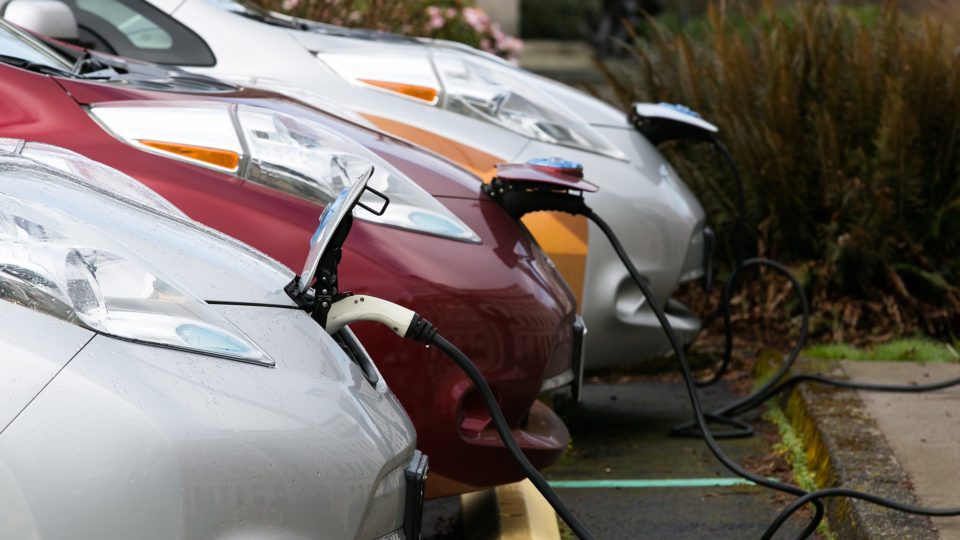
On the heels of the Trump Administration’s decision to withdraw from the Paris Climate Accord, France has rolled out ambitious plans to reduce its carbon footprint even further.
New York Steps Up
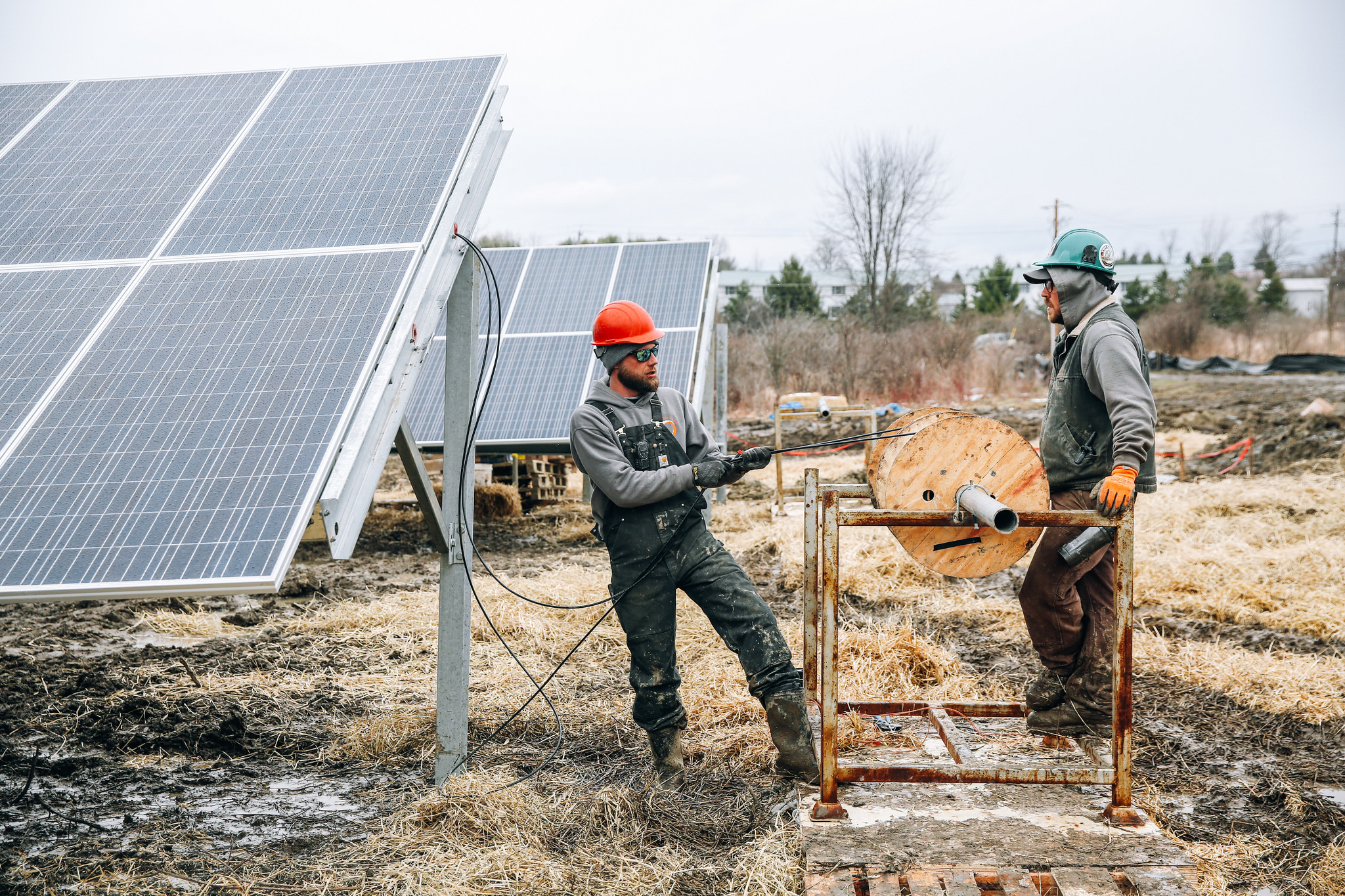
Now that the Trump administration announced that the United States would cease implementation of the Paris Climate Agreement, various state, local and corporate entities in this country have been stepping up to assume climate leadership.
A Record Drop In Coal Consumption
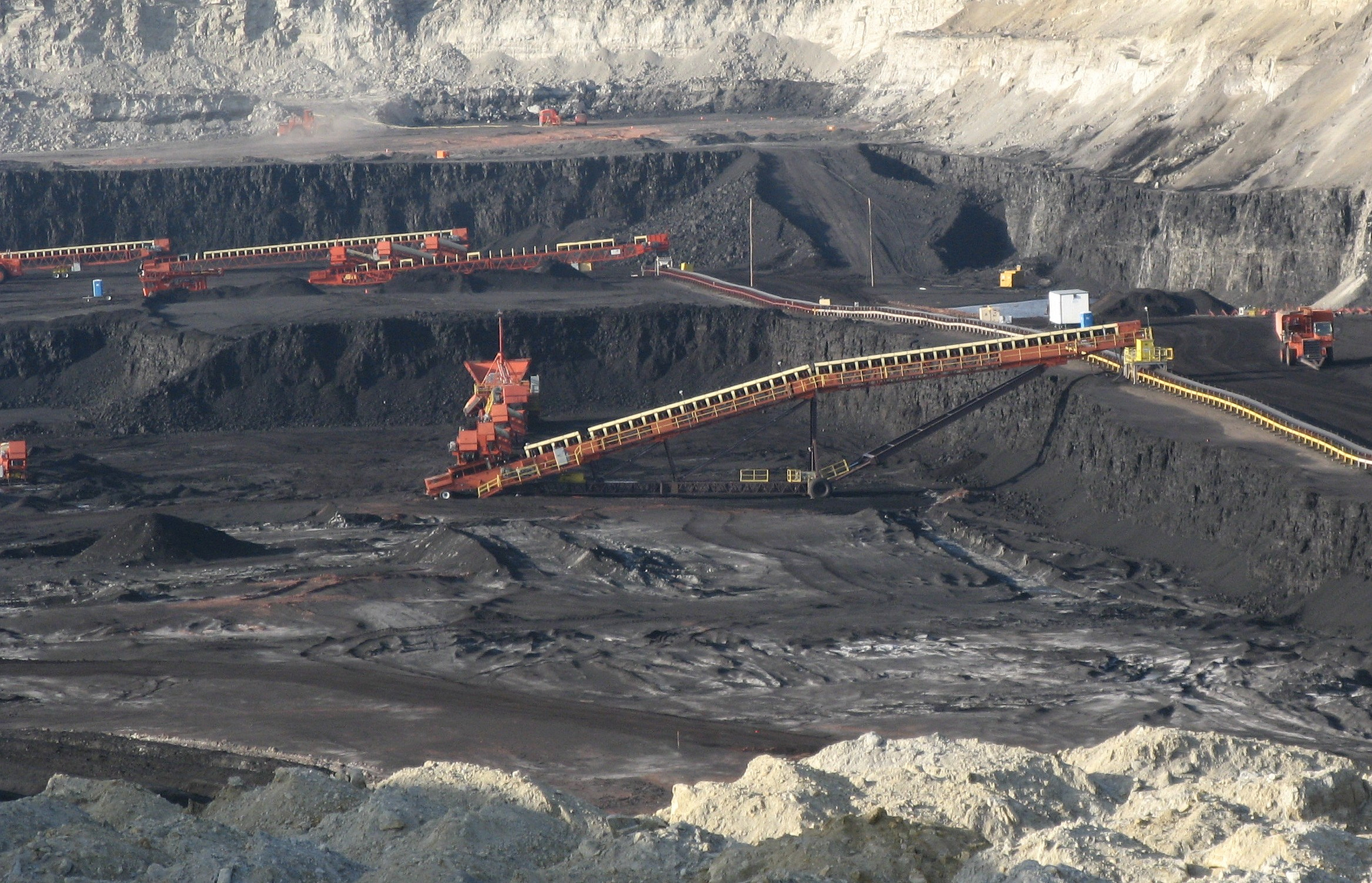
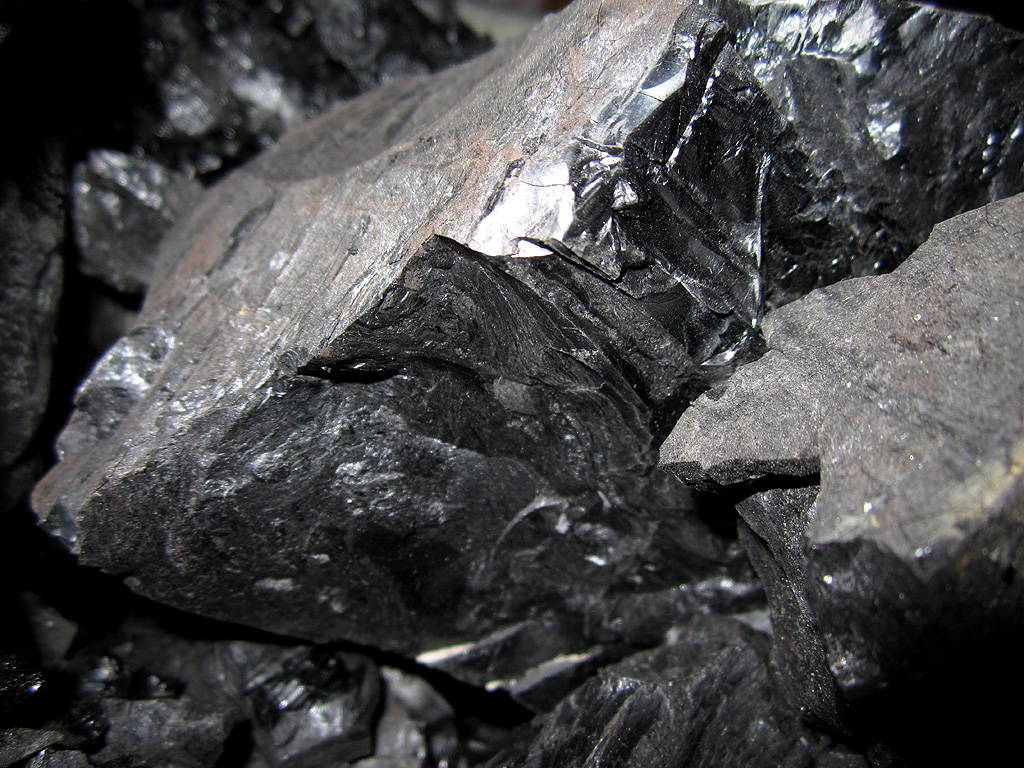
Global consumption of coal dropped by 1.7% last year. This is a major change considering that it had increased by an average of 1.9% per year from 2005 to 2015. China, which accounts for about half of the coal burned in the world, used 1.6% less in 2016, as compared to an increase of 3.7% per year over the previous 11 years.
China And India Climate Progress

China and India have 36% of the world’s population and produce about 35% of global CO2 emissions, ranking first and third respectively in that category. The United States, with a little over 4% of the world’s population, produces about 16% of global CO2 emissions, good for second place.
Clean Energy In Massachusetts
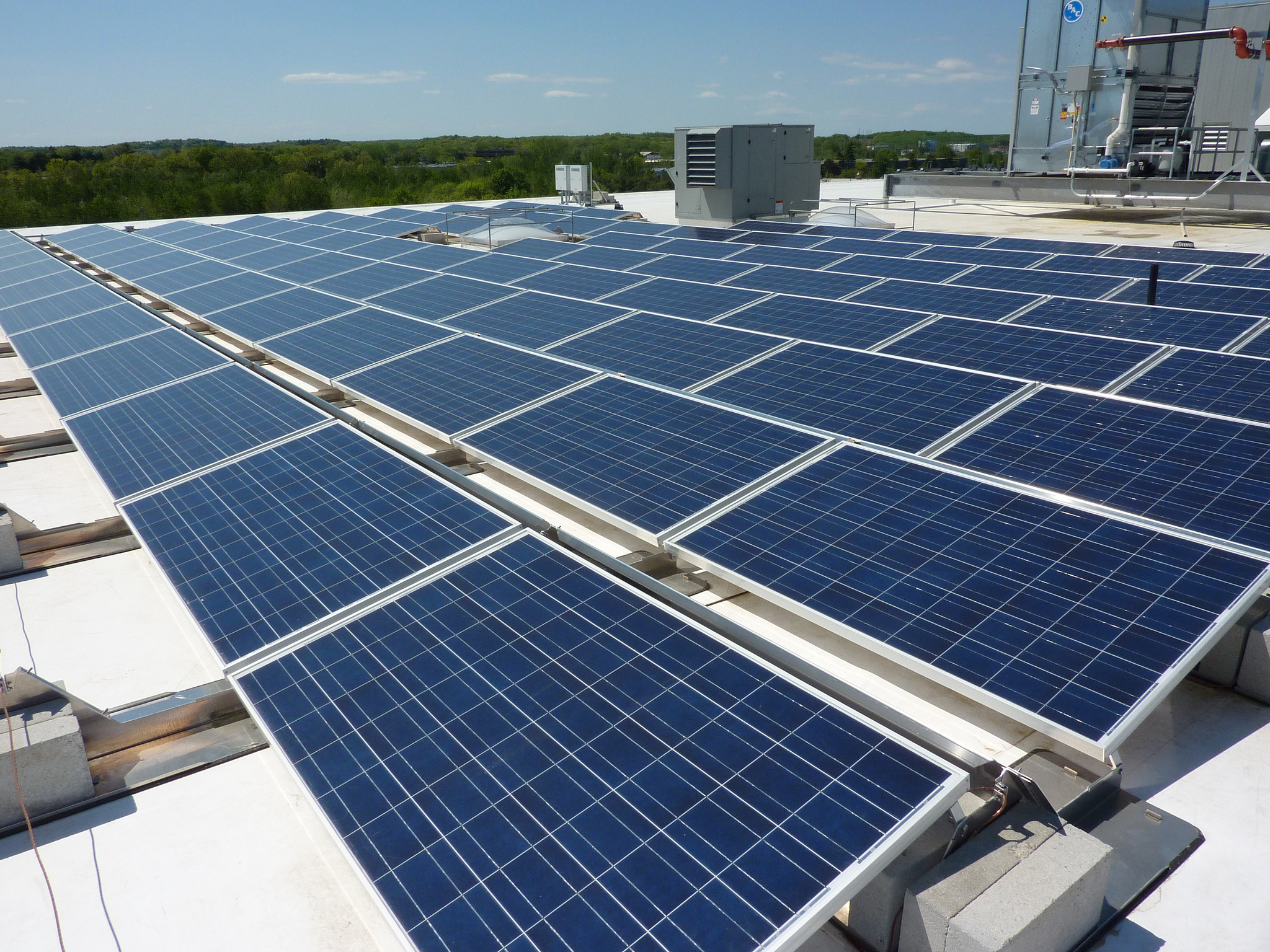
Despite efforts by the new administration to increase support for fossil fuels, there is increasing momentum towards a clean-energy future. State and local efforts are driving the country to a 21st-century energy infrastructure, with or without the federal government.
Climate Change And A Divided Country
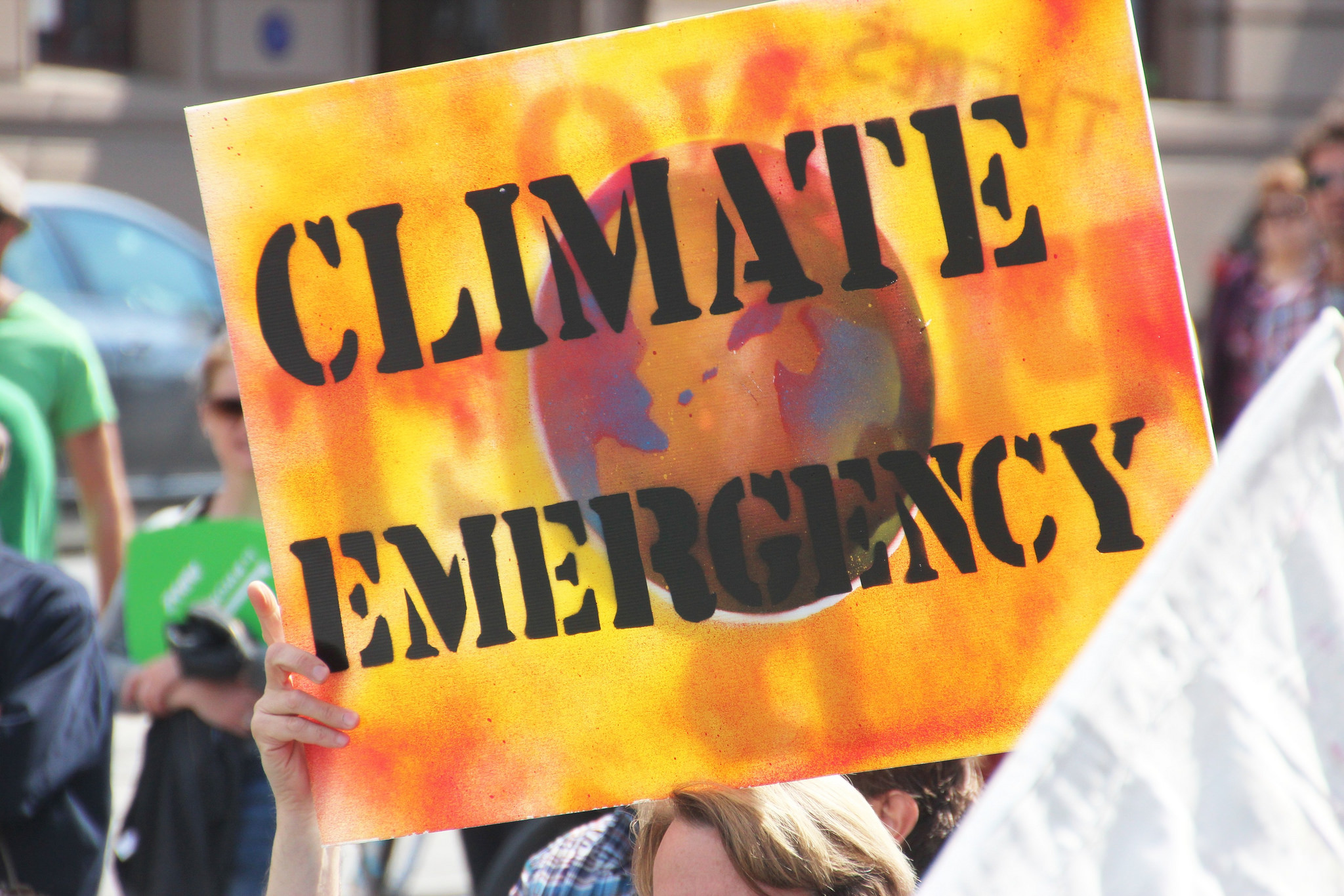
This Saturday is Earth Day and it’s also the occasion for the March for Science taking place in Washington, DC and in many other cities around the world. The purpose is to express support for scientific research and evidence-based policies in a tumultuous political environment.
Corporations To The Rescue

Regardless of the new administration’s position on climate change, America’s corporations have assumed a leadership role in the country’s ability to meet and beat previous domestic climate pledges.
European Lessons On Food Waste

Americans toss out an almost unbelievable $161 billion worth of food every year. There are numerous efforts underway to address this problem, but they are mostly at the local level or in the business sector. To date, we have no national- or international-level policies that tackle the issue. In this regard, Europe is way ahead of us.