
• Skip to primary navigation
  • Skip to main content
  • Skip to primary sidebar

Earth Wise

A look at our changing environment.

  • Home
  • About Earth Wise
  • Where to Listen
  • All Articles
  • Show Search
Hide Search
You are here: Home / Archives for Technology

Technology

Lighting Up Batteries

December 24, 2019 By EarthWise 2 Comments

One of the things that hampers the adoption of electric vehicles is range anxiety.  Drivers worry that they will run out of charge before they get to the closest charging station.   Range anxiety has lessened considerably in recent years as electric cars have incorporated larger and larger battery packs yielding driving ranges well over two hundred and even over three hundred miles.

With these extended driving ranges, drivers then turn their attention to how long it takes to charge.  Tesla’s Superchargers have gotten to the point where a car can add 75 miles of charge in 5 minutes and 200 miles in less than half an hour.  Fast charging systems are improving the charge times for other electric models as well.

Nevertheless, drivers would ideally like to reduce charging times to as little as possible in order to provide the convenience experienced in gasoline cars.

Researchers at Argonne National Laboratory have reported a mechanism for speeding up the charging of lithium-ion batteries for electric vehicles.  By exposing the battery cathode to a beam of concentrated light, the charging time can be reduced by a factor of two or more. If this could be commercialized, it could be a real game changer for electric vehicles.

The research used specially crafted lithium-ion cells with transparent quartz windows.  Shining white light into the windows caused a semiconductor material known as LMO to change its charge state and drive the charging reaction more quickly in the lithium ions of the battery.

Using this photo-assisted technology in vehicle batteries would require substantial redesign that would allow concentrated light to illuminate battery electrodes during charging.  How practical that is remains to be seen, but the payoff would be substantial.

**********

Web Links

Shedding new light on the charging of lithium-ion batteries

Photo, posted June 30, 2018, courtesy of Open Grid Scheduler via Flickr.

Earth Wise is a production of WAMC Northeast Public Radio.

Detecting Methane

December 23, 2019 By EarthWise Leave a Comment

Natural gas has become a huge industry in the United States, increasingly replacing coal in power plants, and otherwise contributing to energy independence.  Unfortunately, it also contributes to climate change.  Methane – the primary component of natural gas – is a powerful greenhouse gas that is estimated to be responsible for as much as a quarter of atmospheric warming.

Not all of the emissions from natural gas come from its use.  In the United States, so-called fugitive emissions from the oil and gas industry total an estimated 13 million metric tons per year.  These emissions basically consist of leakage of various types from the extraction, transportation, and processing of natural gas and cost the industry $2 billion in lost revenue each year.  Globally, that figure is estimated to be $30 billion.

Research labs and startup companies are working on developing and deploying novel technologies to address the growing issue of methane leaks across the fossil fuel supply chain.

One company called LongPath Technologies – a spinout from the University of Colorado – uses frequency comb laser technology that can pinpoint a leak to about a 50 square-foot area from half a mile away.  Other companies use different variations on laser absorption technology to be able to measure methane concentrations from a distance. 

Methane is a much more powerful greenhouse gas than carbon dioxide, but it stays in the atmosphere for much less time.  As a result, reducing methane emissions can pay off much more quickly than reducing carbon dioxide emissions.

The current EPA is trying to eliminate emissions regulations on the natural gas industry, but it is in the industry’s economic interest to curb those emissions even if they were unconcerned about the environment.

**********

Web Links

Methane Detectives: Can a Wave of New Technology Slash Natural Gas Leaks?

Photo, posted October 22, 2016, courtesy of Flickr.

Earth Wise is a production of WAMC Northeast Public Radio.

The Potential For Offshore Wind

December 10, 2019 By EarthWise Leave a Comment

According to a new report from the International Energy Agency, offshore wind technology has vast potential for meeting our energy needs.  In total, offshore wind has the potential to generate more than 420,000 terawatt-hours of electricity each year, which is more than 18 times the global electricity demand that exists today.

Based on current policy targets and plummeting technology costs, offshore wind could increase 15-fold by 2040, becoming a $1 trillion industry and eliminating 5 to 7 billion tons of carbon dioxide emissions annually.

Offshore wind today generates just 0.3% of the world’s electricity, but its’ use is growing rapidly.  The industry has grown nearly 30% a year since 2010, and 150 new offshore projects are currently in development around the world.  The leading countries are in Europe – especially in the UK, Germany, and Denmark – but China is greatly expanding its offshore capacity and the US, India, Korea, Japan, and Canada are also expected to make large investments in offshore wind going forward.

Offshore wind is in a category of its own because it is considered a variable baseload power generation technology.  This is because the hourly variability of offshore wind is much lower than solar power or onshore wind.  Offshore wind typically fluctuates far less from hour-to-hour than the other variable energy sources.

Technology improvements and industry growth are driving steep cost reductions for offshore wind.  The cost of offshore wind is expected to be cut in half in the next five years, dropping to $60 per megawatt-hour, which is on par with solar and onshore wind and cheaper than new natural gas-fired capacity in Europe.

**********

Web Links

Offshore Wind Has the Potential to Fulfill Global Electricity Demand 18 Times Over

Photo, posted August 9, 2016, courtesy of Lars Plougmann via Flickr.

Earth Wise is a production of WAMC Northeast Public Radio.

Bioacoustics

December 5, 2019 By EarthWise Leave a Comment

Researchers are increasingly placing microphones in forests and other ecosystems to monitor birds, insects, frogs, and other animals.  Advances in technology are enabling the wide-spread use of bioacoustics as an important research tool.

Studying animals in their natural habitat Is often a difficult task.  For one thing, many animals are difficult to find, and the presence of humans disrupts their behavior or even drives them off.  Remote cameras are useful, but cameras can only see what is in front of them and aren’t much use for detecting small animals, hidden animals, or ones high up in trees.

Biologists have long recognized the value of recording sound to identify animals and learn about their havior.  Animal sounds can be as definitive a means of identification as visual images and microphones can pick up the sounds from animals located anywhere within their detection range.

The two advances in technology that are turning bioacoustics into a widely used tool are a steep drop in the price of recording equipment and the rapidly expanding capabilities of user-friendly artificial intelligence algorithms.

Autonomous environmental audio recorders tended to cost between $500 and $1000 until quite recently.  Now, such equipment can be had for as little as $70.

The other big challenge is analyzing audio data.  Finding specific animal sounds among hundreds of hours of recordings is an untenably tedious task.  Identifying the characteristic sounds of specific species in crowded environments is a tricky business.  But neural network-based artificial intelligence technology is making such big data analysis quite practical and, remarkably, it is becoming quite user-friendly.

**********

Web Links

Listening to Nature: The Emerging Field of Bioacoustics

Photo, posted January 28, 2013, courtesy of Felix Uribe via Flickr.

Earth Wise is a production of WAMC Northeast Public Radio.

Reducing Emissions From Natural Gas Processing

December 4, 2019 By EarthWise Leave a Comment

Qatar, a small country in the Middle East with a population of about 2.5 million has the highest per capita income of any country in the world.  This is largely a result of being one of the world’s top producers of natural gas.  The upshot of that is that the tiny country has the dubious honor of being the world’s leading emitter of CO2 per capita.

Texas A&M University has a campus in Qatar and researchers there in collaboration with colleagues at the main campus in College Station, Texas have developed a new reactor technology that can help Qatar process its wealth of natural gas while reducing the country’s carbon footprint.

The technology processes natural gas and captured CO2 to produce both syngas – which is a valuable precursor for many products – and high-quality carbon nanotubes, all without releasing CO2 into the atmosphere.

Natural gas reforming is a process by which syngas – a feedstock for liquid hydrocarbons and ultraclean fuels- is produced.  The process requires lots of heat and emits CO2.  The new technology adds a novel CARGEN (or CARbon GENerator) reactor that advances the natural gas reforming process and includes a catalyst that captures the CO2 emissions and produces nanotubes.  The reactor can be driven by either electric or solar power, eliminating the need to burn fuel that ordinarily results in more carbon emissions.

The result is that Qatar’s CO2 emissions would be converted into two products that are important to its economy.  In particular, carbon nanotubes are very expensive and extremely versatile, and can be used to manufacture products such as computers and other high-quality materials.

The next step for the researchers is to partner with industry collaborators to further scale up the technology.

**********

Web Links

Qatar Researchers Develop Natural Gas Processing Technology That Could Reduce Qatar’s Carbon Footprint

Photo, posted September 30, 2012, courtesy of Jimmy Baikovicius via Flickr.

Earth Wise is a production of WAMC Northeast Public Radio.

Safe And Simple Hydrogen Peroxide

November 29, 2019 By EarthWise Leave a Comment

We don’t think about hydrogen peroxide very often.  Perhaps we have a bottle of it under our bathroom sink that we haven’t touched in a few years.   But it is an important product manufactured in the millions of tons each year and the basis of a $6 billion global business.

Hydrogen peroxide is widely used as an antiseptic, a detergent, in cosmetics, as a bleaching agent, in water purification, and in many other applications.  It is produced in industrial concentrations of up to 60% in solution with water in order to maximize the economics of transportation.  This makes transportation hazardous and costly because the concentrated form is unstable.  Most applications use a far more diluted form.

Researchers at Rice University have developed a new method for producing hydrogen peroxide that is much simpler and safer than the current technology, which actually dates back to the 1930s.  The Rice technique requires only air, water and electricity to produce the chemical.  The electrosynthesis process, which is detailed in the journal Science, uses an oxidized carbon nanoparticle-based catalyst.

The process could enable point-of-use production of pure hydrogen peroxide solutions, which would eliminate the need to transport the hazardous concentrated chemical.  The use of a solid electrolyte instead of the traditional liquid electrolyte eliminates the need for product separation or purification that is part of the current technology.

In the future, instead of storing containers of hydrogen peroxide, hospitals that use it as a disinfectant could turn on a spigot and get, for example a 3% solution on demand.  Instead of storing chemicals to disinfect swimming pool water, future homeowners could flick a switch and turn on their peroxide reactor to clean their pools.

**********

Web Links

Water + air + electricity = hydrogen peroxide

Photo, posted April 19, 2009, courtesy of Robert Taylor via Flickr.

Earth Wise is a production of WAMC Northeast Public Radio.

Clean Gas From An Artificial Leaf

November 27, 2019 By EarthWise Leave a Comment

Photosynthesis is the process used by plants, algae and certain bacteria to harness energy from sunlight and turn it into chemical energy.  It is often described as the green engine of life on earth.

For quite some time, there have been extensive research efforts around the world in the area of artificial photosynthesis.  The goal is to somehow mimic the behavior of plants in order to generate clean-burning fuels using nothing more than sunlight and the carbon dioxide in the air.

Researchers at the University of Cambridge have recently demonstrated a so-called artificial leaf that can directly produce syngas using sunlight.   Syngas is a fuel gas mixture consisting primarily of hydrogen and carbon monoxide.  Most people haven’t heard of syngas, but many products are created using it.  Being able to produce it sustainably would be a critical step to a far greener chemical and fuel industry.

The artificial leaf contains two light absorbers, similar to the molecules in plants that harvest sunlight, which are combined with a catalyst made from the naturally abundant element cobalt.  When the device is immersed in water, one light absorber uses the catalyst to produce oxygen.  The other carries out the chemical reaction that reduces carbon dioxide and water into carbon monoxide and hydrogen.  The result is the syngas mixture.

It turns out that even a rainy or overcast day provides enough light to drive the process.

Previous artificial leaf devices have mostly just produced hydrogen.  The Cambridge device produces syngas thanks to the novel combination of materials and catalysts it uses.

The researchers are now focused on finding ways to use the technology to produce a sustainable gasoline substitute.

**********

Web Links

‘Artificial leaf’ successfully produces clean gas

Photo, posted August 15, 2014, courtesy of Mike Mozart via Flickr.

Earth Wise is a production of WAMC Northeast Public Radio.

Stranded Coal Assets In Japan

November 25, 2019 By EarthWise Leave a Comment

Japan is facing a looming financial problem as a result of heavy investments in coal technology that may quickly become stranded assets as renewable energy sources become increasingly inexpensive.

Japan is gradually adding more ambitious policies with regard to climate change including goals to reduce emissions and to have renewables become the main source of power over the next three decades.  But despite these policy efforts, Japan is still investing heavily in coal power.  Japan currently has 21 new coal projects with over 11 GW of under-construction, permitted or pre-permitted coal capacity.  But these tens of billions of dollars in assets would have to be closed prematurely in order to remain consistent with the goals of the Paris Climate Agreement.

According to a new report by the Carbon Tracker Initiative, a financial think tank, and the University of Tokyo, offshore wind power will be cheaper than coal in Japan by 2022, new solar cheaper by 2023, and onshore wind less expensive by 2025.  The price of offshore wind is already comparable to existing coal power in Japan.  Japan had a total of 55.5 GW of solar capacity last year and has the potential to reach 150 GW by 2030.

The report notes that 42% of the global coal fleet likely became unprofitable last year and this could rise to 72% by 2040.  The authors contend that building coal power today equals high-cost power and financial liabilities tomorrow.  The planned and operating coal capacity in Japan is partially protected by regulations that give coal generators an unfair advantage in the marketplace.  Ultimately, the stranded coal assets are likely to be passed down to consumers through higher power prices.

**********

Web Links

Land of the Rising Sun and Offshore Wind

Photo, posted April 25, 2019, courtesy of Jen via Flickr.

Earth Wise is a production of WAMC Northeast Public Radio.
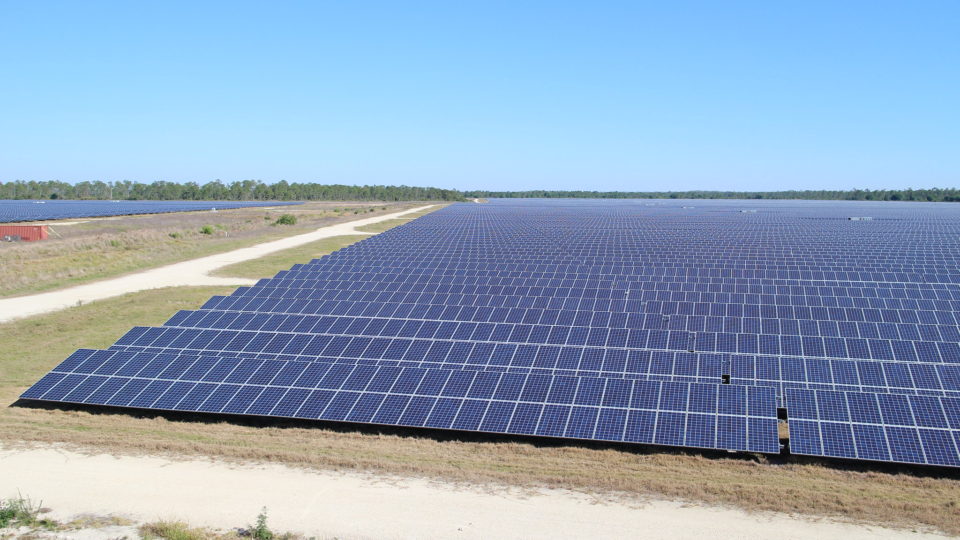
The Largest Community Solar Program

November 22, 2019 By EarthWise Leave a Comment

Community solar projects allow customers to benefit from the economic and environmental attributes of solar energy when they don’t have the ability to invest in their own system for any number of reasons.

Florida Power & Light company is proposing to build the largest community solar program in the United States, pending regulatory review.  The planned installation of 1,490 MW of new solar capacity at 20 new power plants distributed across FPL’s service territory is expected to generate an estimated $249 million in net savings for all FPL customers over the long term.

In addition to becoming the largest community solar program in the country, the new program would also be the largest voluntary low-income solar offering in the country.  Low-income households are typically unable to benefit from solar energy because of not having the means to invest in the technology.  The new SolarTogether program will have more than 35 megawatts of capacity dedicated to low-income Florida families.  Solar energy is a critical tool for enabling low-income families to tap into energy savings. 

The SolarTogether program would provide direct savings in the form of bill credits, making solar an affordable option for any customer.  The Southern Alliance for Clean Energy and Vote Solar joined with FPL to help design the program to include a low-income component and request Florida Public Service Commission approval. There is broad support for the program from universities, county and city governments, and private companies.  In addition, more than 90,000 residential and small business customers have already signed up to receive more information.  The utility hopes to receive regulatory approval in time to launch during the first quarter of 2020.

**********

Web Links

FPL plans nation’s largest community solar program; includes low-income focus

Photo, posted March 8, 2018, courtesy of Babcock Ranch via Flickr.

Earth Wise is a production of WAMC Northeast Public Radio.

The Benefits Of Zero-Carbon Cities

November 8, 2019 By EarthWise Leave a Comment

A new report issued by a coalition of 50 leading international institutions shows that low carbon initiatives in cities could reduce urban emissions by nearly 90% and support 87 million jobs worldwide by 2030.  The report finds that implementing low carbon measures in cities would be worth almost $24 trillion by 2050.

Cities are home to more than half the world’s population but produce 80% of gross domestic product and 75% of carbon emissions.  The research highlights the significant benefits carbon reduction can bring to cities in areas such as public health, job creation, and poverty alleviation.

The report shows that it is possible to cut 90% of emissions from cities using currently available technologies and practices including carbon savings from buildings, transportation, materials efficiency, and waste reduction.  Doing so would require an investment of nearly $2 trillion per year but would generate annual returns of nearly $3 trillion in 2030 and $7 trillion in 2050 based on cost savings alone.  Many low carbon measures would pay for themselves in less than five years, including more efficient lighting, electric vehicles, improved freight logistics, and solid waste management.

In addition to economic benefits, compact, connected and clean cities could provide a higher standard of living and greater opportunity for all.  These measures would also reduce air pollution, cut chronic traffic congestion, and improve worker productivity.

The report offers case studies from around the world where national and local governments have worked together to rapidly and profoundly transform their cities for the better within 20 or 30 years.

**********

Web Links

The benefits of investing in zero-carbon cities

Photo, posted September 8, 2018, courtesy of Steffen Flor via Flickr.

Earth Wise is a production of WAMC Northeast Public Radio.

A Powerful Case For Protecting Whales

October 24, 2019 By EarthWise Leave a Comment

Efforts to mitigate climate change typically face two major challenges.  One is to find effective ways to reduce the amount of atmospheric carbon dioxide.  The other is how to raise enough money to implement climate mitigation strategies. 

Many proposed solutions to climate change, like carbon capture and storage, are complex, expensive, and in some cases, untested.  What if there was a low-tech solution that was effective and economical?

Well, it turns out there is one, and it comes from a surprisingly simple, “no-tech” strategy to capture CO2: increase global whale populations. 

According to a recent analysis by economists with the International Monetary Fund, whales help fight climate change by sequestering CO2 in the ocean. 

Whales sequester carbon in a few ways.  They hoard it in their fat and protein-rich bodies, stockpiling tons of carbon apiece.  When whales die, they turn into literal carbon sinks on the ocean floor.  While alive, whales dive to feed on tiny marine organisms like krill and plankton before surfacing to breathe and excrete. Those latter activities release an enormous plume of nutrients, including nitrogen, iron, and phosphorous, into the water.  These so-called “poo-namis” stimulate the growth of phytoplankton, microscopic marine algae that pull CO2 out of the air and return oxygen to the air via photosynthesis.  Phytoplankton are responsible for every other breath we take, contributing at least 50% of all oxygen to the atmosphere and capturing approximately 40% of all CO2 produced. 

With other economic benefits like ecotourism factored in, economists estimate that each whale is worth $2 million over its lifetime, making the entire global population possibly a one trillion dollar asset to humanity.

*********

Web Links

How much is a whale worth?

Photo, posted June 12, 2013, courtesy of Gregory Smith via Flickr.

XXXXXXXXXXXXXXXXXX

Compressed Air Energy Storage

October 23, 2019 By EarthWise Leave a Comment

The increasing use of solar and wind power has created a growing need for technology to store up the energy they generate for use when it is most needed.

Historically, pumped hydropower has provided the largest amount of storage capacity, but it is limited to only certain geographic locations.   Battery energy storage has been growing rapidly, with the technology becoming better and cheaper over time.  But there are various other ways to store energy that have potential and may well find their place in the changing energy infrastructure.

One of these is compressed air energy storage, which has been around for more than a century.  It has been used as a backup method for restarting power plants.  But to date, the economic viability of using it at a large scale has been lacking.

A Canadian startup company called Hydrostor is developing compressed air energy storage technology that it believes can be used on a utility scale.

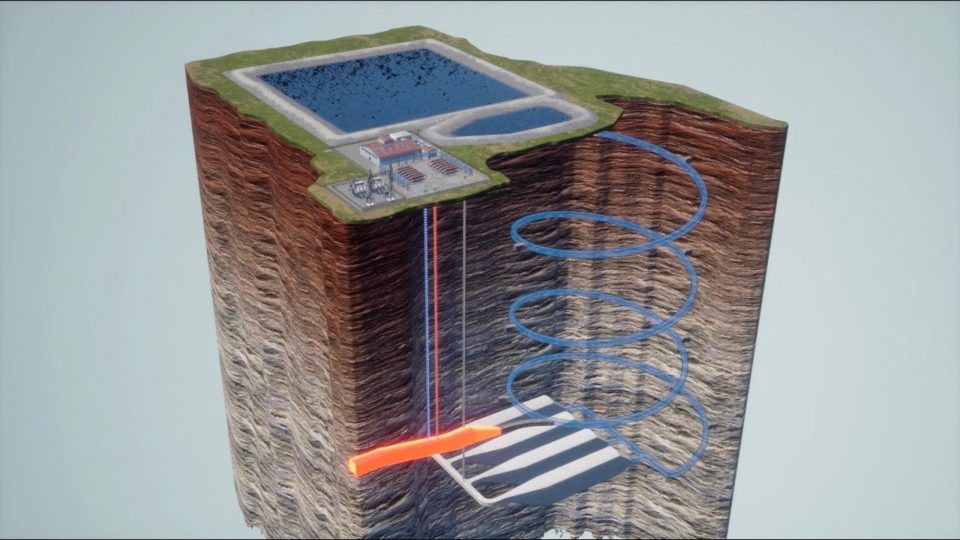
The way it works is excess renewable energy is used to run compressors that compress air.  Compressing the air heats it up and the heat is captured and stored in insulated hot water tanks.  The compressed gas is then injected into underground caverns.  When energy is needed, the compressed air is released, the stored heat is added, and the warmed gas is run through turbines to generate electricity.  Additional features improve the system’s efficiency.

Hydrostore has built a 1 MW pilot project in Ontario, Canada and is now commissioning a 2MW system as well.  It is funded to build a 5 MW system in Australia next year and it is bidding for 300 MW and 500 MW systems in North America.  The company has received equity funding from Baker Hughes, a large oil-and-gas services and equipment company.

**********

Web Links

Storing energy in compressed air could finally become cheap enough for the big time

Photo courtesy of Hydrostor.

Earth Wise is a production of WAMC Northeast Public Radio.
Pulling Water From The Air

October 14, 2019 By EarthWise Leave a Comment

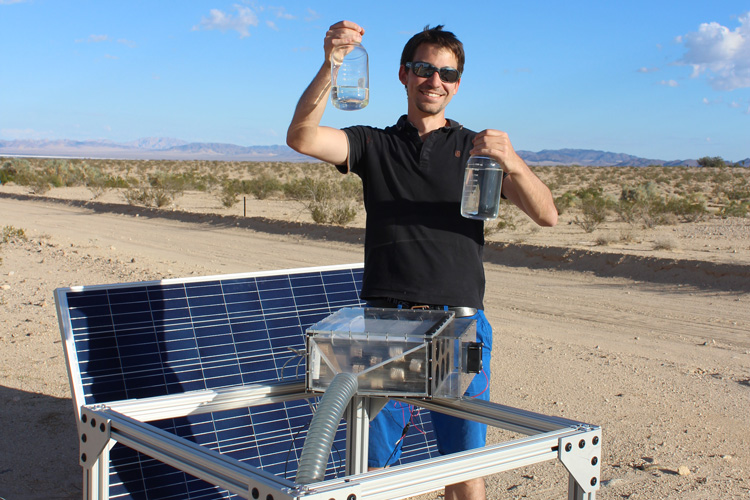
A couple of years ago, we reported on the early development of a device that harvests water from the air that even works in the low humidity environment of a desert.  Since then, the researchers from UC Berkeley have continued to improve the device and it is now 10 times better than it was two years ago.

The harvester is based on a porous water-absorbing material called a metal-organic framework, or MOF.  The latest version can pull more than five cups of water from low-humidity air per day for every kilogram of the improved MOF material and that is more than enough water to sustain a person.  The harvester cycles around the clock and is powered by solar panels and a battery.

Previous techniques for condensing water from air at low humidity required cooling down the air to temperatures below freezing, which is not economically practical.  The MOF-based device does not require any cooling.

The Berkeley researchers have formed a startup company – Water Harvester, Inc. – which is now testing and will soon market a device the size of a microwave oven that can supply 7 to 10 liters of water per day, which is enough drinking and cooking water for two or three adults.

An even larger version of the harvester, which would be the size of a small refrigerator, would provide 200 to 250 liters of water per day, enough for a household to drink, cook, and shower.  The new company envisions a village-scale harvester that would produce 20,000 liters per day, still running off of solar panels and a battery.

Water Harvester believes the water needs for many people can come out of the thin air.

**********

Web Links

Water harvester makes it easy to quench your thirst in the desert

Photo courtesy of Grant Glover (University of South Alabama) via UC Berkeley.

Earth Wise is a production of WAMC Northeast Public Radio.
Solar-Powered Desalination

October 4, 2019 By EarthWise Leave a Comment

Turning seawater into drinking water is an energy-intensive process and is therefore pretty expensive.  Worldwide, one third of people don’t have reliable access to safe drinking water and they are the least able to afford expensive ways to get it.   By 2025, half of the world’s population is expected to live in water-stressed areas.

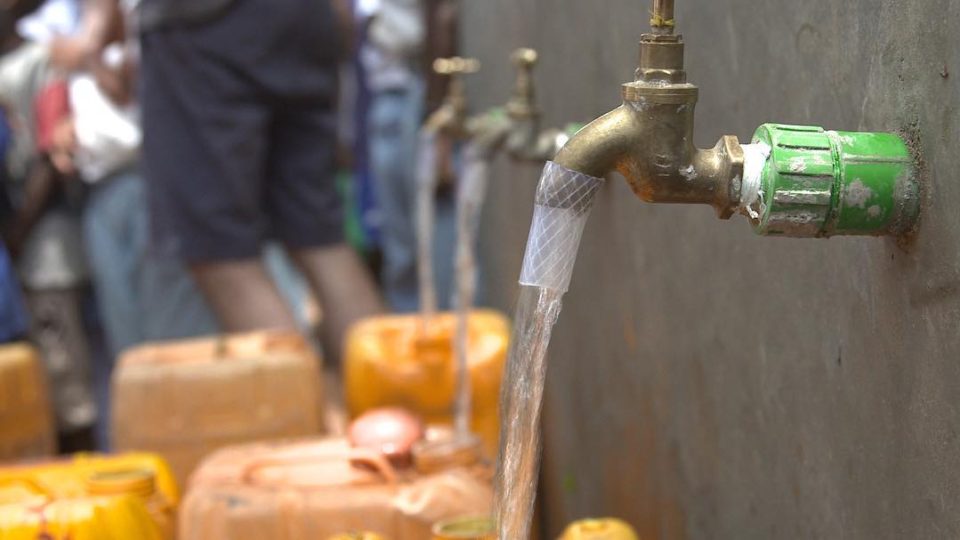
At a newly-constructed facility in Kenya, a nonprofit company called GivePower has built a desalination system that runs on solar power.  The system started operating in the coastal area of Kiunga in July 2018 and can create nearly 20,000 gallons of fresh drinking water each day – enough for 25,000 people.

GivePower started in 2013 as a nonprofit branch of SolarCity, the solar-panel company that ultimately merged with Tesla in 2016.  However, GivePower spun off as a separate enterprise shortly before that.

GivePower mostly focuses on building solar-energy systems to provide electricity across the developing world. 

Desalination technology is not new, but it is notoriously energy-intensive because it requires high-power pumps.  The GivePower system is integrated with a solar microgrid that makes use of Tesla batteries to store energy for when the sun is not shining. 

Local residents pay about a quarter of one cent for every quart of water from the system.  The Kiunga community has faced ongoing drought and before the GivePower system was installed, was forced to drink from salt water wells, which present serious health risks.

The GivePower system cost $500,000 to build and is expected to generate $100,000 a year, to be eventually used to fund similar facilities in other places.

**********

Web Links

A solar-powered system can turn salt water into fresh drinking water for 25,000 people per day. It could help address the world’s looming water crisis.

Photo courtesy of GivePower.

Earth Wise is a production of WAMC Northeast Public Radio.
New Membranes For Carbon Capture

October 2, 2019 By EarthWise Leave a Comment

Drastically reducing the amount of carbon dioxide being emitted into the atmosphere is an essential goal in the effort to mitigate the effects of climate change.  While the ultimate solution is to avoid combustion of fossil fuels by the use of clean alternative energy sources, that transition will take time – possibly more time than we have.  As a result, there is a great deal of effort underway to develop techniques for capturing the carbon emitted by fossil fuel combustion and either recycling it or storing it.

There are multiple ways to capture carbon emissions, but the ultimate goal is to find a technique that is both inexpensive and scalable.  One promising technique involves the use of high-performance membranes, which are filters that can specifically pick out CO2 from a mix of gases, such as those coming out of a factory smokestack.

Scientists at a Swiss laboratory have now developed a new class of high-performance membranes that exceeds the targeted performance for carbon capture by a significant margin.  The membranes are based on single-layer graphene with a selective layer thinner than 20 nanometers – only about 40 atoms thick. The membranes are highly tunable in terms of chemistry, meaning that they can be designed to capture specific molecules.

The membranes are highly permeable – meaning that they don’t impede gas flow too much – but highly selective.  The CO2/N2 separation factor is 22.5, which means that 22.5 times more nitrogen can get through the membrane than carbon dioxide.

The work is just at the laboratory stage at this point, but it is a very promising step towards developing a practical scheme for keeping carbon dioxide from escaping from power-plant and factory smokestacks.

**********

Web Links

Next-gen membranes for carbon capture

Photo, posted December 28, 2010, courtesy of Emilian Robert Vicol via Flickr.

Earth Wise is a production of WAMC Northeast Public Radio.
Renewable Natural Gas

September 30, 2019 By EarthWise Leave a Comment

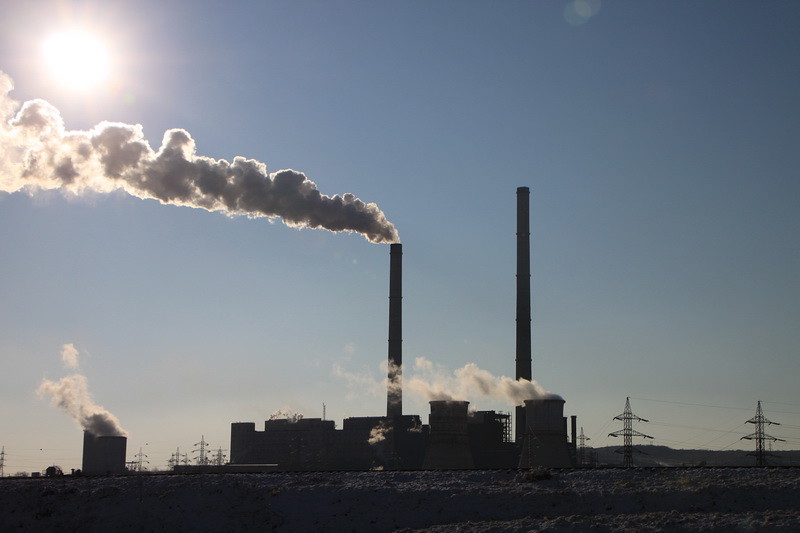
Small-scale biogas systems have collected methane from landfills, sewage plants, and farms for decades.  Here in the US, biogas is finally catching up with modern techniques with the advent of third-party operators introducing more sophisticated technology to capture methane and pump it directly into pipelines.

Renewable methane or natural gas represents a significant mostly unexploited source of energy.  Examples include the vast amounts methane generated by manure from some of the 2,300 hog farms in eastern North Carolina, biodigesters that can turn clusters of large California dairy farms into energy hubs, as well as diverting food waste from landfills and transforming it into vehicle and heating fuels.

According to a 2014 EPA study, the U.S. could support at least 13,000 biogas facilities, fed by manure, landfill gas, and biosolids from sewage treatment plants.  Those facilities could produce over 650 billion cubic feet of biogas per year – enough renewable energy to power 3 million homes.

A study by the World Resources Institute estimated that the 50 million tons of organic waste sent to landfills or incinerated every year in the U.S. has the energy content of 6 billion gallons of diesel fuel, amounting to 15% of all diesel consumed by heavy-duty trucks and buses.

Utilizing all that biogas could help lower greenhouse gas emissions from some of the most difficult sectors to decarbonize – transportation, industry, and heating buildings.  In addition, ramped up renewable gas could keep organic waste out of landfills and prevent manure runoff into rivers and water supplies.

Renewable natural gas could be the next big thing in green energy.

**********

Web Links

Could Renewable Natural Gas Be the Next Big Thing in Green Energy?

Photo, posted June 19, 2013, courtesy of Alan Levine via Flickr.

Earth Wise is a production of WAMC Northeast Public Radio.
Floating Solar Fuel Farms

September 20, 2019 By EarthWise Leave a Comment

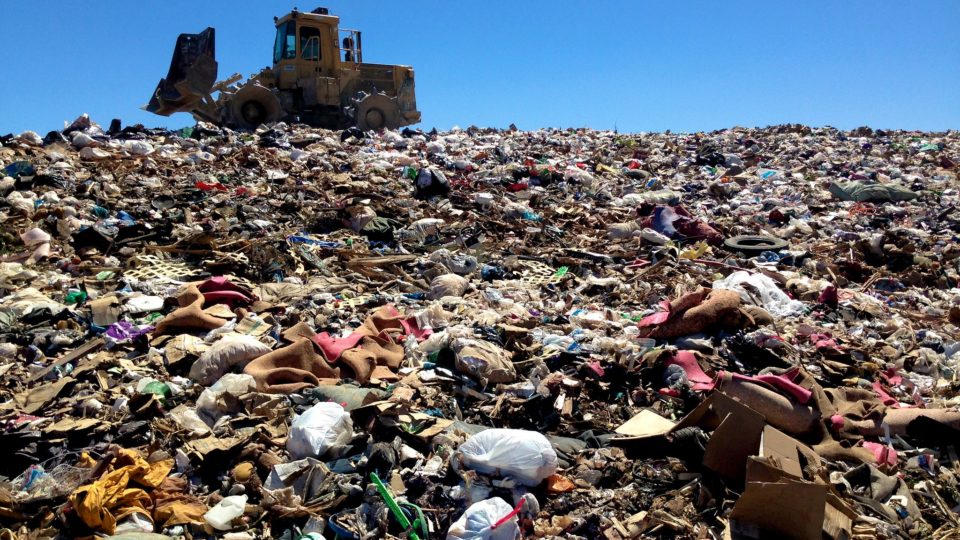
Limiting global warming will require a massive reduction in CO2 emissions from fossil fuel burning.  Renewable energy sources are playing a growing role in the power grid and electric cars are becoming increasingly popular.  Despite all this, carbon-based liquid fuels will continue to dominate our energy use for the foreseeable future.

Researchers in Norway and Switzerland have described a potential scheme that would help remove CO2 from the atmosphere and produce a valuable liquid fuel.

The idea is to create floating islands containing large numbers of solar panels that convert carbon dioxide in seawater into methanol, which can fuel airplanes and trucks.

A combination of largely existing technologies would be the basis of these floating islands, which would be similar to present-day floating fish farms.  The researchers envision clusters each composed of 70 circular solar panels that in total cover an area of roughly half a square mile.  The solar panels would produce electricity, which would split water molecules and isolate hydrogen.  The hydrogen would then react with carbon dioxide pulled from seawater to produce usable methanol.

The technology already exists to build the floating methanol islands on a large scale in areas of the ocean free from large waves and extreme weather.  Suitable locations are off the coasts of South America, North Australia, the Arabian Gulf, and Southeast Asia.

A single floating solar farm could produce more than 15,000 tons of methanol a year – enough to fuel a Boeing 737 airliner for more than 300 round-trip flights across the country.  Floating energy islands would not be a magic bullet for limiting the effects of climate change, but they could well be an important part of an overall strategy.

**********

Web Links

Giant Floating Solar Farms Could Make Fuel and Help Solve the Climate Crisis, Says Study

Photo courtesy of PNAS.

Earth Wise is a production of WAMC Northeast Public Radio.

China And Rare Earth Mining

September 4, 2019 By EarthWise Leave a Comment

Rare earth elements are a crucial part of much of modern technology.  Everything from computers to X-ray machines and aircraft engines needs one or more rare earth elements for magnets, lenses, and other functions.  The world’s tech giants such as Apple, Huawei, and Tesla depend on suppliers of rare earths.

Rare earth elements are not actually rare, but they are very expensive to extract in ways that are not extremely harmful to the environment.  China has been a major source of these elements since its rare earth mining industry took off in the 1990s.  The removal of rare earths from the earth’s crust, using a mix of water and chemicals, has caused extensive water and soil pollution.

Today, concrete leaching ponds and plastic-lined wastewater pools dot the hills of Southeast China.  Large wastewater ponds sit uncovered and open to the elements in many places.  Landslides or barrier failures can spill contaminated contents into waterways or groundwater.

Local and federal officials in China have started to shut down illegal and small-scale rare earth mining operations and have embarked on a cleanup of polluted sites.  The rare earth mining cleanup operation is part of wider efforts across China to address severe problems of water, air and soil pollution.

China’s Ministry of Industry and Information Technology estimated that the cleanup bill for southern Jiangxi Province could amount to more than $5 billion.  Many environmental experts and local officials say that the cost of the cleanup should not be shouldered by the Chinese government alone, but also by the rare earth industry and the global companies and consumers that benefit from rare earth technology.  As rare earth mining efforts start up elsewhere around the world, it is important not to repeat the mistakes made in China.

**********

Web Links

China Wrestles with the Toxic Aftermath of Rare Earth Mining

Photo, posted April 21, 2019, courtesy of John Beans via Flickr.

Earth Wise is a production of WAMC Northeast Public Radio.

Climate Change And Nutrients

August 15, 2019 By EarthWise Leave a Comment

Ending hunger isn’t a question of producing enough food.  Globally, enough food is produced to feed all 7.7 billion people on the planet.  But despite this, approximately 1 in 9 people go hungry.  Conflict, natural disasters, and extreme poverty are some of the main drivers of global hunger. 

Climate change is another.  The more frequent and intense extreme weather events increase food insecurity and malnutrition by destroying land, livestock, crops, and food supplies.  Climate change makes growing crops harder every year, especially for those who lack the tools and technology to adapt. 

But the challenge of reducing hunger and malnutrition is to not only produce foods that provide enough calories, but to also produce foods that make enough necessary nutrients widely available.  According to new research, climate change is projected to significantly reduce the availability of critical nutrients such as protein, iron, and zinc over the next 30 years.  The total impact of climate change could reduce global per capita nutrient availability of protein, iron, and zinc by 19.5%, 14.4%, and 14.6%, respectively.

While higher levels of carbon dioxide can boost growth in plants, wheat, rice, corn, barley, potatoes, soybeans, and vegetables are all projected to suffer nutrient losses of about 3% on average by 2050 due to the elevated CO2 levels.

The study, which was co-authored by an international group of researchers and published in the peer-reviewed journal, Lancet Planetary Health, represents the most comprehensive synthesis of the impacts of climate change on the availability of nutrients in the global food supply to date. 

Climate change is complicating the quest to end global hunger and malnutrition. 

**********

Web Links

Rising CO2, climate change projected to reduce availability of nutrients worldwide

Photo, posted April 30, 2015, courtesy of Flickr.

Earth Wise is a production of WAMC Northeast Public Radio.

A Green Way To Turn Blue

August 5, 2019 By EarthWise Leave a Comment

Indigo dye is what is used to color denim cloth and blue jeans.  Historically, the dye came from a tropical plant most often found on the Indian subcontinent.  Eventually, it became economically favorable to synthesize the dye instead and almost all of the 50,000 tons of the dye used annually is synthetic.

The processes used to make synthetic indigo are efficient and inexpensive, but they often require toxic chemicals and create a lot of dangerous waste.  Researchers at the Department of Energy’s Joint BioEnergy Institute have now developed an eco-friendly production platform for a blue pigment called indigoidine.  It has a similarly vividly saturated blue hue as synthetic indigo.

The researchers were investigating the ability of various fungal strains to express large enzymes known as NRPSs.  They chose an NRPS that converts two amino acid molecules into indigoidine – a blue pigment – in order to make it easy to tell if the strain engineering had worked.  Having the culture turn blue was an effective indicator.

Their primary interest was not the pigment but when they saw just how blue the culture was for one particular fungus, they realized that the fungal strain did not just produce indigoidine; it produced large amounts of it.

Thus they have found a way to efficiently produce a blue pigment that uses inexpensive, sustainable carbon sources instead of harsh chemicals.  There is already a great deal of interest from the textile industry, where many companies are eager for more sustainably sourced pigments because customers are increasingly aware of the impacts of conventional dyes.

Thanks to a talented fungus called Rhodosporidium toruloides, there may now be a green way to turn blue.

**********

Web Links

Blue Pigment from Engineered Fungi Could Help Turn the Textile Industry Green

Photo, posted March 7, 2006, courtesy of Willi Heidelbach via Flickr.

Earth Wise is a production of WAMC Northeast Public Radio.

  • « Go to Previous Page
  • Page 1
  • Interim pages omitted …
  • Page 29
  • Page 30
  • Page 31
  • Page 32
  • Page 33
  • Interim pages omitted …
  • Page 40
  • Go to Next Page »

Primary Sidebar

Recent Episodes

  • An uninsurable future
  • Clean energy and jobs
  • Insect declines in remote regions
  • Fossil fuel producing nations ignoring climate goals
  • Trouble for clownfishes

WAMC Northeast Public Radio

WAMC/Northeast Public Radio is a regional public radio network serving parts of seven northeastern states (more...)

Copyright © 2026 ·