• Skip to primary navigation
  • Skip to main content
  • Skip to primary sidebar

Earth Wise

A look at our changing environment.

  • Home
  • About Earth Wise
  • Where to Listen
  • All Articles
  • Show Search
Hide Search
You are here: Home / Archives for Technology

Technology

Floating Turbines For Offshore Wind | Earth Wise

June 18, 2020 By EarthWise Leave a Comment

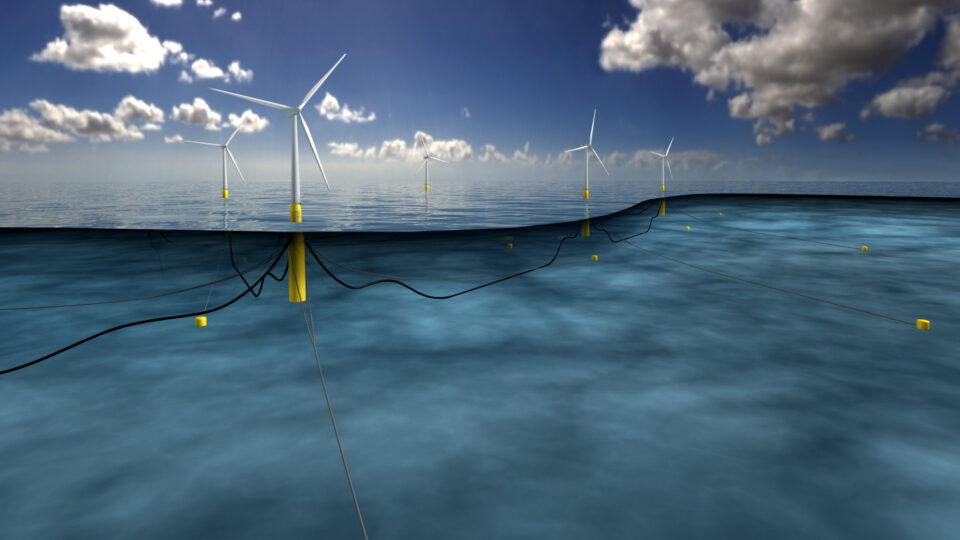
floating wind turbines

Offshore wind is big in Europe.  There are more than 5,000 offshore wind turbines across 12 European countries with a total capacity of more than 22 gigawatts.  Almost every one of those turbines sits on a long tower sunk into the seabed and bolted into place in places where the water is 60 to 160 feet deep.

But off the coast of northern Scotland, there is the Hywind Wind Park which has five 574-foot-tall turbines located 15 miles offshore where the water is 300 feet deep.  The giant masts and turbines sit on buoyant concrete-and-steel keels that allow them to stand upright and float on the water like a giant buoy.  The giant cylindrical bases are held in place with mooring cables attached to anchors that sit on the seafloor.

A key advantage of floating turbines is that they can access outlying ocean waters up to half a mile deep, which is where the world’s strongest and most consistent winds blow.  Another advantage is that such turbines can be installed over the horizon, out of sight of coastal residents who might not like to have wind turbines visible in their scenic ocean views.

Floating wind power has enormous potential for contributing to the expansion of renewable energy.  Offshore wind is still quite a bit more expensive than land-based turbines, and the cost of electricity from distant floating turbines is more than that from near-shore wind turbines.   But all of these costs are likely to come down with improving technology and increased production volume.

There are real challenges to the expanded used of floating wind farms, but the promise of harnessing so much of the open seas for electricity generation is an attractive proposition.

**********

Web Links

Will Floating Turbines Usher in a New Wave of Offshore Wind?

Photo, posted July 17, 2017, courtesy of Crown Estate Scotland via Flickr.

Earth Wise is a production of WAMC Northeast Public Radio.

A Second Life For Electric Car Batteries | Earth Wise

June 17, 2020 By EarthWise Leave a Comment

electric car batteries

The number of electric cars around the world is growing steadily.  Battery technology continues to improve and the battery packs in the cars can have a long life.  Generally, the batteries are considered to require replacement only when their range has dropped below 80% of its original value.  Many are warranted to last for 8 to 10 years or more than 100,000 miles.  Some seem to do much better than that.

But however long it takes, there will eventually be a wave of used batteries whose performance is no longer deemed sufficient for vehicle use.  A new study, published in the journal Applied Energy, looked at the application of used vehicle batteries as backup storage for grid-scale solar photovoltaic installations where they could perform for more than a decade in this less demanding role.

The study looked at the economics of several scenarios including running a solar farm with no battery back up, running the same farm with brand-new batteries, and running the farm with a battery array made of repurposed vehicle batteries.

They found that the used EV battery array, if managed properly, could be a good, profitable investment provided that the batteries cost less than 60% of their original price.  They looked at the technical issues of screening batteries and combining batteries from different cars to work together.  They also looked at the economics of removing batteries from cars, collecting them, checking them over, and repackaging them.

Overall, they found that reusing vehicle batteries could ultimately meet half the forecasted demand for renewable energy backup storage over the next 10 years and would be both a technical and an economic success story.

**********

Web Links

Solar energy farms could offer second life for electric vehicle batteries

Photo, posted June 10, 2011, courtesy of Nick Ares via Flickr.

Earth Wise is a production of WAMC Northeast Public Radio.

Fighting Malaria With Gene-Drive Technology | Earth Wise

June 8, 2020 By EarthWise Leave a Comment

Using malaria to fight malaria

Malaria continues to be a major health hazard throughout the tropical and subtropical regions of the world. There were 228 million cases of malaria in 2018 and over 400,000 deaths. 

Malaria is a mosquito-borne infectious disease spread by 40 of the world’s 3,500 mosquito species.  So, efforts to control mosquito populations are the primary strategy to eradicate malaria.

A team led by Imperial College London has created a genetic modification that distorts the sex ratio of a population of Anopheles gambiae mosquitoes using “gene drive” technology.  The modification works by using a DNA-cutting enzyme to destroy the X chromosome during the production of sperm, which leads to predominantly male offspring, since females require two X chromosomes.  The modification is coupled to a gene drive to allow it to spread through a population in a very effective way.  A gene drive is a genetic engineering technology that propagates a particular modification by assuring that a specific form of a gene (or allele) will be transmitted with far more than the natural 50% probability.

The result of this is that mosquitoes produce more male offspring, eventually leading to no females being born and a total collapse in the population. The mosquitoes studied are the main malaria vector in sub-Saharan Africa.  The hope is that mosquitoes carrying a sex-distorter gene drive would be released in the future, spreading the male bias with local malaria-carrying populations and causing them to collapse.  Only female mosquitoes bite and take blood meals.  If the gene drive technology works in the field, it could be a game-changer in the fight to eliminate malaria.

**********

Web Links

Malaria mosquitoes eliminated in lab by creating all-male populations

Photo, posted June 20, 2014, courtesy of Flickr.

Earth Wise is a production of WAMC Northeast Public Radio.
The Danger Of Relying On Future Technology | Earth Wise

May 22, 2020 By EarthWise Leave a Comment

technology and climate change

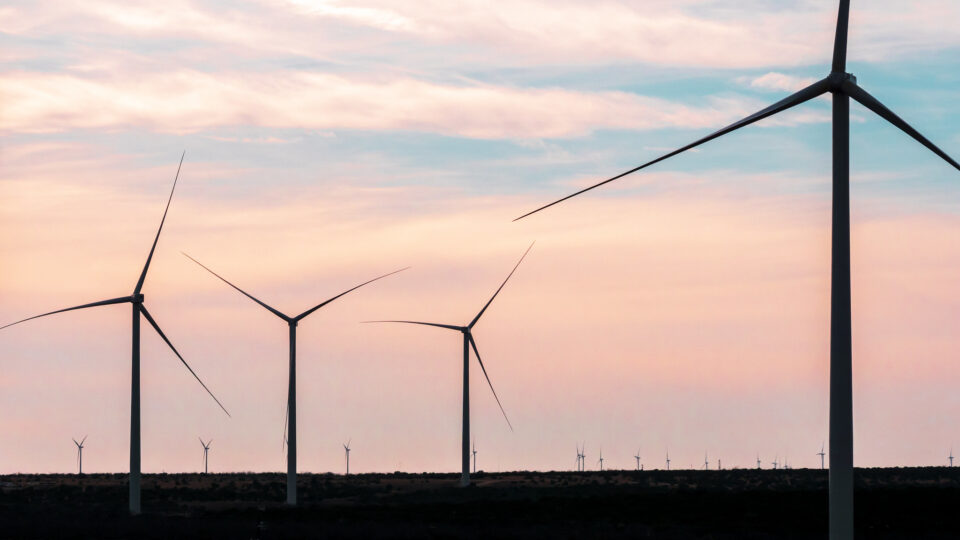
The need to mitigate the effects of climate change has been a global focus for about 40 years and has seen ever-changing views on what actions are needed.  The historical record has been defined by over-reliance on promises of new technology to solve climate change.  Looking to future technology to save the environment has been an excuse to postpone necessary action and avoid inconvenient changes in how we do things.

A study at Lancaster University in the UK published in Nature Climate Change exposes how such promises have raised expectations of more effective policy options becoming available in the future and have enabled the continued politics of inadequate action and skirting around the truth.

Even after four decades, rather than acting forcefully to reduce emissions, we are hoping that nuclear fusion power, giant carbon sucking machines, ice-restoration using vast numbers of wind-powered pumps, and spraying particulates into the atmosphere can address the climate crisis rather than dramatic changes in fossil fuel use.

The researchers mapped the history of climate targets in five phases.  Early on, the focus was on improved energy efficiency, large-scale enhancement of carbon sinks, and nuclear power.  Next, the focus was on cutting emissions with efficiency, fuel switching, and carbon capture and storage.  After that, bioenergy was the major focus.  Then, global carbon budgeting and potential negative emission technologies.  Currently, the focus is on temperature outcomes rather than emission targets.

Each novel promise competes with existing ideas and downplays any sense of urgency.   The researchers conclude that putting our hopes on yet more new technologies is unwise.  The time to act is now.

**********

Web Links

Why relying on new technology won’t save the planet

Photo, posted February 13, 2019, courtesy of Jonathan Cutrer via Flickr.

Earth Wise is a production of WAMC Northeast Public Radio.
Small-Scale Climate Solutions | Earth Wise

May 18, 2020 By EarthWise Leave a Comment

climate change and emissions targets

In order to meet international climate targets, we need to cut greenhouse gas emissions in half over the next decade and reach net-zero by mid-century.  Achieving this will require unprecedented and rapid changes in how energy is supplied, distributed and used.

Researchers at several European universities collected data on a wide variety of energy technologies at different scales and tested how well they performed in accomplishing an accelerated low-carbon transformation. 

Large-scale, costly, non-divisible or so-called lumpy technologies, such as utility-scale generation, nuclear power, carbon capture and storage, high-speed transportation, and whole-building retrofits are often seen as the most effective way to achieve emission-reduction goals. A key finding of their study is that low-carbon technologies that are smaller scale and can be mass deployed are more likely to enable a faster transition to net-zero emissions.

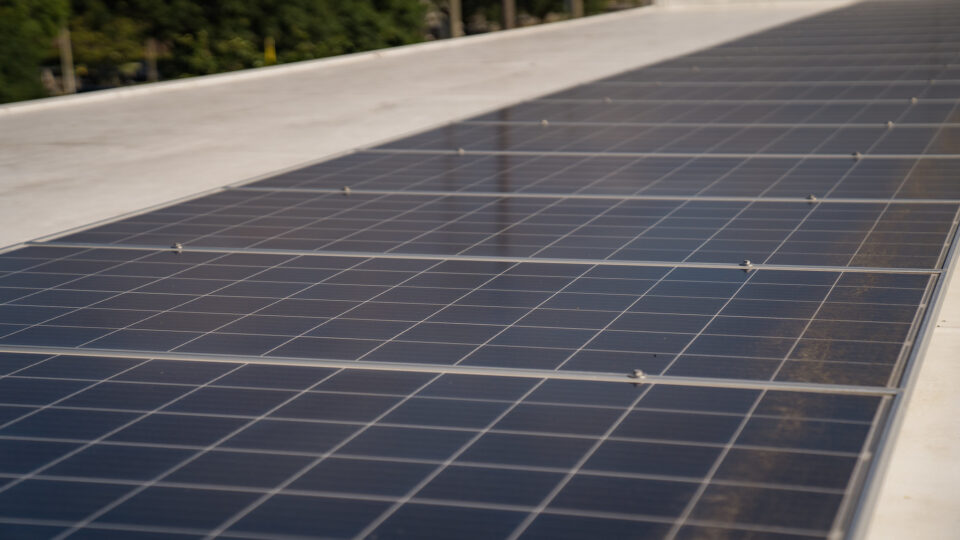
So-called granular options include solar panels, electricity storage batteries, heat pumps, smart thermostats, electric bikes, and ride-share services.  These options scale not by becoming larger but by replicating.

Small-scale options are quicker to deploy, their technologies have shorter lifespans and are less complex, so innovations and improvements can be brought to market more rapidly.  They are also more widely accessible and help create more jobs, giving governments a sound basis for strengthening climate policies.

However, smaller-scale technologies are not a panacea.  There are no small-scale replacements for industrial plants and other kinds of major infrastructure, but in many different contexts, they can outperform larger-scale alternatives as a means of accelerating the low-carbon transformation.

**********

Web Links

Smaller scale solutions needed for rapid progress towards emissions targets

Photo, posted April 8, 2019, courtesy of the City of St Pete via Flickr.

Earth Wise is a production of WAMC Northeast Public Radio.
Recycling Coal Plants | Earth Wise

April 27, 2020 By EarthWise Leave a Comment

Recycling coal plants

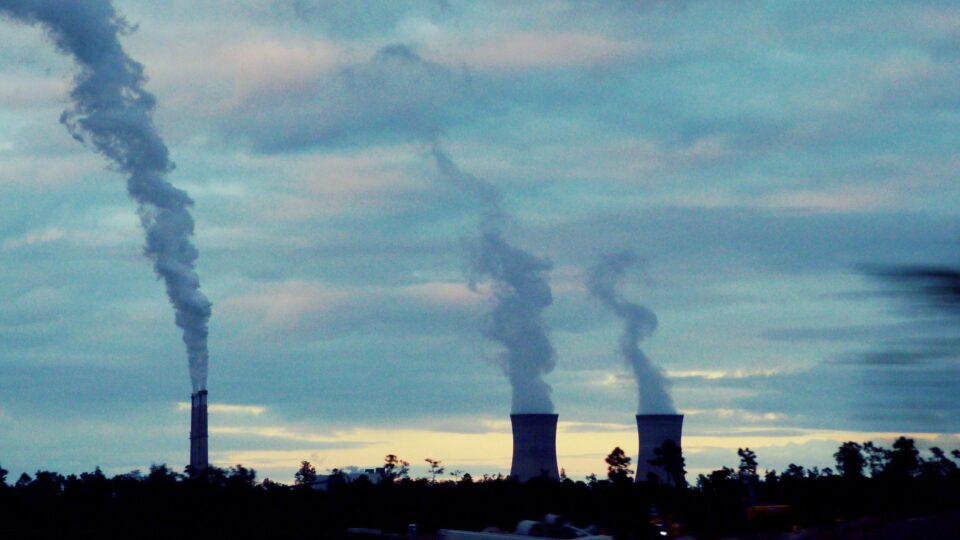
Over 300 coal-fired power plants in the US have stopping burning coal over the past decade.  Only about 224 plants still produce power by burning coal.  As a result, a new sort of recycling industry is taking shape:  repurposing of coal plants.

Across the country, utilities are finding ways to redevelop these facilities.  Some are industrial in nature and others a far cry from their original purpose.

In January, Beloit College in Wisconsin opened a student union and recreation center in what used to be an Alliant Energy coal-fired power plant.  On the southern coast of Massachusetts, a shuttered 1,600 MW coal plant is being demolished to make way for a logistical port and support center for a planned wind farm 35 miles off shore.

In Independence, Missouri, the city is considering competing plans to recycle the Blue Valley Power plant.  It may become a 50 MW battery storage facility, or possibly a biofuel plant.

Another popular reuse strategy is data centers.  Data centers use tremendous amounts of power and therefore can make use of the former coal plants’ capacity to handle large amounts of electricity.

Retired coal-fired plants have built-in infrastructure and components that can be repurposed for new industry.  The plants typically have access to rail, ports and waterways, as well as proximity to good highway transportation.  The electrical grids to which they are connected can be reused for solar or wind farms at the site.

Given that coal plants are continuing to close, the potential to redevelop them in various ways continues to grow as well.   There is a surge in interest in coal plant redevelopment because these facilities are assets of value.

**********

Web Links

Coal-fired power plants finding new uses as data centers, clean energy hubs

Photo, posted January 10, 2017, courtesy of Rusty Clark via Flickr.

Earth Wise is a production of WAMC Northeast Public Radio.

Building The World’s Largest Battery Energy Storage Plant | Earth Wise

April 6, 2020 By EarthWise Leave a Comment

The World’s Largest Battery Energy Storage Plant

The Monterey County Planning Commission has unanimously approved a joint project between Tesla and Pacific Gas and Electric to turn the Moss Landing Power Plant in California into the world’s largest battery energy storage facility.

The Moss Landing Power Plant is a natural gas-powered electricity generation plant located at the midpoint of California’s Monterey Bay.  At one time, it was the largest power plant in the state of California with a generation capacity of 2560 MW but has been gradually shutting down over time.

The new facility will incorporate 1.2 GWh of storage capacity for energy generated by solar and wind systems.  The stored energy will be available for use during periods of high energy demand and lower output.  This is about ten times larger than Tesla’s Hornsdale energy storage project in Australia, which was three times bigger than any other batter storage facility when it was built a few years ago.  In 2018, the battery system at Hornsdale made back a third of its cost in just one year.  The systems make use of Tesla’s Megapack battery products which come in pre-assembled units that provide 3 MWh of energy storage capacity.

The project will make use of existing power lines to transmit energy around Monterey County and parts of Silicon Valley.  Tesla and PG&E hope to break ground in early spring with completion scheduled for the end of the year.  California has been adding massive amounts of wind and solar power to its electrical grid and incorporating energy storage is an important step towards creating a truly resilient power system.

**********

Web Links

Humongous Tesla Battery Plant Approved In California Is 10× Bigger Than World’s Biggest Battery Plant

Photo, posted September 22, 2019, courtesy of Flickr.

Earth Wise is a production of WAMC Northeast Public Radio.
Solar And Wind Power In China | Earth Wise

April 2, 2020 By EarthWise Leave a Comment

China rapidly adopts solar and wind power

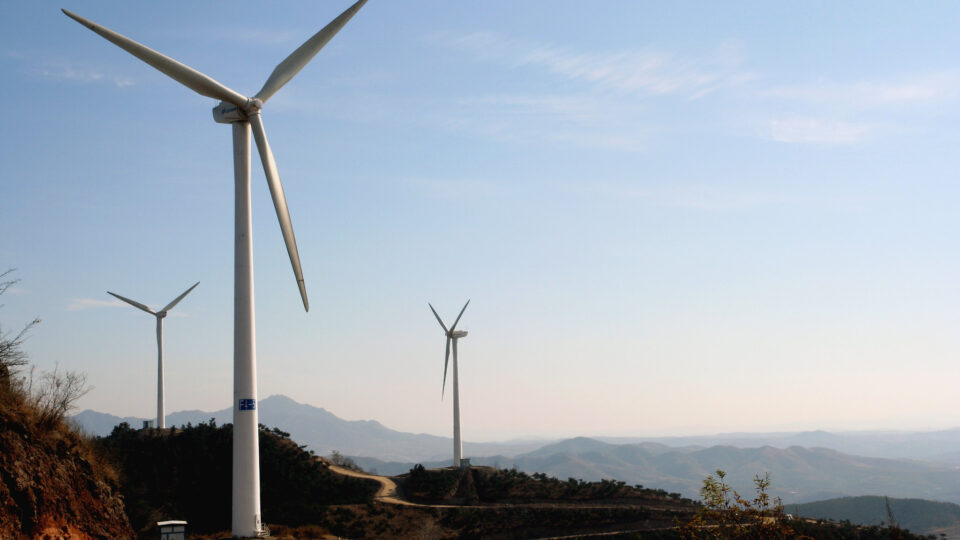
Reducing greenhouse gas emissions is a global challenge and nowhere is that challenge greater than in China.  China accounts for 30% of the world’s emissions and much of that comes from coal power plants.  If the world is going to reach its climate targets, China is going to have to replace as much as possible of its current power mix with renewable energy.

As of 2018, China still made 69% of its electricity from fossil fuels.  Its vast coal reserves have driven its rapid industrialization and better standard of living.  But terrible air pollution problems along with climate issues have led to heavy investments and rapid expansion of both wind and solar power in China.

China is now a world leader in renewable energy, both in terms of producing and using renewable power.  At the start of 2016, China had installed a total of 145,000 megawatts of wind power, which is 3,000 MW more than all 28 European Union countries combined.  And this has occurred even though China only started developing their wind power industry 30 years later than the first EU countries.

Until 2009, China exported almost all the solar panels it produced.  But gradually China began to use solar energy in a big way.  The industry took off in 2014, and growth has been exponential.  Solar power production in China is now almost as extensive as wind power.

One has to consider that much of China’s electricity production is used by industries that produce products for the rest of the world.  In effect, these are exported emissions.  China has a long way to go in replacing its fossil fuel generation and we all have a stake in China succeeding in the task.

**********

Web Links

China’s rapid development of solar and wind power

Photo, posted November 12, 2007, courtesy of Flickr.

Earth Wise is a production of WAMC Northeast Public Radio.

Metal From Plants | Earth Wise

March 31, 2020 By EarthWise 2 Comments

harvesting metal from plants

Large amounts of metal in soil are generally bad for plants.  But there are about 700 species of plants that thrive in metal-rich soils.  These plants don’t just tolerate minerals from soil in their bodies but actually seem to hoard them to ridiculous levels.

In areas where soils are naturally rich in nickel, typically in the tropics and Mediterranean basin, plants have either died off or have adapted to become nickel loving.  Slicing open a tree with this adaptation produces a neon blue-green sap that is actually one-quarter nickel, which is far more concentrated than the ore that typically feeds commercial nickel smelters.

A group of researchers from the University of Melbourne and other institutions is investigating whether this phenomenon is not just interesting but might also be of real commercial value.  They established a plot of land in a rural village in Borneo and have been harvesting growth from nickel-hyper accumulating plants.  Every six to twelve months, a farmer shaves off one foot of growth from these plants and either burns or squeezes the metal out.  After a short purification, they end up with about 500 pounds of nickel citrate, potentially worth thousands of dollars on international markets.

Phytomining – extracting minerals from hyper-accumulating plants – cannot fully replace traditional mining techniques.  But the technology could enable areas with toxic soils to be made productive and might allow mining companies to use plants to clean up their former mines and waste while actually collecting some revenue.

There are other plants that suck up cobalt, zinc, and similarly crucial metals.  With growing demand for metals, perhaps it is time to harvest them on the farm.

**********

Web Links

Down on the Farm That Harvests Metal From Plants

Photo courtesy of the University of Queensland.

Earth Wise is a production of WAMC Northeast Public Radio.

A New Membrane For Converting Carbon Dioxide | Earth Wise

March 24, 2020 By EarthWise Leave a Comment

Efficiently transforming CO2 into fuel

Methanol is a valuable chemical used as fuel in the production of countless products. Carbon dioxide is a greenhouse gas that is produced by countless industrial processes.  Carbon dioxide can be converted into methanol, which is one way all that CO2 can be put to good use instead of causing harm. 

In research recently published in Science, chemical engineers from Rensselaer Polytechnic Institute have developed a process that converts CO2 to methanol in a more efficient way by using a highly effective separation membrane they produced.  

The chemical reaction responsible for the transformation of CO2 into methanol also produces water, which severely restricts the continued reaction. The Rensselaer team has found a way to filter out the water as the reaction is happening, without losing other essential gas molecules. 

They produced a membrane made up of sodium ions and zeolite crystals that was able to carefully and quickly permeate water through small pores — known as water-conduction nanochannels — without losing gas molecules. The sodium ions effectively only allow water to go through. When water was effectively removed from the process, the team found that the chemical reaction was able to happen very quickly. By removing the water, the equilibrium shifts, which means more CO2 will be converted and more methanol will be produced.  

The team is now working to develop a scalable process and a startup company that would allow this membrane to be used commercially to produce high purity methanol.  This membrane could also be used to improve a number of other reactions. 

In industry there are many reactions limited by water and this RPI membrane could be an important enhancement for many of them. 

**********

Web Links

Water-Conducting Membrane Allows Carbon Dioxide To Transform into Fuel More Efficiently

Photo courtesy of RPI.

Earth Wise is a production of WAMC Northeast Public Radio.
Solar-Powered Desalination | Earth Wise

March 20, 2020 By EarthWise Leave a Comment

simple desalination using solar power

About 1% of the world’s population is dependent on desalinated water to meet daily needs, but water scarcity is a growing problem that experts believe will affect 14% of the world’s population within the next five years.

Desalination takes much more energy than, for example, transporting fresh water over large distances.  In general, desalination costs are much higher than those associated with fresh water, but beyond costs, freshwater is simply not always available.

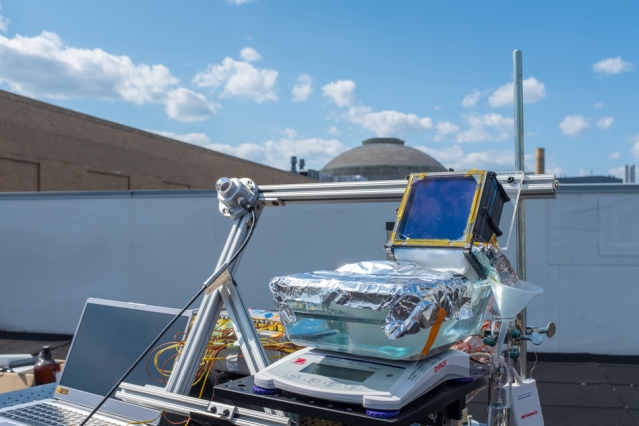
Researchers at MIT and Shanghai Jiao Tong University in China have developed a completely passive solar-powered desalination system that could provide more than 1.5 gallons of fresh drinking water per hour for every square meter of solar collecting area.   Such a system could provide an efficient, low-cost water source for coastal areas that are off the grid.

The system uses multiple layers of flat solar evaporators and condensers topped with transparent aerogel insulation.  The key to its efficiency is the way it uses each of its multiple stages to desalinate water.  At each stage, heat released by the previous stage is harnessed instead of wasted.  The proof-of-concept device, which was tested on an MIT building rooftop, produced more than twice as much water as the record amount produced by any previous passive solar-powered desalination system.

The researchers plan further experiments aimed at optimizing the choice of materials and configurations and to test the system under realistic conditions.  The hope is to have a technology that can play a role in alleviating water scarcity in parts of the world where electricity is scarce, but seawater and sunlight are abundant.

**********

Web Links

Simple, solar-powered water desalination

Photo courtesy of MIT/researchers.

Earth Wise is a production of WAMC Northeast Public Radio.

Safer Disposal Of Printed Circuit Boards | Earth Wise

March 4, 2020 By EarthWise Leave a Comment

Disposing of Printed Circuit Boards More Safely

Printed circuit boards are key elements of modern electronic devices that support and connect all of their electronic components.  On average, they are composed of 30% metallic and 70% nonmetallic substances.

Once the circuit boards have served their purpose, they are often burned or buried in landfills, and can pollute the air, soil, and water.  The biggest problem is that they have brominated flame retardants added to them in order to keep them from catching fire.  Compounds in brominated flame retardants have been linked to endocrine disorders and fetal tissue damage.

Many circuit boards are recycled to recover valuable materials – generally the metals they contain.  But recycling has its own problems.  Metallic components can be recovered from crushed circuit boards by magnetic and high-voltage electrostatic separations.  When the metals are removed, what remains are resins, reinforcing materials, brominated flame retardants, and other additives, which are of little value and present various dangers.

Researchers at Sun Yat-sen University in China have developed a ball-milling method to break down these potentially harmful compounds, enabling safe disposal.  A ball mill is a rotating machine that uses small agate balls to grind up materials. The researchers also added iron powder, which helps remove bromine from organic compounds by breaking the carbon-bromine bonds in the flame retardants.  The result was particles with half of their bromine content removed as well as decomposition of phenolic resin compounds.

The ever-increasing proliferation of device technology had led to a new set of pollution and waste challenges facing society.  Research on ways to reduce the impact of high-tech garbage is an important need for society.

**********

Web Links

Toward safer disposal of printed circuit boards

Photo, posted February 18, 2018, courtesy of Diego Torres Silvestre via Flickr.

Earth Wise is a production of WAMC Northeast Public Radio.

Jet Fuel From Acetone | Earth Wise

February 25, 2020 By EarthWise Leave a Comment

Greening Jet Fuel

Acetone is a common organic solvent.  It is used to make plastic, fibers, drugs, and other chemicals.  It is commonly used by consumers as nail polish remover.  Acetone is a manufactured chemical, but it is also found naturally in the environment in plants, among other places. There are now companies that produce acetone entirely by fermentation of plant feedstocks, such as corn.

Researchers at Los Alamos National Laboratory have now developed a process by which acetone can be converted into a fuel additive that can improve the performance of petroleum-based jet fuel, providing both environmental and economic benefits.

The process takes biomass-derived acetone and converts it to isophorone, which they produce by a process called photochemical cycloaddition that creates more complex hydrocarbons.  They then use ultraviolet light to convert the isophorone into cyclobutane, which is a type of hydrocarbon with high energy density that is suitable for aviation fuel applications.

Acetone itself is quite volatile and is unsuitable for fuel applications.  It also cannot be added directly to any fuel supply since it can dissolve engine parts and o-rings.  Cyclobutane, on the other hand, is a safer and more energy-dense fuel that can be a replacement for additives that require high-pressure hydrogen treatment in their synthesis.  Currently, most hydrogen is produced by a process that generates carbon dioxide.  The new conversion process does not result in carbon emissions.

According to the Los Alamos researchers, their process can result in a domestically generated product that will provide environmental benefits, create domestic jobs, improve U.S. energy security, and further U.S. global leadership in bioenergy technologies.

**********

Web Links

Acetone plus light creates a green jet fuel additive

Photo, posted December 18, 2007, courtesy of Flickr.

Earth Wise is a production of WAMC Northeast Public Radio.

The Blue Acceleration | Earth Wise

February 24, 2020 By EarthWise Leave a Comment

Human pressures on world's oceans show no sign of slowing

The oil and gas sector is the largest ocean industry.  It’s responsible for about one third of the value of the ocean economy.  Sand and gravel, destined for the construction industry, are the most mined minerals in the ocean.  And during the past 50 years, approximately 16,000 desalination plants have popped up around the world to help supply people with an increasingly scarce commodity: freshwater. 

As a result of these and other human pressures, the world’s oceans have suffered a lot over time.  But according to a comprehensive new analysis on the state of the ocean, human pressure on the world’s oceans, driven by a combination of technological progress and declining land-based resources, sharply accelerated at the start of the 21st century.  Scientists have dubbed this dramatic increase, which shows no signs of slowing down, the “Blue Acceleration.”

A  research team from Stockholm University analyzed 50 years of data from aquaculture, bioprospecting, shipping, drilling, deep-sea mining, and more.  Their findings were recently published in the journal One Earth.

While claiming ocean resources and space is not new, lead author Jean-Baptiste Jouffray from the Stockholm Resilience Centre says “the extent, intensity, and diversity of today’s aspirations are unprecedented.”

The researchers also highlight how not all human impacts on the ocean are negative.  For example, offshore wind farm technology has reached commercial viability allowing the world to reduce reliance on fossil fuels.

But how can the Blue Acceleration be slowed?  Since only a handful of multinational companies dominate sectors like the seafood industry, oil and gas exploitation, and bioprospecting, one idea is to have banks and other investors adopt more stringent sustainability criteria for making ocean investments. 

**********

Web Links

Human pressure on world’s ocean shows no sign of slowing

Photo, posted October 29, 2008, courtesy of Silke Baron via Flickr.

Earth Wise is a production of WAMC Northeast Public Radio.

Saving Energy At Data Centers | Earth Wise

February 17, 2020 By EarthWise Leave a Comment

Energy efficient data centers

A data center is a building, dedicated space within a building, or a group of buildings used to house computer systems and associated components, such as telecommunications and data storage systems.  Data centers are the backbone of internet services and cloud computing, which together are increasingly dominant elements of modern life.

Energy use is a central issue for data centers. Power used by them ranges from a few kilowatts for a rack of servers in a closet at a local business to several tens of megawatts for large facilities. Some data centers have power densities more than 100 times that of a typical office building and use as much electricity as several thousand homes. For such facilities, electricity costs are a dominant operating expense and account for over 10% of the total cost of ownership of a data center.  These centers, with their numerous racks of computer servers, consume 90 billion kilowatt-hours of electricity each year in the United States, as much as all of our residences use for lighting. 

A research group at Princeton University is developing a family of devices that can dramatically reduce power consumption at data centers.  The team’s technology focuses on the process by which the AC power from the grid is converted to the low-voltage direct current used by computer equipment.  With existing technology, this power conversion takes place in each individual computer, which ends up wasting about 40% of the original energy.   The new device aggregates power conversion into a single unit, which then distributes the power to the individual computers and storage units.

As data centers get bigger and more numerous, the opportunity to save a lot of energy becomes increasingly important.

**********

Web Links

New technology boosts energy efficiency in data centers

Photo, posted June 8, 2007, courtesy of Sean Ellis via Flickr.

Earth Wise is a production of WAMC Northeast Public Radio.
Minerals And Metals For A Low-Carbon Future | Earth Wise

February 14, 2020 By EarthWise Leave a Comment

low carbon energy future

For the past century, economies and geopolitics have largely been driven by our insatiable appetite for oil and fossil fuels in general.  As we gradually make the transition to a low-carbon energy future, the focus on oil will shift to sustainable supplies of essential minerals and elements.

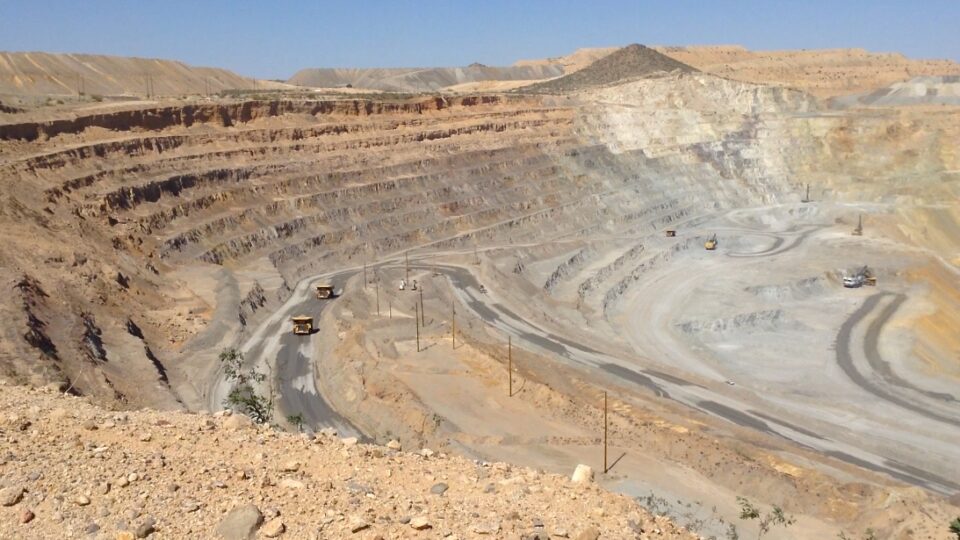
The use of solar panels, batteries, electric vehicle motors, wind turbines, and fuel cells is growing rapidly around the world.  These technologies make use of cobalt, copper, lithium, cadmium, and various rare earth elements.  The need for any one of these things may diminish if alternatives are found, but there will continue to be a growing reliance on multiple substances whose physical and chemical properties are essential to the function of modern devices and technologies.

In some cases, global supplies of particular minerals and elements are dominated by a particular country, are facing social and environmental conflicts, or face other market issues.  Shortages of any of them could create economic problems and derail progress much as the oil-related energy crises of the past have.

The world faces challenges in managing the demand for low-carbon technology minerals as well as limiting the environmental and public health damage that might be associated with their extraction and processing.  Expanded use of recycling and reuse of rare minerals will be essential.

As the relatively easy sources of these materials become exhausted, other resources will become more attractive.  These include various valuable ecosystems, oceanic deposits, and even space-based reserves.

Ushering in the low-carbon future is not a simple matter and will require responsible actions by the world’s governments and industries. In undoing the damage from the oil age, we must avoid new damage from the low-carbon age.

**********

Web Links

Sustainable supply of minerals and metals key to a low-carbon energy future

Photo, posted March 13, 2015, courtesy of Joyce Cory via Flickr.

Earth Wise is a production of WAMC Northeast Public Radio.
How Environmentally Friendly Are We? | Earth Wise

January 27, 2020 By EarthWise 1 Comment

Many of us are very concerned about the environment and want to try to do the right things as we go about our daily lives.  New research from the University of Gothenburg shows that we tend to overestimate just how much we are actually doing.

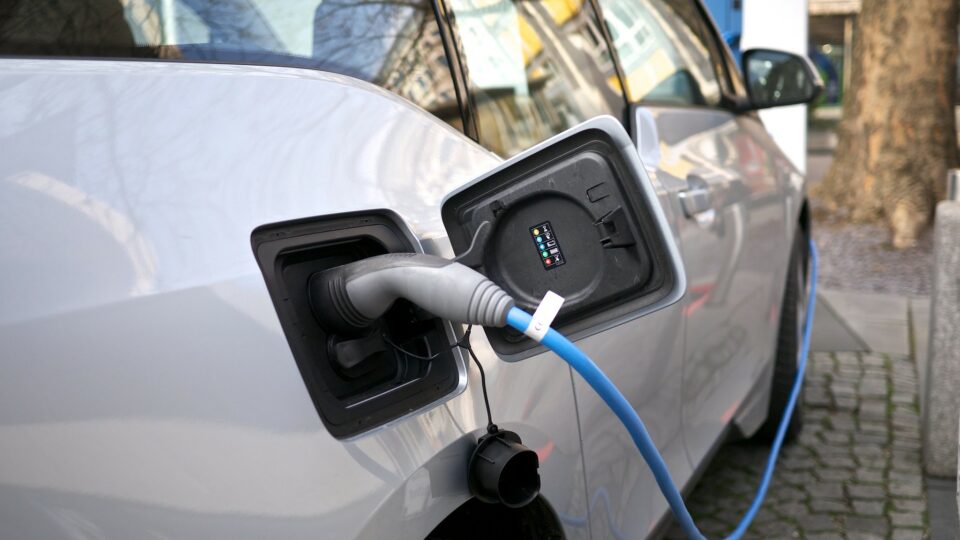
A study of over 4,000 people in United States, England, India, and Sweden revealed that most people are convinced that they act more environmentally friendly than the average person.  Their actions might include buying eco-labelled products, saving household energy, recycling, driving a hybrid or electric car, and reducing purchases of plastic bags.  Participants in the survey rated themselves as more environmentally active than other people, including both unknown people as well as their own friends.

The results are in keeping with a general tendency people have to overestimate their own abilities.  Studies over the years have shown that most people consider themselves, for example, to be more honest, more creative, and better drivers than others.  This sort of over-optimism apparently also applies to environmentally friendly behaviors.

The data from the survey revealed that the participants were more likely to overestimate their engagement in activities they perform often and draw the faulty conclusion that the things they do often, they in fact do more often than others.

A consequence of thinking that you are more environmentally friendly than other people is that it can reduce the motivation to act environmentally friendly in the future.  In fact, when we think we are more environmentally friendly than others, we actually end up becoming less environmentally friendly.

Logically speaking, the majority of people cannot be more environmentally friendly than the average person.  We are not living in Lake Wobegone where all children are above average.

**********

Web Links

The majority consider themselves more environmentally friendly than others

Photo, posted March 6, 2014, courtesy of Karlis Dambrans via Flickr.

Earth Wise is a production of WAMC Northeast Public Radio.
Extreme Heat From Solar Power | Earth Wise

January 23, 2020 By EarthWise Leave a Comment

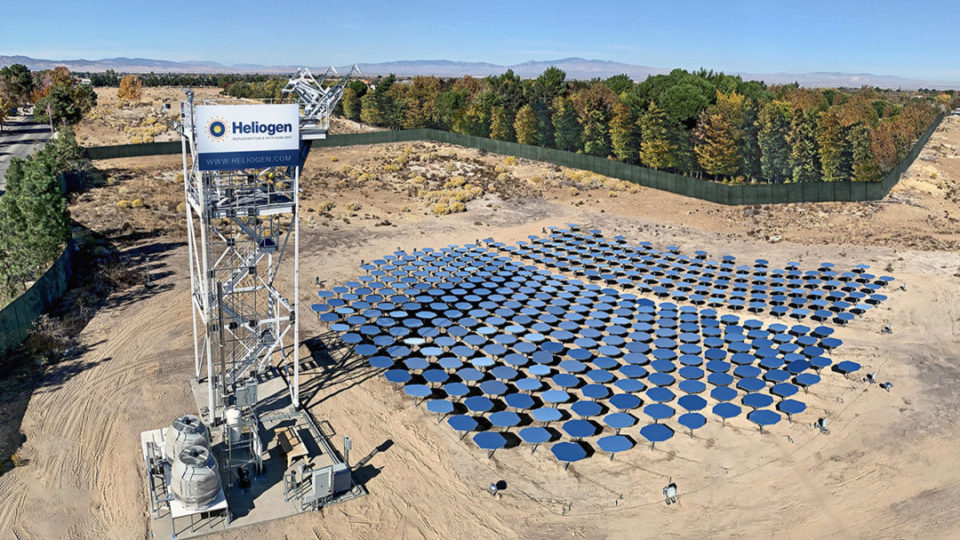
Renewable sources are playing a growing role in meeting our energy needs, but one place where they have continued to fall short is in industrial processes that require extreme heat.  These include the cement, steel, and glass industries, among others.  These industries account for a significant amount of CO2 emissions because the most effective way to reach the necessary temperatures continues to be combustion of fossil fuels.  The cement industry alone accounts for 7% of global emissions and the need for cement continues to grow.

A previously stealthy startup company backed by Bill Gates and fellow billionaire Soon-Shiong has made a breakthrough in the area of using solar energy to achieve high temperatures.  The company, called Heliogen, has created a solar oven that is capable of generating heat above 1800 degrees Fahrenheit, which is enough for high-temperature industrial processes.

The Heliogen technology uses concentrated solar power to generate heat.  Concentrated solar power uses arrays of mirrors to reflect sunlight and focus it to a single point.  That technology is not new;  there are systems that use it to produce electricity and, to some extent, heat for industry.  But it could not achieve high enough temperatures for producing cement or steel.

The new system uses computer vision software, automatic edge detection and other sophisticated technologies to focus the sun’s rays far more finely than ever before and thereby generate far higher temperatures at the focal point.

Heliogen is now focused on demonstrating how the technology can be used in a large-scale application, such as cement-making.  The selling points to industry are that not only will there be no emissions generated, but that the fuel needed to obtain their extreme heat will be free.

**********

Web Links

Secretive energy startup backed by Bill Gates achieves solar breakthrough

Photo courtesy of Heliogen.

Earth Wise is a production of WAMC Northeast Public Radio.

Reducing Air Pollution With Plants | Earth Wise

January 15, 2020 By EarthWise Leave a Comment

New research by Ohio State University suggests that adding plants and trees to the landscapes near factories and other pollution sources could reduce air pollution by an average of 27%.  In addition, the study indicates that, in many cases, plants may be a cheaper option for cleaning the air than more technological approaches.

The study looked at public data on air pollution and vegetation on a county-by-county basis across the lower 48 states. It then calculated what adding additional trees and plants might cost.  The calculations included the capacity of current vegetation to mitigate air pollution as well as the effects that restorative planting might have on pollution levels.

In 75% of the counties analyzed, it was cheaper to use plants to mitigate air pollution rather than add technological interventions such as smokestack scrubbers to the sources of pollution.  The results varied according to the pollution source.  For example, technology is cheaper at cleaning the air near industrial boilers than ecosystem approaches.  For the broad manufacturing industry, one approach or the other was favorable, depending on the type of factory.

Adding trees or other plants generally can lower air pollution levels in both urban and rural areas, although success rates depend on a variety of factors including how much land is available to grow new plants and current air quality.

Reducing air pollution is critical to public health.  An estimated 4 in 10 people in the U.S. live in areas with poor air quality, leading to health issues including asthma, lung cancer, and heart disease.  The study shows that nature should be part of the planning process for industry to deal with air pollution.

**********

Web Links

Nature might be better than tech at reducing air pollution

Photo courtesy of Flickr.

Earth Wise is a production of WAMC Northeast Public Radio.
A Possible Storage Breakthrough: Solar Energy | Earth Wise

January 10, 2020 By EarthWise 2 Comments

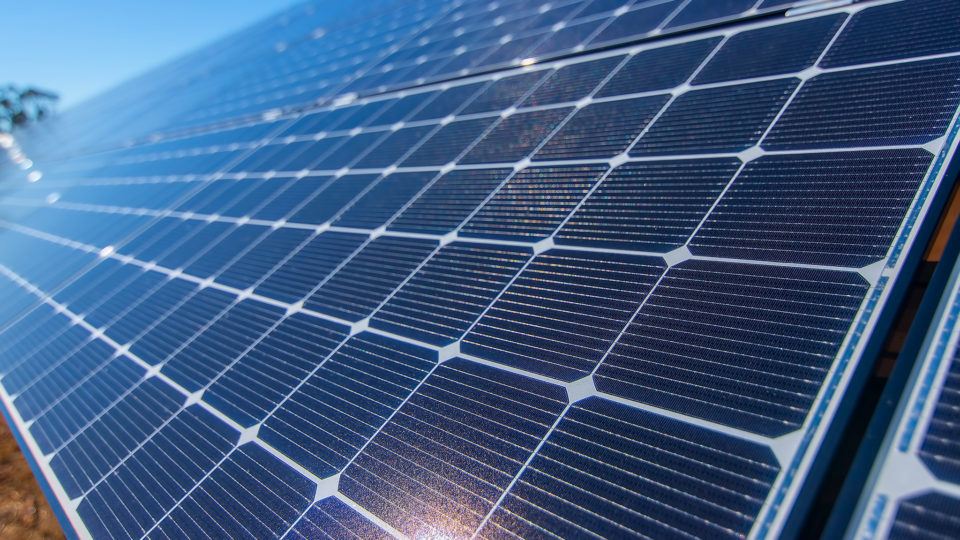
Solar energy is a nearly unlimited resource, but it is only available to us when the sun is shining.  For solar power to provide for the majority of our energy needs, there needs to be a way to capture the energy from the sun, store it, and release it when we need it.  There are many approaches to storing solar energy, but so far none have provided an ideal solution.

Scientists at the Chalmers Institute of Technology in Sweden have developed a way to harness solar energy and keep it in reserve so it can be released on demand in the form of heat—even decades after it was captured. Their solution combines several innovations, including an energy-trapping molecule, a storage system, and an energy-storing laminate for windows and textiles.

The energy-trapping molecule is made up of carbon, hydrogen, and nitrogen.  When hit by sunlight, the molecule captures the sun’s energy and holds on to it until it is released as heat by a catalyst.  The specialized storage unit is claimed to be able to store energy for decades.  The transparent coating that the team developed also collects solar energy and releases heat.  Using it would reduce the amount of electricity required for heating buildings.

So far, the team has concentrated on producing heat from stored solar energy.  It is unclear whether the technology can be adapted to produce electricity, which would be even more valuable.  In any event, the team does not yet have precise cost estimates for its technology, but there are no rare or expensive elements required, so the economics seem promising.  There is much more work to be done, but this could be a very important technology for the world’s energy systems.

**********

Web Links

An Energy Breakthrough Could Store Solar Power for Decades

Photo courtesy of Flickr.

Earth Wise is a production of WAMC Northeast Public Radio.

  • « Go to Previous Page
  • Page 1
  • Interim pages omitted …
  • Page 28
  • Page 29
  • Page 30
  • Page 31
  • Page 32
  • Interim pages omitted …
  • Page 40
  • Go to Next Page »

Primary Sidebar

Recent Episodes

  • An uninsurable future
  • Clean energy and jobs
  • Insect declines in remote regions
  • Fossil fuel producing nations ignoring climate goals
  • Trouble for clownfishes

WAMC Northeast Public Radio

WAMC/Northeast Public Radio is a regional public radio network serving parts of seven northeastern states (more...)

Copyright © 2026 ·