• Skip to primary navigation
  • Skip to main content
  • Skip to primary sidebar

Earth Wise

A look at our changing environment.

  • Home
  • About Earth Wise
  • Where to Listen
  • All Articles
  • Show Search
Hide Search
You are here: Home / Archives for survey

survey

Wildfires And Superfund Sites | Earth Wise

January 14, 2021 By EarthWise Leave a Comment

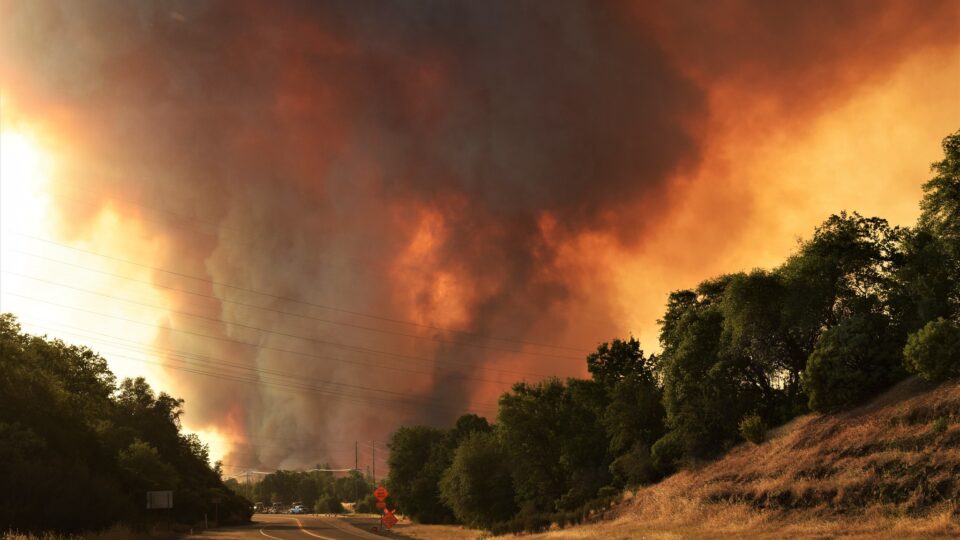
Wildfires threaten Superfund sites

Thousands of contaminated sites exist nationally due to hazardous waste being dumped, left out in the open, or otherwise improperly managed. These sites include manufacturing facilities, processing plants, landfills, and mining sites.  A Congressional act in 1980 established authority by the EPA to ultimately clean up these “Superfund” sites.

According to a government survey last year, 945 Superfund sites are vulnerable to hurricanes, flooding, sea level rise, increased precipitation, or wildfires, all of which are intensifying as the climate warms.   In particular, there are 245 sites vulnerable to wildfires and 68 of them have recently seen wildfires approach.

A comprehensive investigation by Inside Climate News, NBC News, and the Texas Observer has found that the threat presented by wildfires is exceeding authorities’ ability to adequately prepare and respond.  Fires at Superfund sites could release toxins ranging from acid mine drainage to radioactive smoke.

There have already been a number of close calls.  The 2013 Patch Springs Fire near Salt Lake City came within 10 miles of the Tooele Army Depot, a Superfund site with 902 ammunition bunkers along with soil and groundwater contaminated with hazardous chemicals.

The 2018 Carr Fire in Northern California over swept the Iron Mountain Mine Superfund site and threatened to release corrosive chemicals into the watershed.

For sites where no polluter can be made to pay and the EPA lacks cleanup funds, the agency will need to design protections that shield the sites from wildfires as long as the contamination remains. 

**********

Web Links

Fueled by Climate Change, Wildfires Threaten Toxic Superfund Sites

Photo, posted July 26, 2018, courtesy of the Bureau of Land Management California via Flickr.

Earth Wise is a production of WAMC Northeast Public Radio.
Return Of The Blue Whales | Earth Wise

December 21, 2020 By EarthWise Leave a Comment

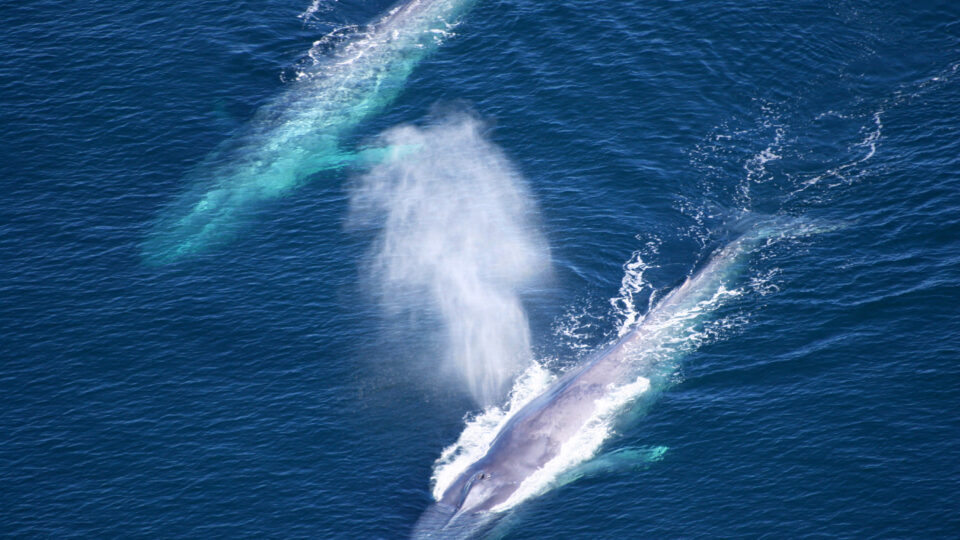
Blue whales making a comeback

An international research team has revealed that critically endangered Antarctic blue whales have returned to the sub-Antarctic island of South Georgia, 50 years after whaling just about wiped them out.  Other recent research has found that humpback whales are also returning to the region.

Blue whales were commonplace off South Georgia before 20th century industrial whaling taking place between 1904 and 1971 killed over 42,000 of them there.  Most of that number were killed before the mid-1930s.  As a result, blue whales essentially vanished from the region.  Whale survey ships sighted only a single blue whale between 1998 and 2018.

But things have changed in recent years.  A survey this past February resulted in 58 blue whale sightings and numerous acoustic detections.  Although commercial whaling was banned in the area in the 1960s, it has taken a long time for the whales to make a comeback.

Researchers are not sure why blue whales have taken so long to return to the area.  It may be that so many were killed over the years that the remaining population had little or no cultural memory of South Georgia Island as a foraging ground, and that it is only now being rediscovered.

In total, 41 individual blue whales have been photo-identified from South Georgia over the past 10 years, although none of those matched the 517 whales in the current Antarctic blue whale photographic catalogue.  Dedicated whale surveys are difficult in a region known for its harsh weather and inaccessibility but are crucial to the future management of South Georgia’s seas.  In any case, researchers see the recent sightings as a very positive step forward for conservation of the Antarctic blue whale. 

*********

Web Links

Blue whales return to South Georgia after near extinction

Photo, posted September 7, 2007, courtesy of the NOAA Office of National Marine Sanctuaries via Flickr. Photo credit: NOAA.

Earth Wise is a production of WAMC Northeast Public Radio.
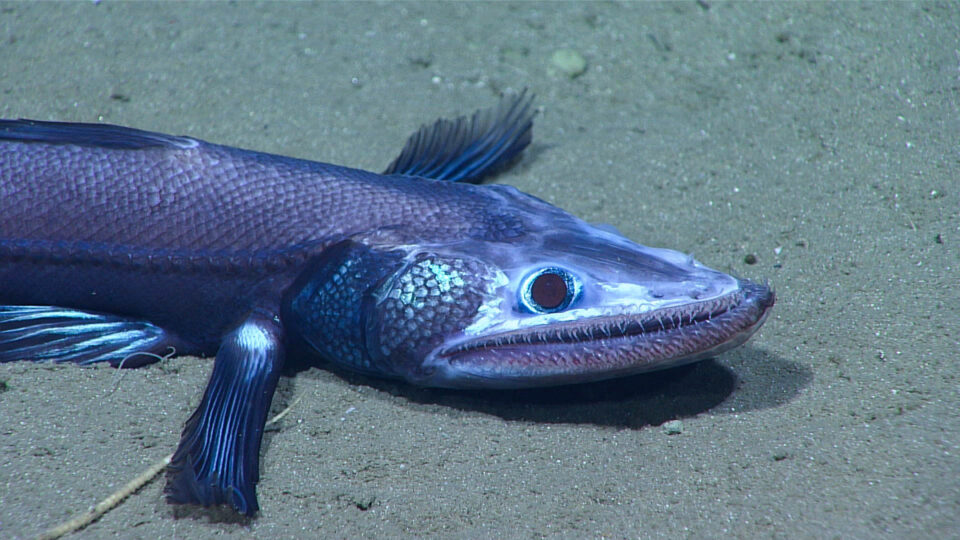
Even The Deep Sea Is Warming | Earth Wise

November 17, 2020 By EarthWise Leave a Comment

the deep sea is warming

Approximately 75% of the area covered by ocean is deep, dark, and cold.  This is known as the deep sea.  But even in these remote regions of the planet things are heating up. 

According to a new study published in the journal Geophysical Research Letters, researchers analyzed a decade of hourly temperature readings at four depths in the Atlantic Ocean’s Argentine Basin, off the coast of Uruguay.  The research team selected recording depths that would best represent the average depth of the ocean, which is just over 12,000 feet. 

The researchers found that deep sea temperatures fluctuate more than was previously known.  They also detected a warming trend at the bottom of the ocean.  In fact, all recordings indicated a warming trend of 0.02 to 0.04 degrees Celsius per decade between 2009 and 2019.  This is a significant warming trend in the deep sea because temperature fluctuations are typically measured in thousandths of a degree. 

Researchers say this increase is consistent with warming trends in the shallow ocean associated with anthropogenic climate change.  However, they say more research is needed to better understand what is driving the warming temperatures in the deep sea. 

A better understanding of what is driving these changes could have far-reaching implications.  Since oceans absorb a significant amount of the world’s heat, learning about the oceans’ temperature trends could help researchers better understand temperature fluctuations in the atmosphere as well.

The researchers hope their findings will demonstrate the need to survey deep ocean temperatures annually in order to better identify the long-term trends. 

**********

Web Links

The deep sea is slowly warming

Photo, posted July 1, 2018, courtesy of NOAA Ocean Exploration and Research via Flickr.

Earth Wise is a production of WAMC Northeast Public Radio.
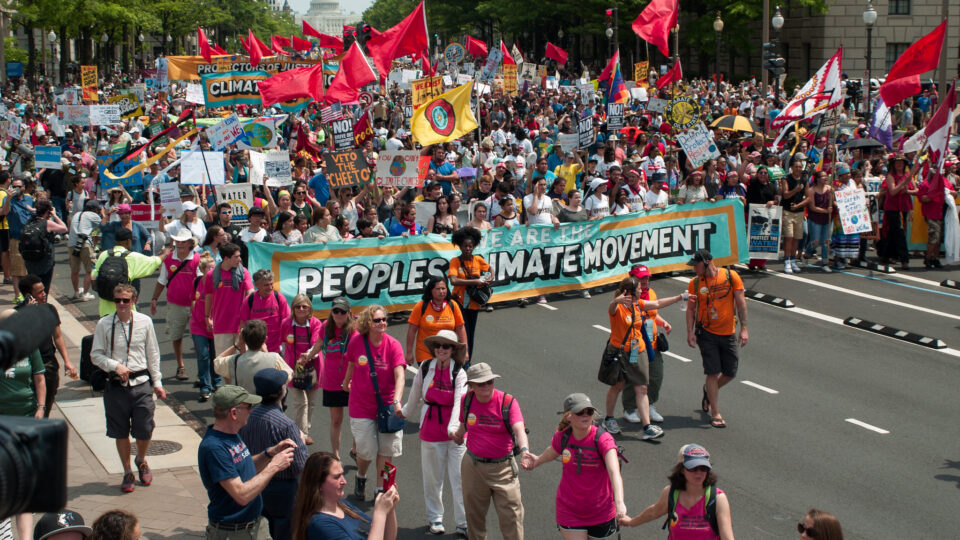
Paying To Combat Climate Change | Earth Wise

November 2, 2020 By EarthWise Leave a Comment

Fighting climate change

The majority of Americans believe that climate change is happening, that human activities are largely responsible, and are actually willing to put up their own money to help fight it.   Unfortunately, these views diverge sharply along party lines and, as in many other areas these days, the will of the overall majority has little influence on policy.

According to Yale University research, 73% of adults think that global warming in happening and 57% think it is mostly caused by human activities.  Furthermore, only 32% believe it is due to natural forces.

A survey conducted in the U.S. in August found that more than two-thirds of Americans – actually 70% – indicated willingness to donate a percentage of their personal income to support the fight against climate change.

Breaking that down further, 28% were willing to provide less than 1% of their income, 33% were willing to contribute 1-5% of their income, 6% said they would give 6-10% of their income, and 3% said they would contribute more than 10% of their income.  On the other hand, roughly 30% indicated that they were unwilling to contribute.

The survey also looked at opinions on how the fight against climate change should be paid for.  The majority (59%) chose government incentives for both businesses and consumers.   Three other options each favored by over 40% of those surveyed were taxes, conservation programs, and business investments. 

Another finding of the survey was that 44% are dissatisfied with the job that the federal and state governments are doing to address climate change, 35% are somewhat satisfied, and only 21% are very or completely satisfied with the government’s role.

**********

Web Links

Yale Climate Opinion Maps 2020

Two-thirds of Americans are willing to donate part of their income to fight climate change

Photo, posted April 29, 2017, courtesy of majunznk via Flickr.

Earth Wise is a production of WAMC Northeast Public Radio.

Permanent Time Observation | Earth Wise

September 25, 2020 By EarthWise Leave a Comment

permanent standard time

Americans have debated the value of daylight savings time going all the way back to Benjamin Franklin.  As a country, we adopted the practice of changing our clocks twice a year in 1918.

Since the energy crisis of the 1970s, there have been a number of initiatives aimed at making daylight savings time permanent.  However, there is also a growing movement to eliminate the practice entirely.

In August, the American Academy of Sleep Medicine published a position statement calling for the abolishing of daylight savings time in favor of fixed, national, year-round standard time.

The statement describes the adverse effects of the annual abrupt switch to daylight savings time, which range from increased risk of stroke and hospital admissions to sleep loss and increased production of inflammatory markers, which are one of the body’s responses to stress.  It also cites studies that show that traffic fatalities increase by as much as six percent in the first few days following the change to daylight savings time.  Other research shows that there is an 18% increase in adverse medical events related to human error in the week after switching to daylight savings time.

In July, a survey by the academy of more than 2,000 U.S. adults found that 63% support the elimination of seasonal time changes in favor of a national, fixed year-round time, and only 11% oppose the idea, but many of those in favor of the idea actually want permanent daylight savings time.

The sleep academy contends that permanent standard time is the best choice to most closely match our circadian sleep-wake cycle while daylight saving time results in more darkness in the morning and more light in the evening, disrupting the body’s natural rhythm.

Residents of Arizona and Hawaii get to sit out this debate since they don’t change their clocks.

**********

Web Links

American Academy of Sleep Medicine calls for elimination of daylight saving time

Photo, posted May 28, 2018, courtesy of Kis Akos via Flickr.

Earth Wise is a production of WAMC Northeast Public Radio.
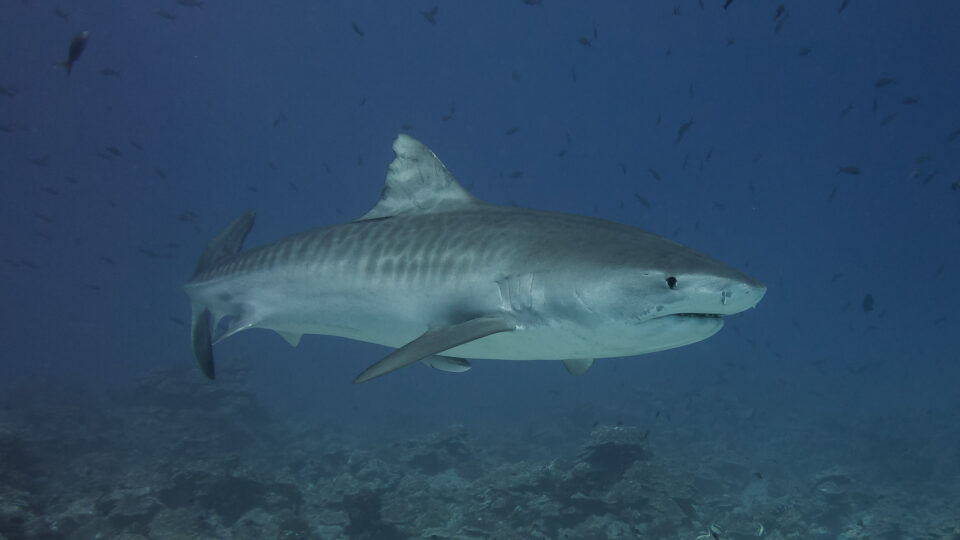
Sharks On The Decline | Earth Wise

September 4, 2020 By EarthWise Leave a Comment

shark populations declining

During the past 70 years, global shark populations have been on the decline.   Many species have become threatened or endangered.  Conservation efforts have been underway in many places, but shark populations continue to be at risk because of over-fishing and habitat loss.

A comprehensive study by marine biologists at Texas A&M University deployed more than 15,000 baited remote underwater video stations on 371 coral reefs in 58 countries.   The study included 59 different shark species in the Atlantic, Pacific and Indian Oceans.  The researchers were surprised to find that no sharks at all were detected in almost 20% of the locations surveyed and were almost completely absent from coral reefs in several nations. 

Scientists believe that demand for shark products, such as fins and meat, and bycatch (that is, sharks captured in nets by fisherman trapping other kinds of fish) are strong contributors to the widespread declines in shark numbers around the world.

The study shows that if corrective steps are not taken in regions where marine management is still ineffective, continued depletion of shark populations is highly likely. 

Sharks have important roles in marine ecosystems.  When their habitats deteriorate and their populations decrease, ecosystem stability and health is degraded because sharks help regulate prey populations.

Some countries, notably the Bahamas, are combating the problem by providing sanctuaries for sharks where fishing and harvesting is prohibited.  Such places support some of the healthiest shark populations in the world.  However, the decline of coral reefs is just another challenge facing shark populations around the world.

**********

Web Links

Study Shows Alarming Decline In Shark Numbers Around The World

Photo, posted January 9, 2017, courtesy of Kris-Mikael Krister via Flickr.

Earth Wise is a production of WAMC Northeast Public Radio.
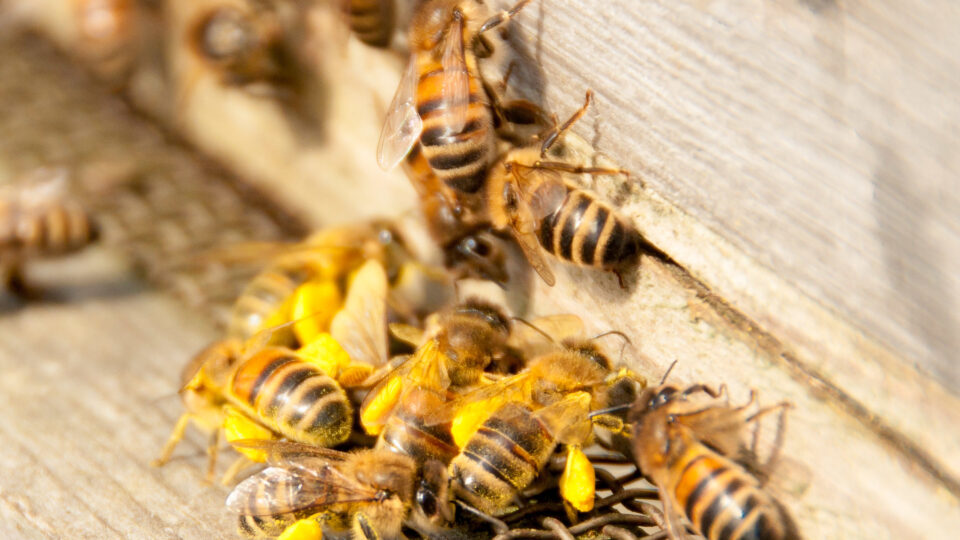
More Troubles For Bees | Earth Wise

July 22, 2020 By EarthWise Leave a Comment

More losses for United States beekeepers

Beekeepers in the United States lost nearly 44% of their managed honeybee colonies from April 2019 to April 2020, according to the 14th annual nationwide survey conducted by the nonprofit Bee Informed Partnership.  This was the second highest annual loss recorded since the surveys began.

The high loss rate over the past year was unusual in that winter losses were actually substantially lower than they have been in recent years.   The winter losses were 22.2%, which is 15.5 points lower than last year and 6.4 points lower than the average over the past 14 years.  On the other hand, summer losses were 32%, which is 12 points higher than last year and 10.4 points higher than the average.

In fact, the summer loss was the highest ever recorded and was only the second time that more bees were lost in the summer than in the winter.

Commercial beekeepers generally have lower losses than backyard and smaller operations.  Commercial honeybee colonies pollinate $15 billion worth of crops in the United States every year, so the health of these colonies is a critical issue for domestic food production and supply.

Beekeepers began noticing dramatic losses in their colonies in the early 2000s and ever since then, state and federal agricultural agencies, university researchers, and the beekeeping industry have been working together to try to understand the reasons for the population decline and to develop approaches to reduce these losses.

Winter loss has previously been the main focus of management activities since that period of the year is thought to be the most challenging for bee colonies.  This year’s results are driving a great deal of analysis of the possible causes for the dramatic summer colony losses.  Whatever they turn out to be, they represent more troubles for bees.

**********

Web Links

Odd Year for U.S. Beekeepers Who Reported Lower Winter Losses but Abnormally High Summer Losses

Photo, posted April 14, 2013, courtesy of Paul Rollings via Flickr.

Earth Wise is a production of WAMC Northeast Public Radio.
A Giant U.S. Offshore Wind Project Begins | Earth Wise

June 22, 2020 By EarthWise Leave a Comment

United States offshore wind project

In recent years, the Bureau of Offshore Energy Management – the agency that oversees energy projects in federal waters – has been granting leases for offshore wind projects in the waters of multiple states on the East Coast.  Up until now, none of these leases have actually resulted in the deployment of any wind turbines because the process of gaining approvals, project plans, surveys, funding and other requirements is a long and tortuous one.

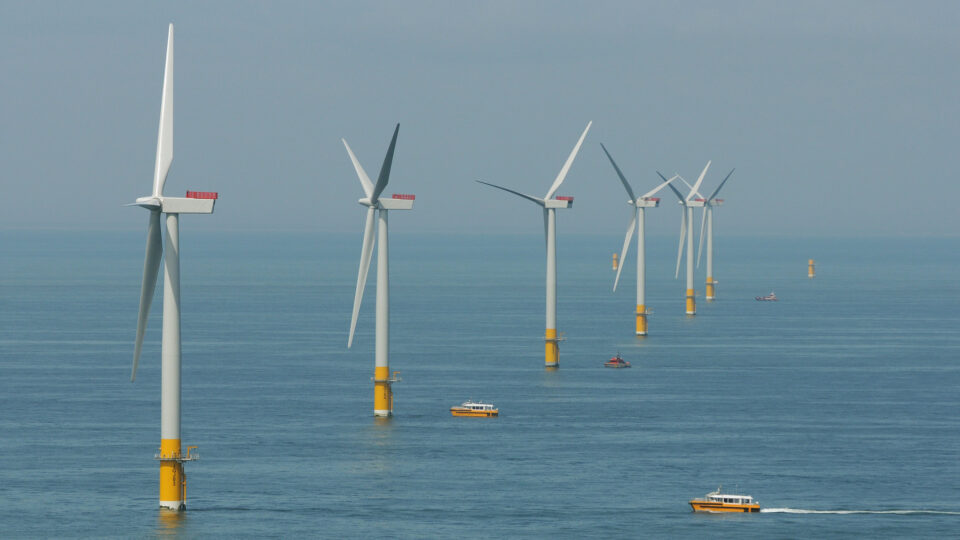
In late May, the first offshore wind turbine in U.S. federal waters was installed 27 miles offshore from Virginia.  The 6-MW Siemens turbine is one of two turbines making up the Coastal Virginia Offshore Wind pilot project.  The pilot project is expected to be operational later this year.  This project is the first to receive go-ahead approval by the BOEM.

The CVOW project is a development by Dominion Energy, a Virginia-based utility that operates in 20 states.  Dominion’s project will eventually be a 2.64 GW mega-farm that could be the largest offshore wind farm in the world.  Construction of the main project is expected to begin in 2024.  It will be sited in the seabed of a 112,800-acre lease area.  The site is currently being surveyed to determine potential impacts to ocean and sea life.

Dominion Energy has made multiple commitments to emissions reduction and the massive offshore wind farm is an important part of its efforts to meet those commitments.  The CVOW pilot project is only the second offshore wind installation in the U.S.  The first, the Block Island Wind Farm in Rhode Island, is in state waters and did not require BOEM approval.

**********

Web Links

A ‘monumental day’ for US offshore wind as first turbine is installed in federal waters

Photo, posted May 13, 2011, courtesy of the Department of Energy and Climate Change via Flickr.

Earth Wise is a production of WAMC Northeast Public Radio.

What Is An Endangered Species? | Earth Wise

March 3, 2020 By EarthWise Leave a Comment

Defining an endangered species

Biodiversity is declining rapidly throughout the world and people are mostly the reason.  Species are disappearing because of changes in land and sea use, the direct exploitation of organisms, climate change, pollution, and invasive alien species resulting from globalization.  The challenges of conserving the world’s species are many and difficult.  Among these challenges are determining which species are endangered and how and when to protect them.

What constitutes an endangered species is not necessarily obvious. 

Extinction risk increases as a species is driven to extinction from portions of its natural range.  Most mammal species have already been driven to extinction from half or more of their historic ranges because of human activities.

According to a recent survey of ordinary Americans, three-quarters of participants said that a species deserves special protections if it had been driven to extinction from any more than 30% of its historic range.  This compares with the language of the U.S. Endangered Species Act that defines an endangered species as one that is “in danger of extinction throughout all or a significant portion of its range.”

Experts and decision-makers are more accepting of risks and losses because they believe greater protection would be impossibly expensive.  Decision-makers tend to be influenced by special interest groups with a vested interest in not instituting protections.

Before human activities began elevating extinction risk, a typical vertebrate species would have experienced an extinction risk of 1% over a 10,000-year period.  Current policies consider a 5% risk over 100 years to be acceptable.  Policies consider whether we can afford to protect species.  Given the dangers of declining biodiversity, we should ask whether we can afford not to.

**********

Web Links

What Is An Endangered Species?

Photo, posted July 29, 2018, courtesy of Sergio Boscaino via Flickr.

Earth Wise is a production of WAMC Northeast Public Radio.
Air Pollution And Bone Health | Earth Wise

February 5, 2020 By EarthWise Leave a Comment

Air Pollution can worsen bone health

Many of the negative effects of air pollution are well documented.  Studies have shown that exposure to air pollution is associated with an increased risk of lung cancer, stroke, respiratory and cardiovascular diseases, and so on. 

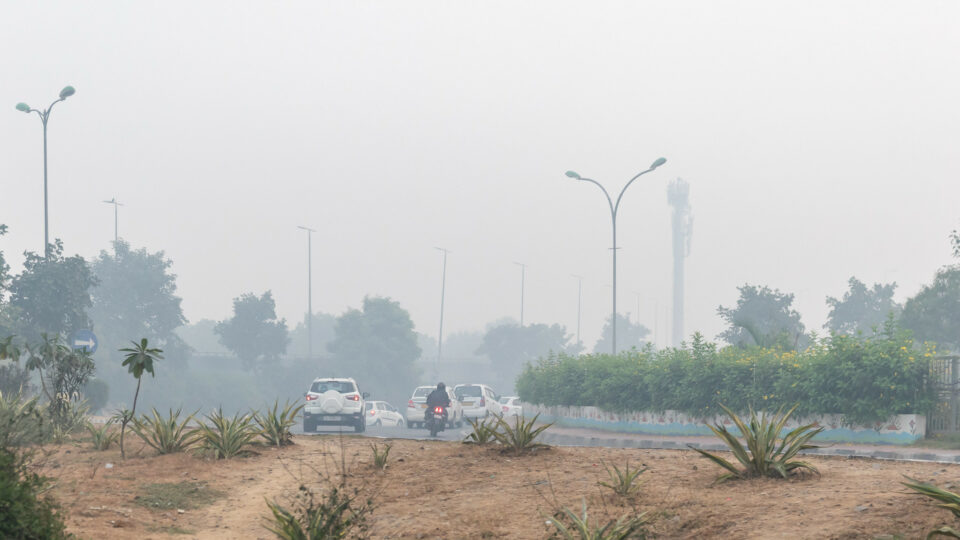
Now, according to a new study in India led by the Barcelona Institute for Global Health (ISGlobal), exposure to air pollution is also associated with a higher risk of developing osteoporosis.  Osteoporosis, which literally means porous bone, is a disease in which the density and quality of bone is reduced. As bones become more porous and fragile, the risk of fracture is greatly increased. 

The study, which surveyed 3,700 people from 28 villages in southern India, was recently published in the medical journal Jama Network Open.     

The researchers used a model to estimate air pollution by fine particulate matter (commonly referred to as PM2.5) and black carbon at each participant’s residence.  The research team then assessed bone health using a special type of radiography (called dual-energy x-ray absorptiometry) that measures bone density.  They measured bone mass of the participants’ left hip and at the lumbar spine.

The results showed that exposure to air pollution, particularly fine particulate matter, was associated with lower levels of bone mass.  Annual average exposure to PM2.5 was 32.8 micrograms per cubic meter, well above the maximum levels recommended by the World Health Organization (10 micrograms per cubic meter) and the U.S. EPA (12 micrograms per cubic meter).   

The researchers say their findings add to a growing body of evidence that indicates that particulate air pollution is relevant for bone health. 

**********

Web Links

Air pollution can worsen bone health

Photo, posted November 15, 2019, courtesy of Ninara via Flickr.

Earth Wise is a production of WAMC Northeast Public Radio.
Birds Are Disappearing

October 16, 2019 By EarthWise 1 Comment

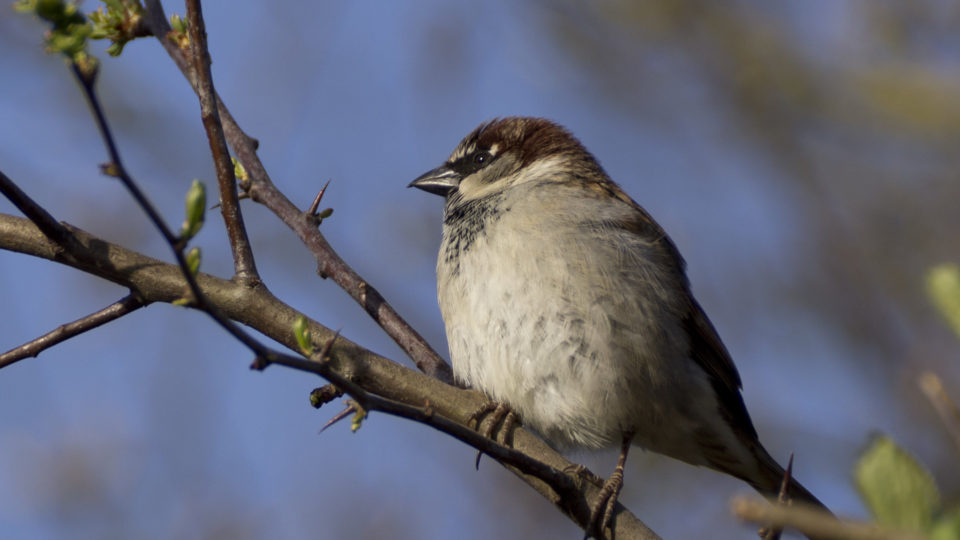
A new analysis, published in the journal Science, reports that the number of birds in the United States and Canada has fallen by 29% since 1970.  There are 2.9 billion fewer birds in the two countries now than there were 50 years ago.

The analysis is the most comprehensive attempt to date to look at the status of avian populations.  The results were a shock to researchers and conservation organizations.

It is well-known that some bird species have become vulnerable to extinction, but the new study, which surveyed more than 500 species, uncovered steep losses even among such traditionally abundant birds as robins and sparrows.

There appear to be multiple causes for the steep declines.  The largest ones are likely habitat loss and the wider use of pesticides.  Rachel Carson’s 1962 book Silent Spring warned of the dangers of pesticides and took its title from a world that has lost its birds.

The survey includes 76% of all bird species in the US and Canada, but actually represents almost the entire population of birds.  Grassland species have suffered the biggest declines by far, as a result of modern agriculture and development.  Pesticides, such as neonicotinoids, make it harder for birds to put on weight needed for migration, delaying their travel.

There are a few bright spots:  bald eagles are thriving, and falcon and waterfowl populations are on the upswing.  These are species that have been the subject of conservation measures in recent decades.

Stopping the bird decline will require a great deal of effort to defend habitats, restrict chemicals, and redesign buildings.  Without that effort, birds will continue to disappear.

**********

Web Links

Birds Are Vanishing From North America

Photo, posted April 1, 2012, courtesy of Barry Skeates via Flickr.

Earth Wise is a production of WAMC Northeast Public Radio.
Another Bad Year For Bees

August 6, 2019 By EarthWise Leave a Comment

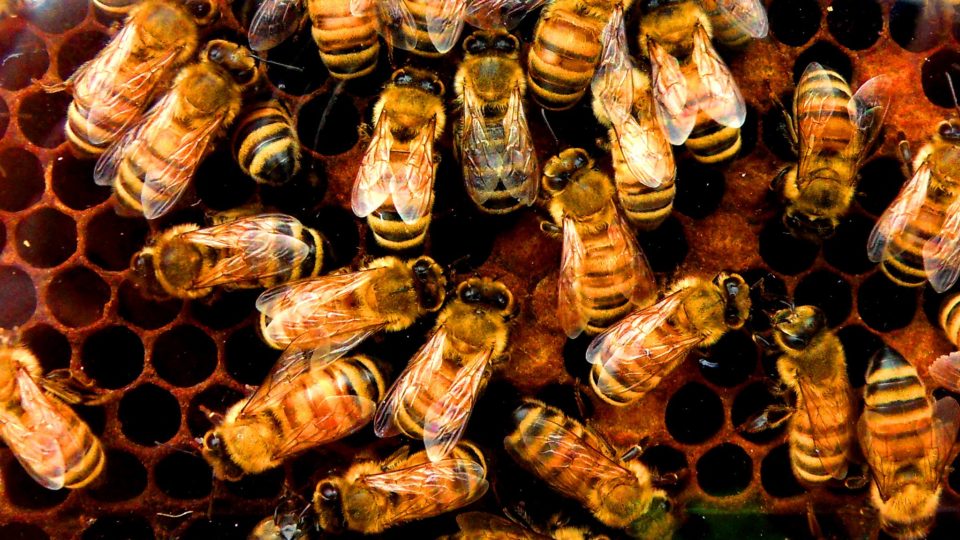
The latest annual nationwide survey of beekeepers in the US revealed that honeybees are still dying off at an alarming rate.  According to the survey, beekeepers across the country lost 40.7% of their honey bee colonies from April 2018 to April 2019. 

This annual loss represents a slight increase over the average annual loss of 38.7%.  Of greater concern is that winter losses of 37.7% were the highest reported since these annual surveys began 13 years ago and are almost 9% higher than the survey average.

These results are very troubling considering that the elevated losses are continuing even after a decade of intense work trying to understand and reduce colony loss.  Evidently, there has not been much progress.

The number one concern among beekeepers is varroa mites, which are lethal parasites that can readily spread from colony to colony.  These mites have been decimating bee colonies for years.  Products developed to remove mites seem to be getting less and less effective.

But mites are not the only problem for bees.  Land use changes have resulted in reduced availability of pollen sources for bees.  Add to that pesticide exposures, environmental factors, and even problems with beekeeping practices.   In addition, extreme weather conditions such as wildfires and floods are only adding to the problems facing bees.

The tools that used to work for beekeepers seem to be failing and they are already stretched to their limits trying to keep their bees alive. Honey bees pollinate $15 billion worth of food crops in the United States each year. The problems facing bees are a problem for all of us.

**********

Web Links

U.S. Beekeepers Suffered Higher than Average Colony Loss Last Year, with Winter Losses the Highest Recorded, According to UMD-Led Annual Survey

Photo, posted June 3, 2009, courtesy of Jennifer C via Flickr.

Earth Wise is a production of WAMC Northeast Public Radio.
Fishers Helping To Clean The Oceans

August 2, 2019 By EarthWise Leave a Comment

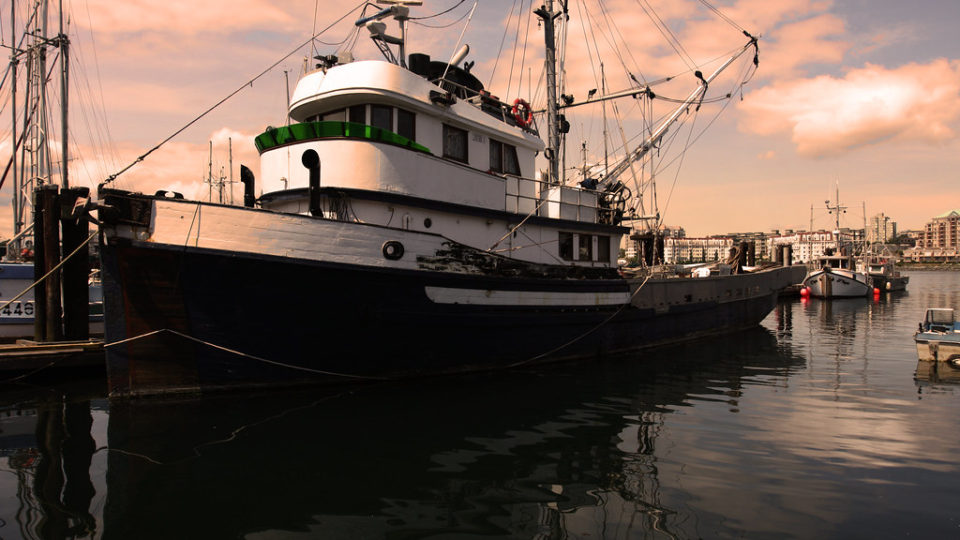
Marine litter – particularly plastics – is a global, persistent, and increasing threat to the oceans.  Much of it comes from discarded materials on shore that makes their way to the sea but waste from the fishing industry is a also a major contributor to the problem. 

Commercial fishers are acutely aware of the potential for marine litter to damage and even destroy their livelihoods and are starting to try to be part of the solution instead of just part of the problem.

An initiative called Fishing for Litter, which has been operating around the British coastline since 2006, is an example.

With hubs in Scotland and South West of England, FFL aims to reduce the amount of marine litter in the sea by physically removing it while also highlighting the importance of good waste management in the fishing fleet.  Fishers have to assume responsibility for their own waste and dispose of it in a responsible manner.  They also have a unique ability to access remote and hard to reach marine litter caused by others.

A survey of 120 commercial fishers revealed that they often found marine litter in their hauls and that keeping the sea and coasts clean was important to them. 

The responsibility for reducing marine litter does not belong to any single industry or organization.  It requires a collective global change of behavior.  The problem directly affects fishers, so they are especially motivated to do something about it.   They can make an important contribution to an issue that ultimately affects us all.  Groups like Fishing for Litter are providing a model for behavior that we can only hope that others around the world can emulate.

**********

Web Links

Fishers keen to help address the problem of marine litter

Photo, posted July 9, 2009, courtesy of Rennett Stowe via Flickr.

Earth Wise is a production of WAMC Northeast Public Radio.

Fresh Water Under The Sea

July 18, 2019 By EarthWise Leave a Comment

A new survey of the sub-seafloor off the U.S. Northeast coast has revealed the existence of a gigantic aquifer of relatively fresh water trapped in porous sediments lying beneath the salty ocean.  This appears to be the largest such formation ever found.

The newly-discovered aquifer stretches from the shore at least from Massachusetts to New Jersey and extends more-or-less continuously out about 50 miles to the edge of the continental shelf.   The deposits begin at around 600 feet below the ocean floor and bottom out at about 1,200 feet.  If all that water was found on the surface, it could create a lake some 15,000 miles in area.  The researchers estimate that the region holds at least 670 cubic miles of fresh water.

Researchers made use of innovative measurements of electromagnetic waves to map the water, which had not been detected by other technologies.   It was already known that fresh water existed in places under the sea bottom as a result of oil drilling as far back as the 1970s.  But there was previously no hint of the extent of the undersea aquifer. 

The water probably was trapped by sediments deposited during the last ice age when sea levels were much lower.  But modern subterranean runoff from land sources might also be a contributor.

If water from the aquifer was to be withdrawn, it would still have to be desalinated for most uses, but the cost would be much less than processing ordinary seawater.  There is probably no need to do this in the Northeastern US, but the discovery suggests that such aquifers probably lie off many other coasts worldwide and could provide desperately needed water in places like southern California, Australia, the Mideast or Saharan Africa.

**********

Web Links

Scientists Map Huge Undersea Fresh-Water Aquifer Off U.S. Northeast

Photo, courtesy of August 1, 2015, courtesy of Michael Vadon via Flickr.

Earth Wise is a production of WAMC Northeast Public Radio.
A Quiet Clean Energy Revolution

March 5, 2019 By EarthWise Leave a Comment

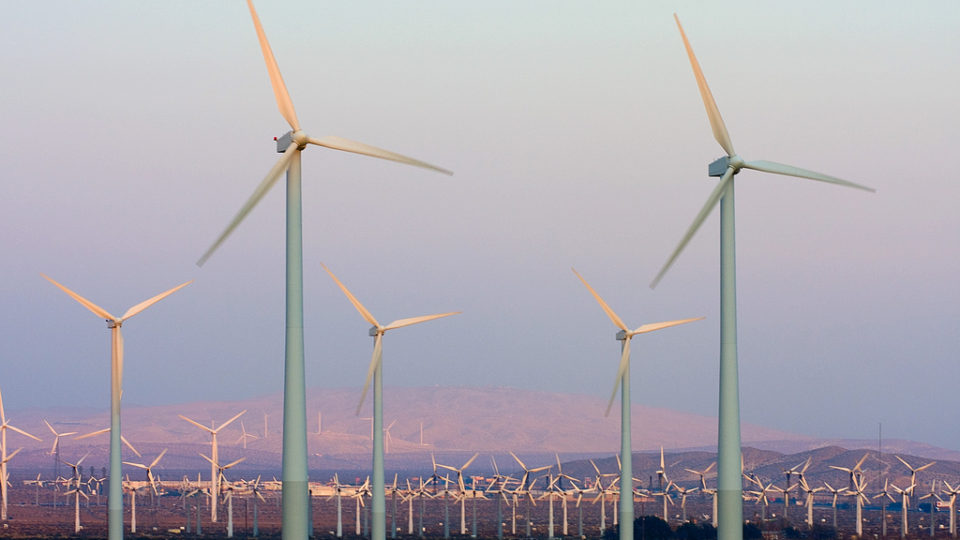
While the Trump administration seeks to prop up and promote use of fossil fuels, the country continues to move in the opposite direction.  Last year was actually a pretty positive year for clean energy in the U.S.

In terms of public opinion, 70% of Americans surveyed believe the country should produce 100% of its electricity from renewable energy sources and more than half of survey respondents think renewables are a good idea even if they raise energy bills.

Companies in the U.S. purchased a record 6.43 gigawatts of renewable power, enough to power 1.5 million homes.  The number of corporations entering into renewable energy deals doubled last year.

More than 300 U.S. cities, towns or counties have made commitments to climate action and, as of November, 99 cities have committed to 100% renewable energy, doubling the total from a year ago.

A number of gubernatorial candidates running on ambitious renewable energy platforms were elected in November including those in Illinois, Colorado, New Mexico, Maine and Nevada.

Utilities are responding to the growing demand for clean energy.  Consumers Energy in Michigan plans to cut carbon emissions by 80% and stop using coal.  Iowa-based MidAmerican Energy will become the first U.S. utility to source 100% of its electricity from renewable sources next year.  Xcel Energy, one of the biggest utilities in the country, has committed to be 80% carbon-free by 2030 and go completely carbon-free by 2050.

The fossil fuel industry with its supporters in high places is still kicking and screaming, but there is no doubt that the U.S. energy system is changing, and the quiet clean energy revolution will only pick up more steam in 2019.

**********

Web Links

The US Underwent a Quiet Clean Energy Revolution Last Year

Photo, posted August 15, 2009, courtesy of Ken via Flickr.

Earth Wise is a production of WAMC Northeast Public Radio.

Misconceptions About Electric Cars

February 8, 2019 By EarthWise Leave a Comment

Tesla’s Model 3 was one of the best-selling cars in the United States last year, eclipsing all but a handful of sedans.  This was the first time that an electric car had that honor and is indicative of how electric cars are finally becoming mainstream.  A host of other new electric models from multiple manufacturers will be the entering the market over the next couple of years.

Despite all of this progress, there is still a great deal of misinformation about electric cars.  A new study commissioned by Volkswagen revealed some of the widespread misconceptions about the vehicles.

Some people believe that electric cars can’t be driven through puddles.  Nearly one in five people believe that electric cars slow down as the battery depletes.  Many people believe that electric cars are fundamentally less safe than gas-powered cars.

More generally, people are unaware of how far current electric cars can drive on a charge.  More and more models can go 200 and even over 300 miles between charging sessions.  People also don’t know how quickly cars can charge up either.  Fast chargers like Tesla’s Superchargers can add 200 miles worth of charge in about 20 minutes.  And people don’t know what it costs to charge electric cars.  In most places, it is only a fraction of what it costs to drive the same distance using gasoline.

Despite their limited knowledge about electric cars, the 2,000 people surveyed in Britain were positively disposed towards them with nearly 6 in 10 saying that they would like to own an electric car some day and would even consider one as their next vehicle.

Electric cars will become more familiar and less exotic as more and more of them are on our roads and highways.

**********

Web Links

Major misconceptions prevent drivers from buying electric cars, study claims

Photo, posted April 6, 2018, courtesy of Brian Doyle via Flickr.

Earth Wise is a production of WAMC Northeast Public Radio.
https://www.independent.co.uk/news/uk/home-news/electric-cars-misconceptions-battery-charging-safety-volkswagen-study-results-a8700536.html

Support For A Green New Deal

January 23, 2019 By EarthWise Leave a Comment

Shortly after the November election, activists held a sit-in at Nancy Pelosi’s office calling for a Green New Deal – a plan to transform the U.S. energy economy in order to mitigate the effects of climate change as well as address various issues of economic justice.   While a number of Congress people have pledged to back the creation of a select committee to develop such a plan, it remains a political football and it remains to be seen whether anything will come of the idea.

There appears to be much less reticence on the part of voters, at least according to a survey conducted by the Yale Program on Climate Change Communication at the end of November.  The survey gave a brief explanation of the Green New Deal and asked respondents “How much do you support or oppose this idea?”

The result was that 81% of registered voters either “strongly” or “somewhat” supported it.  Support was stronger among Democrats at 92%, but a majority of Republicans were also in favor.  Some 57% of self-identified conservative Republicans even thought it was a good idea.

The Green New Deal would accelerate the transition from fossil fuels to clean, renewable energy.  The goal would be to generate 100% of the nation’s electricity from renewable sources within the next 10 years; upgrade the nation’s energy grid, buildings, and transportation infrastructure; increase energy efficiency; invest in green technology research and development; and provide training for jobs in the new green economy.

Even though most Americans have strong support for the ideas of the Green New Deal, it is quite uncertain whether such an initiative could become a reality, given that very influential special interest groups – notably the fossil fuel industry – will be fighting it tooth and nail.

**********

Web Links

81% of Voters Support a Green New Deal, Survey Finds

Photo, posted March 19, 2012, courtesy of Kate Ausburn via Flickr.

Earth Wise is a production of WAMC Northeast Public Radio.
Deforestation In The Amazon Rainforest

December 19, 2018 By EarthWise Leave a Comment

https://earthwiseradio.org/wp-content/uploads/2018/12/EW-12-19-18-Deforestation-in-the-Amazon-Rainforest.mp3

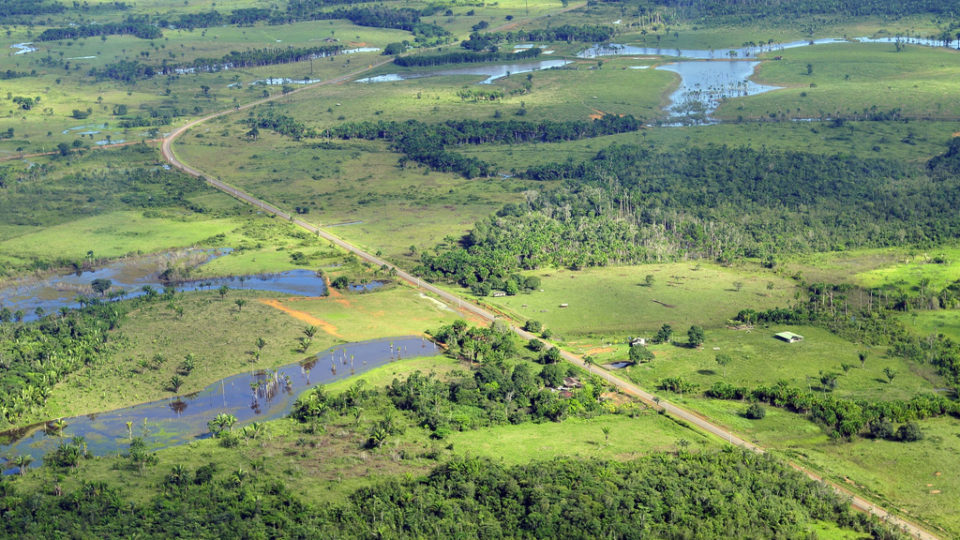
The Amazon rainforest is the biggest in the world.  In fact, it’s larger than the next two rainforests combined.  The Amazon rainforest covers more than three million square miles, roughly the size of the lower 48 states.  It functions as a critical sink for carbon in the atmosphere, and is home to 10% of all known species in the world.  The region’s biodiversity is so rich that scientists are still discovering new plant and animal species today. 

[Read more…] about Deforestation In The Amazon Rainforest

Widespread Local Extinctions

January 17, 2017 By EarthWise

https://earthwiseradio.org/wp-content/uploads/2016/12/EW-01-17-17-Widespread-Local-Extinctions.mp3

Plants and animals have evolved over time to live in specific environmental niches.  As the climate warms, parts of the ranges in which they live may no longer offer the conditions under which they can thrive.  Species can respond to these changes in three ways:   they can adapt to new conditions by undergoing niche shifts; they can relocate to better conditions, such as by moving to higher elevations or latitudes; or they can locally go extinct.

[Read more…] about Widespread Local Extinctions

Finding Methane Leaks

September 21, 2016 By WAMC WEB

https://earthwiseradio.org/wp-content/uploads/2016/09/EW-09-21-16-Finding-Methane-Leaks.mp3

The boom in natural gas drilling by conventional methods and by fracking has led to a spike in methane emissions from pipelines, storage tanks, processing facilities, and other parts of the natural gas system.   Natural gas is mostly composed of methane, so these emissions constitute waste and lost revenues.  But they also represent a serious environmental problem because methane is 25 times more effective in trapping atmospheric heat than carbon dioxide.

[Read more…] about Finding Methane Leaks

  • « Go to Previous Page
  • Page 1
  • Page 2
  • Page 3
  • Go to Next Page »

Primary Sidebar

Recent Episodes

  • An uninsurable future
  • Clean energy and jobs
  • Insect declines in remote regions
  • Fossil fuel producing nations ignoring climate goals
  • Trouble for clownfishes

WAMC Northeast Public Radio

WAMC/Northeast Public Radio is a regional public radio network serving parts of seven northeastern states (more...)

Copyright © 2026 ·