• Skip to primary navigation
  • Skip to main content
  • Skip to primary sidebar

Earth Wise

A look at our changing environment.

  • Home
  • About Earth Wise
  • Where to Listen
  • All Articles
  • Show Search
Hide Search
You are here: Home / Archives for survey

survey

Parks for bugs

May 27, 2025 By EarthWise Leave a Comment

Urban areas can have a variety of green spaces:  gardens, parks, and roadside and median plantings.  It turns out that these spaces can serve as pollinator refuges.

A study by researchers at the University of British Columbia found that reducing lawn mowing and creating pollinator meadows – essentially parks for bugs – significantly boosts pollinator diversity and creates healthier and more resilient ecosystems.

The 3-year study surveyed pollinators in 18 urban parks across the city of Vancouver.  It compared parks where meadows were planted and mowing was restricted with parks that were kept as standard turfgrass lawns.

Parks with meadows saw an immediate increase in pollinator species – from 21 to 47 more wild bee and hoverfly species – compared to parks without meadows.  These increases continued over the entire three-year study period.

The researchers identified more than 100 species of wild bees and hoverflies and 35 of them were only found in parks with meadows.

People think of urban landscapes as poor environments for biodiversity, but this study demonstrated that even relatively small changes can have significant impacts.  Even a patchwork of small habitats can allow species to move freely and settle into multiple areas quickly.

The researchers had advice for urban residents as well.  They suggest that people reduce mowing, plant native flowering shrubs and trees, create diverse habitats that incorporate a variety of plants that bloom at different times, avoid pesticide use, and leave natural nesting sites for pollinators.

Preserving pollinators is an important task and having a few parks for bugs can really help.

**********

Web Links

How ‘parks for bugs’ boost pollinators in Vancouver

Photo, posted September 19, 2011, courtesy of Eric Bridiers / U.S. Mission Geneva via Flickr.

Earth Wise is a production of WAMC Northeast Public Radio

Generations Z and Alpha and climate change

November 19, 2024 By EarthWise Leave a Comment

Gen Z and Gen Alpha are overwhelmingly concerned about climate change.

People’s views and level of concern about climate change tend to vary according to age, political affiliation, and other demographic categories.  But one clear trend is that young people are overwhelmingly concerned about climate change.  Given that they will ultimately suffer from its effects far more than older generations, this is not really surprising.

A new study investigated the views about climate change of 16,000 young Americans aged 16 to 25.  The study found that about 60% of respondents said they were either very or extremely worried when asked “How worried, if at all, are you about climate change and its impact on people and the planet?”  More than 85% said they experienced at least some level of climate anxiety.

There was similarity in responses across dramatically different geopolitical regions of the country.  Responses never differed by more than 25% across all surveyed populations.  Concern about climate change transcended political identification.  While the Republican group did have a lower level of concern, endorsement of climate issues was still above 50% no matter what group people identified with.

People from Generations Z and Alpha, those with fewer economic resources, people of color, and other vulnerable communities are experiencing the highest levels of climate distress. Research finds that 3% of Americans are experiencing clinically significant climate anxiety. 

The true number of people experiencing climate-triggered anxiety may be much higher as some people are hesitant or reluctant to even acknowledge that climate change is happening.  Some level of climate anxiety is undoubtedly beneficial for climate action.  People who are experiencing distress are the ones most likely to take action. 

**********

Web Links

The Depths of Their Discontent: Young Americans Are Distraught Over Climate Change

Photo, posted April 23, 2022, courtesy of Mark Dixon via Flickr.

Earth Wise is a production of WAMC Northeast Public Radio

Halloween pumpkins

October 28, 2024 By EarthWise Leave a Comment

According to the National Retail Federation, spending on Halloween festivities this year by the 72% of Americans who plan to celebrate is expected to total $11.6 billion – or about $104 per person.  The annual consumer survey also found that 67% of Americans plan to pass out candy this year, and nearly 50% of Americans plan to carve a pumpkin.

To produce enough pumpkins for Halloween, farmers grow lots of them every year.  In fact, more than two billion were grown in 2020 alone.  But the vast majority of pumpkins are never eaten; instead, most are carved and placed on porches across the country.  This means Americans spend hundreds of millions of dollars on pumpkins annually just to toss them in the trash when Halloween ends. 

When pumpkins are placed in landfills, they produce methane gas.  Methane is a potent greenhouse gas that affects climate change by contributing to increased warming. 

Instead of throwing pumpkins into the landfill, there are several responsible ways to dispose of them. 

If the pumpkin is still in good shape, use the outer, meaty part of the pumpkin to make pumpkin puree.  The pumpkin seeds can also be scooped out, rinsed, seasoned, and then baked in the oven, resulting in a delicious snack.

Pumpkins also have the potential to turn into great soil through composting. Pumpkins can help naturally add moisture to compost piles that need to be damp in order to effectively decompose food waste.   

If eating or composting the pumpkins isn’t an option, consider donating them to a local farm.  Farmers will often collect pumpkins as treats for their pigs, goats, and other animals. 

**********

Web Links

Halloween Retail Holiday and Seasonal Trends

Ready to toss out your pumpkins? Here’s how to keep them out of the landfill

US grows over 2 billion pumpkins yearly

Photo, posted November 8, 2014, courtesy of Martin Brigden via Flickr.

Earth Wise is a production of WAMC Northeast Public Radio

Tourism and climate action

October 11, 2024 By EarthWise Leave a Comment

Australia’s Great Barrier Reef is one of the foremost natural wonders of the world and is a major tourist attraction.  It is well-known that the changing climate is threatening the survival of the Great Barrier Reef as well as other coral reefs around the world.  A recent study by researchers at the University of Queensland looked at the reactions of tourists to being informed about the impact of the changing climate on the reef.

The Great Barrier Reef faces many challenges.  Unprecedented marine heatwaves have triggered repeated mass coral bleaching events over the past decade. These climate driven disturbances are compounding the cumulative effects of chronic problems such as unsustainable fishing, pollution, and sedimentation as well as acute disturbances such as tropical cyclones and outbreaks of crown-of-thorns starfish.

Operators of five reef tourism boats assisted in the study.  As part of their boat trips, tourists were given climate information via a marine biology presentation and there were also posters around the vessel as well as regular mentions of climate change impacts and actions throughout the trip.

The tourism industry often has the idea that providing information on climate change might be detrimental to people’s enjoyment – basically a buzzkill.  But based on surveys conducted at the end of the trips, the researchers found that informing tourists about climate impact didn’t negatively affect their experience.  In fact, most tourists actually wanted more information, particularly about how they can take meaningful actions of their own.

The researchers believe that their study provides further opportunity to improve climate communication and effectively promote climate change engagement among tourists.

**********

Web Links

Reef tourism encourages climate action

Photo, posted October 7, 2008, courtesy of eGuide Travel via Flickr.

Earth Wise is a production of WAMC Northeast Public Radio
Just say ‘climate change’

September 20, 2024 By EarthWise Leave a Comment

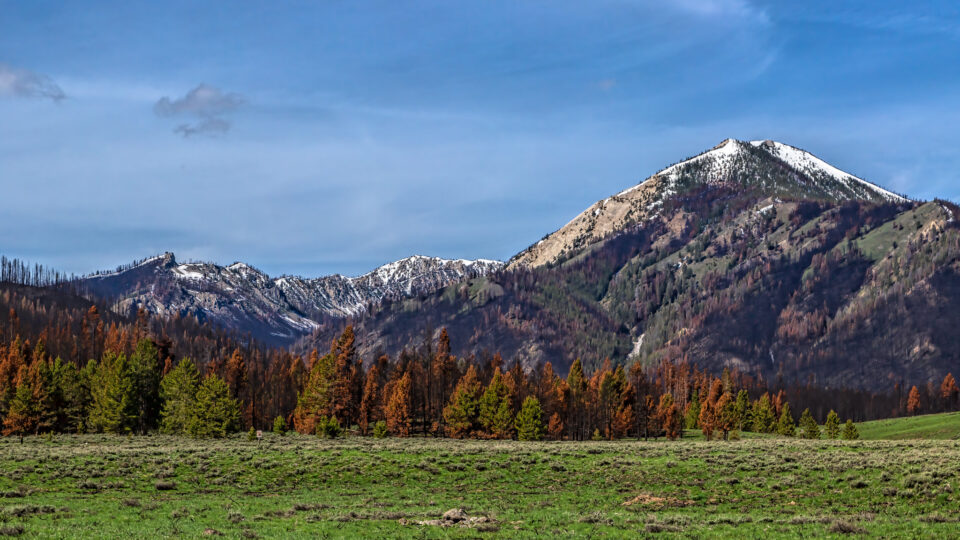
In recent years, climate advocates have pushed for the use of more dramatic language to describe ‘climate change.’  The notion was that phrases like ‘climate crisis’ and ‘climate emergency’ better convey the urgency of the planet’s plight, while terms like ‘climate change’ and ‘global warming’ are too gentle and vague.  However, it turns out that the gentler approach may actually be more effective.

According to a new study led by researchers from the University of Southern California, the terms ‘climate change’ and ‘global warming’ are not only more familiar to people than some of their common synonyms, but they also generate more concern about the warming of the Earth.

In the study, which was recently published in the journal Climatic Change, the research team found that nearly 90% of respondents were familiar with the terms ‘climate change’ and ‘global warming.’  However, familiarity dropped sharply for the other terms, including ‘climate crisis’ and ‘climate emergency.’  In fact, only 33% of respondents recognized the term ‘climate justice.’

The study, which surveyed more than 5,000 randomly selected U.S. residents, examined the degree to which each term generated concern, urgency, willingness to support climate-friendly policies, and willingness to eat less red meat. 

The research team found that the terms ‘climate change’ and ‘global warming’ were most concerning and most urgent.  ‘Climate justice’ was the least, with ‘climate crisis’ and ‘climate emergency’ falling in between.  The support for climate policy and willingness to eat less red meat was roughly the same, regardless of what terms were used. 

The research team hopes its findings will help us communicate more effectively about climate change in the future.

**********

Web Links

Just Say “Climate Change” – not “Climate Emergency”

Photo, posted July 1, 2023, courtesy of Sheila Sund via Flickr.

Earth Wise is a production of WAMC Northeast Public Radio

Mixed news for the Great Barrier Reef

August 27, 2024 By EarthWise Leave a Comment

Mixed news about the Great Barrier Reef

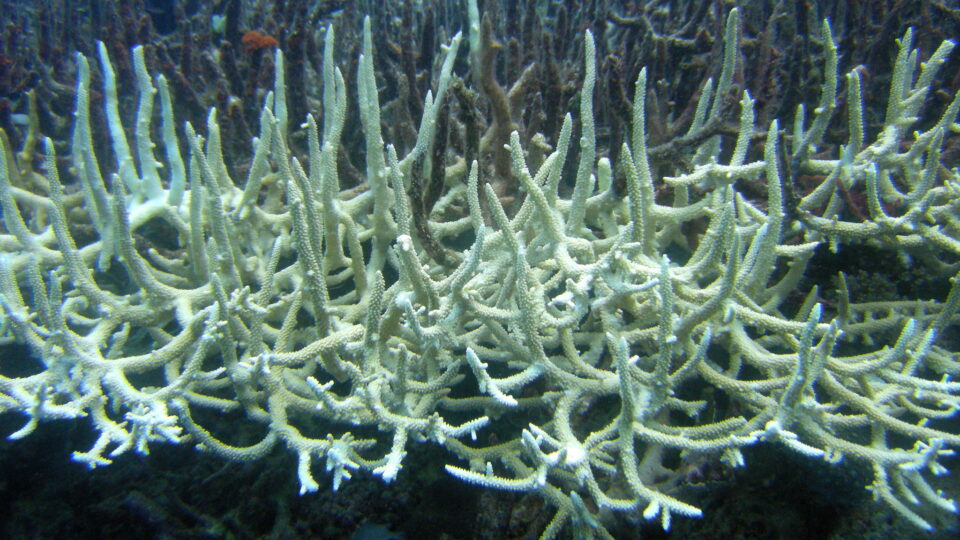
A prolonged and widespread coral bleaching event in Australia’s Great Barrier Reef has taken place this year.  It is the fifth such event over the past eight years and appears to be one of the worst ever.  According to preliminary analysis, 97% of corals in some areas of the northern part of the reef died as a result of the bleaching.  Over the entire length of the reef – which is more than 1,200 miles long – bleaching was observed on 74% of the more than 1,000 individual reefs that make up the Great Barrier Reef.  Half of those observed recorded high or very high levels of bleaching, although less than 10% had extreme levels of bleaching.

Prior to this mass bleaching event, an extensive survey of the reef was conducted, and it provided some good news.  Coral cover had increased in all three regions on the Great Barrier Reef and was actually at regional highs in two of the three regions.  The surveys were completed before the passage of Tropic Cyclone Jasper in December 2023.

Bleached corals are very stressed, but they still remain alive for at least some period of time.  Some types of corals can remain bleached for months, hanging on like a hospital patient in critical condition, but then recover.  Depending upon water conditions going forward, it remains to be seen how much of the reef will survive the latest bleaching event.  The next survey season by the Australian Institute of Marine Science will commence in September.

In many ways, the reef has had some lucky escapes in recent years.  As marine heatwaves become increasingly common, its luck may eventually run out.

**********

Web Links

New report on Great Barrier Reef shows coral cover increases before onset of serious bleaching, cyclones

Photo, posted 8, 2023, courtesy of Chris Hoare via Flickr.

Earth Wise is a production of WAMC Northeast Public Radio
Nearly everyone wants climate action

July 29, 2024 By EarthWise Leave a Comment

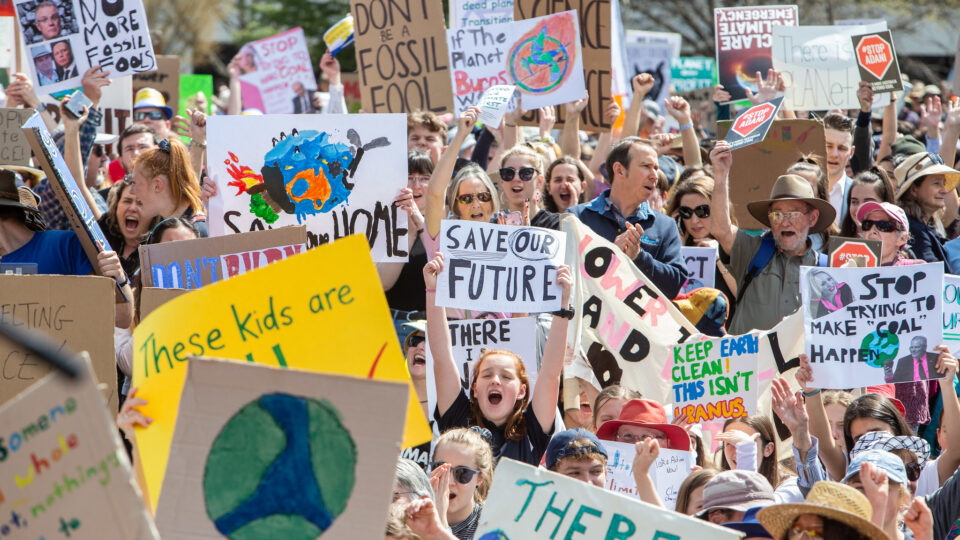
Almost everyone wants more action on climate change

A global survey of 75,000 people revealed that 80% of participants want their governments’ climate action commitments to be stronger.  The poll, conducted by the United Nations Development Program, GeoPoll, and Oxford University, asked 15 questions in telephone calls to residents of 77 countries representing 87% of the global population.

According to the survey, 89% of poorer countries favored increasing efforts to curb global emission, while 76% of wealthy G20 nations supported tougher climate action.

The two biggest greenhouse emitters in the world were less enthusiastic:  Chinese participants were 73% in favor of stronger action and Americans were 66% in favor of greater efforts to combat global warming. 

Other demographic differences included that in the big emitting countries of Canada, France, Germany, Australia, and the U.S., women were 10 to 17% more in support of stronger climate action than men.

Overall, only 7% of those polled globally thought their government should not transition away from fossil fuels at all.  More than half of those polled said that they were more worried about climate change this year than last year.  A worldwide majority of 72% support a fast fossil fuel phaseout, including those in nations that are among the top ten coal, oil, and gas producers.

As is the case across the board with respect to climate issues, the more influential factor continues to be economic as opposed to scientific or humanitarian.  Those who stand to lose the most money from the transition away from fossil fuels continue to hold sway over those who will lose in many other ways.

**********

Web Links

Four Out of Five People Want Increased Climate Action, UN Poll Says

Photo, posted July 31, 2020, courtesy of School Strike 4 Climate via Flickr.

Earth Wise is a production of WAMC Northeast Public Radio
The most endangered marine mammal

July 9, 2024 By EarthWise Leave a Comment

How to protect the most endangered marine mammal

For the better part of a decade, conservationists have been trying to eliminate the use of gill nets by fishermen in the Gulf of California.  Species such as the corvina fish have been decimated by the use of this fishing gear.  The nets also trap other marine creatures, include the rare and elusive vaquita porpoise.

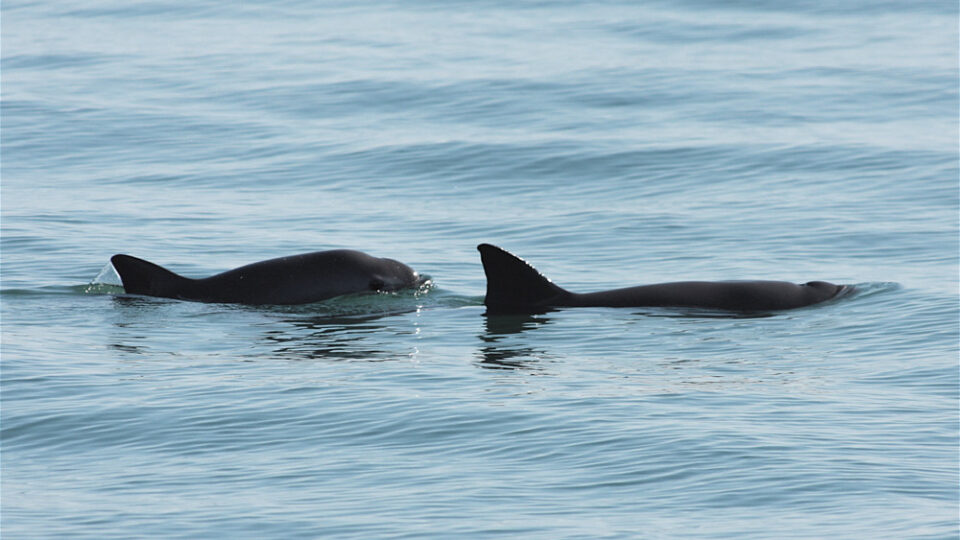
The vaquita is the world’s smallest porpoise, measuring no more than five feet in length.  It is the most endangered marine mammal. They live only in the Gulf of California, which is the site of intense fishing activity. Some of that activity is directed towards a fish called the totoaba, which is an endangered species itself.  The totoaba’s swim bladder is highly prized for Chinese traditional medicine, so there is a booming illegal market for it.  The gill nets used to catch totoaba are especially lethal to vaquitas.

Every year, for a few weeks, an international team of scientists searches the Gulf for vaquitas.  Recent surveys estimated that there are around 10 individuals in the area where they are most likely to be living.  This year’s survey estimated that six to eight vaquitas are in the area.  The ones spotted appeared to be in good health and one yearling was seen.

Officially, fishing with gill nets is banned throughout much of the upper Gulf of California.  In practice, enforcement has been difficult to do.  However, the Mexican government has been making an effort to improve the situation.  The Mexican Navy dropped 193 concrete blocks with giant hooks designed to entangle gill nets to deter fishers and they plan to drop more.

The survival of the vaquita depends on whether the use of gill nets stops.

**********

Web Links

The Most Endangered Marine Mammal Still Exists. Here’s the Latest Count.

Photo, posted July 12, 2011, courtesy of Semarnat via Flickr.

Earth Wise is a production of WAMC Northeast Public Radio

Small changes can yield big results

March 29, 2024 By EarthWise Leave a Comment

Small changes in diet can yield big results for the planet

Global food production is one of the largest contributors to climate change.  In fact, one-quarter of the world’s greenhouse gas emissions result from food production and agriculture.  Be that as it may, we still have to eat.  But what we choose to eat has a major impact on the environment.

According to a new study by researchers at McGill University in Canada and the London School of Hygiene & Tropical Medicine in the U.K., partially replacing red and processed meat with plant-based proteins can increase lifespan and mitigate climate change. 

In the study, which was recently published in the journal Nature Food, the researchers drew data from a national nutrition survey to analyze Canadians’ dietary records. The study modeled partial replacements (25% and 50%) of either red and processed meat or dairy with plant protein foods like nuts, seeds, legumes, and tofu, on a combination of nutrition, health, and climate outcomes.

In the study, the researchers found that a person’s diet-related carbon footprint plummets by 25% when they replace half of their intake of red and processed meats with plant protein foods. However, dairy substitutions showed smaller reductions of up to just 5%.

Meat and dairy-rich diets are known to increase the risk of heart disease, diabetes, and certain cancers. The researchers also estimated that if half of the red and processed meat in a person’s diet was replaced with plant protein foods, life expectancy would increase nearly nine months on average, due to a reduced risk of chronic disease.

The research team hopes its findings will help people make healthier and more sustainable food choices. 

**********

Web Links

Food production is responsible for one-quarter of the world’s greenhouse gas emissions

Small dietary changes can cut your carbon footprint by 25%

Photo, posted November 24, 2019, courtesy of Theo Crazzolara via Flickr.

Earth Wise is a production of WAMC Northeast Public Radio

Disappearing snow crabs

November 21, 2023 By EarthWise Leave a Comment

Snow crabs disappeared

Alaska snow crabs are a cold-water species found off the coast of Alaska in the Bering, Beaufort, and Chukchi Seas. They are one of ten commercially-fished species in Alaskan waters. The perils of crab fishing in this region have been well documented for many years in the reality TV series Deadliest Catch.

Last year, officials in Alaska canceled the winter snow crab season for the first time ever due to a sharp population decline. While the number of juvenile snow crabs was at record highs just a few years earlier, approximately 90% of snow crabs mysteriously disappeared ahead of the 2021 season. 

This year, officials in Alaska have once again canceled the snow crab harvest season for the second year in a row, citing the overwhelming numbers of crabs – in the billions – missing from Alaskan waters. 

Scientists have suspected that the warming ocean temperatures triggered this snow crab population collapse.  But did the crabs move someplace else or die off?  According to a new study recently published by scientists at the National Oceanic and Atmospheric Administration, warmer ocean temperatures likely caused the snow crabs to starve to death.  The research team found a significant link between recent marine heat waves in the eastern Bering Sea and the sudden disappearance of the snow crabs that began showing up in surveys in 2021.

According to the study, warmer ocean water dramatically increases snow crabs’ caloric needs. But with the warmer water also disrupting much of the region’s food web, snow crabs had a hard time foraging for food and weren’t able to keep up.

Researchers expect the population may eventually find refuge in colder waters further north.

**********

Web Links

Climate Change And Crabs

Billions of crabs went missing around Alaska

Photo, posted August 28, 2013, courtesy of Boris Kasimov via Flickr.

XXXXXXXXXXXXXXXXXXXXX

Plastic In Lakes | Earth Wise

August 28, 2023 By EarthWise Leave a Comment

We are always talking about the millions of tons of waste plastic that finds its way into the oceans and about the challenges of trying to remove it.  A new multinational study has found that the concentration of plastics and microplastics in some lakes is even worse than in the so-called garbage patches in the oceans and some of these lakes are even in remote places around the world

Scientists from institutes in multiple countries collected water samples from 38 lakes and reservoirs in 23 countries across six continents.  The samples were then all analyzed by the University of Milan to assess the presence of plastic particles more than a quarter millimeter in size.

The study found that two types of lakes are particularly vulnerable to plastic contamination:  lakes and reservoirs in densely populated and urbanized areas and large lakes with elevated deposition areas, long water-retention times, and high levels of human influence.

Lakes found to have the highest concentration of plastic included some of the main sources of drinking water for communities and were also important to local economies.  These included Lough Neagh in Northern Ireland, Lake Maggiore in Italy, and Lake Tahoe on the California/Nevada border.  Not all the lakes studied contained large amounts of plastic.  For example, Windermere, the largest lake in England, had very low concentrations of plastic in surface water.

This was the first global survey of the abundance and type of plastic pollution in lakes and reservoirs and the scale of freshwater plastic pollution is sobering indeed.  There is widespread concern that plastic debris is having harmful effects on aquatic species and ecosystem function and clearly is not limited to marine ecosystems.

**********

Web Links

Plastic pollution is higher in some lakes than oceans

Photo, posted May 27, 2019, courtesy of Jonathan Cook-Fisher via Flickr.

Earth Wise is a production of WAMC Northeast Public Radio

Big Oil And Big Lithium | Earth Wise

July 7, 2023 By EarthWise Leave a Comment

Big Oil entering the lithium market

The world’s big oil companies have worked pretty hard to prolong society’s dependence on petroleum.  When there are trillions of dollars at stake, there is plenty of motivation.  But those companies do see the writing on the wall.

An Exxon Mobil-funded study last year estimated that light-duty vehicle demand for combustion engine fuels could peak in 2025 and that electric vehicles of various types could grow to more than 50% of new car sales by 2050.  This is pretty pessimistic compared with most other surveys, but it is still a big number.  Exxon also projected that the global fleet of EVs could reach 420 million by 2040.

As a result of all this, Exxon is preparing for a future far less dependent on gasoline by drilling for lithium rather than oil.  The company recently purchased mining rights to a sizable chunk of Arkansas land for over $100 million from which it aims to produce lithium for electric car batteries.

Exxon’s consultants estimated that the 120,000 acres in the Smackover formation of southern Arkansas could have as much as 4 million tons of lithium carbonate, enough to power 50 million cars and trucks. 

Exxon plans to spend $17 billion through 2027 on cutting carbon emissions and developing low carbon technologies.  Other large oil producers have also been looking at the lithium business.  At the same time, some large oil companies like BP and Shell are investing in renewable energy.

The prospect of EVs dominating transportation in the coming decades is a strong incentive for oil-and-gas companies to adapt their businesses to the new world.

**********

Web Links

Exxon Joins Hunt for Lithium in Bet on EV Boom

Photo, posted August 16, 2014, courtesy of Mike Mozart via Flickr.

Earth Wise is a production of WAMC Northeast Public Radio

The Living Planet Index | Earth Wise

November 22, 2022 By EarthWise Leave a Comment

The World Wildlife Fund and the Zoological Society of London recently published the latest Living Planet Index, which is designed to measure how animal populations are changing through time.  The purpose is to provide an assessment of the health of ecosystems and the state of biodiversity.

The LPI only looks at the population of vertebrates:  birds, mammals, reptiles, amphibians, and fish.  The latest survey looked at how populations have changed between 1970 and 2018.  The results are that populations of these animal groups have declined by an average of 69% over that 48-year period.

This result highlights a very real and very severe crisis of biodiversity loss.  However, it does not mean that there are 2/3 fewer animals today than 48 years ago.  The way the index is calculated is to look at the changes in individual populations of over 5,000 different species.  Then these individual relative declines are averaged to get the result.  

There are shortcomings in the LPI.  For example, individual species that have seen massive population declines will bring the average down.  But even removing the outliers both of a negative and a positive impact does not dramatically change the result.

There is no perfect indicator for biodiversity and ecosystem health.  The Living Planet Index is nonetheless a useful metric and indicates that many species around the world are in decline.  Policymakers and environmental advocates need to make decisions about conservation and protection measures and this index is one tool they can use.

**********

Web Links

There’s a frightening new report about wildlife declines. But many are getting the story wrong.

Photo, posted October 12, 2019, courtesy of Visit Rwanda via Flickr.

Earth Wise is a production of WAMC Northeast Public Radio
Planting Millions Of Trees Isn’t So Easy | Earth Wise

November 11, 2022 By EarthWise Leave a Comment

Mass tree plantings are not always effective

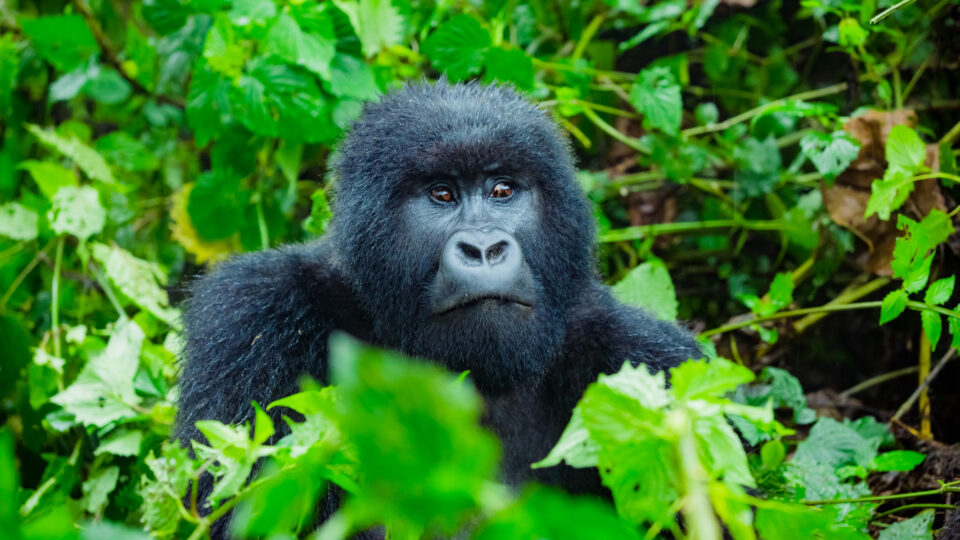
There are initiatives around the world to plant millions of trees as a way to fight climate change.  Unfortunately, scientists have observed that many of these projects are ill-conceived and poorly managed.  Some have failed to grow any forests at all.

One such project was an attempt to plant a million mangrove seedlings in coastal mud on the Filipino island of Luzon in 2012.  Ten years later, less than 2% of the trees have survived.  The other 98% have died or have washed away.  The problem was that the site of the project was ecologically unsuited to mangroves because it is too waterlogged and there is no oxygen available except in a few sheltered spots.

In 2019, the Turkish government managed the planting of 11 million trees in 2,000 sites across the country.  A later survey found that 90% had died, although the government denies that assertion.

Many other projects have also had dismal results.  The causes of failure vary but include planting single species of trees that become vulnerable to disease, competing demands for land, changing climate, planting in areas not previously forested, and lack of ongoing care for the saplings including watering them.

Nobody is opposed to mass tree planting.  There is no anti-tree lobby.  But tree planting is sometimes a form of greenwashing.  It is great for public relations but unless it is done properly with appropriate planning, it can be a waste of effort and money.  The result can be a phantom forest that does nothing for the climate.

Forest planting can work if the social and environmental conditions are right, and if planting is followed by long-term monitoring and care of the trees.

**********

Web Links

Phantom Forests: Why Ambitious Tree Planting Projects Are Failing

Photo, posted April 20, 2016, courtesy of the U.S. Navy / Mass Communication Specialist 2nd Class John Benson via Flickr.

Earth Wise is a production of WAMC Northeast Public Radio

Return Of The Fin Whale | Earth Wise

August 15, 2022 By EarthWise Leave a Comment

Fin whales making a comeback

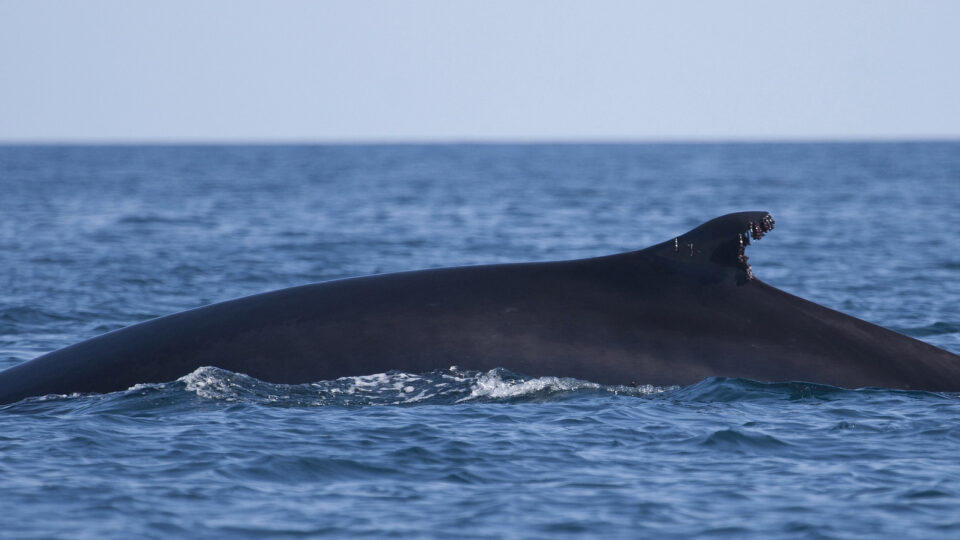
The fin whale is the second largest whale species and therefore the second largest creature on Earth.  They can grow to more than 80 feet in length.  From 1904 to 1976, there was massive industrial whaling in the Southern Ocean surrounding Antarctica.  During that period, whalers killed about 700,000 fin whales, reducing their population by 99%.  The species was nearly extinct.

In 1982, the International Whaling Commission voted to ban commercial whaling.  Since that time, fin whales started to make a comeback in their historical feeding grounds.

During a nine-week expedition in the waters around the Antarctic Peninsula, researchers encountered the largest gathering of fin whales ever documented.  About 150 fin whales were seen diving and lunging against the water’s surface.  It was a feeding frenzy triggered by large amounts of krill in the water.  The actions of the whales are known as a “whale pump” that drives the krill to the surface.  Not only does it provide huge amounts of food for the whales but also for other animals, including seabirds and seals.

Forty years after the commercial whaling ban, the number of fin whales has been increasing.  Large groups were observed in a 2013 survey.  Aerial surveys in 2018 and 2019 recorded 100 groups of fin whales, usually composed of a just a handful of individuals.  They did document eight large groups of up to 150 individuals.

Not all species of whales have rebounded so successfully since the whaling ban.  The rebound in fin whale population is not only good for the whales, but for the entire ecosystem in the Southern Ocean.  It is a glimmer of good news in a time of great challenges for global biodiversity and for marine life in particular.

**********

Web Links

Once Facing Extinction, Massive Fin Whales Have Returned to Antarctic Waters

Photo, posted November 15, 2007, courtesy of Gregory Smith via Flickr.

Earth Wise is a production of WAMC Northeast Public Radio.

Building Resilient Food Systems | Earth Wise

August 12, 2022 By EarthWise Leave a Comment

Building resilient food systems are critical

According to the United Nations and The World Bank, global hunger levels in 2021 surpassed the previous record set in 2020.  The organizations also found that acute food insecurity – defined as when a person’s inability to consume adequate food puts their lives or livelihoods in immediate danger – could continue to worsen this year in many countries around the world. 

According to a new study led by researchers from the University of Colorado Boulder, increased demand for water will be the biggest threat to food security during the next 20 years, followed closely by heat waves, droughts, income inequality, and political instability.  

The report, which was recently published in the journal One Earth, calls for increased collaboration to build a more resilient global food supply.  The impacts of conflict and climate change are already measured and studied around the world.  While these pressing threats are not new, the researchers found that better collaboration between these areas of research could fortify and strengthen global food security. 

In 2019, before the COVID-19 pandemic, the researchers surveyed 69 experts in various fields related to food security.  They found that many effects of climate change – such as unpredictable weather changes – could have the greatest negative impacts on food security.  The researchers also found that threats to food security from income inequality, global price shocks, and political instability and migration are highly likely during the next two decades.  More than half of the world’s food insecure populations also live in conflict-prone regions.

According to the research team, food security has never been a problem of production.  It’s a problem of distribution, access, and poverty, and can be exacerbated by conflict.   

**********

Web Links

Amid climate change and conflict, more resilient food systems a must, report shows

Photo, posted July 19, 2009, courtesy of Danumurthi Mahendra via Flickr.

Earth Wise is a production of WAMC Northeast Public Radio.

Some Good Monarch News | Earth Wise

July 8, 2022 By EarthWise Leave a Comment

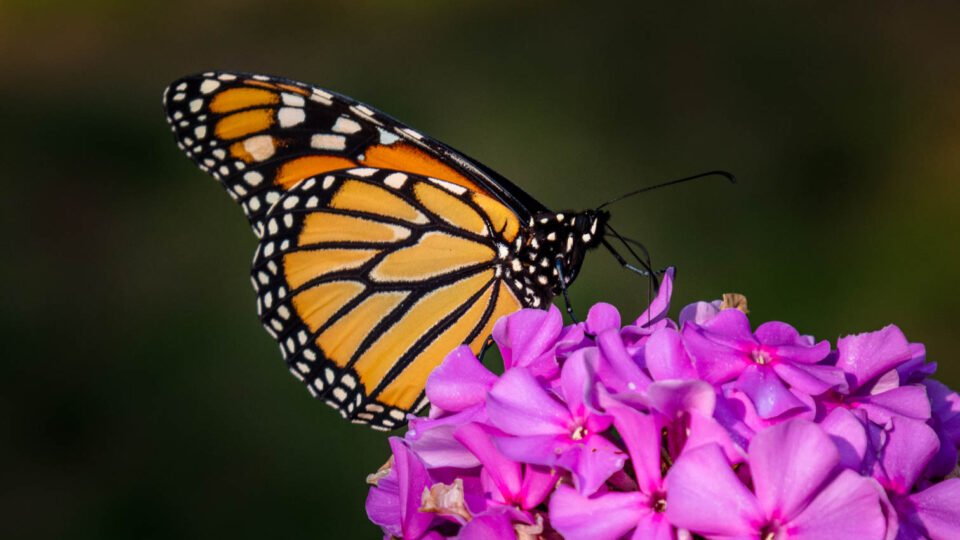
Eastern monarch butterflies spend their winter months in central Mexico.   Every spring, they embark on a lengthy, multigenerational migration that takes them into the United States and even into southern Canada, where they breed.  The butterflies go through several generations before they eventually migrate back to Mexico.

Twenty-five years ago, overwintering monarchs in Mexico blanketed nearly 45 acres of forest.  The acreage covered, which has been surveyed annually since 1993, is a rough indicator for the actual number of butterflies that survive the difficult migration process. In 2013, the monarchs occupied only 1.6 acres of Mexican forest.  The butterflies were deemed to be on the edge of extinction.

Last December, the monarch survey found 7 acres covered by the butterflies, an increase of 35% over the previous winter.  The population appears to be steadily rebounding, although the numbers are still substantially lower than the levels seen in the 1990s.

The butterflies are struggling with multiple problems.  There continues to be a lack of milkweed, the only food source for the caterpillars, in their breeding grounds along their migratory route.  More extreme weather driven by climate change is another challenge, and illegal logging in their overwintering habitat in Mexico has also become a threat.

After the butterfly population crashed in 2013, conservation efforts shifted into high gear with lots of milkweed planting in the US and Canada, and crackdowns on timber poachers in Mexico.

The remarkable multigenerational migration of monarchs is a delicate phenomenon that can be disrupted by many different things.  Eastern monarchs are still in serious danger, but the current trend seems to be positive.

**********

Web Links

Warming Trends: Butterflies Bounce Back, Growing Up Gay Amid High Plains Oil, Art Focuses on Plastic Production

Photo, posted August 12, 2021, courtesy of Paul VanDerWerf via Flickr.

Earth Wise is a production of WAMC Northeast Public Radio.

Declining Flying Insects | Earth Wise

June 30, 2022 By EarthWise Leave a Comment

In recent years, there has been increasing awareness of the global decline in insect abundance.  A recently published survey of the abundance of flying insects in the UK has revealed very troubling results.

The Kent Wildlife Trust and Buglife – two UK-based conservation groups – compared the number of dead insects on vehicles in 2004 and 2021.  In this Bugs Matter Citizen Science Survey, the data was collected by roughly 20,000 ordinary citizens using a smartphone app.

The results were that the number of flying insects in Britain dropped nearly 60% over that time period.  The insects declined most in England and Wales, with drops of 65% and 55%, respectively. 

It is possible that 2004 was a particularly good year for British insects and 2021 an especially bad one, but the findings of this study are consistent with other research around the world showing an alarming decline in insects.  A series of studies in 2019 found that the global mass of insects is shrinking by 2.5% a year and that insects are going extinct eight times faster than reptiles, birds, or mammals.

Insects face multiple overlapping threats including the destruction of wild habitats for farming, urbanization, pesticides, and light pollution.  On top of these things is climate change which is disrupting ecosystems in multiple ways.

Insects play a vital role in pollinating crops, consuming organic waste, killing pests, and as essential parts of multiple ecosystems.  Severe insect declines can potentially have dire global ecological and economic consequences.

**********

Web Links

Flying Insects Have Declined by 60 Percent in the U.K., Survey Finds

Insect decline in the Anthropocene: Death by a thousand cuts

Photo, posted May 6, 2007, courtesy of Richard Giddins via Flickr.

Earth Wise is a production of WAMC Northeast Public Radio.

More Bleaching In The Great Barrier Reef | Earth Wise

April 27, 2022 By EarthWise Leave a Comment

Continued coral bleaching in the Great Barrier Reef

Australia’s Great Barrier Reef is an ecosystem that can be seen from space.  It has now suffered its 6th mass coral bleaching event since 1998.  Previous events happened in 1998, 2002, 2006, 2016, and 2017.  This latest bleaching has occurred even though this is a La Niña year, when more rain and cooler temperatures are supposed to help protect delicate corals.

An aerial survey of 750 separate reefs across much of the 1500 mile-long Great Barrier Reef system found severe bleaching among 60% of the corals.  The bleaching covers an area even wider than the back-to-back outbreaks in 2016 and 2017.

The bleaching is a product of a summer in Australia that started early.  December temperatures were already warmer than the historical February summer maximums.  Globally, 2021 was the hottest year on record for the world’s oceans for the sixth year in a row.

Bleached coral can recover if temperatures cool down for a long enough period, but this is becoming increasingly rare.  Between 2009 and 2019, 14% of the world’s coral reefs were lost for good.

In Australia, the plight of the Great Barrier Reef has become politicized.  The current government is not supportive of efforts to reduce the country’s fossil fuel dependence and has worked to keep the reef from being placed on the list of endangered world heritage sites.  Instead of pushing for emissions cuts, Australia has focused on a variety of long-shot projects aimed at helping the reef.

The fact is that coral reefs cannot cope with the current rate of warming and unless that slows down soon, they will simply not survive for long.

**********

Web Links

‘Can’t Cope’: Australia’s Great Barrier Reef Suffers 6th Mass Bleaching Event

Photo, posted September 28, 2009, courtesy of Matt Kieffer via Flickr.

Earth Wise is a production of WAMC Northeast Public Radio.

Getting Rid Of Single-Use Plastics | Earth Wise

April 15, 2022 By EarthWise Leave a Comment

Banning single-use plastics

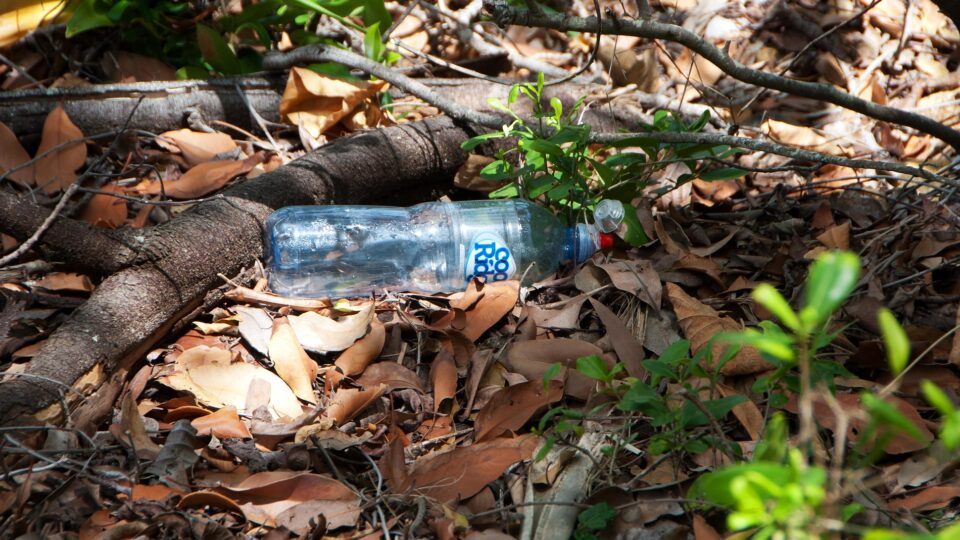
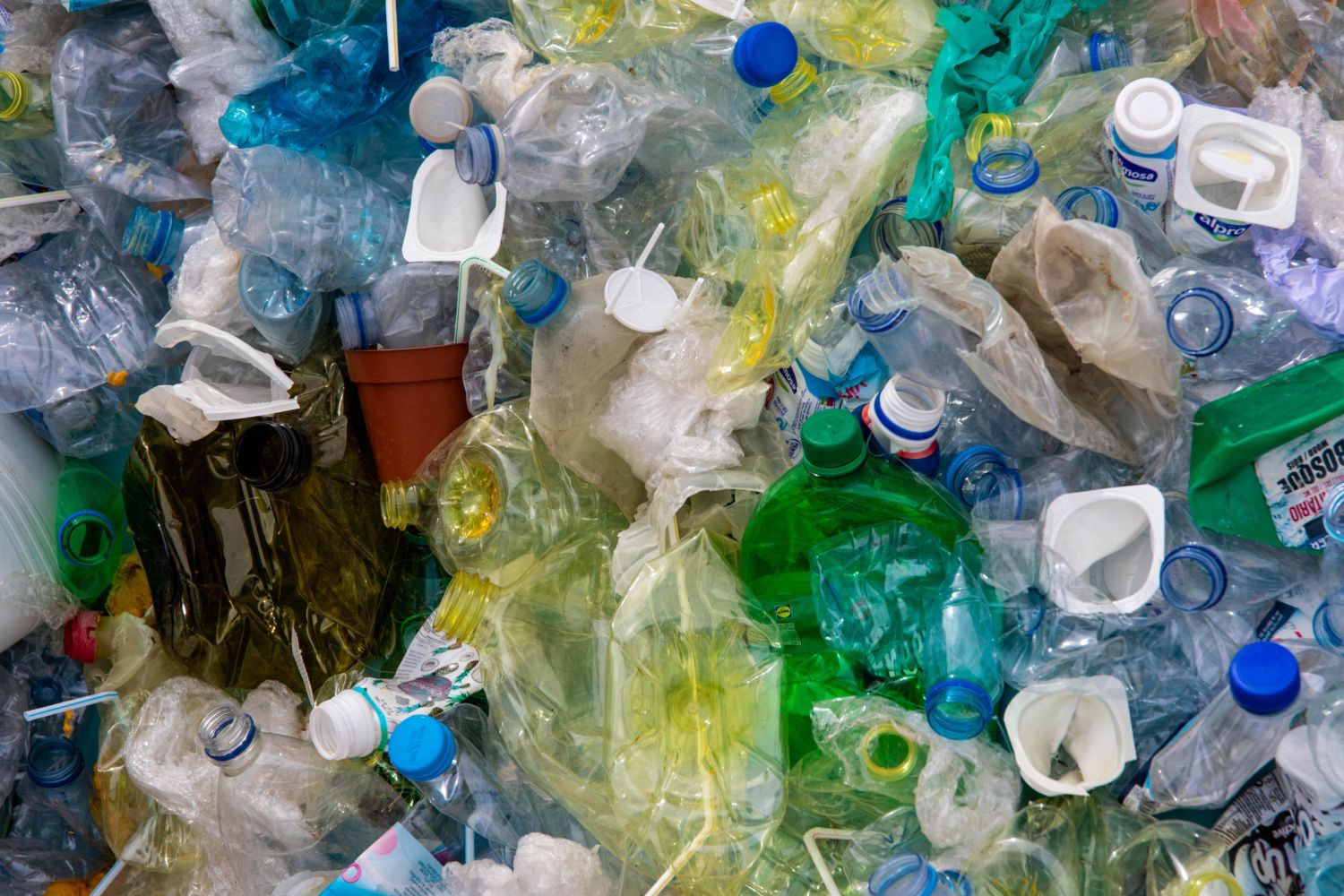
Single-use plastics are used only once before they are recycled – or more likely – simply thrown away.  These are things like plastic bags, straws, coffee stirrers, soda and water bottles, and most food packaging.  They are primarily made from fossil fuel-based chemicals.

Since the 1950s, over 9 billion tons of plastics have been produced, and half of that has been in the past 15 years.  There are uses for plastic that are not only reasonable, but are even important, such as for surgical gloves.  But for the most part, single-use plastic is the poster child of our throwaway culture that is bad for the environment, for wildlife, and even for human health.

Many cities, states, and even countries are moving toward greatly limiting or outright banning single-use plastics.  A recent global survey indicates that the great majority of people around the world are with the program.

According to a 28-country survey from marketing firm Ipsos and the activist group Plastic Free July, three out of four people around the world agree with a ban on single-use plastics.  The poll of more than 20,000 people showed that in Latin America, China, and India, more than 80% agree that a ban should happen as soon as possible.  Unfortunately, Canada, the United States, and Japan were the least supportive countries.  In particular, only 40% of Japanese respondents favored a ban.

Ninety percent of respondents globally support an international treaty to combat plastic pollution and eighty percent said they personally want to buy products with as little plastic packaging as possible.  Unfortunately, people in wealthy countries, which produce the most plastic waste, are less likely to support a ban.  Those countries typically export their waste to the developing world.

**********

Web Links

Three in Four People Worldwide Support a Ban on Single-Use Plastics

Photo, posted April 13, 2006, courtesy of Leonard J Matthews via Flickr.

Earth Wise is a production of WAMC Northeast Public Radio.

  • Page 1
  • Page 2
  • Page 3
  • Go to Next Page »

Primary Sidebar

Recent Episodes

  • An uninsurable future
  • Clean energy and jobs
  • Insect declines in remote regions
  • Fossil fuel producing nations ignoring climate goals
  • Trouble for clownfishes

WAMC Northeast Public Radio
WAMC/Northeast Public Radio is a regional public radio network serving parts of seven northeastern states (more...)
Copyright © 2026 ·