storage
A Giant Solar Thermal Plant For Australia
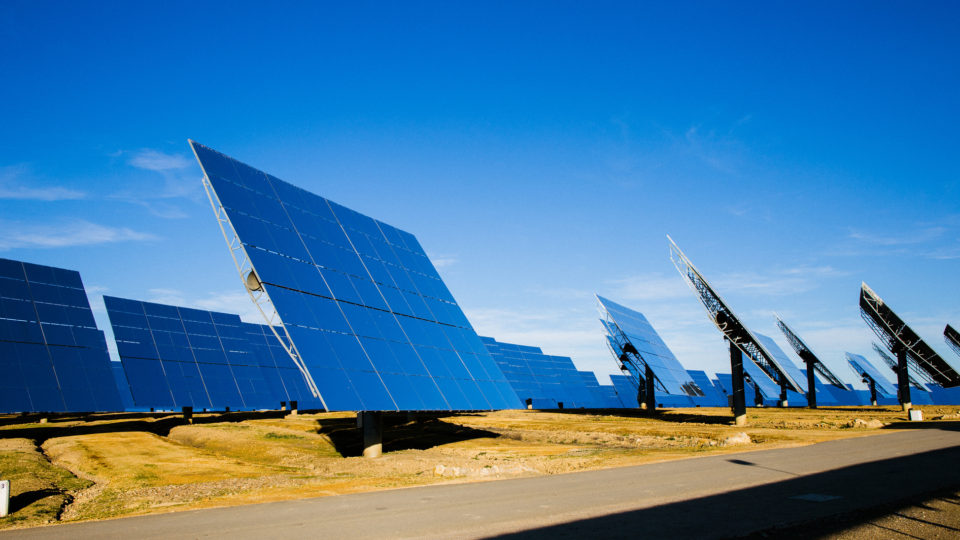
A project planned for sunny South Australia will be the world’s largest single solar thermal power plant when it comes on line in 2020. The Aurora Solar Energy Project will have a capacity of 150 MW, which is enough to supply 90,000 people with electricity.
[Read more…] about A Giant Solar Thermal Plant For Australia
Storing Carbon in the Ocean
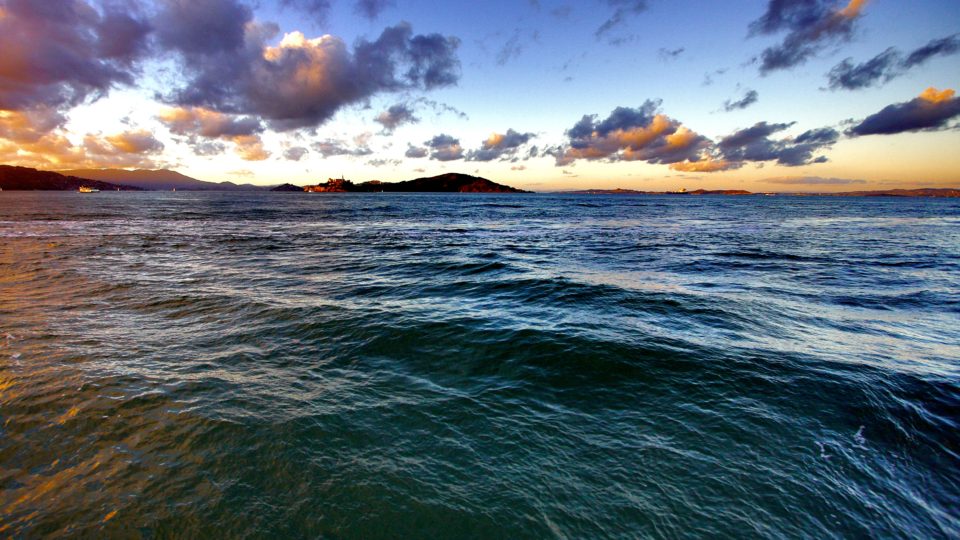
As carbon dioxide levels in the atmosphere continue to rise, it may be that clean energy technologies, electric cars, and other methods of reducing emissions may not be enough. Carbon sequestration – sucking carbon out of the atmosphere – is seen by many as a crucial part of the solution.
Bermuda Roofs

The North Atlantic island of Bermuda is a popular tourist attraction with its pink sand beaches, turquoise water, and pastel-colored cottages with white limestone roofs. The stepped white roofs are not just picturesque, they are highly functional.
Raw Wastewater On Farms
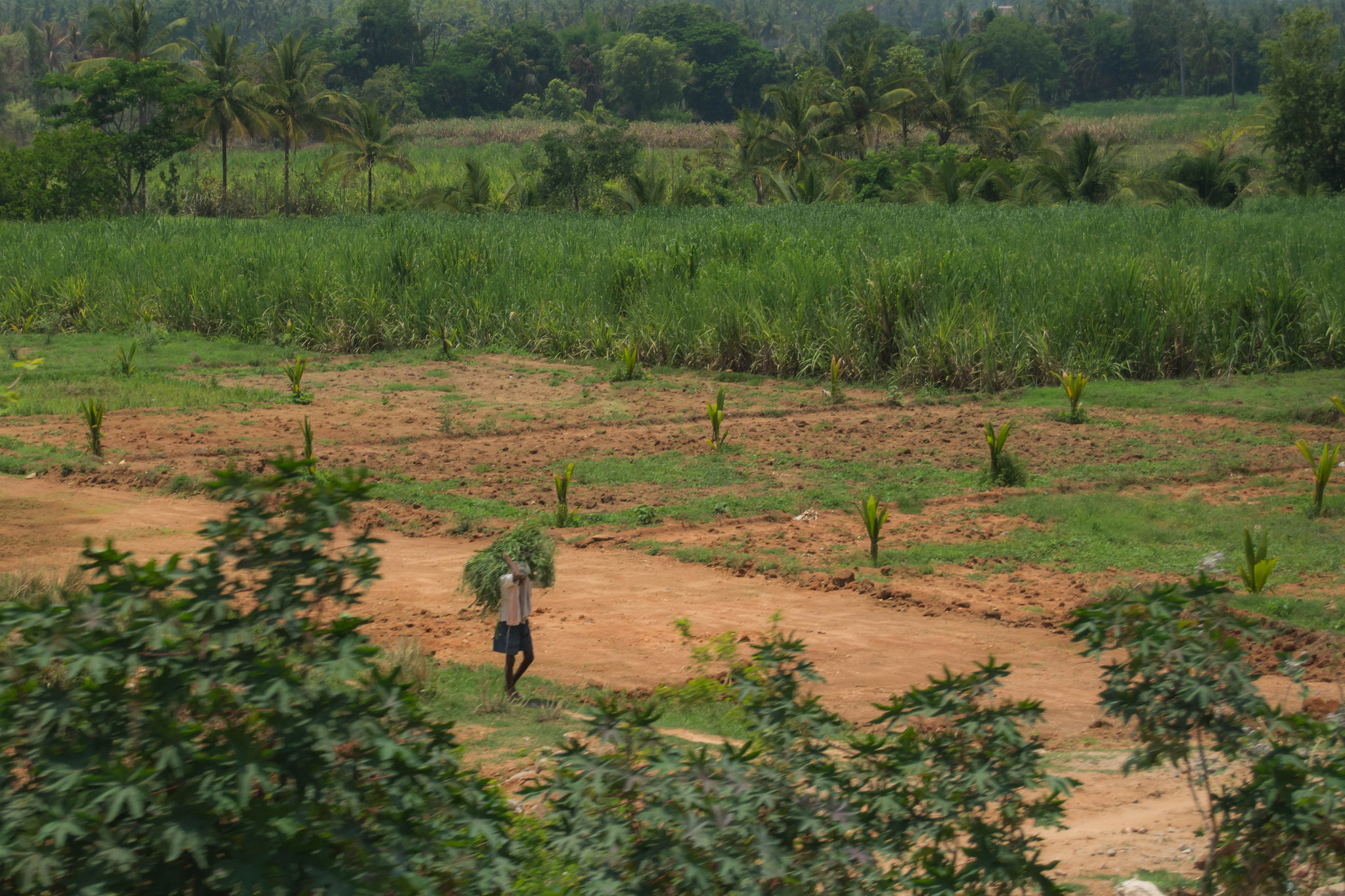
Clean water supplies are dwindling around the world. As a result, the use of untreated wastewater on farms for crop irrigation is on the rise.
Trees Are Not Enough

Trees are nature’s way of removing carbon dioxide from the atmosphere. Growing plants take up CO2 and store it in the form of their roots, stems and leaves. And in fact, a significant factor in the growing levels of carbon dioxide in the atmosphere has been the extensive deforestation that has gone on over the past couple of centuries.
Fern-Inspired Energy Storage

The amount of solar energy striking the surface of the earth in two hours is enough to supply all of humankind’s needs for an entire year. For this reason, it is widely thought that solar energy should be our primary source of electricity. If this is to happen, however, there must be cost-effective ways to obtain solar electricity regardless of the time of day, weather, or seasonal changes. Essentially, there must be ways to store the energy from the sun to use it when we need it.
‘Noah’s Ark’ Takes On Water
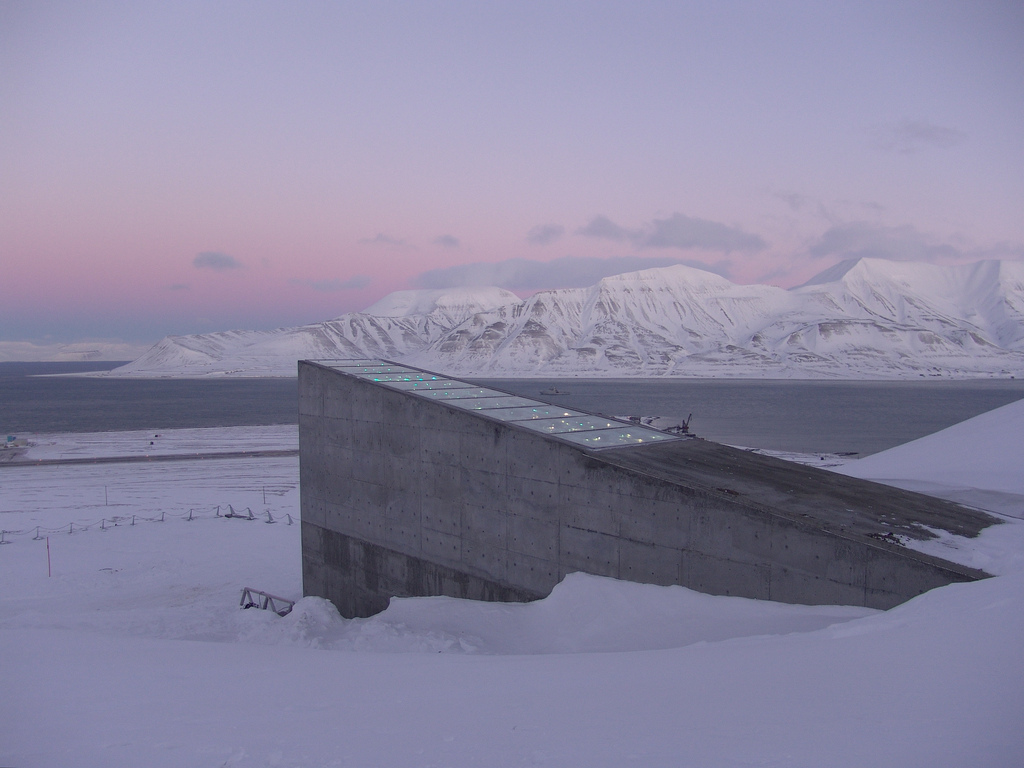
The Svalbard Global Seed Vault, built into a hillside in the Norwegian archipelago of Svalbard far above the Arctic Circle, is often described as humanity’s last hope against extinction after some global crisis. While there are more than 1,700 gene banks around the world that keep collections of seeds, all of them are vulnerable to war, natural disasters, equipment malfunctions, and other problems. Except the Svalbard vault – or so we thought. It has been dubbed the “Noah’s Ark” of seeds and a last chance for the world to regenerate if the worst should come to pass. It’s mission is to keep the world’s seeds safe.
Improving Energy Storage
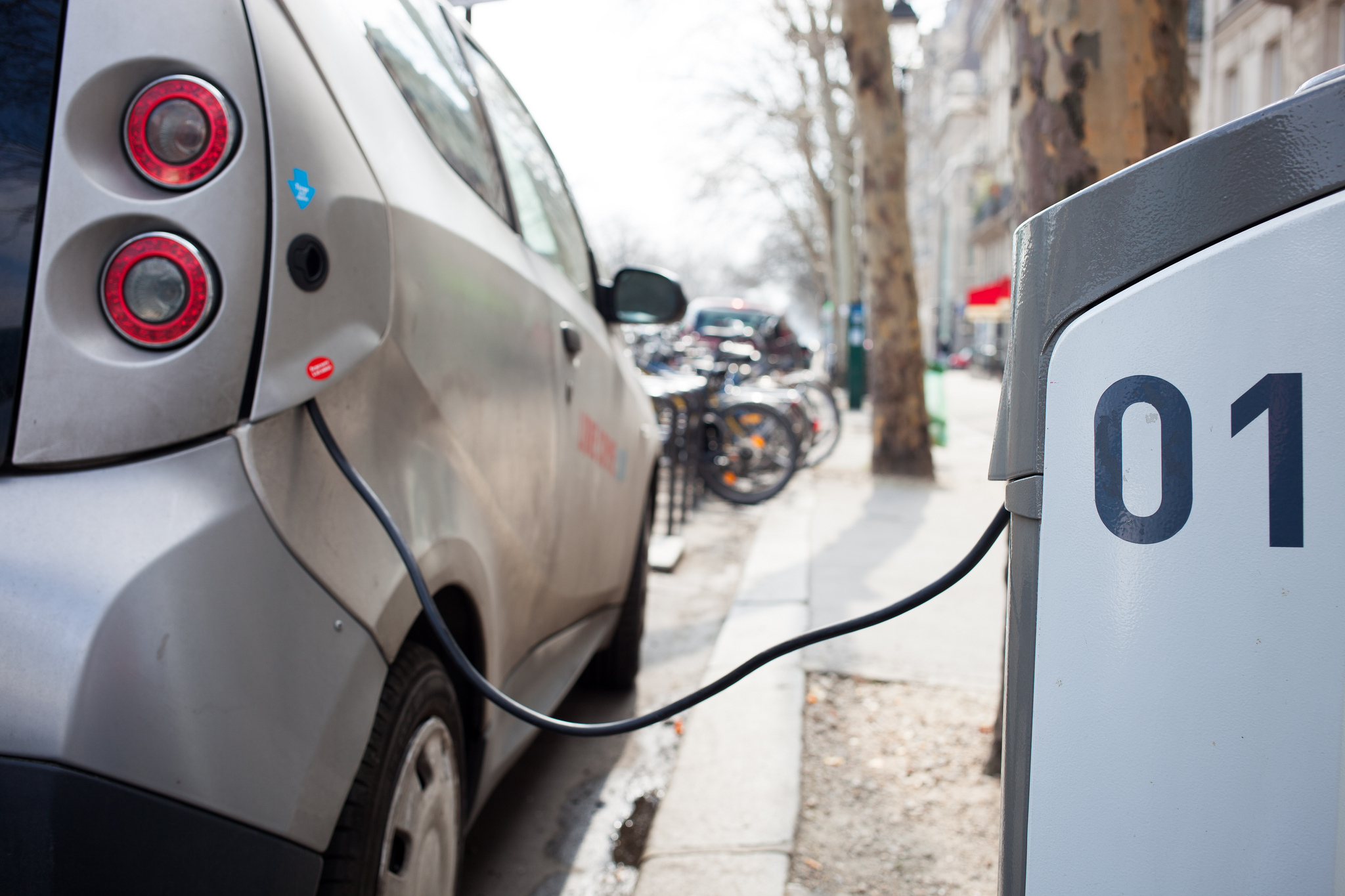
The transition to sustainable energy sources faces many challenges. One important one is to make those sources as reliable as conventional energy systems. For technologies like solar and wind power, which can’t operate around the clock, an enabling element is effective energy storage. Energy storage is critical for both the electricity grid and for transportation.
Storing Energy With Captured CO2

Capturing carbon dioxide instead of releasing it into the atmosphere is a way we can use fossil fuels without it having harmful effects on the climate. Energy storage is a way to address the volatility of clean energy sources like wind and solar power. Excess energy stored during peak production can be used when production ceases, such as when the sun is not shining or the wind is not blowing.
The Largest Battery Storage Substation
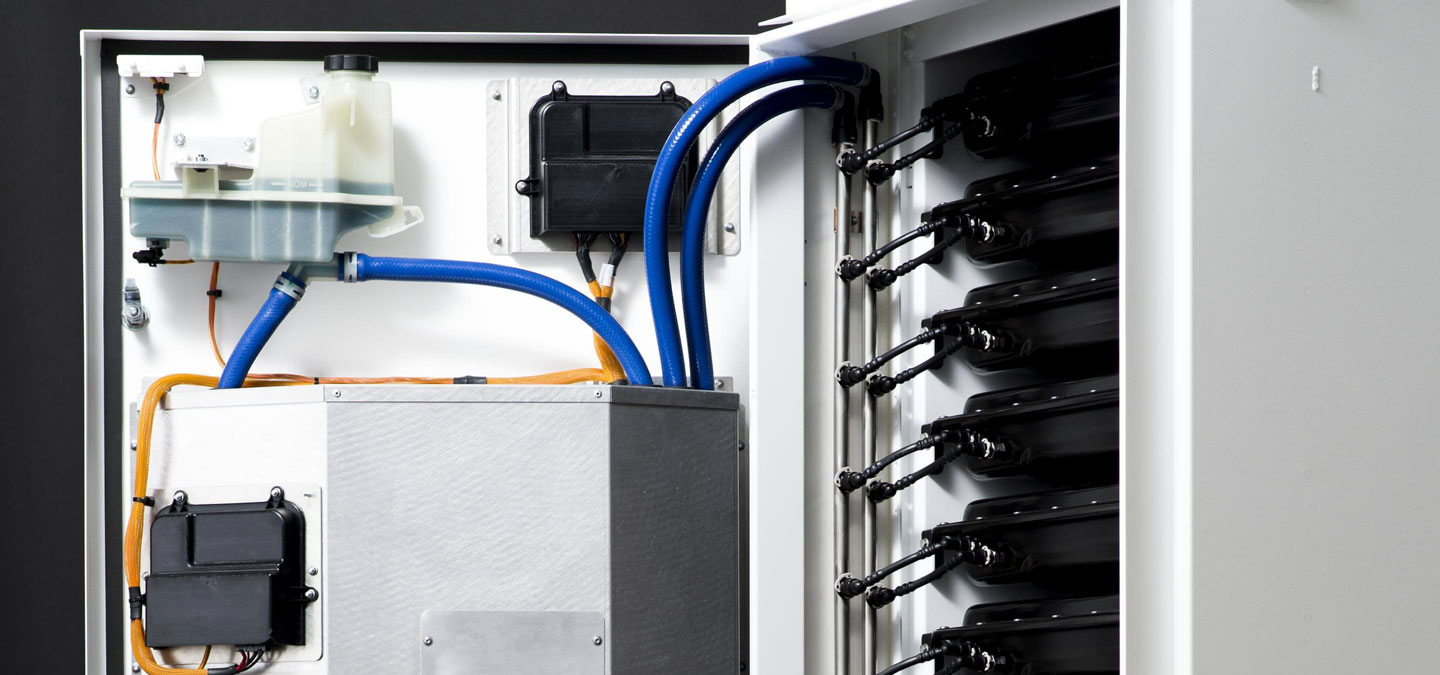
At the end of last year, Southern California Edison turned on the largest lithium-ion battery storage facility in the world in Ontario, California. It is a substation with 80 megawatt-hours of capacity, enough energy to power 2,500 households or charge 1,000 Tesla cars a day.
Storing Energy In An Old Mine
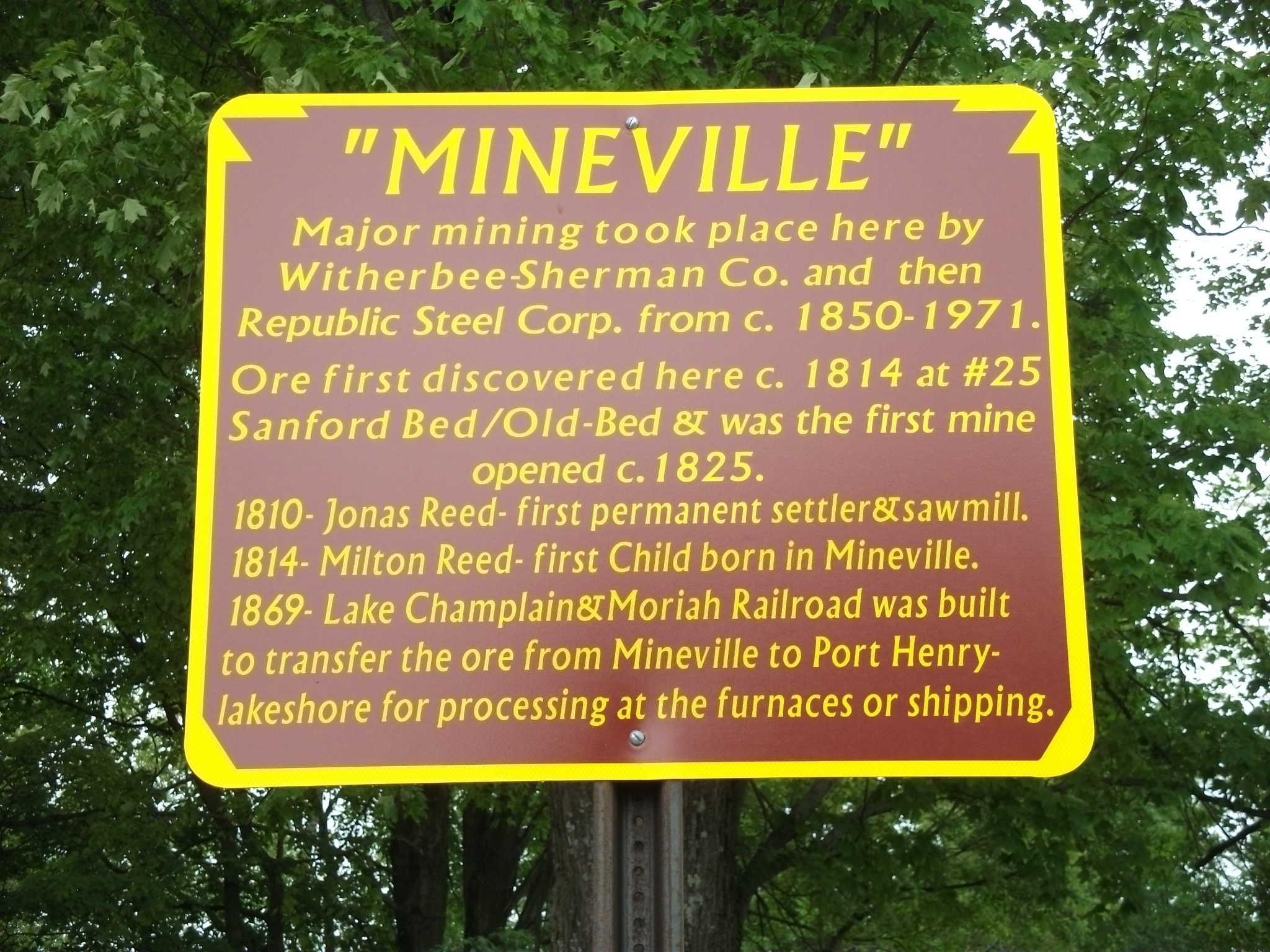
An abandoned, centuries-old iron mine in the Adirondacks about 100 miles north of Albany, New York may become the site of a new hydroelectric energy storage system. The mine in the tiny hamlet of Mineville near Moriah, New York contributed iron for the first naval battle of the Revolutionary War that took place on Lake Champlain. The mine hasn’t been used in over 45 years.
Turning Carbon Dioxide Into Rock
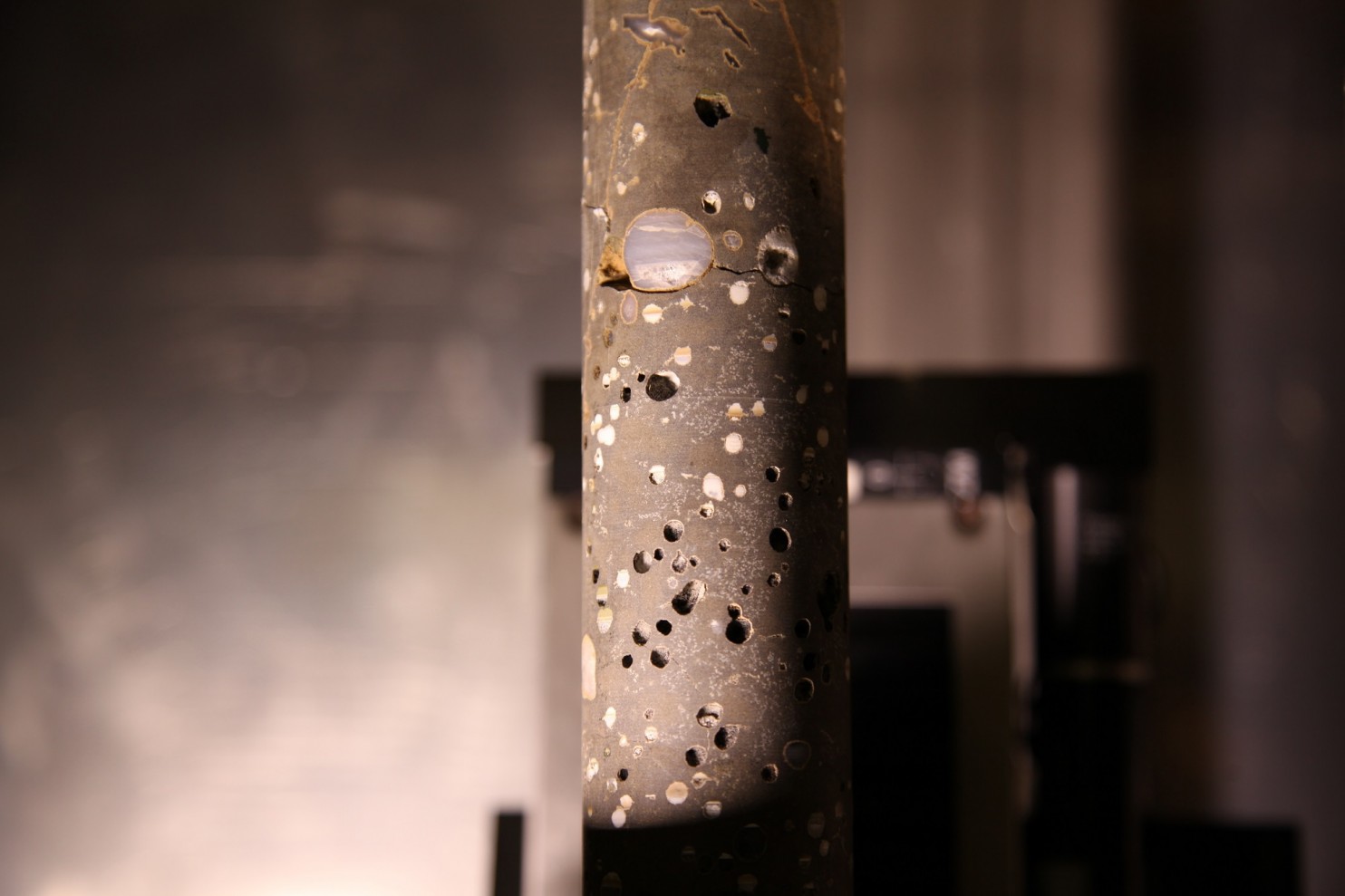
There is a lot of interest in figuring out a way to store carbon dioxide produced from industrial processes and energy plants or even sucking it out of the atmosphere and then storing it. The problem is where exactly to put the stuff and how to make sure that it stays there.
The Ocean As A Heat Sink
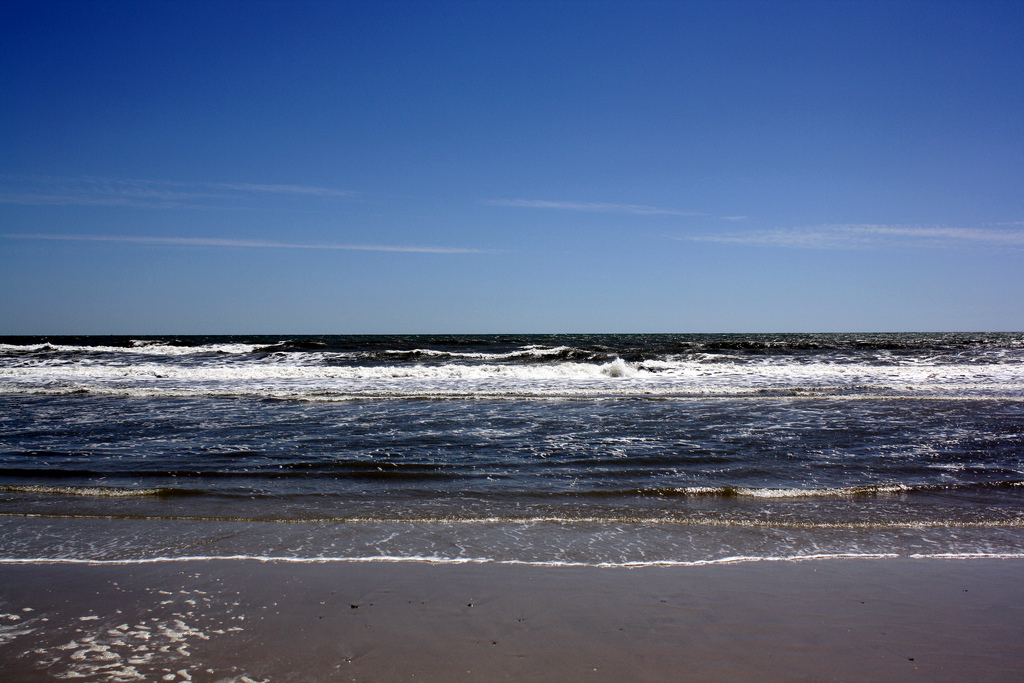
From 1998 until 2013, scientists observed a slowing in the rate of global mean surface warming. In other words, global temperatures were not rising as quickly as before. This quickly became known as the “global warming hiatus.”
Offshore Wind In Europe
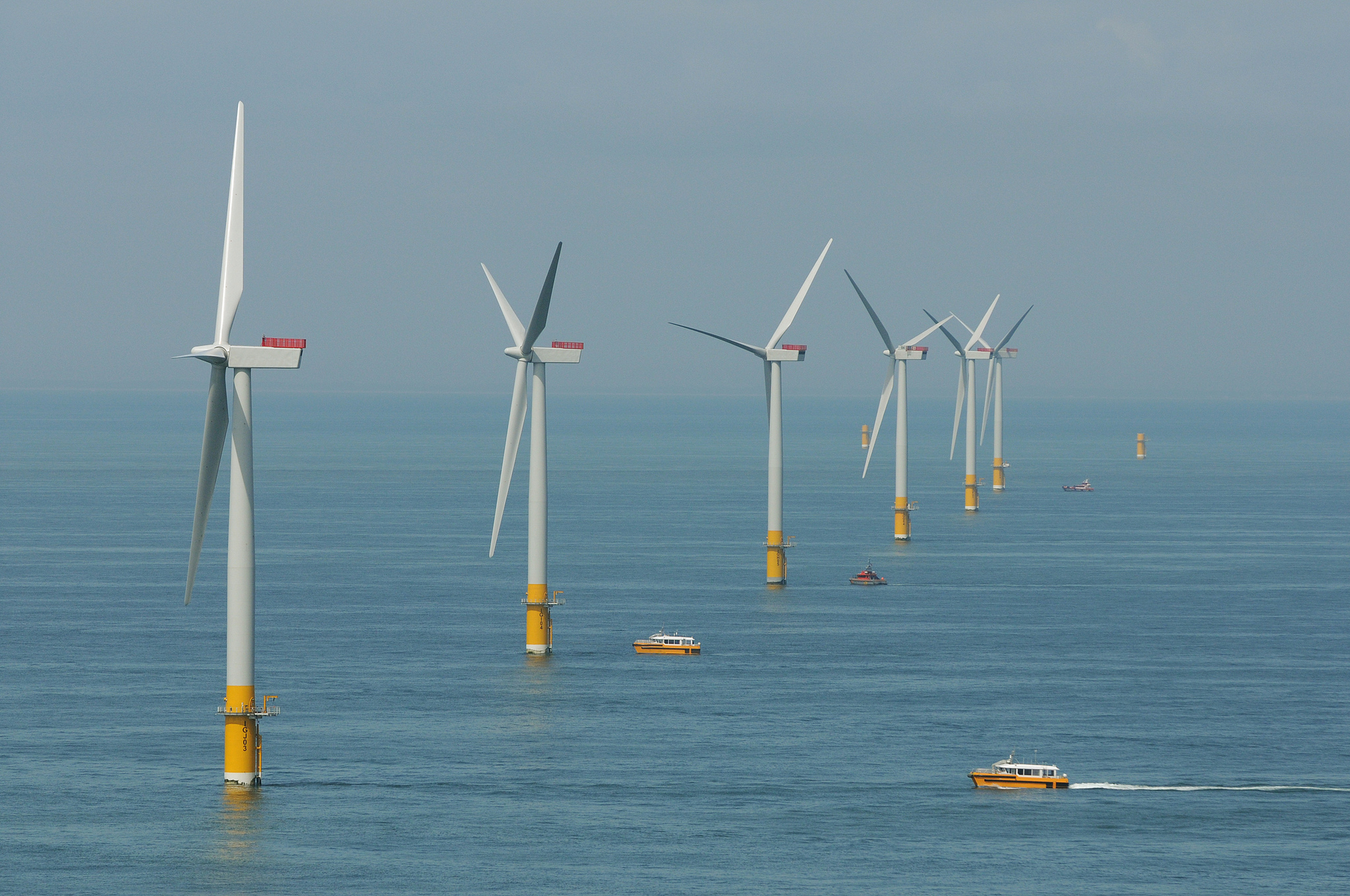
The U.S. has just turned on its first offshore wind farm off the coast of Rhode Island. In the meantime, offshore wind continues to grow by leaps and bounds in Europe. Wind energy in the European Union accounts for 12% of its electricity supply. Until 2011, offshore wind comprised only 5-10% of the newly-installed wind energy capacity; now it about one third of the new installations.
Turning Sunlight into Fuel
When looking at the best ways to meet humanity’s energy needs, there is little doubt that the sun is the ultimate answer. In one hour, the Earth receives enough energy from the sun to meet all of our needs for a year. Despite this fact, the world currently only gets about 1% of its energy directly from the sun.
Small Forests And Climate
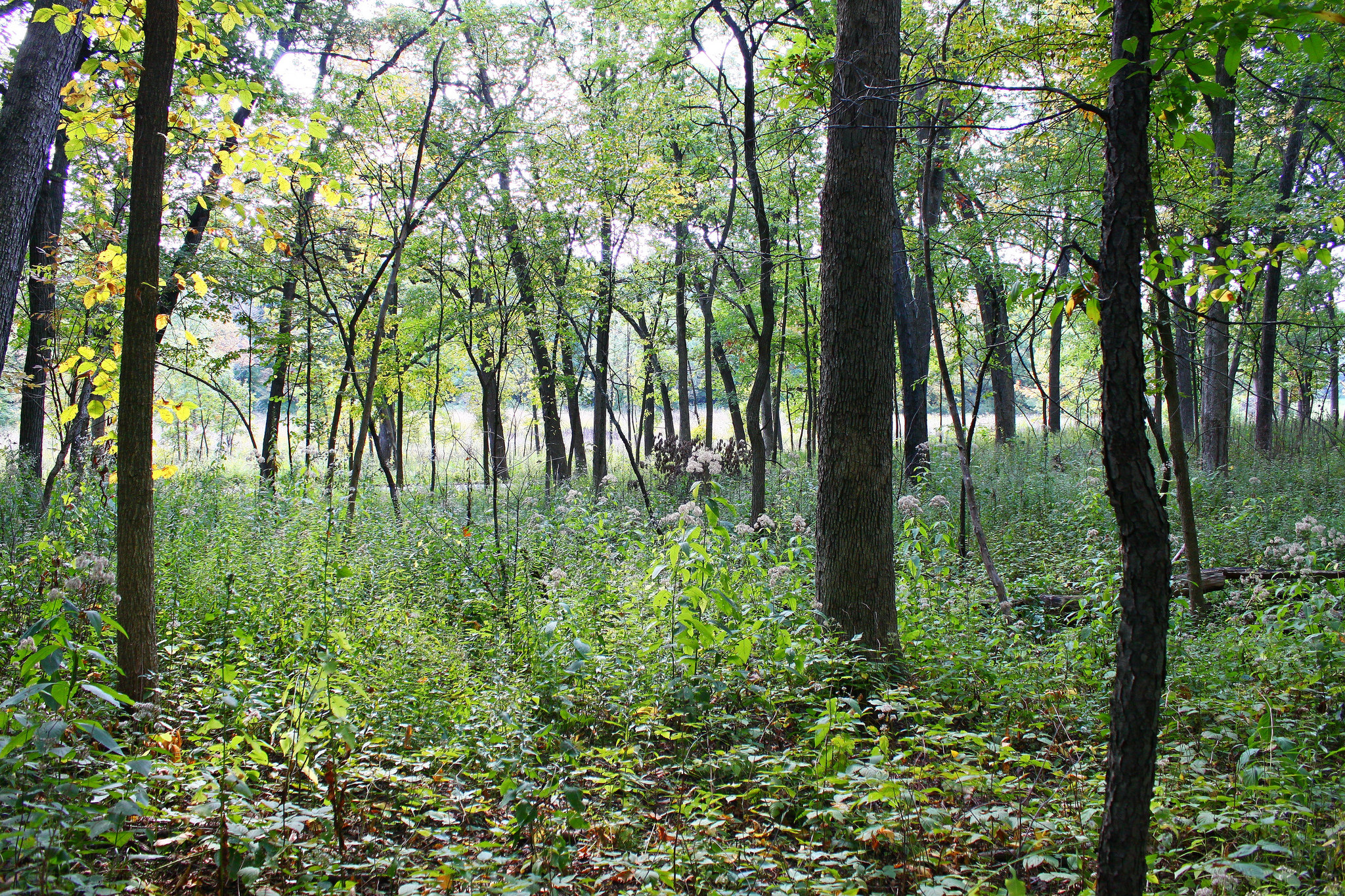
Trees are the number one way in which carbon can be removed from the atmosphere and stored in vegetation over the long term. A single tree can absorb CO2 at a rate of 48 pounds per year. Because of this, the carbon footprints of 18 average Americans can be neutralized by one acre of hardwood trees. And it has been found that managed forests accumulate more carbon per acre than unmanaged forests.