• Skip to primary navigation
  • Skip to main content
  • Skip to primary sidebar

Earth Wise

A look at our changing environment.

  • Home
  • About Earth Wise
  • Where to Listen
  • All Articles
  • Show Search
Hide Search
You are here: Home / Archives for space

space

Propane Refrigerants | Earth Wise

September 20, 2022 By EarthWise Leave a Comment

Propane refrigerants a climate-friendly solution

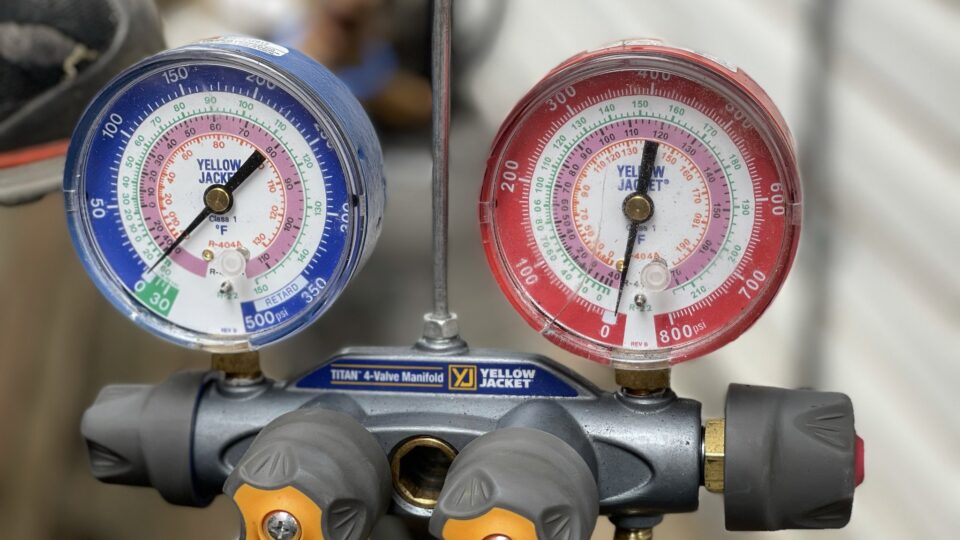
About 10% of the world’s total electricity supply is used for air conditioning.  If current temperature trends continue, the energy demands for space cooling will more than triple by the year 2050.  Air conditioning is a double threat to the environment.  Apart from using lots of energy, ACs also make use of halogenated refrigerants that are extremely powerful greenhouse gases.

The most common space cooling appliances are split-air conditioners, which use an indoor unit and an outdoor unit connected by pipes.  These split ACS mostly utilize HCFC-22 and HFC-410 as refrigerants, which have global warming potential scores as high as 2,256 – meaning they trap 2,256 times more heat than carbon dioxide. 

A study by the International Institute of Applied Systems Analysis in Austria has shown that propane is a far better choice as an air conditioning refrigerant.  Its global warming potential is actually less than 1 meaning it traps less heat than carbon dioxide.  According to the study, if air conditioners switched to propane refrigerants, the world would avoid about a tenth of a degree Celsius of additional warming, which is a significant contribution to meeting the goals of the Paris climate agreement.

Propane-based split-ACs are already available commercially in China and India.  Elsewhere, many national regulations prohibit their use, primarily due to codes restricting the use of refrigerants with higher flammability.  Given the increasingly urgent need for climate action, it seems to be time to reconsider regulations on refrigerants.

**********

Web Links

Propane — a solution for more sustainable air conditioning

Photo, posted March 24, 2021, courtesy of Phyxter Home Services via Flickr.

Earth Wise is a production of WAMC Northeast Public Radio

Space Tourism And The Climate | Earth Wise

July 29, 2022 By EarthWise Leave a Comment

Space tourism could be terrible for the climate

Space tourism is human space travel for recreational purposes.  A few well-known billionaires have taken rocket rides in recent years and at least a dozen companies are at the vanguard of what they are expecting to be a burgeoning industry.  If space tourism truly takes off – pun intended – it could be a serious threat to the climate and the environment.

Black carbon – essentially soot – is emitted when fossil fuels, including rocket fuels, are burned.  Black carbon absorbs light from the sun and releases thermal energy, making it a powerful climate warming agent.  At lower altitudes, black carbon quickly falls from the sky, remaining in the atmosphere for only a matter of days or weeks.

Rockets are another story entirely.  They dump black carbon into the stratosphere as they blast into space, and up there black carbon is 500 times worse for the climate and sticks around for several years.

A detailed study by researchers at University College London looked at the climate impact of present-day space launches compared with the potential massive expansion of launches from a large space tourism industry.

The overall result is that current space launches are not a significant source of emissions, but space launches would become incredibly significant if projections of tourist space flights proved to be true.  Currently, there are roughly 100 space launches a year world-wide.  If that number becomes thousands, the impact on the climate would be substantial.

The same researchers looked at the ozone impact of rocket launches and reached a similar conclusion.  The current impact of spaceflights is not very significant, but a massive increase in launches could have a major impact on atmospheric ozone concentrations.

Space tourism may be exciting, but it also could be very dangerous for the planet.

**********

Web Links

Space Tourism Poses a Significant ‘Risk to the Climate’

Impact of Rocket Launch and Space Debris Air Pollutant Emissions on Stratospheric Ozone and Global Climate

Photo, posted May 30, 2020, courtesy of Daniel Oberhaus (2020) via Flickr.

Earth Wise is a production of WAMC Northeast Public Radio.

More Bleaching In The Great Barrier Reef | Earth Wise

April 27, 2022 By EarthWise Leave a Comment

Continued coral bleaching in the Great Barrier Reef

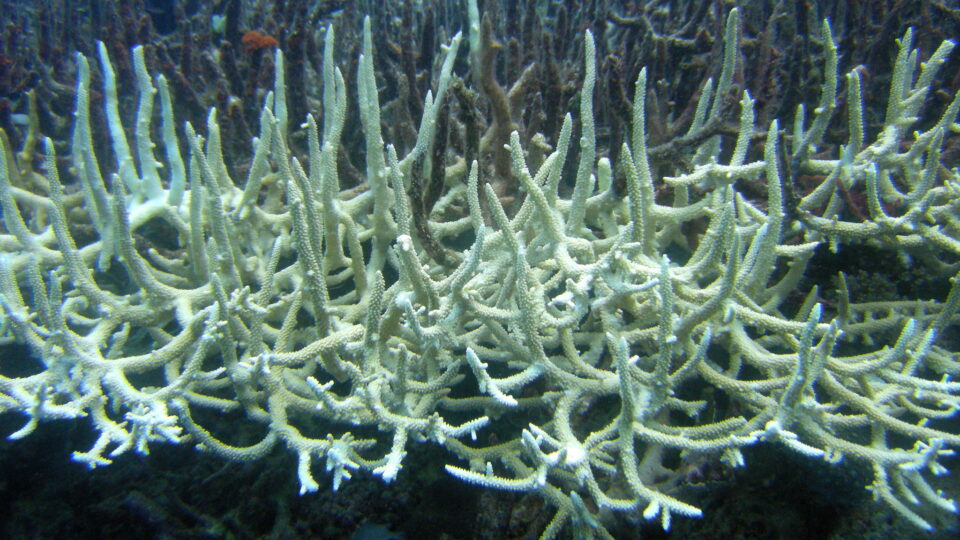
Australia’s Great Barrier Reef is an ecosystem that can be seen from space.  It has now suffered its 6th mass coral bleaching event since 1998.  Previous events happened in 1998, 2002, 2006, 2016, and 2017.  This latest bleaching has occurred even though this is a La Niña year, when more rain and cooler temperatures are supposed to help protect delicate corals.

An aerial survey of 750 separate reefs across much of the 1500 mile-long Great Barrier Reef system found severe bleaching among 60% of the corals.  The bleaching covers an area even wider than the back-to-back outbreaks in 2016 and 2017.

The bleaching is a product of a summer in Australia that started early.  December temperatures were already warmer than the historical February summer maximums.  Globally, 2021 was the hottest year on record for the world’s oceans for the sixth year in a row.

Bleached coral can recover if temperatures cool down for a long enough period, but this is becoming increasingly rare.  Between 2009 and 2019, 14% of the world’s coral reefs were lost for good.

In Australia, the plight of the Great Barrier Reef has become politicized.  The current government is not supportive of efforts to reduce the country’s fossil fuel dependence and has worked to keep the reef from being placed on the list of endangered world heritage sites.  Instead of pushing for emissions cuts, Australia has focused on a variety of long-shot projects aimed at helping the reef.

The fact is that coral reefs cannot cope with the current rate of warming and unless that slows down soon, they will simply not survive for long.

**********

Web Links

‘Can’t Cope’: Australia’s Great Barrier Reef Suffers 6th Mass Bleaching Event

Photo, posted September 28, 2009, courtesy of Matt Kieffer via Flickr.

Earth Wise is a production of WAMC Northeast Public Radio.

Dangers Of Thawing Permafrost | Earth Wise

April 12, 2022 By EarthWise Leave a Comment

The danger thawing permafrost poses

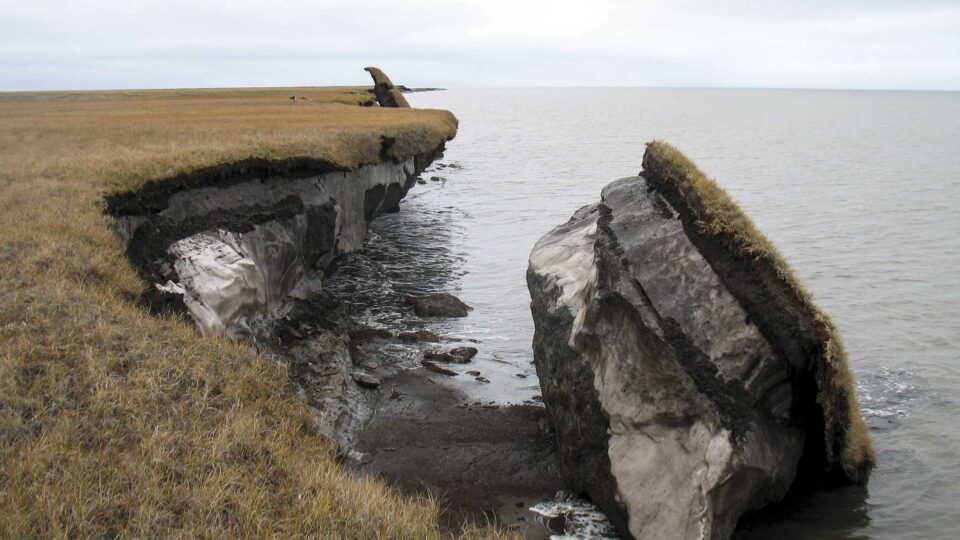
The thawing of the permafrost in the Arctic is a major concern from the standpoint of the potential release of enormous amounts of carbon dioxide trapped in it.  There are nearly 2,000 billion tons of carbon there, which is as much as humanity releases into the atmosphere in 50 years.  But greenhouse gases are not the only danger posed by permafrost thawing.  There are also microbes, unknown viruses, and chemicals that could be very dangerous.

More than 100 diverse microorganisms in Siberia’s deep permafrost have been found to be antibiotic resistant.  The deep permafrost is one of the few environments on Earth that have not been exposed to modern antibiotics.  As the permafrost thaws, its bacteria could mix with meltwater and create new antibiotic-resistant strains.

By-products of fossil fuels – introduced into permafrost environments since the beginning of the industrial revolution – are present.  Metal deposits including arsenic, mercury, and nickel, have been mined for decades and have contaminated large areas.

Now-banned pollutants and chemicals – including DDT – came to the Arctic through the atmosphere and over time have become trapped in the permafrost.

There is now ongoing research further characterizing the microbes frozen in permafrost and providing more precise measurement of emissions hotspots in permafrost regions.  Scientists are increasingly turning to integrated Earth observations from the ground, the air, and space.

There are models that predict the gradual release of emissions from permafrost over the next century.  Other models say it could happen within just a few years.  The worst-case scenario would be utterly catastrophic but none of the scenarios portend anything good.

**********

Web Links

Thawing Permafrost Could Leach Microbes, Chemicals Into Environment

Photo, posted February 9, 2017, courtesy of Benjamin Jones/USGS via Flickr.

Earth Wise is a production of WAMC Northeast Public Radio.

Wind Farms Slowing Each Other Down | Earth Wise

July 13, 2021 By EarthWise Leave a Comment

Wind farms placed too closely together slow one another down

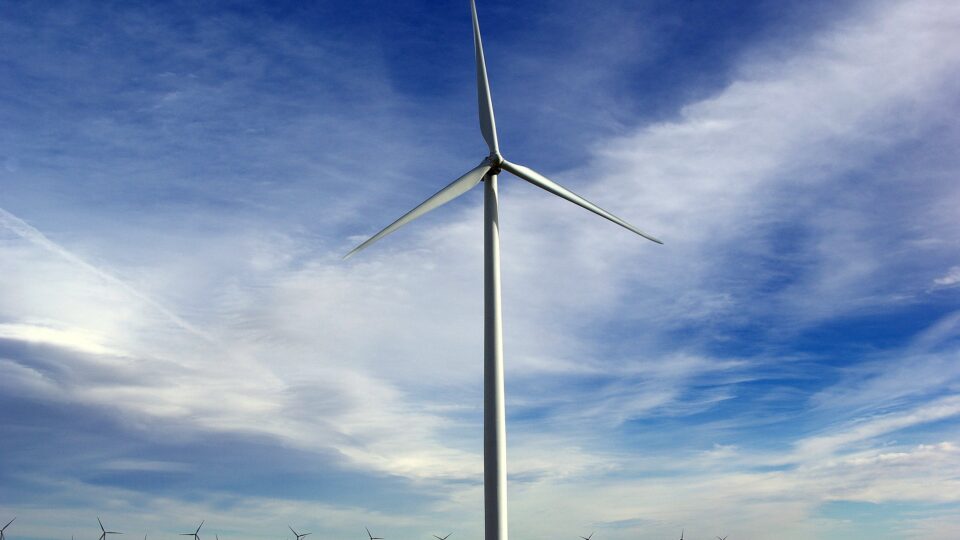
Offshore wind is booming in Europe.  The expansion of wind energy in the German Bight and Baltic Sea has been especially dramatic.  At this point, there are about 8 gigawatts of wind turbines in German waters, the equivalent of about 8 nuclear power plants.  But space in this region is limited so that wind farms are sometimes built very close to one another.

A team of researchers from the Helmholtz Center Hereon, a major German research institute, has found that wind speeds downstream from large windfarms are significantly slowed down.  In a study published in the journal Nature Scientific Reports, they found that this braking effect can result in astonishingly large-scale lowering of wind speeds.

On average, the regions of lowered wind can extend 20-30 miles and, under certain weather conditions, can even extend up to 60 miles.  As a result, the output of a neighboring wind farm located within this distance can be reduced by 20 to 25 percent.

These wake effects are weather dependent.  During stable weather conditions, which are typically the case in the spring in German waters, the effects can be especially large.  During stormy times, such as in November and December, the atmosphere is so mixed that the wind farm wake effects are relatively small.

Based on their modeling, it is clear that if wind farms are planned to be located close together, these wake effects need to be taken into account.  The researchers next want to investigate the effects that reduced wind speeds have on life in the sea.  Ocean winds affect salt and oxygen content, temperatures, and nutrients in the water.  It is important to find out how reduced winds might affect marine ecosystems.

**********

Web Links

Are wind farms slowing each other down?

Photo, posted November 23, 2011, courtesy of David J Laporte via Flickr.

Earth Wise is a production of WAMC Northeast Public Radio.

Improving Solar Cells With Human Hair | Earth Wise

June 1, 2021 By EarthWise Leave a Comment

Human hair may improve solar cell performance

Researchers at the Queensland University of Technology in Australia have been able to improve the performance of perovskite solar cells using material made from human hair.

Perovskite solar cells are an up-and-coming technology that offers the possibility of making solar cells less expensive, more efficient, and flexible so that there could be solar-powered clothing, backpacks, or even tents for camping.  While the technology has been shown to be as effective in converting sunlight to electricity as currently available silicon technology, it faces problems with stability and durability.

The Australian research centered on the use of carbon nanodots to improve perovskite solar cell performance.  The nanodots were created in a rather unique way.  The carbon came from hair scraps from a Brisbane barbershop that were first broken down and then burned at nearly 500 degrees Fahrenheit. 

By adding a solution of the carbon nanodots into the process of making the perovskites, the dots formed a wave-like layer in which the perovskite crystals in the cells are surrounded by the carbon dots.  It serves as a protective layer, essentially a kind of armor, for the active portions of the material.

The result was solar cells with a higher power conversion efficiency and greater stability.  The researchers did not explain why they chose human hair as the source of carbon, but it does make for an interesting sidelight to the promising research.

Perovskite solar cells could be very important for spacecraft applications where reducing weight is paramount.  But in order to be able to use them for this purpose, perovskite solar cells will need to be able to cope with the extreme radiation and temperature variations in space.

**********

Web Links

Carbon dots from human hair boost solar cells

Photo, posted October 3, 2009, courtesy of Arktoi via Flickr.

Earth Wise is a production of WAMC Northeast Public Radio.

Tracking Endangered Species From Space | Earth Wise

March 4, 2021 By EarthWise Leave a Comment

Using satellites to monitor endangered species

Scientists at the University of Bath and the University of Oxford in the UK have developed a technique for remotely surveying elephants and other wildlife using satellite images and deep learning.  The technique has the same accuracy as human counts done on the ground or from low-flying airplanes.

The new computer algorithm can analyze high-resolution satellite images and detect African elephants in both grasslands and forests.  Previous techniques for monitoring wildlife from space were limited to homogenous habitats, such as the case of tracking whales in the open ocean.

On-the-ground or airplane surveys to monitor animal numbers are expensive and time-consuming.  Satellites can collect nearly 2,000 square miles of imagery in a few minutes thereby eliminating the risk of double counting and reducing a process that previously took weeks to just a few days.  The use of satellites also eliminates the logistical problems of monitoring species populations that cross international borders.

Accurate monitoring is important for efforts to save endangered species.  There are only 40,000 – 50,000 African elephants left in the wild.  It is essential to know where the animals are and how many there are in various locations. The new method is able to count elephants in mixed ecosystems, such as savannah and forests, where tree cover would previously have made satellite tracking difficult.

With satellite imagery resolution increasing every few years, it should be possible to see ever-smaller things in greater detail.  The new algorithm works well for elephants; it may eventually become practical to track animals as small as an albatross from space.

**********

Web Links

A New Way to Track Endangered Wildlife Populations from Space

Photo, posted March 15, 2008, courtesy of Michelle Gadd/USFWS via Flickr.

Earth Wise is a production of WAMC Northeast Public Radio.

A New Fishway Technology | Earth Wise

February 5, 2021 By EarthWise Leave a Comment

A new fishway technology to improve passageways for fish

Freshwater fish populations have declined by more than 80% over the past forty years across the globe.  This is in part due to hundreds of thousands of dams, weirs, and barriers stopping their movements.  These river barriers have disrupted fish reproduction cycles the world over by preventing river fish from migrating to spawn.

Fishways or fish ladders are waterways constructed on or around obstructions in order to provide passageways for fish and other aquatic species.  Often, they consist of a series of small overflow weirs and pools constructed in the form of steps.  Fish need to jump from one pool to another to migrate to the upstream.  Such fish ladders require a large space to construct.  These and several other types of fishways tend to be expensive to install and maintain and are not always successful in allowing fish to get to where they need to go.

Researchers at the University of New South Wales in Australia have come up with an ingenious new type of fishway.  Called a “tube fishway”, it is a low-cost and low-energy installation that works by pumping fish at high velocity – protected by a cushion of bubbly water – through a tube running over the obstructing barrier to deliver them safely into the water on the other side.

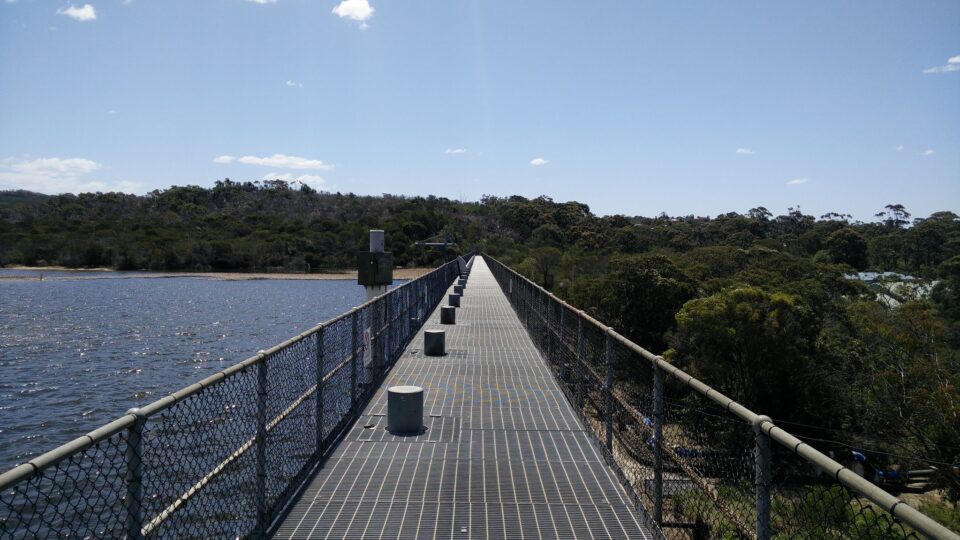
They successfully demonstrated a prototype system on a rugged slope behind a campus building that transported fish from one tank to another about 25 feet up the slope.

Fish are attracted into the chamber by suitable geometry and the system uses the energy available from the upper reservoir to lift the fish.  Modeling shows that the system will work for pipes as large as three feet in diameter and could lift fish more than 300 feet vertically. 

**********

Web Links

New fishway technology to get fish up and over those dam walls

Photo, posted October 19, 2019, courtesy of Andrew Harvey via Flickr.

Earth Wise is a production of WAMC Northeast Public Radio.

Improved Radar For Cars | Earth Wise

December 31, 2020 By EarthWise Leave a Comment

Improving radar technology for cars

Self-driving cars require a variety of sensor systems in order for the cars to safely navigate roads and deal with the wide range of objects and conditions that they encounter.  Two competing technologies that cars use to identify and locate objects on the scene are radar and LiDAR. 

Radar uses transmitted radio waves to locate objects and LiDAR bounces laser beams off of objects.   Each has its shortcomings.   Radar has the problem that only a small fraction of the transmitted signals gets reflected back to the sensor, so that there is frequently insufficient data to fully characterize a scene.  LiDAR has the problem that it is an optical system that does not work well in fog, dust, rain, or snow.  It is also much more expensive than radar.

Researchers at the University of California San Diego have developed a new system that they describe as a LiDAR-like radar. The system consists of two radar sensors placed on a car’s hood and spaced about 1.5 meters apart.  This configuration enables the system to see more space and detail than a single radar sensor.

Having two radars at different vantage points with an overlapping field of view creates a region of high-resolution with a high probability of detecting the objects that are present.  The system also overcomes noise problems of conventional radar systems.

The researchers developed new algorithms that can fuse the information from two different radar sensors and produce a new image free of noise.

Self-driving cars have to combine detection technologies like radar with cameras and ultrasonic sensors.  Duplicating the capabilities that people use in order to safely drive a car is a complex problem requiring a combination of multiple sensors and sophisticated software.

**********

Web Links

Upgraded radar can enable self-driving cars to see clearly no matter the weather

Photo, posted January 2, 2014, courtesy of Bradley Gordon via Flickr.

Earth Wise is a production of WAMC Northeast Public Radio.

Finding Methane Leaks from Space | Earth Wise

December 23, 2020 By EarthWise Leave a Comment

Innovations to detect methane leaks

There is growing concern about the climate effects of methane leaking from oil and gas wells.  The 20-year global warming potential of methane is 84, meaning that over a 20-year period, it traps 84 times more heat per mass unit than carbon dioxide.  Global methane concentrations have increased by nearly a factor of 3 since the industrial revolution.

More than a century of oil and gas drilling has left behind millions of abandoned wells, many of which are leaching pollutants into the air and water.   In the U.S. alone, more than 3.2 million abandoned oil and gas wells emitted 280,000 tons of methane just in 2018.  And the data is incomplete.

Part of the problem is finding out which wells are leaking.  Ground-based sensors or airplanes and drones are effective ways to find leaks but considering how many wells there are to check, the costs are considerable, and the process is time consuming and complicated. 

New technology is coming along that uses satellites to detect methane leaks.  A Canadian company called GHGSat recently used satellites to detect what it has called the smallest methane leak ever seen from space and has begun selling data to emitters interested in pinpointing leaks.

Another company, New York-based Bluefield Technologies, plans a group of satellites for launch in 2023 that promises even finer resolution.  The Environmental Defense Fund, with support from Jeff Bezos’ Earth Fund, plans to launch MethaneSAT in the next couple of years, which is designed to find small sources of methane.

Research at Stanford University determined that just 5% of methane leaks produce around half the total leakage. 

**********

Web Links

New Technology Claims to Pinpoint Even Small Methane Leaks From Space

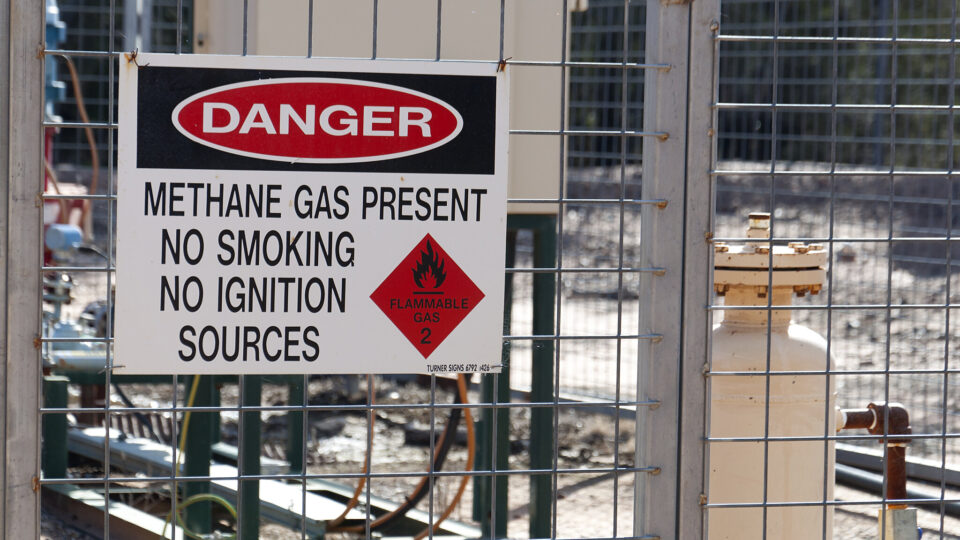
Photo, posted June 8, 2011, courtesy of Jeremy Buckingham via Flickr.

Earth Wise is a production of WAMC Northeast Public Radio.

Hydrogen-Powered Transport In Britain | Earth Wise

November 27, 2020 By EarthWise Leave a Comment

hydrogen powered train coming to the UK

The first hydrogen-powered train in the UK had its first mainline runs at the end of September.  The train, known as HydroFLEX, was developed under a project headed by the University of Birmingham under the UK government’s Department for Transport. 

Hydrogen-powered trains do not emit harmful gases but rather use hydrogen and oxygen to produce electricity, water, and heat.  The technology in the HydroFLEX train will be available by 2023 to retrofit existing diesel-powered trains and thereby de-carbonize the rail network and make train travel greener and more efficient.

The UK has ambitious plans for the use of hydrogen technology.  The Department of Transport plans to publish a master plan in January that will outline how green hydrogen could power buses, trucks, rail, maritime, and aviation transport across the UK.

The HydroFLEX trial is taking place in Tees Valley in northeastern England and the plan is for that area to become a Hydrogen Transport Hub that will include the world’s largest versatile hydrogen refueling facility.   The plans for Tees Valley involve academia, industry, and government participants.  The next stages of the HydroFLEX project are well underway with the University of Birmingham developing a hydrogen and battery-powered module that can be fitted underneath a train to allow for more space for passengers in train cars.

The UK government’s Hydrogen for Transport Program is also funding a green hydrogen refueling station and 19 hydrogen-powered garbage trucks in Glasgow, Scotland.

The UK plans to switch to a net zero economy and their current program increasingly embraces hydrogen technology to provide more sustainable, greener forms of transportation.

***********

Web Links

UK embraces hydrogen-fueled future as transport hub and train announced

Photo, posted May 15, 2019, courtesy of Jeremy Segrott via Flickr.

Earth Wise is a production of WAMC Northeast Public Radio.

Better Paint For Cooler Buildings | Earth Wise

August 20, 2020 By EarthWise 2 Comments

white paints help keep buildings cool

A research team led by scientists at UCLA have developed a super-white paint that reflects as much as 98% of incoming heat from the sun.  Such paint, if used on rooftops and other parts of buildings, could have a major impact on reducing the costs of keeping buildings cool.

Passive daytime radiative cooling is a well-known method to keep buildings cooler.  By having building surfaces reflect sunlight and radiate heat into space, building temperatures can be significantly lowered.  This in turn cuts down on air conditioner use and associated carbon emissions.

A roof painted white will result in lower indoor temperatures than a darker roof.  But a white roof will do even more:  it can reject heat at infrared wavelengths that are invisible to our eyes.  This results in even more radiative cooling.

The best performing white paints currently available reflect about 85% of incoming solar radiation.  The rest is absorbed by materials in the paint.  The new research has identified simple modifications in paint ingredients that lead to a major increase in reflectivity.

Current reflective white paints use titanium dioxide, which absorbs UV radiation and therefore heats up under sunlight.  The researchers studied replacing it with other substances such as barite – an artist’s pigment – or with powdered Teflon, both of which allow the paint to reflect more of the sun’s radiation. 

Many cities are encouraging the use of cool-roof technologies on new buildings.  Using the most reflective coatings possible on rooftops, if applied on a sufficiently large scale, could have a real impact on climate change as well as saving significant amounts of energy used for running air conditioners in buildings.

**********

Web Links

UCLA-led Team Develops Ways to Keep Buildings Cool with Improved Super White Paints

Photo, posted August 15, 2012, courtesy of Flickr.

Earth Wise is a production of WAMC Northeast Public Radio.

Dust From The Sahara | Earth Wise

July 9, 2020 By EarthWise Leave a Comment

hazardous air quality

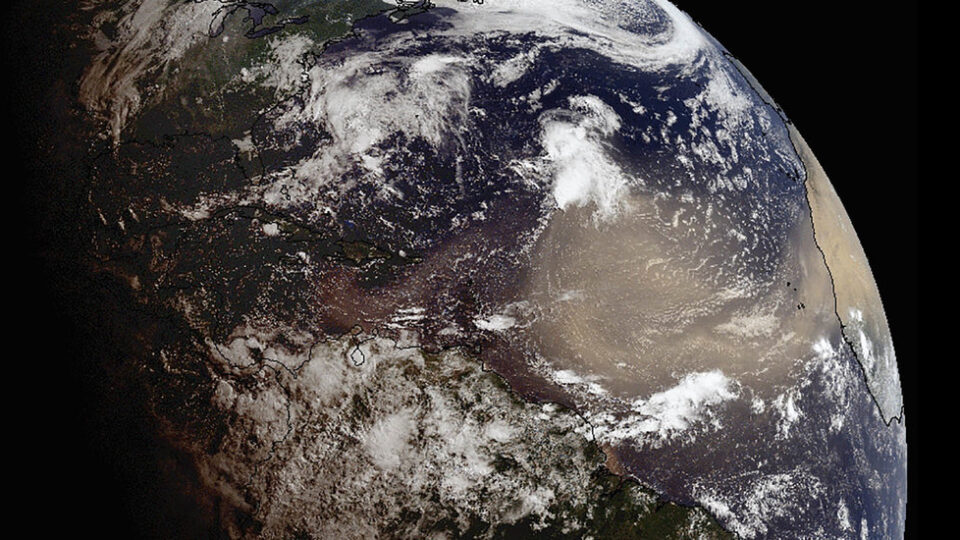
A vast cloud of dust from the Sahara Desert blanketed the Caribbean in late June before drifting across the southeastern U.S.  The phenomenon is nothing new; only the magnitude of the occurrence this time around was unusual.  According to experts, this is the most significant Sahara dust event in 50 years.

The Sahara Desert is the major source on Earth of mineral dust, with some 60-200 million tons of it per year being lifted into the atmosphere.  Convection currents over hot desert areas lift the dust to very high altitudes.  From there, it can be transported worldwide by winds.   The dust, combined with the extremely hot, dry air of the Sahara Desert often forms an atmospheric layer called the Saharan Air Layer, which can have significant effects on tropical weather by interfering with the development of hurricanes.  The Saharan Air Layer typically moves across the North Atlantic every three to five days from late spring to early fall, peaking in the middle of the summer.  It can occupy a layer as much as two miles thick in the atmosphere.

The dust plume this summer was highly visible from space, covering thousands of miles of the Atlantic Ocean and the Caribbean Sea.

A common effect of Sahara dust is that normally blue skies can acquire a milky haze, but beyond that can lead to spectacular sunsets.  But apart from the visual spectacle, the dust can aggravate the conditions of people with asthma, respiratory illnesses, and allergies. On the positive side, as long as the dust is around, it is much less likely that tropical storms and hurricanes will form.

**********

Web Links

Sahara dust blankets Caribbean, air quality hazardous

Photo, posted June 22, 2020, courtesy of Sagar Rana via Flickr.

Earth Wise is a production of WAMC Northeast Public Radio.

Powering Cars With Cactus Juice

June 24, 2019 By EarthWise Leave a Comment

Back in 2016, a company called Nopalimex, located in Micoacan, central Mexico, built the world’s first cactus-powered energy plant.  The facility utilizes a biodigester to make biogas from nopal, also known as prickly pear cactus.  The nopal plant has been called the ‘Green Gold of Mexico’ and is a staple in Mexican diets, medicine and cosmetics.

Nopalimex is now using the cactus to make biofuel for vehicles.

The fruit of the cactus is pureed, mixed with manure, and then left to decompose, producing methane.  The methane produced – about eight tons a day – fuels the biodigester which powers the company’s corn chip and cactus chip production and is being tested in a fleet of government vehicles.

The biogas will cost just 65 cents per liter, which is about a third cheaper than the cost of regular gasoline.  Using prickly pear as a feedstock for biofuel is attractive because it can be grown in places where traditional energy crops cannot.  One can imagine vast fields of cacti in remote, arid areas of the country where normal crops cannot grow.  It would not suck up the resources or space needed to feed people, which is an ongoing criticism of current bioenergy crops.

As long as the nopals are regularly replanted, the process is almost entirely sustainable, producing only water and nopal waste, which can be used to fertilize other crops.

Finding sustainable ways to produce fuel while doing minimal damage to the environment is an important challenge for countries around the world.  In Mexico, harnessing the power of the prickly pear cactus is a unique and clever solution.

**********

Web Links

Mexico’s ‘green gold’: The company powering cars with cactus juice

Photo, posted July 8, 2006, courtesy of Christian Frausto Bernal via Flickr.

Earth Wise is a production of WAMC Northeast Public Radio.

Solar Equity for Low-Income Communities

May 30, 2019 By EarthWise Leave a Comment

A couple of years ago, the number of American roofs covered with solar panels passed the one million mark and the numbers keep growing.  But nearly half of U.S. households – accounting for more than 154 million people – aren’t able to host their own solar arrays because they lack suitable rooftop space, or they rent their homes.  But millions more simply can’t afford to spend tens of thousands of dollars to buy or lease solar panels.

In recent years, community solar has become popular.  These are projects where multiple participants own or lease shares in a mid-sized solar facility and receive credits that lower their monthly utility bills.  Community solar in the U.S. has more than quadrupled just since 2016.

However, the majority of community solar subscribers to date have been businesses, universities, government agencies, and higher-earning households.  These users can generally pay steep project enrollment fees or meet various financial requirements.  Meanwhile, those who could benefit most from access to renewable energy and lower utility bills – low-income residents – have largely been left out.

Low-income households on average spend over 8% of their income on utility bills, about three times more than moderate- to high-income households.  So, reducing electricity bills with community solar power is a big deal for them.

Given this situation, there are now a growing number of programs that make use of community solar to reduce living expenses for low-income households.  In a dozen states, new programs include a variety of mandates, financial incentives, and pilot programs targeting benefits for people with low incomes.  These programs will allow them to participate in both the environmental and economic benefits of renewable energy.

**********

Web Links

Energy Equity: Bringing Solar Power to Low-Income Communities

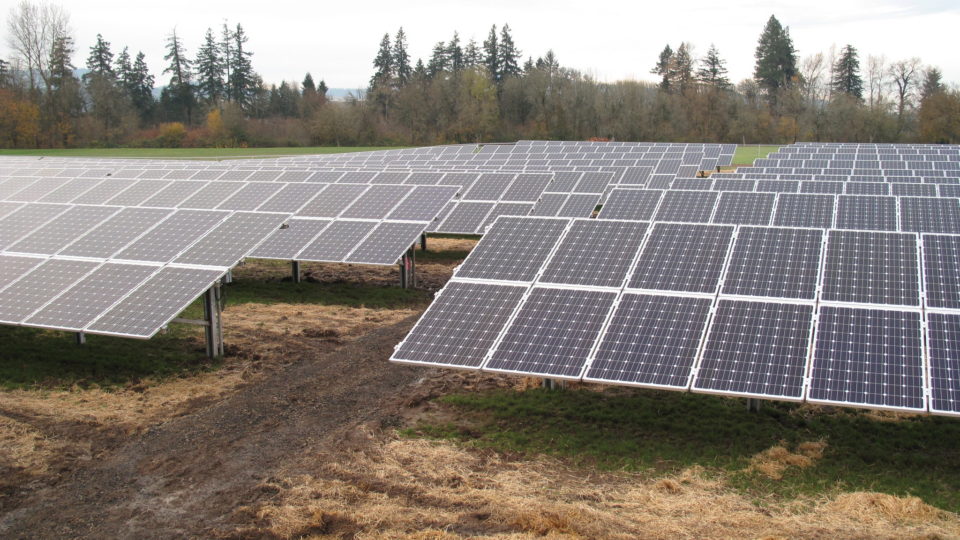
Photo, posted November 27, 2012, courtesy of Oregon State University via Flickr.

Earth Wise is a production of WAMC Northeast Public Radio.

The Problem With Flaring

October 12, 2018 By EarthWise Leave a Comment

https://earthwiseradio.org/wp-content/uploads/2018/10/EW-10-12-18-The-Problem-with-Flaring.mp3

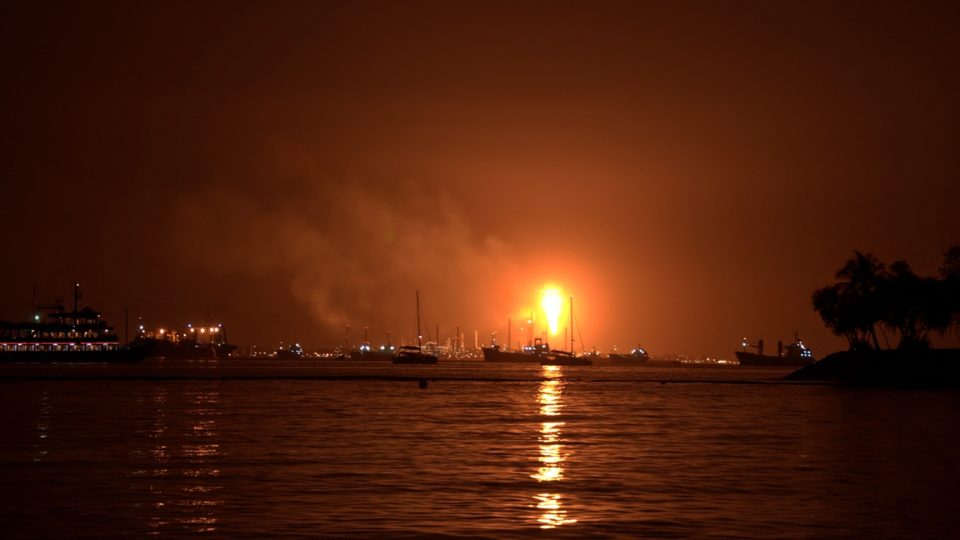
Oil and gas are typically produced together.  If oil wells are located near gas pipelines, then the gas gets used.  But if the wells are far offshore, or it is not economical to get the gas to market, then oil companies get rid of the gas by burning it – a process known as flaring.

[Read more…] about The Problem With Flaring

Trends Influencing Our Cities

February 23, 2018 By EarthWise Leave a Comment

https://earthwiseradio.org/wp-content/uploads/2018/02/EW-02-23-18-Trends-Influencing-Our-Cities.mp3

The Environmental Protection Agency removed its information hub about climate change last year.  In response, 17 cities reposted the information on their own city government sites.  This is indicative of the fact that cities are increasingly taking on a leadership role in environmental, social and economic change.

[Read more…] about Trends Influencing Our Cities

A Solar-Powered Vertical Farm

November 21, 2017 By EarthWise 1 Comment

https://earthwiseradio.org/wp-content/uploads/2017/11/EW-11-21-17-A-Solar-Powered-Vertical-Farm.mp3

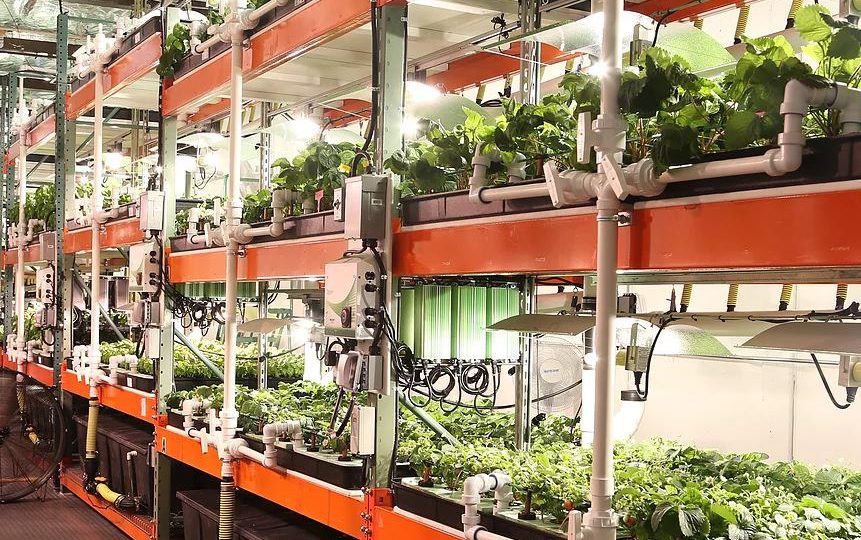
Vertical farming is a method for producing crops in vertically stacked layers or surfaces typically in a skyscraper, used warehouse, or shipping container.  Modern vertical farming uses indoor farming techniques and controlled-environment agriculture technology.

[Read more…] about A Solar-Powered Vertical Farm

Satellites And Conservation Science

August 3, 2017 By EarthWise

https://earthwiseradio.org/wp-content/uploads/2017/08/EW-08-03-17-Satellites-and-Conservation-Science.mp3

Satellites orbiting the earth are becoming an increasingly powerful tool for counting and monitoring wildlife populations and to answer a host of other questions about the natural world.

[Read more…] about Satellites And Conservation Science

Arguing Against Climate Change

April 3, 2017 By EarthWise

https://earthwiseradio.org/wp-content/uploads/2017/04/EW-04-03-17-Arguing-Against-Climate-Change.mp3

Most of the world has accepted the analysis of the overwhelming majority of climate scientists that shows that our planet is warming and that our actions are the primary cause.  However, some people – notably a number holding high office – reject this analysis.   What exactly does it imply to say that climate change is not happening or is not caused by us?

[Read more…] about Arguing Against Climate Change

  • « Go to Previous Page
  • Page 1
  • Page 2

Primary Sidebar

Recent Episodes

  • An uninsurable future
  • Clean energy and jobs
  • Insect declines in remote regions
  • Fossil fuel producing nations ignoring climate goals
  • Trouble for clownfishes

WAMC Northeast Public Radio
WAMC/Northeast Public Radio is a regional public radio network serving parts of seven northeastern states (more...)

Copyright © 2026 ·