resources

Tires From Trees
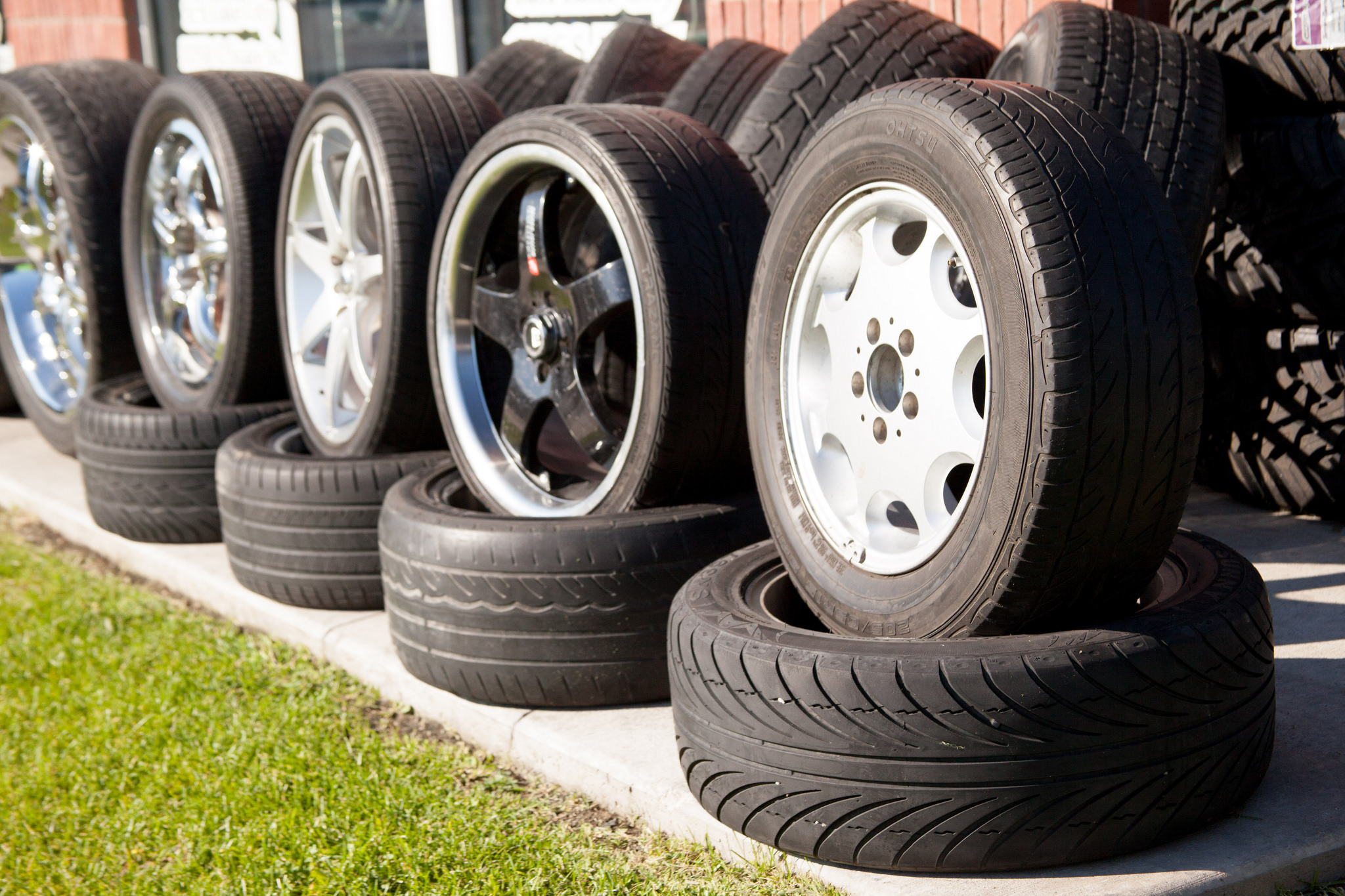
Car tires are generally considered environmentally unfriendly because they are predominantly made from fossil fuels. Natural rubber is generally not used anymore; most tires are made from isoprene, which is chemically very like rubber but is produced by thermally breaking apart molecules in petroleum in a process called cracking. The isoprene is separated out and purified and then reacted to form the artificial rubber that is the major component in car tires. The tires eventually end up discarded in giant piles that represent one of our biggest waste disposal problems.
NASA And Chimpanzees

Increasingly, conservation organizations are increasingly relying on satellite imagery to help save wildlife. The Jane Goodall Institute, a nonprofit focused on chimpanzee conservation, uses NASA’s and the U.S. Geological Survey’s Landsat satellite images to guide their chimpanzee conservation strategies.
Alaska’s Threatened Communities

Because of its Arctic location, Alaska is warming about twice as fast as the rest of the United States. The past year has been the warmest on record. The forces of erosion and increasingly powerful storms have resulted in the imminent risk of destruction for at least 31 Alaskan towns and cities. Many are predicted to become uninhabitable over the next few decades. Residents of these places are likely to join the growing flow of climate refugees around the globe.
Dying California Trees
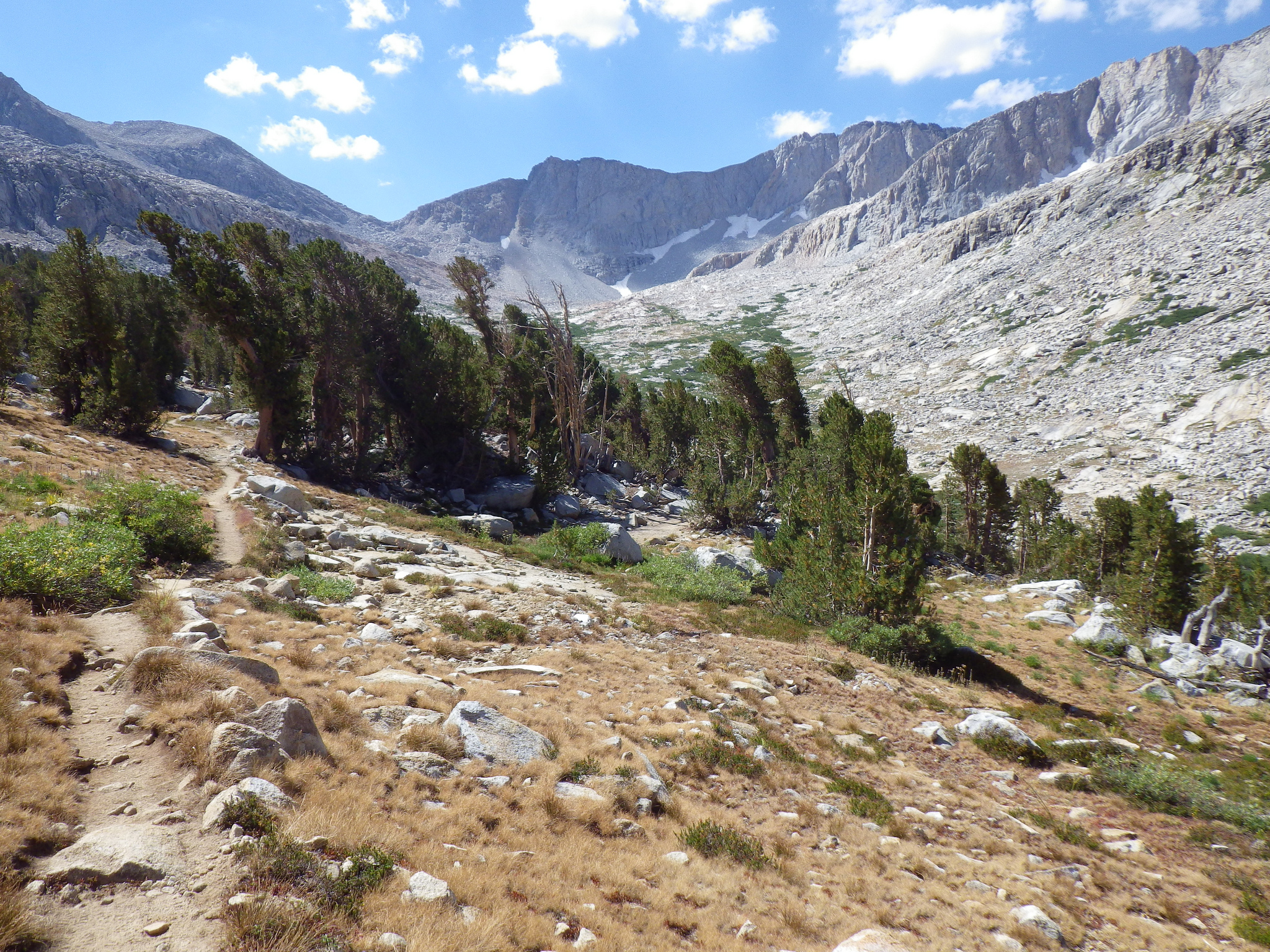
California’s trees are dying. According to the U.S. Forest Service, more than five years of drought in California has left 102 million dead trees across 7.7 million acres of forest. In fact, 62 million trees have died this year alone – a 100% increase from 2015.
Student-Led Solar Revolution
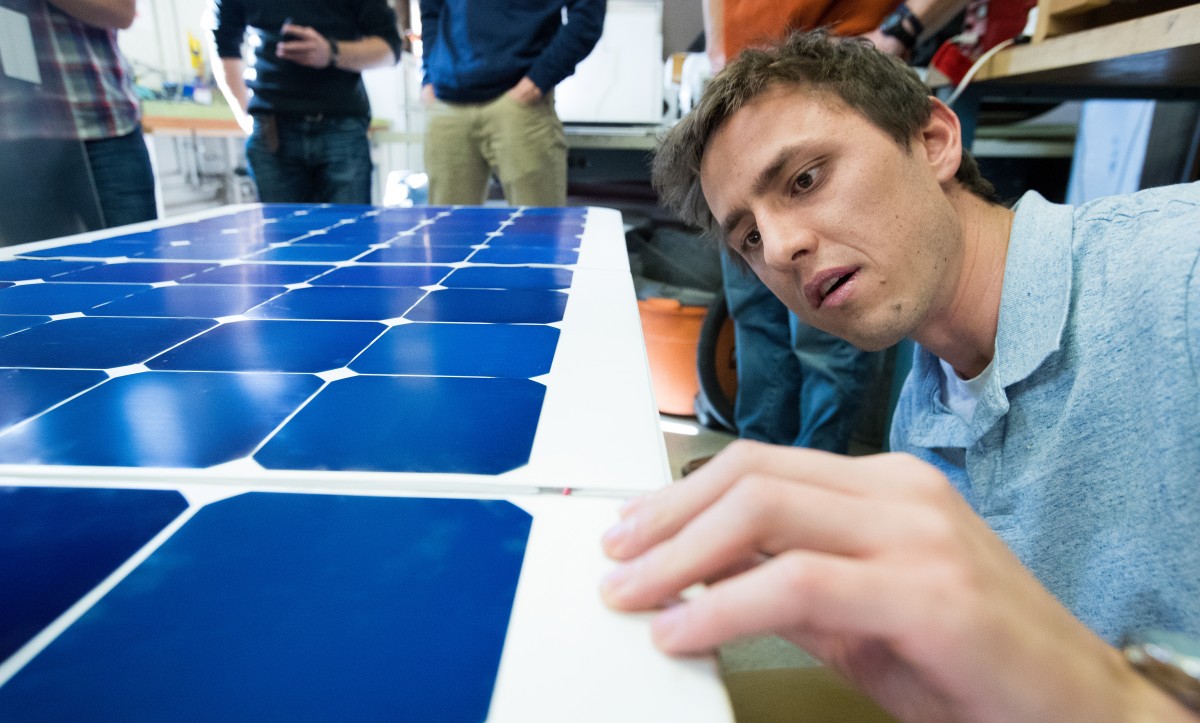
College students have often spearheaded uprisings and revolutionary ideas. A group of BYU engineering students is trying to start a solar-cell revolution.
Offshore Wind In Europe
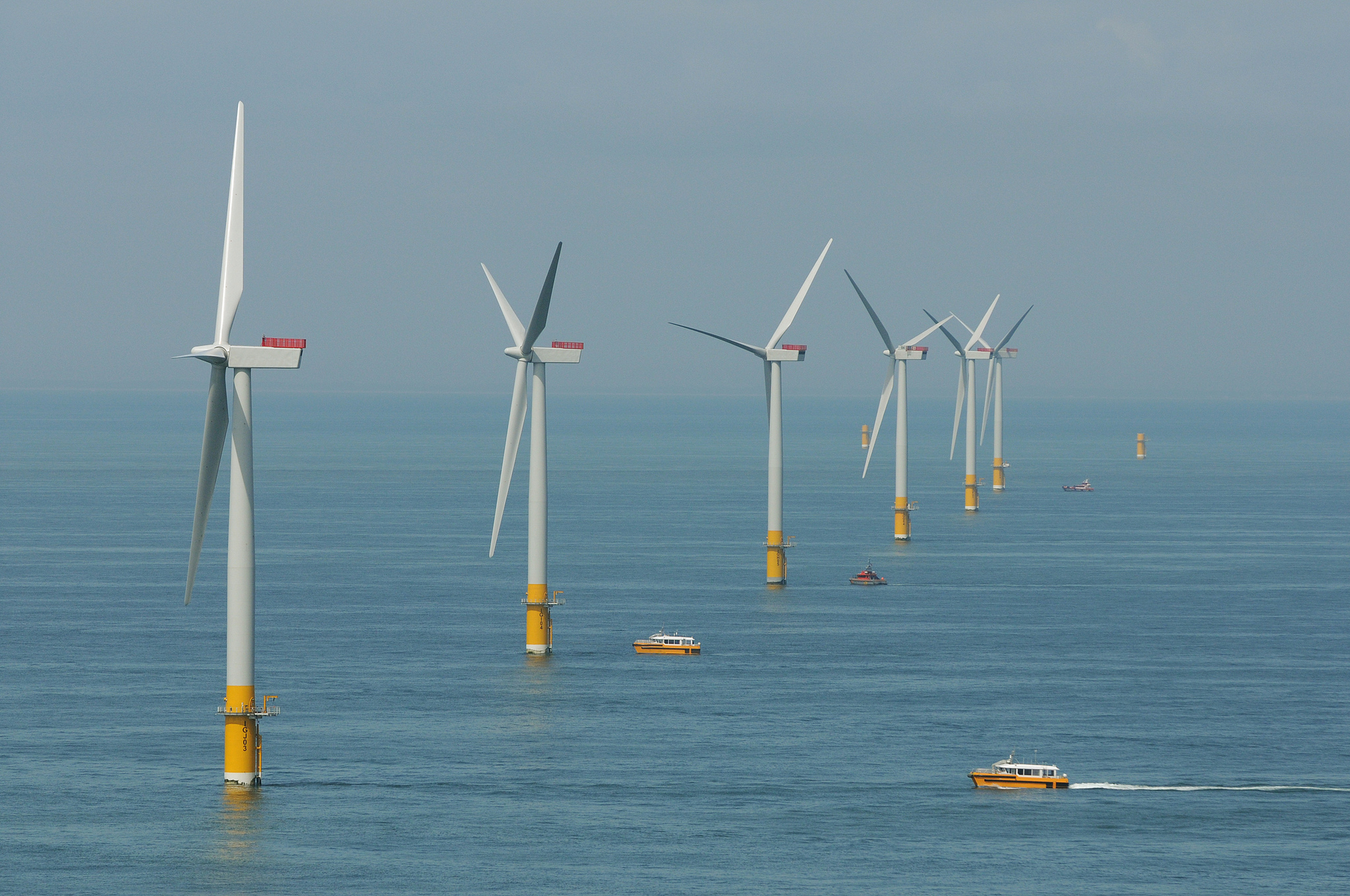
The U.S. has just turned on its first offshore wind farm off the coast of Rhode Island. In the meantime, offshore wind continues to grow by leaps and bounds in Europe. Wind energy in the European Union accounts for 12% of its electricity supply. Until 2011, offshore wind comprised only 5-10% of the newly-installed wind energy capacity; now it about one third of the new installations.
A Blueprint For Offshore Wind In N.Y.
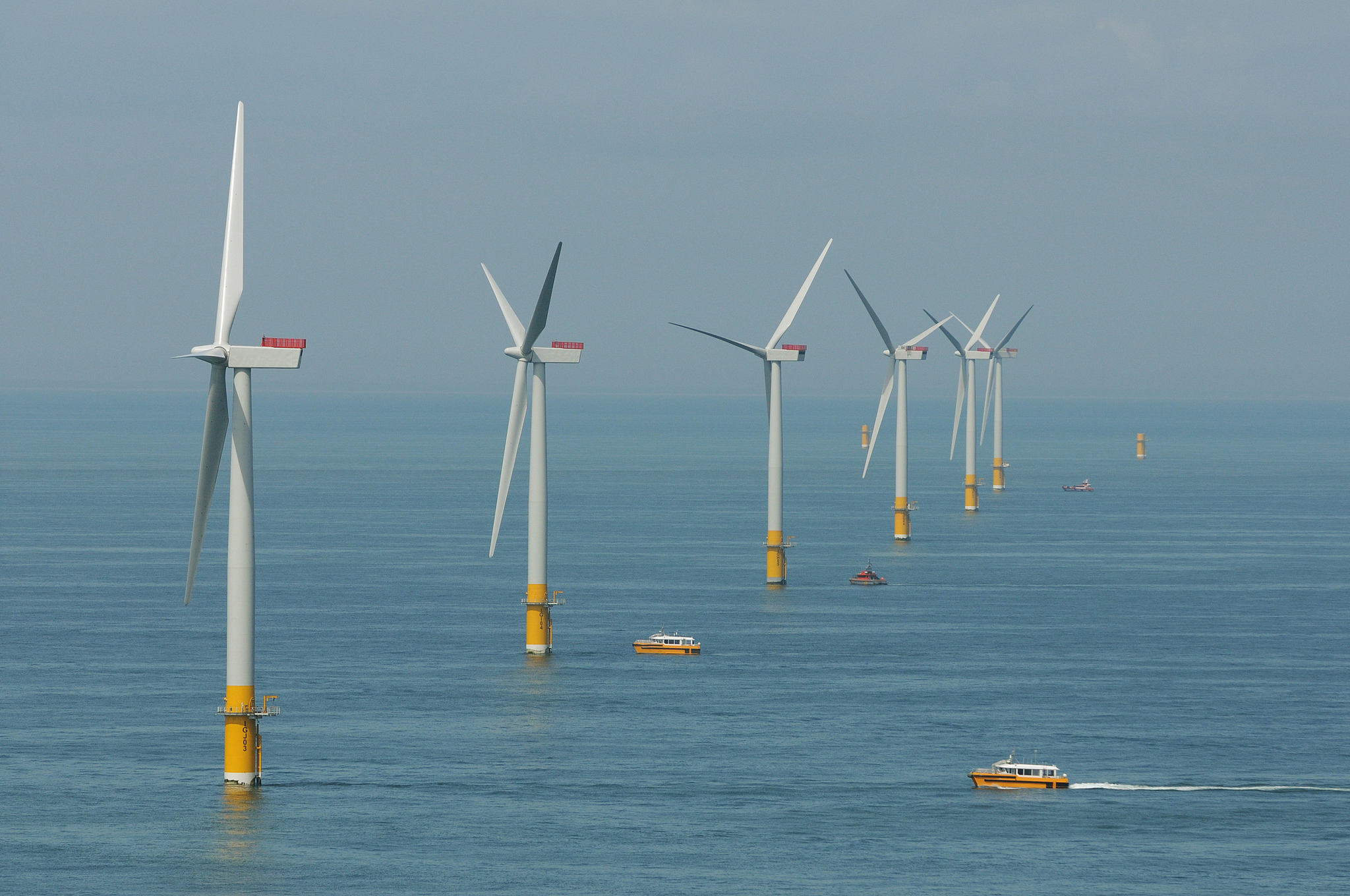
The Cuomo Administration recently released the New York State Offshore Wind Blueprint, a plan to advance the development of offshore wind along New York’s coastline.
The Economics Of Renewable Energy
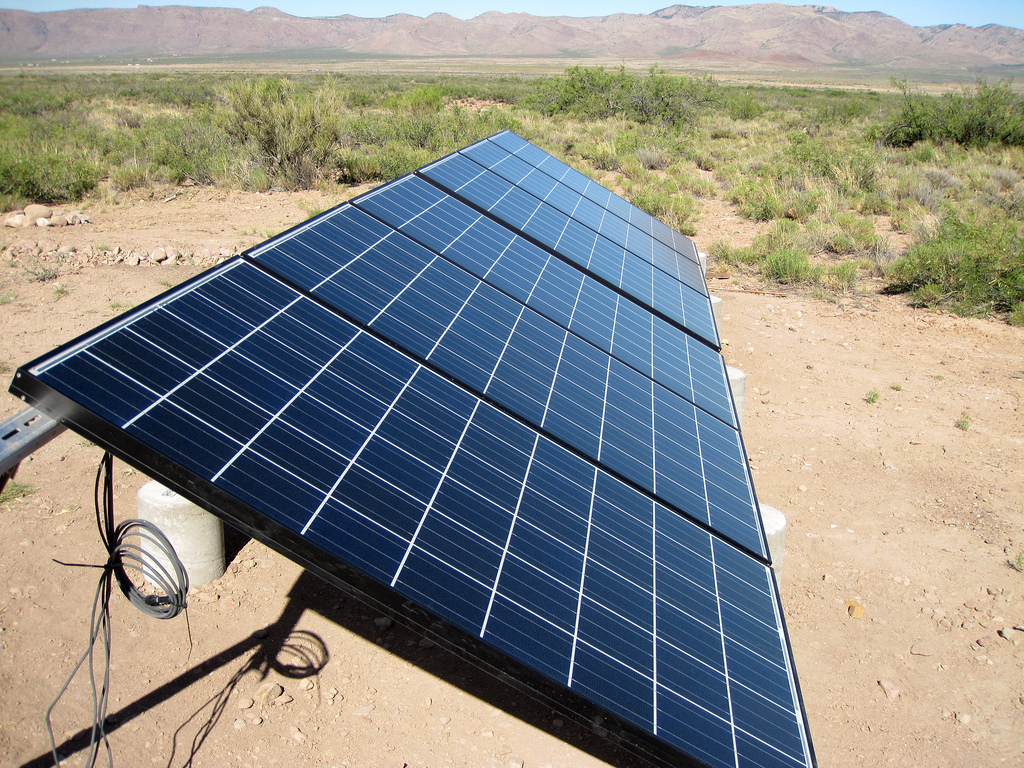
Very few people are against the use of renewable energy sources like solar and wind power in principle. It is hard to argue against generating power from resources that are free and plentiful. The main knock against renewable power sources has been that they cost too much compared with conventional, fossil-fuel technologies.
Too Much Waste
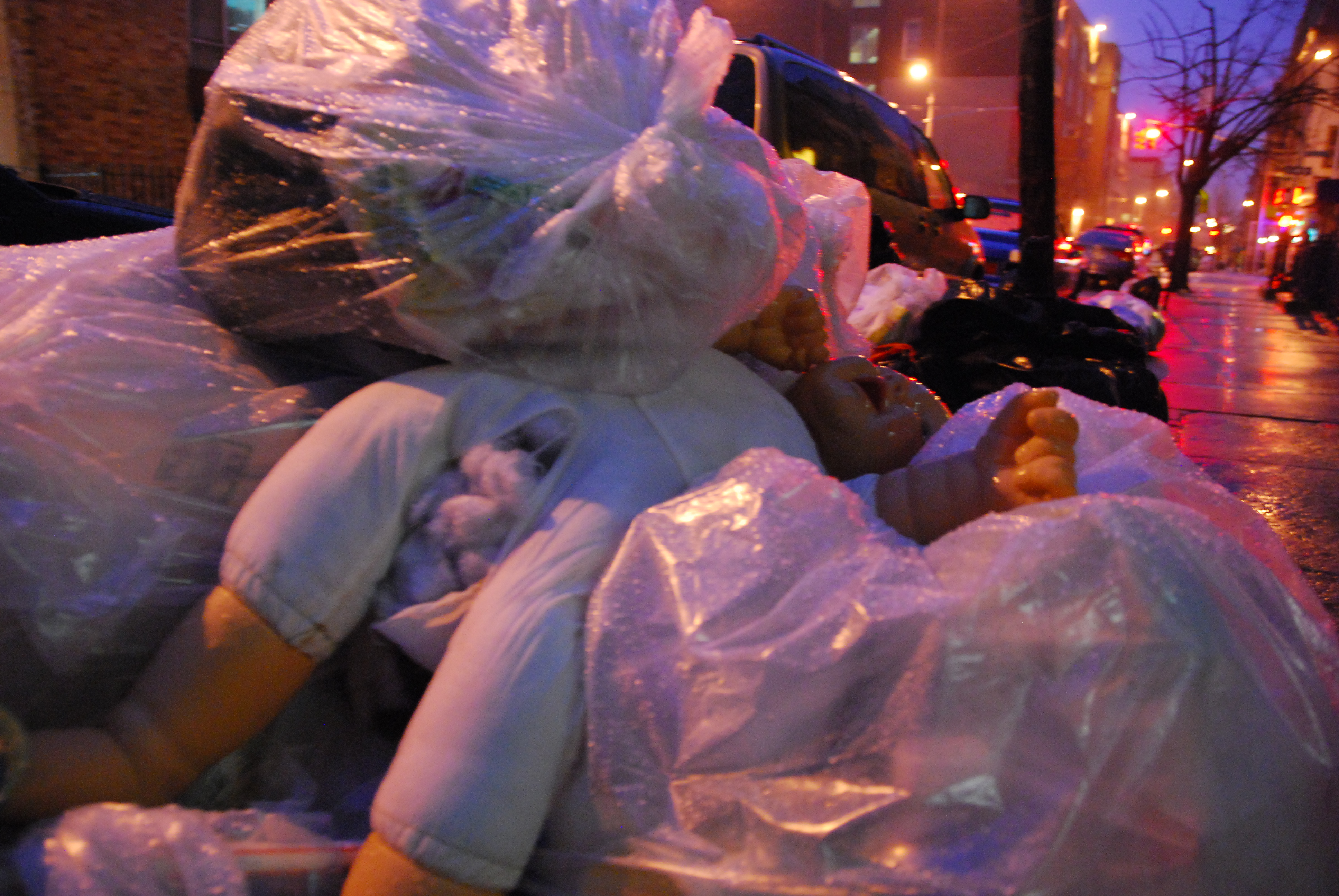
As the world’s population grows and becomes more urban and affluent, the amount of solid waste we produce grows and grows. Over the past century, the total amount has risen tenfold. By 2025, the world-wide total is expected to double again. The average person in the United States throws away their body weight in garbage every month.
Consumers And The Environment

China passed the U.S. as the largest emitter of greenhouse gases on Earth back in 2007, mostly due to manufacturing. However, the great majority of all the products China produces are exported to the rest of the world. China’s per capita consumption-based environmental footprint is actually small. If you put the responsibility for environmental impacts on the consumer instead of the producer, we are all the culprits.
The Trouble With Sustainability

Since its inception, sustainability has been human-centric. It came into vogue in 1987, with the publication of a UN report called Our Common Future, which defined sustainable development as: “Development that meets the needs of the present without compromising the ability of future generations to meet their own needs.”
Earth Overshoot Day