• Skip to primary navigation
  • Skip to main content
  • Skip to primary sidebar

Earth Wise

A look at our changing environment.

  • Home
  • About Earth Wise
  • Where to Listen
  • All Articles
  • Show Search
Hide Search
You are here: Home / Archives for plants

plants

Birds Bees And Coffee | Earth Wise

May 3, 2022 By EarthWise Leave a Comment

Biodiversity adds value to agriculture

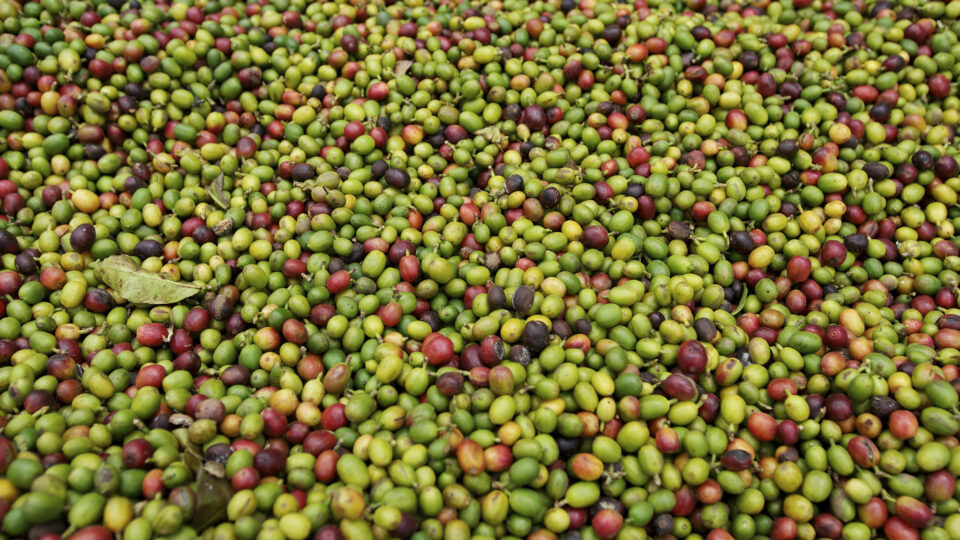
A new study by the University of Vermont in collaboration with researchers from three Latin American countries looked at the effects of birds and bees on coffee crops.  They found that coffee beans are bigger and more plentiful when birds and bees team up to protect and pollinate coffee plants.

The real-world study manipulated coffee plants across 30 farms by excluding birds and bees with a combination of large nets and small lace bags.  They looked at four scenarios:  bird activity alone (pest control), bee activity alone (pollination), no bird and bee activity at all, and a natural environment where birds and bees were free to pollinate and eat insects that otherwise damage coffee plants.

The study looked at fruit set, fruit weight, and fruit uniformity – important factors that determine the quality and price of the coffee crop.  The results were that the combined positive effects of birds and bees were greater than their individual effects.   Without birds and bees, the average coffee yield on the farms declined nearly 25%.  That is important information for the $26 billion coffee industry.

A surprising result of the study is that many birds providing pest control to coffee plants in Costa Rica had migrated thousands of miles from Canada and the U.S.

Previous studies looked at the benefits of natural factors separately and then added them up.  But the new study demonstrates that nature is an interacting system with both synergies and trade-offs.  Past assessments of individual ecological services may have underestimated the benefits biodiversity provides to agriculture and human wellbeing.  Ecosystems services are more valuable together than separately.

**********

Web Links

The Secret to Better Coffee? The Birds and the Bees

Photo, posted March 2, 2012, courtesy of Caroline Gluck/Oxfam via Flickr.

Earth Wise is a production of WAMC Northeast Public Radio.
Training Corals To Tolerate Heat | Earth Wise

April 19, 2022 By EarthWise Leave a Comment

Conditioning corals to tolerate heat

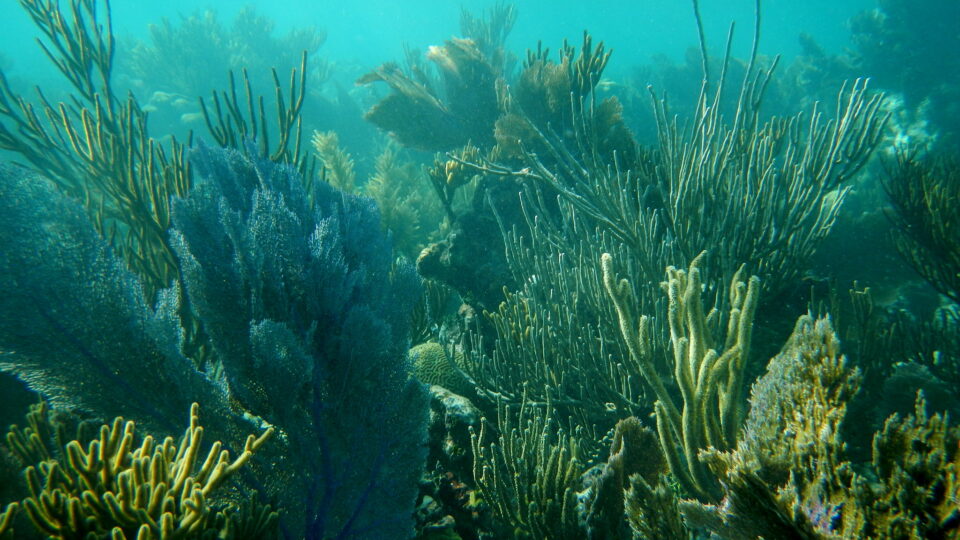
When ocean water is too warm, corals expel the algae that lives in their tissues, which causes the coral to turn completely white.  This is called coral bleaching.   When this happens, the coral is not dead.  However, corals are dependent upon the symbiotic relationship with algae and if conditions don’t improve, they don’t let the algae back in and the corals will die.

According to the National Oceanic and Atmospheric Administration, between 2014 and 2017, around 75% of the world’s tropical coral reefs experienced heat stress severe enough to trigger bleaching.  For 30% of the world’s reefs, the heat stress was enough to kill the coral.

According to new research by the University of Miami published in the journal Coral Reefs, corals subjected to a stressful regimen of very warm water in the laboratory came to be more tolerant of high temperatures, offering a potential tool for preserving ailing coral reefs.

In the study, some corals were kept in water at a constant temperature of 82 degrees while others saw water temperatures fluctuating between 82 degrees and 88 degrees.  After 90 days of this treatment, the corals exposed to variable temperatures were able to tolerate high heat for longer periods before bleaching.  This training regime is akin to an athlete preparing for a race.

The findings suggest a possible approach for restoring coral reefs.  Nursery-raised corals that are “trained” to tolerate heat could be planted onto reefs endangered by warming waters.  Reefs populated by corals with boosted stamina to heat stress could have a greater chance of surviving the warming waters of the oceans.

**********

Web Links

Some Corals Can Be Conditioned to Tolerate Heat, Study Finds

Photo, posted December 16, 2015, courtesy of Big Cypress National Preserve via Flickr.

Earth Wise is a production of WAMC Northeast Public Radio.
Large Mammals And Climate Change | Earth Wise         

April 14, 2022 By EarthWise Leave a Comment

The natural world has an important part to play in mitigating the effects of climate change.  We mostly think about the role of plant life which absorbs carbon in trees, grasses, and other flora.  However, a new study published by Oxford University looks at the role of large wild animals in restoring ecosystems and reducing the effects of climate change.

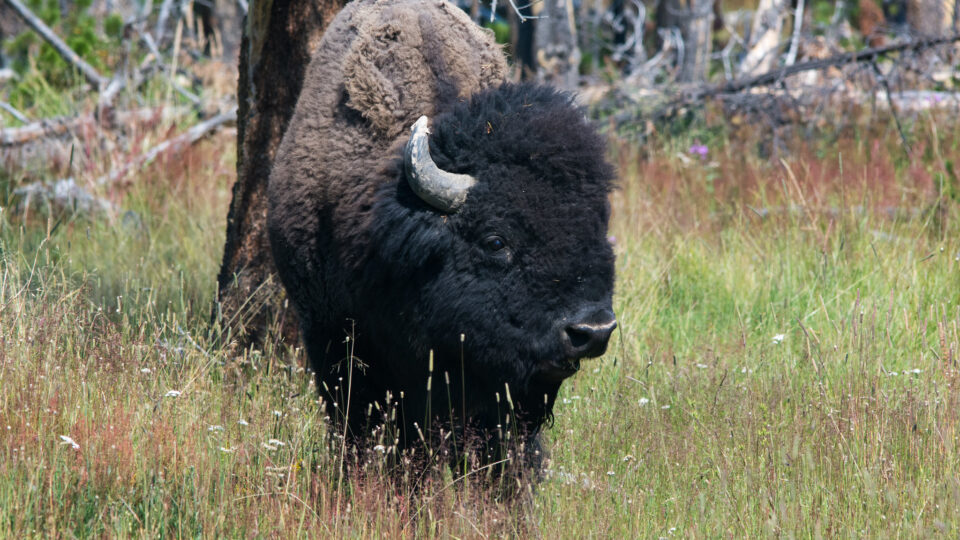
According to the study, there are three important ways in which large animals such as elephants, rhinos, giraffes, whales, bison, and moose can potentially mitigate the effects of climate change:  carbon stocks, albedo, and fire regimes.

When large herbivores graze, they disperse seeds, clear vegetation, and fertilize soil.  All of these things build more complex and resilient ecosystems which helps to maintain and increase carbon stocks in the soil and in plant tissues thereby helping to reduce CO2 in the atmosphere.

Grazing large animals trample vegetation which opens up areas of dense vegetation to create open mixes of grass and shrubs and can reveal snow-covered ground in cold regions.  Such open habitats are lighter in color (higher in albedo) and reflect more solar radiation into the atmosphere, cooling the Earth’s surface rather than heating it up.

Large grazing animals can lessen wildfire risk by browsing on woody vegetation that would otherwise fuel the fires and also by creating paths that act as firebreaks.

In marine ecosystems, whales and other large animals fertilize phytoplankton, which capture some 37 billion tons of CO2 each year.

Overall, large animals are an important part of the natural world’s ability to reduce the effects of the changing climate by helping with localized adaptation to the changes taking place in ecosystems.

**********

Web Links

Large mammals can help climate change mitigation and adaptation

Photo, posted August 20, 2017, courtesy of Jon Niola via Flickr.

Earth Wise is a production of WAMC Northeast Public Radio.

Houseplants And Indoor Air Quality | Earth Wise

April 11, 2022 By EarthWise Leave a Comment

Many of us have houseplants in our homes and offices.  The foliage and flowers add beauty and comfort to our indoor spaces.  But it turns out that there are health advantages as well.

Many studies have demonstrated that indoor houseplants can help keep you happier and healthier by improving your mood, reducing fatigue, lowering stress and anxiety, and improving focus.  Houseplants can also improve indoor air quality.

According to a new study by researchers from the University of Birmingham in the U.K. in partnership with the Royal Horticultural Society, ordinary houseplants can potentially make a significant contribution to reducing indoor air pollution.

The researchers tested three types of houseplants commonly found in homes in the U.K: Peace lily, corn plant, and fern arum.  These plants are easy to maintain and not overly expensive. 

In the study, the research team exposed these houseplants to nitrogen dioxide, which is a common indoor pollutant.  The plants were isolated in a test chamber containing levels of nitrogen dioxide comparable to what might be in an office situated next to a busy road.  The researchers found that all the plants were able to remove about half of the nitrogen dioxide in the chamber in just one hour.    

In a poorly ventilated small office with high levels of air pollution, the researchers calculated that five houseplants would remove up to 20% of the nitrogen dioxide.  In a larger space, the effect would be smaller – around 3.5% – although this figure could be increased by adding more plants.

Bringing nature indoors is one way to breathe cleaner air.

**********

Web Links

Common houseplants can improve air quality indoors

Reducing air pollution with plants

Photo, posted September 21, 2014, courtesy of Olin Gilbert via Flickr.

Earth Wise is a production of WAMC Northeast Public Radio.
Record Levels Of Deforestation In The Amazon | Earth Wise

March 25, 2022 By EarthWise Leave a Comment

Record levels of deforestation in the Amazon Rainforest

The Amazon rainforest is the largest rainforest in the world, covering more than 2.5 million square miles.  It’s home to 10% of all known species in the world.  The Amazon rainforest’s biodiversity is so rich that scientists are still discovering new plant and animal species today.  

The Amazon rainforest absorbs huge amounts of carbon dioxide from Earth’s atmosphere, making it a key part of mitigating climate change.  The vast rainforest acts as what’s known as a carbon sink.  Simply put, a carbon sink is anything that absorbs more carbon from the atmosphere than it releases.  But as trees in the Amazon disappear, so does the ability of the rainforest to absorb carbon dioxide.

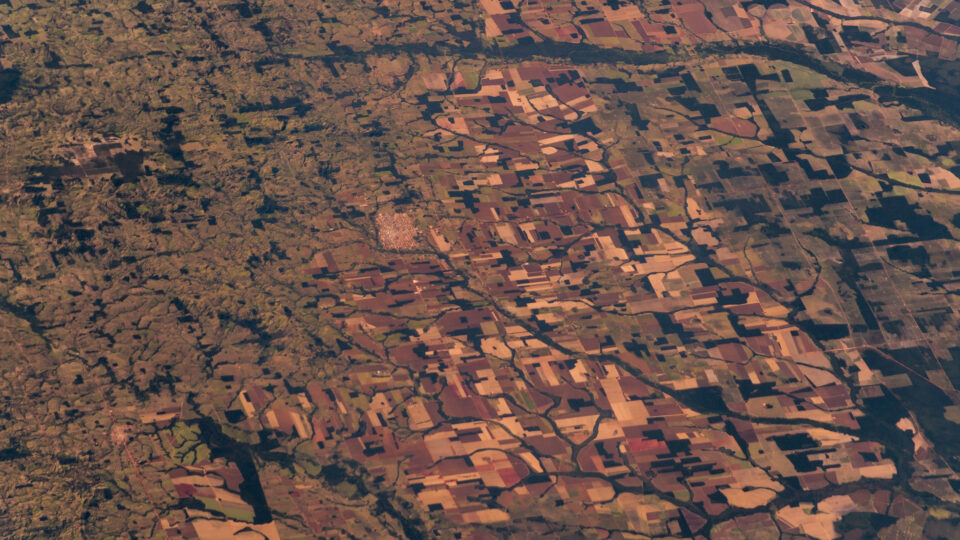
Deforestation of the Amazon rainforest remains a major problem.  According to satellite data from the Brazilian government, the number of trees cut down in the Brazilian Amazon in January far exceeded deforestation figures for the same month last year.  Approximately 166 square miles of land was deforested in January alone, which is five times greater than what was lost in January, 2021.

Cattle ranching – both for beef and for leather – remains the leading cause of deforestation in the Amazon rainforest.  Trees in the Amazon are also cut down for their wood, as well as to clear the land in order to grow food crops, such as soy, sugar, and oil palm. 

Many companies have pledged to achieve “net zero” deforestation in their supply chains over the years, but most have not lived up to the commitment. 

Deforestation is not only a major driver of climate change, but it’s also the leading cause of species extinction.  Preserving the Amazon rainforest is vital. 

**********

Web Links

Amazon deforestation: Record high destruction of trees in January

Greenpeace calls on fast food giants to take a stand against Bolsonaro’s Amazon destruction

Hundreds of Companies Promised to Help Save Forests. Did They?

Photo, posted July 14, 2018, courtesy of Alexander Gerst via Flickr.

Earth Wise is a production of WAMC Northeast Public Radio.

Tourism And Invasive Species | Earth Wise

March 7, 2022 By EarthWise Leave a Comment

The link between tourism and invasive species

Tourism has experienced exponential growth during the past 70 years.  In 1950, there were 25 million international tourist arrivals.  By 1990, it had ballooned to 435 million.  Between 1990 and 2018, the numbers more than tripled reaching more than 1.4 billion.  And by 2030, the number of international tourist arrivals is expected to reach 1.8 billion.

Tourism is vital to the success of many economies around the world.  Tourism can boost revenue, provide jobs, develop infrastructure, protect wildlife, and help preserve heritage sites and cultures.  But there can also be many downsides to tourism, one of which is that it can contribute to the introduction and spread of invasive species.  Non-native organisms can cause all sorts of social, environmental, and economic damage.   

Tourists help spread invasive organisms far and wide.  These organisms hitch rides in their luggage and on their shoes and clothing.  A 2011 study in New Zealand found that for every gram of soil on the shoes of in-bound international passengers, there were 2.5 plant seeds, 41 roundworms, 0.004 insects and mites, and many microorganisms. 

A new study by researchers from the University of Melbourne in Australia and AgResearch New Zealand examined to what degree tourism plays a role in the spread of invasive species.  According to the study, which was recently published in the journal NeoBiota, the research team found that the number of nights spent in hotels significantly correlated to the incursion of invasive species during that period.

Creating effective mechanisms to prevent the introduction of invasive species in the first place is the best way to prevent this problem. 

**********

Web Links

Unwelcome guests: International tourism and travel can be a pathway for introducing invasive species

Number of tourist arrivals

Photo, posted March 27, 2005, courtesy of John via Flickr.

Earth Wise is a production of WAMC Northeast Public Radio.
Tree Diversity | Earth Wise

March 4, 2022 By EarthWise Leave a Comment

Scientists estimate the number of tree species on earth

Scientists have estimated that there are more than 8 million species of plants and animals in existence.  Amazingly, only about 1.2 million of them have been identified and described so far and most of those are actually insects.  Millions of other organisms have yet to be discovered.

One would imagine that most of these unknown species are tiny things that are hard to spot or encounter.  But our ignorance of species even applies to trees, which are pretty easy to spot if you encounter them.

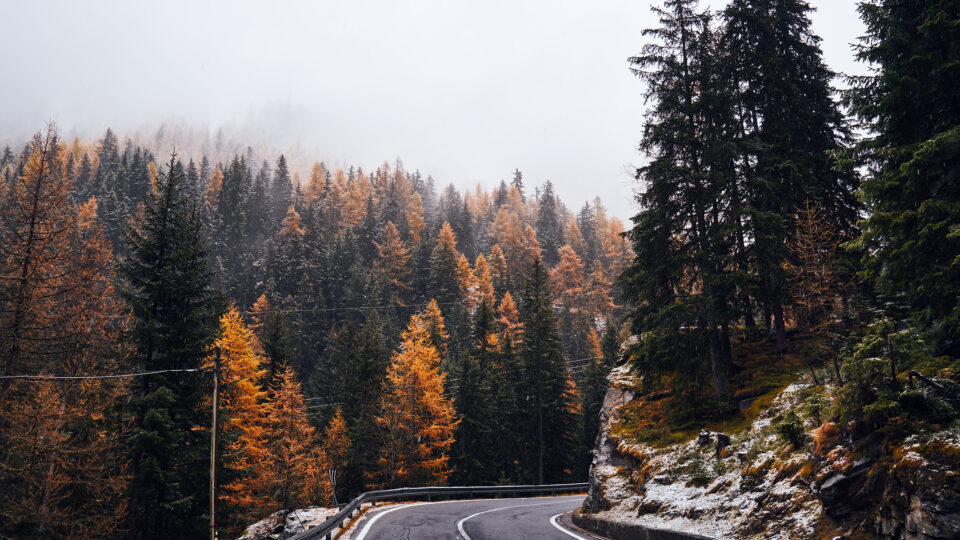
A new study involving more than 100 scientists across the globe has produced an estimate of the number of tree species on the Earth.  The new global estimate is that there are 73,000 tree species, which is about 14% more than previously thought.  Based on a combination of data from two global datasets, the study yielded a total of 64,100 documented tree species worldwide.  The researchers then used novel statistical methods to estimate the total number of unique tree species at biome, continental, and global scales, which includes species yet to be discovered and described by scientists.  Therefore, the estimate predicts that there are likely to be over 9,000 tree species still to be found.

Roughly 40% of the undiscovered tree species are likely to be in South America, which is the continent with the highest number of rare tree species and the highest number of continentally endemic tree species – meaning those found only on that continent.  Hot spots of undiscovered tree species are likely the tropical and subtropical moist forests of the Amazon basin and the Andes-Amazon interface.

Extensive knowledge of tree richness and diversity is key to preserving the stability and functioning of ecosystems.

**********

Web Links

Number of Earth’s tree species estimated to be 14% higher than currently known, with some 9,200 species yet to be discovered

Photo, posted November 5, 2017, courtesy of Deensel via Flickr.

Earth Wise is a production of WAMC Northeast Public Radio.

Spring Is Coming Earlier In Britain | Earth Wise

March 1, 2022 By EarthWise Leave a Comment

Climate change is causing spring to arrive earlier

The United Kingdom has some of the most detailed records of seasonal changes anywhere in the world.  Since the 18th century, observations of seasonal changes have been recorded by scientists, naturalists, amateur and professional gardeners, and organizations such as the Royal Meteorological Society.  Researchers at two British institutions have collected and collated these records into a database they call Nature’s Calendar, which currently has about 3.5 million records going back to 1736.

By analyzing more than 400,000 observations of 406 plant species in Nature’s Calendar, they found that the average first flowering date from 1987 to 2019 is a full month earlier than the average from 1753 to 1986.  The change correlates very well with rising global temperatures.

The ecological risks associated with earlier flowering times are high.  When plants flower too early, a late frost can kill them – a phenomenon most gardeners have experienced at some point or another.  Beyond that, plants, insects, birds, and other wildlife have co-evolved to be synchronized with plants in their development stages.  A certain plant flowers and attracts a certain kind of insect, which then attracts a particular kind of bird, and so on.  If plants get out of sync with the animals in the ecosystem and the animals can’t change their behavior quickly enough, it can lead to species collapse.

If global temperatures continue to increase at their current rate, spring in the UK could eventually start in February, creating serious problems for many of the species that inhabit forests, gardens, and farms.  The dangers of climate change are not just about extreme weather.

**********

Web Links

UK plants flowering a month earlier due to climate change

Photo, posted February 1, 2012, courtesy of Mandy via Flickr.

Earth Wise is a production of WAMC Northeast Public Radio.

The Sixth Mass Extinction | Earth Wise

February 16, 2022 By EarthWise Leave a Comment

Human activities are driving the planet's sixth mass extinction

Extinction is a natural part of life.  Plants and animals disappear all the time.  When one species goes extinct, its place in the ecosystem is typically filled by another.  The so-called normal rate of extinction is thought to be somewhere between 0.1 and 1 species per 10,000 species per 100 years.

A mass extinction event is when species disappear at a much faster clip than they can be replaced.  By definition, mass extinction is when about three-quarters of the world’s species are lost in a short amount of time on a geologic scale, which is measured in millions of years.  

There have been five previous mass extinction events throughout the history of life on earth.  Today, many experts warn that a sixth mass extinction event is already underway – the first since dinosaurs were wiped out some 65 million years ago.  While previous mass extinctions were the result of extreme natural phenomena like volcanic eruptions and asteroid strikes, this one is a result of human activities. 

Researchers from the University of Hawai’i at Manoa and the National Museum of Natural History in France recently published a comprehensive assessment of evidence of this ongoing extinction event.  The researchers estimated that since the year 1500, Earth could already have lost between 7.5% and 13% of the two million known species on Earth.  This amounts to a staggering 150,000 to 260,000 species.

While mitigating the effects of climate change and reducing the rates of habitat loss would help, raising awareness of this crisis and its fallout for all life forms – including us – would be most effective in driving change. 

The time we have to avoid dramatic consequences is rapidly running out. 

**********

Web Links

Strong evidence shows Sixth Mass Extinction of global biodiversity in progress

Photo, posted September 18, 2015, courtesy of Tony Webster via Flickr.

Earth Wise is a production of WAMC Northeast Public Radio.
Florida’s Starving Manatees | Earth Wise

January 12, 2022 By EarthWise Leave a Comment

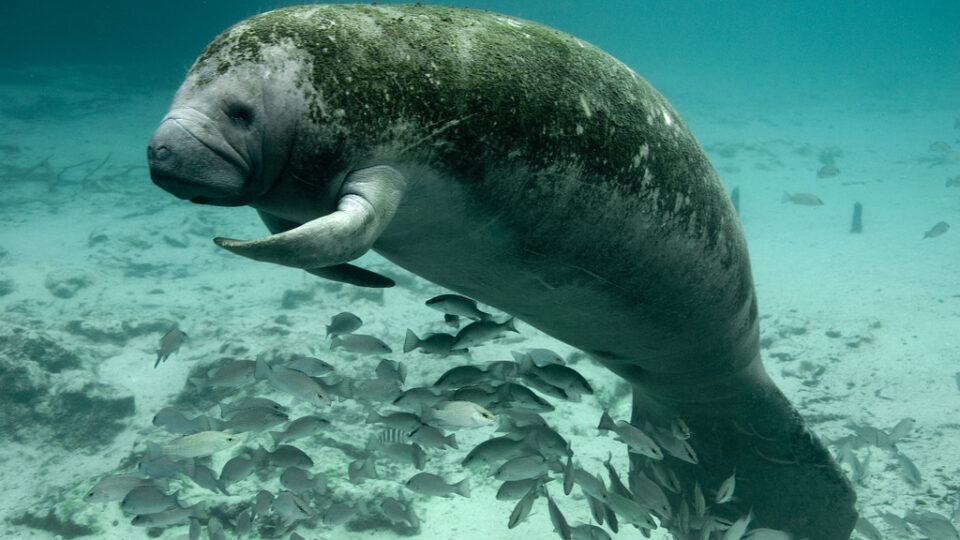
Manatees, also called “sea cows”, have been the victims of farm runoff.  They have starved to death by the hundreds along Florida’s east coast because algae blooms fed by nitrogen-rich fertilizer runoff are proliferating on the ocean surface and blocking sunlight from reaching seagrass below.  Seagrass is the primary source of food for manatees in the winter.  As seagrass dies off, so do the manatees.

Over 1,000 manatees have been found dead so far this year.  It is estimated that fewer than 8,000 remain in Florida waters.  Efforts are underway to restore coastal seagrass in the region as well as clams and oysters, which filter pollutants from water.  Unless the water is cleared up, it will be difficult to regrow the seagrass.  But the current situation is that manatees are so short on food that they are eating seagrass roots, killing the plants and thwarting efforts to help seagrass recovery.

Given this dire situation, the federal governmental has approved a program of feeding manatees.  The starving animals will be fed by hand in Florida, which is a rare wildlife intervention.  Conservation agencies tend to favor leaving wild animals to their own foraging and hunting so that they don’t become dependent on human handouts.

During the trial phase of the program, wildlife experts are likely to feed the animals romaine lettuce and cabbage, which is what manatees in captivity eat.  The hope is to give the animals enough additional food for them to get through the winter.  The trial feeding will begin on private property.  It remains illegal for the public to feed manatees.

**********

Web Links

Florida to feed starving manatees in rare conservation move

Photo, posted February 21, 2008, courtesy of Keith Ramos/USFWS via Flickr.

Earth Wise is a production of WAMC Northeast Public Radio.
Crops Threatened With Extinction | Earth Wise

January 4, 2022 By EarthWise Leave a Comment

Crop variety and diversity are critically important for global food security as well as for the livelihoods of millions of people.  This diversity entails both the different species of food crops as well as the so-called farmer varieties of crops that in many cases have been cultivated and safeguarded for millennia.

It is well-known that many of these crops and varieties have been rapidly disappearing, but data has been scarce on just how many have been lost, how many we are losing, and which ones are the most threatened going forward.

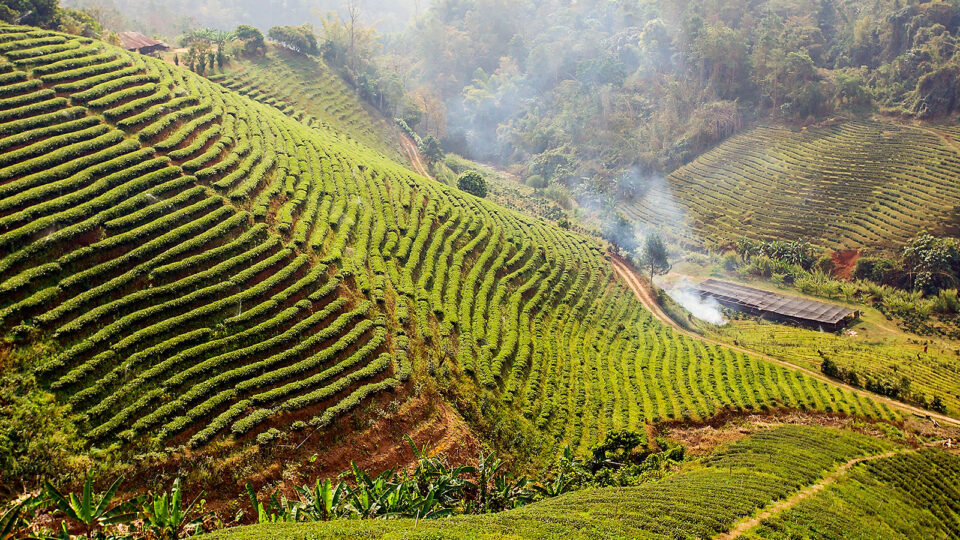
A new study utilizes a methodology known as the Varietal Threat Index, which was developed by the Alliance of Bioversity International and CIAT, the International Center for Tropical Agriculture.  The study assessed about 600 farmers from seven Indian states, covering five different agroecological areas.  The farmers were selected based on their knowledge of crops and varieties across the 17 study sites.

The farmers listed the crops and varieties grown in their households, noted their uses, and indicated their spread and abundance, including information on varieties grown during the previous ten years which were no longer grown.

The results of the study showed that while there is a significant diversity of landraces – which are local varieties of species developed over time – more than 50% are threatened.  The trend is that crops and varieties mostly used for consumption are most often under threat, whereas varieties with multiple uses are less likely to be threatened.

Studies of this type can aid the development of targets and indicators to monitor the global status of plant genetic resources for food and agriculture and help inform urgent priority conservation actions.

**********

Web Links

More than half of surveyed crop varieties are under threat of extinction, according to study in India

Photo, posted February 21, 2014, courtesy of Atibordee Kongprepan via Flickr.

Earth Wise is a production of WAMC Northeast Public Radio.
Climate Change And Crops | Earth Wise

December 22, 2021 By EarthWise Leave a Comment

Climate change will impact yield of food crops

A new NASA study published in the journal Nature Food looks at the impact of global climate change on food crops.  According to the study, declines in global crop yields are likely to become apparent by 2030 if high greenhouse gas emissions continue.

The study used advanced climate and agriculture models to predict the effects of projected increases in temperature, shifts in rainfall patterns, and elevated surface carbon dioxide concentrations from human-caused greenhouse gas emissions.

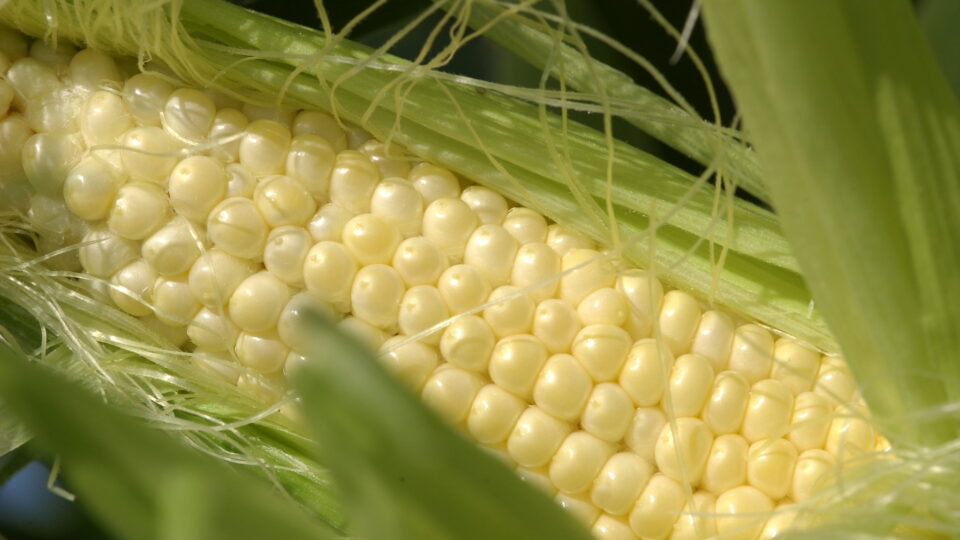
These climate changes would make it more difficult to grow corn in the tropics but would actually expand wheat’s growing range.  The reduction in corn yields could be as much as 24% by late in the century.   Corn Is grown all over the world and large quantities are produced in countries nearer to the equator.  As temperatures rise in countries such as the US, Brazil, and China, yields are likely to decline because of the increased stress on the plants.

Wheat, which grows best in temperate climates may see a broader area where it can be grown as temperatures rise, but these gains are likely to level off by mid-century.

Rising temperature is not the only factor influencing crop yields.  Rising carbon dioxide levels have a positive effect on photosynthesis and therefore on crop yields, especially for wheat.  But changing rainfall patterns and rising temperatures can affect the length of growing seasons and accelerate crop maturity.  This can result in the production of less grain than in a longer development period.

The changing climate has complicated effects on the growth of breadbasket crops and will be felt worldwide.

**********

Web Links

Global Climate Change Impact on Crops Expected Within 10 Years, NASA Study Finds

Photo, posted September 8, 2004, courtesy of Lynn Ketchum/Oregon State University via Flickr.

Earth Wise is a production of WAMC Northeast Public Radio.
Arctic Communities And Permafrost Thaw | Earth Wise

December 16, 2021 By EarthWise Leave a Comment

Permafrost thaw threatens arctic communities

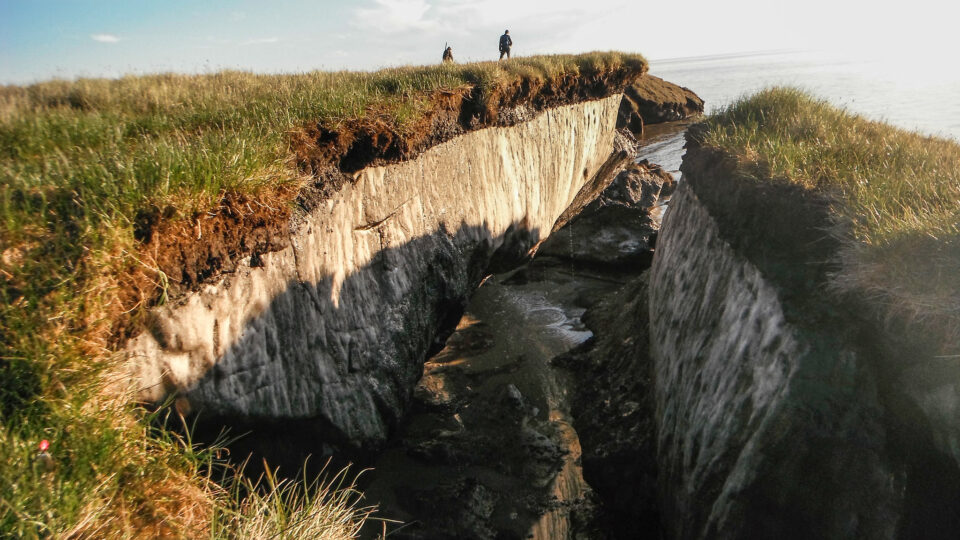
Permafrost is frozen soil, rock or sediment that can be as much as a few thousand feet thick.  To qualify as permafrost , the material has to have been at or below the freezing point of water for two or more years.  Most of it is located in high latitudes in the Arctic and Antarctic regions.   Permafrost covers nearly a quarter of the exposed land in the Northern Hemisphere.

Permafrost contains enormous amounts of carbon in the form of frozen soil that includes remnants of plants and animals, in some cases that have been there for more than 20,000 years.

The Arctic region has been warming faster than any place else on earth and thawing permafrost is already unleashing methane and carbon dioxide to the atmosphere, adding to the global temperature rise.

Apart from the impact on the global climate, thawing permafrost is making the ground unstable and is causing serious problems for local communities.

Recent research using satellite observations provides an overview of the Arctic to identify communities and infrastructure that will be at risk over the next 30 years.

Using high-resolution data from the Copernicus Sentinel satellite missions along with ground-based data going back to 1997, researchers modeled the permafrost ground temperature trends and extrapolated them out to 2050.  The results were that 55% of the infrastructure currently located on permafrost and within 60 miles of the Arctic coastline – infrastructure on which many communities rely – is likely to be affected.

Most human activity in the Arctic takes place along permafrost coasts.  Permafrost thaw is exposing these coasts to rapid change that threatens biodiversity and puts pressure on communities.

**********

Web Links

Satellites pinpoint communities at risk of permafrost thaw

Photo, posted January 24, 2014, courtesy of Brandt Meixell / USGS via Flickr.

Earth Wise is a production of WAMC Northeast Public Radio.
Perennials To Attract Pollinators | Earth Wise

November 26, 2021 By EarthWise Leave a Comment

Perennial plants to help support insects and pollinators

There has been a decline in the abundance of insect and other animal pollinators in many ecosystems worldwide that began being observed at the end of the 20th century.  Pollinators and their health have become growing concerns for the public and many states have enacted legislation related to pollinator decline.

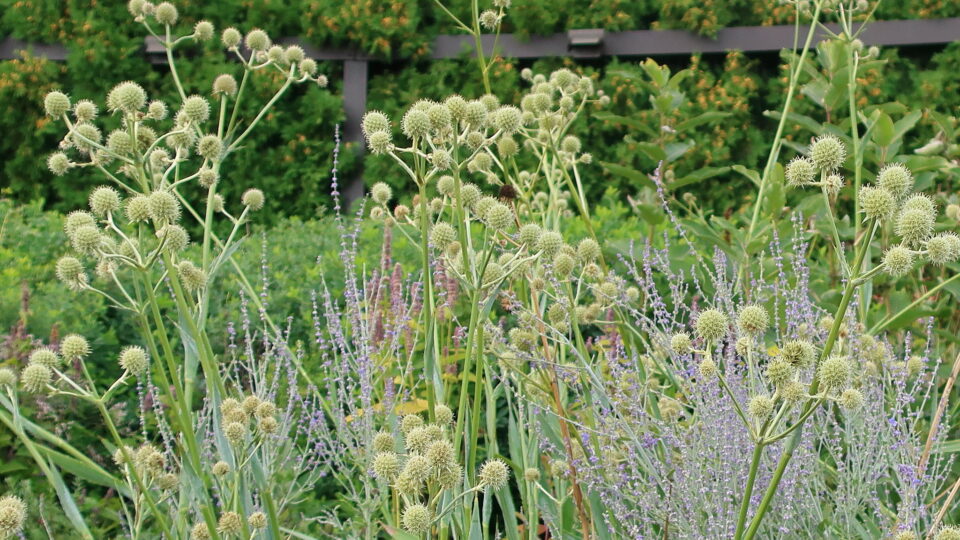
In many places, the pollinator decline has largely been driven by a loss of flowering plants in the landscape, the primary source of food for the pollinators.  A new study by Penn State researchers looked at the attractiveness to pollinators of various species of perennial flowering plants that people can plant in their gardens and other landscapes.

It turns out that there is considerable variation in how attractive different flowering plants are to pollinators.  Greenspaces such as parks and gardens have the potential to support very rich pollinator communities, even including rare or vulnerable species.

People generally select ornamental plants because of their appearance and growth habit, not because of their pollinator attraction.

The Penn State study looked at a variety of perennials and identified the most attractive plant cultivars, which can attract 4 times the number of pollinator species than the least attractive plants studied.

The most appealing plant is the ‘Blue Fortune’ giant hyssop.  Other highly attractive plants are the anise hyssop, the ‘Black Adder’ Agastache, the Cat’s Meow and Walker’s Low Nepetas, and the Triloba and Herbstonne Rudbeckias.

Many of these plants produce large floral displays and the researchers suggest that they should be prioritized when planting a pollinator garden amongst other species with comparably small floral displays and lower attractiveness to pollinators.

**********

Web Links

Popular perennial flowering plants can attract diverse mix of pollinators

Photo, posted September 7, 2019, courtesy of KM via Flickr.

Earth Wise is a production of WAMC Northeast Public Radio.
The Spotted Lantern Fly Is A Big Problem | Earth Wise

October 27, 2021 By EarthWise Leave a Comment

The spotted lantern fly poses a big threat to agriculture

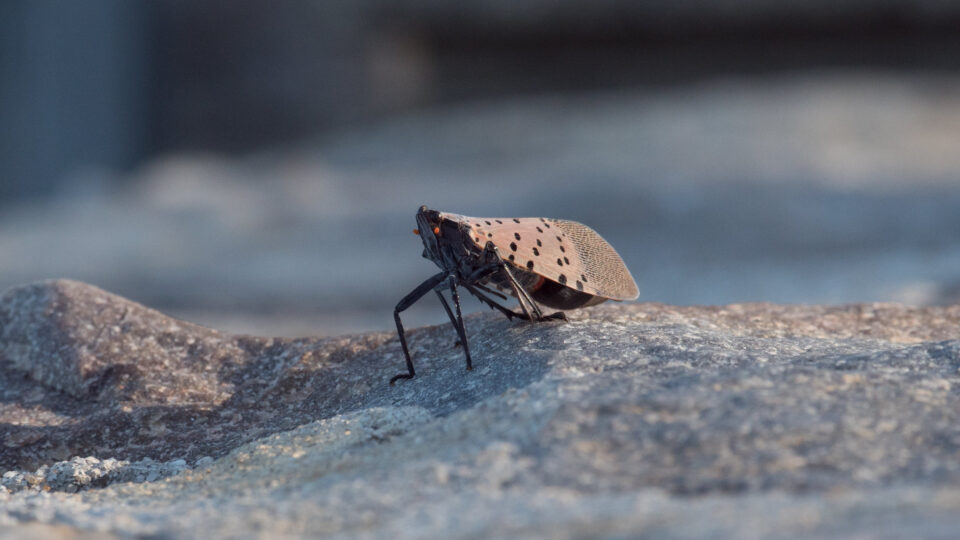
The spotted lanternfly is an invasive pest from Asia that arrived in the United States seven years ago.  It is a handsome and colorful insect, but it feeds on the sap of more than 70 plant species, leaving them susceptible to disease and destruction from other natural antagonists.  It destroys fruit crops, trees, and plants by hopping from plant to plant, crop to crop, and tree to tree.

Several states have established quarantines aimed at preventing the spread of the insects.  Pennsylvania, where they were first detected in the U.S., issued an Order of Quarantine and Treatment that imposes fines and even potential criminal penalties on anyone who intentionally moves a spotted lanternfly, at any stage of its life, from one sort of location to another.  The insects hop and fly only short distances, but they can hitch a ride on vehicles, clothing, and other objects that people bring with them.  They have now spread to at least nine states, primarily in the Northeast.

Lanternflies arrived in New York City last year and quickly made it to the Most Wanted List for environmentalists.  The City’s Parks Department says: “If you see a spotted lanternfly, squish it, dispose of it, and report it to us.”  New York’s Department of Agriculture has asked people in the Finger Lakes region, home of numerous vineyards, to collect specimens and provide specifics on where they were found.

Lanternflies are harmless to humans, but they threaten everything from oak, walnut, and poplar trees to grapes, almonds, and fruit orchards.  As the species continues to spread across the country, federal and state officials have a unified message:  if you come across a spotted lanternfly, kill it.

**********

Web Links

Die, Beautiful Spotted Lanternfly, Die

Photo, posted August 30, 2018, courtesy of the USDA via Flickr.

Earth Wise is a production of WAMC Northeast Public Radio.

Global Light Pollution

October 14, 2021 By EarthWise 1 Comment

Light pollution increasing globally

Light pollution is excessive or obtrusive artificial light. It’s a consequence of industrial civilization.  Too much artificial light can cause a host of problems, including disrupting ecosystems, causing adverse health effects, and wasting energy. 

According to a new study led by researchers from the University of Exeter in the U.K., global light pollution has increased by at least 49% over 25 years.  But this figure only includes light visible via satellites.  Scientists estimate that the true increase may be significantly higher – up to 270% more globally. 

That’s because there is a hidden impact of LED technology that isn’t accounted for in the satellite data. LEDs emit more blue light than previous lighting technologies, but satellite sensors fail to pick up this blue light.   This leads to a large underestimate of global light pollution.

The researchers examined light pollution from 1992 to 2017.  They found persistently increasing light pollution in Asia, South America, Oceania and Africa.  In Europe, detected light increased until around 2010, after which it leveled off.  In North America, artificial light appears to be on the decline.  However, the researchers point out that the satellites inability to detect blue light of LEDs means that light pollution has likely actually increased in most locations.

Light pollution has widespread impacts on both animals and plants.  For example, light pollution can confuse the migratory patterns of animals and change predator-prey relationships.   It’s also been shown to cause trees to bud earlier in spring.      

While there’s no off switch for the planet, there are ways that we could reduce the amount of light drastically with little impact on our lives. 

**********

Web Links

Rapid increase in global light pollution

Photo, posted November 2, 2008, courtesy of Timothy Tsui via Flickr.

XXXXXXXXXXXXXXXXXX

Harnessing The Smell Of Fear | Earth Wise

September 28, 2021 By EarthWise Leave a Comment

Harnessing the smell of fear to drive away pests

Plant-eating insects present a major problem for farmers and home gardeners.  Aphids, for example, are a highly destructive pest to many crops.  Their large numbers and ability to transmit plant pathogens make them a persistent problem for growers.

Pesticides are chemical substances that are commonly used to prevent, destroy, repel or mitigate pests.  They include insecticides for insects, rodenticides for rodents, herbicides for weeds, and fungicides for microorganisms.  According to the U.S. Geological Survey, approximately one billion pounds of these chemicals are used in the United States every year.     

But pesticides can also contaminate soil, water, and other vegetation, as well as kill many non-target species.  Exposure to these chemicals is dangerous for human health. 

According to a new study, researchers from Pennsylvania State University have developed a way to bottle the “smell of fear” produced by predators in order to repel and disrupt pests naturally without the need for these harsh substances.  The researchers recently presented their findings at the American Chemical Society meeting.  

Aphids happen to be a favorite food of ladybugs. Aphids and other herbivorous insects will steer clear of fields and gardens if they smell predators nearby.  The researchers identified and extracted the volatile odor profile from ladybugs.  The researchers used the compounds to create a special odor blend that can be used in an essential oil diffuser to spread the scent across a garden or field. 

The research team plans to conduct field tests to see if the effects outside are similar to what was observed in the lab.  A natural and effective pest repellent would be a big win for people and the planet.  

**********

Web Links

Protecting gardens and crops from insects using the ‘smell of fear’

Protecting gardens and crops from insects using the ‘smell of fear’ (YouTube)

Photo, posted May 10, 2011, courtesy of DM via Flickr.

Earth Wise is a production of WAMC Northeast Public Radio.
RNA Modification For Plants | Earth Wise

September 8, 2021 By EarthWise Leave a Comment

Manipulating RNA can lead to huge increases in crop yields

We have heard a lot about RNA this past year as messenger RNA vaccine technology has been used for the first time to combat the Covid-19 pandemic.  Now RNA-based technology has shown promise to make major contributions to agriculture.

A group of researchers at the University of Chicago and two Chinese universities have announced that manipulating RNA can allow plants to yield dramatically more crops as well as have better drought resistance.

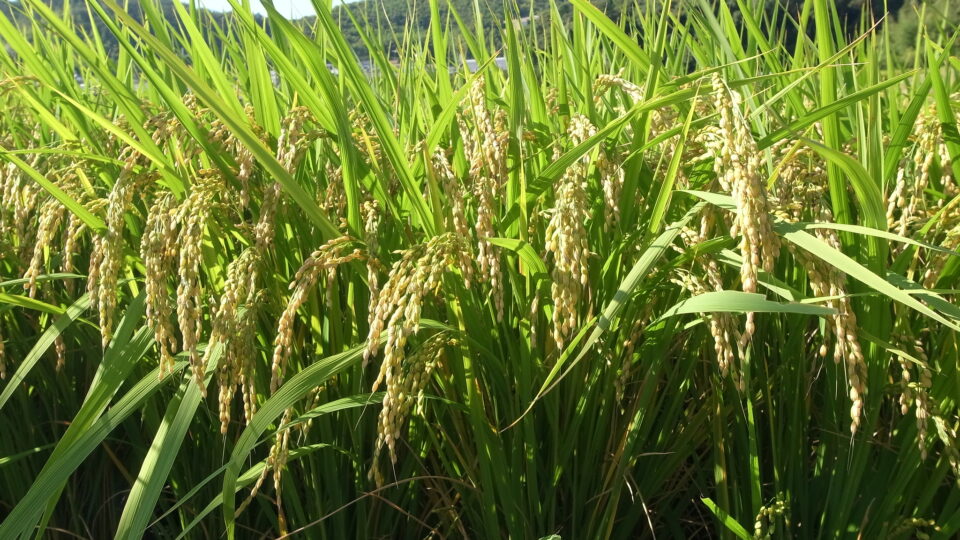
Adding  gene encoding for a protein called FTO to both rice and potato plants increased their yield by 50% in initial field tests.  The plants were larger, produced longer root systems, and could better tolerate drought conditions.  Further analysis showed that the plants had increased their rate of photosynthesis.

FTO protein erases chemical marks on RNA.  Specifically, it controls a process known as m6A, which is a key modification of RNA.  The FTO erases m6A to reduce some of the signals that tell plants to slow down and reduce growth.  Plants modified with the addition of FTO produced significantly more RNA than control plants.

Experiments with both rice plants and potato plants – which are completely unrelated – demonstrated the same results, indicating that the technique could be broadly applicable.  (The genetic modification is rather simple to make and has worked with every type of plant the researchers have tried it with so far).

These results are just the beginning but demonstrate the potential of a technology that could help address problems of poverty and food insecurity at a global scale as well as responding to climate change.  The world depends on plants for everything from wood, food, and medicine, to flowers and oils. This technique has the potential to dramatically increase the stock material we can get from most plants.

**********

Web Links

RNA breakthrough creates crops that can grow 50% more potatoes, rice

Photo, posted September 22, 2014, courtesy of Toshiyuki Imai via Flickr.

Earth Wise is a production of WAMC Northeast Public Radio.
Understanding Geoengineering | Earth Wise

September 7, 2021 By EarthWise Leave a Comment

Climate mitigation measures increasingly discussing geoengineering

The most recent report from the UN Intergovernmental Panel on Climate change includes discussion of a number of extreme and untested solutions to the climate crisis.  Among these are solar geoengineering – modifying clouds or spraying tiny reflective particles into the upper atmosphere in order to block some of the sun’s light and thereby cool the planet.  The underlying principles are relatively straightforward.

There have been various models that predict the extent to which solar geoengineering would lower the earth’s average temperature.  What hasn’t been modeled to any real extent is what other effects it would have.

The new report discusses the results of models that predict how temperatures would vary at different latitudes and how geoengineering would affect rainfall and snowfall.  According to the models, releasing sulfate aerosols into the upper atmosphere to block sunlight would lower average precipitation.  But every region would be affected differently.  Some regions would gain in an artificially cooler world, but others might, for example, suffer by no longer having suitable conditions to grow crops.

The drop in temperature would allow the planet’s carbon sinks (plants, soils, and oceans) to take up more carbon dioxide from the atmosphere.  However, as long as people continue to pollute, carbon dioxide would continue to make the oceans more acidic, causing significant harm to marine ecosystems.  Furthermore, solar geoengineering would have to be an ongoing process that would go on indefinitely and if it were to suddenly stop, it would lead to rapid warming.

The more we learn about geoengineering, the more it becomes clear that there would be many side effects as well as serious moral, political, and practical issues.  Society has to consider if all these things represent too much danger to allow us to seriously consider such a strategy.

**********

Web Links

In the New UN Climate Report, a Better Understanding of Solar Geoengineering

Photo, posted September 9, 2012, courtesy of Kelly Nighan via Flickr.

Earth Wise is a production of WAMC Northeast Public Radio.

Disappearing Mountaintop Glacier Ice | Earth Wise

August 30, 2021 By EarthWise Leave a Comment

Climate changing is shrinking glaciers all around the world

A newly released study has found that mountaintop glacier ice in the tropics of all four hemispheres has diminished dramatically over the past 50 years.  Among the findings of the study, published in the journal Global and Planetary Change, are that a glacier near Puncak Jaya, in Papua New Guinea, lost about 93% of its ice between 1980 and 2018.  Between 1986 and 2019, the area covered by glaciers on top of Mt. Kilimanjaro in Africa decreased by nearly 75%.

The study combined NASA satellite imagery with data from ice cores drilled during field expeditions on tropical glaciers around the world.  The combination of measurements demonstrated that climate change is causing these glaciers to disappear and that the ice loss has accelerated in recent years.

The study looked at glacier ice in Kilimanjaro in Tanzania, the Andes in Peru and Bolivia, the Tibetan Plateau and the Himalayas, and ice fields in Papua, New Guinea.  Collecting ice cores from these places provides information on the climate in these regions over the centuries and millennia.  As snow falls on a glacier each year, it is buried and compressed to form layers that preserve the chemistry of snow, pollutants from the atmosphere, and biological material such as plants and pollen.

Glaciers in the tropics respond more quickly to climate change because they exist in the warmest areas of the world and survive only at very high altitudes. For many of these tropical glaciers, it is too late to prevent their demise.  It is not too late to attempt the slow down the buildup of greenhouse gases in the atmosphere that is causing the planet to warm, but we don’t have unlimited time to act.

**********

Web Links

Mountaintop glacier ice disappearing in tropics around the world

Photo, posted February 12, 2009, courtesy of Christoph Strassler via Flickr.

Earth Wise is a production of WAMC Northeast Public Radio.

  • « Go to Previous Page
  • Page 1
  • Interim pages omitted …
  • Page 4
  • Page 5
  • Page 6
  • Page 7
  • Page 8
  • Interim pages omitted …
  • Page 13
  • Go to Next Page »

Primary Sidebar

Recent Episodes

  • An uninsurable future
  • Clean energy and jobs
  • Insect declines in remote regions
  • Fossil fuel producing nations ignoring climate goals
  • Trouble for clownfishes

WAMC Northeast Public Radio

WAMC/Northeast Public Radio is a regional public radio network serving parts of seven northeastern states (more...)

Copyright © 2026 ·