
• Skip to primary navigation
  • Skip to main content
  • Skip to primary sidebar

Earth Wise

A look at our changing environment.

  • Home
  • About Earth Wise
  • Where to Listen
  • All Articles
  • Show Search
Hide Search
You are here: Home / Archives for plants

plants

How To Support Pollinators | Earth Wise

August 4, 2023 By EarthWise Leave a Comment

Pollinators of all sorts have been in decline for a while.  This is especially true of bees, bats, and monarch butterflies.  Without pollinators, fruits, vegetables, and other plants cannot provide their contributions to our food supply.  According to experts, about 30% of the food that ends up on our tables gets there because of pollinators.

Bees are the most efficient pollinators, but plenty of other insects do their share as well.  Butterflies and months, flies, beetles, and wasps all are good pollinators.  In addition to insects, birds and bats can also be pollinators. 

Entomologists at Texas A&M University have offered some science-based advice for homeowners who want to keep pollinators around and thriving during the summer months.

Pollinators need flowers that bloom at different times of the year.  So, home gardens should overlap blooms.  Native and drought-tolerant species are good additions to a garden or landscape.

Colorful gardens attract more pollinators because different pollinators are attracted to different colors.  Bumblebees like blues and purples; other bees are attracted to yellows and whites.  Butterflies like bright colors like oranges and pinks.

Plant flowers with different shapes and sizes because pollinators flower preferences come in all shapes and sizes.

Provide shelter for pollinators.  Houses for bees and other pollinators are available for purchase. Or people can make their own using plastic tubes.

And probably most importantly, go easy on pesticides.  If it is really necessary to apply pesticides, do it in the evening when most pollinators have called it a day.

Having a colorful garden with lots of variety is a fine addition to one’s home.  Beyond that, it is a valuable contribution to helping preserve essential pollinators.

**********

Web Links

Top Five Tips For Supporting Pollinators This Summer

Photo, posted August 14, 2017, courtesy of USFWS Midwest Region via Flickr.

Earth Wise is a production of WAMC Northeast Public Radio

Fungus And Carbon Storage | Earth Wise

July 26, 2023 By EarthWise Leave a Comment

It is well-known that plants and trees store enormous amounts of carbon.  What has not been common knowledge is that the vast underground network of fungi across the world’s lands stores billions of tons carbon, roughly equivalent to 36% of yearly global fossil fuel emissions.

These mycorrhizal fungi form symbiotic relationships with almost all land plants.  The fungi transport carbon, converted by sugars and fats by plants, into soil.  They have been supporting life on land for at least 450 million years and form sprawling underground networks everywhere – even beneath roads, gardens, and houses – on every continent on earth.

An international team of scientists analyzed hundreds of studies looking at plant-soil processes to understand how much carbon is being stored by fungi on a global scale.  The findings, published in the journal Current Biology, revealed that over 13 billion tons of CO2 is transferred from plants to fungi each year, more than China emits annually.  This process transforms the soil beneath our feet to a massive carbon pool and constitutes the most effective carbon storage activity in the world.

Given that fungi have such a crucial role in mitigating carbon emissions, the researchers are recommending that fungi should be considered in biodiversity and conservation policies. More needs to be done in protecting the underground networks of mycorrhizal fungi. The UN has warned that human activities are degrading soils and that 90% of the world’s soils could be degraded by 2050.  Not only would this obviously be very bad for the productivity of crops and plants, but we now know this could be catastrophic for curbing climate change and rising temperatures.

**********

Web Links

Fungi stores a third of carbon from fossil fuel emissions and could be essential to reaching net zero

Photo, posted May 28, 2023, courtesy of Geoff McKay via Flickr.

Earth Wise is a production of WAMC Northeast Public Radio

Moss And Carbon Storage | Earth Wise

July 18, 2023 By EarthWise 1 Comment

All plants, including algae and cyanobacteria, carry out photosynthesis. During the process of photosynthesis, plants remove carbon dioxide from the air and release oxygen to the air.  As a result, plants play a crucial role in the fight against climate change. 

According to a new study recently published in the journal Nature Geoscience, mosses – those tiny plants often found on the ground or rocks – might be important antidotes to climate change.  The study, which was led by scientists from the University of New South Wales in Australia and the Institute of Natural Resources and Agrobiology in Spain, uncovered evidence that mosses have the potential to store a massive amount of carbon in the soil beneath them.

The researchers found that mosses sequester around seven billion tons more carbon in the soil than is stored in the bare patches of soil typically found near them.  To put that figure in perspective, that is six times the annual global carbon emissions caused by global land use change, which includes things like deforestation, urbanization, and mining.  The researchers also found that moss-covered soil possessed heightened levels of vital nutrients and fewer instances of soil-borne plant pathogens on average compared to moss-less soil.

Mosses cover an area of more than 3.6 million square miles, which is similar in size to Canada, and can thrive in challenging environments.  The widespread presence and hardiness of mosses is why they can have such a significant impact on soil biodiversity and carbon sequestration. 

The research team hopes future work will focus on understanding the role of all types of vegetation, not just mosses and trees, in capturing carbon.

**********

Web Links

Study: Modest moss supports billions of tons of carbon storage

Photo, posted August 23, 2017, courtesy of Peter Handke via Flickr.

Earth Wise is a production of WAMC Northeast Public Radio

Rain Gardens And Residential Pollution | Earth Wise

July 12, 2023 By EarthWise Leave a Comment

Rain gardens are a solution to residential pollution of waterways

Stormwater runoff has become the largest source of residential pollution for waterways.  As rainwater runs down roofs, over driveways and patios, and off other hard surfaces, it can pick up pollutants as it flows directly into streams, wetlands, lakes, and groundwater aquifers.  That water is typically routed directly through stormwater pipes and ditches with little filtering or treatment.  The main emphasis is on getting the water off of people‘s property as quickly and efficiently as possible to avoid flooding.

Many municipalities are dealing with the problem by installing rain gardens, which are a type of green infrastructure in commercial spaces that slow down and treat water before it enters streams, wetlands, and other bodies of waters.  When designed and installed properly with appropriate plants, rain gardens are like miniature water treatment facilities   Water gathers in the rain garden, soaks into the soil, and is taken up by plants.  The plants filter nutrients, sediments, and toxic materials from the runoff before excess water ever gets to waterways.

Homeowners are being encouraged to build their own rain gardens.  They need to familiarize themselves with how runoff from their roof, driveway, sidewalk, and roads is currently being routed and treated.  The idea is to try to incorporate that runoff into a rain garden design with sufficient area and infiltration rates.  The runoff would ultimately flow out from a safe, designated location into storm drains at a slower rate than from the previous impervious surfaces.  Homeowners would need to work with their local jurisdictions to find out the requirements for re-routing water in their area and make sure any modifications prevent erosion and protect nearby homes, roads, and other infrastructure.

**********

Web Links

Rain gardens help keep pollutants out of waterways

Photo, posted March 3, 2017, courtesy of Jeremy Jeziorski / Oregon Convention Center via Flickr.

Earth Wise is a production of WAMC Northeast Public Radio

Liquid Fuel From Sunshine | Earth Wise

July 6, 2023 By EarthWise Leave a Comment

Producing liquid fuel from sunshine

A key goal of artificial photosynthesis research is to be able to produce a useful liquid fuel using only carbon dioxide, water, and sunlight in a single step.  Such a so-called solar fuel would produce net zero carbon emissions and would be completely renewable.

Bioethanol has long been touted as a green alternative to fossil fuels, since it is made from plants rather than petroleum.  But producing it takes up agricultural land that could be used to grow food instead and there are emissions associated with many aspects of the process by which plant mass becomes fuel.

Researchers from the University of Cambridge in the UK have developed a so-called artificial leaf that produces ethanol or propanol – usable liquid fuels – in a single step.  They developed a copper and palladium-based catalyst that allows the artificial leaf to directly produce multicarbon complex chemicals.  Earlier versions of artificial leaves could make simple chemicals, such as syngas, which would then require additional processing to turn into high-density fuels.

The new device produces liquid fuel from carbon dioxide and water simply by shining sunlight on it.

At present, the artificial leaf is a proof-of-concept device that exhibits only modest efficiency.  The researchers are working to optimize the device’s light absorbers so that they can better make use of sunlight and to optimize the catalyst so that it can convert more of the sunlight into fuel.  In addition, the device needs to be scaled up so that it can produce large volumes of fuel.

All that being said, it is an important step towards people being able to do what plants have been doing for millions of years.

**********

Web Links

Driving on sunshine: clean, usable liquid fuels made from solar power

Photo, posted March 23, 2015, courtesy of Astro via Flickr.

Earth Wise is a production of WAMC Northeast Public Radio
Why Are Insect Populations Declining? | Earth Wise

June 16, 2023 By EarthWise Leave a Comment

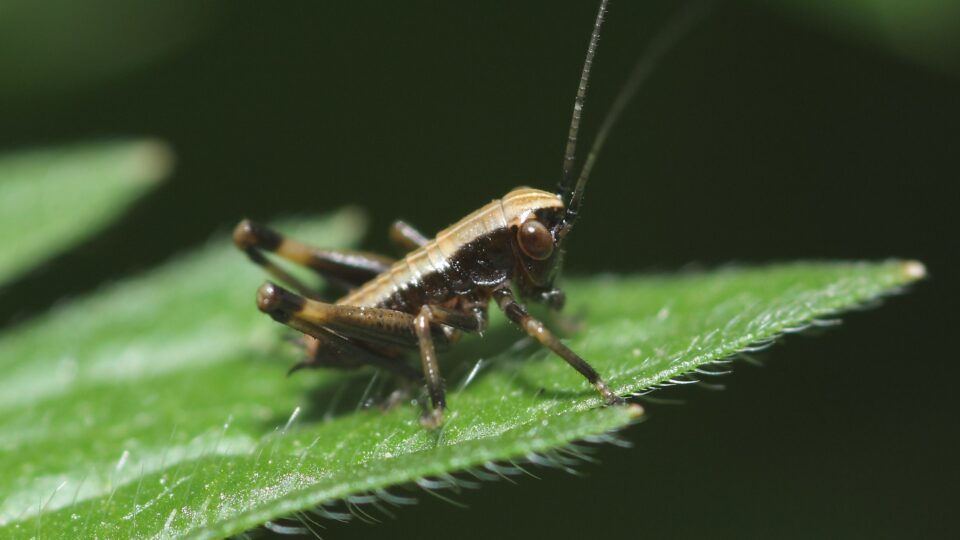
Insects are declining

The world is experiencing a decline in overall insect populations as well as a collapse in insect diversity.  A recent special issue of the journal Biology Letters discusses the major causes of this alarming trend.

According to the study, the primary causes of the worldwide decline in insect biomass are land-use intensification in the form of greater utilization for agriculture and building development, climate change, and the spread of invasive animal species as a result of human trade.

The study concludes that it is not just these factors that are driving the global disappearance of insects, but also that these three factors are interacting with each other.  For example, ecosystems that are deteriorated by humans are more susceptible to climate change and so are their insect communities.  Similarly, invasive species can establish themselves more easily in habitats damaged by human land-use and displace native species.  Many native insect species decline or go extinct while others – often invasive species – thrive and increase, leading to decreasing insect diversity.  Warming temperatures are making many locations undesirable for various insect species and they often cannot migrate to anyplace better.

Declining insect populations and diversity results in concomitant declines in plant species that depend on pollinators.  This in turn threatens the stability of entire ecosystems.

The researchers advocate for continued monitoring of insect diversity across many habitats and countries and propose the creation of a network of interconnected nature reserves such that species can move from one to another. 

We often think of insects as pests, but they are a crucial part of the world’s ecosystems.

**********

Web Links

The reasons why insect numbers are decreasing

Photo, posted April 17, 2011, courtesy of Dean Morley via Flickr.

Earth Wise is a production of WAMC Northeast Public Radio
Can All Plant Species Survive? | Earth Wise 

June 9, 2023 By EarthWise Leave a Comment

Many animal populations around the world are struggling and people are mostly to blame.  Species are declining because of all sorts of things including changes in land and sea use, pollution, invasive species, and climate change.

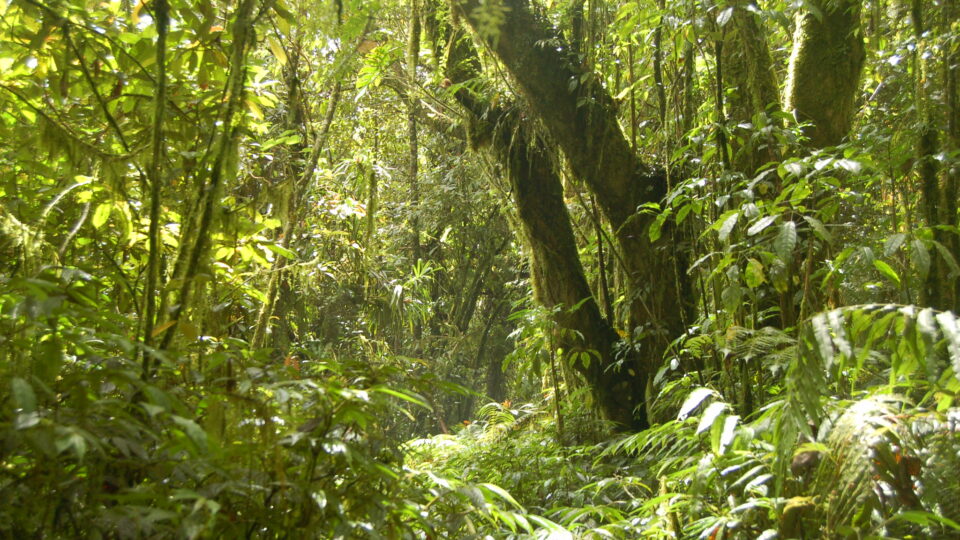
Like many animal species, plants are also struggling to adapt to a human-dominated world.  Plants provide the planet with food, oxygen, and energy, and are used to produce fibers, building materials, and medicines.  Even though plants are easier and cheaper to protect, they are often overlooked in conservation efforts. 

According to a paper recently published in the journal Trends in Plant Science, preventing all future land plant extinctions across the globe is possible with the right approaches.  The author of the paper, Richard Corlett of the Xishuangbanna Tropical Botanical Garden in China, writes that “if zero extinction is potentially achievable for plants, a less ambitious target would be inexcusable.” 

According to the paper, one big barrier in plant conservation is the lack of trained specialists, especially in tropical areas where there is a backlog of unidentified species.  It’s likely that many “dark extinctions,” which is when species slip away without us knowing they existed, have already occurred.

Another roadblock in preventing plant extinctions is information access, which can be solved by building an online “metaherbarium.”  This collaborative database would link digitized records from herbarium specimens with photographs, status assessments, and recovery plans.

Finally, the creation of “microreserves” – which are tiny pieces of protected land designed to get around space constraints – would further contribute to effective conservation of targeted plant species. 

Zero plant extinctions should be the goal.   

**********

Web Links

‘Zero plant extinction’ is possible, says plant ecologist

Photo, posted May 16, 2008, courtesy of Andrew Otto via Flickr.

Earth Wise is a production of WAMC Northeast Public Radio
Plastic Eating Fungus | Earth Wise

May 26, 2023 By EarthWise Leave a Comment

Researchers exploring the use of fungi to break down plastic

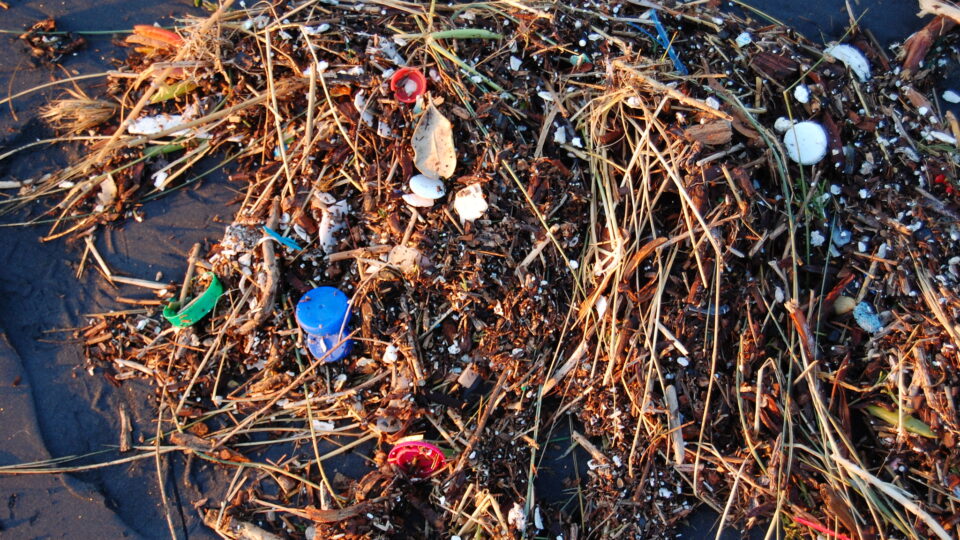
More than five billion tons of plastic have accumulated on land and sea including the most remote regions of the planet as well as in the bodies of animals and humans.  There is a compelling need to recycle as much plastic as possible but doing so is a major challenge. Plastic comes in many varieties and breaking it down for reuse requires different methods for each.

Polypropylene is one of the biggest challenges for recycling.  It is a very common plastic used for all sorts of products including food containers, coat hangers, plastic wrap, toys, and much more. It accounts for roughly 28% of the world’s plastic waste, but only 1% of it is recycled.

Polypropylene is seldom recycled because it generally has a short life as a packaging material, and it often becomes contaminated by other materials and plastics.  Thus, it generally ends up in landfills.

Researchers at the University of Sydney in Australia have discovered that two common strains of fungi were able to successfully biodegrade polypropylene.  The fungi species – with unavoidable Latin names of Aspergillus terreus and Engyodontium album – are typically found in soil and plants.

The researchers found that the fungi were able to break down polypropylene after it had been pre-treated with either UV light or heat, by 21% over 30 days, and by 25-27% over 90 days.  This seems rather slow but compared with the nearly endless life of polypropylene in landfills, it is a major improvement.

The hope is that methods like this could ultimately reduce the amount of plastic polluting the environment by encouraging plastic to biodegrade naturally under the appropriate conditions.

**********

Web Links

Fungi makes meal of hard to recycle plastic

Photo, posted March 5, 2010, courtesy of Kevin Krejci via Flickr.

Earth Wise is a production of WAMC Northeast Public Radio

Rare Earths And The Energy Transition | Earth Wise

May 19, 2023 By EarthWise Leave a Comment

Mining rare earths key to completing the energy transition

Limiting the rise in global temperature to no more than 1.5 degrees Celsius requires decarbonization.  This means slashing fossil fuel use, switching to renewable energy sources, and electrifying as many sectors of the economy as possible.  Doing these things requires huge numbers of wind turbines, solar panels, electric vehicles, and storage batteries.   All of them use rare earth elements and other critical metals.

The 17 rare earth elements are actually common, but they are called rare because they are seldom found in sufficient quantities to be extracted easily or economically. 

China once supplied 97% of the world’s rare earth elements as a result of government support, cheap labor, lax environmental regulations, and low prices.  Once the world started to realize the dangers of being so dependent on China, many countries began developing their own rare earth element production. (However, today China still produces 60-70% of the world’s rare earth elements).

It is difficult to mine rare earth elements without causing environmental damage.  The prevalent extraction techniques involve toxic chemicals that can leach into the environment and, because rare earths are often found near radioactive elements, mining often brings dangerous radioactive waste into the environment.

Researchers are working on ways to make rare earth mining more sustainable.  Some of these include biomining – which uses microbes to extract rare earths from ores, electrical methods to free rare earths from ores, and so-called agromining, which is growing plants that hyperaccumulate rare earths from the soil into their tissues.

Making rare earth mining more sustainable and less harmful to the environment is an essential part of the world’s future.

**********

Web Links

The Energy Transition Will Need More Rare Earth Elements. Can We Secure Them Sustainably?

Photo, posted November 18, 2008, courtesy of the Oregon Department of Transportation via Flickr.

Earth Wise is a production of WAMC Northeast Public Radio

Here Come The Lanternflies | Earth Wise

May 15, 2023 By EarthWise Leave a Comment

The spotted lanternfly is an invasive pest from Asia that primarily feeds on tree of heaven, which is itself an invasive species that has become widespread.  The real problem is that the lanternfly can also feed on some 70 other plants such as grapevines, maples, fruit trees, and more.

The lanternfly was first discovered in the US in Pennsylvania in 2014 and has since spread to 14 states including New York, Massachusetts, Connecticut, and Rhode Island.  (It was first spotted in New York in Staten Island in 2020 and has continued to spread).

The insect poses a significant threat to New York’s agricultural and forest health. Both the adults and nymphs feed on the sap of plants which stresses them making them vulnerable to diseases and other insect attacks.  They also secrete a sticky substance that attracts molds and interferes with photosynthesis.

Lanternflies are not strong fliers.  They mostly spread through human activity by laying their eggs on vehicles, firewood, outdoor furniture, and other objects that people transport.

The bout of unusually warm weather that the Northeast experienced in early spring is likely to have jumpstarted the spotted lanternfly timeline and hatching could be bumped up to as early as May.

Agriculture officials are asking for people to look for spotted lanternfly egg masses and scrape them off with implements with a sharp edge.  Adult insects should be reported to local authorities and should be killed if at all possible.  There is lots of information online about how to recognize the egg masses and the insects.  Spotted lanternflies are not a direct threat to humans, but they have the potential to cause great harm to vineyards, orchards, and forests.

**********

Web Links

Spotted Lanternfly

Photo, posted September 12, 2018, courtesy of the U.S. Department of Agriculture via Flickr.

Earth Wise is a production of WAMC Northeast Public Radio

Plants Make Sounds | Earth Wise

May 9, 2023 By EarthWise Leave a Comment

Some people talk to their plants.  It is highly unlikely that the plants are listening, but recent research has found that plants are doing quite a bit of talking of their own.

It turns out that plant emit a variety of click-like sounds, especially when they are stressed in some way, such as being dehydrated or injured.  The sounds are actually fairly loud – comparable to the volume of human speech – but occur at frequencies well above the range of human hearing.

The study at Tel Aviv University in Israel monitored plants in a greenhouse that were subjected to various stresses over time.  Unstressed plants emitted less than one sound per hour, on average, while stressed plants emitted dozens of sounds every hour.

Recordings of the plant sounds were analyzed by specially developed artificial intelligence algorithms.  The algorithms learned how to distinguish between different plants and different types of sounds.  Eventually, they could identify the plant and determine the type and level of stress from the recordings.  They could even do this in a greenhouse with a great deal of background noise.

The study resolved a very old scientific controversy about whether plants emit sounds.  Not only do they, but the sounds contain useful information.  We don’t yet know what the mechanism is for plant sounds.  It is likely that in nature, the sounds are detected by various animals and perhaps even plants that can detect the high frequencies.  And perhaps they react to them as part of seeking food, shelter, or other services that plants provide.  Given the right tools, we humans may also be able to make use of the sounds being made by plants.

**********

Web Links

Plants Emit Sounds – Especially When Stressed

Photo, posted February 20, 2009, courtesy of ProBuild Garden Center via Flickr.

Earth Wise is a production of WAMC Northeast Public Radio

Falling Lithium Prices | Earth Wise

May 1, 2023 By EarthWise Leave a Comment

Producers still working out how to meet the surging demand for lithium

Lithium, the key element in the batteries that power electric cars, as well as smartphones, tablets, and laptop computers, is sometimes called white gold.  Over time, the price of the metal has gone up and up.  But recently, and surprisingly, the price of lithium has actually gone down, helping to make electric vehicles more affordable.

Over the first couple of months of this year, the price of lithium has dropped by nearly 20%.  The price of cobalt, another important component of vehicle batteries, has fallen by more than half.  Even copper, another battery material, has seen its price drop by 18%.

Many analysts predicted that prices of these commodities would stay high or even climb higher.  The reason for the decline, as well as whether it is likely to persist, is the subject of much debate.

Some experts believe that the price drops are a result of demand not being as high as expected, perhaps related to slowing sales growth of EVs in Europe and China after certain subsidies expired.  Other industry experts said that the drop was a result of new mines and processing plants providing additional supply sooner than was thought possible.

Despite the price drops, mining and processing lithium remains an extraordinarily profitable business.  It costs from $5,000 to $8,000 to produce a ton of lithium that sells for ten times that amount.  With such fat profit margins, there is no shortage of banks and investors eager to finance lithium mining and processing projects.  Such profit margins are probably not sustainable and that will likely result in more reasonable prices over time.

There is plenty of lithium in the world.  The huge demand for it is a recent phenomenon and the world is still working out how to meet that demand.

**********

Web Links

Falling Lithium Prices Are Making Electric Cars More Affordable

Photo, posted January 9, 2023, courtesy of Phillip Pessar via Flickr.

Earth Wise is a production of WAMC Northeast Public Radio

Protected Areas Are Not Protecting Insects | Earth Wise

March 24, 2023 By EarthWise Leave a Comment

Insects are not being protected by protected areas

Insects can be found in every environment on Earth and play crucial roles in the planet’s ecosystems.  In fact, Biologist E. O. Wilson once said that “if all mankind were to disappear, the world would regenerate back to the rich state of equilibrium that existed ten thousand years ago.  If insects were to vanish, the environment would collapse into chaos.”

While his statement may sound extreme, it’s really not an exaggeration.  Insects are critical to most ecosystems.  They pollinate more than 80% of plants – both those we eat and those that provide food and habitat for other species.  Insects are also a food source themselves, eaten by other insects, birds, fish, and mammals. Without insects, we wouldn’t have the rich biodiversity that supports life on earth today. 

But insect populations are collapsing around the globe, and they continue to be overlooked by conservation efforts.  Protected areas, like national parks, refuges, and sanctuaries, can safeguard threatened species, but only if those threatened species actually live within the protected areas. 

According to a new study recently published in the journal One Earth, 76% of insect species are not adequately covered by protected areas, including several critically endangered insects such as the dinosaur ant, crimson Hawaiian damselfly, and harnessed tiger moth. Alarmingly, the populations of 1,876 species do not overlap with protected areas at all.

Insects have been historically overlooked by conservation programs and need to be included in future conservation assessments. 

**********

Web Links

Protected areas fail to safeguard more than 75% of global insect species

Photo, posted August 21, 2014, courtesy of Andy Reago & Chrissy McClarren via Flickr.

Earth Wise is a production of WAMC Northeast Public Radio

Plastic From Sunlight | Earth Wise

March 13, 2023 By EarthWise Leave a Comment

Photosynthesis is the process that plants use to turn water, carbon dioxide, and energy from sunlight into plant biomass.  It provides humans and much of animal life with food.  Photosynthesis is also nature’s way of reducing the amount of carbon dioxide in the atmosphere.  The CO2 is not directly stored in plants but rather is combined into organic compounds.

Researchers across the globe are trying to find effective ways to mimic photosynthesis.  One version of artificial photosynthesis seeks to take carbon dioxide and combine it into organic compounds that can be used as raw materials for various kinds of manufacturing. 

A research team in Japan has found a way to synthesize fumaric acid from carbon dioxide using sunlight to power the process.  Fumaric acid is a chemical typically synthesized from petroleum and is used as a raw material for making biodegradable plastics such as polybutylene succinate. 

Much of artificial photosynthesis research is aimed at using solar energy to convert carbon dioxide directly into a fuel rather than a raw material.  Such solar fuels can be produced by a variety of means including thermochemical (using the sun’s heat to drive chemical reactions), photochemical (using the sun’s light to drive chemical reactions), and electrochemical (using solar-generated electricity to drive chemical reactions.)   These approaches generally involve the use of specialized catalysts to drive the desired chemical reactions. 

One way or another, what techniques for artificial photosynthesis have in common is trying to imitate what plant life on Earth has been doing for millions of years. 

**********

Web Links

Artificial photosynthesis uses sunlight to make biodegradable plastic

Photo, posted June 14, 2017, courtesy of Alex Holyake via Flickr.

Earth Wise is a production of WAMC Northeast Public Radio

Electric Vehicle Tax Credits | Earth Wise

February 17, 2023 By EarthWise Leave a Comment

As of January 1, many Americans can qualify for a tax credit of up to $7,500 for buying an electric vehicle.  The credit is one of the changes enacted under last year’s Inflation Reduction Act.  The purpose is to encourage EV sales and thereby reduce greenhouse gas emissions and air pollution.

There has been a tax credit for EVs for more than a decade, but its provisions made cars from any manufacturer ineligible as soon as that manufacturer had sold more than 200,000 cars.  Notably, this eliminated the credit for purchasing cars from Tesla and General Motors.  Given that electric cars are now selling in the millions, the 200,000-unit cap on the tax credit essentially made it useless as a real force to grow the industry.

The new tax credit has a somewhat complex set of requirements for determining the applicability and amount of the credit.  There are price limits on eligible vehicles depending on vehicle type and there are requirements on where vehicles are manufactured, where batteries are manufactured, and where other components are made. The intent is to encourage American manufacturing of the cars and trucks to the greatest extent.  There are also income limitations on buyers who want to take advantage of the credit, but those are quite large.  The Department of the Treasury has online detailed information about the requirements for the credit and, of course, EV manufacturers can provide the specifics for their own vehicles.

For their part, automakers are adjusting prices, building domestic manufacturing plants and battery factories, and otherwise trying to position themselves for their customers to take advantage of the credit.

The new law also provides a smaller tax credit for the purchase of used electric vehicles.

**********

Web Links

Electric vehicle tax credits explained: What’s new in 2023?

Treasury Releases Additional Information on Clean Vehicle Provisions of Inflation Reduction Act

Photo, posted December 9, 2022, courtesy of Choo Yut Shing via Flickr.

Earth Wise is a production of WAMC Northeast Public Radio

Agriculture Turning Wild Plants Into Weeds | Earth Wise

February 7, 2023 By EarthWise Leave a Comment

Modern agriculture practices are turning wild plants into weeds

We often hear about the importance of native plants in the environment and how invasive species can wreak havoc with ecosystems.   But it turns out that human activities can change the characteristics of native species and create unexpected new problems.

Common waterhemp is plant native to North America that typically grows near lakes and streams.  It never used to be any kind of problem, but in recent times it has become nearly impossible to eradicate from farms as a result of genetic adaptations triggered by modern agriculture.

A study led by researchers at the University of British Columbia looked at waterhemp samples from modern farms and neighboring wetlands and compared them with historical samples dating back as far as 1820 stored in various museums.

In recent times, mutations in genes related to drought tolerance, rapid growth, and resistance to herbicides have resulted in waterhemp that has become a pervasive weed on farms.  These genetic shifts, scarcely ever seen in historical samples, have made the plant thrive among human agricultural activities and enable it to outcompete crops.

Genetic analysis of the plants showed that herbicide-resistant mutations that were mostly absent from historical samples stand out as factors that allow waterhemp to prosper in agricultural settings. There are some plants in natural habitats that have herbicide-resistant mutations, but in many cases, these mutations are actually harmful to the plants in the wild.

Understanding how plant adaptations occur on relatively short timescales is increasingly important as farming and climate  change continue to drive rapid plant evolution.

**********

Web Links

How intensive agriculture turned a wild plant into a pervasive weed

Photo, posted February 16, 2016, courtesy of Aqua Mechanical via Flickr.

Earth Wise is a production of WAMC Northeast Public Radio
Tracking Global Forest Changes | Earth Wise

January 30, 2023 By EarthWise Leave a Comment

Using deep learning to track global forest changes

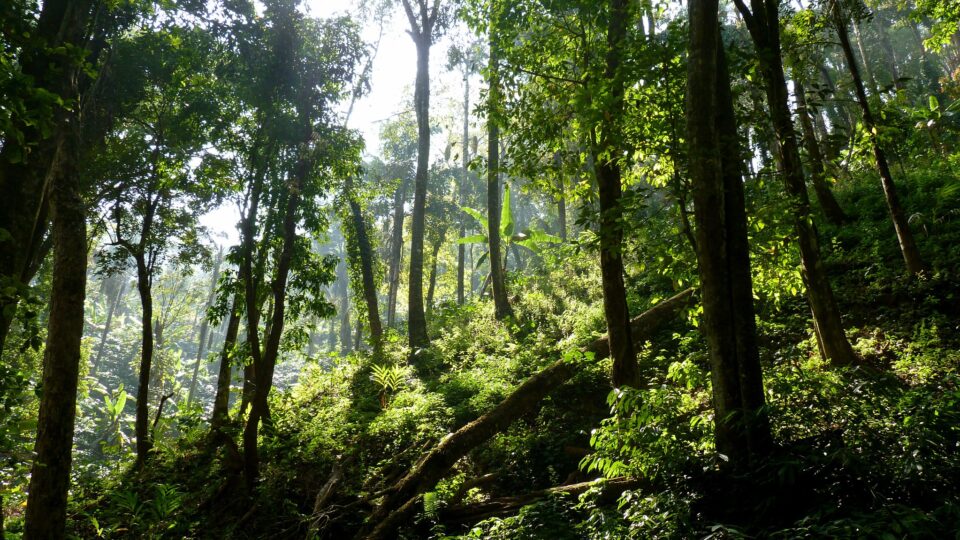
India is one of the most biodiverse countries in the world.  An estimated 47,000 plant species and 89,000 animal species can be found in India, with more than 10% of each thought to be on the list of threatened species.

India is also one of the 10 most forest-rich countries in the world.  Trees cover approximately 25% of the nation.  But this is still a significant decline from years past.  In fact, between the 1890s and 1990s, a combination of rapid development and resource overexploitation caused India to lose nearly 80% of its native forest area.  Today, as India’s forests continue to disappear, researchers are trying to help preserve what forest remains. 

Using satellite-monitoring data, researchers from The Ohio State University have developed a deep learning algorithm that could provide real-time land use and land cover maps for parts of India. 

The land use monitoring system was trained using satellite data from Norway’s International Climate and Forests Initiative.  By combining this data with a global land cover map produced by Tsinghua University in China, the researcher team’s deep learning model was able to acquire a more detailed type of base map of the area.  Using their model, the researchers were able to process 10 monthly maps.  Their research was recently  presented at the annual meeting of the American Geophysical Union.   

Using these maps, the researchers were able to detect seasonal shifts across india.  These include changes to barren land, how crop land was affected by monsoons, and the distribution of forests in mountainous regions. 

Understanding the impact of these seasonal changes will help scientists better predict the effects of climate change on forests.

**********

Web Links

Using deep learning to monitor India’s disappearing forest cover

Photo, posted January 20, 2013, courtesy of Frontier Official via Flickr.

Earth Wise is a production of WAMC Northeast Public Radio

Fertilizing The Ocean | Earth Wise

January 23, 2023 By EarthWise Leave a Comment

There are a variety of schemes for removing carbon dioxide from the atmosphere.  Some require advanced and generally not-very-well developed technology.  Others, such as planting vast numbers of trees, are nature-based but are daunting with respect to the scale to which they need to take place in order to be truly effective.

Researchers at the Pacific Northwest National Laboratory in Richland, Washington have been examining the scientific evidence for seeding the oceans with iron-rich engineered fertilizer in order to feed phytoplankton.  Phytoplankton are microscopic plants that are a key part of the ocean ecosystem.

Phytoplankton take up carbon dioxide as they grow.  In nature, nutrients from the land end up in the ocean through rivers and from blowing dust.  These nutrients fertilize the plankton.  The idea is to augment these existing processes to increase the growth of phytoplankton.  As they eventually die, they sink deep into the ocean, taking the excess carbon with them.


The researchers argue that engineered nanoparticles could provide highly controlled nutrition that is specifically tuned for different ocean environments.  Surface coatings could help the particles attach to plankton.  Some could be engineered with light-absorbing properties, allowing plankton to consume and use more carbon dioxide.

Analysis of over 100 published studies showed that numerous non-toxic, abundant, and easy-to-create metal-oxygen materials could safely enhance plankton growth.  According to the researchers, the proposed fertilization would simply speed up a natural process that already sequesters carbon in a form that could remove it from the atmosphere for thousands of years.  They argue that given the current trends in the climate, time is of the essence for taking action.

**********

Web Links

Fertilizing the Ocean to Store Carbon Dioxide

Photo, posted August 2, 2007, courtesy of Kevin McCarthy via Flickr.

Earth Wise is a production of WAMC Northeast Public Radio

An Agreement To Protect Biodiversity | Earth Wise

January 18, 2023 By EarthWise Leave a Comment

The UN Biodiversity Conference in Montreal in December concluded with a historic deal aimed at stemming the rising tide of extinctions.  Nearly 200 countries signed on to the agreement to protect 30% of the Earth’s land and sea by the end of this decade.

Part of the agreement also pledges that countries will reduce fertilizer runoff from farms by 50%, reduce the use of harmful pesticides by 50%, and stem the flow of invasive species. 

Of course, all of these promises are only words unless they are backed up by actions and actions cost money.  The agreement promises to direct $200 billion a year towards biodiversity by the end of this decade.  Wealthy countries were urged to provide $100 billion a year to fund the actions of poorer countries, but they resisted the pressure.  Eventually, they did agree to send $30 billion a year to developing countries by 2030.

It is a significant step forward to establish clear targets for stopping biodiversity loss.  However, the ultimate success of the pact will depend on the willingness of countries to cooperate and compromise.

According to UN estimates, about a million species across the globe face extinction as a result of rising temperatures, air and water pollution, invasive species, and habitat loss due to development.   At present, only 16% of land and 8% of the oceans are within protected areas. 

The UN Environment Program stated that “for far too long humanity has paved over, fragmented, over-extracted, and destroyed the natural world on which we all depend.  Now is our chance to shore up and strengthen the web of life, so it can carry the full weight of generations to come.”

**********

Web Links

In Historic Deal, Countries Agree to Protect 30 Percent of Earth to Halt Biodiversity Loss

Photo, posted August 13, 2015, courtesy of Andrew H via Flickr.

Earth Wise is a production of WAMC Northeast Public Radio

Europe Is Warming Faster Than The Rest Of The Planet | Earth Wise

January 3, 2023 By EarthWise Leave a Comment

Europe is warming faster than the rest of the globe

A new study by researchers at Stockholm University has found that the warming during the summer months in Europe has been much faster than the global average.  The findings, published in the Journal of Geophysical Research Atmospheres, are that the climate across the European continent has become drier, particularly in southern Europe, leading to worse heat waves and an increased risk of fires.

Warming over land areas occurs much faster than over oceans.  The global average warming to date is 1.6 degrees Celsius over land and 0.9 degrees over oceans.   This means that the global emissions budget to keep warming below 1.5 degrees has already been used up over land.  The new study in fact shows that the emissions budget to avoid 2 degrees of warming has already been exceeded over large parts of Europe during the summer half-year (April to September).

This accelerated warming in Europe has led to more frequent heat waves.  These, in turn, increase the risk of fires, such as the devastating fires in southern Europe this past summer.

Southern Europe has been experiencing a positive feedback situation in which the ongoing warming has been amplified because of drier soil and decreased evaporation.  Added to that, there has been less cloud coverage over large parts of Europe, probably as a result of less water vapor in the air.

The study also looked at the impact of aerosol particles on temperatures in Europe.  As the amount of relatively short-lived aerosol particles has decreased with the reduction of coal-fired power plants, the temporary cooling effects of those particles partially masking the underlying warming trend have diminished.  In contrast, carbon dioxide emissions stay in the atmosphere for centuries.

**********

Web Links

Large parts of Europe are warming twice as fast as the planet on average

Photo, posted April 18, 2020, courtesy of Roman Ranniew via Flickr.

Earth Wise is a production of WAMC Northeast Public Radio

  • « Go to Previous Page
  • Page 1
  • Page 2
  • Page 3
  • Page 4
  • Page 5
  • Page 6
  • Interim pages omitted …
  • Page 13
  • Go to Next Page »

Primary Sidebar

Recent Episodes

  • An uninsurable future
  • Clean energy and jobs
  • Insect declines in remote regions
  • Fossil fuel producing nations ignoring climate goals
  • Trouble for clownfishes

WAMC Northeast Public Radio

WAMC/Northeast Public Radio is a regional public radio network serving parts of seven northeastern states (more...)

Copyright © 2026 ·