new york city
Cloudbursts And New York City
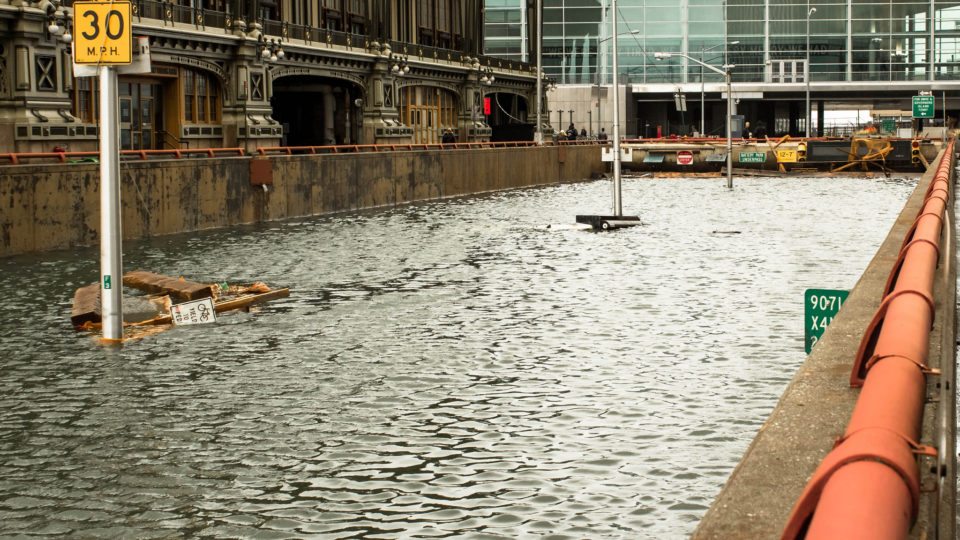
Cloudbursts are intense rainstorms that drop enormous amounts of water over a short period of time. Climate change is expected to make cloudbursts occur more frequently. Cities around the world are looking for better ways to cope with weather phenomena like cloudbursts.
Airports and Rising Seas
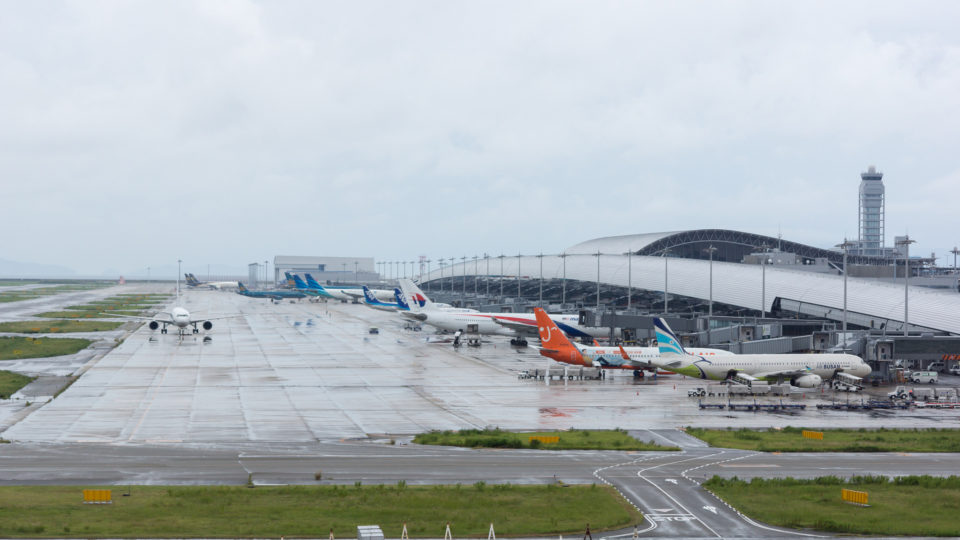
There are many low-lying coastal airports around the world. These airports are increasingly vulnerable to the rising sea levels and the more extreme weather brought about by climate change.
Making Cities Cooler
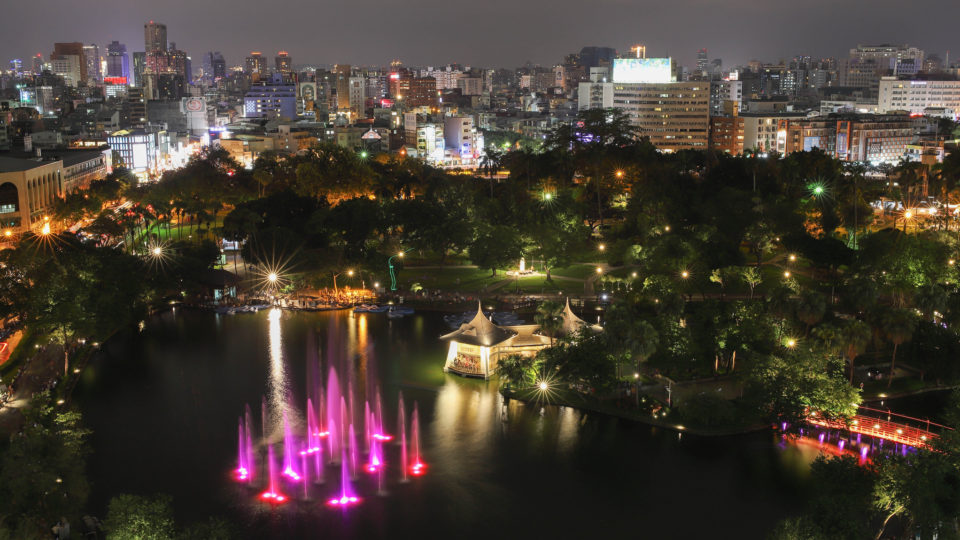
Cities are particularly miserable during heatwaves. With lots of concrete and asphalt surfaces, they soak up lots of heat and re-radiate it. Lots of tall buildings block cooling breezes. Factor in car exhaust and heat from air conditioners and it all adds up to the urban heat island effect. Cities can be several degrees warmer during the day and as much as 20 degrees warmer at night. All of this extra heat is not just a comfort issue, it is a serious health problem.
Cooling Cities With White Roofs
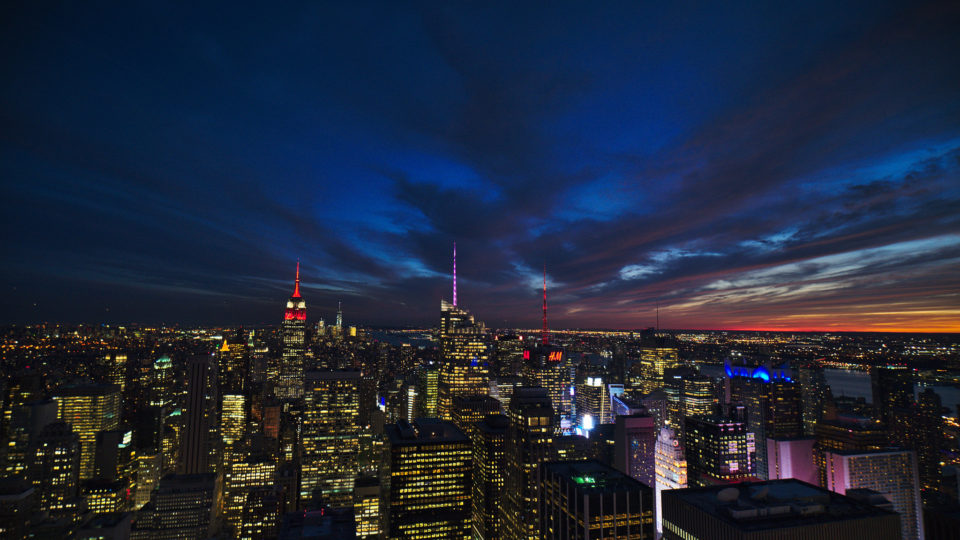
The phenomenon of urban heat islands has been well known since the 19th century. The materials from which city buildings and roads are made reflect much less solar radiation and absorb more of it than the vegetation they have replaced. The absorbed energy is then radiated in the form of heat into the surrounding air making cities warmer.
U.S. Offshore Wind Powering Up
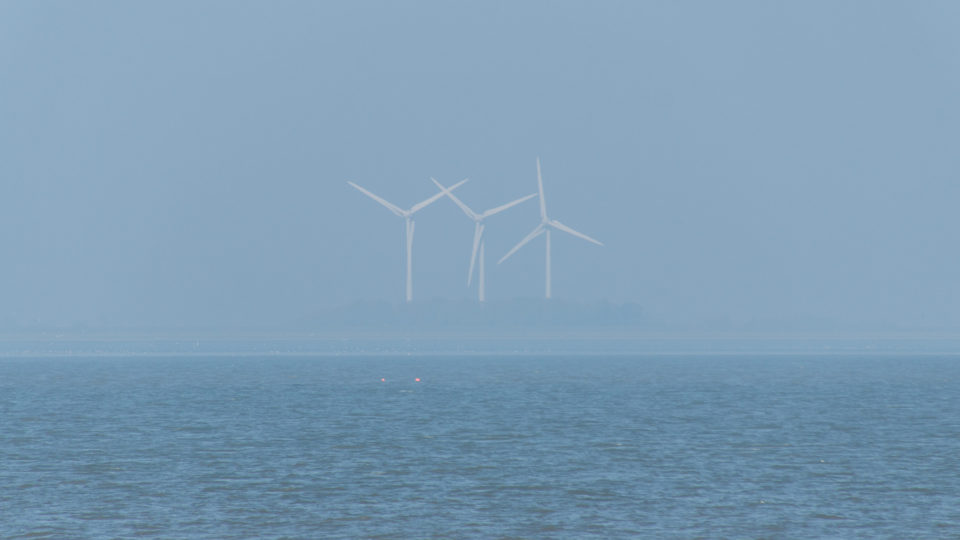
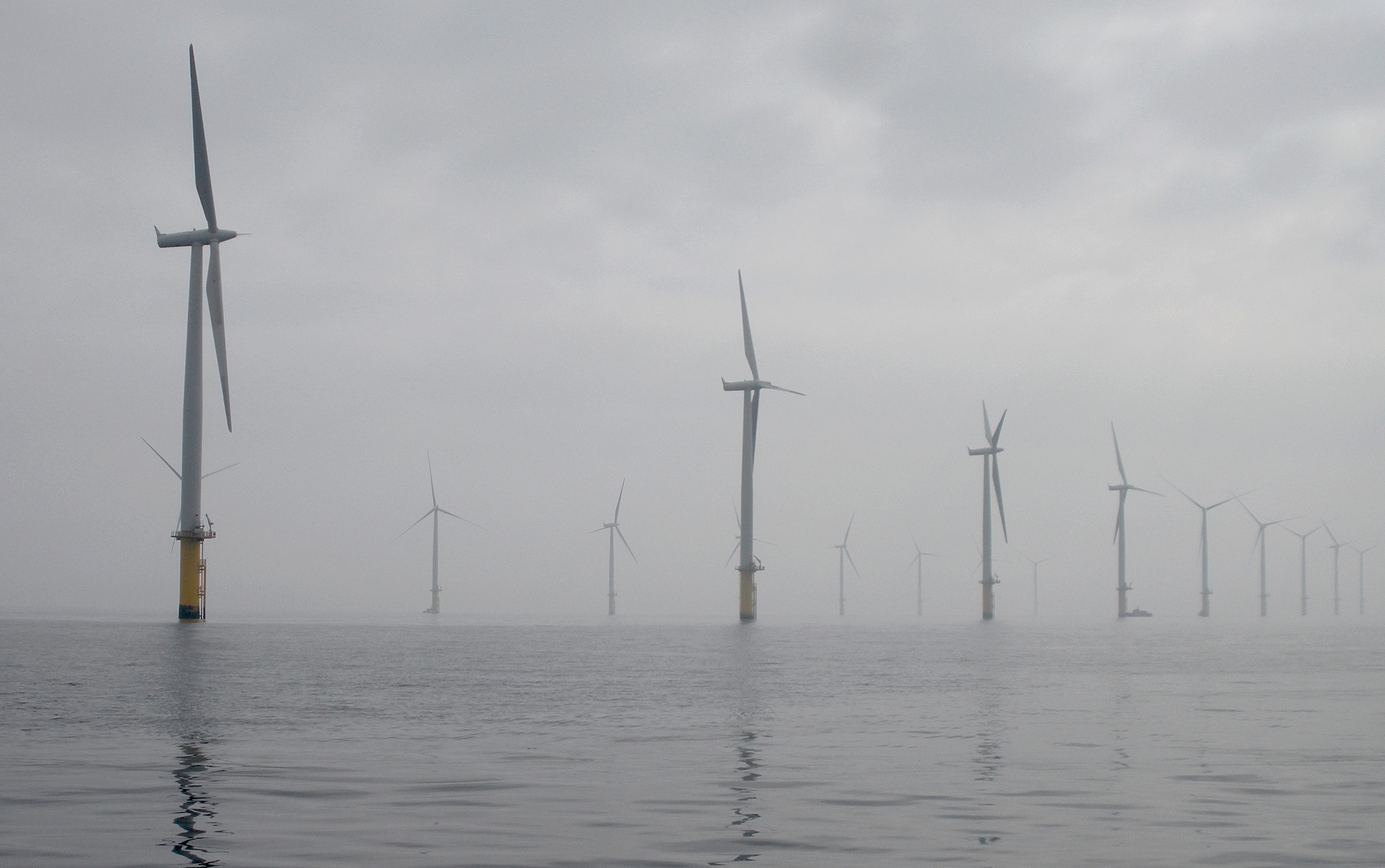
After many years of false starts and delays, the offshore wind industry in the U.S. finally seems to be gaining momentum. According to the Department of Energy, more than 25 offshore wind projects with a generating capacity of 24 gigawatts are now being planned. Most of these are off of the Northeast and Mid-Atlantic coasts.
Trends Influencing Our Cities
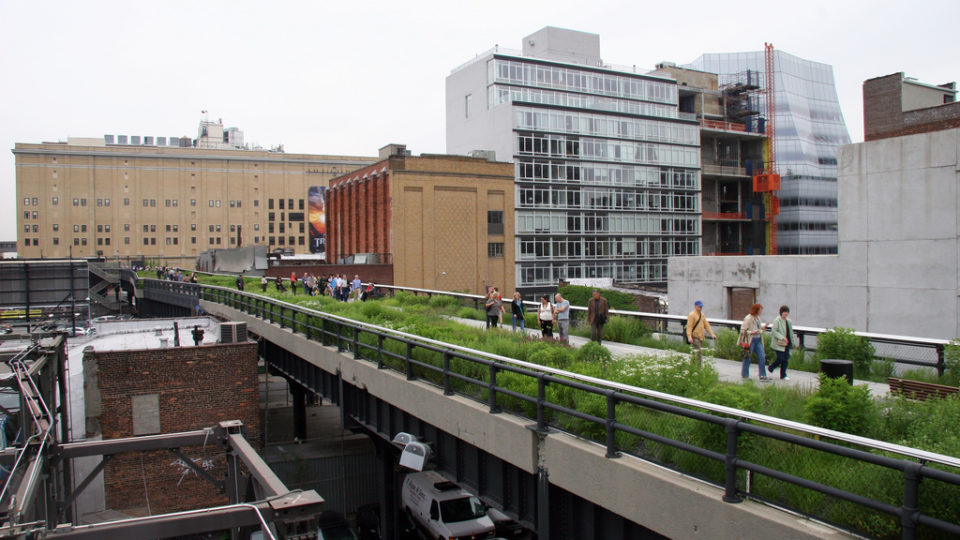
The Environmental Protection Agency removed its information hub about climate change last year. In response, 17 cities reposted the information on their own city government sites. This is indicative of the fact that cities are increasingly taking on a leadership role in environmental, social and economic change.
Electric Cars For Real This Time?
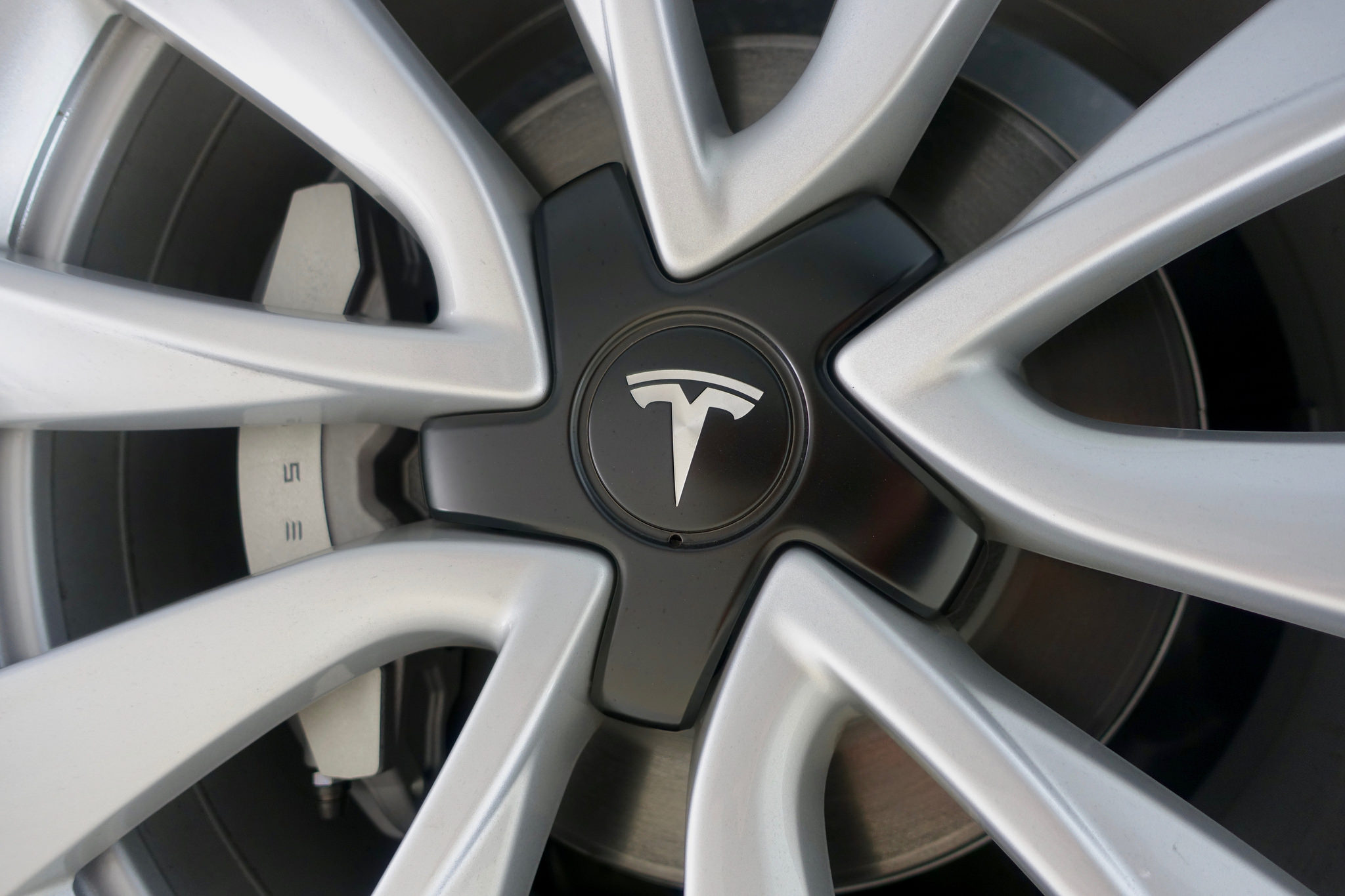
Electric cars have been around for a long, long time. The first ones appeared in the mid-19th century. Around the turn of the 20th century, they were popular for taxi cabs in places like New York City. But within about 10 years, they mostly disappeared. In the 1990s, electric cars had a brief revival with vehicles like the General Motors EV1. But again electric cars mostly vanished.
Whales In The Big Apple
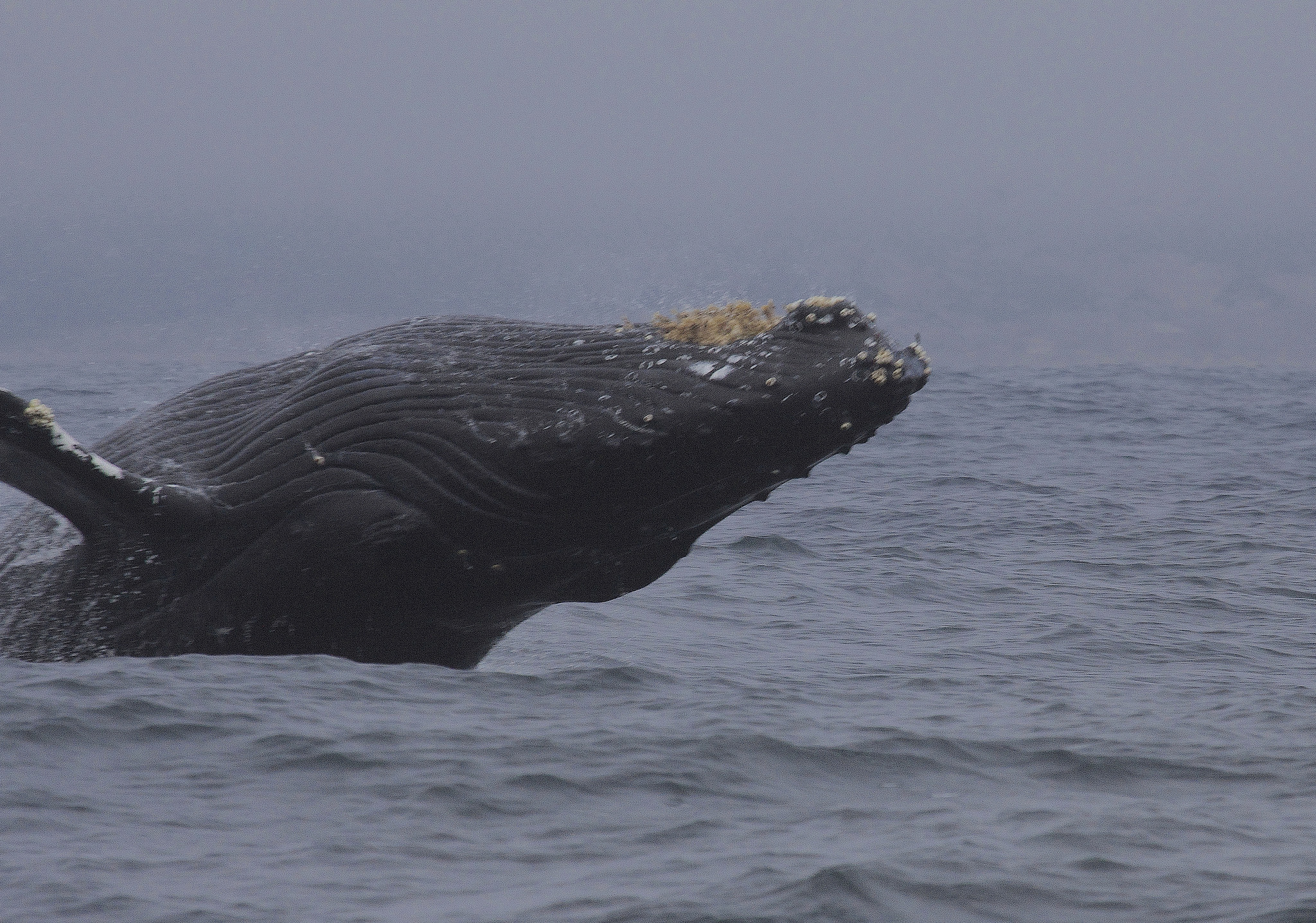
For the first time in a century, humpback whales have returned to the waters of New York harbor. These are not rare sightings, either. The whales are showing up in enough numbers that a company is taking tourists out into the harbor to see whales with a backdrop of Manhattan skyscrapers.
American Cities Fighting Climate Change
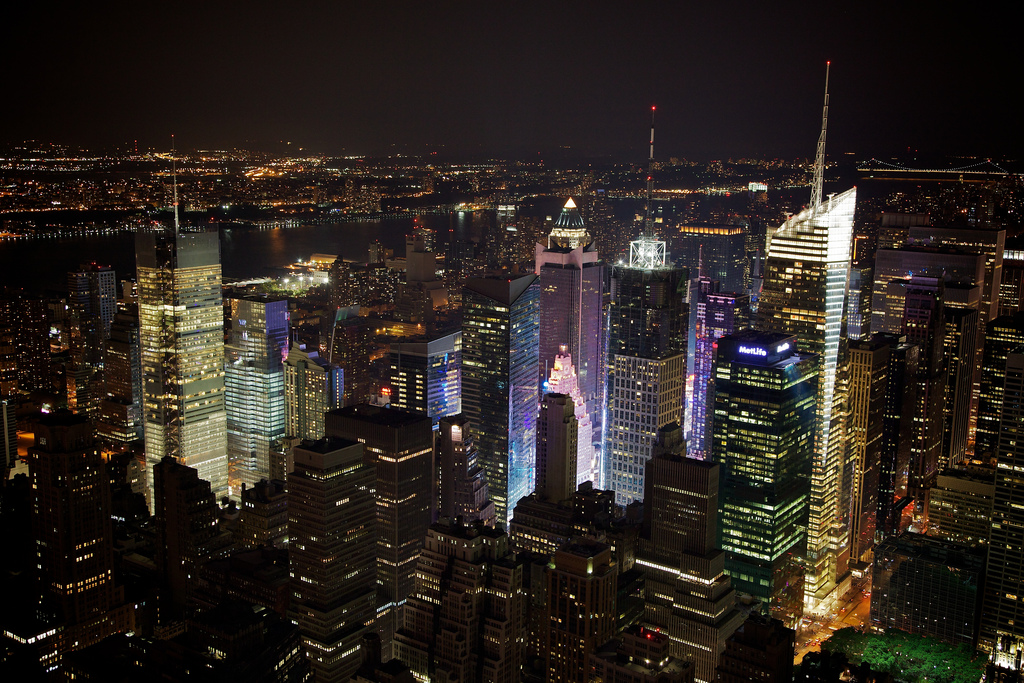
The federal government now appears to be headed down the path of not honoring America’s commitments to tackle global warming, but many of the country’s cities and states as well as its corporations have no intention of breaking our promises to the world.
Waste In The Big Apple
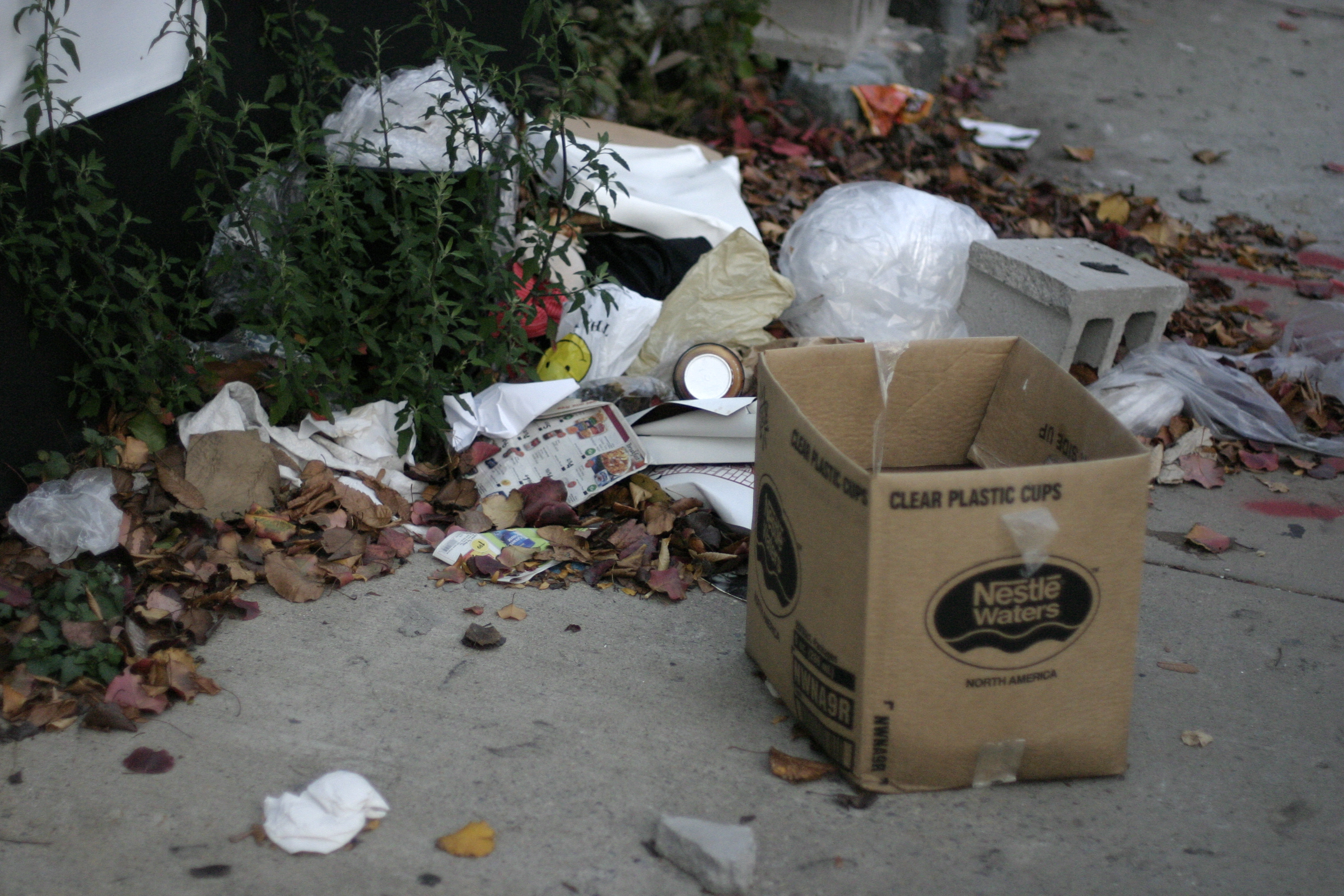
New York City, the financial and cultural center as well as the largest city in the country, is known for a lot of things: skyscrapers, shopping, and pizza immediately come to mind. But we should add another thing to that list. Trash.
Geothermal Heating
Geothermal heat pumps use the heat stored in the earth’s surface to heat homes and buildings. Even in the dead of winter, the temperature not very far below ground remains at a temperature typically in the 50s. Geothermal systems tap into this immense thermal resource. Conversely, this same temperature sink can be used to provide cooling during the summer. It takes electricity to run the heat pumps, but is vastly more efficient than using electricity directly to produce heat or to cool air.