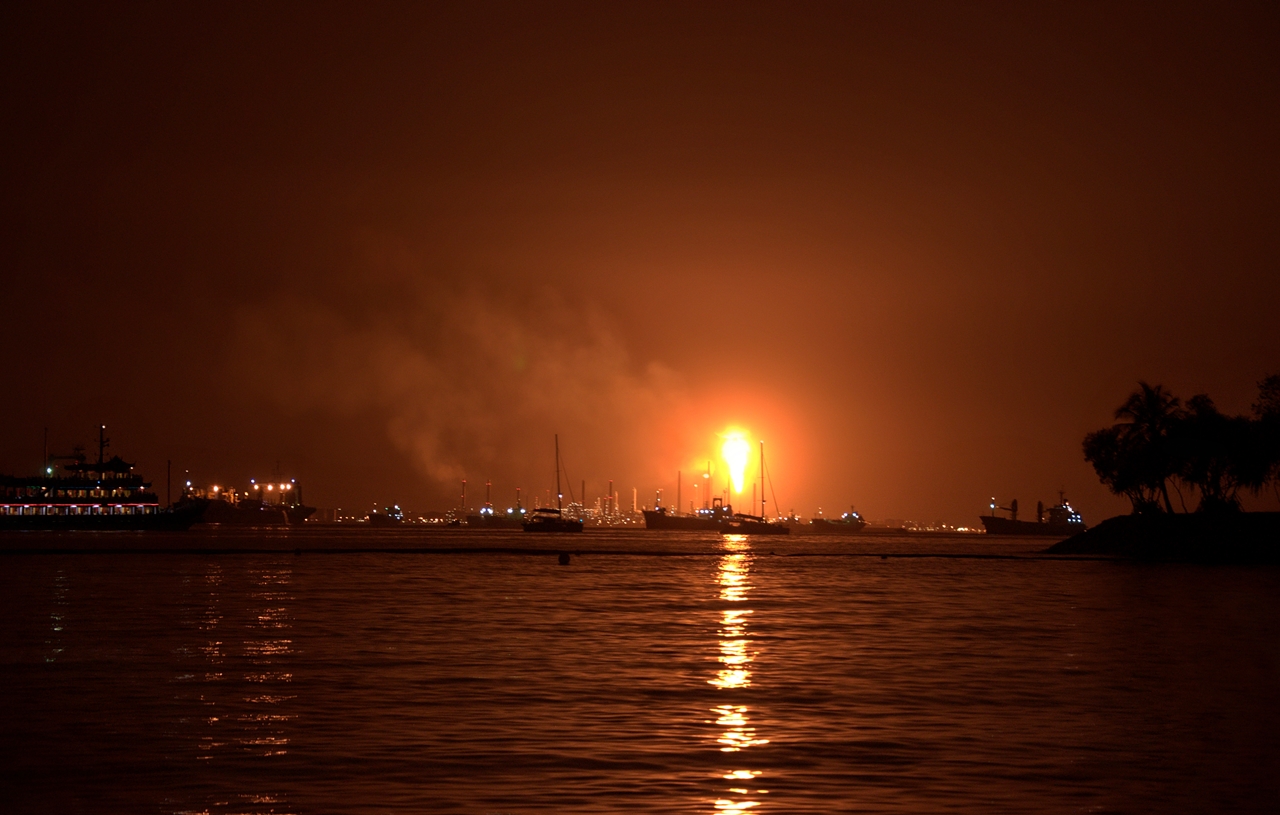
natural gas
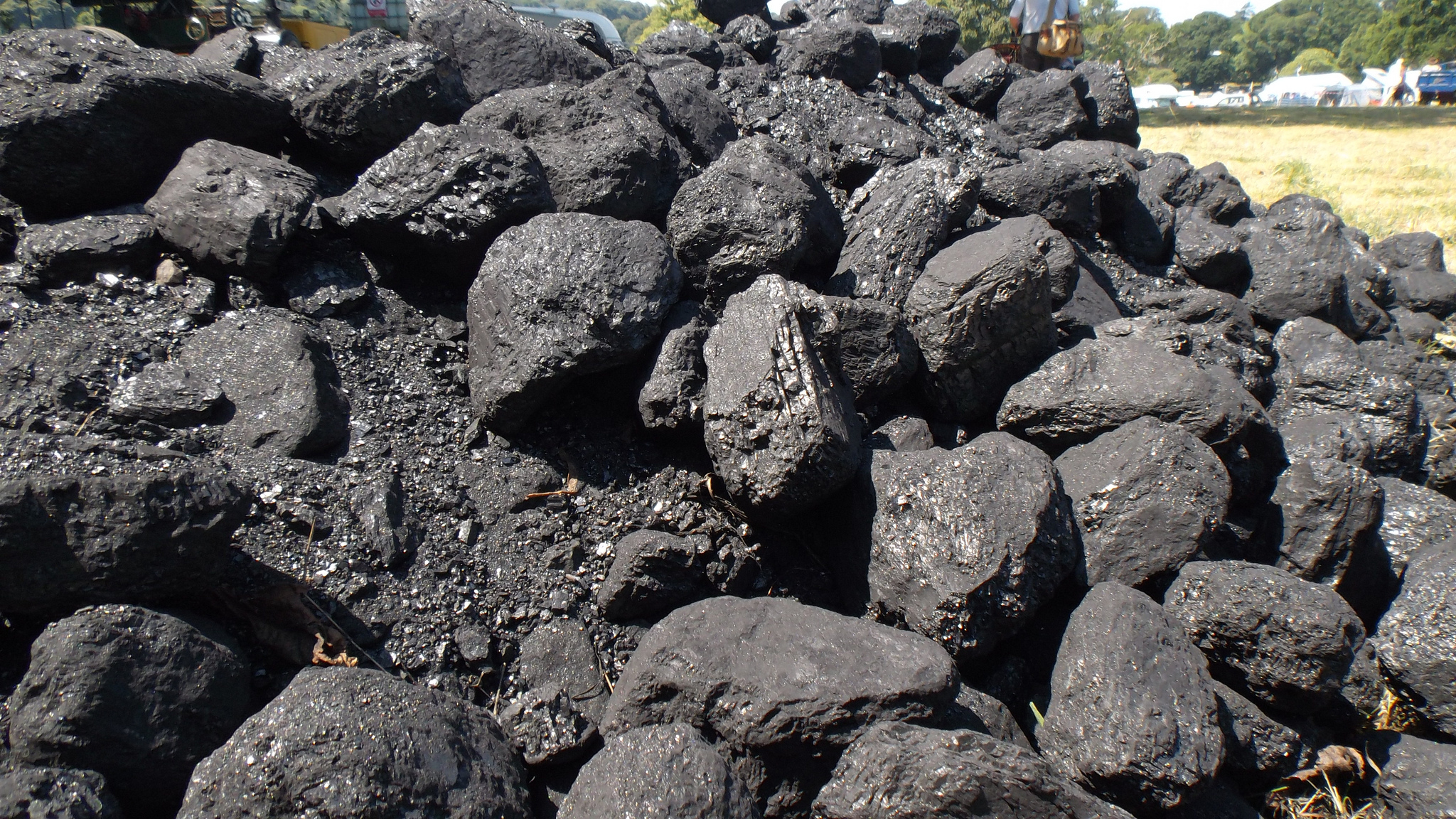
Cheap Wind And Solar Power
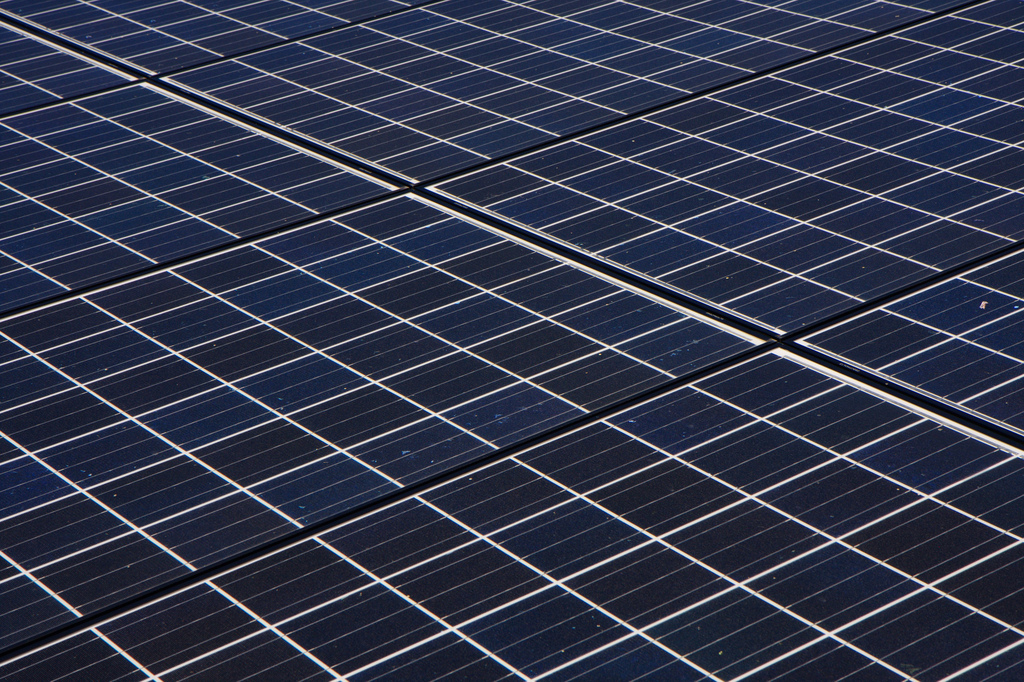
Multiple studies are now reporting that wind and solar power are the cheapest way to make electricity in a growing number of places around the world. A thorough analysis of the levelized cost of energy – which considers every cost component from capital expenditures to operating and maintenance costs over a lifetime – shows that solar and wind power are winning the day.
Clean Power Is Cheap Power
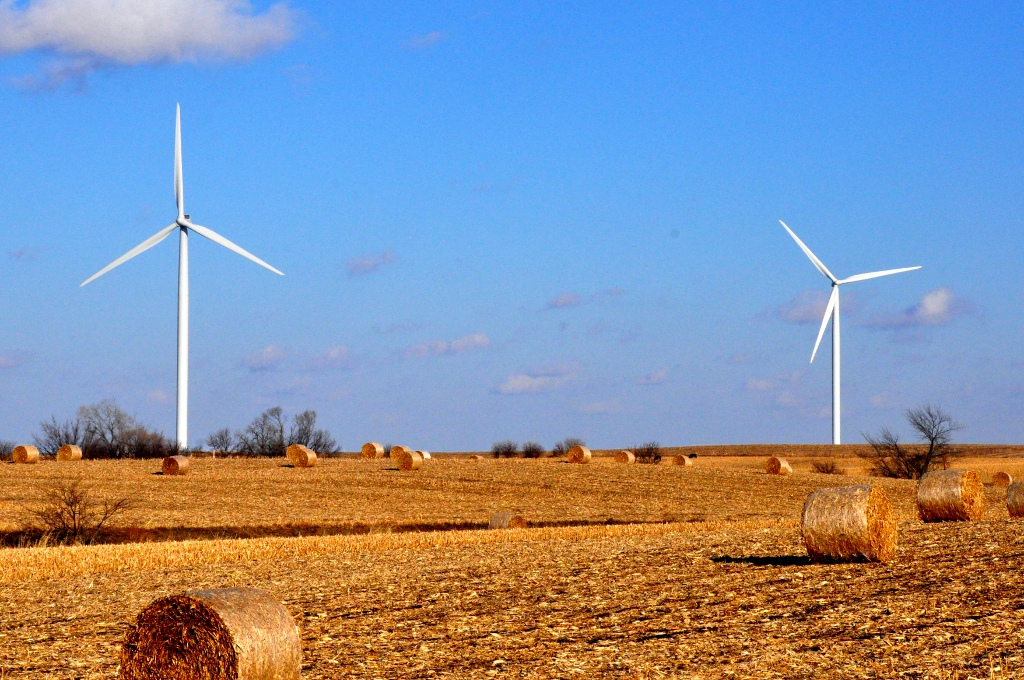
There are many good reasons why we should be making the transition from fossil fuel energy sources but the one that is likely to be the most persuasive is strictly economic. It has long been said that the renewable energy future will truly arrive when installing new solar panels is cheaper than a comparable investment in coal, natural gas, or other options.
Is Coal Coming Back?
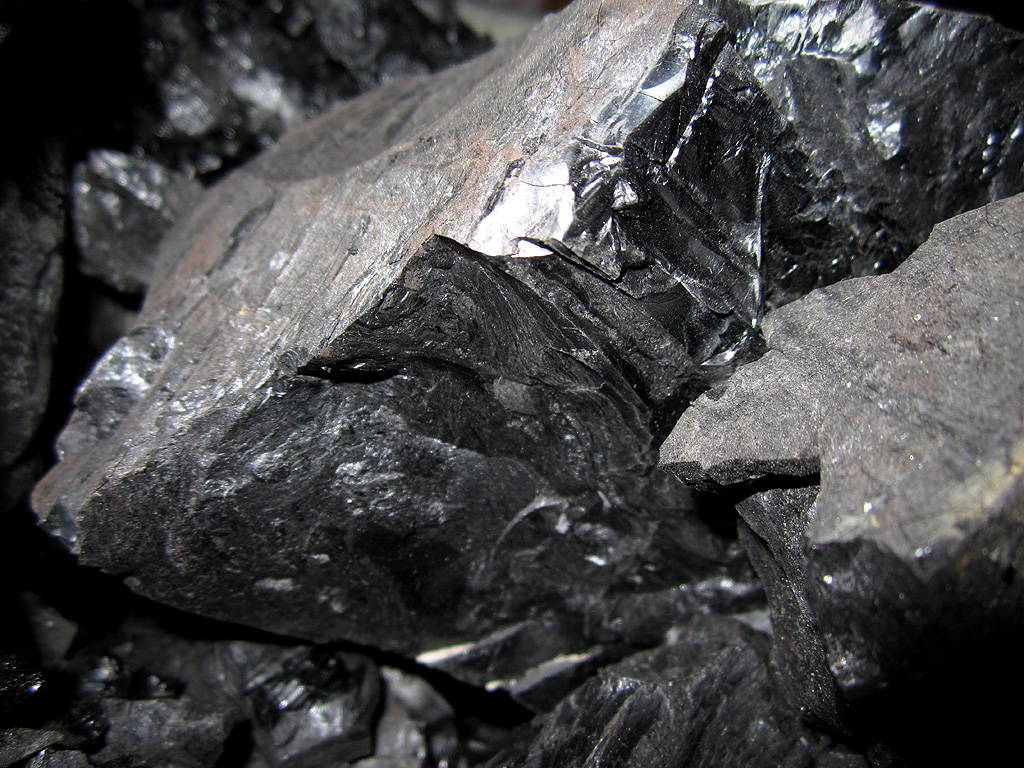
The new administration has promised to revitalize the coal industry in the U.S. A major part of this plan is to eliminate various regulations that hamper that industry. But the truth is that coal has lost ground for far more important reasons than regulation.
Fracking And Earthquakes
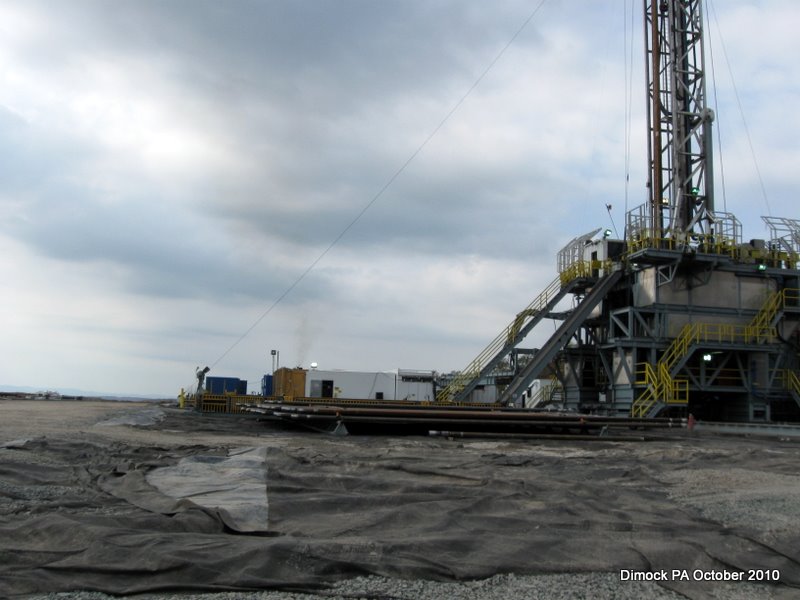
Hydraulic fracturing, or fracking, is the process in which water, chemicals and sand are injected at high pressure to split apart rock thousands of feet below Earth’s surface and release oil or natural gas. And it’s a controversial practice.
How Green Are Green Cars?
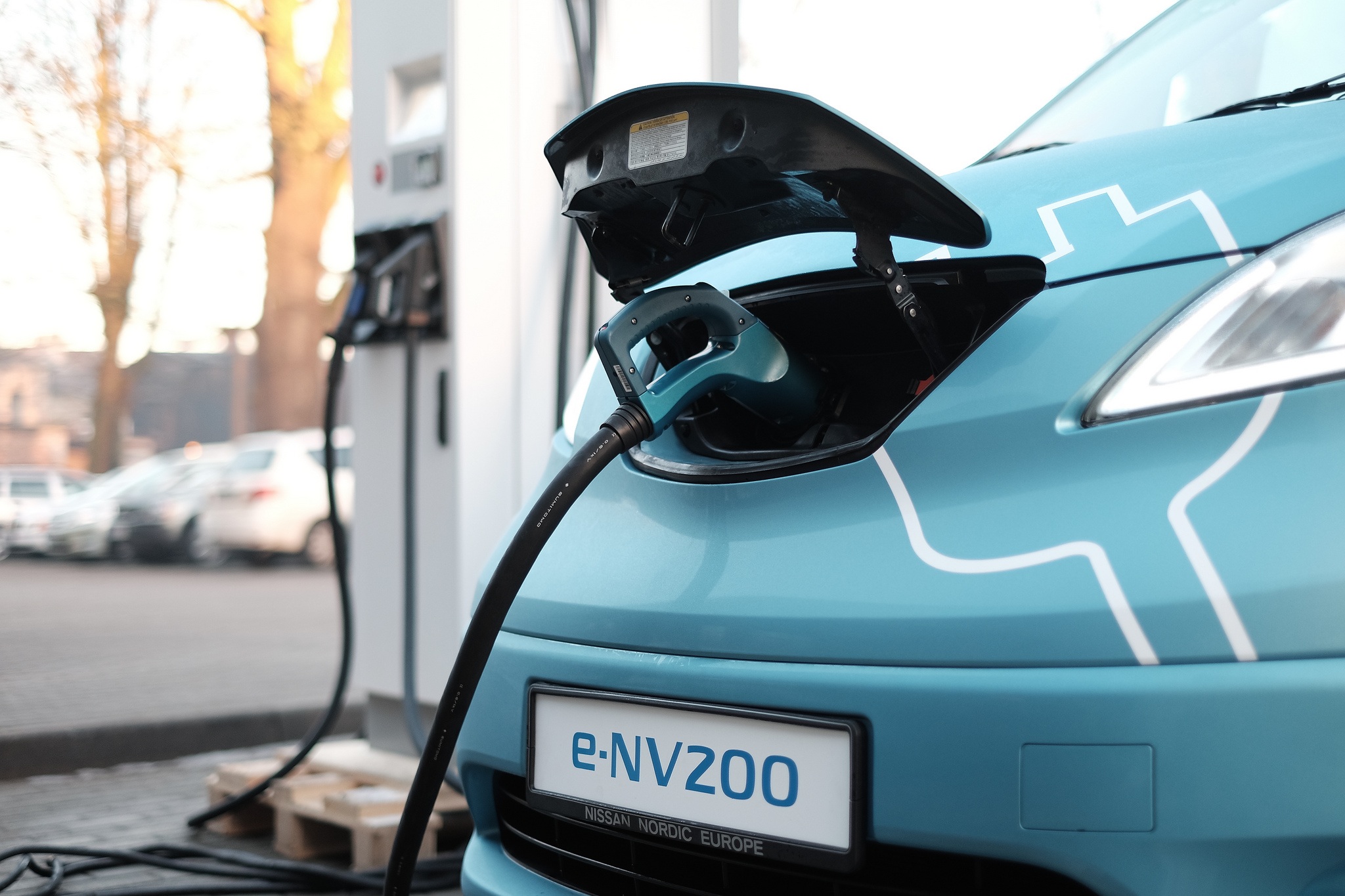
Electric cars are generally seen as the way to eliminate or at least dramatically reduce the disastrous effects of personal transportation on the environment. They still constitute only a tiny fraction of the cars on the road, but their popularity and availability is growing.
The Methane Riddle
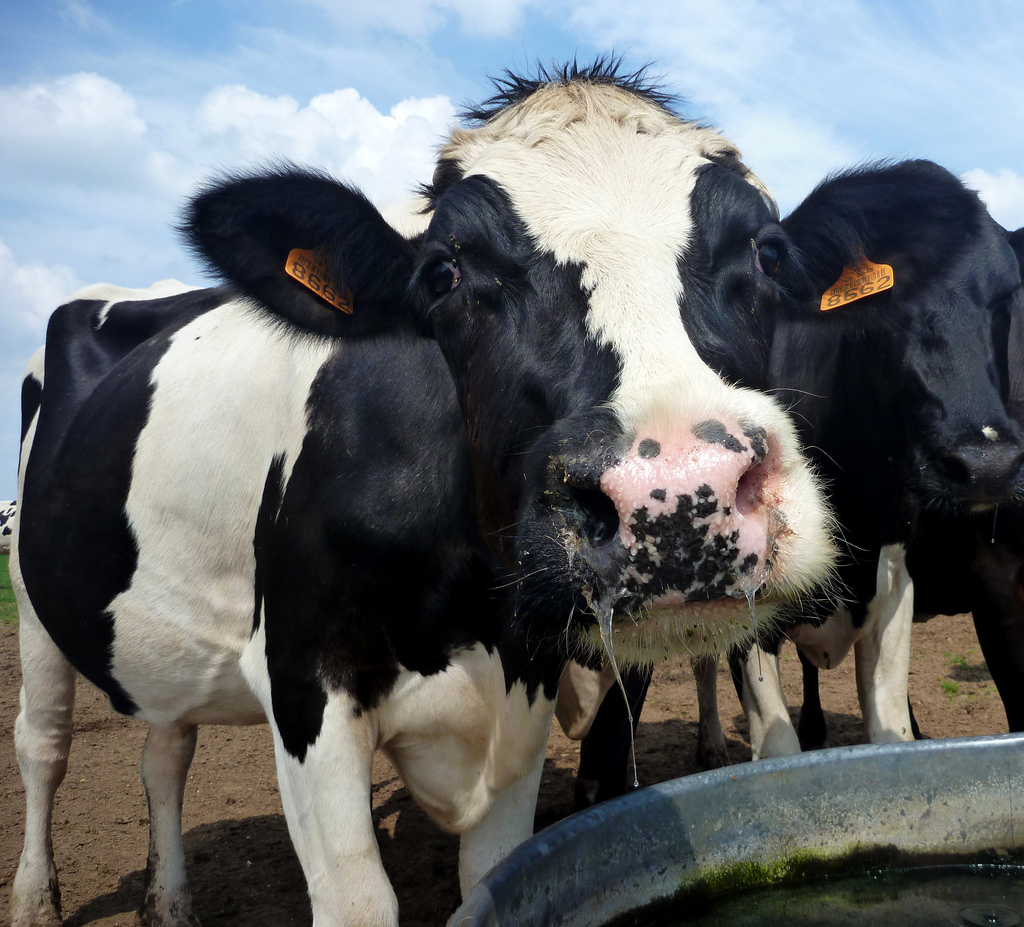
Most of the blame for climate change has been placed on the growing levels of carbon dioxide in the atmosphere, but methane also plays a major role. Estimates are that about 1/5 of greenhouse effect warming is caused by methane in the atmosphere. There is far less of it than carbon dioxide, but methane is tremendously more effective at trapping heat.
Finding Methane Leaks
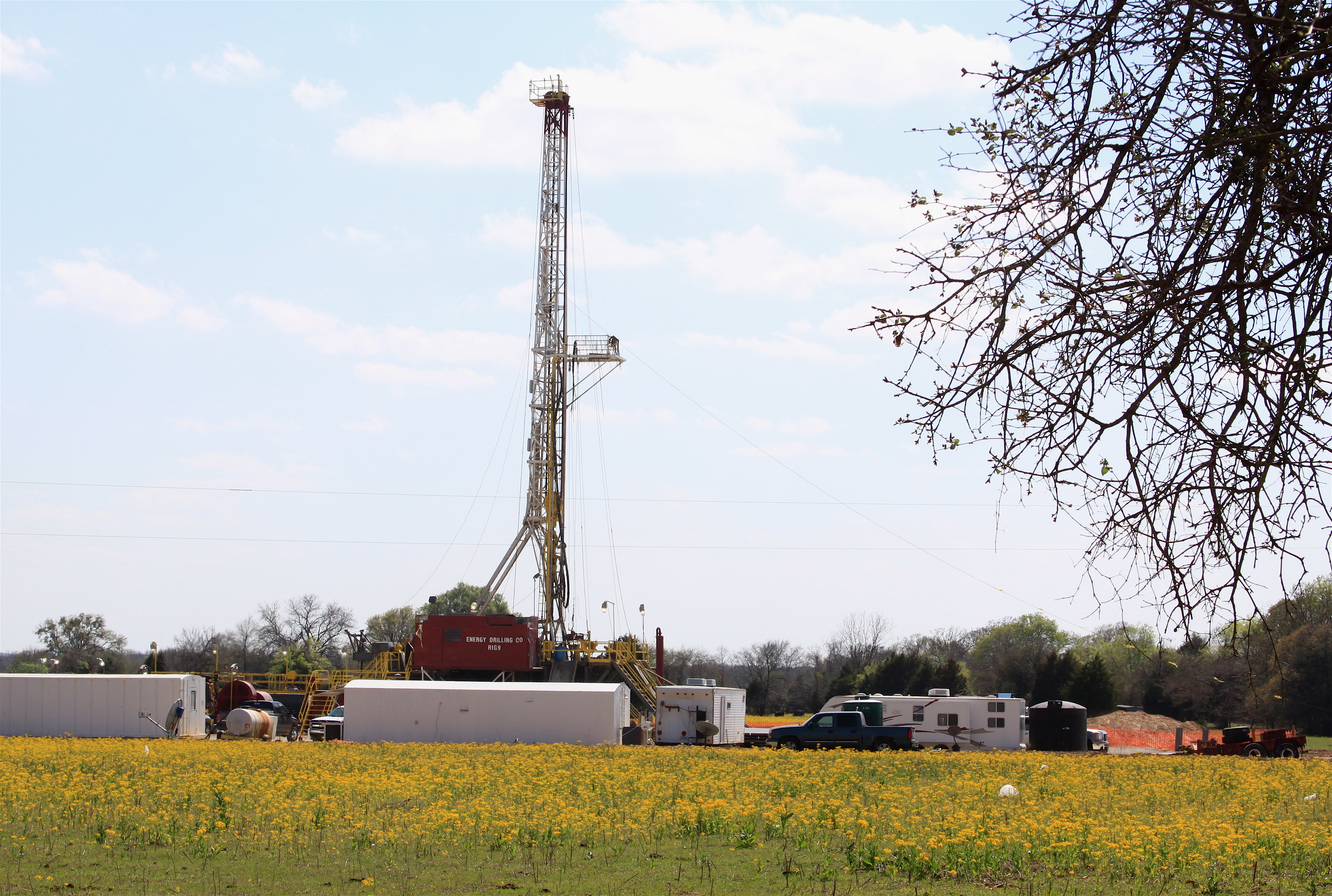
The boom in natural gas drilling by conventional methods and by fracking has led to a spike in methane emissions from pipelines, storage tanks, processing facilities, and other parts of the natural gas system. Natural gas is mostly composed of methane, so these emissions constitute waste and lost revenues. But they also represent a serious environmental problem because methane is 25 times more effective in trapping atmospheric heat than carbon dioxide.
The Carbon XPrize
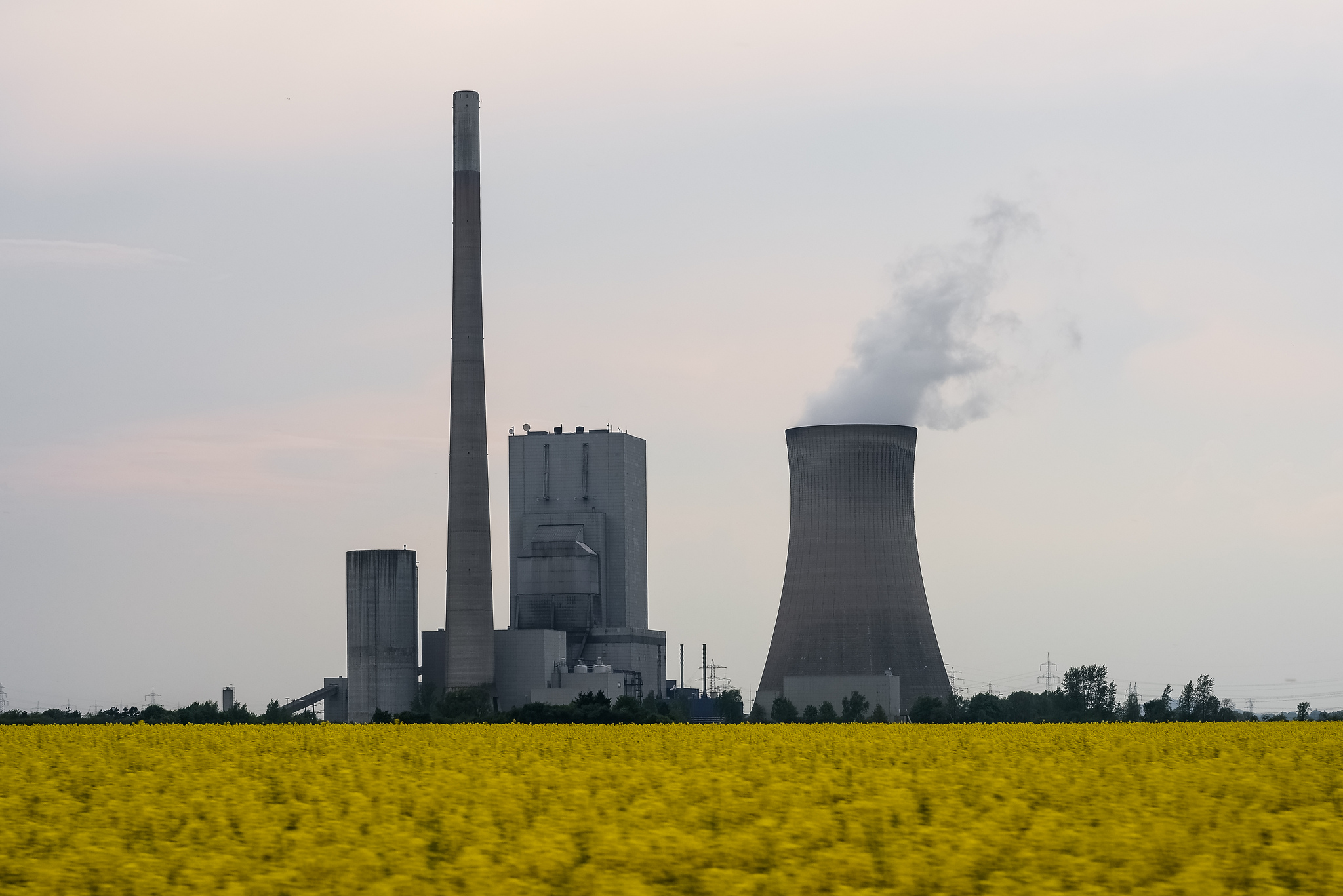
The Carbon XPrize is a five-year, $20 million competition to identify ways to convert carbon emissions into successful, profitable and useful products. Forty-seven organizations from seven countries are competing for the prizes and include large companies, startups and university researchers.
Japan’s Hydrogen Future
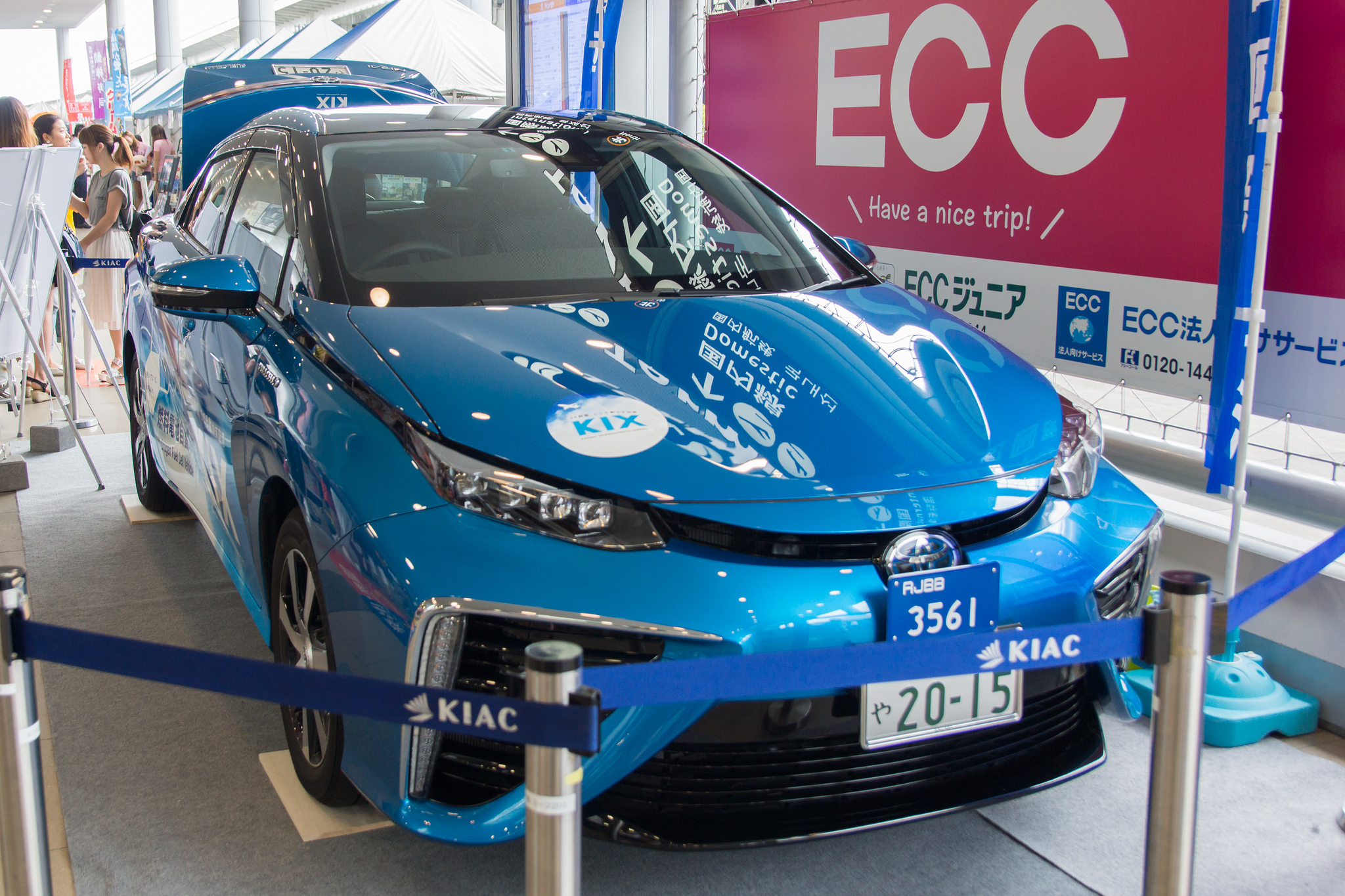
Japan is a country seeking energy independence as well as environmental credibility. It has grappled with nuclear disaster at Fukushima and is currently the sixth largest emitter of greenhouse gases in the world.
California’s Methane Leak
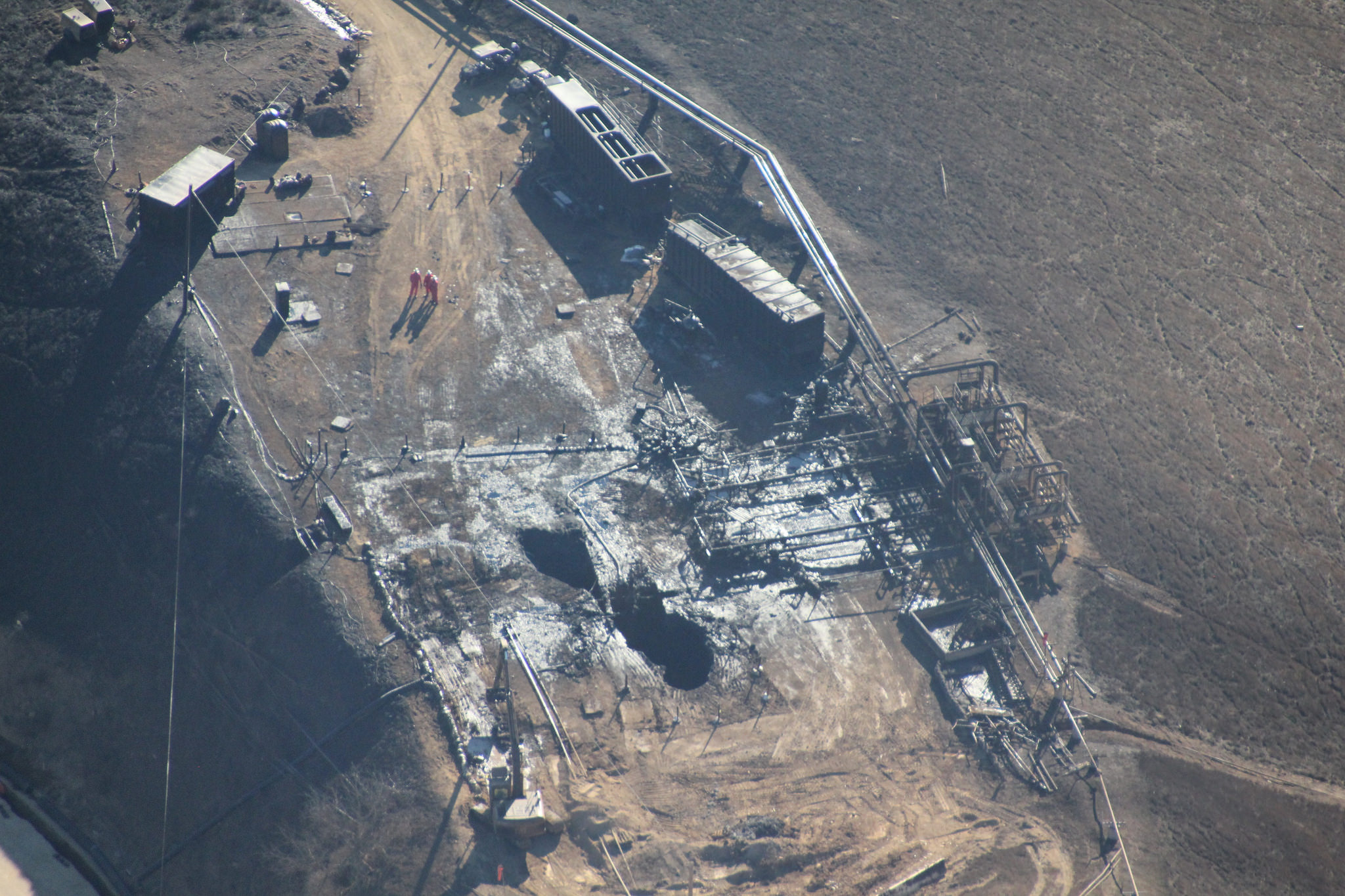
It’s being called the largest environmental disaster in California’s history. On October 23, 2015, a massive natural gas leak erupted at a storage well operated by Southern California Gas in Aliso Canyon, outside of Los Angeles. The leak has forced more than 2,800 families from their homes, and to make that worse, they have no idea when they’ll be able to return.
Is Natural Gas Cleaner Than Coal?
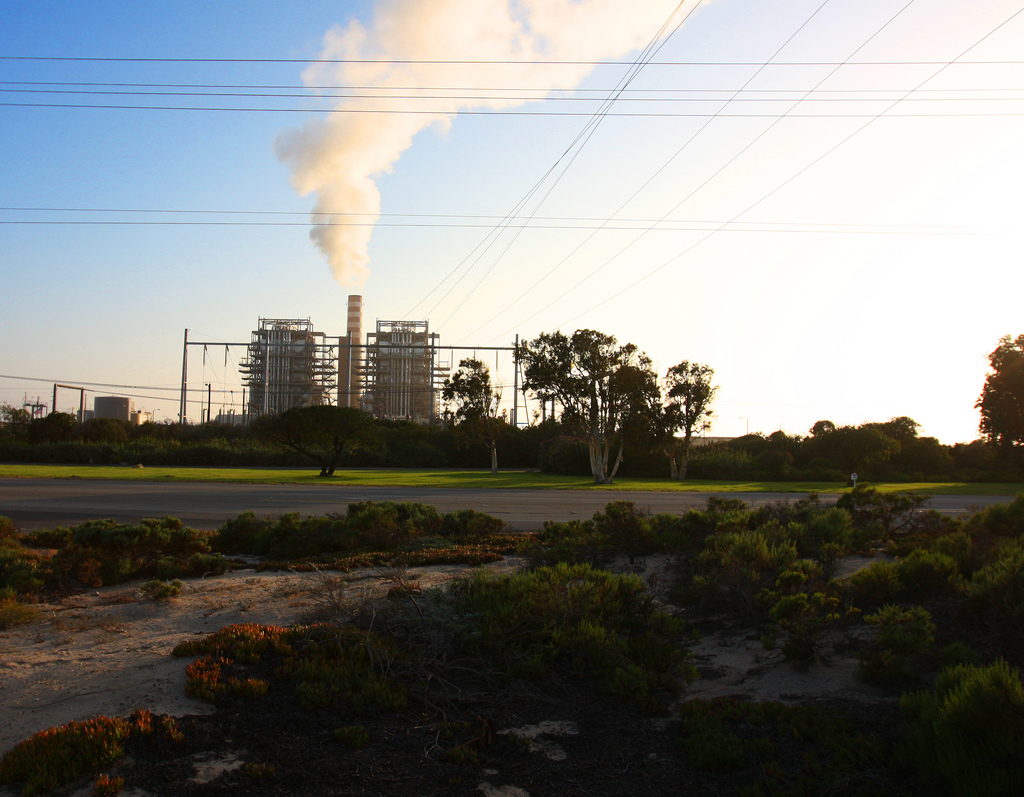
The widespread use of hydraulic fracturing (or fracking) as well as improved drilling techniques have created a major boom in natural gas production. This unquestionably has positive economic impacts for many. One of the important consequences of this is that natural gas is increasingly taking the place of coal for powering electrical generating plants.
Responding To Climate Change
This week, representatives of 195 nations and the 28 member states of the European Union are meeting in Paris to try to put together the first global agreement to curb carbon dioxide emissions. Among those nations, some are already doing much better than others.
A Tax On Carbon
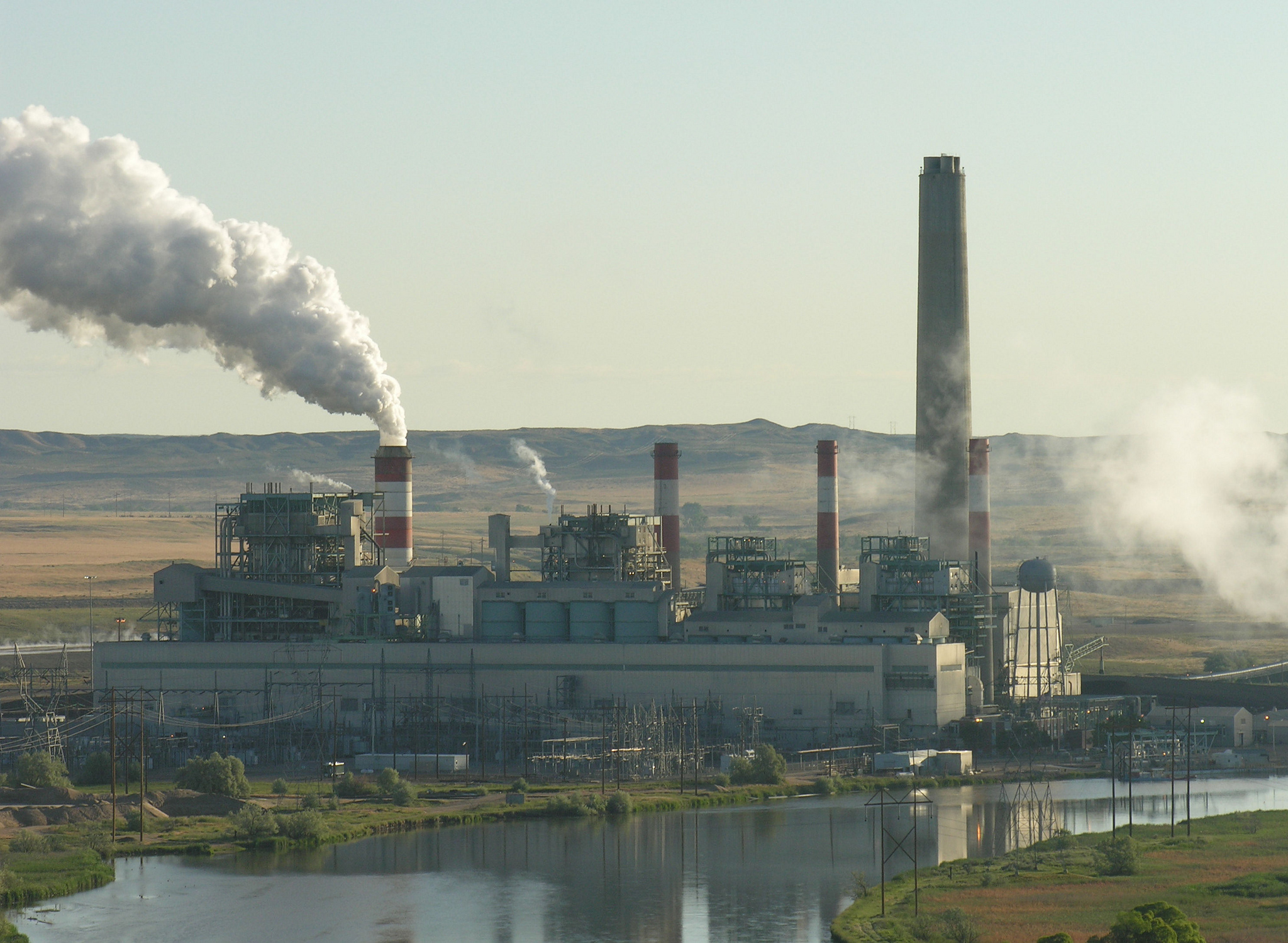
A while back we talked about the carbon tax in British Columbia and how it resulted in a dramatic reduction in carbon fuel use without any harm to the local economy. Many economists believe that carbon taxes are one of the best ways to promote lower greenhouse gas emissions.
Plugging Methane Leaks
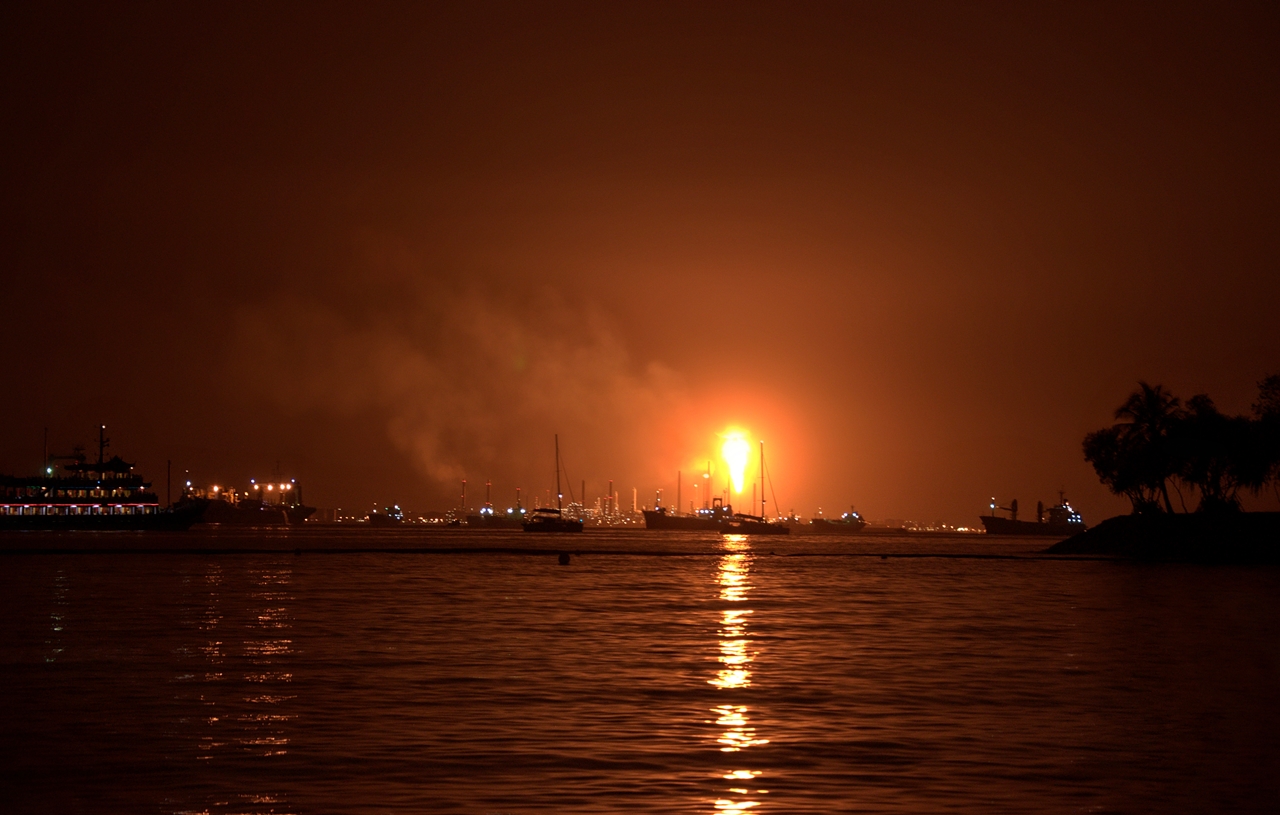
Natural gas, also known as methane, is one of several “greenhouse gases” that trap heat radiation trying to leave the Earth. Molecule-for-molecule, methane warms our planet’s atmosphere about 25X more than carbon dioxide.
Reducing Methane In The Atmosphere