natural gas

Air Quality In The U.S.

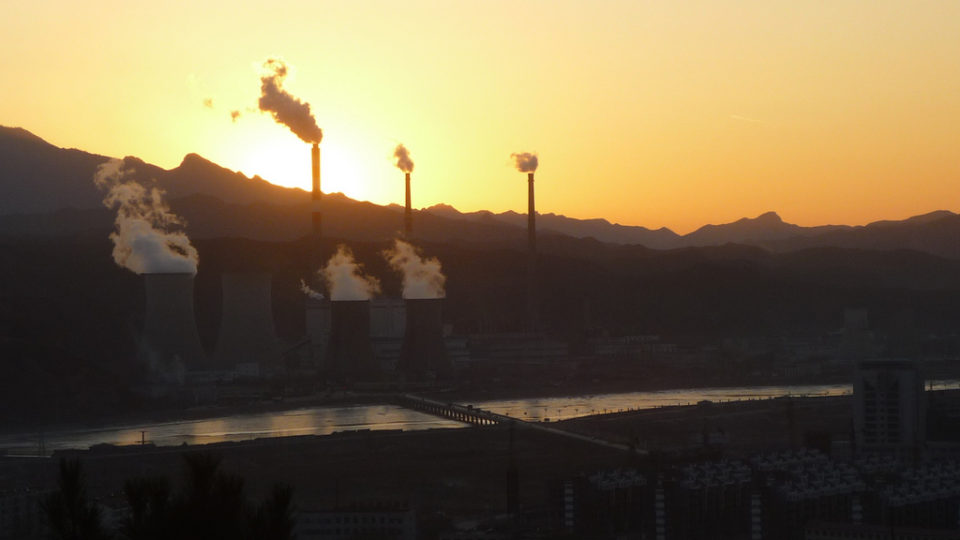
Globally, poor air is a serious problem. According to the World Health Organization, exposure to air pollution is linked to the premature deaths of an estimated 7 million people every year. In fact, 91% of the people on the planet live in places where air pollution exceeds WHO guideline limits.
In the United States, air pollution has dramatically improved over the last four decades due in large part to federal regulations put in place under the Clean Air Act of 1970. Fine particulate matter (known as PM2.5) and other pollution, including ozone, sulphur dioxide, and nitrogen dioxide, have all decreased during this time span.
But according to recent research, this trend has unfortunately done an about-face. New data reveals that air pollution has increased nationally since 2016. An analysis of Environmental Protection Agency data by researchers at Carnegie Mellon University found that, on average, fine particulate pollution increased 5.5% across the country between 2016 and 2018.
This increase in fine particulate pollution was associated with nearly 10,000 additional premature deaths in the United States during that time period.
According to researchers, there are several factors likely causing this uptick in unhealthy air, including increases in both driving and the burning of natural gas. Wildfires out west are also thought to be a major contributor.
The researchers also suggest that a decrease in enforcement of the Clean Air Act may also be playing a role. The law put in place strict air pollution standards for vehicles, factories, power plants, and other sources, and is credited with saving hundreds of thousands of lives.
It’s time for clean air to be recognized as a basic human right.
***********
Web Links
America’s Air Quality Worsens, Ending Years of Gains, Study Says
Photo, posted April 6, 2007, courtesy of Brett Weinstein via Flickr.
Earth Wise is a production of WAMC Northeast Public Radio.
Renewable Natural Gas
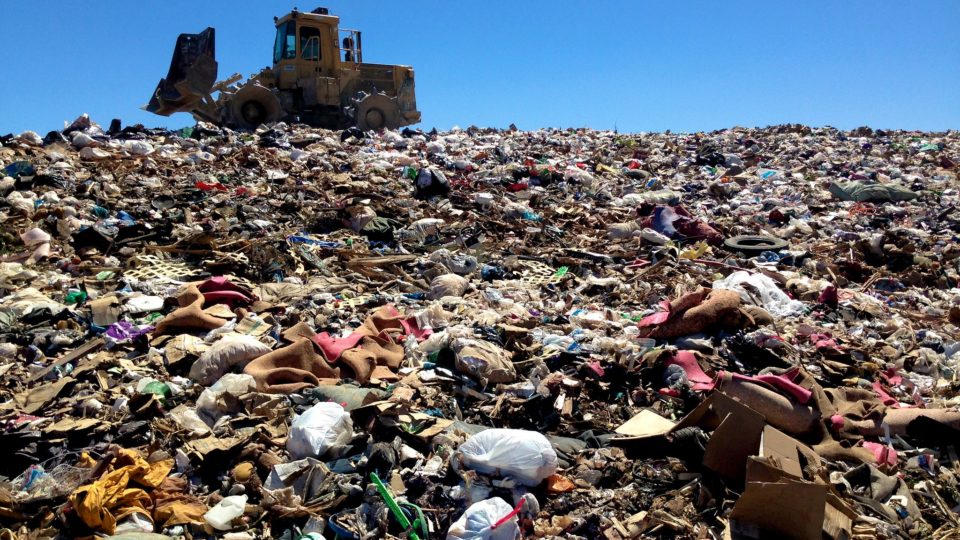
Small-scale biogas systems have collected methane from landfills, sewage plants, and farms for decades. Here in the US, biogas is finally catching up with modern techniques with the advent of third-party operators introducing more sophisticated technology to capture methane and pump it directly into pipelines.
Renewable methane or natural gas represents a significant mostly unexploited source of energy. Examples include the vast amounts methane generated by manure from some of the 2,300 hog farms in eastern North Carolina, biodigesters that can turn clusters of large California dairy farms into energy hubs, as well as diverting food waste from landfills and transforming it into vehicle and heating fuels.
According to a 2014 EPA study, the U.S. could support at least 13,000 biogas facilities, fed by manure, landfill gas, and biosolids from sewage treatment plants. Those facilities could produce over 650 billion cubic feet of biogas per year – enough renewable energy to power 3 million homes.
A study by the World Resources Institute estimated that the 50 million tons of organic waste sent to landfills or incinerated every year in the U.S. has the energy content of 6 billion gallons of diesel fuel, amounting to 15% of all diesel consumed by heavy-duty trucks and buses.
Utilizing all that biogas could help lower greenhouse gas emissions from some of the most difficult sectors to decarbonize – transportation, industry, and heating buildings. In addition, ramped up renewable gas could keep organic waste out of landfills and prevent manure runoff into rivers and water supplies.
Renewable natural gas could be the next big thing in green energy.
**********
Web Links
Could Renewable Natural Gas Be the Next Big Thing in Green Energy?
Photo, posted June 19, 2013, courtesy of Alan Levine via Flickr.
Earth Wise is a production of WAMC Northeast Public Radio.
Falling U.S. Carbon Emissions
Reducing carbon emissions is a goal embraced by nearly every country in the world, but actually accomplishing it isn’t easy. It is true that renewable energy sources are playing a growing role in energy systems, but counterbalancing that trend is growing energy demand, especially in developing countries.
Here in the US, energy-related CO2 emissions actually went up nearly 3% in 2018 compared with 2017. But the US Energy Information Administration is now forecasting a 2% drop in emissions this year.
The main reason energy-related emissions are headed lower at this point is coal-fired power plant retirements. More than 90% of the coal used in the US goes toward electric power and utilities are increasingly turning away from coal.
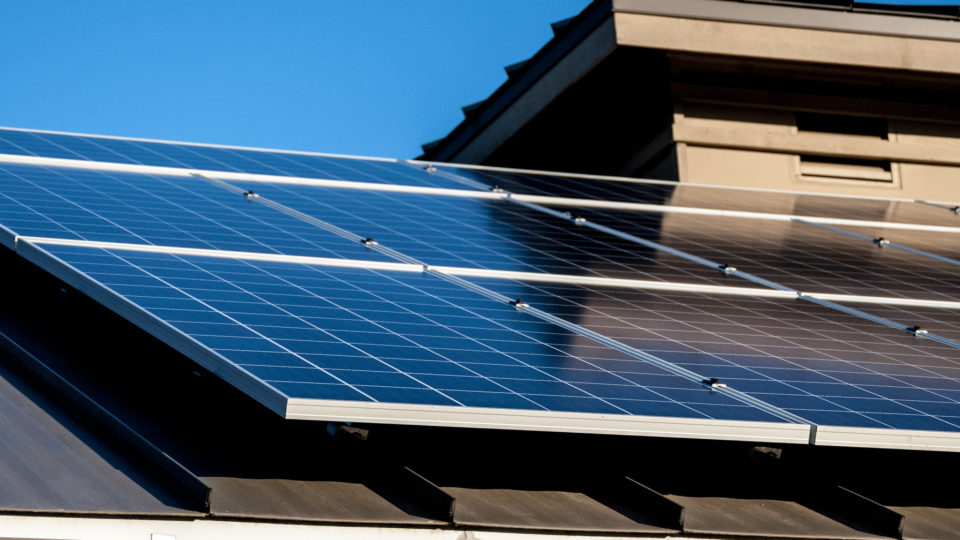
The rapid shift away from coal has mostly been due to the increasing use of natural gas. Natural gas is not actually a clean and green fuel, but it is definitely less carbon-intensive than coal. Overall, the total installed capacity of renewable sources – hydropower, wind, solar, geothermal, and biomass – has now actually surpassed the capacity of coal plants. Given that renewables have in many places become the cheapest power option, there is little chance that coal has much of a future, despite efforts by the current administration.
The electric power sector is gradually moving away from all carbon-emitting sources – a trend that is being reinforced by legislation in many states. The real CO2 emissions leader is petroleum, which accounts for nearly half of the total. We have a long way to go to reduce emissions from the use of petroleum. There are over 250 million cars and trucks on US roads and only a little over a million of them don’t burn fossil fuels.
**********
Web Links
US energy-related CO2 emissions expected to fall this year, almost solely due to a drop in coal use
Photo, posted November 6, 2017, courtesy of Cindy Shebley via Flickr.
Earth Wise is a production of WAMC Northeast Public Radio.
Shutting Down Minnesota Coal Plants
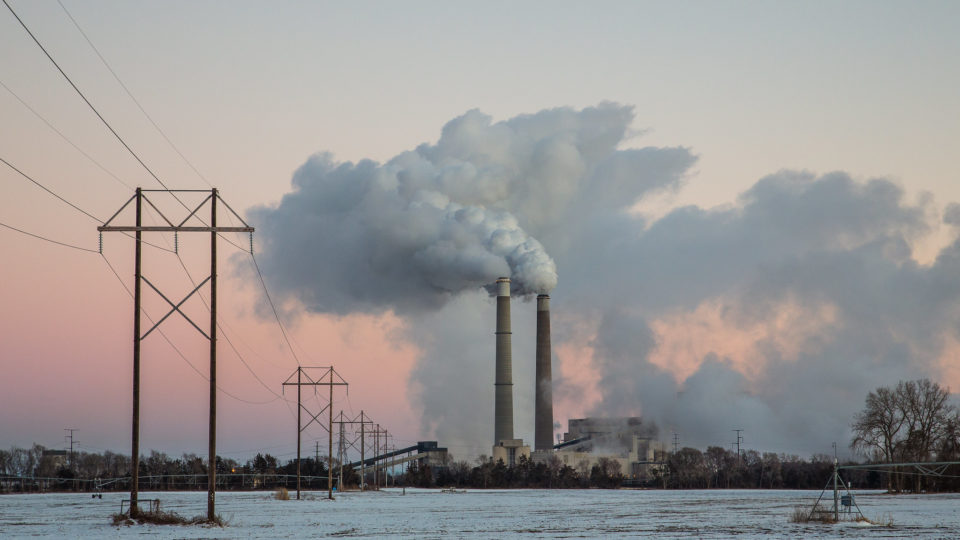
One of the largest utilities in the United States, Xcel Energy Inc., announced that it will close its remaining coal-fired power plants in the Upper Midwest a decade ahead of its previously-announced schedule. In addition, the company will add 3,000 megawatts of new solar capacity by 2030.
The Allen S. King plant in Oak Park Heights, Minnesota and the Sherburne County Generating Station in Becker, Minnesota are the plants in question. The transition away from coal is a difficult challenge for such small communities. The plant in Becker, for example, employs 300 people in a town of 4,500 and provides 75% of the city’s tax base. Towns like this realize that coal is inevitably going away and must find ways to move beyond their dependence upon it. The Becker plant will not completely close until 2030, but parts will now only run seasonally, and one of the 3 units will close permanently in 2023
Xcel Energy, based in Minneapolis, serves more than 3.3 million electricity customers in 8 states. Last December, the company announced that it would deliver 100% clean, carbon-free electricity by 2050 and would achieve an 80% carbon reduction from its 2005 levels by 2035. It is the first major US utility to set such a goal.
Xcel will increase its investment in energy efficiency measures, bring 1,850 megawatts of new wind capacity online in Minnesota by 2022, and keep its Monticello Nuclear Generating Station operating until 2040, a decade later than planned. The company’s stepped-up clean energy strategy is part of a new legal settlement between the company, environmental organizations, and labor groups that involves Xcel’s proposed $650 million purchase of a 760-megawatt natural gas plant.
**********
Web Links
A Major U.S. Utility Is Closing Its Coal-Fired Power Plants a Decade Early
Photo, posted January 3, 2016, courtesy of Tony Webster via Flickr.
Earth Wise is a production of WAMC Northeast Public Radio.
Our Growing Appetite For Energy
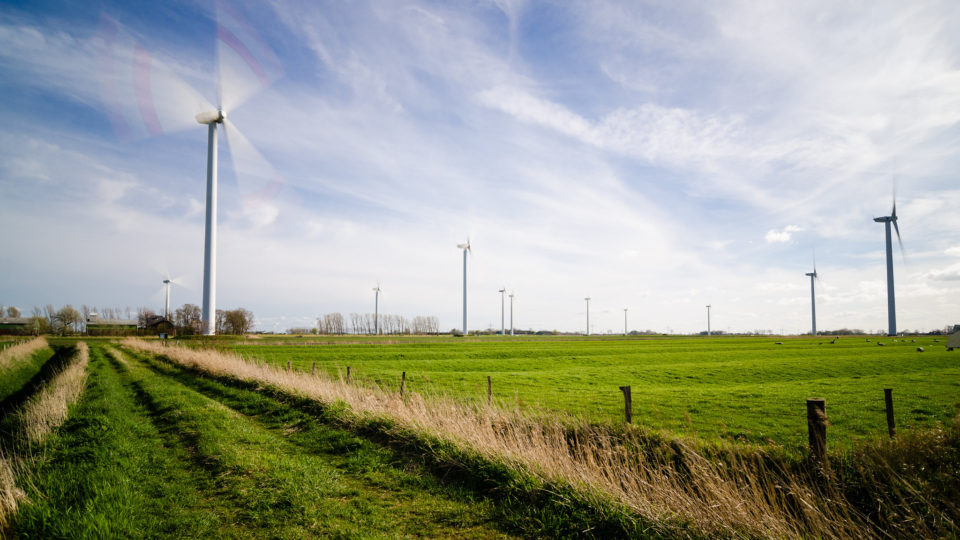
Energy consumption in the United States set a record high in 2018. Overall, energy consumption reached 101.2 quadrillion BTUs or quads last year, breaking the previous record of 101.0 set in 2007. Most of us are not too familiar with quadrillions of anything, nor with BTUs for that matter. If it is any more illuminating, 101 quads are the equivalent of about 300 billion kilowatt hours. Our energy use increased by 3.6% from 2017, which was the largest annual increase since 2010.
Wind, solar, and natural gas provided the largest increases in energy supply. In 2018, solar and wind energy were both up by 0.18 quads, representing a 22% gain for solar and a 7.5% increase for wind. Over the past ten years, overall renewable energy has doubled in the U.S., with wind increasing by a factor of 5 since 2008 and solar by an amazing factor of 48.
Natural gas generation increased by 10.7%, or a total of 3 quads over the previous year. The growth in natural gas use isn’t good news, but since much of it represents replacing coal, it at least corresponds to reduced greenhouse gas emissions.
The unfortunate part of our energy consumption is that the majority of it is still in the form of “rejected energy”. It most often takes the form of waste heat, such as the warm exhaust from automobiles and furnaces. The efficiency of our cars, lightbulbs and factories determines how much waste heat is produced and in turn how much fuel and electricity can be put to productive use.
**********
Web Links
US energy consumption hits record high in 2018, solar/wind/natural gas grow
Photo, posted April 27, 2015, courtesy of Mathias Appel via Flickr.
Earth Wise is a production of WAMC Northeast Public Radio.
The World’s Largest Storage Battery
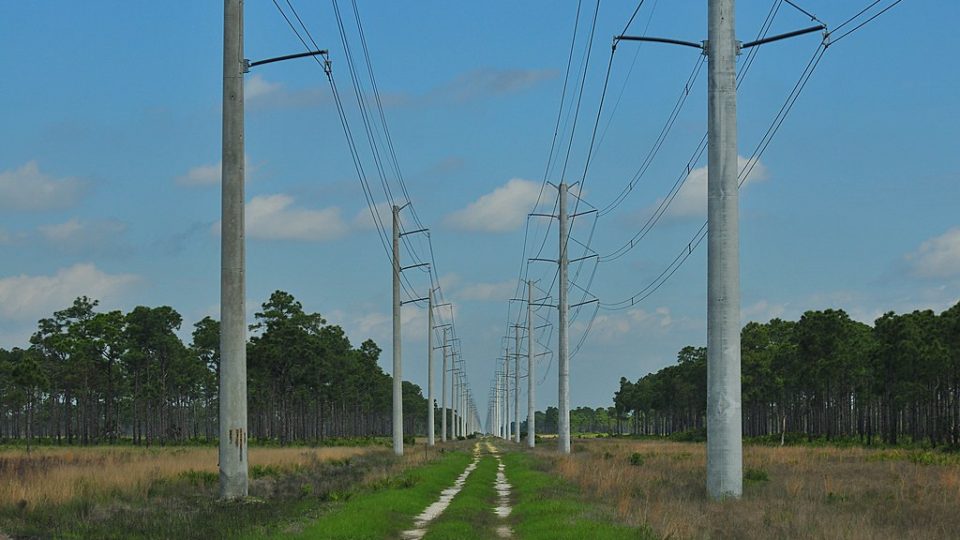
Many homeowners are installing solar energy systems with battery backup. Energy stored in the battery can be used when the sun isn’t shining. As battery prices come down, utility-scale solar installations are also turning to battery-based energy storage.
Florida Power & Light has announced plans to build the world’s largest solar-storage combination facility in Manatee County. The 409-MW Manatee Energy Storage Center will be the largest solar-battery system by a factor of four. The specifics of the technology and source of the battery system components have yet to be announced.
The system, which is scheduled to be completed in late 2021, will be charged by a nearby FPL solar power plant. The plan is to discharge batteries during times of higher demand, thereby offsetting the need to run other power plants. As a result, there will be reduced emissions and customers will save as much as $100 million through avoided fuel costs.
Installing the mega-sized battery system will accelerate the retirements of two nearby 1970’s-era gas-fired generation units. At peak efficiency, the Manatee energy storage system will be able to power 390,000 homes for up to two hours.
FPL has already been pursuing the use of battery storage technology. Last year, they added a 10 MW battery storage system to its 74.5 MW Babcock Ranch Solar Energy Center in Charlotte County.
These large battery systems are increasingly practical because of dramatic reductions in lithium-ion battery costs. The levelized cost of electricity from lithium-ion batteries has declined a remarkable 38% just since the beginning of 2018. The economics of clean energy continue to get better and better.
**********
Web Links
FP&L Plans World’s Largest Energy Storage Battery To Support Its Renewable Energy Goals
Photo, posted April 21, 2010, courtesy of Frank Starmer via Flickr.
Earth Wise is a production of WAMC Northeast Public Radio.
Utility-Scale Solar On The Rise
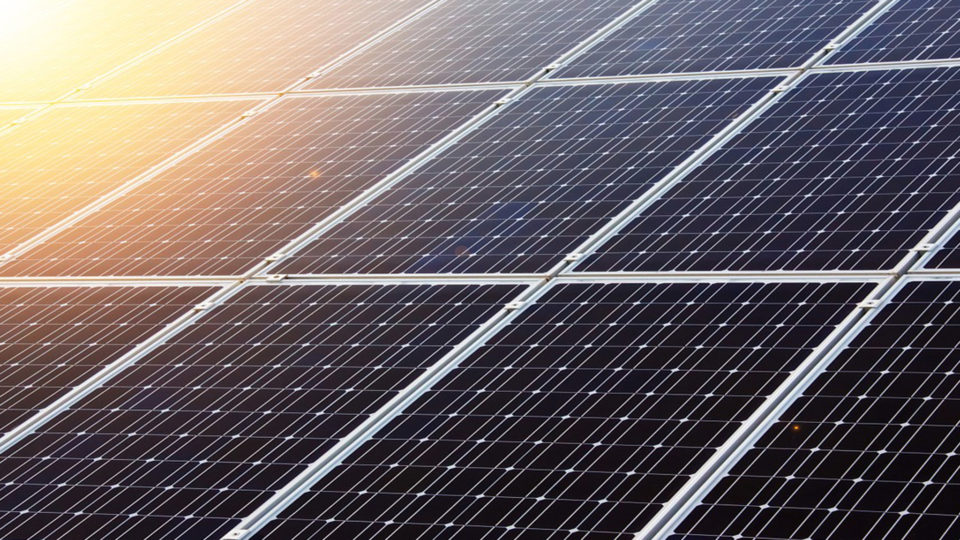
According to research from Goldman Sachs, utility-scale solar power capacity is expected to grow by double digits globally over the next two years. The growth will be driven by expanding use of the technology in the United States, Europe, the Middle East, and China.
Solar power is the world’s fastest growing source of electricity generation and is slowly taking market share from fossil fuels like coal and natural gas. The transition is being driven by a combination of continuously lower prices for solar power and the impact of policies aimed at reducing emissions.
Utility-scale solar is defined as installations designed solely to feed electricity into the grid, in contrast to smaller-scale residential or commercial building units. There are now solar farms larger than half a gigawatt in generating capacity. According to the Goldman report, global utility-scale solar installations will reach 108 gigawatts in 2019, up 12% over the previous year, and will then grow another 10% to 119 gigawatts in 2020.
When residential and other smaller installations are included, most analysts expect global solar power capacity to soon hit 600 gigawatts. To put this in perspective, the global capacity only reached 100 gigawatts in 2012 and was actually less than 10 gigawatts in 2007.
Even more dramatic than the growth of solar installations is the reduction in solar cost, and the two are obviously closely related. Solar panel costs have dropped from around $70 per watt of electricity generated in 1980 to 36 cents per watt currently in the United States. When favorable policies both from governments and related to corporate sustainability targets are added to the mix, the booming growth in solar power is easy to understand.
**********
Web Links
Large-scale solar power set for double-digit growth: Goldman Sachs
Photo, posted March 7, 2019, courtesy of Hedgerow Inc via Flickr.
Earth Wise is a production of WAMC Northeast Public Radio.
The Changing Face of Electricity
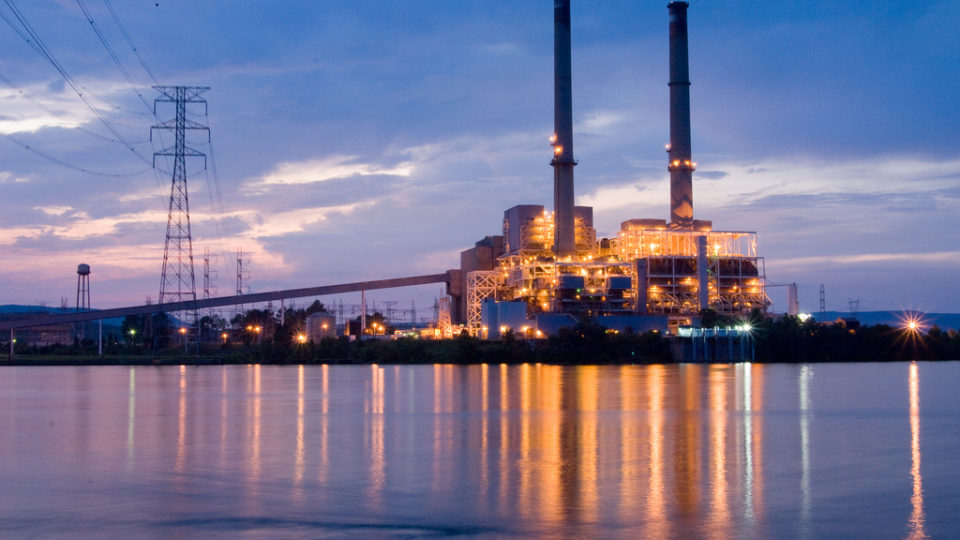
The New York Times recently published an article on how electricity is made in the United States on a state-by-state basis and how it has been changing over the past two decades. Two conclusions to draw are that the mix of energy sources is wildly different from one state to another and that the mix has been changing rather dramatically in many places.
Overall, the past two decades have seen the dramatic rise in the use of natural gas and a dramatic drop in the use of coal. Coal plants used to account for over half of the electricity produced in the U.S. at the turn of the 21st century. Now natural gas has passed coal as the largest energy source at roughly 1/3 of the total generated.
Switching from coal to natural gas is a good thing since modern gas power plants emit only about half the carbon dioxide as modern coal plants. But industry spin about “clean gas” is just spin. Gas is not really clean; it is just cleaner than coal. So, having the electric grid powered by gas is not really going to solve our emissions problems.
That being said, there are still states that make nearly all their electricity with coal. Indiana, Kentucky, Missouri, Utah, Wyoming, and West Virginia are on that list. Meanwhile, Delaware, Massachusetts, Mississippi, Nevada, and Rhode Island are powered mostly by gas. Idaho, Oregon, Washington, and Vermont rely heavily on hydropower.
Newer renewables like solar and wind are starting to make major contributions in many states. Wind contributes only 6% nationwide but is much bigger in places like Iowa, Kansas, Minnesota, the Dakotas, Oklahoma and Texas.
The face of electricity continues to change.
**********
Web Links
How Does Your State Make Electricity?
Photo, posted March 5, 2010, courtesy of Tennessee Valley Authority via Flickr.
Earth Wise is a production of WAMC Northeast Public Radio.
More Renewables Without Storage In Texas
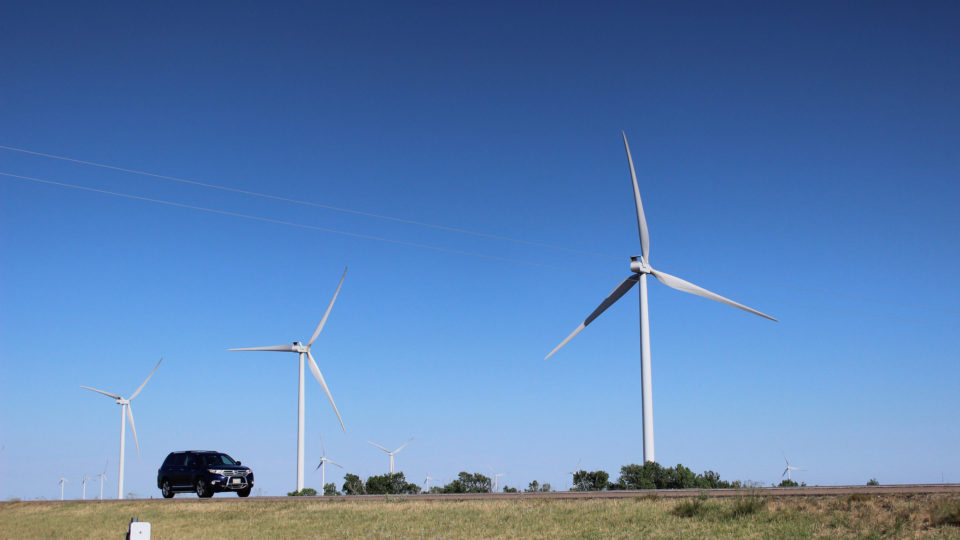
Texas has a Texas-sized appetite for electricity and relies most heavily on natural gas, coal and nuclear power to get it. But in recent times, wind power has grown tremendously in the Lone Star State and it has already leapfrogged past nuclear power. Coal could be the next domino to fall.
In the past few years, solar power has become competitive with wind in terms of price. Texas is a large, coastal state in the sunny southwestern U.S. and has significant solar resources. As a result, the amount of solar power in Texas is now growing rapidly.
In order for a combination of solar and wind power to address the bulk of electricity demand in Texas, there needs to be a way to provide reliability that these intermittent sources don’t necessarily provide. Energy storage is a solution that ultimately is likely to be part of most electricity grids, but currently it is still expensive on a utility scale.
A new study from Rice University looked at the complementarity of solar and wind power in Texas. Complementarity refers to balancing the output of solar and wind systems. The peak performance of wind and solar occurs at very different times in different regions of the state. The study suggests that the right mix of solar and wind systems in the right parts of Texas could provide a continuously reliable energy system. On both a yearly and daily basis, wind and solar power resources in Texas complement each other in terms of peak performance. It is a matter of locating the solar power and wind farms in the right places.
With the Texas solar industry really starting to boom, there is a real opportunity to integrate far more renewable energy into the Texas grid.
**********
Web Links
More Renewables with Less Energy Storage: Texas Shows How
Photo, posted June 8, 2018, courtesy of Laura Lee Dooley via Flickr.
Earth Wise is a production of WAMC Northeast Public Radio.
Droughts And Hydropower
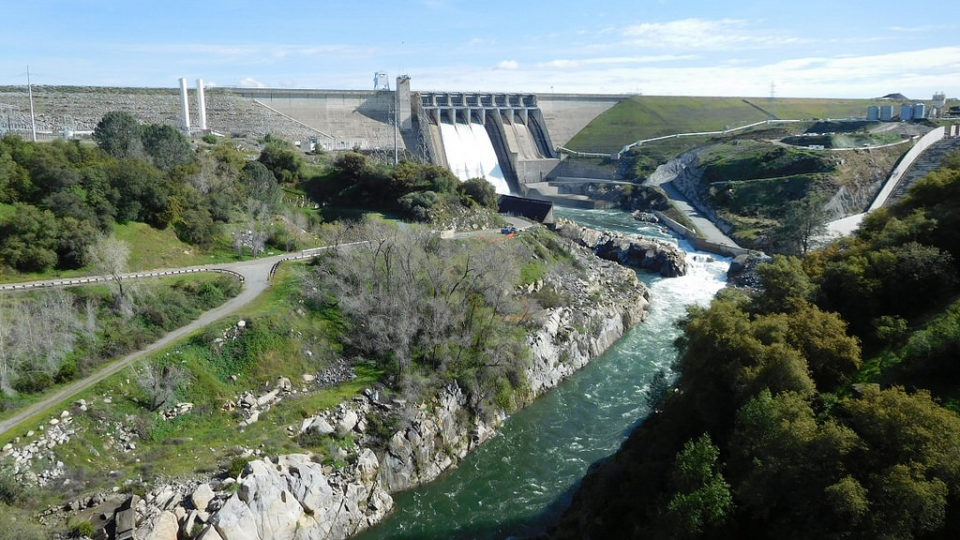
Recent droughts in several western states have led to well-publicized problems including wildfires, loss of trees, and damage to crops. A lesser-known impact of drought conditions has been increases in emissions of carbon dioxide and harmful air pollutants from power generation.
When hydropower runs low in a drought, western states tend to ramp up power generation – and therefore emissions – from fossil fuels. According to a new study from Stanford University, droughts caused about 10 percent of the average annual carbon dioxide emissions from power generation in California, Idaho, Oregon and Washington between 2001 and 2015.
Water is used in electricity generation both directly for hydroelectric power and indirectly for cooling in thermoelectric power plants. When water for hydropower comes up short because of drought conditions, natural gas or coal-fired power plants are brought online to pick up the slack.
These drought-induced shifts in energy sources led to an estimated 100 million tons of carbon dioxide across 11 western states between 2001 and 2015. That is the equivalent of adding 1.4 million vehicles to the region’s roadways. California, whose legislature has mandated that the state be carbon-free by 2045, contributed about half of this total. Washington, which is considering a similar mandate, contributed nearly a quarter of the total.
Western states in recent years have suffered intense droughts that scientists expect to become more common as global warming continues to intensify. The new study indicates that in regions where clean, reliable hydropower has been an important part of the energy mix, it will be increasingly necessary to provide clean backup energy sources in order to meet emission reduction targets.
**********
Web Links
Droughts boost emissions as hydropower dries up
Photo, posted March 7, 2016, courtesy of Flickr.
Earth Wise is a production of WAMC Northeast Public Radio.
A New Way to Make Hydrogen
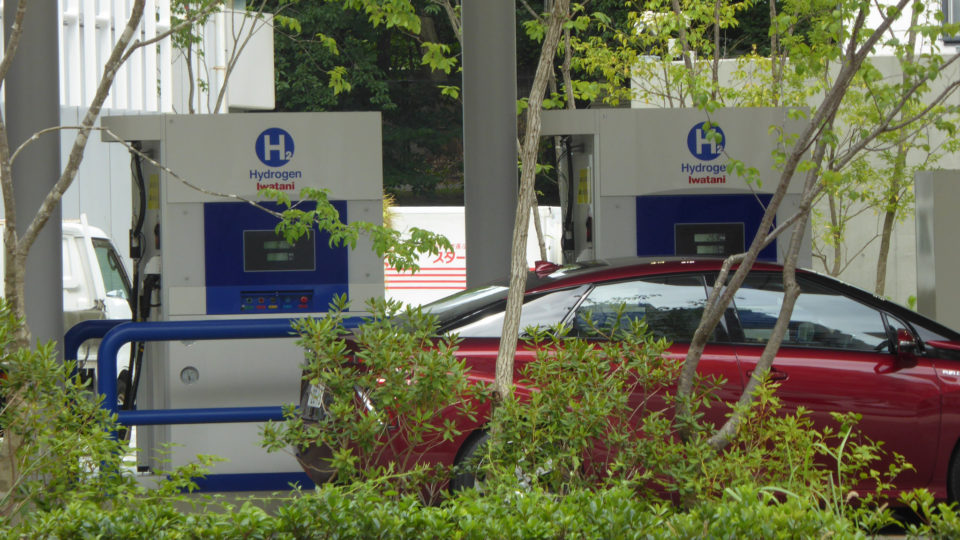
Many people consider hydrogen to be the fuel of the future, both for powering vehicles and for storing energy generated by renewable sources. Hydrogen itself is a clean and green fuel. Generating energy from it using fuel cells results in only water as a byproduct.
The biggest problem with hydrogen is that the most economical way to produce it and therefore the way most hydrogen is produced today, is by reforming natural gas, which is a process that generates carbon emissions.
The desirable way to make hydrogen is to produce it by breaking apart water into its hydrogen and oxygen components, a process known as electrolysis. There are many ways to do it, but none of them to date measures up in terms of efficiency, cost, and longevity.
Researchers at the University of Toronto have recently developed a new catalyst that uses abundant, low-cost elements to split water molecules into hydrogen and oxygen. The catalyst is made from copper, nickel, and chromium, all of which are more abundant and less costly than platinum, which is the usual electrolysis catalyst.
The new catalyst performs well under pH-neutral conditions, which means it could even work on seawater without incurring the expense of desalination. The Toronto researchers also believe their catalyst could be used as part of a process to make hydrocarbon fuels from hydrogen and CO22. Their group is among the five finalists in the Carbon XPrize competition, which has a grand prize of $7.5 million for finding a way to convert waste CO2 into fuel.
Finding a low-cost, energy-efficient, and reliable way to make hydrogen out of water will be a big deal if it can be done on an industrial scale.
**********
Web Links
U of T researchers discover low-cost way to produce hydrogen from water
Photo, posted July 23, 2015, courtesy of Magnus Johansson via Flickr.
Earth Wise is a production of WAMC Northeast Public Radio.