
• Skip to primary navigation
  • Skip to main content
  • Skip to primary sidebar

Earth Wise

A look at our changing environment.

  • Home
  • About Earth Wise
  • Where to Listen
  • All Articles
  • Show Search
Hide Search
You are here: Home / Archives for food

food

Prickly Pear As A Sustainable Crop | Earth Wise

April 6, 2021 By EarthWise Leave a Comment

Searching for more sustainable food and fuel crops

The fruits and pads of opuntia, better known as prickly pear cactus, find their way into people’s diets in many arid and semi-arid places around the world.  In Mexico, the pads are known as nopales and are used in a variety of dishes.  The pears themselves are used in jams, salads, and juices.

A five-year study by the University of Nevada Reno College of Agriculture, Biotechnology & Natural Resources investigated the prospects for cactus pear to become a major crop like soybeans and corn and to help provide a biofuel source.

As the climate changes, dry areas are going to get dryer and drought issues will increasingly affect traditional crops.

The study looked at the particular opuntia species called the spineless cactus pear and found that it had the highest fruit production while using up to 80% less water than some traditional crops.  Cactus pear can be used for both human consumption and livestock feed.  As a perennial crop, once the fruit and pads are harvested for food, the remaining biomass can be used for biofuel production.

Corn and sugar cane are the most utilized bioenergy crops right now, but these use three to six times more water than cactus pear.  The cactus pear productivity is on par with corn and sugar cane, but not only do they use a fraction of the water, they also have higher heat tolerance.

Over 40% of land area around the world is classified as semi-arid or arid.  There is enormous potential for planting cactus for carbon sequestration.  If nothing else, it makes great sense to grow cactus pear crops in abandoned areas that are marginal and may not be suitable for other crops.

**********

Web Links

Study shows cactus pear as drought-tolerant crop for sustainable fuel and food

Photo, posted April 16, 2020, courtesy of Kevin Dooley via Flickr.

Earth Wise is a production of WAMC Northeast Public Radio.

The Collapse of Northern California Kelp Forests | Earth Wise

March 30, 2021 By EarthWise Leave a Comment

The California kelp forests are collapsing

For thousands of years, thick canopies of kelp formed an underwater forest spanning the coast of Northern California.  Kelp is the cornerstone of a rich subtidal community, providing food and habitat for all sorts of marine creatures.  But in recent years, a shocking transformation has occurred.  Satellite imagery reveals that the area covered by kelp forests off the coast of Northern California has declined by more than 95%.  Only a few small, isolated patches remain.  

In a new study, researchers at the University of California Santa Cruz found that the kelp forest decline was an abrupt collapse as opposed to a gradual decline. 

According to the study, which was recently published in the journal Communications Biology, kelp forests north of San Francisco were resilient to warming events in the past, like El Niños and marine heatwaves. But the decline of a key sea urchin predator – the sunflower sea star – from sea star wasting disease caused the kelp forests’ resiliency to plummet.  Sea urchins are voracious consumers of kelp.     

But it was a series of events – not just the sea urchins – that combined to decimate the Northern California kelp forest.   A marine heatwave that became known as “the blob” developed in 2014 and moved down the West Coast in 2015.  Around the same time, a strong El Niño event developed and brought warmer water up the coast from the south.  The warming ocean waters combined with the ravenous sea urchin population resulted in the dramatic decline of kelp. 

According to researchers, the prospects for a Northern California kelp forest recovery remain poor unless sea urchin predators return to the ecosystem. 

********** 

Web Links

The collapse of Northern California kelp forests will be hard to reverse

Photo, posted August 13, 2019, courtesy of Sara Hamilton of OSU College of Science via Flickr.

Earth Wise is a production of WAMC Northeast Public Radio.


Solar Energy And Agriculture | Earth Wise

March 10, 2021 By EarthWise Leave a Comment

Co-developing land for both solar and solar power could provide huge benefits with minimal costs

According to a new study by Oregon State University researchers, co-developing land for both solar voltaic power and agriculture could provide 20% of total electricity generation in the United States with an investment of less than 1% of the annual U.S. budget.

The concept is known as agrivoltaics – using the same land for both growing crops and generating solar energy.  The proponents of agrivoltaics say that it provides more food, more energy, lower water demand, lower carbon emissions, and more prosperous rural communities.

According to the study, wide-scale installation of agrivoltaic systems could lead to an annual reduction of 330,000 tons of carbon dioxide emission in the U.S. – the equivalent of taking 75,000 cars off the road – and the creation of more than 100,000 jobs in rural communities.  All of this could be achieved with minimal effects on crop yields.

The study finds that an area about the size of Maryland would be needed for agrivoltaics to produce 20% of U.S. electricity generation.  That area of 13,000 square miles constitutes about 1% of current U.S. farmland.

The cost of the solar installations would be $1.1 trillion over 35 years and they would pay for themselves from the electricity generated within 17 years.  Installing the arrays would create the equivalent of 117,000 jobs lasting 20 years.

The researchers are going to install a fully functional solar farm on 5 acres of university owned land to demonstrate to the agricultural community and potential future funders how the study’s findings can be applied in real world agricultural systems.

*********

Web Links

Combining solar energy and agriculture to mitigate climate change, assist rural communities

Photo, posted October 11, 2011, courtesy of Michael Coghlan via Flickr.

Earth Wise is a production of WAMC Northeast Public Radio.
Turning Food Waste Back Into Food | Earth Wise

March 3, 2021 By EarthWise Leave a Comment

Reincorporating food waste into agriculture

Scientists at the University of California Riverside have discovered that fermented food waste can boost bacteria that increase crop growth, make plants more resistant to pathogens, and reduce the carbon emissions resulting from farming.

Food waste is a serious problem from multiple perspectives.  As much as 50% of food is thrown away in the United States and most of that simply ends up in landfills, taking up more than 20% of America’s landfill volume.  Food waste is a huge economic loss as well as a significant waste of freshwater resources used to produce food.

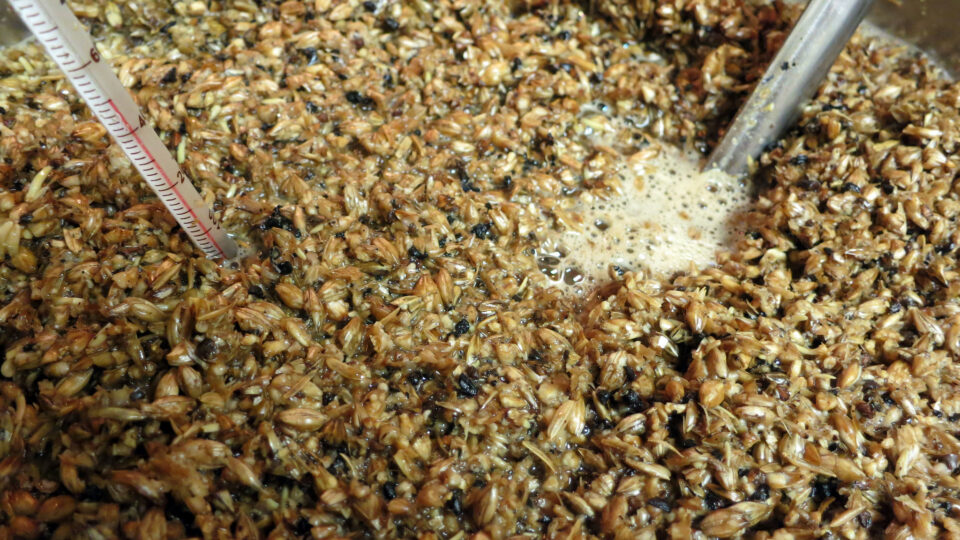
The researchers studied byproducts from two kinds of food waste readily available in Southern California:  beer mash – a byproduct of beer production – and mixed food waste discarded by grocery stores.

Both types of waste were fermented and then added to the irrigation system watering citrus plants in a greenhouse.  Within 24 hours, the average population of beneficial bacteria was two to three orders of magnitude greater than in plants that did not receive the treatments. This led to improvements in the carbon to nitrogen ratio in crops.  When there are enough so-called good bacteria in plants, they produce antimicrobial compounds and metabolites that help plants grow better and faster.

The results of the study suggest that the use of food waste products in agriculture is beneficial and could complement the use of synthetic chemical additives by farmers, perhaps eliminating it entirely.  Crops would in turn become less expensive.

Making use of food waste in agriculture is a step towards a more circular economy in which we use something and then find a new purpose for it.

**********

Web Links

Turning food waste back into food

Photo, posted October 28, 2012, courtesy of Daniel Lobo via Flickr.

Earth Wise is a production of WAMC Northeast Public Radio.
Understanding How To Enhance Desalination | Earth Wise

February 16, 2021 By EarthWise Leave a Comment

How to improve desalination

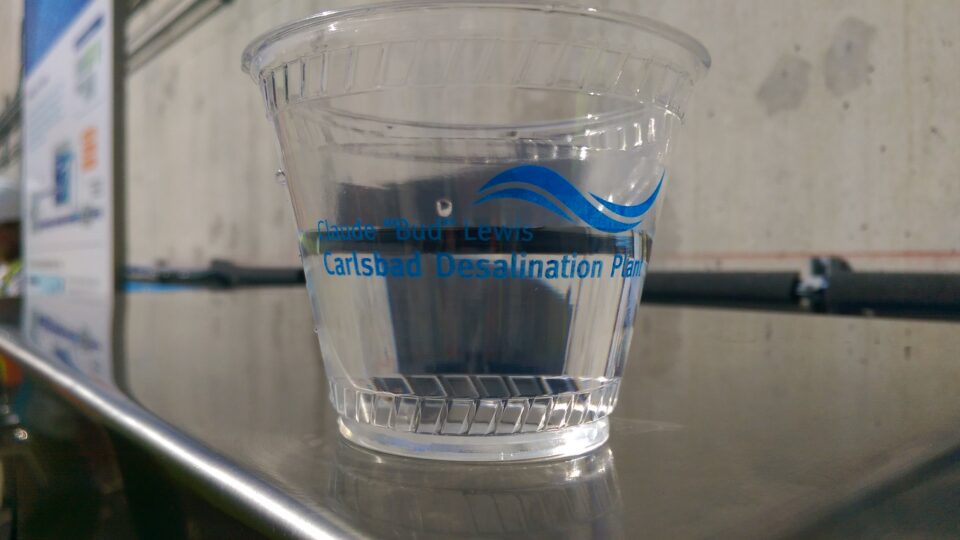
Desalination is the process of removing mineral components – notably salt – from saline water, generally seawater.  Over 16,000 desalination plants operate across 177 countries, generating 25 billion gallons of fresh water each year.  Currently, desalination accounts for about 1% of the world’s drinking water.

The leading process for desalination in terms of installed capacity as well as new installations is reverse osmosis that makes use of a thin-film composite membrane based on ultra-thin polyamide.

Despite the fact that these membranes are widely used for desalination, they are actually rather poorly understood.  It has not been known exactly how water moves through them.  As a result, much of the progress made on the technology over the decades has been essentially based on guesswork.

A team of researchers at the University of Texas, Austin has used advanced microscopy techniques to solve some of the mysteries of reverse osmosis membranes.  By mapping membranes at very high resolution – less than half the diameter of a DNA strand – they gained a much better understanding of what makes a membrane better at reverse osmosis.

They found that desalination membranes are inconsistent in mass distribution and density and that these inconsistencies can impair membrane performance.  It turns out that inconsistencies and dead zones in membranes play a bigger role than membrane thickness.  By making the membranes more uniform in density at the nanoscale, they were able to increase desalination efficiency 30 to 40 percent, therefore cleaning more water with less energy and at lower cost.

Producing fresh water is not just essential for public health, it is also crucial for use in agriculture and energy production.

**********

Web Links

Nanoscale control of internal inhomogeneity enhances water transport in desalination membranes

Photo, posted February 13, 2017, courtesy of Jacob Vanderheyden via Flickr.

Earth Wise is a production of WAMC Northeast Public Radio.
Not Enough Buzz For Bees | Earth Wise

February 11, 2021 By EarthWise Leave a Comment

The decline of bees is not getting enough attention

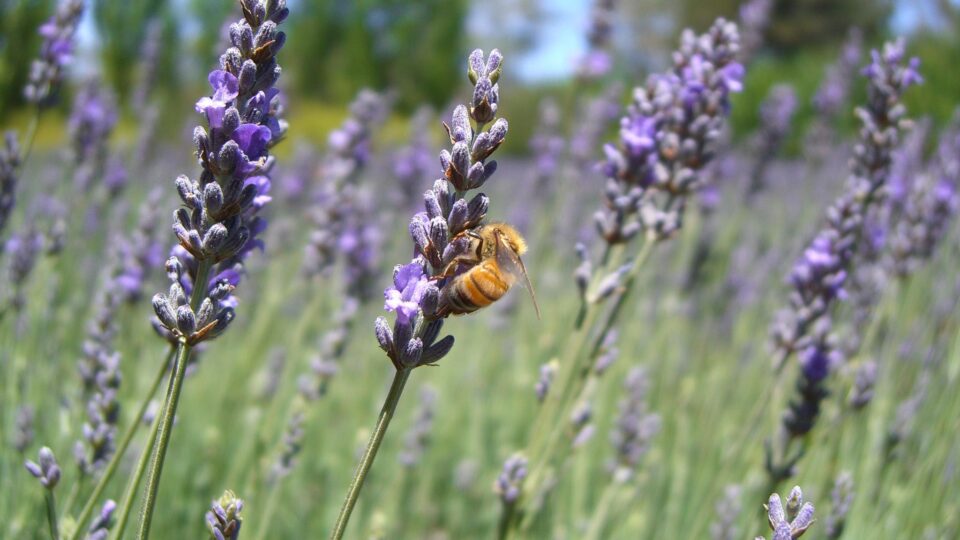
The dramatic worldwide decline in bees and other pollinating insects represents a serious threat to the global food supply, but it isn’t really getting much attention in the mainstream news.  Close to 75% of the world’s crops for human consumption depend, at least in part, on pollinators for sustained production, yield, and quality.

A new study by researchers at the University of Illinois Urbana-Champaign looked at nearly 25 million news items from six prominent sources, including The New York Times, The Washington Post, the Associated Press, as well as three overseas English-language news services.  The study found “vanishingly low levels of attention to pollinator population topics”, even compared with what many people consider to be the limited coverage of climate change.

The study made use of the Global News Index, which is a unique database of millions of news items from thousands of global sources published over decades.  It may be the largest academic study of the evolving nature of news coverage ever performed.

Even though the entomological community is highly focused on the impending pollinator crisis, the public is not paying much attention.  It is not even indifference; it is just that people don’t even know about it.

The majority of studies on pollinator decline have been done in Europe and North America, which means we don’t even know how serious the problem is given that most insect biodiversity is in the tropics.

Public awareness is important because individuals can make a difference by their decisions about what flowers to plant in their gardens, which weeds to tolerate in their yards, and how to manage insect pests.

The loss of pollinators is a very serious problem, and it is not likely to get enough attention if people don’t know about it.

**********

Web Links

Pollinators not getting the ‘buzz’ they need in news coverage

Photo, posted December 28, 2006, courtesy of Alpha via Flickr.

Earth Wise is a production of WAMC Northeast Public Radio.
Cell-Based Meat And Seafood | Earth Wise

February 8, 2021 By EarthWise Leave a Comment

Reimagining meats and seafood

We have heard about laboratory meat for a number of years, generally in terms of something that may happen at some point in the indeterminate future. But at least for a couple of California companies, that future is now.

These high-tech companies are producing products – real meat and seafood – that are originally cultured from animal cells but are made without the actual animal.

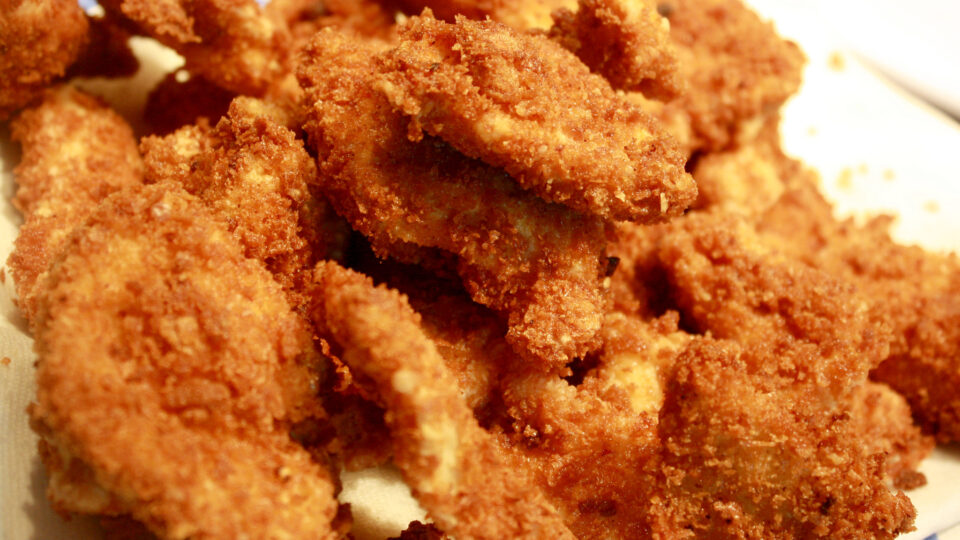
San Francisco-based Eat Just makes chicken nuggets that have recently gained regulatory approval in Singapore and are now available to order at a downtown restaurant.  San Diego’s BlueNalu creates cell-based seafood fillets including yellowtail, mahi-mahi, red snapper, and tuna.

The companies use stem cells obtained from actual animals and cultivate them in steel tanks with the same nutrients that living animals consume.  The original cell donor is not sacrificed.  The harvested cells multiply and are eventually shaped to form meat or fish that cooks, looks, and tastes just like its natural counterpart.

The “mouth feel” of conventional meat or fish can be mimicked by recreating the same proportions of muscle, fat, and connective tissue in the cell-based product.  Eat Just says their product cooks, looks, and tastes like chicken because it is chicken.  BlueNalu says their product has all the same characteristics as fish because it is fish.

These products have major environmental, safety, and ethical advantages.  The big question is whether people will eat them.  Is there an “ick factor” to overcome?  Ultimately, the key thing is how they taste.  If they pass muster on that score and cell-based meats and seafood are scaled up and accepted, we can have the nutritional and sensory advantages of meat proteins without the environmental, ethical and safety disadvantages.

**********

Web Links

Can We Enjoy Meat and Seafood and Save the Planet?

Photo, posted February 1, 2012, courtesy of Andrea Parrish-Geyer via Flickr.

Earth Wise is a production of WAMC Northeast Public Radio.
Saving The Queen Conch | Earth Wise

February 3, 2021 By EarthWise Leave a Comment

A new manual to help save Queen Conch

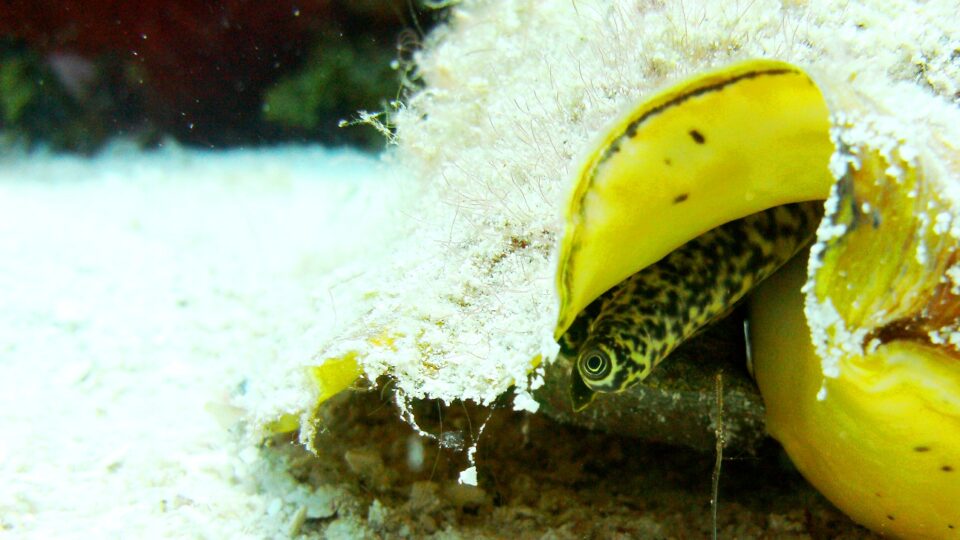
Queen conchs are large sea snails belonging to the same taxonomic group as clams, oysters, and squid.  They live on coral reefs or seagrass meadows in warm, shallow waters.  Queen conchs are found throughout the Caribbean Sea and Gulf of Mexico, ranging as far north as Bermuda and as far south as Brazil.

Reaching up to 12” long and living up to 40 years, the queen conch is prized as a delicacy and revered for its shell.  It’s the second most important sea-bottom fishery in the Caribbean region, trailing only the spiny lobster. 

But queen conchs face a challenge.  Their populations are in a steady rate of decline as a result of overfishing, habitat degradation, and hurricane damage.  In some places, the numbers are so low that remaining conchs cannot find breeding partners.  The situation is urgent from both an ecological and economical perspective. 

As a result, Megan Davis, a scientist from Florida Atlantic University who spent more than four decades researching queen conch, has released an 80-page, step-by-step user manual about how to care for the species. Her work was recently published in the National Shellfisheries Association’s Journal of Shellfish Research.

According to Davis, aquaculture, along with conservation of breeding populations and fishery management, are ways to help ensure longevity of the queen conch.  With requests for mariculture guidance pouring in from communities throughout the Caribbean, Davis and her collaborators are expanding their queen conch conservation, education, and restorative mariculture program.

Their desired outcomes include creating protected breeding areas, establishing sustainable hatcheries, and repopulating protected habitats.

**********

Web Links

‘Hail to the queen’: Saving the Caribbean queen conch

Photo, posted June 3, 2012, courtesy of Christopher Gonzalez via Flickr.

Earth Wise is a production of WAMC Northeast Public Radio.
Mollusks And Microplastics | Earth Wise

January 26, 2021 By EarthWise Leave a Comment

Microplastics are contaminating marine creatures

Plastic debris comes in all different shapes and sizes, but pieces that are less than five millimeters in length are called microplastics.  Microplastics are everywhere, including in the food we eat, the water we drink, and the air we breathe.

Much of the oceanic microplastic pollution comes from the breakdown of plastic litter.  Another source of microplastic pollution is microbeads.  Microbeads, which are sometimes added to cleansing and exfoliating personal care products, pollute the environment when they get flushed down the drain.  

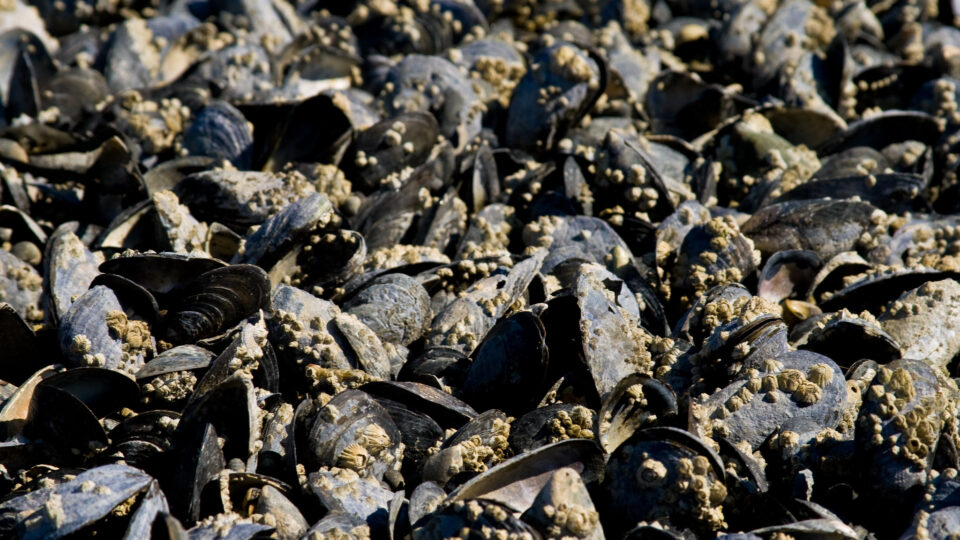
According to a new study by researchers at Hull York Medical School and the University of Hull in the U.K., mussels, oysters and scallops have the highest levels of microplastic contamination among seafood.  The research team examined 50 studies between 2014 and 2020 to determine the levels of microplastic contamination globally in fish and shellfish.  The team found that microplastic content was 0-10.5 microplastics per gram in mollusks, 0.1-8.6 microplastics per gram in crustaceans, and 0-2.9 microplastics per gram in fish.  

The researchers found that mollusks collected off the coasts of Asia were the most heavily contaminated with microplastics.  China, Australia, Canada, Japan and the United States are among the largest consumers of mollusks, followed by Europe and the U.K.

While the human health implications of consuming microplastics are not well understood, early evidence from other studies suggest they do cause harm. 

According to the research team, more data is needed from different parts of the world in order to better understand how microplastics vary between different oceans, seas, and waterways.

**********

Web Links

Highest levels of microplastics found in molluscs, new study says

Photo, posted September 3, 2007, courtesy of Andrew Malone via Flickr.

Earth Wise is a production of WAMC Northeast Public Radio.
Compost And Landfills | Earth Wise

January 19, 2021 By EarthWise Leave a Comment

the importance of landscaping

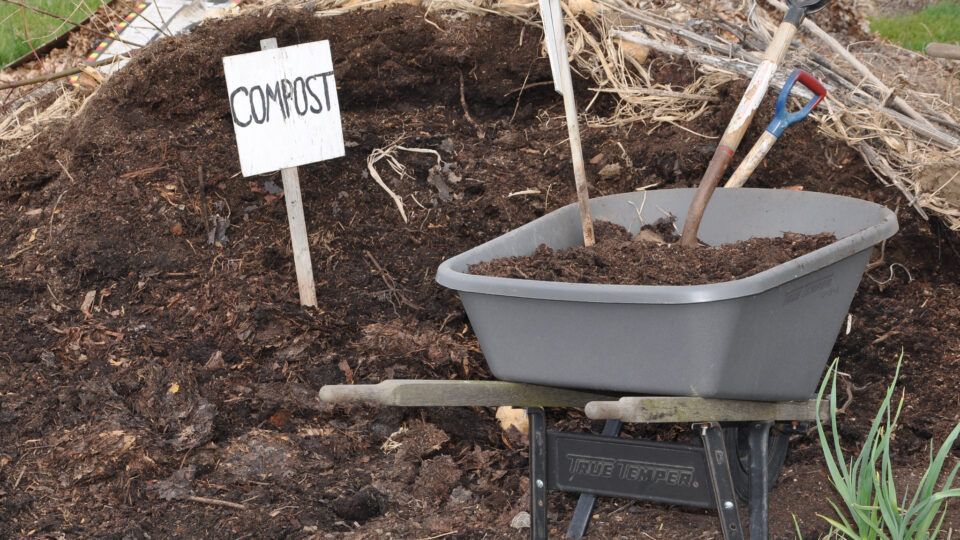
Composting is popular as a way to keep solid waste out of landfills and many people turn much of their kitchen waste into rich soil amendments.   Cities and towns across the country have composting programs that collect waste from residents to produce large quantities of compost rather than adding the waste to landfills.  A new study from North Carolina State University looked into the environmental benefits of actually using compost at landfills.

Most municipal composting programs require that the compost they produce gets used “beneficially”.  The new research shows that using compost as an alternative daily cover at landfills is competitive and often superior to the use of compost as a soil amendment in terms of its environmental benefits.

Landfills apply a layer of daily cover to reduce odors, reduce windblown debris, and keep vermin out of landfill waste.  Federal regulations require six inches of soil as a daily cover.

Compost from food waste in particular is not always suitable for soil amendment in gardens and agricultural fields because it often contains broken glass and other contaminants.

The North Carolina State study looked at the environmental impact of using compost as daily cover in landfills compared with its use as a soil amendment.  They looked at global warming potential, acidification potential, eutrophication (which is the amount of nutrients released to ground and surface water), cumulative energy demand, and the depletion of resources.

The study concluded that using compost as landfill daily cover is environmentally superior with regard to eutrophication, acidification, and global warming potential.  On the other hand, soil amendment was better in terms of resource depletion and cumulative energy demand.

**********

Web Links

Applying Compost to Landfills Could Have Environmental Benefits

Photo, posted April 22, 2008, courtesy of Alachua County via Flickr.

Earth Wise is a production of WAMC Northeast Public Radio.

Replacing Plastic Tableware | Earth Wise

December 30, 2020 By EarthWise Leave a Comment

Replacing plastics

Plastics have been described as the “ubiquitous workhorse material of the modern economy.”  But their versatility, pliability, and durability comes at a heavy price to the environment.  Plastic pollution is quite literally everywhere.  Plastic debris and microplastic particles can be found in every corner of the globe, including the Arctic and Antarctic. 

The scourge of plastic pollution is driving scientists to create ecologically-friendly alternatives.  According to a paper recently published in the journal Matter, scientists have developed “green” tableware made from sugarcane and bamboo that doesn’t sacrifice on convenience or functionality.  This eco-friendly tableware could serve as a permanent replacement for plastic cups and other disposable plastic containers. 

Traditional plastic polymers, a product of petroleum, can take as long as 1,000 years to decompose in landfills.  The new material only takes 60 days to break down.

To create this material, scientists used bamboo and bagasse, also known as sugarcane pulp.  Bagasse is one of the largest food-industry waste products.  The researchers wound the fibers together to form a mechanically stable and biodegradable material.  They added an alkyl ketene dimer, an eco-friendly chemical, to increase the oil and water resistance of the material.  The green material is durable enough to hold liquids like hot coffee and hot greasy foods like pizza.   

There’s another advantage: the green material’s manufacturing process emits 97% less CO2 than the process to make commercial plastic containers.  The next step is to lower the manufacturing cost.  While the cost of cups made from the green material is $2,333 per ton, traditional cups made from plastic are still slightly cheaper at $2,177 per ton.

**********

Web Links

This tableware made from sugarcane and bamboo breaks down in 60 days

Photo, posted May 19, 2013, courtesy of Henry Burrows via Flickr.

Earth Wise is a production of WAMC Northeast Public Radio.
A Palm Oil Replacement | Earth Wise

December 15, 2020 By EarthWise Leave a Comment

A possible replacement for palm oil

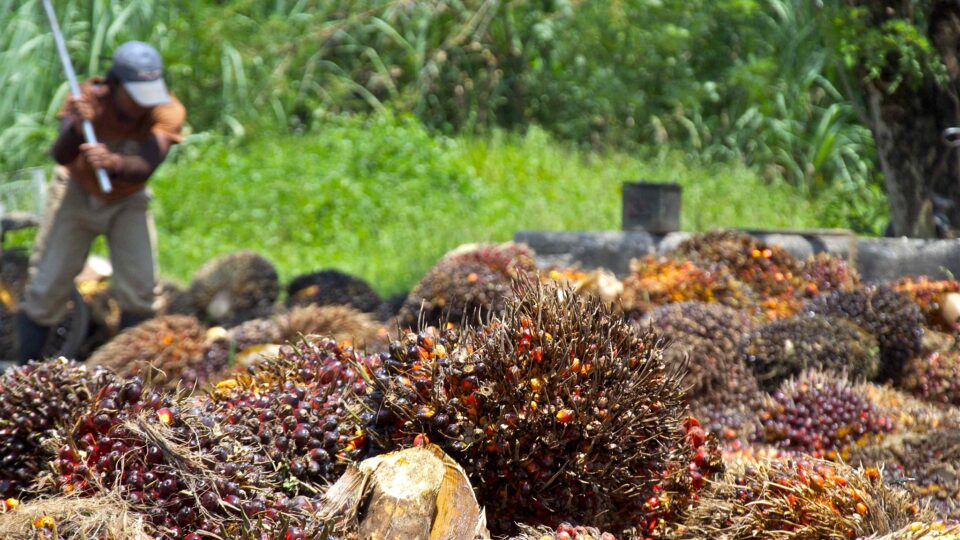
In the 1990s, cardiovascular health issues associated with partially hydrogenated oils containing harmful trans fats became a focus of great concern.  As a result, food companies looked for substitutes and the alternative they identified was palm oil.  Its ability to remain solid at room temperature made it well suited for many food applications.  Unfortunately, that property stems from its high saturated fat content, which means it also increases the risk of coronary heart disease.

The widespread use of palm oil has also caused significant environmental problems.  Palm oil plantations have replaced millions of acres of tropical forests, destroying the habitat for numerous species and threatening biodiversity.

Other potential replacements for partially hydrogenated oils such as coconut oil tend to be more costly, limited in supply, and also high in saturated fats.

Food scientists at the University of Guelph in Ontario, Canada, recently demonstrated the use of enzymatic glycerolysis (EG) to turn liquid vegetable oils into solid fats.  Their process is able to produce solid fats with the textural and structural properties desired by consumers.

The process is fairly simple, relatively easy to scale up, and is amenable to smaller food production or even local production.  Using it would enable food producers to use all sorts of readily available vegetable oils that can be produced in parts of the world that are not necessarily tropical regions.

Palm oil use is not going to go away, but this work may point a way to help slow down the destruction of ecosystems and animal habitats as well lead to more sustainable and healthy food sources.

*********

Web Links

U of G Food Scientists Find Palm Oil Alternative That’s Good for Human, Planet Health

Photo, posted February 21, 2010, courtesy of Craig Morey via Flickr.

Earth Wise is a production of WAMC Northeast Public Radio.
Self-Watering Soil | Earth Wise

December 9, 2020 By EarthWise Leave a Comment

Self-watering soil could help conserve water

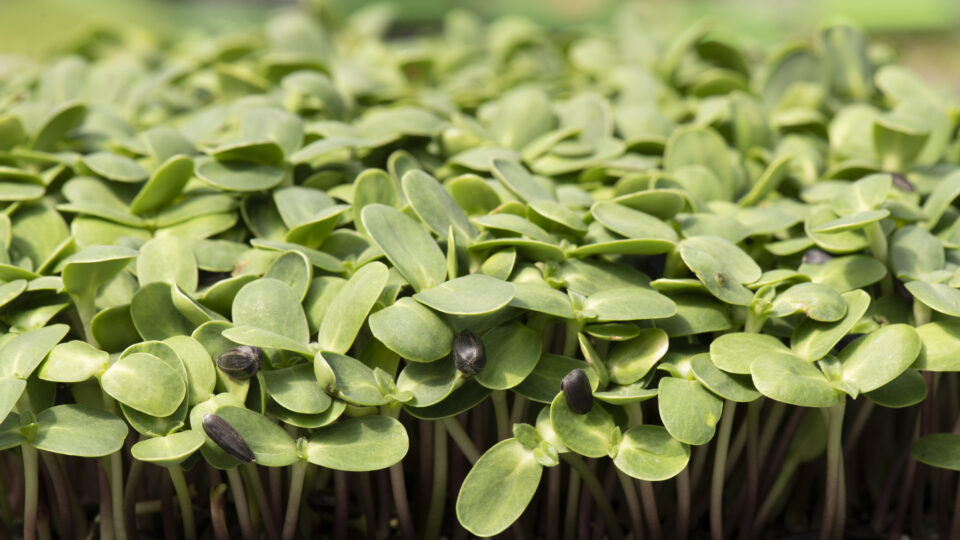
Researchers at the University of Texas at Austin have created a new type of soil that can pull water from the air and distribute it to plants.  Such soil has the potential to expand the map of farmable land to previously inhospitable places as well as to reduce water use in agriculture in an era of growing droughts.

The team’s atmospheric water irrigation system makes use of super-moisture-absorbent gels to capture water from the air.  When they are heated to a high enough temperature, the gels release the water, making it available to plants.

The gels in the soil pull water out of the air during cooler, more humid periods at night and when the sun heats the soil during the day, the water-containing gels release their contents into the soil.

Each gram of soil can extract about 3-4 grams of water.  Depending on the specific crop, somewhere between a couple of ounces and 2 pounds of the soil can provide enough water to irrigate a square yard of farmland.

Experiments on the soil found that it retains water better than the sandy soils found in dry areas and needs much less water to grow plants.

In one experiment, radish plants germinated in the soil all survived a 14-day period without any irrigation beyond the initial watering when they were planted.  Radish plants in ordinary sandy soil irrigated for the first four days of the experiments lasted no more than two days further without watering.

The Austin group has been developing gel-polymer materials that work like super-sponges for two years.  These materials extract large amounts of water from the ambient air, clean it, and release it when heated with solar energy.

**********

Web Links

Self-Watering Soil Could Transform Farming

Photo, posted October 21, 2020, courtesy of the U.S. Department of Agriculture via Flickr. USDA Media by Lance Cheung.

Earth Wise is a production of WAMC Northeast Public Radio.

Carnivores Eating Human Food | Earth Wise

December 1, 2020 By EarthWise Leave a Comment

Carnivores increasingly relying on humans for food

A recent study by ecologists at the University of Wisconsin-Madison has found that carnivores living near people often get more than half of their diets from human food sources rather than from their traditional prey.  This represents a major lifestyle disruption that puts North America’s carnivore-dominated ecosystems at risk.

The researchers studied the diets of seven predator species across the Great Lakes region using bone and fur samples taken from animals from areas as remote as national parks to metropolitan areas including Albany, New York.  What they found – unsurprisingly – is that the closer carnivores lived to cities and farms, the more human food they ate.  Dietary contributions of human food varied with species, but on average was more than 25% in most human-altered habitats.

The researchers studied the diets of carnivores like bobcats, coyotes, red and gray foxes, fishers, and American martens by chemical analysis of samples from Minnesota, Wisconsin, upstate New York, and the Upper Peninsula of Michigan.  The diets of the animals could be analyzed on the basis of the carbon content of bone and fur samples.  Human food, heavy in corn and sugar, lends these samples a distinctive carbon isotope signature.  In contrast, prey species confer their own carbon signatures.  The ratio of these isotope fingerprints provides information on the proportion of an animal’s diet that came from human sources.

Relying upon human food increases how much carnivores overlap one another in their competition for food.  Compared to when these predators vie for distinct prey, there can be more conflicts between animals.  Changing how a species gets their food can have far-ranging effects on ecosystems.

**********

Web Links

Carnivores living near people feast on human food, threatening ecosystems

Photo, posted August 18, 2007, courtesy of Jitze Couperus via Flickr.

Earth Wise is a production of WAMC Northeast Public Radio.
Food Waste Into Wearables | Earth Wise

November 20, 2020 By EarthWise Leave a Comment

Turning food waste into wearables

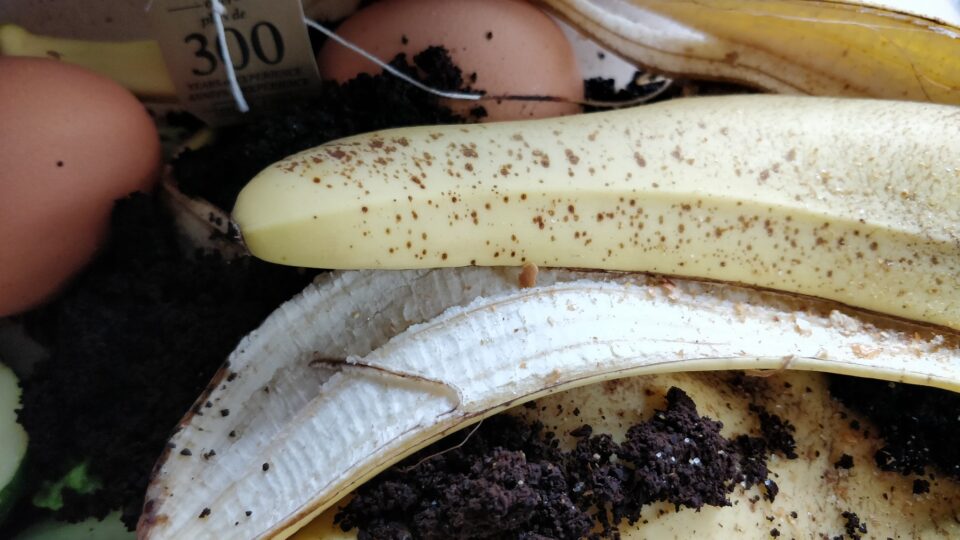
A new startup company spun out of the University of Toronto wants to make clothing from food waste.  If they are successful, you may someday buy a shirt or a pair of gym shorts made from banana peels, rotten tomatoes, coffee grounds, or moldy bread.

A problem faced by the clothing industry is that most textiles are blended with synthetic and non-renewable fiber polyester, which makes them unrecyclable.  An alternative that has come on the scene in recent years is polylactic acid (or PLA), which is a decomposable bioplastic that is currently used for food packaging, medical implants, and 3D printing.  It is likely that a sustainable future for the fashion industry will depend on the ability to make use of biodegradable and carbon-neutral materials.

PLA is typically made from cornstalk, but the startup – called ALT TEX – does not want to rely on a crop already used for feedstock, human consumption, and alternative fuel.  Furthermore, there is no need to plant more corn when there is an abundant supply of unused post-industrial food waste from growers, producers, and retailers that contains the same biological building blocks for producing PLA.

ALT TEX has been conducting experiments using discarded apples to create a PLA-based fabric that is strong, durable, decomposable, and cost effective.  They are working with farmers and food suppliers to access their waste. If their efforts are successful, it would be possible to divert significant amounts of organic waste that currently emits the powerful greenhouse gas methane and instead enable the fashion industry to be more sustainable.

**********

Web Links

Earth-friendly fashion: U of T startup turns food waste into wearables

Photo, posted August 30, 2019, courtesy of Ruth Hartnup via Flickr.

Earth Wise is a production of WAMC Northeast Public Radio.
A New Super-Enzyme For Breaking Down Plastic | Earth Wise

November 13, 2020 By EarthWise Leave a Comment

Breaking down plastic

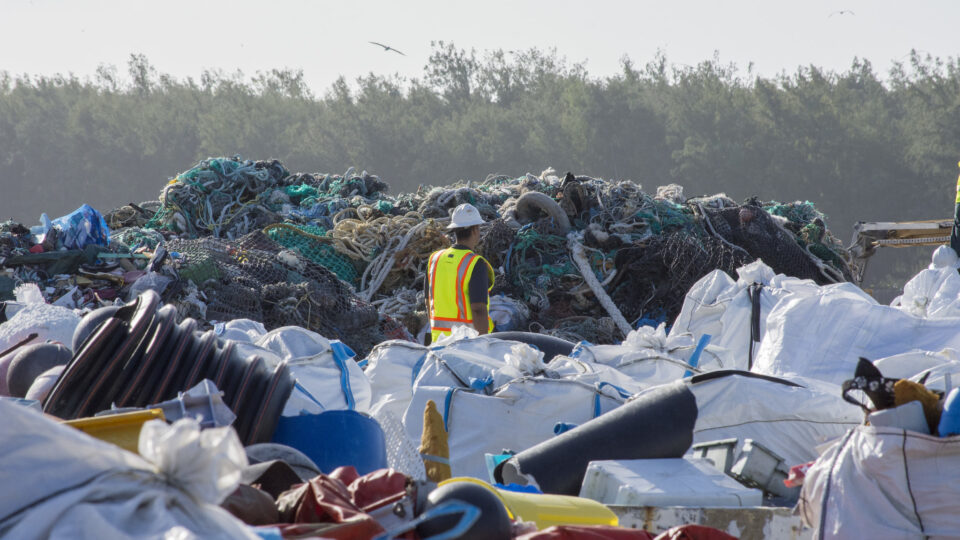
The problems caused by plastic waste continue to grow.  Plastic pollution is everywhere, from the Arctic to the depths of the ocean.  We consume microplastics in our food and breathe them in the air.  It is very difficult to break down plastic bottles into their chemical constituents in order to make new ones from old ones. Therefore, we continue to produce billions of single-use plastic bottles, creating more and more new plastic from oil each year. 

Scientists at the University of Portsmouth in the UK have developed a new super-enzyme that degrades plastic bottles six times faster than before.  They believe that the new enzyme could be used for plastic recycling within a year or two.

The super-enzyme was derived from bacteria that naturally have the ability to eat plastic.  The researchers engineered it by linking two separate enzymes, both of which were found in a plastic-eating bug discovered in a Japanese waste site in 2016.  They revealed an engineered version of the first enzyme in 2018, which started breaking down plastic in a few days.  They had the idea that connecting two enzymes together would speed up the breakdown of plastic.  Such linkage could not happen naturally in a bacterium. 

Carbios, a French company, announced a different enzyme in April that can degrade plastic bottles within 10 hours but requires heating above 160 degrees Fahrenheit.  The new super-enzyme works at room temperature.

The team is now examining how the enzymes can be tweaked to make them work even faster.  Meanwhile, they plan to work in partnership with companies like Carbios, to bring super-enzymes for breaking down plastics into commercial use.

**********

Web Links

New Super-Enzyme Can Break Down Plastic at Rapid Pace

Photo, posted March 24, 2017, courtesy of the USFWS – Pacific Region via Flickr. Photo credit: Holly Richards/USFWS.

Earth Wise is a production of WAMC Northeast Public Radio.

Essential Oils And Organic Crops | Earth Wise

November 6, 2020 By EarthWise Leave a Comment

Essential oils as natural pesticides

Essential oils are concentrated liquids extracted from plants.  They are called “essential” in the sense that they contain the essence of the fragrance that is characteristic of the plant.  Essential does not mean indispensable or usable by the human body.  But despite that fact, essential oils have been used in folk medicine throughout history. 

In recent times, essential oils have frequently been used in aromatherapy.  Generally speaking, medicinal uses of essential oils are controversial, and, in some cases, they have even been demonstrated to be dangerous.

Research has shown that essential oils have potential as natural pesticides.  Recently, the USDA has funded research into the use of essential oils to battle pests and diseases of organic crops.

U.S. organic food sales topped $50 billion in 2018 and fruits, vegetables, and other specialty crops combined make up more than a third of organic sales.  In order to meet consumer demand, farmers need ways to battle pests and diseases that often accompany organic crop growth.

A four-year project at the University of Hawaii at Manoa is entitled “Plant Safety, Horticultural Benefits, and Disease Efficacy of Essential Oils for Use in Organically Grown Fruit Crops:  From the Farm to the Consumer.”   The researchers will work with certified organic producers in Hawaii, Florida, South Carolina, Georgia, and California to evaluate the effectiveness of plant essential oils on major fruit pathogens such as avocado scab, anthracnose fungal disease, and powdery mildew on targeted tropical and temperate fruit crops such as avocado, mango, blueberry, and peach.

The goal is increase orchard productivity of the expanding organic fruit industry.

**********

Web Links

Essential oils could keep pests, disease from organic crops

Photo, posted January 6, 2015, courtesy of Abi Porter via Flickr.

Earth Wise is a production of WAMC Northeast Public Radio.
Bees Threatening Bees | Earth Wise

October 16, 2020 By EarthWise Leave a Comment

bees threatening bees

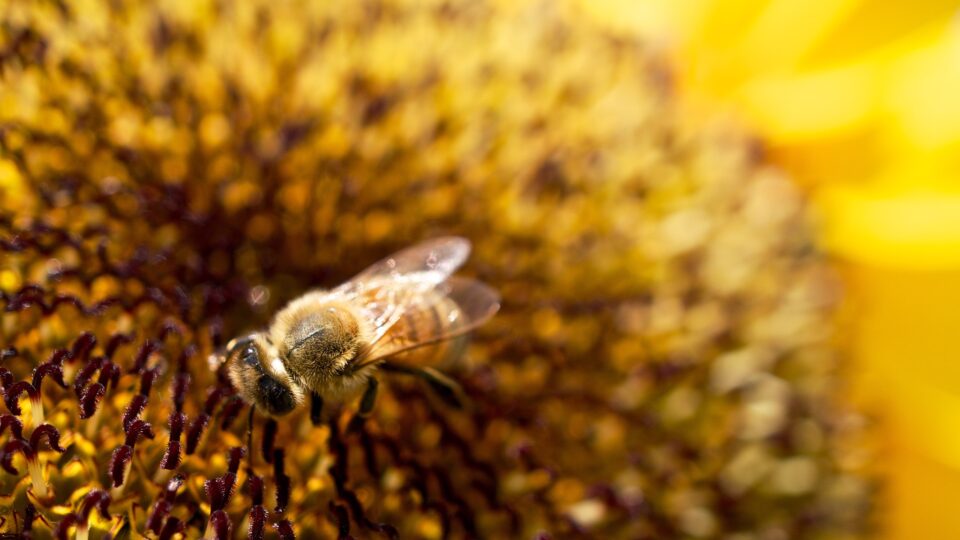
Domesticated honeybees are an essential part of our agricultural system, being responsible for one in every three bites of food Americans consume and contributing $15 billion a year to the value of the nation’s crop production.  Millions of bee colonies are trucked across the country every year to pollinate cranberries, melons, broccoli, blueberries, and cherries, and also to produce honey.

After the growing seasons, honeybees are trucked to various locations to rest and rebuild their population and to replenish bees lost to disease and pesticides.  Some of these locations are in national forests.  Thousands of hives belonging to 112 apiaries are currently permitted in national forests by the Department of Agriculture.  This presents a problem because these hives are being permitted on public lands with virtually no environmental review and with little consideration of the impact these colonies can have on local wild bee populations.

The 4,000 wild bee species in the U.S. consume up to 95% of local available pollen.  Nearly 40 federally listed threatened or endangered species of bees, butterflies, and flower flies depend on national forest land for their survival.  And now the pollinators in these places, which were once refuges for these species and others, increasingly face competition from millions of domesticated honeybees.

Honeybees are super-foraging machines and are literally taking the pollen out of the mouths of other bees and pollinators.  Honeybees themselves have been facing numerous problems from habitat loss, pesticides, and other stress factors.  So, what is happening is essentially a pollinator habitat crunch that carries long-term implications for the U.S. food supply.  We need to find some answers and the sooner the better.

**********

Web Links

Will Putting Honey Bees on Public Lands Threaten Native Bees?

Photo, posted August 9, 2015, courtesy of Tak H. via Flickr.

Earth Wise is a production of WAMC Northeast Public Radio.
Crops May Need To Move | Earth Wise

October 5, 2020 By EarthWise Leave a Comment

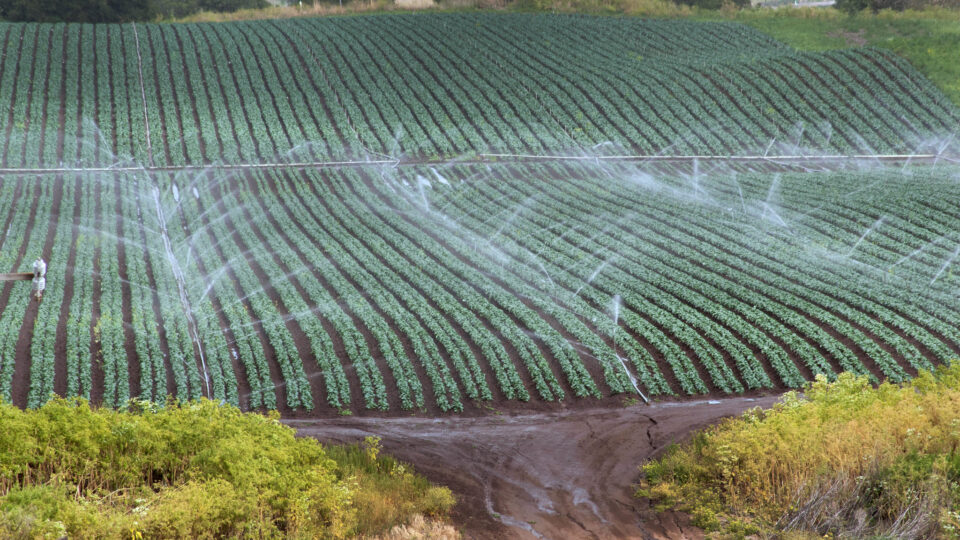
Climate change might force crops to move

California has unique micro-climate diversity that creates ideal growing conditions for a wide range of crops.  One third of the vegetables and two-thirds of the fruits and nuts we eat in this country are grown on the more than 76,000 farms in California.  But as the climate continues to change, many farmers have started to worry about where and when crops can be grown in the future.   Within the next 20 years or so, some parts of California may become too hot and dry to sustain agricultural production.

According to new research from the Lawrence Berkeley National Laboratory, by the years 2045-2049, warmer temperatures will have a significant effect on cool-season crops such as broccoli and lettuce such that their growing season will need to shift.  On the other hand, warm-season crops like cantaloupe, tomatoes, and carrots will need to move to entirely new growing locations.

The study looked at five key crops that are produced more in California than elsewhere and studied the climate conditions under which they prosper and those under which they fail.  They established the range of conditions for which the crops can remain successful.  Finally they looked at climate projections for various parts of the state.

California’s agriculture is an essential part of our food security, so it is important to predict how future warming will affect when and where crops can be grown.  Changing these things presents challenges.  For example, when considering relocating crops, growers have specialized knowledge of their land and their crops.  If crops need to move to a new area, either the farmers have to move to that area, or they have to grow a different crop.  Either way, it presents a practical and economic burden on the farmer.

**********

Web Links

Some of America’s Favorite Produce Crops May Need to Get a Move On by 2045

Photo, posted June 16, 2011, courtesy of the U.S. Department of Agriculture via Flickr.

Earth Wise is a production of WAMC Northeast Public Radio.
Aluminum And Deodorants | Earth Wise

October 2, 2020 By EarthWise Leave a Comment

Aluminum in deodorants

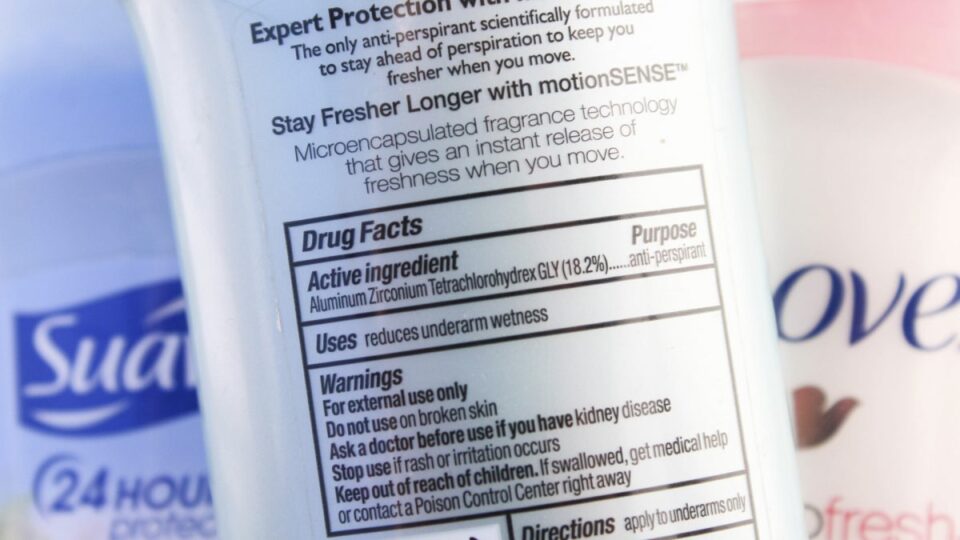
Aluminum is the third most common element in the earth’s crust.  That element and its compounds are contained in numerous foods and products intended for consumers.  Aluminum can occur naturally in certain foods and it can be a part of food additives.  Apart from that, it is also possible for aluminum to transfer to food from packaging and tableware.   We also can take in aluminum from cosmetic products like whitening toothpaste, lipsticks, particles in sunscreens, and in the form of aluminum chlorohydrate in antiperspirants.

The concern about aluminum intake is related to its effects on the nervous system, on the mental and motor development of children, and upon possible negative effects on the kidneys and bones.  When aluminum is ingested via food, its toxicity is low and for healthy people, the kidneys do a good job of excreting it.  However, people with chronic kidney disease may not be able to get rid of aluminum as readily and it can accumulate in the body.

Six years ago, a study looked at the amount of aluminum absorbed through the skin from the use of antiperspirants, but the data at that time was considered to be unreliable and a need for further research was identified.

Recently, the results of two new studies have been published by a German research institute that quantifies the absorption of aluminum salts through the skin.  The results were that significantly less aluminum is absorbed through the skin than previously calculated and that a significant absorption of aluminum from antiperspirants is unlikely.

The total burden of aluminum from all sources can be high among some population groups, but it appears that use of aluminum-containing antiperspirants is not an important contribution to that burden.

**********

Web Links

Aluminium in antiperspirants: Low contribution to the total intake of aluminium in humans

Photo courtesy of NutritionFacts.org.

Earth Wise is a production of WAMC Northeast Public Radio.

  • « Go to Previous Page
  • Page 1
  • Interim pages omitted …
  • Page 7
  • Page 8
  • Page 9
  • Page 10
  • Page 11
  • Interim pages omitted …
  • Page 18
  • Go to Next Page »

Primary Sidebar

Recent Episodes

  • An uninsurable future
  • Clean energy and jobs
  • Insect declines in remote regions
  • Fossil fuel producing nations ignoring climate goals
  • Trouble for clownfishes

WAMC Northeast Public Radio

WAMC/Northeast Public Radio is a regional public radio network serving parts of seven northeastern states (more...)

Copyright © 2026 ·