• Skip to primary navigation
  • Skip to main content
  • Skip to primary sidebar

Earth Wise

A look at our changing environment.

  • Home
  • About Earth Wise
  • Where to Listen
  • All Articles
  • Show Search
Hide Search
You are here: Home / Archives for food waste

food waste

Renewable Natural Gas

September 30, 2019 By EarthWise Leave a Comment

Small-scale biogas systems have collected methane from landfills, sewage plants, and farms for decades.  Here in the US, biogas is finally catching up with modern techniques with the advent of third-party operators introducing more sophisticated technology to capture methane and pump it directly into pipelines.

Renewable methane or natural gas represents a significant mostly unexploited source of energy.  Examples include the vast amounts methane generated by manure from some of the 2,300 hog farms in eastern North Carolina, biodigesters that can turn clusters of large California dairy farms into energy hubs, as well as diverting food waste from landfills and transforming it into vehicle and heating fuels.

According to a 2014 EPA study, the U.S. could support at least 13,000 biogas facilities, fed by manure, landfill gas, and biosolids from sewage treatment plants.  Those facilities could produce over 650 billion cubic feet of biogas per year – enough renewable energy to power 3 million homes.

A study by the World Resources Institute estimated that the 50 million tons of organic waste sent to landfills or incinerated every year in the U.S. has the energy content of 6 billion gallons of diesel fuel, amounting to 15% of all diesel consumed by heavy-duty trucks and buses.

Utilizing all that biogas could help lower greenhouse gas emissions from some of the most difficult sectors to decarbonize – transportation, industry, and heating buildings.  In addition, ramped up renewable gas could keep organic waste out of landfills and prevent manure runoff into rivers and water supplies.

Renewable natural gas could be the next big thing in green energy.

**********

Web Links

Could Renewable Natural Gas Be the Next Big Thing in Green Energy?

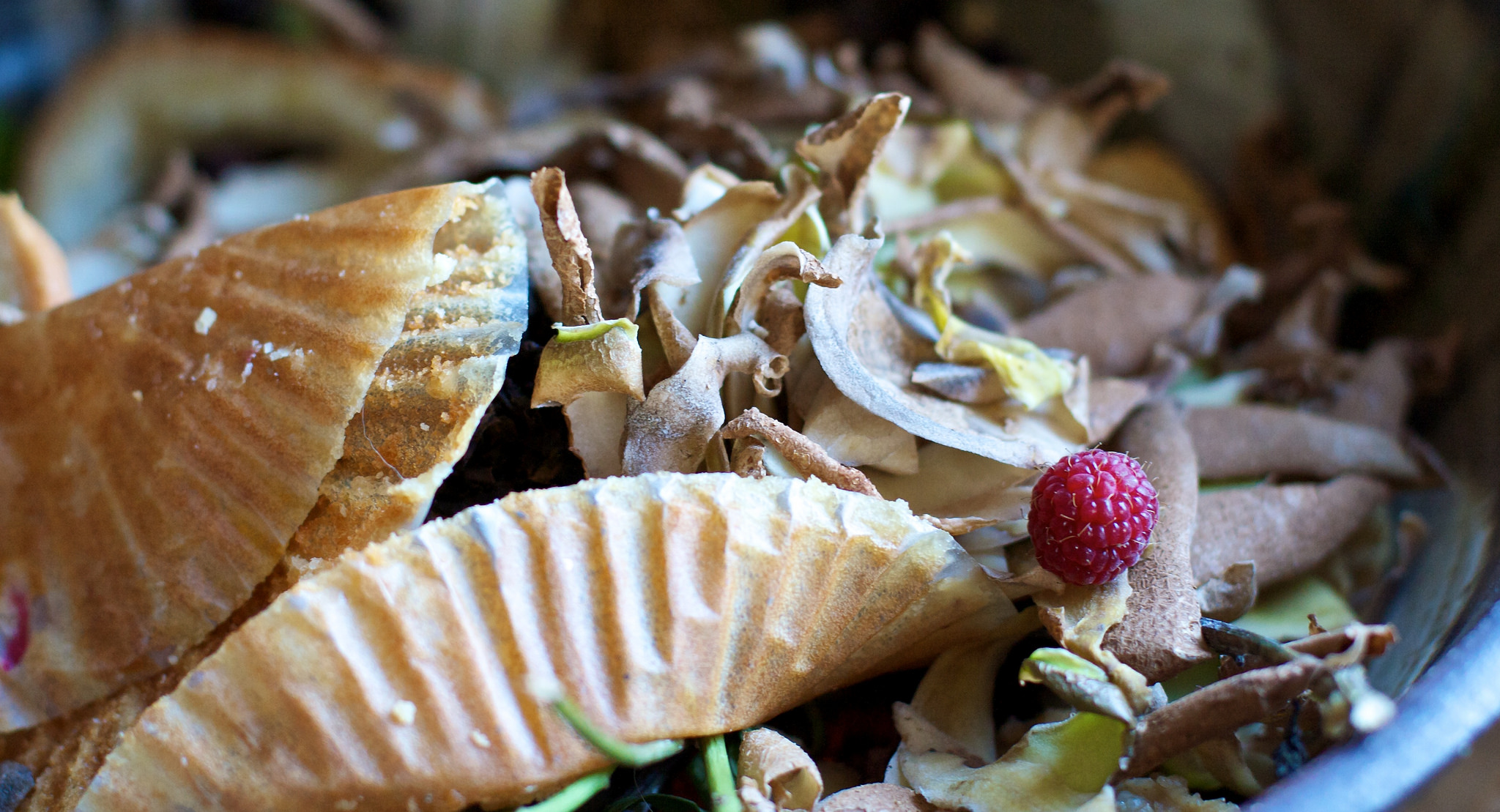
Photo, posted June 19, 2013, courtesy of Alan Levine via Flickr.

Earth Wise is a production of WAMC Northeast Public Radio.
Meal Kits And The Environment

June 11, 2019 By EarthWise Leave a Comment

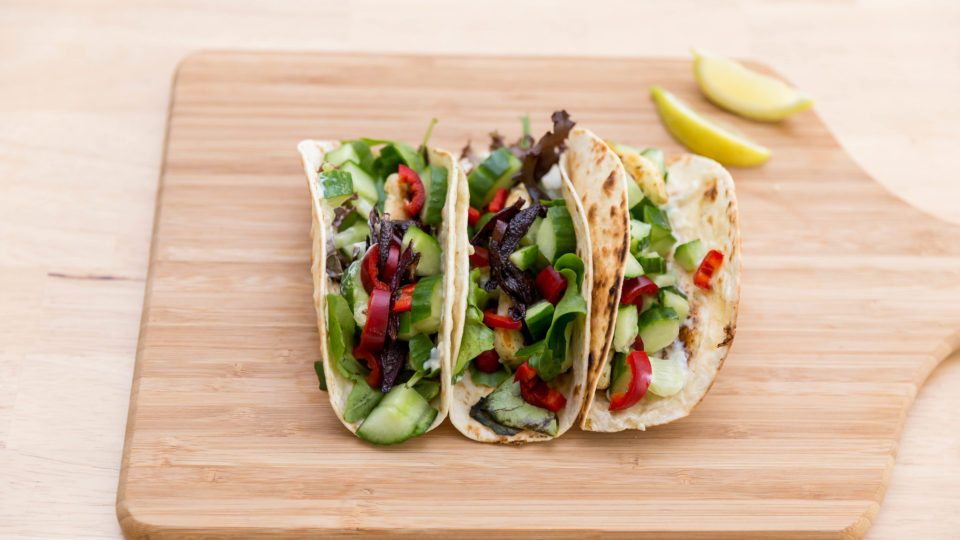
Meal kit services have become extremely popular in recent years.  These are companies that deliver a box of pre-portioned ingredients and a chef-created recipe to your door to make home-cooked meals easy and practical for busy people.  Leading companies like Blue Apron, HelloFresh, and Plated have been joined by dozens of others competing in the meal kit market.  As of last year, annual sales for these things were over $3 billion and growing at more than a 20% annual rate.

A major rap against meal kits has been their environmental impact, mostly centered around the amount of packaging waste they generate.  While there is most certainly lots of packaging waste associated with meal kits, it turns out that their overall carbon footprint is actually rather good compared with conventional ways to make homecooked meals.

A study from the University of Michigan looked at the cradle-to-grave impact of meal kits, taking into account every major step in the lifetime of the food ingredients and the packaging – agricultural production, packaging production, distribution, supply chain losses, consumption, and waste generation.

Surprisingly, meal kits have a much lower overall carbon footprint than the same meals made from ingredients purchased at the grocery store – even including their packaging.  The main reason is that pre-portioned ingredients and a streamlined supply chain lower overall food losses and waste for meal kits compared to store-bought meals.  Pre-portioning simply results in fewer ingredients that end up being wasted.  Meal kits also have radically different supply chain structures than foods sold in supermarkets.

Whether the economics and culinary aspects of meals kits are advantageous for many people is an open question, but apparently from an environmental perspective, they are just fine.

**********

Web Links

Climate change has worsened global economic inequality

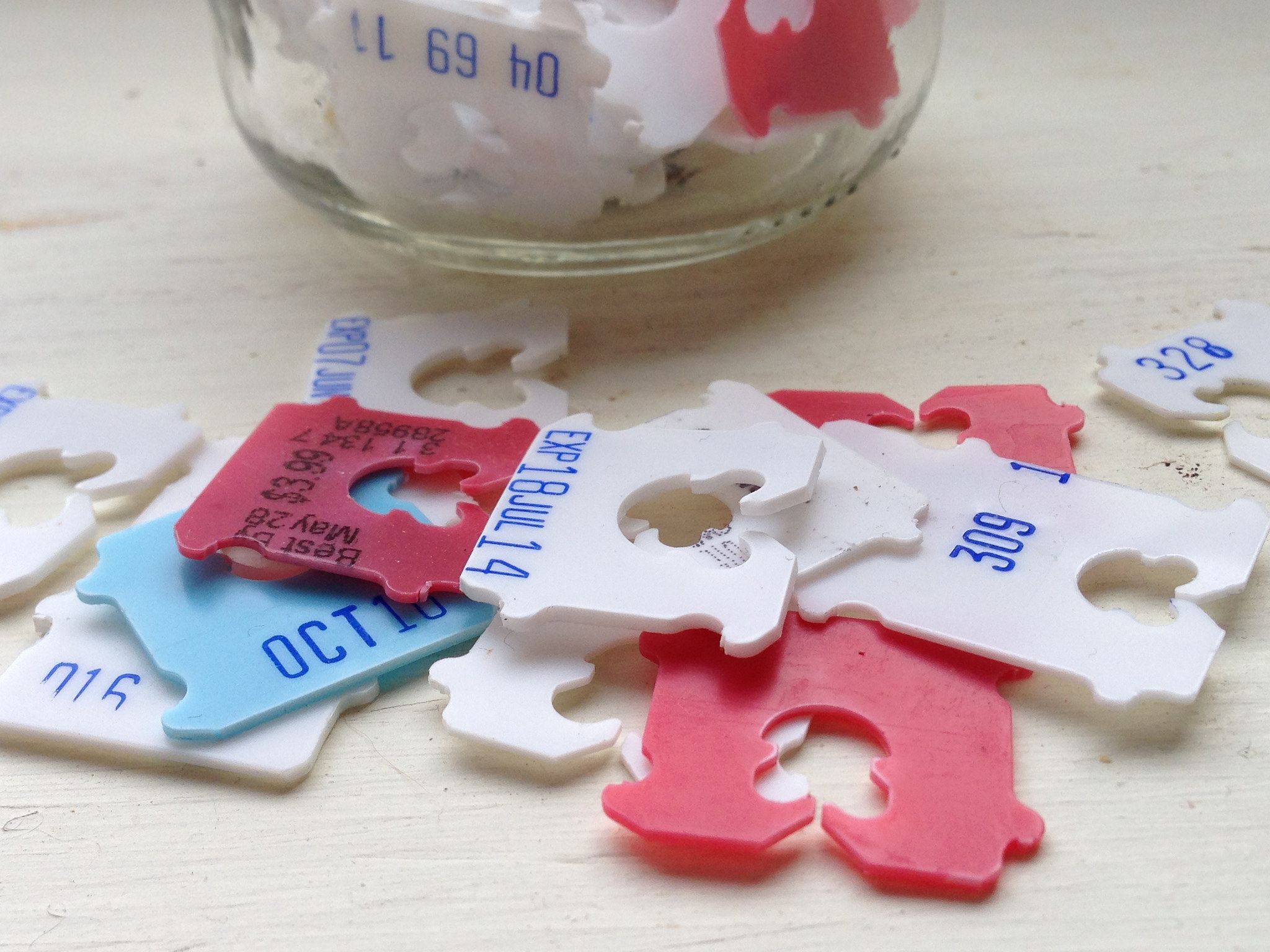
Photo, posted June 11, 2018, courtesy of Marco Verch via Flickr.

Earth Wise is a production of WAMC Northeast Public Radio.
Supermarkets And Zero-Waste

May 6, 2019 By EarthWise Leave a Comment

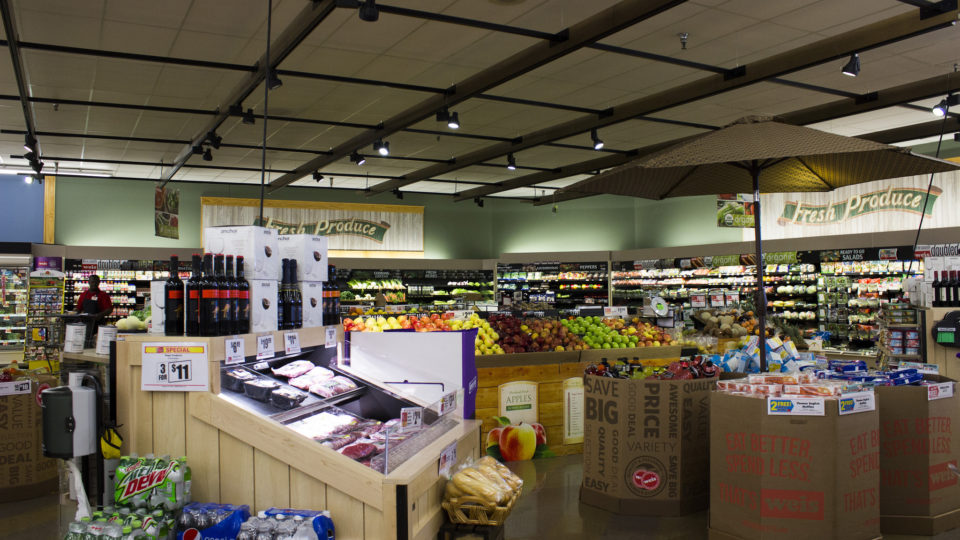
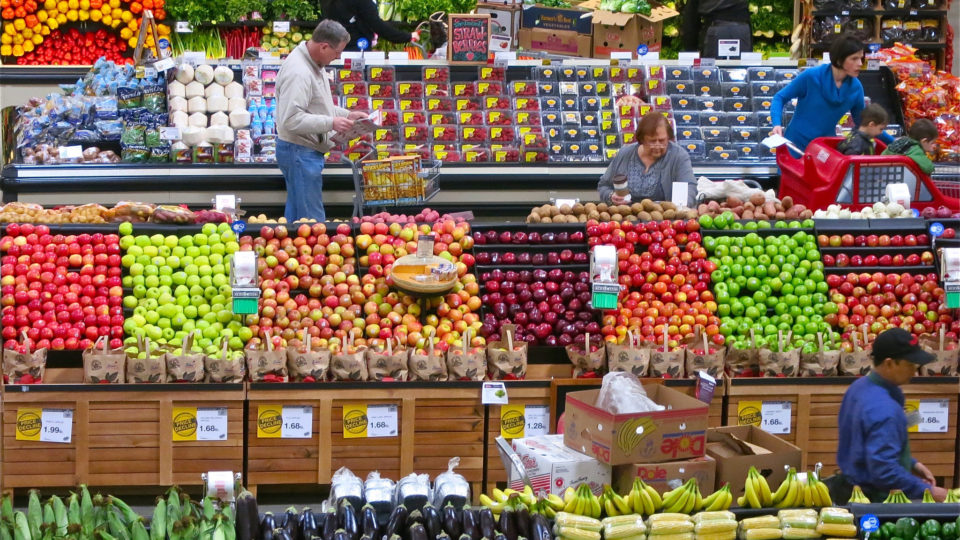
There are about 38,000 supermarkets in the United States alone and they are responsible for vast quantities of waste in the form of single-use plastic bags, plastic containers that store food products, and food waste as well.  Globally, over 80% of poll respondents feel strongly that companies should help improve the environment.  Responding to this message, markets are starting to make changes.

In a number of places, there are now markets that are package-free.  The Nada grocery store in Vancouver and Precycle in Brooklyn are examples of zero waste grocery stores.  Websites like Litterless provide online help for customers trying to find packaging-free grocery stores.

Markets are not only changing their packaging, they are using artificial intelligence to develop more sustainable production processes and seeking other ways to reduce waste.

On average, Americans throw away over 300 plastic bags a year, but an increasing number of grocery retailers are making commitments to more sustainable, plastic-free options.  It isn’t just small stores either.  Grocery giant Kroger plans to eliminate plastic bags in its stores by 2025.  When that happens, it means that 6 billion plastic bags will no longer be distributed.  Big Y stores will fully transition to reusable bags by next year.  More and more cities and states are banning or imposing fees on plastic bags. 

An interesting statistic shows that the age group of Americans that is leading the adoption of reusable grocery bags is not millennials but in fact is people over 50.  With multiple generations now indicating that they want shopping to be more sustainable, it is likely that supermarkets will strive to help make that happen.

**********

Web Links

Why More Supermarkets Are Committing to Zero-Waste

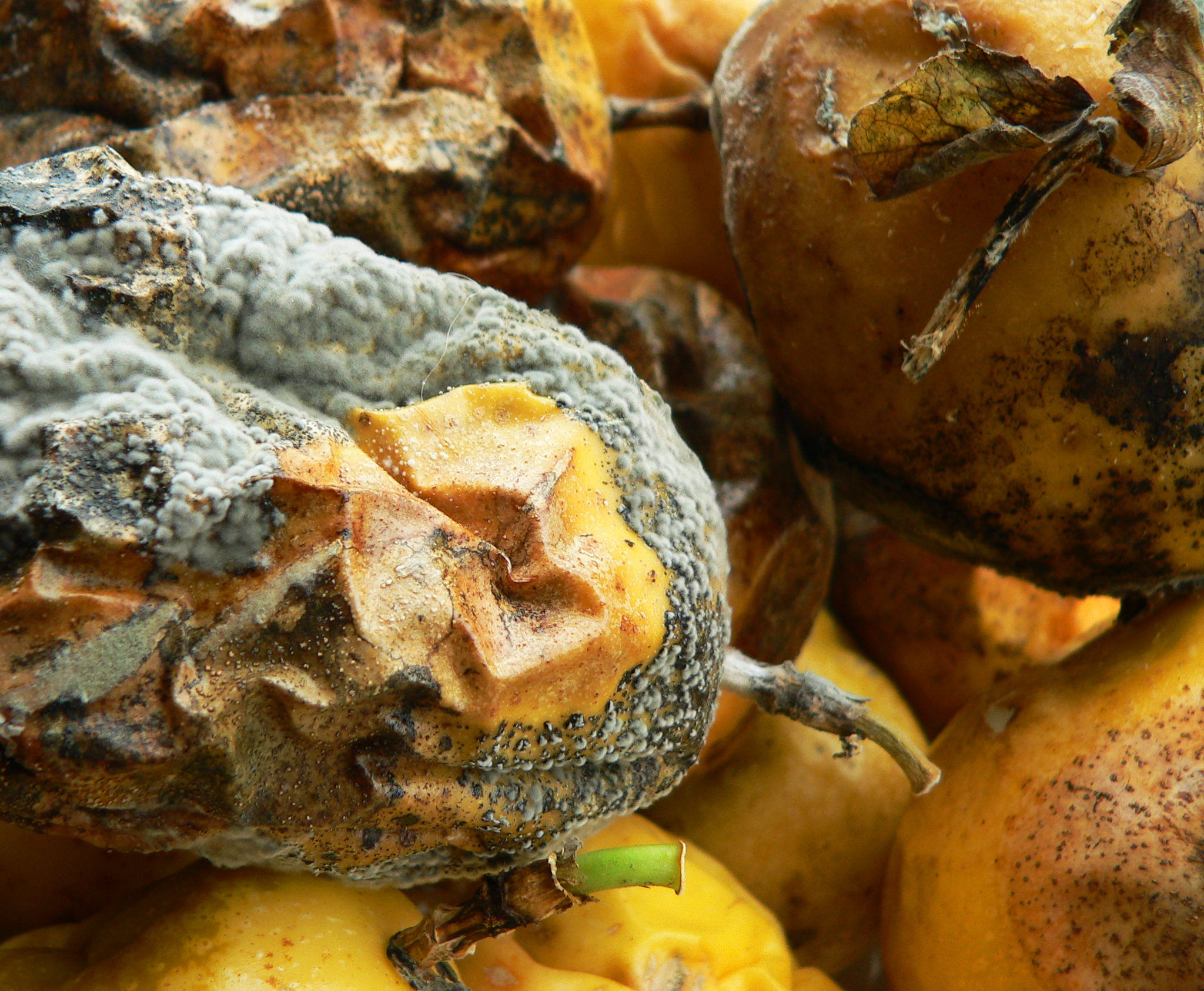
Photo, posted March 4, 2013, courtesy of Dean Hochman via Flickr.

Earth Wise is a production of WAMC Northeast Public Radio.
Food Production And Climate Change

January 29, 2019 By EarthWise Leave a Comment

According to a University of Oxford study recently published in the journal Science, food production is a major driver of climate change as it’s responsible for 26% of all greenhouse gas emissions.  But the research team found that the environmental impact of different foods varied greatly. 

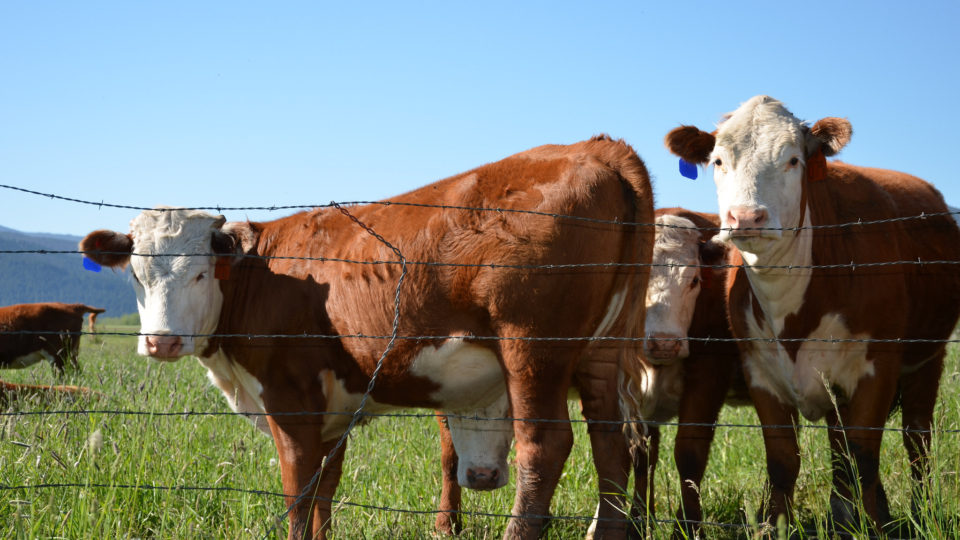
Meat and other animal products are responsible for 58% of all food-related greenhouse gas emissions, despite only providing approximately one-fifth of the calories we consume.  The researchers found that beef and lamb in particular have the most damaging effect on the planet, responsible for half of all greenhouse gas emissions from animal agriculture. 

These findings echo recommendations from the Intergovernmental Panel on Climate Change about how individuals can reduce their carbon footprint through diet.  The IPCC suggests we consume less meat and dairy products, consume more locally-sourced seasonal foods, and throw less food in the trash.  

Avoiding meat and dairy products can reduce an individual’s carbon footprint from food by two-thirds.  The effects of doing so include everything from conserving water and preserving biodiversity to reducing pollution and deforestation. 

Interestingly, the same food can have major differences in terms of environmental impacts.  For example, beef raised on deforested land is responsible for 12 times as many greenhouse gas emissions as that raised on natural pastures.  But even the most climate-friendly meat options are still responsible for more greenhouse gas emissions than the highest-impact vegetable proteins, like beans and nuts. 

Big differences can also be made by avoiding chocolate and coffee produced from deforested lands.  

To learn more about the climate impact of your diet, follow the link to the ‘Climate Change Food Calculator’ on our website: Earth-Wise-Radio.org. 

**********

Web Links

Reducing food’s environmental impacts through producers and consumers

Climate change food calculator

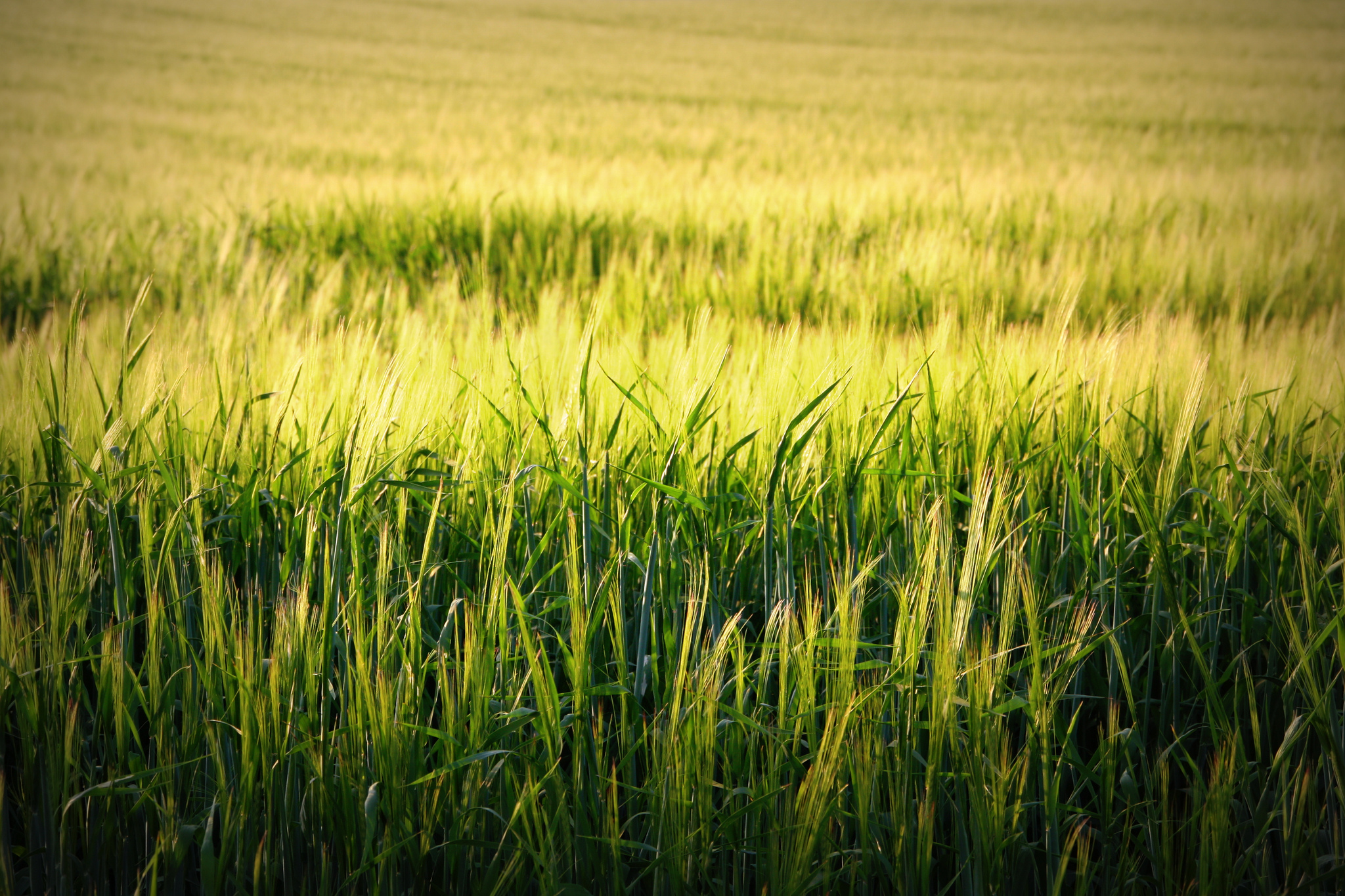
Photo, posted June 21, 2011, courtesy of USDA NRCS Montana via Flickr.

Earth Wise is a production of WAMC Northeast Public Radio.
Reducing Food Waste

October 9, 2018 By EarthWise Leave a Comment

https://earthwiseradio.org/wp-content/uploads/2018/09/EW-10-09-18-Reducing-Food-Waste.mp3

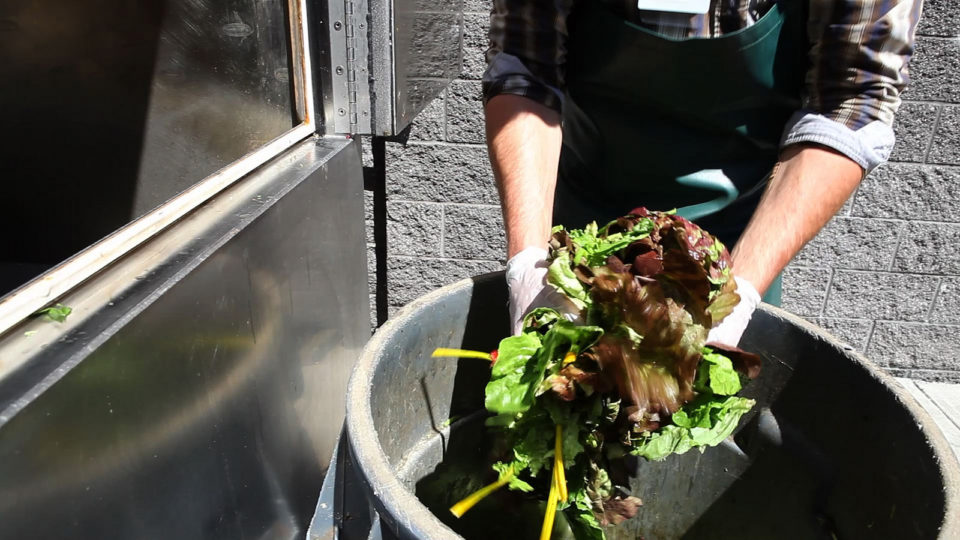
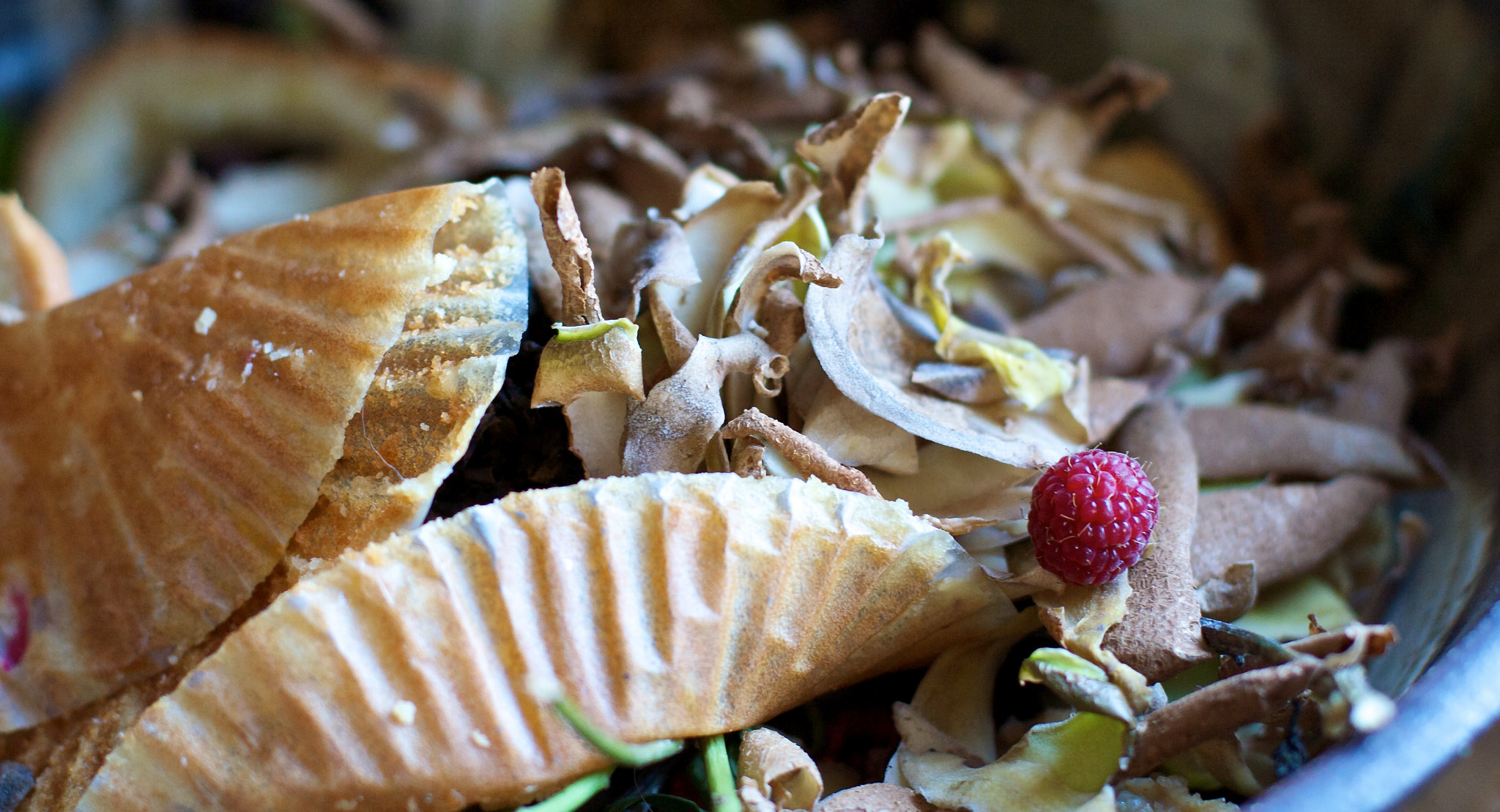
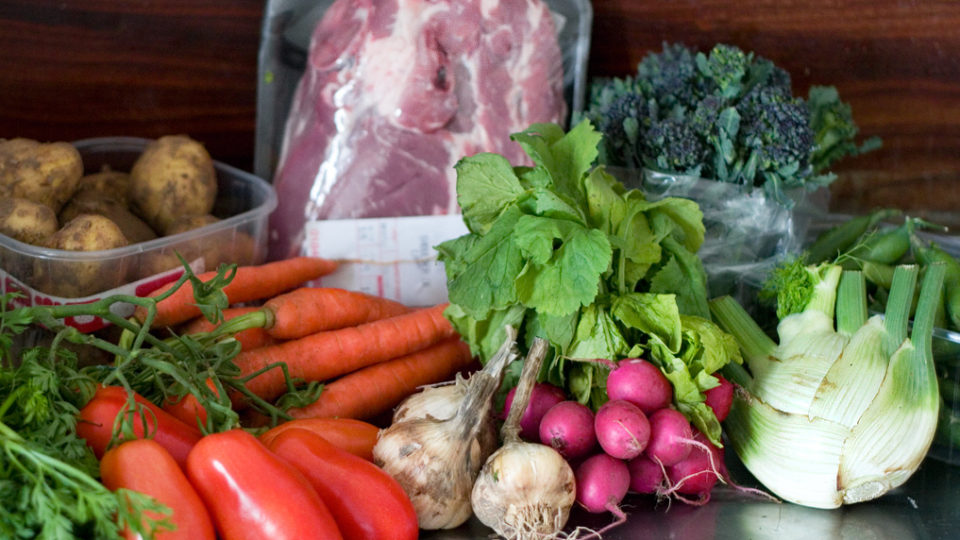
Food waste is a huge problem.  About a third of all food produced globally goes to waste, and the numbers are even worse in the US.  If food waste was a country, it would be the world’s third largest emitter of greenhouse gases.  Worse yet, all of this takes place in a world where 850 million people are chronically undernourished.

[Read more…] about Reducing Food Waste

Better Sell-By Dates For Milk

October 2, 2018 By EarthWise Leave a Comment

https://earthwiseradio.org/wp-content/uploads/2018/10/EW-10-02-18-Better-Sell-By-Dates.mp3

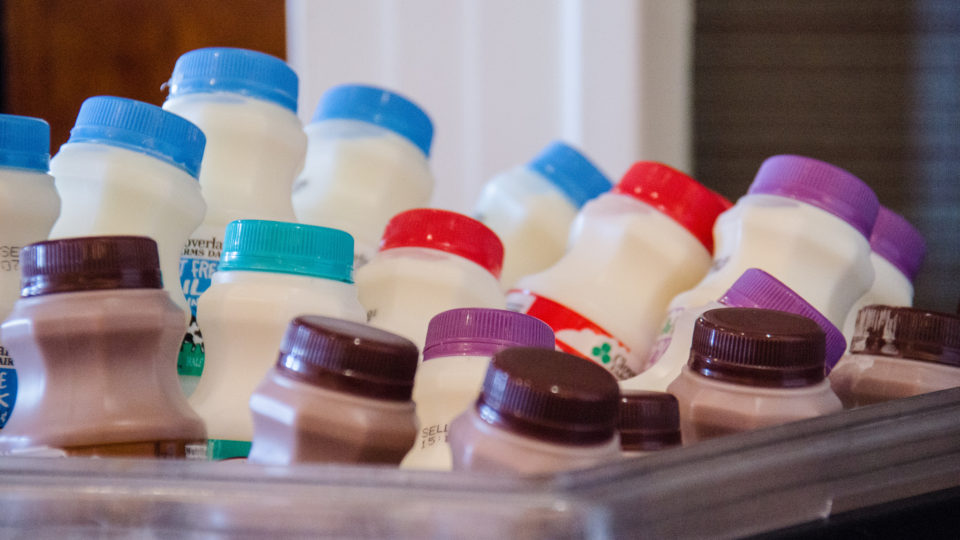
The sell-by and best-by dates on milk cartons are ones we tend to pay close attention to.  Many of us automatically discard milk if it is past one of those dates.  However, those dates are not really scientifically established but rather are guesses based on experience.

[Read more…] about Better Sell-By Dates For Milk

Shielding From Food Waste

May 28, 2018 By EarthWise Leave a Comment

https://earthwiseradio.org/wp-content/uploads/2018/05/EW-05-28-18-Shielding-from-Food-Waste.mp3

Food waste is one of the most disheartening problems we face.  Fully one-third of all food produced globally for human consumption is wasted.  Fruits, vegetables and tubers are even worse off:  fully half of these things are wasted.  It is a loss at an economic, social and environmental level.

[Read more…] about Shielding From Food Waste

A Bad Food Patch

May 14, 2018 By EarthWise Leave a Comment

https://earthwiseradio.org/wp-content/uploads/2018/04/EW-05-14-18-A-Bad-Food-Patch.mp3

A group of scientists and engineers at McMaster University in Hamilton, Ontario, has developed a new technology that could replace traditional “best before” dates on food and beverages with a definitive indication of the safety of the product.

[Read more…] about A Bad Food Patch

Wasting Less Food

August 4, 2017 By EarthWise

https://earthwiseradio.org/wp-content/uploads/2017/07/EW-08-04-17-Wasting-Less-Food-at-Home.mp3

We have talked about the problem of food waste before.  About 40% of the food produced in the United States goes to waste, which is a truly shameful statistic.  According to a Business for Social Responsibility study on the subject, about 44% of the food that goes into landfills comes from homes.  About a third comes from the food service industry.

[Read more…] about Wasting Less Food

European Lessons On Food Waste

February 17, 2017 By EarthWise

https://earthwiseradio.org/wp-content/uploads/2017/02/EW-02-17-17-European-Lessons-on-Food-Waste.mp3

Americans toss out an almost unbelievable $161 billion worth of food every year.  There are numerous efforts underway to address this problem, but they are mostly at the local level or in the business sector.   To date, we have no national- or international-level policies that tackle the issue.  In this regard, Europe is way ahead of us.

[Read more…] about European Lessons On Food Waste

Use-By Labels And Food Waste

December 20, 2016 By EarthWise

https://earthwiseradio.org/wp-content/uploads/2016/12/EW-12-20-16-Use-by-Labels.mp3

By some estimates, Americans waste as much as 40% of food that is produced.   None of the reasons are anything to be proud of, but one of the most frustrating is the confusing array of food date labels that are supposed to tell us whether the food we purchased should be eaten.

[Read more…] about Use-By Labels And Food Waste

Reducing Food Waste

July 14, 2016 By WAMC WEB

https://earthwiseradio.org/wp-content/uploads/2016/07/EW-07-14-16-Reducing-Food-Waste.mp3

It’s no secret that food waste is a global problem of epic proportions.  Approximately one-third of all food is either lost or wasted, while more than 800 million people worldwide go hungry.

[Read more…] about Reducing Food Waste

Food Waste And Behavior

May 27, 2016 By WAMC WEB

https://earthwiseradio.org/wp-content/uploads/2016/05/EW-05-27-16-Food-Waste-and-Behavior.mp3

In a recent article in Science entitled “Waste not, want not, emit less,” Danish researchers looked at the problem of food waste in both developed and developing countries.  Overall, about a third of the world’s food is lost or wasted, but the reasons for this vary in different parts of the world.

[Read more…] about Food Waste And Behavior

Growing More Food On Less Land

May 6, 2016 By WAMC WEB

https://earthwiseradio.org/wp-content/uploads/2016/05/EW-05-06-16-Growing-More-Food.mp3

There are predictions that the world’s population could reach 10 billion by the year 2050.  Whether population growth can be slowed down enough to prevent this remains to be seen.  Regardless, it is clear that we need to figure out how to feed many more people than we have today and we are not even doing that good a job of feeding the current population.

[Read more…] about Growing More Food On Less Land

Stop Putting Food Waste Down The Drain

May 4, 2016 By WAMC WEB

https://earthwiseradio.org/wp-content/uploads/2016/04/EW-05-04-16-Kitchen-Disposals.mp3

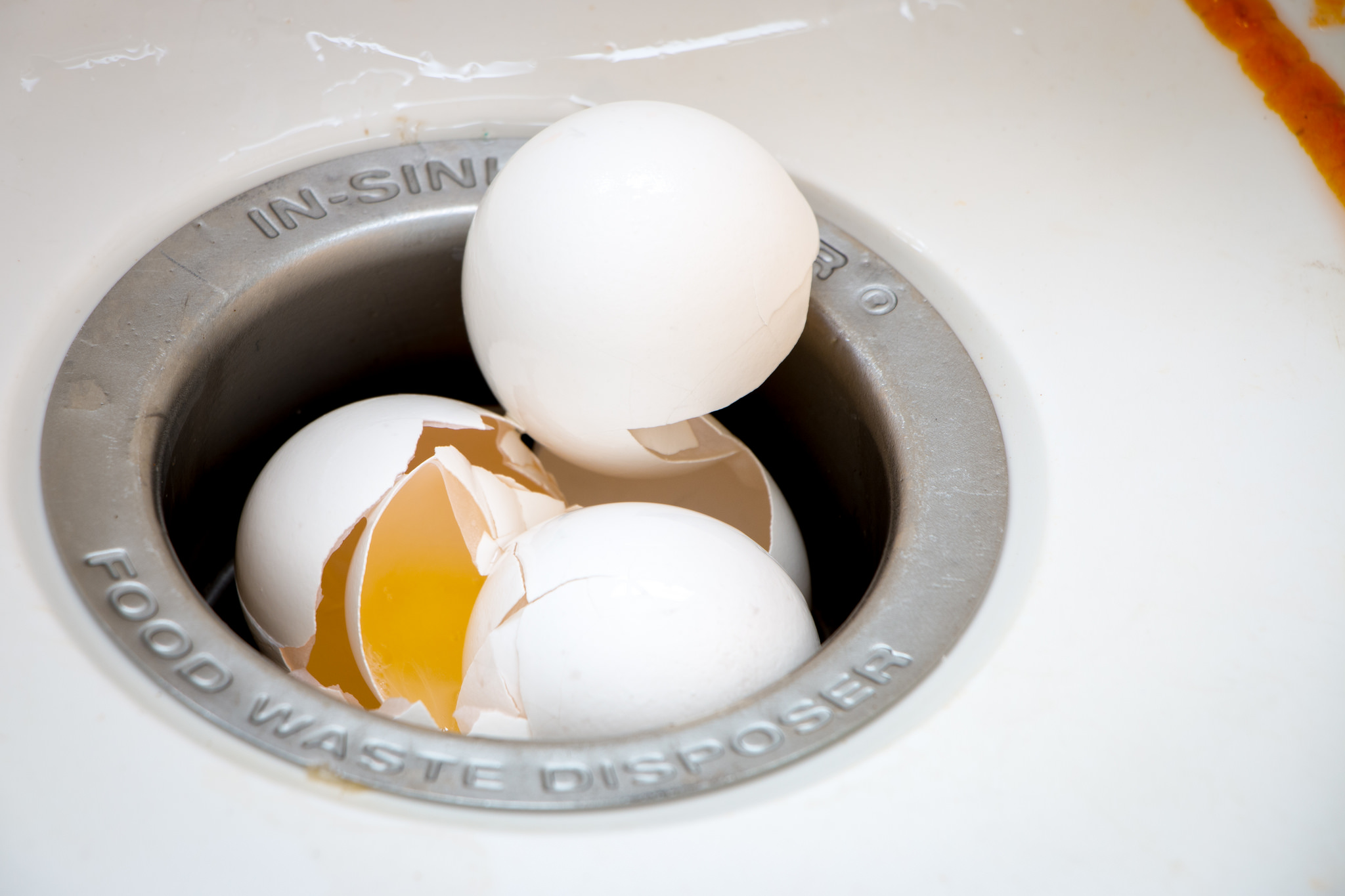
Should we really be putting food scraps down our sinks? Advertisements for kitchen garbage disposals assure us that these devices are a ‘hygienic way of eliminating waste and keeping odors at bay’ – but behind marketing materials questions remain.

[Read more…] about Stop Putting Food Waste Down The Drain

Food Waste And Wildlife

February 3, 2016 By WAMC WEB

https://earthwiseradio.org/wp-content/uploads/2016/02/EW-02-03-16-Food-Waste-and-Wildlife.mp3

We have talked quite a bit about food waste and in particular its impact on world hunger and on the economy.  The world wastes more than $750 billion worth of food each year and 1.6 billion tons of food is left in fields, sent to landfills or scattered about the landscape.  Another 7 million tons of fishery discards are dumped in the sea.

[Read more…] about Food Waste And Wildlife

Food Deserts

January 6, 2016 By WAMC WEB

https://earthwiseradio.org/wp-content/uploads/2015/12/EW-01-06-16-Food-Deserts.mp3

A food desert is a geographic area – often an urban area – where affordable and nutritious food is difficult to obtain, particularly for those without access to an automobile.   Food deserts disproportionately affect occupants of poor, low-income neighborhoods where there are often no groceries stores or farmer’s markets.  These are places were food comes from convenience stores or fast-food chains.  More than 20 million Americans are thought to live in food deserts.

[Read more…] about Food Deserts

Reducing Food Waste

November 6, 2015 By EarthWise

https://earthwiseradio.org/wp-content/uploads/2015/09/EW-10-29-15-Reducing-Food-Waste.mp3

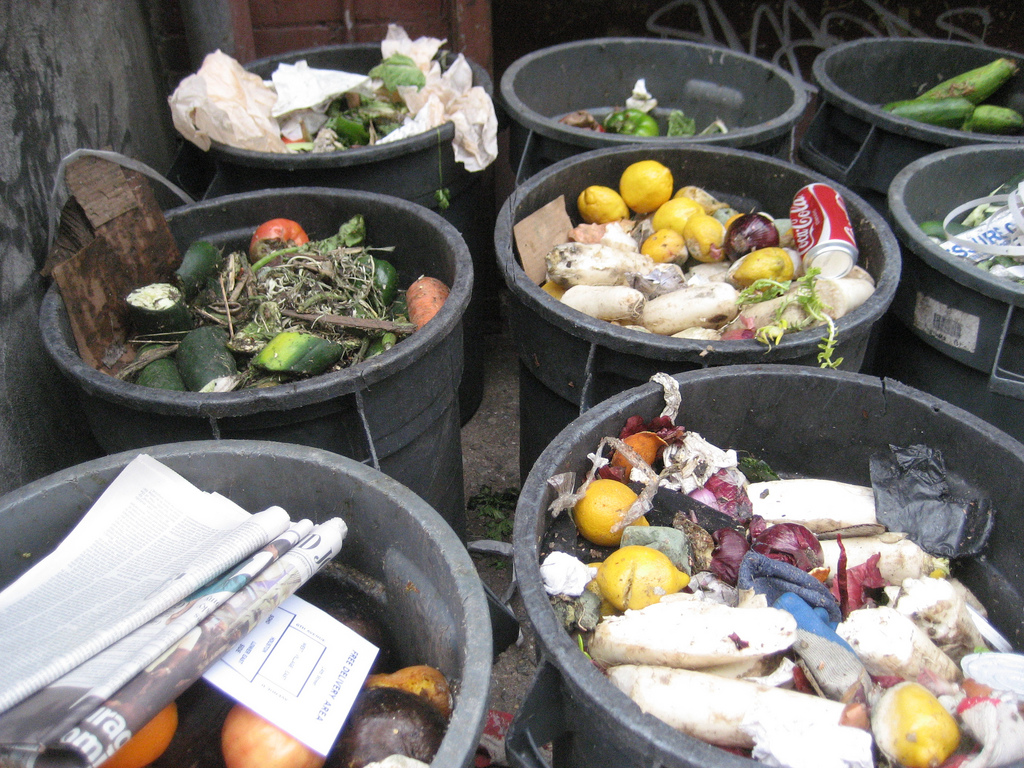
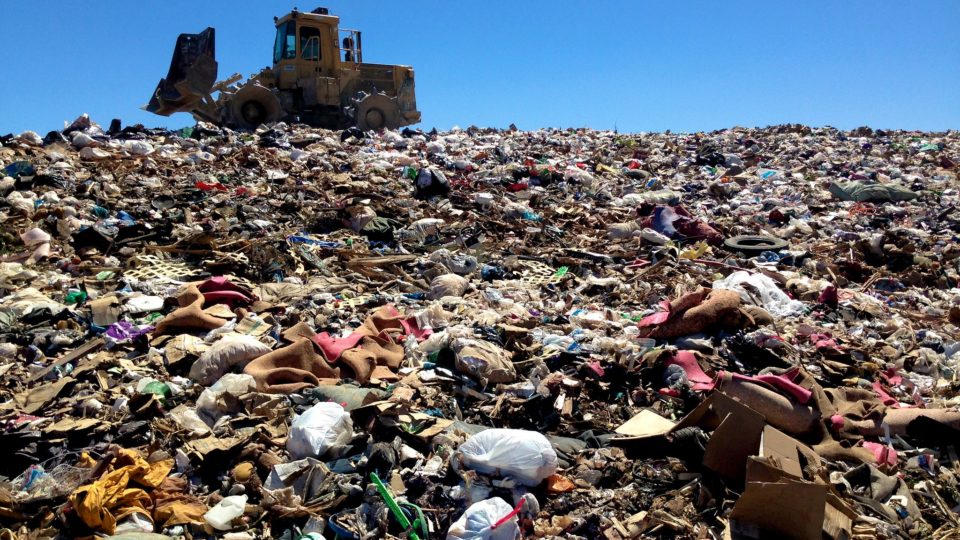
We have talked about food waste before.  It is a big problem in this country:  some 31% of our food supply is wasted, more than 130 billion pounds a year.  Food waste makes up 21% of solid waste in municipal landfills, which means that it accounts for the bulk of landfill methane emissions.  Methane is more than 20 times more effective as a greenhouse gas than carbon dioxide, and landfills are a major source of it.

[Read more…] about Reducing Food Waste

  • « Go to Previous Page
  • Page 1
  • Page 2

Primary Sidebar

Recent Episodes

  • An uninsurable future
  • Clean energy and jobs
  • Insect declines in remote regions
  • Fossil fuel producing nations ignoring climate goals
  • Trouble for clownfishes

WAMC Northeast Public Radio

WAMC/Northeast Public Radio is a regional public radio network serving parts of seven northeastern states (more...)

Copyright © 2026 ·