• Skip to primary navigation
  • Skip to main content
  • Skip to primary sidebar

Earth Wise

A look at our changing environment.

  • Home
  • About Earth Wise
  • Where to Listen
  • All Articles
  • Show Search
Hide Search
You are here: Home / Archives for consumers

consumers

A Palm Oil Replacement | Earth Wise

December 15, 2020 By EarthWise Leave a Comment

A possible replacement for palm oil

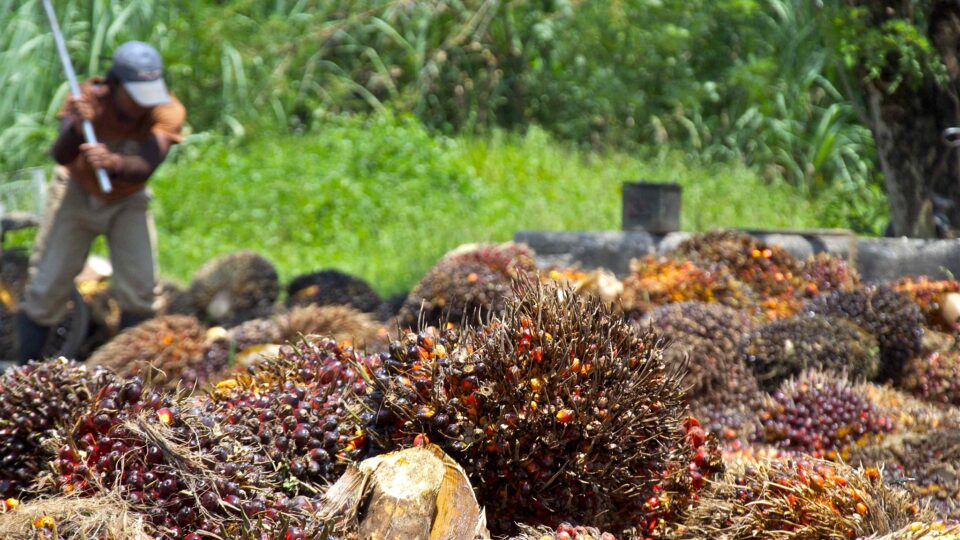
In the 1990s, cardiovascular health issues associated with partially hydrogenated oils containing harmful trans fats became a focus of great concern.  As a result, food companies looked for substitutes and the alternative they identified was palm oil.  Its ability to remain solid at room temperature made it well suited for many food applications.  Unfortunately, that property stems from its high saturated fat content, which means it also increases the risk of coronary heart disease.

The widespread use of palm oil has also caused significant environmental problems.  Palm oil plantations have replaced millions of acres of tropical forests, destroying the habitat for numerous species and threatening biodiversity.

Other potential replacements for partially hydrogenated oils such as coconut oil tend to be more costly, limited in supply, and also high in saturated fats.

Food scientists at the University of Guelph in Ontario, Canada, recently demonstrated the use of enzymatic glycerolysis (EG) to turn liquid vegetable oils into solid fats.  Their process is able to produce solid fats with the textural and structural properties desired by consumers.

The process is fairly simple, relatively easy to scale up, and is amenable to smaller food production or even local production.  Using it would enable food producers to use all sorts of readily available vegetable oils that can be produced in parts of the world that are not necessarily tropical regions.

Palm oil use is not going to go away, but this work may point a way to help slow down the destruction of ecosystems and animal habitats as well lead to more sustainable and healthy food sources.

*********

Web Links

U of G Food Scientists Find Palm Oil Alternative That’s Good for Human, Planet Health

Photo, posted February 21, 2010, courtesy of Craig Morey via Flickr.

Earth Wise is a production of WAMC Northeast Public Radio.

Upstate Energy Storage | Earth Wise

October 9, 2020 By EarthWise Leave a Comment

A large scale battery energy storage project

In August, the New York Power Authority announced the start of construction on one of the largest battery energy storage projects in the nation.  Located in Franklin County at the very top of New York State, the project will comprise 20 MW of lithium ion battery storage that will help the state meet its peak power needs by absorbing excess generation that can be discharged later when the grid demands it.

The Northern New York region gets more than 80% of its electricity supply from renewable sources, including the St. Lawrence hydropower project and more than 650 MW of wind generation.  Having the ability to store some of this renewable energy for later delivery will help to eliminate transmission constraints that can prevent energy from being delivered to consumers.

The battery storage facility is one of two such large systems in the state.  The other one is a 20 MW battery storage system developed by Key Capture Energy in Stillwater in Saratoga County.  That project, which was funded by NYSERDA under the state’s Bulk Storage incentive program, is connected to the wholesale transmission network and is a revenue source for Key Capture, an independent utility-scale battery storage developer based in Albany.

The new storage project’s location is an ideal opportunity to spotlight the value of energy storage given the proximity of the hydropower project and extensive wind resources.  Being able to store renewable energy will improve transmission of the state’s electric power to downstate markets as well as help meet the state’s goals for reducing its carbon footprint and increasing its reliance upon renewable energy.

**********

Web Links

Construction begins on NYPA’s second large-scale storage project

Photo courtesy of ceedub13, CC BY 2.0.

Earth Wise is a production of WAMC Northeast Public Radio.
Aluminum And Deodorants | Earth Wise

October 2, 2020 By EarthWise Leave a Comment

Aluminum in deodorants

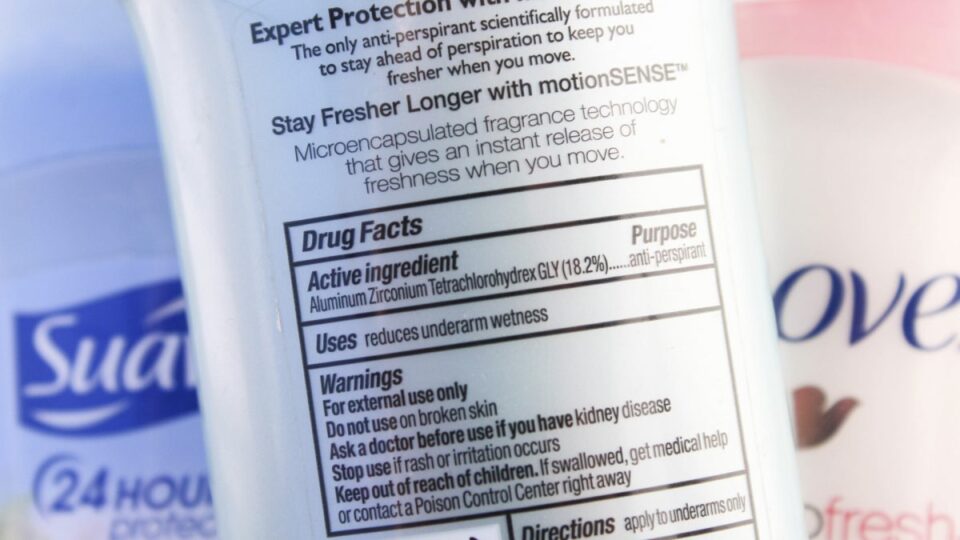
Aluminum is the third most common element in the earth’s crust.  That element and its compounds are contained in numerous foods and products intended for consumers.  Aluminum can occur naturally in certain foods and it can be a part of food additives.  Apart from that, it is also possible for aluminum to transfer to food from packaging and tableware.   We also can take in aluminum from cosmetic products like whitening toothpaste, lipsticks, particles in sunscreens, and in the form of aluminum chlorohydrate in antiperspirants.

The concern about aluminum intake is related to its effects on the nervous system, on the mental and motor development of children, and upon possible negative effects on the kidneys and bones.  When aluminum is ingested via food, its toxicity is low and for healthy people, the kidneys do a good job of excreting it.  However, people with chronic kidney disease may not be able to get rid of aluminum as readily and it can accumulate in the body.

Six years ago, a study looked at the amount of aluminum absorbed through the skin from the use of antiperspirants, but the data at that time was considered to be unreliable and a need for further research was identified.

Recently, the results of two new studies have been published by a German research institute that quantifies the absorption of aluminum salts through the skin.  The results were that significantly less aluminum is absorbed through the skin than previously calculated and that a significant absorption of aluminum from antiperspirants is unlikely.

The total burden of aluminum from all sources can be high among some population groups, but it appears that use of aluminum-containing antiperspirants is not an important contribution to that burden.

**********

Web Links

Aluminium in antiperspirants: Low contribution to the total intake of aluminium in humans

Photo courtesy of NutritionFacts.org.

Earth Wise is a production of WAMC Northeast Public Radio.
Preserving Produce With Eggs | Earth Wise

July 17, 2020 By EarthWise Leave a Comment

Using eggs to preserve produce

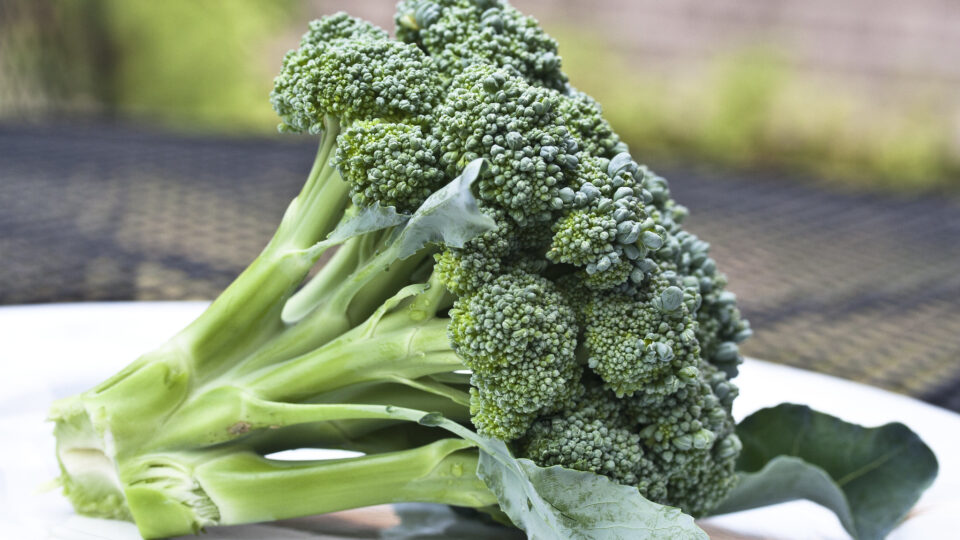
Researchers at Brown University have developed an inexpensive coating to protect fruits and vegetables that is made from eggs that would otherwise be wasted.  The micron-thick coating solves problems for the produce and its consumers as well as for the environment.

The coating relies on eggs that never reach the market.  The U.S. produces more than 7 billion eggs a year.  The supply chain rejects about 3% of them, typically because of shell damage, which means that more than 200 million eggs end up in landfills.

The coating is mostly made from egg, the rest consisting of nanoscale cellulose extracted from wood, a tiny amount of curcumin (the main active ingredient in turmeric that has antimicrobial properties), and a bit of glycerol for added elasticity.  The coating is applied to produce by spraying or dipping.  It shows a remarkable ability to resist rotting for an extended period comparable to standard coatings like wax, but without their shortcomings.

Along with being edible, the coating retards dehydration, provides antimicrobial protection, and is largely impermeable to both water vapor to prevent dehydration and to gas to prevent premature ripening.  The coating is entirely natural, and it washes off with water.  So, anyone sensitive to the coating, such as someone with an egg allergy, can easily eliminate it.

Lab tests of the coating studied its effects on strawberries, avocados, bananas and other fruits.  All were seen to maintain their freshness far longer than uncoated produce.

The researchers are continuing to refine the coating.  They are also considering other source materials.  They chose egg proteins because there are so many wasted eggs, but it may be possible to make use of plant proteins instead to address the needs of vegan consumers.

**********

Web Links

Egg-based coating preserves fresh produce

Photo, posted July 13, 2012, courtesy of Liz West via Flickr.

Earth Wise is a production of WAMC Northeast Public Radio.

Online Shopping And Greenhouse Gas Emissions | Earth Wise

April 3, 2020 By EarthWise Leave a Comment

Carbon footprint of online and traditional shopping

These days, consumers have multiple choices for how to shop for even the most mundane products.  There are both traditional and online ways to buy most so-called fast-moving consumer goods, such as cleaning supplies and packaged foods.  Price, quality, convenience, and time-frame guide our choices.

In the past, these things were always purchased by going to “Bricks & Mortar”, that is, physical retail stores. But now, we can order them from physical stores and have them delivered directly by the store – which is known as “Bricks & Clicks” – or we can order them online from an e-tailer and have them delivered by a parcel delivery company or the post office, so-called “Pure Play” online purchasing..

The carbon footprint of these three approaches depends on multiple factors according to a new study published in Environmental Science and Technology.  The study looked at the impact of transport, warehouse storage, delivery, and packaging.

Overall, the greenhouse gas footprints per item purchased at Bricks & Mortar were higher than those of Bricks & Clicks but lower than that of Pure Players.  But the results were highly dependent upon how many items were actually being purchased, and where the consumers lived.  The type of items also mattered.  For example, clothing purchased from a pure-play online source is much more likely to be returned than if purchased in a store.

Bricks & Mortar shoppers could reduce their footprint by 40% by walking or biking to stores, and Pure Players could cut emissions by 26% by switching to electric vehicles for the delivery of products from parcel distribution centers to consumers’ homes.

**********

Web Links

Comparing greenhouse gas footprints of online versus traditional shopping

Photo, posted July 15, 2017, courtesy of Elaine Smith via Flickr.

Earth Wise is a production of WAMC Northeast Public Radio.

Companies Promise Climate Action | Earth Wise

March 30, 2020 By EarthWise Leave a Comment

Companies scramble to achieve climate promises

A growing number of major corporations are making promises on climate and the promises are getting more ambitious and for faster action.  More companies are disclosing their carbon emissions and more of those companies have emissions reduction targets. 

There has also been an acceleration in the rate at which companies set so-called science-based targets, which are specific, measurable carbon reduction goals that align the company with the Paris Agreement.  Among the hundreds of companies with such targets are Coca-Cola, Nike, Best Buy, Walmart, and Hilton Hotels.  According to one analysis, the number of Fortune 500 companies with concrete, ambitious carbon targets quadrupled in the past four year to 23%.

Environmental advocates have been pressuring companies for decades, but companies seem to be far more proactive now despite the fact that the U.S. government has largely dropped the ball on climate issues.

The reasons include the fact that the effects of climate change are becoming clearer to companies.  Wildfires, rising sea levels, droughts and other aspects of the crisis both make headlines and affect business operations.

Meanwhile, solar and wind energy have gotten significantly cheaper, making it more attractive for companies to shift away from fossil fuels.

At the same time, investors are increasingly asking companies to act on climate issues.  Consumers, employees, and the general public are increasingly demanding action and even children are adding to the pressure to act.

Making these commitments is one thing; following through on them and sticking to them is another.  There are real concerns that there is a great deal of green-washing going on among companies trying to project a favorable image.  In any case, if companies really want to lead on climate, they need to put their money where their mouths are.

**********

Web Links

Better Late Than Never? Big Companies Scramble To Make Lofty Climate Promises

Photo, posted June 22, 2016, courtesy of Mike Mozart via Flickr.

Earth Wise is a production of WAMC Northeast Public Radio.

Jet Fuel From Acetone | Earth Wise

February 25, 2020 By EarthWise Leave a Comment

Greening Jet Fuel

Acetone is a common organic solvent.  It is used to make plastic, fibers, drugs, and other chemicals.  It is commonly used by consumers as nail polish remover.  Acetone is a manufactured chemical, but it is also found naturally in the environment in plants, among other places. There are now companies that produce acetone entirely by fermentation of plant feedstocks, such as corn.

Researchers at Los Alamos National Laboratory have now developed a process by which acetone can be converted into a fuel additive that can improve the performance of petroleum-based jet fuel, providing both environmental and economic benefits.

The process takes biomass-derived acetone and converts it to isophorone, which they produce by a process called photochemical cycloaddition that creates more complex hydrocarbons.  They then use ultraviolet light to convert the isophorone into cyclobutane, which is a type of hydrocarbon with high energy density that is suitable for aviation fuel applications.

Acetone itself is quite volatile and is unsuitable for fuel applications.  It also cannot be added directly to any fuel supply since it can dissolve engine parts and o-rings.  Cyclobutane, on the other hand, is a safer and more energy-dense fuel that can be a replacement for additives that require high-pressure hydrogen treatment in their synthesis.  Currently, most hydrogen is produced by a process that generates carbon dioxide.  The new conversion process does not result in carbon emissions.

According to the Los Alamos researchers, their process can result in a domestically generated product that will provide environmental benefits, create domestic jobs, improve U.S. energy security, and further U.S. global leadership in bioenergy technologies.

**********

Web Links

Acetone plus light creates a green jet fuel additive

Photo, posted December 18, 2007, courtesy of Flickr.

Earth Wise is a production of WAMC Northeast Public Radio.

Stranded Coal Assets In Japan

November 25, 2019 By EarthWise Leave a Comment

Japan is facing a looming financial problem as a result of heavy investments in coal technology that may quickly become stranded assets as renewable energy sources become increasingly inexpensive.

Japan is gradually adding more ambitious policies with regard to climate change including goals to reduce emissions and to have renewables become the main source of power over the next three decades.  But despite these policy efforts, Japan is still investing heavily in coal power.  Japan currently has 21 new coal projects with over 11 GW of under-construction, permitted or pre-permitted coal capacity.  But these tens of billions of dollars in assets would have to be closed prematurely in order to remain consistent with the goals of the Paris Climate Agreement.

According to a new report by the Carbon Tracker Initiative, a financial think tank, and the University of Tokyo, offshore wind power will be cheaper than coal in Japan by 2022, new solar cheaper by 2023, and onshore wind less expensive by 2025.  The price of offshore wind is already comparable to existing coal power in Japan.  Japan had a total of 55.5 GW of solar capacity last year and has the potential to reach 150 GW by 2030.

The report notes that 42% of the global coal fleet likely became unprofitable last year and this could rise to 72% by 2040.  The authors contend that building coal power today equals high-cost power and financial liabilities tomorrow.  The planned and operating coal capacity in Japan is partially protected by regulations that give coal generators an unfair advantage in the marketplace.  Ultimately, the stranded coal assets are likely to be passed down to consumers through higher power prices.

**********

Web Links

Land of the Rising Sun and Offshore Wind

Photo, posted April 25, 2019, courtesy of Jen via Flickr.

Earth Wise is a production of WAMC Northeast Public Radio.

Protecting Canola Crops From Frost

November 20, 2019 By EarthWise Leave a Comment

Canola is one of Canada’s most valuable crops.  In fact, Canada is the world’s largest exporter of canola oil.  The international market for canola oil is $27 billion a year.  The oil is very popular because it has a relatively low amount of saturated fat, a substantial amount of monosaturated fat, and is very neutral tasting.

Canadian canola farmers worry a great deal about late season, non-lethal frosts because the frosts prevent chlorophyll – a photosynthetic pigment in the seeds – from breaking down, a process they call “degreening”.  The farmers seek to have high-quality yellow embryos at seed maturity.  When the harvest contains more than 2% of green seeds, it can no longer produce Grade No. 1 quality oil.  When green seeds are processed to extract canola oil, the chlorophyll in the seeds reduces the oil’s storability and quality.  As a result, farmers receive a lower price for frost-damaged green seed canola.  This costs Canadian farmers and estimated $150 million annually.

Researchers at the University of Calgary have developed gene-based technology to produce canola plants that can withstand late-season frost and still produce high-quality seed.  They identified a specific protein that controls chlorophyll breakdown and seed maturity.  Genetic manipulation is able to enhance the seed degreening system.  They were able to reduce the amount of chlorophyll in the genetically modified canola lines by 60% after the plants were exposed to non-lethal frost. 

Ultimately, the researchers plan to develop a method to incorporate the modification into canola hybrid lines in such a way that it will be readily accepted by consumers concerned about genetically modified organisms.

**********

Web Links

New technology helps protect valuable canola crops from frost

Photo, posted August 29, 2018, courtesy of Tinker and Rove via Flickr.

Earth Wise is a production of WAMC Northeast Public Radio.

China And Rare Earth Mining

September 4, 2019 By EarthWise Leave a Comment

Rare earth elements are a crucial part of much of modern technology.  Everything from computers to X-ray machines and aircraft engines needs one or more rare earth elements for magnets, lenses, and other functions.  The world’s tech giants such as Apple, Huawei, and Tesla depend on suppliers of rare earths.

Rare earth elements are not actually rare, but they are very expensive to extract in ways that are not extremely harmful to the environment.  China has been a major source of these elements since its rare earth mining industry took off in the 1990s.  The removal of rare earths from the earth’s crust, using a mix of water and chemicals, has caused extensive water and soil pollution.

Today, concrete leaching ponds and plastic-lined wastewater pools dot the hills of Southeast China.  Large wastewater ponds sit uncovered and open to the elements in many places.  Landslides or barrier failures can spill contaminated contents into waterways or groundwater.

Local and federal officials in China have started to shut down illegal and small-scale rare earth mining operations and have embarked on a cleanup of polluted sites.  The rare earth mining cleanup operation is part of wider efforts across China to address severe problems of water, air and soil pollution.

China’s Ministry of Industry and Information Technology estimated that the cleanup bill for southern Jiangxi Province could amount to more than $5 billion.  Many environmental experts and local officials say that the cost of the cleanup should not be shouldered by the Chinese government alone, but also by the rare earth industry and the global companies and consumers that benefit from rare earth technology.  As rare earth mining efforts start up elsewhere around the world, it is important not to repeat the mistakes made in China.

**********

Web Links

China Wrestles with the Toxic Aftermath of Rare Earth Mining

Photo, posted April 21, 2019, courtesy of John Beans via Flickr.

Earth Wise is a production of WAMC Northeast Public Radio.
100% Renewables Does Not Necessarily Mean Carbon-Free

July 16, 2019 By EarthWise Leave a Comment

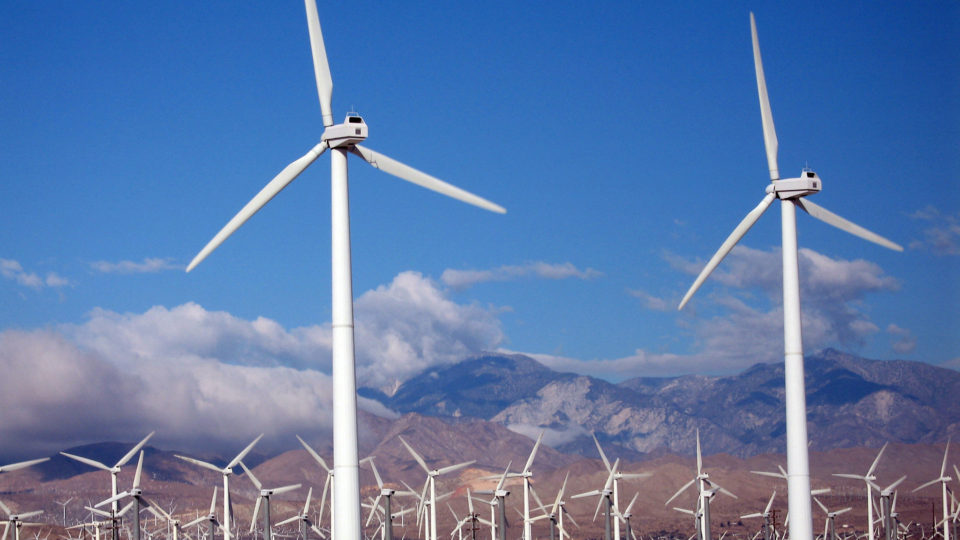
Hundreds of companies around the world have committed to use 100% renewable energy in order to fight climate change.  But a new study from Stanford University points out that 100% renewable energy does not necessarily mean 100% carbon-free energy.

The problem is that the carbon content of electricity can vary a lot over the course of a day in many locations.  Using yearly averages can overstate the carbon reductions associated with a particular power source, in some cases by significant amounts.

Suppose a California company purchases or generates enough solar power to match 100% or more of their electricity use over the course of the year.  In reality, it may generate far more electricity than it uses during the afternoon and sell the excess.  Then, at nighttime, it purchases power from the grid, which would be far more carbon-intensive if it involves the burning of fossil fuels.

But in Britain, for example, the situation is very different.  With a high reliance on wind power, grid carbon intensity is actually lower at night.  So very different consumption patterns over the course of a day would be less carbon-intensive.

If sufficient energy storage capacity can be implemented into the grid as well as suitable long-range transmission, these time-based fluctuations in the electricity supply could be ironed out.  Until such time, electricity consumers need to evaluate the environmental benefits of their renewable strategies on an hourly basis rather than using averages.  And the best strategies are entirely dependent upon the characteristics of the specific grid they interact with.  The need for this kind of analysis will only grow as renewable generation expands.  Transparent, precise and meaningful carbon accounting is necessary.

**********

Web Links

100% renewables doesn’t equal zero-carbon energy, and the difference is growing

Photo, posted January 29, 2013, courtesy of U.S. Fish and Wildlife Service via Flickr.

Earth Wise is a production of WAMC Northeast Public Radio.
A Sensor For Spoiled Milk

June 20, 2019 By EarthWise Leave a Comment

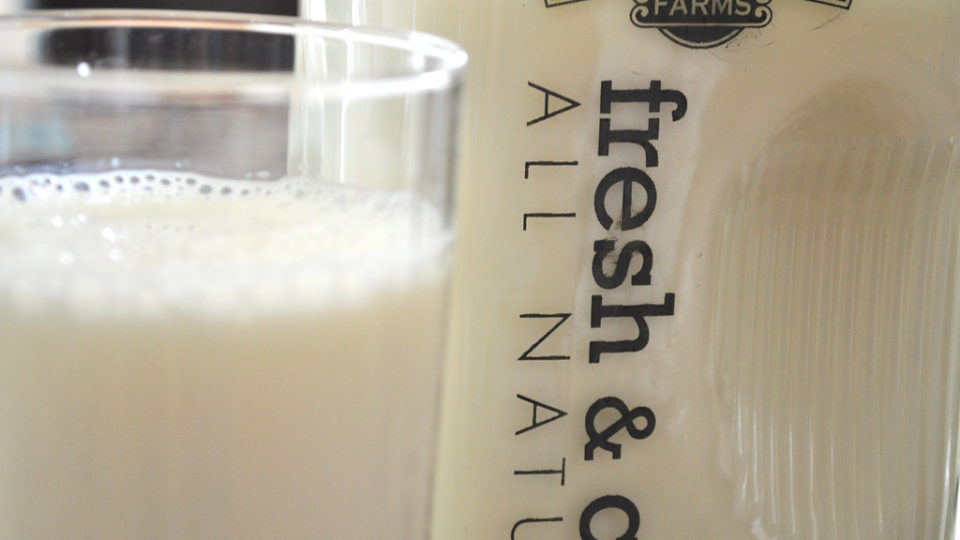
A new sensor technology developed at Washington State University may eventually make expiration dates on milk a thing of the past.  The sensor essentially can ‘smell’ whether milk is still good or has gone bad.

The sensor consists of chemically coated nanoparticles that react to the gas produced when bacterial growth on milk has taken place.  When such bacteria grow, they produce a volatile compound that doesn’t smell good.  So, when we open a carton of milk that has begun to spoil, our noses tell us so immediately.

The new sensor does not have to be in contact with the milk.  It detects the volatile gases produced by the bacteria and it changes color. So far, it has only been demonstrated in a controlled lab environment.

To really be useful, the sensor would ideally be able to show how long the milk has before it spoils.  Currently, it only shows whether it is ok or already spoiled. The researchers are working on the enhanced version of the sensor.

The researchers envision working with the dairy industry to integrate the sensor technology into a milk bottle’s plastic cap so that consumers can easily see how much longer the milk will stay fresh.  Current expiration dates on milk are based on best-case scenarios. They are only accurate if the milk has been stored at the correct temperature the entire time.  Unfortunately, milk can inadvertently spend time above refrigerator temperature during shipment or transportation home from the store.  If the new sensor technology can be successfully developed, it will be possible to know for sure whether that bottle of milk is good.

**********

Web Links

Sensor can detect spoiled milk before opening

Photo, posted March 8, 2011, courtesy of Roxanne Ready via Flickr.

Earth Wise is a production of WAMC Northeast Public Radio.
New Nutrition Labels

February 26, 2019 By EarthWise 1 Comment

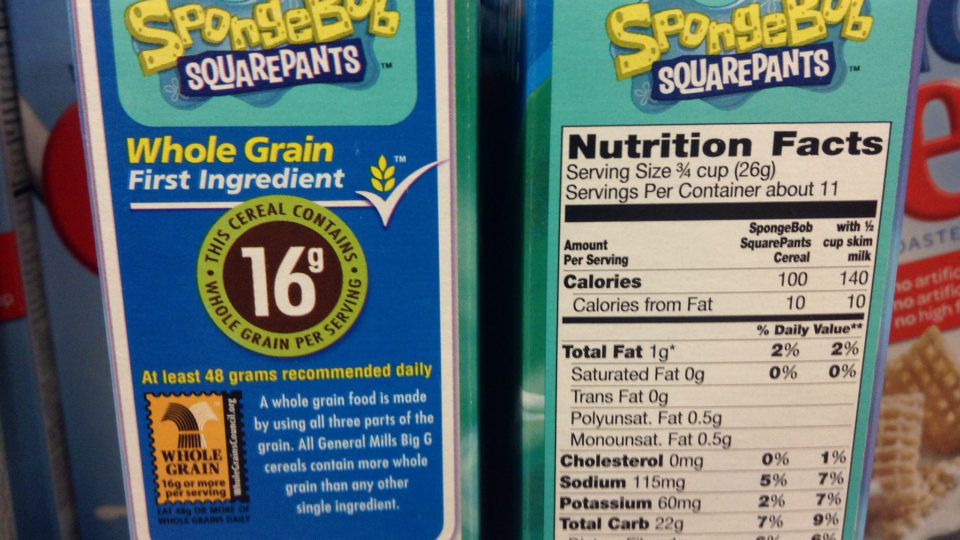
Food and beverage packaging in this country has included a Nutrition Facts panel for nearly 25 years.  Over 700,000 products have the labels which provide consumers with information like serving sizes, calories per serving, ingredients, and nutritional content.

Surveys indicate that 77 percent of all U.S. adults claim to use the labels at least some of the time.  Whether the labels are actually useful is somewhat debatable.  A couple of years ago, the FDA released a proposal to update the labels to make them more useful and to reflect more recent nutritional research.  The new labels are finally going to be implemented and food manufacturers with annual sales exceeding $10 million have until January of 2020 to update their packaging with the new labels.

One of the biggest changes is that the “serving size” section of the label will be changed to more accurately reflect the actual portions consumed by the typical American.  For example, a 20-ounce soft drink will now be labeled as a single serving because most people will drink the whole bottle in one sitting.

The new labels will no long list the amounts of Vitamin A and C, because recent research shows most Americans are not deficient in these nutrients.  Instead, the amount of Vitamin D and potassium will be listed, two nutrients lacking in many diets.  New labels will also show amounts of “added sugars”, defined as caloric sweeteners with no nutritional value. The new labels will also display the calories per serving in much large type making that piece of information far more noticeable.

There is surely more to be done to make food labeling more transparent and useful for consumers, but the new changes at least seem to be in the right direction.

**********

Web Links

Nutrition Labels Get a Makeover: Will It Make a Difference?

Photo, posted September 9, 2014, courtesy of Mike Mozart via Flickr.

Earth Wise is a production of WAMC Northeast Public Radio.
The Labeling Of GMO Foods

February 12, 2019 By EarthWise Leave a Comment

American consumers will soon be able to discern whether or not foods contain genetically-modified ingredients.  The USDA’s so-called ‘National Bioengineered Food Disclosure Standard’ will be required for foods that have been altered in a way that doesn’t occur naturally. The mandatory compliance date is January 1st, 2022. 

While this does sound like great news, there are some major drawbacks.  The new guidelines use the uncommon term “bioengineered” instead of “genetically-modified” or “GMO.” The guidelines also allow the disclosure of bioengineered (or B.E.) ingredients in several formats: as text, a symbol, a phone number (that consumers can call for more info), or a digital link printed on the packaging.  Companies are allowed to use a QR code that asks consumers to “scan here for more food information.”  Scanning the QR code will bring consumers to a website where the GMO disclosure can be found. 

Advocates of the various labeling options say it’ll make it easier and faster for companies to comply with the new guidelines.  But critics worry consumers will find it confusing and restrict access for those without smartphones.  They say that companies who elect to use a QR code or phone number should be required to include the word “bioengineered” on their packaging.

Another drawback is that products won’t have to be labeled as ‘bioengineered’ if they’ve been processed to the point where their bioengineered DNA can’t be detected.  Examples include refined beet sugar, soybean oil, and high fructose corn syrup.  

The fight over the labeling of GMO foods has raged for many years.  But this labeling mandate falls short of consumer expectations by hiding the information about GMOs instead of disclosing it. We should expect better. 

**********

Web Links

Government lays out the rules for labeling for genetically modified foods

Photo, posted August 24, 2015, courtesy of Rob Bertholf via Flickr.

Earth Wise is a production of WAMC Northeast Public Radio.

Legos And Plastics

October 23, 2018 By EarthWise Leave a Comment

https://earthwiseradio.org/wp-content/uploads/2018/10/EW-10-23-18-Legos-and-Plastics.mp3

Globally, consumers are voicing concerns about the impact of plastic waste on the planet. Conscious of these consumer concerns, many companies are trying to switch to recyclable or less-polluting packaging.  Some are even ditching plastics all together. 

[Read more…] about Legos And Plastics

Reducing Food Waste

October 9, 2018 By EarthWise Leave a Comment

https://earthwiseradio.org/wp-content/uploads/2018/09/EW-10-09-18-Reducing-Food-Waste.mp3

Food waste is a huge problem.  About a third of all food produced globally goes to waste, and the numbers are even worse in the US.  If food waste was a country, it would be the world’s third largest emitter of greenhouse gases.  Worse yet, all of this takes place in a world where 850 million people are chronically undernourished.

[Read more…] about Reducing Food Waste

Hoover Dam As A Giant Battery

September 7, 2018 By EarthWise Leave a Comment

https://earthwiseradio.org/wp-content/uploads/2018/09/EW-09-07-18-Hoover-Dam-As-A-Giant-Battery.mp3

Back in the 1930s, building Hoover Dam was a public works project likened to the pyramids.  Hoover Dam helped transform the American West, harnessing the force of the Colorado River to power millions of homes and businesses.

[Read more…] about Hoover Dam As A Giant Battery

New Zealand Bans Plastic Bags

September 3, 2018 By EarthWise Leave a Comment

https://earthwiseradio.org/wp-content/uploads/2018/09/EW-09-03-18-New-Zealand-Bans-Plastic-Bags.mp3

In an effort to tackle plastic pollution, New Zealand is joining a growing list of countries banning single-use plastic bags for good.  Prime Minister Jacinda Ardern says in a press statement that the ban was necessary to safeguard New Zealand’s clean and green reputation.

[Read more…] about New Zealand Bans Plastic Bags

Labeling Genetically Engineered Foods

August 7, 2018 By EarthWise Leave a Comment

https://earthwiseradio.org/wp-content/uploads/2018/08/EW-08-07-18-Labeling-GE-Foods.mp3

There has been a great deal of debate over mandating labels for genetically engineered foods.  On the pro side, people argue that they have a right to know whether what they are eating contains GMO – or as they are also called GE — ingredients.  On the con side, people argue that the aversion toward GE is unfounded and that labeling foods will simply drive away consumers undeservedly.

[Read more…] about Labeling Genetically Engineered Foods

The Dirty Dozen Of 2018

May 18, 2018 By EarthWise Leave a Comment

https://earthwiseradio.org/wp-content/uploads/2018/05/EW-05-18-18-The-Dirty-Dozen.mp3

Every year, the Environmental Working Group ranks pesticide contamination in 47 popular fruits and vegetables for its Shopper’s Guide to Pesticides in Produce.  The environmental nonprofit has created this ranking annually since 2004. 

[Read more…] about The Dirty Dozen Of 2018

  • « Go to Previous Page
  • Page 1
  • Page 2
  • Page 3
  • Go to Next Page »

Primary Sidebar

Recent Episodes

  • An uninsurable future
  • Clean energy and jobs
  • Insect declines in remote regions
  • Fossil fuel producing nations ignoring climate goals
  • Trouble for clownfishes

WAMC Northeast Public Radio

WAMC/Northeast Public Radio is a regional public radio network serving parts of seven northeastern states (more...)

Copyright © 2026 ·