• Skip to primary navigation
  • Skip to main content
  • Skip to primary sidebar

Earth Wise

A look at our changing environment.

  • Home
  • About Earth Wise
  • Where to Listen
  • All Articles
  • Show Search
Hide Search
You are here: Home / Archives for commercial

commercial

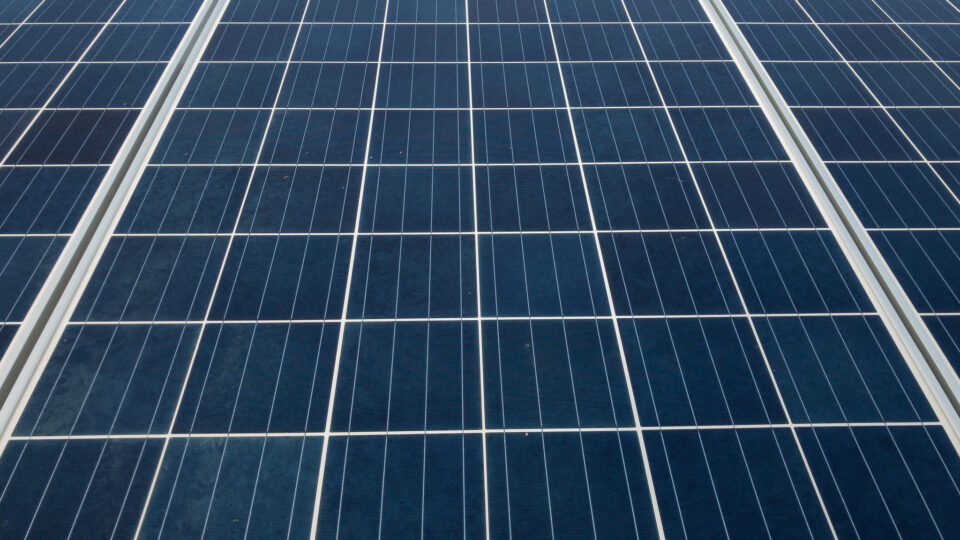
Utility-Scale Solar In Upstate New York | Earth Wise

June 22, 2021 By EarthWise 2 Comments

utility scale solar projects to generate jobs and profits to upstate ny communities

The first operational utility-scale solar projects in upstate New York are expected to commence commercial operations by the end of this year.  A portfolio of eight projects comprising over 200 megawatts of generating capacity is being developed by CS Energy in partnership with Goldman Sachs Renewable Power Group and NYSERDA.

The projects include three 27-megawatt installations in the Capital Region – in Easton and Stillwater, three 27-megawatt installations in the Mohawk Valley – in Mohawk and Pattersonville, and two 27-megawatt installations in the Southern Tier – in Willet and Greene.

The projects will support more than 500 jobs and represent more than $160 million of private investment that is expected to generate over $80 million in benefits to local communities and regions.  Those benefits will come to local landowners, property tax jurisdictions, and to local contractors who will provide ongoing operations and maintenance support for the projects.

The projects are the result of New York’s Clean Energy Standard, established in 2016 as well as 2019’s Climate Leadership and Community Protection Act.  These initiatives made commitments that 70% of the electricity consumed in New York would be generated by renewable energy sources by 2030. 

CS Energy has built over 150 megawatts of solar projects in New York to date.  By the end of this year, that number will be close to 500 megawatts.  CS Energy recently opened a regional headquarters in Albany to further support the company’s growth. The Goldman Sachs Renewable Power Group owns and operates more than 2.3 gigawatts of clean power across the country.

**********

Web Links

Upstate New York’s first utility-scale solar projects set to come online this year

Photo, posted October 16, 2019, courtesy of Jonathan Cutrer via Flickr.

Earth Wise is a production of WAMC Northeast Public Radio.
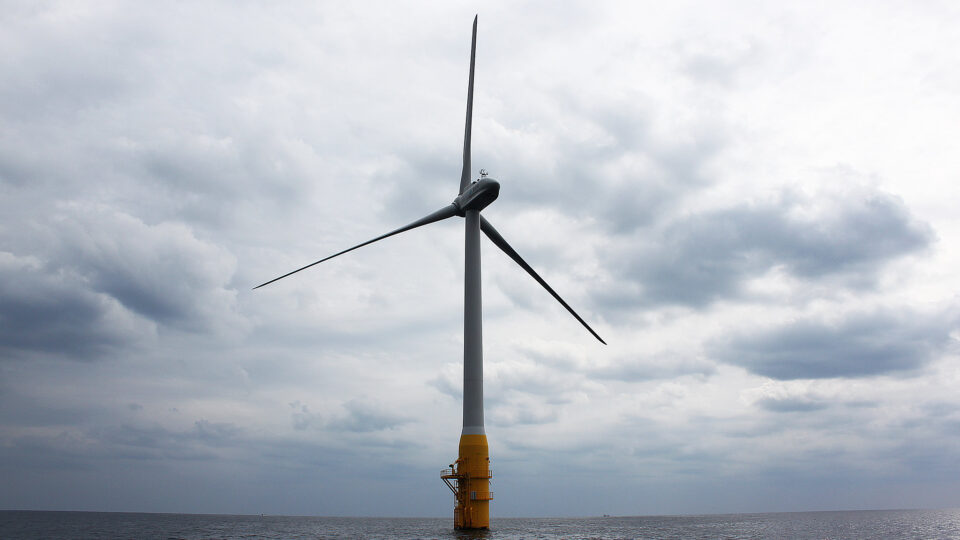
A Green Light For Commercial-Scale Offshore Wind | Earth Wise

May 27, 2021 By EarthWise Leave a Comment

Offshore wind era in United States begins

The Biden administration has given final approval to a project it hopes will usher in a new era of wind energy in the United States.  The greenlight was announced by the Department of the Interior on May 11.

The Vineyard Wind project intends to install up to 84 huge wind turbines about 12 nautical miles off the cost of Martha’s Vineyard, Massachusetts.  In total, Vineyard Wind could generate 800 megawatts of electricity, enough to power about 400,000 homes.  The construction project will create about 3,600 jobs.  The $2.8 billion project is a joint venture of the energy firms Avangrid Renewables and Copenhagen Infrastructure Partners.

The idea of a wind farm off the Massachusetts coast was conceived 20 years ago but ran into repeated setbacks, delays, and well-funded opposition from waterfront property owners concerned about what will ultimately be the barely discernable sight of tiny blips on the distant horizon.  The Trump administration moved to cancel the permitting process for Vineyard Wind, but the Biden administration revived the project in March as part of its greater efforts to tackle climate change.

Electricity generated by Vineyard Wind will travel via cables buried six feet below the ocean floor to Cape Cod, where they will connect to a substation and feed into the New England grid.  The project is expected to begin delivering wind-powered electricity in 2023.

The Biden administration says that it intends to fast-track permits for other wind projects off the Atlantic Coast and that it will offer $3 billion in federal loan guarantees for offshore wind projects and invest in upgrades to ports across the United States to support wind turbine construction.

**********

Web Links

Biden Administration Approves Nation’s First Major Offshore Wind Farm

Photo, posted February 8, 2007, courtesy of mmatsuura via Flickr.

Earth Wise is a production of WAMC Northeast Public Radio.
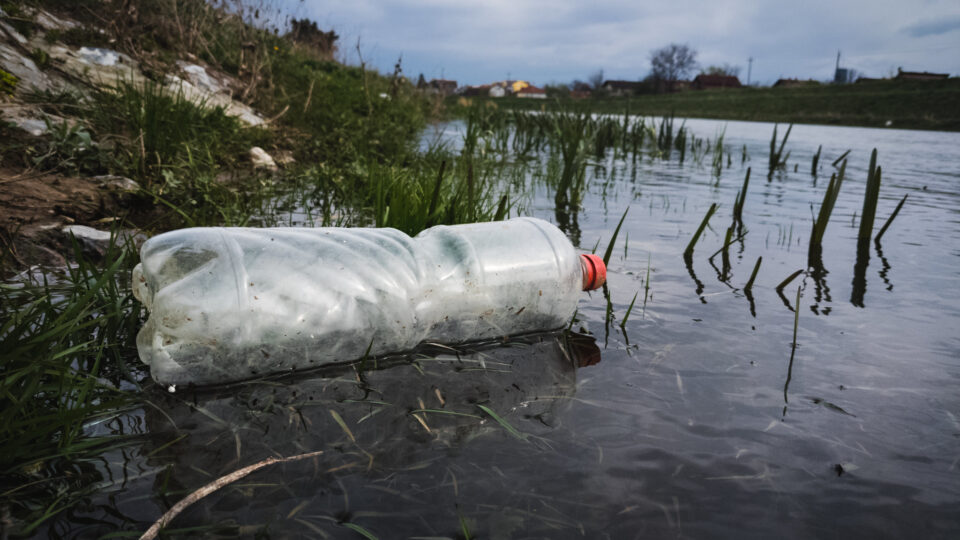
Infinitely Recyclable Plastic | Earth Wise

May 25, 2021 By EarthWise 1 Comment

Making an infinitely recyclable plastic

The glut of plastics is one of the world’s most challenging environmental problems.  The average American generates over 200 pounds of plastic waste each year and most of that ends up in landfills.  Researchers around the globe continue to work on potential solutions to the plastic waste problem.

Two years ago, scientists at Lawrence Berkeley National Laboratory announced the invention of a new plastic that could be an answer to the plastic waste problem.  The material is called polydiketoenamine or PDK and it differs from traditional plastics in a very important way:  it can be recycled indefinitely with no loss in quality because it can easily be broken down into its constituent component monomers and be used to make brand new plastic.

Only a small percentage of plastics are currently recycled.  When many plastics are melted down together, the polymers are mixed with a slew of incompatible additives, resulting in a new material with much lower quality than newly produced plastic.  As a result, less than 10% of plastic is recycled more than once.

Recently, the Berkeley Lab researchers released a study that shows what could be accomplished if manufacturers began using PDKs on a large scale.  They determined that PDK-based plastic could quickly become commercially competitive with conventional plastics and, furthermore, would get less expensive and more sustainable as time goes on.

PDK is starting to draw interest from companies needing to source plastic.  The best initial application for PDKs are markets where manufacturers have the most access to products at the end of their lifespans such as in the automobile industry and consumer electronics.  Making plastics part of a circular economy is a challenging task.

**********

Web Links

The Future Looks Bright for Infinitely Recyclable Plastic

Photo, posted April 19, 2021, courtesy of Ivan Radic via Flickr.

Earth Wise is a production of WAMC Northeast Public Radio.

Cleaner Water Using Corn | Earth Wise

May 12, 2021 By EarthWise Leave a Comment

Using corn waste to clean water

Corn is the largest agricultural crop in the U.S., and it is also one of the most wasteful.  About half of the harvest ends up as stover – corn stalks, leaves, husks, and cobs – once the kernels are used for food.

Corn stover has relatively few commercial or industrial uses.  It can be used to produce biofuel, but that is not very energy efficient.  It is sometimes used as a low-quality livestock feed as well.  Mostly, it is just burned if it is used at all.

Researchers at the University of California Riverside have developed an energy-efficient way to make good use of stover by transforming it into activated carbon for use in water treatment.

Activated carbon – often called activated charcoal – is an organic material that is specially treated to contain millions of microscopic pores that make it highly absorbent.  It has many industrial uses, the most common of which is for filtering pollutants out of drinking water.  Most household water filters such as Brita filters as well as the ones built into refrigerators make use of activated carbon.

The Riverside researchers explored methods for producing activated carbon from charred corn stover and found that processing the material with hot compressed water – a process known as hydrothermal carbonization – produced highly absorbent activated carbon with superior properties compared to material produced by slow pyrolysis, where corn stover is charred at increasing temperatures over a long period of time.

According to the researchers, it is important to create approaches that convert waste into high-value materials, fuels, and chemicals in order to create new value streams and eliminate the environmental harm that comes from a so-called “take-make-dispose” economic model.

**********

Web Links

Cleaner Water Through Corn

Photo, posted September 15, 2010, courtesy of the United Soybean Board / the Soybean Checkoff via Flickr.

Earth Wise is a production of WAMC Northeast Public Radio.

Restoring Coastal Ecosystems | Earth Wise

February 1, 2021 By EarthWise Leave a Comment

Developing hardier corals for endangered reefs that resist the effects of climate change

Research published by CSIRO, Australia’s national science agency, examined the positive effects of restoration efforts for coastal ecosystems in terms of biodiversity, local economies, and human wellbeing.

Coastal ecosystems include saltmarshes, mangroves, seagrasses, oyster reefs, kelp beds, and coral reefs.  All of these have suffered declines of up to 85% over recent decades.  The research identified a number of successful coastal and marine restoration projects in recent years that indicate the likelihood that such efforts could be expanded by as much as a factor of ten to support human health and wellbeing, boost the adaptation response to climate change, and generate jobs. 

Some of the successful efforts identified included projects in the Great Barrier Reef to harvest coral larvae to boost large-scale coral restoration efforts.   Simple changes to how saltmarshes are planted have resulted in doubled survivorship and biomass.  In the U.S., the propagation of seagrass seeds has resulted in seagrass meadows recovering in areas where they had been lost decades ago.  In Indonesia, recovery of reefs impacted by blast fishing has been achieved by placing rocks or other hard structures underwater to help with coral colonization.

Investing in coral restoration creates jobs and can be used as a strategy to boost economic recovery and coastal marine health.  Restoration of marine habitats like kelp forests and oyster reefs has improved commercial and recreational fishing.

The United Nations has recognized the importance of coastal restoration and has declared the Decade on Ecosystem Restoration to start from 2021.

**********

Web Links

Scientists shine light on ‘bright spots’ to restore coastal ecosystems

Photo, posted November 29, 2012, courtesy of Robert Linsdell via Flickr.

Earth Wise is a production of WAMC Northeast Public Radio.
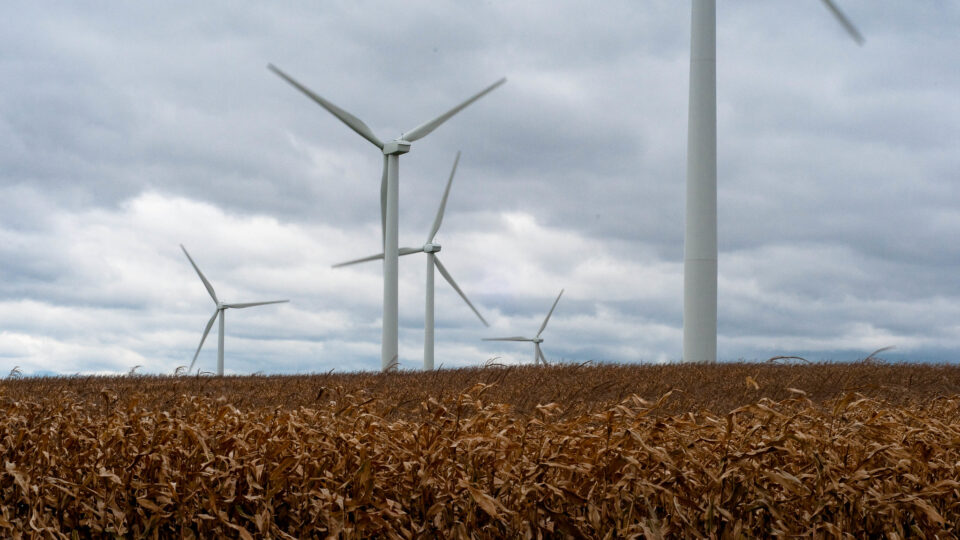
New York And Renewables | Earth Wise

January 7, 2021 By EarthWise Leave a Comment

Renewables growing in New York

In 2019, New York generated more electricity from renewable sources than all but three other states.  The 39.4 million MWh of renewable electricity generated in New York was the largest of any state east of the Mississippi. 

New York has been a leader in renewable power long before it became a topic of great interest because of its hydroelectric power.  In 2019, 78% of the state’s renewable electricity came from hydropower.  The Robert Moses Niagara hydroelectric plant is the second-largest capacity conventional hydroelectric power plant in the country. 

The three states that generated more renewable electricity than New York are California, Texas, and Washington.  Washington gets 69% of all its electricity generation from its multiple hydroelectric plants which together produce a quarter of all hydroelectric power in the nation.  Texas leads the nation in wind-powered generation and gets over 17% of its in-state generation from wind.  California gets 14% of its power from solar generation, 7% from wind, and over 16% from its own hydroelectric resources.

Wind is the second-largest source of renewable power in New York, accounting for 11% of renewable generation in the state and 3% of total electricity generation.  Solar power is expanding in New York, but the great majority of it is still in the form of small-scale installations on residential and commercial rooftops.

New York’s renewable generation grew from 19% in 2005 to 30% at present.  New York’s Clean Energy Standard adopted in 2015 requires the state to generate 100% carbon-free electricity by 2040.

**********

Web Links

New York generated fourth most electricity from renewables of any state in 2019

Photo, posted October 15, 2010, courtesy of michael-swan via Flickr.

Earth Wise is a production of WAMC Northeast Public Radio.

Hydrogen-Powered Jetliners | Earth Wise

December 18, 2020 By EarthWise Leave a Comment

Airbus developing hydrogen-powered jetliners

Airbus, the giant European aerospace company, hopes to have hydrogen-powered commercial airliners in the sky by 2035.  Such planes would have no carbon dioxide emissions.

Greenhouse gas emissions from commercial aviation have been a rapidly increasing contribution to the global total.  Of course, the Covid-19 pandemic has drastically reduced air travel, so emissions are currently lower than they have been in a very long time.  But at some point, they will resume at previous levels and continue to increase.

Planes themselves produce over 2% of global CO2 emissions, and between the climate effects of contrails and the emissions associated with the rest of the air travel industry, commercial aviation drives about 5% of global warming.

Airbus is studying design concepts in which planes run off of hydrogen and oxygen fuel and have no carbon exhaust.   Making such planes practical and environmentally advantageous requires solving an array of complex technical challenges. 

One of the biggest challenges is that the hydrogen on the market today is considered to be “brown” rather than green, meaning that it is not a sustainably produced energy source.  Almost all hydrogen produced today comes from natural gas reforming, which results in carbon emissions.  A viable hydrogen-powered aviation technology assumes that producing hydrogen by splitting water molecules into oxygen and hydrogen using renewable energy becomes the standard source for it.

There have been test flights of small planes and drones powered by hydrogen, but Airbus expects that intensive research and development for the next five years will be required to evolve its current preliminary designs to a stage where they could be developed for future use in its product line.  It won’t happen overnight, but according to Airbus, hydrogen planes are coming.

**********

Web Links

Airbus Hopes to Be Flying Hydrogen-Powered Jetliners With Zero Carbon Emissions by 2035

Photo, posted April 15, 2019, courtesy of Olivier Cabaret via Flickr.

Earth Wise is a production of WAMC Northeast Public Radio.
A New Super-Enzyme For Breaking Down Plastic | Earth Wise

November 13, 2020 By EarthWise Leave a Comment

Breaking down plastic

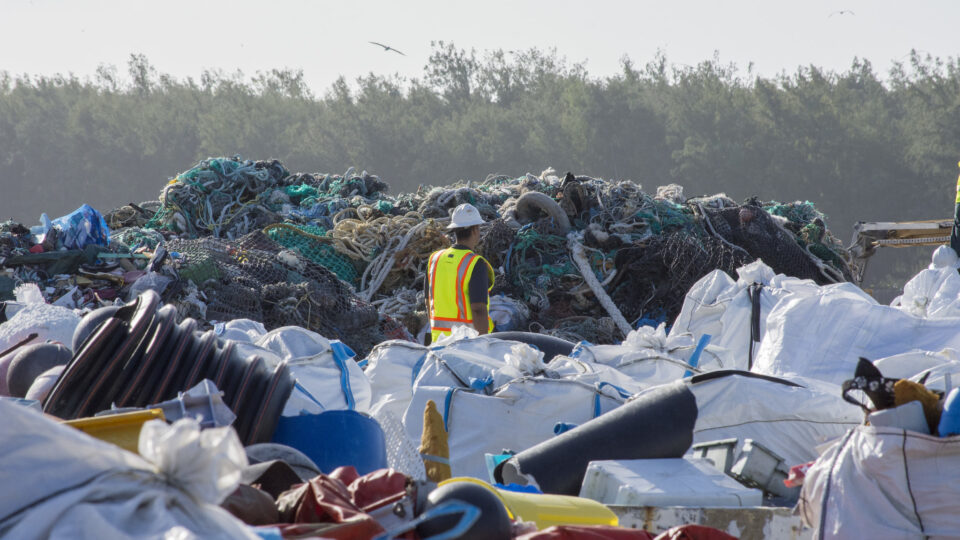
The problems caused by plastic waste continue to grow.  Plastic pollution is everywhere, from the Arctic to the depths of the ocean.  We consume microplastics in our food and breathe them in the air.  It is very difficult to break down plastic bottles into their chemical constituents in order to make new ones from old ones. Therefore, we continue to produce billions of single-use plastic bottles, creating more and more new plastic from oil each year. 

Scientists at the University of Portsmouth in the UK have developed a new super-enzyme that degrades plastic bottles six times faster than before.  They believe that the new enzyme could be used for plastic recycling within a year or two.

The super-enzyme was derived from bacteria that naturally have the ability to eat plastic.  The researchers engineered it by linking two separate enzymes, both of which were found in a plastic-eating bug discovered in a Japanese waste site in 2016.  They revealed an engineered version of the first enzyme in 2018, which started breaking down plastic in a few days.  They had the idea that connecting two enzymes together would speed up the breakdown of plastic.  Such linkage could not happen naturally in a bacterium. 

Carbios, a French company, announced a different enzyme in April that can degrade plastic bottles within 10 hours but requires heating above 160 degrees Fahrenheit.  The new super-enzyme works at room temperature.

The team is now examining how the enzymes can be tweaked to make them work even faster.  Meanwhile, they plan to work in partnership with companies like Carbios, to bring super-enzymes for breaking down plastics into commercial use.

**********

Web Links

New Super-Enzyme Can Break Down Plastic at Rapid Pace

Photo, posted March 24, 2017, courtesy of the USFWS – Pacific Region via Flickr. Photo credit: Holly Richards/USFWS.

Earth Wise is a production of WAMC Northeast Public Radio.
Solar On Commercial Buildings | Earth Wise

September 17, 2020 By EarthWise Leave a Comment

commercial solar panels

The United States installed 3.6 gigawatts of photovoltaic solar capacity in the first quarter of this year to reach a total installed capacity of 81.4 GW.  That is enough to power about 16 million American homes.  More than 2/3 of that capacity has been installed during the past five years.  

There has been a boom in solar installations in recent years and, until the Covid-19 pandemic stuck, 2020 was expected to be the biggest year yet.  Now the unprecedented health, social, and economic conditions in our country creates great uncertainty in such forecasts.

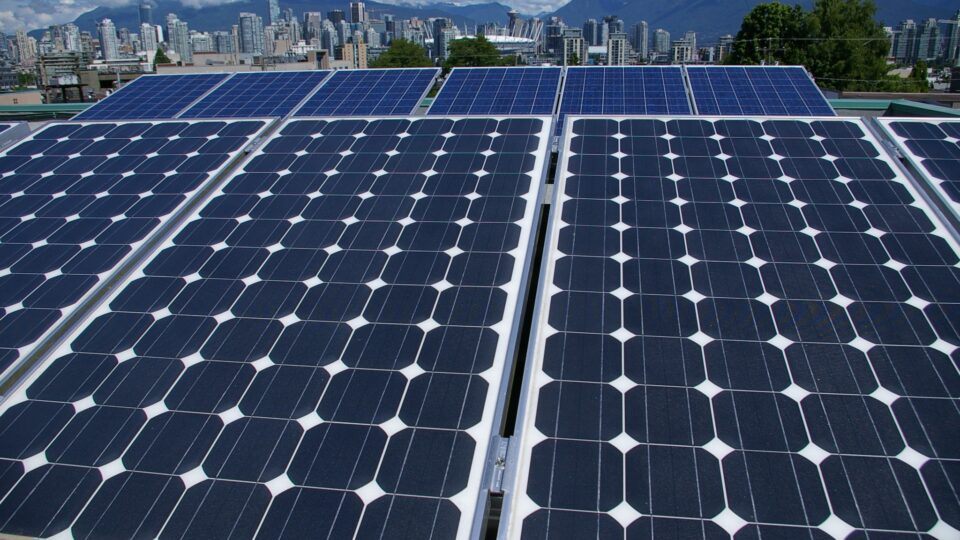
Nevertheless, the opportunities for growth in solar power continue to be substantial.  A new report from the energy research firm Wood Mackenzie looked at the prospects for using the roof space of commercial buildings for solar power.

Currently, just 3.5% of commercial buildings in the U.S. have solar panels on their roofs.  Another 1% of those buildings are attached to solar projects located off-site.  The report looked at how many buildings are potential targets for solar projects.

After accounting for buildings that are too small or that use too little electricity to make solar power a worthwhile investment, the report estimated that 70% of commercial buildings in the U.S. – amounting to some 600,000 sites – are candidates for solar installations.  Doing this would provide 145 GW of new solar capacity, which is nearly twice as much as currently exists in this country. 

Commercial solar installations have their own unique logistical and financial challenges.  While utility solar can scale to lower costs and residential solar has financing opportunities, commercial solar has neither.  But ultimately, it represents an important opportunity for our future energy system.

**********

Web Links

U.S. Commercial Rooftops Hold 145 Gigawatts of Untapped Solar Potential

Photo, posted June 25, 2014, courtesy of Rob Baxter via Flickr.

Earth Wise is a production of WAMC Northeast Public Radio.

Destroying Forever Chemicals | Earth Wise

August 11, 2020 By EarthWise Leave a Comment

PFAS, short for poly and perfluoroalkyl substances, have been used in commercial products since the 1940s.  There are more than 4,000 different chemicals in the class.   Some of the most commonly used PFAS chemicals, like PFOS and PFOA, have long half-lives, which has earned them the moniker “forever chemicals.” 

These dangerous chemicals have not been manufactured in the U.S. since the early 2000s, but they can still be found in various imported goods.  PFAS chemicals have been linked to cancer, birth defects, thyroid disease, and liver damage.  These forever chemicals linger in the environment and scientists have found them in the blood of virtually all Americans.

Researchers at Rice University have recently discovered an efficient catalyst for destroying PFAS forever chemicals.  Unexpectedly, the catalyst was actually in the control group in a study they were performing.

The study, published in the journal Environmental Science and Technology Letters, found that boron nitride, acting as a light-activated catalyst, destroyed PFOA at a faster clip than any previously reported photocatalyst.

The catalyst, boron nitride powder, is a commercially available synthetic mineral that is widely used in makeup, skincare products, thermal pastes for cooling computer chips, and various other industrial products.  The discovery began with dozens of failed experiments on a variety of more promising PFAS catalysts.  But along the way, they found that the boron nitride control material repeatedly yielded positive results.

The research has already attracted the attention of industrial partners seeking to develop off-grid water treatment systems that both protect human lives and support sustainable economic development.

**********

Web Links

Boron nitride destroys PFAS ‘forever’ chemicals PFOA, GenX

Photo, posted April 9, 2009, courtesy of Rex Roof via Flickr.

Earth Wise is a production of WAMC Northeast Public Radio.
More Troubles For Bees | Earth Wise

July 22, 2020 By EarthWise Leave a Comment

More losses for United States beekeepers

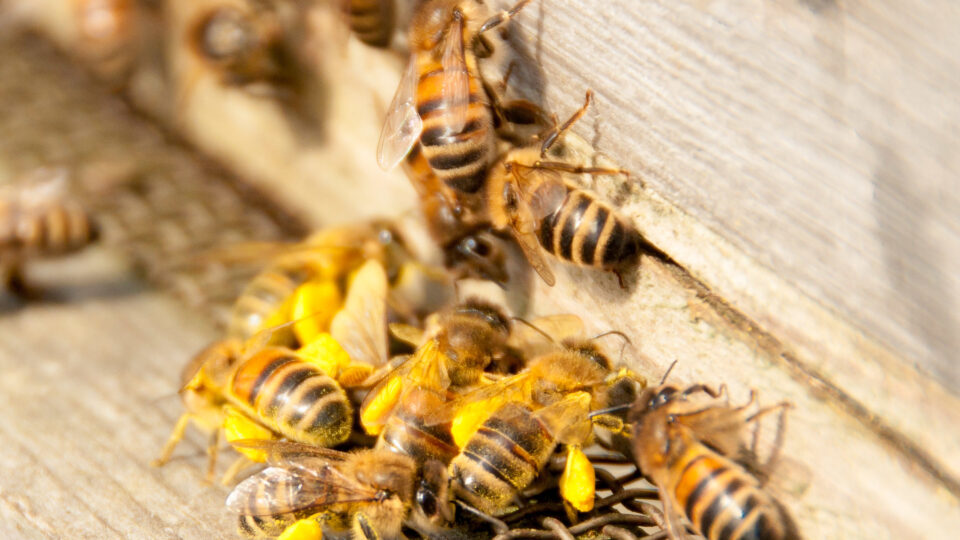
Beekeepers in the United States lost nearly 44% of their managed honeybee colonies from April 2019 to April 2020, according to the 14th annual nationwide survey conducted by the nonprofit Bee Informed Partnership.  This was the second highest annual loss recorded since the surveys began.

The high loss rate over the past year was unusual in that winter losses were actually substantially lower than they have been in recent years.   The winter losses were 22.2%, which is 15.5 points lower than last year and 6.4 points lower than the average over the past 14 years.  On the other hand, summer losses were 32%, which is 12 points higher than last year and 10.4 points higher than the average.

In fact, the summer loss was the highest ever recorded and was only the second time that more bees were lost in the summer than in the winter.

Commercial beekeepers generally have lower losses than backyard and smaller operations.  Commercial honeybee colonies pollinate $15 billion worth of crops in the United States every year, so the health of these colonies is a critical issue for domestic food production and supply.

Beekeepers began noticing dramatic losses in their colonies in the early 2000s and ever since then, state and federal agricultural agencies, university researchers, and the beekeeping industry have been working together to try to understand the reasons for the population decline and to develop approaches to reduce these losses.

Winter loss has previously been the main focus of management activities since that period of the year is thought to be the most challenging for bee colonies.  This year’s results are driving a great deal of analysis of the possible causes for the dramatic summer colony losses.  Whatever they turn out to be, they represent more troubles for bees.

**********

Web Links

Odd Year for U.S. Beekeepers Who Reported Lower Winter Losses but Abnormally High Summer Losses

Photo, posted April 14, 2013, courtesy of Paul Rollings via Flickr.

Earth Wise is a production of WAMC Northeast Public Radio.
The Dead Zone In The Gulf Of Mexico | Earth Wise

July 6, 2020 By EarthWise Leave a Comment

the gulf of mexico dead zone

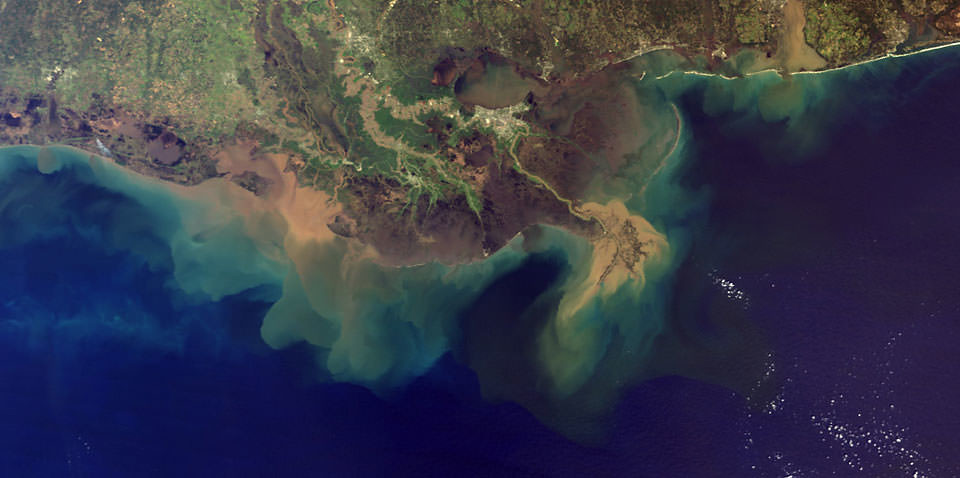
The Gulf of Mexico has an area of low to no oxygen in the water that can kill fish and other marine life.  It is an annual event that is primarily caused by excess nutrient pollution from human activities in urban and agricultural areas throughout the Mississippi River watershed.   When these excess nutrients reach the Gulf, they stimulate the overgrowth of algae, which eventually die and decompose, depleting the oxygen in the water as the algae sink to the bottom.

These low oxygen levels near the bottom of the Gulf cannot support most marine life.  Some species – among them many fish, shrimp, and crabs – swim out of the area, but animals that can’t swim or move away are stressed or killed by the low oxygen.  The dead zone in the Gulf occurs every summer.

A recent forecast for this summer’s dead zone predicts that the area of low or no oxygen will be approximate 6,700 square miles, which is roughly the size of Connecticut and Delaware combined.  This is about 1,100 square miles smaller than last year’s dead zone and much less than the record of 8,776 square miles set in 2017.  But it is still larger than the long-term average size of 5,387 square miles.

Making comparisons to the long-term average ignores the fact that the long-term average itself is unacceptable.  The dead zone not only hurts marine life, but it also harms commercial and recreational fisheries and the communities they support.  The actions that have been taken so far to reduce pollution in the Mississippi watershed are clearly not sufficient to drastically reduce the dead zone in the Gulf.

**********

Web Links

Large ‘dead zone’ expected for Gulf of Mexico

Photo, posted October 17, 2017, courtesy of NOAA’s National Ocean Service via Flickr.

Earth Wise is a production of WAMC Northeast Public Radio.
Renewables Surpass Coal | Earth Wise

July 3, 2020 By EarthWise Leave a Comment

Renewable energy surpasses coal

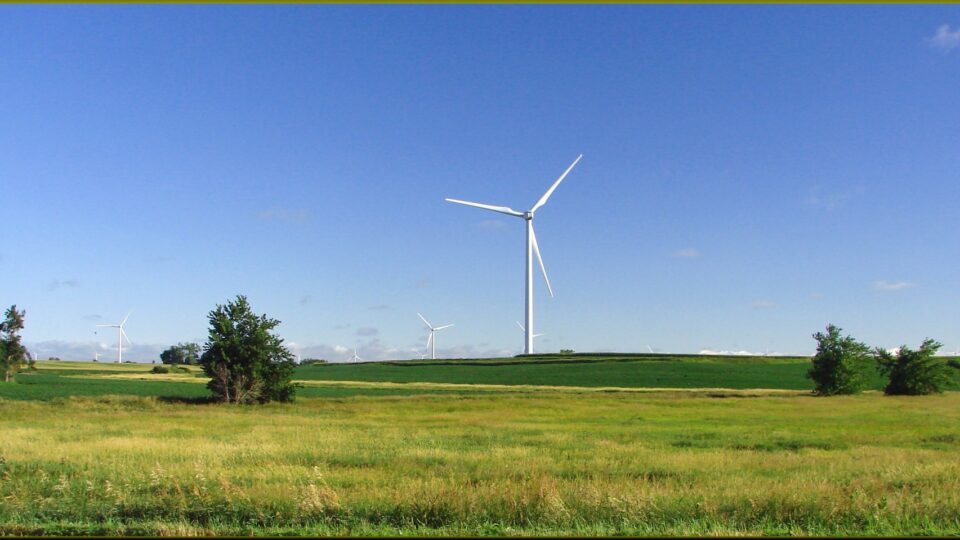
In 2019, energy consumption in the U.S. from renewable sources exceeded consumption from coal for the first time since before 1885.  This has come about from a combination of the continued decline in the amount of coal used for electricity generation as well as the continued growth in renewable energy, mostly from wind and solar.

Until the mid-1800s, burning wood was the main source of energy in the U.S. and, in fact, it was the only commercial-scale renewable energy source until the first hydroelectric plants came online in the 1880s.  Coal was used as fuel for steamboats and trains and making steel but only started to be used to generate electricity in the 1880s.

In 2019, U.S. coal consumption decreased for the sixth consecutive year and fell to its lowest level in 42 years.  Natural gas has displaced much of the energy generation from retired coal plants.

At the same time, renewable energy consumption in the U.S. grew for the fourth year in a row to a record high level, almost entirely as a result of the growing use of wind and solar power.  In 2019, wind power surpassed hydroelectric power for the first time and is now the most-used source of renewable energy for electricity generation in the U.S.

Coal was once commonly used in the industrial, transportation, residential, and commercial sectors.  Today, in the U.S., it is mostly used to generate electricity, and that use is rapidly declining.

Electricity consumption for 2020 is likely to be anomalous in many ways as a result of the Covid-19 pandemic shutdowns.  From all indications, however, the role of renewable energy will only have been increased during the shutdown period.

**********

Web Links

U.S. renewable energy consumption surpasses coal for the first time in over 130 years

Photo, posted July 26, 2013, courtesy of Don Graham via Flickr.

Earth Wise is a production of WAMC Northeast Public Radio.

A New Membrane For Converting Carbon Dioxide | Earth Wise

March 24, 2020 By EarthWise Leave a Comment

Efficiently transforming CO2 into fuel

Methanol is a valuable chemical used as fuel in the production of countless products. Carbon dioxide is a greenhouse gas that is produced by countless industrial processes.  Carbon dioxide can be converted into methanol, which is one way all that CO2 can be put to good use instead of causing harm. 

In research recently published in Science, chemical engineers from Rensselaer Polytechnic Institute have developed a process that converts CO2 to methanol in a more efficient way by using a highly effective separation membrane they produced.  

The chemical reaction responsible for the transformation of CO2 into methanol also produces water, which severely restricts the continued reaction. The Rensselaer team has found a way to filter out the water as the reaction is happening, without losing other essential gas molecules. 

They produced a membrane made up of sodium ions and zeolite crystals that was able to carefully and quickly permeate water through small pores — known as water-conduction nanochannels — without losing gas molecules. The sodium ions effectively only allow water to go through. When water was effectively removed from the process, the team found that the chemical reaction was able to happen very quickly. By removing the water, the equilibrium shifts, which means more CO2 will be converted and more methanol will be produced.  

The team is now working to develop a scalable process and a startup company that would allow this membrane to be used commercially to produce high purity methanol.  This membrane could also be used to improve a number of other reactions. 

In industry there are many reactions limited by water and this RPI membrane could be an important enhancement for many of them. 

**********

Web Links

Water-Conducting Membrane Allows Carbon Dioxide To Transform into Fuel More Efficiently

Photo courtesy of RPI.

Earth Wise is a production of WAMC Northeast Public Radio.
Lots Of Wind Power In Denmark | Earth Wise

February 11, 2020 By EarthWise Leave a Comment

renewable energy milestone

Many states and countries have established goals to generate at least half of their electricity from renewable sources by some future date, typically 2030.  A number of countries have already been able to achieve 50% or greater renewable generation for brief periods measured in days.  Australia did it this past November.  Germany has seen it on occasion as well.

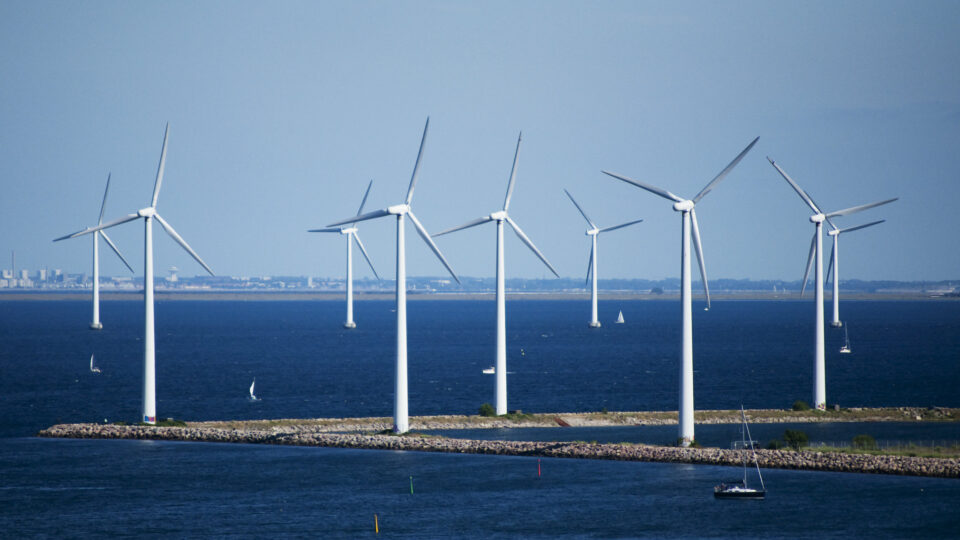
Denmark has managed to complete an entire year with half of its energy coming from renewable generation.  Almost all of it – 47% of the country’s power – came from wind turbines.

Denmark has been generating much of its energy from wind power for quite a while and actually produced about 46% of its electricity from renewable sources in 2017.  Denmark was a pioneer in developing commercial wind power during the 1970s, is a major manufacturer of wind turbines, and the small country has installed over 6,000 of them.  The gains this past year mostly came from the Horns Rev 3 offshore wind farm that went online in the fall.  The 407 MW wind farm has the capacity to cover the annual electricity consumption of about 425,000 households, which is about 20% of the country.

The growth of wind power in Denmark is still ramping up.  A 600 MW wind farm in the Baltic Sea will be connected to the Danish and German electricity grid by 2021, and a wind farm of at least 800 MW capacity in the North Sea is scheduled to come online in 2025.

The Danish Parliament has passed an ambitious climate law with the goal of reducing CO2 emissions by 70% in 2030 compared with 1990.  The country’s overall goal of being carbon-neutral by 2050 does not seem like a pipe dream.

**********

Web Links

Denmark Passes Magic 50% In Renewable Electricity Generation Milestone

Photo, posted July 12, 2009, courtesy of Flickr.

Earth Wise is a production of WAMC Northeast Public Radio.
Carbon Capture As Big Business

December 26, 2019 By EarthWise Leave a Comment

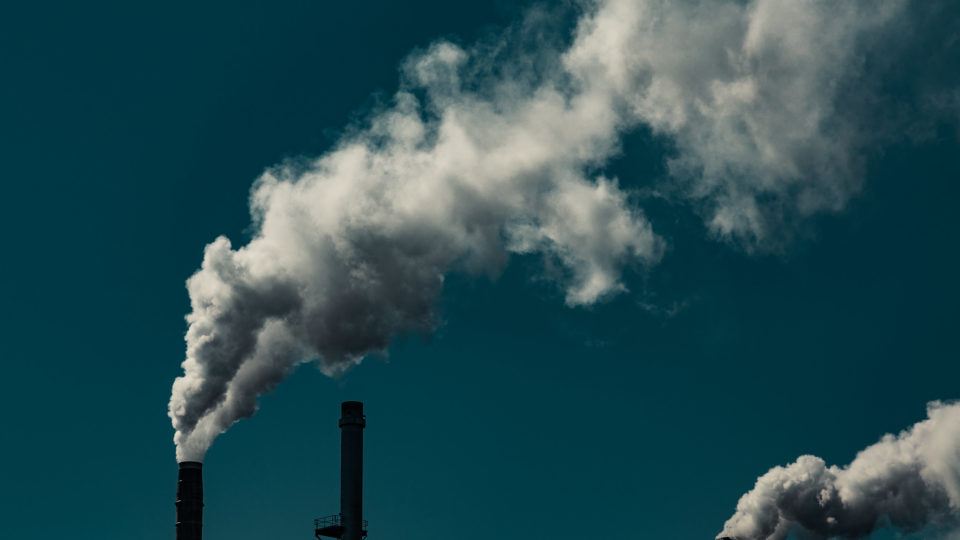
Removing greenhouse gasses from the atmosphere is an essential part of the overall effort to achieve zero net carbon emissions and stabilize the climate.  Since we have not been able to reduce emissions fast enough to do the job, it is important to find ways to pull carbon dioxide out of the atmosphere.

There are many ways to do it, but they tend to be rather expensive and, so far, the need to mitigate climate change does not seem to provide sufficient incentive. A new study by researchers at UCLA, the University of Oxford, and five other institutions, analyzed the possibility of creating a large global industry based on capturing carbon dioxide and turning it into commercial products.

The study investigated the potential future scale and cost of 10 different ways to use carbon dioxide, including in fuels and chemicals, plastics, building materials, soil management, and forestry.  The study looked at processes using carbon dioxide captured from waste products that are produced by burning fossil fuels as well as by simply capturing it directly from the atmosphere.  The study also looked at processes that use carbon dioxide captured biologically by photosynthesis.

The conclusions of the study were that on average each of the ten utilization pathways could use about half a billion tons of carbon dioxide that would otherwise escape into the atmosphere.  Thus, theoretically, these various pathways could take more than five billion tons of CO2 out of the atmosphere.   Currently, fossil fuel combustion emits about 40 billion tons of carbon dioxide.

The authors of the study stress that there is no silver bullet in the fight against climate change.  It will require multiple approaches – including CO2 removal for industrial use – to make real progress

**********

Web Links

Carbon dioxide capture and use could become big business

Photo, posted September 18, 2015, courtesy of Tony Webster via Flickr.

Earth Wise is a production of WAMC Northeast Public Radio.

Lighting Up Batteries

December 24, 2019 By EarthWise 2 Comments

One of the things that hampers the adoption of electric vehicles is range anxiety.  Drivers worry that they will run out of charge before they get to the closest charging station.   Range anxiety has lessened considerably in recent years as electric cars have incorporated larger and larger battery packs yielding driving ranges well over two hundred and even over three hundred miles.

With these extended driving ranges, drivers then turn their attention to how long it takes to charge.  Tesla’s Superchargers have gotten to the point where a car can add 75 miles of charge in 5 minutes and 200 miles in less than half an hour.  Fast charging systems are improving the charge times for other electric models as well.

Nevertheless, drivers would ideally like to reduce charging times to as little as possible in order to provide the convenience experienced in gasoline cars.

Researchers at Argonne National Laboratory have reported a mechanism for speeding up the charging of lithium-ion batteries for electric vehicles.  By exposing the battery cathode to a beam of concentrated light, the charging time can be reduced by a factor of two or more. If this could be commercialized, it could be a real game changer for electric vehicles.

The research used specially crafted lithium-ion cells with transparent quartz windows.  Shining white light into the windows caused a semiconductor material known as LMO to change its charge state and drive the charging reaction more quickly in the lithium ions of the battery.

Using this photo-assisted technology in vehicle batteries would require substantial redesign that would allow concentrated light to illuminate battery electrodes during charging.  How practical that is remains to be seen, but the payoff would be substantial.

**********

Web Links

Shedding new light on the charging of lithium-ion batteries

Photo, posted June 30, 2018, courtesy of Open Grid Scheduler via Flickr.

Earth Wise is a production of WAMC Northeast Public Radio.

Scandinavian Wine

December 20, 2019 By EarthWise Leave a Comment

The warming climate is creating some unexpected entrepreneurial opportunities.  Many places that have traditionally dominated the wine industry are starting to be worried that the local climates that made them ideal for vineyards are changing and becoming much less ideal.  On the other hand, places where wine-making was regarded as a losing proposition are becoming much more hospitable.  A prime example is Scandinavia.

Nordic vintners are increasingly convinced that they can develop thriving commercial operations in what used to be places that are too cold for successful wine-making.

Denmark now has 90 commercial vineyards, up from just two 15 years ago.  Forty vineyards have sprung up in Sweden.  About a dozen vineyards are now operating as far north as Norway.

Many of these Nordic vineyards are in the startup stage and are tiny compared with the established wineries of Europe.  Europe has 10 million acres of vineyards, which is enough to cover almost the entire country of Denmark.  At the moment, there are only about 1,000 acres of vineyards in Denmark and Sweden.

But, looking forward, Scandinavia’s climate is forecast to be more like northern France, as regional temperatures climb as much as 10 degrees Fahrenheit.  Over the past decade, warming has produced milder winters, a longer growing season, and even a small but rising number of award-winning Scandinavian wines.

Meanwhile, traditional wine-growing regions are also dealing with climate change.  Winemakers in France, for example, are experimenting with grapes from warmer countries like Tunisia to see if they can retain the tastes and yields that are the basis of a multibillion-dollar wine industry.  Spanish and Italian winemakers are planting grapes higher up on mountainsides or on shaded north-facing slopes to preserve the quality of their wine.

**********

Web Links

Scandinavian Wine? A Warming Climate Tempts Entrepreneurs

Photo, posted August 24, 2019, courtesy of Ron Reiring via Flickr.

Earth Wise is a production of WAMC Northeast Public Radio.

Removing Dams Restores Ecosystems

November 1, 2019 By EarthWise Leave a Comment

In many parts of the country, dams that sometimes date back as much as 100 years are being removed and are giving way to the revival of migratory fish and their river ecosystems.  Since 1912, more than 1,600 dams have been removed in the U.S., but the pace of dam removal has greatly picked up in recent years.  2017 and 2018 were the highest years ever with 91 and 99 dams removed, respectively.

When dams are removed, the response from migratory fish can be almost immediate.  A large dam removal project on the Penobscot River in Maine in 2012 opened up 1,000 miles of habitat with a quick return of shad and alewives, followed by salmon.

In 2022, four large dams across the Klamath River will be removed.  The dams, which are located at the California and Oregon border, were facing an expensive re-licensing process and, because of their age, could no longer be run at a profit.

Re-licensing the dams along the Klamath was going to cost as much as $400 million.  On the other hand, uncapping the Klamath River has tremendous commercial and tourism potential.  Two states, tribal nations, and other stakeholders have all seen the virtues of restoring the landscape to its original form.

Opposition to dam removal is typically driven by aesthetics or recreational preferences.  But dam economics are getting increasingly worse.  Now that electricity can be produced far more cheaply with wind and solar power, many American dams have become artifacts of an older manufacturing era.  Meanwhile, rural towns near decommissioned dams are likely to now have more robust fishing industries.

In rivers big and small, migratory fish and river ecosystems surge back to life as old energy structures are taken down.

**********

Web Links

Take Down That Dam: River Ecosystems Bounce Back As Removals Soar

Photo, posted June 11, 2016, courtesy of the Bureau of Land Management via Flickr.

Earth Wise is a production of WAMC Northeast Public Radio.

Mexico’s Wonder Plant

September 13, 2019 By EarthWise Leave a Comment

In 1979, an American naturalist named Thomas Hallberg visiting a small town in Oaxaca, Mexico was amazed to find a type of local maize – or corn – that grew nearly 20 feet high in poor-quality soil even though the local farmers did not use any fertilizer.

The unique corn plant had aerial roots that grew a mucous-like gel just before harvest season.  It seemed totally implausible, but the plant seemed to be fixing its own nitrogen:  extracting it from the air and somehow making it useful to the plant.

In 1992, Hallberg returned with a group of Mexican scientists and collected samples to study in his lab.  His research showed that the maize indeed received nitrogen from the air through its aerial roots.  It took over 20 years to figure out what was going on in the plants.  It turns out that bacteria that thrive in the low-oxygen environment of the maize’s mucus pulls nitrogen from the air and feeds it to the plant.

Scientists will probably spend years figuring out if a commercial application of this indigenous maize is viable.  It isn’t guaranteed that the self-fertilizing trait of the plant can be bred into a commercial crop.  But if it can, the payoff would be huge.  Farmers spend more than $3 billion a year on corn fertilizer in the US alone.

A vexing problem is who should reap the financial benefits of the maize.  The isolated village where the plant is grown has already signed an agreement to share in any such benefits.   But there are other Oaxacan villages that also grow the plant. 

Mexico’s wonder plant is likely to be caught up in the growing issue of biopiracy, which is the exploitation of indigenous knowledge and biological resources without permission.

**********

Web Links

Indigenous Maize: Who Owns the Rights to Mexico’s ‘Wonder’ Plant?

Photo credit: ALLEN VAN DEYNZE/UC DAVIS

Earth Wise is a production of WAMC Northeast Public Radio.

  • « Go to Previous Page
  • Page 1
  • Page 2
  • Page 3
  • Page 4
  • Go to Next Page »

Primary Sidebar

Recent Episodes

  • An uninsurable future
  • Clean energy and jobs
  • Insect declines in remote regions
  • Fossil fuel producing nations ignoring climate goals
  • Trouble for clownfishes

WAMC Northeast Public Radio

WAMC/Northeast Public Radio is a regional public radio network serving parts of seven northeastern states (more...)

Copyright © 2026 ·