chemicals
Fracking And Streams

Hydraulic fracturing – better known as fracking – is a method of extracting oil and gas from shale deposits in which millions of gallons of freshwater and chemicals are injected into deep underground deposits. There has been a great deal of concern related to the effects that this process has on water quality and also on the stability of the ground in the vicinity of where it takes place.
Carmakers Protecting The Ground And Air
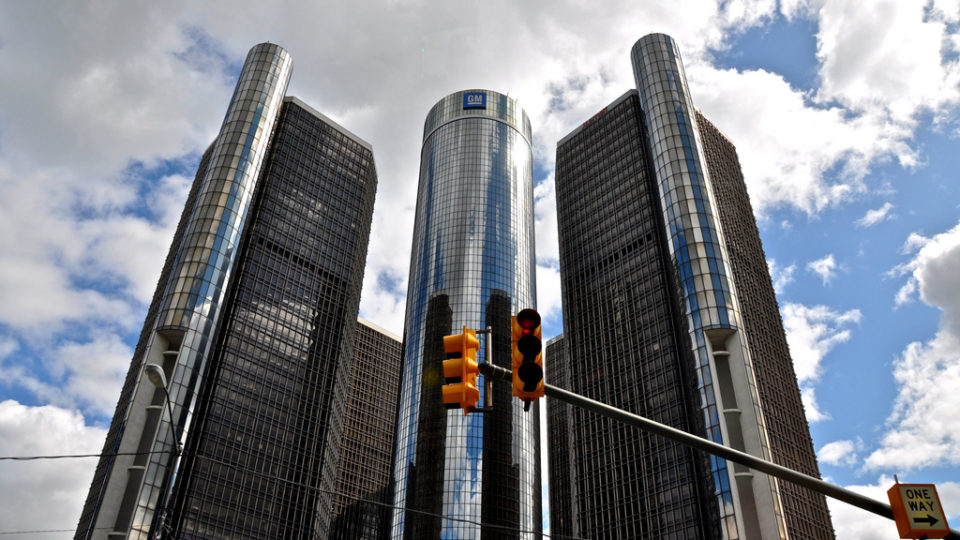
There is quite a bit of effort underway to reduce the amount of pollution automobiles dump into the atmosphere. The expanding role of electric cars is a big part of this.
Myths About Organic Food
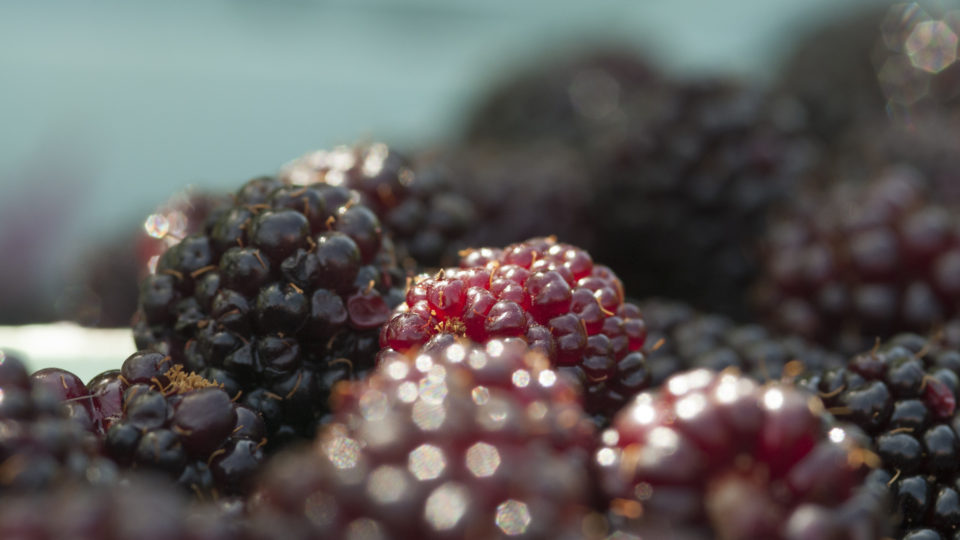
There is much to be said in favor of organic food. The organic produce industry took in $65 billion in 2016 and that farming method is clearly increasingly popular and is here to stay. Nevertheless, there are various misconceptions and inaccuracies related to organic food.
Turning Biofuel Waste Into Valuable Chemicals
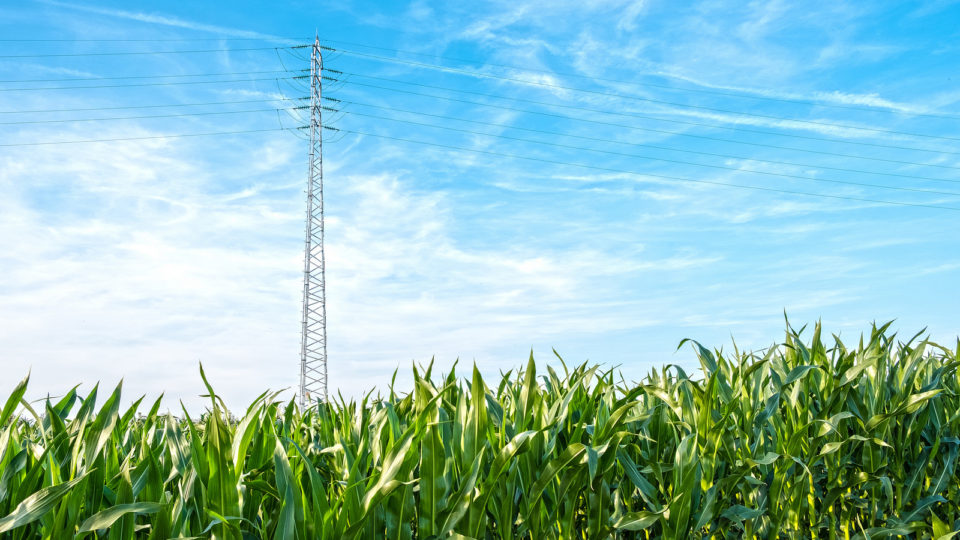
When biofuels are made, tough plant material is left over as waste. The material is lignin, which is a main component of plant cell walls that gives plants their structural integrity. Lignin is made up of many valuable compounds, but taking it apart to extract them is very difficult.
[Read more…] about Turning Biofuel Waste Into Valuable Chemicals
CO2 Emissions Stalled
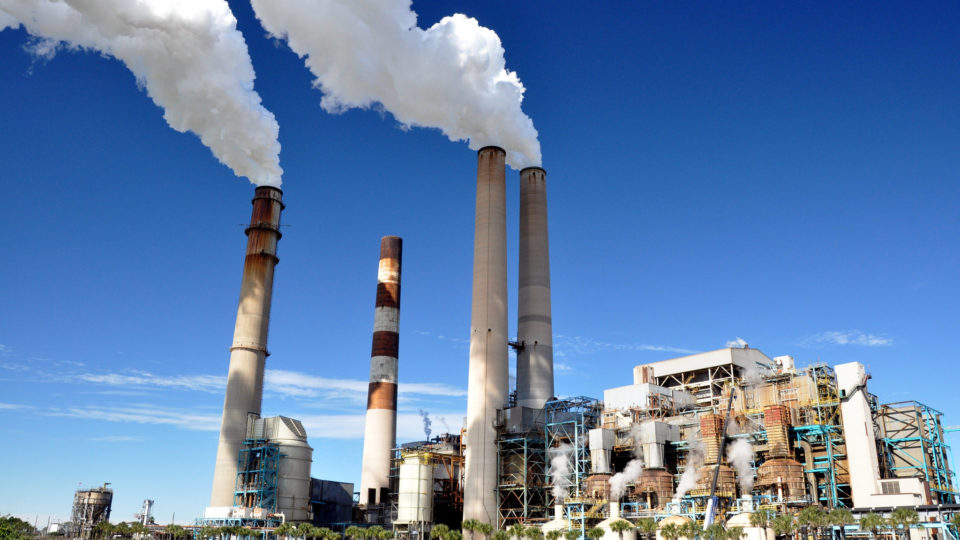
For the third year in a row, global emissions of carbon dioxide have remained unchanged. This indicates that efforts to reduce emissions have had an effect, but that there is much more to be done. It is essential to reduce emissions, not just cap them.
Neonics And Honey
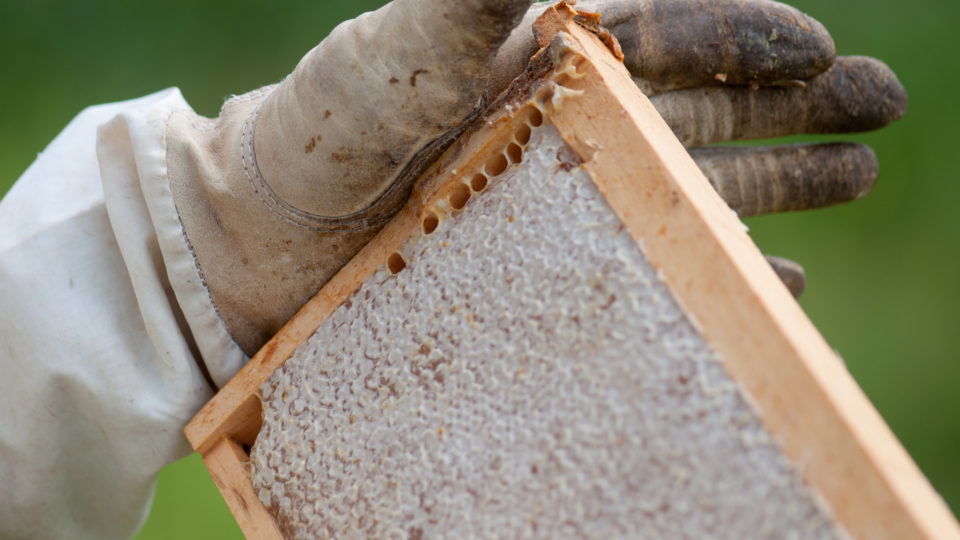
The use of neonicotinoid pesticides or neonics has long been suspected as harmful to bees and a major factor in the widespread decline of honeybee and wild bee populations. A study published in Science last June provided strong evidence that neonics are indeed a real problem for bees.
Corals Like Plastic
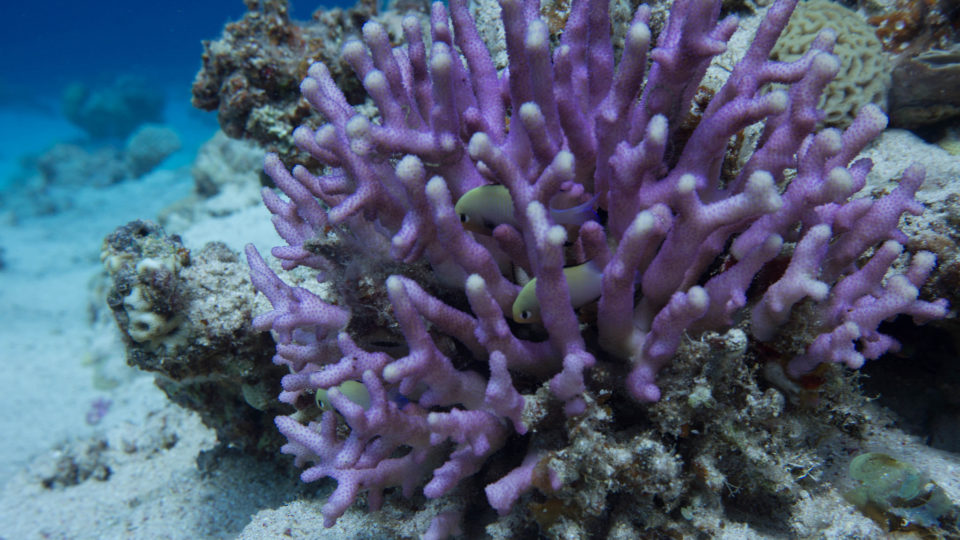
Microplastics, which are tiny pieces of weathered plastic less than 5 millimeters in diameter, have been accumulating in the oceans for the past 40 years and are now ubiquitous in the marine environment. They are a major threat to many kinds of marine life, including numerous species of birds, turtles, fish, marine mammals and invertebrates who ingest the stuff causing a variety of problems.
The Tiny Country That Feeds The World
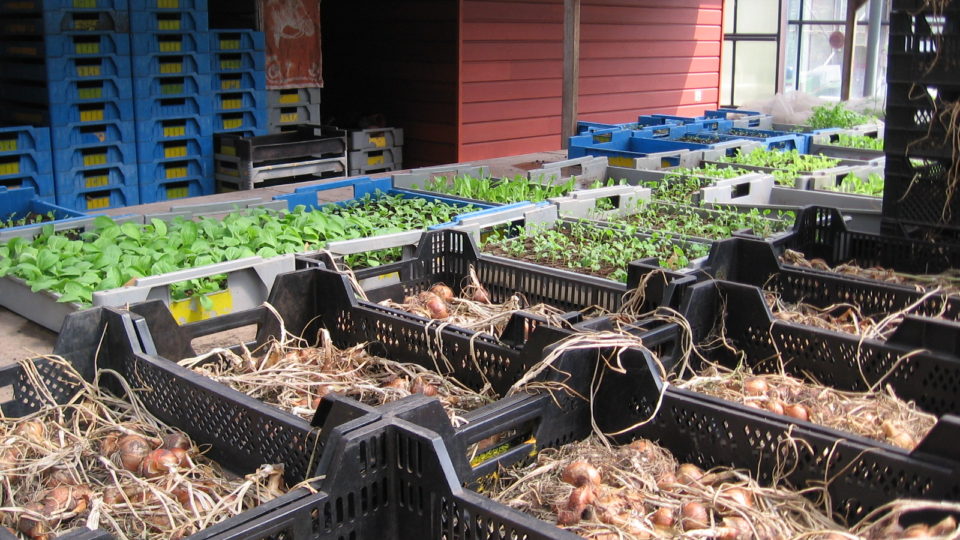
The Netherlands is a small, densely populated country with more than 1,300 inhabitants per square mile. It lacks almost every resource one associates with large-scale agriculture. Nevertheless, it is the number two exporter of food in the world, second only to the United States, which is almost 300 times bigger. The Dutch lead the world in exporting tomatoes, potatoes and onions and produce many other crops as well.
Septic Systems and Water Contaminants
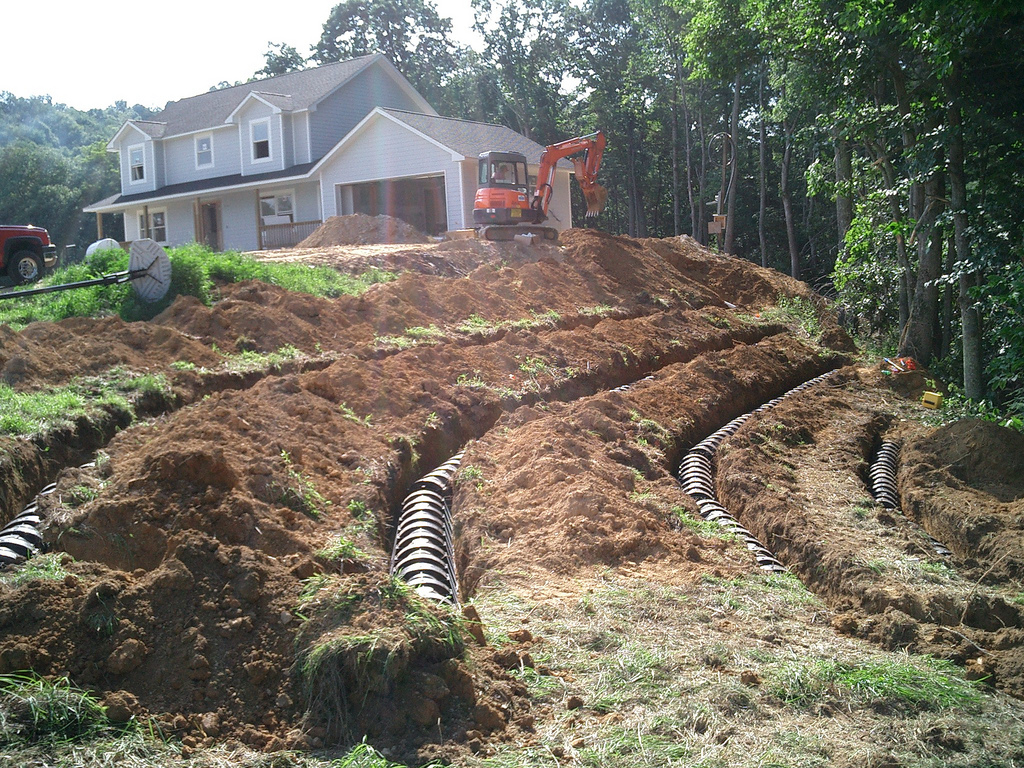
A recent study has shown that septic systems in the U.S. routinely discharge pharmaceuticals, consumer product chemicals and other potentially hazardous substances into the environment. The comprehensive study, published in the journal Environmental Science & Technology, raises health concerns since these chemicals can end up in groundwater and drinking water supplies.
Natural Mosquito Repellents
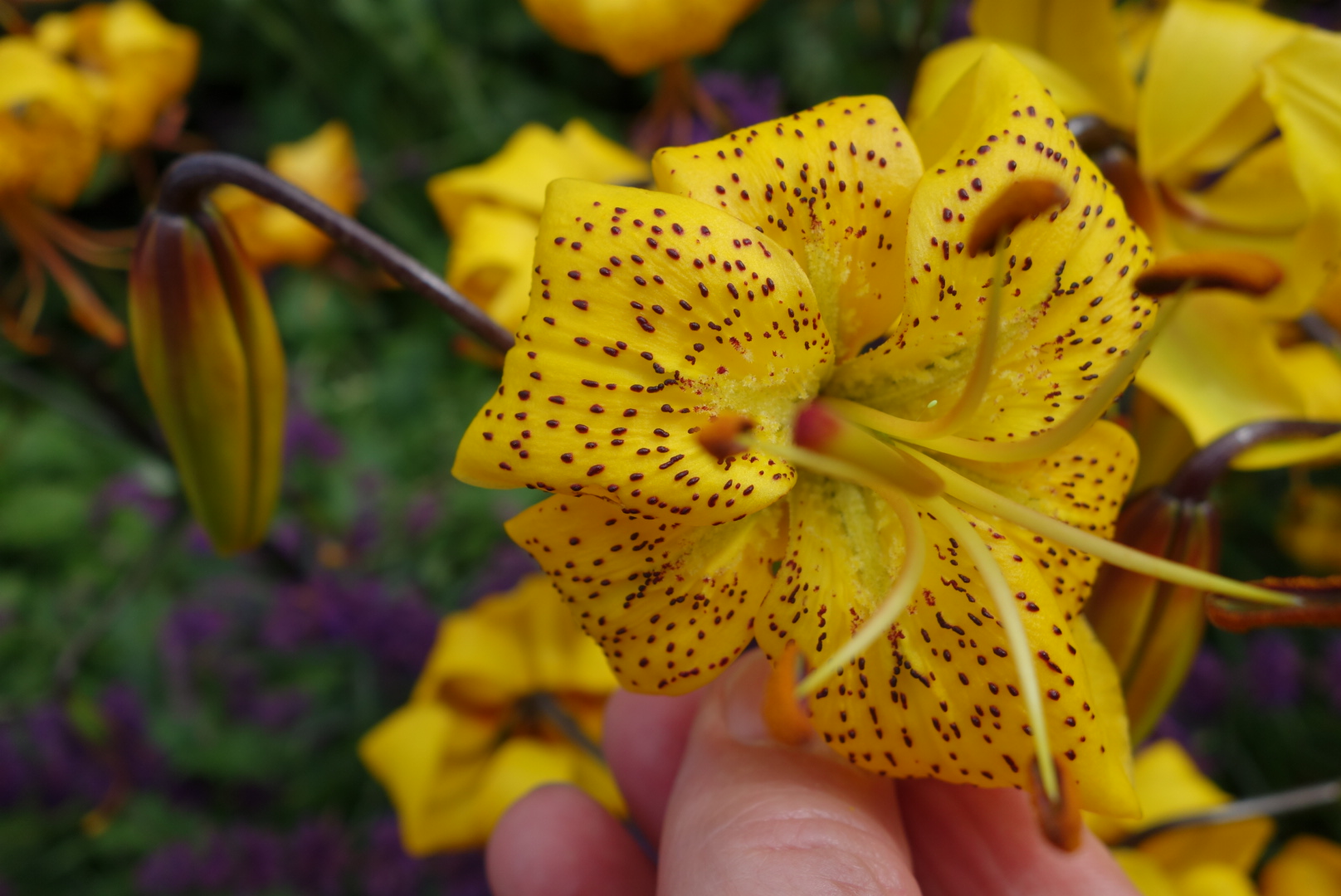
With summer comes mosquitoes and our desire to keep them away from us. The most common repellents are based on the chemical DEET, which unfortunately has been found to have several health and safety problems. Up to 15% of DEET is absorbed through the skin directly into the bloodstream. Diethyl-meta-toluamide, the chemical name for DEET, has been shown to have a variety of toxic effects. Fortunately, it turns out that there are some natural alternatives which may be as effective as DEET, or possibly even more effective than DEET in keeping mosquitoes away from us.
Pesticides And Food Insecurity
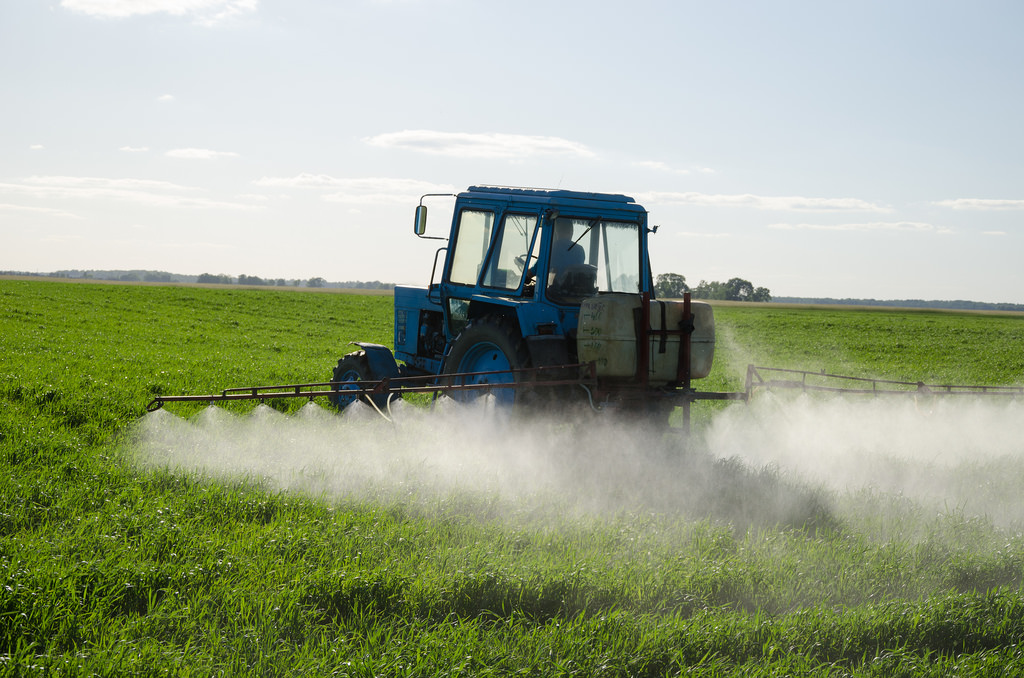
A newly released report by the United Nations takes a strong stance against the use of industrial agrochemicals, saying that they are not necessary for feeding the world. The continued use of pesticides at the rate the world currently does in fact can have very detrimental consequences.
Fast Food Packaging
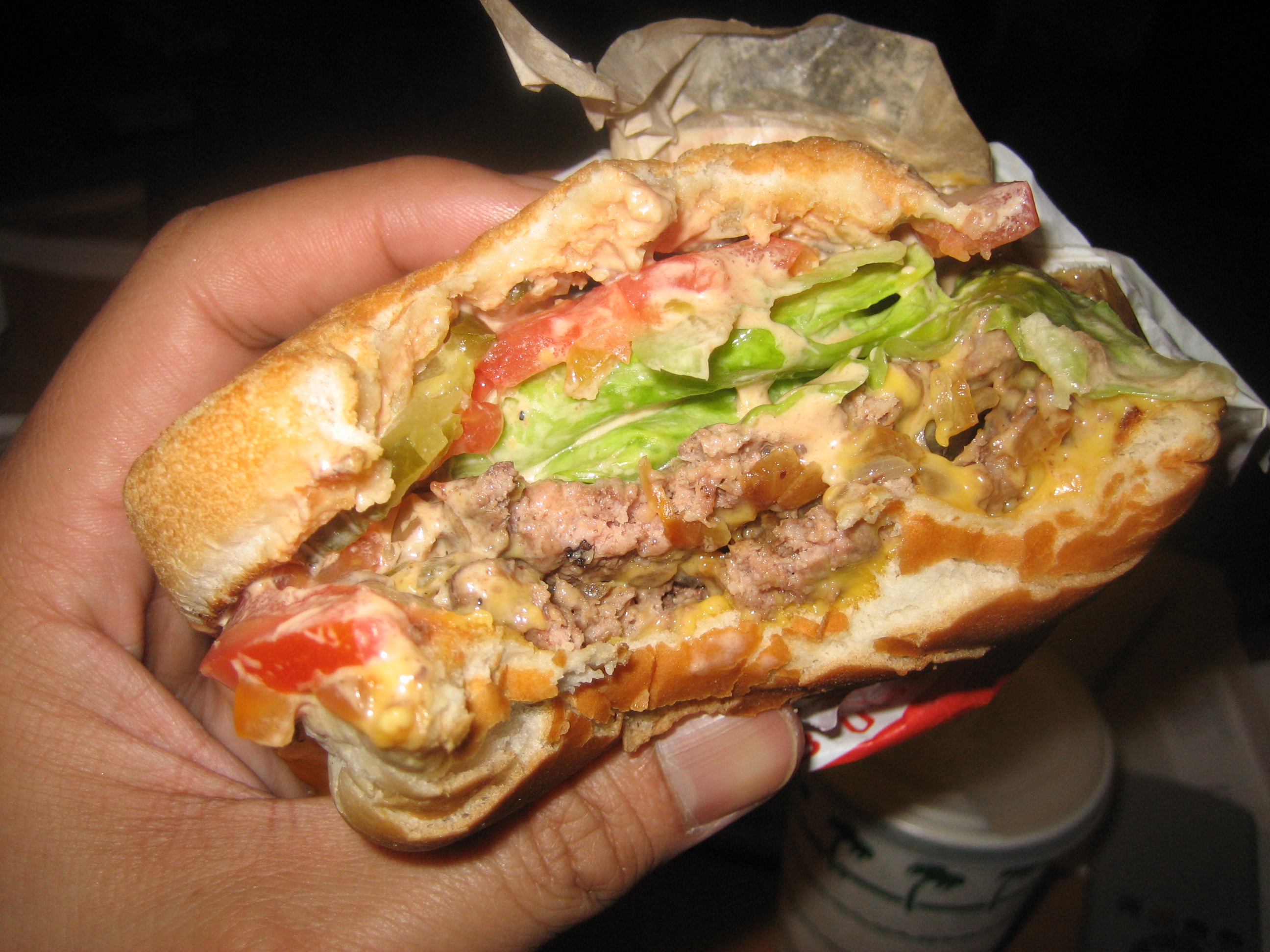
Much has been made of the dangers of eating fast food. Certainly, its high fat, sodium, and calorie content calls for moderating its role in our diets. But a recent study has found that even the packaging that the food comes in might present health hazards.
Spider Silk
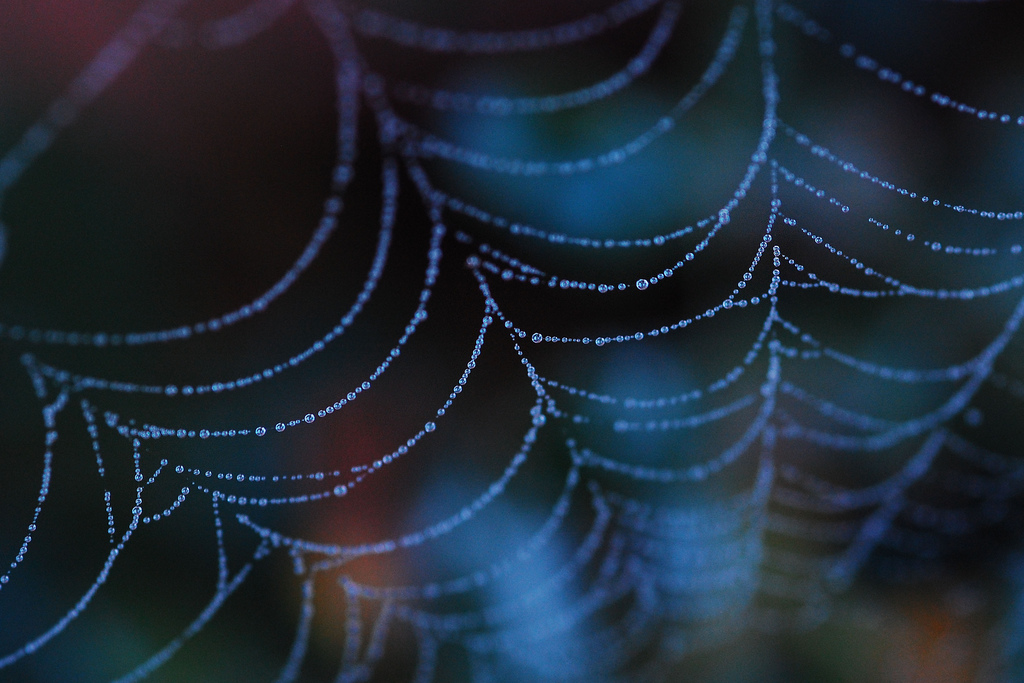
Spider silk – the protein fiber spun by spiders to make webs, nests, cocoons, and wrapping for prey that they stash away – is a remarkable substance. Its mechanical properties combine high tensile strength and high extensibility or ductility. This allows spider silk to absorb a lot of energy before breaking. It is stronger than steel, but not as strong as Kevlar, for example. On the other hand, it is tougher than either.
Fracking And Earthquakes
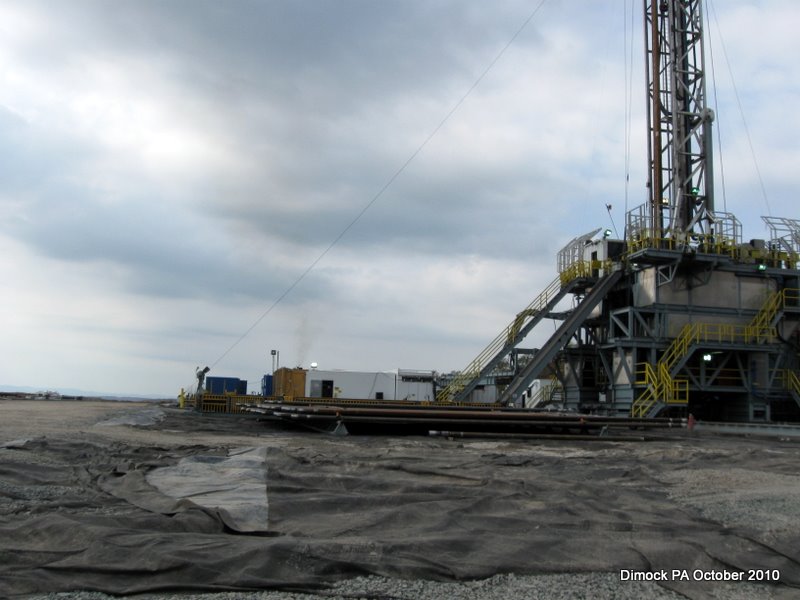
Hydraulic fracturing, or fracking, is the process in which water, chemicals and sand are injected at high pressure to split apart rock thousands of feet below Earth’s surface and release oil or natural gas. And it’s a controversial practice.
Help Save The Bees
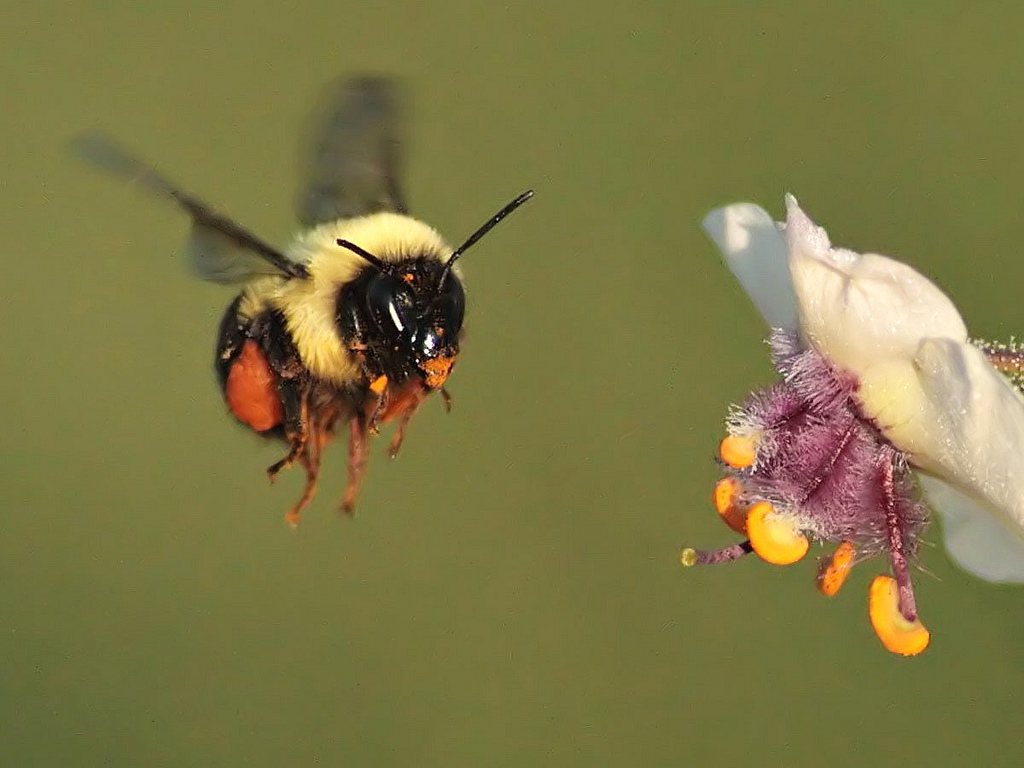
Globally, 40% of invertebrate pollinator species, such as bees and butterflies, are facing extinction. And since approximately three-quarters of the world’s food crops depend on pollination, the decline of these pollinators could pose a threat to food security around the globe.
Houseplants And Clean Air
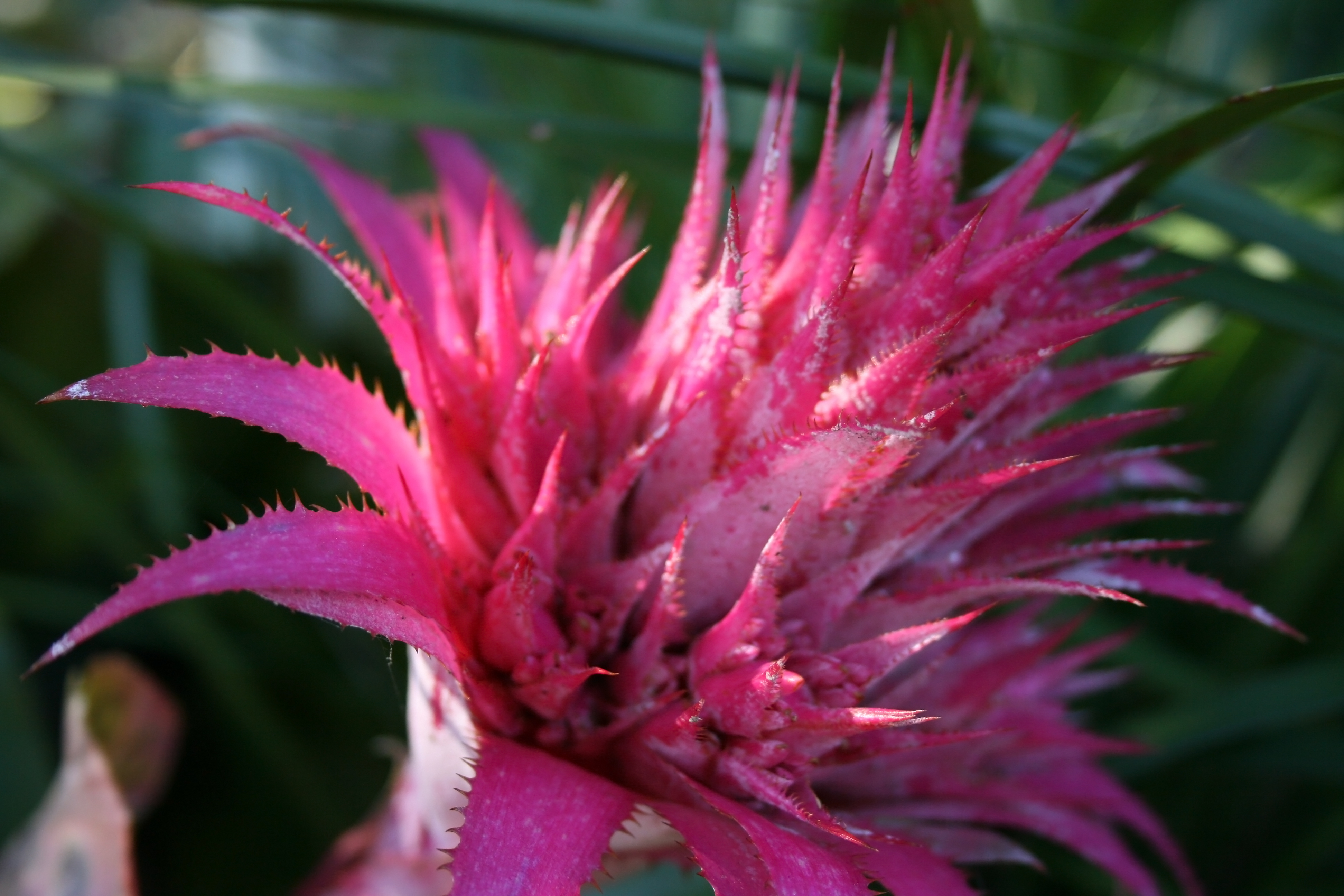
Many of us like to have houseplants. They add a bit of nature to our homes and they look nice. It turns out that they have health advantages as well.