• Skip to primary navigation
  • Skip to main content
  • Skip to primary sidebar

Earth Wise

A look at our changing environment.

  • Home
  • About Earth Wise
  • Where to Listen
  • All Articles
  • Show Search
Hide Search
You are here: Home / Archives for australia

australia

More Mega-Droughts | Earth Wise

December 2, 2020 By EarthWise Leave a Comment

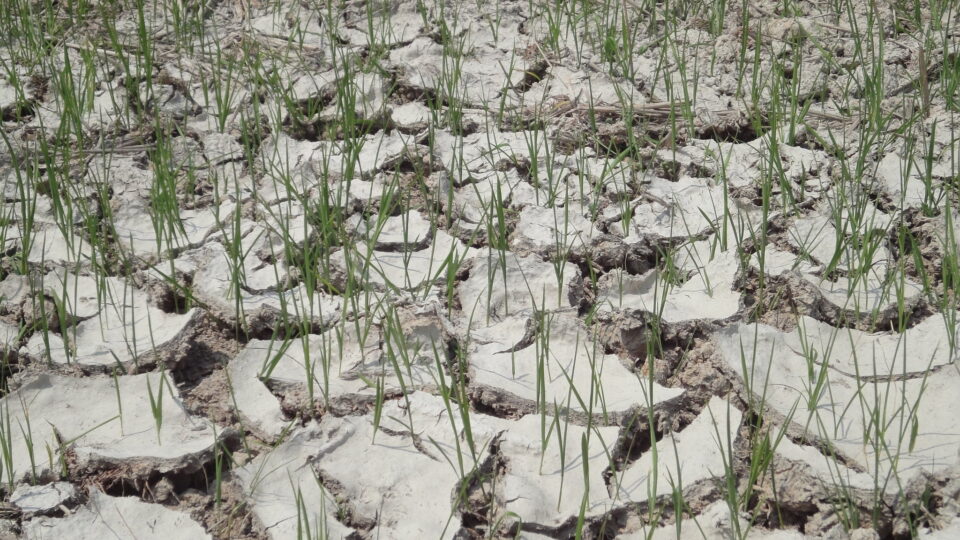
Climate change leading to more mega-droughts

According to a new report led by researchers from the University of Queensland in Australia, mega-droughts are expected to increase as global temperatures rise with the progression of climate change.  While mega-droughts have no strict scientific definition, most studies – including this one – define them as prolonged droughts lasting two decades or longer. 

The research team analyzed geological records from the Eemian Period – 129,000 to 116,000 years ago – to create a model of what to expect over the next 20-50 years.  The Eemian Period is the most recent in Earth’s history when global temperatures were similar – or maybe even slightly warmer – than they are today. 

By analyzing the climate during this period, the research team found that the world will likely experience increased water scarcity, reduced winter snow cover, more frequent wildfires and wind erosion as a result of global warming.

In the report, which was recently issued by the University of Queensland, the researchers collaborated with the New South Wales Parks and Wildlife Service to identify stalagmites in the northern section of Kosciuszko National Park.  They were able to study small samples of calcium carbonate powder contained in the cave stalagmites, allowing them to identify periods of reduced precipitation during the Eemian Period. 

Historically, mega-droughts have been associated with mass exoduses of people from the affected areas.  In fact, mega-droughts are suspected of contributing to the collapse of several pre-industrial civilizations across Southeast Asia and the Americas.

If humans continue to warm the planet, the researchers say more mega-droughts will be in our future.

**********

Web Links

Expect more mega-droughts

Photo, posted March 28, 2014, courtesy of Marufish via Flickr.

Earth Wise is a production of WAMC Northeast Public Radio.

The Hottest September | Earth Wise

November 5, 2020 By EarthWise Leave a Comment

The hottest September

Here’s a news item that is like many other recent news items:  September 2020 was the hottest September since 1880, according to the National Oceanic and Atmospheric Administration.   The warm September is a part of a year that so far is poised to be at least the second hottest year in the 141-year climate record.

The ten warmest Septembers on record have all occurred since 2005, and the seven warmest Septembers have occurred in the past seven years.

So far, the year-to-date average global temperature has been the second warmest on record, being just 0.07 degrees Fahrenheit lower than the record year-to-date temperature set in 2016.  Expectations are that 2020 will end up somewhere among the three warmest years on record for the globe.

September was warm in many places around the world.  California and Oregon had their warmest September ever.  Europe had its warmest September on record, Asia had its second warmest September on record as did Australia and South America. 

So far, it has been the hottest year-to-date on record in Europe, Asia, and the Gulf of Mexico.  No land or ocean areas anywhere had record-cold year-to-date temperatures. 

Global temperatures represent an average over the entire surface of the planet.  The fact that the global temperature is now nearly one Celsius degree above the 20th century average means that a vast amount of heat has been added in order to warm all the oceans, atmosphere, and land by that much.  So, every uptick in global temperature is a big deal.

Meanwhile, the average Arctic sea ice coverage for September was the second smallest on record.  The 14 smallest minimum annual sea ice extents have all occurred in the past 14 years.

**********

Web Links

Earth just had its hottest September on record

Photo, posted September 2, 2020, courtesy of Tim Vrtiska via Flickr.

Earth Wise is a production of WAMC Northeast Public Radio.
Alien Species On The Rise | Earth Wise

November 3, 2020 By EarthWise Leave a Comment

the number of alien species is rising

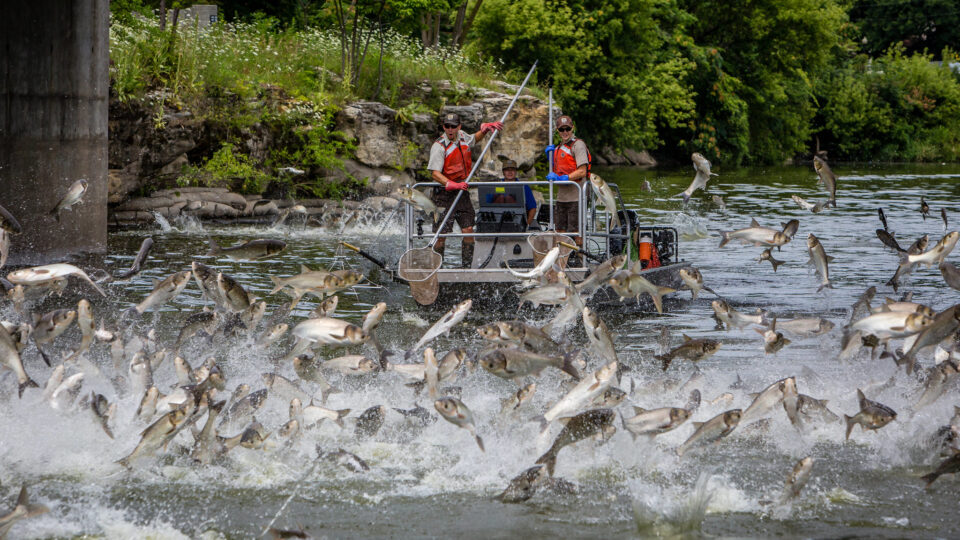
Alien species are species that are introduced, accidentally or intentionally, outside of their natural geographic range as a result of human activities.  More than 35,000 alien species have been recorded through 2005, which is the most recent year for which researchers have comprehensive global data. 

Some of the alien species go on to become invasive alien species, which can have damaging impacts on both ecosystems and economies.  In fact, alien species are one of the main drivers of plant and animal extinctions around the globe.  

According to a new study by an international research team involving University College London, the number of alien species, particularly insects, arthropods and birds, is expected to increase globally by 36% by 2050 when compared to 2005 levels.  The research was recently published in the journal Global Change Biology.

Using a mathematical model developed for the study, the researchers identified high levels of variations between regions.  For example, the largest increase in alien species by the middle of the century is expected in Europe, where numbers are predicted to jump by 64%.  The temperate regions of Asia, North America, and South America are also predicted to be hotspots of alien species.  The lowest relative increase in alien species is expected in Australia.

The researchers do not expect a reversal or slowdown in the spread of alien species.  In fact, with global transportation and trade forecasted to increase in the coming decades, they anticipate many new species will infiltrate non-native habitats by hitching rides as stowaways.   

According to the research team, it would take a concerted global effort with stricter regulations and more rigorous enforcement to slow the flow of new species. 

**********

Web Links

Alien species to increase by 36% worldwide by 2050

Photo, posted October 3, 2016, courtesy of the Asian Carp Regional Coordinating Committee via Flickr. Photo credit: Ryan Hagerty/USFWS.

Earth Wise is a production of WAMC Northeast Public Radio.
Finding Plastic In Seafood | Earth Wise

September 15, 2020 By EarthWise Leave a Comment

plastic in seafood

Researchers from the University of Exeter in the UK and the University of Queensland in Australia have developed a new method for identifying and measuring the presence of five different types of plastic in seafood.

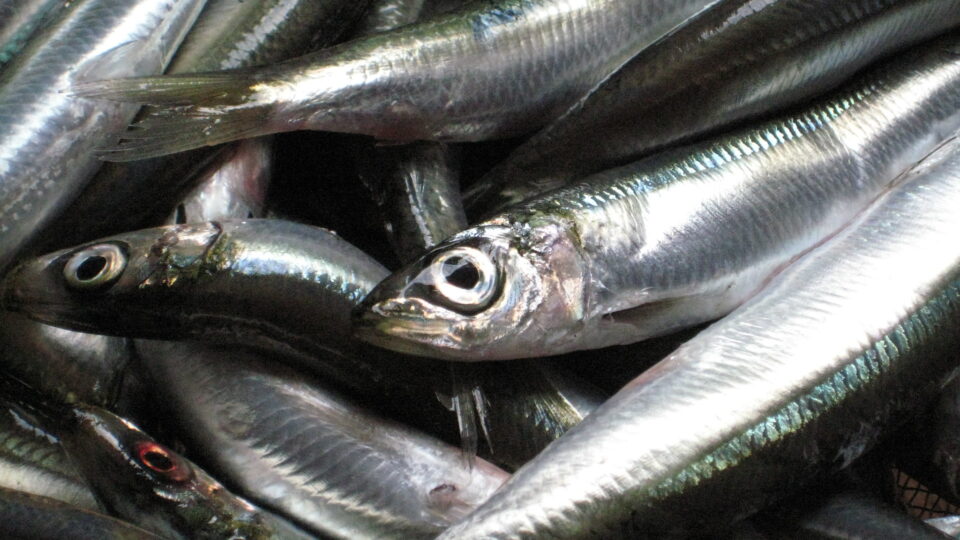
The researchers purchased oysters, prawns, squid, crabs, and sardines from a market in Australia and analyzed them using the new technique.  They found plastic in every single sample.

Their findings showed that the amount of plastics present varies greatly among species and differs between individuals of the same species.  The measured plastic levels were 0.04 mg per gram of seafood in squid, 0.07 mg in prawns, 0.1 mg in oysters, 0.3 mg in crabs, and 2.9 mg in sardines. 

All the plastics are types commonly used in plastic packaging and synthetic textiles and are increasingly found in marine litter:  polystyrene, polyethylene, polyvinyl chloride, polypropylene, and polymethyl methacrylate.

The new method treats the seafood tissues with chemicals that dissolve the plastics present within them.  The resulting solution is then analyzed using a highly sensitive technique called Pyrolysis Gas Chromatography Mass Spectrometry which both identifies and quantifies the plastics.

Microplastics are an increasing source of pollution for much of the planet, including the oceans where they are eaten by all types of marine creatures ranging from planktonic organisms to large mammals.  Microplastics enter our diet not only from seafood, but also from bottled water, sea salt, beer, and honey, as well as from dust that settles on our food.

**********

Web Links

Seafood study finds plastic in all samples

Photo, posted June 23, 2007, courtesy of Flickr.

Earth Wise is a production of WAMC Northeast Public Radio.
A High-Tech Fire Alarm | Earth Wise

July 23, 2020 By EarthWise Leave a Comment

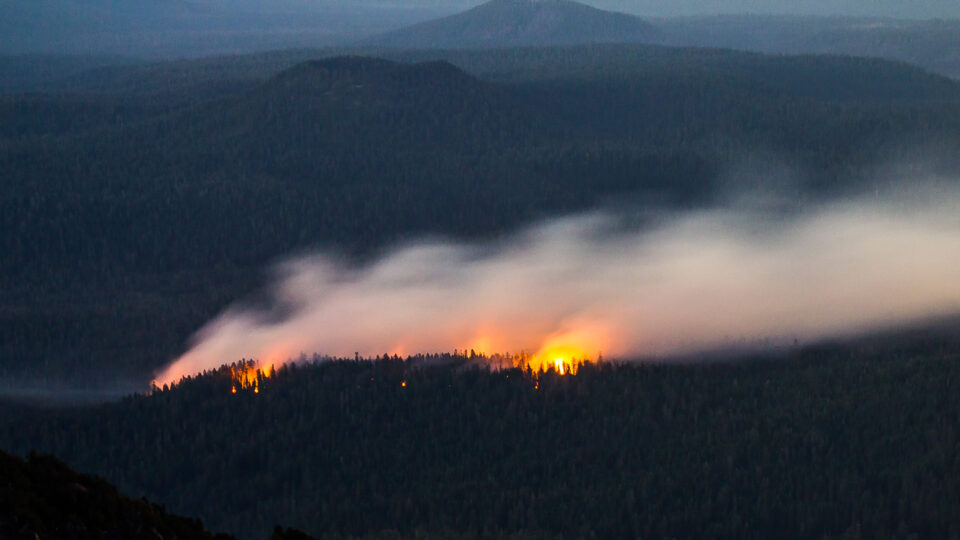
In recent years, wildfires have been a global problem, notably in California, Brazil, and Australia.  It has become increasingly important to be able to respond to new fires as soon and as quickly as possible.  Such response can make the task of extinguishing them easier, thereby reducing the amount of damage and the loss of property and life.

Traditional methods for detecting forest fires include satellite monitoring, ground patrols, and watch towers, all of which have high labor and financial costs but suffer from low efficiency.  Remote sensing technologies are becoming increasingly common but rely on batteries for power, requiring servicing in remote locations to replace depleted batteries.  Solar cells represent an alternative to batteries, but it is challenging to use them in forests because of shading and foliage coverage.

A team of researchers at Michigan State University has developed a remote forest fire detection and alarm system powered by nothing more than the movement of tree limbs in the wind.  The device is known as an MC-TENG, which is an acronym for multilayered cylindrical triboelectric nanogenerator.  The triboelectric effect is a phenomenon where certain materials become electrically charged when they separate from a second material with which they were previously in contact.  In the new device, two cylindrical sleeves fit within one another – one anchored and the other free to slide.  The device is tied to a tree branch and when the branch sporadically moves in the wind, electricity is generated and stored in a carbon-nanotube-based micro supercapacitor.  This powers a sensing system that can continuously monitor environmental conditions without requiring any maintenance.

A combination of carbon monoxide and temperature sensors provides a high-tech fire alarm that can operate continuously in the most remote forest.

**********

Web Links

Self-Powered Alarm Fights Forest Fires, Monitors Environment

Photo, posted August 3, 2012, courtesy of Lukas Schlagenhauf via Flickr.

Earth Wise is a production of WAMC Northeast Public Radio.

Nanotech Water Purification | Earth Wise

July 14, 2020 By EarthWise Leave a Comment

Ultrathin nanosheets separate ions from water

We have occasionally talked about metal-organic frameworks, which are organic-inorganic hybrid crystalline structures that have a microscopic cage-like structure.  MOFs have been under development for a diverse set of applications including gas storage and separation, liquid purification, energy storage, catalysis, and sensing.

For the first time, an international research team, led by researchers from Monash University in Australia, has created an ultrathin porous membrane based on MOF technology that can completely separate potentially harmful ions, such as lead and mercury, from water.

This innovation could enhance water desalination and transform even the dirtiest water into something potable for millions of people around the world.  The new membrane performed steadily in tests for more than 750 hours using only limited energy.

The technology uses water-stable monolayer aluminum-based MOFs just a millionth of a millimeter in thickness.  These are essentially two-dimensional structures.  The ultrathin membrane is permeable to water – it achieves maximum porosity – but rejects nearly 100 percent of ions.  It has been a daunting challenge to fabricate ultra-thin MOFs for water-based processing.  Most previous membranes were too thick and unstable in water. 

Most existing ion separation membrane technologies are based on polymers and have the limitation that they have limited selectivity.  They don’t reject all unwanted ions.

The new membrane technology has great potential based on its precise and fast ion separation and could be ideal for a variety of filtration applications such as gas separation and separation of organic solvents such as paint.  Such membranes might also be used to remove harmful carcinogens from the atmosphere.

**********

Web Links

Ultrathin nanosheets separate ions from water

Photo courtesy of Monash University.

Earth Wise is a production of WAMC Northeast Public Radio.

Powering Amazon By The Sun | Earth Wise

June 29, 2020 By EarthWise Leave a Comment

Amazon and solar power

Amazon.com is a multinational conglomerate company that sells nearly $300 billion dollars a year worth of products, employs over 800,000 people, and by any measure, consumes a tremendous amount of resources.  In terms of its environmental impact, Amazon is estimated to be responsible for the emission of 50 million tons of CO2 annually, which is more than the yearly total for countries like Switzerland, Ireland, New Zealand, Denmark, and about 140 other countries.

Amazon is trying to reduce its environmental impact.  The company recently announced five new renewable energy projects in China, Australia and the U.S. as part of its commitment to reach 80% renewable energy by 2024, 100% renewable energy by 2030, and to reach net zero carbon by 2040.

The projects include a 100 MW solar project in Shandong, China, a 105 MW solar project in New South Wales, Australia, two solar projects in Ohio (one 200 MW and one 80 MW), and a 130 MW solar project in Virginia.

To date, Amazon has announced 31 utility-scale wind and solar renewable energy projects as well as 60 solar rooftops on fulfillment centers and sort centers around the world.  Taken together, these projects provide almost 3 GW of capacity and will deliver more than 7.6 million MWh of renewable energy annually.

In order for the world to meet the climate goals set by the Paris Agreement, it will take more than just countries to make and keep commitments.   Whatever else one may think about Amazon’s place in the world, their latest efforts for the environment are a big step in the right direction.

**********

Web Links

Amazon announces five new utility-scale solar projects to power operations in China, Australia, and the US

Photo, posted November 16, 2018, courtesy of Todd Van Hoosear via Flickr.

Earth Wise is a production of WAMC Northeast Public Radio.
Heat-Resistant Coral | Earth Wise

June 23, 2020 By EarthWise Leave a Comment

heat resistant coral

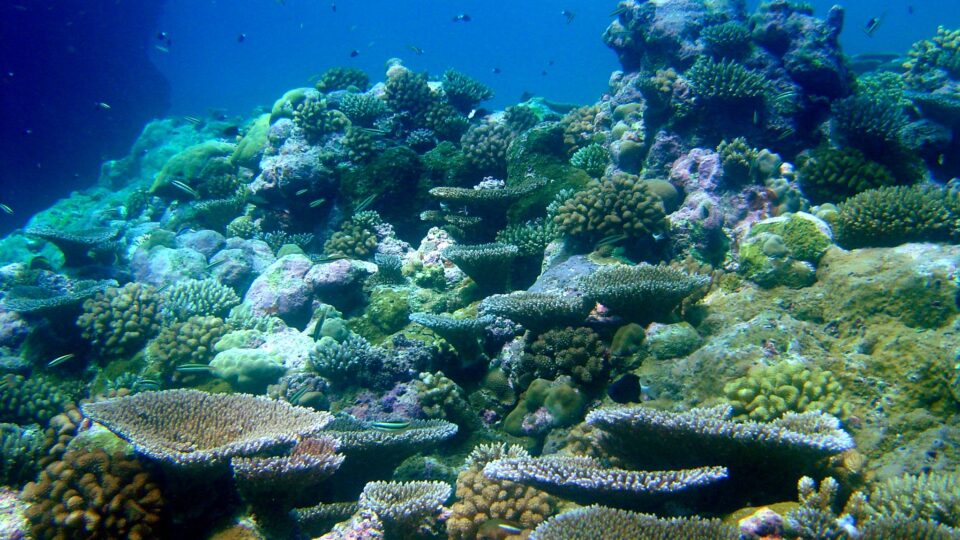
Coral reefs are in decline all over the world.  Corals are under increasing pressure as water temperatures rise and the frequency and severity of coral bleaching events increase.  Nowhere is this more evident than in Australia’s Great Barrier Reef system, where severe bleaching events have happened in three of the past five years. Long-term prospects for the survival of the world’s largest reef system are now considered to be poor.

A team of scientists at Australia’s national science agency – the Commonwealth Scientific and Industrial Research Organization – along with the Australian Institute of Marine Science and the University of Melbourne have successfully produced in a laboratory setting a coral that is more resistant to increased seawater temperatures.

The team made the coral more tolerant to temperature-induced bleaching by bolstering the heat tolerance of the microalgae symbionts that live inside the coral tissue.  They isolated the microalgae from coral and cultured it in the laboratory using a technique called “directed evolution”.  Over the course of four years, they exposed the microalgae to increasingly warmer temperatures.  When the heat-adapted strain of algae was reintroduced into coral larvae, the newly established coral-algal symbiosis was more heat tolerant than the original one.  The heat-tolerant microalgae are better at photosynthesis and improve the heat response of the coral animal.

The next step is to further test the algal strains in adult colonies across a range of coral species.  This groundbreaking research provides a promising and novel tool to increase the heat tolerance of corals and might potentially lead to a way to save the Great Barrier Reef as the world continues to warm.

**********

Web Links

Scientists successfully develop heat resistant coral to fight bleaching

Photo, posted September 22, 2010, courtesy of NOAA via Flickr.

Earth Wise is a production of WAMC Northeast Public Radio.
Antarctica’s Hot Summer | Earth Wise

May 1, 2020 By EarthWise Leave a Comment

Extreme heat in Antarctica

The Southern Hemisphere’s recent summer brought drought, heatwaves and bush-fires that ravaged Australia.  At the same time, Antarctica experienced a summer of extreme weather.

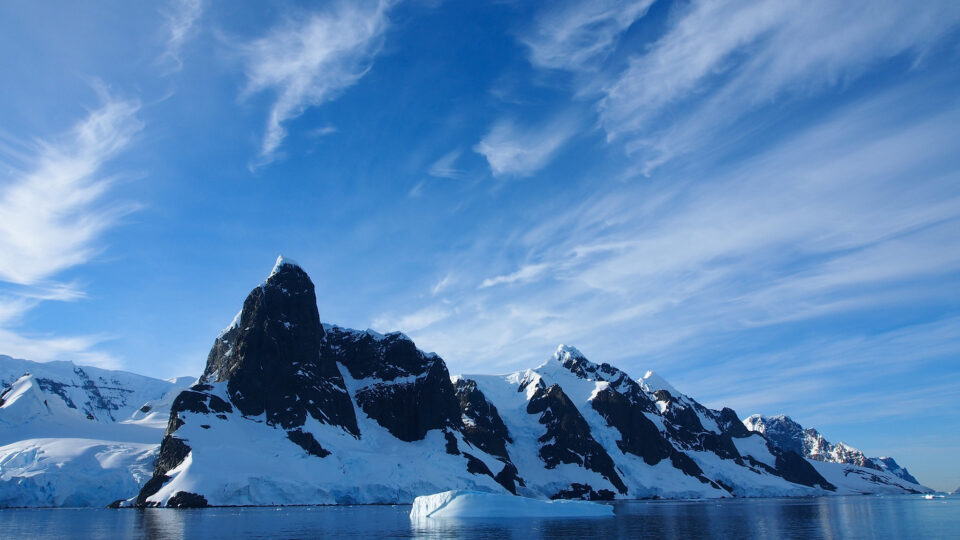
In East Antarctica, the Casey research station in the Australian Antarctic Territory had its first heatwave event, recording extreme maximum and minimum temperatures over three consecutive days in January.  Record high temperatures were also reported at bases on the Antarctic Peninsula.

The Casey station recorded a record high maximum temperature of 49 degrees Fahrenheit and a record overnight low of 36 degrees.  In February, Brazilian scientists reported a high temperature of 69 degrees at Marambio, an all-time record for Antarctica.

Ecologists say that the hot summer would most likely lead to long-term disruption of local populations, communities, and the broader ecosystem.  That disruption could be both positive and negative.

Most life in Antarctica exists in small ice-free oases and depends on melting snow and ice for a water supply.  Melt water from the warming temperatures will lead to increased growth and reproduction of mosses, lichens, microbes and invertebrates.

However, excessive flooding can dislodge plants and alter the composition of communities of invertebrates and microbial mats. If the ice completely melts early in the season, then ecosystems will suffer drought for the rest of the season.

Extreme events often have impacts for years after the event.  There will be long-term studies of the areas affected by the recent Antarctic heat wave. Such extreme events associated with global climate change are predicted to increase in frequency and impact, and even the most remote areas of the planet are not immune to them.

**********

Web Links

Antarctica’s summer of extreme heat

Photo, posted January 30, 2014, courtesy of Andreas Kambanis via Flickr

Earth Wise is a production of WAMC Northeast Public Radio.
Building The World’s Largest Battery Energy Storage Plant | Earth Wise

April 6, 2020 By EarthWise Leave a Comment

The World’s Largest Battery Energy Storage Plant

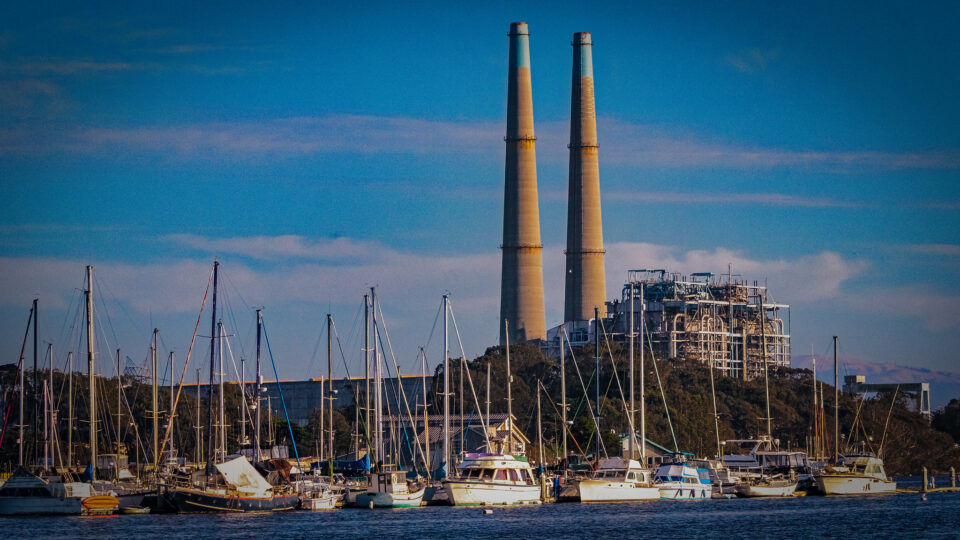
The Monterey County Planning Commission has unanimously approved a joint project between Tesla and Pacific Gas and Electric to turn the Moss Landing Power Plant in California into the world’s largest battery energy storage facility.

The Moss Landing Power Plant is a natural gas-powered electricity generation plant located at the midpoint of California’s Monterey Bay.  At one time, it was the largest power plant in the state of California with a generation capacity of 2560 MW but has been gradually shutting down over time.

The new facility will incorporate 1.2 GWh of storage capacity for energy generated by solar and wind systems.  The stored energy will be available for use during periods of high energy demand and lower output.  This is about ten times larger than Tesla’s Hornsdale energy storage project in Australia, which was three times bigger than any other batter storage facility when it was built a few years ago.  In 2018, the battery system at Hornsdale made back a third of its cost in just one year.  The systems make use of Tesla’s Megapack battery products which come in pre-assembled units that provide 3 MWh of energy storage capacity.

The project will make use of existing power lines to transmit energy around Monterey County and parts of Silicon Valley.  Tesla and PG&E hope to break ground in early spring with completion scheduled for the end of the year.  California has been adding massive amounts of wind and solar power to its electrical grid and incorporating energy storage is an important step towards creating a truly resilient power system.

**********

Web Links

Humongous Tesla Battery Plant Approved In California Is 10× Bigger Than World’s Biggest Battery Plant

Photo, posted September 22, 2019, courtesy of Flickr.

Earth Wise is a production of WAMC Northeast Public Radio.

Volunteer Tourism | Earth Wise

February 13, 2020 By EarthWise 1 Comment

volunteer tourism aids disaster recovery

Spending vacation time in a disaster zone seems like a crazy idea, but so-called volunteer tourism can actually be a big help to communities trying to recover from natural disasters.  It can also be a unique and rewarding experience for the volunteers.

Such volunteer tourism should not be confused with “disaster tourism”, the unfortunate practice of rushing to the scene of a calamity to gawk.  That is certainly no help to anyone.

When disaster strikes a destination usually frequented by tourists, people naturally tend to stay away, leaving communities to deal with the loss of tourism income on top of the costs of repair and recovery.

A study by UTS, a technology university in Sydney, Australia, looked at the effects of volunteer tourism in the wake of the April 2015 earthquake in Nepal.  They found that when it is done in an ethical matter than takes into account local conditions and the affected community, volunteer tourism can aid recovery and resilience.

In the months following the earthquake, most relief organizations asked international volunteers not to come unless they had specific expertise, such as medical skills, building skills, or emergency response experience.  Eventually, Nepal relaxed conditions to include volunteers to help rebuild homes and schools, to intern in hospitals, and to support NGOs and to re-establish sustainable agriculture.

According to the Nepal Association of Tour and Travel Agents, almost one third of the tours booked to Nepal in the two years after the earthquake comprised groups who combined tourism with volunteering or philanthropy.

Volunteer tourism isn’t for everyone and for every situation, but for places that rely on tourism for their economy, building volunteer tourism into the recovery process can be a good strategy.

**********

Web Links

Volunteer tourism can aid disaster recovery

Photo, posted July 2, 2015, courtesy of the World Humanitarian Summit via Flickr.

Earth Wise is a production of WAMC Northeast Public Radio.
Lots Of Wind Power In Denmark | Earth Wise

February 11, 2020 By EarthWise Leave a Comment

renewable energy milestone

Many states and countries have established goals to generate at least half of their electricity from renewable sources by some future date, typically 2030.  A number of countries have already been able to achieve 50% or greater renewable generation for brief periods measured in days.  Australia did it this past November.  Germany has seen it on occasion as well.

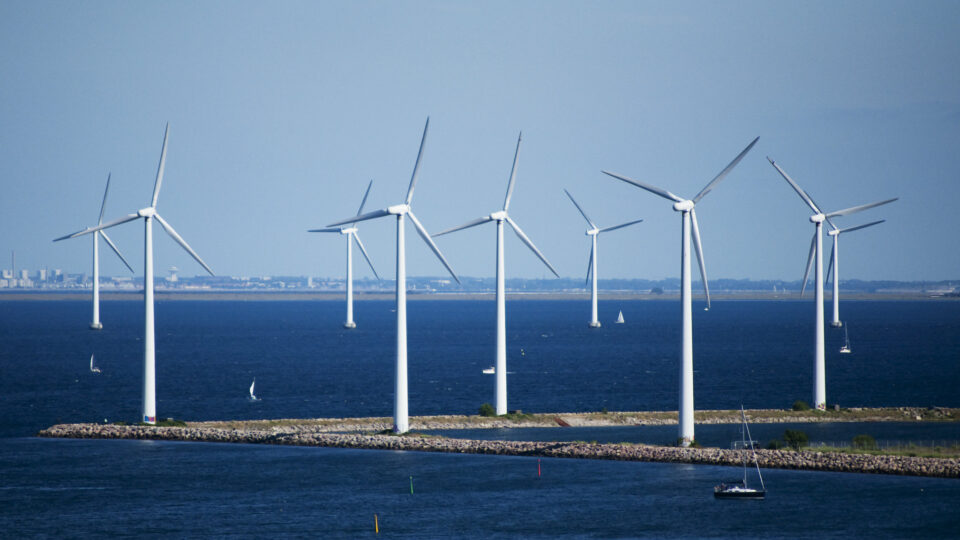
Denmark has managed to complete an entire year with half of its energy coming from renewable generation.  Almost all of it – 47% of the country’s power – came from wind turbines.

Denmark has been generating much of its energy from wind power for quite a while and actually produced about 46% of its electricity from renewable sources in 2017.  Denmark was a pioneer in developing commercial wind power during the 1970s, is a major manufacturer of wind turbines, and the small country has installed over 6,000 of them.  The gains this past year mostly came from the Horns Rev 3 offshore wind farm that went online in the fall.  The 407 MW wind farm has the capacity to cover the annual electricity consumption of about 425,000 households, which is about 20% of the country.

The growth of wind power in Denmark is still ramping up.  A 600 MW wind farm in the Baltic Sea will be connected to the Danish and German electricity grid by 2021, and a wind farm of at least 800 MW capacity in the North Sea is scheduled to come online in 2025.

The Danish Parliament has passed an ambitious climate law with the goal of reducing CO2 emissions by 70% in 2030 compared with 1990.  The country’s overall goal of being carbon-neutral by 2050 does not seem like a pipe dream.

**********

Web Links

Denmark Passes Magic 50% In Renewable Electricity Generation Milestone

Photo, posted July 12, 2009, courtesy of Flickr.

Earth Wise is a production of WAMC Northeast Public Radio.
Dangerous Smoke From Australia’s Wildfires | Earth Wise

January 13, 2020 By EarthWise Leave a Comment

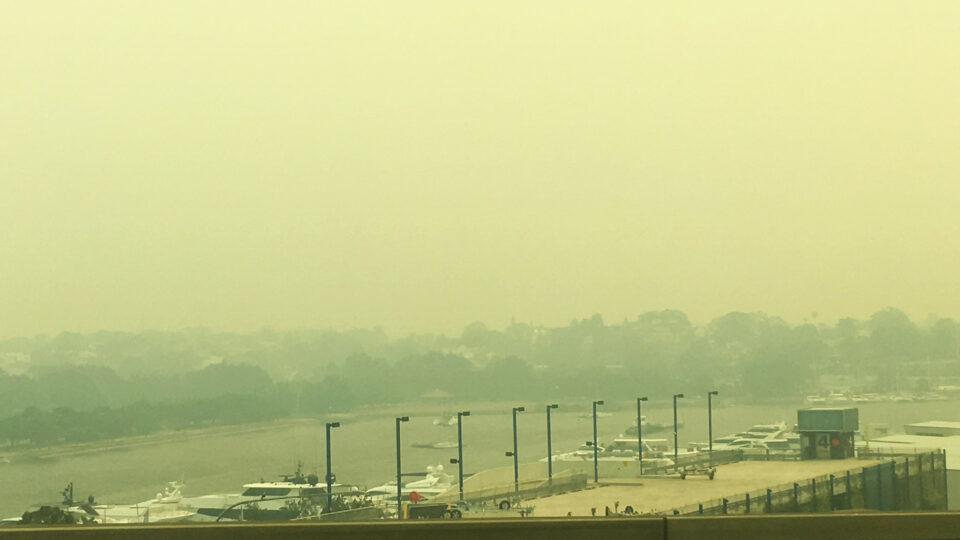
wildfire smoke in Sydney, Australia

Wildfires raging across Australia have devastated large swathes of land and prompted one of the largest evacuations in the country’s history.  The fires, which have scorched approximately 20 million acres, have also killed 27 people and affected an estimated one billion animals at the time of this recording. The fire season, though still young, already ranks as among the worst in Australia’s recorded history. 

Away from the flames, millions more in Australia are breathing unhealthy air as a result of the smoke from these wildfires. Wildfires release all sorts of dangerous air pollutants, like carbon monoxide and nitrous oxide.  But wildfires also release fine particulate matter (more commonly referred to as PM2.5), which can be transported long distances.  Breathing in these microscopic particles can lead to respiratory and cardiovascular problems.  High levels of PM2.5 are particularly harmful to older people, young children, and those with weakened immune systems.  

The Australian capital city of Canberra has been covered in a thick haze of smoke from nearby wildfires.  Canberra recorded its worst air quality day on January 2nd, when levels of PM2.5 spiked to more than 200 micrograms per cubic meter during the worst hour.

Smoke has also been fouling Sydney’s air off and on for months, with PM2.5 readings hitting nearly 400 micrograms per cubic meter last month during the highest hour of pollution. 

The U.S. EPA has in place an annual PM2.5 standard of 12 micrograms per cubic meter and a daily (or 24 hour) standard of 35. 

According to the IPCC, southern Australia is expected to see increased risk of fire as the planet continues to warm.  Regrettably, this could be the new normal. 

********** 

Web Links

Millions of Australians Are Choking on Smoke From Wildfires

Photo, posted December 5, 2019, courtesy of Flickr.

Earth Wise is a production of WAMC Northeast Public Radio.
Climate Change And El Niño

December 2, 2019 By EarthWise Leave a Comment

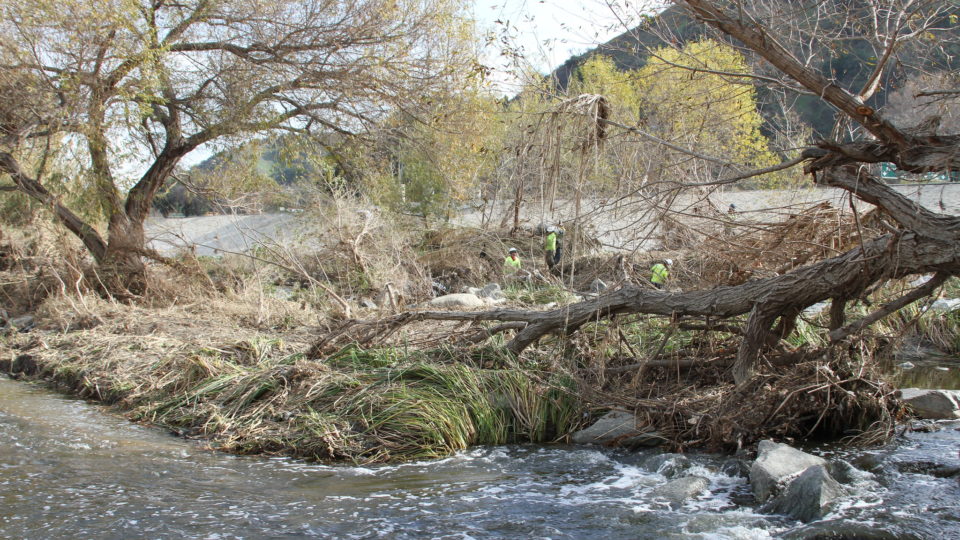
The term El Niño refers to a large-scale ocean-atmosphere climate interaction linked to a periodic warming in sea surface temperature across the central and east-central equatorial Pacific Ocean.  Amazingly, the phenomenon was originally recognized by fishermen off the coast of South America in the 1600s, with the appearance of unusually warm water in the Pacific Ocean.

According to a new study published in the Proceedings of the National Academy of Sciences, climate change is increasing the frequency of extreme El Niño events, leading to intensifying droughts, worsening floods, and shifting hurricane patterns.

The study, led by scientists in China and the US, looked at data from 33 El Niños dating back to 1901.  Since the 1970s, El Niños have been forming farther to the west in the Pacific Ocean, where temperatures are warmer.  Strong El Niños can cause severe drought in dry climates such as Australia and India, intense flooding in wetter climates such as the US Pacific Northwest and Peru, and more hurricanes to form in the Pacific and fewer in the Atlantic.

Before 1978, 12 out of 14 El Niños formed east of the International Dateline.  Since 1978, all 11 have formed in the central or western Pacific Ocean a shift of hundreds of miles.  There have been three so-called super El Niños since the shift – in 1982, 1997, and 2015.  These have set new average temperature records and triggered catastrophic natural disasters.

With rising global temperatures, El Niños are likely to continue to intensify, with major impacts on human societies around the world.

**********

Web Links

Climate Change is Making El Niños More Intense, Study Finds

Photo, posted January 20, 2016, courtesy of Los Angeles District via Flickr.

Earth Wise is a production of WAMC Northeast Public Radio.
Pesticides In The Great Barrier Reef

November 7, 2019 By EarthWise Leave a Comment

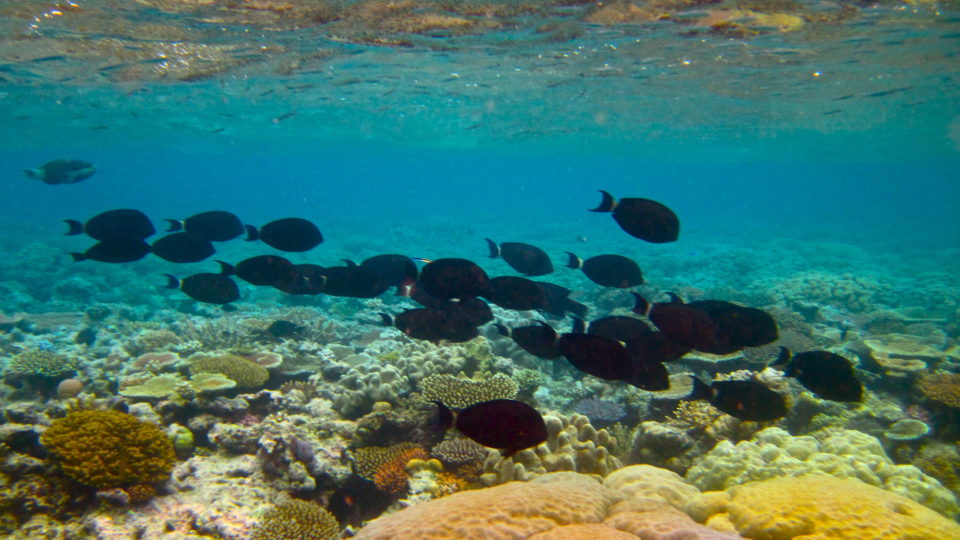
Australia’s Great Barrier Reef is one of the greatest natural wonders in the world and it has been under siege by warming waters and ocean acidification.  Widespread coral bleaching has damaged or destroyed large portions of the 1,400-mile long coral reef system.  But the effects of climate change are not the only threat to the reef.  Pesticides found in waterways that flow into the Great Barrier Reef are another serious problem.

According to a new study by the University of Queensland, the combined toxicity of 22 of the most common pesticides that flow into the Reef are not meeting pollution reduction targets.

Different pesticides affect different organisms.  Herbicides affect organisms that photosynthesize such as seagrass, corals, mangroves, and algae.  Insecticides affect insect larvae in freshwater, and crustaceans such as crabs, prawns, and lobsters.  Previous assessments have only examined individual pesticides and only for limited times.  The new study has utilized a methodology that estimates the combined toxicity of multiple pesticides found in the waterways that discharge into the Reef and does it for the entire wet season.

The research revealed that the pesticide reduction target set in the Australian Government’s Reef 2050 Water Quality Improvement Plan is not being met.  Only one natural resource management region – the Cape York region – was found to be meeting its target.

By having estimates of the risk posed by pesticides in the various regions and individual waterways, governments, farmers, and conservationists can see which areas pose the greatest risk and where to maximize efforts.  Stakeholders have to come together to reduce pesticide concentrations through better management practices and by using less toxic pesticides.

**********

Web Links

High pesticide concentrations continue to enter Great Barrier Reef

Photo, posted July 29, 2010, courtesy of Kyle Taylor via Flickr.

Earth Wise is a production of WAMC Northeast Public Radio.
Compressed Air Energy Storage

October 23, 2019 By EarthWise Leave a Comment

The increasing use of solar and wind power has created a growing need for technology to store up the energy they generate for use when it is most needed.

Historically, pumped hydropower has provided the largest amount of storage capacity, but it is limited to only certain geographic locations.   Battery energy storage has been growing rapidly, with the technology becoming better and cheaper over time.  But there are various other ways to store energy that have potential and may well find their place in the changing energy infrastructure.

One of these is compressed air energy storage, which has been around for more than a century.  It has been used as a backup method for restarting power plants.  But to date, the economic viability of using it at a large scale has been lacking.

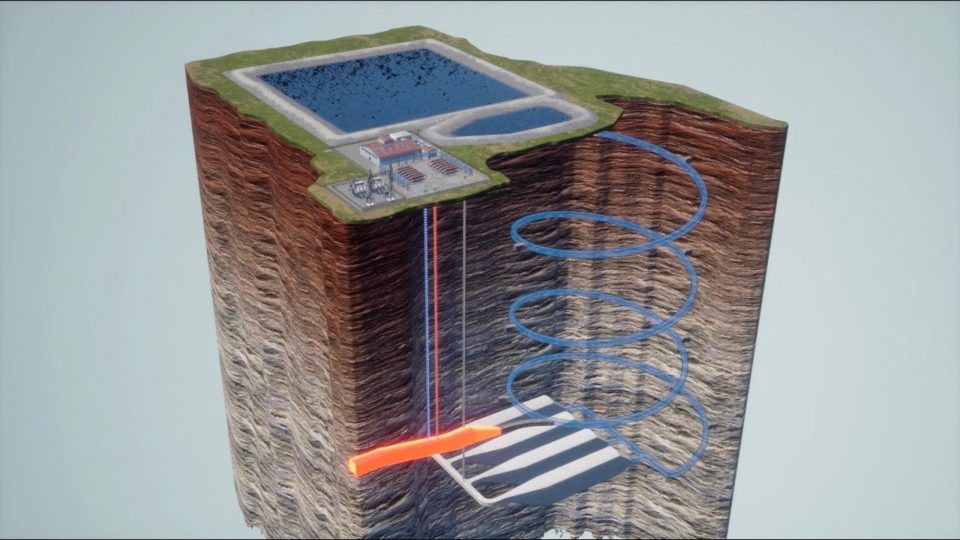
A Canadian startup company called Hydrostor is developing compressed air energy storage technology that it believes can be used on a utility scale.

The way it works is excess renewable energy is used to run compressors that compress air.  Compressing the air heats it up and the heat is captured and stored in insulated hot water tanks.  The compressed gas is then injected into underground caverns.  When energy is needed, the compressed air is released, the stored heat is added, and the warmed gas is run through turbines to generate electricity.  Additional features improve the system’s efficiency.

Hydrostore has built a 1 MW pilot project in Ontario, Canada and is now commissioning a 2MW system as well.  It is funded to build a 5 MW system in Australia next year and it is bidding for 300 MW and 500 MW systems in North America.  The company has received equity funding from Baker Hughes, a large oil-and-gas services and equipment company.

**********

Web Links

Storing energy in compressed air could finally become cheap enough for the big time

Photo courtesy of Hydrostor.

Earth Wise is a production of WAMC Northeast Public Radio.
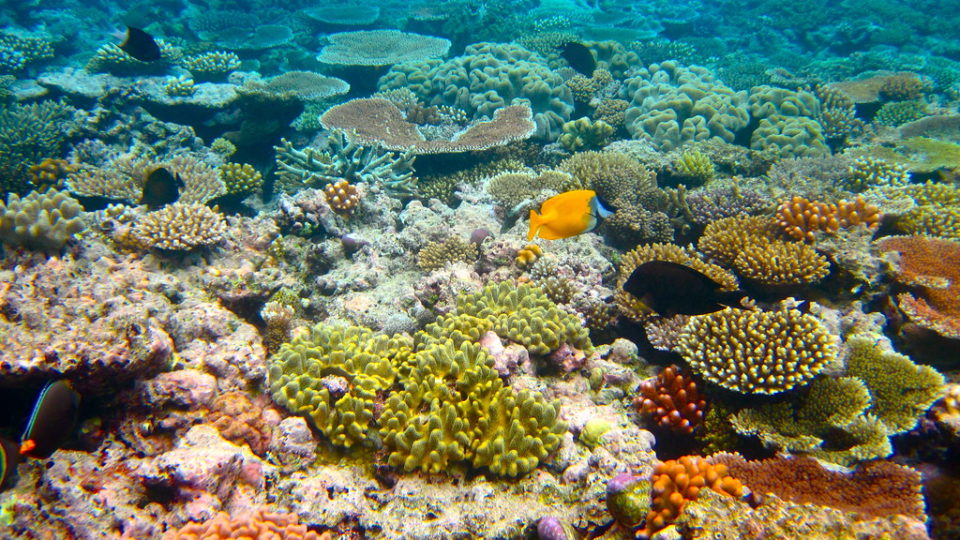
A New Kind Of Coral Nursery

October 22, 2019 By EarthWise Leave a Comment

Coral reefs around the world are struggling from warming waters and increasing ocean acidification driven by excess carbon dioxide.  Many of the world’s greatest reefs – such as Australia’s Great Barrier Reef – have seen steep declines over the past decade.

But apart from the global environmental threat, reefs also are often damaged by various marine accidents such as ships grounding on them.   Such events can severely damage a reef and scatter countless small coral fragments onto the seafloor.  These small pieces of coral are not actually dead; they can continue on with their lives if they are relocated to a suitable environment such as a coral nursery.

Coral nurseries are generally small installations that allow coral fragments – typically pieces about 4 inches in length – to recover from their reef breaking up and to grow until they are large enough for conservation managers to replant them into reefs that need them.  This strategy works well in places where corals grow relatively quickly – such as Florida and the Caribbean – but not as well in places where coral grows more slowly, such as Hawaii.

Recently, coral experts at the National Oceanic and Atmospheric Administration working with mechanical engineering students at the University of Hawaii have developed a new type of coral nursery that can save fully formed coral colonies as opposed to small coral fragments.

The nurseries are large, carefully designed structures that can be loaded up with corals that have become detached from their reefs.  Some of these new structures were installed in the waters of Oahu in the summer of 2018 and were populated with corals.  The relocated corals, which would have otherwise died, are now recovering nicely in their new coral daycare centers and will soon be replanted back into the reef.

**********

Web Links

NOAA Develops A New Type of Coral Nursery

Photo, posted July 29, 2010, courtesy of Kyle Taylor via Flickr.

Earth Wise is a production of WAMC Northeast Public Radio.
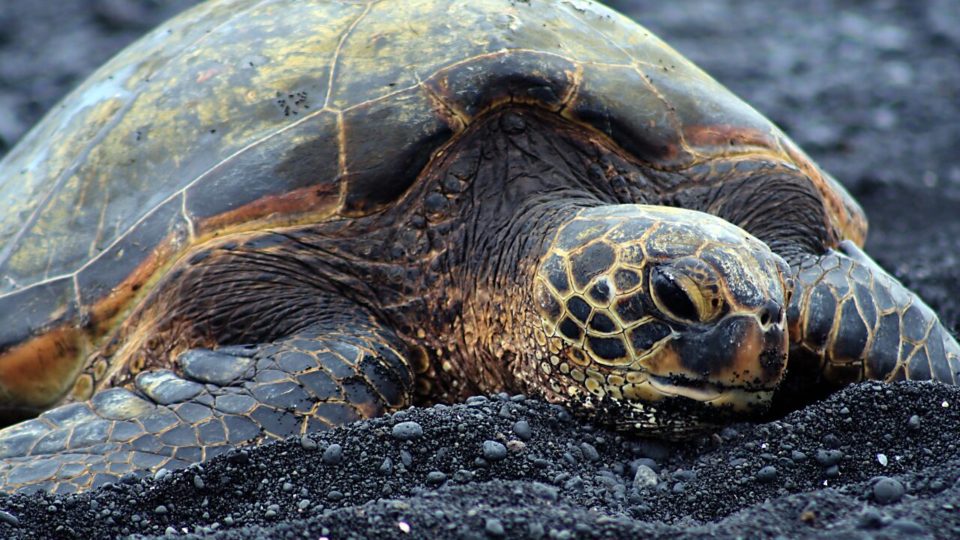
Mistaking Plastic For Food

September 27, 2019 By EarthWise Leave a Comment

Green sea turtles are one of the world’s largest species of turtle, with some measuring close to four feet long and weighing up to nearly 300 pounds.  Their range extends throughout tropical and subtropical seas around the world, with the largest nesting populations found in Costa Rica and Australia. 

Green sea turtles get their name from the green layer of fat under their shell, as opposed to their shell itself, which can be brown, green, yellow, and/or black.  Scientists believe the green coloring of their fat is a result of their diet.  Unlike most other sea turtles, green sea turtles eat marine plants such as seaweed and seagrass.

But new research suggests that green sea turtles are also more likely to swallow plastic because it resembles their natural diet. The scientists from the University of Exeter and the Society for the Protection of Turtles who examined green sea turtles that washed up on beaches in Cyprus found they favored narrow lengths of plastic in natural colors (like green and black) as opposed to debris of other shapes and colors. 

Researchers were able to examine the full gastrointestinal tract of 19 green sea turtles.  They found pieces of plastic inside every one of them, with the number of pieces ranging from three to 183.  Smaller turtles tended to contain more plastic, possibly because they are less experienced or because diet choices change with age and size. 

Previous research has suggested that leatherback sea turtles also eat plastic that resembles their food: jellyfish. 

Researchers hope these findings will help motivate us to continue to work on reducing our overall plastic consumption and pollution.

***********

Web Links

Green turtles eat plastic that looks like their food

Photo, posted September, 2007, courtesy of Brock Roseberry via Flickr.

Earth Wise is a production of WAMC Northeast Public Radio.
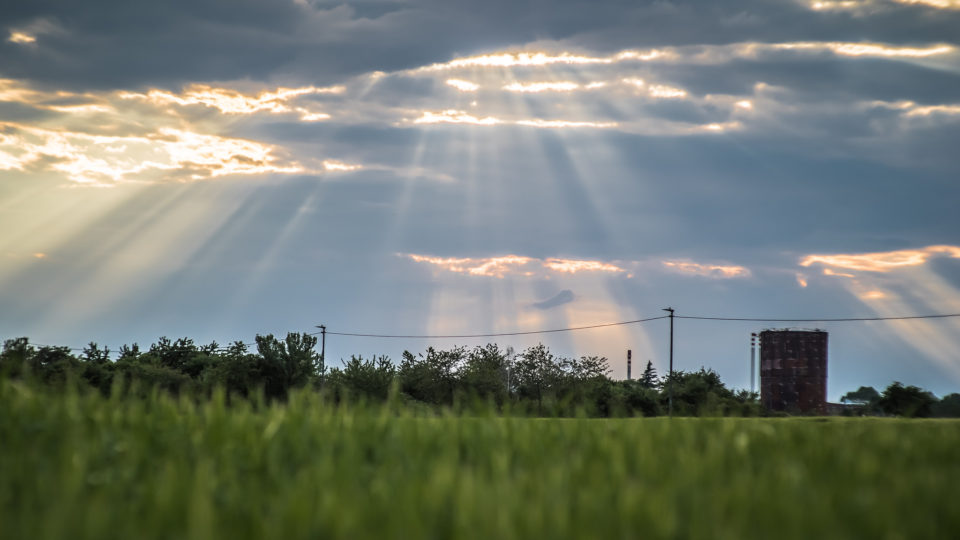
The Hottest Month Ever

August 27, 2019 By EarthWise Leave a Comment

European climate researchers announced that July was the hottest July ever recorded and since July is generally the hottest month of the year, it was indeed the hottest month ever recorded.  It just barely beat out the previous record set in July 2016.  There are multiple agencies that track temperatures around the world, and it is possible that some of them may report slightly different results. 

But whatever July’s ultimate ranking is, it is part of a long-term trend.  The past five years have been the hottest on record.   The 10 hottest years ever recorded have all occurred during the past twenty years.

This June was also the warmest on record, and the previous five months were all among the four warmest for their respective months.  All of that puts this year on track to be in the top five warmest years, or perhaps the hottest ever.

The highest above-average conditions were recorded across Alaska, Greenland, and large areas of Siberia.   Large parts of Africa and Australia were warmer than normal, as was much of central Asia.  New temperature records were set in Belgium, the Netherlands, and Germany with temperatures over 104 degrees Fahrenheit.  Great Britain saw an all-time record of 101.7 degrees and Anchorage, Alaska stayed above 79 degrees for a record six days in a row.

Wildfires have raged across the Russian Arctic, India has suffered heatwaves and severe water shortages, and Japan saw more than 5,000 people seek hospital treatment during a heatwave.

While scientists cannot directly link any particular heatwave to climate change, the trend for new heat records is likely to continue and accelerate unless we do something about curbing greenhouse gas emissions.

**********

Web Links

How Hot Was July? Hotter Than Ever, Global Data Shows

Photo, posted May 25, 2019, courtesy of Jakob Montrasio via Flickr.

Earth Wise is a production of WAMC Northeast Public Radio.
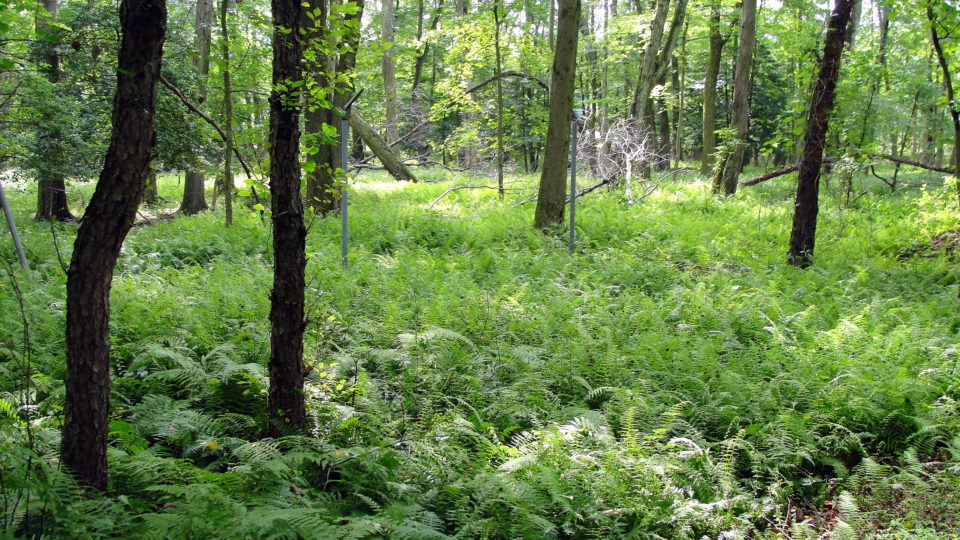
Fighting Climate Change With Trees

August 20, 2019 By EarthWise Leave a Comment

We cut down forests all around the world for a myriad of reasons, including livestock grazing, agricultural production, timber, and urban development.  But what if we stopped cutting down forests for these things and additionally grew new forests on vacant lots and any other available parcels of land on earth?  What impact could this have on our survival? 

For the first time, scientists have quantified what impact this plan could have.  According to a new study by researchers at ETH Zurich – a university that specializes in science, technology, and engineering – the planet could support nearly 2.5 billion additional acres of forest without shrinking current cities and farms.  When all those acres of forest mature, the trees could store an extra 200 gigatons of carbon.  This reforestation could stave off the most devastating impacts of global climate change. 

Russia could restore the most acres of forest – 373 million acres to be precise – followed by the United States with 255 million acres and Canada with 193 million acres.  Australia, Brazil, and China also have large areas well-suited for forest restoration. 

The average global temperature has risen by 1.8 degrees Fahrenheit since the start of the industrial age with its surge in greenhouse gas emissions.  Temperatures are projected to rise even more in the coming years as the planet continues to warm.   

Trees absorb CO2 from the atmosphere and store it in their roots and branches.  The absorbed carbon becomes part of the soil when trees die and decompose, and it can linger there for millennia depending on things like temperature and soil management.  Trees are critical in the fight against climate change. 

**********

Web Links

How trees could save the climate

Photo, posted June 18, 2011, courtesy of K.W. Barrett via Flickr.

Earth Wise is a production of WAMC Northeast Public Radio.

  • « Go to Previous Page
  • Page 1
  • Page 2
  • Page 3
  • Page 4
  • Page 5
  • Page 6
  • Go to Next Page »

Primary Sidebar

Recent Episodes

  • An uninsurable future
  • Clean energy and jobs
  • Insect declines in remote regions
  • Fossil fuel producing nations ignoring climate goals
  • Trouble for clownfishes

WAMC Northeast Public Radio

WAMC/Northeast Public Radio is a regional public radio network serving parts of seven northeastern states (more...)

Copyright © 2026 ·