Earth Wise

The Spread Of Bark Beetles
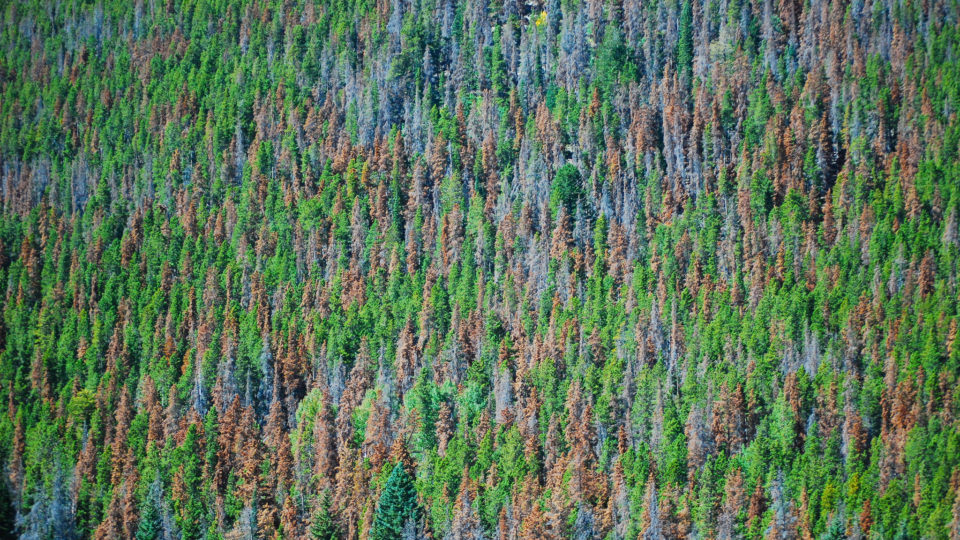
Bark beetles are a global scourge of evergreen forests. Mountain pine beetles have destroyed pine trees across western North America. Spruce beetles decimated spruce trees from New Mexico into Colorado and beyond. Altogether, bark beetles have ravaged 85,000 square miles of forest in the western U.S, an area the size of Utah, since 2000. They have killed trees across an additional 65,000 square miles of British Columbian forests and have caused millions of dollars of damage to the lumber industry in states like Alabama and Mississippi.
Winter Outlook

Each year around this time, the National Oceanic and Atmospheric Administration, or NOAA, releases its U.S. Winter Outlook that predicts overall weather trends around the country for the upcoming winter. They produce these seasonal outlooks to help communities prepare for the weather that is likely to be forthcoming.
Sea Turtle Populations Are Rebounding

The increasing disappearance of so many plants and animals around the world has made many scientists believe that we are experiencing a sixth mass extinction. Despite ongoing conservation efforts, living things are struggling with habitat loss, climate change, and many other natural and man-made pressures. Conservation success stories seem to be rare events.
An Ancient Way To Store Energy

Firebricks, which are bricks designed to withstand high heat, have been around for more than 3000 years. The Hittites used them to line iron-smelting kilns. They are simply bricks made from clays that can withstand much higher temperatures than ordinary bricks.
The End Of British Coal
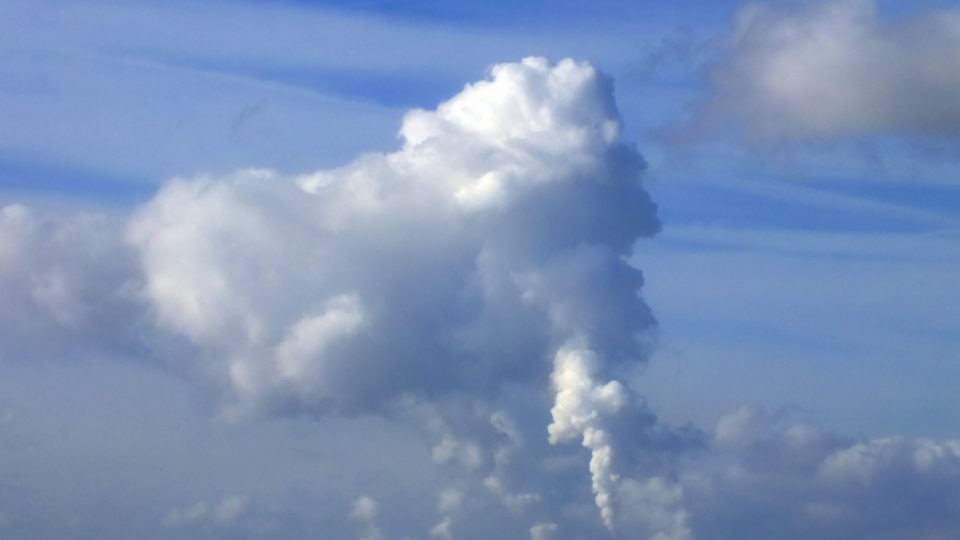
In the 19th century, Britain produced 80% of the world’s coal. Britain was the dominant global power in the industrial revolution with its giant blast furnaces, steam locomotives and steam ships. And with advent of the electric age, coal once again was the power source of choice. Even as late as the 1970s, Britain got 80% of its electricity from burning coal.
Looking For “Super Coral”
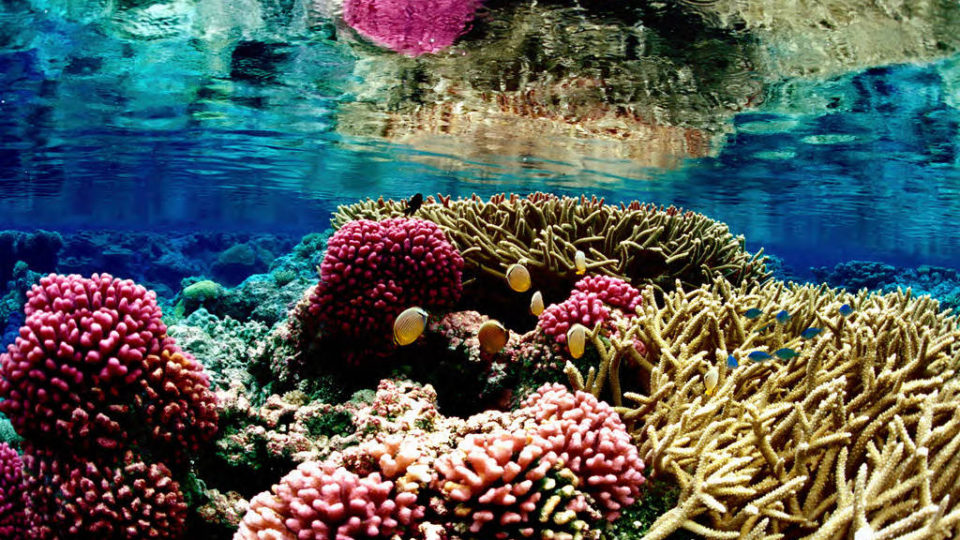
Coral reefs are essential for much of marine life and are the basis of many commercial fisheries. In places from Florida to Australia, they are major tourist attractions. Estimates are that the economic impact of coral reefs is more than $375 billion a year. And apart from all of that, they are some of the most beautiful places on the planet.
More Power From The Sea
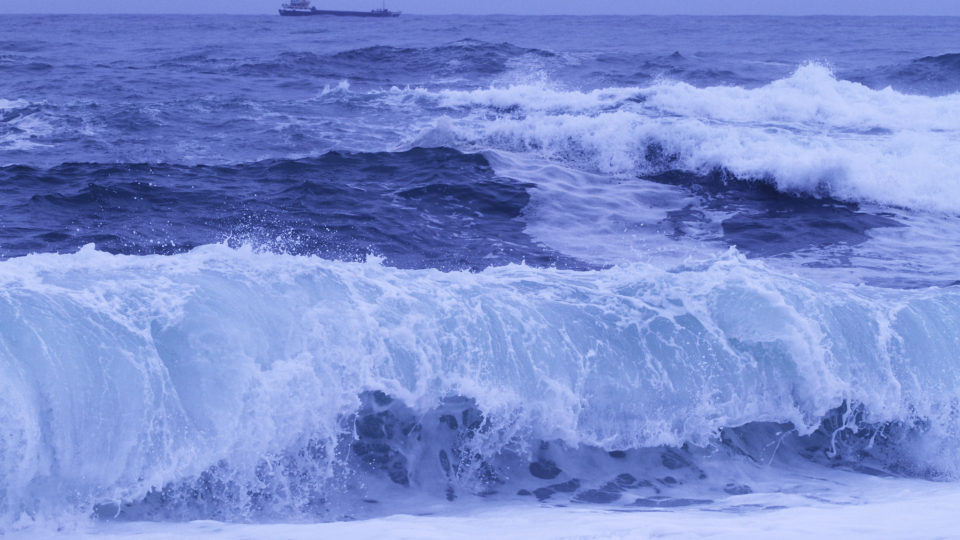
The Okinawa Institute of Science and Technology or OIST has been working on ways to generate electricity from the ocean for five years. Their initial project, known as “Sea Horse” uses submerged turbines anchored to the sea floor that convert the kinetic energy of sustained natural currents into useful electricity, which is then delivered by cables to the land. The project has been successful and OIST is now planning the next phase.
Air Pollution Shortens Lives
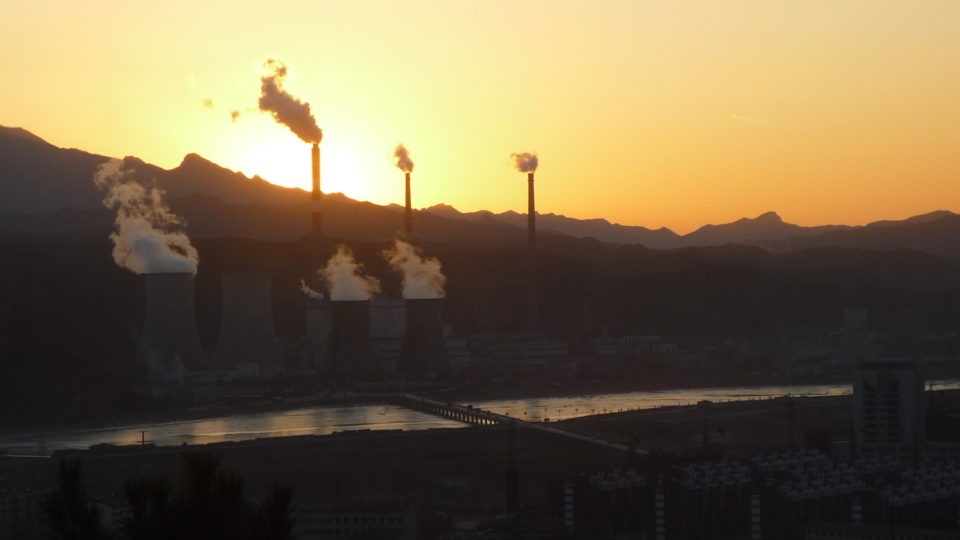
Globally, an estimated 4.5 billion people are exposed to particulate air pollution levels that are at least twice that of what the World Health Organization considers safe. But the impact that sustained exposure to air pollution has on a person’s life expectancy has remained a frustratingly unanswered question. That is until now.
Greening Halloween

According to the National Retail Federation, 179 million Americans are expected to spend $9.1 billion – or nearly $84 per person – on Halloween festivities this year, reaching a new record high. But it’s not just our wallets that take a beating. The planet also pays quite a price.
A Ton Of Plastic Per Person

A study by the American Association for the Advancement of Science has produced an estimate of the total amount of plastic manufactured worldwide since the 1950s. The researchers then measured that data against statistics on recycling, incineration and discard rates. The results are sobering.
Saving Chocolate

On previous occasions, we have talked about the problems faced by the global banana industry, which is based almost entirely on a single cultivar, the Cavendish banana, which makes the industry extremely vulnerable to a single disease or blight that may arise.
Lawnmower Pollution

Over 50 million Americans mow their lawns each week, which uses 800 million gallons of gas per year and produces tons of air pollutants. Garden equipment engines were completely unregulated with respect to emissions until the late 1990s and still emit high levels of carbon monoxide, volatile organic compounds, and nitrogen oxides. In fact, gas mowers and their relatives like leaf blowers and edgers produce 5% of the air pollution in this country.
Dioxane And Drinking Water

A byproduct of plastics production, dioxane is a clear, synthetic, liquid solvent that easily mixes with water. It’s frequently used in paint strippers, dyes, and varnishes, as well as shampoos and body washes – particularly those that are sudsy. Dioxane doesn’t really biodegrade and is widely regarded as a contaminant.
A Giant Solar Thermal Plant For Australia

A project planned for sunny South Australia will be the world’s largest single solar thermal power plant when it comes on line in 2020. The Aurora Solar Energy Project will have a capacity of 150 MW, which is enough to supply 90,000 people with electricity.
[Read more…] about A Giant Solar Thermal Plant For Australia
Tidal Turbines Set An Energy Record
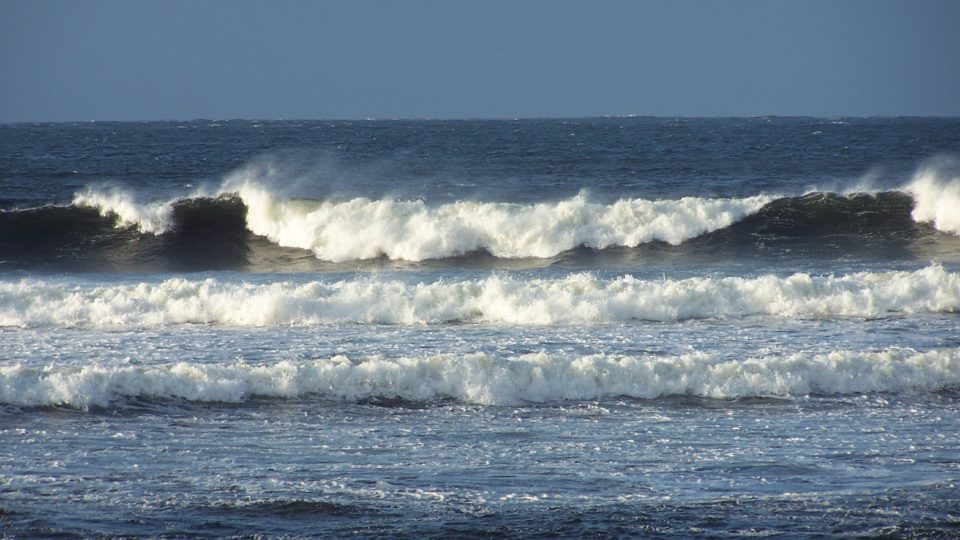
Two turbines in the Pentland Firth in Scotland recently set a world record for monthly energy production from a tidal stream power station. In August, the MeyGen installation off the Caithness coast of Scotland produced 700 MWh of electricity, enough to power 2,000 homes.
Earthworms And Sugar Maple Decline

The decline of sugar maple trees has been observed for well over 50 years. It is not a specific disease or a syndrome but instead is a generalized set of symptoms that have been affecting these valuable trees in many areas for a long time.
Spreading Like Wildfire
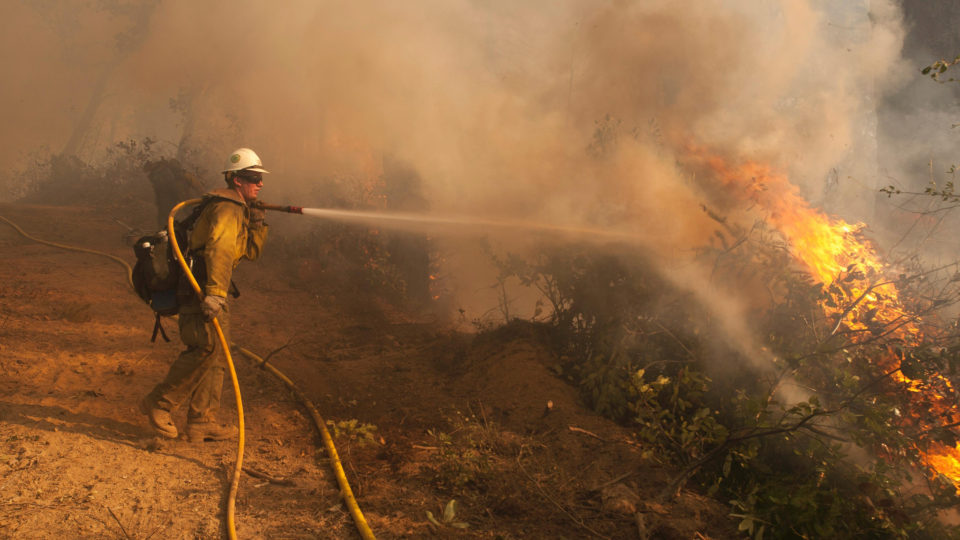
Last July 7th, 140 wildfires started up in British Columbia, triggering a state of emergency. By the end of the summer, more than 1,000 fires had been triggered across the Canadian province, burning nearly 3 million acres of forest, about 10 times more than the average over the past decade.
Mass Production Of Biodegradable Plastic
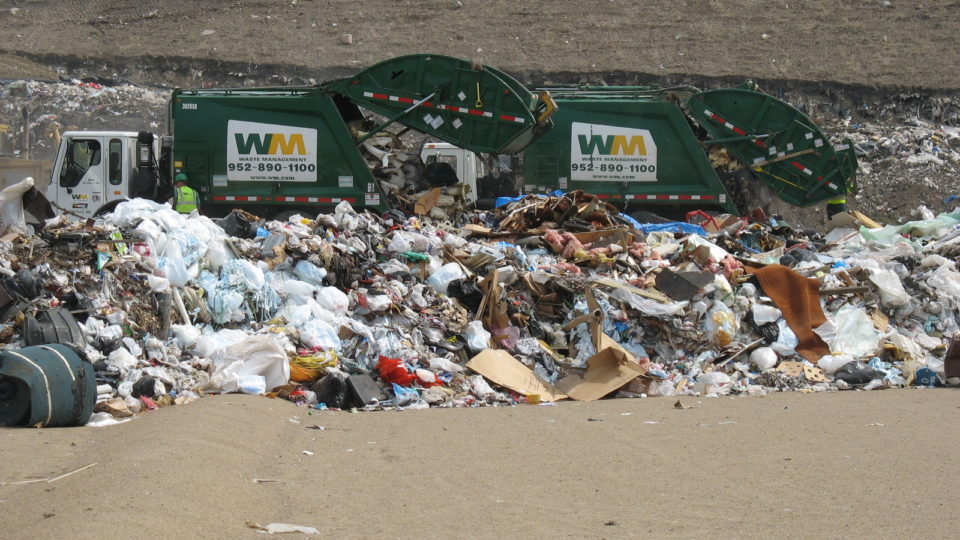
Plastic pollution is a major problem for the world’s oceans and non-biodegradable plastics continue to fill the planet’s landfills and litter the landscape. There are many approaches to making plant-derived, biodegradable plastics but most of these materials do not offer the resistance to heat and moisture that is characteristic of petroleum-based plastics.
Another Unconventional Fossil Fuel Source

It has only been about 10 years that fracking has been a big deal in the energy world. With it, a largely inaccessible source of fossil fuel became relatively easy pickings. And both the economic benefits and the attendant environmental problems have been grabbing headlines ever since.
[Read more…] about Another Unconventional Fossil Fuel Source