• Skip to primary navigation
  • Skip to main content
  • Skip to primary sidebar

Earth Wise

A look at our changing environment.

  • Home
  • About Earth Wise
  • Where to Listen
  • All Articles
  • Show Search
Hide Search
You are here: Home / Archives for sustainable

sustainable

Infinitely Recyclable Plastic | Earth Wise

May 25, 2021 By EarthWise 1 Comment

Making an infinitely recyclable plastic

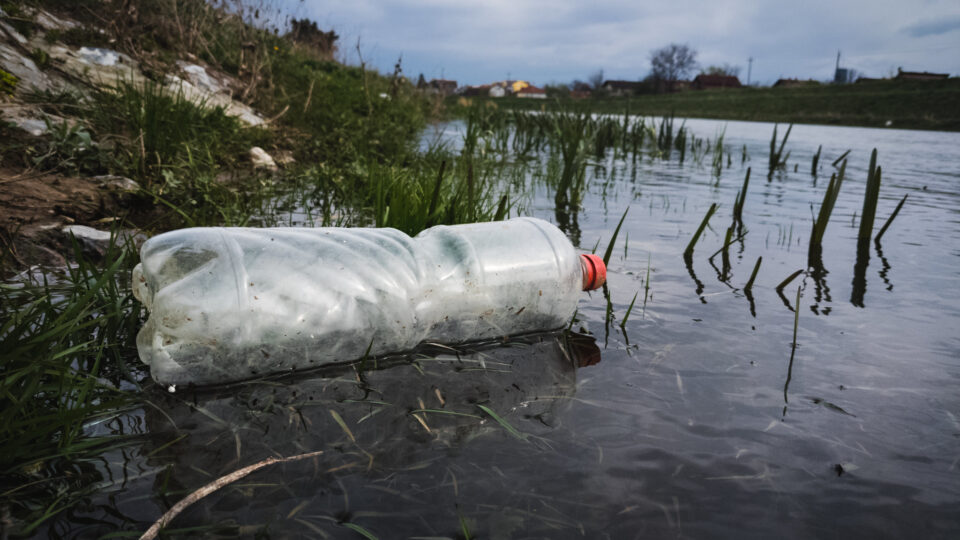
The glut of plastics is one of the world’s most challenging environmental problems.  The average American generates over 200 pounds of plastic waste each year and most of that ends up in landfills.  Researchers around the globe continue to work on potential solutions to the plastic waste problem.

Two years ago, scientists at Lawrence Berkeley National Laboratory announced the invention of a new plastic that could be an answer to the plastic waste problem.  The material is called polydiketoenamine or PDK and it differs from traditional plastics in a very important way:  it can be recycled indefinitely with no loss in quality because it can easily be broken down into its constituent component monomers and be used to make brand new plastic.

Only a small percentage of plastics are currently recycled.  When many plastics are melted down together, the polymers are mixed with a slew of incompatible additives, resulting in a new material with much lower quality than newly produced plastic.  As a result, less than 10% of plastic is recycled more than once.

Recently, the Berkeley Lab researchers released a study that shows what could be accomplished if manufacturers began using PDKs on a large scale.  They determined that PDK-based plastic could quickly become commercially competitive with conventional plastics and, furthermore, would get less expensive and more sustainable as time goes on.

PDK is starting to draw interest from companies needing to source plastic.  The best initial application for PDKs are markets where manufacturers have the most access to products at the end of their lifespans such as in the automobile industry and consumer electronics.  Making plastics part of a circular economy is a challenging task.

**********

Web Links

The Future Looks Bright for Infinitely Recyclable Plastic

Photo, posted April 19, 2021, courtesy of Ivan Radic via Flickr.

Earth Wise is a production of WAMC Northeast Public Radio.
Turning Wood Into Plastic | Earth Wise

May 4, 2021 By EarthWise Leave a Comment

Could wood solve the plastics problem?

Plastic pollution is particularly pernicious because plastics can take hundreds of years to degrade in the environment.  For this reason, researchers across the globe search for ways to shift from petrochemical plastics to ones that are biodegradable.

Producing biodegradable plastics is challenging both from the standpoint of the methods needed and from the results obtained.  Producing them often requires toxic chemicals and can be very expensive.  The materials that emerge often do not have the durability and strength of conventional plastics and can be unstable when exposed to moisture.

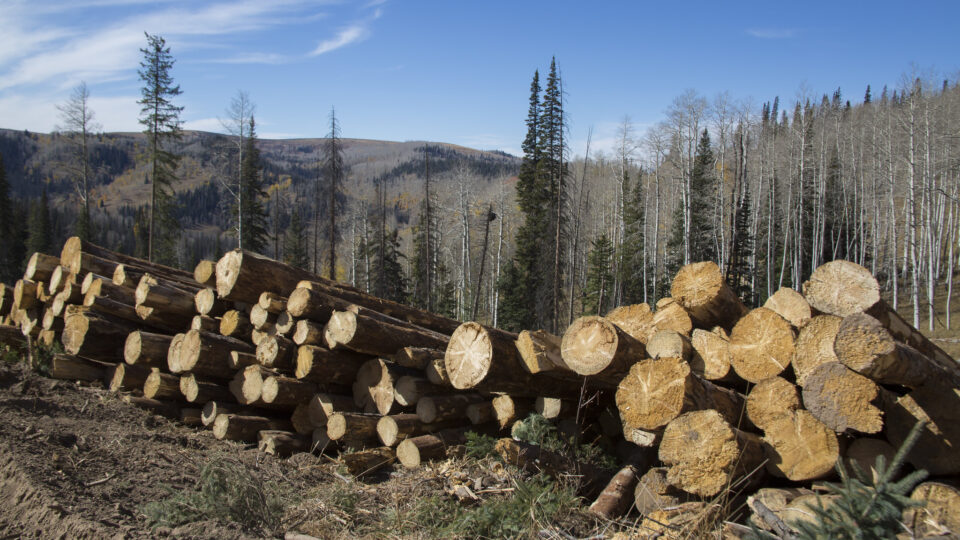
Researchers at the Yale School of the Environment have developed a process of decomposing the porous matrix of natural wood into a slurry that can be formed into a biodegradable plastic.  The material shows high mechanical strength, stability when holding liquids, and is resistant to the effects of ultraviolet light.  Along with all these favorable properties, the material can be recycled or safely biodegraded in the natural environment.

The slurry mixture is created by taking wood powder – a processing residue usually discarded in lumber mills – and deconstructing it with a biodegradable and recyclable solvent.  The resulting mixture has a high solid content and high viscosity and can be casted and rolled without breaking.

The researchers conducted a comprehensive life cycle assessment to test the environmental impacts of the bioplastic compared with conventional plastics.  Sheets of it were buried in soil and observed to fracture after two weeks and completely degrade after three months.  The material can also be broken back down into the slurry by mechanical stirring.

The remaining topic to investigate is the potential impact on forests if the manufacturing of this bioplastic is scaled up.

**********

Web Links

Turning wood into plastic

Photo, posted October 12, 2016, courtesy of the US Forest Service via Flickr.

Earth Wise is a production of WAMC Northeast Public Radio.

Prickly Pear As A Sustainable Crop | Earth Wise

April 6, 2021 By EarthWise Leave a Comment

Searching for more sustainable food and fuel crops

The fruits and pads of opuntia, better known as prickly pear cactus, find their way into people’s diets in many arid and semi-arid places around the world.  In Mexico, the pads are known as nopales and are used in a variety of dishes.  The pears themselves are used in jams, salads, and juices.

A five-year study by the University of Nevada Reno College of Agriculture, Biotechnology & Natural Resources investigated the prospects for cactus pear to become a major crop like soybeans and corn and to help provide a biofuel source.

As the climate changes, dry areas are going to get dryer and drought issues will increasingly affect traditional crops.

The study looked at the particular opuntia species called the spineless cactus pear and found that it had the highest fruit production while using up to 80% less water than some traditional crops.  Cactus pear can be used for both human consumption and livestock feed.  As a perennial crop, once the fruit and pads are harvested for food, the remaining biomass can be used for biofuel production.

Corn and sugar cane are the most utilized bioenergy crops right now, but these use three to six times more water than cactus pear.  The cactus pear productivity is on par with corn and sugar cane, but not only do they use a fraction of the water, they also have higher heat tolerance.

Over 40% of land area around the world is classified as semi-arid or arid.  There is enormous potential for planting cactus for carbon sequestration.  If nothing else, it makes great sense to grow cactus pear crops in abandoned areas that are marginal and may not be suitable for other crops.

**********

Web Links

Study shows cactus pear as drought-tolerant crop for sustainable fuel and food

Photo, posted April 16, 2020, courtesy of Kevin Dooley via Flickr.

Earth Wise is a production of WAMC Northeast Public Radio.
A Sustainable Polymer From Wood | Earth Wise

February 24, 2021 By EarthWise Leave a Comment

A step closer to making plastics more sustainable

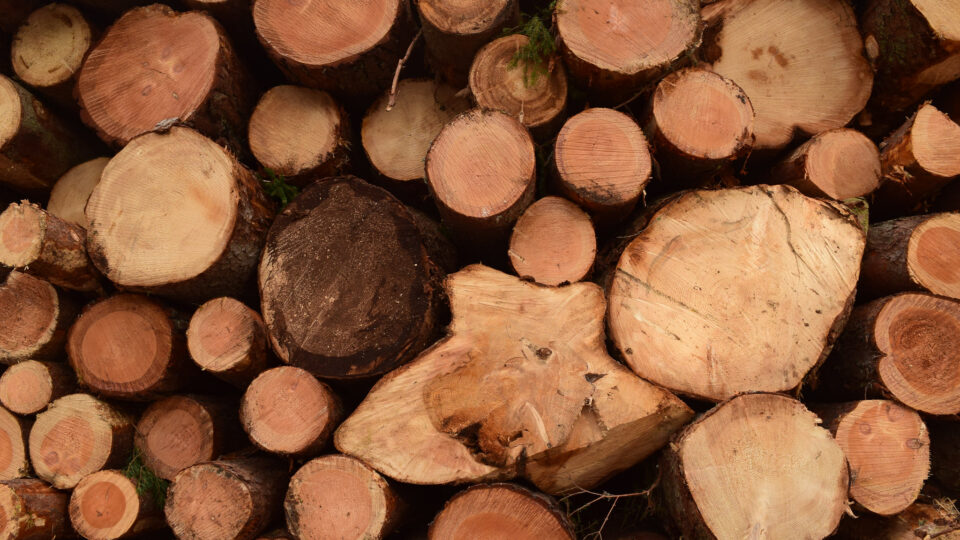
Scientists from the University of Bath in the UK have developed a sustainable polymer using xylose, a sugar found in wood.

The new polymer is a member of the polyether family.  It could be used in a variety of applications, including being a building block for polyurethane, used for example in mattresses and shoe soles. It could also be a bio-derived alternative to polyethylene glycol, a chemical widely used in biomedicine, or in polyethylene oxide, which is sometimes used as an electrolyte in batteries.

Xylose, also known as wood sugar, is one of the most abundant carbohydrates on earth, second only to glucose. Apart from comprising 5-20% of hardwoods, xylose is a major component of straw, corncobs, and many other plant materials.

The new polymer could reduce reliance on crude oil products and its properties can be easily controlled to make the material flexible or crystalline.  Added functionality could be added to it by binding other chemical groups such as fluorescent probes or dyes to the sugar molecule for biological or chemical sensing applications.

Tweaking the physical and chemical properties of bio-derived polymers has previously been a very difficult thing to do.  The Bath researchers discovered that combining two mirror-image chemical forms of xylose results in a stronger and more adaptable material.  They have filed a patent for their technology and are seeking industrial collaborators for further development.

The reliance of plastics and polymers on fossil fuels is a major problem.  Bio-derived polymers, such as this new one, are an important part of the effort to make plastics sustainable.

**********

Web Links

Scientists make sustainable polymer from sugars in wood

Photo, posted January 25, 2017, courtesy of Keith Double via Flickr.

Earth Wise is a production of WAMC Northeast Public Radio.
Saving The Queen Conch | Earth Wise

February 3, 2021 By EarthWise Leave a Comment

A new manual to help save Queen Conch

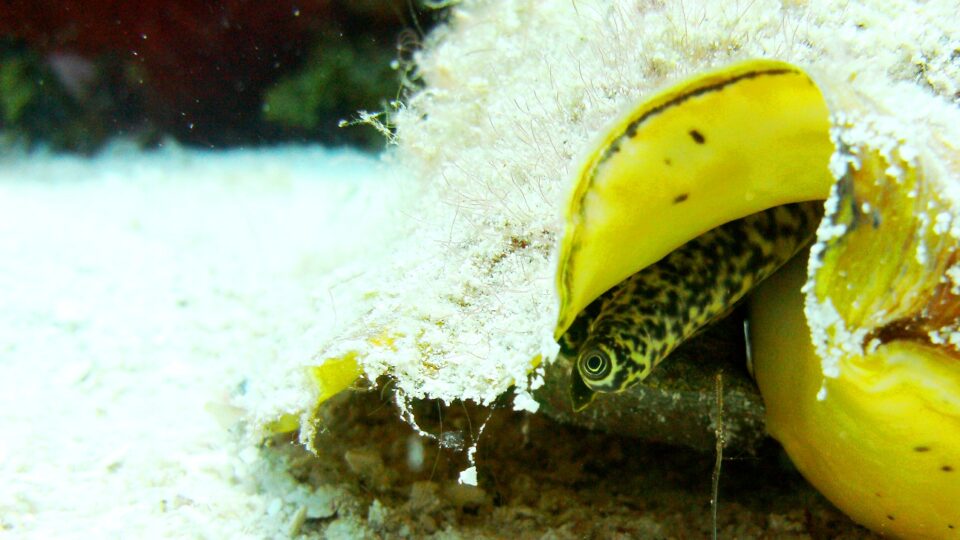
Queen conchs are large sea snails belonging to the same taxonomic group as clams, oysters, and squid.  They live on coral reefs or seagrass meadows in warm, shallow waters.  Queen conchs are found throughout the Caribbean Sea and Gulf of Mexico, ranging as far north as Bermuda and as far south as Brazil.

Reaching up to 12” long and living up to 40 years, the queen conch is prized as a delicacy and revered for its shell.  It’s the second most important sea-bottom fishery in the Caribbean region, trailing only the spiny lobster. 

But queen conchs face a challenge.  Their populations are in a steady rate of decline as a result of overfishing, habitat degradation, and hurricane damage.  In some places, the numbers are so low that remaining conchs cannot find breeding partners.  The situation is urgent from both an ecological and economical perspective. 

As a result, Megan Davis, a scientist from Florida Atlantic University who spent more than four decades researching queen conch, has released an 80-page, step-by-step user manual about how to care for the species. Her work was recently published in the National Shellfisheries Association’s Journal of Shellfish Research.

According to Davis, aquaculture, along with conservation of breeding populations and fishery management, are ways to help ensure longevity of the queen conch.  With requests for mariculture guidance pouring in from communities throughout the Caribbean, Davis and her collaborators are expanding their queen conch conservation, education, and restorative mariculture program.

Their desired outcomes include creating protected breeding areas, establishing sustainable hatcheries, and repopulating protected habitats.

**********

Web Links

‘Hail to the queen’: Saving the Caribbean queen conch

Photo, posted June 3, 2012, courtesy of Christopher Gonzalez via Flickr.

Earth Wise is a production of WAMC Northeast Public Radio.

The Costs Of Mislabeled Seafood | Earth Wise

January 27, 2021 By EarthWise Leave a Comment

Mislabeled seafood has huge hidden costs

Seafood is the world’s most highly traded food commodity and reports of seafood mislabeling have become increasingly common over time.  A new study by Arizona State University looked at the environmental effects of mislabeled seafood.

What is mislabeled seafood?  Sometimes the snapper you were served was really Pacific Ocean Perch.  Maybe grouper was really whitefin weakfish.  Many times white leg shrimp are actually giant tiger prawns.

Approximately 190,000 to 250,000 tons of mislabeled seafood are sold in the U.S. each year, or 3.4 to 4.3% of consumed seafood.  Previous studies focused on the economic aspects of getting cheaper fish when paying for more expensive fish.  The new research looks at the environmental costs associated with mislabeled seafood.

Substituted seafood is 28% more likely to be imported from other countries, which may have weaker environmental laws than the U.S.  In the United States, fishery management is pretty good.  There is strong monitoring and enforcement to support limits on fishing.  Metrics like fish abundance, fishing mortality, bycatch, and discards are all monitored.  In many other places, this is not the case.

To really evaluate the overall effects of seafood mislabeling, one has to take into account both the rates of substitution and the levels of consumption. 

Consuming fish from a well-managed fishery should not have a negative impact in terms of the population now or in the future.  But even inadvertently consuming fish from poorly managed fisheries in not sustainable.  It is good to get your seafood from a trusted source.

**********

Web Links

ASU Study Looks At The Environmental Effects Of Purchasing, Consuming Mislabeled Fish

Photo, posted August 1, 2014, courtesy of Ralph Daily via Flickr.

Earth Wise is a production of WAMC Northeast Public Radio.

Hydrogen-Powered Jetliners | Earth Wise

December 18, 2020 By EarthWise Leave a Comment

Airbus developing hydrogen-powered jetliners

Airbus, the giant European aerospace company, hopes to have hydrogen-powered commercial airliners in the sky by 2035.  Such planes would have no carbon dioxide emissions.

Greenhouse gas emissions from commercial aviation have been a rapidly increasing contribution to the global total.  Of course, the Covid-19 pandemic has drastically reduced air travel, so emissions are currently lower than they have been in a very long time.  But at some point, they will resume at previous levels and continue to increase.

Planes themselves produce over 2% of global CO2 emissions, and between the climate effects of contrails and the emissions associated with the rest of the air travel industry, commercial aviation drives about 5% of global warming.

Airbus is studying design concepts in which planes run off of hydrogen and oxygen fuel and have no carbon exhaust.   Making such planes practical and environmentally advantageous requires solving an array of complex technical challenges. 

One of the biggest challenges is that the hydrogen on the market today is considered to be “brown” rather than green, meaning that it is not a sustainably produced energy source.  Almost all hydrogen produced today comes from natural gas reforming, which results in carbon emissions.  A viable hydrogen-powered aviation technology assumes that producing hydrogen by splitting water molecules into oxygen and hydrogen using renewable energy becomes the standard source for it.

There have been test flights of small planes and drones powered by hydrogen, but Airbus expects that intensive research and development for the next five years will be required to evolve its current preliminary designs to a stage where they could be developed for future use in its product line.  It won’t happen overnight, but according to Airbus, hydrogen planes are coming.

**********

Web Links

Airbus Hopes to Be Flying Hydrogen-Powered Jetliners With Zero Carbon Emissions by 2035

Photo, posted April 15, 2019, courtesy of Olivier Cabaret via Flickr.

Earth Wise is a production of WAMC Northeast Public Radio.
A Palm Oil Replacement | Earth Wise

December 15, 2020 By EarthWise Leave a Comment

A possible replacement for palm oil

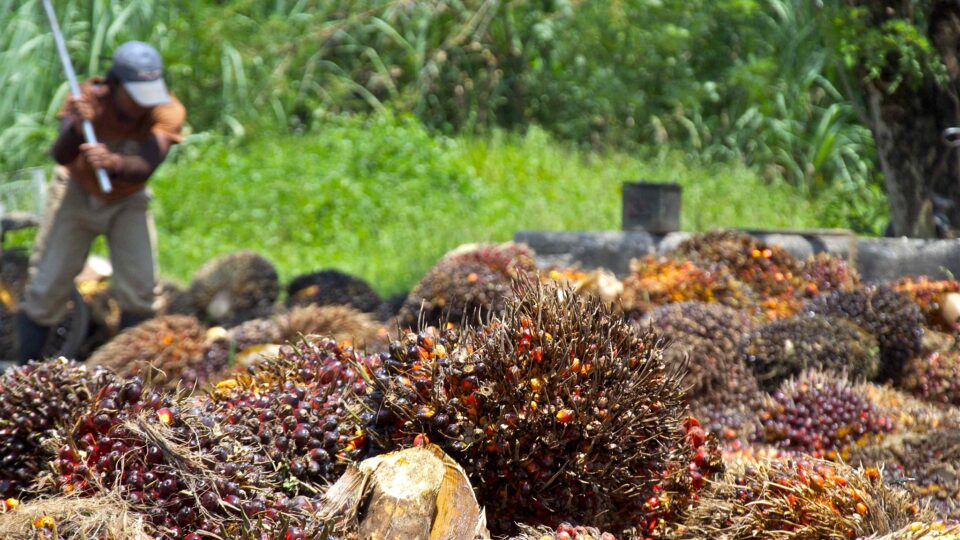
In the 1990s, cardiovascular health issues associated with partially hydrogenated oils containing harmful trans fats became a focus of great concern.  As a result, food companies looked for substitutes and the alternative they identified was palm oil.  Its ability to remain solid at room temperature made it well suited for many food applications.  Unfortunately, that property stems from its high saturated fat content, which means it also increases the risk of coronary heart disease.

The widespread use of palm oil has also caused significant environmental problems.  Palm oil plantations have replaced millions of acres of tropical forests, destroying the habitat for numerous species and threatening biodiversity.

Other potential replacements for partially hydrogenated oils such as coconut oil tend to be more costly, limited in supply, and also high in saturated fats.

Food scientists at the University of Guelph in Ontario, Canada, recently demonstrated the use of enzymatic glycerolysis (EG) to turn liquid vegetable oils into solid fats.  Their process is able to produce solid fats with the textural and structural properties desired by consumers.

The process is fairly simple, relatively easy to scale up, and is amenable to smaller food production or even local production.  Using it would enable food producers to use all sorts of readily available vegetable oils that can be produced in parts of the world that are not necessarily tropical regions.

Palm oil use is not going to go away, but this work may point a way to help slow down the destruction of ecosystems and animal habitats as well lead to more sustainable and healthy food sources.

*********

Web Links

U of G Food Scientists Find Palm Oil Alternative That’s Good for Human, Planet Health

Photo, posted February 21, 2010, courtesy of Craig Morey via Flickr.

Earth Wise is a production of WAMC Northeast Public Radio.
Food Waste Into Wearables | Earth Wise

November 20, 2020 By EarthWise Leave a Comment

Turning food waste into wearables

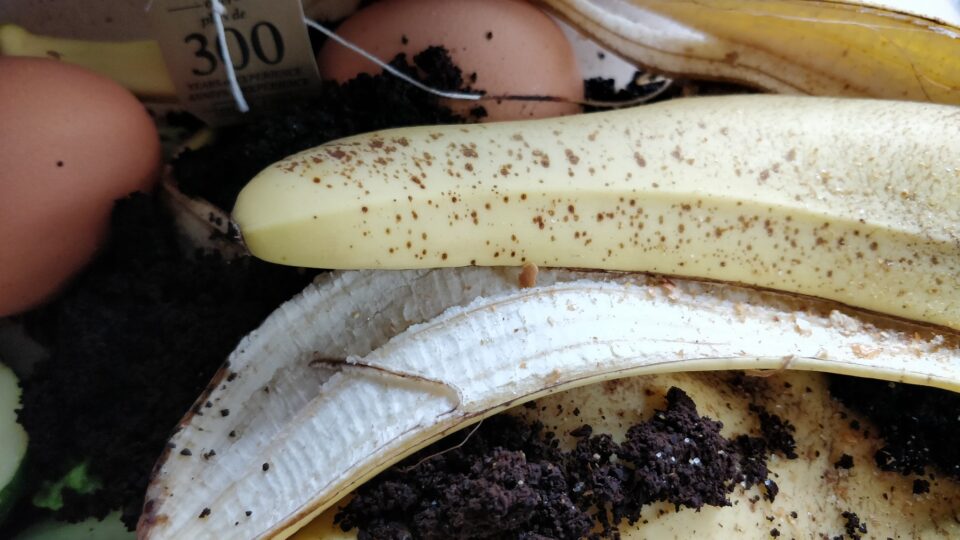
A new startup company spun out of the University of Toronto wants to make clothing from food waste.  If they are successful, you may someday buy a shirt or a pair of gym shorts made from banana peels, rotten tomatoes, coffee grounds, or moldy bread.

A problem faced by the clothing industry is that most textiles are blended with synthetic and non-renewable fiber polyester, which makes them unrecyclable.  An alternative that has come on the scene in recent years is polylactic acid (or PLA), which is a decomposable bioplastic that is currently used for food packaging, medical implants, and 3D printing.  It is likely that a sustainable future for the fashion industry will depend on the ability to make use of biodegradable and carbon-neutral materials.

PLA is typically made from cornstalk, but the startup – called ALT TEX – does not want to rely on a crop already used for feedstock, human consumption, and alternative fuel.  Furthermore, there is no need to plant more corn when there is an abundant supply of unused post-industrial food waste from growers, producers, and retailers that contains the same biological building blocks for producing PLA.

ALT TEX has been conducting experiments using discarded apples to create a PLA-based fabric that is strong, durable, decomposable, and cost effective.  They are working with farmers and food suppliers to access their waste. If their efforts are successful, it would be possible to divert significant amounts of organic waste that currently emits the powerful greenhouse gas methane and instead enable the fashion industry to be more sustainable.

**********

Web Links

Earth-friendly fashion: U of T startup turns food waste into wearables

Photo, posted August 30, 2019, courtesy of Ruth Hartnup via Flickr.

Earth Wise is a production of WAMC Northeast Public Radio.

Sustainable Flip-Flops | Earth Wise

September 9, 2020 By EarthWise Leave a Comment

Sustainable technologies

Flip-flops are the world’s most popular shoe.  They are lightweight, comfortable, affordable, and durable.  In fact, the global market for flip-flops is expected to reach a whopping $23.8 billion by the year 2025. 

But the popularity comes with a price.  Flip-flops account for a troubling percentage of plastic waste that ends up in our landfills and oceans.  As a result, demand for alternatives is compelling researchers to develop more sustainable versions of the popular footwear.

Scientists at the University of California San Diego have spent years working on this issue, and recently announced a breakthrough.  According to a study recently published in Bioresource Technology Reports, the research team has formulated polyurethane foams – made from algae oil – to meet commercial specifications for mid-sole shoes and the foot-bed of flip-flops.   In other words, the scientists have created sustainable, biodegradable, and consumer-ready materials that could replace plastics in some footwear. 

The UC San Diego scientists collaborated with Algenesis Materials – a technology startup – on the research.  Together, they worked to not only create the shoes, but to degrade them as well.  The team tested their customized foams by immersing them in traditional compost and soil.  The algae-based materials degraded after just 16 weeks.  

The life of any material should be proportionate to the life of the product.  The researchers point out that it doesn’t make sense to create a product that will last 500 years if it’ll only be used for a year or two. 

The research team is currently working on production details with its manufacturing partners.  The creation of biodegradable flip-flops that meet commercial footwear standards could eliminate tons of plastic waste from the environment.   

************ 

Web Links

New science behind algae-based flip-flops

Flip Flops Market Size Worth $23.8 Billion by 2025

Photo, posted December 12, 2019, courtesy of Flickr.

Earth Wise is a production of WAMC Northeast Public Radio.
Family Forests And Climate Change | Earth Wise

July 13, 2020 By EarthWise Leave a Comment

family forests can help meet the climate challenge

Climate experts consider sequestration and storage of carbon in trees to be among the most affordable and scalable natural climate solutions.  If implemented globally, trees could provide a third of the near-term climate change mitigation needed to meet the terms of the Paris Agreement.

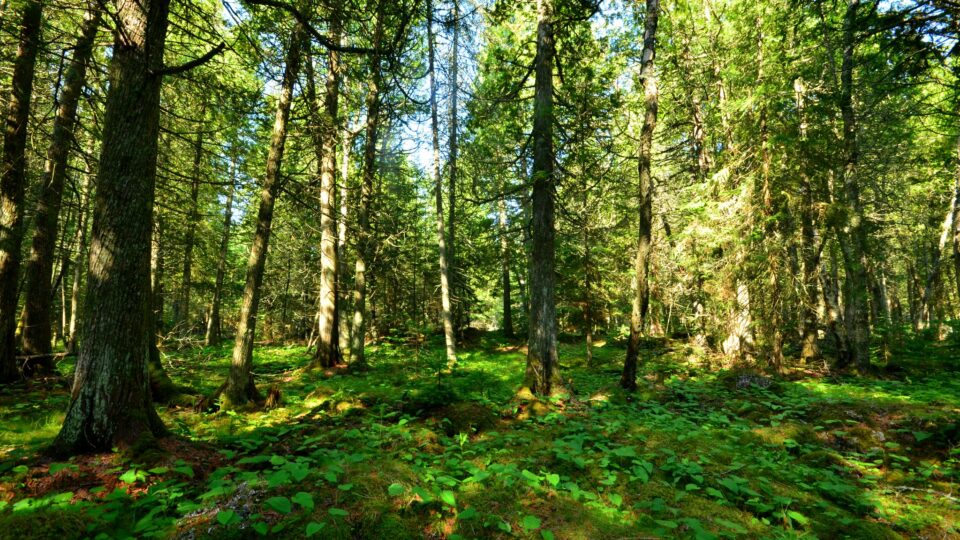
Small family-owned forests make up 38% of U.S. forests, a total area 1.5 times the size of Texas and more than any other ownership type.  Most small landowners want to do right by their land, but they rarely have access to the expertise or resources needed to optimize their forests for carbon sequestration.

This spring, the Nature Conservancy, the American Forest Foundation, and the Vermont Land Trust announced two new programs, funded in part by a $10 million grant by Amazon, that will provide funds to small landowners to grow larger, healthier forests.

Few forests are managed for carbon sequestration.  Practices like fast logging rotations, so-called high-grading that strips out the largest, most valuable trees, and rampant invasive species all compromise the ability of a forest to lock away carbon.  It turns out that most small landowners would like to do better, but they don’t have the expertise or the financial resources to implement sustainable management.

Existing carbon markets are not geared towards small forest owners.  Their payments are tiny and the required contract terms are onerous.  The Family Forest Carbon Program commits landowners for only 10 to 20 years.  Typical landowners won’t get a windfall.  A 100-acre landholding would stand to earn around $24,500 over 20 years. 

If these programs can sign up 20% of U.S. forest landowners, it could offset the emissions from 6 million cars.

**********

Web Links

How Small Family Forests Can Help Meet the Climate Challenge

Photo, posted July 14, 2013, courtesy of Joshua Mayer via Flickr.

Earth Wise is a production of WAMC Northeast Public Radio.

Keep Track Of Your LEGOs | Earth Wise

April 9, 2020 By EarthWise Leave a Comment

plastics in the ocean

Plastics in the ocean are a global problem that has attracted a great deal of attention.  Most of the concern surrounds grocery bags, bottles, six-pack rings, and similar items.  Recent research looked at another source of plastic pollution:  LEGOs.

According to environmental scientists at the University of Plymouth in the United Kingdom, it can take more than a thousand years for LEGO bricks to break down in the ocean.  The iconic toys are made from a strong plastic called acrylonitrile butadiene styrene or ABS.  Pieces of LEGOs are commonly found in ocean trash hotspots and wash up on shores across the globe by the thousands.

LEGOs are one of the most popular children’s toys in history and part of what makes them so popular is their durability.  Barefooted parents stepping on one on the floor in a dark room can attest to that fact.  But the full extent of their durability came as a surprise to the researchers.

The scientists analyzed pieces of weathered LEGOs collected from beaches, confirmed their age, and compared them to unweathered LEGOs from the 70’s and 80’s.  They were able to determine the extent to which LEGOs had been worn down by ocean waves, sand, and salt over time.  And it was surprisingly little.

LEGO has acknowledged the environmental impact of its products and has launched a goal to make its bricks from more sustainable sources such as sugarcane-based polyethylene by 2030, as well as improve its efforts to recycle and reuse old LEGO plastic.

Meanwhile, we should all we careful of where our old LEGOs end up.

**********

Web Links

LEGO Bricks Could Linger in the Ocean for 1,300 Years, Study Finds

Photo, posted August 24, 2015, courtesy of Juan Luis via Flickr.

Earth Wise is a production of WAMC Northeast Public Radio.

Shutting Down Pollution | Earth Wise

April 8, 2020 By EarthWise Leave a Comment

coronavirus temporarily reduces air pollution

With much of the country shut down as the coronavirus forces people to stay at home, there has naturally been a drastic reduction of traffic on roads and highways.   And with that decrease, there has been a dramatic reduction in pollution as well.

A satellite that detects emissions in the atmosphere linked to cars and trucks has observed huge declines in pollution in major metropolitan areas such as Los Angeles, Seattle, New York, Chicago, and Atlanta.

Los Angeles is infamous for its rush-hour traffic but that has pretty much ceased to exist. Similar changes can be seen in the San Francisco Bay Area, where nearly 7 million residents have been ordered to shelter in place.  New York City is less dependent on car travel than in other metro areas, but the shutdown of office buildings, schools, and restaurants has nonetheless resulted in a substantial reduction of traffic on the streets of the city.

While this sudden decline in air pollution over U.S. cities has some near-term health benefits, those benefits are likely to be fairly minor in the big picture.  When the coronavirus outbreak subsides and people are allowed to leave their homes and go back to their normal lives, air pollution will most certainly rebound to previous levels.  In any event, studies have shown that long-term exposure to air pollution has a larger impact on public health than any transient events.

Having much cleaner air for a while is certainly a good thing, but this shutdown is not a sustainable way to reduce air pollution and the long-term effects of the coronavirus crisis will certainly not be positive.

**********

Web Links

Traffic and Pollution Plummet as U.S. Cities Shut Down for Coronavirus

Photo, posted March 15, 2020, courtesy of Tom Collins via Flickr.

Earth Wise is a production of WAMC Northeast Public Radio.
Minerals And Metals For A Low-Carbon Future | Earth Wise

February 14, 2020 By EarthWise Leave a Comment

low carbon energy future

For the past century, economies and geopolitics have largely been driven by our insatiable appetite for oil and fossil fuels in general.  As we gradually make the transition to a low-carbon energy future, the focus on oil will shift to sustainable supplies of essential minerals and elements.

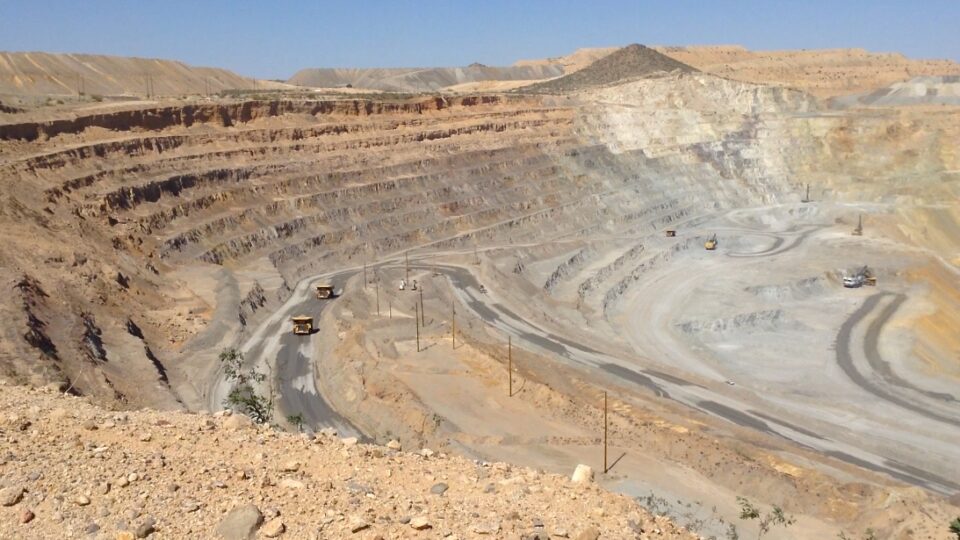
The use of solar panels, batteries, electric vehicle motors, wind turbines, and fuel cells is growing rapidly around the world.  These technologies make use of cobalt, copper, lithium, cadmium, and various rare earth elements.  The need for any one of these things may diminish if alternatives are found, but there will continue to be a growing reliance on multiple substances whose physical and chemical properties are essential to the function of modern devices and technologies.

In some cases, global supplies of particular minerals and elements are dominated by a particular country, are facing social and environmental conflicts, or face other market issues.  Shortages of any of them could create economic problems and derail progress much as the oil-related energy crises of the past have.

The world faces challenges in managing the demand for low-carbon technology minerals as well as limiting the environmental and public health damage that might be associated with their extraction and processing.  Expanded use of recycling and reuse of rare minerals will be essential.

As the relatively easy sources of these materials become exhausted, other resources will become more attractive.  These include various valuable ecosystems, oceanic deposits, and even space-based reserves.

Ushering in the low-carbon future is not a simple matter and will require responsible actions by the world’s governments and industries. In undoing the damage from the oil age, we must avoid new damage from the low-carbon age.

**********

Web Links

Sustainable supply of minerals and metals key to a low-carbon energy future

Photo, posted March 13, 2015, courtesy of Joyce Cory via Flickr.

Earth Wise is a production of WAMC Northeast Public Radio.
Livestock And Sustainable Food Systems | Earth Wise

February 10, 2020 By EarthWise Leave a Comment

Regenerative food systems

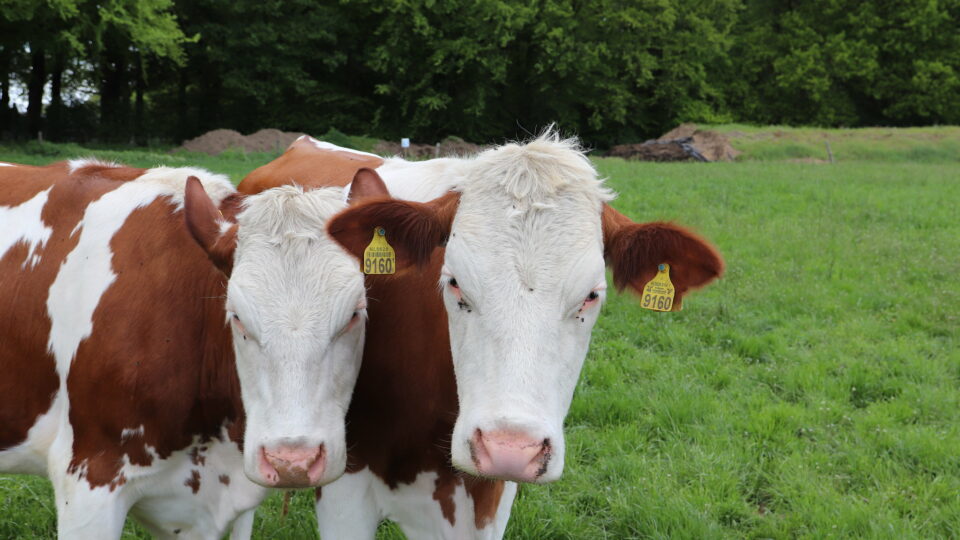
Animal-based agriculture has endured a great deal of criticism with regard to its contributions to climate change and its other environmental impacts.  But its contributions to a sustainable food system are by no means all bad.  In fact, livestock play important roles in sustainable, regenerative agro-food systems.

Animals’ natural biological processes enable them to consume plant and food residues that are either indigestible by humans, unpalatable to people, or are no longer sellable for various reasons, all referred to as IUUB biomass.  There are many examples.

One dairy farm receives daily deliveries of apple waste from a processing facility that supplies apple slices for school lunches.  Another local dairy gets three truckloads of vegetable and fruit discards, along with expired bread products, each week.  No longer useful for consumers, these foodstuffs become feed for cattle rather than going to a landfill.  Even the booming market for plant-based foods like artificial meat for consumers has generated a surge of processing byproducts that can be consumed by livestock.

On a national scale, livestock are consuming millions of pounds of otherwise unusable IUUB created in the production of products like soybean and canola oils, orange juice, ethanol, and more.

While the livestock industry needs to keep working to minimize its environmental impact and there are many reasons to eat less meat, livestock farming is an integral part of our agro-food systems.  Farmers are embracing techniques to produce meat, milk and eggs as efficiently and sustainably as possible, minimizing agriculture’s climate-contributing footprint in the process.

**********

Web Links

Amazing Cows Hold Promise in Pioneering Sustainable Food Systems

Photo, posted May 11, 2019, courtesy of Theo Stikkelman via Flickr.

Earth Wise is a production of WAMC Northeast Public Radio.
Turning Trash Into Treasure

December 12, 2019 By EarthWise Leave a Comment

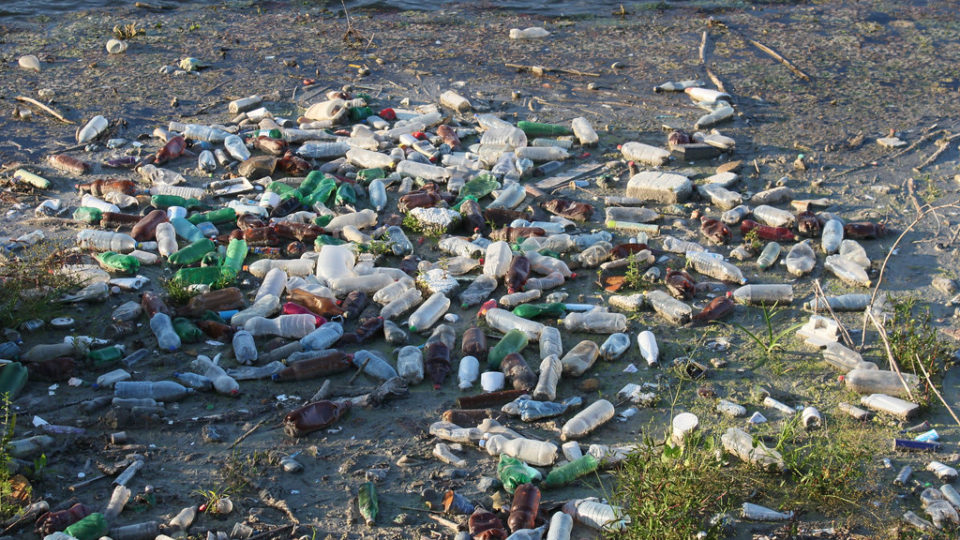
Every year, 380 million tons of plastic are created worldwide, and that number continues to grow.  Furthermore, more than 75% of these materials are discarded after one use.  Much of it ends up in oceans and waterways, harming wildlife and spreading toxins.

Recycling most plastics is difficult because while they can be melted and reprocessed, the resultant material is not as structurally strong as the original material.  Thus, plastics are often down-cycled such as turning plastic bottles into molded park benches.

Researchers at Northwestern University, Argonne National Laboratory, and Ames Laboratory have developed a new method for upcycling abundant, seemingly low-value plastics into high-quality liquid products, such as motor oils, lubricants, detergents, and even cosmetics.  The catalytic method  could remove plastic pollution from the environment and contribute to a circular economy.

Plastics don’t degrade when disposed of because they have very strong carbon-carbon bonds.  Instead they just break into smaller bits, known as microplastics.  The researchers viewed these strong bonds as an opportunity rather than a problem.

The new technique actually recoups the high energy that holds these bonds together by catalytically converting polyethylene molecules into value-added commercial products.  The catalyst consists of platinum nanoparticles deposited onto perovskite nanocubes.  Under moderate pressure and temperature, the catalyst cleaves the carbon-carbon bonds in plastic to produce high-quality liquid hydrocarbons. 

The researchers believe these findings could lead to a future in which we can continue to benefit from plastic materials but do so in a way that is sustainable and less harmful to the environment.

**********

Web Links

Turning plastic trash into treasure

Photo, posted August 15, 2012, courtesy of Emilian Robert Vicol via Flickr.

Earth Wise is a production of WAMC Northeast Public Radio.
Clean Gas From An Artificial Leaf

November 27, 2019 By EarthWise Leave a Comment

Photosynthesis is the process used by plants, algae and certain bacteria to harness energy from sunlight and turn it into chemical energy.  It is often described as the green engine of life on earth.

For quite some time, there have been extensive research efforts around the world in the area of artificial photosynthesis.  The goal is to somehow mimic the behavior of plants in order to generate clean-burning fuels using nothing more than sunlight and the carbon dioxide in the air.

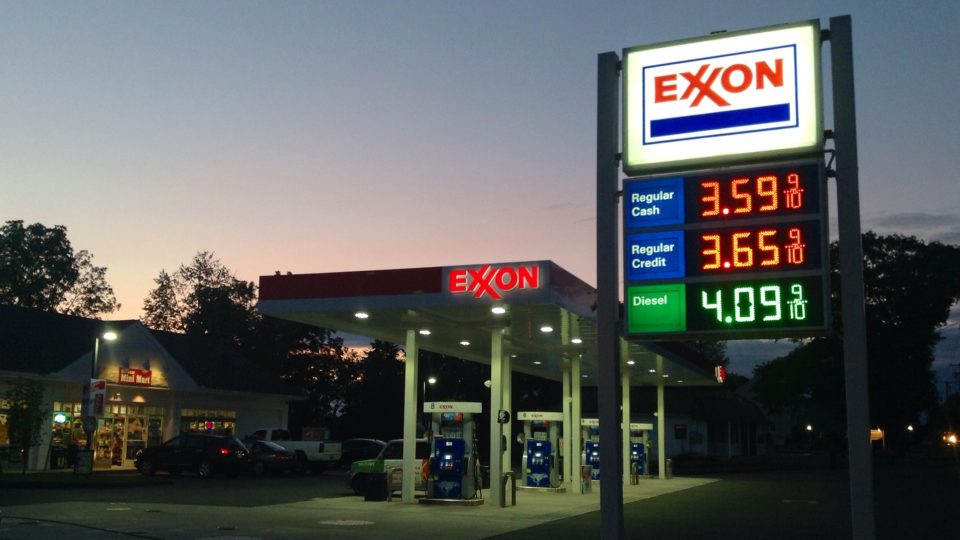
Researchers at the University of Cambridge have recently demonstrated a so-called artificial leaf that can directly produce syngas using sunlight.   Syngas is a fuel gas mixture consisting primarily of hydrogen and carbon monoxide.  Most people haven’t heard of syngas, but many products are created using it.  Being able to produce it sustainably would be a critical step to a far greener chemical and fuel industry.

The artificial leaf contains two light absorbers, similar to the molecules in plants that harvest sunlight, which are combined with a catalyst made from the naturally abundant element cobalt.  When the device is immersed in water, one light absorber uses the catalyst to produce oxygen.  The other carries out the chemical reaction that reduces carbon dioxide and water into carbon monoxide and hydrogen.  The result is the syngas mixture.

It turns out that even a rainy or overcast day provides enough light to drive the process.

Previous artificial leaf devices have mostly just produced hydrogen.  The Cambridge device produces syngas thanks to the novel combination of materials and catalysts it uses.

The researchers are now focused on finding ways to use the technology to produce a sustainable gasoline substitute.

**********

Web Links

‘Artificial leaf’ successfully produces clean gas

Photo, posted August 15, 2014, courtesy of Mike Mozart via Flickr.

Earth Wise is a production of WAMC Northeast Public Radio.

Stranded Coal Assets In Japan

November 25, 2019 By EarthWise Leave a Comment

Japan is facing a looming financial problem as a result of heavy investments in coal technology that may quickly become stranded assets as renewable energy sources become increasingly inexpensive.

Japan is gradually adding more ambitious policies with regard to climate change including goals to reduce emissions and to have renewables become the main source of power over the next three decades.  But despite these policy efforts, Japan is still investing heavily in coal power.  Japan currently has 21 new coal projects with over 11 GW of under-construction, permitted or pre-permitted coal capacity.  But these tens of billions of dollars in assets would have to be closed prematurely in order to remain consistent with the goals of the Paris Climate Agreement.

According to a new report by the Carbon Tracker Initiative, a financial think tank, and the University of Tokyo, offshore wind power will be cheaper than coal in Japan by 2022, new solar cheaper by 2023, and onshore wind less expensive by 2025.  The price of offshore wind is already comparable to existing coal power in Japan.  Japan had a total of 55.5 GW of solar capacity last year and has the potential to reach 150 GW by 2030.

The report notes that 42% of the global coal fleet likely became unprofitable last year and this could rise to 72% by 2040.  The authors contend that building coal power today equals high-cost power and financial liabilities tomorrow.  The planned and operating coal capacity in Japan is partially protected by regulations that give coal generators an unfair advantage in the marketplace.  Ultimately, the stranded coal assets are likely to be passed down to consumers through higher power prices.

**********

Web Links

Land of the Rising Sun and Offshore Wind

Photo, posted April 25, 2019, courtesy of Jen via Flickr.

Earth Wise is a production of WAMC Northeast Public Radio.
Eco-Friendly Agriculture

October 21, 2019 By EarthWise Leave a Comment

Modern agriculture has steadily destroyed native grasslands, among other ecosystems.  In fact, farming is one of the most ecologically destructive things that humans do.  But we do have to eat.  In response, there is a growing movement for agrarian reform, from grain farming on the prairie, to agroforestry, to raising livestock more sustainably.  Efforts are accelerating to develop a kinder, gentler agriculture adapted to a changing world.

One such effort has come from the Land Institute, an organization in Kansas that works on natural systems agriculture, which seeks to retain the ecological stability of the prairie with its perennial seed plants along with a grain and seed yield comparable to that from annual crops.

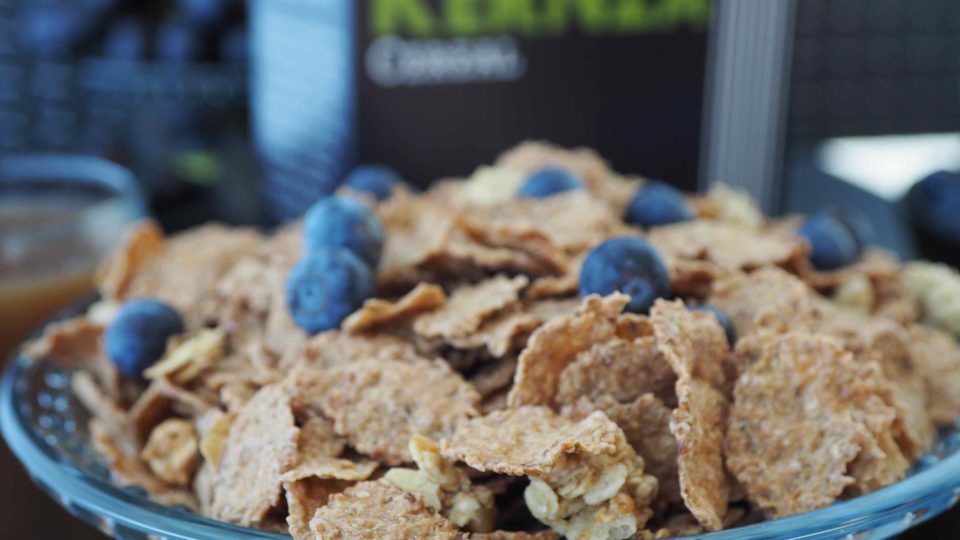
After four decades of effort, the institute has introduced its first commercial grain, a trademarked variety called Kernza.  Kernza is a domesticated perennial wild grass – a so-called intermediate wheatgrass – that has a long, slender head that resembles wheat seeds.  People describe its taste as sweet and nutty.   Kernza is already being made into a cereal called Honey Toasted Kernza by Cascadian Farms.  Patagonia Provisions – a spin-off from the clothing company – is making beer from the new grain.

Although Kernza is already being grown and sold commercially, it is not yet ready for prime time.  Last year, there were only about 1,000 acres in cultivation and the yield is only a third to a tenth of the yield of wheat. 

Developing a sustainable perennial polyculture of edible plants would have major benefits such as not having to plow every year, plants developing large root systems that can reach water far beneath the surface and, without annual plowing, having soil carbon remain in the ground.

**********

Web Links

With New Perennial Grain, a Step Forward for Eco-Friendly Agriculture

Photo courtesy of Cascadian Farms/General Mills.

Earth Wise is a production of WAMC Northeast Public Radio.
A Green Way To Turn Blue

August 5, 2019 By EarthWise Leave a Comment

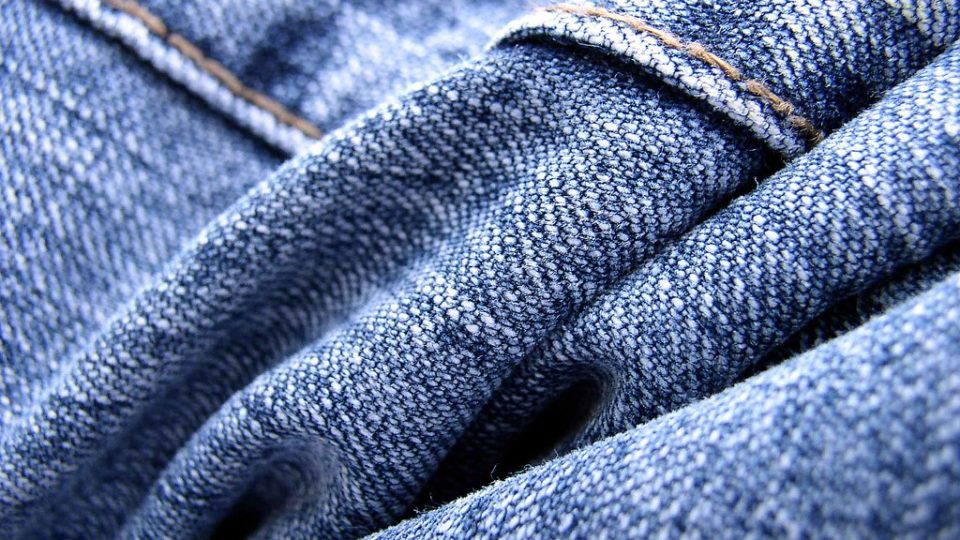
Indigo dye is what is used to color denim cloth and blue jeans.  Historically, the dye came from a tropical plant most often found on the Indian subcontinent.  Eventually, it became economically favorable to synthesize the dye instead and almost all of the 50,000 tons of the dye used annually is synthetic.

The processes used to make synthetic indigo are efficient and inexpensive, but they often require toxic chemicals and create a lot of dangerous waste.  Researchers at the Department of Energy’s Joint BioEnergy Institute have now developed an eco-friendly production platform for a blue pigment called indigoidine.  It has a similarly vividly saturated blue hue as synthetic indigo.

The researchers were investigating the ability of various fungal strains to express large enzymes known as NRPSs.  They chose an NRPS that converts two amino acid molecules into indigoidine – a blue pigment – in order to make it easy to tell if the strain engineering had worked.  Having the culture turn blue was an effective indicator.

Their primary interest was not the pigment but when they saw just how blue the culture was for one particular fungus, they realized that the fungal strain did not just produce indigoidine; it produced large amounts of it.

Thus they have found a way to efficiently produce a blue pigment that uses inexpensive, sustainable carbon sources instead of harsh chemicals.  There is already a great deal of interest from the textile industry, where many companies are eager for more sustainably sourced pigments because customers are increasingly aware of the impacts of conventional dyes.

Thanks to a talented fungus called Rhodosporidium toruloides, there may now be a green way to turn blue.

**********

Web Links

Blue Pigment from Engineered Fungi Could Help Turn the Textile Industry Green

Photo, posted March 7, 2006, courtesy of Willi Heidelbach via Flickr.

Earth Wise is a production of WAMC Northeast Public Radio.

  • « Go to Previous Page
  • Page 1
  • Page 2
  • Page 3
  • Page 4
  • Page 5
  • Go to Next Page »

Primary Sidebar

Recent Episodes

  • An uninsurable future
  • Clean energy and jobs
  • Insect declines in remote regions
  • Fossil fuel producing nations ignoring climate goals
  • Trouble for clownfishes

WAMC Northeast Public Radio

WAMC/Northeast Public Radio is a regional public radio network serving parts of seven northeastern states (more...)

Copyright © 2026 ·