
• Skip to primary navigation
  • Skip to main content
  • Skip to primary sidebar

Earth Wise

A look at our changing environment.

  • Home
  • About Earth Wise
  • Where to Listen
  • All Articles
  • Show Search
Hide Search
You are here: Home / Archives for solar panels

solar panels

A Solar-Powered Target Store | Earth Wise

April 26, 2022 By EarthWise Leave a Comment

Target among many retailers adopting renewables

Many companies have made sustainability commitments of various types. Environmental organizations have urged big-box and grocery stores to install solar panels on their rooftops and parking lots thereby reducing their energy usage and expanding the country’s supply of renewable energy.  These places occupy large areas and therefore are capable of supporting large solar arrays.

According to a report by two environmental advocacy groups, rooftop solar panels on retail stores could generate enough electricity to power the equivalent of nearly 8 million U.S. homes.

Target Stores are one of the retailers that has been making an effort to be a greener company.  Target has installed solar panels on about 25% of its approximately 1,900 stores.  The Target store in Vista, California, about 40 miles north of San Diego, is the company’s most sustainable store.  It already had solar panels on its rooftop, powering a portion of the store.

But now it has installed massive carports topped with solar panels high above its parking lot.  With these panels, this Target can now produce enough renewable energy to power the entire store, from its refrigeration to its heating and air conditioning. Adding in some of the other energy-saving features of the store, Target expects to produce 10% more energy than the store needs, which it will return to the local power grid.  This is Target’s first net-zero energy store.

Target is not the only big retailer going solar.   Home Depot, Lowe’s, and Walmart all have been installing solar panels on some of their rooftops.  Even some restaurants are trying to reach sustainability goals with solar panels.  This is a trend that hopefully will continue to grow.

**********

Web Links

Target looks to massive solar panels in a California parking lot as a green model to power its stores

Photo, posted June 30, 2014, courtesy of Mike Mozart via Flickr.

Earth Wise is a production of WAMC Northeast Public Radio.
Community Solar In New York | Earth Wise

April 18, 2022 By EarthWise Leave a Comment

Community solar booming in New York State

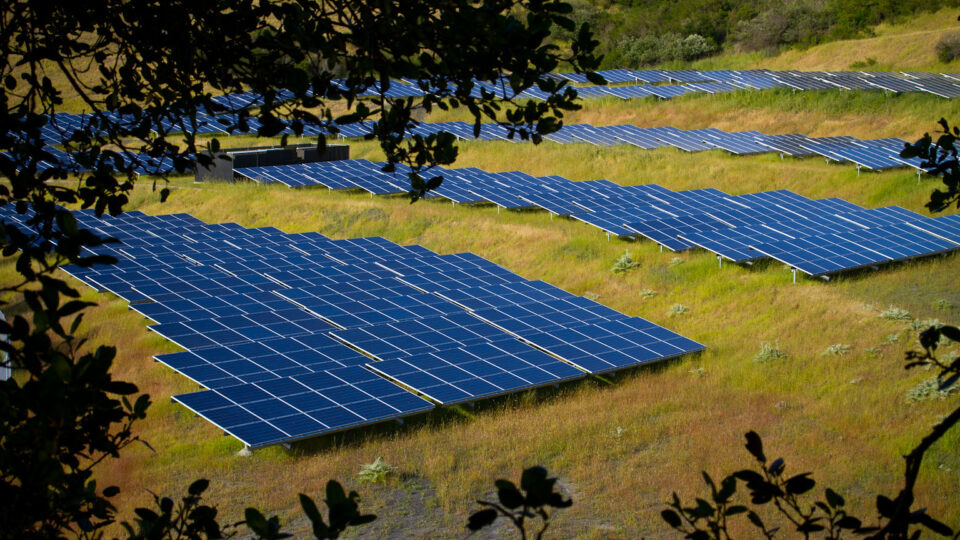
New York has now installed 1 GW of community solar capacity, which is more than any other state.

Community solar is a solar energy project within a geographic area for which the benefits flow to multiple customers such as individuals, businesses, nonprofits, or other groups.  For the most part, the customers benefit from energy being generated by solar panels located at an off-site array.  Customers typically buy or lease a portion of the solar panels in the array and then receive an electric bill credit for the electricity generated by their share of the community solar system.  It is a great option for people who can’t install their own solar panels because they don’t own their home, don’t have a suitable location for various reasons, or have financial constraints.

Community solar in New York now generates enough electricity to power 209,000 homes.  Community solar installations accounted for 70% of New York’s solar additions in 2021 and the state has a pipeline of 708 more projects totaling 2.3 gigawatts.

The NY-Sun program run by NYSERDA since 2011 has directed over $200 million to low-to-moderate income households as part of its Solar Energy Equity Framework. 

Growing community solar depends strongly on policy expansion.  At this point, 19 states and D.C. have established policies and programs to support community solar adoption.  The federal government set a goal of powering 5 million American homes with community solar over the next five years.  With 30% of the country’s current community solar capacity, New York is leading the way.

**********

Web Links

New York reaches 1 GW community solar milestone

Photo, posted May 24, 2011, courtesy of Michael Mees via Flickr.

Earth Wise is a production of WAMC Northeast Public Radio.
Solar Canopies | Earth Wise

December 31, 2021 By EarthWise Leave a Comment

There are plenty of solar panels on residential rooftops but there are also increasing numbers of arrays of them on croplands, arid lands, and grasslands. Large solar arrays are mostly built in open spaces like these rather than in developed areas.  The reason is that it is cheaper to build on undeveloped land than on rooftops or construct covered parking lots.

However, building on undeveloped land is not necessarily the smartest idea.   Undeveloped land is a dwindling resource that is needed for many different things:  growing food, sheltering wildlife, storing and purifying water, preventing erosion, and sequestering carbon. 

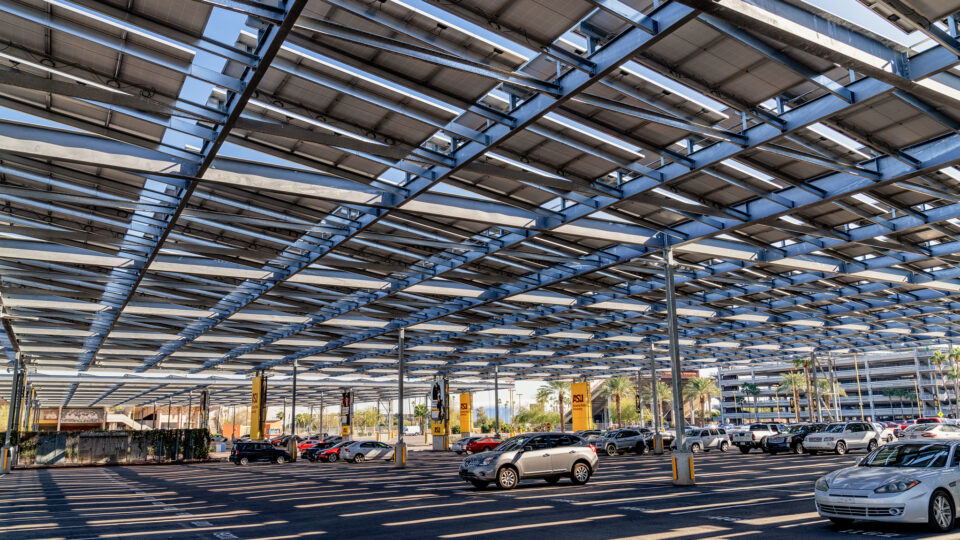
Putting solar panels on parking lots has the appeal that they are abundant, close to electricity customers, and are on land that already has been stripped of much of its biological value.

Putting a solar canopy over a parking lot can produce large amounts of electricity and has the added benefit that it would provide shade for cars.  For example, a typical Walmart supercenter might have a five-acre parking lot, which is enough to support a 3-megawatt solar array.  If Walmart put solar canopies on all of its 3,500+ super centers, it would provide 11 gigawatts of solar power – as much as a dozen large coal-fired power plants.

Solar canopies are still pretty uncommon, but some examples are ones at four DC Metro rail stations, one at JFK Airport, and a large one at the Rutgers University Piscataway campus.

Building parking lot solar canopies is much more expensive than putting solar arrays on open space, but they do eventually pay for themselves. Despite active opposition by utility and fossil fuel interests, solar canopies may eventually be a common sight.

**********

Web Links

Why Putting Solar Canopies on Parking Lots Is a Smart Green Move

Photo, posted January 10, 2020, courtesy of Tony Webster via Flickr.

Earth Wise is a production of WAMC Northeast Public Radio.

The Plunging Cost Of Lithium-Ion Batteries | Earth Wise

May 11, 2021 By EarthWise Leave a Comment

The cost of lithium-ion batteries is plunging

Lithium-ion batteries are the power source for phones, laptops, and electric cars.  These rechargeable batteries were first commercially introduced in 1991.  Since then, their performance has improved, and their cost has dropped tremendously.

There have been dramatic cost declines in many advanced technologies.   The price of big-screen televisions is a prime example.  Most people think of solar photovoltaic panels as the most exceptional case.  In the 1970s, solar panels cost over $100 per watt. Today, they are 20 cents a watt.

How much lithium-ion batteries have dropped in price has been somewhat unclear.  This is because much of the information about battery costs is in the form of closely held corporate data.  Most lithium-ion batteries are not sold directly to consumers but rather are built into consumer electronics and cars.  Large companies like Apple and Tesla buy batteries by the millions or manufacture them themselves, and the true costs are not publicly disclosed.

Recently, MIT researchers have carried out an extensive analysis of lithium-ion battery costs over the past three decades.  The researchers found that the cost of these batteries has dropped by 97% over that period.

It is clear that the decline in battery costs has been an enabler of the recent growth in sales of electric vehicles.  It is also clear that further declines in lithium-ion battery costs are likely to increase the batteries’ usage in stationary applications such as storing energy from intermittent green power sources like solar and wind.

The batteries have ever-improving energy density (energy stored within a given volume) and specific energy (energy stored within a given mass.)  As lithium-ion batteries continue to get better and cheaper, their role in the world continues to grow.

**********

Web Links

Study reveals plunge in lithium-ion battery costs

Photo, posted October 26, 2020, courtesy of Ajay Suresh via Flickr.

Earth Wise is a production of WAMC Northeast Public Radio.

Red Hot Chili Solar Panels | Earth Wise

April 9, 2021 By EarthWise Leave a Comment

Advances in solar panel technology

The majority of solar panels in use today are made from either single-crystal or polycrystalline silicon, the same stuff used to make the ubiquitous chips in computers, cell phones, and countless other devices.  In addition, a growing fraction of solar panels utilize thin-film technology, which offers cost and flexibility advantages.

Monocrystal silicon still provides the highest efficiency and longest lifespan in commercially available panels, but the lower costs and some other features of thin-film solar panels are growing that market over time.

More recently, perovskite solar cell technology has been a source of great interest in the research community.  Perovskites are a class of minerals with a specific crystalline structure that already have uses in various applications.  As a solar cell material, perovskites offer the potential for converting more sunlight to electricity, being manufactured far more cheaply using no exotic or expensive materials, being more defect-tolerant, as well as a having number of other advantages.  They also have the potential for having very high efficiency. 

Recently, a group of researchers in China and Sweden published results of studies demonstrating that the addition of a novel ingredient has increased the efficiency of perovskite solar cells to nearly 22%, which is better than most commercial silicon solar cells.  The ingredient is capsaicin, the chemical that gives chili peppers their spicy sting.  Adding capsaicin expands the grains that make up the active material of the solar cell, allowing the more effective transport of electricity. 

Why did the researchers think of adding the active ingredient of hot peppers to a solar cell in the first place?  So far, they aren’t saying.

**********

Web Links

Solar panels capture more sunlight with capsaicin – the chemical that makes chili peppers spicy

Photo, posted August 16, 2019, courtesy of Pedro via Flickr.

Earth Wise is a production of WAMC Northeast Public Radio.

Community Solar With Storage In New York | Earth Wise

November 16, 2020 By EarthWise Leave a Comment

Community solar

Community solar allows members of a community to share the benefits of solar power even if they cannot or prefer not to install solar panels on their own property.  There are several models for how community solar works, but all of them allow members to benefit from solar power being generated by an offsite solar array by effectively allocating a portion of its output to them.  In any event, community solar can save money on electric bills and allow people to make use of renewable energy for their needs.

A next step in the evolution of a decentralized energy system is incorporating energy storage into community solar projects.  The first one of these in New York State has now been completed in Yorktown Heights in Westchester County.  The project consists of 557kW of rooftop solar in the form of nearly 1,500 solar panels paired with 490kW of four-hour Tesla Powerpack battery energy storage.  The system is expected to provide 150 participants with approximately 10% savings on their monthly electric bills over 25 years, as well as providing power to 12 Tesla electric vehicle charging stations.

The project was funded by NYSERDA, under its Retail Energy Storage Incentive program, which currently includes 50 community solar-storage paired projects across New York State that are expected to be installed in the next two to three years.

New York has been actively promoting community projects in support of goals announced by Governor Andrew Cuomo to install 6,000MW of solar in the state by 2025 and 3,000MW of energy storage by 2030.

**********

Web Links

First community solar-storage project completed in New York

Photo, posted June 21, 2017, courtesy of Franck Michel via Flickr.

Earth Wise is a production of WAMC Northeast Public Radio.
Recycling Solar Panels | Earth Wise

October 1, 2020 By EarthWise Leave a Comment

Solar panels need to be recycled

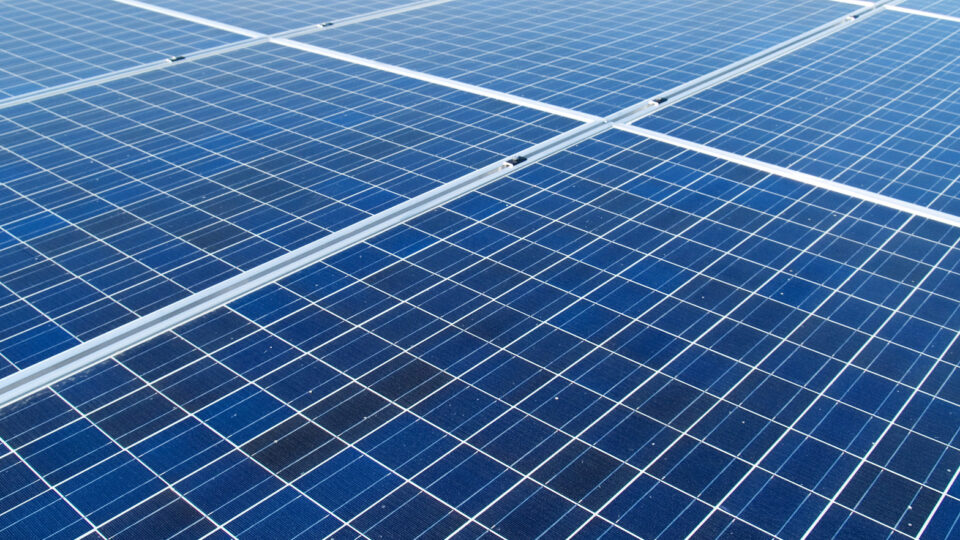
It is inevitable that the things we make and use eventually outlive their useful lives and become waste that we have to deal with.  Solar panels, despite their impressively long lifetime, can’t escape this general principle.   As pioneering solar panels near the end of their 30-year electronic lives, they could well become the world’s next big wave of e-waste.

According to the International Renewable Energy Agency, nearly 90 million tons of solar panels will have reached their end of life by the year 2050, resulting in about 7 million tons of new solar e-waste per year.

Solar photovoltaic deployment has grown at unprecedented rates in recent years.  The total global installed capacity is about 600 GW today; projections are that there will be 1,600 GW by 2030 and 4,500 GW by 2050.

Solar panels contain valuable materials, including silver and high-purity silicon.  But current recycling procedures are not cost-effective.   Only about 10% of panels are currently recycled in the U.S.   The rest go to landfills or are shipped overseas to become another country’s problem.

Before solar waste becomes a major problem, the industry needs to better address the issue.  Strategies include improving the design of panels to align with recycling capabilities as well as developing new recycling methods that can more efficiently extract and purify the valuable materials in the panels.  Industry researchers are also looking into ways to repair and resell panels that are still in good condition and to repurpose old panels for less demanding functions like e-bike charging stations and housing complexes.

Like most things, solar panels do fail over time and with a rapidly growing number of them in the world, we need to figure out how to avoid them adding to the world’s problems.

**********

Web Links

Solar Panels Are Starting to Die. Will We be Able to Recycle the E-Waste?

Photo, posted January 6, 2006, courtesy of Flickr.

Earth Wise is a production of WAMC Northeast Public Radio.
Small-Scale Climate Solutions | Earth Wise

May 18, 2020 By EarthWise Leave a Comment

climate change and emissions targets

In order to meet international climate targets, we need to cut greenhouse gas emissions in half over the next decade and reach net-zero by mid-century.  Achieving this will require unprecedented and rapid changes in how energy is supplied, distributed and used.

Researchers at several European universities collected data on a wide variety of energy technologies at different scales and tested how well they performed in accomplishing an accelerated low-carbon transformation. 

Large-scale, costly, non-divisible or so-called lumpy technologies, such as utility-scale generation, nuclear power, carbon capture and storage, high-speed transportation, and whole-building retrofits are often seen as the most effective way to achieve emission-reduction goals. A key finding of their study is that low-carbon technologies that are smaller scale and can be mass deployed are more likely to enable a faster transition to net-zero emissions.

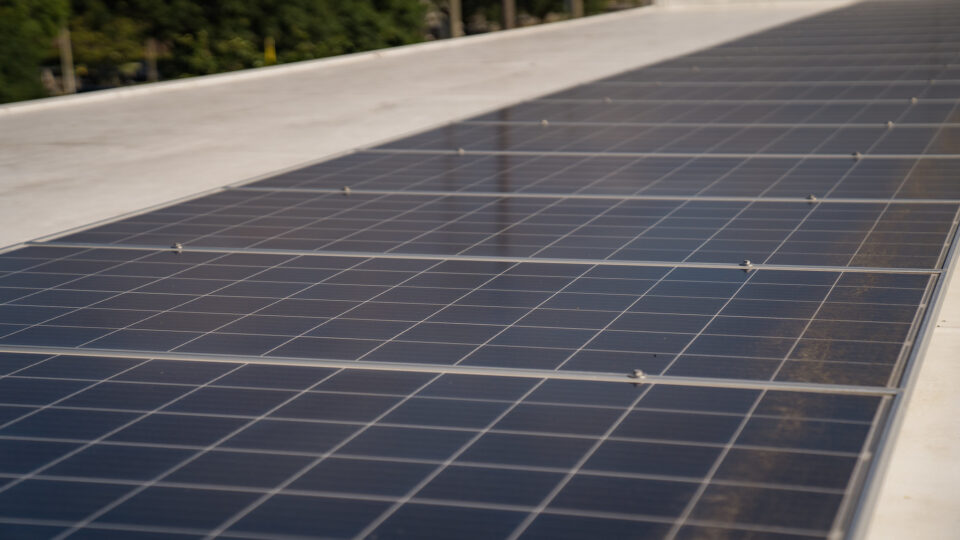
So-called granular options include solar panels, electricity storage batteries, heat pumps, smart thermostats, electric bikes, and ride-share services.  These options scale not by becoming larger but by replicating.

Small-scale options are quicker to deploy, their technologies have shorter lifespans and are less complex, so innovations and improvements can be brought to market more rapidly.  They are also more widely accessible and help create more jobs, giving governments a sound basis for strengthening climate policies.

However, smaller-scale technologies are not a panacea.  There are no small-scale replacements for industrial plants and other kinds of major infrastructure, but in many different contexts, they can outperform larger-scale alternatives as a means of accelerating the low-carbon transformation.

**********

Web Links

Smaller scale solutions needed for rapid progress towards emissions targets

Photo, posted April 8, 2019, courtesy of the City of St Pete via Flickr.

Earth Wise is a production of WAMC Northeast Public Radio.
Solar And Wind Power In China | Earth Wise

April 2, 2020 By EarthWise Leave a Comment

China rapidly adopts solar and wind power

Reducing greenhouse gas emissions is a global challenge and nowhere is that challenge greater than in China.  China accounts for 30% of the world’s emissions and much of that comes from coal power plants.  If the world is going to reach its climate targets, China is going to have to replace as much as possible of its current power mix with renewable energy.

As of 2018, China still made 69% of its electricity from fossil fuels.  Its vast coal reserves have driven its rapid industrialization and better standard of living.  But terrible air pollution problems along with climate issues have led to heavy investments and rapid expansion of both wind and solar power in China.

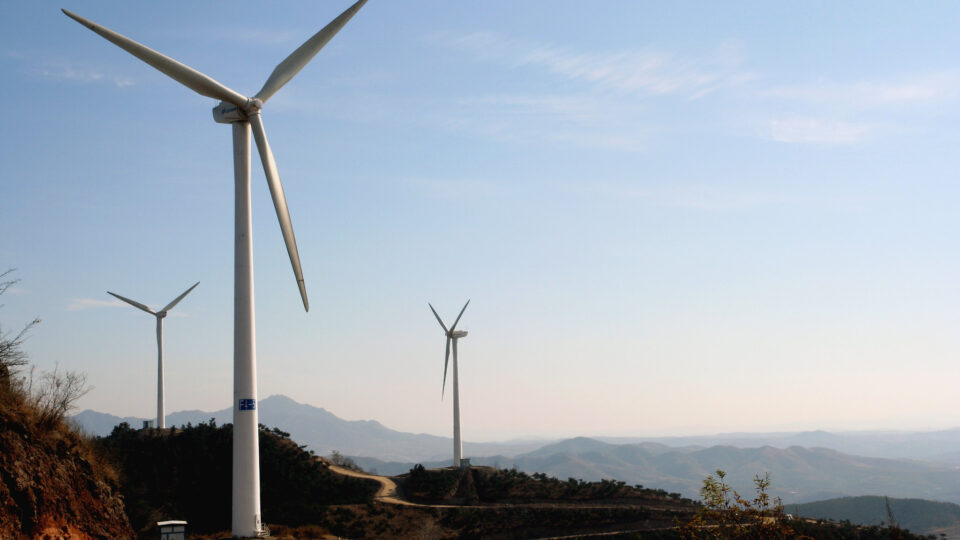
China is now a world leader in renewable energy, both in terms of producing and using renewable power.  At the start of 2016, China had installed a total of 145,000 megawatts of wind power, which is 3,000 MW more than all 28 European Union countries combined.  And this has occurred even though China only started developing their wind power industry 30 years later than the first EU countries.

Until 2009, China exported almost all the solar panels it produced.  But gradually China began to use solar energy in a big way.  The industry took off in 2014, and growth has been exponential.  Solar power production in China is now almost as extensive as wind power.

One has to consider that much of China’s electricity production is used by industries that produce products for the rest of the world.  In effect, these are exported emissions.  China has a long way to go in replacing its fossil fuel generation and we all have a stake in China succeeding in the task.

**********

Web Links

China’s rapid development of solar and wind power

Photo, posted November 12, 2007, courtesy of Flickr.

Earth Wise is a production of WAMC Northeast Public Radio.

Figuring Out Photosynthesis | Earth Wise

March 16, 2020 By EarthWise Leave a Comment

unraveling the mystery of photosynthesis

Plants have been harnessing the sun’s energy for hundreds of millions of years. Algae and photosynthetic bacteria have been doing the same for even longer, all with remarkable efficiency and resiliency. 

People have used the energy of the sun in one way or another for millennia, but only recently have we gotten sophisticated about it by using devices like solar panels and sensors.  And we still have a long way to go to get anywhere close to the efficiency of plants. It’s no wonder, then, that scientists have long sought to understand exactly how photosynthesis works.

Scientists from the U.S. Department of Energy’s (DOE) Argonne National Laboratory, and collaborators at Washington University in St. Louis, recently solved a critical part of the age-old mystery of photosynthesis, studying the initial, ultra-fast events through which photosynthetic proteins capture light and use it to initiate a series of electron transfer reactions.  Electrons in plants have two possible pathways to travel but only use one.   

But as a result of their efforts, the scientists are now closer than ever to being able to design electron transfer systems in which they can send an electron down a pathway of their choosing. 

By gaining the ability to harness the flow of energy, it may be possible to incorporate new design principles in non-biological energy systems. This could allow us to greatly improve the efficiency of many solar-powered devices, potentially making them far smaller. Understanding the intricacies of photosynthesis creates a tremendous opportunity to open up completely new disciplines of light-driven biochemical reactions, perhaps even ones that haven’t been envisioned by nature.

**********

Web Links

Scientists unravel mystery of photosynthesis

Photo, posted June 14, 2017, courtesy of Alex Holyoake via Flickr.

Earth Wise is a production of WAMC Northeast Public Radio.
Minerals And Metals For A Low-Carbon Future | Earth Wise

February 14, 2020 By EarthWise Leave a Comment

low carbon energy future

For the past century, economies and geopolitics have largely been driven by our insatiable appetite for oil and fossil fuels in general.  As we gradually make the transition to a low-carbon energy future, the focus on oil will shift to sustainable supplies of essential minerals and elements.

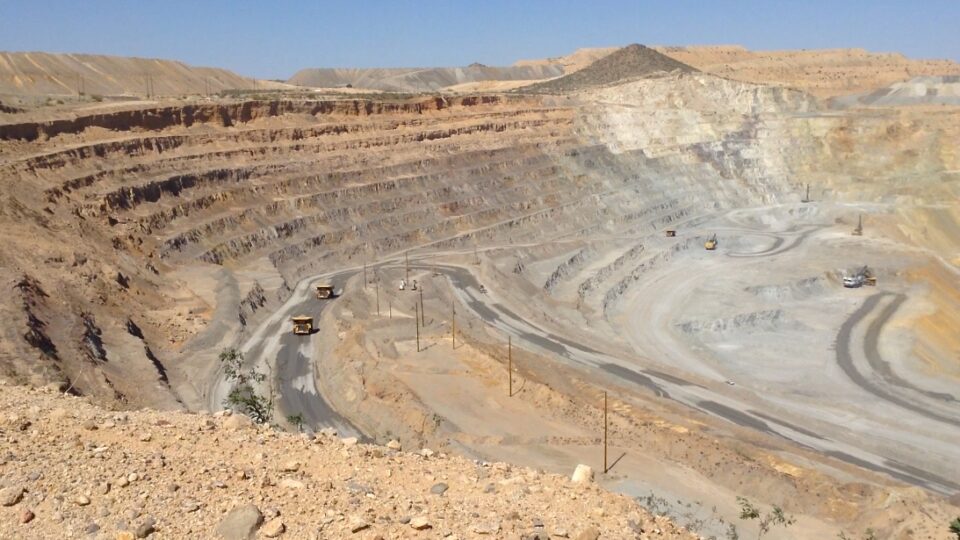
The use of solar panels, batteries, electric vehicle motors, wind turbines, and fuel cells is growing rapidly around the world.  These technologies make use of cobalt, copper, lithium, cadmium, and various rare earth elements.  The need for any one of these things may diminish if alternatives are found, but there will continue to be a growing reliance on multiple substances whose physical and chemical properties are essential to the function of modern devices and technologies.

In some cases, global supplies of particular minerals and elements are dominated by a particular country, are facing social and environmental conflicts, or face other market issues.  Shortages of any of them could create economic problems and derail progress much as the oil-related energy crises of the past have.

The world faces challenges in managing the demand for low-carbon technology minerals as well as limiting the environmental and public health damage that might be associated with their extraction and processing.  Expanded use of recycling and reuse of rare minerals will be essential.

As the relatively easy sources of these materials become exhausted, other resources will become more attractive.  These include various valuable ecosystems, oceanic deposits, and even space-based reserves.

Ushering in the low-carbon future is not a simple matter and will require responsible actions by the world’s governments and industries. In undoing the damage from the oil age, we must avoid new damage from the low-carbon age.

**********

Web Links

Sustainable supply of minerals and metals key to a low-carbon energy future

Photo, posted March 13, 2015, courtesy of Joyce Cory via Flickr.

Earth Wise is a production of WAMC Northeast Public Radio.
The Largest Community Solar Program

November 22, 2019 By EarthWise Leave a Comment

Community solar projects allow customers to benefit from the economic and environmental attributes of solar energy when they don’t have the ability to invest in their own system for any number of reasons.

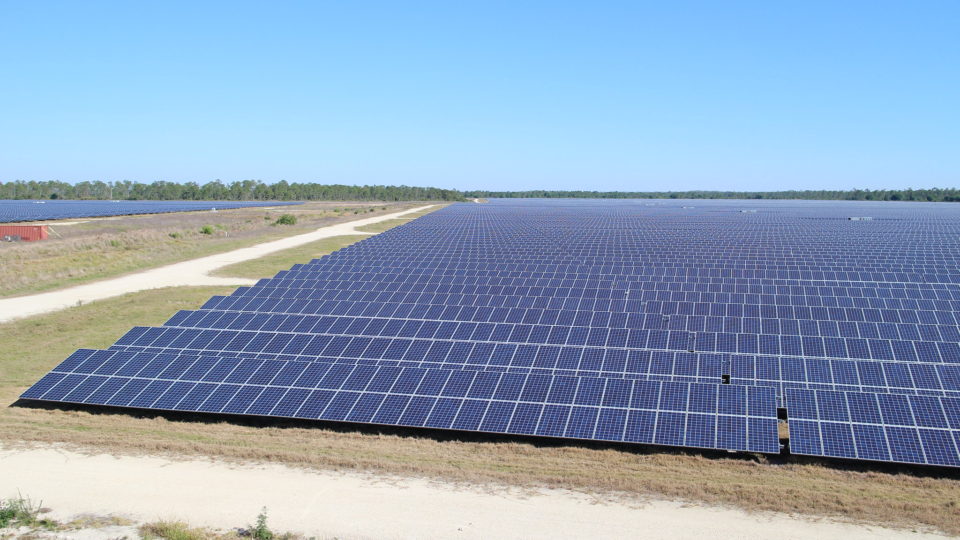
Florida Power & Light company is proposing to build the largest community solar program in the United States, pending regulatory review.  The planned installation of 1,490 MW of new solar capacity at 20 new power plants distributed across FPL’s service territory is expected to generate an estimated $249 million in net savings for all FPL customers over the long term.

In addition to becoming the largest community solar program in the country, the new program would also be the largest voluntary low-income solar offering in the country.  Low-income households are typically unable to benefit from solar energy because of not having the means to invest in the technology.  The new SolarTogether program will have more than 35 megawatts of capacity dedicated to low-income Florida families.  Solar energy is a critical tool for enabling low-income families to tap into energy savings. 

The SolarTogether program would provide direct savings in the form of bill credits, making solar an affordable option for any customer.  The Southern Alliance for Clean Energy and Vote Solar joined with FPL to help design the program to include a low-income component and request Florida Public Service Commission approval. There is broad support for the program from universities, county and city governments, and private companies.  In addition, more than 90,000 residential and small business customers have already signed up to receive more information.  The utility hopes to receive regulatory approval in time to launch during the first quarter of 2020.

**********

Web Links

FPL plans nation’s largest community solar program; includes low-income focus

Photo, posted March 8, 2018, courtesy of Babcock Ranch via Flickr.

Earth Wise is a production of WAMC Northeast Public Radio.
Pulling Water From The Air

October 14, 2019 By EarthWise Leave a Comment

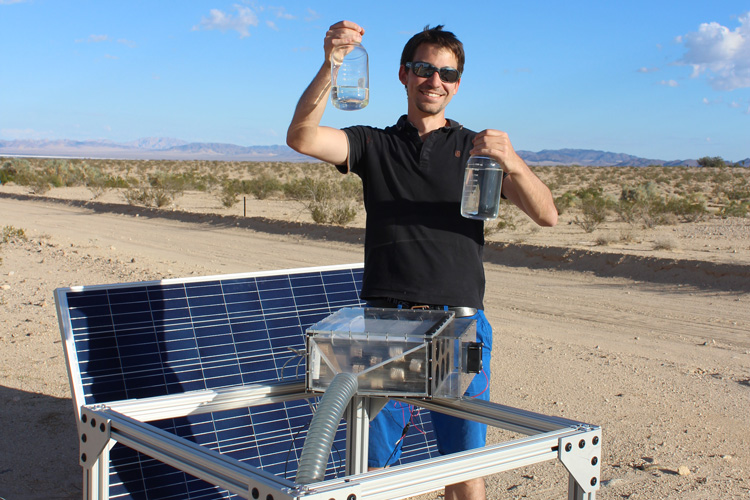
A couple of years ago, we reported on the early development of a device that harvests water from the air that even works in the low humidity environment of a desert.  Since then, the researchers from UC Berkeley have continued to improve the device and it is now 10 times better than it was two years ago.

The harvester is based on a porous water-absorbing material called a metal-organic framework, or MOF.  The latest version can pull more than five cups of water from low-humidity air per day for every kilogram of the improved MOF material and that is more than enough water to sustain a person.  The harvester cycles around the clock and is powered by solar panels and a battery.

Previous techniques for condensing water from air at low humidity required cooling down the air to temperatures below freezing, which is not economically practical.  The MOF-based device does not require any cooling.

The Berkeley researchers have formed a startup company – Water Harvester, Inc. – which is now testing and will soon market a device the size of a microwave oven that can supply 7 to 10 liters of water per day, which is enough drinking and cooking water for two or three adults.

An even larger version of the harvester, which would be the size of a small refrigerator, would provide 200 to 250 liters of water per day, enough for a household to drink, cook, and shower.  The new company envisions a village-scale harvester that would produce 20,000 liters per day, still running off of solar panels and a battery.

Water Harvester believes the water needs for many people can come out of the thin air.

**********

Web Links

Water harvester makes it easy to quench your thirst in the desert

Photo courtesy of Grant Glover (University of South Alabama) via UC Berkeley.

Earth Wise is a production of WAMC Northeast Public Radio.
Agrivoltaics

September 24, 2019 By EarthWise Leave a Comment

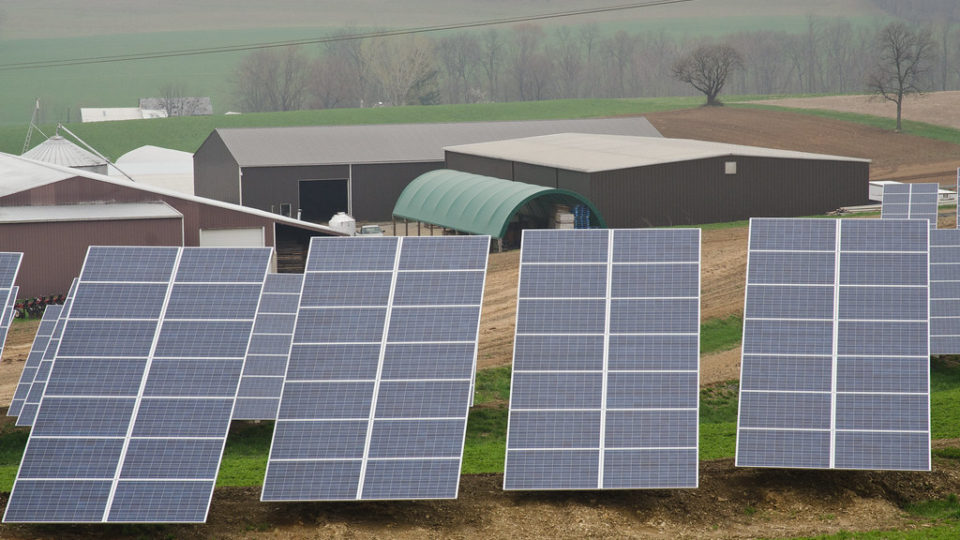
A new study by Oregon State University has found that the most productive places on Earth for solar power are farmlands.   In fact, if less than 1% of agricultural land was converted to solar panels, it would be sufficient to fulfill global electricity demand.

The concept of co-developing the same area of land for both solar photovoltaic power and conventional agriculture is known as agrivoltaics.

The synergy between agriculture and solar power is not surprising.   People have been growing crops around the planet for at least 8,000 years and, long ago, farmers found the best places to grow them which turn out to also the best places to harvest solar energy.  The needs for solar panels are pretty similar to those of food crops.  The efficiency of the panels decreases if they get too hot.  Barren land is hotter than cropland, so the productivity of solar panels is less in such places.

The Oregon State Study analyzed power production data collected by Tesla, which had installed five large grid-tied, ground-mounted solar electric arrays owned by Oregon State.  The researchers monitored air temperature, relative humidity, wind speed, wind direction, soil moisture, and incoming solar energy.  With the data, they developed a model for the best conditions for solar panel productivity and they coincide with excellent conditions for agriculture.  Solar panels are kind of like people with regard to the weather:  they are happier when it is cool and breezy and dry.

Previously-published research shows that solar panels actually increase crop yields on pasture or agricultural fields.

These new results have implications for the current practice of constructing large solar arrays in deserts.  Agricultural lands may be a much better option for both solar production and crop production.

**********

Web Links

Installing solar panels on agricultural lands maximizes their efficiency, new study shows

Photo, posted April 20, 2011, courtesy of U.S. Department of Agriculture via Flickr.

Earth Wise is a production of WAMC Northeast Public Radio.
A Solar-Powered Airport

August 12, 2019 By EarthWise 1 Comment

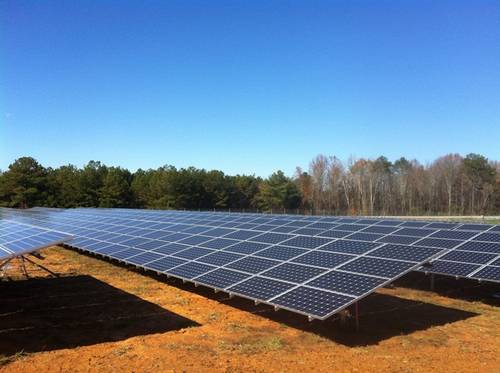
The Chattanooga Metropolitan Airport in Tennessee has become the first airport in the United States to run entirely on solar power.  The small airport operates over 60,000 flights a year and has recently completed work on a 12-acre, 2.64-megawatt solar farm that generates enough clean electricity to account for the airport’s total energy needs.

The project was funded largely by the Federal Aviation Administration, cost $10 million, and took nine years to complete.   The facility uses onsite batteries to help power operations at night.  The installation is expected to last 30 to 40 years.

The solar farm is in the southwest corner of the airfield on land that is unusable for aviation purposes.  It is visible from the two runways at the airport.

Officials from nearly 50 airports around the world have visited or contacted the Chattanooga airfield in recent years to learn about its solar operations.  Several major airports, including San Diego and London’s Gatwick, have also installed solar panels that provide a portion of their power needs.  The world’s busiest airport – Atlanta’s Hartsfield-Jackson – is looking into constructing renewable energy microgrids to power part of its operations.  Airports generally have plenty of vacant land that can be used for solar panels that can lower their power bills.

The largest airport solar installation is actually Cochin International in Kerala, India, which became 100% solar powered in 2015.  It is the 7th largest airport in India.   Its solar array has nearly 30 megawatts of capacity.  Airport managers there were fed up with huge electric bills and invested about $9 million to install the solar array.  It is expected to have paid for itself in the next couple of years.

**********

Web Links

Chattanooga Becomes First U.S. Airport to Run Entirely On Solar

Photo courtesy of Chattanooga Metropolitan Airport.

Earth Wise is a production of WAMC Northeast Public Radio.
Capital Region Community Solar

July 19, 2019 By EarthWise Leave a Comment

New York’s Capital Region is getting a major new community solar farm.  A community solar farm is a solar power installation whose output is shared by multiple community subscribers who receive credit on their electricity bills for their share of the power produced.  The primary purpose of community solar is to allow members of a community to have the benefits of solar power even if they cannot or prefer not to install solar panels on their own property.

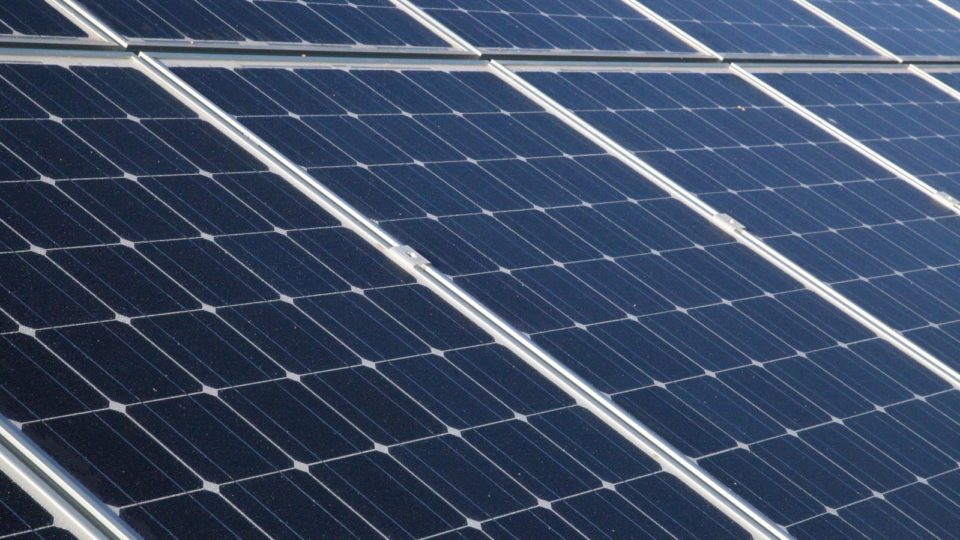
US Light Energy has broken ground on the Sugar Hill Solar Farm, to be located on 40 acres of land on the Sugar-Hill/Sugar-View Farm in Clifton Park.  The 7-megawatt, ground-mounted solar project will include nearly 20,000 solar modules.  When fully operational later this year, the facility is expected to produce more than 8.6 million kilowatt-hours of energy a year.

The farm will be part of New York state’s Community Solar Program, and the electricity it generates can be supplied to customers anywhere in National Grid’s existing distribution system.  Residential and commercial properties in Clifton Park will have 30 days to subscribe before the solar energy generated by the farm is opened to the general public.  Subscribers of community solar farms typically save 10% on their electricity bills.

There are already community solar programs in operation in several Capital Region communities, but this is the first one in the Clifton Park Area.  Apart from providing savings on utility bills, community solar allows consumers to support clean, locally generated power with little or no upfront costs.  Not everyone is in a position to put solar panels on their roof, but community solar is increasingly an option for New York residents.

**********

Web Links

Construction begins on 7-MW community solar farm in New York

Photo, posted March 19, 2012, courtesy of Kate Ausburn via Flickr.

Earth Wise is a production of WAMC Northeast Public Radio.
Two Million Solar Installations

July 1, 2019 By EarthWise Leave a Comment

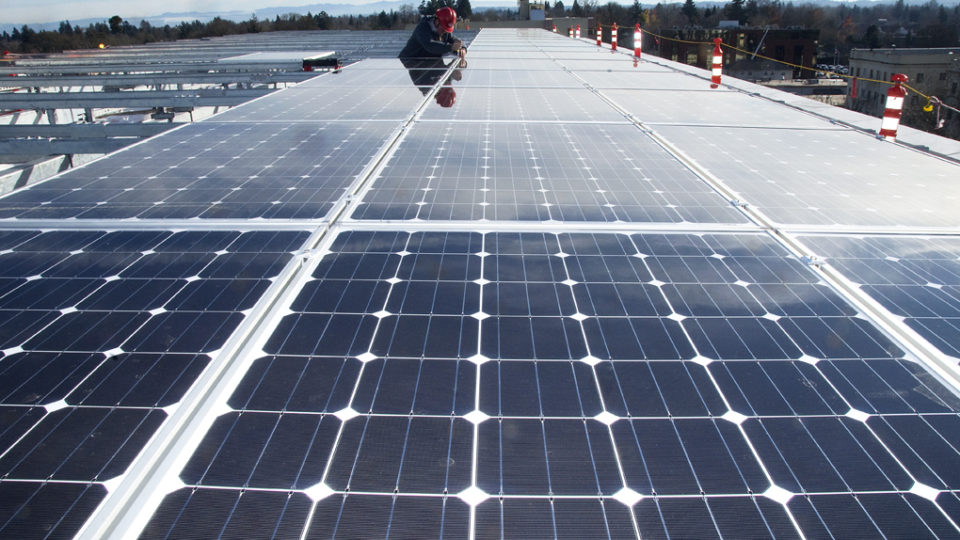
Three years ago, we reported that the United States had installed its one millionth solar energy system, a feat that took 40 years to accomplish.  Recently, the Solar Energy Industries Association announced that there are now more than 2 million U.S. installations.

Analysts forecast that there will be 3 million installation in 2021 and 4 million in 2023.

California continues to lead the nation in installing solar power.  More than 50% of the first million installations were in that state and California accounted for 43% of the second million.  Its share is nevertheless slowly dropping with the growth of the residential solar sector that is rapidly diversifying across state markets.  Some places have seen extremely rapid growth.  In South Carolina, there were barely more than 1,000 cumulative installations in 2016; today, the state is home to more than 18,000 solar systems and expects to add 22,000 more over the next five years.

The five leading states in terms of number of solar installations are California, Arizona, New York, New Jersey, and Massachusetts.    Other states recently seeing rapid growth in solar installations are Texas, Utah, Florida, Rhode Island and Maryland.  Looking ahead, Illinois is forecast to grow from only 4,000 installations today to nearly 100,000 by 2024.  The top ten state markets apart from California expect to add nearly 750,000 installation over the next five years.

The United States is at least the third nation that is home to more than 2 million solar installations.  (Australia hit the milestone late least year and Japan actually topped 2 million in September 2014).

According to forecasts from analyst first Wood Mackenzie, by the year 2024, there will be on average one new solar installation every minute.

**********

Web Links

The United States surpasses 2 million solar installations

Photo, posted January 11, 2012, courtesy of the Oregon Department of Transportation via Flickr.

Earth Wise is a production of WAMC Northeast Public Radio.
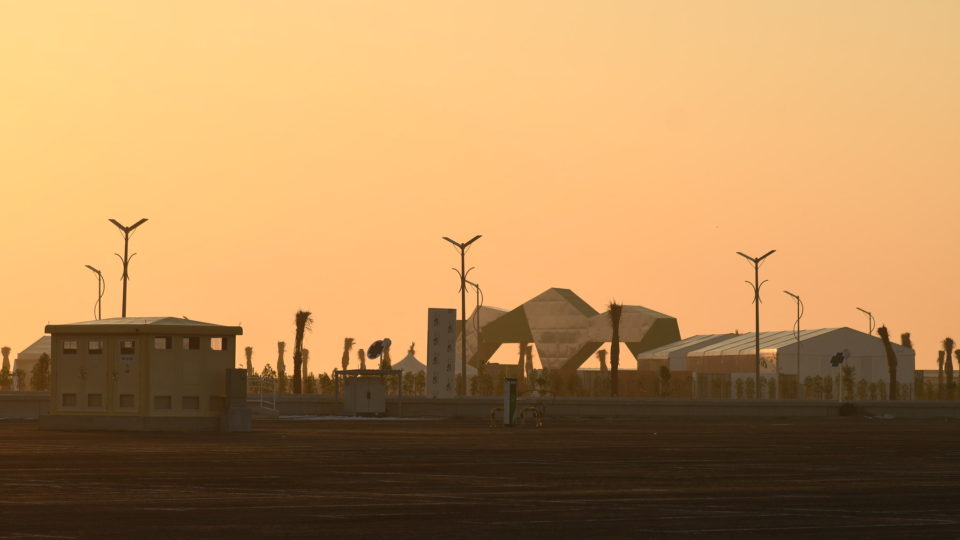
A Giant Solar Farm In Dubai

June 26, 2019 By EarthWise Leave a Comment

Like many places in the Middle East, Dubai made its fortune from oil.  But the Emirate’s oil resources are limited, and its economy has evolved in other directions.  Today, oil provides less than 5% of Dubai’s revenues; its economy relies on revenues from trade, tourism, aviation, real estate, and financial services.

Dubai is also away from fossil fuels to meet its energy needs. A monumental construction project is underway deep within Dubai’s desert interior which will be the largest solar energy facility in the world.

The Mohammed Bin Rashid Al Maktoum Solar Park – named after Dubai’s ruler – has been under development for 7 years.  Total investment in the project will be nearly $14 billion when it is completed in 2030.  It will have a total capacity of 5,000 megawatts, enough to power 1.3 million homes.  Only some large hydroelectric power plants, the largest nuclear power plants, and a couple of Asian coal plants have more generating capacity.

Phases one and two of the project are already complete and feature more than 2 million solar panels.  Phase three – well along the way in construction – will add another 3 million solar panels and should be completed next year.

Phase four will not involve solar panels but instead will make use of the world’s tallest concentrated solar power tower.  It will use mirrors to focus sunlight at the top of the tower to heat up molten salt that will power steam turbines to generate electricity and will be able to operate long after the sun goes down.

Currently, the Tengger Desert Solar Park in China is the largest photovoltaic park in the world, but a colossal farm in India will take its place in a few years.  Big solar is getting bigger all the time.

**********

Web Links

$13.6B record-breaking solar park rises from Dubai desert

Photo, posted December 15, 2018, courtesy of Anoop S. via Flickr.

Earth Wise is a production of WAMC Northeast Public Radio.
Schools And Solar Power

June 19, 2019 By EarthWise Leave a Comment

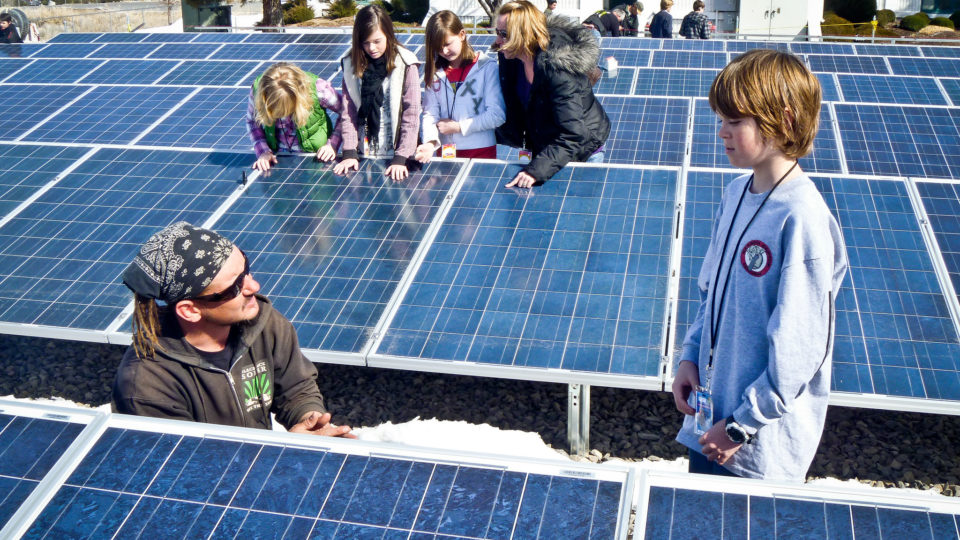
A new study from Stanford University looked at the benefits of installing solar panels on the rooftops of schools.  According to the study, taking advantage of all the viable space for solar panels could allow schools to meet up to 75% of their electricity needs and reduce the education sector’s carbon footprint by as much as 28%.

Given the long list of spending priorities for schools, solar power seems like a luxury item.  But the Department of Energy estimates that K-12 schools spend more than $6 billion a year on energy and, in many districts, energy costs are second only to salaries.  In the higher education sector, yearly energy costs add up to more than $14 billion.  In total, educational institutions account for approximately 11% of energy consumption by U.S. buildings and 4% of the nation’s carbon emissions.

The Stanford study suggests that investments in the right solar projects combined with the right incentives from states could free up much-needed money in school budgets.

To no surprise, the study finds that three large, sunny states – Texas, California, and Florida – have the greatest potential for generating electricity from solar panels on school rooftops.

Apart from measurable effects on air pollution and electricity bills, solar installations at schools can also provide new learning opportunities for students.  In fact, some schools are already using data from their on-site solar energy systems to teach students basic ideas about fractions, as an example, as well as more sophisticated concepts such how shifting solar panel angles can affect power production.

According to the study, nearly all states could reap value from school solar projects.

**********

Web Links

What happens when schools go solar?

Photo, posted February 28, 2011, courtesy of Black Rock Solar via Flickr.

Earth Wise is a production of WAMC Northeast Public Radio.
From Coal Plant To Solar Farm

June 5, 2019 By EarthWise Leave a Comment

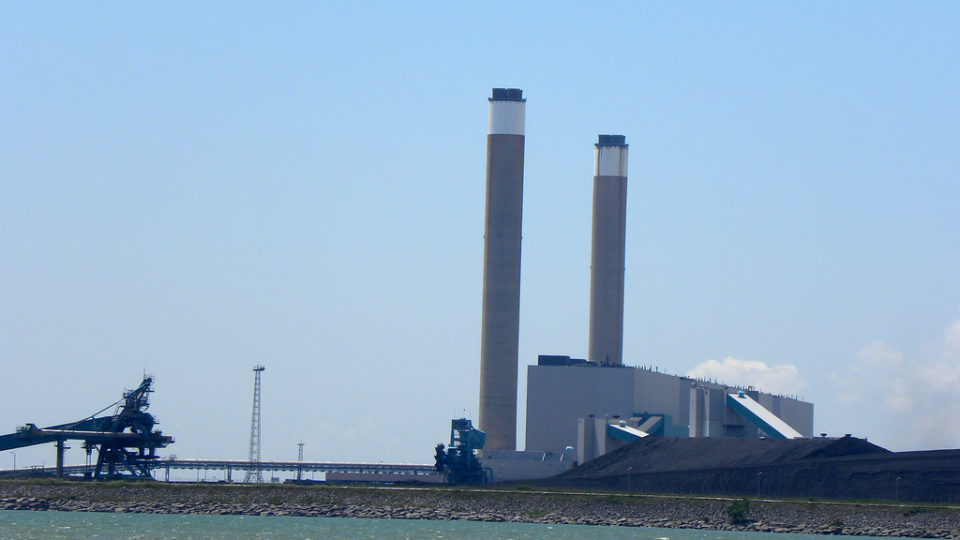
The Nanticoke Generating Station in Ontario, Canada was the largest coal-fired power plant in North America.  It was commissioned in 1972 and was capable of providing nearly 4,000 megawatts of electrical power into the southern Ontario power grid.  At peak, the plant consumed nearly 40,000 tons of coal per day.

The government of Ontario eventually decided to phase out all of its coal plants about ten years ago but the decommissioning was delayed for a time because of the lack of replacement sources of energy.  The plant began to shut down its individual generating units starting in 2010.  By the end of 2013, the Nanticoke plant was shut down for good.

In 2016, a 44 MW solar power station was contracted for the site and construction began last year.  The plant opened at the beginning of April coinciding with the one-year anniversary of the demolition of Nanticoke’s smokestacks, which once stood 650 feet tall.

The new solar farm has 192,431 solar panels spread across 260 acres.  The facility, situated on the shores of Lake Erie in Ontario, will generate enough electricity to power more than 7,200 homes. 

The idea to use part of the retired coal plant’s property for a new solar farm was spearheaded and paid for by Ontario Power Generation, the Six Nations of the Grand River Development Corporation, and the Mississaugas of the Credit First Nation.

The Chief of the Mississaugas called the solar project an important economic development in the region and for tribal nations that sets the stage for future mutually-beneficial partnerships between Ontario Power Generation and others.

**********

Web Links

Canadian Coal-Fired Power Plant Transformed into Solar Farm

Photo, posted July 26, 2009, courtesy of Jason Paris via Flickr.

Earth Wise is a production of WAMC Northeast Public Radio.

  • « Go to Previous Page
  • Page 1
  • Page 2
  • Page 3
  • Page 4
  • Page 5
  • Go to Next Page »

Primary Sidebar

Recent Episodes

  • An uninsurable future
  • Clean energy and jobs
  • Insect declines in remote regions
  • Fossil fuel producing nations ignoring climate goals
  • Trouble for clownfishes

WAMC Northeast Public Radio

WAMC/Northeast Public Radio is a regional public radio network serving parts of seven northeastern states (more...)

Copyright © 2026 ·