
• Skip to primary navigation
  • Skip to main content
  • Skip to primary sidebar

Earth Wise

A look at our changing environment.

  • Home
  • About Earth Wise
  • Where to Listen
  • All Articles
  • Show Search
Hide Search
You are here: Home / Archives for scientists

scientists

Iron Flow Batteries | Earth Wise

November 15, 2021 By EarthWise Leave a Comment

Lithium-ion batteries power computers, cell phones, and increasingly, automobiles.  They started out being rather expensive but have become dramatically cheaper over the last decade, with prices dropping about 90%.  Batteries are needed to store clean power from wind and solar generation and lithium-ion batteries are increasingly being used for that purpose as well.

Utility-scale energy storage requires substantial battery installations and battery cost is still very much an inhibiting factor in the widespread adoption of the technology.  Lithium-ion battery costs continue to drop but because they require expensive materials like lithium and cobalt, there are limits to how low their prices are likely to get.

As a result, researchers have continued to seek ways to produce batteries made out of cheaper materials.  Among the more promising technologies are flow batteries, which are rechargeable batteries in which electrolyte flows through electrochemical cells from tanks. 

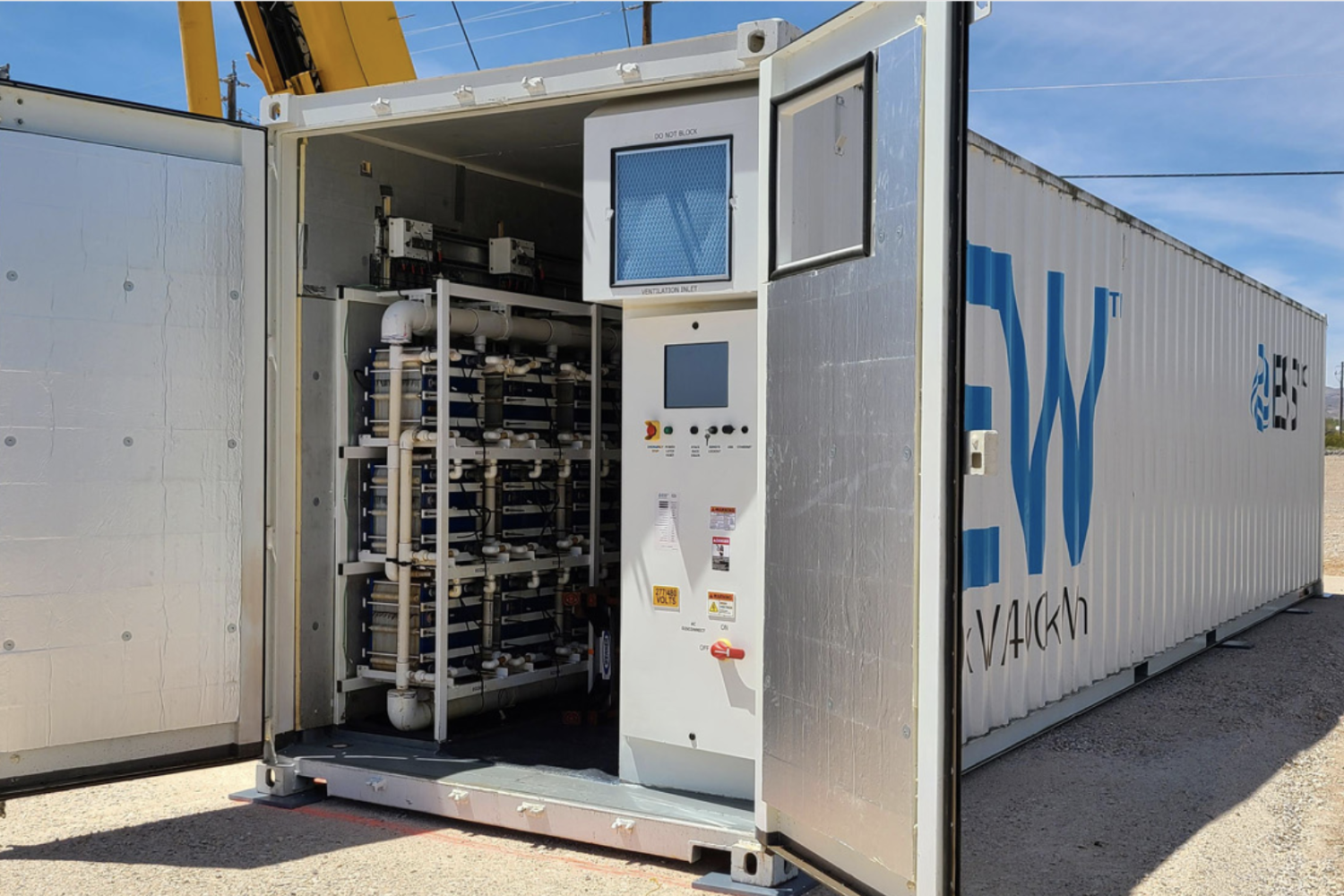
Flow batteries are much larger than lithium-ion batteries and include physical pumps to move electrolytes.  They typically are sold inside shipping containers.  Clearly, such batteries are not suitable for use in vehicles, much less in consumer electronics.  Nevertheless, they represent a practical option for grid storage.

A company called ESS has developed an iron flow battery suitable for utility energy storage.  Clean energy firm CSB Energy plans to install iron flow batteries at several solar projects across the U.S. that will store enough energy to provide power 50,000 homes for a day.  According to ESS, the iron-based batteries should sell for about half the price of lithium-ion batteries by 2025 and be able to store energy for longer periods.

**********

Web Links

New Iron-Based Batteries Offer an Alternative to Lithium

Photo, posted March 21, 2021, courtesy of Nenad Stojkovic via Flickr.

Earth Wise is a production of WAMC Northeast Public Radio.
Wildfires And The Climate | Earth Wise

September 24, 2021 By EarthWise Leave a Comment

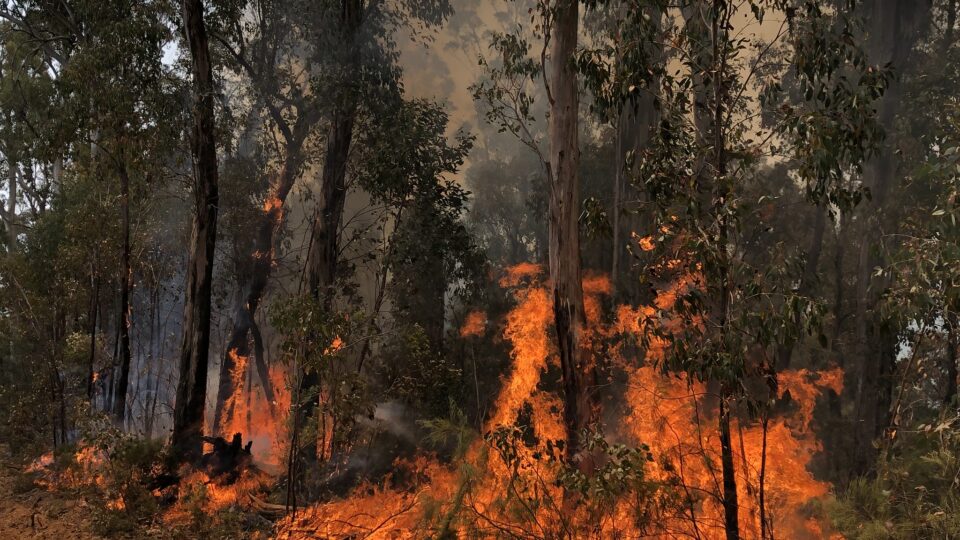
Wildfires had a bigger impact on climate than the pandemic lockdowns

Scientists from the National Center for Atmospheric Research recently published a study analyzing the events that influenced the world’s climate in 2020.  Among these were the pandemic-related lockdowns that reduced emissions and resulted in clearer air in many of the world’s cities.

While this was a significant event, the study found that something entirely different had a more immediate effect on global climate:  the enormous bushfires that burned in Australia from late 2019 to 2020, producing plumes of smoke that reached the stratosphere and circled much of the southern hemisphere.

Those fires sprung up in September 2019 and lasted until March 2020.  The fires burned more than 46 million acres (about 72,000 square miles), which is roughly the same area as the entire country of Syria.  Thousands of homes and other buildings were lost.

Major fires inject so many sulfates and other particles into the atmosphere that they can disrupt the climate system, push tropical thunderstorms northward from the equator, and potentially influence the periodic warming and cooling of tropical Pacific Ocean waters known as El Nino and La Nina.

According to the study, the COVID-19 lockdowns actually had a slight warming influence on global climate, as a result of clearer skies enabling more heat to reach the earth’s surface.  In contrast, the Australian bushfires cooled the Southern Hemisphere because the atmospheric particles reflected some of the incoming solar radiation back to space.

This summer, there have been raging wildfires in the western US and Canada, which have affected air quality in many parts of the nation and have been a serious health hazard.  Undoubtedly, these fires are influencing the climate system as well in ways that we are still trying to understand.

**********

Web Links

Bushfires, not pandemic lockdowns, had biggest impact on global climate in 2020

Photo, posted January 18, 2020, courtesy of BLM-Idaho via Flickr.

Earth Wise is a production of WAMC Northeast Public Radio.

Coastlines and Climate Change | Earth Wise

August 16, 2021 By EarthWise Leave a Comment

Scientists predict how climate change will affect coastlines

Climate change poses a fundamental threat to life on earth and has already left observable effects on the planet.  For example, glaciers have shrunk, oceans have warmed, heatwaves have become more intense, and plant and animal ranges have shifted. 

As a result of the changing climate, coastal communities around the world are confronting the increasing threats posed by a combination of extreme storms and the predicted acceleration of sea level rise. 

Scientists from the University of Plymouth in England have developed a simple algorithm-based model to predict how coastlines could be affected by climate change.  This model allows coastal communities to identify the actions they need to take in order to adapt to their changing environment.

The Forecasting Coastal Evolution (or ForCE)  model has the potential to be a game-changer because it allows adaptations in the shoreline to be predicted over timescales of anything from days to decades. As a result, the model is capable of predicting both the short-term impact of extreme storms as well as predicting the longer-term impact of rising seas.   

The ForCE model relies on past and present beach measurements and data showing the physical properties of the coast.  It also considers other key factors like tidal, surge, and global sea-level rise data to assess how beaches might be impacted by climate change.  Beach sediments form the frontline defense against coastal erosion and flooding, and are key in preventing damage to valuable coastal infrastructure.

According to the study, which was recently published in the journal Coastal Evolution, the ForCE model predictions have shown to be more than 80% accurate in current tests in South West England.

**********

Web Links

New model accurately predicts how coasts will be impacted by storms and sea-level rise

Photo, posted April 17, 2016, courtesy of Nicolas Henderson via Flickr.

Earth Wise is a production of WAMC Northeast Public Radio.
Radar Satellites And Hazard Mitigation | Earth Wise

May 26, 2021 By EarthWise Leave a Comment

Using satellites to keep tabs on natural disasters

Scientists have concluded that the changing climate is primarily the result of increased human-caused greenhouse gas emissions.  Some of the effects of global climate change include melting glaciers, warming oceans, intensifying storms, and rising seas.

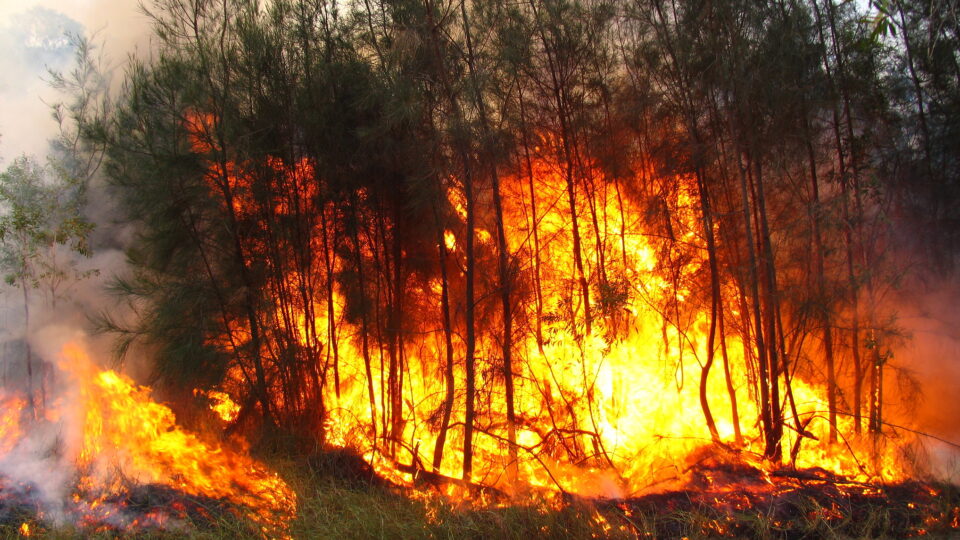
Another consequence of global climate change is natural disasters like floods and wildfires.  Climate change is increasing the frequency and severity of wildfires and increasing the odds of record-breaking floods in many parts of the United States and all around the world.

As a result, scientists in Australia have turned to technology for better assistance in keeping tabs on these climate change-driven natural disasters.  Researchers from Curtin University in Perth, Australia have found that satellites can improve the ability to detect, monitor, prepare for, and withstand natural disasters, including floods, wildfires, and earthquakes.

The research team used Synthetic Aperture Radar (SAR) data, which was acquired by the European Space Agency Sentinel-1 satellite.  The researchers also used data acquired by other satellites to evaluate these Australia-specific case studies.

According to the researchers, SAR data provides remote monitoring capabilities of Earth’s surface around the clock and in all weather, which is something that traditional optical Earth Observation (EO) imagery cannot do. The ability to function through fog, clouds, rainfall, and smoke is what makes SAR so valuable.

The research team says that the data can be used to improve how people track and respond to natural disasters, by precisely mapping topography, tracking movements of the ground, and mapping damage to infrastructure. 

As the climate continues to change, the ability to mitigate hazards like floods and wildfires will be increasingly important. 

**********

Web Links

Radar satellites can better protect against bushfires and floods

Photo, posted May 11, 2007, courtesy of Bert Knottenbeld via Flickr.

Earth Wise is a production of WAMC Northeast Public Radio.
Infinitely Recyclable Plastic | Earth Wise

May 25, 2021 By EarthWise 1 Comment

Making an infinitely recyclable plastic

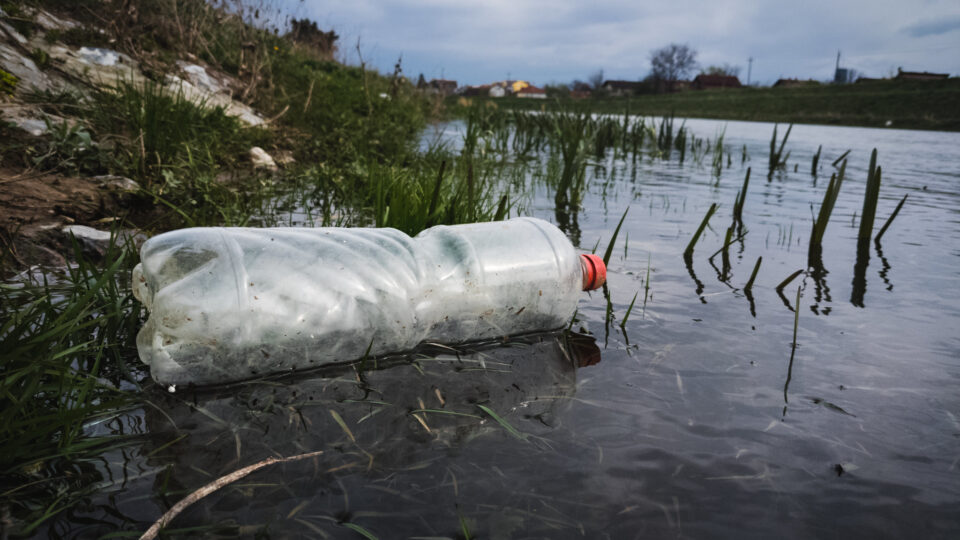
The glut of plastics is one of the world’s most challenging environmental problems.  The average American generates over 200 pounds of plastic waste each year and most of that ends up in landfills.  Researchers around the globe continue to work on potential solutions to the plastic waste problem.

Two years ago, scientists at Lawrence Berkeley National Laboratory announced the invention of a new plastic that could be an answer to the plastic waste problem.  The material is called polydiketoenamine or PDK and it differs from traditional plastics in a very important way:  it can be recycled indefinitely with no loss in quality because it can easily be broken down into its constituent component monomers and be used to make brand new plastic.

Only a small percentage of plastics are currently recycled.  When many plastics are melted down together, the polymers are mixed with a slew of incompatible additives, resulting in a new material with much lower quality than newly produced plastic.  As a result, less than 10% of plastic is recycled more than once.

Recently, the Berkeley Lab researchers released a study that shows what could be accomplished if manufacturers began using PDKs on a large scale.  They determined that PDK-based plastic could quickly become commercially competitive with conventional plastics and, furthermore, would get less expensive and more sustainable as time goes on.

PDK is starting to draw interest from companies needing to source plastic.  The best initial application for PDKs are markets where manufacturers have the most access to products at the end of their lifespans such as in the automobile industry and consumer electronics.  Making plastics part of a circular economy is a challenging task.

**********

Web Links

The Future Looks Bright for Infinitely Recyclable Plastic

Photo, posted April 19, 2021, courtesy of Ivan Radic via Flickr.

Earth Wise is a production of WAMC Northeast Public Radio.
Should We Block The Sun? | Earth Wise

May 10, 2021 By EarthWise Leave a Comment

The risks of geoengineering need to be better understood

There is growing concern that greenhouse gas emissions are not falling quickly enough to avoid dangerous levels of global warming.  As a result, there is the impetus to examine other options.  Among these are geoengineering, which is one of the most contentious issues in climate policy.  Geoengineering embodies many risks that make even seriously considering it seem risky in itself.

Despite this, the National Academies of Science, Engineering, and Medicine has issued a report saying that governments urgently need to know whether solar geoengineering could work and what its side effects might be.

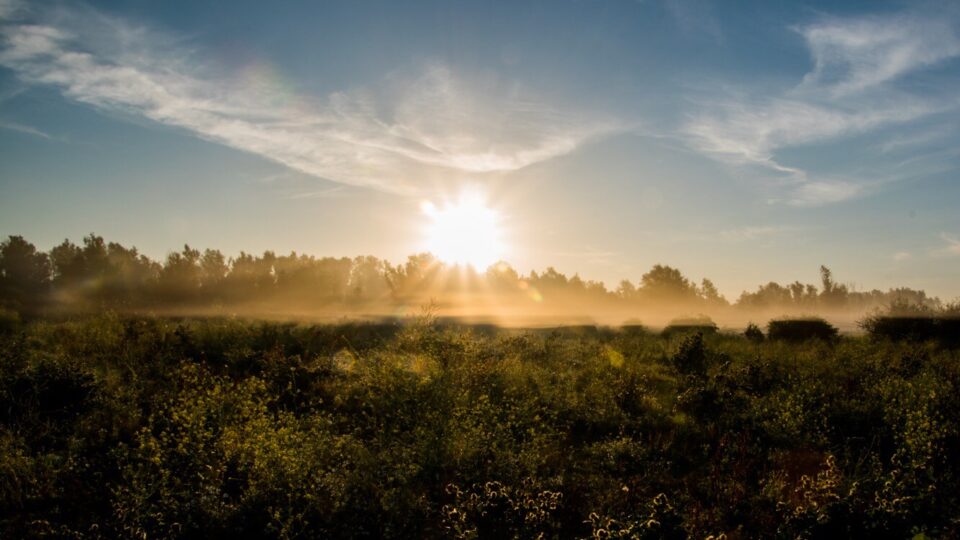
Solar geoengineering is also called solar radiation modification, which entails reflecting more of the sun’s energy back into space.  This would likely be accomplished by injecting aerosols into the atmosphere, much like what happens after large volcanic eruptions.

Schemes for solar geoengineering raise numerous issues.  Although solar geoengineering might cool the earth’s surface to a global temperature target, the cooling may not be evenly distributed, affecting many ecosystem functions and biodiversity.   It would likely upset regional weather patterns in potentially devastating ways, for example by changing the behavior of the monsoon in South Asia.  It might dangerously relax public commitments to reduce greenhouse emissions. 

Despite these concerns, or perhaps because of them, the committee that produced the report believes that technology to reflect sunlight deserves substantial funding and should be researched as rapidly and effectively as possible.  Once any geoengineering projects get into the hands of policymakers, they may gather momentum that bypasses the advice of scientists.  So, it important to make progress on the science while geoengineering is still only theoretical.

**********

Web Links

Should We Block the Sun? Scientists Say the Time Has Come to Study It.

To intervene or not to intervene? That is the future climate question

Photo, posted August 3, 2018, courtesy of Tomasz Baranowski via Flickr.

Earth Wise is a production of WAMC Northeast Public Radio.
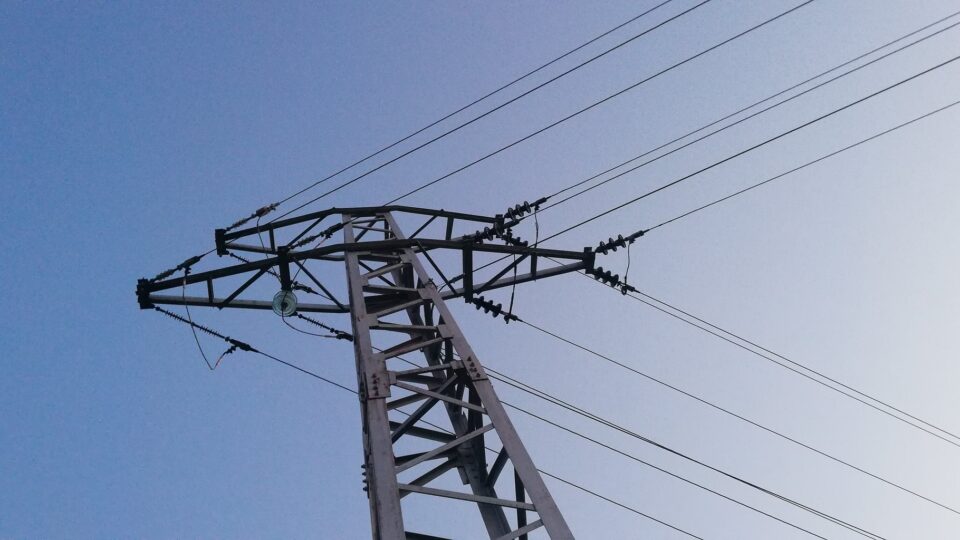
Transmission Lines And Wildlife Habitat Connectivity | Earth Wise

April 14, 2021 By EarthWise Leave a Comment

Using transmission lines to build wildlife habitat connectivity

Electrical transmission lines and their support towers tend to be a blight on the landscape but are something modern society cannot avoid.  Power transmission networks – with towers every 200 meters or so of line – are in place throughout the world’s developed nations.  Another common feature of developed nations is the fragmentation of animal species caused by human activity breaking up their natural habitats.

It is important for biodiversity conservation for animals to get their environments connected.   It turns out that transmission line infrastructure can provide an important tool for reconnecting wildlife habitats.

In a study conducted in Spain’s Andalusia region, scientists planted native shrubs and seedlings under six towers along power lines running through cereal cropland.  The area of each tower base was 100 square meters.

Compared to four control sites, the researchers measured increased population density and diversity among arthropods and small mammals observed in the four-year study. 

Enhancing connectivity through networks of habitat corridors or stepping-stone patches has become a key concept in conservation biology and landscape ecology.  Renting or buying large parcels of land to connect protected natural areas to one another would be cost prohibitive but planting suitable native shrubs and other flora under existing transmission line networks can provide many of the same benefits.

In general, power companies pay rent to landowners – often farmers or agribusinesses – for the rights to place towers on their land.  Because it is difficult to work the areas under towers with farm equipment, that space is typically unused, which opens the door to low-cost efforts by environmentalists.

**********

Web Links

Electrical transmission lines have power to enhance habitat connectivity for wildlife

Photo, posted April 29, 2018, courtesy of Georgi Todorov/digitalnovas.com via Flickr.

Earth Wise is a production of WAMC Northeast Public Radio.
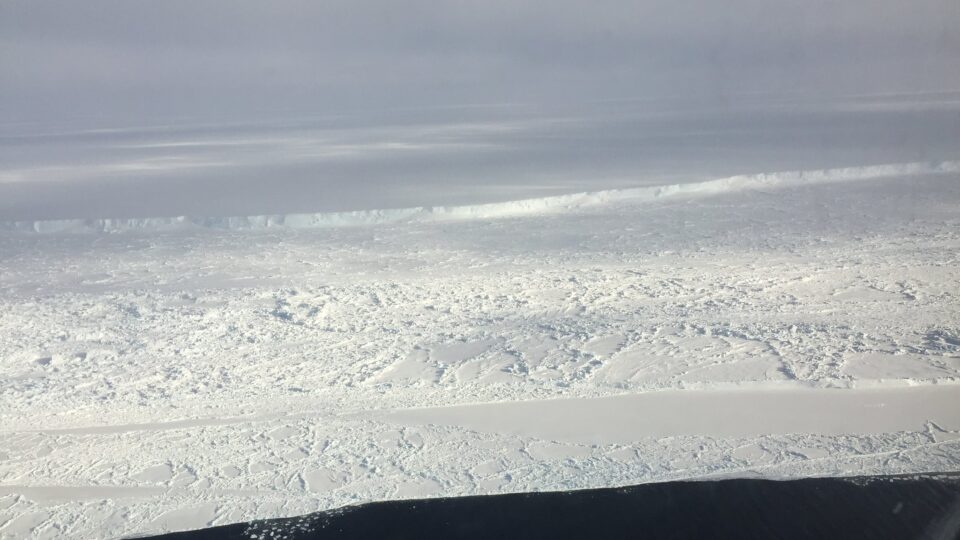
A Giant Breakaway Iceberg | Earth Wise

April 7, 2021 By EarthWise Leave a Comment

A giant iceberg has broken free

Scientists have been closely monitoring multiple cracks and chasms that have formed in the 500-foot-thick Brunt Ice Shelf in Antarctica over the past few years.  In late 2019, a new crack was spotted in a portion of the shelf north of an area known as the McDonald Ice Rumples.  The rift was monitored by satellite imaging and was seen by February as moving about 15 feet a day.

In the early hours of February 26th, the crack widened rapidly before finally breaking free from the rest of the floating ice shelf.  News reports around the world have described the massive 500-square-mile iceberg by comparing it to the size of well-known cities:  1.5 times the size of greater Paris, 10 times the size of San Francisco, twice the size of Chicago, nearly the size of Greater London, and so on.

Antarctica is known for churning out some enormous bergs.  The new iceberg, which has been named A-74, is huge, but doesn’t compare to the iceberg A-68 that calved from the Larson C Ice Shelf in 2017.  That one was almost five times larger.

The calving of A-74 does not pose a threat to the presently unmanned British Antarctic Survey’s Halley VI Research Station, which was repositioned in 2017 to a more secure location after the ice shelf was deemed to be unsafe.  The section where the station now sits is still holding on, but when it eventually breaks, it will likely create a berg nearly 700 square miles in size.

It remains to be seen what will become of the new iceberg.  Most likely, it will eventually get caught up in the Weddell Gyre, a clockwise-rotating ocean flow in the Southern Ocean that covers an area more than half the size of the US.

**********

Web Links

Breakup at Brunt

Photo, posted October 27, 2016, courtesy of NASA/Nathan Kurtz via Flickr.

Earth Wise is a production of WAMC Northeast Public Radio.
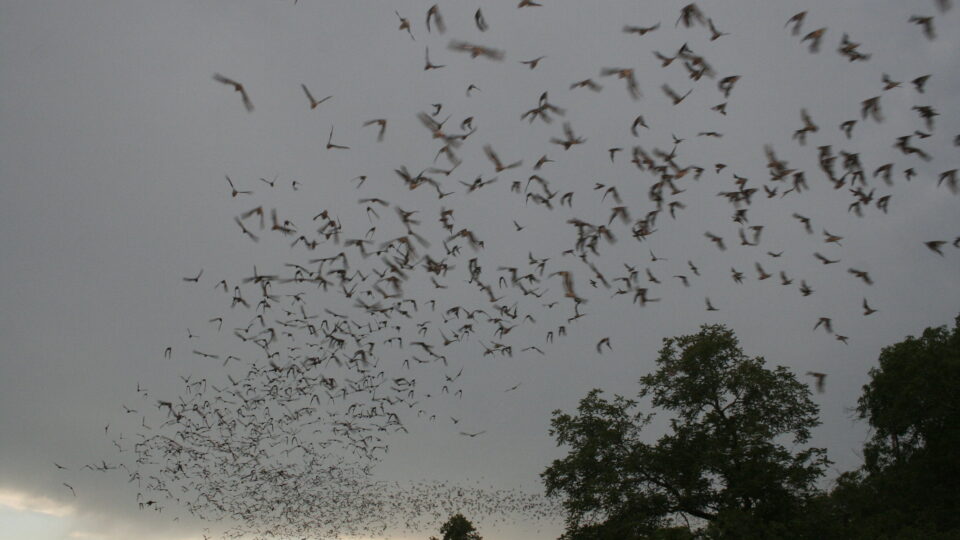
Climate Change And The Coronavirus | Earth Wise

March 19, 2021 By EarthWise Leave a Comment

Climate change may have played a role in the emergence of the Covid-19 pandemic

It’s no secret that our planet is heating up.  Scientists have concluded that the changing climate is primarily the result of increased human-caused (or anthropogenic) greenhouse gas emissions.  Some of the effects of global climate change include thawing permafrost, warming oceans, intensifying storms and wildfires, and rising seas.     

In southern China, the surge in greenhouse gas emissions over the past century has driven the growth of forest habitat favored by bats, leading to the creation of a hotspot for bat-borne coronaviruses in that region. 

According to a new study by researchers from the University of Cambridge in the UK, climate change could have played a direct role in the emergence of SARS-CoV-2, the virus that caused the COVID-19 pandemic.

The study, which was recently published in the journal Science of the Total Environment, revealed large-scale changes in the type of vegetation in the southern Chinese Yunnan province over the last century, as well as in the adjacent regions of Myanmar and Laos.  Increases in temperature, sunlight, atmospheric carbon dioxide and other climatic changes have transformed natural habitats from tropical shrubland to tropical savannah and deciduous woodland.  These changes have created ideal habitats for many bat species that predominantly live in forests.

According to the study, an additional 40 bat species moved into Yunnan province over the past century.  This is the region where genetic data suggests SARS-CoV-2 may have arisen.  Each bat species harbors an average of 2.7 coronaviruses. 

The researchers urge policymakers to acknowledge the role that climate change plays in outbreaks of viral diseases and to work together to reduce global greenhouse gas emissions. 

**********

Web Links

Climate change may have driven the emergence of SARS-CoV-2

Photo, posted July 21, 2013, courtesy of the U.S. Fish and Wildlife Service/Ann Froschauer via Flickr.

Earth Wise is a production of WAMC Northeast Public Radio.
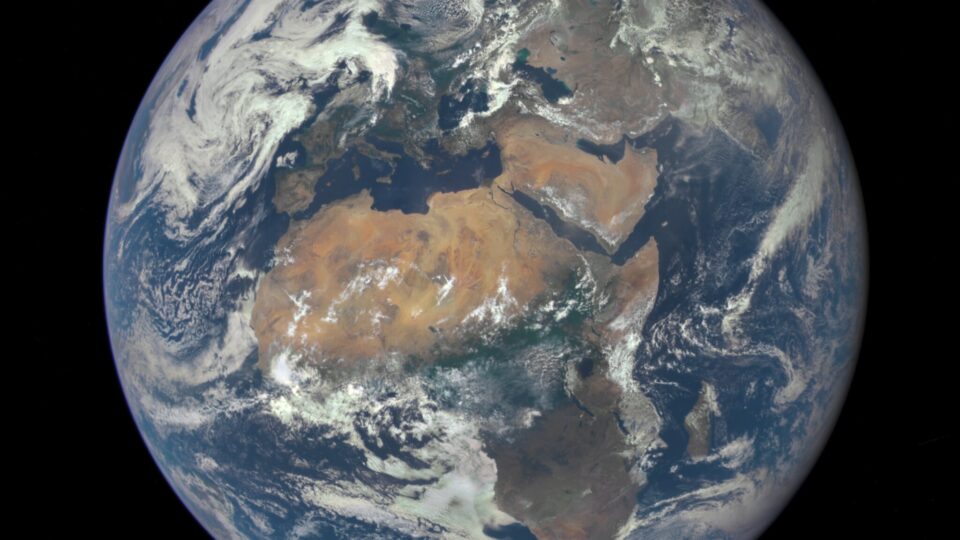
Ozone Recovery Back On Track | Earth Wise

March 15, 2021 By EarthWise Leave a Comment

Ozone recovery is on track

In 2019, we reported that new emissions of chlorofluorocarbons from eastern Asia were threatening the recovery of the ozone layer in the upper atmosphere.  An unexpected spike in CFC emissions was threatening to undo the progress made under the Montreal Protocol, the international treaty under which every country in the world agreed to phase out the production and use of the ozone-eating chemicals by 2010.

In 2018, a team of scientists reported the spike in emissions of the particular formulation CFC-11 that began in 2013.  By 2019, a second team reported that a significant portion of the emissions could be traced to the Shandong and Hebie provinces in China where there were small factories using the chemical to manufacture foam insulation used in refrigerators and buildings.

Recently, in two papers published in Nature, the same two research teams reported that the global annual emissions of CFC-11 into the atmosphere have declined sharply.   They traced a substantial fraction of the global emission reductions to the very same regions of eastern China where they had previously reported the original spike. 

The results are very encouraging.   If CFC-11 emissions had continued to rise, or even just level off, there would have been real problems with ozone depletion.  Two independent global monitoring networks – one operated by the National Oceanic and Atmospheric Administration and one led by MIT called the Advanced Global Atmospheric Gases Experiment – are doing a good job of detecting threats to the world’s protective ozone layer.  However, the Chinese sources only accounted for about half of the CFC-11 entering the atmosphere.  We still don’t know where the rest of it is coming from.

**********

Web Links

Reductions in CFC-11 emissions put ozone recovery back on track

Return of an Old Threat

Photo, posted July 29, 2015, courtesy of NASA Goddard Space Flight Center via Flickr.

Earth Wise is a production of WAMC Northeast Public Radio.
Assisting Evolution | Earth Wise

March 11, 2021 By EarthWise Leave a Comment

As the climate changes, choosing what species to protect is becoming more difficult

As plants and animals around the world grapple with climate change, invasive species, disease, and other threats, conservationists grapple with the issue of what it means to protect what is natural and how far to go to prevent extinctions.

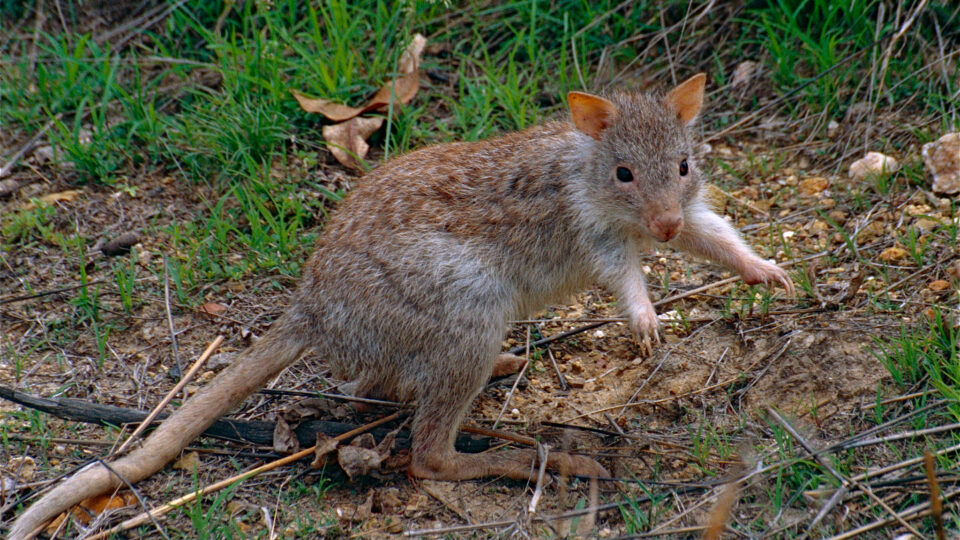
Australia is where many of these issues have risen to the forefront.  Imported mammals – particularly cats and foxes – have decimated many of Australia’s indigenous marsupials.  Much of the focus for decades has been on killing off the invaders and cordoning off protected animals.  In recent years, however, there have been efforts to expose prey animals to limited numbers of predators to develop prey populations that are better equipped to survive among predators.  Getting rid of all the predators is not realistic.  Saving species may require helping them to adapt.

On the Great Barrier Reef, where half its coral populations have perished because of rising water temperatures, scientists are breeding corals that are more heat tolerant.  They are even considering the use of gene editing technology to “assist evolution” in developing corals that can survive in a changing world.

At SUNY College of Environmental Science and Forestry in Syracuse, New York, researchers have produced a genetically modified American chestnut tree that is resistant to chestnut blight, the fungal pathogen that killed off nearly every chestnut tree in North America in the early 20th century.

The idea of conservation is to protect what is natural in our world.  However, at a time when there are unprecedented threats to so many species, the distinction between what is natural and what is artificial may no longer provide a sound guide to what should be done to protect life on earth.

**********

Web Links

Assisting Evolution: How Far Should We Go to Help Species Adapt?

Photo, posted November, 2000, courtesy of Bernard Dupont via Flickr.

Earth Wise is a production of WAMC Northeast Public Radio.
The Path To Net Zero | Earth Wise

March 8, 2021 By EarthWise Leave a Comment

The path to reaching net zero emissions

Reaching net zero emissions is both feasible and affordable, according to researchers at the Department of Energy’s Lawrence Berkeley National Laboratory, the University of San Francisco, and consulting firm Evolved Energy Research.   The researchers created a detailed model of the entire U.S. energy and industrial system to produce the first detailed, peer-reviewed study of how to achieve carbon neutrality by 2050.

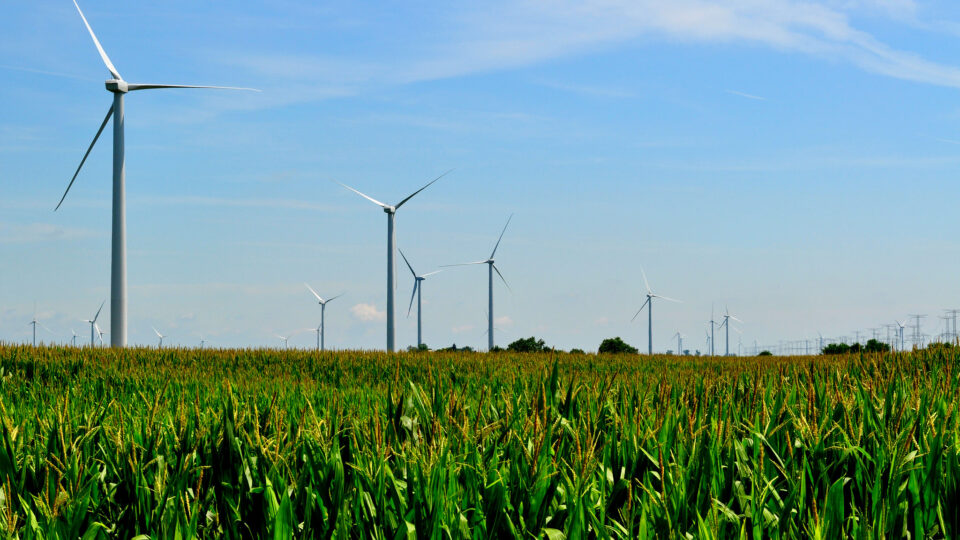
The study analyzed multiple feasible technology pathways based on very different assumptions of remaining fossil fuel use, land use, consumer adoption, nuclear energy, and biofuel use.  What they had in common was increasing energy efficiency, transitioning to electric technologies, utilizing clean electricity (especially wind and solar power), and deploying small amounts of carbon capture technology.

The decarbonization of the U.S. energy system is an infrastructure transformation.  Getting to net zero by 2050 means adding many gigawatts of wind and solar power plants, new transmission lines, a fleet of electric cars and light trucks, millions of heat pumps to replace conventional furnaces and water heaters, and more energy-efficient buildings.

The various pathways studied have net costs between 0.2% and 1.2% of GDP, which is as little as $1 per person per day.  The cost variations come from various tradeoffs such as the amount of land given to solar and wind farms as well as the amount of new transmission infrastructure required. 

A key result of the study is that the actions required over the next 10 years are similar among all the pathways.   We need to increase the use of renewable energy and make sure that all new infrastructure, such as cars and buildings are low carbon.

**********

Web Links

Getting to Net Zero – and Even Net Negative – is Surprisingly Feasible, and Affordable

Photo, posted July 12, 2010, courtesy of Tom Shockey via Flickr.

Earth Wise is a production of WAMC Northeast Public Radio.
Tracking Endangered Species From Space | Earth Wise

March 4, 2021 By EarthWise Leave a Comment

Using satellites to monitor endangered species

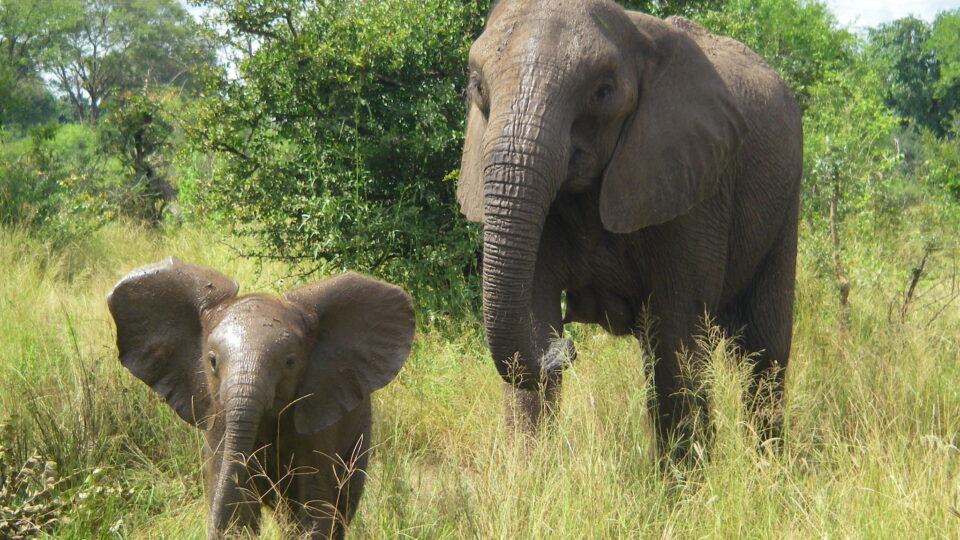
Scientists at the University of Bath and the University of Oxford in the UK have developed a technique for remotely surveying elephants and other wildlife using satellite images and deep learning.  The technique has the same accuracy as human counts done on the ground or from low-flying airplanes.

The new computer algorithm can analyze high-resolution satellite images and detect African elephants in both grasslands and forests.  Previous techniques for monitoring wildlife from space were limited to homogenous habitats, such as the case of tracking whales in the open ocean.

On-the-ground or airplane surveys to monitor animal numbers are expensive and time-consuming.  Satellites can collect nearly 2,000 square miles of imagery in a few minutes thereby eliminating the risk of double counting and reducing a process that previously took weeks to just a few days.  The use of satellites also eliminates the logistical problems of monitoring species populations that cross international borders.

Accurate monitoring is important for efforts to save endangered species.  There are only 40,000 – 50,000 African elephants left in the wild.  It is essential to know where the animals are and how many there are in various locations. The new method is able to count elephants in mixed ecosystems, such as savannah and forests, where tree cover would previously have made satellite tracking difficult.

With satellite imagery resolution increasing every few years, it should be possible to see ever-smaller things in greater detail.  The new algorithm works well for elephants; it may eventually become practical to track animals as small as an albatross from space.

**********

Web Links

A New Way to Track Endangered Wildlife Populations from Space

Photo, posted March 15, 2008, courtesy of Michelle Gadd/USFWS via Flickr.

Earth Wise is a production of WAMC Northeast Public Radio.
Turning Food Waste Back Into Food | Earth Wise

March 3, 2021 By EarthWise Leave a Comment

Reincorporating food waste into agriculture

Scientists at the University of California Riverside have discovered that fermented food waste can boost bacteria that increase crop growth, make plants more resistant to pathogens, and reduce the carbon emissions resulting from farming.

Food waste is a serious problem from multiple perspectives.  As much as 50% of food is thrown away in the United States and most of that simply ends up in landfills, taking up more than 20% of America’s landfill volume.  Food waste is a huge economic loss as well as a significant waste of freshwater resources used to produce food.

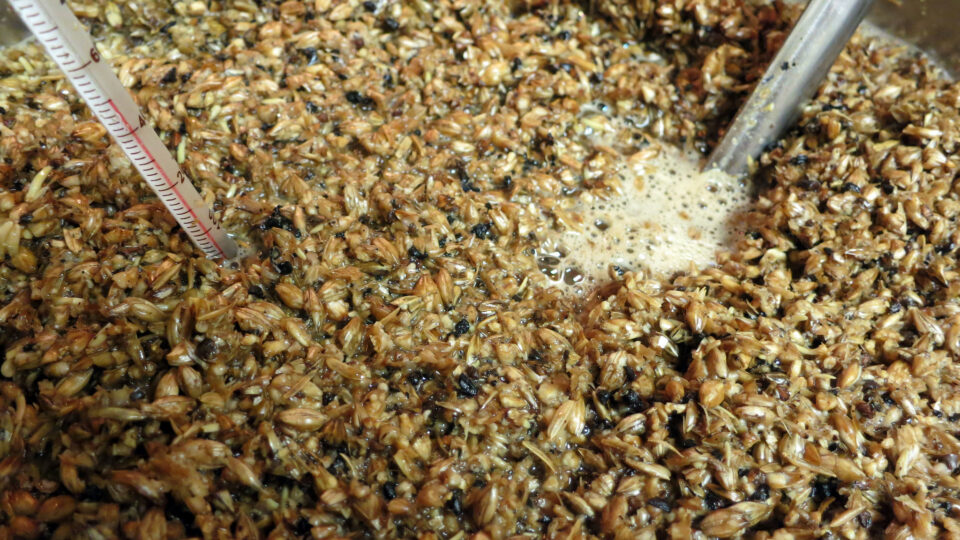
The researchers studied byproducts from two kinds of food waste readily available in Southern California:  beer mash – a byproduct of beer production – and mixed food waste discarded by grocery stores.

Both types of waste were fermented and then added to the irrigation system watering citrus plants in a greenhouse.  Within 24 hours, the average population of beneficial bacteria was two to three orders of magnitude greater than in plants that did not receive the treatments. This led to improvements in the carbon to nitrogen ratio in crops.  When there are enough so-called good bacteria in plants, they produce antimicrobial compounds and metabolites that help plants grow better and faster.

The results of the study suggest that the use of food waste products in agriculture is beneficial and could complement the use of synthetic chemical additives by farmers, perhaps eliminating it entirely.  Crops would in turn become less expensive.

Making use of food waste in agriculture is a step towards a more circular economy in which we use something and then find a new purpose for it.

**********

Web Links

Turning food waste back into food

Photo, posted October 28, 2012, courtesy of Daniel Lobo via Flickr.

Earth Wise is a production of WAMC Northeast Public Radio.
A Sustainable Polymer From Wood | Earth Wise

February 24, 2021 By EarthWise Leave a Comment

A step closer to making plastics more sustainable

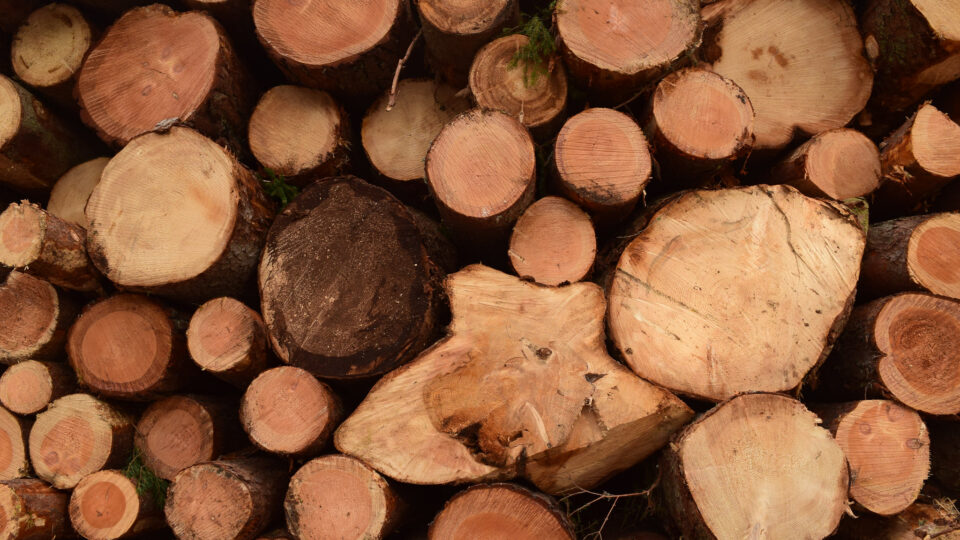
Scientists from the University of Bath in the UK have developed a sustainable polymer using xylose, a sugar found in wood.

The new polymer is a member of the polyether family.  It could be used in a variety of applications, including being a building block for polyurethane, used for example in mattresses and shoe soles. It could also be a bio-derived alternative to polyethylene glycol, a chemical widely used in biomedicine, or in polyethylene oxide, which is sometimes used as an electrolyte in batteries.

Xylose, also known as wood sugar, is one of the most abundant carbohydrates on earth, second only to glucose. Apart from comprising 5-20% of hardwoods, xylose is a major component of straw, corncobs, and many other plant materials.

The new polymer could reduce reliance on crude oil products and its properties can be easily controlled to make the material flexible or crystalline.  Added functionality could be added to it by binding other chemical groups such as fluorescent probes or dyes to the sugar molecule for biological or chemical sensing applications.

Tweaking the physical and chemical properties of bio-derived polymers has previously been a very difficult thing to do.  The Bath researchers discovered that combining two mirror-image chemical forms of xylose results in a stronger and more adaptable material.  They have filed a patent for their technology and are seeking industrial collaborators for further development.

The reliance of plastics and polymers on fossil fuels is a major problem.  Bio-derived polymers, such as this new one, are an important part of the effort to make plastics sustainable.

**********

Web Links

Scientists make sustainable polymer from sugars in wood

Photo, posted January 25, 2017, courtesy of Keith Double via Flickr.

Earth Wise is a production of WAMC Northeast Public Radio.
What’s Been Killing Salmon? | Earth Wise

January 5, 2021 By EarthWise Leave a Comment

the mysterious deaths of Coho salmon

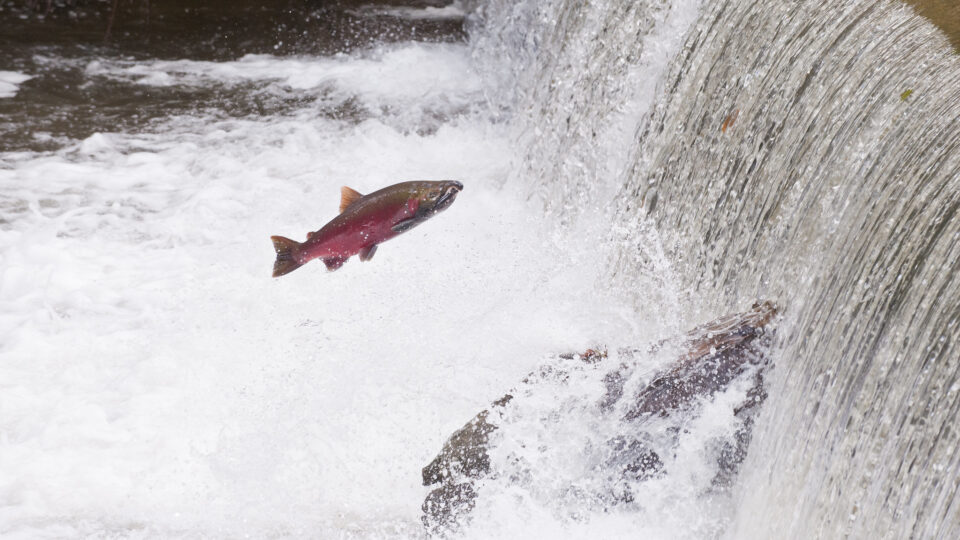
For decades, there have been mysterious deaths of Coho salmon.  The salmon return from the Pacific Ocean each year to spawn along the West Coast.   They can be found from Alaska all the way down into California.  After heavy rain events each fall, fish have been turning up dead in huge numbers before they spawn.  Normally, less than 1% of adult Coho die before spawning. In these mass death events, anywhere from 40% to 90% of fish can perish in affected streams.  The mysterious phenomenon has been the subject of intense research for years.

Recently, scientists announced that they may have solved the mystery.  There is a chemical antioxidant known as 6PPD that is used in the manufacture of tires around the world to make them last longer.  As tire treads break down over time, they leave behind bits of microplastics on roads.  The 6PPD in the plastic bits reacts with ozone to become another chemical:  a previously unreported substance called 6PPD-quinone.

That chemical turns out to be toxic to Coho salmon.  Researchers have found the presence of 6PPD-quinone in roadway water runoff samples taken from across the West Coast.  Based on these observations, they believe it is likely that exposure to this chemical is the main cause of the Coho salmon population decline.

Coho salmon are a favorite of sport fishermen and have great cultural significance to many Native American tribes on the West Coast.  The central California Coho population is classified as endangered and three other Coho populations are listed as threatened.

Tire industry representatives call the study results “preliminary” but say the industry is deeply committed to protecting the environment.  A safe chemical substitute for 6PPD is clearly needed.

**********

Web Links

Salmon have been dying mysteriously on the West Coast for years. Scientists think a chemical in tires may be responsible

Photo, posted November 17, 2011, courtesy of Lynn Ketchum/Oregon State University via Flickr.

Earth Wise is a production of WAMC Northeast Public Radio.
The First Earth Fund Awards | Earth Wise

December 25, 2020 By EarthWise Leave a Comment

Environmental organizations receiving large grants

Last February, Amazon CEO Jeff Bezos announced that he was launching the Bezos Earth Fund that would grant money to scientists, activists, NGOs and others making an effort to help preserve and protect the natural world.  The fund would start out with $10 billion and would begin issuing grants later in the year.

In November, the first Earth Fund award recipients were announced.  In total, 16 organizations will be receiving nearly $800 million in funding.

The largest awards include the following:  the Environmental Defense Fund received $100 million to build and launch MethaneSAT, a satellite that will locate and measure sources of methane pollution around the world and provide public access to data that assures accountability.

The Natural Resources Defense Council was awarded $100 million to advance climate solutions and legislation at the state level, promote policies and programs focused on reducing oil and gas production, protect and restore ecosystems that store carbon, and accelerate sustainable and regenerative agriculture practices.

The Nature Conservancy also received $100 million and plans to use the money to help protect the Emerald Edge forest.  (That is the largest intact coastal rainforest on Earth, spanning 100 million acres through Washington, British Columbia and Alaska).

The World Resources Institute will receive $100 million, doled out over five years, to be used to develop a satellite-based monitoring system to advance natural climate solutions around the world.

An additional $100 million award went to the World Wildlife Fund to help protect and restore mangroves, develop new markets for seaweed as an alternative to fossil fuel-based products, and to protect forests and other ecosystems around the world.

**********

Web Links

The organizations that will benefit from Bezos’ $791M and what will they do with the money

Photo, posted March 4, 2015, courtesy of Kevin Gill via Flickr.

Earth Wise is a production of WAMC Northeast Public Radio.
A Palm Oil Replacement | Earth Wise

December 15, 2020 By EarthWise Leave a Comment

A possible replacement for palm oil

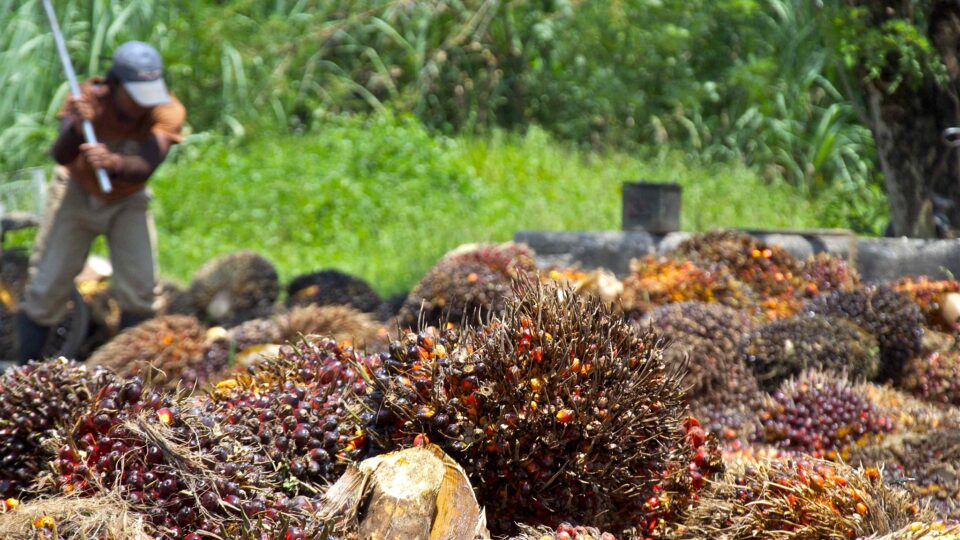
In the 1990s, cardiovascular health issues associated with partially hydrogenated oils containing harmful trans fats became a focus of great concern.  As a result, food companies looked for substitutes and the alternative they identified was palm oil.  Its ability to remain solid at room temperature made it well suited for many food applications.  Unfortunately, that property stems from its high saturated fat content, which means it also increases the risk of coronary heart disease.

The widespread use of palm oil has also caused significant environmental problems.  Palm oil plantations have replaced millions of acres of tropical forests, destroying the habitat for numerous species and threatening biodiversity.

Other potential replacements for partially hydrogenated oils such as coconut oil tend to be more costly, limited in supply, and also high in saturated fats.

Food scientists at the University of Guelph in Ontario, Canada, recently demonstrated the use of enzymatic glycerolysis (EG) to turn liquid vegetable oils into solid fats.  Their process is able to produce solid fats with the textural and structural properties desired by consumers.

The process is fairly simple, relatively easy to scale up, and is amenable to smaller food production or even local production.  Using it would enable food producers to use all sorts of readily available vegetable oils that can be produced in parts of the world that are not necessarily tropical regions.

Palm oil use is not going to go away, but this work may point a way to help slow down the destruction of ecosystems and animal habitats as well lead to more sustainable and healthy food sources.

*********

Web Links

U of G Food Scientists Find Palm Oil Alternative That’s Good for Human, Planet Health

Photo, posted February 21, 2010, courtesy of Craig Morey via Flickr.

Earth Wise is a production of WAMC Northeast Public Radio.
A Room-Temperature Superconductor | Earth Wise

November 18, 2020 By EarthWise Leave a Comment

room temperature superconductor

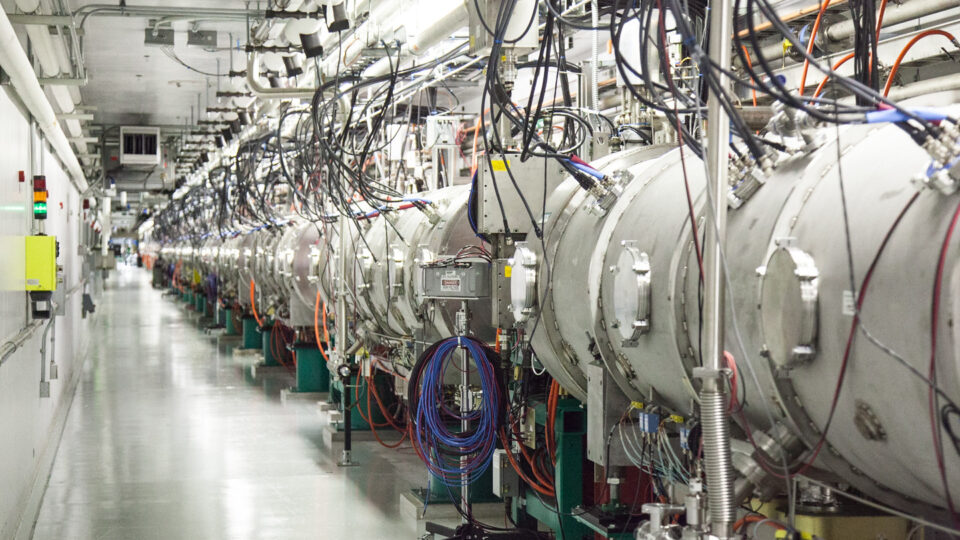
One of the Holy Grails of science has apparently been found:  a room-temperature superconductor.   In a paper recently published in Nature, scientists from the University of Rochester and collaborators announced that they had observed superconductivity at 59 degrees Fahrenheit in an exotic material they produced in the laboratory.

Superconductivity is a phenomenon occurring in certain materials characterized by the total absence of electrical resistance.  Current flowing in a closed loop of superconducting wire can go on forever.  Superconductors have other unique characteristics as well, all of which combine to make them quite useful in a number of applications.  Superconductors are used in high-powered magnets in particle accelerators and in MRI machines.  They continue to be developed for use in electrical power transmission, energy storage, communication filters, magnetic sensors, and more.

The problem with superconductors is that they only work at very low temperatures.  For most of a century – after superconductivity was discovered in 1911 – those temperatures were very close to absolute zero:  459 degrees below zero Fahrenheit.  (In the late 1980s, so-called high-temperature superconductors were discovered.  Those materials superconduct at the temperature of liquid nitrogen:  about 320 degrees below zero).

The dream has been to find a superconductor that works at ambient temperatures.  The Rochester team has produced tiny amounts of a mysterious combination of hydrogen, carbon, and sulfur which, when subjected to extraordinarily high pressures (over 2 million atmospheres), superconducts at the temperature of a pleasant fall day.

 There is no practical value for this first room-temperature superconductor, but it proves that superconductivity can exist at ambient temperature.  Once something is shown to exist at all, there is reason to hope that it can occur in ways that are easier and more practical to attain.

**********

Web Links

First room-temperature superconductor excites — and baffles — scientists

Photo, posted June 18, 2013, courtesy of Oak Ridge National Laboratory via Flickr.

Earth Wise is a production of WAMC Northeast Public Radio.
A New Super-Enzyme For Breaking Down Plastic | Earth Wise

November 13, 2020 By EarthWise Leave a Comment

Breaking down plastic

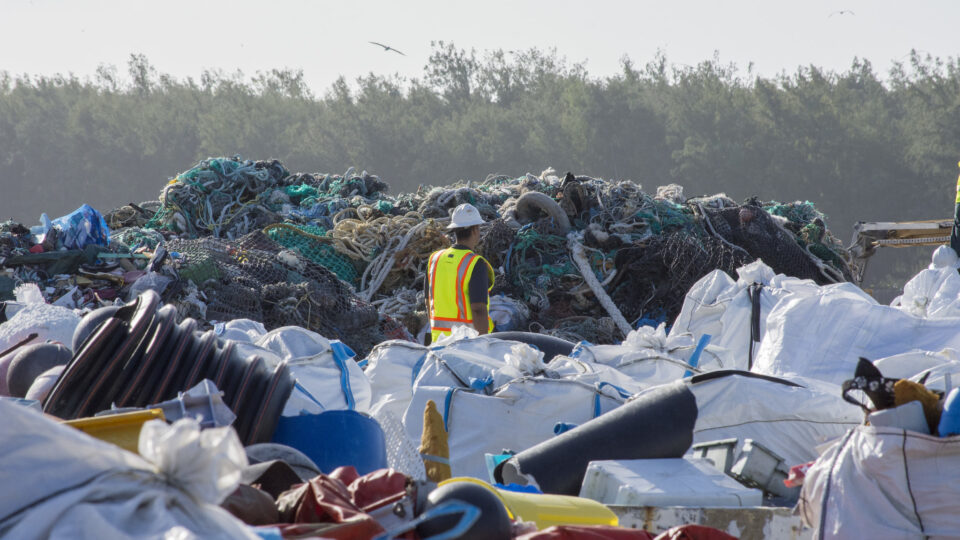
The problems caused by plastic waste continue to grow.  Plastic pollution is everywhere, from the Arctic to the depths of the ocean.  We consume microplastics in our food and breathe them in the air.  It is very difficult to break down plastic bottles into their chemical constituents in order to make new ones from old ones. Therefore, we continue to produce billions of single-use plastic bottles, creating more and more new plastic from oil each year. 

Scientists at the University of Portsmouth in the UK have developed a new super-enzyme that degrades plastic bottles six times faster than before.  They believe that the new enzyme could be used for plastic recycling within a year or two.

The super-enzyme was derived from bacteria that naturally have the ability to eat plastic.  The researchers engineered it by linking two separate enzymes, both of which were found in a plastic-eating bug discovered in a Japanese waste site in 2016.  They revealed an engineered version of the first enzyme in 2018, which started breaking down plastic in a few days.  They had the idea that connecting two enzymes together would speed up the breakdown of plastic.  Such linkage could not happen naturally in a bacterium. 

Carbios, a French company, announced a different enzyme in April that can degrade plastic bottles within 10 hours but requires heating above 160 degrees Fahrenheit.  The new super-enzyme works at room temperature.

The team is now examining how the enzymes can be tweaked to make them work even faster.  Meanwhile, they plan to work in partnership with companies like Carbios, to bring super-enzymes for breaking down plastics into commercial use.

**********

Web Links

New Super-Enzyme Can Break Down Plastic at Rapid Pace

Photo, posted March 24, 2017, courtesy of the USFWS – Pacific Region via Flickr. Photo credit: Holly Richards/USFWS.

Earth Wise is a production of WAMC Northeast Public Radio.
  • « Go to Previous Page
  • Page 1
  • Page 2
  • Page 3
  • Page 4
  • Page 5
  • Page 6
  • Interim pages omitted …
  • Page 9
  • Go to Next Page »

Primary Sidebar

Recent Episodes

  • An uninsurable future
  • Clean energy and jobs
  • Insect declines in remote regions
  • Fossil fuel producing nations ignoring climate goals
  • Trouble for clownfishes

WAMC Northeast Public Radio

WAMC/Northeast Public Radio is a regional public radio network serving parts of seven northeastern states (more...)

Copyright © 2026 ·