pollinators
Pollinators With Backbones
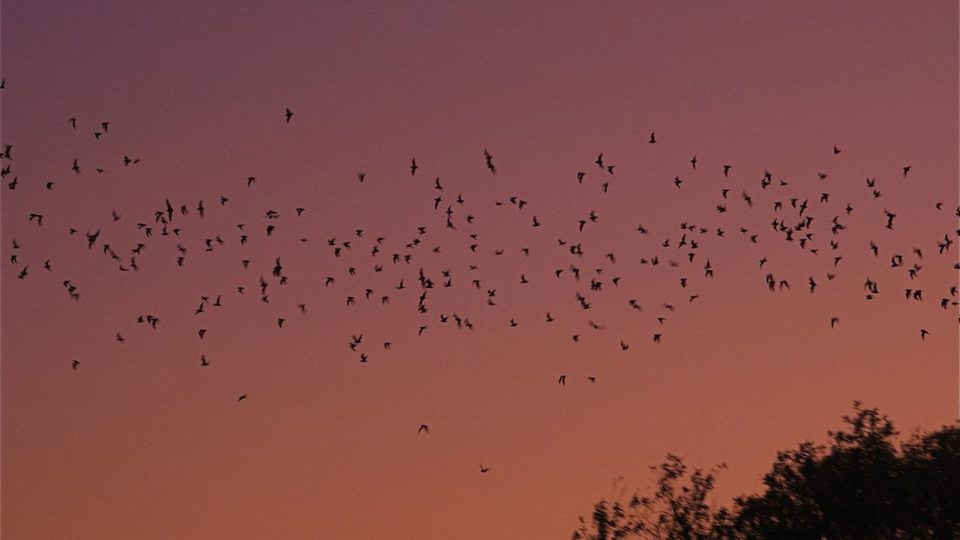
There is a great deal of concern about the status of pollinators like bees and butterflies. They play a crucial role for many important food crops. But it turns out that lizards, mice, bats and other vertebrates are important pollinators too.
Is It Time to Ban Neonics?
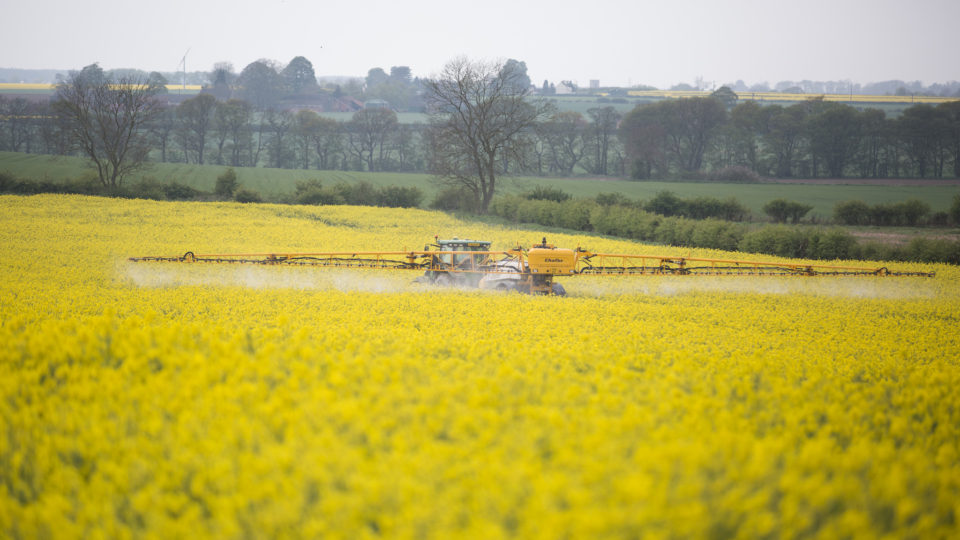
Neonicotinoids (or ‘neonics’ for short) are a class of insecticides chemically related to nicotine. In fact, the name ‘neonicotinoid’ literally means “new nicotine-like insecticide.” And like nicotine, neonics act on certain kinds of receptors in the nerve synapse. Most corn, soy, and wheat seeds planted today are coated with neonics, which is reportedly 5,000 to 10,000 times more toxic than DDT.
Pesticides And Bees
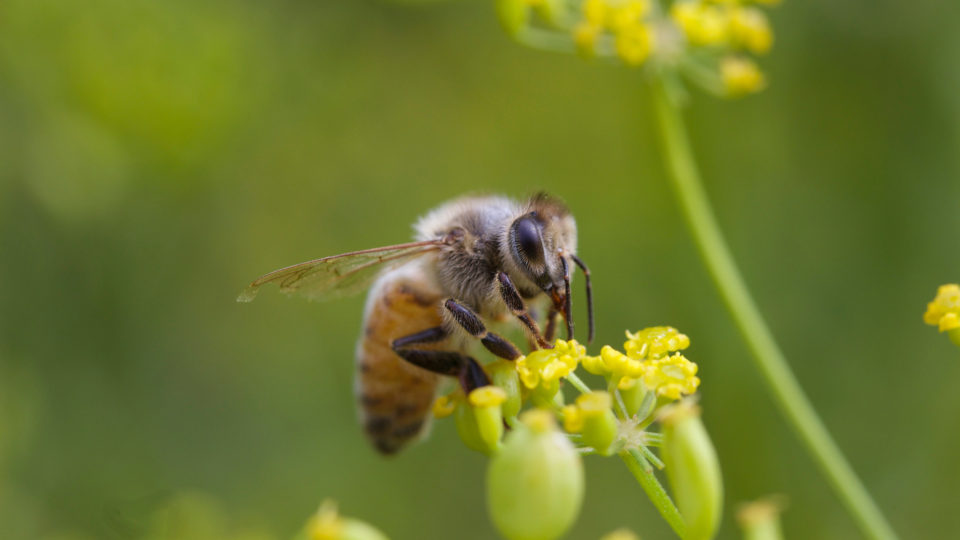
According to a European food safety watchdog, most applications of neonicotinoids – the world’s most widely used insecticides – represent a risk to wild bees and honeybees. The use of these insecticides has been restricted in Europe since 2014 following earlier risk assessments.
Farming In Solar Farms
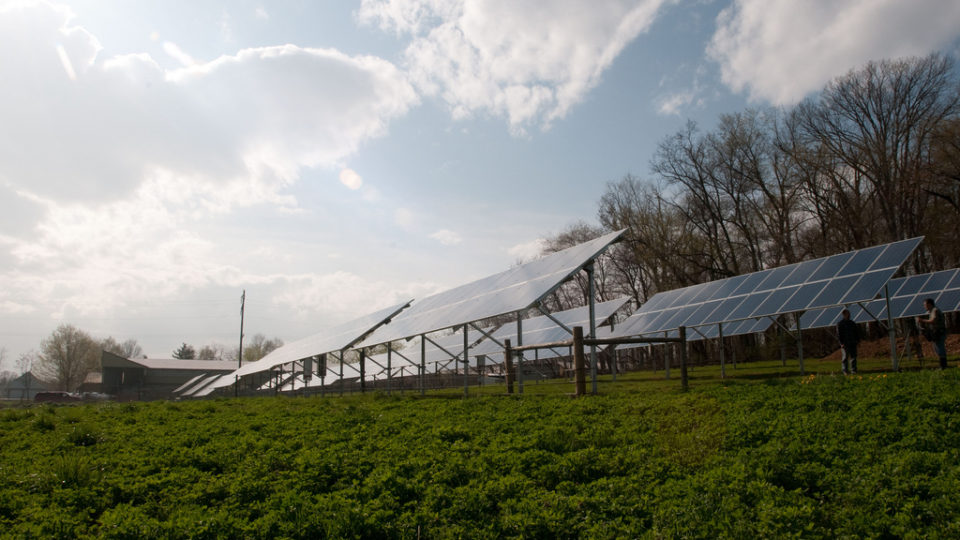
Utility-scale solar installations have been expanding rapidly. The amount of land used for solar projects is becoming quite substantial. The National Renewable Energy Laboratory (NREL) predicts that 3 million acres will be devoted to solar farms by 2030, and 6 million by 2050. These numbers pale in comparison with the land used for corn, soybeans, and wheat, but are more than used for such familiar crops as oats, barley and rice.
Making Room For Wildlife
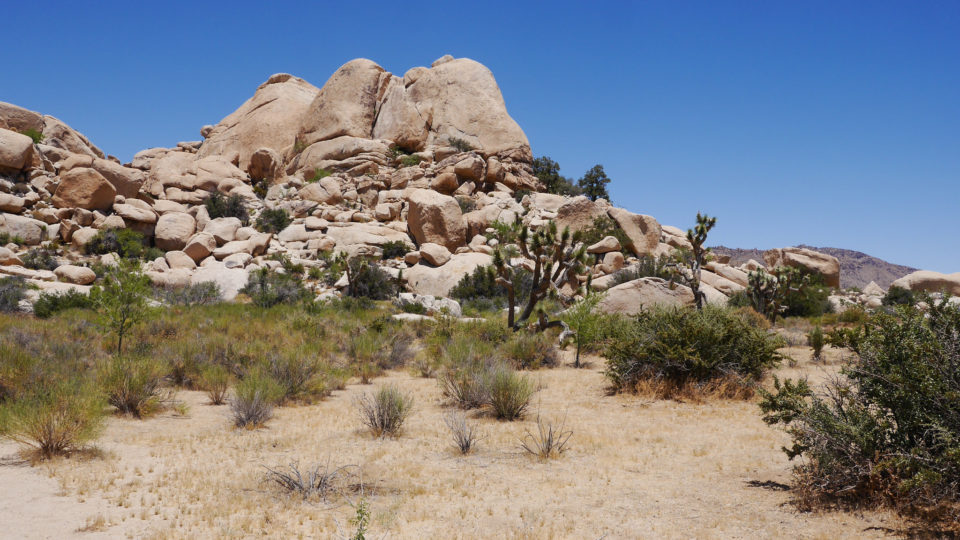
Protecting biodiversity is a critical challenge facing humanity. Global vertebrate populations – from elephants to amphibians – declined by 58% from 1970 to 2012 and losses are expected to reach 67% in the next two years. Think about it: at least two-thirds of all vertebrate animals on earth have vanished over the lifetime of anyone fifty years old or over.
Cities Can Help Bees
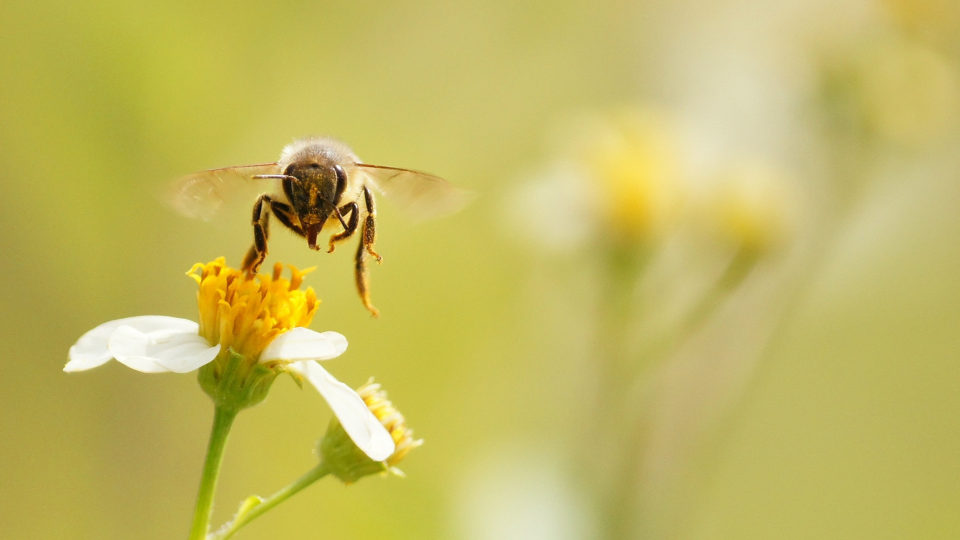
Global bee populations have been drastically declining as a result of habitat loss, pesticides and climate change. But studies are showing that planting flower patches in urban gardens and green spaces can make a real difference in restoring natural pollinators. There are already positive results in cities from Chicago to London to Melbourne.
Neonics And Honey
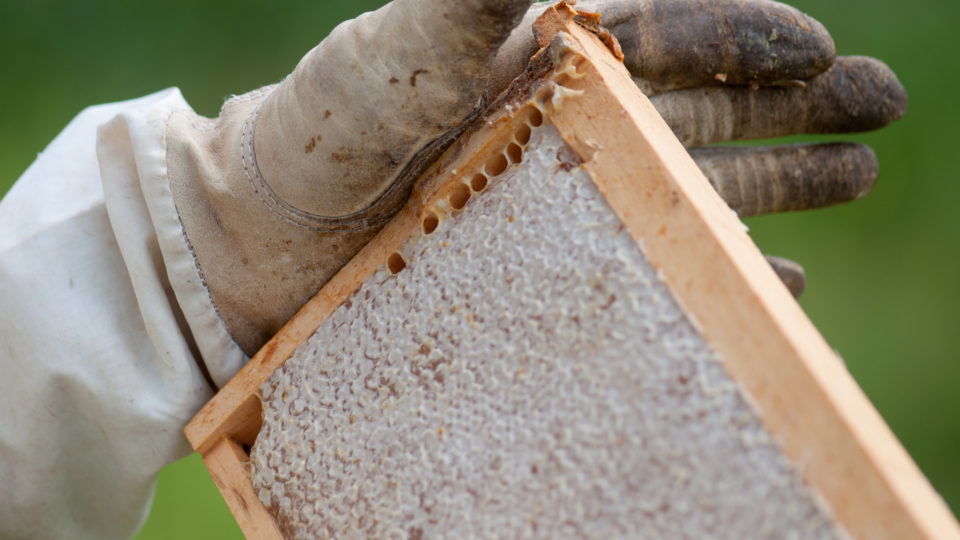
The use of neonicotinoid pesticides or neonics has long been suspected as harmful to bees and a major factor in the widespread decline of honeybee and wild bee populations. A study published in Science last June provided strong evidence that neonics are indeed a real problem for bees.
The Monarch Highway
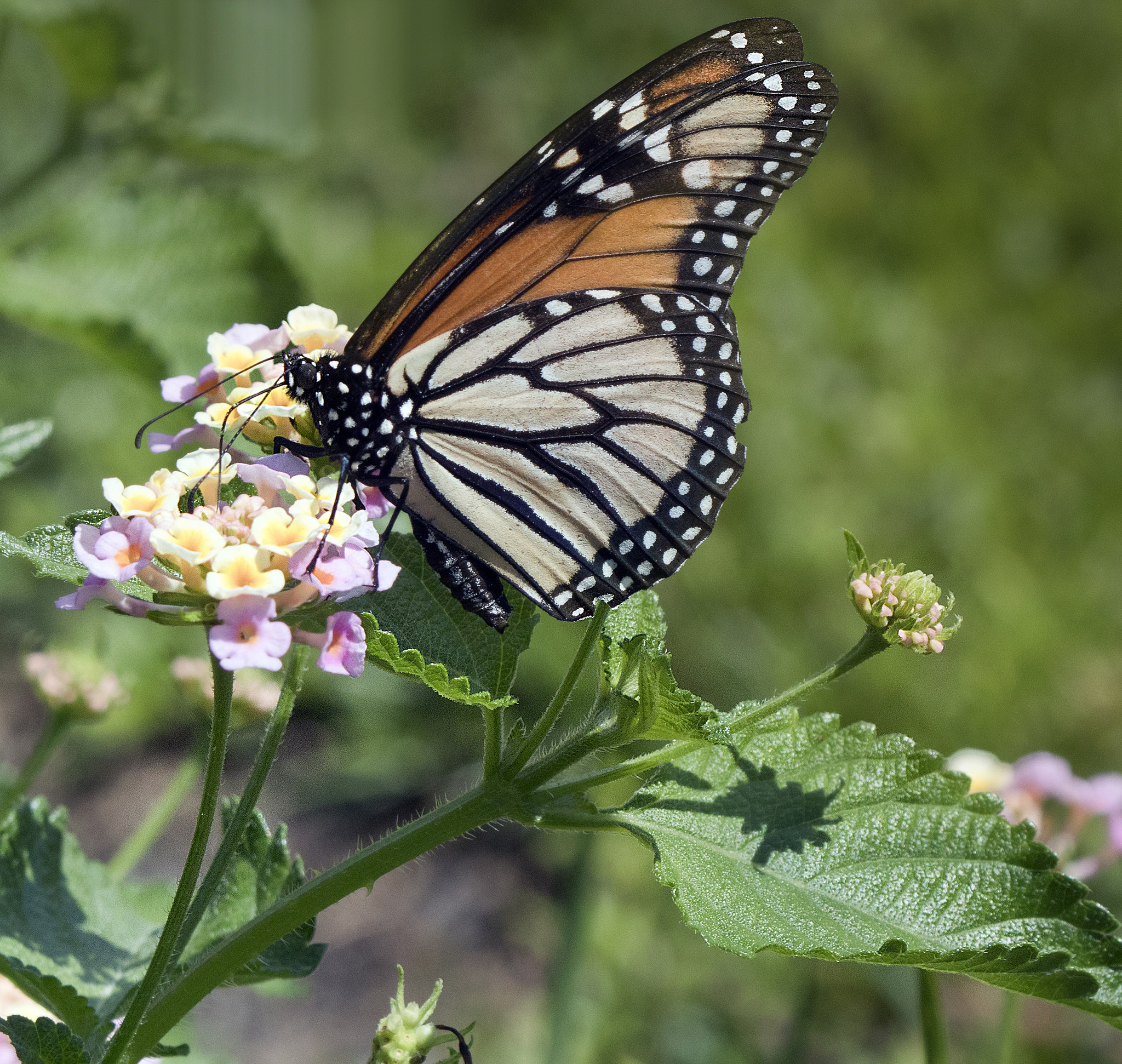
We have talked about the monarch butterfly on a number of occasions. The population of these iconic orange and black butterflies in North America has plummeted from 1 billion to 33 million over the past 20 years. People have undertaken a variety of efforts to try to save the species but now a major project to restore the dwindling habitat of the monarch is underway.
Pesticides And Food Insecurity
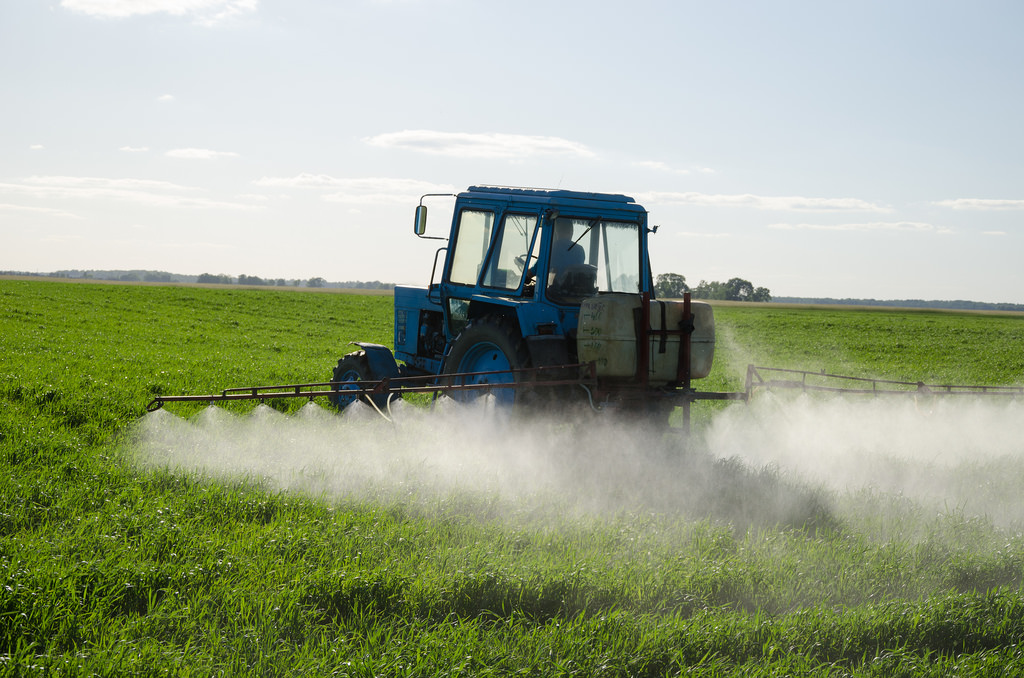
A newly released report by the United Nations takes a strong stance against the use of industrial agrochemicals, saying that they are not necessary for feeding the world. The continued use of pesticides at the rate the world currently does in fact can have very detrimental consequences.
Saving Bees With Software
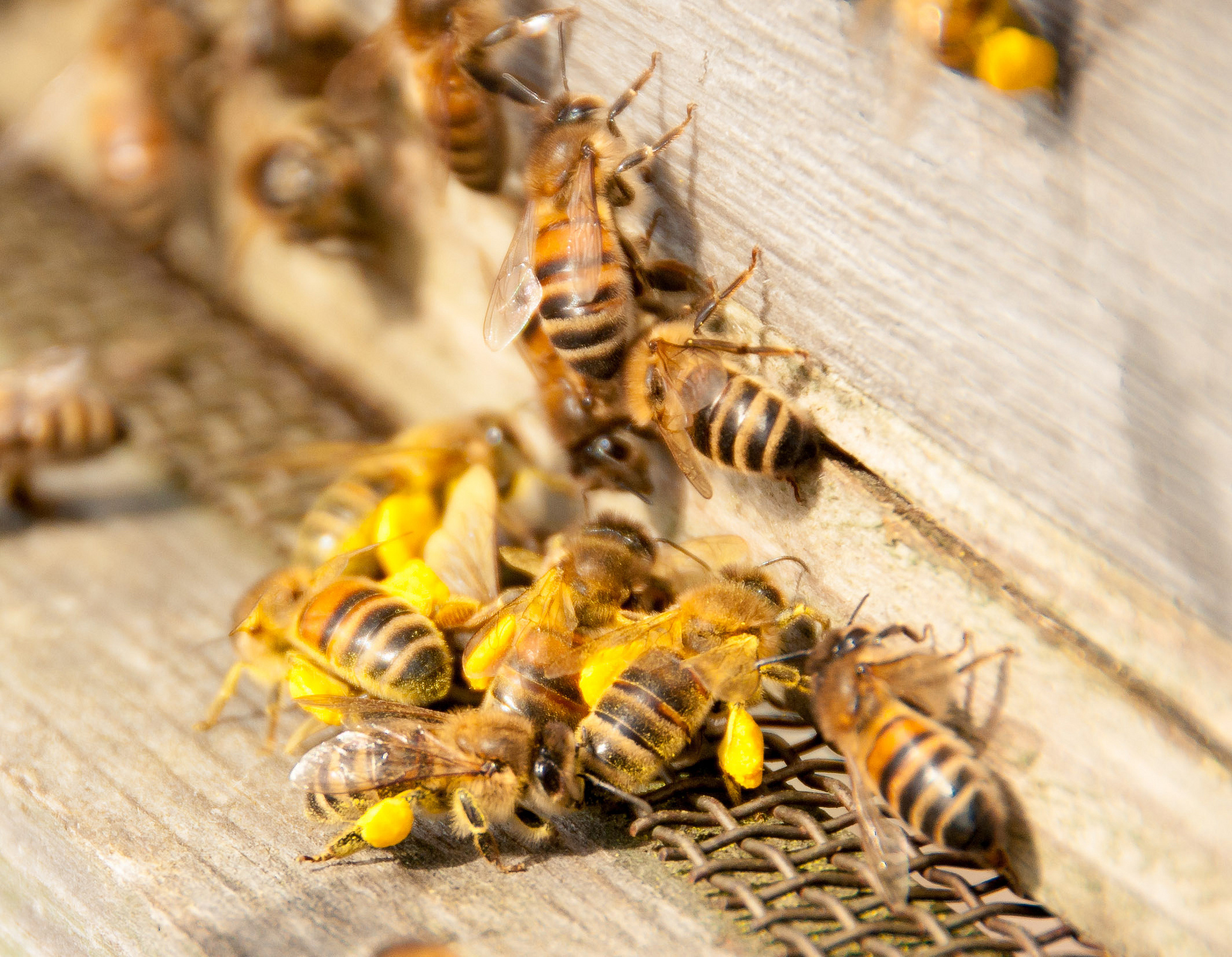
The worldwide decline in the population of bees and other pollinators has impelled farmers to do what they can to encourage and nurture bees on their land. Protecting bees is important because pollinators are essential for growing many foods including coffee, cacao, almonds and many other fruits and vegetables.
Help Save The Bees
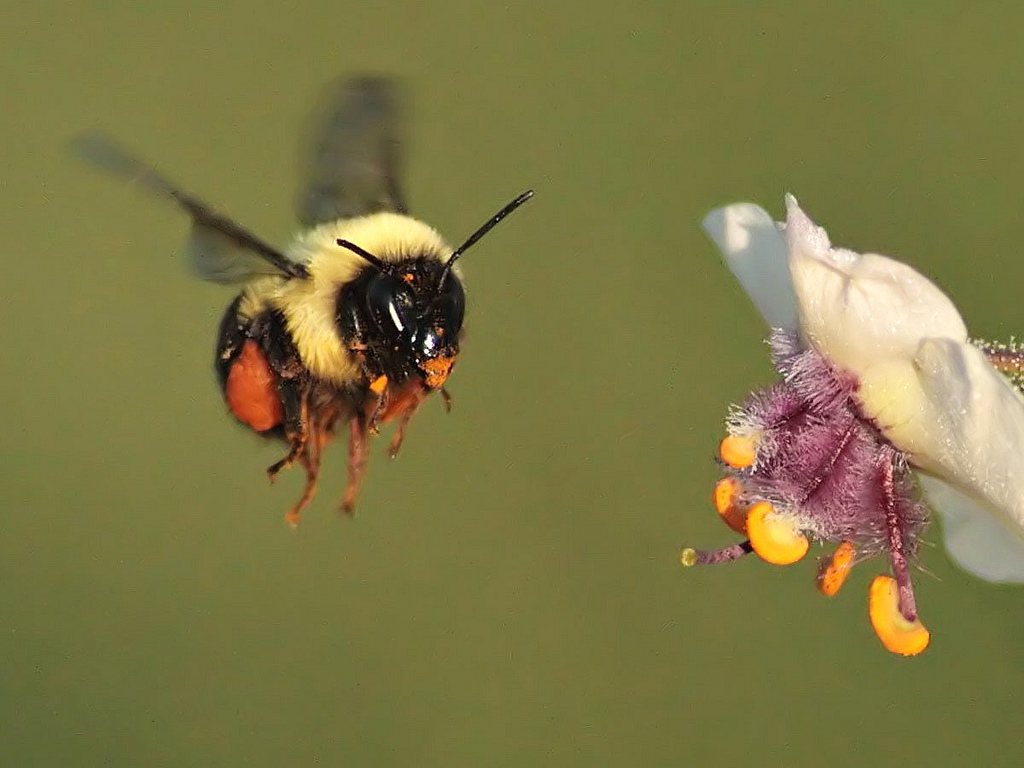
Globally, 40% of invertebrate pollinator species, such as bees and butterflies, are facing extinction. And since approximately three-quarters of the world’s food crops depend on pollination, the decline of these pollinators could pose a threat to food security around the globe.
Endangered Bees
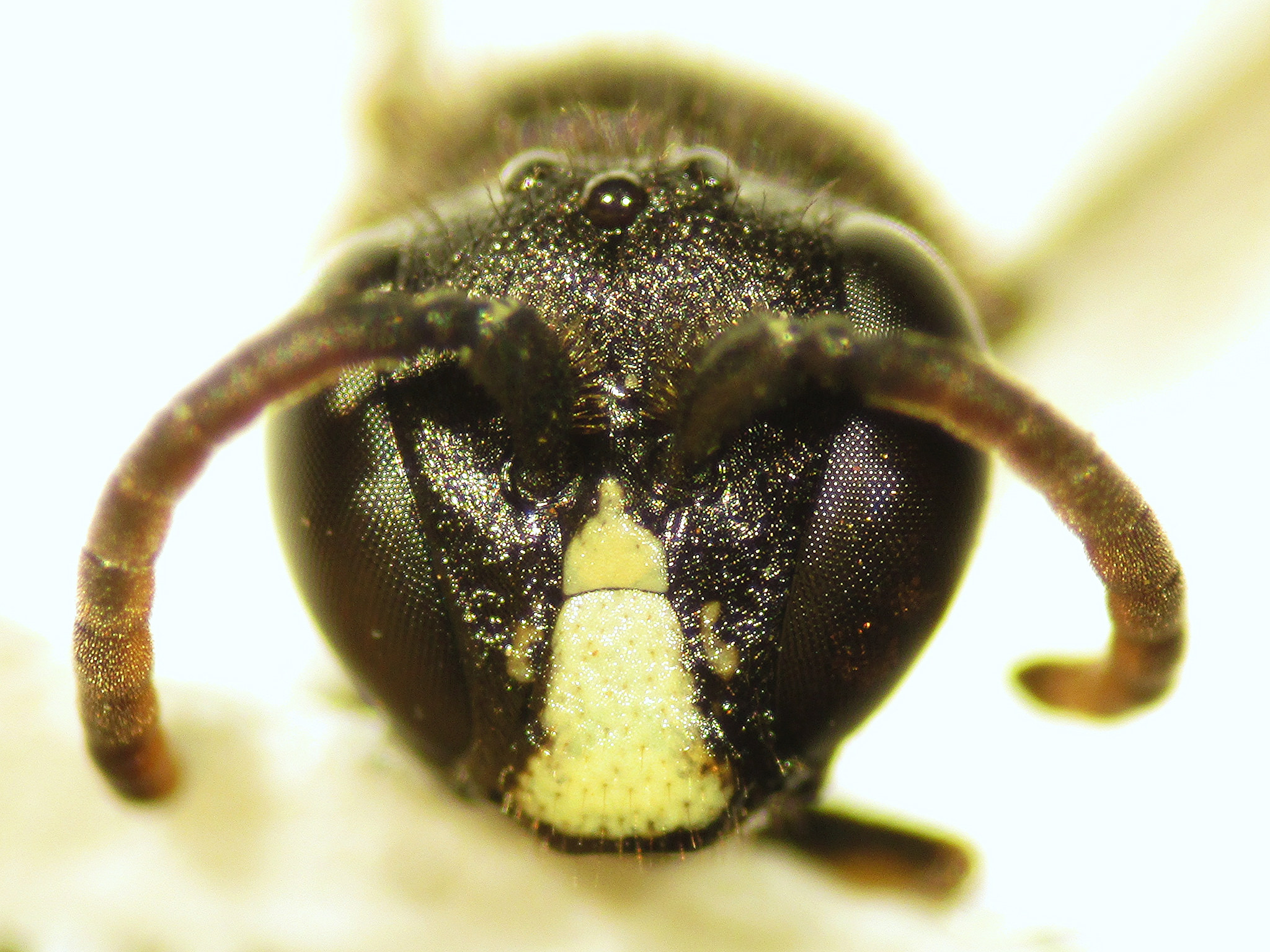
It’s no secret that pollinators around the world are under threat. According to a U.N. sponsored report released earlier this year, 40% of invertebrate pollinator species, such as bees and butterflies, are facing extinction. And since approximately 75% of the world’s food crops depend on pollination, the decline of these pollinators poses a major threat to food worldwide.
What Is Killing Bees?
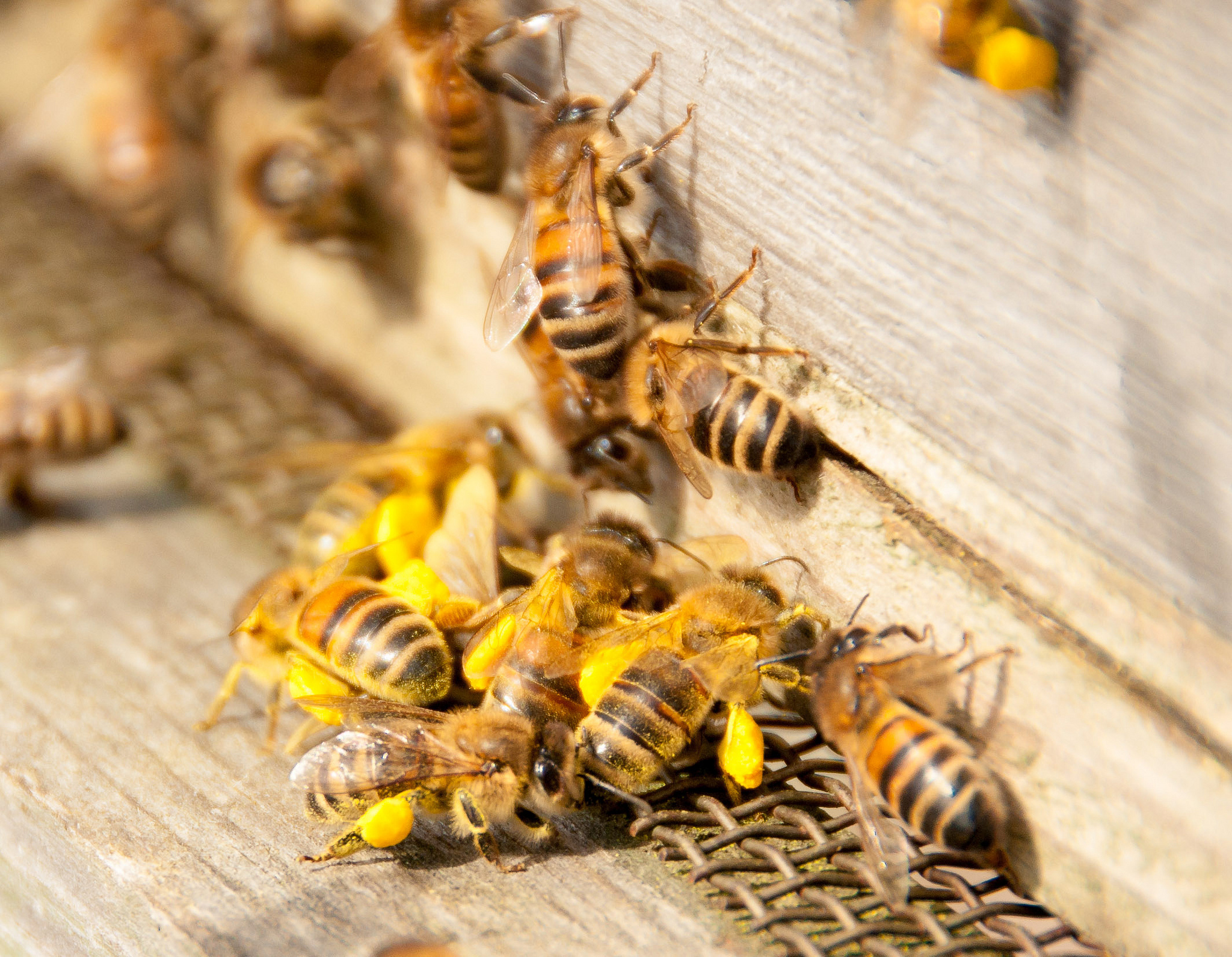
The declining populations of bees and other pollinators has been a topic of great concern for a number of years. There has not been general agreement on the root cause and, in fact, it appears as though there are multiple causes at play.
Light Pollution

The luminous glow of the Milky Way, the galaxy that contains our Solar System, has inspired everything from stories and songs to paintings and poems for centuries. But now one third of the people on the planet – including 80% of Americans and 60% of Europeans – cannot see the Milky Way at night because of light pollution. Nighttime light pollution now covers nearly 80% of the globe.
Are Mosquitoes Necessary?
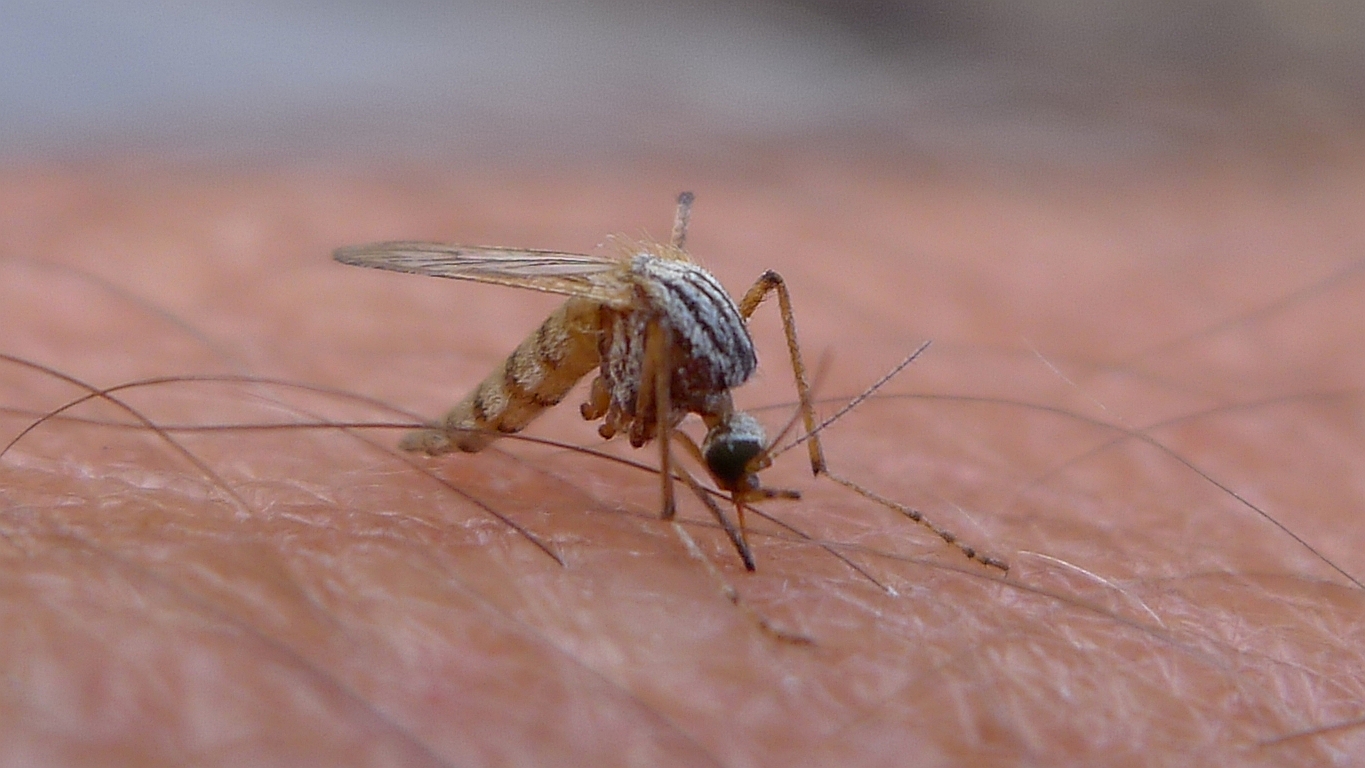
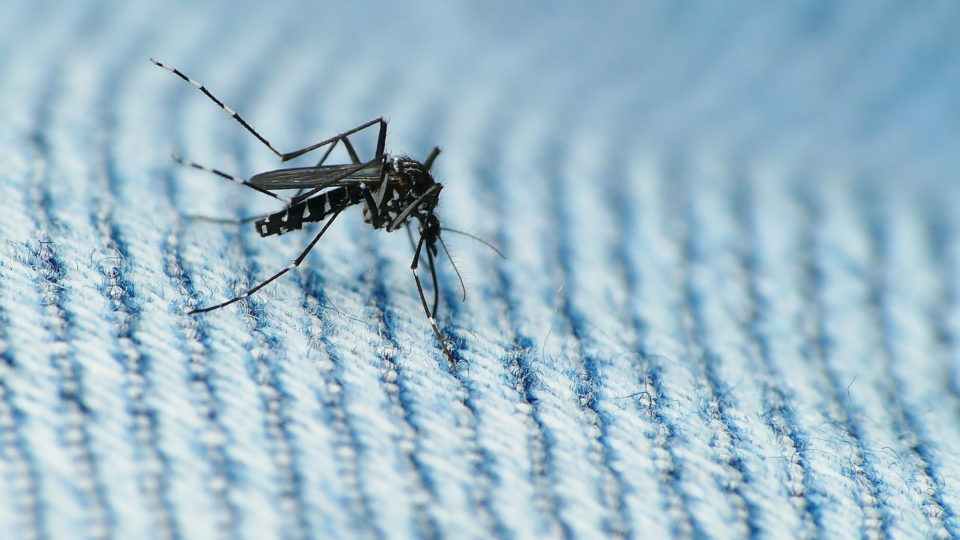
The Zika virus epidemic is yet another disease transmitted by mosquitoes. Those tiny insects are responsible for spreading many of the world’s worst diseases such as malaria, dengue fever and yellow fever. According to the World Health Organization, over 400,000 people worldwide died from malaria in 2015.
Wild Bee Loss Puts Crops At Risk
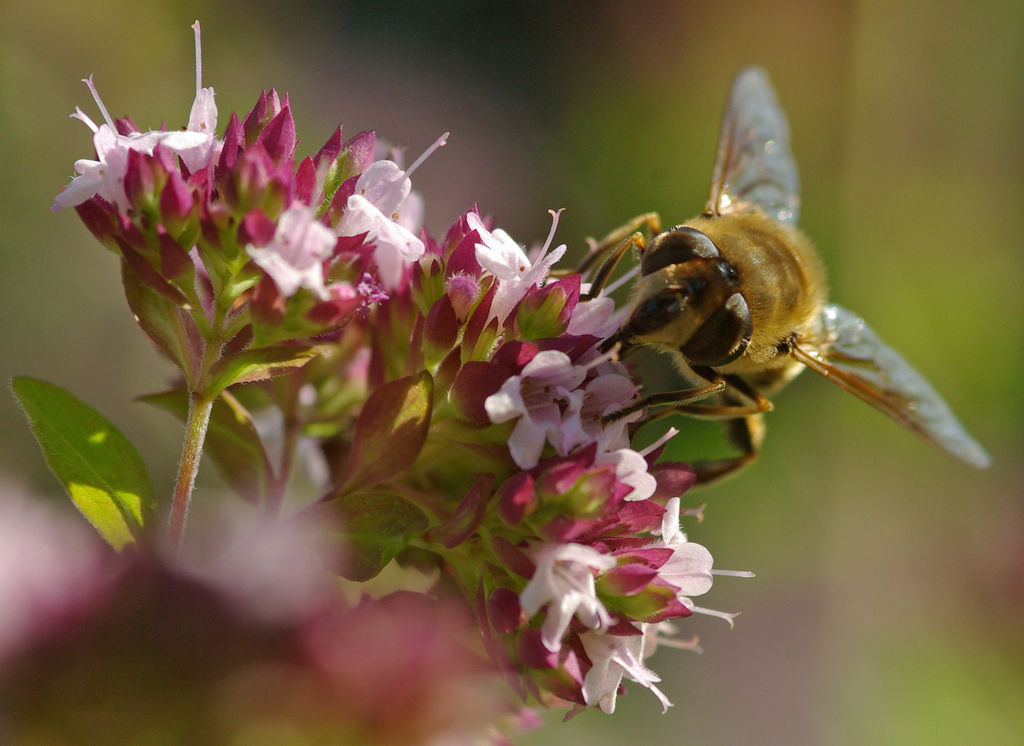
Between 2008 and 2013, the United States lost nearly a quarter of its wild bees. Some 39% of our nation’s croplands rely on pollinators. Important farming regions – from California’s Central Valley to the Midwest’s Corn Belt – are among the areas grappling with wild bee declines.
The Trouble With Sustainability