• Skip to primary navigation
  • Skip to main content
  • Skip to primary sidebar

Earth Wise

A look at our changing environment.

  • Home
  • About Earth Wise
  • Where to Listen
  • All Articles
  • Show Search
Hide Search
You are here: Home / Archives for nutrients

nutrients

Healthy Soil Is Healthy For People | Earth Wise

March 30, 2022 By EarthWise Leave a Comment

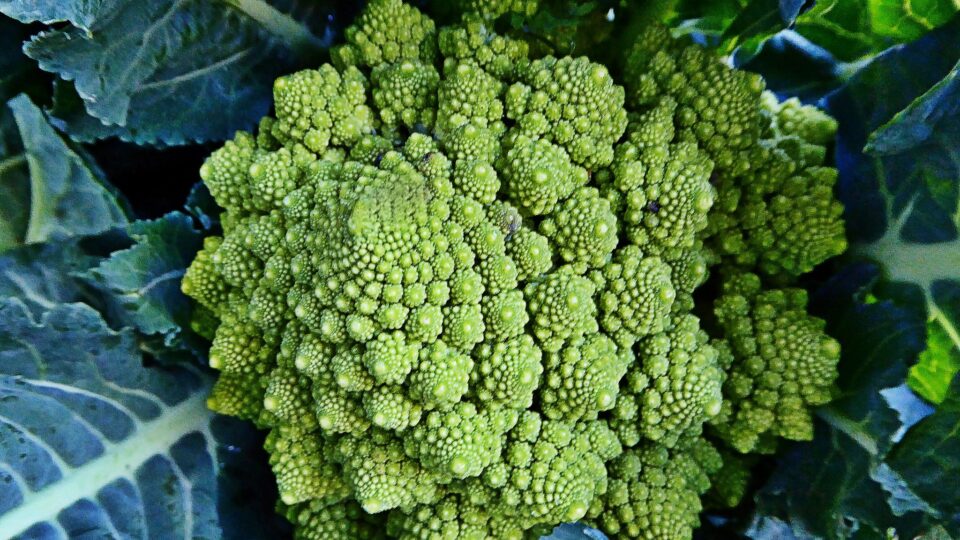
Regenerative agriculture is better for people and the planet

A new study by researchers at the University of Washington looked at the impact of regenerative farming practices on the nutritional content of the food that is grown. 

Regenerative agriculture involves farming practices that not only “do not harm” to the land but actually improve it by regenerating and revitalizing the soil.  The practices focus on topsoil regeneration, increasing biodiversity, improving the water cycle, and enhancing ecosystem services.  Examples are soil-building techniques that minimize plowing, the use of cover crops, and the planting of diverse crops rather than monocultures.

The study included 10 farms across the U.S. that followed soil-friendly practices for at least five years. The results were that the crops from those farms had a healthier nutritional profile than the same crops grown on neighboring, conventional farms.  In particular, there was a boost in certain minerals, vitamins and phytochemicals that are beneficial to human health.  Across the board, regenerative practices resulted in crops with more anti-inflammatory compounds and antioxidants.

The participating farms grew one acre of a test crop – peas, sorghum, corn, or soybeans – for comparison with the same crop grown on a neighboring farm using conventional agriculture.  Analysis showed that the farms practicing regenerative agriculture had healthier soils, as measured by their organic matter – or carbon – content and by other tests. 

Organic farms avoid chemical pesticides, but they operate with a variety of farming processes.  Nonetheless, they have also been found to produce crops with higher levels of beneficial nutrients.  The biology of the soil in which crops are grown is an important factor for human health.  It isn’t just what we eat that matters; it is how we grow it.

**********

Web Links

Farms following soil-friendly practices grow healthier food, study suggests

Photo, posted January 10, 2020, courtesy of Les via Flickr.

Earth Wise is a production of WAMC Northeast Public Radio.

Removing Carbon With The Oceans | Earth Wise

January 26, 2022 By EarthWise Leave a Comment

Oceans play a huge role in climate

There is increasing concern that reducing carbon emissions alone will not be sufficient to stabilize the climate and that technologies that actively remove carbon dioxide from the air will be needed.  There has been a fair amount of analysis of the efficacy of storing carbon in agricultural soil and in forests, but there has not been comparable studies of the risks, benefits, and trade-offs of ocean-based strategies. 

The oceans currently absorb about a quarter of the world’s carbon dioxide emissions.  There are multiple ways in which oceans could be induced to store much more.  A new report from the National Academies of Sciences, Engineering, and Medicine looks at several ocean carbon dioxide removal strategies in terms of efficacy, potential costs, and potential environmental risks.

One approach involves adding nutrients to the ocean surface to increase photosynthesis by phytoplankton.  The approach has a medium to high chance of being effective and has medium environmental risks.

Another approach is large-scale seaweed farming that transports carbon to the deep ocean or into sediments.   It has medium efficacy chances but higher environmental risks.

Protection and restoration of coastal ecosystems including marine wildlife would have the lowest environmental risk but only low to medium efficacy.

Chemically altering ocean water to increase its alkalinity in order to enhance reactions that take up carbon dioxide would be highly effective but a medium environmental risk.

The report describes some other approaches as well.  It recommends a $125 million research program to better understand the technological challenges as well as the potential economic, social, and environmental impacts of increasing the oceans’ absorption of carbon dioxide.

**********

Web Links

Oceans Could Be Harnessed to Remove Carbon From Air, Say U.S. Science Leaders

Photo, posted August 21, 2016, courtesy of Quinn Dombrowski via Flickr.

Earth Wise is a production of WAMC Northeast Public Radio.
Wildfires And Algal Blooms

October 12, 2021 By EarthWise Leave a Comment

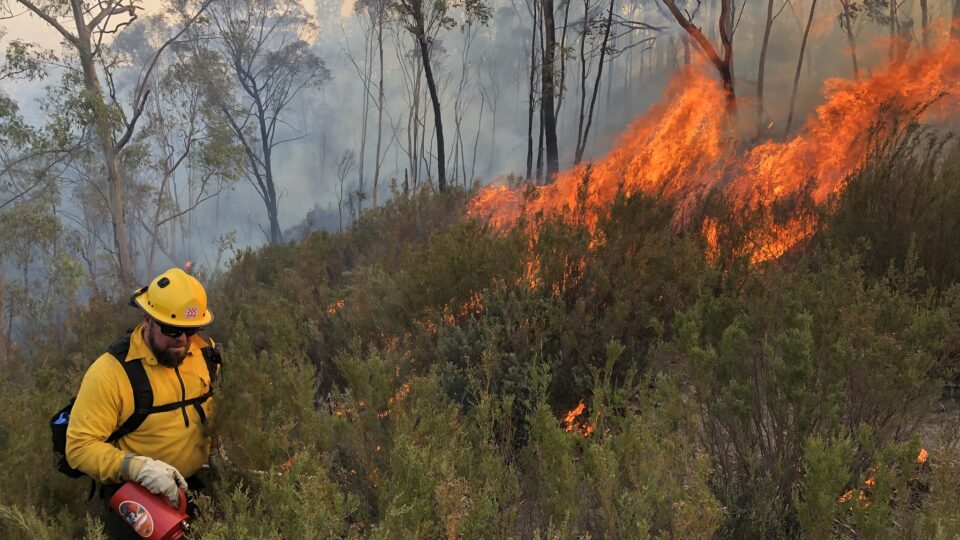
Australia is no stranger to wildfires. But the 2019-2020 season proved to be particularly severe: wildfires destroyed 3,100 homes, displaced 65,000 people, and burned more than 72,000 square miles – roughly the same size as Washington State. The season is colloquially referred to as the Black Summer.

According to a new study recently published in the journal Nature, clouds of smoke and ash from these wildfires triggered widespread algal blooms thousands of miles downwind to the east in the Southern Ocean.

The study, which was led by researchers from Duke University, shows that aerosol particles in the smoke and ash fertilized the water as they fell into it.  This provided the nutrients that fueled unprecedented blooms in that region, conclusively linking for the first time a large-scale response in marine life to fertilization by pyrogenic iron aerosols from a wildfire.

This finding raises questions about the role wildfires may play in the growth of phytoplankton, the microscopic marine algae that – through photosynthesis – absorbs large amounts of climate-warming carbon dioxide from Earth’s atmosphere. 

According to the research team, the Australian algal blooms were so extensive that the subsequent increase in photosynthesis may have temporarily offset a substantial portion of the wildfires’ CO2 emissions.  It remains to be seen how much of the absorbed CO2 remains safely stored in the ocean and how much it has been released back into the atmosphere. 

The researchers plan to investigate the fate of the phytoplankton further.  They also plan more research to better predict where and when aerosol deposition will boost phytoplankton growth in the future.  

**********

Web Links

Australian wildfires triggered massive algal blooms in Southern Ocean

Photo, posted January 12, 2020, courtesy of BLM-Idaho via Flickr.

XXXXXXXXXXXXXXX

Protecting Bees From Pesticides | Earth Wise

July 15, 2021 By EarthWise Leave a Comment

A new technology that can protect bees from pesticides

Studies have shown that the wax and pollen in 98% of beehives in the U.S. are contaminated with an average of six pesticides.  These substances lower bees’ immunity to devastating varroa mites and other pathogens.  By some estimates, pesticides cause beekeepers to lose about a third of their hives every year on average.

Researchers at Cornell University have developed a new technology that effectively protects bees from insecticides.  The insecticide antidote delivery method is now the basis of a new company called Beemunity.

The Cornell researchers developed a uniform pollen-sized microparticle filled with enzymes that detoxify organophosphate insecticides before they are absorbed and can harm bees.  Organophosphate insecticides account for about a third of the insecticides on the market.  The microparticles have a protective casing that allows the enzymes to move past the bees’ crop (basically the stomach), which is acidic and would otherwise break them down.  The safeguarded enzymes then enter the midgut, where digestion occurs and where toxins and nutrients are absorbed.  There the enzymes act to break down and detoxify the organophosphate insecticides.

In experimental tests, bees that were fed the enzyme-filled microparticles had a 100% survival rate after exposure to the insecticide malathion.  Unprotected control bees died within days.

The Cornell work appears to represent a low-cost, scalable solution to the insecticide toxicity issue and may help to protect essential pollinators.

**********

Web Links

Pollen-sized technology protects bees from deadly insecticides

Photo, posted January 30, 2020, courtesy of George Tan via Flick.

Earth Wise is a production of WAMC Northeast Public Radio.
Wind Farms Slowing Each Other Down | Earth Wise

July 13, 2021 By EarthWise Leave a Comment

Wind farms placed too closely together slow one another down

Offshore wind is booming in Europe.  The expansion of wind energy in the German Bight and Baltic Sea has been especially dramatic.  At this point, there are about 8 gigawatts of wind turbines in German waters, the equivalent of about 8 nuclear power plants.  But space in this region is limited so that wind farms are sometimes built very close to one another.

A team of researchers from the Helmholtz Center Hereon, a major German research institute, has found that wind speeds downstream from large windfarms are significantly slowed down.  In a study published in the journal Nature Scientific Reports, they found that this braking effect can result in astonishingly large-scale lowering of wind speeds.

On average, the regions of lowered wind can extend 20-30 miles and, under certain weather conditions, can even extend up to 60 miles.  As a result, the output of a neighboring wind farm located within this distance can be reduced by 20 to 25 percent.

These wake effects are weather dependent.  During stable weather conditions, which are typically the case in the spring in German waters, the effects can be especially large.  During stormy times, such as in November and December, the atmosphere is so mixed that the wind farm wake effects are relatively small.

Based on their modeling, it is clear that if wind farms are planned to be located close together, these wake effects need to be taken into account.  The researchers next want to investigate the effects that reduced wind speeds have on life in the sea.  Ocean winds affect salt and oxygen content, temperatures, and nutrients in the water.  It is important to find out how reduced winds might affect marine ecosystems.

**********

Web Links

Are wind farms slowing each other down?

Photo, posted November 23, 2011, courtesy of David J Laporte via Flickr.

Earth Wise is a production of WAMC Northeast Public Radio.

Vanishing Kelp Forests | Earth Wise

June 25, 2021 By EarthWise Leave a Comment

Bull kelp forests in California are disappearing

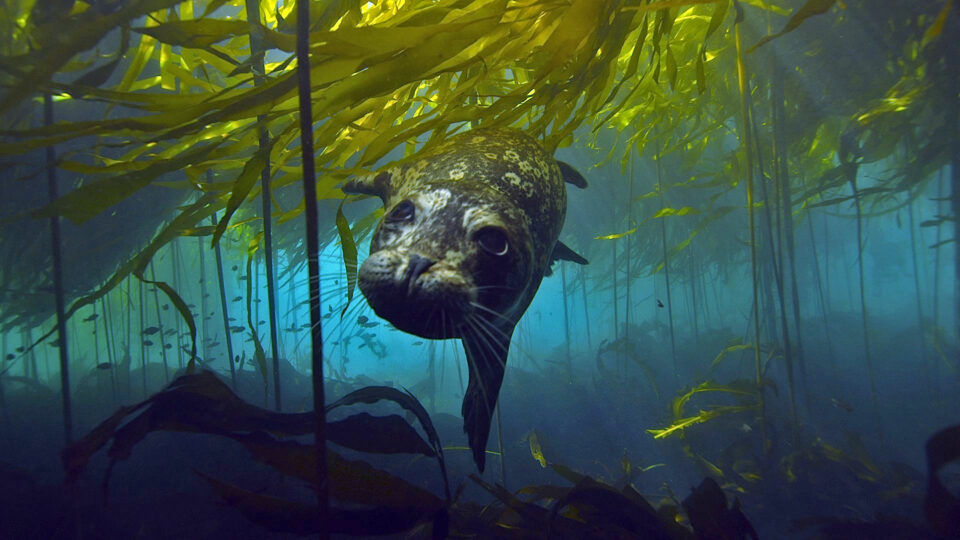
Bull kelp is the dominant species in offshore kelp forests north of Santa Cruz, California along the west coast of North America.  Bull kelp has similar physical structures to terrestrial plants; it anchors to the ocean floor with root-like structures called holdfasts, and has stem-like structures called stipes from which leaf-like blades stretch out through the water, absorbing nutrients and sunshine.

These giant seaweeds form lush underwater forests in northern California’s coastal waters and have long provided critical habitat for many species like salmon, crabs, and jellyfish.  But now, for much of the California coast, only a few patches of bull kelp remain.

A team from University of California Santa Cruz has studied satellite images of about 200 miles of coastline.  They found that starting in 2014, the area covered by kelp has dropped by more than 95%. 

The die-off was driven in part by an underwater heat wave that depleted nutrients in the water and made it harder for the kelp to grow.  Making matters much worse, populations of purple sea urchins, which eat kelp, have exploded in the region because of overfishing and other reductions in urchin predators such as sea otters.  The sea urchins eat kelp holdfasts, creating so-called urchin barrens where their destructive grazing has decimated kelp forests.

Bull kelp is a species at high risk of becoming endangered.  In coming decades, more marine heatwaves are expected.  These events as well as stronger El Niños will become more common and frequent with climate change.  Between these thermal events and the sea urchins, it will be difficult for kelp forests to survive.

**********

Web Links

Ninety-five percent of bull kelp forests have vanished from 200-mile stretch of California coast

Photo, posted October 28, 2015, courtesy of Florian Graner/Green Fire Productions via Flickr.

Earth Wise is a production of WAMC Northeast Public Radio.
The Corn Belt Is Losing Topsoil | Earth Wise

April 16, 2021 By EarthWise 2 Comments

Erosion is claiming the corn belt's topsoil

According to a new study published in the Proceedings of the National Academy of Sciences, more than a third of the farmland in the U.S. Corn Belt has completely lost its carbon-rich topsoil due to erosion.   The affected area is nearly 100 million acres and the amount of carbon loss is nearly 2 million tons.

The study, led by scientists at the University of Massachusetts, Amherst, found that the greatest loss of carbon-rich topsoil was on hilltops and ridgelines.  This indicates that tillage – the repeated plowing of fields – was the primary cause of the erosion because loosened soils move downslope.

The loss of topsoil has reduced corn and soybean yields in the Midwest by 6%, resulting in a loss of nearly $3 billion a year for farmers.  In addition, the loosening of the topsoil increases runoff of sediment and nutrients into nearly waterways, worsening water quality.

Previous studies have shown that no-till farming practices can have a significant impact on reducing erosion.  A study published last November found that if farmers shifted entirely to no-till practices, it would reduce soil erosion from U.S. agricultural fields by more than 70%, as well as significantly reducing nutrient and sediment runoff. 

No-till farming is the practice of planting crops without tilling the soil.  Instead, seeds are planted through the remains of previous crops by planters or drills that cut seed furrows, place the seeds, and close the furrow.  Currently less than 15% of farmland in the upper Mississippi River watershed is farmed with no-till practices. 

Even partial changes in tilling practices could produce positive results for topsoil retention and for waterways.

**********

Web Links

One-Third of Farmland in the U.S. Corn Belt Has Lost Its Topsoil

Photo, posted September 15, 2010, courtesy of the United Soybean Board / Soybean Checkoff via Flickr.

Earth Wise is a production of WAMC Northeast Public Radio.
Residential Gardens And Pollinators | Earth Wise

April 2, 2021 By EarthWise Leave a Comment

Residential gardens play an important role for pollinators

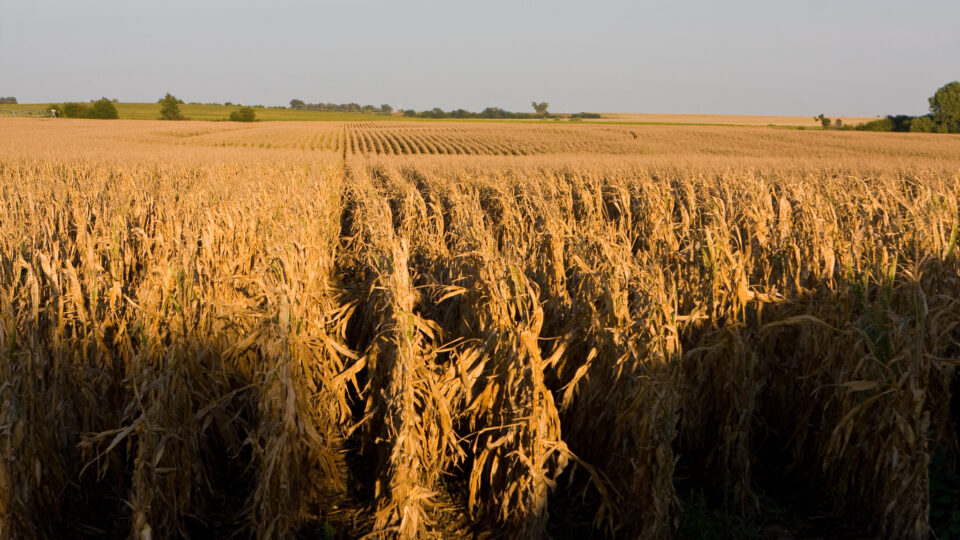
A new study led by the University of Bristol in the UK measured for the first time how much nectar is produced in urban areas to gauge the role of residential gardens in providing nutrients for pollinators.  They discovered that home gardens accounted for the vast majority of the crucial nutrients for pollinators; in fact, some 85% on average.

The study found that gardens generated a daily average of about a teaspoon of the unique sugar-rich liquid found in flowers which pollinators drink for energy.  A teaspoon sounds like very little, but it is enough to feed thousands of bees.

The research examined nectar production in four major UK towns and cities and measured nectar production in nearly 200 species of plants.  The results were that the nectar supply in urban landscapes is more diverse than in farmland and nature reserves.   In addition, gardens are critical because they produce the most nectar per unit area of land and actually cover the largest area of land in the cities studied.  In those cities, nearly a third of the land comprised domestic gardens, which is six times the area of parks and 40 times the area of small green allotments.

The upshot of the research is that home gardeners have a huge role to play in pollinator conservation.  Without domestic gardens, there would be far less food for pollinators that include bees, wasps, butterflies, moths, flies, and beetles.  Thus, it is important for home gardeners to keep planting nectar-rich flowers, mow lawns less often to let dandelions, clovers, and daisies flourish, avoid harmful pesticides, and avoid covering gardens in paving, decking, or artificial turf.

**********

Web Links

Pioneering research reveals gardens are secret powerhouse for pollinators

Photo, posted June 23, 2018, courtesy of Wolfferl via Flickr.

Earth Wise is a production of WAMC Northeast Public Radio.
Cell-Based Meat And Seafood | Earth Wise

February 8, 2021 By EarthWise Leave a Comment

Reimagining meats and seafood

We have heard about laboratory meat for a number of years, generally in terms of something that may happen at some point in the indeterminate future. But at least for a couple of California companies, that future is now.

These high-tech companies are producing products – real meat and seafood – that are originally cultured from animal cells but are made without the actual animal.

San Francisco-based Eat Just makes chicken nuggets that have recently gained regulatory approval in Singapore and are now available to order at a downtown restaurant.  San Diego’s BlueNalu creates cell-based seafood fillets including yellowtail, mahi-mahi, red snapper, and tuna.

The companies use stem cells obtained from actual animals and cultivate them in steel tanks with the same nutrients that living animals consume.  The original cell donor is not sacrificed.  The harvested cells multiply and are eventually shaped to form meat or fish that cooks, looks, and tastes just like its natural counterpart.

The “mouth feel” of conventional meat or fish can be mimicked by recreating the same proportions of muscle, fat, and connective tissue in the cell-based product.  Eat Just says their product cooks, looks, and tastes like chicken because it is chicken.  BlueNalu says their product has all the same characteristics as fish because it is fish.

These products have major environmental, safety, and ethical advantages.  The big question is whether people will eat them.  Is there an “ick factor” to overcome?  Ultimately, the key thing is how they taste.  If they pass muster on that score and cell-based meats and seafood are scaled up and accepted, we can have the nutritional and sensory advantages of meat proteins without the environmental, ethical and safety disadvantages.

**********

Web Links

Can We Enjoy Meat and Seafood and Save the Planet?

Photo, posted February 1, 2012, courtesy of Andrea Parrish-Geyer via Flickr.

Earth Wise is a production of WAMC Northeast Public Radio.

The Search For Lingering Ash | Earth Wise

January 12, 2021 By EarthWise Leave a Comment

Ash trees are critically endangered

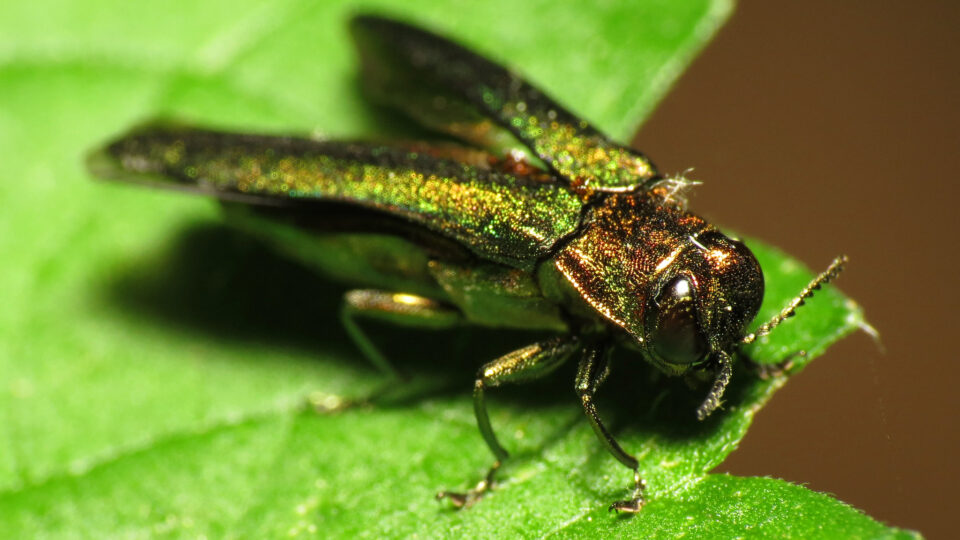
Ash trees are some of the most important plants along riverbanks and in wetlands.  There are three ash species in North America:  the white, green, and black ash.  Unfortunately, all three species are critically endangered because of the emerald ash borer.

The emerald ash borer is an exotic beetle from Asia that first showed up in the U.S. in southeastern Michigan in the summer of 2002.  The adult beetles do little damage but the larvae feed on the inner bark of ash trees and disrupt the tree’s ability to transport water and nutrients.  The beetles are now found in 35 states and 5 Canadian provinces and have killed hundreds of millions of ash trees.

The greatest hope for preserving ash tree species relates to lingering ash, which are those rare trees that have managed to survive the onslaught of the emerald ash borer. The idea is that those trees have some natural genetic resistance to the borer.  Getting seeds and cuttings from lingering ash and propagating them at nurseries may be the only way to get ash trees back into the natural landscape.

Lingering ash are extremely rare and therefore very hard to find.  As a result, researchers are reaching out to the public to help with the search and report the presence of these surviving trees in woodlands.

Researchers want to find large, mature trees left among those that were killed by the invasive insect and therefore display great resilience.  In Kentucky, university and Division of Forestry researchers are making use of software tools to engage the assistance of the public. An app called TreeSnap allows people to provide data on trees that they find in their community, on their property, or out in the wild.

**********

Web Links

Researchers Ask Public for Help Finding Lingering Ash Trees

Help Our Nation’s Trees!

Photo, posted May 31, 2014, courtesy of Katja Schulz via Flickr.

Earth Wise is a production of WAMC Northeast Public Radio.
Saharan Dust And The Amazon | Earth Wise

October 23, 2020 By EarthWise Leave a Comment

Saharan dust and the amazon

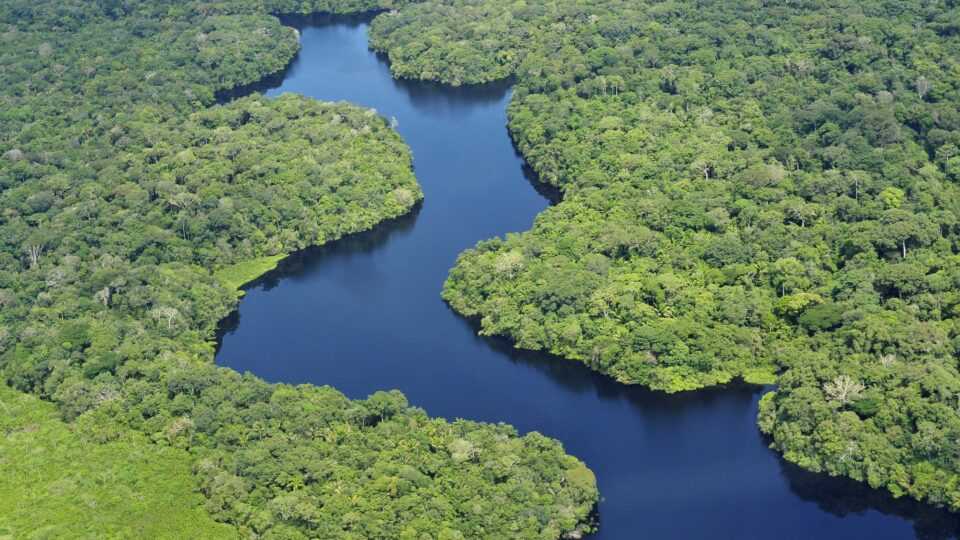
We talk about globalization primarily in the context of how human activities connect up distant parts of the world.  But there are natural processes that are global in scope as well.  One of these is the transportation of mineral-rich dust from the Sahara Desert in North Africa to the Amazon Basin in South America.

Every year, this dust is lifted into the atmosphere by winds and carried on a 5,000-mile journey across the North Atlantic.  It turns out that this dust plays a critical role in the Amazon basin ecosystem.  The Amazon Basin in turn plays a major role in global climate.  Its trees and plants remove huge quantities of carbon dioxide from the atmosphere and stores the carbon in vegetation.

The transcontinental journey of dust is important because of what is in the dust.  The dust picked up from ancient lake beds in Chad comes from rock minerals formed by dead microorganisms and is loaded with phosphorus.  Phosphorus is an essential nutrient for plant growth and is in short supply in Amazonian soils.  Local nutrients like phosphorus in the Amazon mostly come from fallen, decomposing leaves and organic matter but tend to be washed away by rainfall into streams and rivers. 

Studies have shown that the phosphorus that reaches Amazon soils from Saharan dust is essential to replace the amounts lost to rain and flooding.

Recent research has found that the quantities of dust transported to South America are inversely linked to rainfall in North Africa and is likely to be affected by climate change.  Changes in dust transport could affect plant growth in the Amazon and the amount of CO2 removed from the atmosphere.  The forces that affect the climate are truly global in nature.

**********

Web Links

Study quantifies Saharan dust reaching Amazon

Photo, posted April 19, 2011, courtesy of CIAT via Flickr. Photo credit: ©2011CIAT/NeilPalmer.

Earth Wise is a production of WAMC Northeast Public Radio.
Helping Out Corals With Cool Water | Earth Wise

October 22, 2020 By EarthWise Leave a Comment

Saving corals with cooler water

Coral bleaching is happening five times more frequently than it did forty years ago.  Its increasing occurrence is a result of global warming which leads to marine heat waves – periods of higher ocean water temperatures.  Heat stress on living coral animals causes them to expel the algae that live symbiotically within the coral structure.  As the algae is expelled, the coral fades in color looking like it is bleached.  Without its algae partner, the coral eventually dies.

Given the increasing occurrence of marine heat waves, scientists are seeking novel ways to decrease heat stress in corals.  A new study by the Bermuda Institute of Ocean Science is investigating the use of artificial upwelling – the application of cooler, deep water – as a way to mitigate thermal stress on corals.

Upwelling is a natural process in the ocean in which winds push surface water away from a region – for example, a coastline – which then allows the uplift of deeper, colder waters to the surface.  Because such deeper waters are typically rich in nutrients, upwelling is important for supporting many of the world’s important commercial fisheries.  For this reason, artificial upwelling has sometimes been used to increase fish stocks in certain locations.

The new work placed coral colonies in aquaria in Bermuda and tested the effects of varying amounts and temperatures of deep cold-water pulses upon corals subjected to thermal stress.  The results showed that even short intrusions of cooler deep water (less than two hours per day) can mitigate thermal stress in corals.  The next steps are to find suitable parameters for artificial upwelling that maximize the benefits while minimizing potential harmful side effects on the corals and the ecosystems they support.

**********

Web Link

Can pumping up cold water from deep within the ocean halt coral bleaching?

Photo, posted February 24, 2008, courtesy of Roderick Eime via Flickr.

Earth Wise is a production of WAMC Northeast Public Radio.
Making Use Of Invasive Seaweed | Earth Wise

June 26, 2020 By EarthWise Leave a Comment

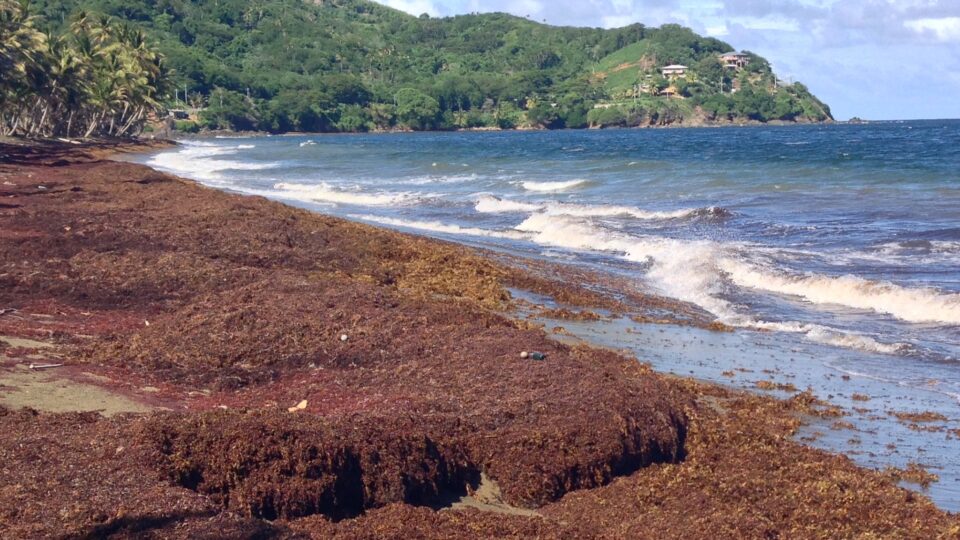
In recent years, millions of tons of brown Sargassum seaweed have formed gigantic blooms stretching all the way across the Atlantic Ocean from West Africa to the Gulf of Mexico.  The seaweed has become a problem for shorelines in the Caribbean, the Gulf of Mexico, and the east coast of Florida.  The massive increase in seaweed populations is related to changes in ocean chemistry resulting from nutrients from fertilizer use entering the water as well as from changes to the climate affecting ocean currents and temperatures.  The seaweed is harming the tourism industry as well as fisheries and ocean ecosystems.

Cleaning up the seaweed that washes ashore is labor-intensive and therefore expensive.  A research team led by two British universities has developed a cheap and simple way to pre-process seaweed to facilitate making it into bulk chemicals and biofuels.  With the new process, cleaning up the seaweed can be both economically and environmentally viable.

Previous techniques for processing seaweed generally required removing it from the saltwater, washing it in fresh water, and drying it – all of which add significant costs.  The new technique makes use of catalysts to release sugars from untreated seaweed that feed a yeast to produce a palm oil substitute.  At the same time, the process creates heat and pressure, turning the residual materials into a bio-oil that can be processed further into fuels, and a high-quality, low-cost fertilizer.

Apart from getting economic value out of the seaweed that is collected, any plastic collected alongside the seaweed can be converted to useful materials as well. 

It appears that the seaweed scourge is here to stay, so finding an economically viable way to deal with it is a welcome development.

**********

Web Links

Solve invasive seaweed problem by turning it into biofuels and fertilisers

Photo, posted August 10, 2015, courtesy of Flickr.

Earth Wise is a production of WAMC Northeast Public Radio.
Working Forest Buffers | Earth Wise

April 15, 2020 By EarthWise Leave a Comment

Forest Buffer Zones on Farms

More than 100,000 miles of U.S. rivers and streams are polluted by nitrogen and phosphorus, mostly from agricultural runoff.  In the past, forests grew naturally alongside these waterways and helped stabilize stream banks and decrease flooding while trapping and filtering pollutants.  But most of these forests have been cut down to make way for towns, cities, livestock, and crops.

Farmers are reluctant to retire valuable farmland with non-productive buffer planting.  But in Pennsylvania, there is an innovative program that encourages farmers to plant cash crops in waterway buffer zones that can help stabilize stream banks and clean up the waterways.  These plantings are called working buffers.

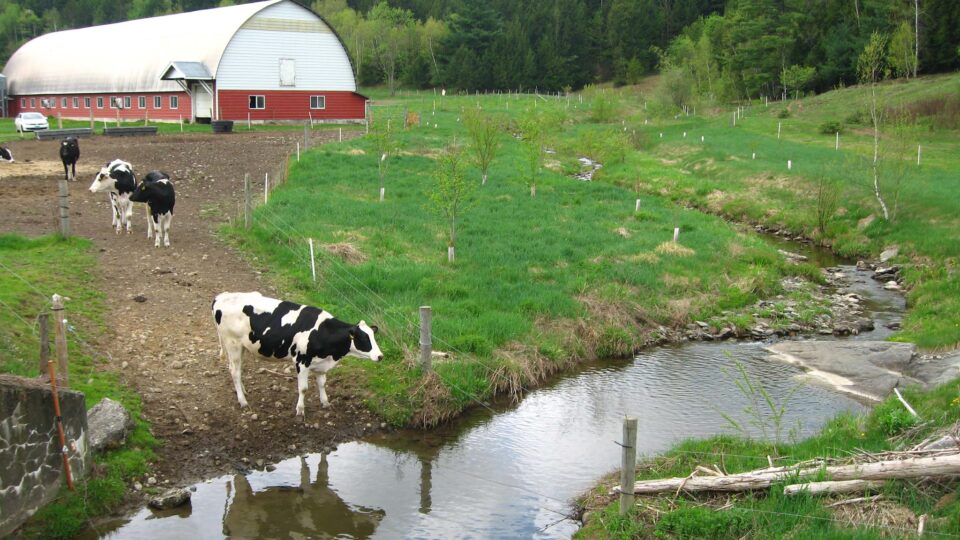
Strips of streamside land are replanted with native floodplain trees and shrubs.  These are known as riparian forest buffers.  Pennsylvania has instituted a grant program under which farmers and landowners plant these buffers and turn a profit.

Many of these buffers have three zones.  A conventional forest buffer that can be just 15 feet wide is composed of native woodland and stabilizes the bank with tree roots and enhances wildlife habitat.  A second zone, some 20 feet wide, is planted with trees and shrubs that can tolerate periodic flooding.  Apart from slowing floodwater and taking up nutrients, this zone can provide profits by planting trees like black walnut, hazelnut, persimmon, and elderberry.  Only hand harvesting is allowed.  A third zone, adjacent to conventional crop, can contain blueberries, raspberries, and decorative woody florals.

How many farmers can be enticed to create these riparian buffers remains to be seen, but they do represent a way to help farmers to reduce pollution and turn a profit along the way.

**********

Web Links

A Movement Grows to Help Farmers Reduce Pollution and Turn a Profit

Photo, posted March 19, 2010, courtesy of the USDA via Flickr.

Earth Wise is a production of WAMC Northeast Public Radio.
Foods of the Future? | Earth Wise

March 27, 2020 By EarthWise Leave a Comment

foods of the future

In a world where many go hungry in the context of rapidly changing environments, many experts contend that alternative food sources will be necessary to solve global food security problems.  So-called novel food sources are central to this conversation, defined as foods with no history of consumption in a region – or perhaps anywhere.

Three popular examples are lab-grown meat, insect farming, and seaweed aquaculture.  Each of these offer opportunities as well as challenges.

Lab-grown meat can refer to actual animal tissues raised in vats as well as the increasingly common cultured plant products made to resemble meat.  Lab-grown meat faces push back from the livestock industry that contends it should not be labeled as any kind of meat. While results to date are positive, barriers still remain including concerns over product taste, healthiness, and cost.  And while less land- and water-intensive than conventional livestock, cultured meat production is still energy intensive.

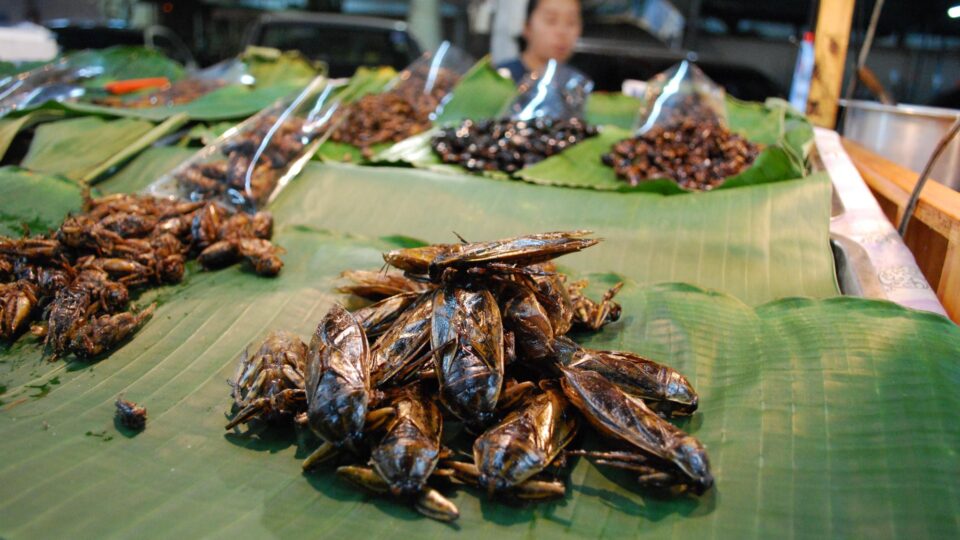
Insects do form a significant part of diets across the globe but have yet to be embraced in any substantial way in western cultures.  Nutritionally, numerous species of insects are rich in key proteins, micronutrients, and minerals.  But the “yuck factor” is a big barrier to cross.

Seaweed is a long-established part of many East Asian diets and has many potential dietary uses.  Several selectively bred varieties of seaweed supply a range of valuable nutrients.  Growing seaweed does not tax freshwater and terrestrial resources.  But intensively cultivated seaweeds would have potential negative effects on local marine ecosystems.

There is no single solution to complex issues like food security.  Novel foods may very well form part of the solution to a growing food crisis.

**********

Web Links

Insects, seaweed and lab-grown meat could be the foods of the future

Photo, posted March 12, 2009, courtesy of Flickr.

Earth Wise is a production of WAMC Northeast Public Radio.
Road Salt Pollution

January 8, 2020 By EarthWise 1 Comment

Road salt pollution mirror lake

Mirror Lake is a popular recreational lake located in the Village of Lake Placid.  It is the most developed lake within the Adirondack Park, which is a publicly protected area that is actually larger than Yellowstone, Yosemite, Glacier, and Grand Canyon National Parks combined.

New research has revealed that road salt runoff into Mirror Lake is preventing natural water turnover which poses a risk to the balance of its ecology.  The study, which was published in Lake and Reservoir Management, found that road salt runoff is preventing spring mixing of the water column.    This creates more anoxic water conditions, meaning there is less oxygen in the water, and limits the ability of the habitat to support the native lake trout. 

Mirror Lake is the first lake in the Adirondack Park to show an interruption in lake turnover due to road salt.  Many lakes in northern climes experience so-called “dimictic turnover”, which is a natural process where wind and less stratified water conditions of spring and fall allow mixing of the water column that redistribute oxygen and nutrients throughout the lake.  High levels of surface-water chloride introduced into the lake from road salt runoff inhibit the mixing of the water column.

The lack of mixing and oxygenation is bad news for fish species such as lake trout, which require cold, oxygenated water to survive.  It may also put the lake at a greater risk of algal blooms.

Mirror Lake is small, surrounded by concentrated development, and receives the direct discharge of stormwater.  So, it is particularly vulnerable to road salt contamination.  Other lakes elsewhere in New York may experience similar conditions.  The researchers are confident that natural turnover conditions could be restored to the lake if road salt application in the watershed is reduced.

**********

Web Links

Road salt pollutes lake in one of the largest US protected areas, new study shows

Photo, posted January 5, 2018, courtesy of MTA of the State of NY via Flickr.

Earth Wise is a production of WAMC Northeast Public Radio.

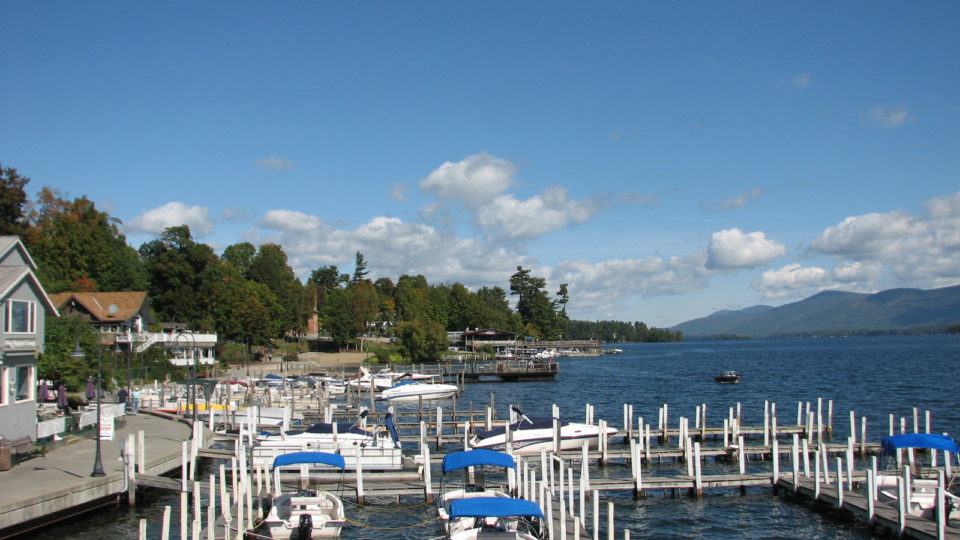
Lake George Health Report

December 26, 2019 By EarthWise Leave a Comment

The Offshore Chemistry Program, run by the Darrin Fresh Water Institute at RPI, has been monitoring the deep waters of Lake George in New York for 40 years.  Lake George, nicknamed the Queen of American Lakes, is famed for the transparency of its water and a new report on the health of the lake reveals that it is doing rather well.

According to the report, although concentrations of chemicals and pollutants like salt and nutrients have increased in the deep waters of Lake George, they are still too low to harm the ecosystem at those depths.

The Offshore Chemistry Program studies the lake as part of a collaboration between RPI, IBM Research, and the FUND for Lake George that is called the Jefferson Project.  This long-term commitment provides a wealth of information over time matched by few lake studies in the world.

The recent results show that levels of salt, the nutrient orthophosphate, and chlorophyll have increased substantially over time, but none are yet at a level that will cause harm.

Orthophosphate occurs naturally, but most likely the higher levels are due to improperly functioning septic systems, failing wastewater treatment systems, and stormwater runoff.  The orthophosphate most likely triggered the increase in chlorophyll, which probably is associated with increased density of chlorophyll in individual algal cells, rather than an increase in total algal mass in the lake.

Overall, the results demonstrate the continuing resilience of Lake George to a growing array of stressors.  In nearly 40 years of human activities, the lake has changed in a number of ways, but the changes have so far been relatively small.  With such careful monitoring, we can hope to keep them that way.

**********

Web Links

Four Decades of Data Sounds Early Warning on Lake George

Photo, posted September 24, 2009, courtesy of GPA Photo Archive via Flickr.

Earth Wise is a production of WAMC Northeast Public Radio.
A Giant Seaweed Bloom

August 19, 2019 By EarthWise Leave a Comment

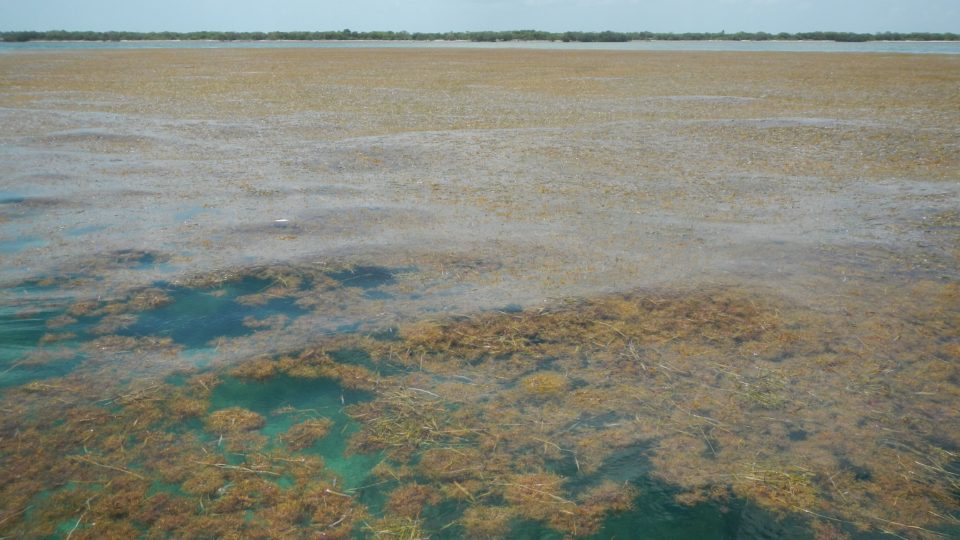
Scientists using data from NASA satellites have discovered and documented the largest bloom of seaweed in the world, stretching all the way from West Africa to the Gulf of Mexico.  The gigantic macroalgae bloom has been dubbed the Great Atlantic Sargassum Belt. 

The brown seaweed floats in surface water and in recent years has become a problem to shorelines lining the tropical Atlantic, Caribbean Sea, Gulf of Mexico, and east coast of Florida.  The stuff carpets popular beach destinations and crowded coastal waters. In 2018, more than 20 million tons of it floated on the ocean surface.

Scientists have been studying the Sargassum algae using satellites since 2006, but the major blooms have only started appearing since 2011.  They have occurred every year between 2011 and 2018 except for 2013.  Before 2011, most of the free-floating Sargassum in the ocean was primarily found in patches around the Gulf of Mexico and the Sargasso Sea located on the western edge of the central Atlantic Ocean.

Sargassum provides habitat for turtles, crabs, fish and birds, and produces oxygen via photosynthesis.  However, too much of it can crowd out many marine species.

According to researchers, the ocean’s chemistry must have changed in order for the bloom to get so out of hand.  The factors involved include a large seed population left over from a previous bloom, nutrient input from West Africa, and nutrient input from the Amazon River.  The increase in nutrients may be a result of deforestation and fertilizer use.

Climate-change effects on precipitation and ocean currents ultimately do play a role in this, but increased ocean temperatures do not.  Unfortunately, these giant seaweed blooms are probably here to stay.

**********

Web Links

NASA Satellites Find Biggest Seaweed Bloom in the World

Photo courtesy of NASA.

Earth Wise is a production of WAMC Northeast Public Radio.
Climate Change And Nutrients

August 15, 2019 By EarthWise Leave a Comment

Ending hunger isn’t a question of producing enough food.  Globally, enough food is produced to feed all 7.7 billion people on the planet.  But despite this, approximately 1 in 9 people go hungry.  Conflict, natural disasters, and extreme poverty are some of the main drivers of global hunger. 

Climate change is another.  The more frequent and intense extreme weather events increase food insecurity and malnutrition by destroying land, livestock, crops, and food supplies.  Climate change makes growing crops harder every year, especially for those who lack the tools and technology to adapt. 

But the challenge of reducing hunger and malnutrition is to not only produce foods that provide enough calories, but to also produce foods that make enough necessary nutrients widely available.  According to new research, climate change is projected to significantly reduce the availability of critical nutrients such as protein, iron, and zinc over the next 30 years.  The total impact of climate change could reduce global per capita nutrient availability of protein, iron, and zinc by 19.5%, 14.4%, and 14.6%, respectively.

While higher levels of carbon dioxide can boost growth in plants, wheat, rice, corn, barley, potatoes, soybeans, and vegetables are all projected to suffer nutrient losses of about 3% on average by 2050 due to the elevated CO2 levels.

The study, which was co-authored by an international group of researchers and published in the peer-reviewed journal, Lancet Planetary Health, represents the most comprehensive synthesis of the impacts of climate change on the availability of nutrients in the global food supply to date. 

Climate change is complicating the quest to end global hunger and malnutrition. 

**********

Web Links

Rising CO2, climate change projected to reduce availability of nutrients worldwide

Photo, posted April 30, 2015, courtesy of Flickr.

Earth Wise is a production of WAMC Northeast Public Radio.
Intense Rainfall And Crops

July 2, 2019 By EarthWise Leave a Comment

The warming of the planet does not necessarily imply local weather will be warmer or drier than average.  While heatwaves and droughts are increasingly common events in many places, so are intense rain events.

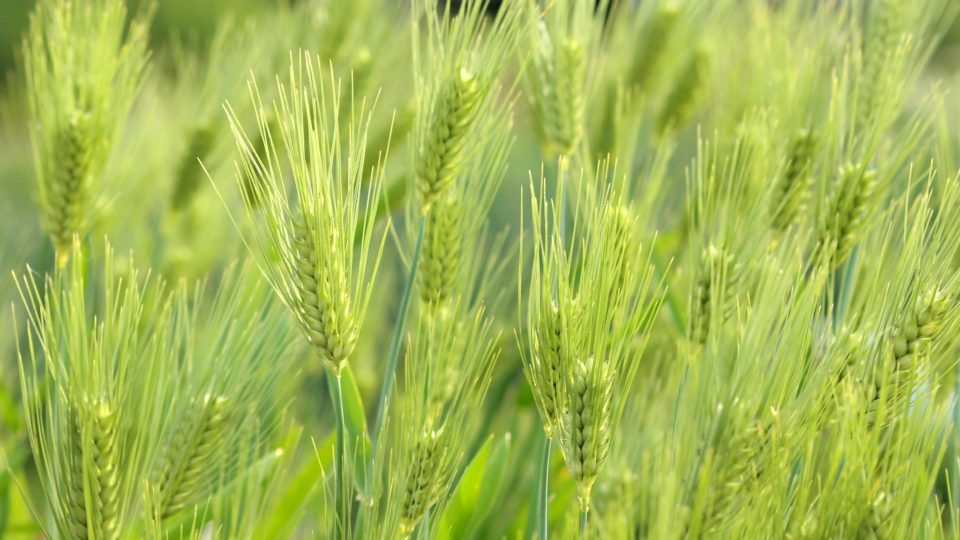
A new study led by scientists at the University of Illinois has found that intense rainfall is as damaging to the U.S. agricultural sector as heatwaves and excessive droughts.

The study examined more than three decades of crop insurance, climate, soil, and corn yield data.  Researchers found that since 1981, corn yields in the U.S. Midwest were reduced by as much as 34% during years with excessive rainfall.  Years with drought and heatwaves experienced yield losses of up to 37%.

Intense rain events can physically damage crops, delay planting and harvesting, restrict root growth, and cause oxygen deficiency and nutrient loss.  The study estimated that between 1989 and 2016, excessive rainfall caused $10 billion in agricultural losses. However, excessive rainfall can have either negative or positive impact on crop yield and the effects can vary regionally.

Parts of the Midwest have already experienced a 42% increase in the heaviest precipitation events since 1958.  Climate change models predict that much of this region will experience even more frequent and intense precipitation events in the coming decade.

According to the study, excessive rainfall is the major cause of crop damage currently in the U.S. for corn, and also has broad impacts for other staple crops such as soybeans and wheat. The authors suggest that as rainfall becomes more extreme, reforms will be needed in the U.S. crop insurance industry in order to better meet planting challenges faced by farmers. 

**********

Web Links

Intense Rainfall Is As Damaging to Crops As Heatwaves and Drought, and Climate Change Is Making It Worse

Photo, posted October 2, 2013, courtesy of the United Soybean Board via Flickr.

Earth Wise is a production of WAMC Northeast Public Radio.

  • « Go to Previous Page
  • Page 1
  • Page 2
  • Page 3
  • Go to Next Page »

Primary Sidebar

Recent Episodes

  • An uninsurable future
  • Clean energy and jobs
  • Insect declines in remote regions
  • Fossil fuel producing nations ignoring climate goals
  • Trouble for clownfishes

WAMC Northeast Public Radio

WAMC/Northeast Public Radio is a regional public radio network serving parts of seven northeastern states (more...)

Copyright © 2026 ·