• Skip to primary navigation
  • Skip to main content
  • Skip to primary sidebar

Earth Wise

A look at our changing environment.

  • Home
  • About Earth Wise
  • Where to Listen
  • All Articles
  • Show Search
Hide Search
You are here: Home / Archives for IUCN

IUCN

Elephants and protected areas

February 6, 2024 By EarthWise Leave a Comment

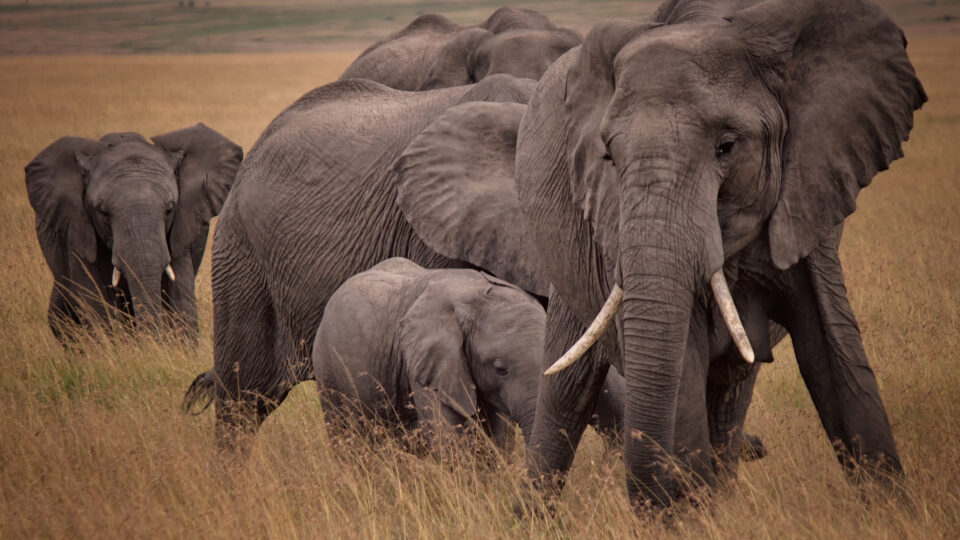
Standing up to 13 feet tall and weighing up to 7 tons, African savanna elephants are the largest species of elephant and the biggest terrestrial animal on Earth.  According to the World Wildlife Fund, African savanna elephants can be found in 23 countries and live in a variety of habitats, including savannas, forests, and deserts.  The largest populations are in Southern and Eastern African countries.

According to assessments from the International Union for Conservation of Nature, the population of African savanna elephants has decreased by at least 60% over the last 50 years.  Poaching and habitat loss are the two main drivers of the population decline.  In 2021, the status of the African savanna elephant was changed from vulnerable to endangered on the IUCN’s Red List of Threatened Species. 

However, according to a new study recently published in the journal Science Advances, conservation measures have successfully stopped African savanna elephant population declines across southern Africa.  The international team of researchers found that the pattern varies regionally, with some elephant populations soaring while others are still facing large declines.

Overall, the study found that there are the same number of elephants now as there were 25 years ago. According to researchers, the key to long-term elephant population growth and sustainability isn’t where a protected area is, but rather how connected it is to other protected or neutral areas around it. 

This isn’t a new concept; in fact, many parks have been connected to one another.  But this study helps prove that the method is effective for elephant conservation.  

**********

Web Links

Protected Areas for Elephants Work Best if They Are Connected

African elephant species now Endangered and Critically Endangered – IUCN Red List

African savanna elephant

Photo, posted October 20, 2018, courtesy of Ray via Flickr.

Earth Wise is a production of WAMC Northeast Public Radio
Thousands of species threatened

January 24, 2024 By EarthWise Leave a Comment

The IUCN tracks thousands of threatened species

The International Union for the Conservation of Nature is an organization working in the field of nature conservation and sustainable use of natural resources.  The IUCN has been around for nearly 75 years and is the global authority on the status of the natural world and the measures needed to safeguard it.

In its latest accounting, the IUCN has determined that more than 44,000 species worldwide are threatened with extinction.  Among them, nearly 7,000 face an immediate threat from climate change.

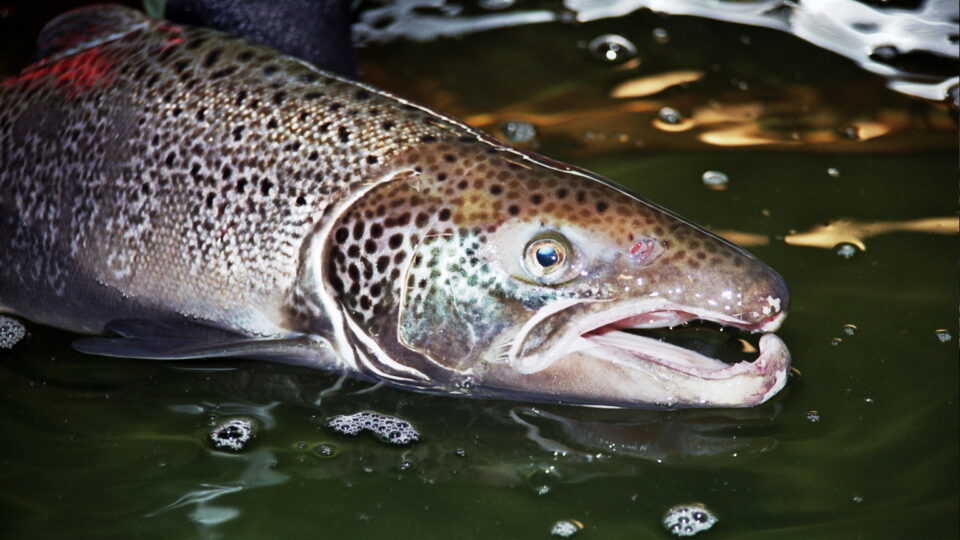
The organization tracks 157,000 species to compile its Red List and found that climate change poses a growing threat to many kinds of wildlife. At particular risk are freshwater fish including Atlantic salmon, which are now classified as “Near Threatened.” 

In all, about 25% of freshwater fish are threatened with extinction.  This is in part driven by rising sea levels which causes saltwater to be driven up into rivers.  Some 41% of amphibians are threatened with extinction, in part due to more intense heat and drought.  Many populations of green turtles are at risk of extinction because of rising temperatures lowering hatch rates and rising sea levels flooding nests.

It isn’t just animals at risk.  For example, big leaf mahogany, one of the world’s most commercially sought-after timber trees, has moved from Vulnerable to Endangered on IUCN’s Red List.  Thousands of trees have been added to the Red List, many of which are timber species, and some are keystone species in forests.

Endangered and threatened species are often irreplaceable parts of ecosystems which provide humans with many services that only the natural world can.

**********

Web Links

More Than 44,000 Species Now Threatened With Extinction

Photo, posted November 22, 2010, courtesy of E. Peter Steenstra/USFWS via Flickr.

Earth Wise is a production of WAMC Northeast Public Radio
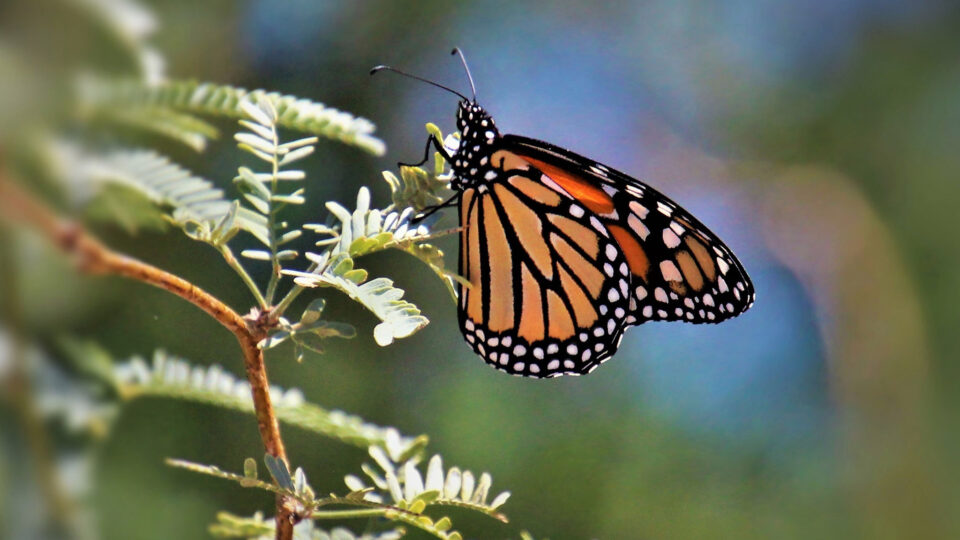
Aphids And Monarchs | Earth Wise

September 15, 2023 By EarthWise Leave a Comment

Aphids are negatively impacting monarch butterfly populations

Last year, the monarch butterfly was officially designated as endangered by the International Union for Conservation of Nature.  Estimates are that the overall population of the species has dropped between 20% and 90% over the past several decades. 

The migratory western population of monarchs is at the greatest risk of extinction, having declined by as much as 99.9% between the 1980s and 2021.  Legal and illegal logging and deforestation to make space for agriculture and urban development has destroyed much of the butterflies’ winter shelter in Mexico and California and pesticides and herbicides throughout the butterflies’ range kills both the butterflies and the milkweed that their larvae feed on.

A new study by the University of Florida has found that aphids feeding on the milkweed that grows across the southern portions of the US causes the butterflies to lay fewer eggs on the plants and the caterpillars developing on those plants were slower to mature.  The study showed that monarch laid three times as many eggs on aphid-free plants as they did on aphid-infested plants.

For years, there have been efforts to plant milkweed in urban areas to support monarch populations.  However, aphids and other insect pests often reach high densities on plants in urban settings. 

The researchers are advising home gardeners in the southern U.S. who want to conserve monarch butterflies to make use of safe techniques to limit aphid populations such as insecticidal soap.  This may not always be an option and the researchers are investigating other options to keep aphids at low levels that aren’t harmful to monarchs.

**********

Web Links

Aphids make tropical milkweed less inviting to monarch butterflies, study finds

Photo, posted October 12, 2018, courtesy of Renee Grayson via Flickr.

Earth Wise is a production of WAMC Northeast Public Radio
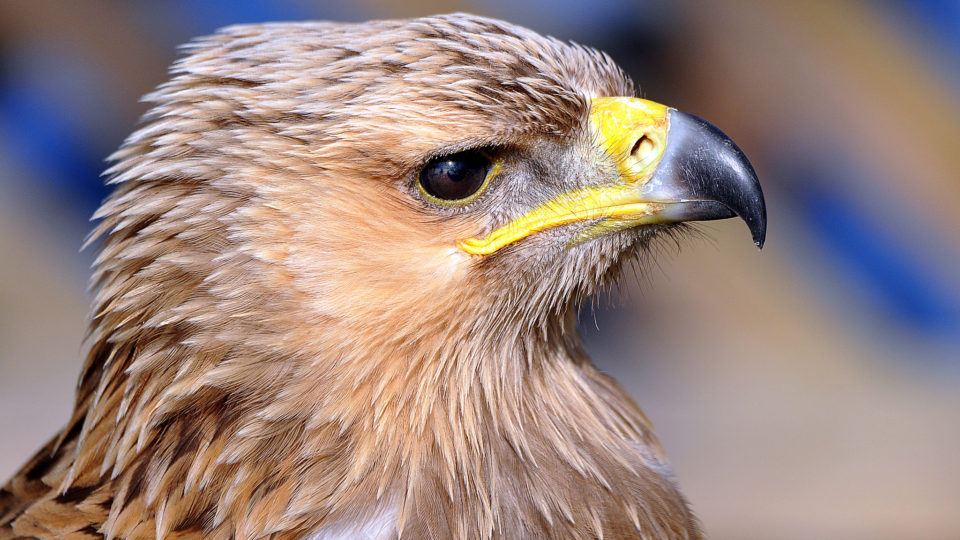
The Future Of Animals

June 12, 2019 By EarthWise Leave a Comment

Researchers at the University of Southampton have forecast a global shift towards smaller birds and mammals over the next century.   

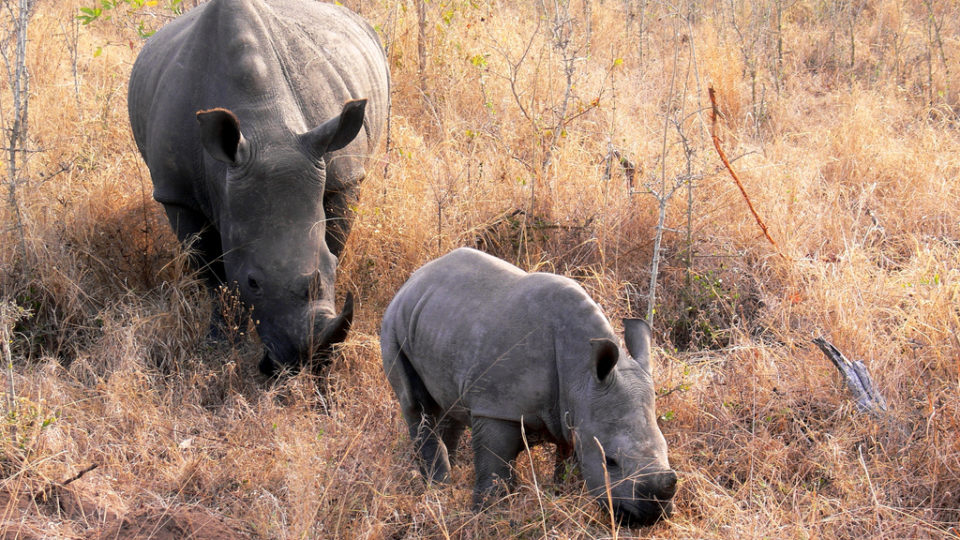
According to the research team, small, fast-lived, highly fertile, and insect-eating animals, which can thrive in all sorts of habitats, will predominate in the future.  Rodents and songbirds are examples of the so-called ‘winners.’  Less adaptable, slow-lived species, requiring specialist habitats, will be more likely to face extinction.  Among the so-called ‘losers’ are the black rhino and the tawny eagle. 

The researchers focused on more than 15,000 living mammals and birds and considered the following five characteristics: body mass, breadth of habitat, diet, litter or clutch size, and length of time between generations.  Using this data and data from the IUCN’s Red List of Threatened Species, the researchers used modern statistical tools to project and evaluate the loss of biodiversity.  

The study, which was recently published in the journal Nature Communications, predicts that the average body mass of mammals will collectively decline by 25% over just the next 100 years.  Over the past 130,000 years, the average body size of mammals only declined 14%.

This substantial downsizing of animals is forecasted to occur due to the effects of ecological change. But, according to the study’s lead author, the loss of these species, which perform unique functions within the global ecosystem, may ironically wind up being a driver of change as well.       

The researchers hope future studies will further explore the long-term effects of species extinction on habitats and ecosystems. 

**********

Web Links

Study predicts shift to smaller animals over next century

Photo, posted April 6, 2013, courtesy of Nic Trott via Flickr.

Earth Wise is a production of WAMC Northeast Public Radio.

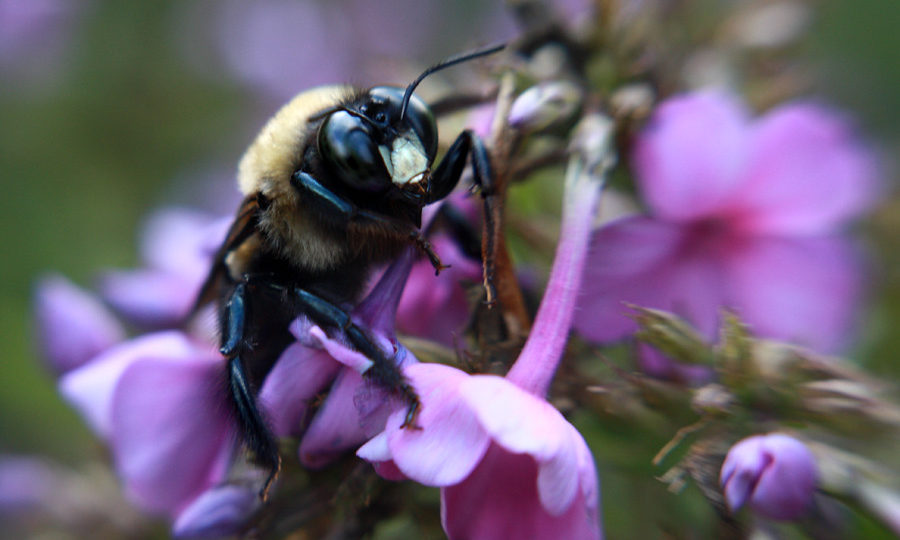
The American Bumblebee

May 29, 2019 By EarthWise Leave a Comment

Pollinators, such as bees and bats, are vital for global food production.  They provide an ecological service that’s necessary for the reproduction of nearly 75% of the world’s flowering plants, including more than two-thirds of the world’s food crops.

Bumblebees are among the most important plant pollinators.  They pollinate many food crops, including apples, tomatoes, blueberries and legumes, as well as countless types of trees, shrubs, and wildflowers.  But researchers have documented declines in both the abundance and range of many bumblebee species.

The American bumblebee, which is native to North America, is one of them.  The species can currently be found in eastern Canada, throughout much of the Eastern United States, and much of Mexico. 

According to a new study led by York University and recently published in the Journal of Insect Conservation, the American bumblebee is critically endangered, and it faces imminent local extinction from Canada.  This is considered the highest and most at-risk classification before extinction. 

The researchers used data from three sources in their study: the Bumble Bee Watch (which is a citizen science project), the Bumble Bees of North America database (that has records dating back to the late-1800s), and their own field survey work.  They used the IUCN’s Red List assessment criteria to evaluate the status of the American bumblebee within its Canadian range.

The research team found that the species’ area of occurrence has decreased by approximately 70% and its relative abundance dropped by 89% from 2007-2016 when compared to 1907-2006. 

The American bumblebee can still be found throughout its Canadian range.  But immediate conservation action is desperately needed.  

*********

Web Links

Disappearing bumblebee species under threat of extinction

Photo, posted August 22, 2011, courtesy of Rachel Elaine via Flickr.

Earth Wise is a production of WAMC Northeast Public Radio.

Extreme Botany

December 17, 2018 By EarthWise Leave a Comment

https://earthwiseradio.org/wp-content/uploads/2018/12/EW-12-17-18-Extreme-Botany.mp3

The threat of extinction of many animal species is something that makes headlines.  But there are also thousands of critically endangered plants in the world and that situation has not generated nearly the same sense of urgency.  Some biologists have used the term “plant blindness” to describe humanity’s inability to appreciate the ecological and economic importance of plants.

[Read more…] about Extreme Botany

Trading Rhino Horn And Tiger Bone

November 21, 2018 By EarthWise Leave a Comment

https://earthwiseradio.org/wp-content/uploads/2018/11/EW-11-21-18-Trading-Rhino-Horn-and-Tiger-Bone.mp3

Historically, rhino horn and tiger bone were used in traditional Chinese medicine to treat various illnesses, despite the lack of any evidence of their effectiveness.  In fact, rhino horn is simply keratin, a protein that is found in human fingernails and hair.  Rhino horn is used to treat everything from cancer to gout in traditional Chinese medicine.  Similarly, a paste made from crushed tiger bone is thought to treat a variety of ailments, including rheumatism and back pain.

[Read more…] about Trading Rhino Horn And Tiger Bone

A Big Problem For The Giant Panda

November 10, 2017 By EarthWise Leave a Comment

https://earthwiseradio.org/wp-content/uploads/2017/11/EW-11-10-17-A-Big-Problem-for-the-Panda.mp3

The giant panda, a national icon of China, has been the focus of an intensive, high-profile conservation campaign since the 1970s.  In an update to the IUCN’s Red List of Threatened Species last year, the giant panda had its designation changed from “endangered” to “vulnerable” following a nationwide census that revealed its population was improving.  But it appears as though this conservation success may be short-lived. 

[Read more…] about A Big Problem For The Giant Panda

Mapping Risk

June 6, 2017 By EarthWise

https://earthwiseradio.org/wp-content/uploads/2017/05/EW-06-06-17-Mapping-risk.mp3

The International Union for Conservation of Nature (IUCN) is the global authority for determining species’ vulnerability in the face of threats such as habitat loss and climate change. How widely a species can be found – its geographic range – is a key indicator used by the IUCN to assign an appropriate conservation status.

[Read more…] about Mapping Risk

Wildlife Rediscoveries

March 30, 2017 By EarthWise

https://earthwiseradio.org/wp-content/uploads/2017/03/EW-03-30-17-Wildlife-Rediscoveries-1.mp3

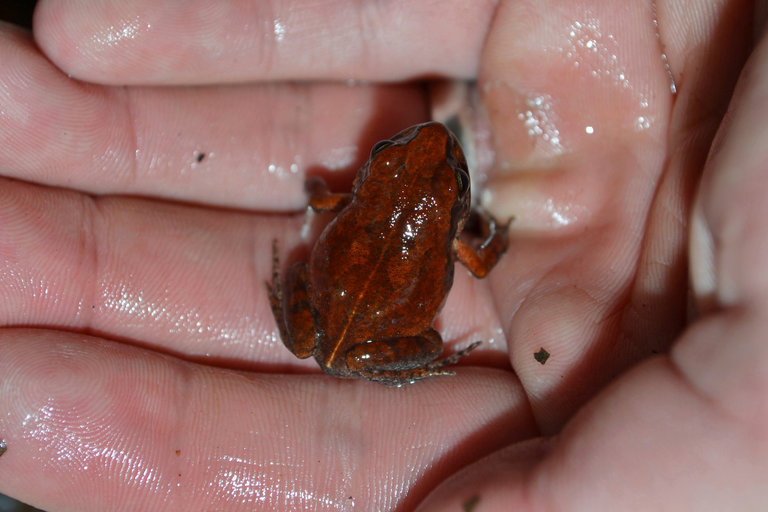
We recently brought you the rediscovery story of cave squeakers.  These tiny frogs, known for their high-pitched whistling calls, were native to the mountainous region of eastern Zimbabwe but had not been seen since 1962.  That all changed in late 2016, when researchers found four cave squeakers, confirming that after 58 years the species was not extinct.  Cave squeakers remain critically endangered according to the IUCN’s Red List of Endangered Species. 

[Read more…] about Wildlife Rediscoveries

Squeaking By

March 14, 2017 By EarthWise

https://earthwiseradio.org/wp-content/uploads/2017/03/EW-03-14-17-Squeaking-By.mp3

Amphibians are one of the most threatened groups of animals on the planet.  Since the late 1980s, scientists have measured dramatic population declines from locations all over the world.  The plummeting amphibian populations are perceived to be one of the most critical threats to global biodiversity.  According to the IUCN, about 1 of every 3 amphibian species is facing extinction.  Some of the greatest threats facing amphibians include climate change, disease, and habitat destruction. 

[Read more…] about Squeaking By

Can Cheetahs Survive?

January 24, 2017 By EarthWise

https://earthwiseradio.org/wp-content/uploads/2017/01/EW-01-24-17-Cheetahs-Survival-Threatened.mp3

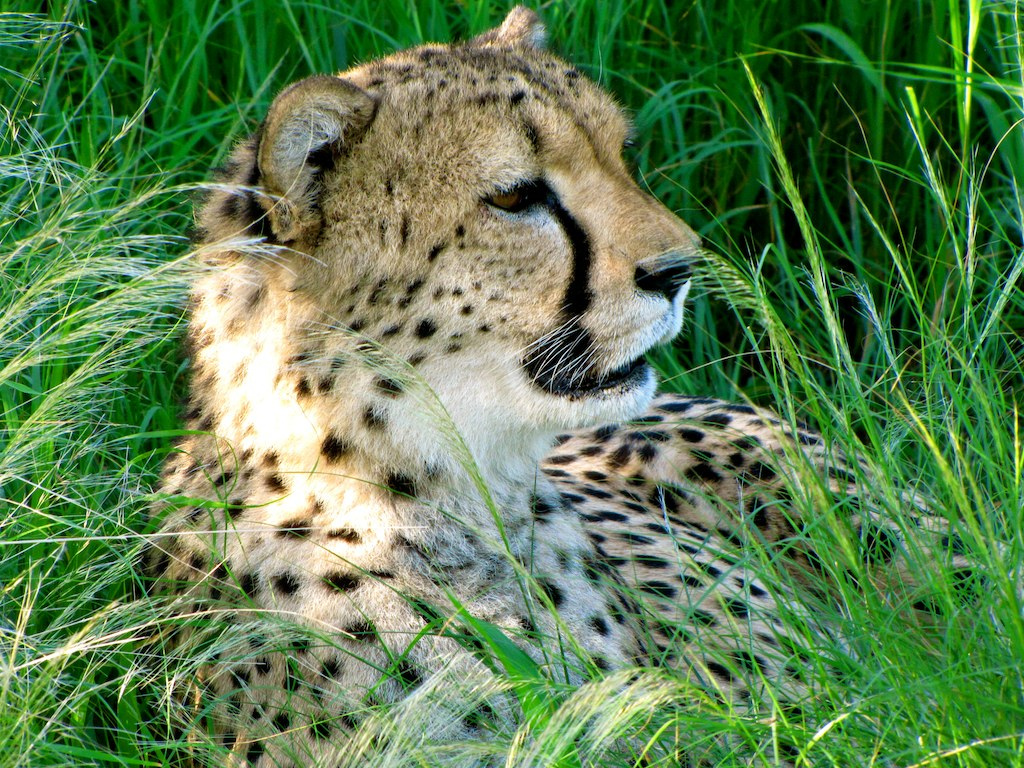
A new study has revealed that the global population of the world’s fastest land animal – the cheetah – is down to only 7,100, a drop of 50% over the past 40 years.  The dramatic decline in cheetah population could soon lead to the extinction of the species unless urgent conservation efforts are made.

[Read more…] about Can Cheetahs Survive?

Vulnerable to Extinction

January 10, 2017 By EarthWise

https://earthwiseradio.org/wp-content/uploads/2016/12/EW-01-10-17-Giraffe-Decline.mp3

According to the International Union for the Conservation of Nature, the world’s tallest land mammal may be in trouble.  Giraffe populations have declined dramatically over the past 30 years, falling to approximately 97,000 from 163,000 in the 1980s. 

[Read more…] about Vulnerable to Extinction

Pandas No Longer Endangered

November 24, 2016 By WAMC WEB

https://earthwiseradio.org/wp-content/uploads/2016/11/EW-11-24-16-Pandas-No-Longer-Endangered.mp3

Back in June, we reported that the International Union for the Conservation of Nature was reassessing the giant panda’s status as an endangered species.  Well, in an update of the IUCN’s Red List of Threatened Species in September, the giant panda was indeed downgraded to “vulnerable.”

[Read more…] about Pandas No Longer Endangered

Snow Leopards And Humans

November 10, 2016 By WAMC WEB

https://earthwiseradio.org/wp-content/uploads/2016/11/EW-11-10-16-Snow-Leopards-and-Humans.mp3

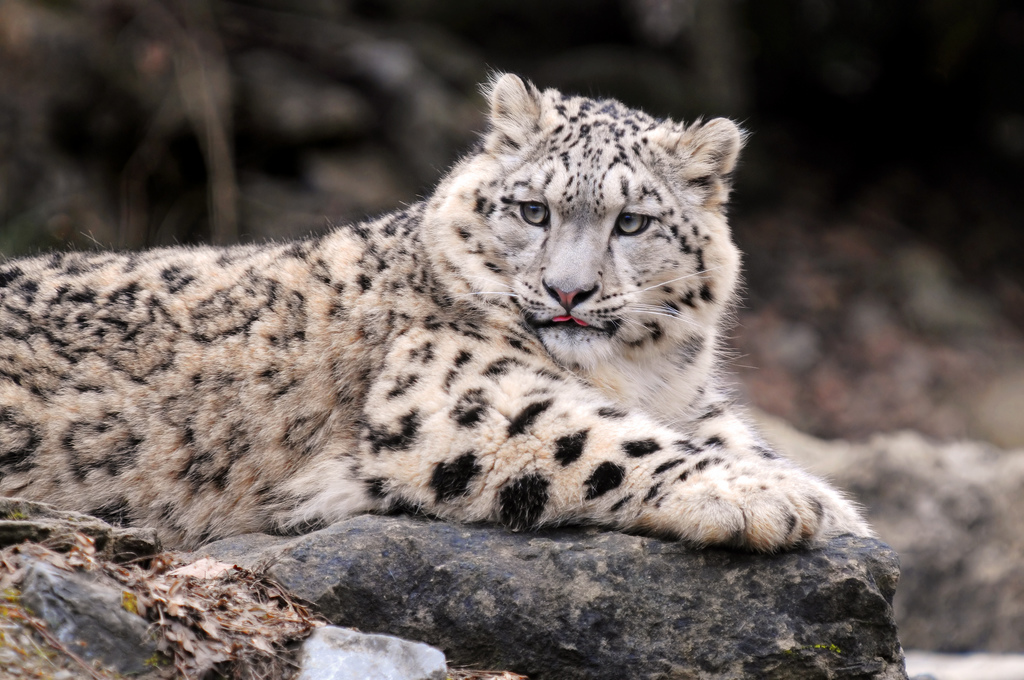
Snow leopards are majestic animals native to Central Asia.  They roam the region’s rugged terrain, from Afghanistan to Kazakhstan and Russia in the north, and to India and China in the east.  Snow leopards are known for their thick white coat of fur with ringed black and brown spots.  These markings help camouflage the animals from their prey.  But the camouflage does little to protect snow leopards from one of their biggest threats: humans.

[Read more…] about Snow Leopards And Humans

Wiping Out Our Relatives

September 20, 2016 By WAMC WEB

https://earthwiseradio.org/wp-content/uploads/2016/09/EW-09-20-16-Eastern-Gorillas.mp3

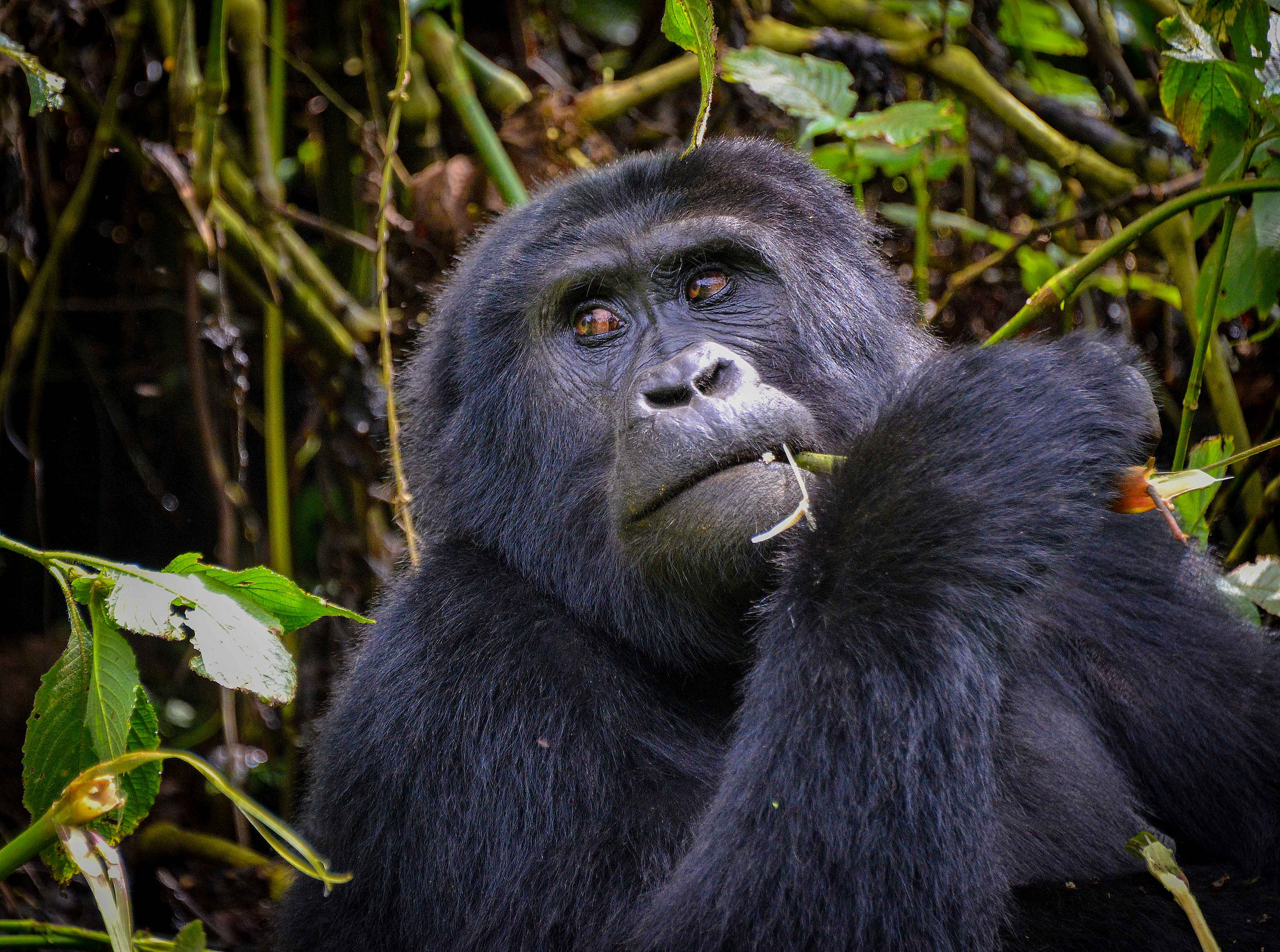
We recently highlighted the plight of orangutans.  Following years of failed conservation measures, all orangutans are now listed as critically endangered by the International Union for the Conservation of Nature.  The Sumatran orangutan had been listed as critically endangered for nearly two decades, but the Bornean orangutan was a recent addition.  According to the IUCN, all orangutans have an “extremely high risk of extinction in the wild.”  

[Read more…] about Wiping Out Our Relatives

Whale Sharks

September 9, 2016 By WAMC WEB

https://earthwiseradio.org/wp-content/uploads/2016/08/EW-09-09-16-Whale-Sharks.mp3

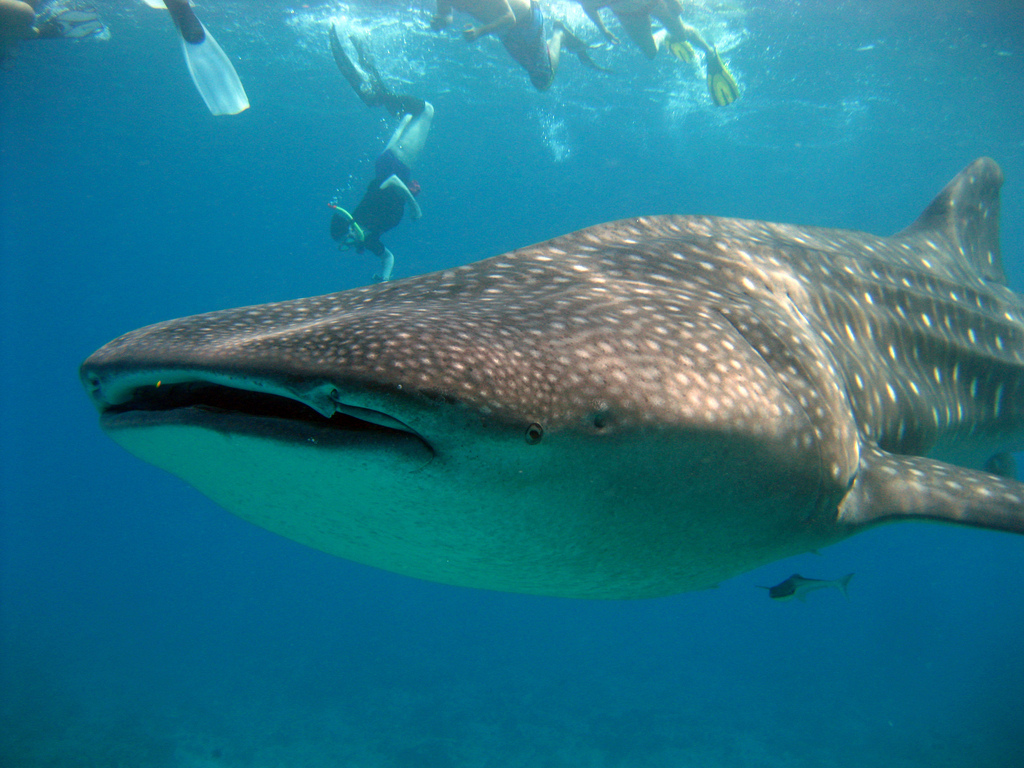
Whale sharks are the largest fish in the sea.  They can grow more than 40 feet in length, weigh up to 47,000 lbs, and have a lifespan of about 70 years.  They can be found cruising in the open waters of tropical oceans.  But despite being enormous, whale sharks are no threat to humans.  The docile beasts, which feed almost exclusively on plankton, have often been referred to as “gentle giants.”

[Read more…] about Whale Sharks

Sharks In Hot Water

August 25, 2016 By WAMC WEB

https://earthwiseradio.org/wp-content/uploads/2016/08/EW-08-25-16-Sharks-in-Hot-Water.mp3

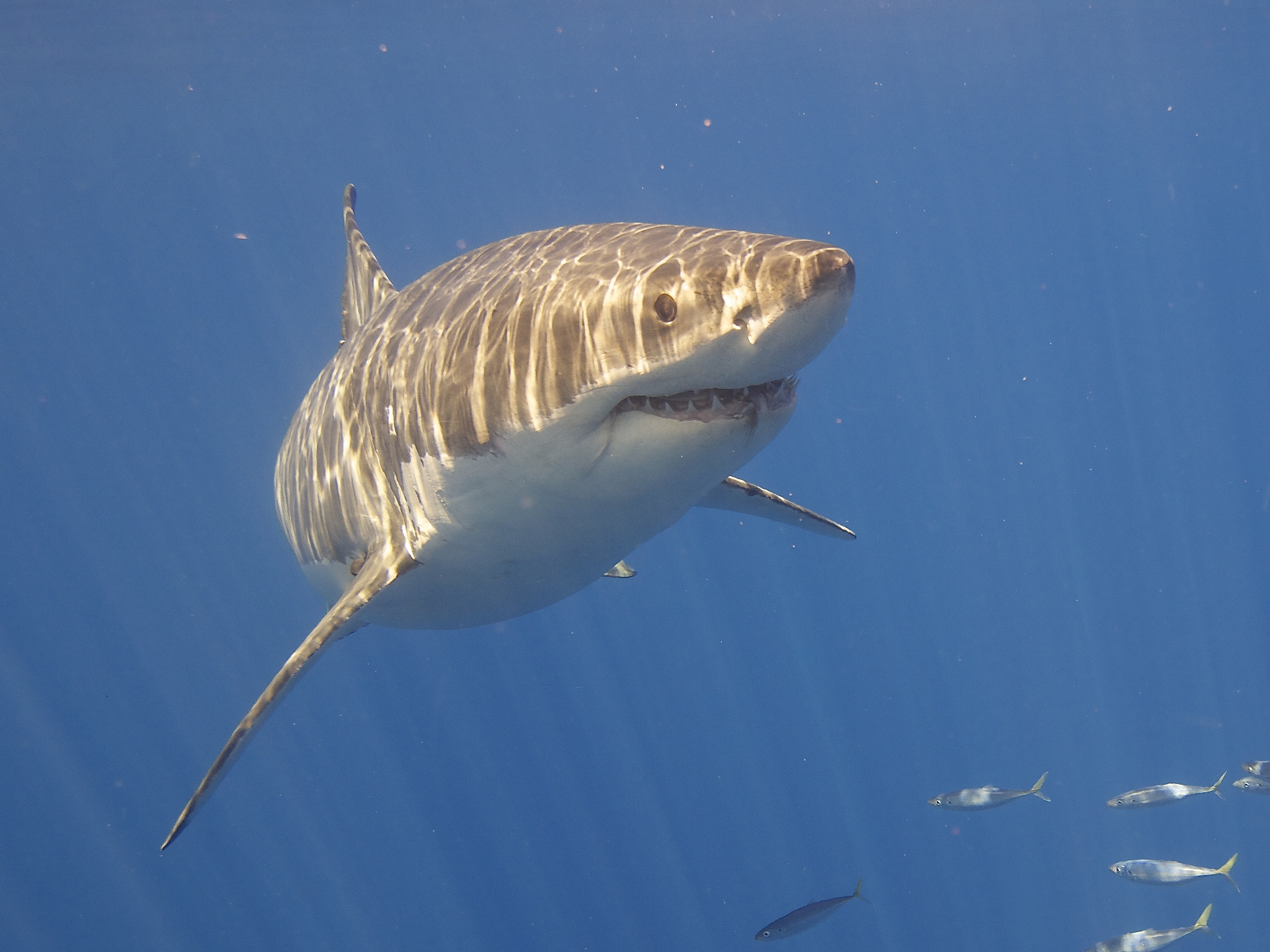
The majestic great white shark has been around for a very long time.  Its evolutionary origin dates back 14 to 16 million years.  And while great whites still enjoy decent populations off the coasts of Canada, Australia, and the United States, the same can’t be said for South Africa’s great whites. 

[Read more…] about Sharks In Hot Water

The Plight Of Orangutans

August 1, 2016 By WAMC WEB

https://earthwiseradio.org/wp-content/uploads/2016/08/EW-08-01-16-The-Plight-of-Orangutans.mp3

Orangutans – one of the planet’s most intelligent animals – can only be found in the wild on the Indonesian island of Sumatra and the island of Borneo, which is a land mass shared by Indonesia, Malaysia and Brunei.  And for years conservationists have been warning that measures put in place to protect orangutans have been failing.  And they were correct.  It was recently declared that orangutans are officially headed for extinction.

[Read more…] about The Plight Of Orangutans

Giant Pandas And The Endangered Species List

July 4, 2016 By WAMC WEB

https://earthwiseradio.org/wp-content/uploads/2016/06/EW-07-04-16-Giant-Pandas-And-The-Endangered-Species-List.mp3

Giant pandas are among the most beloved animals in the world and are the iconic symbol of China as well as of the World Wildlife Fund, the global NGO dedicated to wildlife conservation.  In the mid 1990s, the population of wild pandas dropped to as low as 1,000 as a result of habitat loss, habitat fragmentation, and an intrinsically low birth rate.  There is also illegal poaching despite severe penalties.   Pandas have been considered to be an endangered species for quite some time.

[Read more…] about Giant Pandas And The Endangered Species List

Primary Sidebar

Recent Episodes

  • An uninsurable future
  • Clean energy and jobs
  • Insect declines in remote regions
  • Fossil fuel producing nations ignoring climate goals
  • Trouble for clownfishes

WAMC Northeast Public Radio
WAMC/Northeast Public Radio is a regional public radio network serving parts of seven northeastern states (more...)
Copyright © 2026 ·