• Skip to primary navigation
  • Skip to main content
  • Skip to primary sidebar

Earth Wise

A look at our changing environment.

  • Home
  • About Earth Wise
  • Where to Listen
  • All Articles
  • Show Search
Hide Search
You are here: Home / Archives for invasive species

invasive species

Family Forests And Climate Change | Earth Wise

July 13, 2020 By EarthWise Leave a Comment

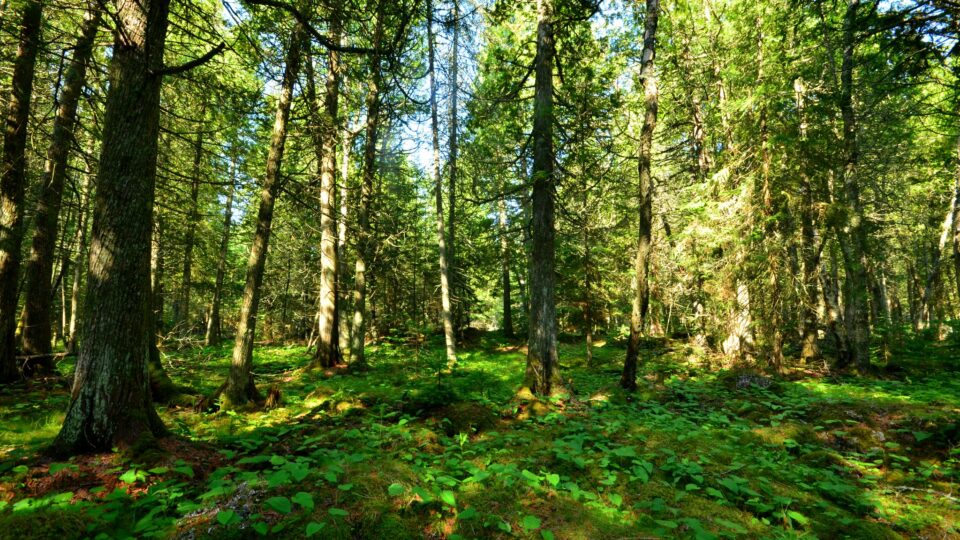
family forests can help meet the climate challenge

Climate experts consider sequestration and storage of carbon in trees to be among the most affordable and scalable natural climate solutions.  If implemented globally, trees could provide a third of the near-term climate change mitigation needed to meet the terms of the Paris Agreement.

Small family-owned forests make up 38% of U.S. forests, a total area 1.5 times the size of Texas and more than any other ownership type.  Most small landowners want to do right by their land, but they rarely have access to the expertise or resources needed to optimize their forests for carbon sequestration.

This spring, the Nature Conservancy, the American Forest Foundation, and the Vermont Land Trust announced two new programs, funded in part by a $10 million grant by Amazon, that will provide funds to small landowners to grow larger, healthier forests.

Few forests are managed for carbon sequestration.  Practices like fast logging rotations, so-called high-grading that strips out the largest, most valuable trees, and rampant invasive species all compromise the ability of a forest to lock away carbon.  It turns out that most small landowners would like to do better, but they don’t have the expertise or the financial resources to implement sustainable management.

Existing carbon markets are not geared towards small forest owners.  Their payments are tiny and the required contract terms are onerous.  The Family Forest Carbon Program commits landowners for only 10 to 20 years.  Typical landowners won’t get a windfall.  A 100-acre landholding would stand to earn around $24,500 over 20 years. 

If these programs can sign up 20% of U.S. forest landowners, it could offset the emissions from 6 million cars.

**********

Web Links

How Small Family Forests Can Help Meet the Climate Challenge

Photo, posted July 14, 2013, courtesy of Joshua Mayer via Flickr.

Earth Wise is a production of WAMC Northeast Public Radio.
What Is An Endangered Species? | Earth Wise

March 3, 2020 By EarthWise Leave a Comment

Defining an endangered species

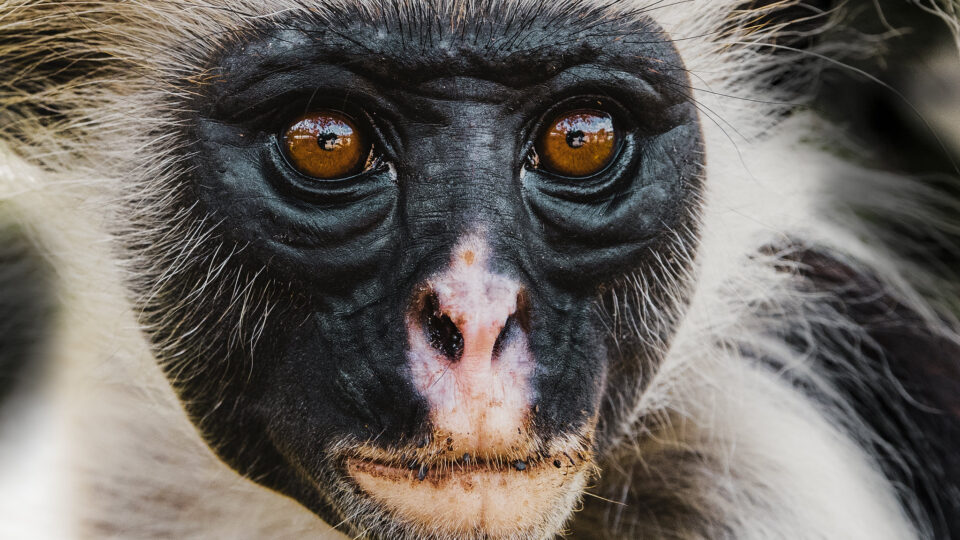
Biodiversity is declining rapidly throughout the world and people are mostly the reason.  Species are disappearing because of changes in land and sea use, the direct exploitation of organisms, climate change, pollution, and invasive alien species resulting from globalization.  The challenges of conserving the world’s species are many and difficult.  Among these challenges are determining which species are endangered and how and when to protect them.

What constitutes an endangered species is not necessarily obvious. 

Extinction risk increases as a species is driven to extinction from portions of its natural range.  Most mammal species have already been driven to extinction from half or more of their historic ranges because of human activities.

According to a recent survey of ordinary Americans, three-quarters of participants said that a species deserves special protections if it had been driven to extinction from any more than 30% of its historic range.  This compares with the language of the U.S. Endangered Species Act that defines an endangered species as one that is “in danger of extinction throughout all or a significant portion of its range.”

Experts and decision-makers are more accepting of risks and losses because they believe greater protection would be impossibly expensive.  Decision-makers tend to be influenced by special interest groups with a vested interest in not instituting protections.

Before human activities began elevating extinction risk, a typical vertebrate species would have experienced an extinction risk of 1% over a 10,000-year period.  Current policies consider a 5% risk over 100 years to be acceptable.  Policies consider whether we can afford to protect species.  Given the dangers of declining biodiversity, we should ask whether we can afford not to.

**********

Web Links

What Is An Endangered Species?

Photo, posted July 29, 2018, courtesy of Sergio Boscaino via Flickr.

Earth Wise is a production of WAMC Northeast Public Radio.
Exotic Pets Can Become Problems

August 26, 2019 By EarthWise Leave a Comment

Each year, millions of exotic animals are sold as pets around the world.  The term “exotic” lacks a set definition but is generally used to refer to an animal that’s wild or more unusual than standard pets, like cats and dogs. 

The exotic pet trade is a multi-billion dollar industry,  involving tens of millions of individual animals from thousands of species, including reptiles, amphibians, fish, birds, and mammals.

Some of the exotic pet trade is legal, but a lot of it isn’t.  Many animals are illegally captured from the wild to meet the global demand for exotic pets. 

People often purchase exotic animals without completely understanding the consequences.  Some exotic pets, for example, can live nearly twice as long as the average dog.  Caring for exotic pets can be both expensive and risky, since they are largely undomesticated (and therefore can have unpredictable behavior).

As a result, it’s not uncommon for owners to release exotic pets intentionally.  When this happens, the consequences can be catastrophic.  Sometimes the animal dies from starvation or predation, but in other instances, the animal proliferates and becomes an invasive species.

Invasive species are the second largest driver of biodiversity loss worldwide, and they cost the U.S. $120 billion a year. 

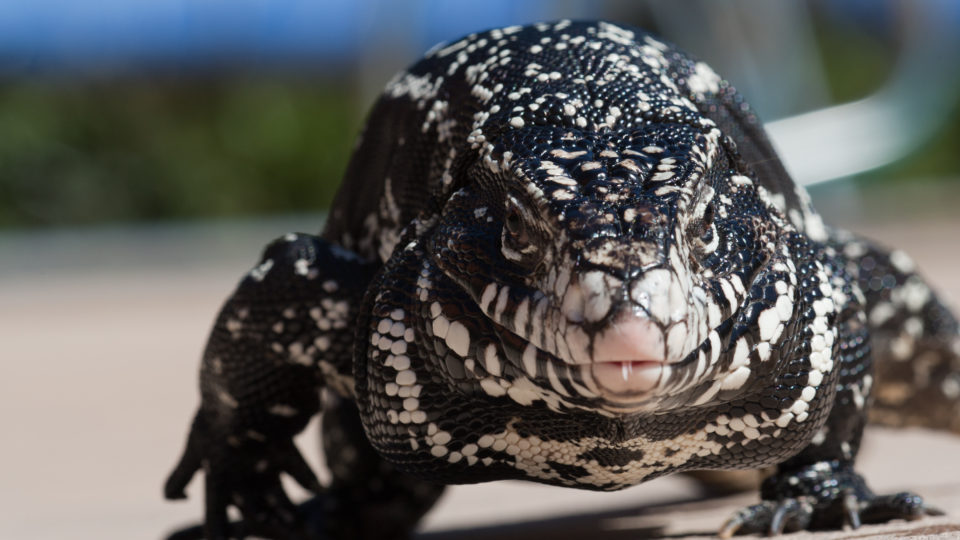
According to an academic review recently published in the journal Frontiers in Ecology and the Environment, the exotic pet trade is one of the primary causes of the spread of invasive species and has fueled the establishment of hundreds of them.  Tegus, Burmese pythons, and red lionfish are examples of pets-turned-pests. 

The best way to combat this trend is through education, detection, and rapid response. 

**********

Web Links

Why you should never release exotic pets into the wild

Photo, posted September 19, 2010, courtesy of Mike Baird via Flickr.

Earth Wise is a production of WAMC Northeast Public Radio.
One Million Extinctions

June 14, 2019 By EarthWise Leave a Comment

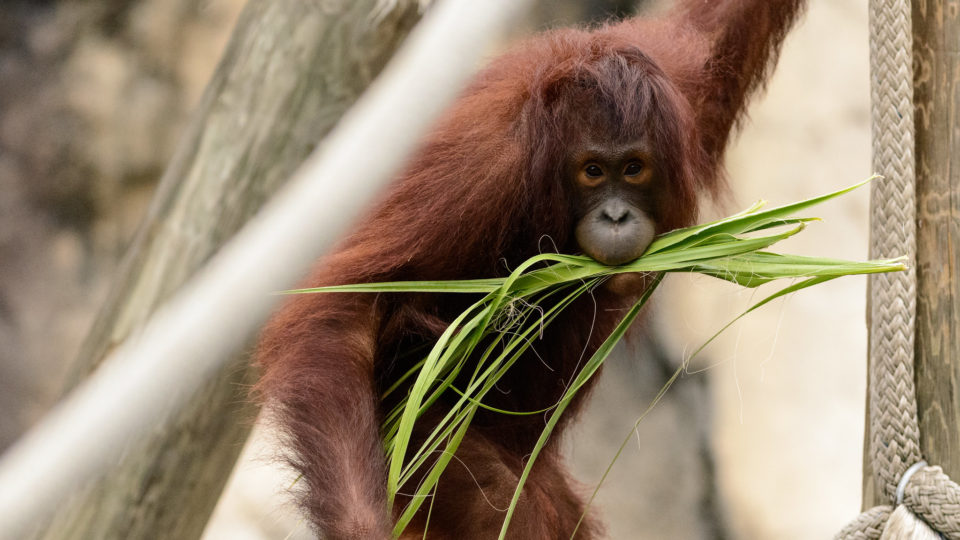
A group of 145 expert authors from 50 countries has produced a report based upon a review of 15,000 scientific and government sources that is the first comprehensive look at the state of the planet’s biodiversity in 15 years.  The conclusions are alarming.

Thanks to human pressures, one million species may be pushed to extinction in the next few years, something with serious consequences for human beings as well as the rest of life on earth.

Based upon scientific studies as well as indigenous and local knowledge, the evidence is overwhelming that human activities are the primary cause of nature’s decline.  The report ranked the major drivers of species decline as land conversion, including deforestation; overfishing; bush meat hunting and poaching; climate change; pollution; and invasive alien species.

The tremendous variety of living species on our plant which number at least 8.7 million and perhaps many more – biodiversity – constitutes a life-supporting safety net that provides our food, clean water, air, energy, and more.

In parts of the ocean, little life remains but green slime.  Some remote tropical forests are nearly silent because insects have vanished.  Many grasslands are becoming deserts.  Human activity has severely altered more than 75% of Earth’s land areas and has impacted 66% of the oceans.  The world’s oceans increasingly are characterized by plastics, dead zones, overfishing, and acidification.

The main message of the 1,500-page report is that transformative change is urgently needed.  In order to safeguard a healthy planet, society needs to shift from a sole focus on chasing economic growth.  This won’t be easy, but we must come to the understanding that nature is the foundation for development before it is too late.

**********

Web Links

One million species at risk of extinction, UN report warns

Photo, posted January 1, 2014, courtesy of Eric Kilby via Flickr.

Earth Wise is a production of WAMC Northeast Public Radio.
Protecting Vulnerable Shorelines

May 21, 2019 By EarthWise Leave a Comment

Global climate change is having noticeable effects on the environment. For example, glaciers are shrinking.  Plant and animal ranges are shifting and populations decreasing.  And droughts, floods, and wildfires are becoming more frequent and more intense.  According to the Intergovernmental Panel on Climate Change, the evidence indicates that the net damage costs of climate change are likely to be significant and to increase over time. 

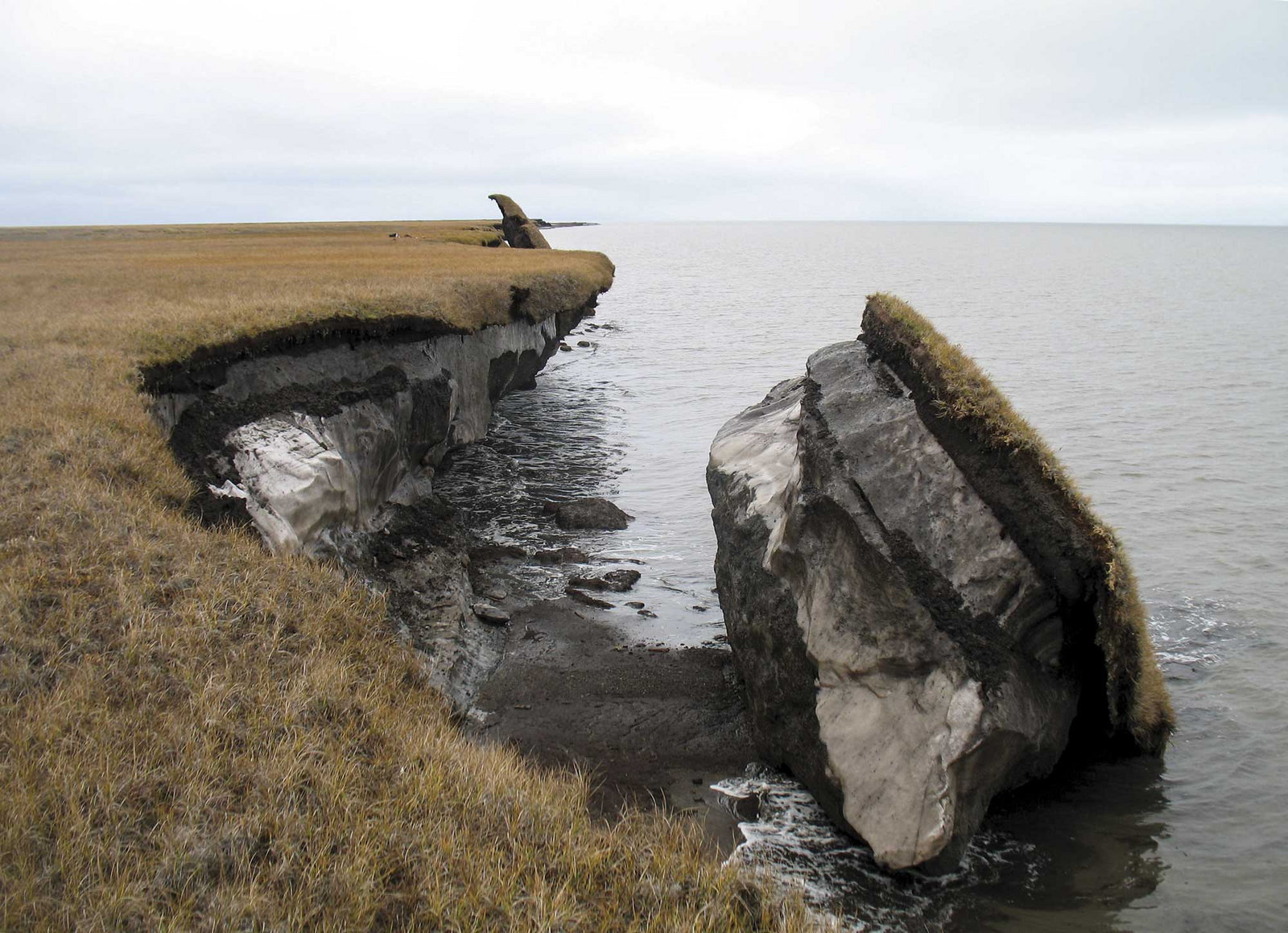
Our coastal shorelines, which are already stressed by human activity, pollution, storms, and invasive species, are one of many areas expected to be further threatened by climate change.  Sea level rise and more intense and frequent storms are expected to erode and inundate coastal ecosystems and eliminate wetlands.  Ocean acidification is also projected to disrupt marine environments. 

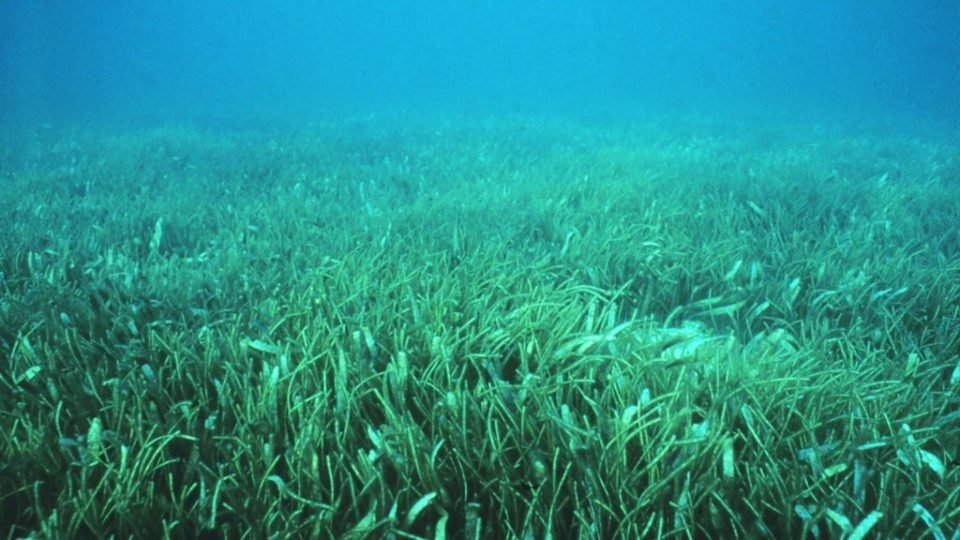
But according to scientists at the Massachusetts Institute of Technology, seagrasses could play a key role in protecting these vulnerable shorelines from this onslaught.  The MIT research team demonstrated how the ubiquitous marine plants dissipate wave energy and help protect against erosion, which could help mitigate damage from rising seas. 

Using mathematical modelling and experiments, the MIT researchers were able to quantify for the first time how large and dense a continuous meadow of seagrass must be in order to provide adequate damping of waves in a given setting.  They also found that seagrasses offer significant environmental benefits, including preventing beach erosion, protecting seawalls and coastal structures, improving water quality, and sequestering carbon. 

Submerged aquatic vegetation, including seagrasses, provides an ecosystem service exceeding $4 trillion annually.  Hopefully these findings can help provide useful guidance for seagrass restoration efforts.

**********

Web Links

Seagrass’ strong potential for curbing erosion

The Effects of Climate Change

Photo, posted October 13, 2010, courtesy of the NOAA Photo Library via Flickr.

Earth Wise is a production of WAMC Northeast Public Radio.
Shipping And Invasive Species

May 7, 2019 By EarthWise Leave a Comment

The increasing numbers of invasive species around the world are a major driver of biodiversity change and cause billions of dollars in economic damages annually.  Climate change is a major factor in the spread of invasive species, but a new study by McGill University suggests that global shipping growth will far outweigh climate change in the spread of non-indigenous pests to new environments in the coming decades.

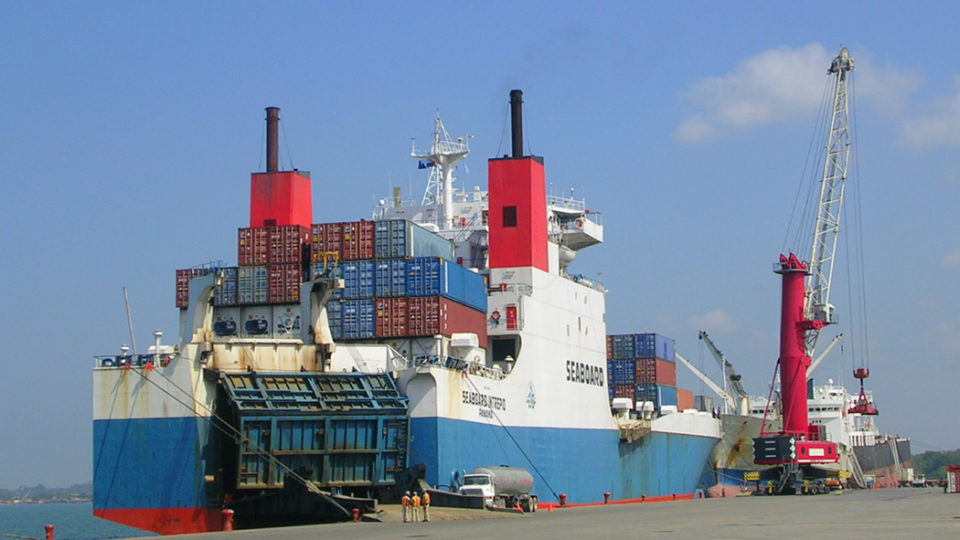
One of the most significant ways in which the disparate regions of the world are interconnected is via transportation networks.   The global shipping network is the primary means by which materials and goods are moved worldwide, accounting for over 80% of world trade.  And for this reason, the global shipping network is responsible for much of the introduction of non-indigenous species across the planet.

Living organisms are often transported through ballast water, which is taken up to stabilize cargo vessels.  Other species are transported by biofouling, whereby they attach to the hulls of ships.  Taken together, these two pathways account for anywhere between 60 and 90% of marine bioinvasions.   (Terrestrial invaders are generally moved as a byproduct of shipping, for example by infesting wood packaging material).

The McGill study looked at trends in global shipping and how socioeconomic factors are driving change.  For example, China’s share of global container throughput has gone from 1.4% in 1990 to 20.1% in 2013.  So, the distribution and patterns of shipping have been changing dramatically and with it the spread of non-indigenous species.

Awareness of this issue is increasing.  For example, there have been policy initiatives such as the International Ballast Water Management Convention that is an effort to control bio-invasions through measures such as ballast exchange.  We need to take measures to limit the unintentional spread of species.

**********

Web Links

Global forecasts of shipping traffic and biological invasions to 2050

Photo, posted December 3, 2009, courtesy of Roger W via Flickr.

Earth Wise is a production of WAMC Northeast Public Radio.
Pollinators With Backbones

May 25, 2018 By EarthWise Leave a Comment

https://earthwiseradio.org/wp-content/uploads/2018/05/EW-05-25-18-Pollinators-with-Backbones.mp3

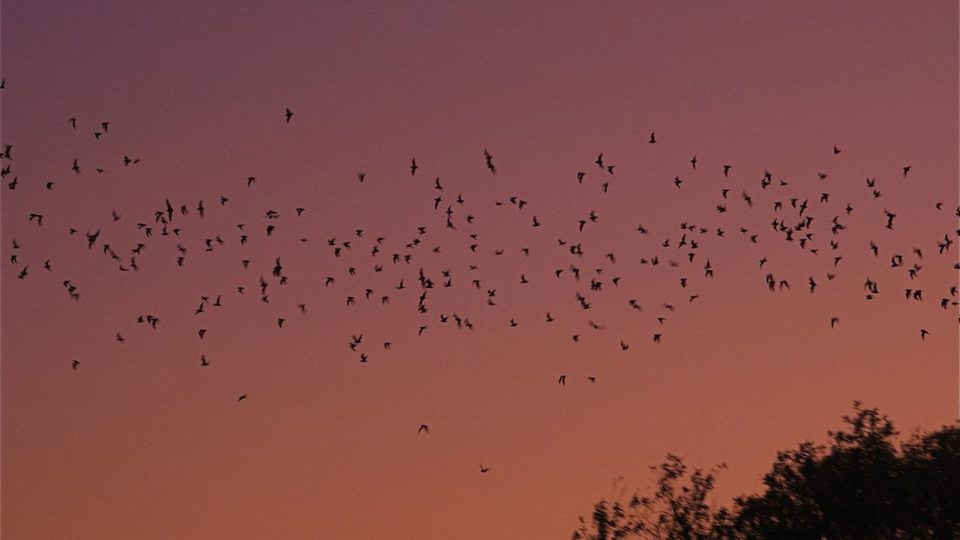
There is a great deal of concern about the status of pollinators like bees and butterflies.  They play a crucial role for many important food crops.  But it turns out that lizards, mice, bats and other vertebrates are important pollinators too.

[Read more…] about Pollinators With Backbones

Tsunami And Invasive Species

November 13, 2017 By EarthWise Leave a Comment

https://earthwiseradio.org/wp-content/uploads/2017/10/EW-11-13-17-Tsunami-and-Invasive-Species.mp3

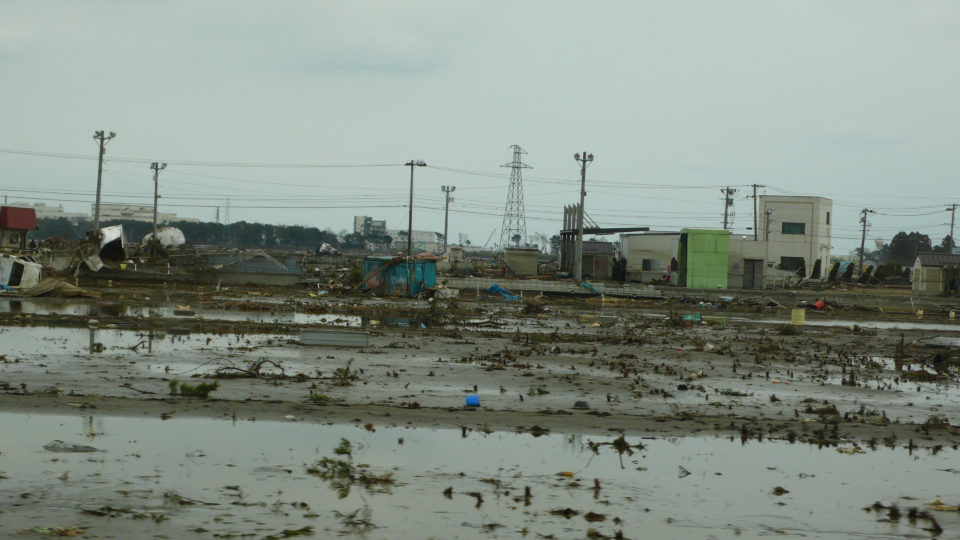
According to a new study published in the journal Science, scientists have discovered that hundreds of Japanese marine species have been swept across the Pacific Ocean to the United States following the deadly Tsunami in 2011.        

[Read more…] about Tsunami And Invasive Species

Increasing Biological Invasions

June 1, 2017 By EarthWise

https://earthwiseradio.org/wp-content/uploads/2017/06/EW-06-01-17-Increasing-Biological-Invasions.mp3

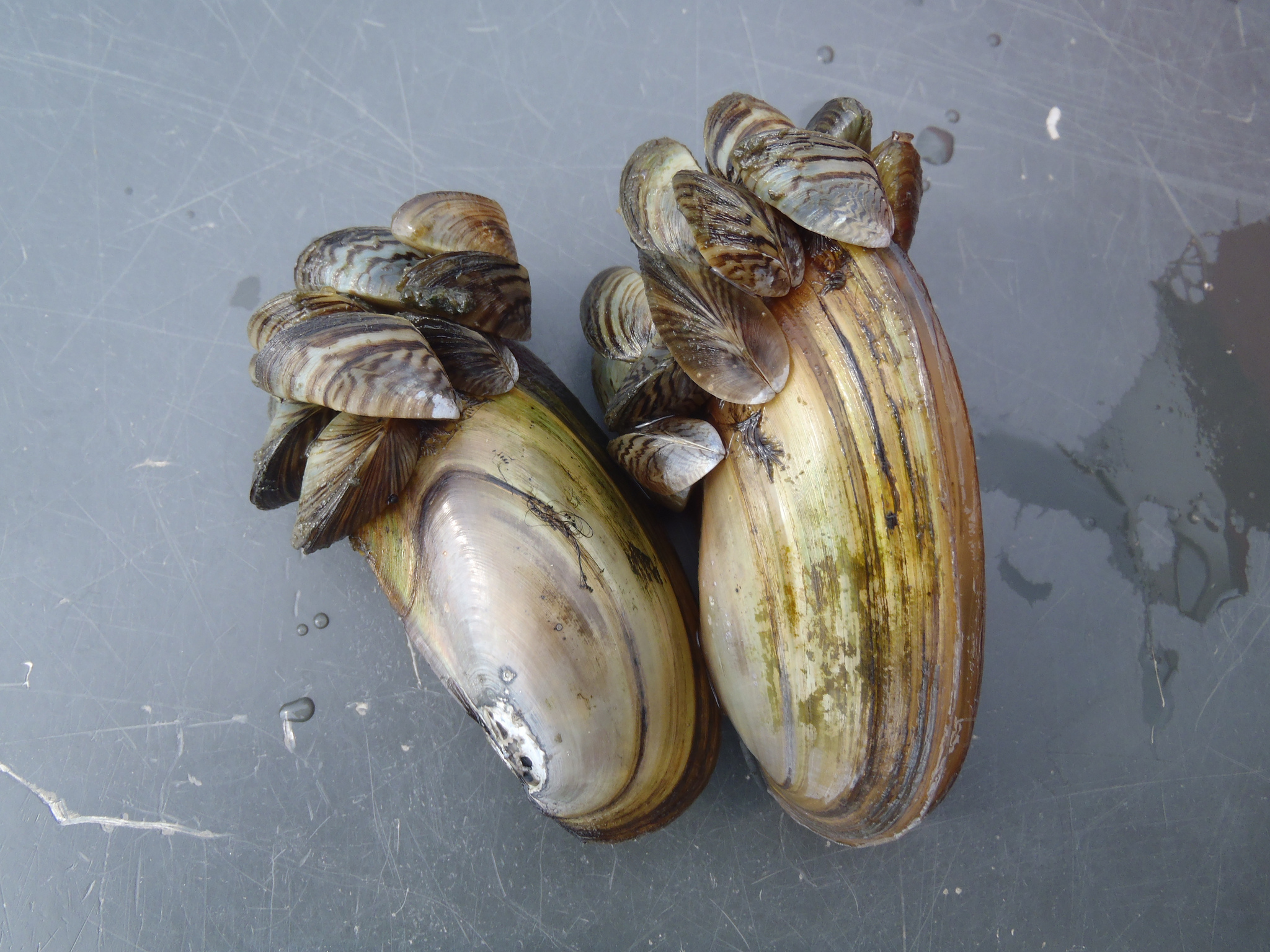
Invasive species have been a problem for quite some time.  Over the years, we have grappled with – among other things – invasive plants from Japan, zebra mussels from eastern Europe, and Asian fungus that kills off ash trees in our forests.

[Read more…] about Increasing Biological Invasions

A Helpful Invader

April 5, 2017 By EarthWise

https://earthwiseradio.org/wp-content/uploads/2017/03/EW-04-05-17-A-Helpful-Invader.mp3

Invasive species are a great concern for the health and stability of ecosystems.  They are defined as plants, animals or pathogens that are non-native to the ecosystem under consideration and whose introduction causes or is likely to cause harm.  It is that latter consideration that isn’t always obvious.

[Read more…] about A Helpful Invader

Wiping Out Wildlife

December 1, 2016 By WAMC WEB

https://earthwiseradio.org/wp-content/uploads/2016/12/EW-12-01-16-Wiping-Out-Wildlife.mp3

According to a new report from the World Wildlife Fund, the world’s animal populations have suffered widespread population declines in the last half century.  And thousands of species are now scrambling to survive. 

[Read more…] about Wiping Out Wildlife

Are All Invasive Species Bad?

April 8, 2016 By WAMC WEB

https://earthwiseradio.org/wp-content/uploads/2016/03/EW-04-08-16-Are-All-Invasives-Bad.mp3

The conventional wisdom is that invasive species are bad news and we constantly hear about the dangers of foreign plants and animals moving into new territories.

[Read more…] about Are All Invasive Species Bad?

Fungal Diseases And Wildlife

February 18, 2016 By WAMC WEB

https://earthwiseradio.org/wp-content/uploads/2016/02/EW-02-18-16-Fungal-Diseases-and-Wildlife.mp3

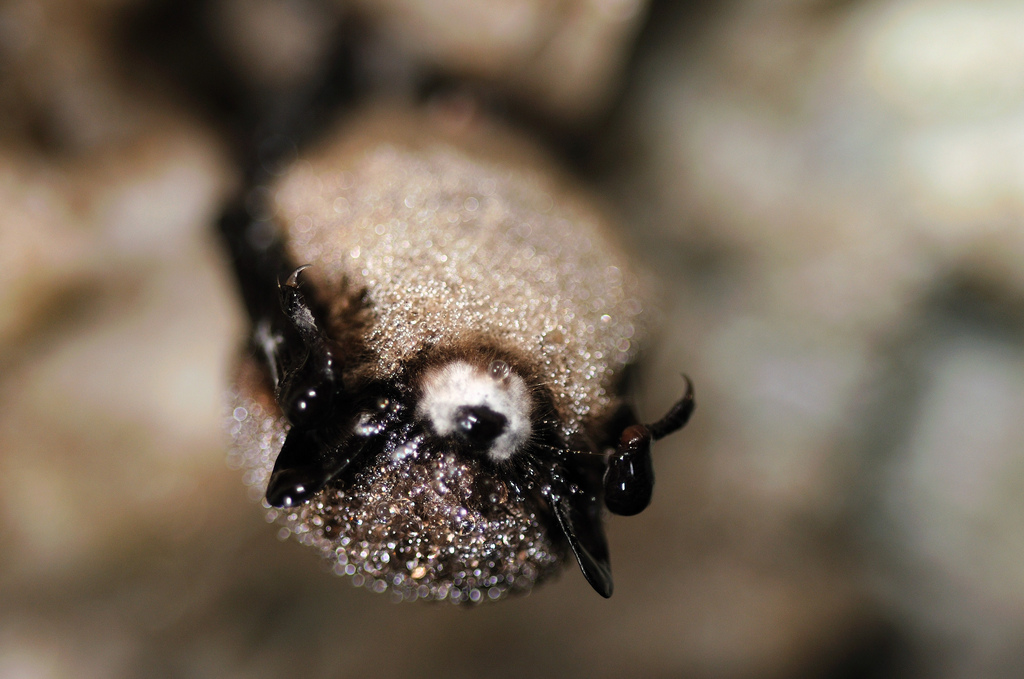
Since the late 1990s, there has been an unprecedented global wave of virulent fungal infections that has been decimating whole groups of animals from salamanders and frogs, to snakes and bats.

[Read more…] about Fungal Diseases And Wildlife

Mosquito Migration

September 22, 2015 By EarthWise

tiger-mosquito

https://earthwiseradio.org/wp-content/uploads/2015/09/EW-09-22-15-Mosquito-Migration.mp3

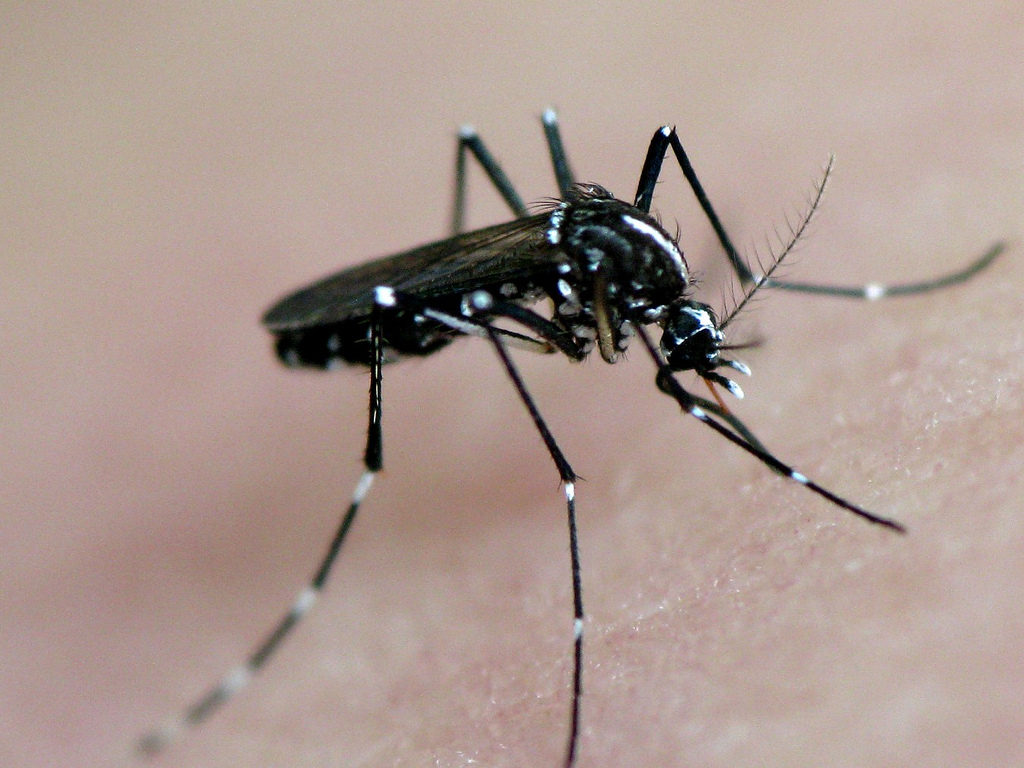
Globally, there are more than 3,000 mosquito species, with around 150 native to the U.S. To many listeners – a mosquito is a mosquito.  But depending on the species that bites you, mosquitoes can be a nuisance or a public health threat.

[Read more…] about Mosquito Migration

Missing Monarchs

August 17, 2015 By EarthWise

monarch

https://earthwiseradio.org/wp-content/uploads/2015/07/EW-08-17-15-Missing-Monarchs.mp3

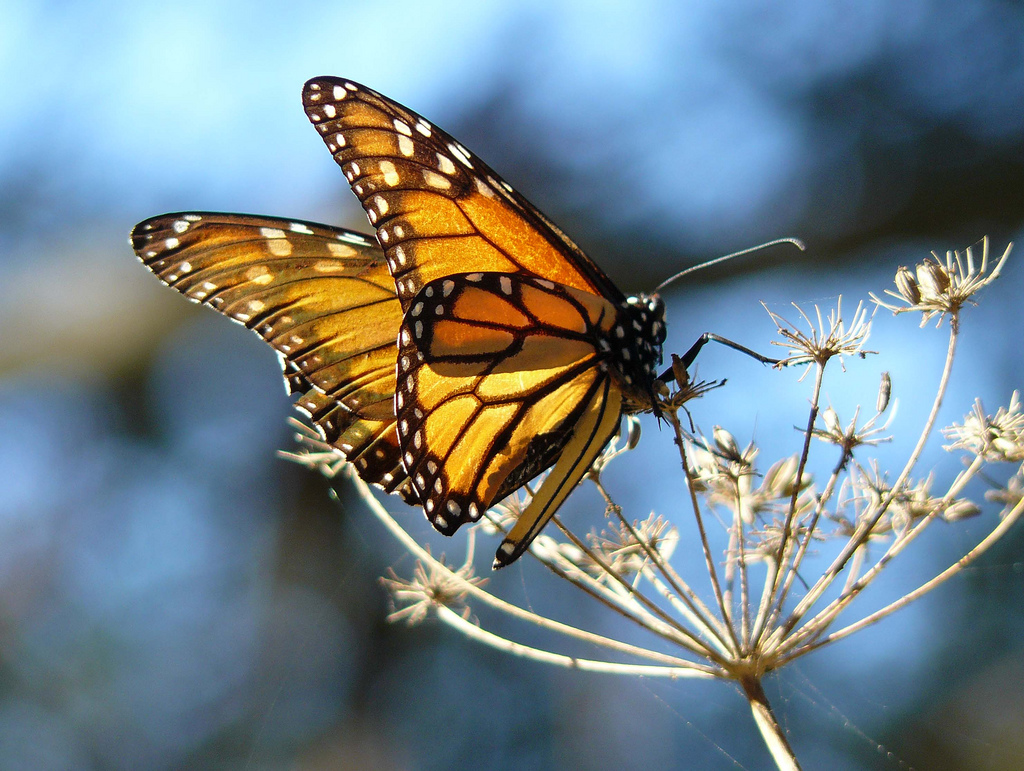
We have talked about monarch butterflies before. The orange and black butterflies are often used in school lessons about insect ecology. Monarch caterpillars forage exclusively on milkweed; in the process they acquire foul-tasting chemicals that ward off predators. In late summer, monarchs living in the Eastern U.S. migrate to overwintering grounds in Mexico.

[Read more…] about Missing Monarchs

Watch Out For This Weed!

August 14, 2015 By EarthWise

giant hogweed

https://earthwiseradio.org/wp-content/uploads/2015/07/EW-08-14-15-Giant-Hogweed.mp3

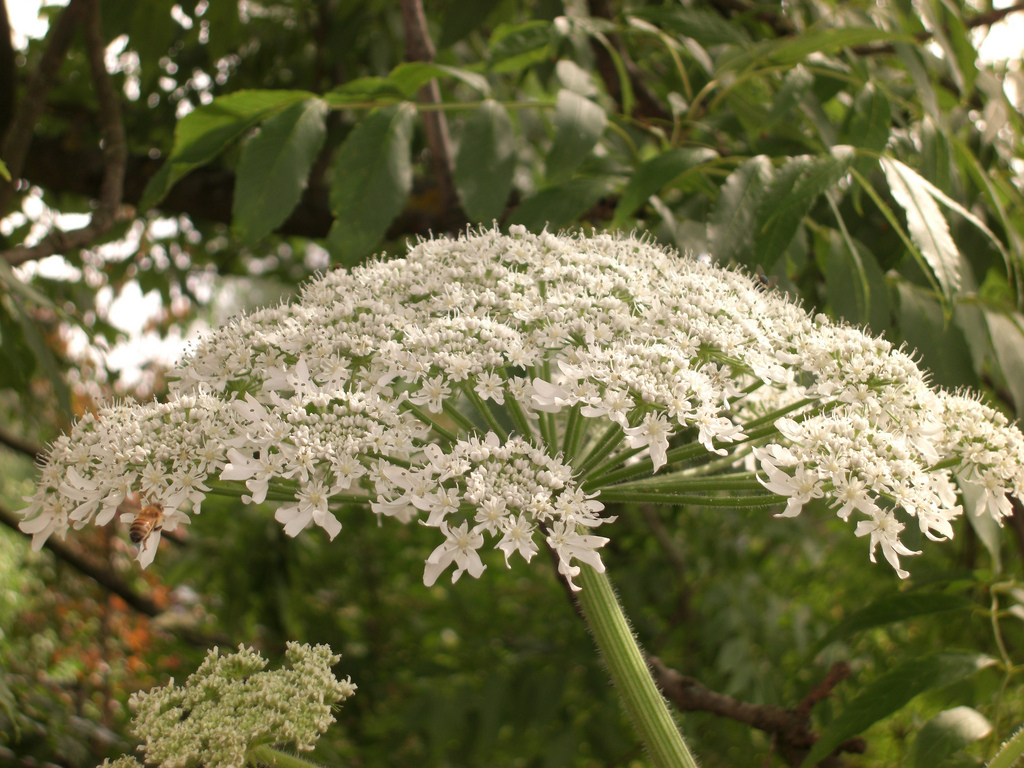
Weeds are the bane of many a gardener’s or landscaper’s existence.  They sprout up, uncontrolled and unwelcome, and must be tediously managed time and again. But some weeds are more than a nuisance – they rise to the level of a public health hazard. Such is the case with giant hogweed.

[Read more…] about Watch Out For This Weed!

Hate starlings? Blame Shakespeare!

May 24, 2012 By EarthWise

Starling

[audio:http://wamcradio.org/EarthWise/wp-content/uploads/2012/04/EW-05-24-12-Starlings.mp3|titles=EW 05-24-12 Starlings]

Invasive species get to the Unites States in a variety of ways: zebra mussels arrived in the holds of ships from Europe. Many invasive insects have hitched a ride on wood shipping pallets or plants destined for the horticultural trade. Multiflora roses were brought from Asia as an attractive erosion control measure. [Read more…] about Hate starlings? Blame Shakespeare!

  • « Go to Previous Page
  • Page 1
  • Page 2

Primary Sidebar

Recent Episodes

  • An uninsurable future
  • Clean energy and jobs
  • Insect declines in remote regions
  • Fossil fuel producing nations ignoring climate goals
  • Trouble for clownfishes

WAMC Northeast Public Radio

WAMC/Northeast Public Radio is a regional public radio network serving parts of seven northeastern states (more...)

Copyright © 2026 ·