• Skip to primary navigation
  • Skip to main content
  • Skip to primary sidebar

Earth Wise

A look at our changing environment.

  • Home
  • About Earth Wise
  • Where to Listen
  • All Articles
  • Show Search
Hide Search
You are here: Home / Archives for indonesia

indonesia

Keeping Lights On For Turtles

August 8, 2019 By EarthWise Leave a Comment

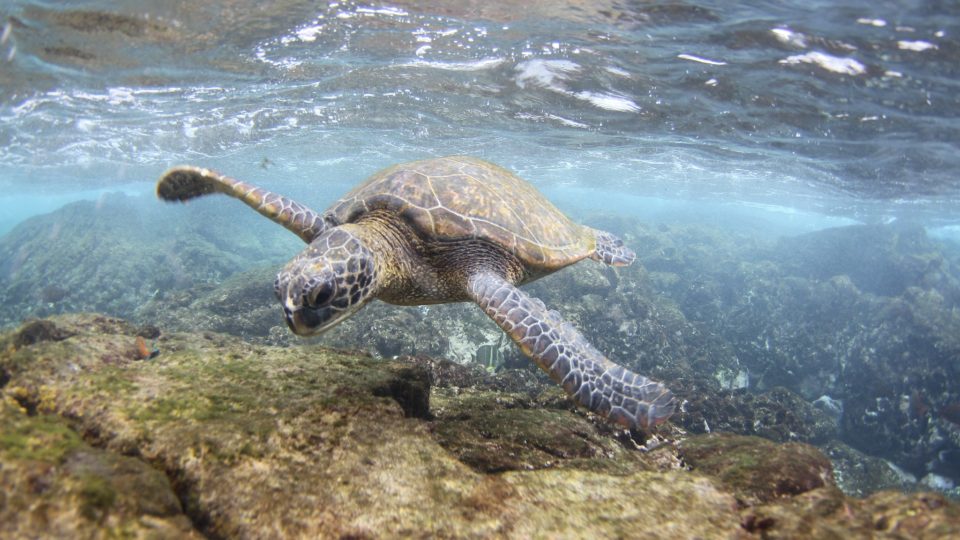
Gillnets are one of the most common types of fishing gear and are used extensively in most places where people fish for food.  They operate by suspending a wall of netting in the water column.

Unfortunately, they are not selective in the species they catch.  Sea turtles are one of the most common bycatch species that become entangled in these nets.  When turtles are caught in gillnets, they can drown and die.  Marine mammals, seabirds, and sharks are also frequently caught in gillnets.

Recently, researchers have been experimenting with illuminating the nets with LED lights to see if increasing net visibility reduces sea turtle bycatch.

Studies in Mexico show green sea turtle bycatch is reduced between 40-60% with no changes in target catch.  Studies in Peru show green sea turtle bycatch is reduced between 65-80% with no changes in target catch.  Studies in Indonesia show green olive ridley, and hawksbill sea turtle bycatch is reduced by 60% with increases in target catch and catch value.

Recent research shows that net illumination also reduces bycatch of other protected species such as seabirds, sharks and rays, as well as dolphins and porpoises.

The use of illuminated gillnets could prove beneficial to both sea turtles and fisherman by reducing the bycatch that can damage fishing gear. 

Studies are now underway off the coast of North Carolina, where state gillnet fisheries are carefully managed to reduce turtle bycatch.  Initial studies show that net illumination does not change target catch rates and may even decrease the bycatch of unwanted fish species.  When it comes to protecting sea turtles, it looks like a good idea to keep the lights on.

**********

Web Links

Illuminated Nets Could Provide A Brighter Future For Sea Turtles

Photo, posted June 2, 2016, courtesy of NOAA via Flickr.

Earth Wise is a production of WAMC Northeast Public Radio.
Indonesian Deforestation

February 28, 2019 By EarthWise Leave a Comment

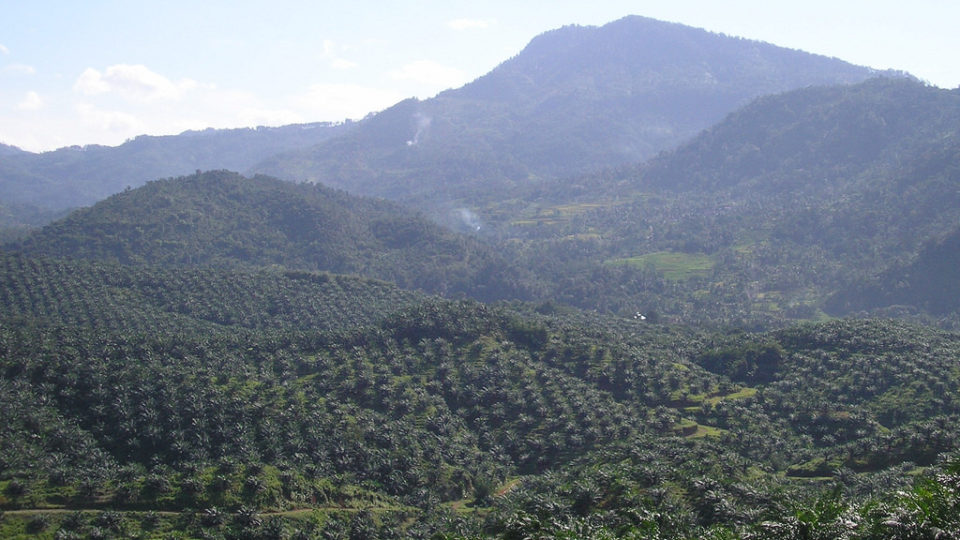
Deforestation is defined as the intentional destruction of trees and other vegetation without reforesting or allowing the forest to regenerate itself. 

In Indonesia, industrial agriculture, primarily for the production of palm oil, is a major driver of deforestation.  But, according to researchers at Duke University, its impact has diminished  proportionately in recent years as other natural and human causes have emerged. Their peer-reviewed findings were recently published in the journal Environmental Research Letters.

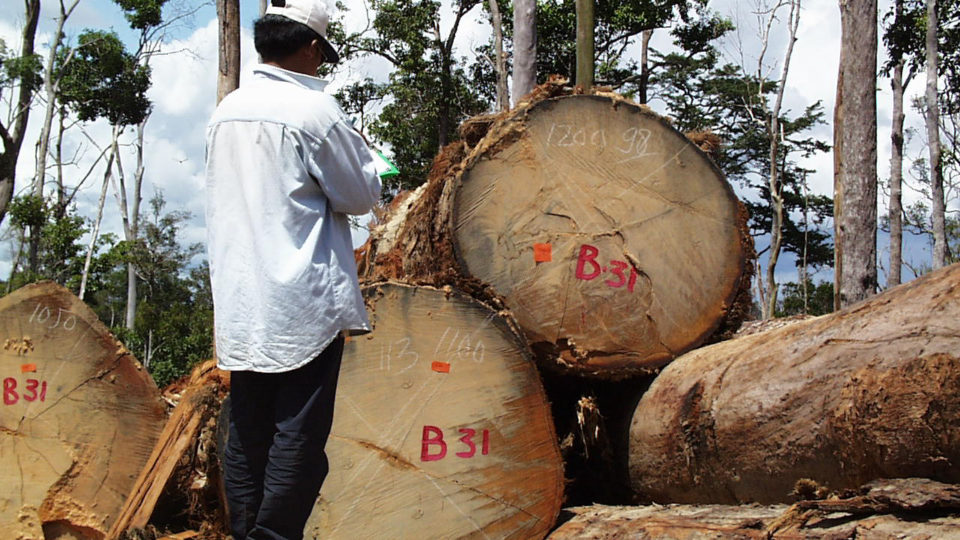
According to the study’s lead author, large-scale plantations were responsible for more than half of Indonesia’s deforestation in the late 2000s, peaking between 2008-2010 when an average of 1.5 million acres of forest was lost annually.  The expansion of the massive plantations was responsible for 57% of the forest loss. Between 2014-2016, an average of more than 2 million acres of forest was lost annually, but plantation expansion only accounted for 25% of this figure.  While the overall rate of deforestation continued to grow, other factors were responsible for most of it.

Conversions of forests to grasslands rose sharply in 2015 and 2016 when El Nino caused severe droughts and forest fires. Small-scale farming, often overshadowed by industrial agriculture, was also found to play a bigger role, accounting for 25% of all forest loss. 

Indonesia has experienced some of the highest rates of deforestation.  Its forests absorb and store vast amounts of climate-warming carbon dioxide, help prevent erosion and flooding, and provide habitat to thousands of species.  Understanding the varied causes of Indonesian deforestation should help conservationists and policymakers better address the problem.

************

Web Links

Palm oil not the only driver of forest loss in Indonesia

Photo, posted March 26, 2018, courtesy of Achmad Rabin Taim via Flickr.

Earth Wise is a production of WAMC Northeast Public Radio.
Endangered Language Species

January 14, 2019 By EarthWise Leave a Comment

There are approximately 7,000 languages spoken in the world today but only about half of them are expected to survive this century.  There are many factors contributing to the decline in languages.  Perhaps the most significant is globalization, which pushes countries and individuals to shift to national or international languages for economic reasons.   Other factors include the lack of support for regional languages in educational systems and mass media, persecution of minority linguistic groups by governments, and disruption of communities during war and emigration.

Predicting which languages will survive and which won’t is difficult.  A potential tipping point for languages is the same one affecting the survival of species:  climate change.  Many small linguistic communities are located on islands and coastlines that are vulnerable to hurricanes and rising sea levels.  Other communities live in places where increases in temperatures and erratic rainfall threaten traditional farming and fishing economies.

These climate-related changes will force communities to relocate,creating climate change refugees. Dispersing these people will lead to the splintering of linguistic communities and the need for the use of other languages.  Such changes will place additional pressures on languages that are already struggling to survive.

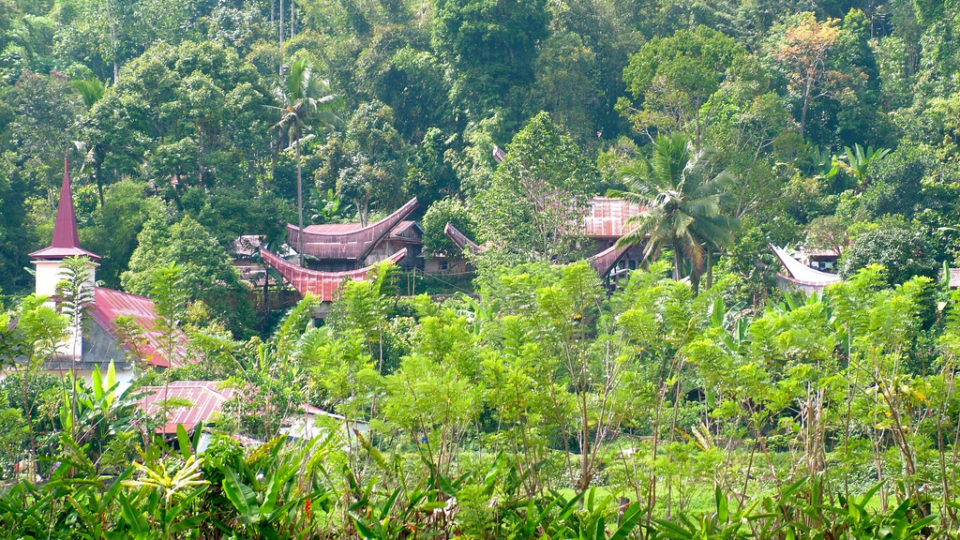
There are endangered languages in many places around the world.  Some are exotic such as the island of Sulawesi in Indonesia, which is home to dozens of distinct languages spoken by no more than a few thousand people. Others are much closer to home, such as in indigenous communities in Canada.

The rich tapestry of human language is just another of many things threatened by the changing climate.

**********

Web Links

The Conversation: The impact of climate change on language loss

Photo, posted May 19, 2009, courtesy of Flickr. 

Earth Wise is a production of WAMC Northeast Public Radio.
Reducing Slavery In Seafood

August 28, 2018 By EarthWise Leave a Comment

https://earthwiseradio.org/wp-content/uploads/2018/08/EW-08-28-18-Reducing-Slavery-in-Seafood.mp3

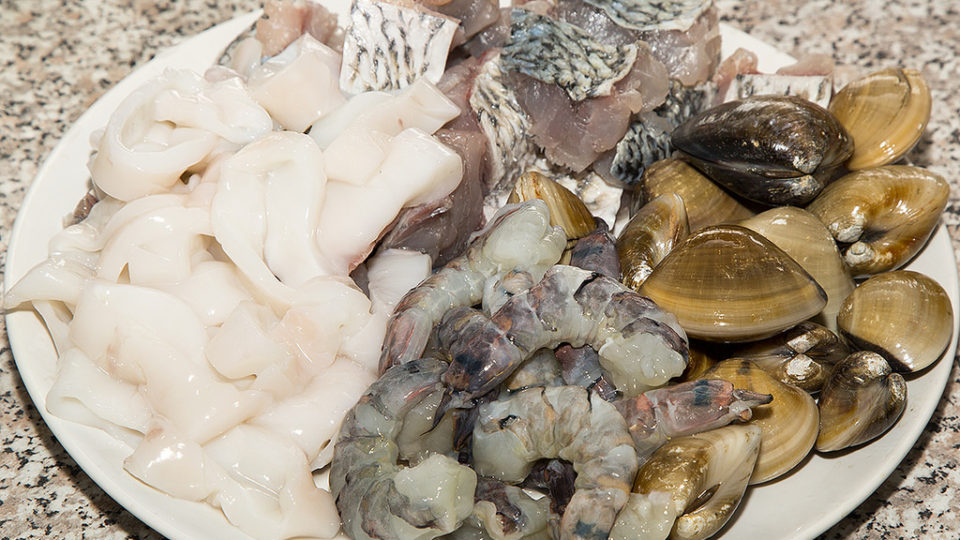
The seafood industry is one of the largest employers in the world.  But according to a 2016 report, the seafood industry also contains widespread forced labor.   Forty seven seafood-producing countries were reported to utilize forced labor.  The seafood hub countries of Indonesia, Thailand, Vietnam, Peru, and the Philippines were also reported to use a significant percentage of child labor.

[Read more…] about Reducing Slavery In Seafood

Deforestation-Free Palm Oil

July 10, 2018 By EarthWise Leave a Comment

https://earthwiseradio.org/wp-content/uploads/2018/07/EW-07-10-18-Deforestation-Free-Palm-Oil.mp3

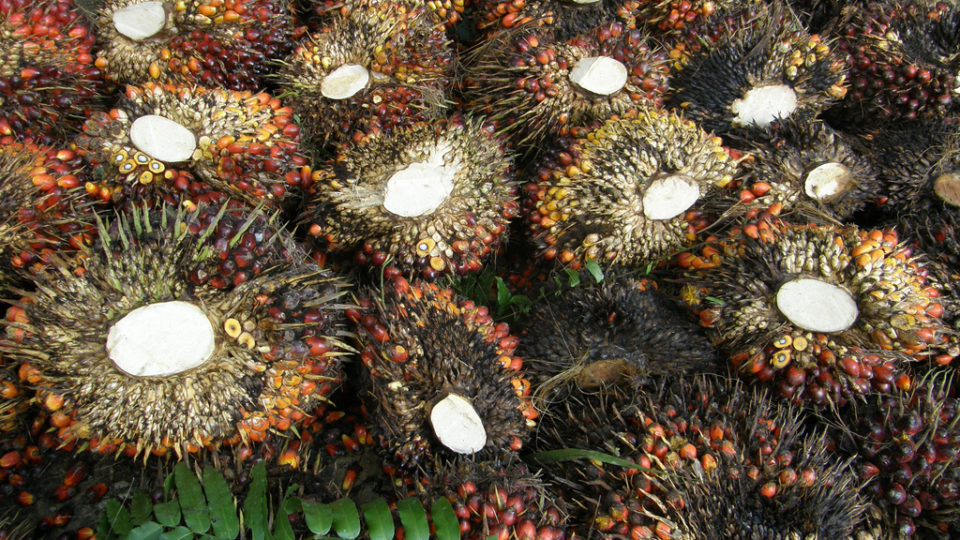
Few of us cook with palm oil or have ever even seen the stuff.  Nevertheless, 50% of all packaged grocery items – everything from ice cream and pizza to detergents and cosmetics – include it as an ingredient.  The global market for palm oil was $65 billion in 2015, and that number was projected to grow by more than 7% each year through 2021.

[Read more…] about Deforestation-Free Palm Oil

Greenhouse Gas Emissions Rising Again

May 8, 2018 By EarthWise Leave a Comment

https://earthwiseradio.org/wp-content/uploads/2018/04/EW-05-08-18-Greenhouse-Gas-Emissions-Rising-Again.mp3

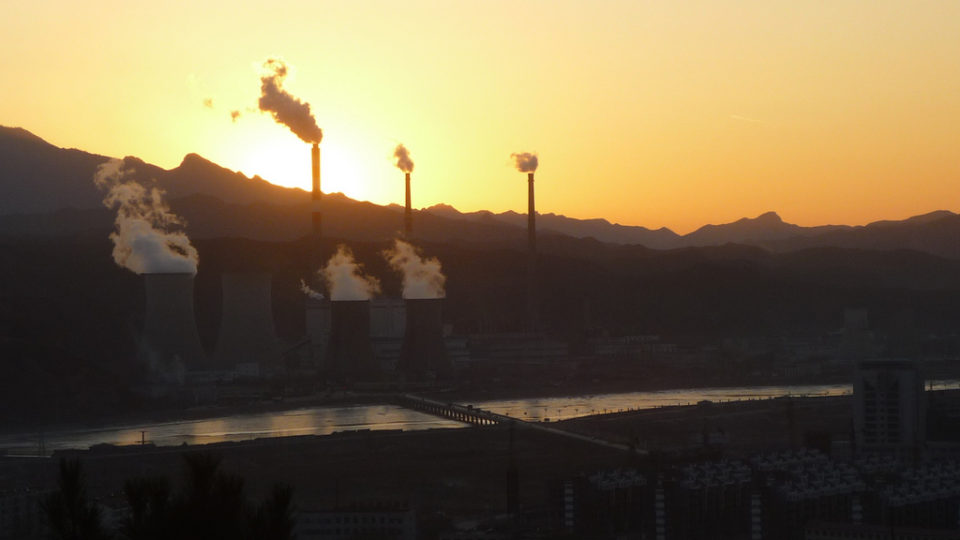
If we want to avoid drastic global warming this century, we need to sharply reduce greenhouse gas emissions over time.   For the previous three years, emissions had been holding steady, but last year, global emissions from the use of coal, oil and natural gas increased by 1.4%.  According to the International Energy Agency, this unfortunate new data should serve as a strong warning that we need to increase our efforts to combat climate change.

[Read more…] about Greenhouse Gas Emissions Rising Again

Indonesian Deforestation Continues

May 3, 2018 By EarthWise Leave a Comment

https://earthwiseradio.org/wp-content/uploads/2018/05/EW-05-03-18-Indonesian-Deforestation-Continues.mp3

Worldwide, deforestation and land disturbance are responsible for about a quarter of all greenhouse gas emissions.  The largest contributor to this problem is Indonesia and getting control of its emissions is a crucial part of meeting global carbon reduction targets.

[Read more…] about Indonesian Deforestation Continues

Endangered Orangutans

March 20, 2018 By EarthWise 1 Comment

https://earthwiseradio.org/wp-content/uploads/2018/03/EW-03-20-18-Endangered-Orangutans.mp3

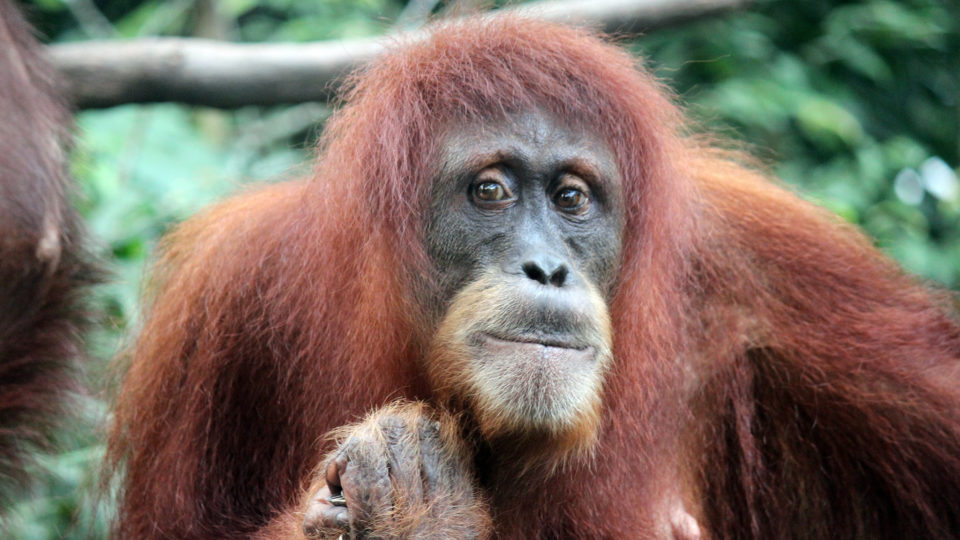
Orangutans are some of the planet’s most intelligent animals.  In fact, orangutans and human beings share 97% of their DNA sequence.  Orangutans can only be found in the wild in Southeast Asia on the Indonesian island of Sumatra and the island of Borneo, which is a landmass shared by Indonesia, Malaysia, and Brunei.  And while all orangutans are endangered, the critically-endangered Bornean orangutans are under exceptional duress. 

[Read more…] about Endangered Orangutans

Solving Terrible Traffic

August 16, 2017 By EarthWise

https://earthwiseradio.org/wp-content/uploads/2017/08/EW-08-16-17-Bad-Decision-Good-Data.mp3

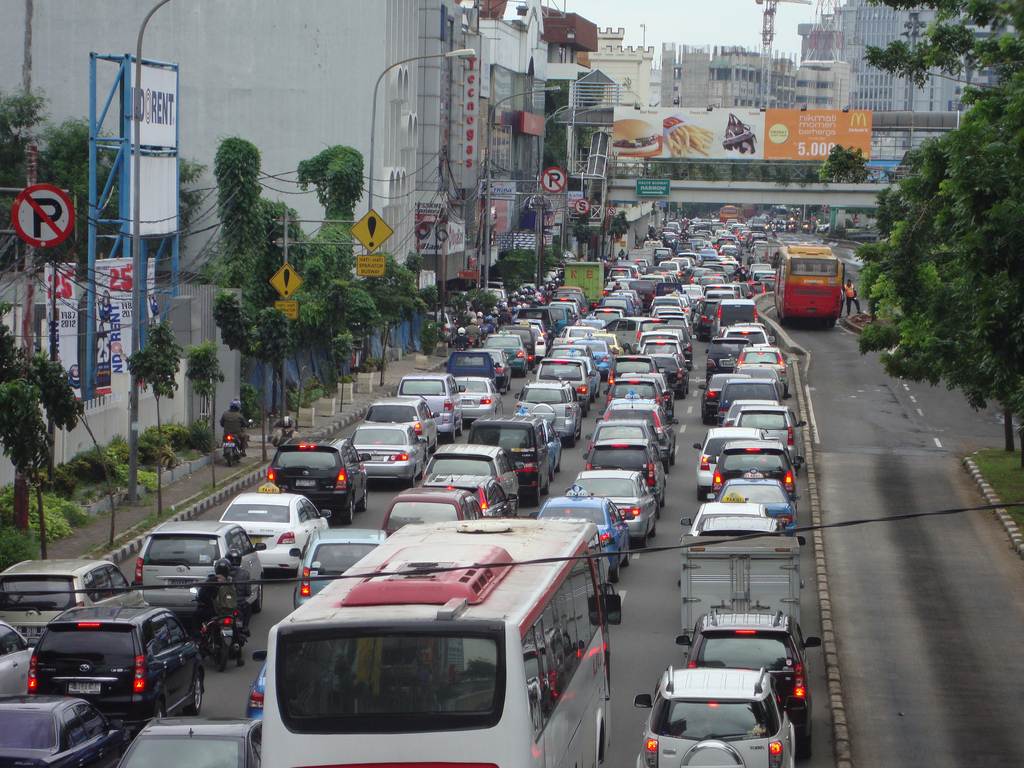
Terrible traffic in cities around the world is a real blight on urban life.  Increasingly, there are many cities where you simply don’t want to have to go anywhere by car during morning and evening rush hours.

[Read more…] about Solving Terrible Traffic

A Plastics Promise

July 19, 2017 By EarthWise

https://earthwiseradio.org/wp-content/uploads/2017/07/EW-07-19-17-A-Plastics-Promise.mp3

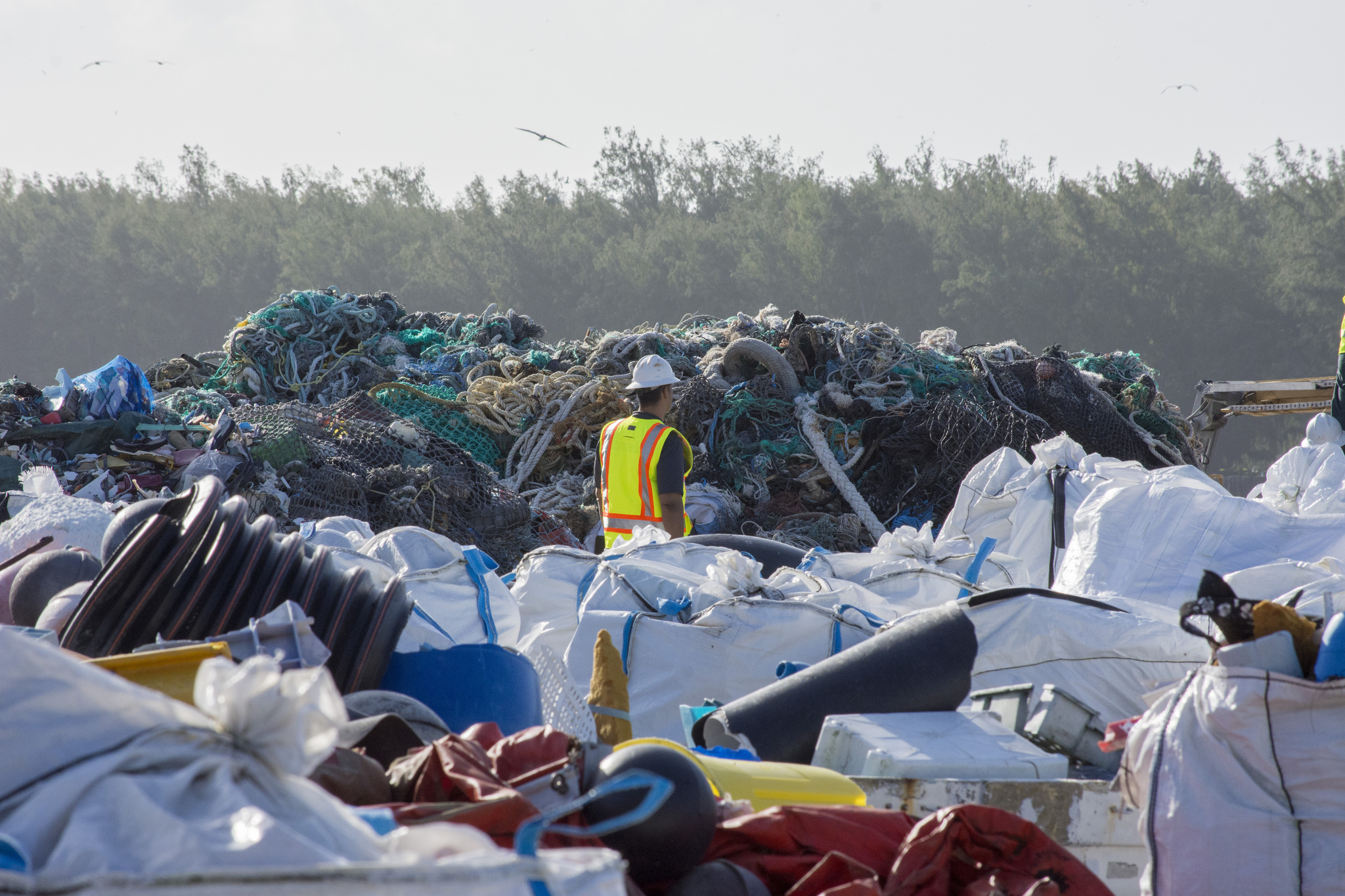
It’s estimated that five to thirteen million tons of plastic enters our oceans annually, where much of it can linger for hundreds of years.  According to a report by the World Economic Forum and the Ellen MacArthur Foundation, scientists estimate that there is 165 million tons of plastic swirling about in the oceans right now.   And we are on pace to have more plastic than fish (by weight) in the world’s oceans by 2050. That’s some scary stuff. 

[Read more…] about A Plastics Promise

Saving Borneo’s Forest

July 3, 2017 By EarthWise

https://earthwiseradio.org/wp-content/uploads/2017/07/EW-07-03-17-Saving-Borneos-Forest.mp3

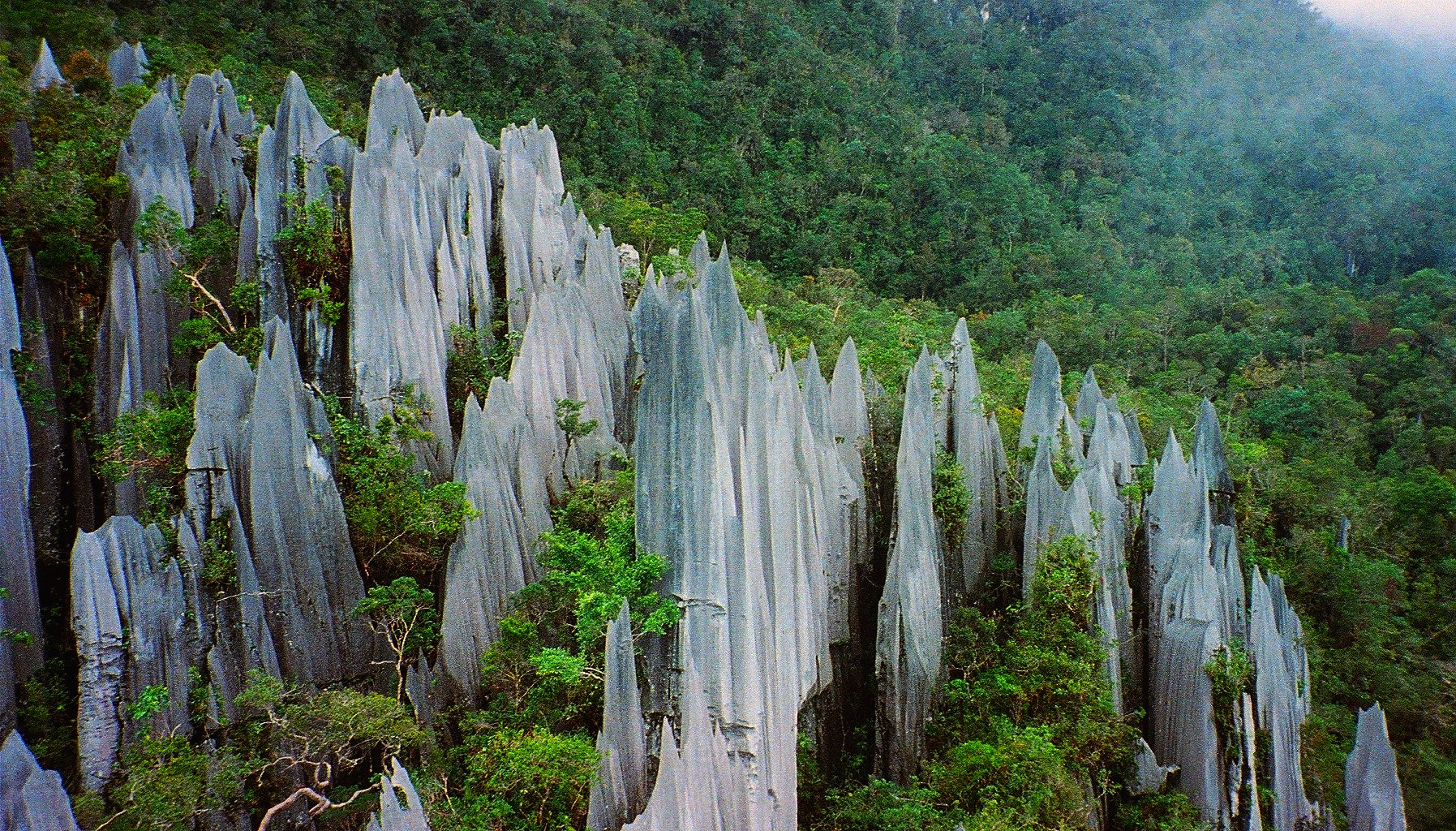
Borneo is the third-largest island in the world, home to part of Indonesia, part of Malaysia, and the small sultanate of Brunei.   It is also home to the oldest forest on earth – 130 million years old – which is more than twice as old as the Amazon rain forest.

[Read more…] about Saving Borneo’s Forest

Tricks In Our Treats

October 31, 2016 By WAMC WEB

https://earthwiseradio.org/wp-content/uploads/2016/10/EW-10-31-16-Halloween-Candy.mp3

Halloween is traditionally a day when we choose to ignore the inconvenient truths about candy.  Many of us overindulge on sweet treats and give little thought to what’s inside… particularly with respect to nutrition. 

[Read more…] about Tricks In Our Treats

Some Good News For Coral Reefs

August 12, 2016 By WAMC WEB

https://earthwiseradio.org/wp-content/uploads/2016/08/EW-08-12-16-Good-News-for-Coral-Reefs.mp3

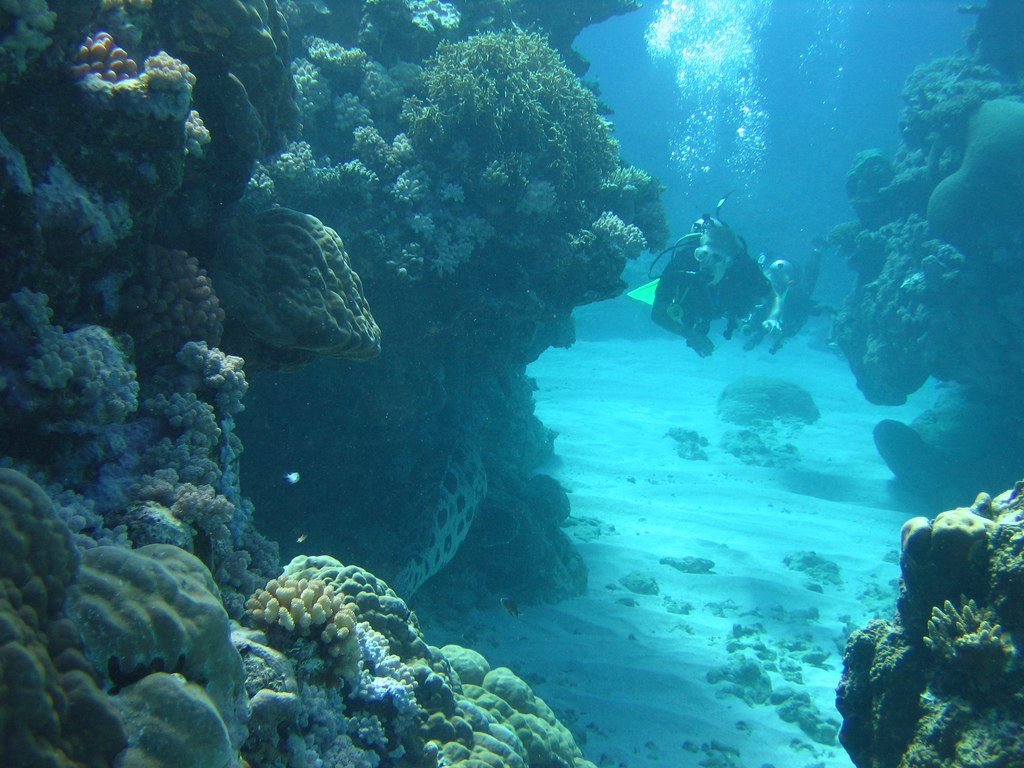
Most recent news about coral reefs around the world has been bad news.  There has been unprecedented coral bleaching in places like Australia’s Great Barrier Reef.   The effects of climate change – including warming temperatures and rising seas – as well as the recent El Niño event have led to damaged reefs across the globe.

[Read more…] about Some Good News For Coral Reefs

A Large-Scale Tidal Energy Plant

August 9, 2016 By WAMC WEB

https://earthwiseradio.org/wp-content/uploads/2016/07/EW-08-09-16-Large-Scale-Tidal-Power.mp3

Ocean energy is about to take an important step towards making a real impact in Scotland.  The MeyGen Tidal Array Project is reaching the final construction of its demonstration phase, which will be the first test of multiple underwater turbines sited together in a full-scale array.

[Read more…] about A Large-Scale Tidal Energy Plant

The Plight Of Orangutans

August 1, 2016 By WAMC WEB

https://earthwiseradio.org/wp-content/uploads/2016/08/EW-08-01-16-The-Plight-of-Orangutans.mp3

Orangutans – one of the planet’s most intelligent animals – can only be found in the wild on the Indonesian island of Sumatra and the island of Borneo, which is a land mass shared by Indonesia, Malaysia and Brunei.  And for years conservationists have been warning that measures put in place to protect orangutans have been failing.  And they were correct.  It was recently declared that orangutans are officially headed for extinction.

[Read more…] about The Plight Of Orangutans

Cyanide Fishing

April 14, 2016 By WAMC WEB

https://earthwiseradio.org/wp-content/uploads/2016/03/EW-04-14-16-Cyanide-Fishing.mp3

Most people listening to this have seen a saltwater aquarium before, and many of those likely owned one at some point.  Maybe you still do.  The bright coral and even brighter fish can be found in offices, restaurants, hotels, and homes all over the world.  

[Read more…] about Cyanide Fishing

Drones And Wildlife Preservation

March 14, 2016 By WAMC WEB

https://earthwiseradio.org/wp-content/uploads/2016/03/EW-03-14-16-Drones-and-Wildlife-Preservation.mp3

We hear more and more about drones these days.   There is plenty of controversy about their use in warfare.   Drones are also used to snoop on construction projects.   Drones are spotted at the beach being used as high-tech toys.   And drones are becoming a powerful tool in wildlife protection.

[Read more…] about Drones And Wildlife Preservation

  • « Go to Previous Page
  • Page 1
  • Page 2

Primary Sidebar

Recent Episodes

  • An uninsurable future
  • Clean energy and jobs
  • Insect declines in remote regions
  • Fossil fuel producing nations ignoring climate goals
  • Trouble for clownfishes

WAMC Northeast Public Radio

WAMC/Northeast Public Radio is a regional public radio network serving parts of seven northeastern states (more...)

Copyright © 2026 ·