• Skip to primary navigation
  • Skip to main content
  • Skip to primary sidebar

Earth Wise

A look at our changing environment.

  • Home
  • About Earth Wise
  • Where to Listen
  • All Articles
  • Show Search
Hide Search
You are here: Home / Archives for Germany

Germany

Insanely Cheap Energy | Earth Wise

June 11, 2021 By EarthWise Leave a Comment

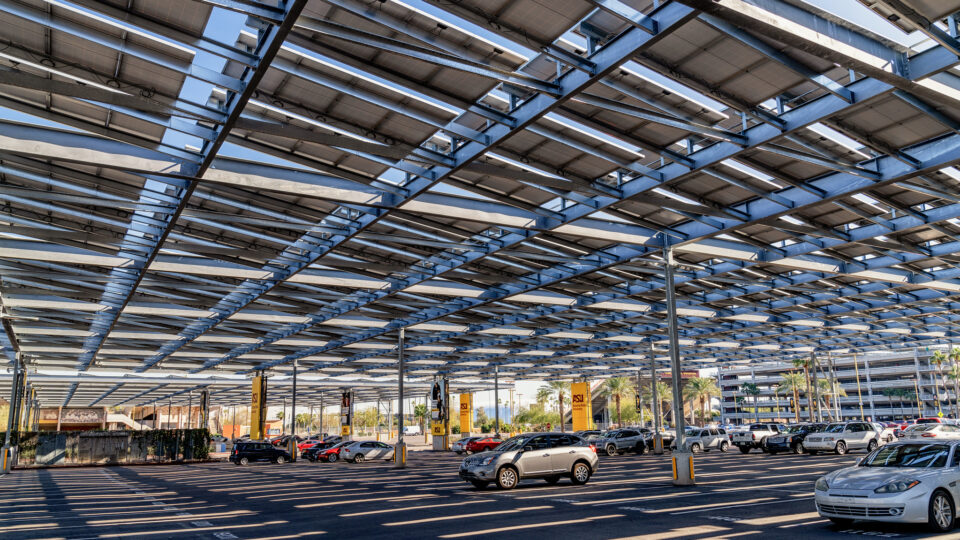
Solar power is cheapest energy option in most places

The International Energy Agency, founded in 1974, keeps track of the world’s energy systems and anticipates how they are likely to change over time.  Policymakers around the world look to the agency’s annual World Energy Outlook publication for guidance.

In 2000, the agency made the prediction that by the year 2020, there would be a total of 18 gigawatts of photovoltaic solar power installed.  Within seven years, that number was already too small.

The IEA was not the only source to miss the mark on solar power.  The head of solar analysis at BloombergNEF in 2005 expected solar to eventually supply 1% of the world’s electricity.  It is already 3% and Bloomberg now predicts that it will be 23% by 2050 and expects that to be an underestimate. 

What has happened is that the world has unexpectedly gotten to the point where solar is the cheapest source of energy in most places.  Over the past decade, every time solar production capacity has doubled, its cost has dropped by 28%.

Historically, a combination of groundbreaking research in Australia and intense Chinese industrial development led to the creation of a massive new industry.  When Germany passed laws encouraging the use of solar power, suddenly there was massive global demand and a struggle to keep up with supply.

The industry had its fits and starts, and many players fell by the wayside.    But at this point, solar technology continues to get better and cheaper.  Market forces are pretty hard to beat and when solar technology can supply insanely cheap energy, it is going to be used in more and more places.

**********

Web Links

‘Insanely cheap energy’: how solar power continues to shock the world

Photo, posted January 10, 2020, courtesy of Tony Webster via Flickr.

Earth Wise is a production of WAMC Northeast Public Radio.
Short-Lived Climate Forcing Pollutants | Earth Wise

March 9, 2021 By EarthWise Leave a Comment

Short-lived climate forcing pollutants and climate change

When talking about the causes of climate warming, it is common practice to bundle together various pollutants and express their effects in terms of “CO2 equivalence.”  This involves comparing climate effects of the pollutants on a 100-year timescale.  Recent research from the Institute for Advanced Sustainability Studies in Germany points out the problems with this approach.

One of the worst qualities of carbon dioxide is that it accumulates in the atmosphere.  Once it gets there, it stays there for anywhere from decades to millennia.  On the other hand, short-lived climate forcing pollutants – or SLCPs – stay in the atmosphere for significantly shorter periods.  However, some of these are far more effective at trapping heat in the atmosphere.  As a result, the atmosphere and climate system react much more quickly to reductions in the emission of these pollutants.

The IASS research study determined that reducing SLCP emissions is an important way to slow near-term climate warming as well as having other positive benefits such as reducing air pollution and improving crop yields.  A number of studies indicate that a rapid reduction in SLCP emissions could slow the rate of climate change and reduce the risk of triggering dangerous and potentially irreversible climate tipping points.

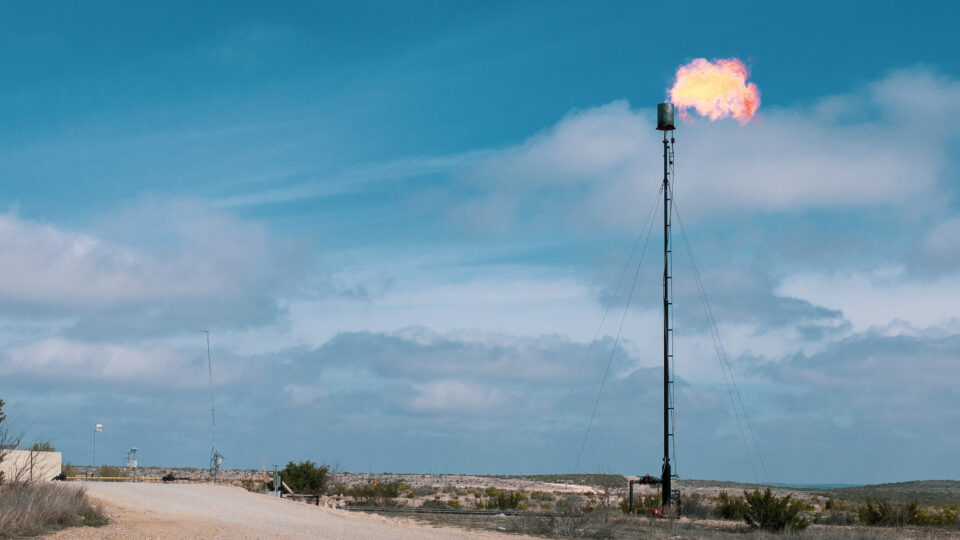
Examples of SLCPs are the methane gas emitted from landfills and hydrofluorocarbons that are still widely used as coolants. HFCs only persist in the atmosphere for 15 years but are nearly 4,000 times more effective in trapping heat over a 20-year period.

In order to mitigate the most harmful consequences of climate change, we need to minimize both the near-term climate impacts of SLCPs and the long-term climate impacts of carbon dioxide.

**********

Web Links

More Than Just CO2: It’s Time To Tackle Short-Lived Climate-Forcing Pollutants

Photo, posted March 10, 2020, courtesy of Jonathan Cutrer via Flickr.

Earth Wise is a production of WAMC Northeast Public Radio.

Aircraft Emissions And Climate Change | Earth Wise

March 1, 2021 By EarthWise Leave a Comment

Using winds at altitude to reduce aircraft emissions

The aviation industry accounts for about 2.4% of global carbon dioxide emissions.  If the aviation industry was a country, it would place sixth in emissions, between Japan and Germany.

According to scientists at the University of Reading in the United Kingdom, aviation industry emissions could be reduced by simply better surfing the wind.  The researchers found that commercial flights between New York and London could have used up to 16% less fuel if they had made better use of the fast-moving winds at altitude.

The study, which was recently published in the journal Environmental Research Letters, analyzed approximately 35,000 flights in both directions between New York and London last winter.  The researchers compared how much fuel was burned during these flights to how much less fuel would have been burned by flying into or around the eastward jet stream air currents. 

They found that taking better advantage of the winds would have saved about 125 miles worth of fuel per flight on average.  The fuel saving per flight was 1.7% when flying west to New York, and 2.5% when flying east to London. 

New satellites will soon allow transatlantic flights to be tracked more accurately.  This should afford aircraft more flexibility in their flight paths, allowing them to better follow tailwinds and avoid headwinds. 

Upgrading aircraft or switching to greener fuels are two other ways that the aviation industry can reduce emissions, but those things are costly and take time to implement.  Optimizing flight paths is cheaper and offers immediate benefits.  

**********

Web Links

Aircraft could cut emissions by better surfing the wind

Photo, posted May 16, 2011, courtesy of Cory W. Watts via Flickr.

Earth Wise is a production of WAMC Northeast Public Radio.
Street Trees And Depression | Earth Wise

February 25, 2021 By EarthWise Leave a Comment

Investigating the link between street trees and depression

According to a study published in the journal Jama Network Open last fall, the COVID-19 pandemic has tripled the rate of depression in U.S. adults in all demographic groups. 

Previous studies have demonstrated that greenspaces in urban areas can have a positive effect on those people experiencing mental ill health. But most of those studies used self-reporting measures, which makes it difficult to compare results and draw conclusions.

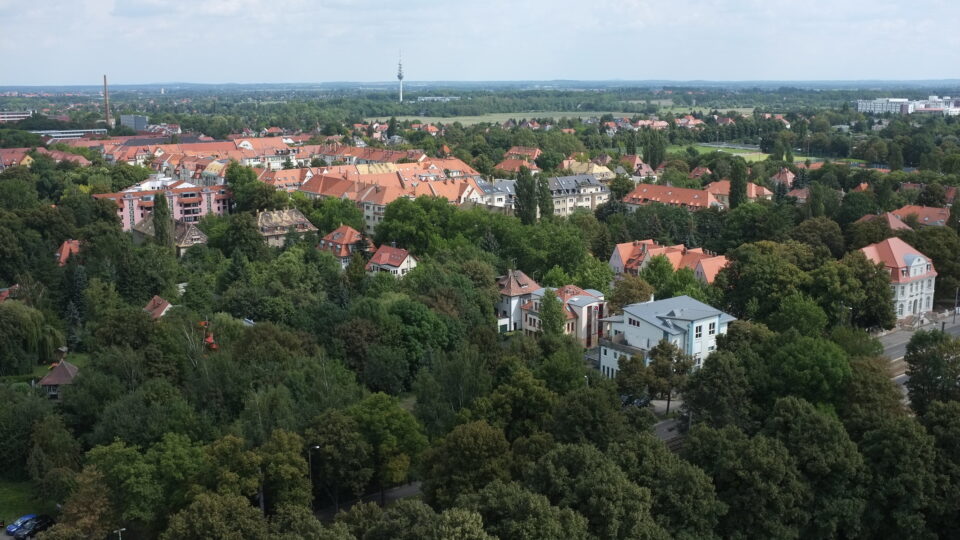
As a result, an interdisciplinary research team from three research organizations in Germany tried to improve upon the work by involving an objective indicator: prescriptions of antidepressants.  To figure out whether greenspaces – in this case street trees – could positively influence mental health, the researchers focused on how the number of street trees and their proximity to homes correlated to the number of prescribed antidepressants.

After analyzing data from nearly 10,000 people living in Leipzig, Germany, and combining the findings with data on city street trees, researchers were able to identify an association between antidepressant prescriptions and the number of street trees.  The results were controlled for other factors known to be associated with depression, such as employment, gender, age, and body weight.

Having more trees within 100 meters of the home was associated with a reduced risk of being prescribed antidepressants.  The association was especially strong for groups of people deprived of street trees. 

Street trees in urban cities can not only serve as a nature-based solution for good mental health, but they can also contribute to climate change mitigation and biodiversity conservation.

**********

Web Links

Street trees close to the home may reduce the risk of depression

Photo, posted August 17, 2011, courtesy of Aleksandr Zykov via Flickr.

Earth Wise is a production of WAMC Northeast Public Radio.

Aluminum And Deodorants | Earth Wise

October 2, 2020 By EarthWise Leave a Comment

Aluminum in deodorants

Aluminum is the third most common element in the earth’s crust.  That element and its compounds are contained in numerous foods and products intended for consumers.  Aluminum can occur naturally in certain foods and it can be a part of food additives.  Apart from that, it is also possible for aluminum to transfer to food from packaging and tableware.   We also can take in aluminum from cosmetic products like whitening toothpaste, lipsticks, particles in sunscreens, and in the form of aluminum chlorohydrate in antiperspirants.

The concern about aluminum intake is related to its effects on the nervous system, on the mental and motor development of children, and upon possible negative effects on the kidneys and bones.  When aluminum is ingested via food, its toxicity is low and for healthy people, the kidneys do a good job of excreting it.  However, people with chronic kidney disease may not be able to get rid of aluminum as readily and it can accumulate in the body.

Six years ago, a study looked at the amount of aluminum absorbed through the skin from the use of antiperspirants, but the data at that time was considered to be unreliable and a need for further research was identified.

Recently, the results of two new studies have been published by a German research institute that quantifies the absorption of aluminum salts through the skin.  The results were that significantly less aluminum is absorbed through the skin than previously calculated and that a significant absorption of aluminum from antiperspirants is unlikely.

The total burden of aluminum from all sources can be high among some population groups, but it appears that use of aluminum-containing antiperspirants is not an important contribution to that burden.

**********

Web Links

Aluminium in antiperspirants: Low contribution to the total intake of aluminium in humans

Photo courtesy of NutritionFacts.org.

Earth Wise is a production of WAMC Northeast Public Radio.
Coronavirus And European Energy | Earth Wise

April 23, 2020 By EarthWise Leave a Comment

Coronavirus Boosts European Renewable Energy

As people all over the world shelter in place and much ordinary commerce and other activities have ground to a halt, there have been big changes in energy usage.   With production halted, offices shut down, schools closed, and public transport operated on reduced timetables, the demand for energy has decreased dramatically.

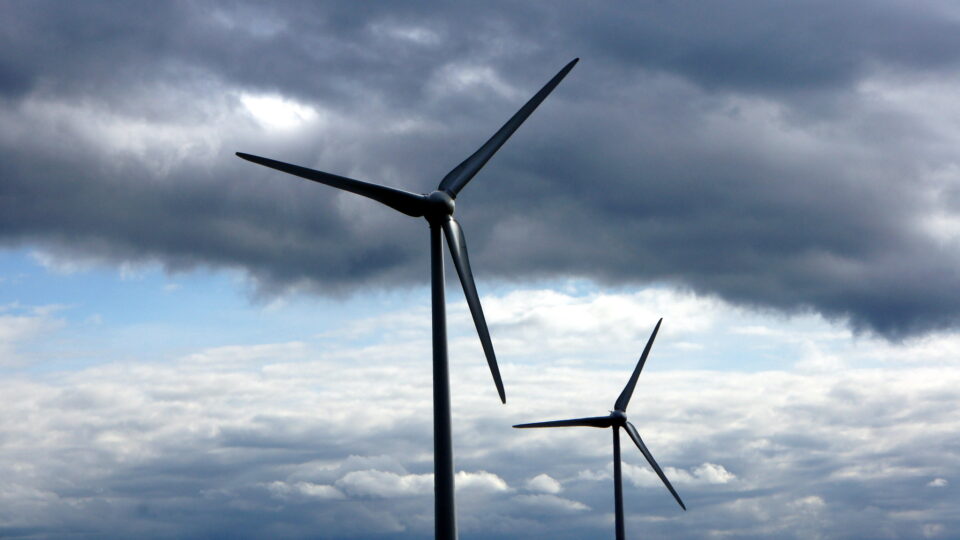
In Europe, as a result of all this, during the first quarter of this year, renewables’ share of total energy production was greater than 60%.  Wind farms provided more than 40% of the renewables’ share of total electricity generation.   During February, Denmark, Germany and Ireland saw nearly 50% of their electricity demand met with wind power.  Hydroelectric power was the second largest source of renewable energy during the first quarter, with Norway providing the largest share of this.  In contrast, generation from nuclear plants was at its lowest first quarter figure for the past five years.

The large shift to renewable generation was in great part due to the overall reduction in demand.  This impacts nuclear and fossil-fuel generation much more than renewables because those plants can be throttled back or shut down entirely so as not to needlessly consume costly fuels.   Generation that runs on sunlight, wind, or flowing water does not require fuel expenses, so it makes sense to prefer them when demand is reduced.

The reduction in demand has in turn had a major effect on fuel costs as oil reached low prices that haven’t been seen in years.

The decline in demand and fuel prices and the enhanced role of renewables are expected to continue in the current quarter as the timetable for renewed economic activity remains unknown.

**********

Web Links

Renewables achieve clean energy record as COVID-19 hits demand

Photo, posted June 25, 2010, courtesy of Martin Abegglen via Flickr.

Earth Wise is a production of WAMC Northeast Public Radio.
Saving The Arctic Permafrost | Earth Wise

April 17, 2020 By EarthWise Leave a Comment

Permafrost is frozen ground – a combination of soil, rock, sand, and ice – that remains at or below freezing for at least two consecutive years.  Approximately 25% of the land in the Northern Hemisphere meets this criterion, the majority of which can be found in northern Russia, Canada, Alaska, Iceland, and Scandinavia.

But as a result of the changing climate, these permafrost soils in the Arctic are beginning to thaw.  As they thaw, large quantities of greenhouse gases could be released, further accelerating climate change.  

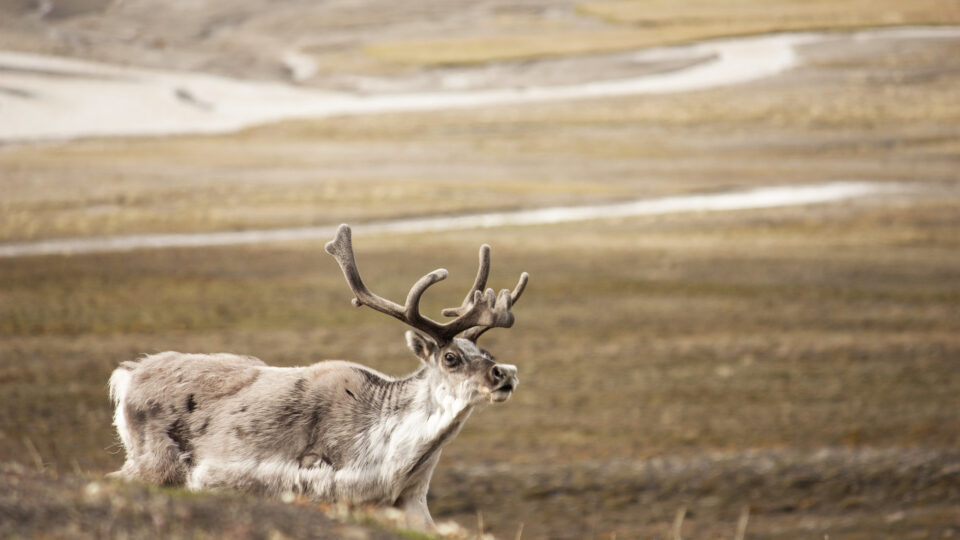
A new study recently published in the journal Scientific Reports explores an unconventional countermeasure: resettling massive herds of large herbivores.  According to researchers from the University of Hamburg in Germany, herds of horses, bison, and reindeer could be used to significantly slow the loss of permafrost soils. 

During Arctic winters, the air temperature is often much colder than the permafrost.  Thick layers of snow can insulate the ground from the frigid air, keeping the permafrost warm (relatively speaking). But when the snow cover is scattered and compressed by the hooves of grazing animals, the insulating effect is reduced, which intensifies the freezing of the permafrost.

If climate change continues unchecked, the research team expects permafrost temperatures to rise 3.8-degrees Celsius.  This would result in half of the world’s permafrost thawing by the year 2100.  But in contrast, researchers found that the permafrost would only warm by 2.1 degrees Celsius with the resettled animals.  This 44% reduction in permafrost temperature would preserve 80% of the existing permafrost by 2100.

Natural manipulations of ecosystems could have tremendous results. 

**********

Web Links

How horses can save the permafrost

Photo, posted July 17, 2012, courtesy of Kitty Terwolbeck via Flickr.

Earth Wise is a production of WAMC Northeast Public Radio.
Lots Of Wind Power In Denmark | Earth Wise

February 11, 2020 By EarthWise Leave a Comment

renewable energy milestone

Many states and countries have established goals to generate at least half of their electricity from renewable sources by some future date, typically 2030.  A number of countries have already been able to achieve 50% or greater renewable generation for brief periods measured in days.  Australia did it this past November.  Germany has seen it on occasion as well.

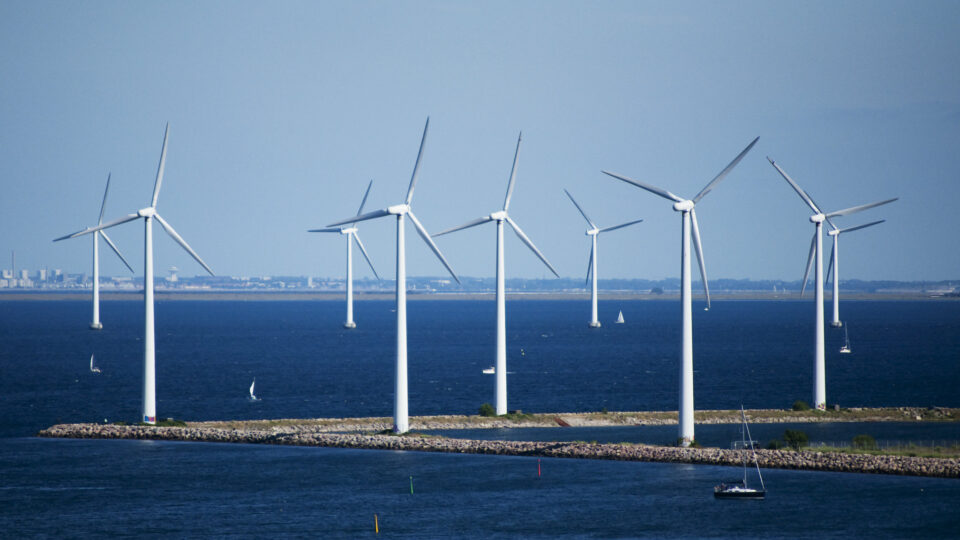
Denmark has managed to complete an entire year with half of its energy coming from renewable generation.  Almost all of it – 47% of the country’s power – came from wind turbines.

Denmark has been generating much of its energy from wind power for quite a while and actually produced about 46% of its electricity from renewable sources in 2017.  Denmark was a pioneer in developing commercial wind power during the 1970s, is a major manufacturer of wind turbines, and the small country has installed over 6,000 of them.  The gains this past year mostly came from the Horns Rev 3 offshore wind farm that went online in the fall.  The 407 MW wind farm has the capacity to cover the annual electricity consumption of about 425,000 households, which is about 20% of the country.

The growth of wind power in Denmark is still ramping up.  A 600 MW wind farm in the Baltic Sea will be connected to the Danish and German electricity grid by 2021, and a wind farm of at least 800 MW capacity in the North Sea is scheduled to come online in 2025.

The Danish Parliament has passed an ambitious climate law with the goal of reducing CO2 emissions by 70% in 2030 compared with 1990.  The country’s overall goal of being carbon-neutral by 2050 does not seem like a pipe dream.

**********

Web Links

Denmark Passes Magic 50% In Renewable Electricity Generation Milestone

Photo, posted July 12, 2009, courtesy of Flickr.

Earth Wise is a production of WAMC Northeast Public Radio.
The Potential For Offshore Wind

December 10, 2019 By EarthWise Leave a Comment

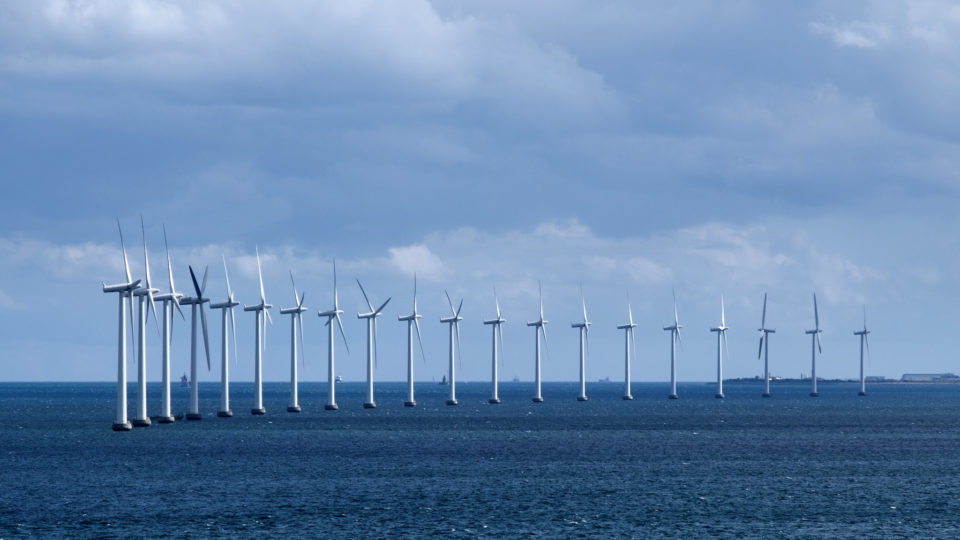
According to a new report from the International Energy Agency, offshore wind technology has vast potential for meeting our energy needs.  In total, offshore wind has the potential to generate more than 420,000 terawatt-hours of electricity each year, which is more than 18 times the global electricity demand that exists today.

Based on current policy targets and plummeting technology costs, offshore wind could increase 15-fold by 2040, becoming a $1 trillion industry and eliminating 5 to 7 billion tons of carbon dioxide emissions annually.

Offshore wind today generates just 0.3% of the world’s electricity, but its’ use is growing rapidly.  The industry has grown nearly 30% a year since 2010, and 150 new offshore projects are currently in development around the world.  The leading countries are in Europe – especially in the UK, Germany, and Denmark – but China is greatly expanding its offshore capacity and the US, India, Korea, Japan, and Canada are also expected to make large investments in offshore wind going forward.

Offshore wind is in a category of its own because it is considered a variable baseload power generation technology.  This is because the hourly variability of offshore wind is much lower than solar power or onshore wind.  Offshore wind typically fluctuates far less from hour-to-hour than the other variable energy sources.

Technology improvements and industry growth are driving steep cost reductions for offshore wind.  The cost of offshore wind is expected to be cut in half in the next five years, dropping to $60 per megawatt-hour, which is on par with solar and onshore wind and cheaper than new natural gas-fired capacity in Europe.

**********

Web Links

Offshore Wind Has the Potential to Fulfill Global Electricity Demand 18 Times Over

Photo, posted August 9, 2016, courtesy of Lars Plougmann via Flickr.

Earth Wise is a production of WAMC Northeast Public Radio.
Roofs Going Green

November 21, 2019 By EarthWise Leave a Comment

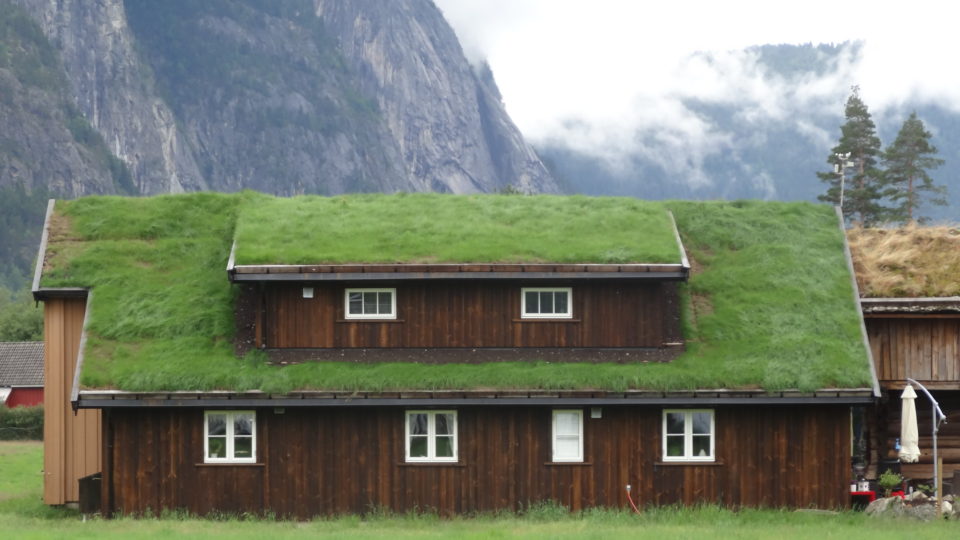
Green roofs are roofs on buildings that are partially or completely covered with vegetation and a growing medium, generally planted over a waterproofing membrane.  The modern version of these roofs began in Germany in the 1960s and spread to many other European countries over time.  With concerns about climate change and shrinking natural resources rising, green roofs are becoming increasingly popular across North America.  The Toronto-based organization Green Roofs for Healthy Cities estimates that the number in North America has increased by about 15% since 2013.

Replacing black asphalt and shingles with plants can lower the surrounding air temperature, filter dirty storm water, and reduce building energy use.  The National Research Council of Canada estimates that a green roof can reduce air conditioning use in a building by as much as 75%.  The roofs also help to reduce air pollution and greenhouse gas emissions according to the EPA.

As the benefits of green roofs become more widely known, cities around the world are passing green roof legislation.  Copenhagen passed a law in 2010 requiring all new commercial buildings to have green roofs if their roofs are not sloped too much.  Toronto was the first city in North America to pass a green roof law in 2009.  Over 640 green roofs covering more than five million square feet have since been constructed in Toronto.

Apart from the environmental benefits, green roofs are providing pleasant spaces in the urban environment that may include flower beds, trees, herb gardens, gazebos and picnic tables.  As for the economics, studies show that over the course of a roof’s lifetime, green roofs are actually considerably cheaper than conventional roofs taking into account energy savings.

**********

Web Links

The Green Revolution Spreading Across Our Rooftops

Photo, posted July 15, 2014, courtesy of Flickr.

Earth Wise is a production of WAMC Northeast Public Radio.

Europe Is Warming Faster Than Predicted

October 9, 2019 By EarthWise Leave a Comment

A new study has found that Europe is warming faster than even climate models projected.  The number of summer days with extreme heat in Europe has tripled since the 1950s, while the number of days with extreme cold has decreased by factors of two or three depending on the region.

According to climate scientists at the Swiss Federal Institute of Technology in Zurich, the climate trends are much larger than what would come from natural variability and are a clear signal of climate change.  Extremely hot days in Europe have become hotter by an average of more than 4 degrees Fahrenheit while extremely cold days have warmed by more than 5 degrees.  The research examined data from weather stations across Europe from 1950 to 2018.  Over 90% of the stations recorded increasing temperatures over time, a percentage much too high to be purely from natural climate variability.  The results also showed that the region was warming even faster than climate models projected.

The research results come after an extremely hot summer in Europe.  Southern France hit 114.8 degrees, a new record, in June.  Germany, the Netherlands, and Belgium all recorded all-time national temperature highs.  The National Oceanic and Atmospheric Administration recently announced that July was the hottest month ever recorded.

European summers and winters will only grow hotter in the coming years as climate change accelerates.  The rapidly increasing temperatures will impact cities and people that are unprepared for them and pose real risks for residents in the coming decades.  Extreme heat is dangerous because it stresses the human body, potentially leading to heat exhaustion or heat stroke.

**********

Web Links

Europe warming faster than expected due to climate change

Photo, posted July 30, 2011, courtesy of Marcel de Jong via Flickr.

Earth Wise is a production of WAMC Northeast Public Radio.
The Hottest Month Ever

August 27, 2019 By EarthWise Leave a Comment

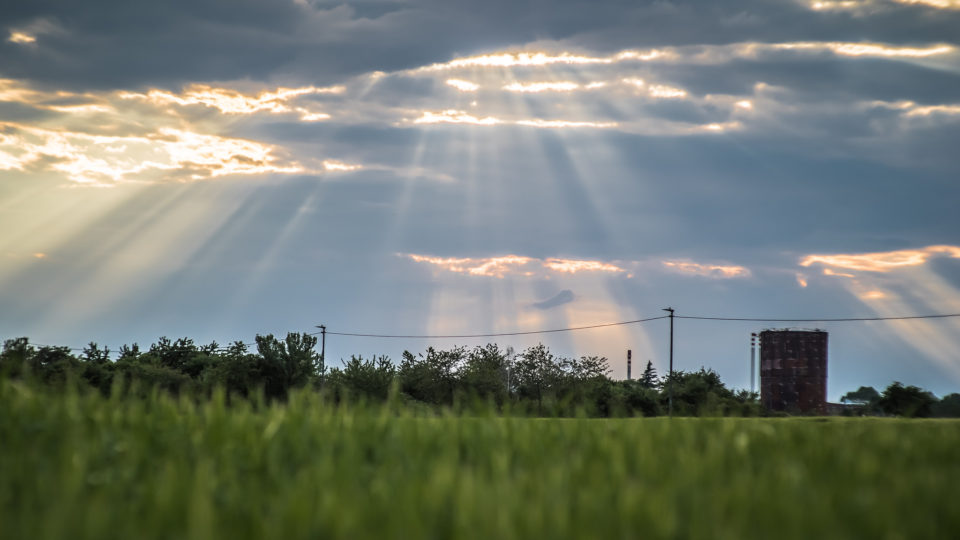
European climate researchers announced that July was the hottest July ever recorded and since July is generally the hottest month of the year, it was indeed the hottest month ever recorded.  It just barely beat out the previous record set in July 2016.  There are multiple agencies that track temperatures around the world, and it is possible that some of them may report slightly different results. 

But whatever July’s ultimate ranking is, it is part of a long-term trend.  The past five years have been the hottest on record.   The 10 hottest years ever recorded have all occurred during the past twenty years.

This June was also the warmest on record, and the previous five months were all among the four warmest for their respective months.  All of that puts this year on track to be in the top five warmest years, or perhaps the hottest ever.

The highest above-average conditions were recorded across Alaska, Greenland, and large areas of Siberia.   Large parts of Africa and Australia were warmer than normal, as was much of central Asia.  New temperature records were set in Belgium, the Netherlands, and Germany with temperatures over 104 degrees Fahrenheit.  Great Britain saw an all-time record of 101.7 degrees and Anchorage, Alaska stayed above 79 degrees for a record six days in a row.

Wildfires have raged across the Russian Arctic, India has suffered heatwaves and severe water shortages, and Japan saw more than 5,000 people seek hospital treatment during a heatwave.

While scientists cannot directly link any particular heatwave to climate change, the trend for new heat records is likely to continue and accelerate unless we do something about curbing greenhouse gas emissions.

**********

Web Links

How Hot Was July? Hotter Than Ever, Global Data Shows

Photo, posted May 25, 2019, courtesy of Jakob Montrasio via Flickr.

Earth Wise is a production of WAMC Northeast Public Radio.
A Record European Heatwave

August 1, 2019 By EarthWise Leave a Comment

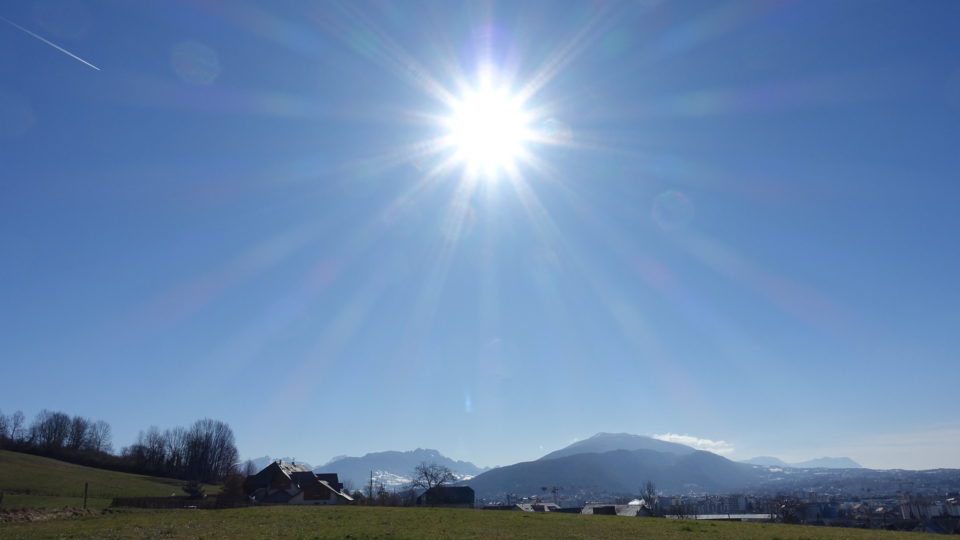
Sahara Desert winds blasted Europe in June, especially during a five-day heatwave that set many records.  Between that and weather elsewhere, June was not only one of the hottest ever for that continent, but also for the world as a whole.

In Europe, the average temperature was about 5 degrees Fahrenheit above the June average of a century ago.  The global temperature was nearly 2 degrees Fahrenheit higher.

The European heatwave broke temperature records in France, Switzerland, Austria, Germany, and Spain.  A temperature above 114 degrees was recorded near the French city of Nîmes.

The intense heat lead to wildfires in Spain and Germany, and widespread disruption across Europe.  Undoubtedly, the heatwave has caused many premature deaths, but it will take some time to compile those statistics.  The European heatwave of 2003 caused more than 70,000 premature deaths.


According to calculations by climate scientists, the record-breaking heatwave in June was made at least 5 and as much as 100 times more likely by climate change.  Global heating caused by the carbon emissions from burning fossil fuels and other human activities means that heatwaves are becoming more probable and severe.  So-called attribution studies estimate how much more likely and severe such events are.

The researchers used temperature records stretching back to 1901 to assess the probability of a heatwave last month and in the past.  They also examined climate change models to assess the impact of global heating.  More than 230 attribution studies to date around the world have found that 95% of heatwaves were made more likely or worse by climate change.

It was the hottest June on record in Europe by a country mile and there are likely to be more months like it in the future.

**********

Web Links

Climate Change Made Last Month’s European Heatwave At Least Five Times More Likely

Photo, posted February 13, 2018, courtesy of Guilhem Vellut via Flickr.

Earth Wise is a production of WAMC Northeast Public Radio.
The Largest Offshore Wind Farm

July 30, 2019 By EarthWise 1 Comment

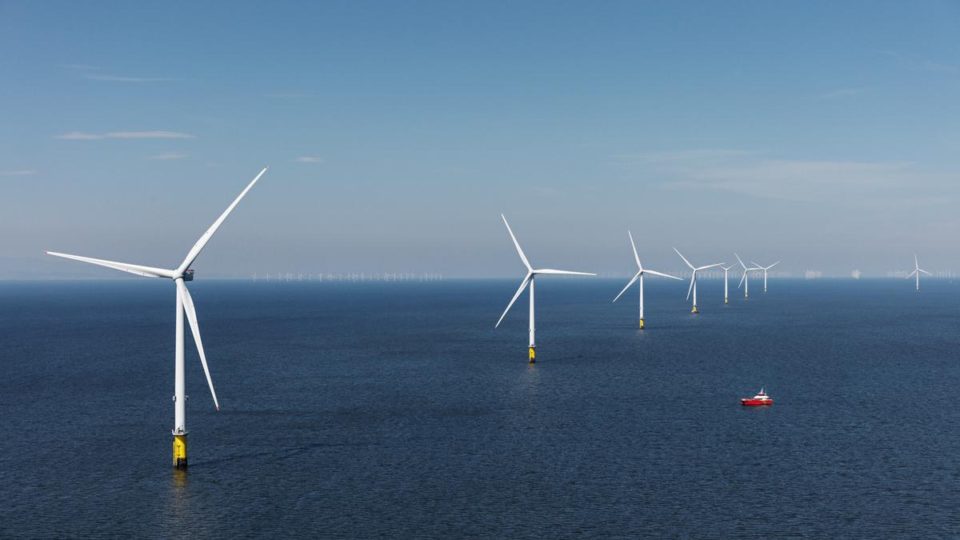
The world’s largest offshore wind farm recently began operations in the North Sea, a notoriously gusty stretch of open water that has become home to multiple large wind farms.  The new Hornsea One wind farm is located 75 miles off the east coast of Yorkshire in the United Kingdom.

The first 50 turbines are now in operation and are generating electricity for up to 287,000 homes.  When the farm is completed sometime next year, it will have 174 turbines with a total capacity of 1.2 gigawatts, enough to power a million homes.  The farm will send electricity to the UK, Netherlands, Belgium, Germany, and Scandinavia.  The Hornsea One farm will have more than twice the capacity of the current largest offshore operation, which is also in the UK.

Because the farm is so far from shore, teams of workers will live at sea for two to four weeks at a time maintaining it.  Such operations are unprecedented and required new ways of operating to overcome the logistical and technical challenges of operating a massive power station far from land.

The UK has the largest offshore wind generating capacity in Europe, now more than 8.2 gigawatts and accounting for 44% of Europe’s offshore wind capacity.  All that capacity is one of the big reasons that the UK has been successfully weaning itself off of coal for increasingly long periods of time.

Meanwhile, the US continues to lag far behind in offshore wind with a grand total of 0.03 gigawatts of installed capacity.  That situation may be changing after the federal government auctioned off 3 major tracts of ocean late last year that potentially could generate over 4 gigawatts of power if fully developed.

**********

Web Links

The World’s Largest Offshore Wind Farm Just Came Online

Photo credit: Hornsea Project One.

Earth Wise is a production of WAMC Northeast Public Radio.

Climate Change And Insurance

May 17, 2019 By EarthWise Leave a Comment

While there are still some people who remain dubious about the reality of climate change, insurance companies are not among them.  And, in fact, insurers are warning that climate change could make coverage for ordinary people unaffordable.

Munich Reinsurance, the world’s largest reinsurance firm, blamed global warming for $24 billion in losses from California’s recent wildfires.  Such costs could soon be widely felt as premium rises are already under discussion with insurance companies having clients in vulnerable parts of the state.

With the risk from wildfires, flooding, storms and hail increasing, the only sustainable option for the insurance industry is to adjust risk prices accordingly.  Ultimately, this may become a social issue.  Affordability of insurance is critical because if rates go up too much, many people on low and average incomes in some regions may no longer be able to buy insurance.

The great majority of California’s 20 worst forest fires since the 1930’s has occurred since the year 2000 driven by abnormally high summer temperatures and persistent drought. The reinsurance giant analyzed decades of data with climate models and concluded that the fires are likely driven by climate change.

It isn’t just wildfires.  Insurance premiums are also being adjusted in regions facing an increased threat from severe convective storms whose energy and severity are driven by global warming.  These include parts of Germany, Austria, France, southwest Italy, and the U.S. Midwest.

Linking extreme weather events to climate change is a bit like attributing the performance of a steroid-using athlete to drug use.  The connections are clearer in patterns than in individual disasters.  But the pattern these days is pretty clear.

**********

Web Links

Climate Change Could Make Insurance Unaffordable for Most People

Photo, posted June 12, 2013, courtesy of Jeff Head via Flickr.

Earth Wise is a production of WAMC Northeast Public Radio.
Lots Of Renewable Energy In Germany

April 29, 2019 By EarthWise Leave a Comment

As the contributions to the electrical grid from renewable sources continue to rise, people have expressed concerns about what might happen as sources like wind and solar energy become dominant.  Not many years ago, there was a common concern that if wind and solar contributed more than about a quarter of the energy mix, the grid might become unstable or unreliable.  Theoretical models looked at this situation but there hadn’t been much real-world data to look at.

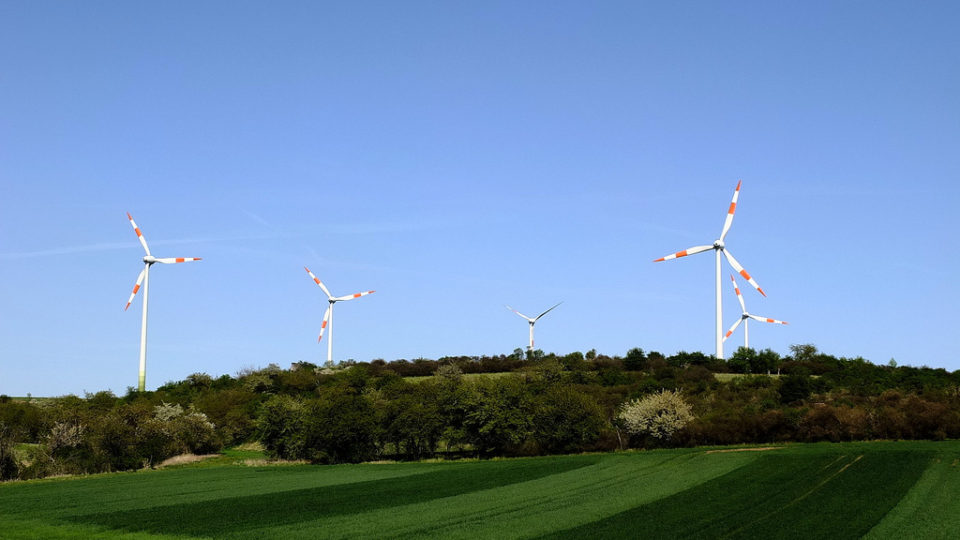
One place where there is now real-world data on a large scale is Germany.  Germany has been aggressively deploying both wind and solar energy for years as part of a national initiative called the Energiewende or energy transition.  Germany recently increased its renewable energy goal from 55% to 65% by the year 2030.   The increased share of renewables takes into account the decommissioning of aging nuclear and coal power plants.

A demonstration of the feasibility of such a goal occurred in the first week of March when renewable sources actually supplied nearly 65% of Germany’s electricity.  Wind power alone provided nearly half of the country’s power.  As a result, fossil fuel plants ran at a minimum output and nuclear facilities were shut down at night.

Germany has a very large domestic coal industry and indeed lignite coal generated an average of 24% of the country’s power last year.   However, recently that share was down to just 12%.  During that first week of March, solar power contributed more than 5% of Germany’s electricity, biomass 7.6%, and hydropower 3.5%.

While the week with 65% renewable set a record, the ongoing trend is very positive as well.  In 2018, renewable energy generated an average of more than 40% of Germany’s electricity.

**********

Web Links

Renewables Generated a Record 65 Percent of Germany’s Electricity Last Week

Photo, posted April 28, 2012, courtesy of Flickr.

Earth Wise is a production of WAMC Northeast Public Radio.
Electric Cars In Norway

February 18, 2019 By EarthWise Leave a Comment

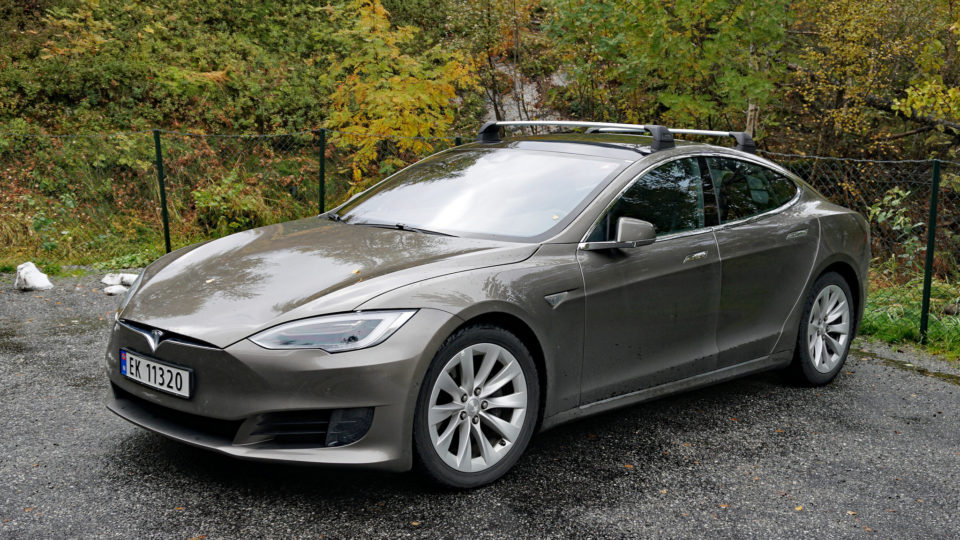
Norway has long been a world leader in sales of electric vehicles.  The country only has 5.3 million people, so the absolute numbers cannot compete with those of large countries.  Despite that, it wasn’t until the first quarter of last year that Germany became the leader in number of electric cars sold in Europe and Germany has 15 times the population of Norway.

In percentage terms, almost one-third of all new cars sold in Norway last year ran on batteries.  The country offers generous subsidies for buyers who opt to go electric.  The government has set a goal of having all new cars be emission-free by 2025.  Last year, three of the top five most popular new car models were electric:  the Nissan Leaf, the BMW i3, and the Tesla Model X.

Tesla’s Model 3, which has shattered all records for electric car sales in the United States, has yet to go on sale in Norway.  When the car becomes available there in the next few months, it is expected to generate very high sales figures.

The 31% market share for electric cars in Norway far exceeds that of most other countries.  In the United States, for example, plug-in cars account for only about 2% of new car sales.  Only Hong Kong and Iceland are also currently above 5% electric.

Norway’s role in all of this is rather convoluted.  The country has copious hydroelectric power resources that provide virtually all of its electricity.  Thus, electric cars in Norway are truly clean, green vehicles.  On the other hand, Norway is the 15th largest producer of oil in the world and gets about 17% of its GDP from oil exports.  Tackling climate change must ultimately deal with the emissions Norway continues to export.

**********

Web Links

Photo, posted October 3, 2018, courtesy of Flickr.

Earth Wise is a production of WAMC Northeast Public Radio.
Can Germany Meet Its Energy Goals?

February 4, 2019 By EarthWise Leave a Comment

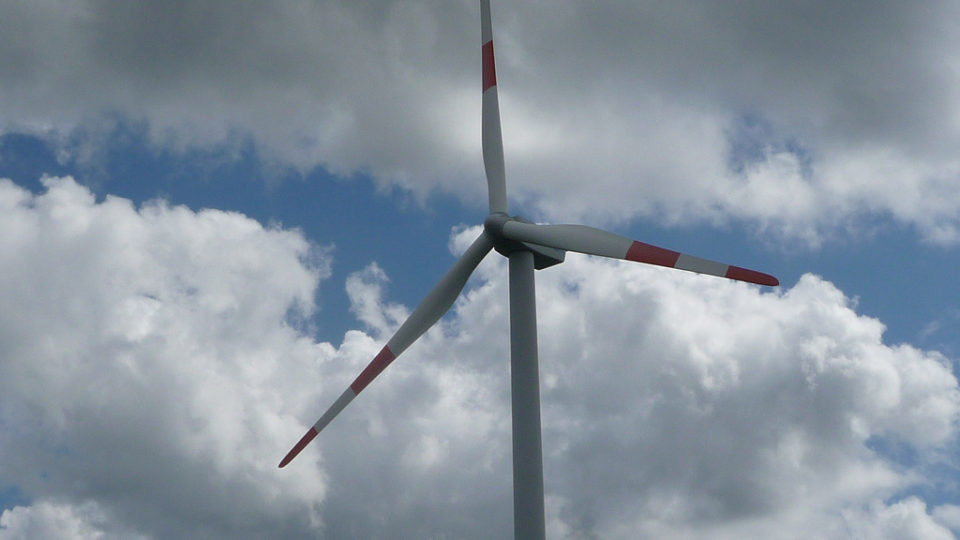
Germany has been a global leader in efforts to decarbonize its massive economy.  A national initiative known as Energiewende – or clean energy transition – has been in place since 2010 and relies heavily on renewable energy sources, energy efficiency, and energy demand management.

The program has involved some of the most aggressive deployment of renewable energy sources in the world.  Germany was the first country to install 1 GW of solar energy and still has the 5th largest amount of solar power in the world despite actually being a country with fairly limited sunshine.  Germany has nearly 30,000 wind turbines, most of which are onshore, unlike many other countries in northern Europe.  Over the past five years, government support and cost to consumers for the shift to clean energy have totaled over $180 billion.

However, despite these efforts, Germany’s greenhouse gas emissions have not declined as rapidly as expected, even though nearly 40% of the country’s electricity now comes from renewable sources.

This lack of expected success comes as a shock to the environmentally conscious German population, nearly 90% of which supports the program.

There are two major problems Germany faces.  One is that Germany is Europe’s largest producer of coal, which still generates more than a third of the country’s power.  The other is that Germany’s large auto industry is still married to gas- and diesel-fueled cars and emissions from the country’s cars are a big problem.

The Energiewende program was driven by political will and investment certainty.  It is unclear whether Germany can muster these forces again.  The Merkel government has dragged its feet on environmental issues in recent years.  It remains to be seen what effect shifting political power in Germany will have.

**********

Web Links

Carbon Crossroads: Can Germany Revive Its Stalled Energy Transition?

Photo, posted August 15, 2011, courtesy of Flickr.

Earth Wise is a production of WAMC Northeast Public Radio.
A Million Electric Cars

September 25, 2018 By EarthWise Leave a Comment

https://earthwiseradio.org/wp-content/uploads/2018/09/EW-09-25-18-A-Million-Electric-Cars.mp3

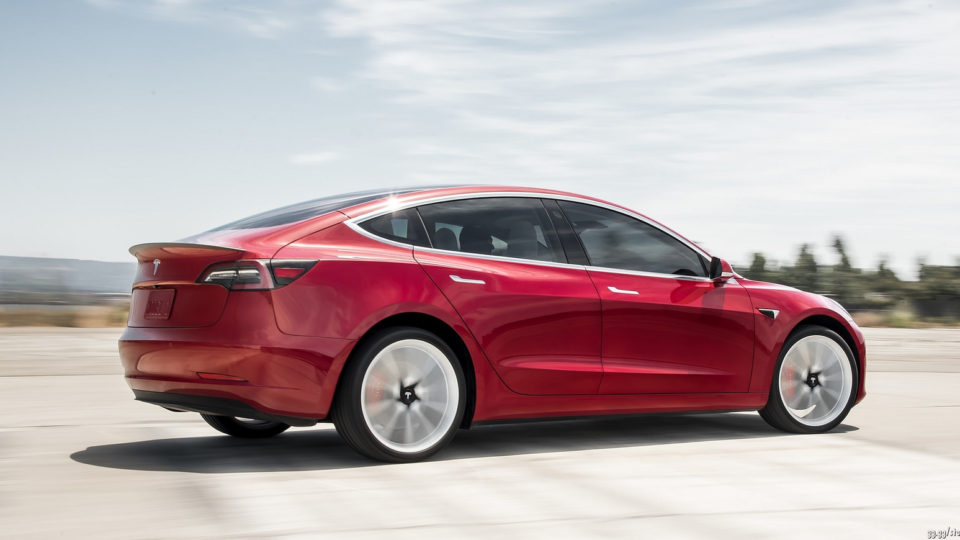
Last year, China was the first country to reach the milestone of having one million electric cars.  This year, China will add another million plug-in vehicles.  Of course, with its huge population, China sells four times as many cars in total per year as any other country. 

[Read more…] about A Million Electric Cars

Drought In Europe

August 22, 2018 By EarthWise Leave a Comment

https://earthwiseradio.org/wp-content/uploads/2018/08/EW-08-22-18-Drought-in-Europe.mp3

Even as Californians fought giant wildfires and Japan struggled with record high temperatures, the unusual summer heat in central and northern Europe has led to the worst drought conditions in over 40 years.

[Read more…] about Drought In Europe

  • « Go to Previous Page
  • Page 1
  • Page 2
  • Page 3
  • Page 4
  • Go to Next Page »

Primary Sidebar

Recent Episodes

  • An uninsurable future
  • Clean energy and jobs
  • Insect declines in remote regions
  • Fossil fuel producing nations ignoring climate goals
  • Trouble for clownfishes

WAMC Northeast Public Radio

WAMC/Northeast Public Radio is a regional public radio network serving parts of seven northeastern states (more...)

Copyright © 2026 ·