• Skip to primary navigation
  • Skip to main content
  • Skip to primary sidebar

Earth Wise

A look at our changing environment.

  • Home
  • About Earth Wise
  • Where to Listen
  • All Articles
  • Show Search
Hide Search
You are here: Home / Archives for forest

forest

Corn Ethanol And The Climate | Earth Wise

March 29, 2022 By EarthWise 1 Comment

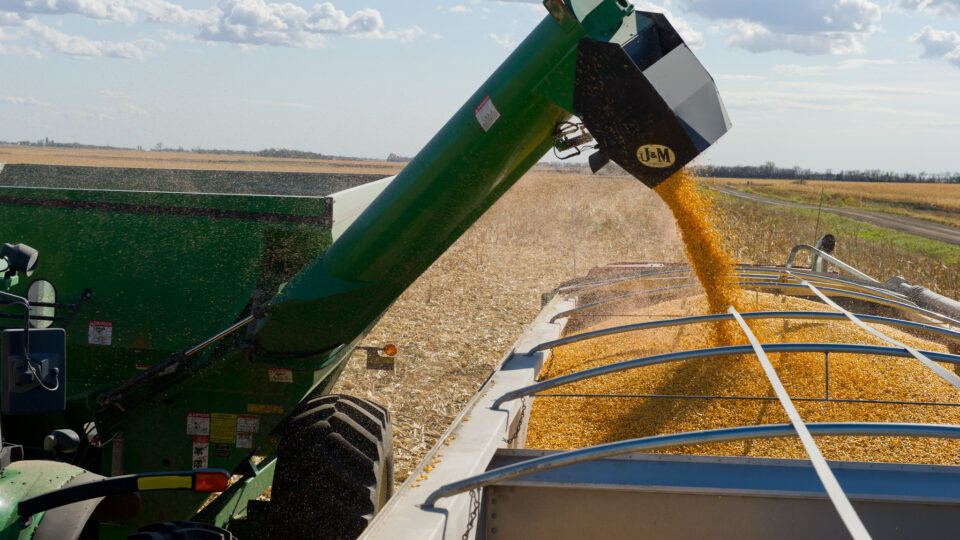
Corn ethanol hurts - not helps - the planet

The Renewable Fuel Standard legislation, first passed in 2005 and updated in 2007, requires billions of gallons of renewable fuel to be added to the country’s transportation fuel supplies.  It created the world’s largest biofuels program.

The standard was hailed as a major victory for the climate as well as a way to reduce our dependence upon foreign oil.

The intent of the legislation was to encourage various forms of renewable fuels – especially cellulosic ethanol from plant and wood fiber – to become an increasing part of the fuel mix.  That has yet to happen.  Instead, corn ethanol has been the backbone of the program.

Back in 2007, the EPA determined that ethanol from corn would lead to a 20% reduction in greenhouse gases compared to gasoline.  But the next year, a study published in the journal Nature projected that corn ethanol would double greenhouse gas emissions over 30 years because demand for corn would drive farmers to plow up increasing amounts of carbon-rich forest and grassland.

A new study published by researchers at the University of Wisconsin, Madison, has again concluded that corn-based ethanol may actually be worse for the climate than fossil-based gasoline as well as having other environmental downsides.  According to the study, since the fuel standard was passed, farmers have expanded corn production on nearly 7 million acres each year, causing the conversion of lands to cropland.  The result is that the carbon intensity of corn ethanol could be as much as 24% higher than gasoline.

The issue is still being debated in Congress, but if these results are verified, the time has come to revamp the terms of the renewable fuel standard.

**********

Web Links

Corn-Based Ethanol May Be Worse For the Climate Than Gasoline, a New Study Finds

Trots den höga effektiviteten leder inte vissa patienter som tar läkemedlet till en förbättring av erektion. Detta beror på felaktig användning av medicinen eller på att ED helt enkelt är en följd online apotek viagra av en annan sjukdom. I sådana fall är det obligatoriskt att konsultera och undersöka en läkare.

Photo, posted October 23, 2011, courtesy of the United Soybean Board via Flickr.

Earth Wise is a production of WAMC Northeast Public Radio.
Russian Forests And Climate Mitigation | Earth Wise

August 24, 2021 By EarthWise Leave a Comment

Russia's massive forests have enormous potential for impacting climate mitigation

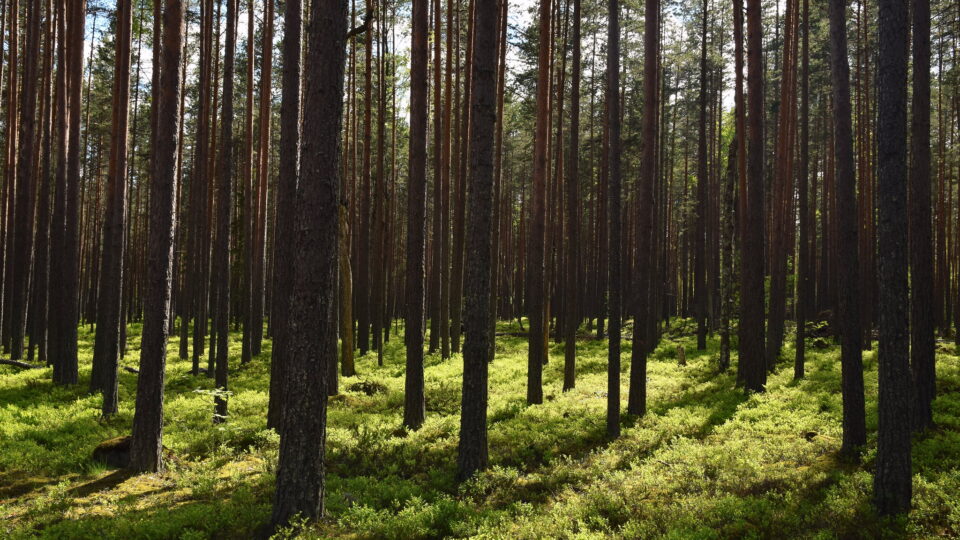
Russia is the largest country in area in the world, almost equal in size to the sum of the next two largest – Canada and the U.S.   Russia is also the world’s largest forest country, containing more than one-fifth of the world’s forests.  As a result, the country’s forests and forestry activities have enormous potential for impacting climate mitigation.

Since the dissolution of the USSR, there has been a decline in the availability of information on the state of Russia’s forests.  The Soviet Forest Inventory and Planning System compiled information until 1988.  Since then, the Russian National Forest Inventory has been the source of forest information on the national scale, and it hadn’t produced a comprehensive inventory until 2020.

The new data indicates that Russian forests have in fact accumulated a large amount of additional biomass over the intervening years.  Using the last Soviet Union report as a reference point, the new results show that the ongoing stock accumulation rate in Russian forests over the 26-year period is of the same magnitude as the net forest stock losses in tropical countries.

Thus, it is clear that Russian forests have great potential in terms of global climate mitigation as well as potential co-benefits relating to the green economy and sustainable development.   It is important to note that as the impact of climate change increases, disturbances to the Russian forests could have severe adverse effects on global climate mitigation efforts.

While much of the world’s attention is rightfully upon tropical rainforests in the Amazon and elsewhere, it is important to not ignore the largest country in the world hosting the largest land biome on the planet where even small percentage changes in the amount of forest biomass could have a major global impact.

**********

Web Links

Russian forests are crucial to global climate mitigation

Photo, posted June 6, 2015, courtesy of Raita Futo via Flickr.

Earth Wise is a production of WAMC Northeast Public Radio.
Fuel From Lignin | Earth Wise

November 26, 2020 By EarthWise Leave a Comment

Lignin as a fuel

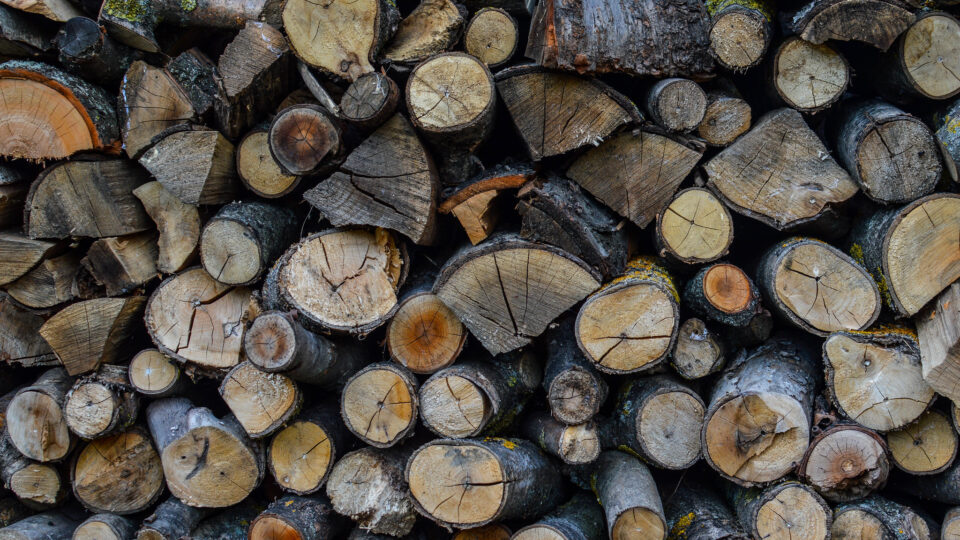
Lignin is an organic polymer that provides the rigid structure of plants and is what gives wood and bark their characteristic properties.  Lignin typically comprises between 20 and 35% of the mass of wood.  The two major substances extracted from trees, grasses, and other biomass materials are cellulose and lignin.  Cellulose is used to make paper, bioethanol, and other products, but lignin is largely unused because it is difficult to break down into useful substances such as feedstocks for fuels.  As a result, lignin is largely wasted.  Worldwide, some 50 million tons of lignin are produced from paper and bioethanol manufacturing each year and almost all of that is simply burned to generate heat.

Lignin can be broken down using pyrolysis techniques at high temperatures to create bio-oils, but those oils lack sufficient hydrogen and contain too much oxygen to be useful as fuels.  There is a process called hydrodeoxygenation that adds hydrogen and removes oxygen, but it requires high temperatures and very high pressures as well as producing char and tar that reduces the efficiency of the process.

Researchers at Georgia Tech recently published work describing a new process for turning lignin into useful products.  They developed a dual catalyst system of super-acid and platinum particles that adds hydrogen and removes oxygen from lignin bio-oil and makes it useful as a fuel and source of chemical feedstocks. 

The new process could help meet the growing demand for bio-based oils as well as helping the forest product, paper, and bioethanol industries by providing an additional revenue stream from what previously was a waste product.

**********

Web Links

New Process Boosts Lignin Bio-oil as a Next-Generation Fuel

Photo, posted August 16, 2017, courtesy of evcabartakova via Flickr.

Earth Wise is a production of WAMC Northeast Public Radio.
An Environmental Victory In Cameroon | Earth Wise

September 23, 2020 By EarthWise Leave a Comment

Preserving biodiversity in Cameroon

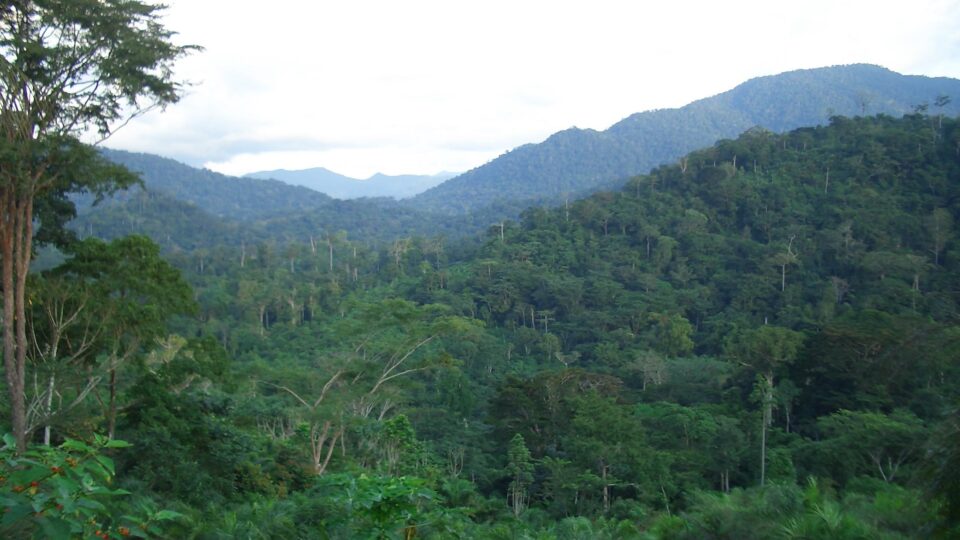
The Ebo Forest in Cameroon is one of the last intact forests in central Africa and is a biodiversity hotspot, home to hundreds of rare plants and animal species, including tool-using Nigeria-Cameroon chimpanzees, western gorillas, forest elephants, red colobus monkeys, and giant goliath frogs.  The 600 square miles of mountain slopes and river valleys are covered by thick tree canopies that shelter a fascinating array of species.

This past July, Cameroon Prime Minister Joseph Dion Ngute signed a decree that turned half of the Ebo Forest into a so-called forest management unit, meaning that the government could begin to sell logging concessions.

However, on August 11, Ngute, at the direction of President Paul Biya, withdrew the decree, suspending any logging plans.  President Biya also ordered a delay to reclassify an additional 160,000 acres of the Ebo, which might have opened up even more forest for logging.

Apart from its rich biodiversity, the Ebo Forest is culturally and societally important for the Banen Indigenous people, who consider it to be their sacred ancestral home.  The Banen were ousted from the forest in the 1960s but took up settlements just a few miles from its borders.  They still rely on the forest for food and medicines.  Meanwhile, the proximity of the forest to big cities makes it an easy target for bushmeat poachers.

Both conservation groups and indigenous leaders welcomed the withdrawal of the decree but remain concerned about the future of the Ebo Forest.  Conservation groups hope that the international community will seize the opportunity to work with the government of Cameroon to make the Ebo Forest a permanent showcase for long-term conservation in harmony with very challenged communities.

**********

Web Links

Cameroon Cancels Plan to Log Half of the Ebo Forest, a Key Biodiversity Hotspot in Central Africa

Photo, posted September 17, 2005, courtesy of Salva le Foreste via Flickr.

Earth Wise is a production of WAMC Northeast Public Radio.
Disappearing Rainforests | Earth Wise

July 2, 2020 By EarthWise Leave a Comment

rainforests continue to disappear

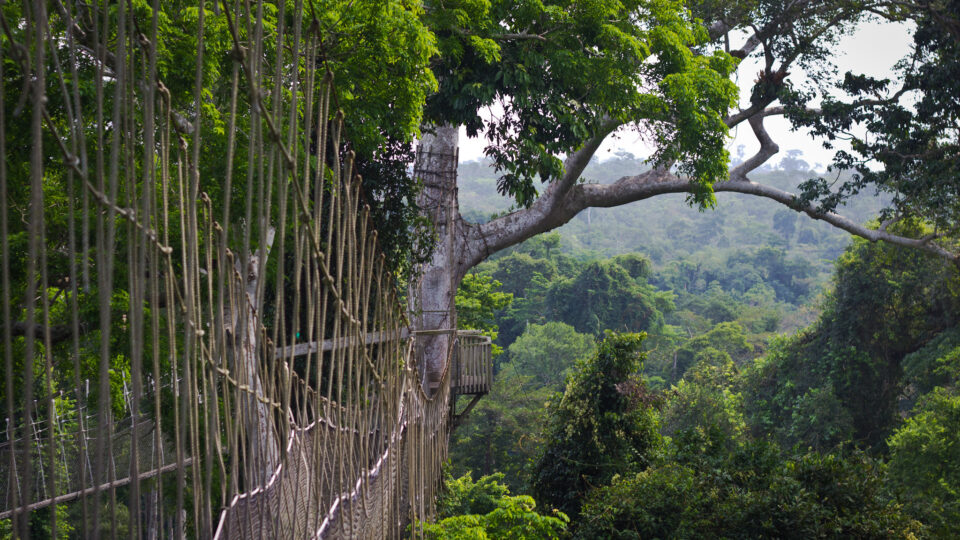
Forest loss is a major contributor to climate change, and it is continuing at a rapid pace.  The tropics lost about 30 million acres of tree cover in 2019, a third of which was within humid tropical primary forests, which are especially important for biodiversity and carbon storage.  To put that loss in a human-scale perspective, it is the equivalent of losing a football field of primary forest every six seconds for the entire year.

The losses last year were 2.8% higher than in the previous year, and these losses have continued over the past 20 years despite worldwide efforts to halt deforestation.  

Brazil single-handedly accounted for over a third of all global loss of humid tropical primary forests. Bolivia experienced record-breaking tree cover loss due to fires.  The losses in its forests were 80% greater than in any previous year.  The fires were often started by people who were trying to clear land for agriculture but had the fires go out of control. Several countries in Africa’s Congo Basin also experienced sustained or worsening forest loss. 

Indonesia, often the focus of the world’s attention for its deforestation activities, actually saw a 5% reduction in primary forest loss in 2019.  It was the third year in a row for lower losses.  The now-permanent moratorium on clearing forests for oil palm plantations and logging seems to be working.

Going forward, the coronavirus pandemic poses additional threats to the world’s forests in the near future.  There may be a tendency to sacrifice forests in pursuit of economic recovery, which will only lead to future complications for the health and livelihoods of millions of people around the world.

**********

Web Links

We Lost a Football Pitch of Primary Rainforest Every 6 Seconds in 2019

Photo, posted February 7, 2011, courtesy of Chad Skeers via Flickr.

Earth Wise is a production of WAMC Northeast Public Radio.
Unleash the power of Uniswap Exchange and elevate your crypto trading experience with its revolutionary decentralized exchange platform.

Animals And Social Distancing | Earth Wise

June 16, 2020 By EarthWise Leave a Comment

social distancing to prevent disease

As the spread of COVID-19 continues throughout the U.S. and around the world, health officials continue to ask people to keep physical space between themselves and others outside their homes.  It’s an important and effective way to slow down and prevent the spread of disease. 

But it’s not just humans who can benefit from social distancing.  It turns out that animals can, too.

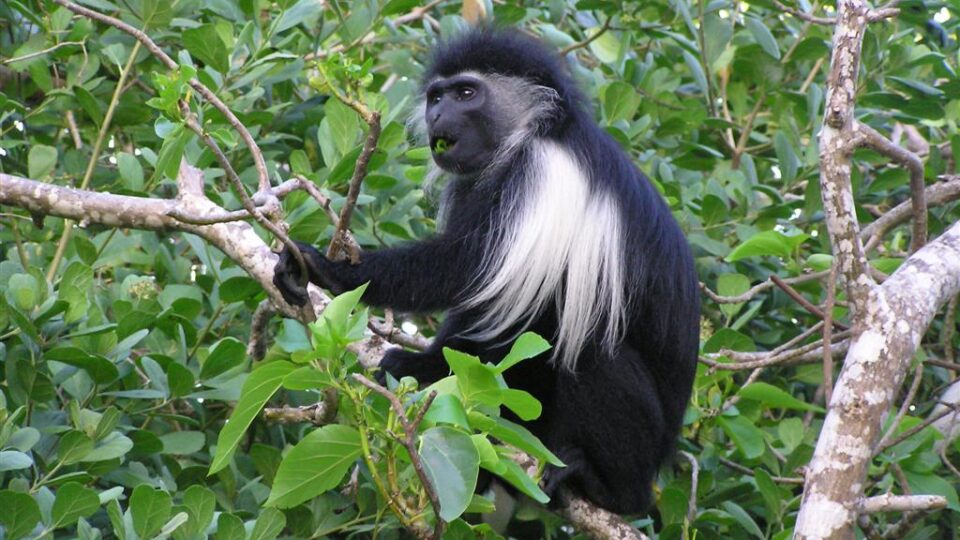
Microorganisms living on or inside our bodies are important for both our health and for the development of disease.  Researchers from the University of Texas at San Antonio have found evidence for the importance of social distancing to minimize the spread of microbes among individuals.   The researchers studied wild monkeys to find out what role diet, genetics, social groupings, and distance in a social network play when it comes to the microbes found inside the gut.  The gut microbiome refers to all the microorganisms living in the digestive tract. 

The research team studied the fecal matter of 45 female colobus monkeys that congregated in eight different social groups in a small forest in Ghana.  The researchers observed major differences in gut microbiomes between the eight social groups.  But individual monkeys from different groups that were more closely connected to the population’s social network had more similar gut microbiomes.  The findings, recently published in the journal Animal Behaviour, indicate that microbes may be transmitted between monkeys during occasional encounters with other monkeys from different social groups.

Learning how microorganisms pass among monkeys can help researchers understand how diseases spread.  Understanding how diseases spread can help guide decision making during this pandemic and any future disease outbreaks. 

**********

Web Links

Even animals benefit from social distance to prevent disease, research shows

Photo, posted January 10, 2007, courtesy of Silke Baron via Flickr.

Earth Wise is a production of WAMC Northeast Public Radio.
Conservation In Vermont | Earth Wise

May 6, 2020 By EarthWise Leave a Comment

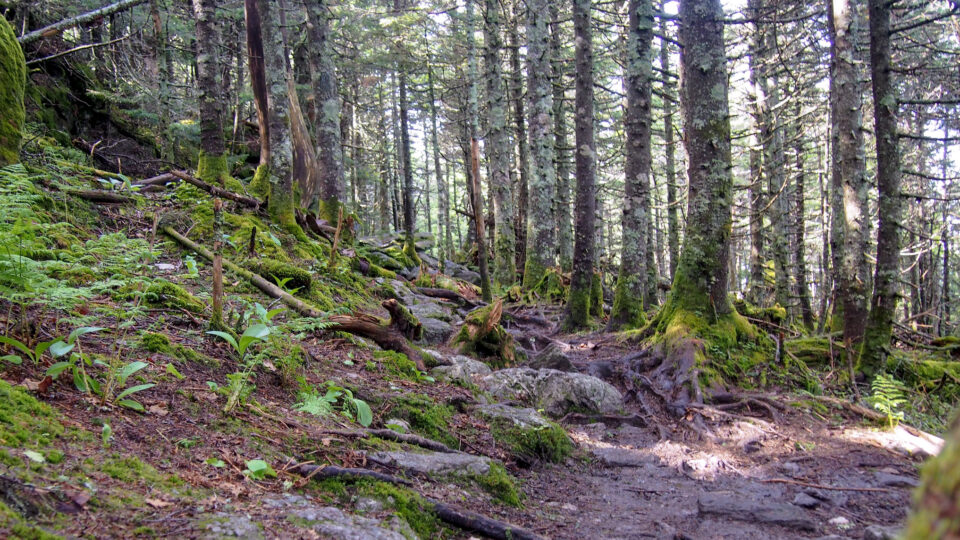
In recent times, Vermont and neighboring states have been losing forest land to development at a rate of almost 1,500 acres per year.  With forest fragmentation gaining ground across New England, conserving land for future generations of people, wildlife, and plants has become both increasingly important and increasingly difficult.

According to a new study published by researchers at the University of Vermont, the state has already protected a third of the highest priority targeted lands needed to protect and connect valuable wildlife habitats and corridors.  The protected lands amount to 1.3 million acres.

Most of the currently conserved lands are forested.  However, there are high-priority targeted surface water and riparian areas – ponds, rivers, shorelines, and wetlands – and not nearly enough of these have been protected.  (Many animals require zones along waterways in which to travel between the habitats they need to survive).

The state of Vermont and a number of partners have laid out a comprehensive and thoughtful vision that would ensure that Vermont remains a good place for all forms of life in the future.  The new study provides a crucial benchmark of current levels of forest protection to help prioritize future conservation actions. 

Three groups dominate in responsibility for the state’s protected lands:  the federal government, the state government, and private non-profit organizations.  (Each of these account for roughly a third of existing protected lands).

Going forward, Vermont’s nonprofits will play an increasingly important role in land conservation, especially in continuing to protect those areas that are rich with species diversity.  Nonprofits are engaging more and more deeply in restoring wetlands that were previously degraded, planting new forests along river shores, and protecting unique natural communities while also protecting working forests and farmland.

**********

Web Links

Vermont Has Conserved One Third of the Land Needed for an Ecologically Functional Future

Photo, posted June 15, 2014, courtesy of Wesley Carr via Flickr.

Earth Wise is a production of WAMC Northeast Public Radio.
Working Forest Buffers | Earth Wise

April 15, 2020 By EarthWise Leave a Comment

Forest Buffer Zones on Farms

More than 100,000 miles of U.S. rivers and streams are polluted by nitrogen and phosphorus, mostly from agricultural runoff.  In the past, forests grew naturally alongside these waterways and helped stabilize stream banks and decrease flooding while trapping and filtering pollutants.  But most of these forests have been cut down to make way for towns, cities, livestock, and crops.

Farmers are reluctant to retire valuable farmland with non-productive buffer planting.  But in Pennsylvania, there is an innovative program that encourages farmers to plant cash crops in waterway buffer zones that can help stabilize stream banks and clean up the waterways.  These plantings are called working buffers.

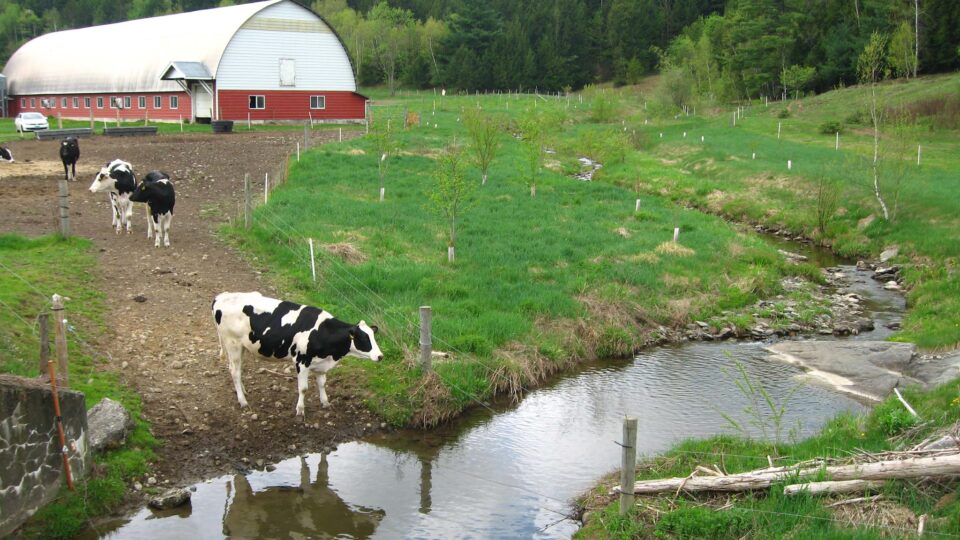
Strips of streamside land are replanted with native floodplain trees and shrubs.  These are known as riparian forest buffers.  Pennsylvania has instituted a grant program under which farmers and landowners plant these buffers and turn a profit.

Many of these buffers have three zones.  A conventional forest buffer that can be just 15 feet wide is composed of native woodland and stabilizes the bank with tree roots and enhances wildlife habitat.  A second zone, some 20 feet wide, is planted with trees and shrubs that can tolerate periodic flooding.  Apart from slowing floodwater and taking up nutrients, this zone can provide profits by planting trees like black walnut, hazelnut, persimmon, and elderberry.  Only hand harvesting is allowed.  A third zone, adjacent to conventional crop, can contain blueberries, raspberries, and decorative woody florals.

How many farmers can be enticed to create these riparian buffers remains to be seen, but they do represent a way to help farmers to reduce pollution and turn a profit along the way.

**********

Web Links

A Movement Grows to Help Farmers Reduce Pollution and Turn a Profit

Photo, posted March 19, 2010, courtesy of the USDA via Flickr.

Earth Wise is a production of WAMC Northeast Public Radio.
Forest Regrowth In The Amazon | Earth Wise

January 20, 2020 By EarthWise Leave a Comment

Forest Regrowth Amazon deforestation rainforest

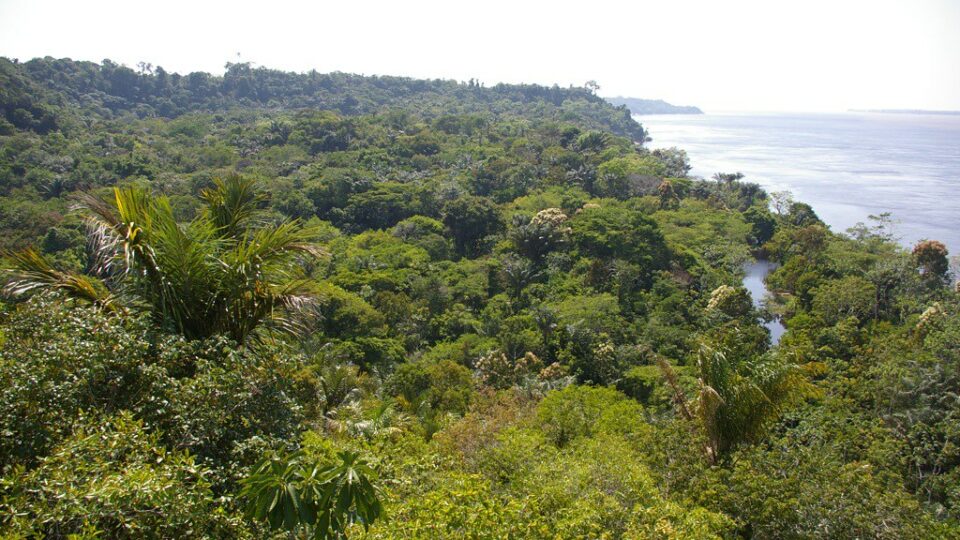
The Amazon is the largest tropical rainforest in the world.  It covers an area approximately equal in size to the lower 48 states, and is home to an estimated 10% of the world’s biodiversity and 15% of its freshwater.  These so-called “lungs of the planet” provide many important global ecological services, including carbon storage, and regulating air quality and climate.

Deforestation in the Amazon exploded in the 1970s and remains one of its biggest threats today.  Since the 1970s, more than 20% of the Amazon rainforest has been cleared.  Cattle ranching, soy and palm plantations, logging, and climate change are some of the biggest drivers of deforestation.  

Now, according to a new study recently published in the journal Ecology, the regrowth of Amazonian forests following deforestation may happen more slowly than previously thought.  These findings could have significant impacts on climate change predictions as the ability of forest regrowth in the Amazon – so-called secondary forests – may have been overestimated.  The research, which was conducted in Bragança, Brazil and includes two decades of forest monitoring, reveals that climate change and the wider loss of forests could be hampering regrowth.    

After 60 years of regrowth, the research team found that secondary forests only held 40% of the carbon when compared with forests undisturbed by humans.  Secondary forests also take less carbon from the atmosphere during periods of drought, and climate change is increasing the number of drought-years in the Amazon.  (During their 20 years of monitoring, the researchers also found biodiversity levels in secondary forests were only 56% of those seen in undisturbed forests). 

More long-term studies are needed to better understand the impacts of reforestation efforts.  

**********

Web Links

Amazon forest regrowth much slower than previously thought

Photo, posted September 6, 2009, courtesy of Nao Lizuka via Flickr.

Earth Wise is a production of WAMC Northeast Public Radio.
Trees And The Future Of Cities

April 16, 2019 By EarthWise Leave a Comment

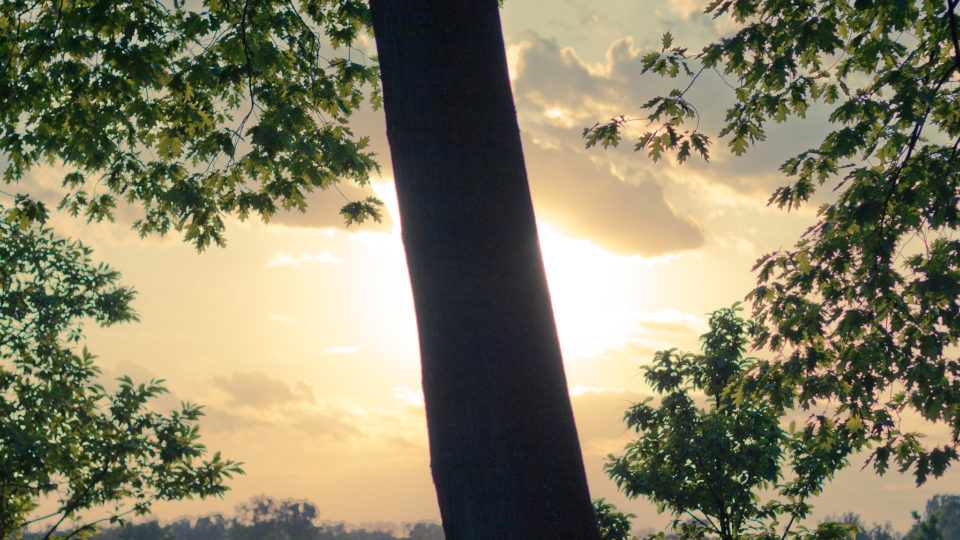
The shade of a single tree is a welcome source of relief on a hot summer day.  But even a relatively small patch of woods can have a profound cooling effect.  A new study at the University of Wisconsin-Madison looks at the role trees play in keeping towns and cities cool.

According to the study, the right amount of tree cover can lower daytime temperatures in the summer by as much as 10 degrees.  The effects are noticeable from neighborhood to neighborhood and even on a block-by-block basis.

Cities are well-known to be hot spots due to the urban heat islanding effect.  Using trees to keep temperatures more comfortable in cities can make a big difference for the people who live and work there.

The man-made structures of cities – roads, sidewalks, and buildings – absorb heat from the sun during the day and slowly release it at night.  Trees, on the other hand, not only shade those structures from the sun, but they also transpire -or release water in the air through their leaves – which helps to cool things down.

According to the study, to get maximum cooling benefits, tree canopies must exceed forty percent, meaning that city blocks need to be nearly halfway covered by tree branches and leaves.  To get the biggest bang for the buck, cities should start planting more trees in areas that are already near the forty percent threshold.  But

trees can’t just be in parks.  They need to be in places where people are active.

If we want the places where we live to be more comfortable and resilient in a warming world, we need to plant more trees.

**********

Web Links

Study suggests trees are crucial to the future of our cities

Photo, posted May 26, 2012, courtesy of Mislav Marohnic via Flickr.

Earth Wise is a production of WAMC Northeast Public Radio.
Indonesian Deforestation

February 28, 2019 By EarthWise Leave a Comment

Deforestation is defined as the intentional destruction of trees and other vegetation without reforesting or allowing the forest to regenerate itself. 

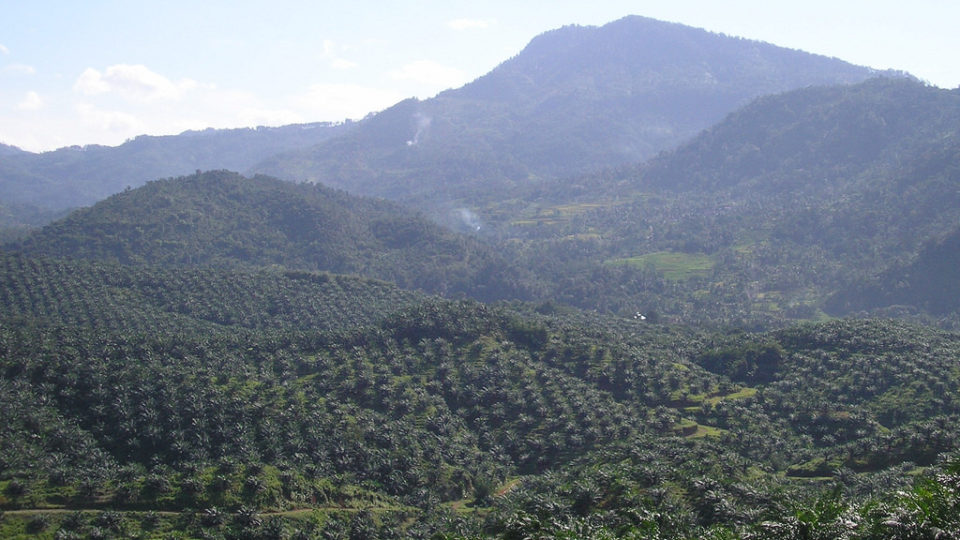
In Indonesia, industrial agriculture, primarily for the production of palm oil, is a major driver of deforestation.  But, according to researchers at Duke University, its impact has diminished  proportionately in recent years as other natural and human causes have emerged. Their peer-reviewed findings were recently published in the journal Environmental Research Letters.

According to the study’s lead author, large-scale plantations were responsible for more than half of Indonesia’s deforestation in the late 2000s, peaking between 2008-2010 when an average of 1.5 million acres of forest was lost annually.  The expansion of the massive plantations was responsible for 57% of the forest loss. Between 2014-2016, an average of more than 2 million acres of forest was lost annually, but plantation expansion only accounted for 25% of this figure.  While the overall rate of deforestation continued to grow, other factors were responsible for most of it.

Conversions of forests to grasslands rose sharply in 2015 and 2016 when El Nino caused severe droughts and forest fires. Small-scale farming, often overshadowed by industrial agriculture, was also found to play a bigger role, accounting for 25% of all forest loss. 

Indonesia has experienced some of the highest rates of deforestation.  Its forests absorb and store vast amounts of climate-warming carbon dioxide, help prevent erosion and flooding, and provide habitat to thousands of species.  Understanding the varied causes of Indonesian deforestation should help conservationists and policymakers better address the problem.

************

Web Links

Palm oil not the only driver of forest loss in Indonesia

Photo, posted March 26, 2018, courtesy of Achmad Rabin Taim via Flickr.

Earth Wise is a production of WAMC Northeast Public Radio.
Cloning Ancient Redwoods

January 30, 2019 By EarthWise Leave a Comment

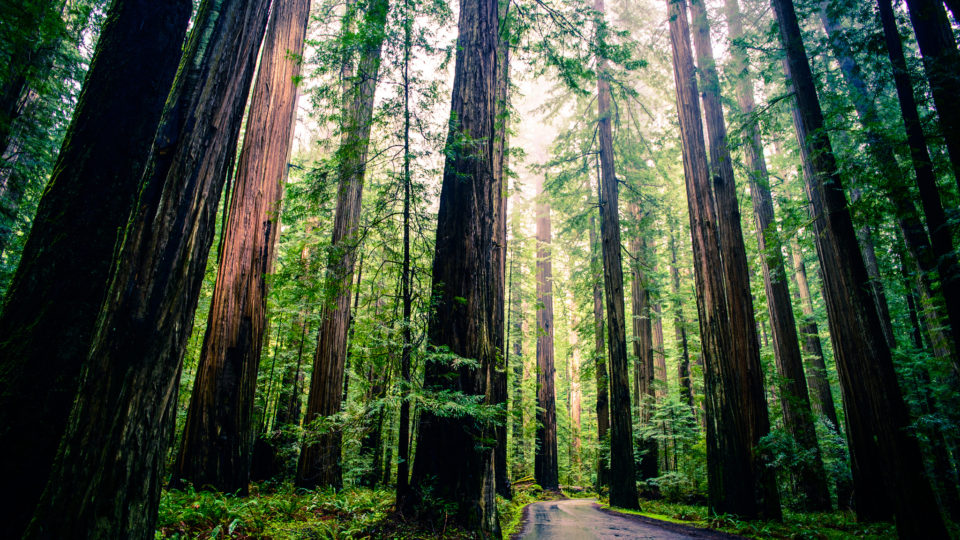
During the 19th and 20th centuries, many of the world’s largest and oldest tress were cut down for their lumber.   Some of these coast redwoods were 3,000 years old and measured 35 feet in diameter.

Today, giant stumps of these ancient redwoods dot the landscape from Oregon to northern California and are a remnant of the old-growth forest that once stretched across much of the Pacific Northwest.

An organization called the Archangel Ancient Tree Archive is dedicated to reestablishing ancient redwood forests to help combat climate change.  Coastal redwoods are not only huge but can grow an average of 10 feet a year.  One of these enormous trees can sequester 250 tons of carbon dioxide over its lifetime, more than 200 times the amount for an average tree.

While many experts thought that the giant stumps were lifeless, arborists at Archangel collected DNA from the stumps of five giant coast redwoods, all larger than the largest tree living today.  They then used this genetic material to grow dozens of saplings, which are clones of the ancient trees, in a process that takes about two-and-a-half years.

To date, the Archangel Ancient Tree Archive has planted nearly 100 of these saplings in the Eden Project garden in Cornwall, England, a couple of hundred in Oregon, and most recently, has planted 75 in the Presidio National Park in San Francisco.

According to arborists at the nonprofit organization, these saplings have extraordinary potential to purify our air, water, and soil for generations to come.  Their hopes are that the new San Francisco ‘super grove’ will be allowed to grow unmolested by manmade or natural disasters and thus propagate forever.

**********

Web Links

Arborists Have Cloned Ancient Redwoods From Their Massive Stumps

Photo, posted April 8, 2013, courtesy of Michael Balint via Flickr.

Earth Wise is a production of WAMC Northeast Public Radio.
Your Children’s Yellowstone

January 25, 2019 By EarthWise Leave a Comment

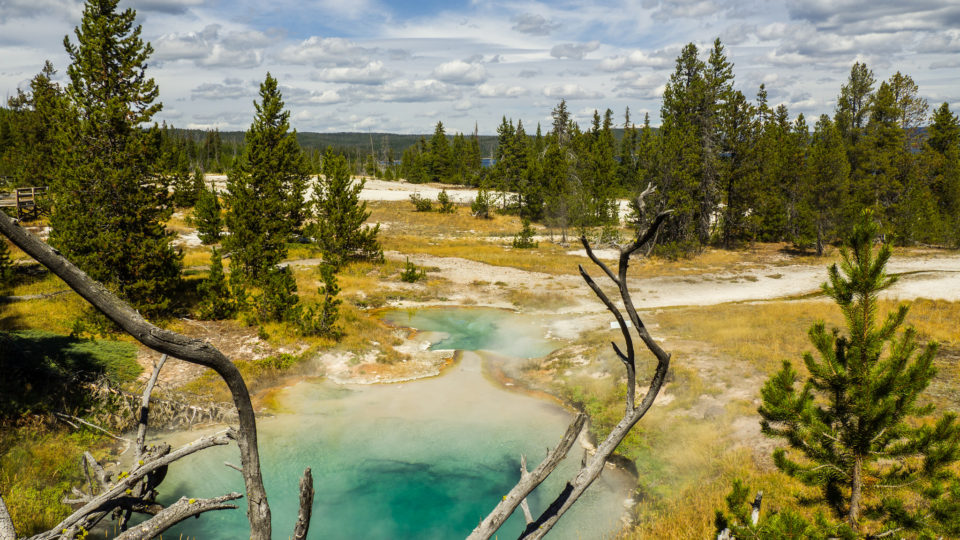
Yellowstone National Park was the first national park in the US and according to some sources, the first in the world.  It is the home of charismatic megafauna and stunning geysers that attract over four million visitors a year.  It is the only place in the United States where bison and wolves can be seen in great numbers.  And it is changing.

Over the next few decades of climate change, Yellowstone will quite likely see increased fire, less forest, expanding grasslands, shallower, warmer waterways, and more invasive plants.  All these things will alter how and how many animals move through the landscape.   Ecosystems are always changing, but climate change is transforming habitats so quickly that many plants and animals may not be able to make the transition at all.

Since 1948, the average annual temperature in the Greater Yellowstone ecosystem has gone up by 2 degrees Fahrenheit.  On balance, winter is 10 days shorter and less cold.  The Northern Rockies snowpack has fallen to its lowest level in eight centuries. Summers in the park are warmer, drier, and increasingly prone to fire.

Non-nutritious invasive plants like cheatgrass and desert madwort have replaced nutritious native plants.  When plants like these take over, they suck moisture out of the ground early so that bison and elk cannot be sustained throughout the summer.

The behavior of elk and other animals is already changing, with many staying outside the park to nibble lawns and alfalfa fields.  In turn, wolves go where the elk go.   Forests and waterways are changing as well.

The rapid changes going on at Yellowstone mean that the park that our children and grandchildren will visit in the future is likely to be a very different one from the Yellowstone we remember.

**********

Web Links

In Yellowstone National Park, warming has brought rapid changes.

Photo, posted September 7, 2016, courtesy of Mike Yang via Flickr.  

Earth Wise is a production of WAMC Northeast Public Radio.

Can We Remove Enough CO2 From The Air?

January 9, 2019 By EarthWise Leave a Comment

As atmospheric carbon dioxide levels continue to set new records and the effects of climate change grow stronger, humanity has continued to procrastinate on reducing emissions.  As a result, it is increasingly clear that any strategy to avoid runaway climate change will have to involve the use of “negative emissions”- techniques or technologies that actually remove CO2 from the air.

There are both low-tech and high-tech methods for removing carbon dioxide from the atmosphere and both are likely to be needed. 

On the low-tech side, afforestation (planting trees where there were none before), reforestation, changes in forest management, rebuilding the carbon backbone in agricultural soils, and the use of energy from waste biomass are all ways to take carbon out of the atmosphere.

On the high-tech side, direct air capture technologies that take CO2 out of the air and store it in the ground are making rapid progress.   Right now, they are still very expensive,but that is changing.  There is an analogy to wind and solar technology. Not very long ago, both of those technologies were quite expensive but now their costs have plummeted to the point where they are often the cheapest way to make electricity.  With sufficient development effort and deployment, direct air capture technology could become quite affordable.

Some people advocate geoengineering as a solution for climate change.  While removing carbon dioxide amounts to tackling the root cause of the warming climate,geoengineering would address the problem by changing the climate again in some other way.  It is at best an extremely dangerous approach.

Removing CO2 using a combination of natural and man-made techniques is an important part of mitigating the effects of climate change.

**********

Web Links

Climate Solutions: Is It Feasible to Remove Enough CO2 from the Air?

Photo courtesy of Climeworks. 

Earth Wise is a production of WAMC Northeast Public Radio.
Bring The Wild Back Into Farmlands

December 4, 2018 By EarthWise Leave a Comment

https://earthwiseradio.org/wp-content/uploads/2018/11/EW-12-04-18-Bring-the-Wild-Back.mp3

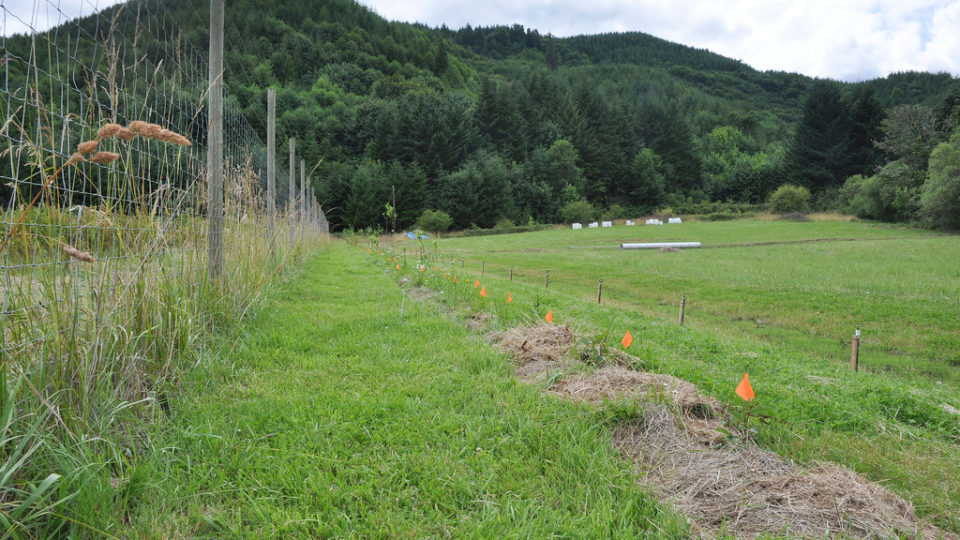
A recent study published in Science looks at the effects of maintaining at least a little bit of the wild on working lands including farmland, rangeland and forests.  The study concludes that doing so may be a key to preserving biodiversity in the face of climate change.

[Read more…] about Bring The Wild Back Into Farmlands

Losing Forests Is Felt Far Away

July 6, 2018 By EarthWise 2 Comments

https://earthwiseradio.org/wp-content/uploads/2018/06/EW-07-06-18-Losing-Forests-is-Felt-Far-Away.mp3

Large areas of forests in our country are vulnerable to drought, fires and disease.  When forests are heavily damaged, there are well-known local impacts:  drier soils, stronger winds, increased erosion, loss of shade and loss of habitat.

[Read more…] about Losing Forests Is Felt Far Away

Indonesian Deforestation Continues

May 3, 2018 By EarthWise Leave a Comment

https://earthwiseradio.org/wp-content/uploads/2018/05/EW-05-03-18-Indonesian-Deforestation-Continues.mp3

Worldwide, deforestation and land disturbance are responsible for about a quarter of all greenhouse gas emissions.  The largest contributor to this problem is Indonesia and getting control of its emissions is a crucial part of meeting global carbon reduction targets.

[Read more…] about Indonesian Deforestation Continues

Elephant Losses Imperil Forests

April 20, 2018 By EarthWise Leave a Comment

https://earthwiseradio.org/wp-content/uploads/2018/04/EW-04-20-18-Elephant-Losses-Imperil-Forests.mp3

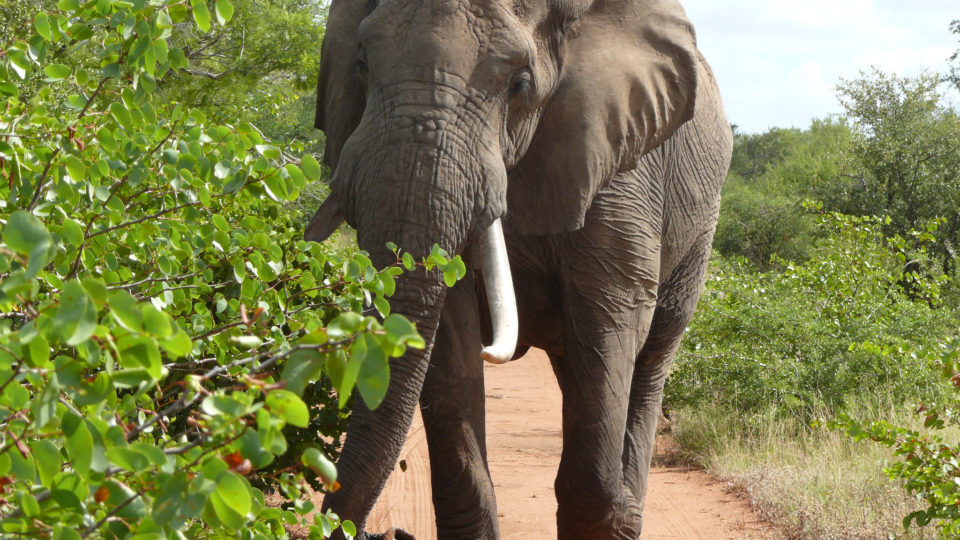
Poaching and habitat loss have reduced Central African elephant populations by 63% since 2001.  These losses not only pose dire consequences for the elephants themselves but also for the forests in which they live.

[Read more…] about Elephant Losses Imperil Forests

Tree-Planting Drones

March 16, 2018 By EarthWise Leave a Comment

https://earthwiseradio.org/wp-content/uploads/2018/03/EW-03-16-18-Tree-Planting-Drones.mp3

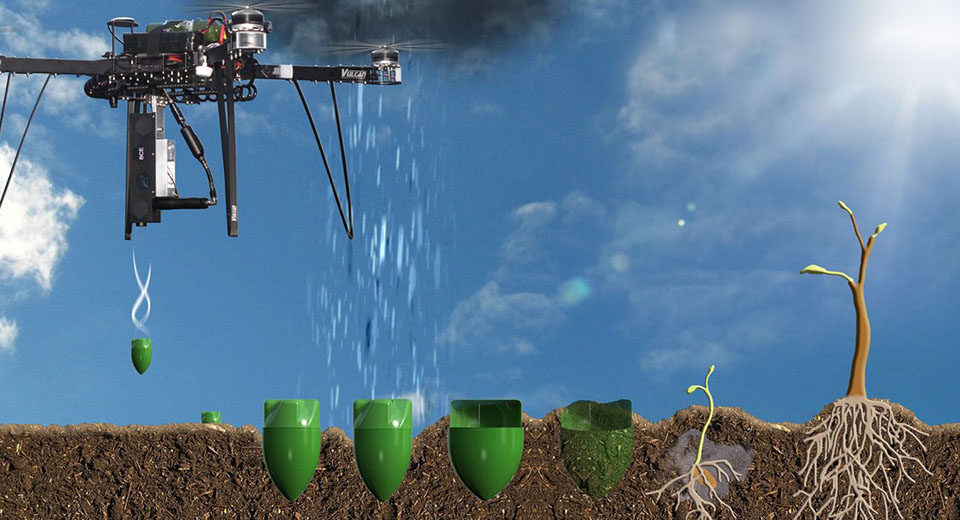
One of the major causes of the increasing carbon dioxide levels in the atmosphere is deforestation.   We chop down about 15 billion trees each year.  Over time, our activities have reduced the number of trees on earth by about 50%.  We do plant trees – these days, about 9 billion a year.  It is a substantial number, but still leaves a net loss of 6 billion trees annually.

[Read more…] about Tree-Planting Drones

Saving The Siberian Tiger

March 13, 2018 By EarthWise Leave a Comment

https://earthwiseradio.org/wp-content/uploads/2018/03/EW-03-13-18-Saving-the-Siberian-Tiger.mp3

The northeastern part of China, wedged between North Korea to the south and Russia to the northeast, is home to two highly endangered big cats:  the Siberian tiger and the Amur leopard.   Siberian tigers, which can weigh over 600 pounds and grow to more than 10 feet in length, now number only about 500 in the wild, mostly in Russia.  Amur leopards, weighing more than 100 pounds and growing to more than four feet in length, number only about 80 in the wild.  While both species are right on the edge of extinction, both are slowly rebounding.

[Read more…] about Saving The Siberian Tiger

  • « Go to Previous Page
  • Page 1
  • Page 2
  • Page 3
  • Page 4
  • Go to Next Page »

Primary Sidebar

Recent Episodes

  • An uninsurable future
  • Clean energy and jobs
  • Insect declines in remote regions
  • Fossil fuel producing nations ignoring climate goals
  • Trouble for clownfishes

WAMC Northeast Public Radio

WAMC/Northeast Public Radio is a regional public radio network serving parts of seven northeastern states (more...)

Copyright © 2026 ·