forest
A Carbon Loophole
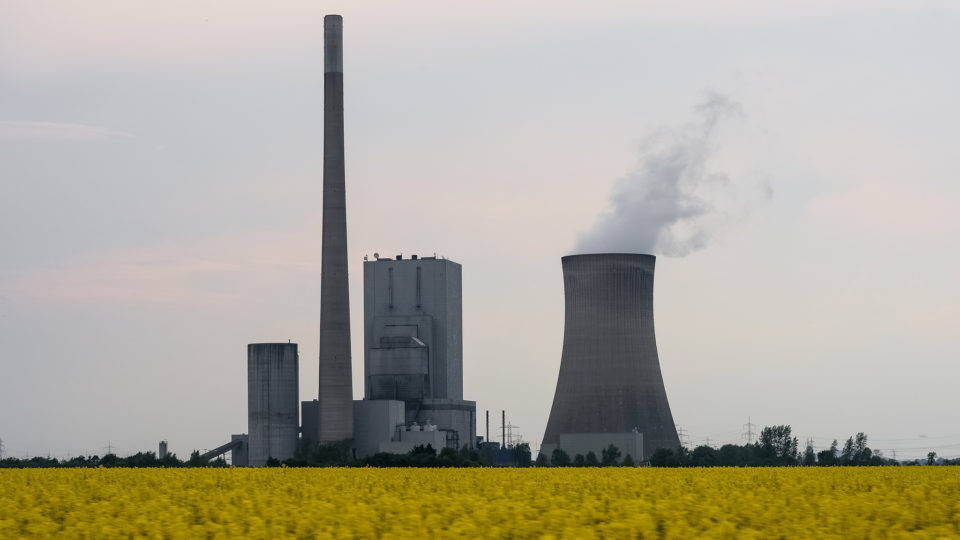
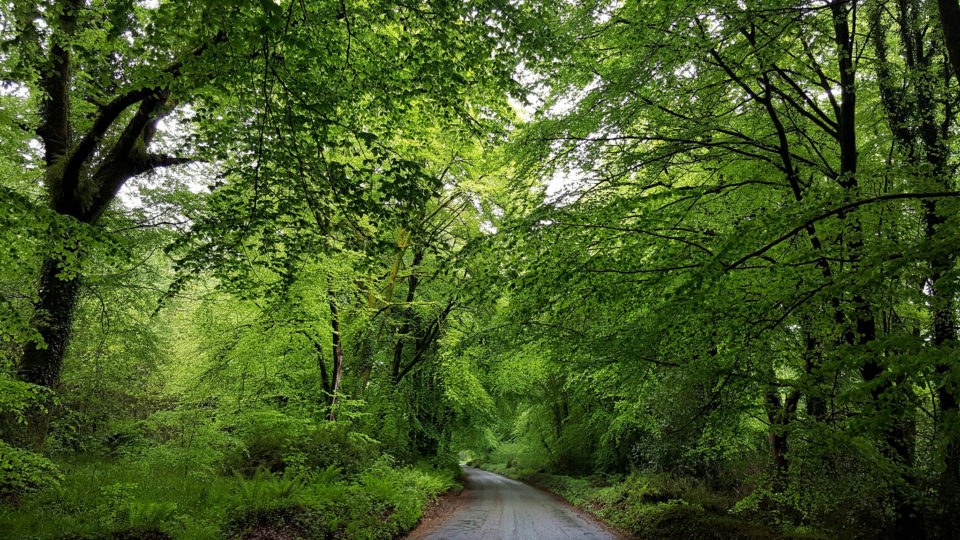
Many power plants in Europe and elsewhere are replacing coal with wood. For example, the Drax Power Station in Britain was its largest coal-burning plant and is now using wood pellets shipped from the southern U.S. in its boilers. According to the carbon accounting rules at the EU and elsewhere, the process is considered to be “carbon neutral.” But is it?
The idea is that new trees are being planted in the forests where the trees are cut to be burned in power plants. So, there is carbon neutrality. In principle.
European countries have embarked on a massive effort to switch to generating power from renewable energy. While there has indeed been major growth in wind and solar power in the 28 countries of the European Union, much of the new “green” power has come from burning wood in converted coal power stations.
A group of 200 scientists wrote to the EU last September insisting that bioenergy from forest biomass is not carbon neutral and that there must be tighter rules to protect forests and their carbon. Wood burning has become a loophole in controlling carbon emissions.
There are problems with the claims of carbon neutrality. There is no way to know whether enough new trees are actually being planted to replace those being burned. And then there is the time lag for tree replacement. Trees don’t grow overnight. There are also the carbon emissions associated with harvesting, processing and transporting wood.
There are most certainly ways in which burning biomass can be carbon neutral and can represent real progress over the use of fossil fuels. But caution must be taken to avoid exploiting loopholes in current climate rules that might actually result in increased carbon emissions.
**********
Web Links
Carbon Loophole: Why Is Wood Burning Counted as Green Energy?
Photo, posted April 26, 2014, courtesy of Flickr.
‘A Carbon Loophole’ from Earth Wise is a production of WAMC Northeast Public Radio.
The Ecology Of Dust
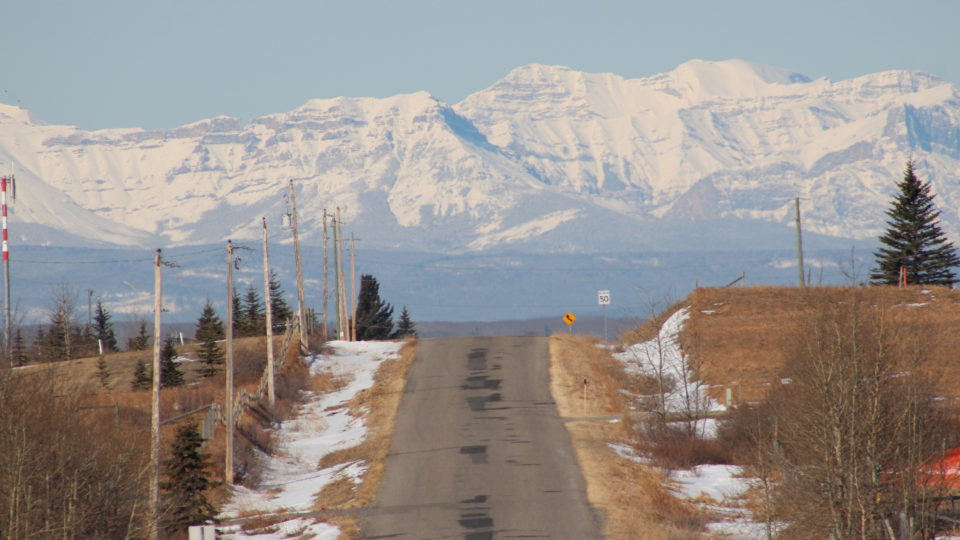
It isn’t something we think about very often, but dust is a connector of ecosystems around the world. Dust carries various minerals and nutrients to places where such things are in very scarce supply. This includes the oceans of the world as well as many forests and other ecosystems. For example, phosphorus-bearing dust carried from the Gobi Desert is essential to the growth of giant redwoods in California’s Sierra Mountains.
Disappearing Kelp Forests
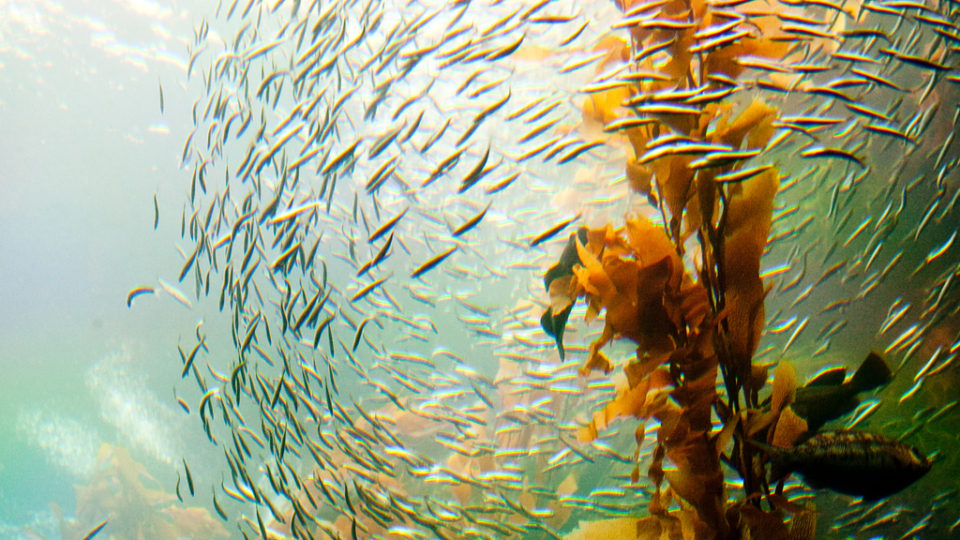
In recent decades, ocean temperatures in many places have warmed by nearly 3 degrees Fahrenheit. An effect of this warmer water is the decimation of what were once luxuriant giant kelp forests in eastern Australia and Tasmania. There used to be thick canopies covering much of the region’s coastal sea surface, but they have wilted in the intolerably warm and nutrient-poor water.
Hopeful Climate Trends

In November, Syria joined the Paris Climate Accord. As a result, the United States is now the only country in the world that has rejected the global pact. Despite this embarrassing news, there is reason for optimism in the effort to stave off the worst impacts of climate change. In particular, 7 major trends provide hope that things could move in the right direction.
The Spread Of Bark Beetles
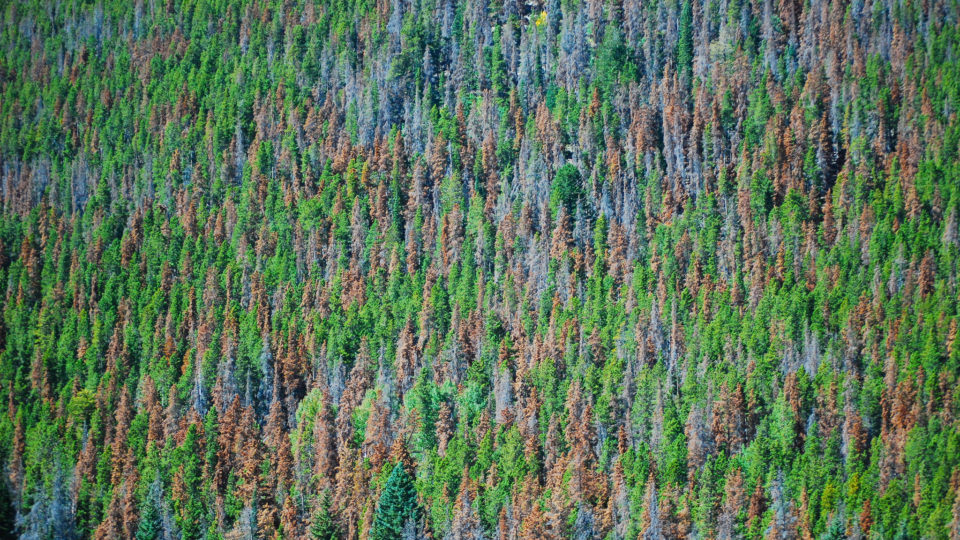
Bark beetles are a global scourge of evergreen forests. Mountain pine beetles have destroyed pine trees across western North America. Spruce beetles decimated spruce trees from New Mexico into Colorado and beyond. Altogether, bark beetles have ravaged 85,000 square miles of forest in the western U.S, an area the size of Utah, since 2000. They have killed trees across an additional 65,000 square miles of British Columbian forests and have caused millions of dollars of damage to the lumber industry in states like Alabama and Mississippi.
Spreading Like Wildfire
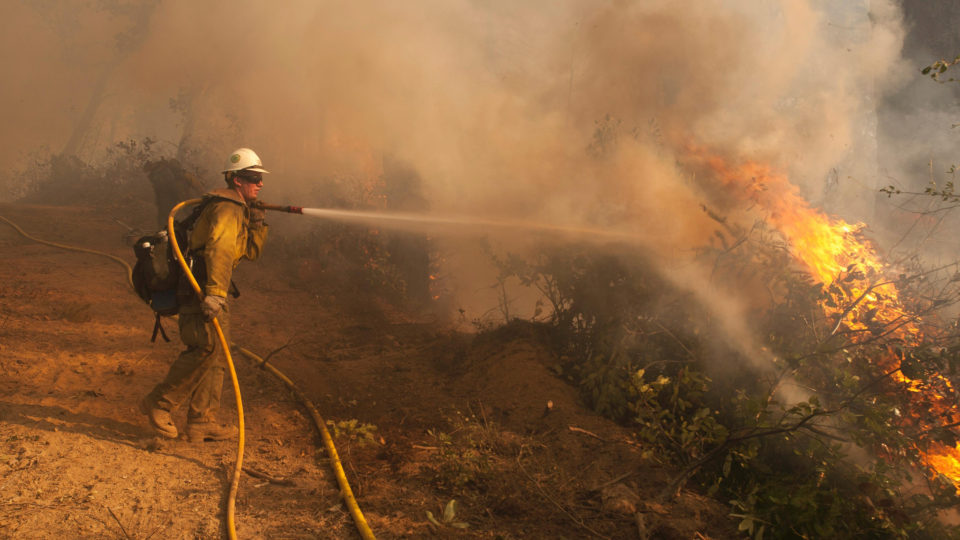
Last July 7th, 140 wildfires started up in British Columbia, triggering a state of emergency. By the end of the summer, more than 1,000 fires had been triggered across the Canadian province, burning nearly 3 million acres of forest, about 10 times more than the average over the past decade.
Trees Are Not Enough
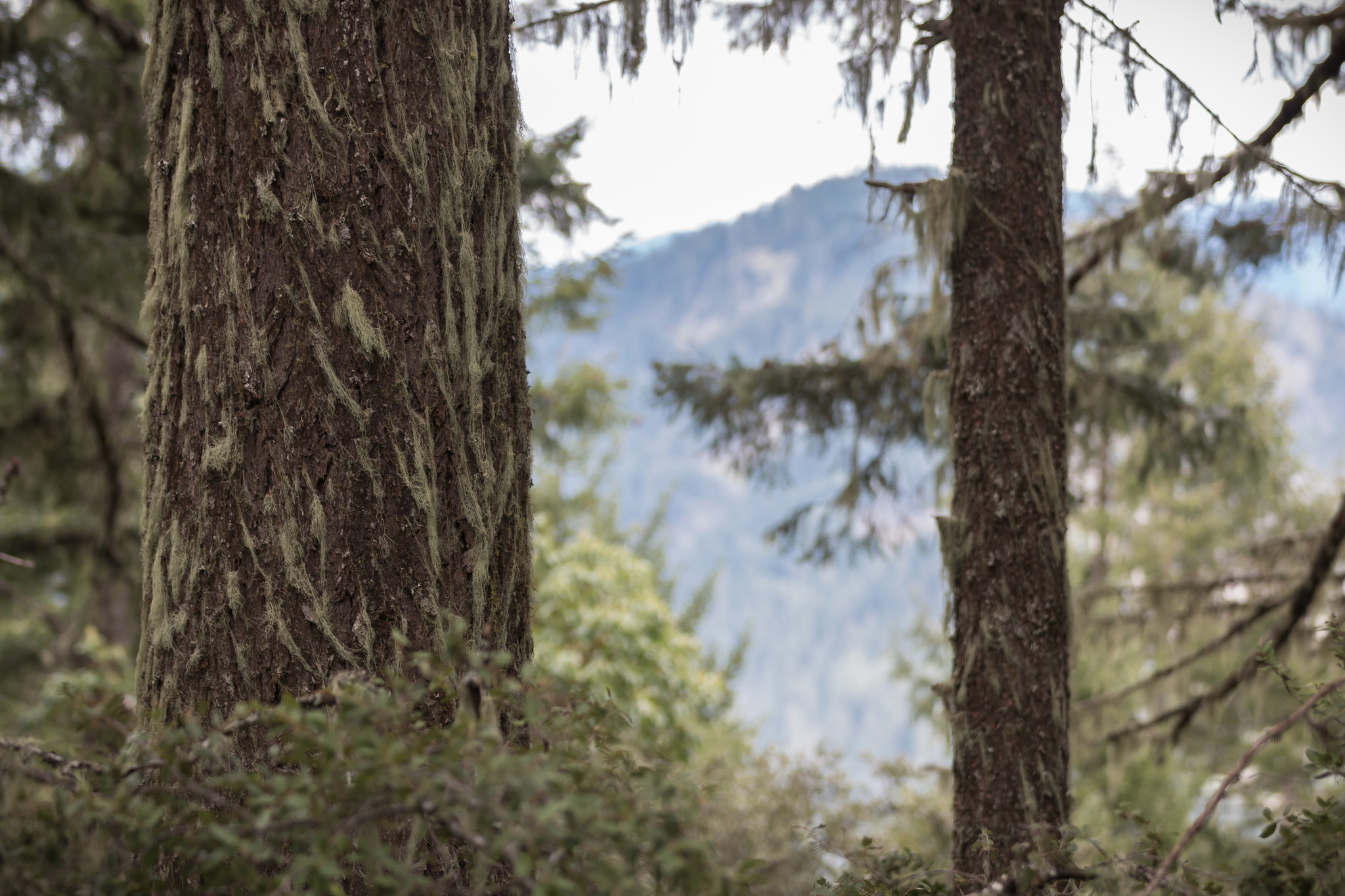
Trees are nature’s way of removing carbon dioxide from the atmosphere. Growing plants take up CO2 and store it in the form of their roots, stems and leaves. And in fact, a significant factor in the growing levels of carbon dioxide in the atmosphere has been the extensive deforestation that has gone on over the past couple of centuries.
Migrating Trees
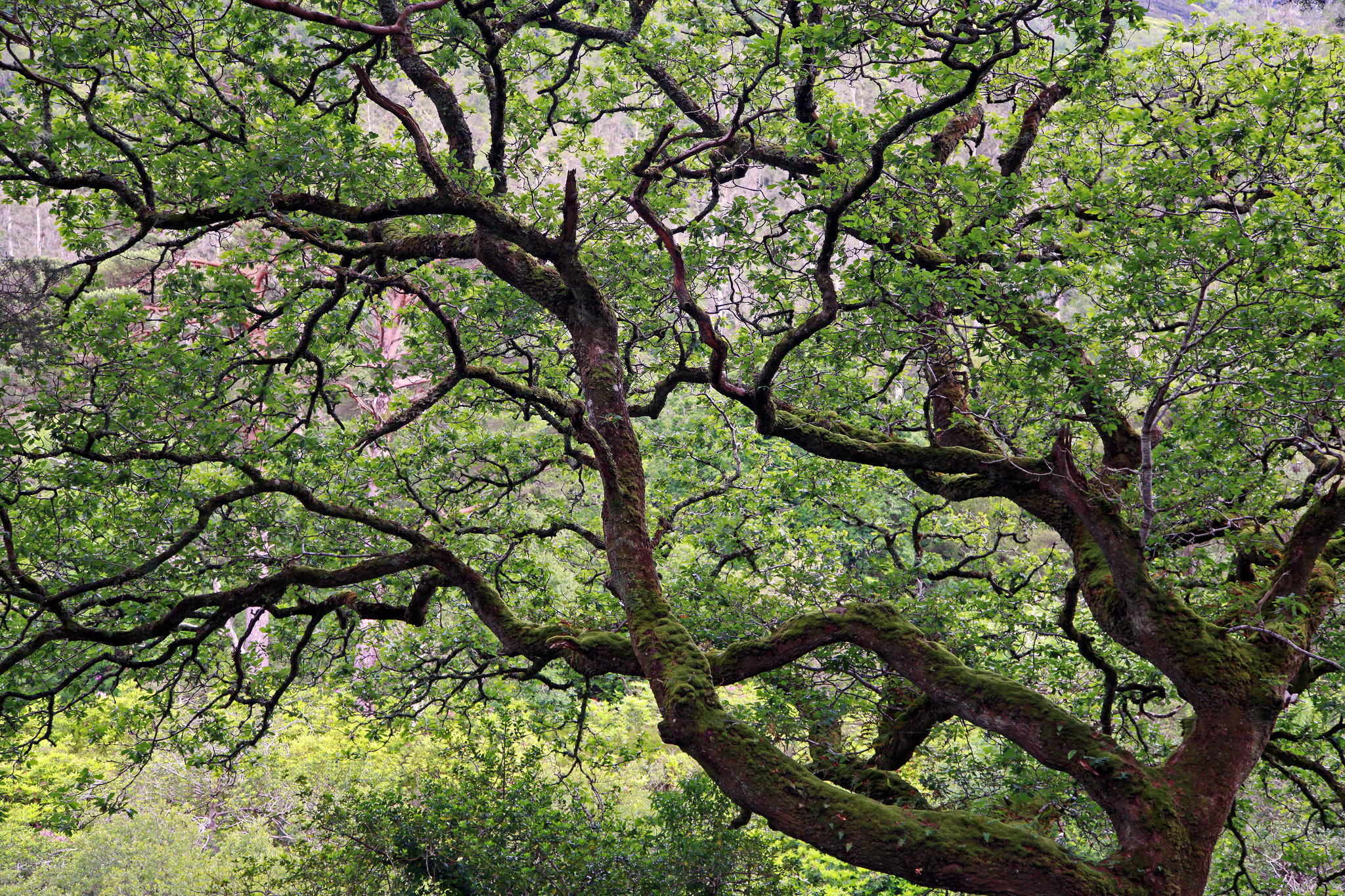
The changing climate is having a marked effect on forests in this country. In particular, trees along the U.S. eastern seaboard are changing their range as they slowly seek to escape rising temperatures.
Saving Borneo’s Forest
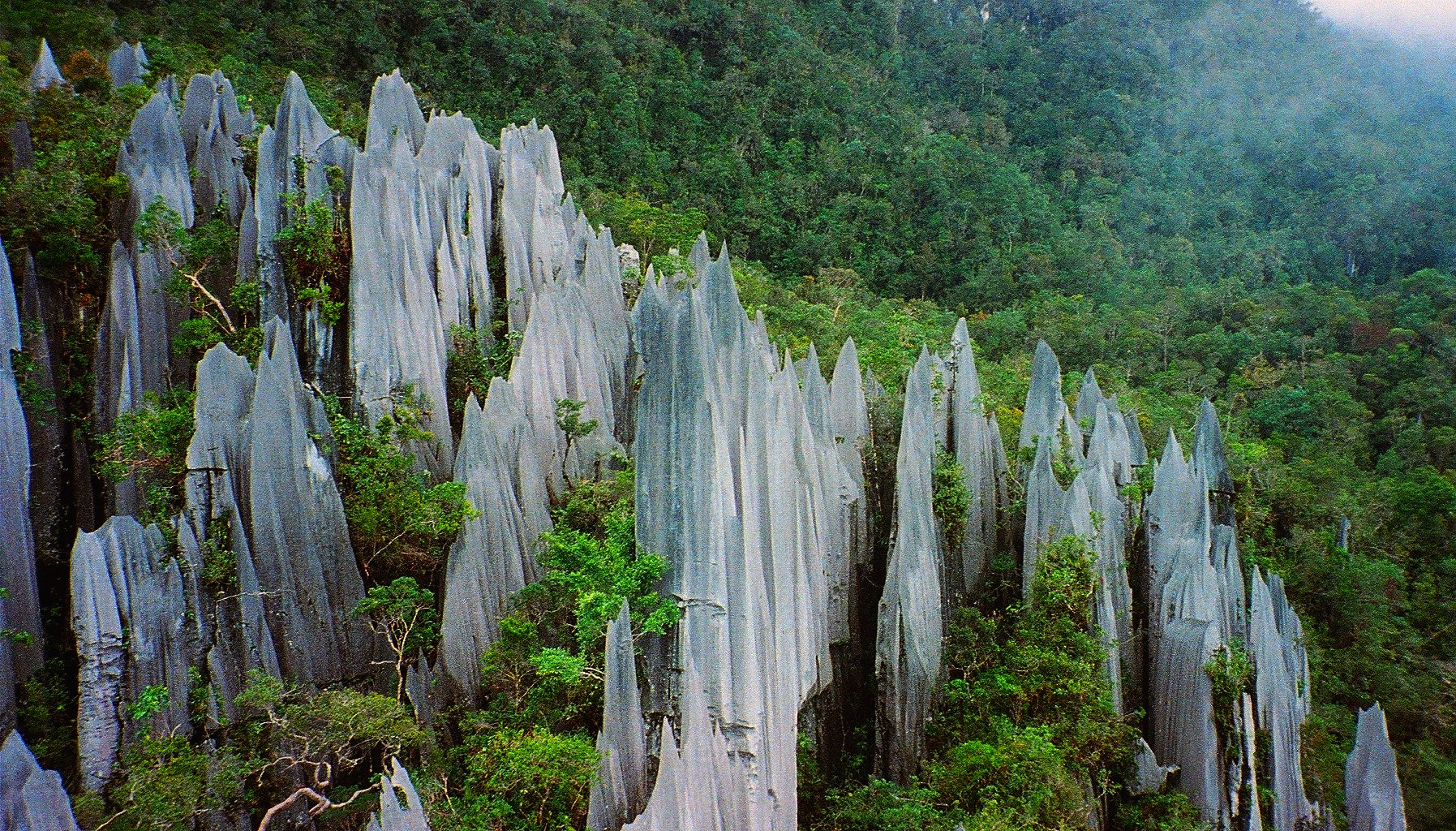
Borneo is the third-largest island in the world, home to part of Indonesia, part of Malaysia, and the small sultanate of Brunei. It is also home to the oldest forest on earth – 130 million years old – which is more than twice as old as the Amazon rain forest.
Carbon Dioxide Marches On
The end of 2013 marked the first occasional observations of carbon dioxide levels in the atmosphere of 400 parts per million. There is nothing magical about that value, but we do tend to focus on round numbers.
More Bears In New York
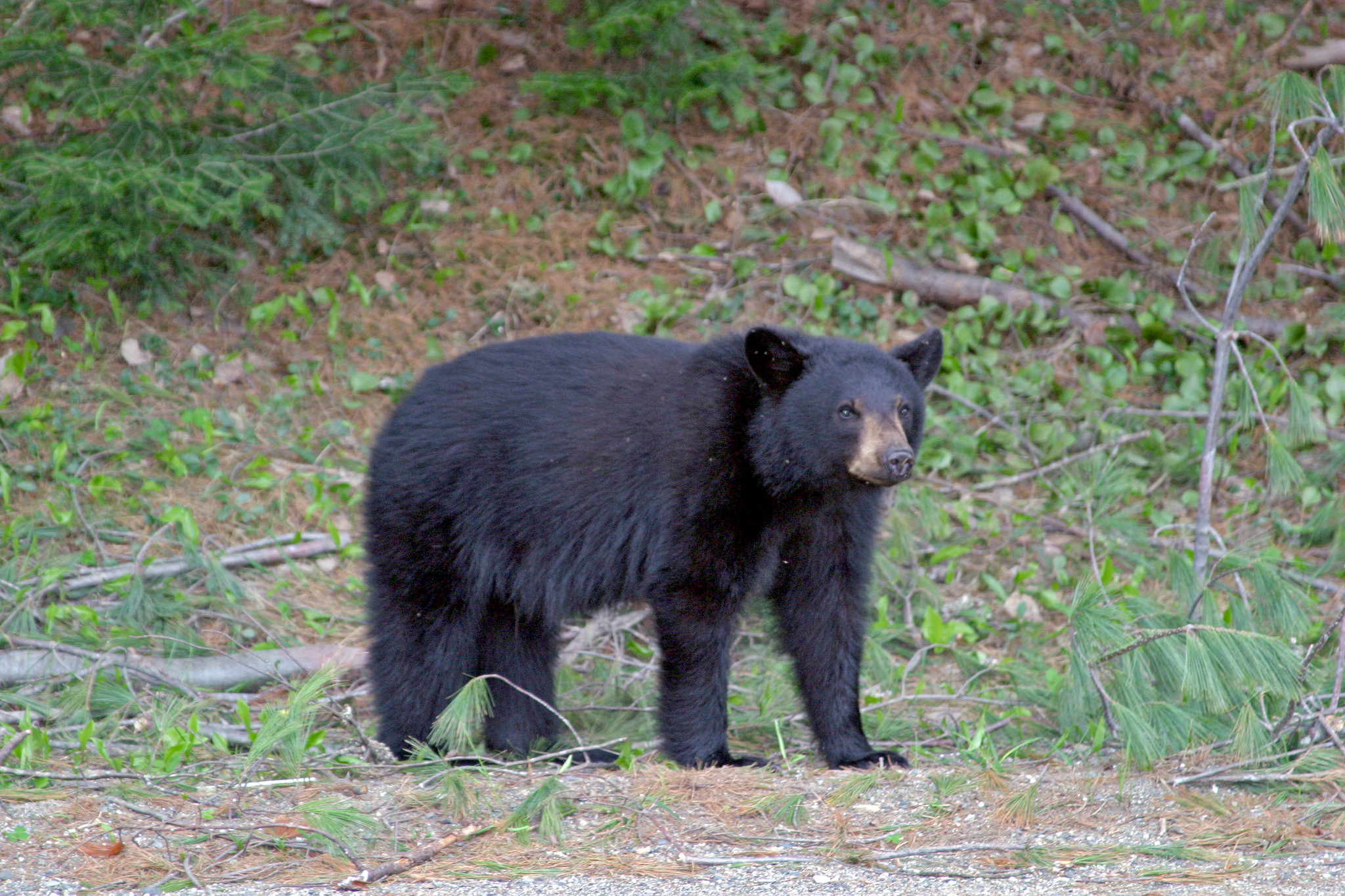
The population of black bears in southern New York has grown and expanded its range over the past 20 years, which has led to increased encounters with people. Until recently, a detailed knowledge of bear populations in the state has been lacking.
Nature Is Satisfying
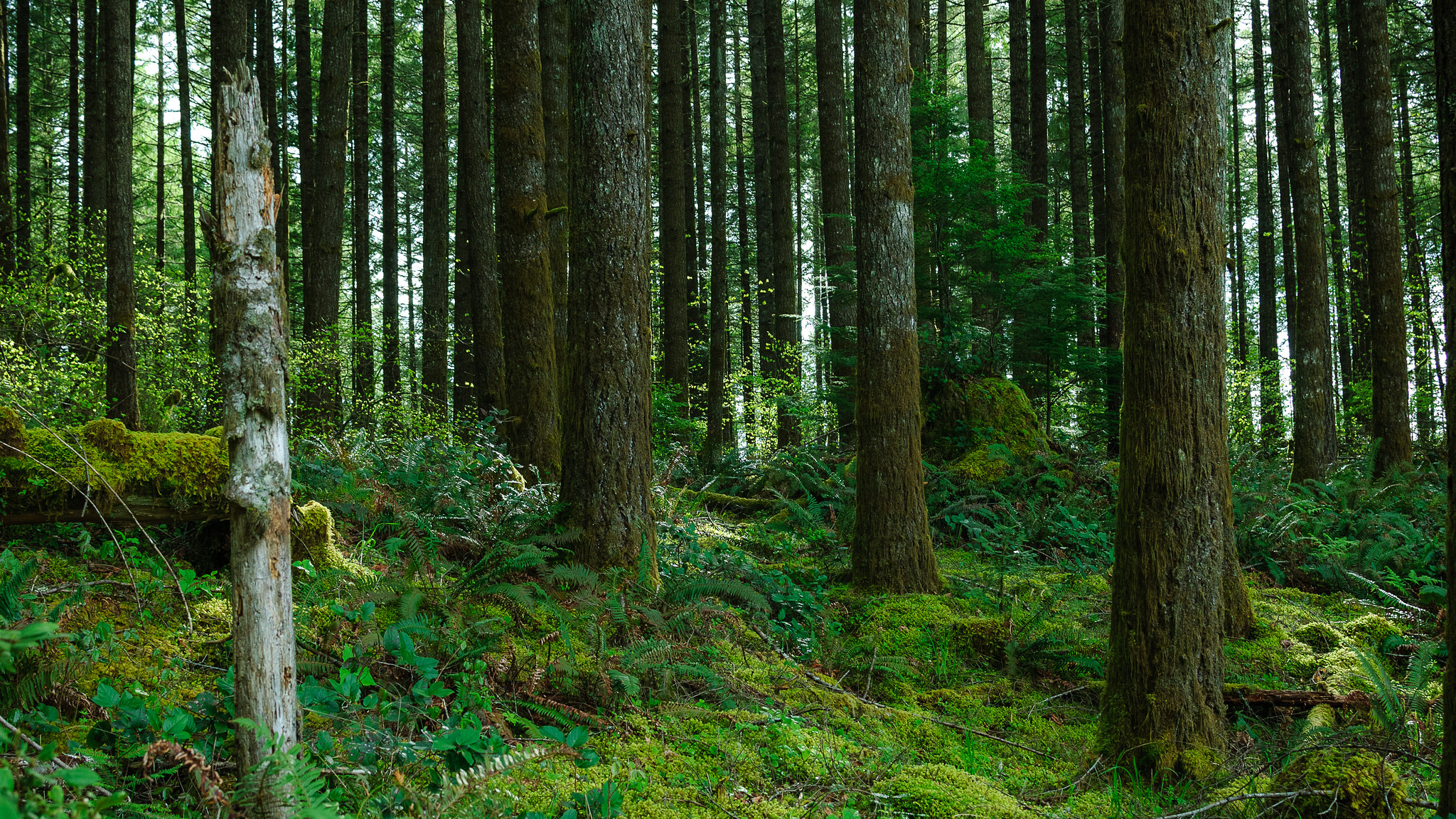
For most of us, a day spent in the mountains, the woods, or at the beach always seems like a good day. Communing with nature tends to make us feel better.
Terrestrial Plants and Lake Ecosystems
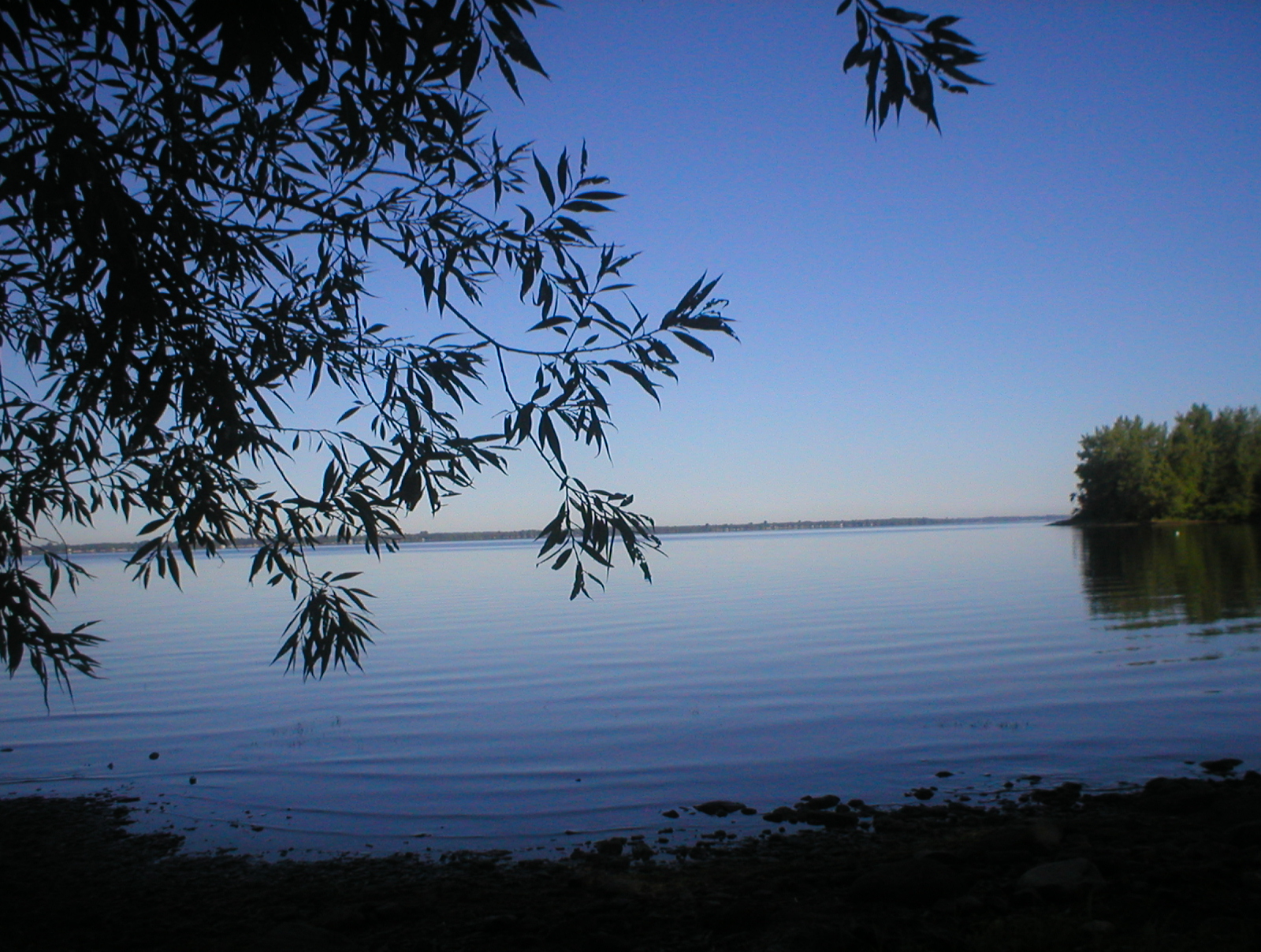
Most of the planet’s freshwater stores are found in the northern hemisphere, a region that is changing rapidly in response to human activity and shifting climate trends. A recent study analyzed 147 northern lakes and found that many rely on nutrients from tree leaves, pine needles, and other land-grown plants to feed aquatic life.
Pandas No Longer Endangered

Back in June, we reported that the International Union for the Conservation of Nature was reassessing the giant panda’s status as an endangered species. Well, in an update of the IUCN’s Red List of Threatened Species in September, the giant panda was indeed downgraded to “vulnerable.”
Tricks In Our Treats

Halloween is traditionally a day when we choose to ignore the inconvenient truths about candy. Many of us overindulge on sweet treats and give little thought to what’s inside… particularly with respect to nutrition.