forest
Feast Before The Famine
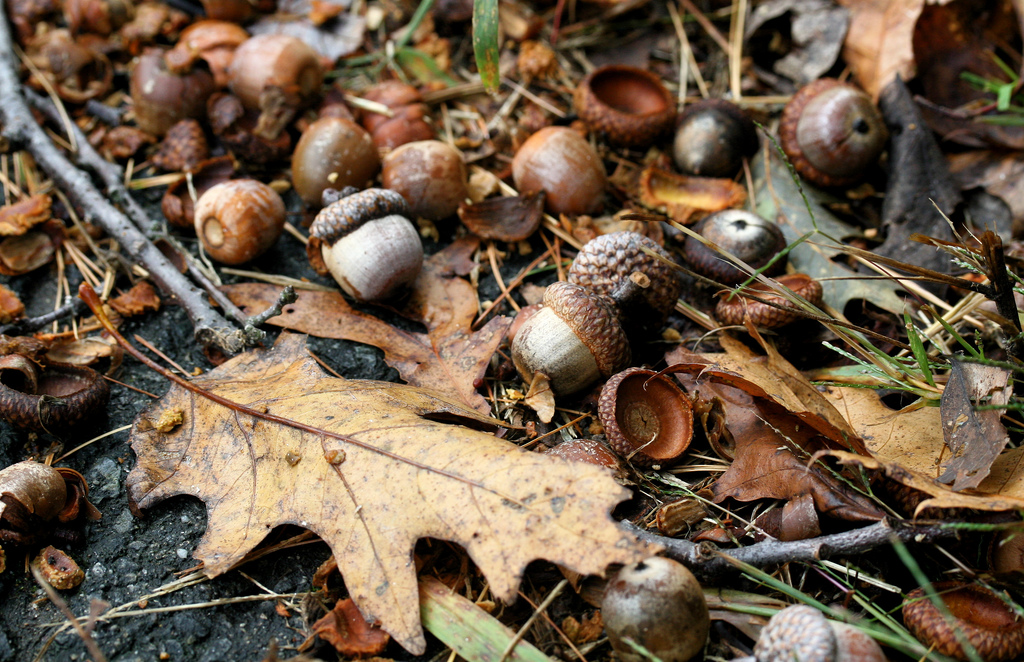
New York’s Hudson Valley is experiencing a “mast year.” Mast refers to the seeds of woody plants that are eaten by wildlife. “Soft mast” has seeds surrounded by fleshy pulp, and includes berries and fruits. “Hard mast” has seeds protected by an outer coat, such as acorns and hickory nuts.
The Missing Sink
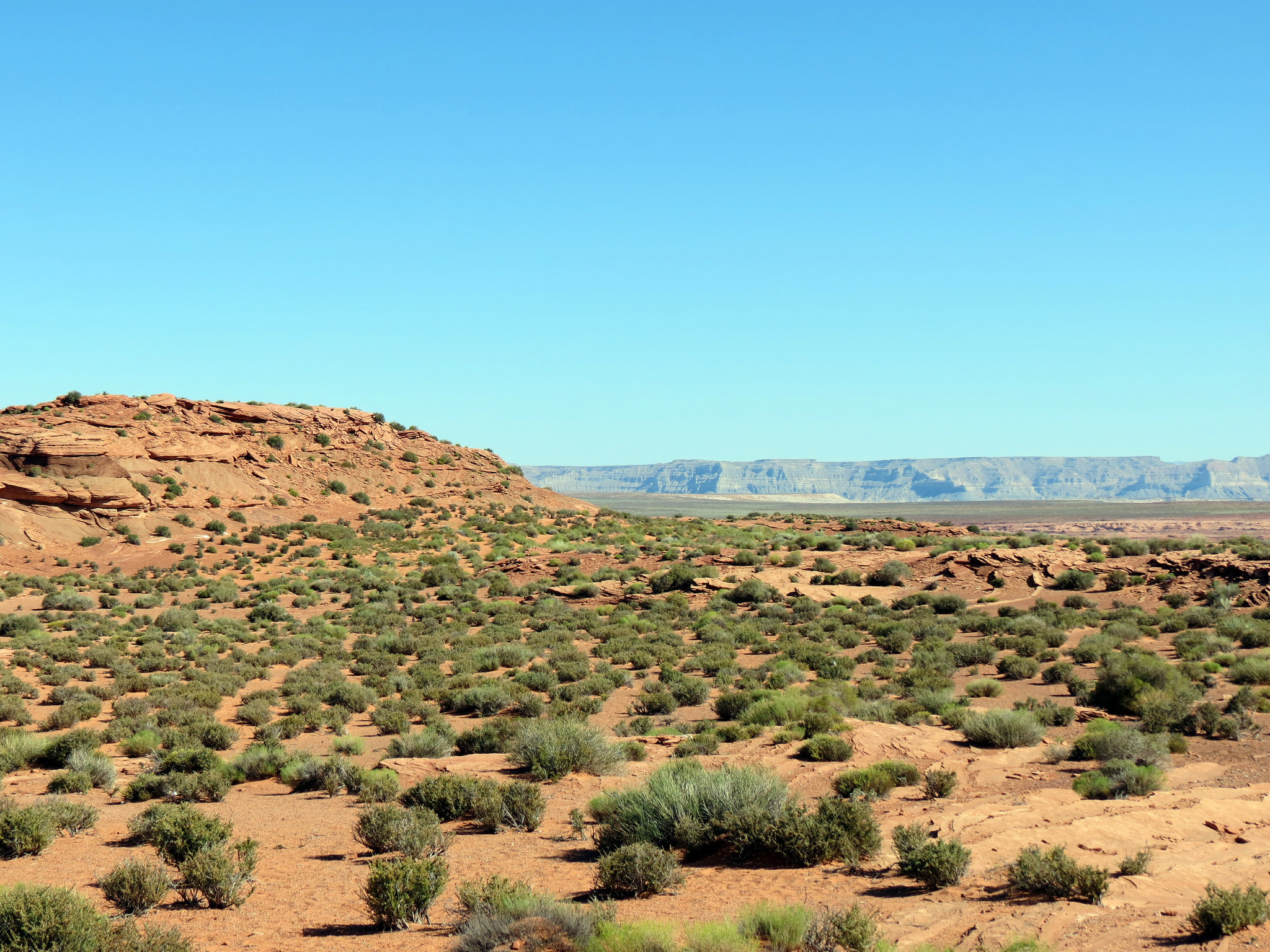
One of the puzzles of atmospheric chemistry is why carbon dioxide concentrations in our atmosphere aren’t rising even faster. Our activities emit some 37 billion metric tons of carbon dioxide each year. About 45% stays in the atmosphere, 25% is taken up by the oceans. The rest is a bit of a mystery.
The Trouble With Sustainability