• Skip to primary navigation
  • Skip to main content
  • Skip to primary sidebar

Earth Wise

A look at our changing environment.

  • Home
  • About Earth Wise
  • Where to Listen
  • All Articles
  • Show Search
Hide Search
You are here: Home / Archives for food

food

Turning Plastic Into Protein | Earth Wise

November 18, 2022 By EarthWise Leave a Comment

Turning plastic waste into food

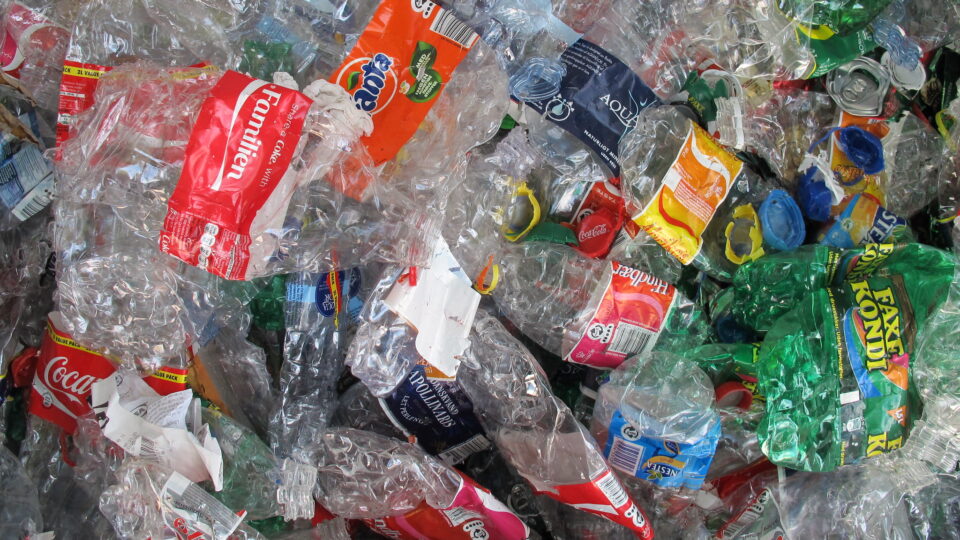
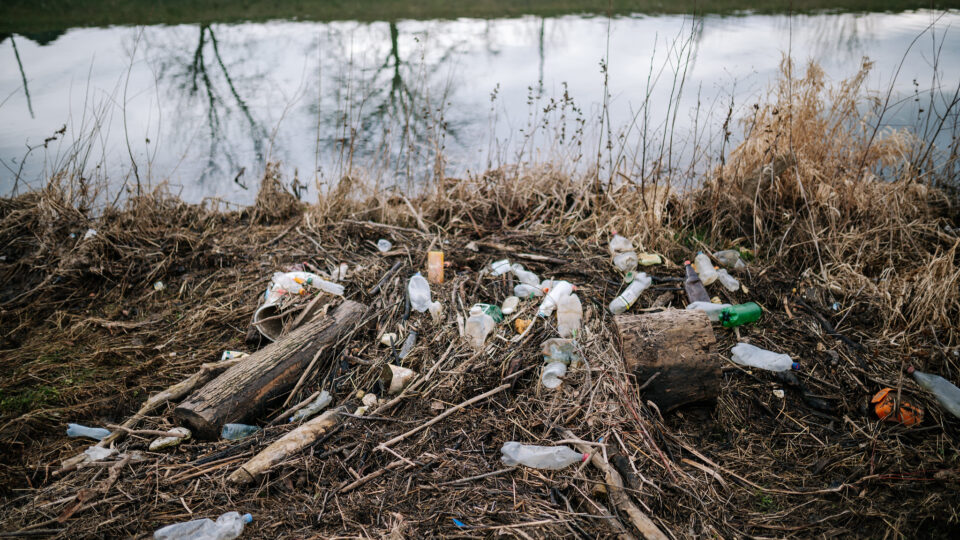
Our planet is choking on plastic.  According to the United Nations, 79% of the 6.3 billion tons of plastic produced every year accumulates in landfills.  Half of all plastic produced is actually designed to be used just once and thrown away.  But plastic is not only accumulating on land.  In fact, the world’s oceans are projected to contain more plastic by weight than fish by the year 2050.     

According to new research, solving the plastic waste issue could help address another prominent global issue: hunger.  A multidisciplinary team of engineers, chemists, and biologists led by researchers from Michigan Tech University has developed a process to break plastics down to be recycled into useful products, including edible protein powder.

The research team’s process converts plastic into compounds using heat and a reactor that deconstructs the material’s polymer chains. The oil-like substance is then fed to a community of oil-eating bacteria.  The bacteria grow rapidly on the oily diet, producing more bacterial cells composed of roughly 55% protein.  This majority-protein byproduct is then dried out and turned into an edible powder.   The end result doesn’t look like plastic at all.  In fact, it resembles a yeast byproduct that comes from brewing beer. 

This research is funded by an award from the US Department of Defense.  The DoD often deploys soldiers in areas where access to food is challenging.  Converting plastic to protein could be part of a solution to that problem. 

While eating something that began as plastic might take some getting used to, it could be part of the solution to both plastic pollution and global hunger.

**********

Web Links

Turning Trash Into Treasure: The Plastic to Protein Powder Solution

Beat Plastic Pollution

Photo, posted February 2, 2022, courtesy of Ivan Radic via Flickr.

Earth Wise is a production of WAMC Northeast Public Radio
Agrivoltaics | Earth Wise

November 15, 2022 By EarthWise Leave a Comment

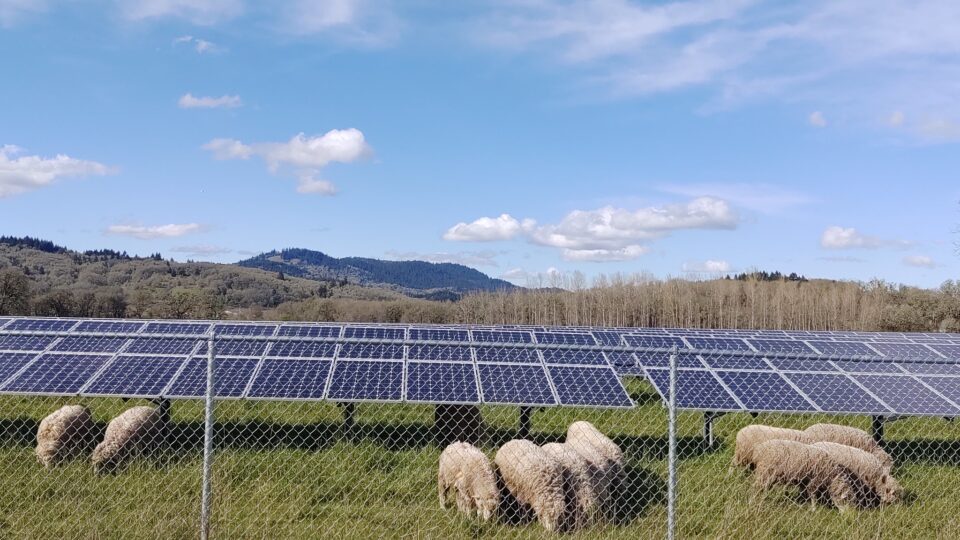
According to a study last year at Oregon State University, co-developing land for both solar photovoltaic power and agriculture could provide 20% of total electricity generation in the United States with an investment of less than 1% of the annual U.S. budget.  Widespread installation of agrivoltaic systems could reduce carbon emissions by 330,000 tons annually and create more than 100,000 jobs in rural communities.

Agrivoltaics could provide the synergistic combination of more food, more energy, lower water demand, lower carbon emissions, and improved local prosperity.  The problem with agrivoltaics to date is that the existing implementations have used solar arrays designed strictly for electricity generation rather than to be used in combination with agriculture.  They are not that well suited to co-exist with growing crops or grazing animals.

A new project is underway at Oregon State that will help researchers to optimize agrivoltaic systems.  The five-acre Solar Harvest Project is being built at the university’s North Willamette Research and Extension Center in Aurora, Oregon in partnership with the Oregon Clean Power Cooperative. 

The solar array for the project is designed specifically for agrivoltaics research and uses panels that are more spread out and able to rotate to a near vertical position to allow farm equipment to pass through.  The project will allow researchers to study the impact of solar panels on soil health, water use, and plant physiology and yields.

Electricity generated from the 326-kW solar system will be available for purchase by Oregon State and community members. 

**********

Web Links

Construction starts on Oregon State agrivoltaics farm that will merge agriculture and solar energy

Photo, posted April 5, 2020, courtesy of Sean Nealon / Oregon State University via Flickr.

Earth Wise is a production of WAMC Northeast Public Radio
Onshore Algae Farms | Earth Wise

November 9, 2022 By EarthWise Leave a Comment

According to some estimates, food production will need to increase by 50% by 2050 in order to feed a projected global population of 10 billion people.  How can this be achieved?  

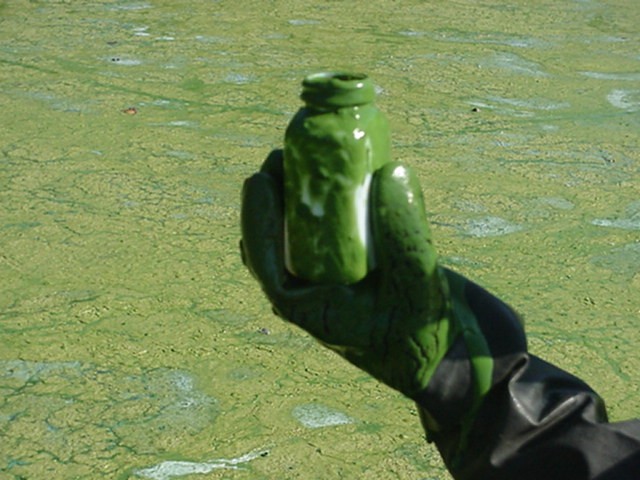
One solution, according to researchers at Cornell University, could be to grow nutritious and protein-dense microalgae in seawater-fed onshore aquaculture systems.

According to the research, which was recently published in the journal Oceanography, growing algae onshore could close a projected gap in society’s future nutritional demands while also improving environmental sustainability.  

Climate change, environmental degradation, limited arable land, and lack of freshwater will all constrain the amount of food that can be grown in the coming decades.  Wild fish stocks are already heavily exploited, and there are limits to how much finfish, shellfish, and seaweed aquaculture can be produced in the coastal ocean. 

As a result, the researchers argue for expanding algae production in onshore aquaculture facilities.  The research team’s models found that the best locations for onshore algae farming facilities are along the coasts of the Global South, including desert environments. 

Algae can grow as much as ten times faster than traditional crops.  Algae can also be produced in a manner that is more efficient than agriculture in its use of nutrients.  In addition to its high protein content, algae also provides nutrients lacking in vegetarian diets, such as essential amino acids, minerals, and omega-3 fatty acids.

Algae could become the breadbasket of the Global South.

**********

Web Links

Onshore algae farms could feed the world sustainably

Photo, posted June 17, 2011, courtesy of NOAA Great Lakes Environmental Research Laboratory via Flickr.

Earth Wise is a production of WAMC Northeast Public Radio
A Bad Year For California Rice | Earth Wise

November 2, 2022 By EarthWise Leave a Comment

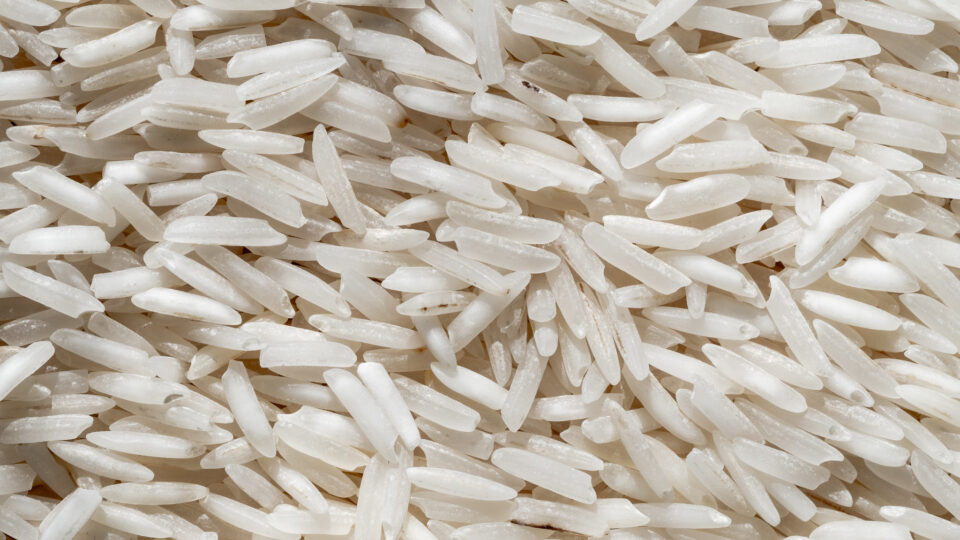
Rice production is the third largest cereal crop in the United States after corn and wheat.  Four regions in the country produce almost the entire U.S. rice crop:  the Arkansas Grand Prairie, the Mississippi Delta, the Gulf Coast, and the Sacramento Valley in California.  Arkansas is the largest producer of rice in the country by far, but California ranks second.

A combination of drought and water shortages in the Sacramento Valley has taken a major toll on the California rice crop.  This year, rice growers have only planted half as much grain as usual.  The changes in rice plantings in California are so substantial that they are easily visible from space.

In Colusa and Glenn counties, rice acreage this year dropped by 84 and 75 percent respectively, compared to 2021.  Farther to the east, in Butte Country, rice acreage was down by 17%.  The change was smaller there because farmers in that county had more groundwater to tap into.

According to the USDA, the California rice crop will be reduced by 38% this year, making it the smallest rice crop in the state since 1977.  California mostly grows short- and medium-grained rice, which is used in dishes like sushi, paella, and risotto.  Arkansas and other states produce most of the long-grain rice such as basmati and jasmine rice.

In late September, there was a burst of rain, which offered some short-term relief for farmers.  However, it will take much more wet weather to ease the ongoing drought conditions.  As of the end of September, over 40% of California remained in extreme drought and 17% was in exceptional drought.

**********

Web Links

A Rough Year for Rice in California

Photo, posted March 21, 2020, courtesy of Ajay Suresh via Flickr.

Earth Wise is a production of WAMC Northeast Public Radio
Coping With Climate Change | Earth Wise

October 11, 2022 By EarthWise Leave a Comment

Animals will cope with climate change differently

Extreme weather events including prolonged drought and heavy rainfall are becoming more common and more severe as global temperatures rise.  As the climate continues to change in the coming decades, how will animals respond? 

Researchers from the University of Southern Denmark have examined how different mammals react to climate change. They analyzed data on population fluctuations from 157 mammal species around the world.  They compared these fluctuations with weather and climate data from the same time period.  The research team had 10 or more years of data for each species studied. 

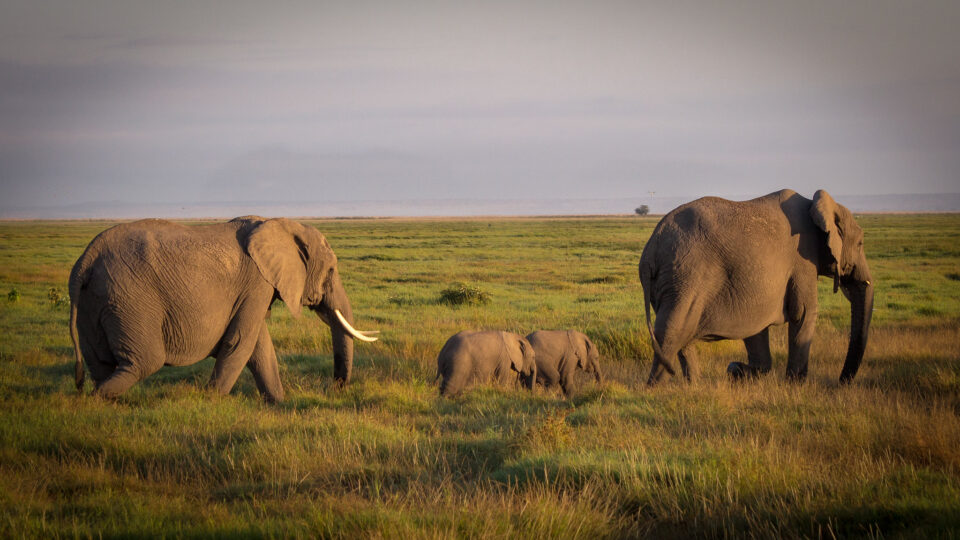
The researchers found that mammals that live for a long time and/or produce less offspring –  like llamas, elephants, bears, and bison – are more climate resilient than small mammals with short lives — like mice, possums, lemmings, and rare marsupials. 

For example, large, long-lived mammals can invest their energy into one offspring, or simply wait for better times if conditions become challenging.  On the other hand, small, short-lived mammals like rodents have more extreme population changes in the short term. In the event of a prolonged drought, large portions of their food base may rapidly disappear, and they are left to starve because they have limited fat reserves.

However, the research team notes that the ability of a species to withstand climate change must not be the only factor when assessing a species’ vulnerability.  In fact, in many cases, habitat destruction, poaching, pollution, and invasive species pose a larger threat to animal species than climate change. 

While the study only examined 157 species, the findings enable researchers to also predict how animals they know less about will react to climate change.

********** 

Web Links

Which animals can best withstand climate change?

Photo, posted July 8, 2018, courtesy of Ray via Flickr.

Earth Wise is a production of WAMC Northeast Public Radio

Cleaning Up Urban Rivers With Nature’s Tools | Earth Wise

October 7, 2022 By EarthWise Leave a Comment

Fifty years after the passage of the Clean Water Act, urban waterways across the United States are continuing their comeback and are showing increasing signs of life.  A strategy that is being adopted in many places is to use natural restoration techniques focused on bolstering plants and wildlife to improve water quality.

A nonprofit called the Upstream Alliance has focused on public access, clean water, and coastal resilience in the Delaware, Hudson, and Chesapeake watersheds.  Working with the Center for Aquatic Sciences and with support from the EPA and the National Fish and Wildlife Foundation, the alliance has been repopulating areas of an estuary of the Delaware River near Camden, New Jersey with wild celery grass, which is a plant vital to freshwater ecosystems.

In many places, scientists, nonprofits, academic institutions, and state agencies are focusing on organisms like bivalves (typically oysters and mussels) along with aquatic plants to help nature restore fragile ecosystems, improve water quality, and increase resilience.

Bivalves and aquatic vegetation improve water clarity by grounding suspended particles, which allows more light to penetrate.  These organisms also cycle nutrients both by absorbing them as food and by making them more available to other organisms.

Underwater restoration projects have been underway in New York Harbor for more than a decade, where the Billion Oyster Project has engaged 10,000 volunteers and 6,000 students. 

The hope is that bringing back bivalves and aquatic plants can create a lasting foundation for entire ecosystems.  It is restoring nature’s ability to keep itself clean.

**********

Web Links

How Using Nature’s Tools Is Helping to Clean Up Urban Rivers

Photo, posted December 19, 2019, courtesy of Scott via Flickr.

Earth Wise is a production of WAMC Northeast Public Radio
Timber Cities | Earth Wise

October 3, 2022 By EarthWise 2 Comments

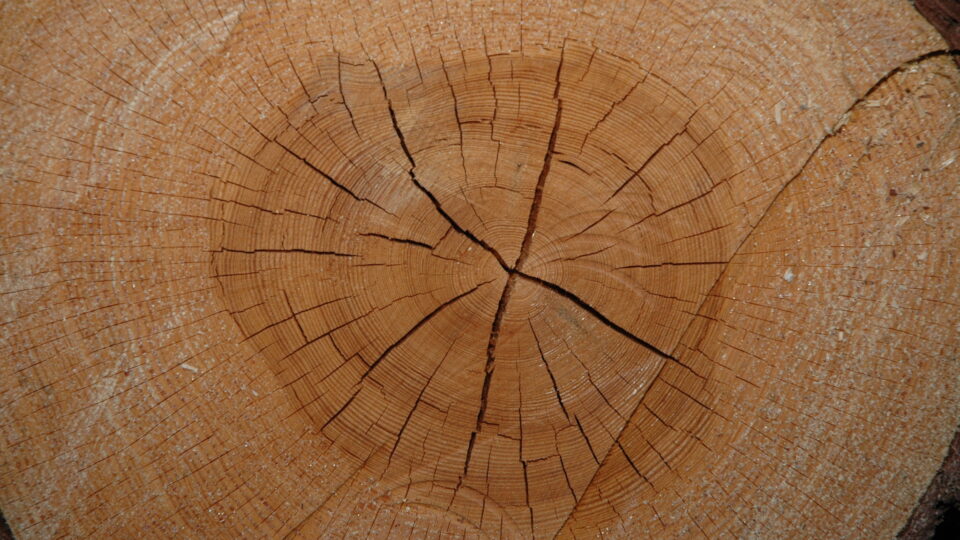
More than half of the world’s population lives in cities and by 2100, this percentage is predicted to be much higher.  This means that more homes will be built with steel and concrete, which both have very large carbon footprints.  According to a study by the Potsdam Institute in Germany, housing a growing population in homes made of wood instead could avoid more than 100 billion tons of carbon dioxide emissions over the remainder of the century.  This is about 10% of the remaining global carbon budget for staying below the 2-degree Celsius climate target.

The study presents the alternative of housing new urban populations in mid-rise buildings – no more than 4-12 stories high – that are substantially made of wood.  Wood is a renewable resource that carries the lowest carbon footprint of any comparable building material.  Trees take up CO2 from the atmosphere to grow.  Producing engineered wood releases far less CO2 than production of concrete and steel and the finished product continues to store carbon.

The study shows that sufficient wood for new mid-rise urban buildings can be produced without a major impact on food production.  The wood would come from timber plantations as well as natural forests.  The study also looked at biodiversity impacts and ways that ecosystems could be protected while still providing the necessary timber.

Overall, the Potsdam study demonstrates that urban homes made out of wood could play a vital role in climate change mitigation based on their long-term carbon storage potential coupled with the reduced utilization of the carbon-intensive concrete and steel industries.

**********

Web Links

Living in timber cities could avoid emissions – without using farmland for wood production

Photo, posted May 24, 2005, courtesy of Stig Anderson via Flickr.

Earth Wise is a production of WAMC Northeast Public Radio
A Miracle Tree | Earth Wise

September 27, 2022 By EarthWise Leave a Comment

Pongamia could be a miracle tree

The world needs to be fed without destroying the environment.   We need to grow more trees to store more carbon on earth and reduce the amount in the atmosphere.  But meanwhile, we decimate rainforests to produce palm oil and grow soybeans.

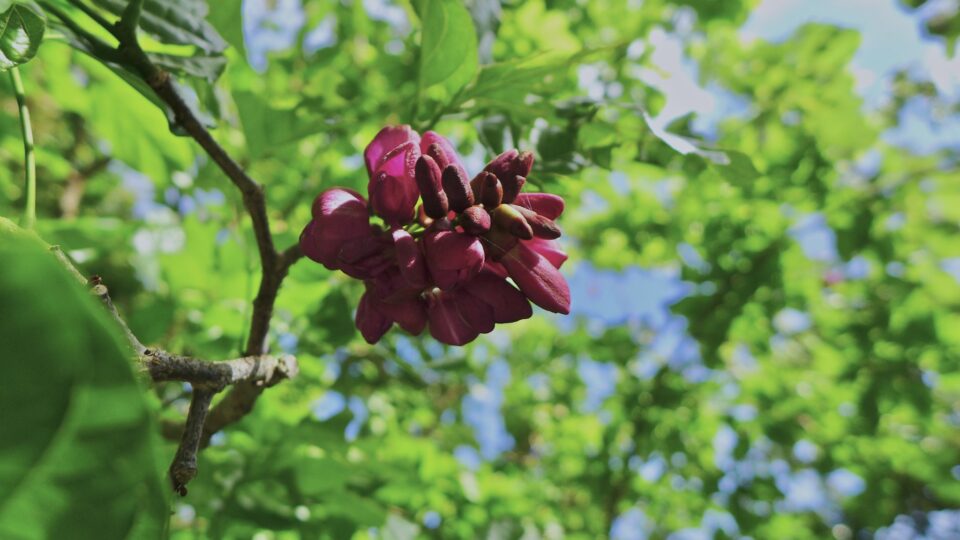
A startup company in California called Terviva thinks they have a solution.  It’s called pongamia, which is an ordinary looking tropical tree.  It produces beans packed with protein and oil, much like soybeans.  However, it has the potential to produce much more nutrition per acre than soybeans and it is hardy enough to grow on pretty much any kind of land without the use of pesticides, fertilizers, or irrigation.  In short, it is a miracle crop for a hot and hungry planet that is running out of fertile farmland and fresh water.

Pongamia is not a new or rare tree.  It is common in India but grows all over the world.  It is often planted as an ornamental here in the U.S.

The initial idea for making use of the hardy tree was to use its oil as a biofuel.  The seeds of pongamia are known to have a bitter taste and disagreeable odor, which is why the seeds or oil were never used for human or animal feed.  However, Terviva has developed a way to de-bitter pongamia oil.  Once this is done, it becomes a golden-colored substitute for olive oil. It also has enormous potential as a protein for plant-based milks and meats, since it contains all nine essential amino acids.

Terviva has raised more than $100 million to further develop pongamia and is now partnering with Danone, a $25 billion multinational food company, to develop pongamia as a climate-friendly, climate-resilient, non-GMO alternative to soy and palm oil.

***********

Web Links

This super-tree could help feed the world and fight climate change

Photo, posted December 15, 2015, courtesy of Lauren Gutierrez via Flickr.

Earth Wise is a production of WAMC Northeast Public Radio
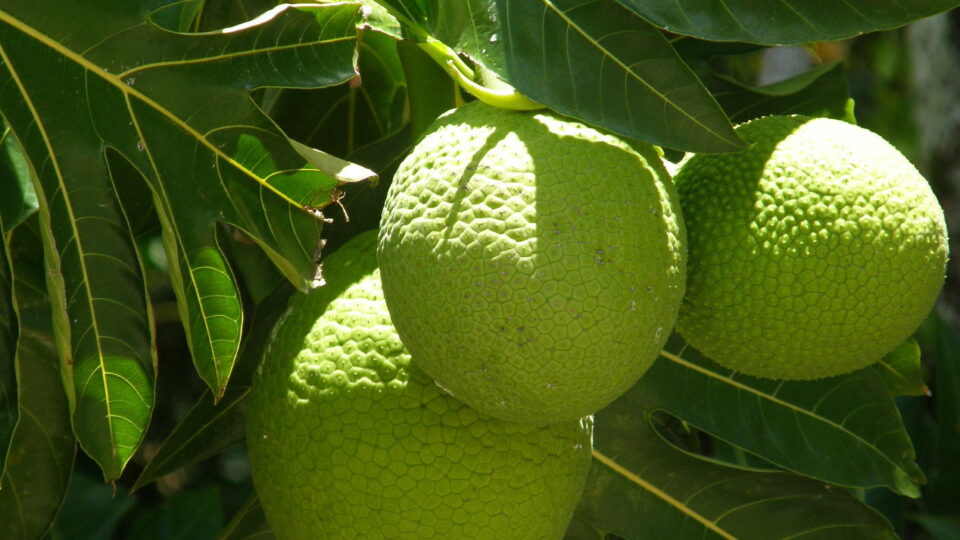
A Food For The Future | Earth Wise

September 19, 2022 By EarthWise Leave a Comment

Breadfruit is a climate resilient food for the future

Researchers predict that climate change will negatively impact most staple food crops, including rice, corn, and soybeans.  Therefore, climate resilient food crops – those that are salt, drought, and heat resilient – will have an important role to play in global food security.  Examples of climate resilient crops include quinoa, kernza, amaranth, millet, and tepary beans.    

According to a new study by researchers from Northwestern University, breadfruit – a starchy tree fruit native to the Pacific Islands – will be relatively unaffected by climate change.  Because breadfruit is climate resilient and well-suited to grow in regions with high levels of food insecurity, the research team suggests breadfruit could be a part of the solution to global hunger.

While it has ”fruit” in its name, breadfruit is more like a potato.  It’s starchy and seedless, and is closely related to jackfruit.  Breadfruit is nutrient-rich, and high in fiber, vitamins, and minerals.  It can be steamed, roasted, fried, fermented, and even turned into flour.  People in tropical regions around the world have been eating breadfruit for thousands of years. 

In the study, which was recently published in the journal PLOS Climate, researchers determined the climate conditions necessary to cultivate breadfruit and then looked at how these conditions are predicted to change in the future.  They examined two future climate scenarios: one that reflects high greenhouse-gas emissions and another in which emissions stabilize.

In both scenarios, the regions suitable for breadfruit cultivation were mostly unaffected.  Additionally, the researchers identified new suitable land where breadfruit cultivation could expand.   

As the climate continues to change, breadfruit might soon be on a table near you.

**********

Web Links

Climate-resilient breadfruit might be the food of the future

Photo, posted August 11, 2007, courtesy of Malcolm Manners via Flickr.

Earth Wise is a production of WAMC Northeast Public Radio

Plant-Based Foods And CO2 Emissions | Earth Wise

September 9, 2022 By EarthWise Leave a Comment

We often hear how eating locally-sourced food is a way to minimize the carbon footprint of our diet.  But from a climate impact perspective, this only has a significant impact if transportation is responsible for a large portion of a food’s final carbon footprint.  In many cases, the greenhouse gas emissions related to transportation make up only a small portion of the total emissions from food, and what we eat is far more important.

In general, beef and lamb have the biggest climate footprint per gram of protein.  Plant-based foods tend to have the smallest impact. Pork and chicken are somewhere in the middle. 

According to new research, U.S. food production could reduce its agricultural carbon footprint between 2.5% and 13.5% by embracing plant-based alternatives to beef.  The study, from researchers at Cornell University, Johns Hopkins University, and international partners, found that most of the reduction would be achieved by decreasing the number of cows needed for beef production by two to twelve million animals.  The research was recently published in the journal Lancet Planetary Health.

However, the researchers also found that acting to reduce climate change in this manner could have unintended consequences.  For example, economic models from the research team show that the growth in popularity of plant-based beef could disrupt the agricultural workforce, threatening more than 1.5 million jobs. 

But in the big picture, doing nothing will cost much more than doing something to slow climate change.  Shifting diets away from meat and other animal products and towards more plant-based foods will help shrink carbon footprints and mitigate climate change.  It’s a win-win for the planet and for human health. 

**********

Web Links

Plant-based ‘beef’ reduces CO2 but threatens ag jobs

Photo, posted November 27, 2018, courtesy of Sarah Stierch via Flickr.

Earth Wise is a production of WAMC Northeast Public Radio.

Tepary Beans | Earth Wise

September 2, 2022 By EarthWise Leave a Comment

Tepary beans could prove to be a food of the future

Tepary beans are an ancient crop native to the northern part of Mexico and the southwestern part of the U.S..  They have been grown in those places by native peoples since pre-Columbian times.  They are still grown in Native American reservations in Arizona’s Sonoran Desert.  One can purchase them from some small farms in that region. 

What sets tepary beans apart from other beans is that they are among the most drought- and heat-tolerant legume crops in the world.  They can be grown without irrigation under conditions that are not viable for other crops.  They can be consumed by people like many other kinds of beans, and they can also provide forage for livestock with better nutrition content than many other plants.  They seem to be a very attractive option for a crop in the changing climate.  What is lacking, at present, is large supplies of tepary seeds to be planted.

Researchers at Texas A&M have been funded to bring tepary beans into modern cropping systems and diets.  The goal is to develop tepary bean cultivars with high biomass and yield that are still well-suited to drought and heat conditions.  Getting the beans to the point of widespread commercialization will take several years.  The end result should be of interest to pulse growers, seed industries, and food companies across the U.S.

Tepary beans are higher in fiber and protein than most other beans.  They come in several different colors, each of which has unique flavor and texture characteristics.  The white ones have a naturally sweet flavor.   The brown beans are slightly nutty in flavor and are similar to pinto beans.  If the Texas program is successful, we may all be eating tepary beans some day.

**********

Web Links

Tepary Beans Offer Producers A Low-Input, Climate-Resilient Legume Alternative

Photo, posted August 25, 2017, courtesy of Katja Schulz via Flickr.

Earth Wise is a production of WAMC Northeast Public Radio.

What Is Healthy Soil? | Earth Wise

August 30, 2022 By EarthWise Leave a Comment

Defining what constitutes healthy soil

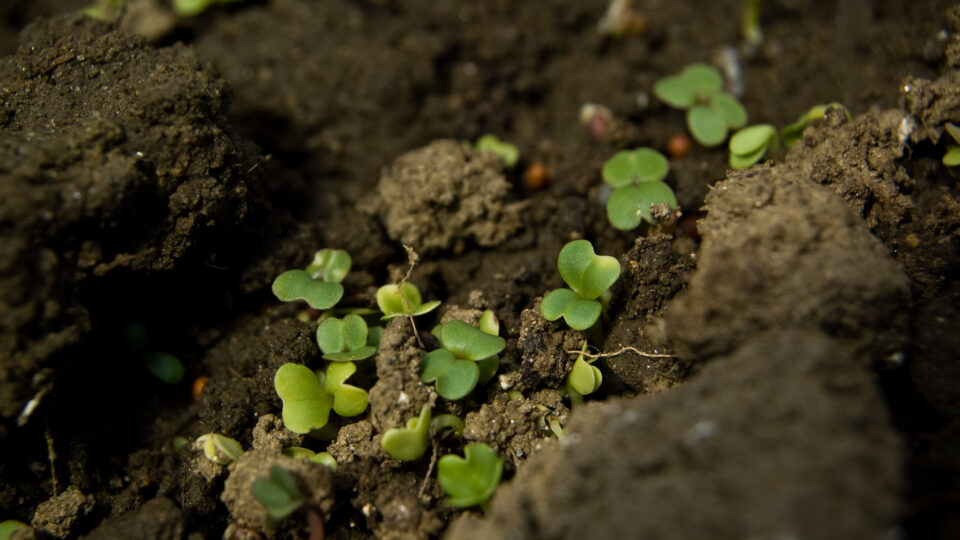
Soil supports life by providing many critical ecosystem services.  For example, soil acts as a water filter, a growing medium, and provides habitat for billions of organisms.  Soil is also the foundation of our cities and towns, and the basis of global agroecosystems, which provide humans with feed, fiber, food, and fuel.

For all of these reasons and many more, having healthy soil is vital.  But what does soil health mean? And how should it be measured?

According to new analysis by researchers from Cranfield University and Nottingham University in the U.K., how we think about, measure, and study soil must change in order to better understand how to manage this resource effectively. 

While the term ‘soil health’ is widely used, it means different things to different people.  There is no single agreed upon way to gauge the overall health of soil. 

Current approaches to assess soil health measure individual soil properties and use findings  to assign a single number giving an overall score.  But according to the research team, this does not reflect the wider system perspective that’s needed to fully evaluate the health of soil over time.

Instead, the researchers propose a new system to assess soil health based on a hierarchical framework that takes in several measures, including signs of life, signs of function, signs of complexity, and signs of emergence, which is the extent to which soils recover from multiple stressors. 

This new approach, which can be applied to all soils, moves us closer to an interdisciplinary understanding of the whole picture of soil health.  After all, healthy soil is fundamental to our survival.

**********

Web Links

We need to change how we think about soil

Photo, posted April 8, 2008, courtesy of Brian Boucheron via Flickr.

Earth Wise is a production of WAMC Northeast Public Radio.

Building Resilient Food Systems | Earth Wise

August 12, 2022 By EarthWise Leave a Comment

Building resilient food systems are critical

According to the United Nations and The World Bank, global hunger levels in 2021 surpassed the previous record set in 2020.  The organizations also found that acute food insecurity – defined as when a person’s inability to consume adequate food puts their lives or livelihoods in immediate danger – could continue to worsen this year in many countries around the world. 

According to a new study led by researchers from the University of Colorado Boulder, increased demand for water will be the biggest threat to food security during the next 20 years, followed closely by heat waves, droughts, income inequality, and political instability.  

The report, which was recently published in the journal One Earth, calls for increased collaboration to build a more resilient global food supply.  The impacts of conflict and climate change are already measured and studied around the world.  While these pressing threats are not new, the researchers found that better collaboration between these areas of research could fortify and strengthen global food security. 

In 2019, before the COVID-19 pandemic, the researchers surveyed 69 experts in various fields related to food security.  They found that many effects of climate change – such as unpredictable weather changes – could have the greatest negative impacts on food security.  The researchers also found that threats to food security from income inequality, global price shocks, and political instability and migration are highly likely during the next two decades.  More than half of the world’s food insecure populations also live in conflict-prone regions.

According to the research team, food security has never been a problem of production.  It’s a problem of distribution, access, and poverty, and can be exacerbated by conflict.   

**********

Web Links

Amid climate change and conflict, more resilient food systems a must, report shows

Photo, posted July 19, 2009, courtesy of Danumurthi Mahendra via Flickr.

Earth Wise is a production of WAMC Northeast Public Radio.

Sea Urchins And Climate Change | Earth Wise

August 1, 2022 By EarthWise Leave a Comment

Sea urchins thriving amidst a changing climate

There is a thriving population of black sea urchins in bubbling volcanic vents off the coast of Ishia, a small island in the Gulf of Naples.  The oceanic environment there is very acidic, high in carbon dioxide, and very warm.   The environment represents a proxy for what is gradually happening to oceans around the world.

Researchers from the University of Sydney have determined that the ability of sea urchins to prosper in such an environment means that these animals, which are already abundant in the Mediterranean Sea are likely to spread further afield as oceans continue to warm and become more acidic.  The Mediterranean Sea is warming 20% faster than the global average.

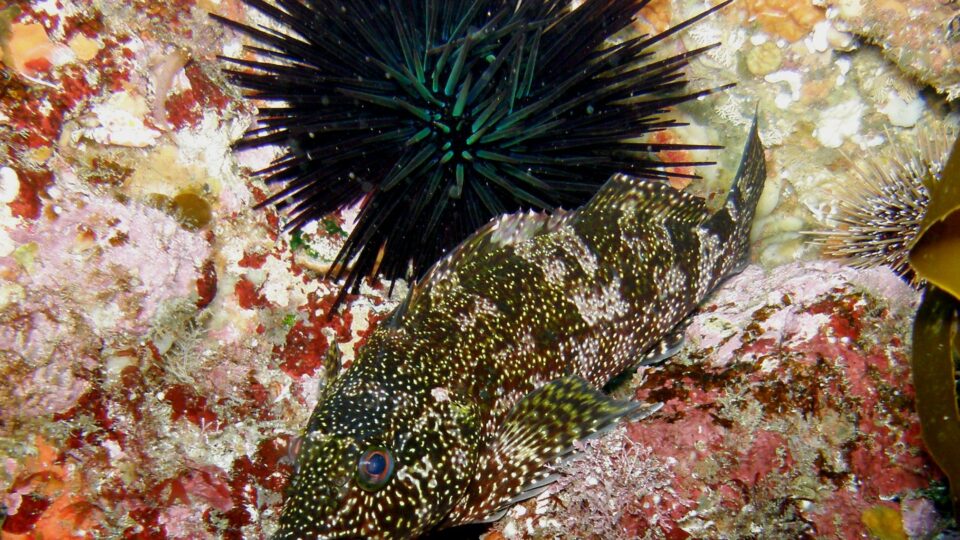
Sea urchins are already an environmental problem in many places around the world.  When their numbers increase disproportionately, they decimate kelp forests and algae, leading to the demise of other species that depend on these things for food or shelter.  The result is something called an urchin barren, which is a rocky, sandy, urchin-filled seafloor devoid of other life.

Urchin barrens are increasingly common in many places, including the east coast of Australia and the coastline in the Americas stretching from Nova Scotia to Chile.

In Australia, for example, sea urchin populations have multiplied, and their range has expanded considerably, overgrazing kelp and damaging abalone and lobster farms.

Tests run by the Sydney researchers found that it is difficult to stress sea urchins.  They appear to tolerate conditions that other creatures simply cannot.   The only real positive is that understanding the urchins’ remarkable survival abilities might offer insights into adaptations that other animals might need in order to survive as the oceans become warmer and more acidic.

**********

Web Links

Colonising sea urchins can withstand hot, acidic seas

Photo, posted January 31, 2010, courtesy of Anna Barnett via Flickr.

Earth Wise is a production of WAMC Northeast Public Radio.

Bidding ‘Adieu’ To Single-Use Plastics | Earth Wise

July 27, 2022 By EarthWise Leave a Comment

Since the 1950s, more than nine billion tons of plastic have been produced, and 50% of that has been during the past 15 years.  While there are some use cases for plastic that are important, it generally serves as the poster child of our throwaway culture.

Plastic pollution can be found everywhere on earth, from the top of the tallest mountains to the bottom of the deepest oceans.  It’s in our food, water, and air. 

By 2040, researchers predict that there will be nearly 90 million tons of plastic pollution entering the environment each year.  By some estimates, single-use plastics account for half of all our plastic waste.    

Many cities, states, and even countries are limiting or even banning single-use plastics.  Canada recently announced a ban on single-use plastics.  The ban includes things like plastic shopping bags, cups, cutlery, straws, stirrers, and take-out food containers.

The ban will phase in over the next several years, beginning with a ban on the manufacture and import of single-use plastics by the end of this year.  Sales of these items will be prohibited in 2023, and the export of plastics will cease by the end of 2025.  

Canada’s southern neighbor, the United States, leads the world in plastic waste generation.  While some states have approved single-use plastic reforms, most of the effort at the federal level has focused on improving recycling rates.  However, a recent report from several environmental organizations found that plastic recycling rates in the U.S. have actually declined in the last several years, from an already-dismal 8.7% to less than 6%.    

Suggesting the plastic waste problem can be solved with improved recycling rates is greenwashing the issue. 

**********

Web Links

Canada is banning single-use plastics, including grocery bags and straws

Photo, posted October 31, 2011, courtesy of Mara via Flickr.

Earth Wise is a production of WAMC Northeast Public Radio.

Bumblebees And Climate Change | Earth Wise

July 26, 2022 By EarthWise Leave a Comment

Pollinators, such as bees and bats, are vital for global food production.  They provide an ecological service that’s necessary for the reproduction of nearly 75% of the world’s flowering plants, including more than two-thirds of global food crops.

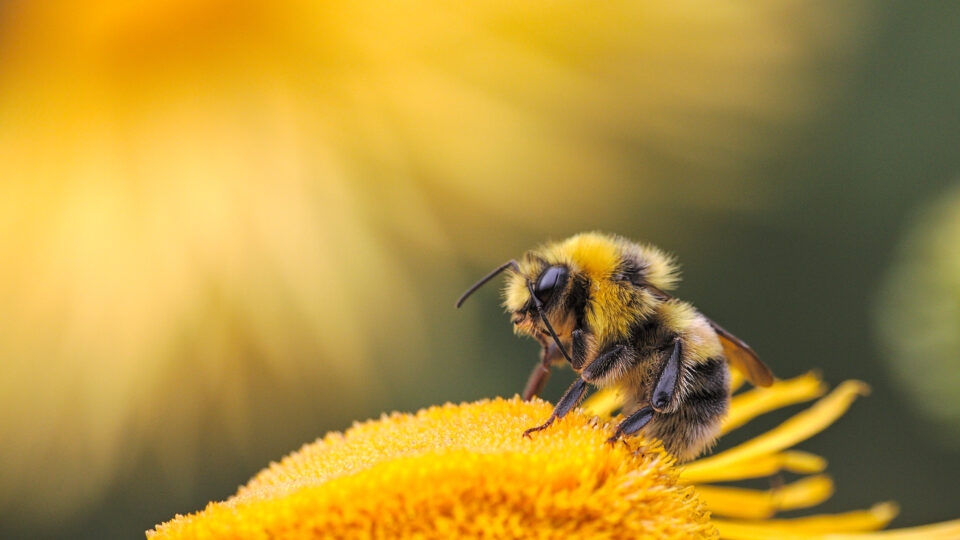
Bumblebees are among the most important plant pollinators.  They pollinate many food crops, including apples, tomatoes, blueberries and legumes, as well as countless types of trees, shrubs, and wildflowers.

According to a new study by researchers from Simon Fraser University in Canada, temperature changes have negatively impacted most bumblebee species during the past 120 years.  The research, which was recently published in the journal Biology Letters, found that these changes in temperature had more of a negative impact than other factors such as precipitation or floral resources. 

The research team analyzed existing data on 46 bumblebee species across North America between 1900 and 2020.  The researchers created two occupancy models – one that was focused on time and the other that focused on environmental factors – to see how climate change and land-use variables impacted species’ occupancy.  They found that six bumblebee species decreased through time, 22 increased, and 18 remained stable.

Temperature changes had primarily negative impacts on bumblebees.  In fact, 37 of the 46 species studied exhibited declines or less positive occupancy increases under observed changes in temperature when compared with temperatures remaining constant.  Approximately half of the bumblebee species were negatively impacted by changes in precipitation or floral resources while the other half were positively impacted.

Bumblebee populations are changing as a consequence of climate change. 

**********

Web Links

The American Bumblebee

Climate change negatively impacting bumble bees: Study

Photo, posted July 14, 2019, courtesy of Dmitry Grigoriev via Flickr.

Earth Wise is a production of WAMC Northeast Public Radio.

A Better Way To Recycle Plastic | Earth Wise

July 25, 2022 By EarthWise Leave a Comment

Researchers are developing a better way to recycle plastic

The current state of plastic recycling is not very effective.  Plastic recycling is only able to replace 15-20% of the fossil-fuel-derived raw material needed to produce society’s demand for plastic.

Researchers at Chalmers University in Sweden have now demonstrated how the carbon content in mixed waste could be used to replace all of the fossil raw materials in the production of new plastic.  In principle, their technology could completely eliminate the climate impact of plastic materials.

According to the researchers, there are enough carbon atoms in waste to meet the needs of all global plastic production.

The Chalmers process is based on thermochemical technology and involves heating waste to 1100-1500 degrees Fahrenheit.  The waste is thereby vaporized and when hydrogen is added, becomes a carbon-based substance that can replace the fossil-fuel building blocks of plastic.  The method does not require sorting the waste materials.  Different types of waste, such as old plastic products and even paper cups, with or without food residues, can be fed into the recycling reactors.  The researchers are now developing the techniques required to utilize their recycling technology in the same factories in which plastic products are currently being made from fossil oil or gas.

The principle of the process is inspired by the natural carbon cycle in which plants break down into carbon dioxide when they wither and die, and then photosynthesis uses carbon dioxide and solar energy to grow new plants.

Producing new plastics would no longer require petroleum or other fossil fuels as raw materials.  If the energy needed to drive the recycling reactors is taken from renewable sources, plastics could become the basis of a sustainable and circular economy.

**********

Web Links

Pioneering recycling turns mixed waste into premium plastics with no climate impact

Photo, posted August 10, 2013, courtesy of Lisa Risager via Flickr.

Earth Wise is a production of WAMC Northeast Public Radio.

Less Phytoplankton In The Gulf Of Maine | Earth Wise

July 20, 2022 By EarthWise Leave a Comment

The Gulf of Maine is changing

Phytoplankton, also known as microalgae, are the base of the marine food web and also play a key role in removing carbon dioxide from the air.  They are eaten by primary consumers like zooplankton, small fish, and crustaceans. 

Phytoplankton, like land plants, absorb carbon dioxide from the atmosphere and use photosynthesis to grow.  Then they become a food source for other organisms and ultimately for people who depend upon marine ecosystems.   If phytoplankton productivity is disrupted, there can be adverse effects on regional fisheries and the communities that depend on them.

The Gulf of Maine is becoming warmer and saltier, because of ocean currents pushing warm water into the gulf from the Northwest Atlantic.  These temperature and salinity changes have led to a significant decrease in the productivity of phytoplankton.   According to a new paper from scientists at Bigelow Laboratory of Ocean Sciences in Maine, phytoplankton are about 65% less productive in the gulf than they were 20 years ago.

The study’s results come from the analysis of the Gulf of Maine North Atlantic Time Series, a 23-year sampling program of the temperature, salinity, chemical, biological, and optical measurements of the gulf.  The scientists refer to what they describe as a giant windmill effect happening in the North Atlantic, which is changing the circulation of water coming into the Gulf of Maine.  In the past, inflows from the North Atlantic brought water from the Labrador Current, which made the gulf cooler and fresher.  The new circulation is making the water warmer and saltier.

These changes have significant implications for higher marine species, fisheries, the lobster industry, and other activities in the states that border the Gulf of Maine.

**********

Web Links

NASA-funded Study: Gulf of Maine’s Phytoplankton Productivity Down 65%

Photo, posted November 15, 2015, courtesy of Paul VanDerWerf via Flickr.

Earth Wise is a production of WAMC Northeast Public Radio.

Feeding Cows Seaweed | Earth Wise

July 15, 2022 By EarthWise Leave a Comment

When cows digest their food, they burp, and when they burp, they release methane.  This is called enteric methane and it’s a real problem.  A single cow belches out 220 pounds of methane each year, which is the greenhouse gas equivalent of burning over 900 gallons of gasoline.  That’s more than the average car uses in a year.

Several studies have shown that feeding cows seaweed has the potential to substantially reduce the amount of methane in cow burps.  The latest comes from a trial that took place at the Straus Family Creamery, an organic dairy producer in Marin County, California.

The trial used a new seaweed-derived feed additive called Brominata.  Brominata is made of a red seaweed called Asparagopsis taxiformis.  The addition of the seaweed to the cows’ diets on the Straus farm resulted in an 52% average reduction in enteric methane emissions.  One cow in the study showed a reduction of 92%.

Cutting enteric methane emissions in half would be a huge improvement that would be quite difficult to achieve by convincing enough people to reduce meat and dairy consumption.

The California Air Resources Board has identified feed additives as an emissions-reduction strategy for the dairy industry.  There are now some synthetic feed additives that have been developed that reduce enteric methane, but they haven’tyet  received FDA approval for use in the U.S.  Brominata has been approved as Generally Regarded as Safe by the California Food and Drug Administration.  Whether it and similar seaweed-based feeds can be produced in sufficient quantity and without adverse environmental effects remains to be seen.  But it is an intriguing approach to solving a complicated problem.

**********

Web Links

Feeding Cows Seaweed Reduces Their Methane Emissions, but California Farms Are a Long Way From Scaling Up the Practice

Photo, posted November 10, 2015, courtesy of Lance Cheung/USDA via Flickr.

Earth Wise is a production of WAMC Northeast Public Radio.

Reshaping Our Planet | Earth Wise

July 12, 2022 By EarthWise Leave a Comment

Human activity is changing the planet

Human activity – especially agriculture – has altered 70% of the land on our planet.  According to a new report from the United Nations, damage to the Earth’s lands has put the planet on “crisis footing”.

Our health, our economy, and our well-being depend on land.  The food we eat, the water we drink, and the air we breathe all rely on status of the land to at least some extent.

According to the report, up to 40% of the planet’s land is already degraded, affecting half of the people alive today.  At current rates, an additional area nearly the size of South America will be degraded by 2050.

Degradation of land occurs in various ways, including deforestation, desertification, and the loss of wetlands or grasslands.  All of these things are caused by human activities.  As forests, savannas, wetlands, and mangrove swamps are converted to agriculture or are lost to urban expansion, greenhouse gas emissions rapidly increase, adding to the effects of climate change.  The climate crisis, biodiversity loss, and land degradation are integrally linked.

Much of the blame for degraded landscapes is on humanity’s ever-expanding need for food and the modern farming systems that produce it.  The global food system is responsible for 80% of the world’s deforestation, 70% of freshwater use, and is the greatest driver of land-based biodiversity loss.  Modern agriculture has altered the face of the planet more than any other human activity.

The report urges efforts at restoration of land.  Restoration can take multiple forms, including planting forests and shrubs or grazing livestock and growing crops between trees instead of clearing existing forests.

**********

Web Links

UN Report Says Humanity Has Altered 70 Percent of the Earth’s Land, Putting the Planet on a ‘Crisis Footing’

Photo, posted June 20, 2010, courtesy of Nicholas A. Tonelli via Flickr.

Earth Wise is a production of WAMC Northeast Public Radio.

  • « Go to Previous Page
  • Page 1
  • Interim pages omitted …
  • Page 4
  • Page 5
  • Page 6
  • Page 7
  • Page 8
  • Interim pages omitted …
  • Page 18
  • Go to Next Page »

Primary Sidebar

Recent Episodes

  • An uninsurable future
  • Clean energy and jobs
  • Insect declines in remote regions
  • Fossil fuel producing nations ignoring climate goals
  • Trouble for clownfishes

WAMC Northeast Public Radio
WAMC/Northeast Public Radio is a regional public radio network serving parts of seven northeastern states (more...)
Copyright © 2026 ·